Elvis Presley’s Life in Photos, From Tupelo to Graceland

Uncredited / Wikimedia Commons, Public domain (cropped)
Elvis Presley’s story stretches from a small Mississippi house to some of the most recognizable stages, screens, and rooms in American culture. This gallery follows that journey in chronological order.
The milestones come from Graceland, the U.S. Army, the National Archives, the Library of Congress, the National Park Service, and other cultural institutions.
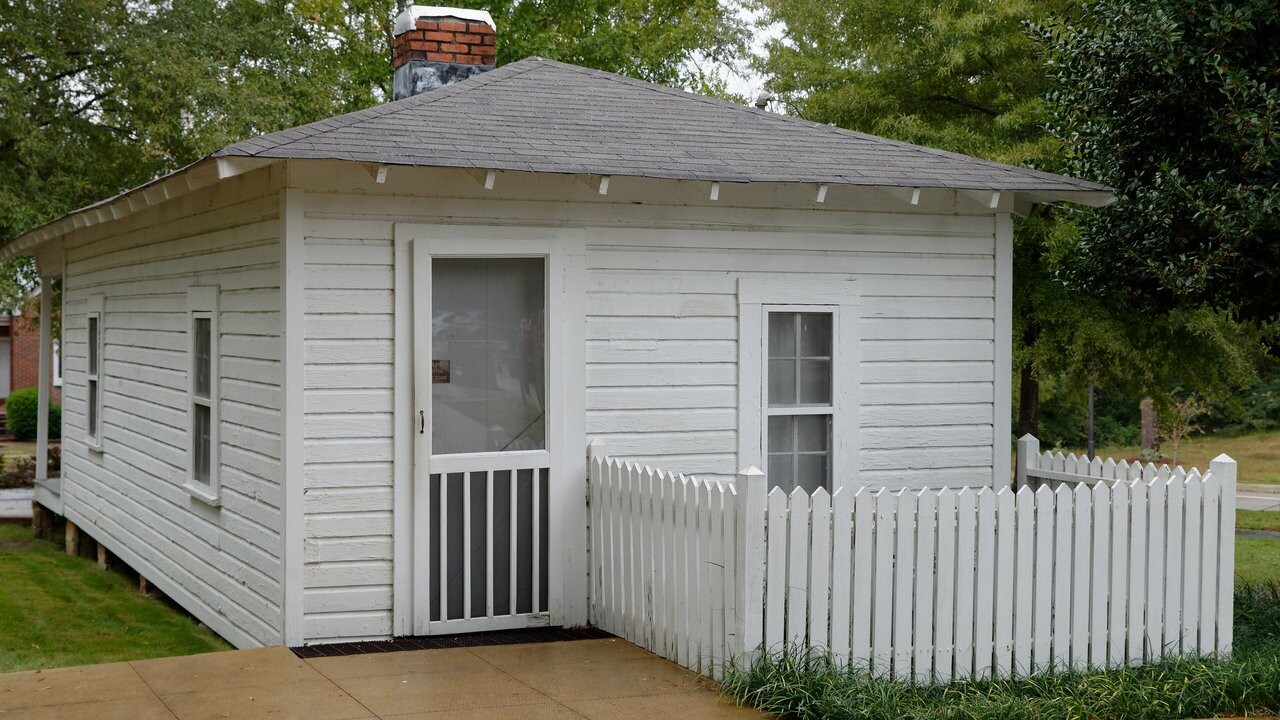
1935: A Two-Room Beginning in Tupelo
Elvis Aaron Presley was born on January 8, 1935, in a two-room house in Tupelo, Mississippi. His father, Vernon, and an uncle built the house. The humble birthplace makes the distance between his beginnings and later fame feel especially vivid.
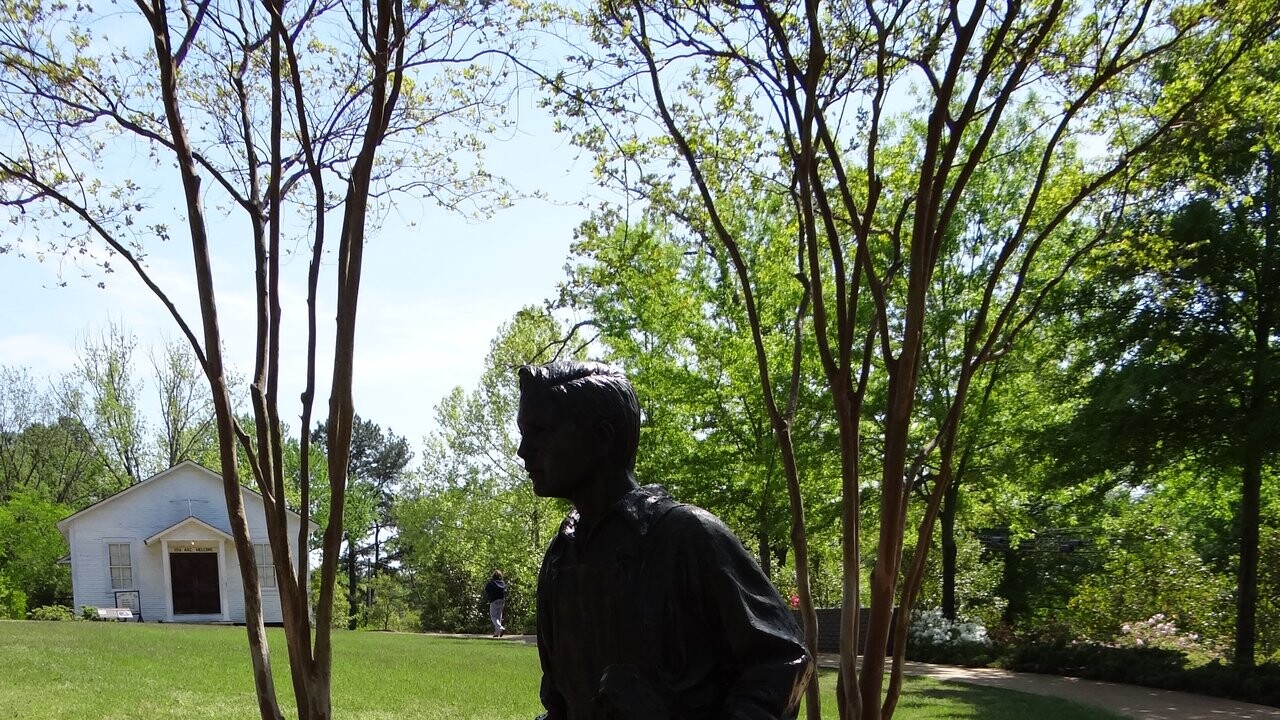
1945–1946: A Contest and a First Guitar
At age 10, Elvis stood on a chair and sang “Old Shep” at a youth talent contest in Tupelo. His first guitar, purchased at the Tupelo Hardware Company in 1946, cost $12.95. These early moments placed singing and playing at the center of his childhood.
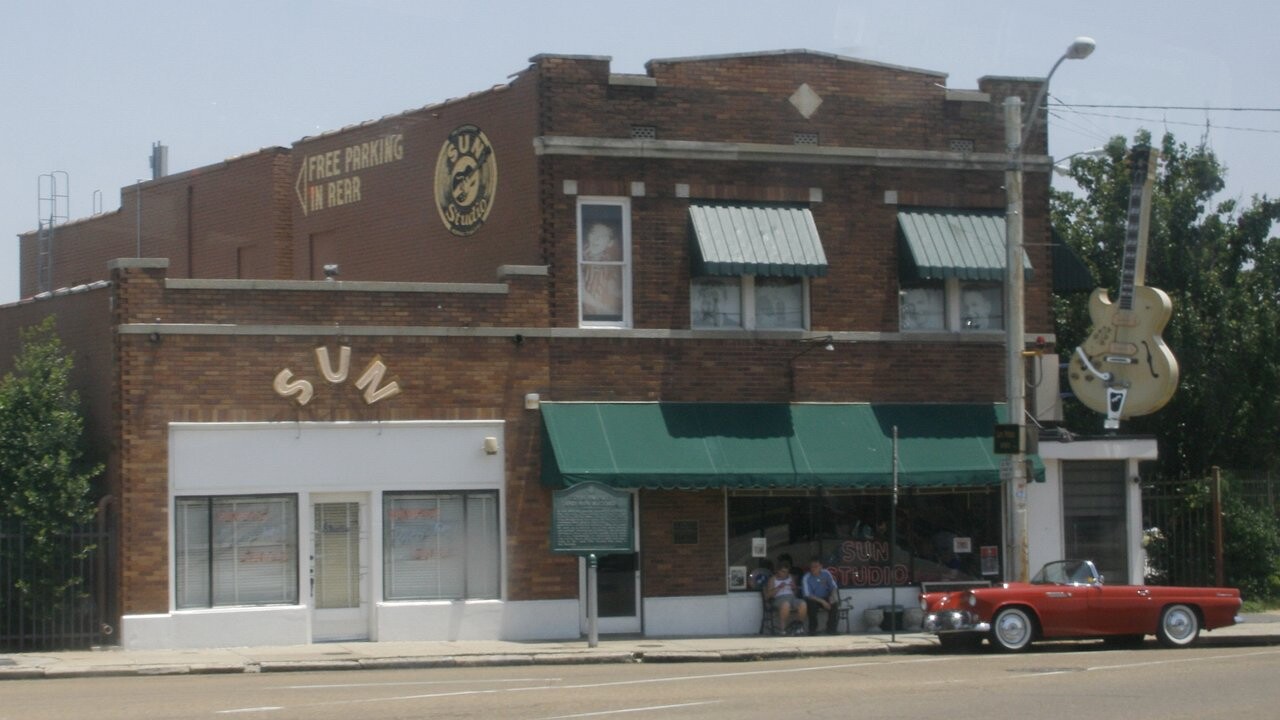
1948–1953: The Family Moves to Memphis
Elvis moved to Memphis with his parents at age 13 and graduated from Humes High School in 1953. That summer, he visited the Memphis Recording Service, home of the Sun label, and made a demo acetate. The teenager was beginning to find his place in the city’s musical world.
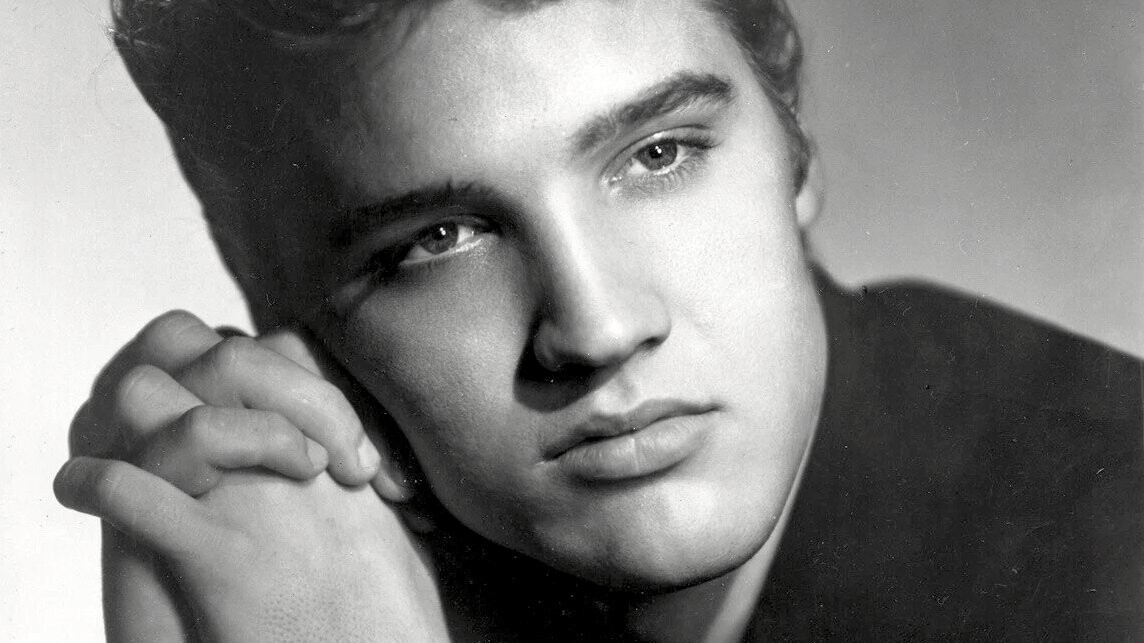
1954: “That’s All Right” at Sun
On July 5, 1954, Elvis recorded “That’s All Right” with guitarist Scotty Moore and bassist Bill Black. Paired with “Blue Moon of Kentucky,” the song became the first of five early Elvis singles recorded and released by Sun. A distinctive new sound was taking shape in Memphis.
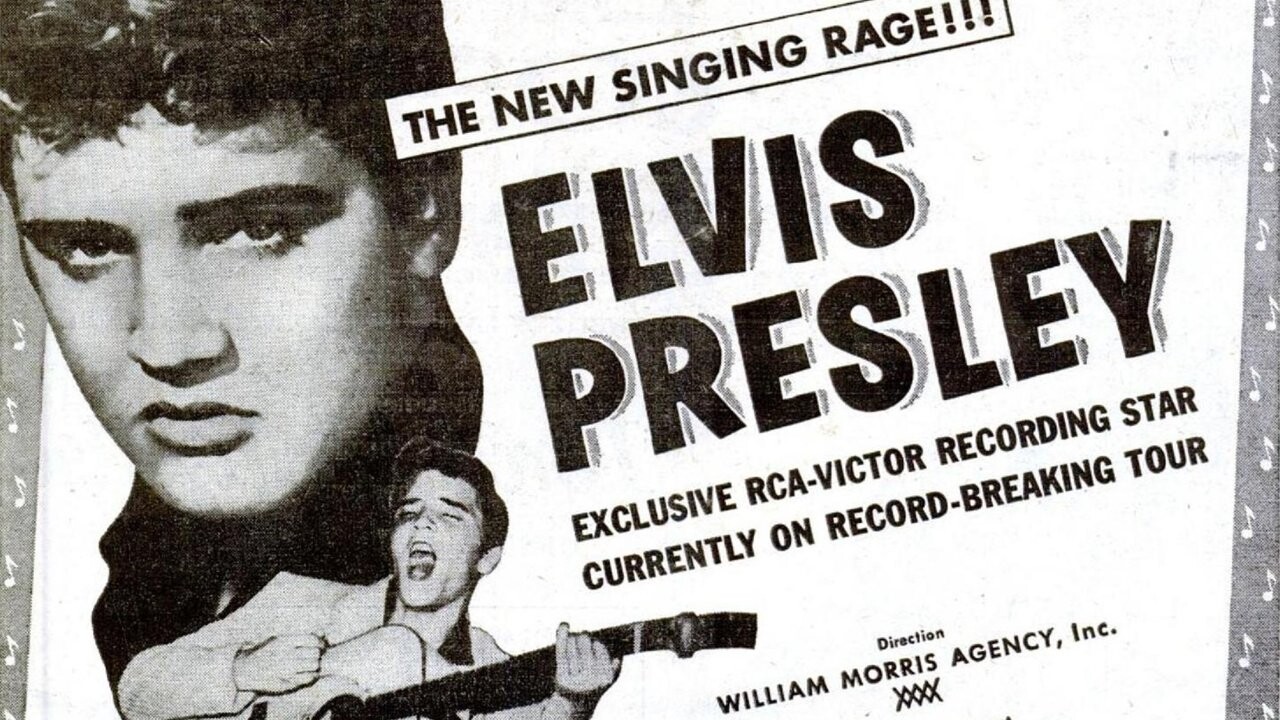
1955–1956: RCA and “Heartbreak Hotel”
Elvis signed his first RCA Records contract on November 20, 1955. RCA released “Heartbreak Hotel” on January 27, 1956. The single sold more than one million copies and earned his first gold record, carrying the young Memphis singer into the national mainstream.
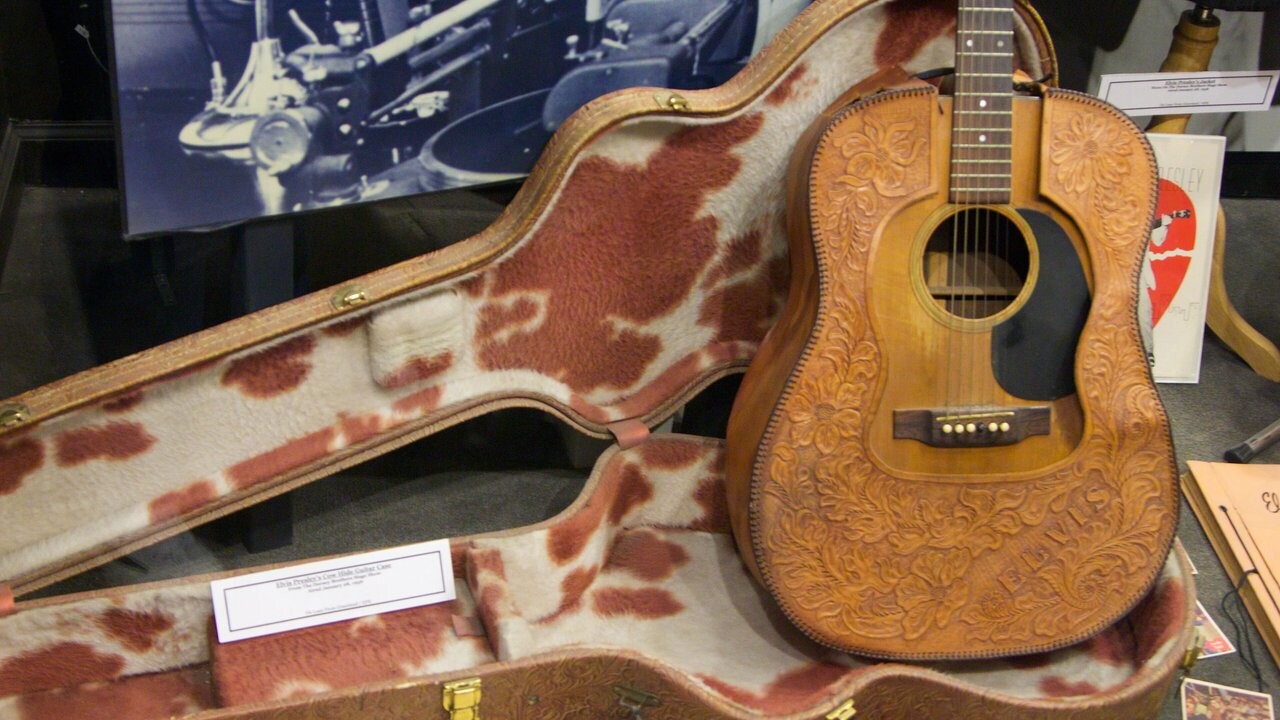
1956: His Network Television Debut
Elvis made his first network television appearance on January 28, 1956, on the Dorsey brothers’ “Stage Show.” He appeared five more times during the following weeks. Television gave audiences across the country a shared view of the voice, movement, and presence behind his rising fame.
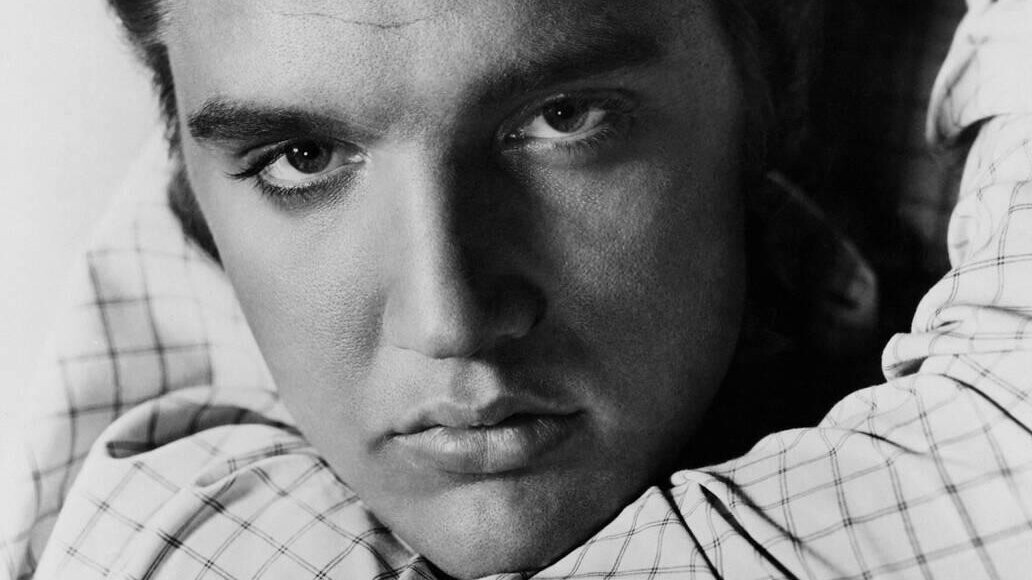
1956: “Love Me Tender” Opens
“Love Me Tender” opened in New York on November 15, 1956, and marked Elvis’s screen debut. The Civil War-era drama introduced movie audiences to another side of the singer: a young actor performing songs within a story. Films would soon occupy a substantial part of his career.
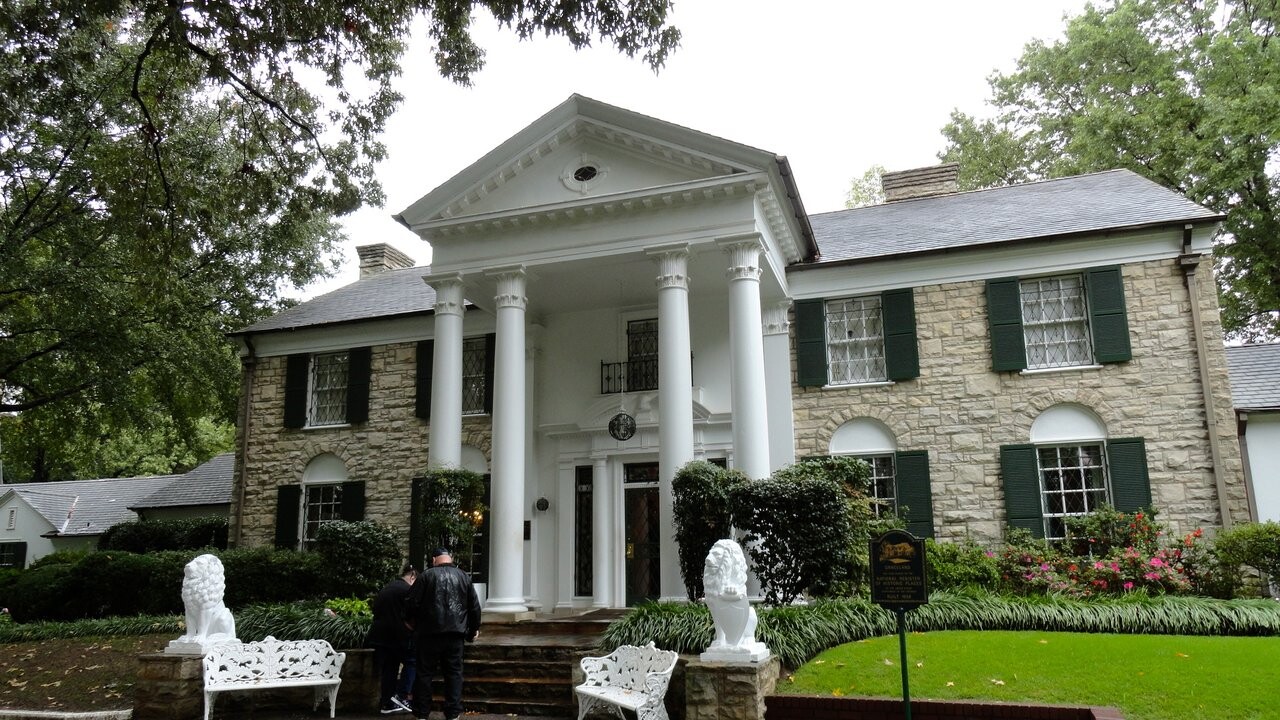
1957: Elvis Buys Graceland
Elvis bought Graceland on March 25, 1957, for $102,500. His parents and grandmother moved into the house on May 16 while he continued filming “Jailhouse Rock.” The white-columned Memphis mansion became a family home and one of the places most closely associated with his life.
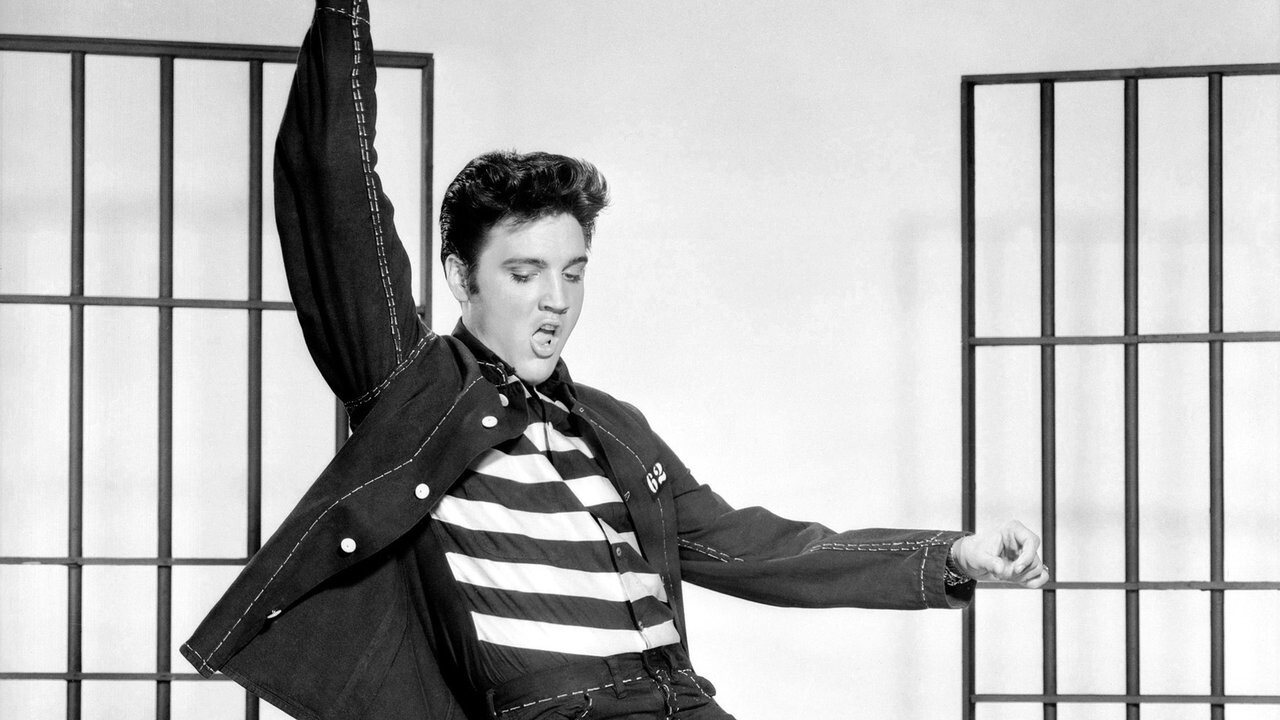
1957: The “Jailhouse Rock” Image
Released in 1957, “Jailhouse Rock” was Elvis’s third picture. Its title sequence placed him before a stylized cellblock and created one of his defining screen images. In 2004, the Library of Congress added the film to the National Film Registry.
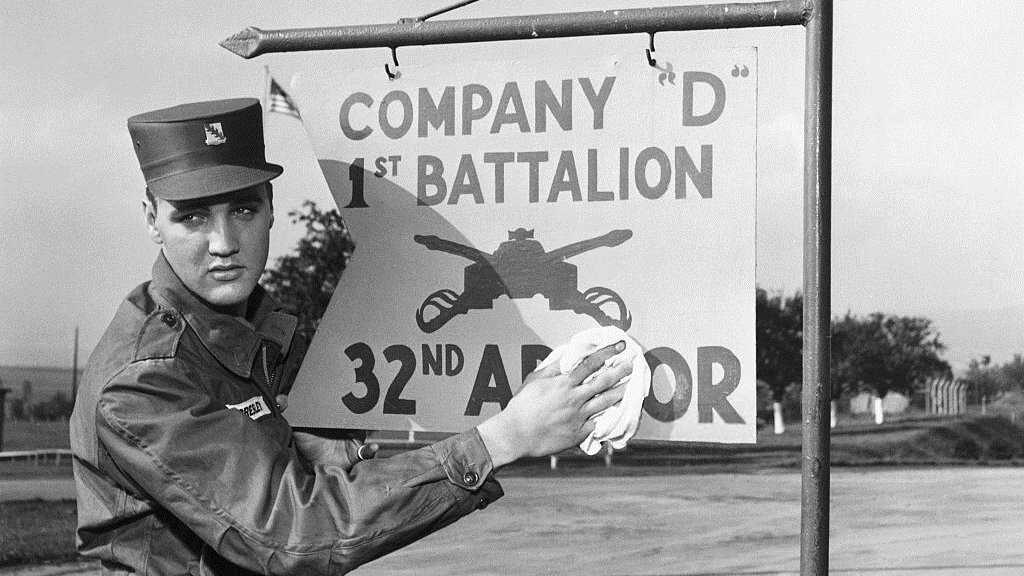
1958–1960: Military Service in Germany
Elvis served in Germany from October 1, 1958, until March 2, 1960, with the 1st Medium Tank Battalion, 32d Armor. Stationed at Friedberg, he maintained an off-base residence in nearby Bad Nauheim. Photographs from the period capture the unusual overlap between military duty and global celebrity.
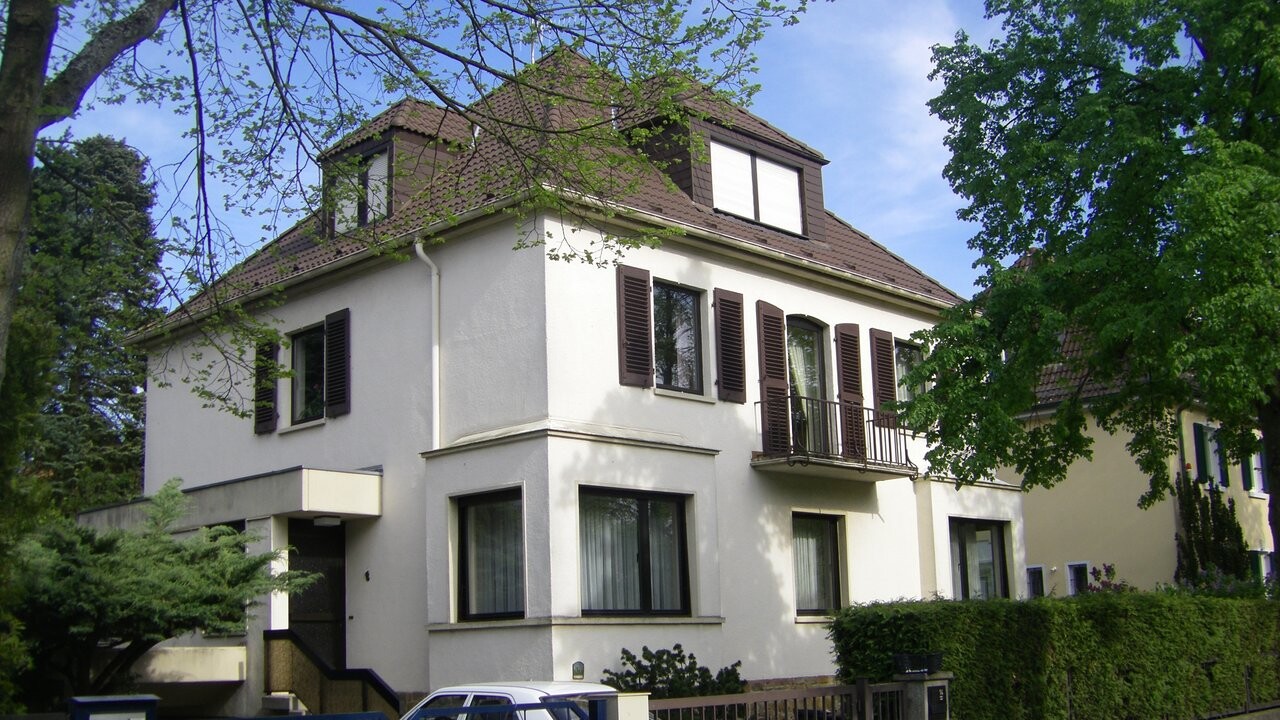
1959: Meeting Priscilla in Bad Nauheim
Elvis met Priscilla Beaulieu through a mutual friend in Germany on September 13, 1959. She was invited to a party at his Bad Nauheim home. Their meeting began a relationship that would eventually bring marriage, a daughter, and another closely watched chapter in the story of Graceland.
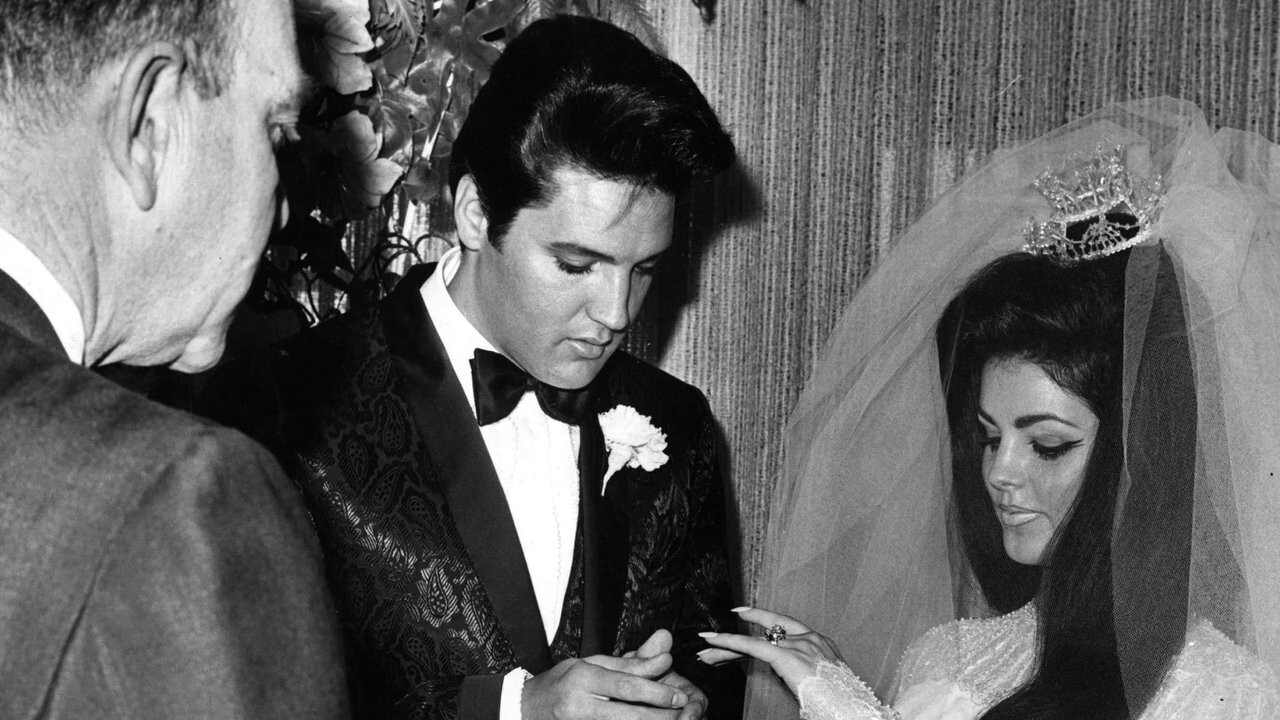
1967: Elvis and Priscilla Marry
Elvis and Priscilla married on May 1, 1967, in a private ceremony at the Aladdin Hotel in Las Vegas. On May 29, they wore their wedding clothes for a second reception at Graceland, where relatives and friends who had missed the Nevada ceremony could join the celebration.
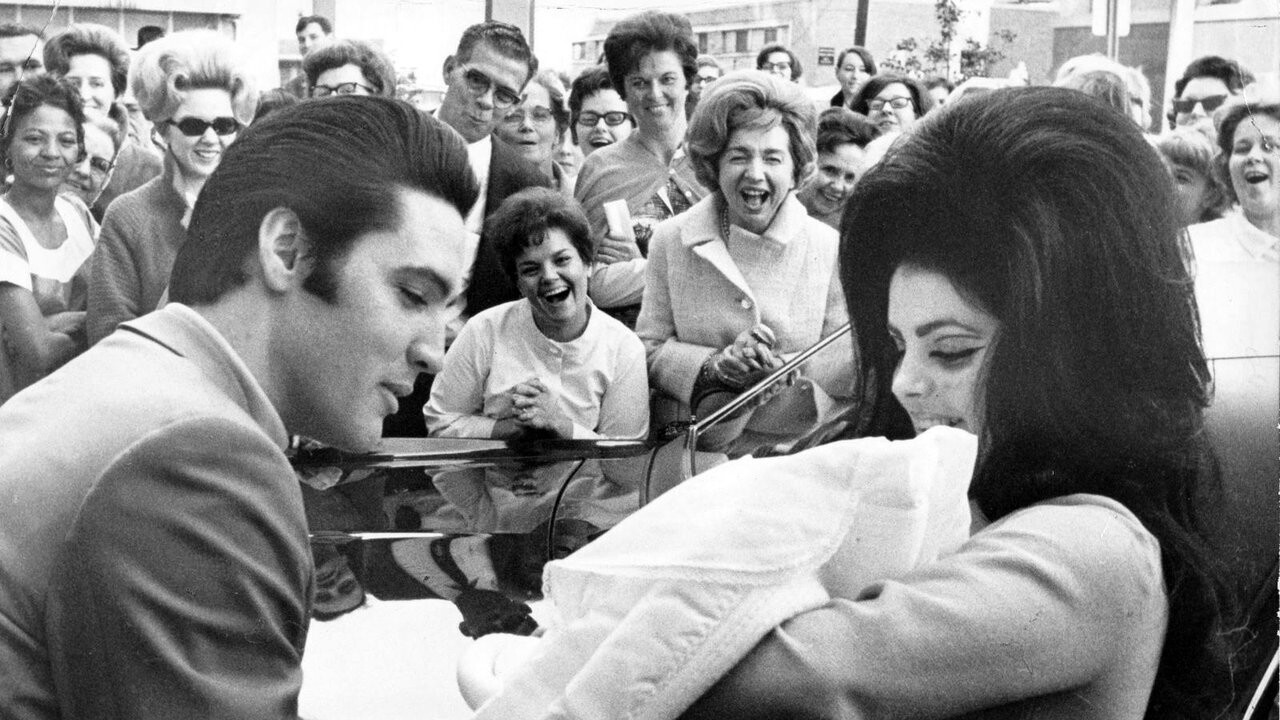
1968: Lisa Marie Joins the Family
Lisa Marie Presley was born on February 1, 1968. Family photographs from this period show Elvis and Priscilla settling into their new roles as parents. Her arrival added a deeply personal chapter to Graceland’s history and carried the Presley family story into another generation.
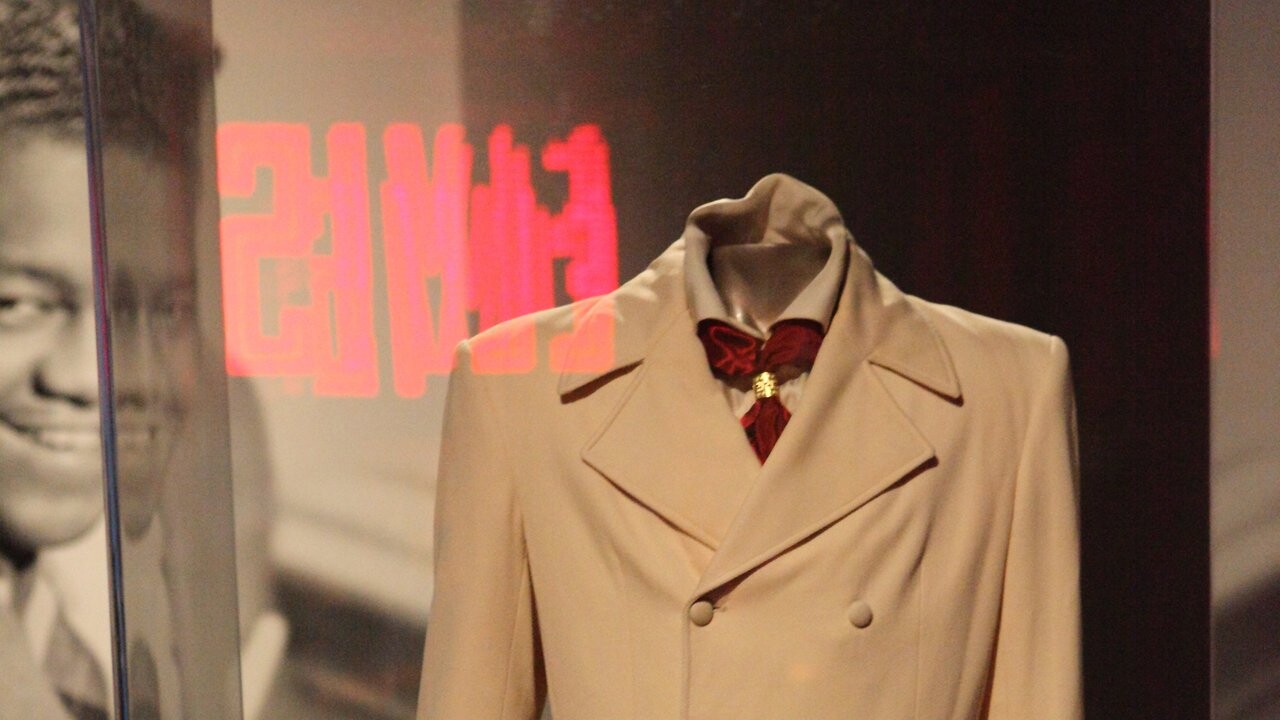
1968: The Comeback Special
Elvis returned to television with a special broadcast on December 3, 1968. Commonly known as the Comeback Special, the program redirected attention toward Elvis as a live performer after years dominated by Hollywood productions. Its images remain among the most recognizable of his career.
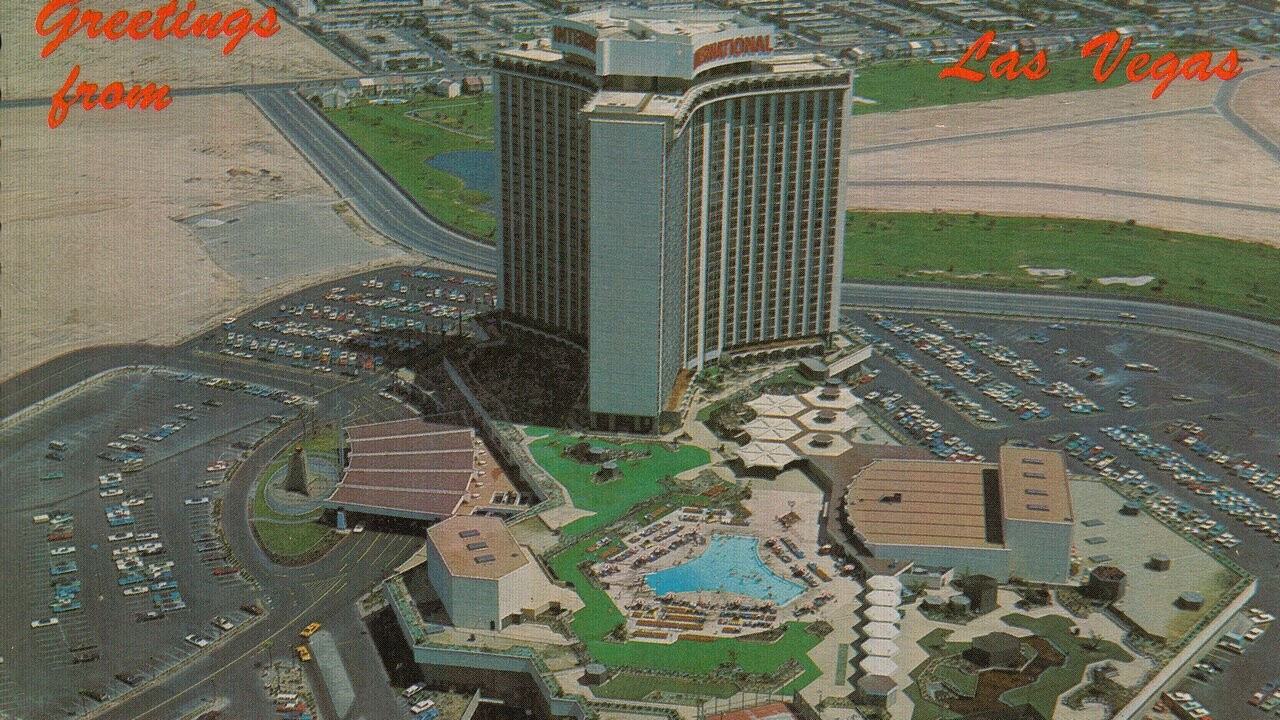
1969: Back to the Concert Stage
From July 31 through August 28, 1969, Elvis played a four-week, 57-show engagement at the International Hotel in Las Vegas. His ensemble included rock musicians, an orchestra, and gospel and soul backing groups. The run opened a busy new period of live performance.
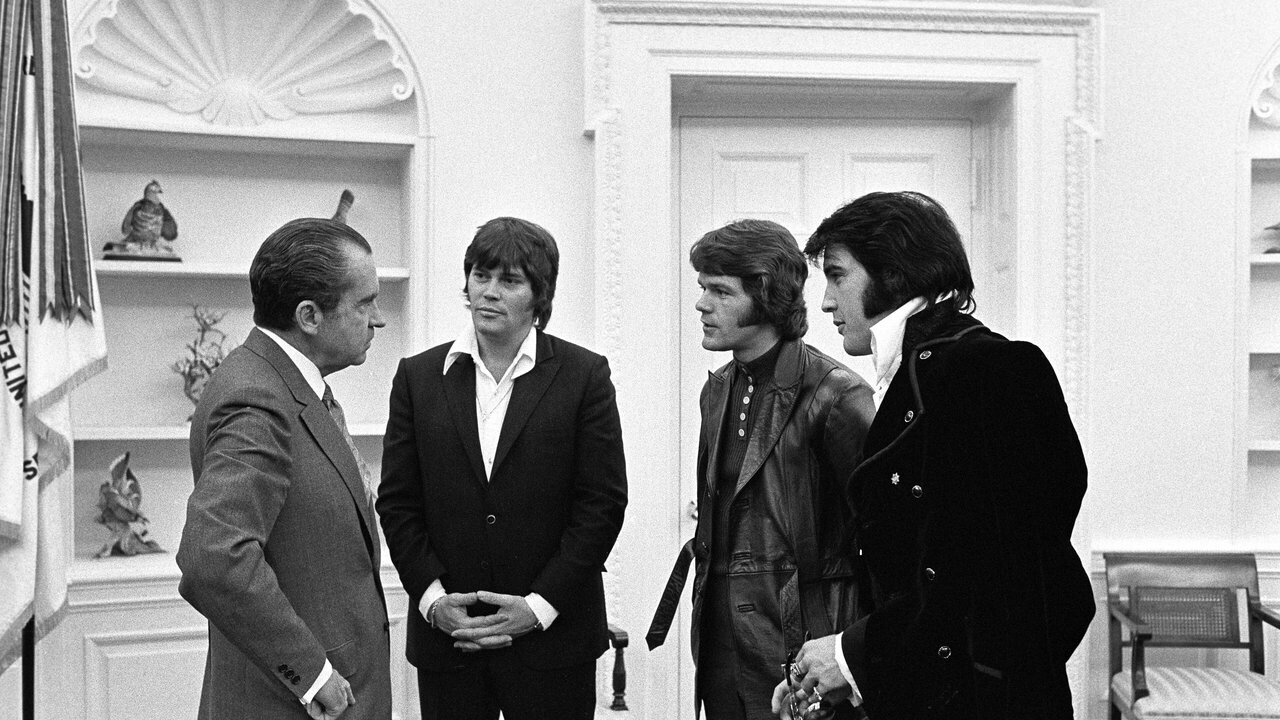
1970: Elvis Writes to President Nixon
On December 21, 1970, Elvis personally delivered a five-page letter to the White House. Written on American Airlines stationery, it requested a meeting with President Richard Nixon. The episode produced an enduring intersection of popular culture and presidential history, later preserved in records and photographs at the National Archives.
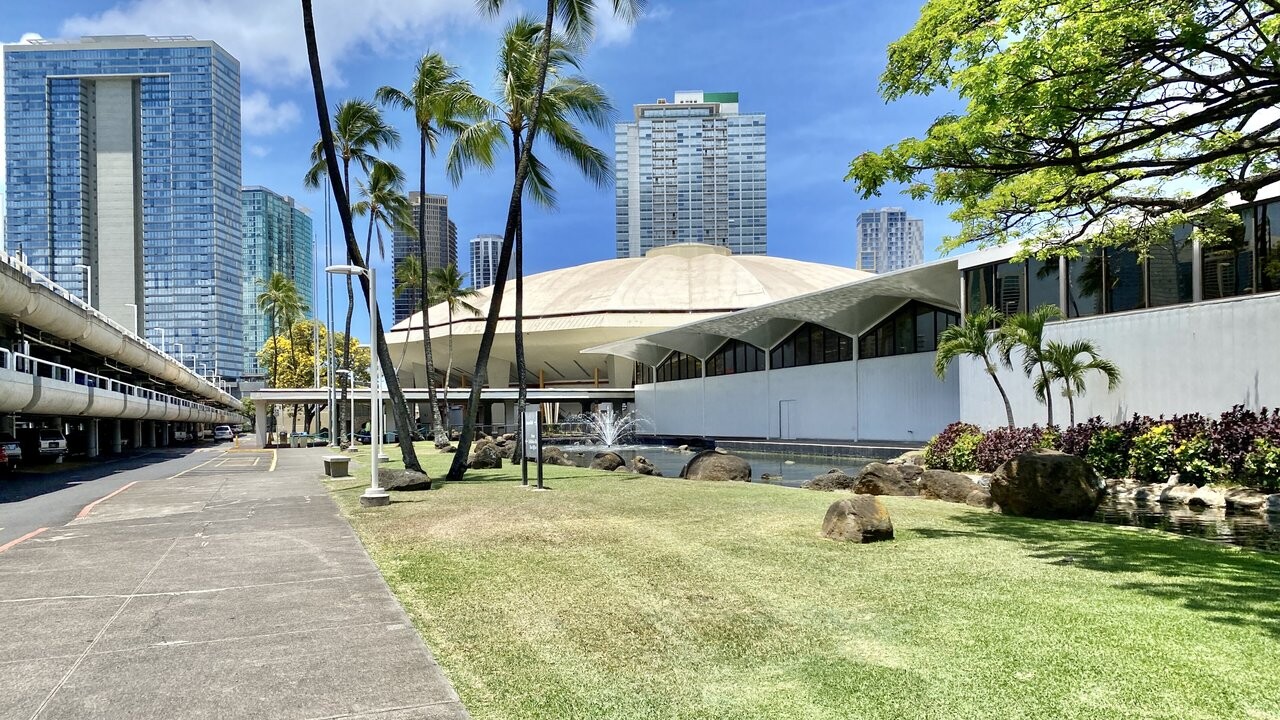
1973: “Aloha From Hawaii”
Elvis recorded his “Aloha from Hawaii” concert in Honolulu in January 1973 for a 90-minute NBC television special. The concert drew 6,000 people and was transmitted internationally by satellite. Its ambitious production reflected the scale of the performances and broadcasts that defined his later career.
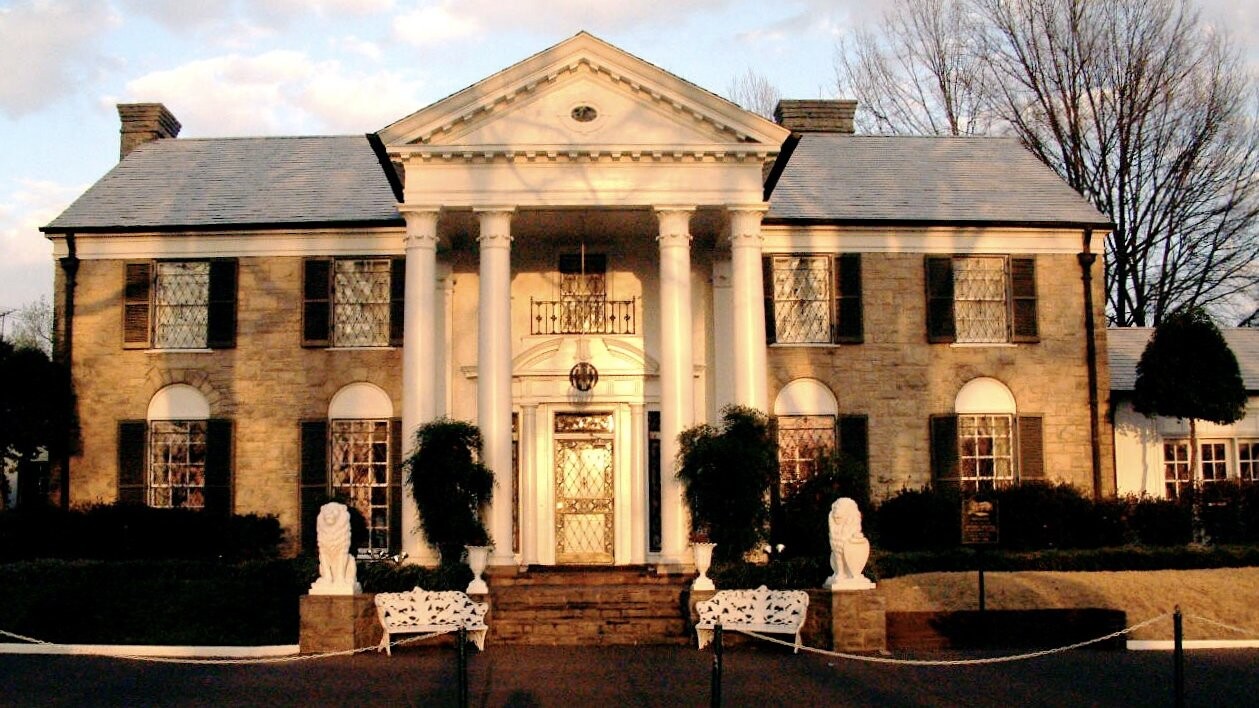
Graceland and an Enduring Legacy
Graceland became a National Historic Landmark in 2006. Elvis entered the Rock & Roll Hall of Fame in 1986, and the Recording Academy credits him with three Grammy wins. His journey from Tupelo to Memphis continues to resonate through recordings, films, photographs, and the places connected to his life.
These images preserve the many faces of Elvis, from a boy with a guitar to an enduring figure in American culture. Which part of his story or music do you remember best?
Follow The HyperHive on MSN for more stories like this.
Sources:






