How Rotary Phones Turned a Dial Into a Number

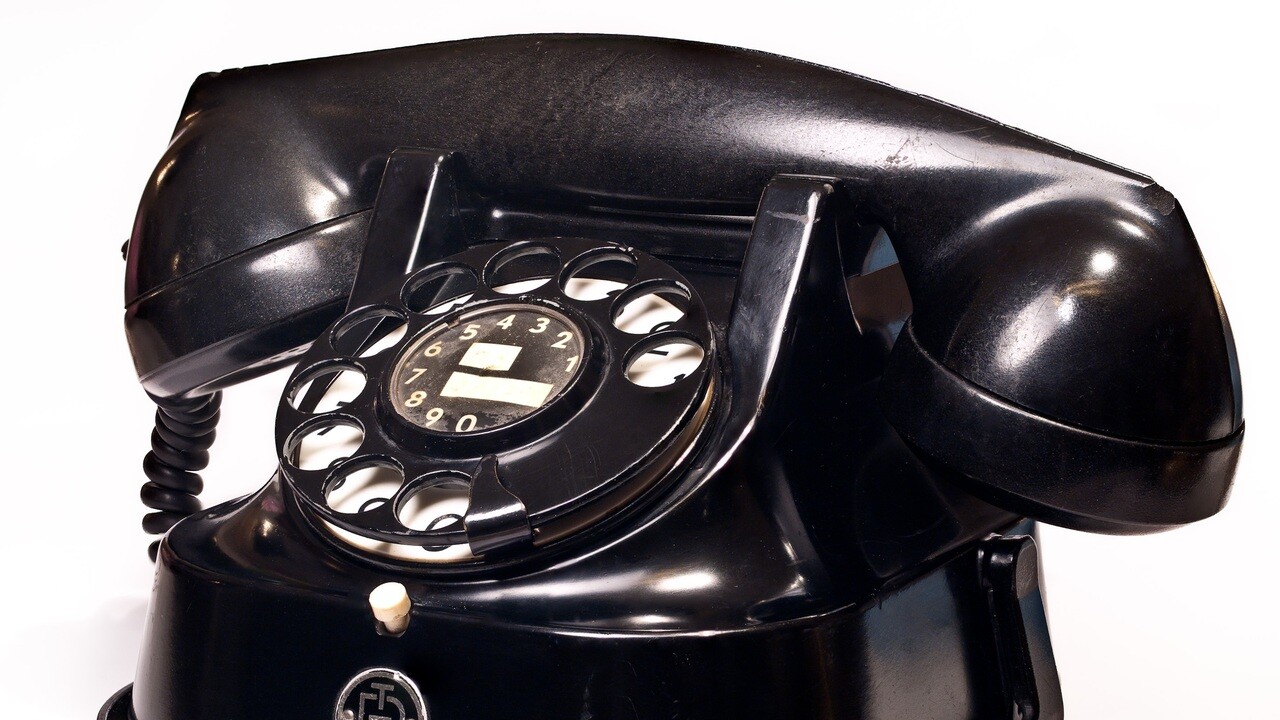
Windmemories / Wikimedia Commons, CC BY-SA 4.0 (cropped)
A rotary phone turned the distance traveled by its dial into a timed sequence of electrical interruptions. After the caller pulled the finger wheel to a digit and released it, a switch repeatedly interrupted the telephone-line current during the dial’s return. The exchange interpreted that pulse sequence as the selected digit.
Repeating the motion for each digit assembled a complete telephone number. The forward turn selected the code, but the controlled return did the signaling work.
The Return Turned Motion Into a Signal
The caller’s hand moved the dial away from its resting position. Releasing it allowed the mechanism to return through a distance determined by the selected hole. That return produced the electrical pattern sent along the line.
The Chemnitz Museum of Industry describes the essential sequence: the caller releases the dial, and a pulse mechanism transmits the number. A U.S. patent describing telephone calling equipment is more explicit that impulses were produced during the return movement.
This separation mattered. The caller could pull the dial around at a comfortable pace, but the signaling occurred as the mechanism came back. Each digit therefore became a repeatable pulse train rather than an attempt to measure the speed of someone’s finger.
What the Familiar Clicks Meant
The Diefenbunker Museum explains the electrical side of the process: pulse dialing temporarily interrupted the current flowing through the telephone line. The breaks could be heard as the familiar series of clicks associated with a turning dial.
Those clicks were not the number traveling as sound. They reflected the switching action that formed the code. The rapid pulses indicated the intended number to the local exchange, which could use the sequence to continue setting up the call.
A full telephone number was therefore a group of separate pulse trains. The pause while the dial returned also gave each digit a natural boundary before the caller selected the next one.
Why Zero Took the Long Way Around
Different dial positions produced different pulse patterns. On the American equipment described in the cited patent, zero was the special case at the far end of the dial: its return generated ten impulses.
The patent says the zero position involved eleven mechanical intervals, with impulses produced during the first ten intervals of the return. That helps explain why dialing zero took noticeably longer than selecting a digit close to the dial’s resting point.
In practical terms, the mechanism converted distance into count and count into a digit. It was a simple decimal code carried by changes in current rather than by spoken instructions or musical tones.
From Switchboards to Self-Dialing
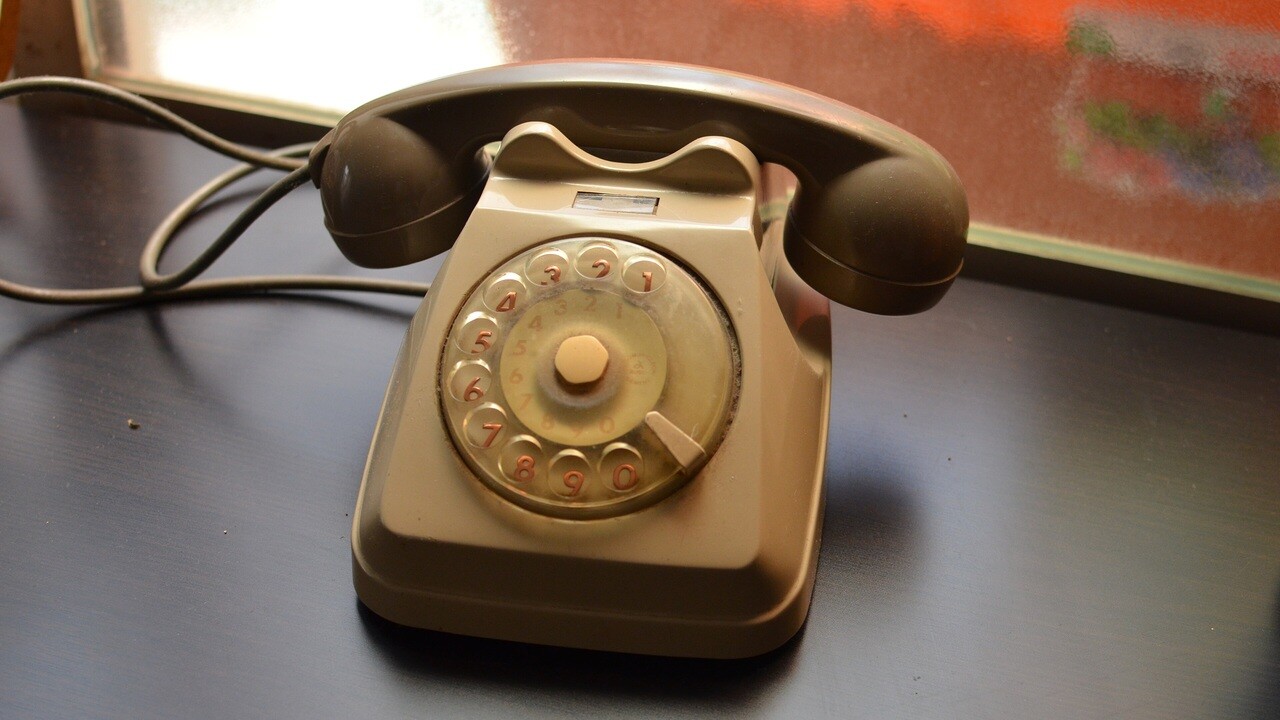
Rotary dialing belonged to a larger change in telephone service. The Chemnitz Museum of Industry describes the rotary telephone as a self-connection apparatus. Instead of telling an operator the desired number, a caller could enter the routing information through the dial.
The underlying idea was nevertheless important: the telephone became an input device as well as an instrument for conversation. A person’s repeated turns of the dial supplied information that switching equipment could recognize.
One Dial Was Not Every Dial
The Chemnitz artifact is a particular German example: a W28 associated with Siemens & Halske in Berlin. Its layout and history should not automatically be treated as a guide to every rotary telephone used elsewhere.
Likewise, the ten-impulse zero described in the U.S. patent is evidence for that American technical convention. It should not be used to claim that every country’s numbering, lettering, exchange procedures, or dial arrangement was identical.
The cited records also explain historical equipment, not universal present-day compatibility. They do not establish that any preserved rotary telephone can place calls through every current network or adapter. That is a separate question for the particular line and equipment involved.
The rotary dial made a telephone number physically tangible, translating each measured return into a code the exchange could understand. Do you remember the sound or rhythm of dialing a number this way?
Follow The HyperHive on MSN for more stories like this.
Sources:






