
Cabooses disappeared from most freight trains because railroads no longer needed one car and a rear-end crew to perform a bundle of separate jobs. Automatic air brakes reduced hand braking, trackside detectors watched for defects, computers changed paperwork, end-of-train telemetry reported brake conditions, and labor agreements changed crew arrangements.
No single gadget caused the change. In particular, it is misleading to credit the change to a flashing rear light alone. The historical record instead points to a coordinated shift in braking, detection, records, and staffing.
The Caboose Was a Working Office
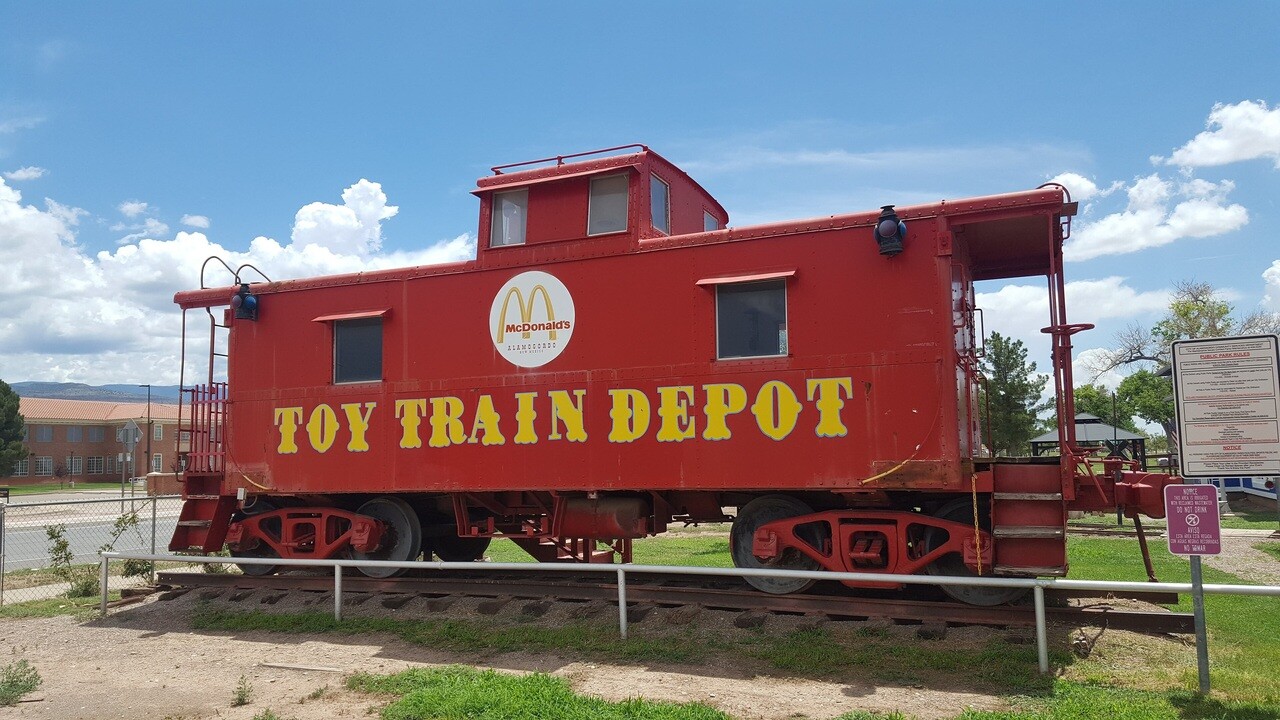
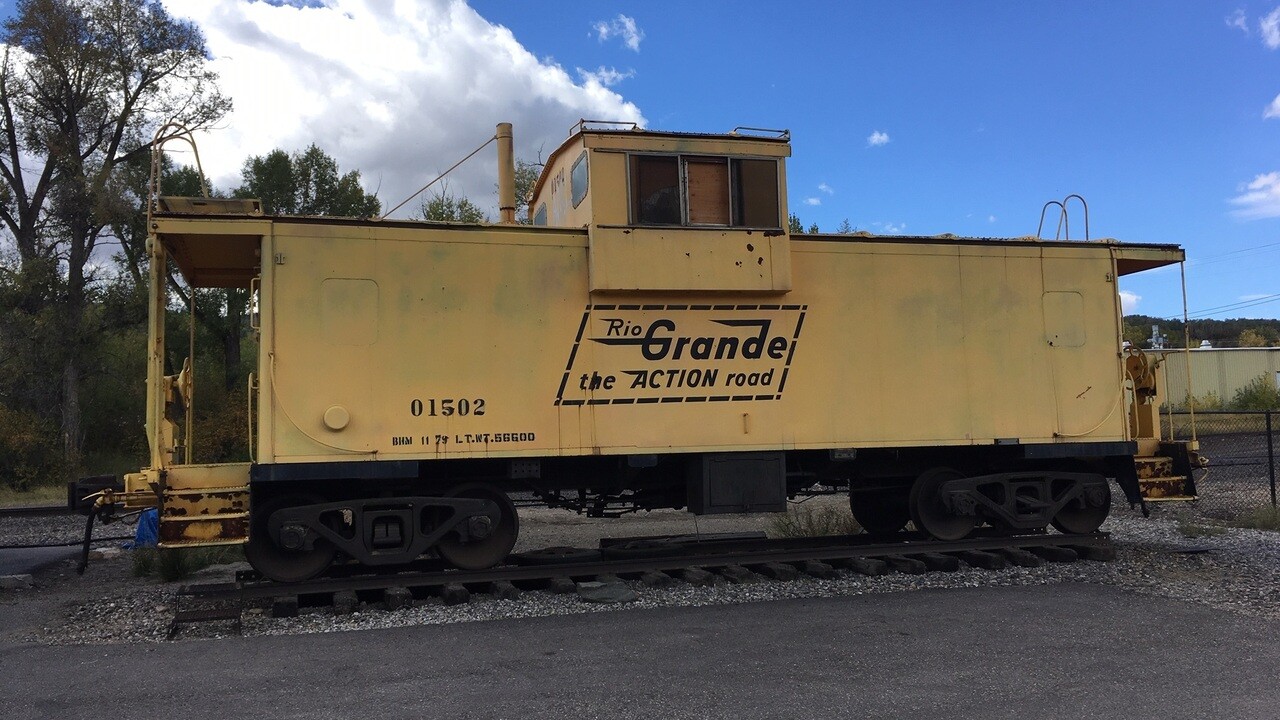
Union Pacific cautions that the origins of both the car and its name are mixed with legend. What is clear is the practical role that emerged: the Michigan Railroad History Museum calls the caboose a mobile office, where conductors handled paperwork.
The La Grange Railroad Museum notes that rear brakemen once helped apply individual car brakes. Union Pacific adds that crew members watched from the cupola for smoke and other signs of overheated wheel journals. The car was therefore not decoration at the end of the train. It combined recordkeeping, observation, and braking help in one place.
Braking Moved Toward the Locomotive
Before continuous air braking, slowing a freight train demanded people along the train. The Library of Congress explains that George Westinghouse’s system used compressed air to apply each car’s brake at the same time. That sharply reduced the old need for brakemen to work hand brakes car by car.
Later, end-of-train devices gave the engineer information from the last car. Federal rules describe a rear unit that measures brake-pipe pressure and sends it to a front unit for display in the locomotive. Two-way versions can also command an emergency application beginning at the rear.
Union Pacific says it began using end-of-train devices in 1984. The important technological change was not mere visibility at the tail, but telemetry connected to the braking system. Even then, the device replaced specific rear-end functions, not every task once performed in a caboose.
Detectors and Computers Took Other Jobs
Union Pacific says trainmen once watched from the cupola for signs of overheated wheel journals, known as hotboxes. Federal Railroad Administration research describes hotbox detectors as wayside heat sensors that detect overheated axle bearings. That overlap helps explain why fixed detection equipment reduced the value of a human lookout at the rear.
Paperwork changed as well. Union Pacific says computers eliminated the need to store and track the conductor’s paperwork in the caboose. The Michigan Railroad History Museum says conductors now do their paperwork in the engine. Once the office moved forward, another reason to haul a separate car disappeared.
Crew Agreements Completed the Shift
Technology alone did not decide who rode where. In a 1986 rulemaking, the Federal Railroad Administration said the use of a caboose on a given line was determined through collective bargaining. It also stressed that its telemetry rule did not itself authorize caboose removal.
A Government Accountability Office report later linked labor concessions with smaller average train crews. Put together, the evidence shows an operating transition as well as a mechanical one: fewer rear-end positions, different work rules, and equipment that could send key information forward.
This is why there was no single nationwide moment when cabooses all vanished. The change depended on several technologies and negotiated operating arrangements coming together.
Mostly Gone Is Not the Same as Extinct
Federal rules still list trains with an operational rear caboose and crew radio contact among exceptions to the two-way end-of-train-device requirement. The Lake Superior Railroad Museum says cabooses are seldom used rather than never used.
Museums preserve the more familiar version. California State Parks lists a Union Pacific caboose beside the Central Pacific Railroad Passenger Station at the California State Railroad Museum, showing how the old workplace has become a public artifact as well as a railroad memory.
The caboose disappeared from ordinary freight service because its jobs were unbundled. Braking controls, sensors, digital records, and revised crew practices together made the staffed rear car unnecessary on most trains, while museums and occasional operating uses keep the caboose from disappearing entirely.
The caboose remains a compact reminder that technology often replaces a workplace one duty at a time. What do you remember most clearly about seeing one at the end of a freight train?
Follow The HyperHive on MSN for more stories like this.
Sources:






