
Shopping malls once offered more than errands. They were climate-controlled town squares, weekend meeting places, and landmarks of postwar suburbia. This gallery moves from the oldest opening to the newest, following once-busy malls through closure, demolition, and reuse.
The photographs come from archive collections. The history is drawn from municipal plans, court records, historical organizations, planning studies, and established local reporting, with careful attention to what happened after each property emptied.
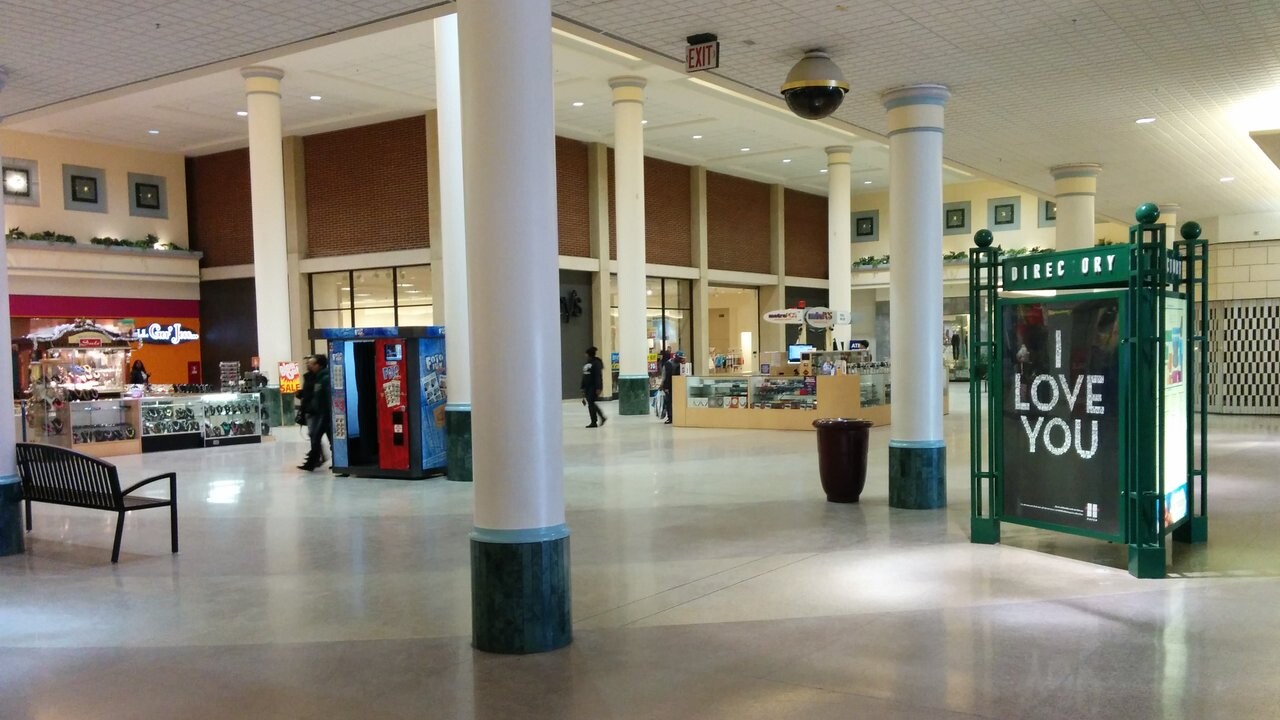
1954: Northland Center, Southfield
Northland Center opened in Southfield, Michigan, on March 22, 1954. Changing shopping habits, competition, and e-commerce contributed to its decline, and it closed in April 2015. Plans for Northland City Center preserve the former Hudson’s building, original retail pads, and underground tunnels while adding housing and commercial space.
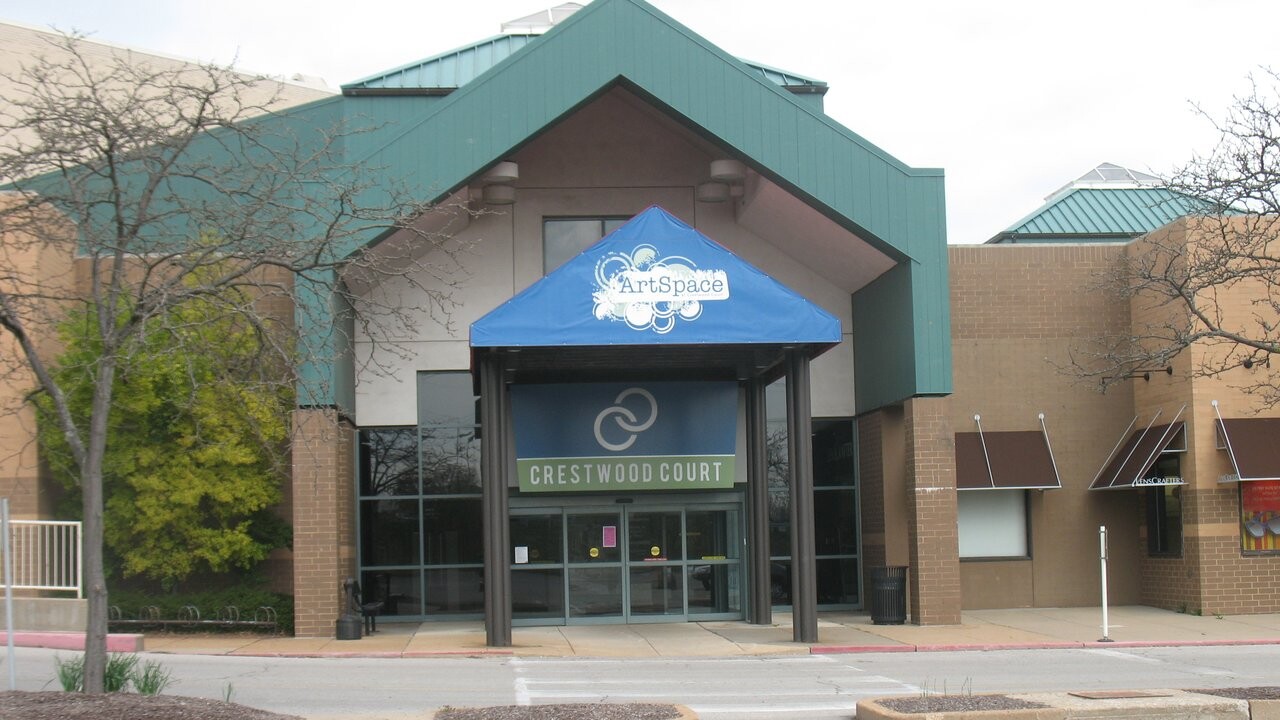
1957: Crestwood Plaza, St. Louis County
Crestwood Plaza opened in 1957 as one of the St. Louis region’s early major shopping centers. The property was empty after its last tenant left in 2013 and was demolished in 2017. Crestwood Crossing now combines retail, restaurants, professional services, and new housing on the former mall site.
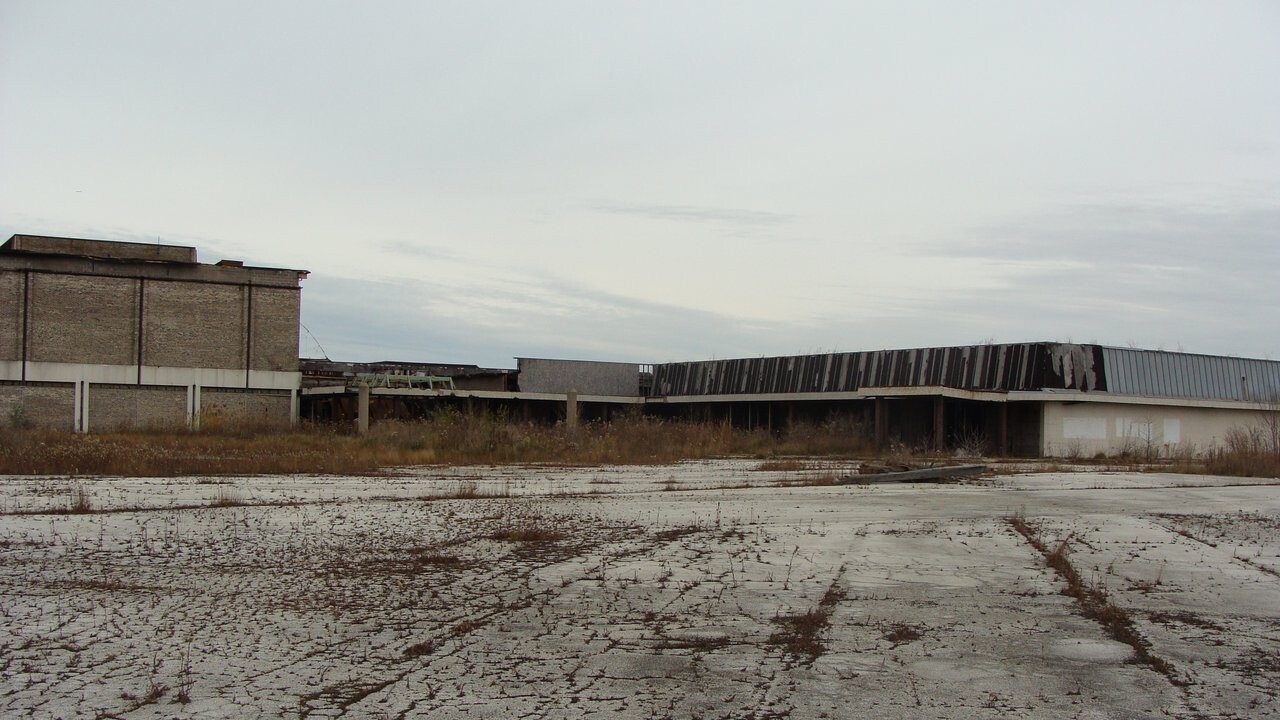
1966: Dixie Square Mall, Harvey
CBS Chicago reported that Dixie Square Mall opened in Harvey, Illinois, in 1966 and shut down in November 1978. The closed mall became a police-chase set for The Blues Brothers in 1979. When CBS revisited the property in January 2012, fencing and wrecking crews were in place, and demolition was underway.
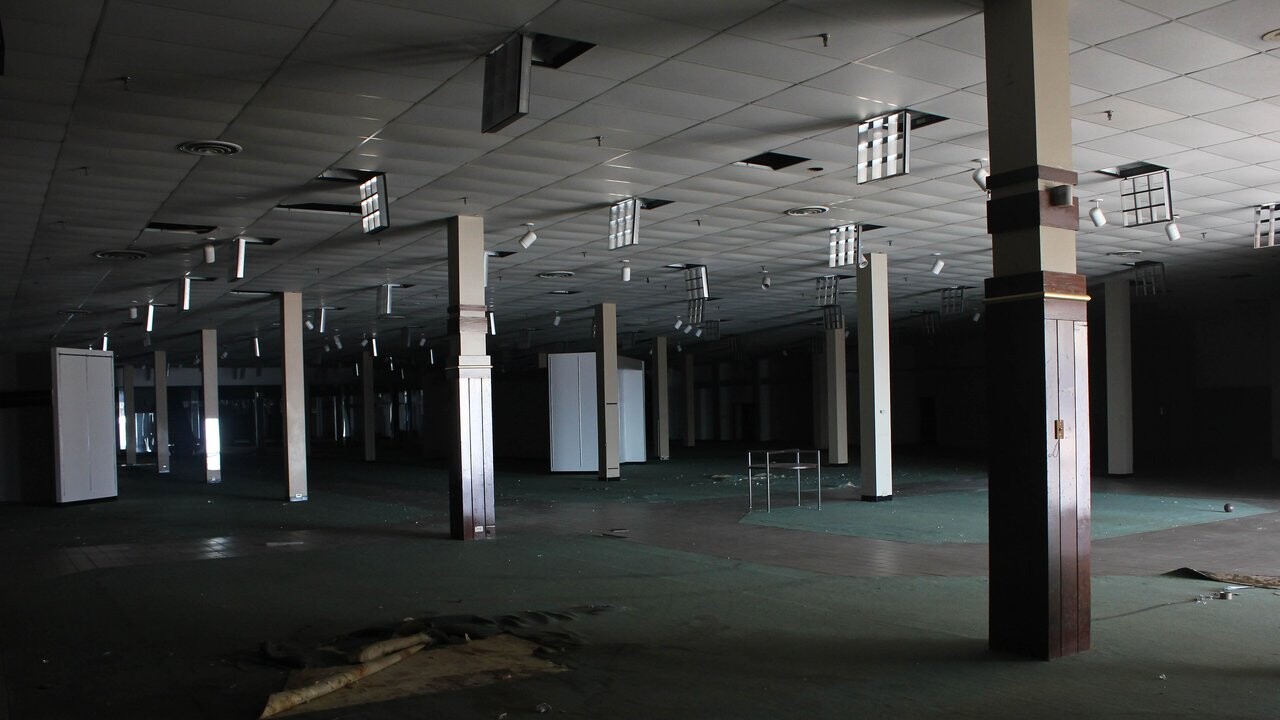
1972: Cloverleaf Mall, Richmond
Cloverleaf Mall opened in Chesterfield County in 1972 as the first shopping center of its kind in metropolitan Richmond. Competition, reduced foot traffic, and anchor departures emptied the property. It closed in February 2008, demolition began in 2011, and Stonebridge introduced retail, residences, offices, entertainment, and medical uses.
1973: Jamestown Mall, St. Louis County
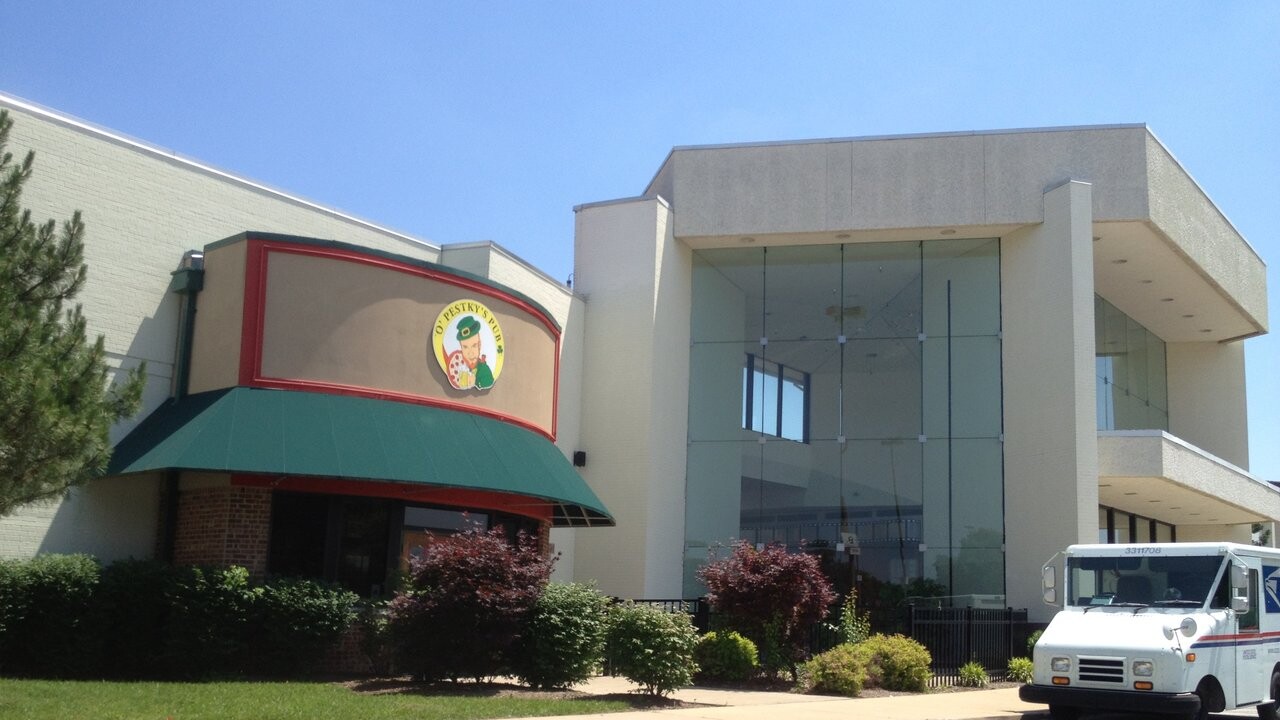
Jamestown Mall opened on October 10, 1973, and closed in 2014. St. Louis County later oversaw demolition, remediation, and marketing of the vacant property. In 2026, McBride Homes signed an agreement to serve as master developer for a mixed-use community with housing, neighborhood retail, a grocer, and shared amenities.
1975: Rolling Acres Mall, Akron
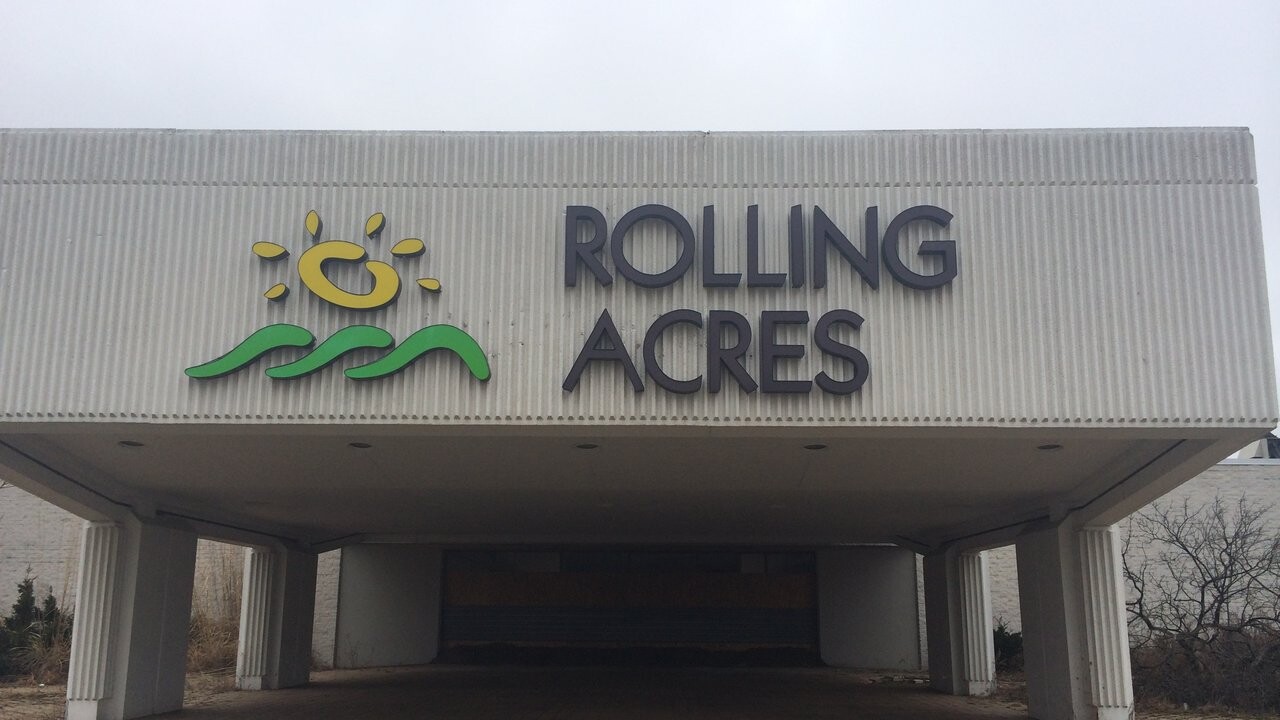
Rolling Acres Mall opened in 1975 and drew shoppers from communities west of Akron. Its decline became pronounced during the 1990s, and most of the mall closed in 2008. Photographs from its final years show the familiar signs of a fading retail center: dark entrances, empty lots, and silent storefronts.
1976: Randall Park Mall, North Randall
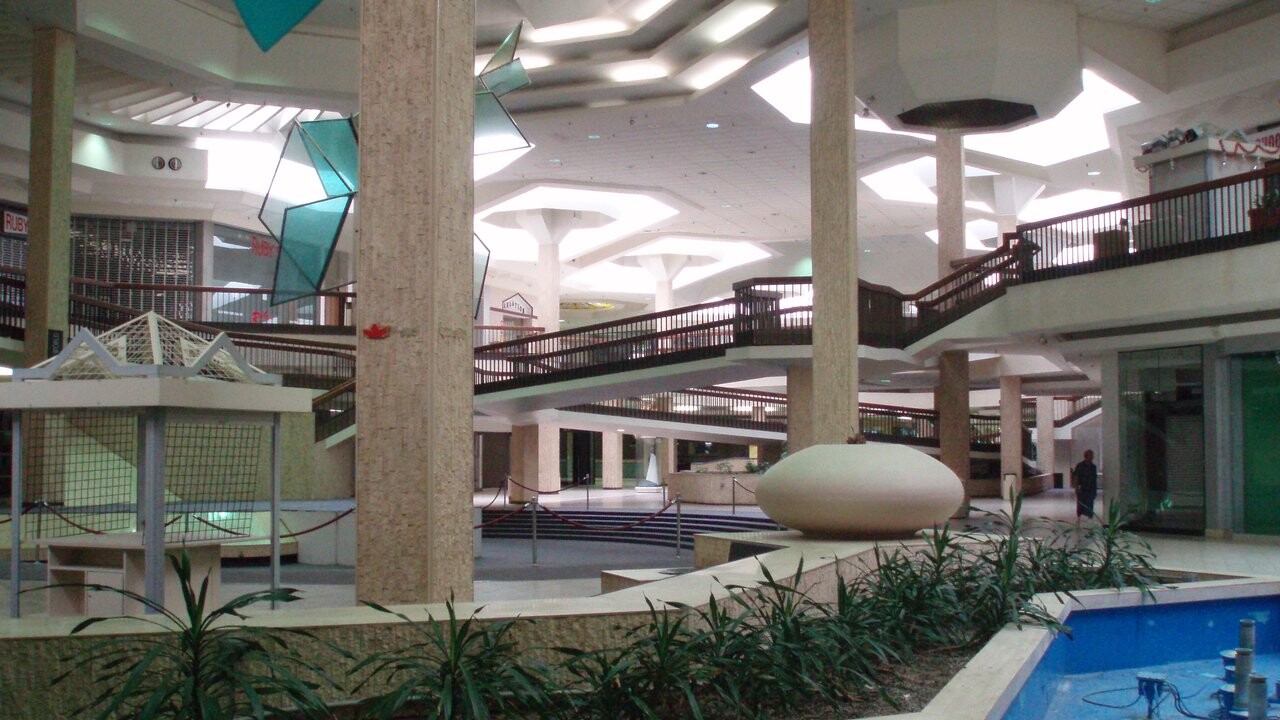
Randall Park Mall opened on August 11, 1976, with more than 200 stores on two levels. Big-box competition contributed to anchor departures, and smaller stores followed. The mall closed by 2009, demolition began in 2014, and the North Randall property was subsequently redeveloped as an Amazon fulfillment center.
1977: White Flint Mall, North Bethesda
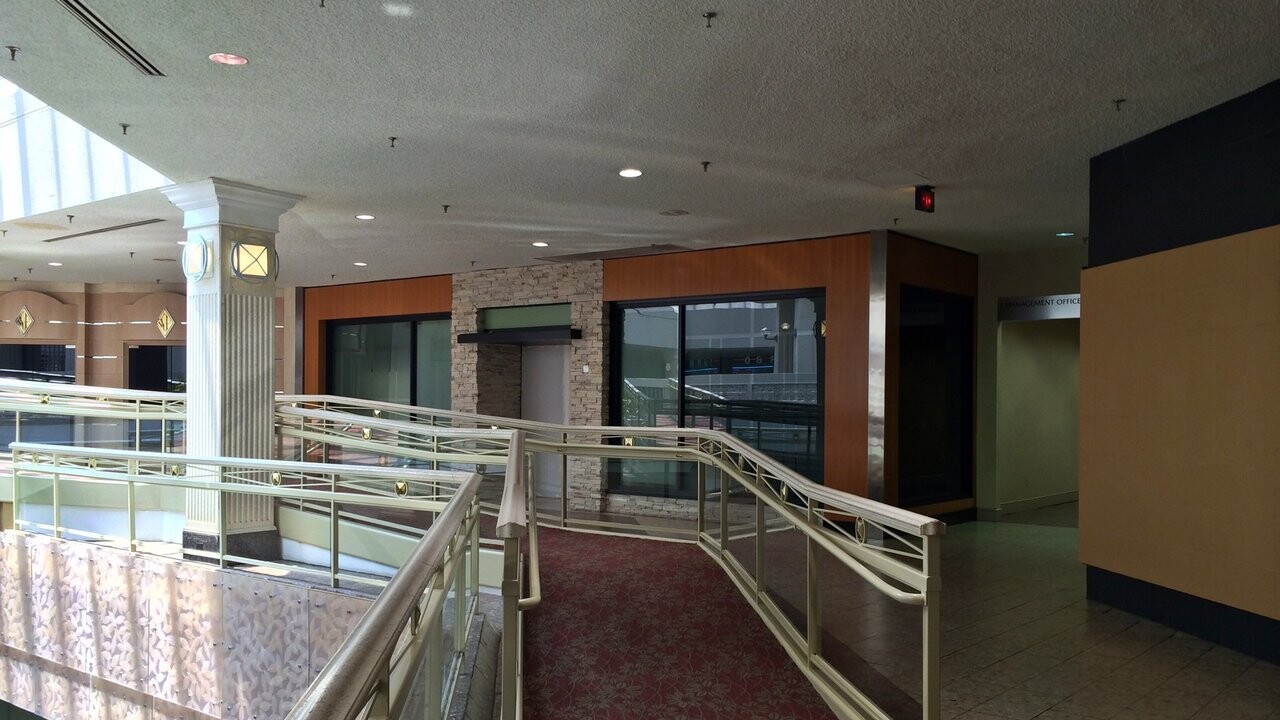
White Flint Mall operated as a regional shopping destination from 1977 to 2015. Much of the exterior was demolished in 2015, although Lord & Taylor remained until 2020. An approved redevelopment concept proposed residences, retail, offices, a hotel, public spaces, a park expansion, and a school site, but litigation delayed progress.
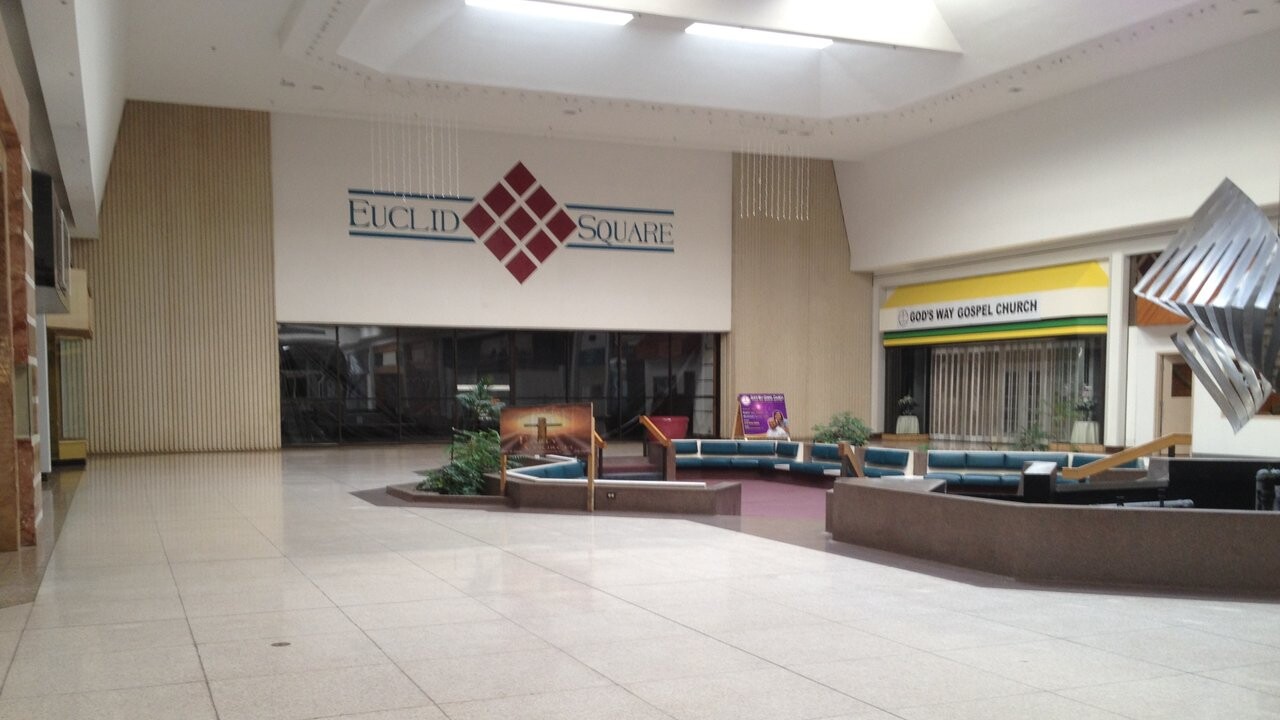
1977: Euclid Square Mall, Ohio
Euclid Square Mall was built in 1977 during Greater Cleveland’s era of suburban retail expansion. The enclosed mall did not survive, and the property eventually took on a dramatically different purpose. A City of Euclid planning document identifies the previous Euclid Square Mall site as an Amazon fulfillment center.
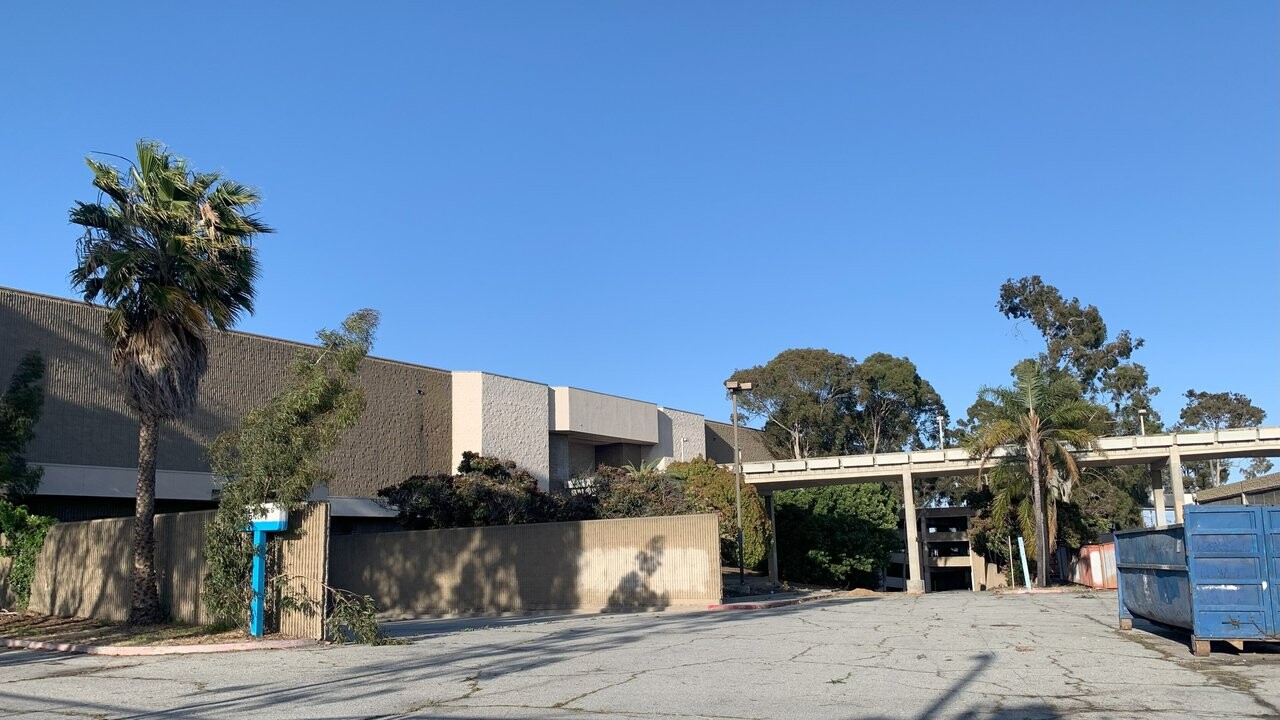
1977: Hawthorne Plaza, California
Hawthorne Plaza held its grand opening in February 1977. Economic downturns, reduced aerospace employment, safety concerns, and falling occupancy weakened the mall, and its last interior store closed 22 years later. In July 2026, Hawthorne announced a court order requiring the owners to begin site demolition by August 14, 2026.
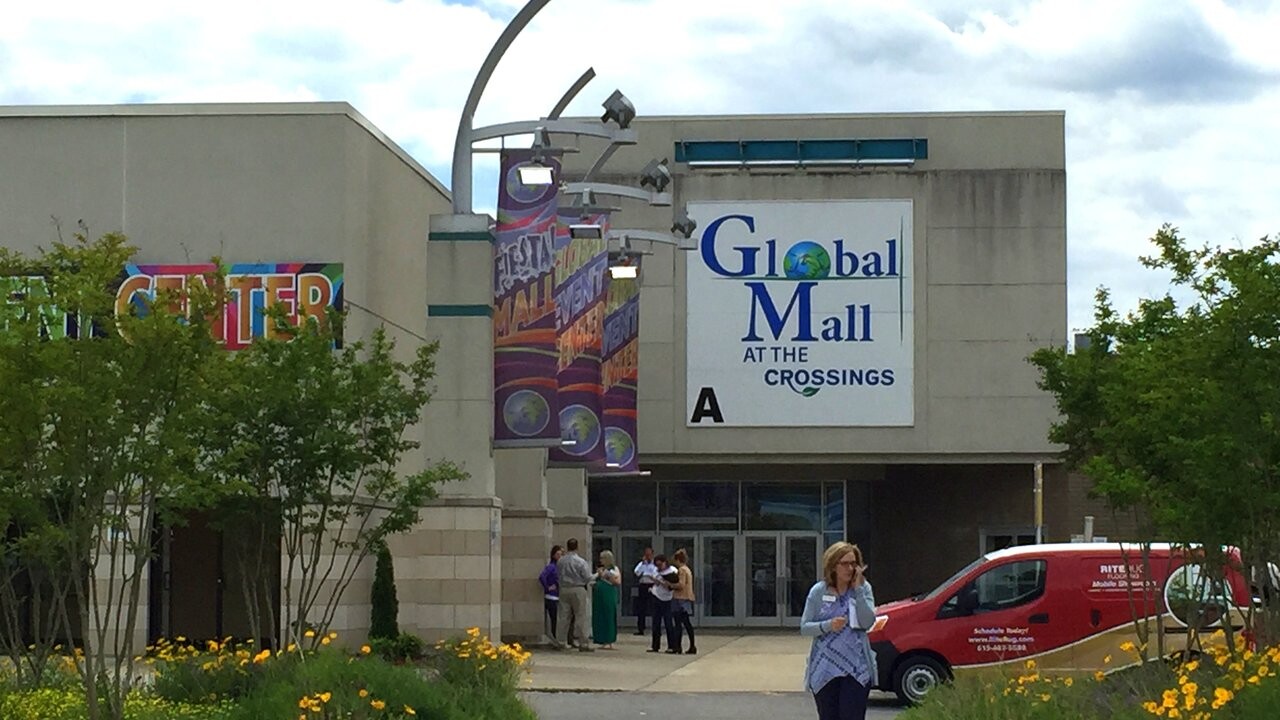
1978: Hickory Hollow Mall, Nashville
Hickory Hollow Mall opened in 1978 and later became Global Mall at the Crossings before closing in 2019. The broader property now includes a community college campus, a public library, a community center and an ice facility. Nashville’s master plan envisions a walkable, mixed-use district around those institutions.
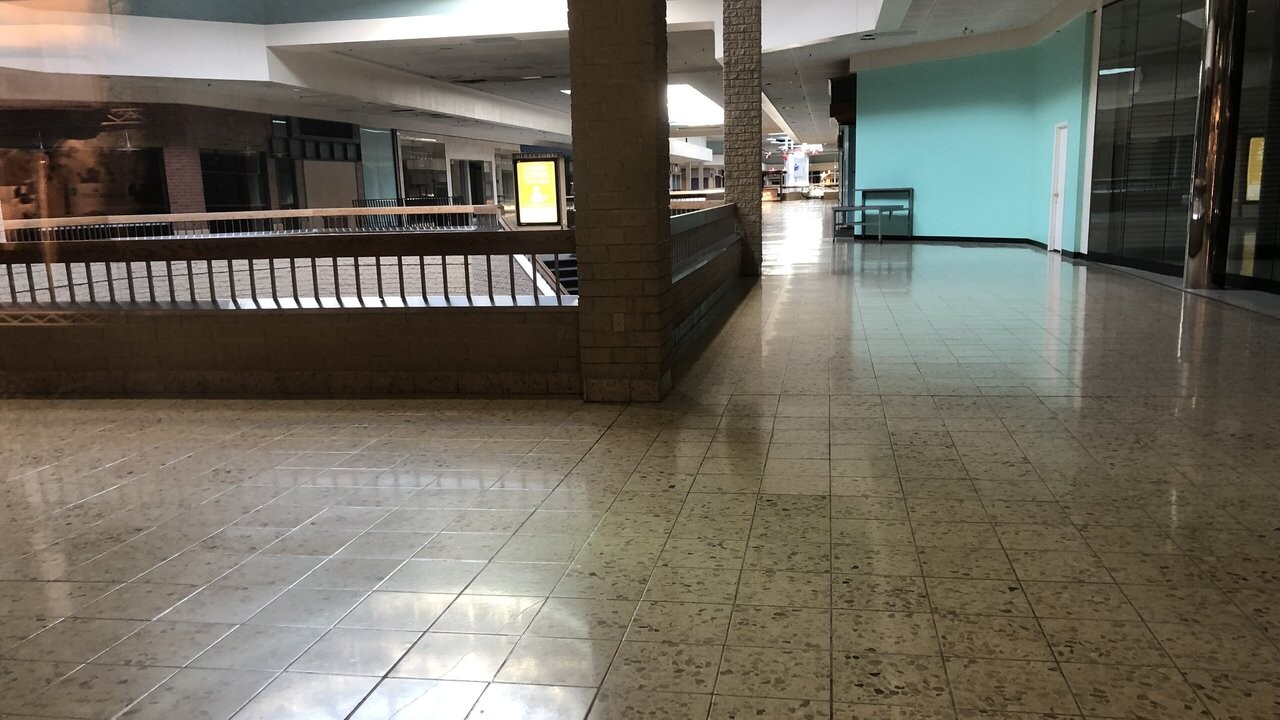
Century III Mall, West Mifflin
West Mifflin closed Century III Mall in 2019 after failures in its heating and fire-suppression systems left the building unsafe. A Pennsylvania court later upheld the borough’s authority to raze the deteriorated property. By December 2024, demolition and remediation were underway, with state officials describing plans for future commercial spaces, residences, and public amenities.
1980: Schuylkill Mall, Frackville
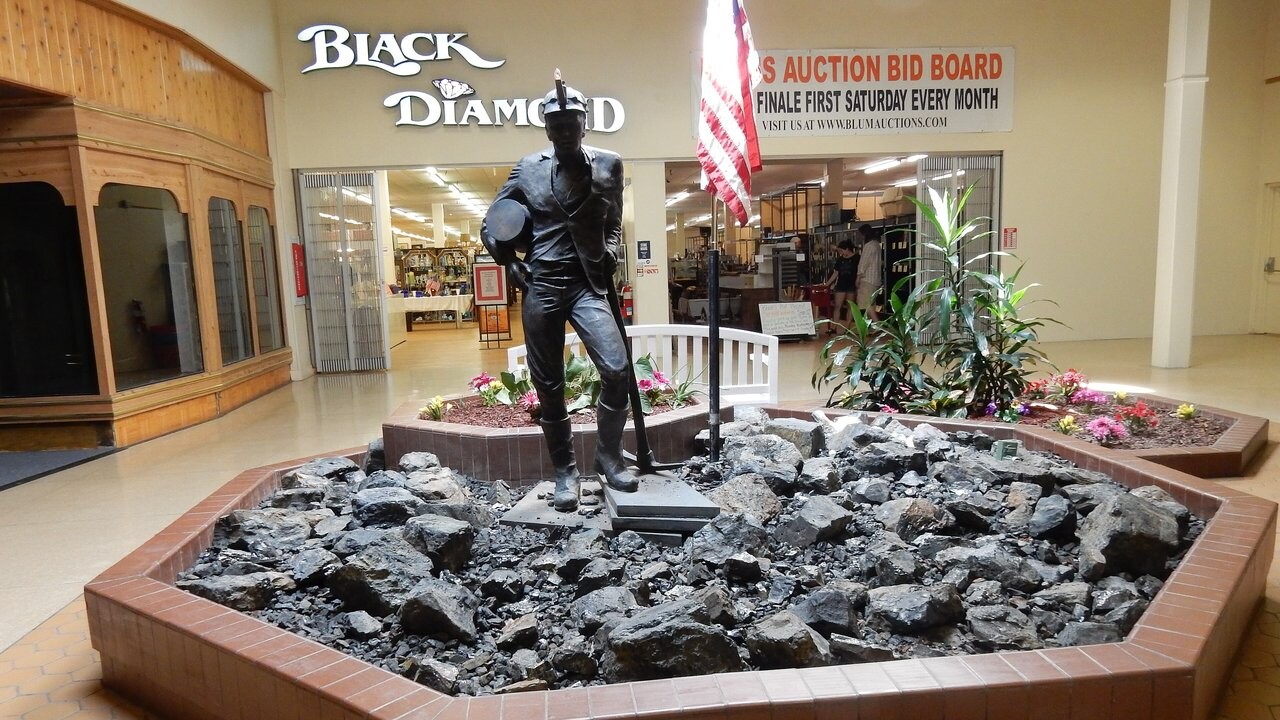
Schuylkill Mall opened near Frackville on October 9, 1980, with 91 tenants and room for 115 stores. For years, its indoor corridors offered a shared meeting place as well as shopping. Later photographs captured those same spaces near the end of the mall’s run, quiet and stripped of their former activity.
1982: Burlington Center Mall, New Jersey
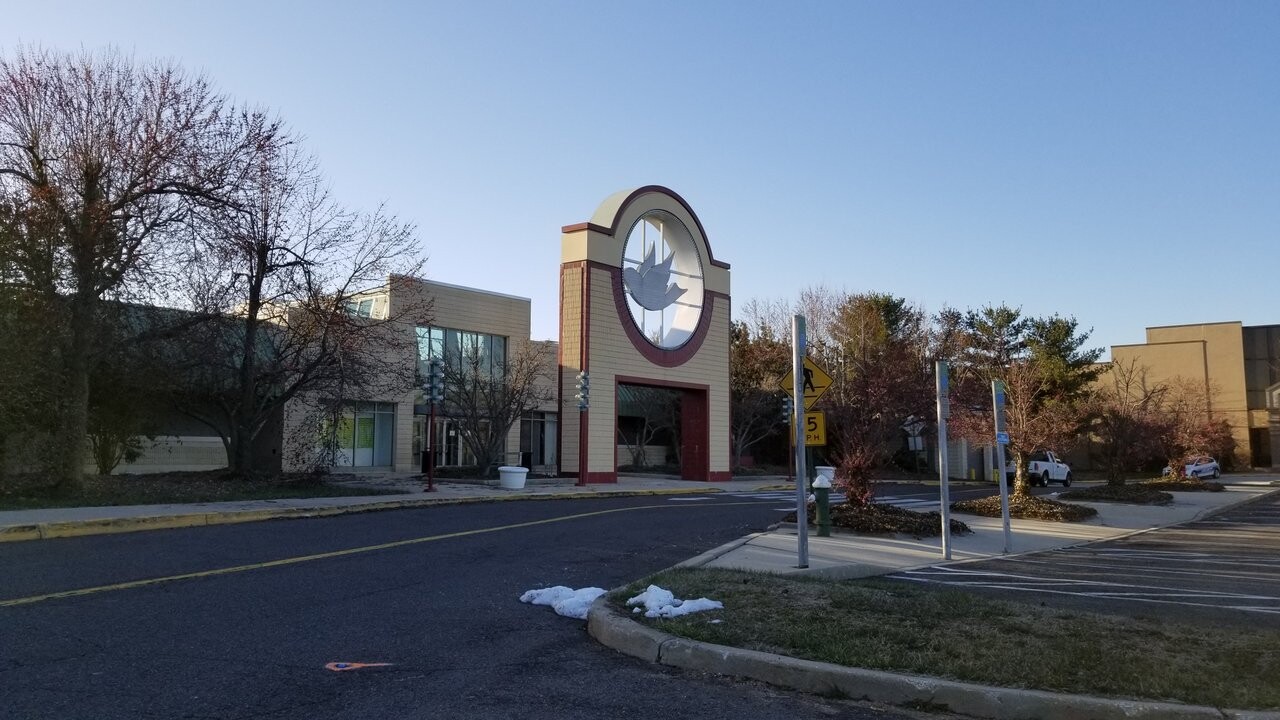
The Philadelphia Inquirer reports that Burlington Center opened in 1982 and was eventually cleared after its final Sears closed in 2018. Burlington Township’s redevelopment plan designated light-industrial and commercial uses for part of the property, while a public presentation described a broader mix of retail, warehouses, and housing around the former mall.
1986: Owings Mills Mall, Maryland
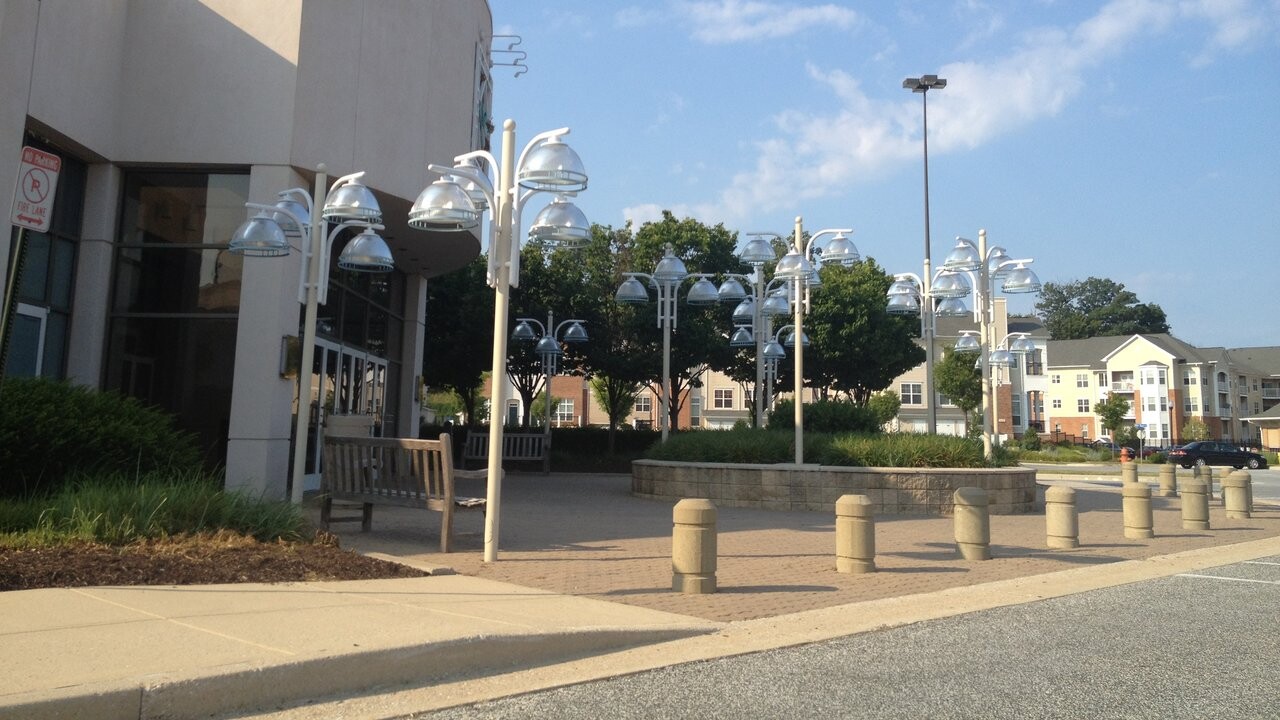
Owings Mills Mall opened in 1986 after the completion of nearby highway and rail investments. Baltimore County’s planning documents say it flourished initially but later lost major upscale retailers and customer traffic. Plans called for an outdoor shopping center called Mill Station, giving the property a more open, road-facing layout.
1989: Forest Fair Mall, Ohio
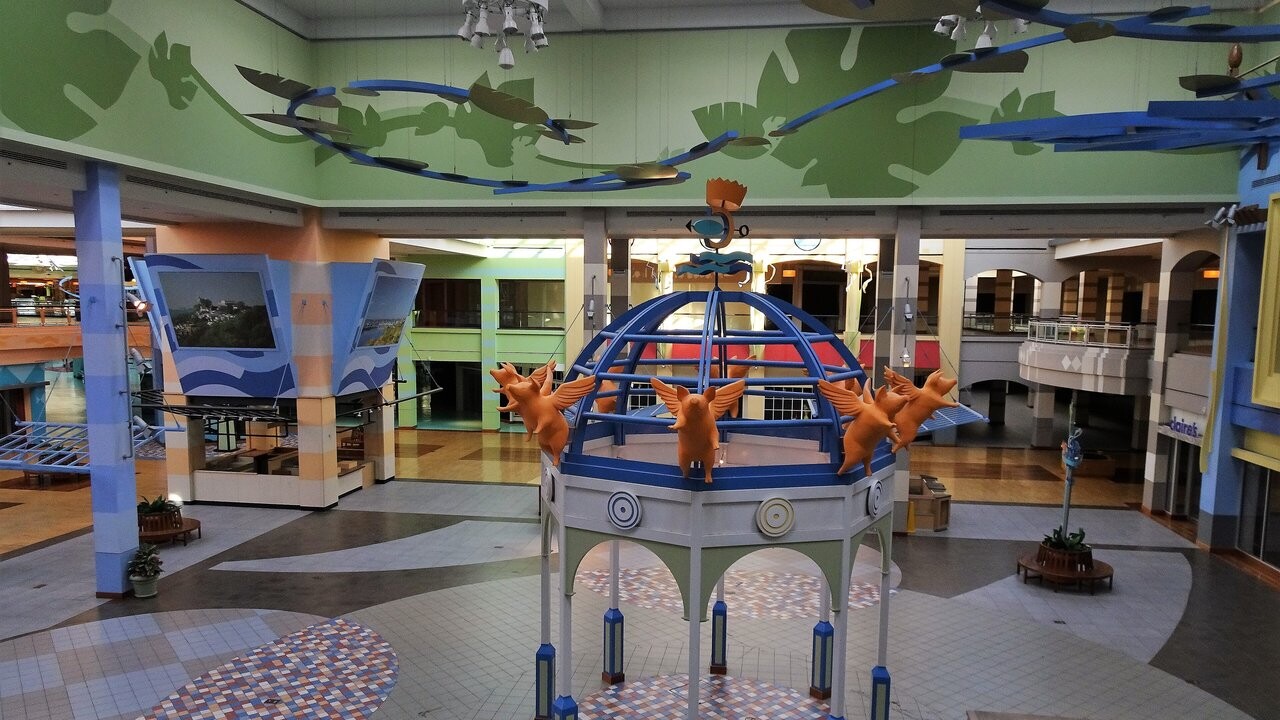
Forest Fair Mall opened along the Fairfield–Forest Park border in 1989 with 33 percent occupancy and later reached 65 percent. Its original owner filed for bankruptcy a year after opening, and the property changed owners and names as vacancies grew. Fairfield’s comprehensive plan called for coordinated, mixed-use redevelopment rather than reliance on one dominant use.
These properties show how America’s former gathering places can disappear, linger, or begin entirely new lives. Which of these malls do you remember, and what stands out most about it?
Follow The HyperHive on MSN for more stories like this.
Sources:






