American Muscle Cars of the 1960s and 1970s, in Photos

Greg Gjerdingen from Willmar, USA / Wikimedia Commons, CC BY 2.0 (cropped)
Detroit’s muscle-car years turned coupes and sedans into rolling symbols of speed, freedom, and Friday-night bravado. This gallery moves chronologically from Chevrolet’s full-size thunder in 1962 to a remarkable concentration of performance cars from 1970.
The selection draws on automaker archives, government historical material, racing institutions, and established collector-car references. Together, these photographs capture the engines, shapes, colors, and competition that made the era unforgettable.
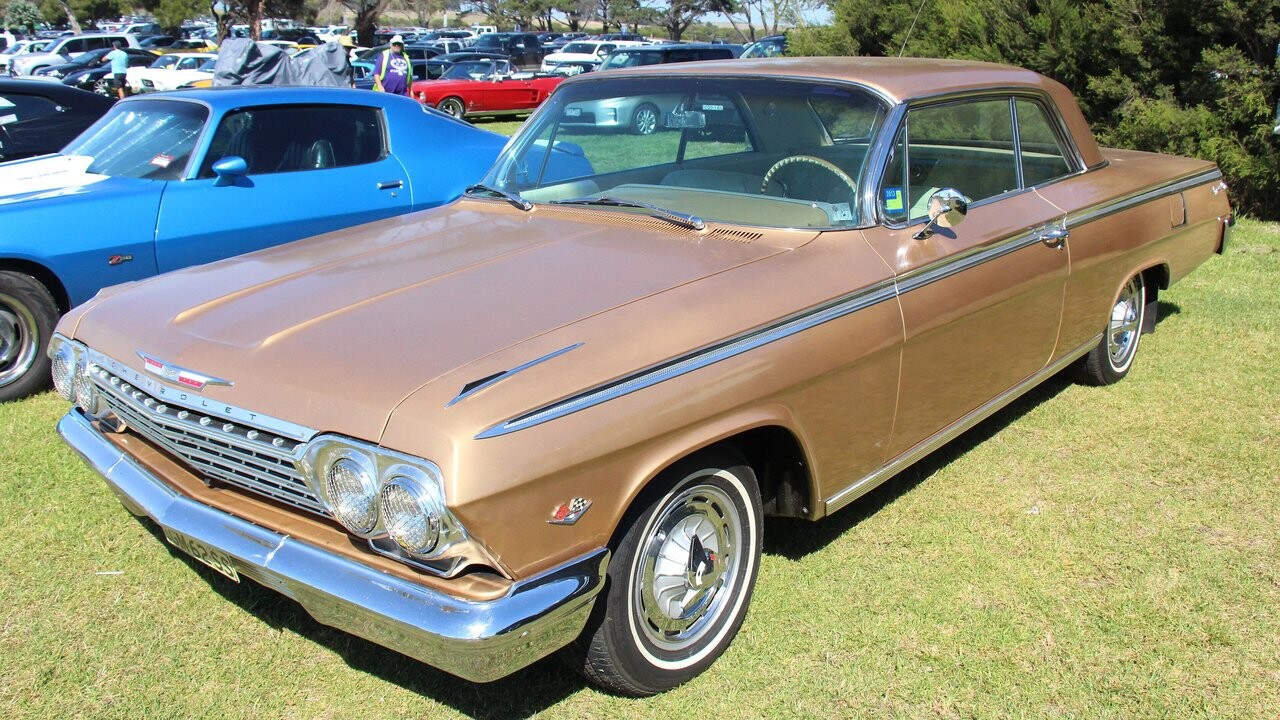
1962 Chevrolet Impala SS 409
The 1962 Impala SS could pair Chevrolet’s 409 V8 with a four-speed and performance handling equipment. Chevrolet’s history described that combination as placing the car among the world’s fastest automobiles. The crisp roofline and restrained trim kept the performance from looking overstated.
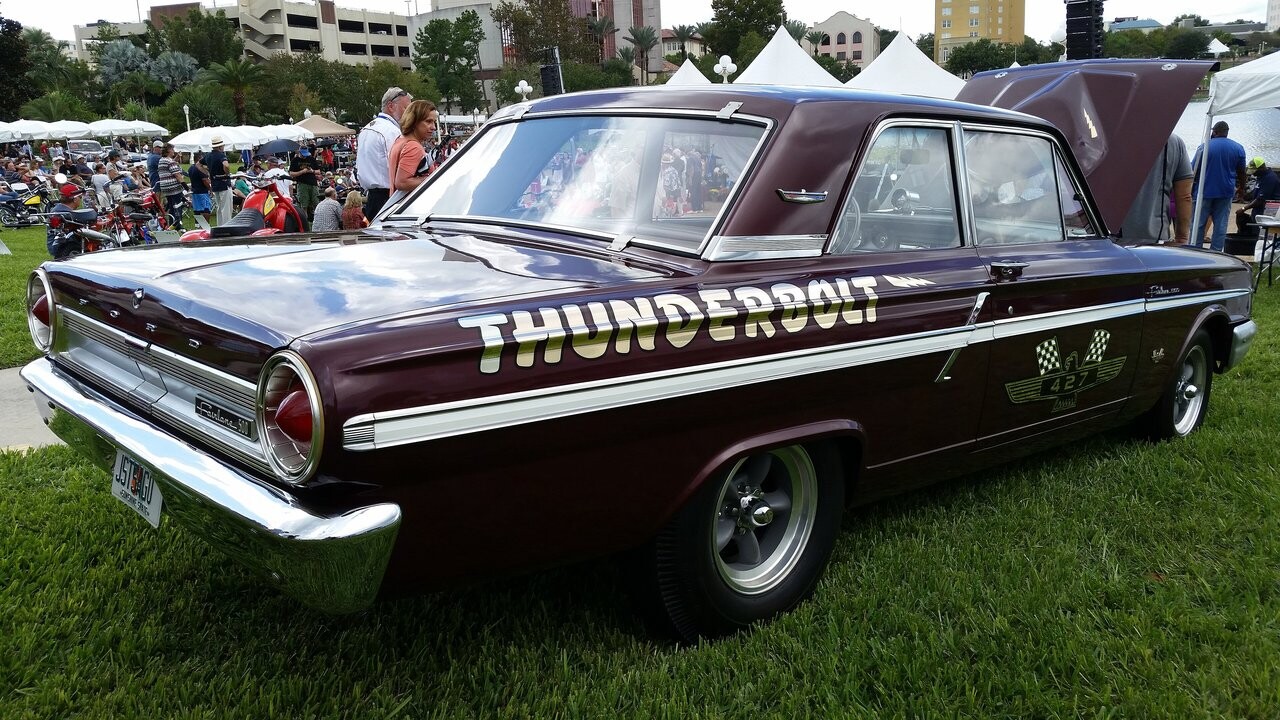
1964 Ford Fairlane Thunderbolt
Ford’s 1964 Fairlane Thunderbolt was a factory drag-racing special rather than a dressed-up cruiser. Dearborn Steel Tubing built 100 examples around the 427 FE V8. Its ordinary two-door sedan shape sharpened the surprise: this was a purpose-built race car wearing familiar Fairlane proportions.
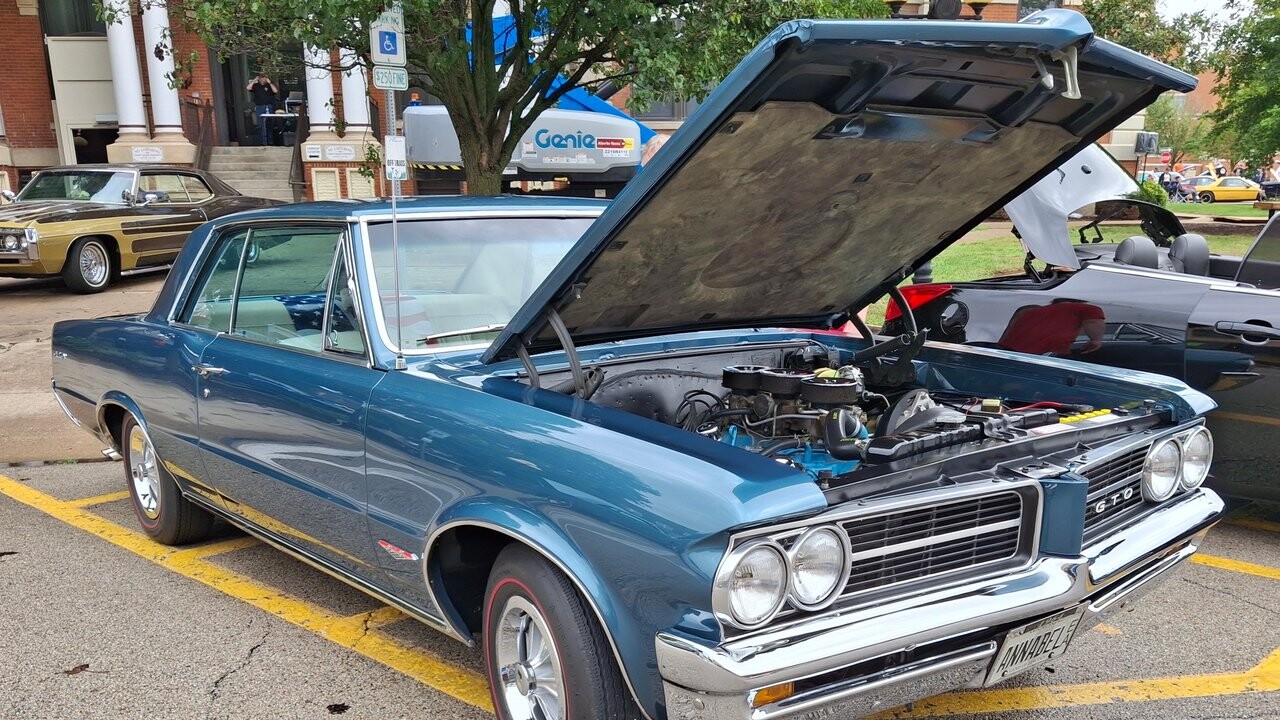
1964 Pontiac GTO
Pontiac introduced the 1964 GTO with a 325-horsepower V8 and a fresh street-performance attitude. GM Heritage identifies the Tempest LeMans with the GTO option package as the car that began the muscle-car era. Enthusiasts may debate that honor, but the GTO made the formula impossible to ignore.
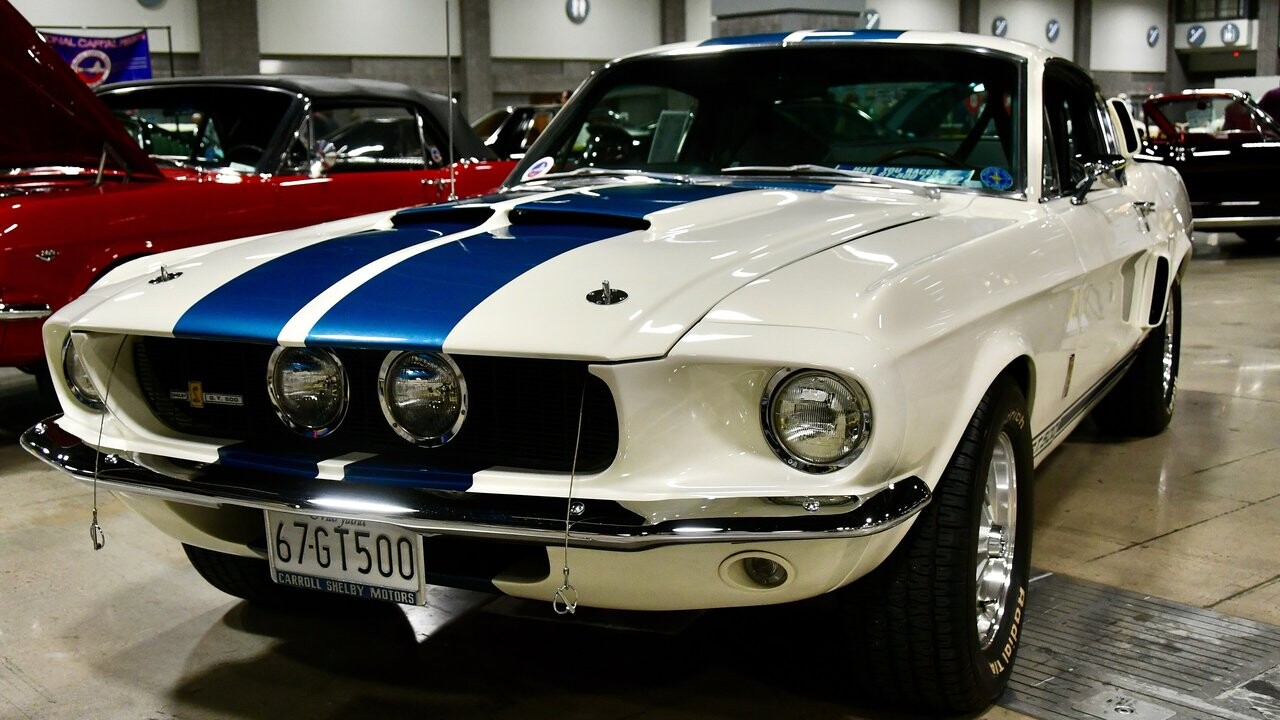
1967 Shelby GT500
The 1967 Shelby GT500 put a 428-cubic-inch, 355-horsepower Police Interceptor V8 into the Mustang fastback. According to U.S. Postal Service historical material, only 2,048 were built. That scarcity, combined with Shelby’s racing reputation, helped make the first GT500 one of the era’s most recognizable Fords.
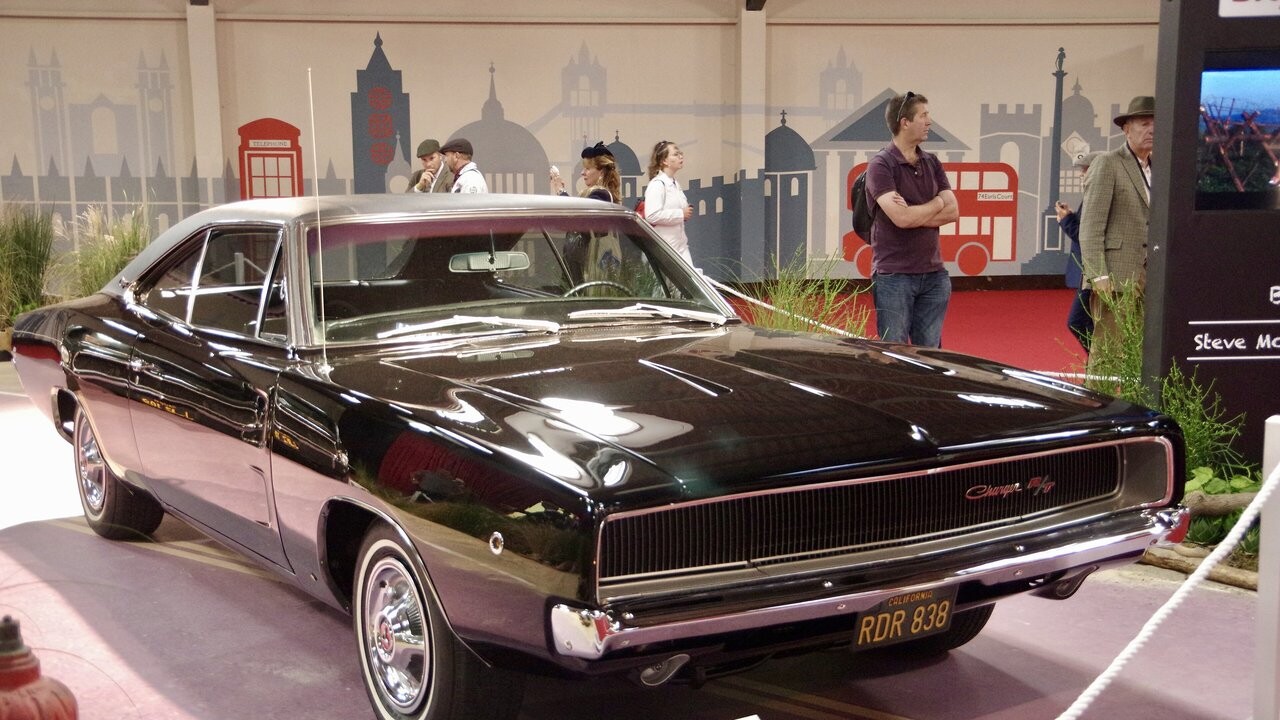
1968 Dodge Charger R/T
A black 1968 Dodge Charger R/T equipped with a 440 Magnum V8 made the model’s film debut in “Bullitt.” The long hood, hidden headlights, and sweeping roofline gave the Charger a presence that could appear elegant in one photograph and menacing in the next.
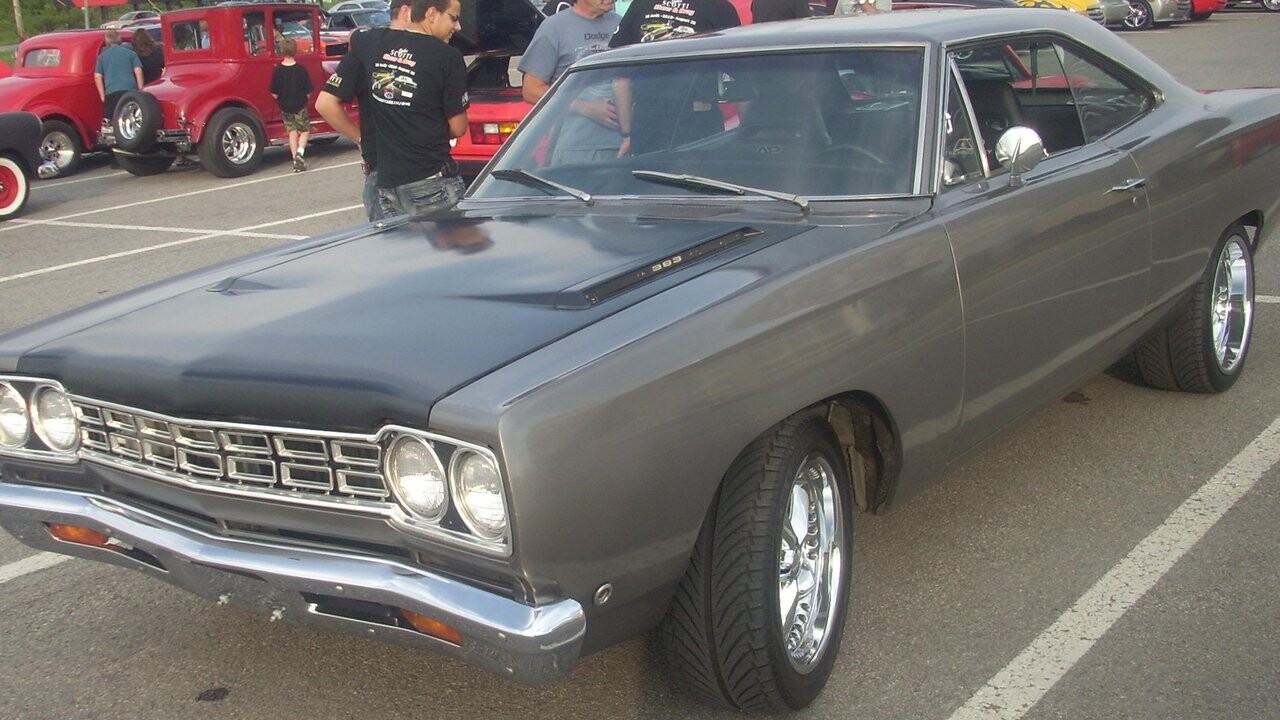
1968 Plymouth Road Runner
The 1968 Plymouth Road Runner wore its performance attitude plainly. Its upright body, simple cabin, bold graphics, and cartoon-inspired identity set it apart from more polished rivals. Seen today, the car’s appeal lies in that directness: it looks approachable, purposeful, and ready to make noise.
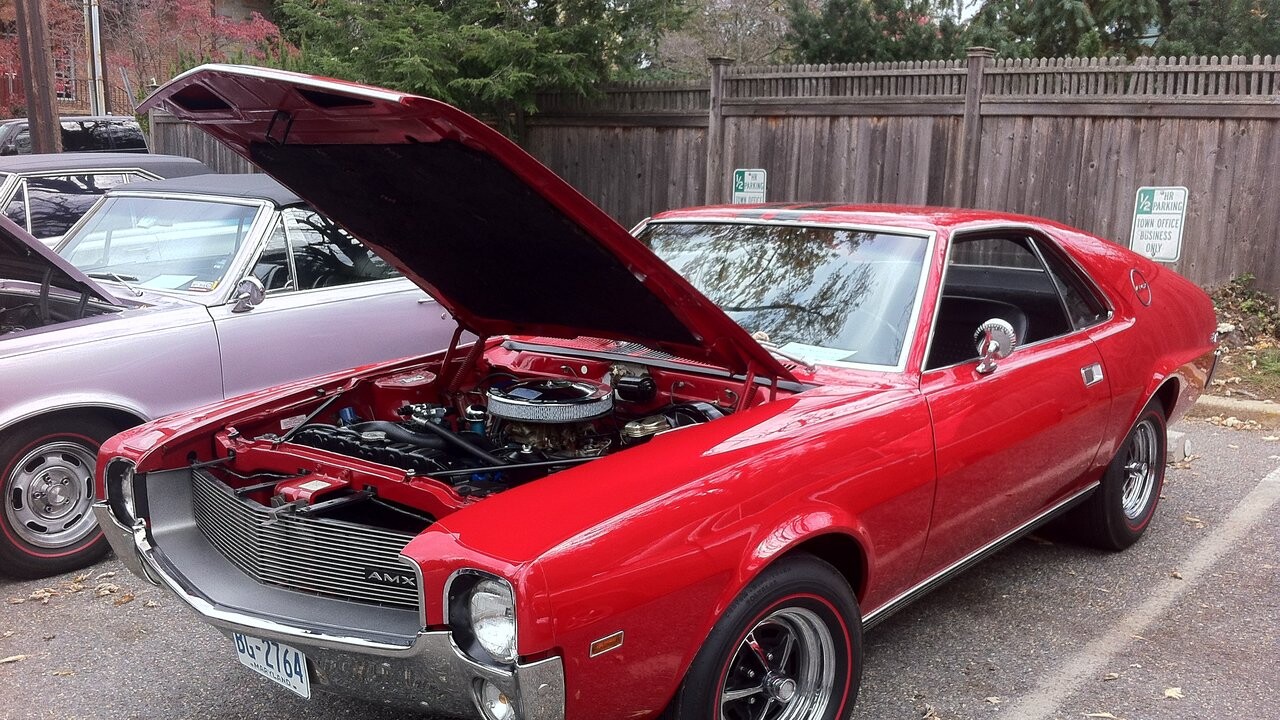
1968 AMC AMX
The 1968 AMC AMX brought compact proportions and an unmistakably different profile to the performance-car field. Its short wheelbase, long hood, and close-coupled cabin created a tauter silhouette than many larger rivals. That outsider character remains central to the AMX’s enduring appeal.
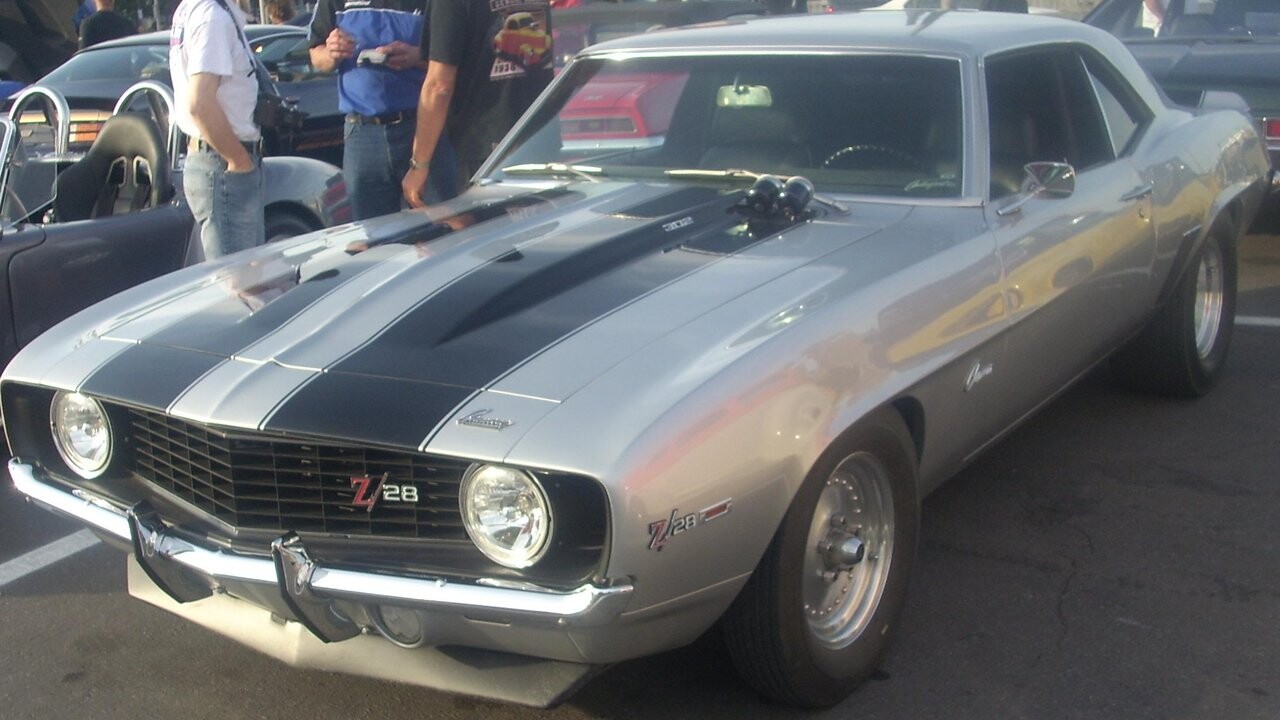
1969 Chevrolet Camaro Z/28
The 1969 Chevrolet Camaro Z/28 combined a low, purposeful stance with one of the most recognizable shapes of the pony-car era. More than five decades later, the U.S. Postal Service selected the model for its Pony Cars stamp set, affirming its lasting place in American car culture.
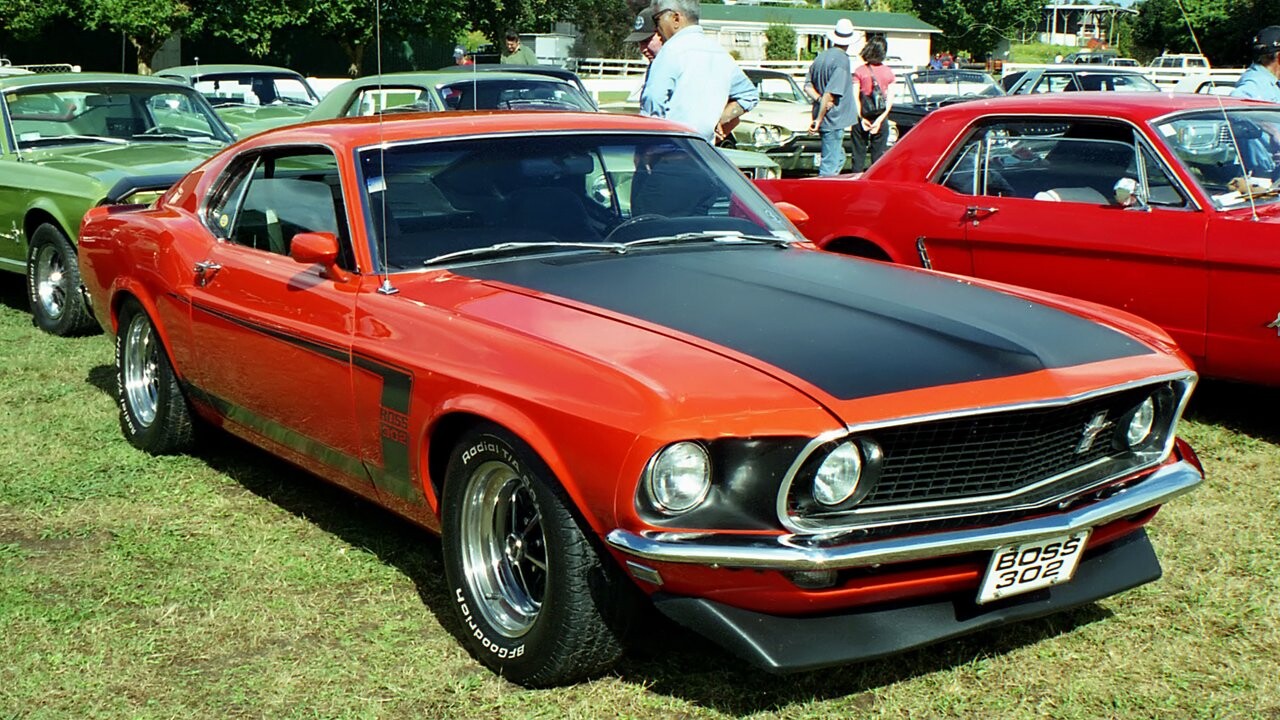
1969 Ford Mustang Boss 302
Ford rated the 1969 Mustang Boss 302 at 290 horsepower. Hagerty notes that handling was its main strength because it was created to challenge the Chevrolet Camaro Z/28 on SCCA Trans-Am road courses. That mission gave the Boss a character distinct from the era’s straight-line bruisers.
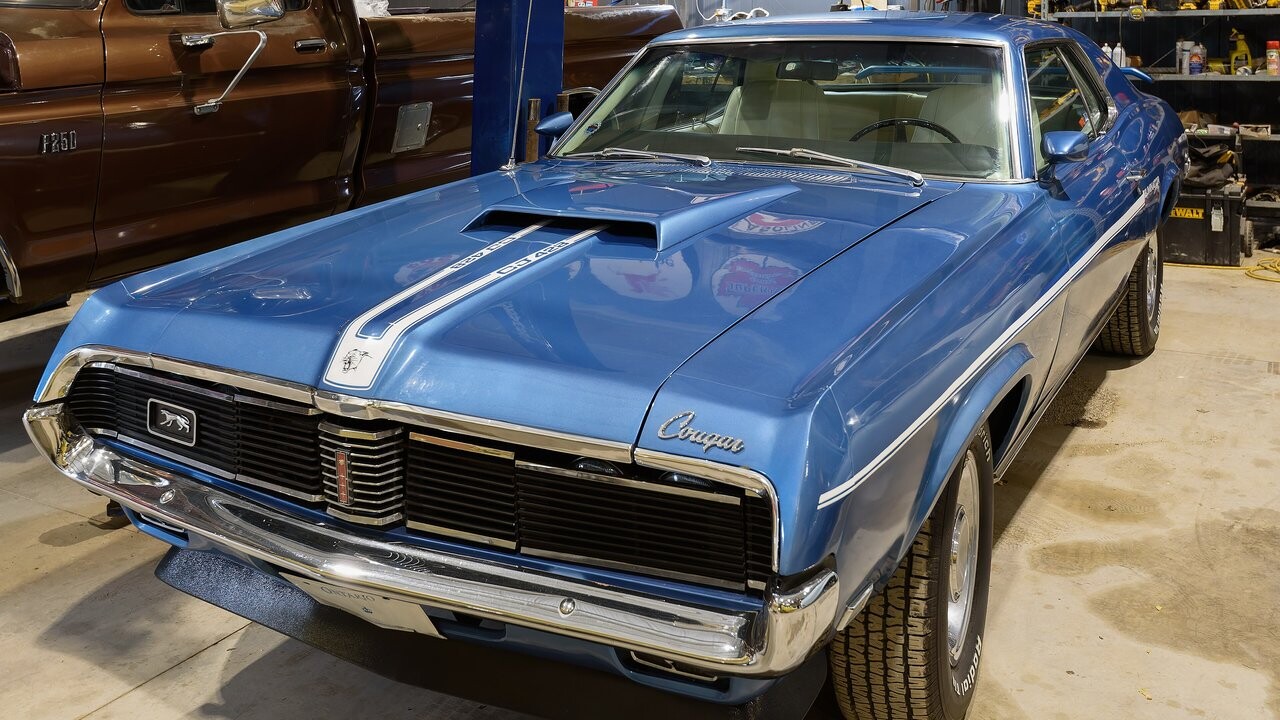
1969 Mercury Cougar Eliminator
The 1969 Mercury Cougar Eliminator gave the elegant Cougar a more assertive visual identity. Bright colors, bold side graphics, spoilers, and performance-themed details added urgency without erasing the underlying car’s polished character. That contrast makes the Eliminator especially compelling in photographs.
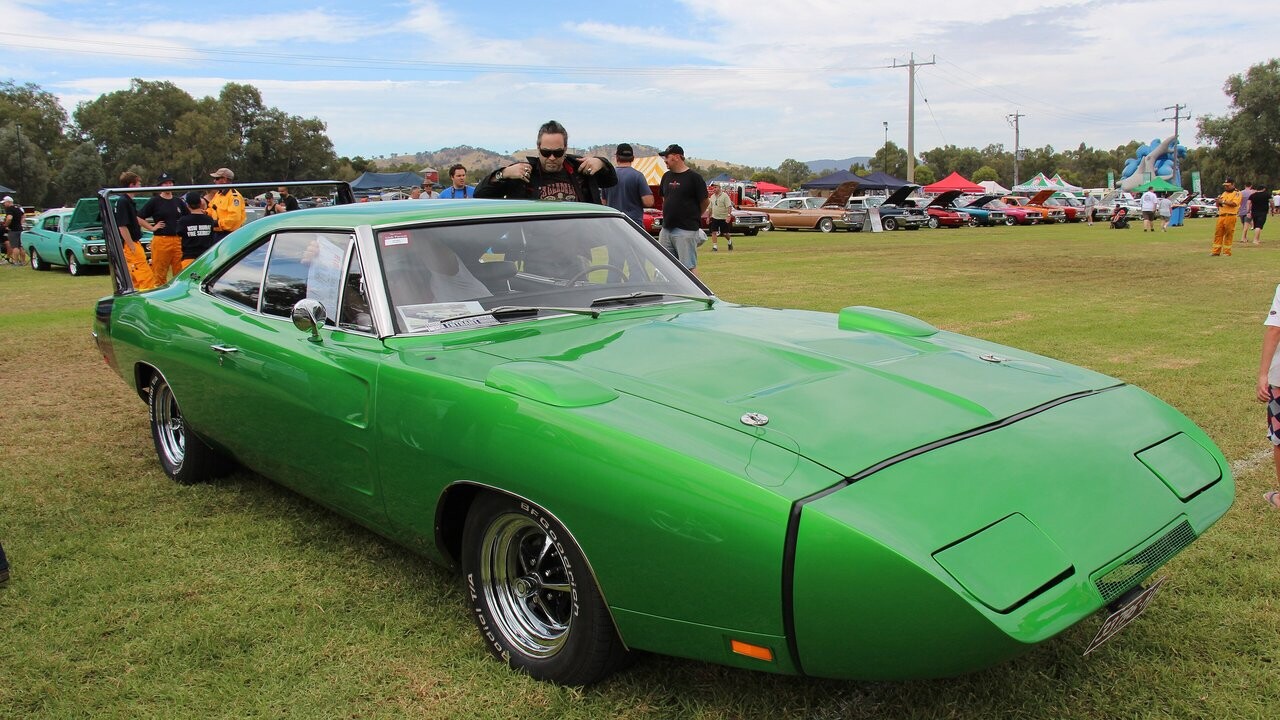
1969 Dodge Charger Daytona
The production 1969 Dodge Charger Daytona came standard with a 440-cubic-inch, 375-horsepower Magnum V8 beneath its radical aerodynamic body. Richard Brickhouse drove a Daytona to victory in the first NASCAR premier-series race at present-day Talladega Superspeedway. Its towering wing made functional drama visible.
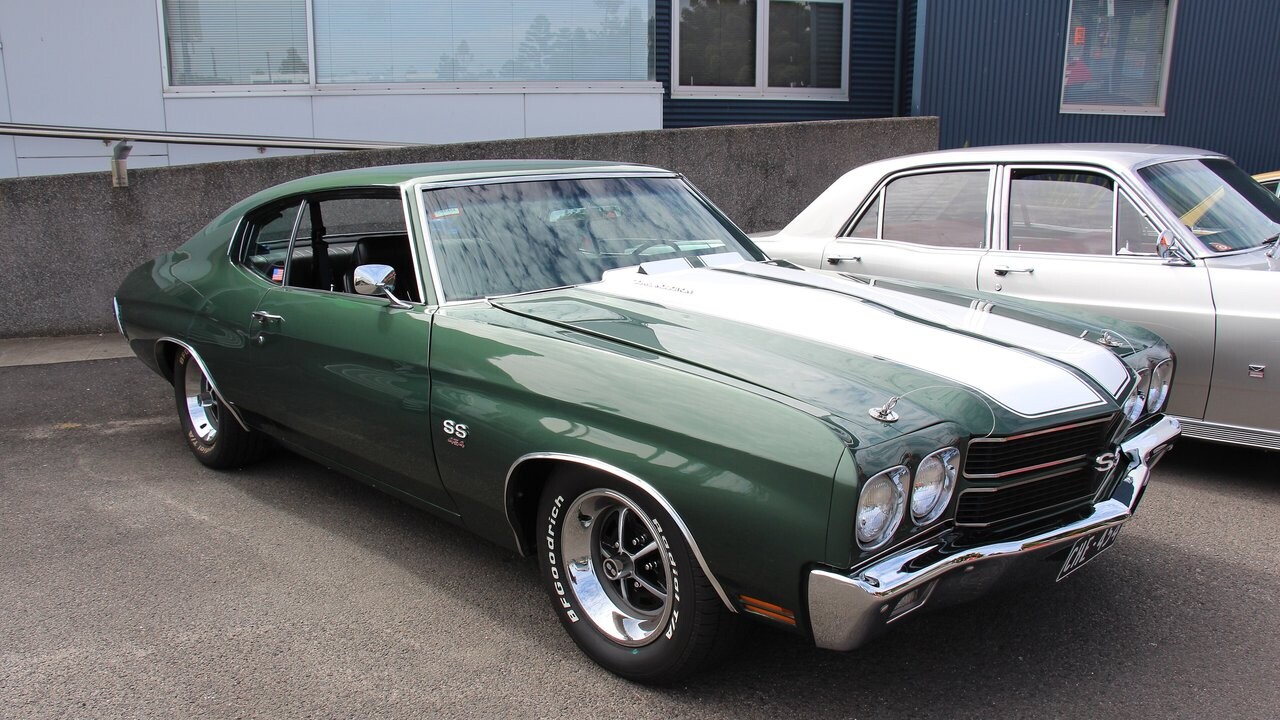
1970 Chevrolet Chevelle SS 454
The 1970 Chevelle SS offered two versions of the 454 V8: the 360-horsepower LS5 and the 450-horsepower LS6. Chevrolet’s historical material says the LS6 could push the SS 454 to 100 mph in about 13 seconds, a vivid measure of peak-era Detroit performance.
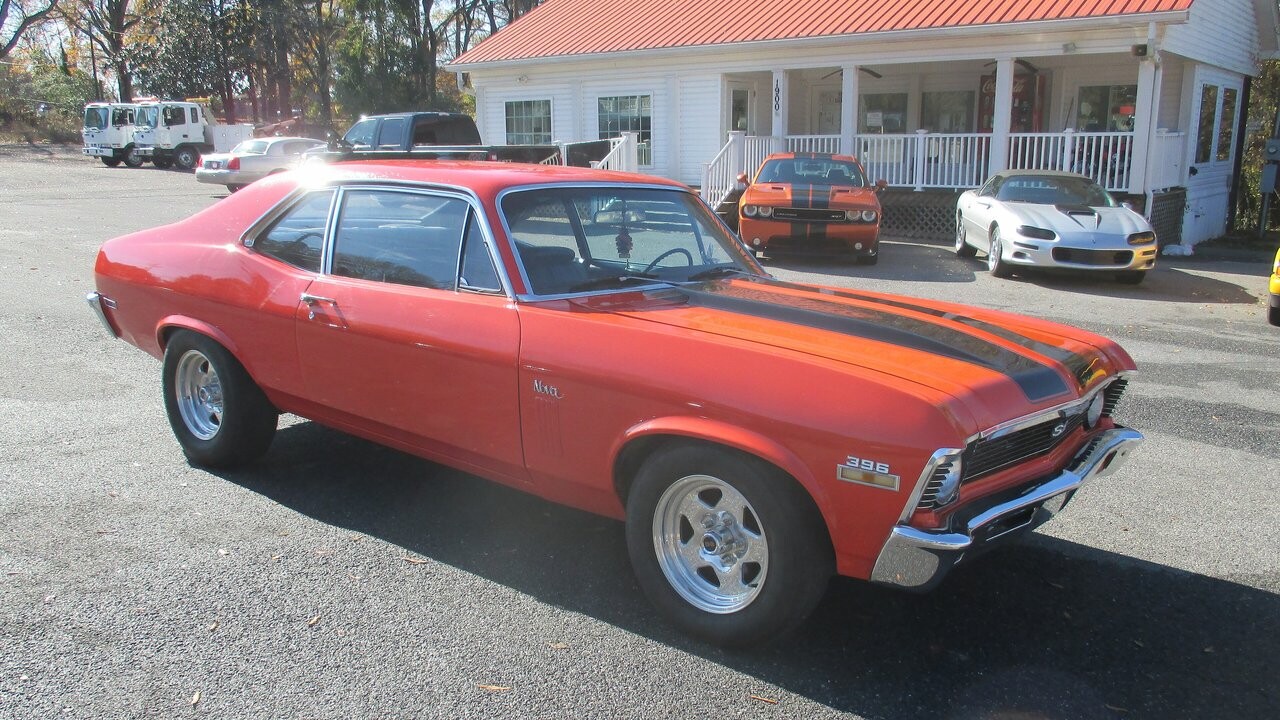
1970 Chevrolet Nova SS
The 1970 Nova SS package offered a 375-horsepower 396 big-block V8 in Chevrolet’s compact body. It cost $475 and required either a four-speed manual or a Turbo Hydra-Matic transmission. The Nova’s memorable trick was understatement: less ornament and bulk than many rivals, with no shortage of engine.
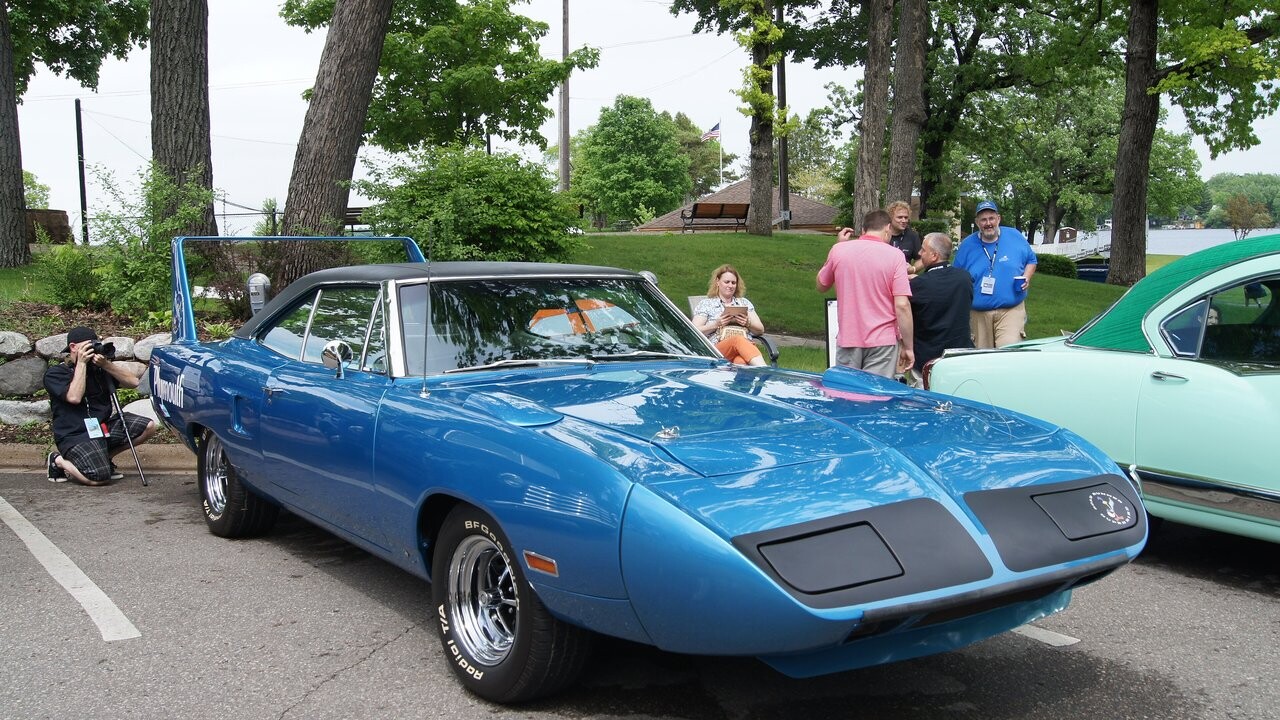
1970 Plymouth Superbird
Pete Hamilton drove a Petty Enterprises Plymouth Superbird to victory in the 1970 Daytona 500 and both races at Alabama International Motor Speedway, now Talladega Superspeedway. The car’s pointed nose and towering rear wing remain among the most audacious shapes to emerge from stock-car racing.
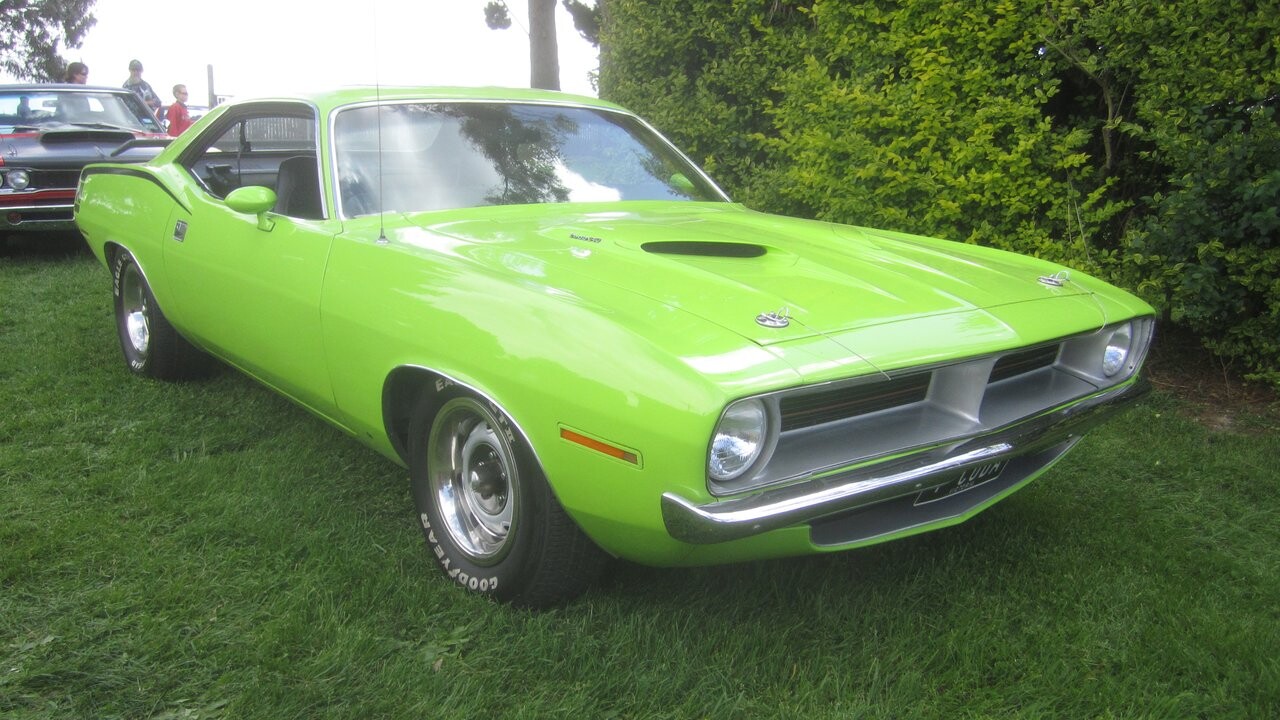
1970 Plymouth Hemi ’Cuda
The 1970 Plymouth Hemi ’Cuda paired a 426-cubic-inch, 425-horsepower Hemi V8 with one of the era’s most aggressive pony-car shapes. Its broad stance, compact cabin, and bold color palette made the performance visible before the engine started. Few cars capture the period’s confidence so completely.
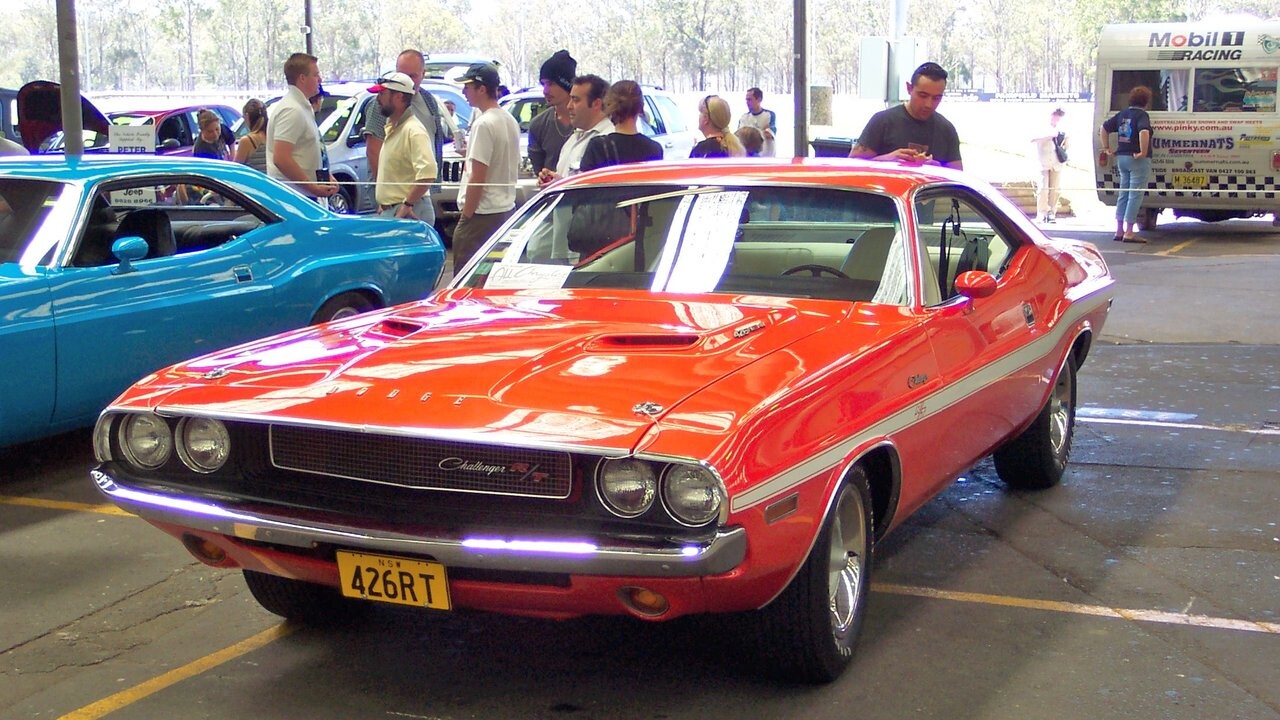
1970 Dodge Challenger R/T
Dodge launched the Challenger in 1970 with an engine range topped by the 426 Hemi V8, rated at up to 425 horsepower. The debut-year Challenger also paced the Indianapolis 500. Big-engine presence and national-race visibility gave Dodge’s new pony car a remarkably confident opening act.
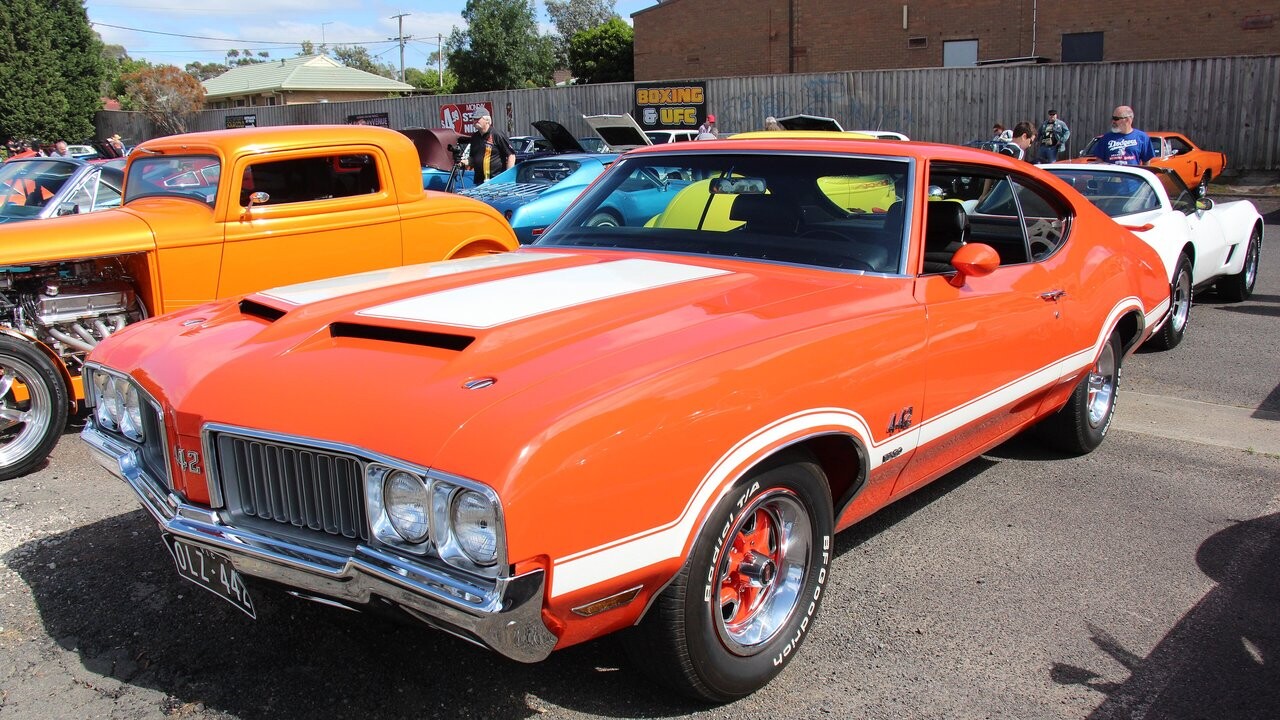
1970 Oldsmobile 442 W30
The 1970 Oldsmobile 442 W30 used a 455-cubic-inch Force-Air V8 rated at 370 horsepower. Oldsmobile also placed the 442 at the front of the Indianapolis 500 as that year’s pace car. It was muscle in a mature suit, with unmistakable W30 intent beneath the polished appearance.
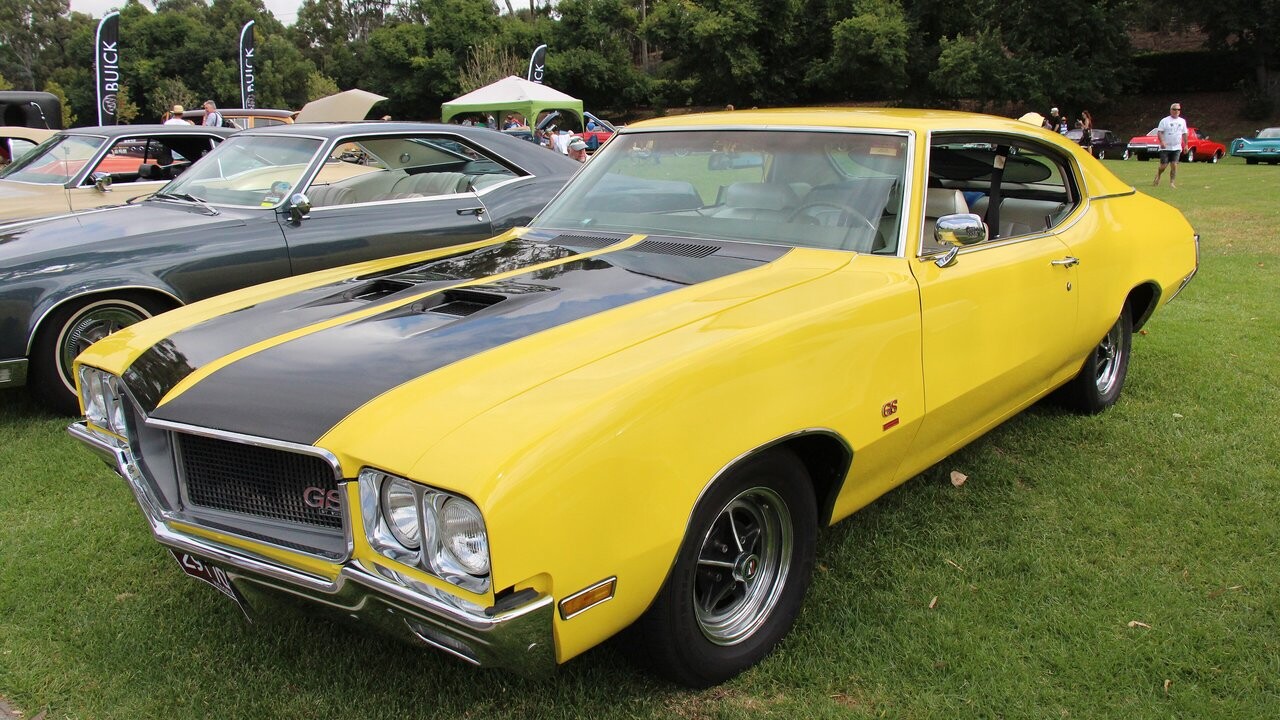
1970 Buick GSX
Buick’s 1970 GSX delivered 350 horsepower from a 455-cubic-inch V8, along with 510 pound-feet of torque. GM says that output sat beneath a Ram-Air hood. For a brand associated with polished road manners, the vividly decorated GSX showed wonderfully little interest in being discreet.
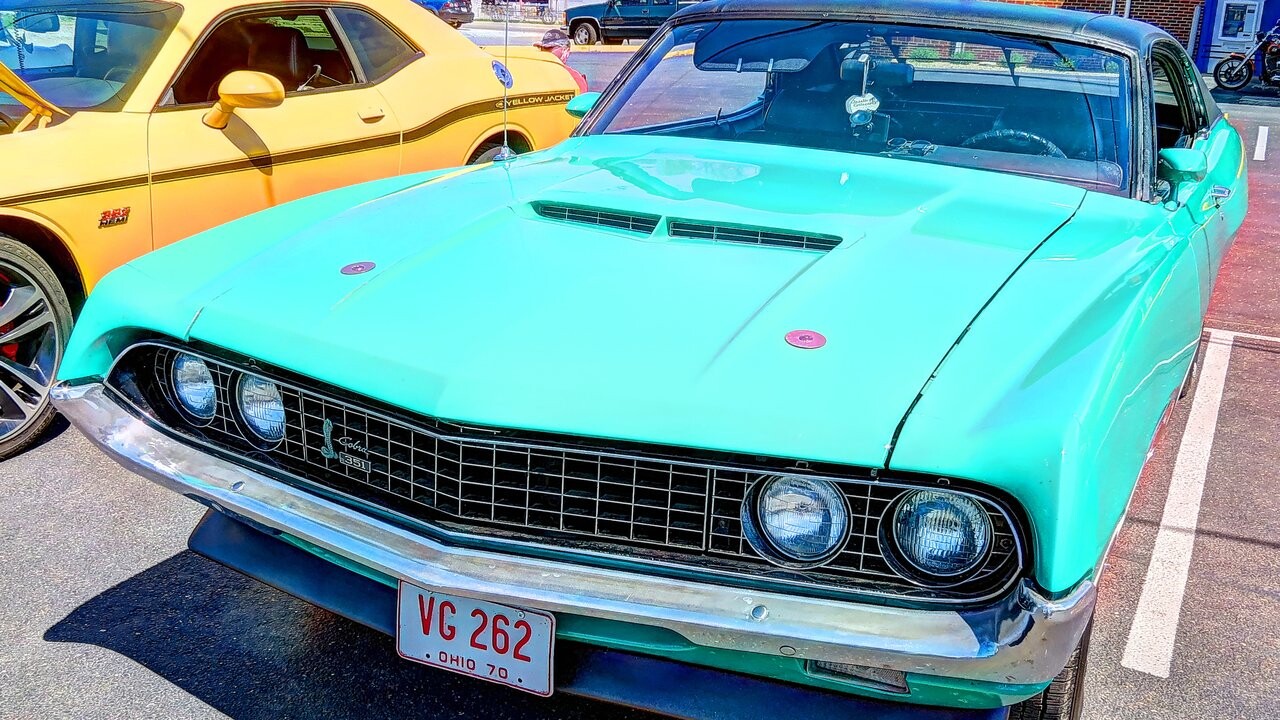
1970 Ford Torino Cobra
Ford made a 429-cubic-inch, 360-horsepower four-barrel V8 standard in the 1970 Torino Cobra. Buyers therefore entered big-block territory without climbing an option ladder. The long hood, fastback roof, and substantial body gave all that engine a shape that looked fast even while standing still.
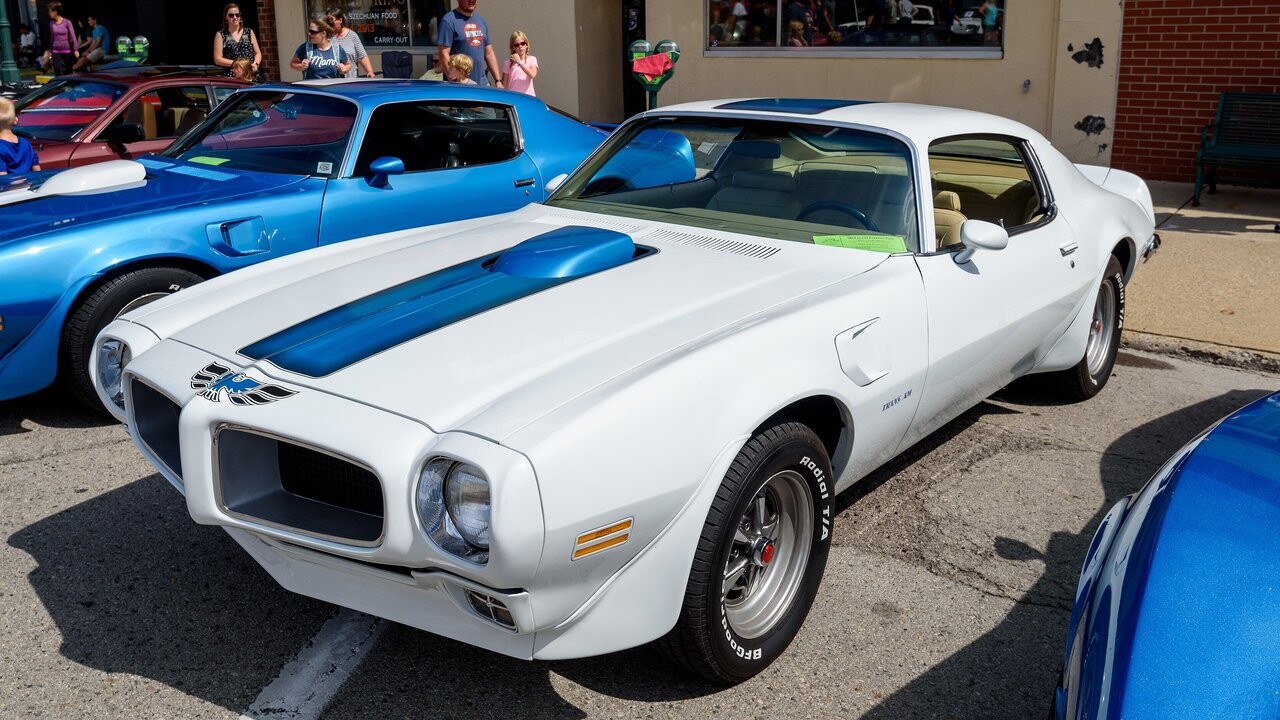
1970 Pontiac Firebird Trans Am
The 1970 Pontiac Firebird Trans Am closes this gallery with a shape that pushed the pony-car formula in a fresh direction. Its low nose, sweeping fenders, rear spoiler, and bold striping created a purposeful visual package. Even parked, it appears poised to turn into the next corner.
These cars turned engine specifications into lifelong memories, and their shapes can still make a parking lot feel like a time machine. Which one do you remember best, and what story would you tell about it?
Follow The HyperHive on MSN for more stories like this.
Sources: