Child Stars of the 1950s and ’60s, Then and Now

It is unclear as to whether Screen Gems Television / Wikimedia Commons, Public domain (cropped)
Their faces became part of family life, appearing in living rooms and neighborhood theaters while they were still growing up themselves. What happened after those defining childhood roles was often just as interesting.
Moving roughly by each performer’s breakthrough, these slides draw on official archives, academy records, company histories, and recorded oral histories to trace the lives that followed early fame.
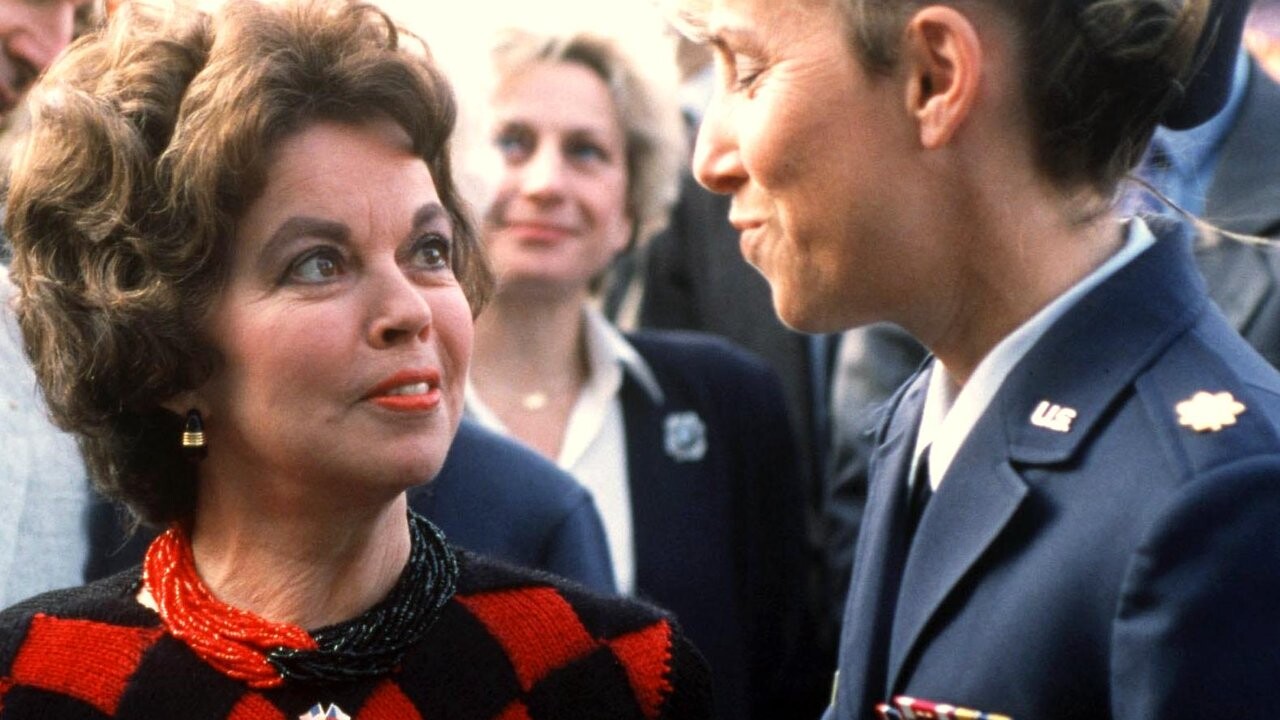
Shirley Temple Black Entered Public Service
Shirley Temple received a special Academy award for her childhood contribution to movies. Her public career later took her far beyond Hollywood: as Shirley Temple Black, she represented the United States as ambassador to Ghana and Czechoslovakia. Few young performers followed an adult path quite like hers.
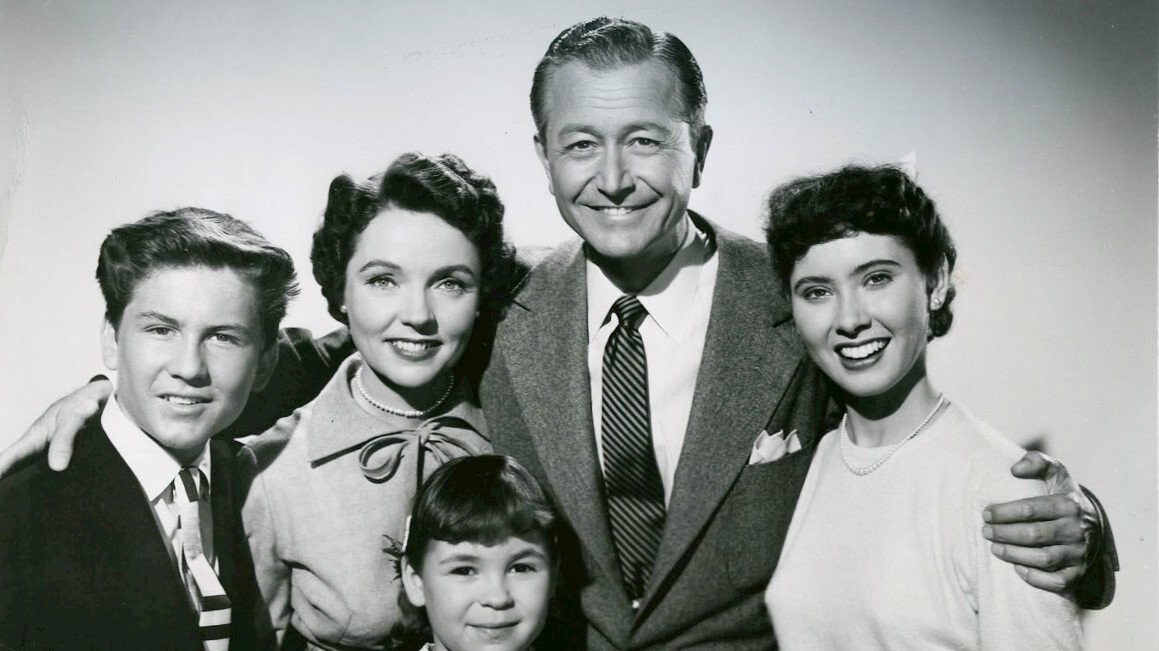
Elinor Donahue Built a Long Television Career
Elinor Donahue grew up performing in radio and vaudeville before playing teenager Betty Anderson on Father Knows Best. Her later roles included Miriam Welby on The Odd Couple and Rebecca on Dr. Quinn, Medicine Woman. Together, those credits trace a career that reached across generations of television.
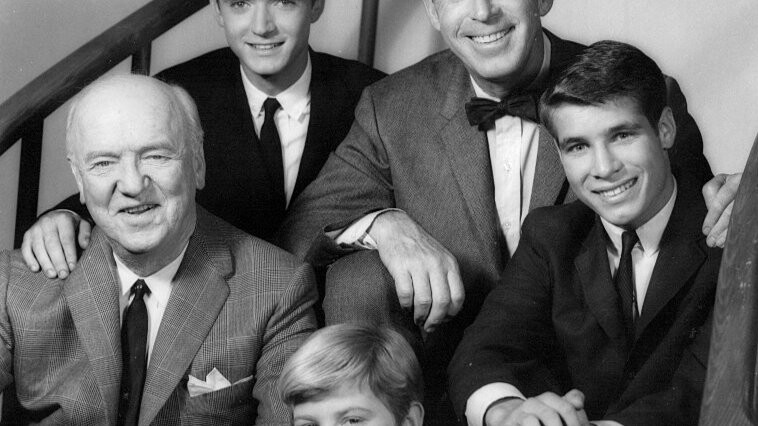
Tim Considine Moved Beyond Acting
Tim Considine played Spin Evans in The Adventures of Spin and Marty, a popular Mickey Mouse Club serial. In later decades, he combined interests in writing, photography, sports, and cars. His path shows how a familiar young actor could build a creative life in several different fields.
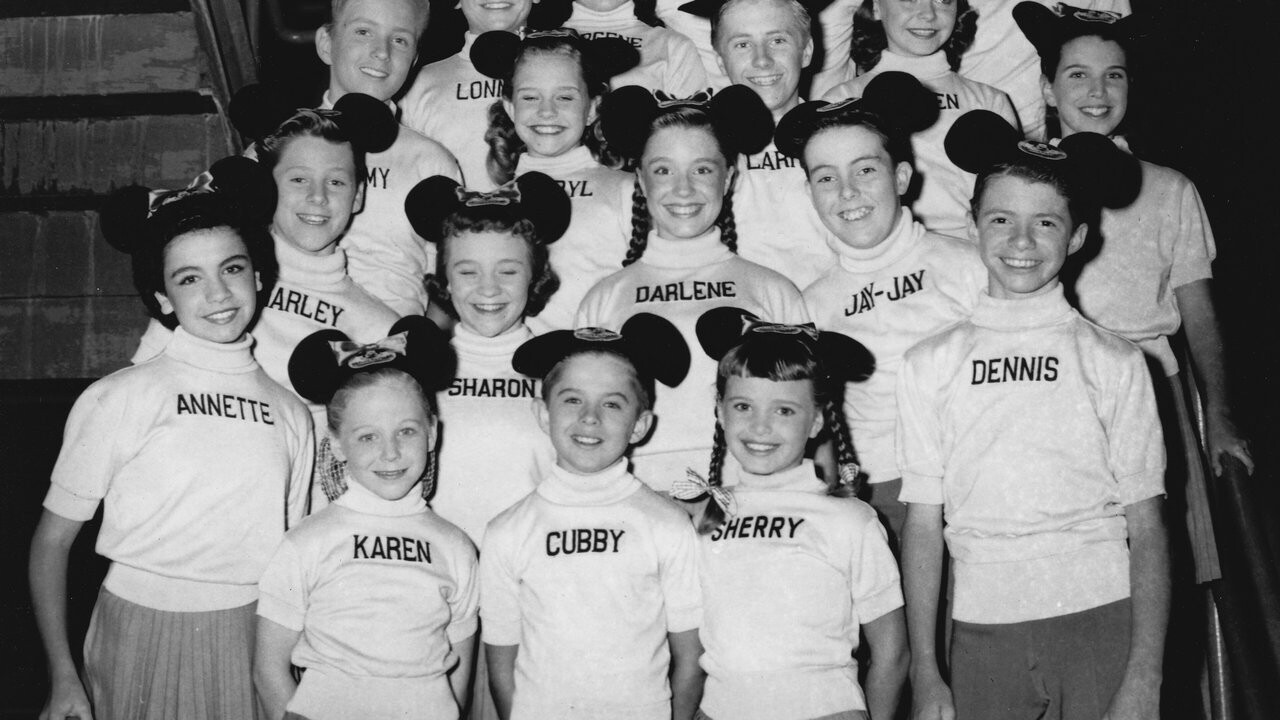
Annette Funicello Supported Neurological Research
Annette Funicello became a recording star with songs released on Disney labels. She later publicly disclosed that she had multiple sclerosis and created the Annette Funicello Research Fund for Neurological Diseases. Her story moved from entertainment into a public effort to support research connected with the illness she faced.
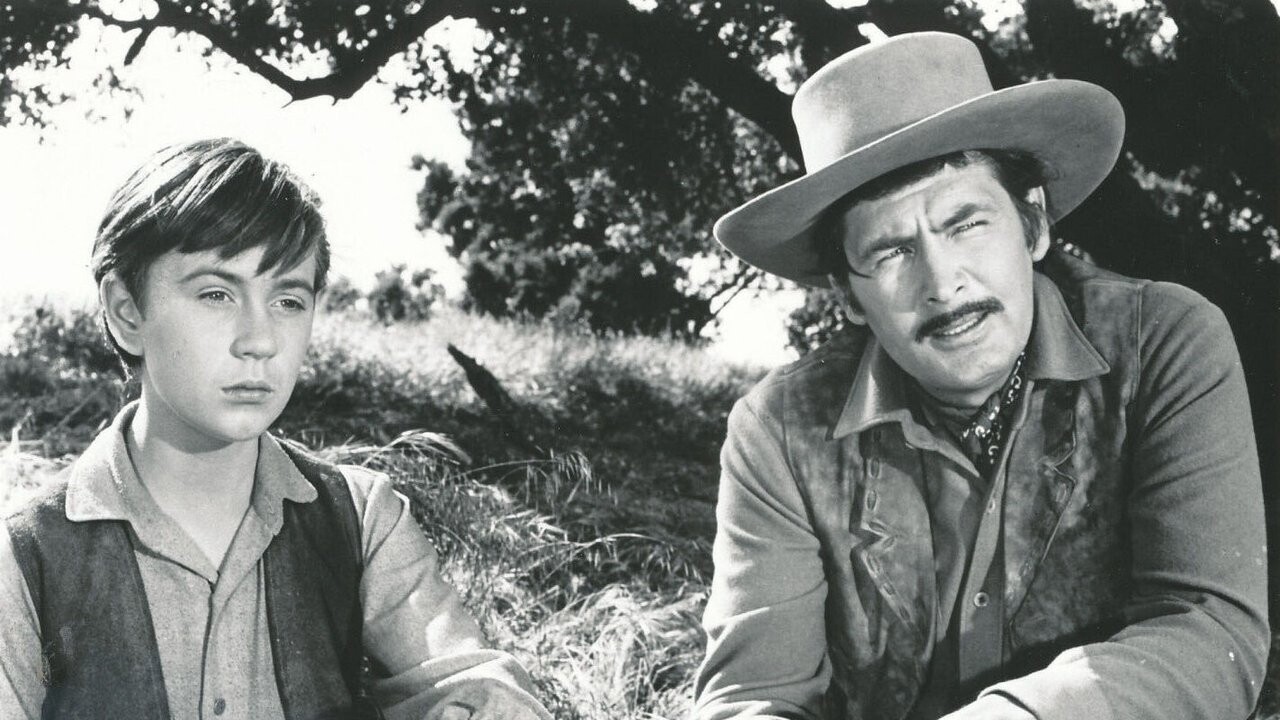
Tommy Kirk Stayed Connected With Fans
Tommy Kirk starred in Disney family favorites including Old Yeller and The Shaggy Dog. He gave up acting in the mid-1970s, aside from occasional appearances, and later enjoyed writing and seeing fans at nostalgia conventions. His life after regular screen work remained connected to the movies audiences remembered.
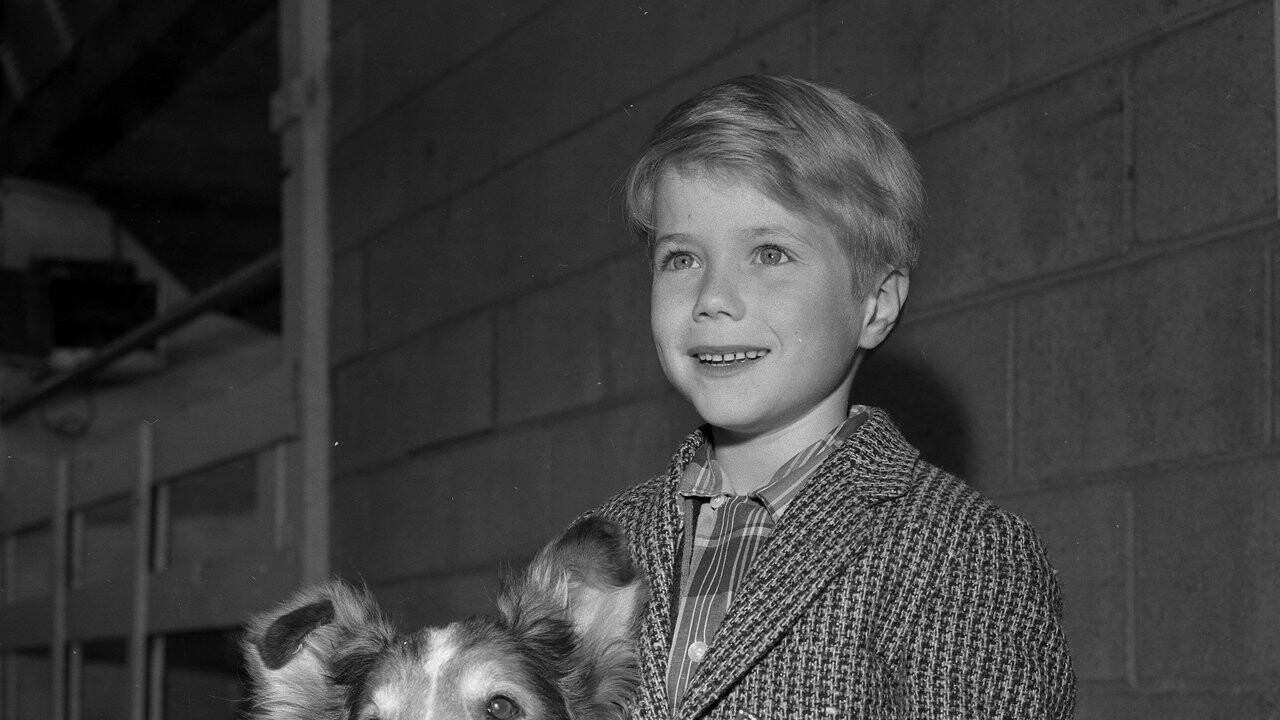
Jon Provost Kept Helping Animals
Jon Provost became closely identified with Timmy on Lassie and returned as an adult version of the character in The New Lassie in 1990. Away from television, he gave his time to animal shelters and humane societies, extending his connection with animals beyond the screen.
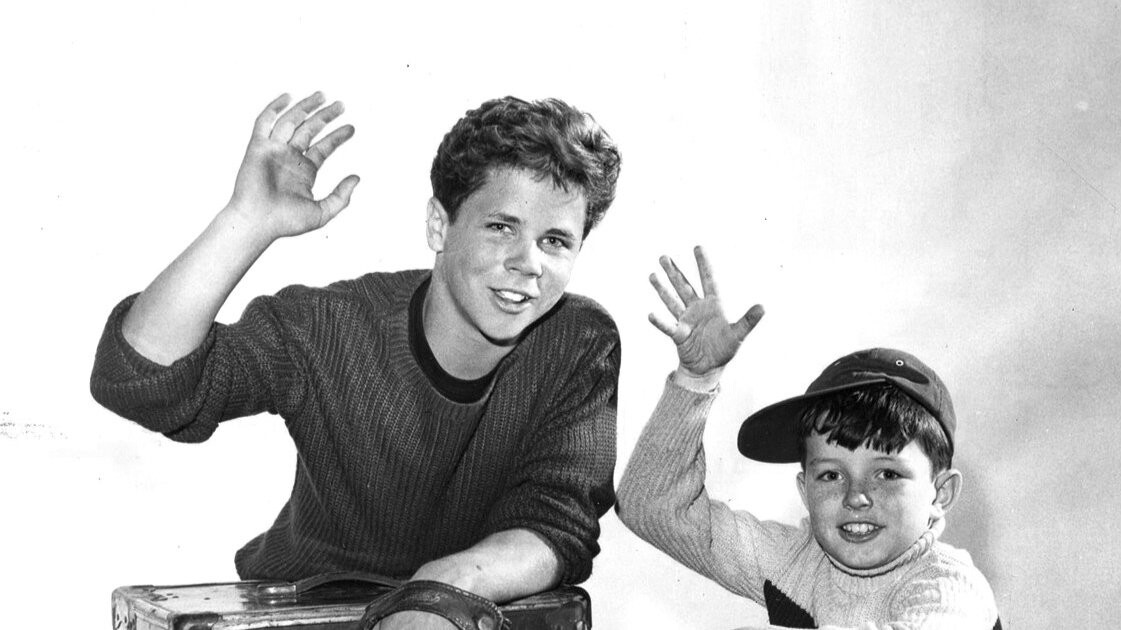
Jerry Mathers Chose School and Business
After Leave It to Beaver, Jerry Mathers left show business to earn a degree, serve in the National Guard, and work in banking and real estate. Those choices gave him a varied adult life beyond the sitcom that had made him a familiar television face.
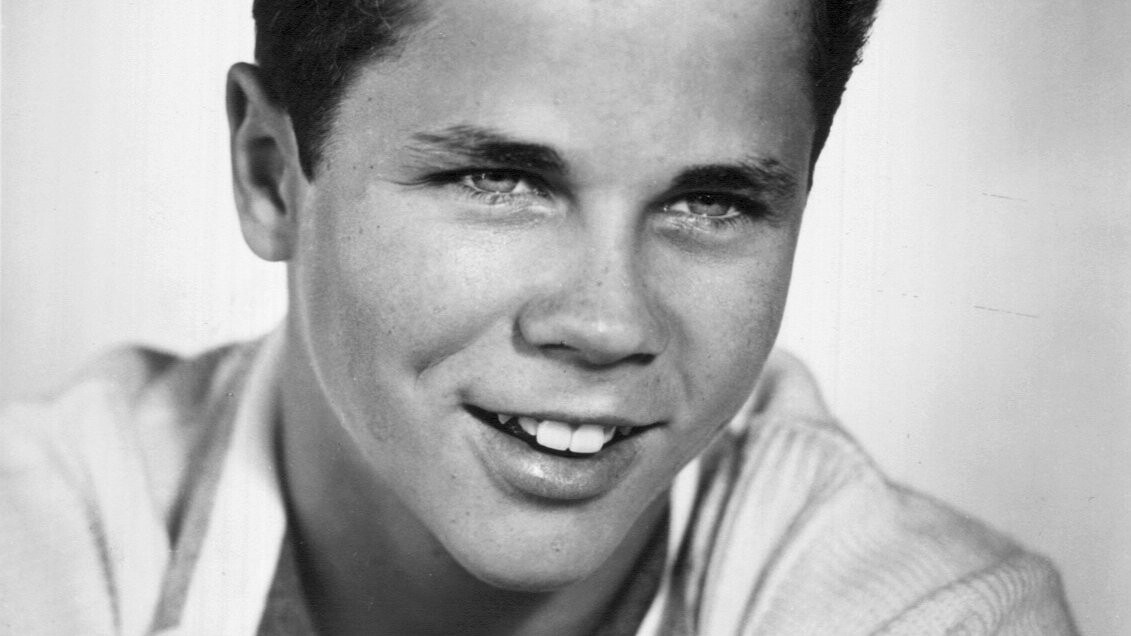
Tony Dow Became a Television Director
Tony Dow played Wally Cleaver on Leave It to Beaver before expanding his work behind the camera. His directing credits included episodes of Coach, Babylon 5, and Star Trek: Deep Space Nine. The move allowed him to apply years of production experience from a different vantage point.
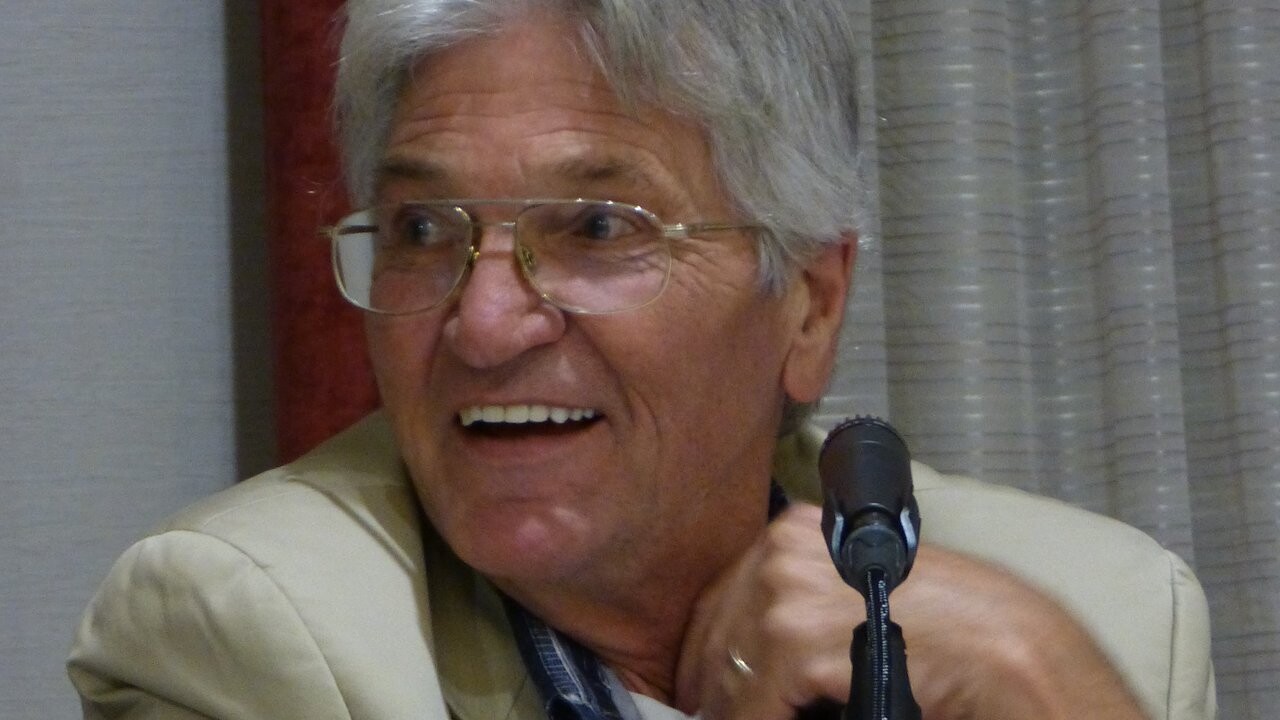
Paul Petersen Became a Child-Performer Advocate
Paul Petersen played Jeff on The Donna Reed Show and later formed A Minor Consideration, a group of former child stars. In legislative testimony, he identified himself as the organization’s founder and president. His experience gave him a personal connection to the people represented by the group.
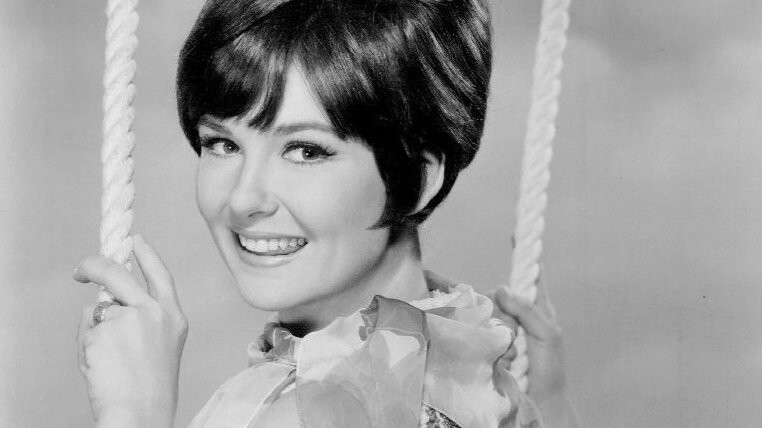
Shelley Fabares Returned With Coach
Shelley Fabares played Donna Stone’s daughter on The Donna Reed Show and Christine Armstrong on Coach. The two roles placed her in prominent family comedies at different points in her television career, allowing viewers from separate generations to discover her work.
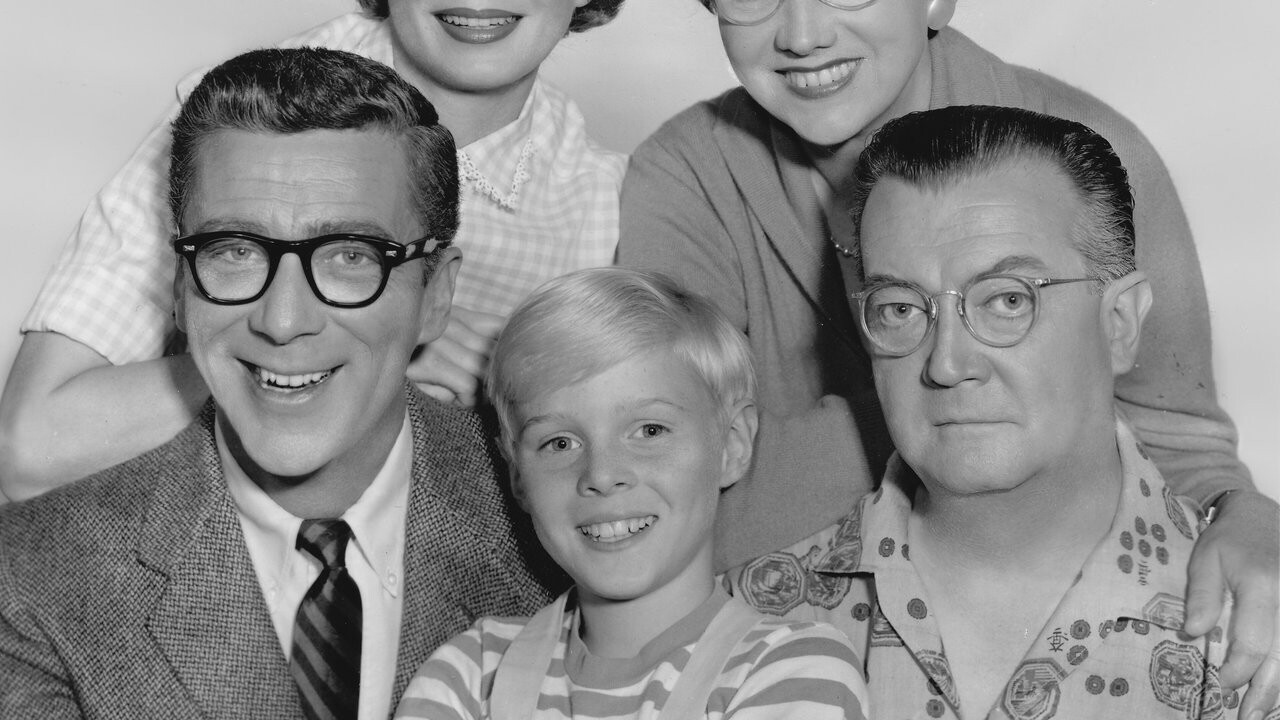
Jay North Remained the Face of Dennis
An Associated Press profile remembered Jay North as the young mischief-maker who starred in television’s Dennis the Menace. It also noted his later appearances on programs including Lassie and The Simpsons. Those roles followed the performance that first made him widely recognizable.
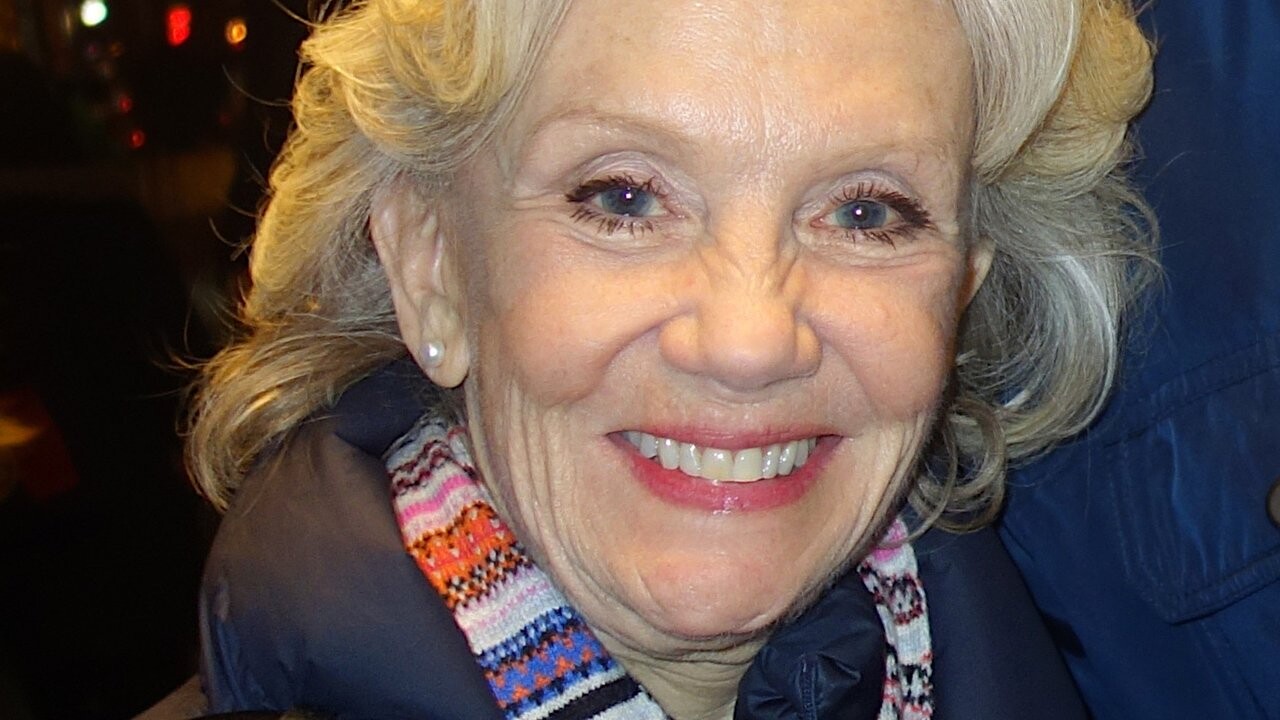
Hayley Mills Returned to Familiar Disney Roles
Hayley Mills played twin sisters scheming to reunite their parents in The Parent Trap. She eventually returned to Disney, appearing in three sequels to the film and the series Good Morning, Miss Bliss. The later projects reconnected her with the studio behind one of her most familiar performances.
Patty Duke Expanded Her Television Legacy
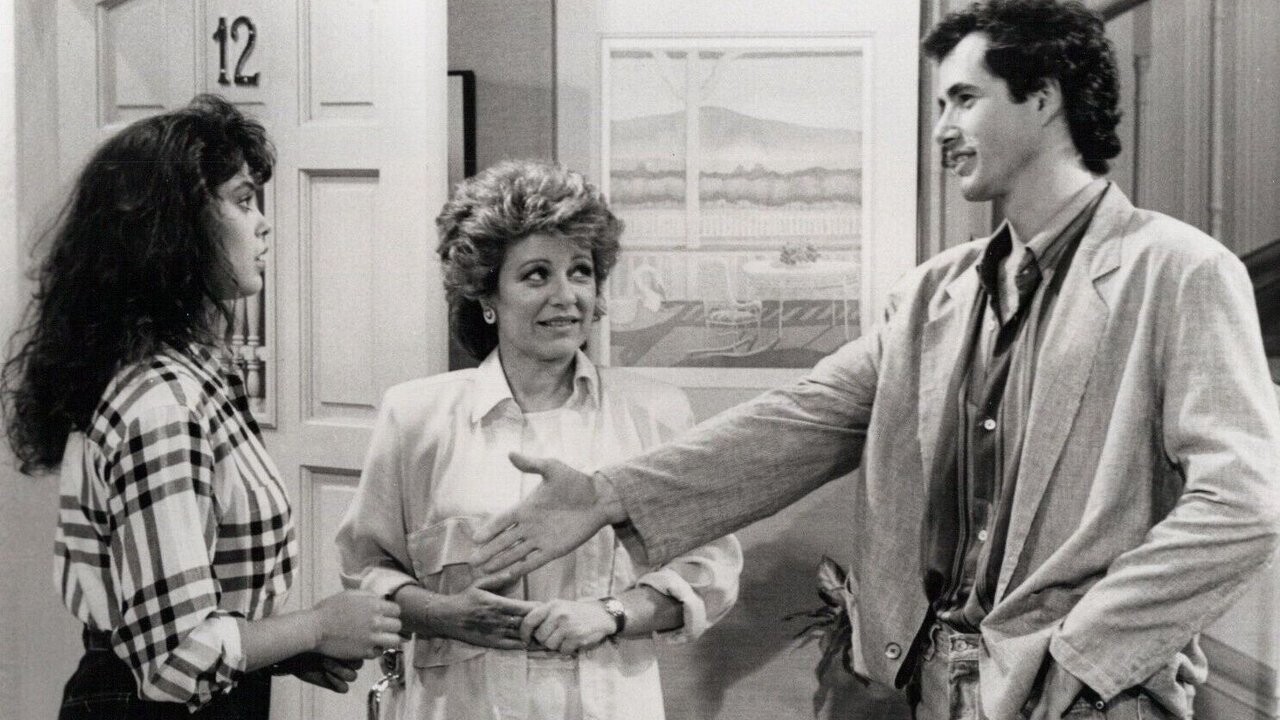
Patty Duke won the supporting-actress Academy Award for portraying Helen Keller in The Miracle Worker. The Patty Duke Show then cast her as a pair of look-alike cousins. As an adult, she began a three-year term as president of the Screen Actors Guild in 1985.
Mary Badham Carried Scout’s Message Forward
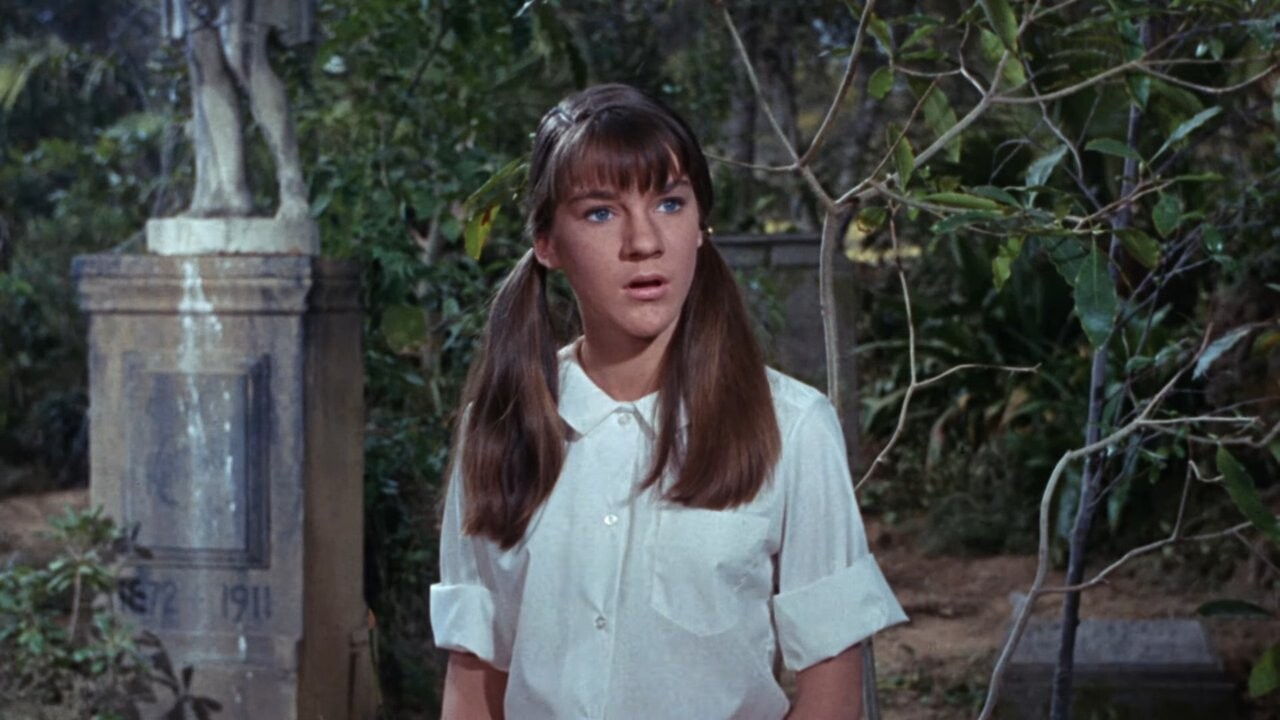
Mary Badham portrayed Scout Finch in the 1962 film To Kill a Mockingbird. She later lectured around the world about the story’s messages of tolerance and compassion, carrying its enduring themes into conversations with audiences far removed from the original production.
Kurt Russell Made the Leap to Adult Roles
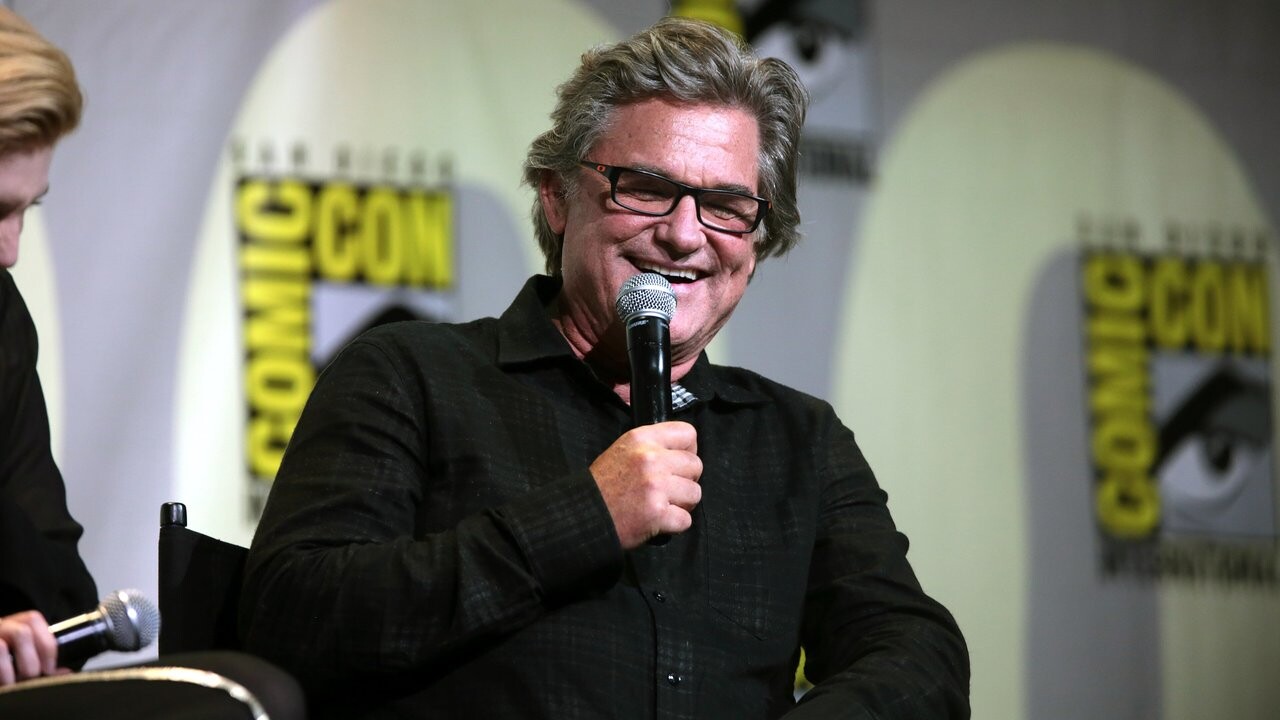
Kurt Russell was 15 when he was cast in his first Disney film, Follow Me, Boys! He went on to make a successful transition into adult roles, turning an early opportunity with the studio into the beginning of a much longer screen career.
Bill Mumy Returned to Children’s Science Fiction
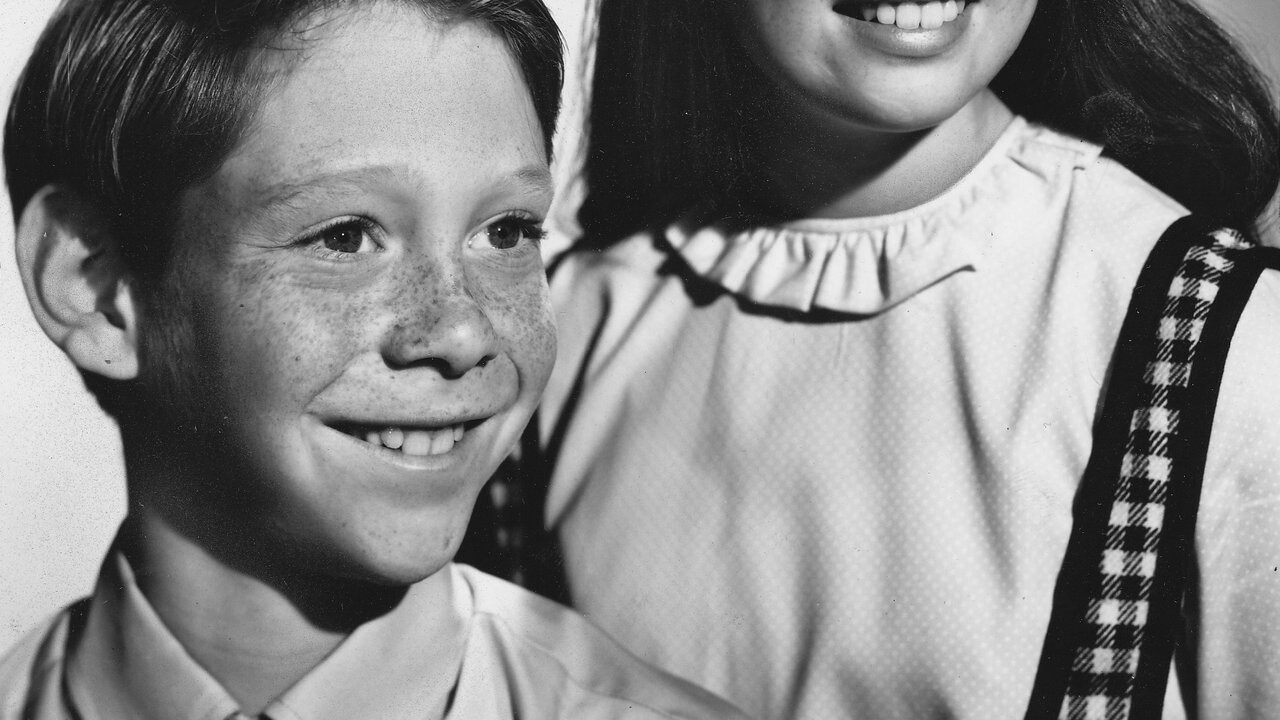
Bill Mumy played Will Robinson during a three-year run on Lost in Space. He later created the Nickelodeon children’s series Space Cases. Moving from a well-known science-fiction role to creating another young ensemble gave his career a satisfying sense of symmetry.
These careers show how many different lives can grow from one unforgettable childhood role. Which of these performers do you remember best?
Follow The HyperHive on MSN for more stories like this.
Sources:






