Children’s TV Shows Boomers Grew Up With, in Photos

State Committee for Television and Radio Broadcasting of Ukraine / Wikimedia Commons, Public domain (cropped)
Before cartoons took over Saturday mornings, children’s television could feel like a neighborhood theater, ranch, classroom, or clubhouse squeezed into the family set.
This gallery follows the medium from live puppetry and early Westerns to educational programs that welcomed young viewers into new worlds.
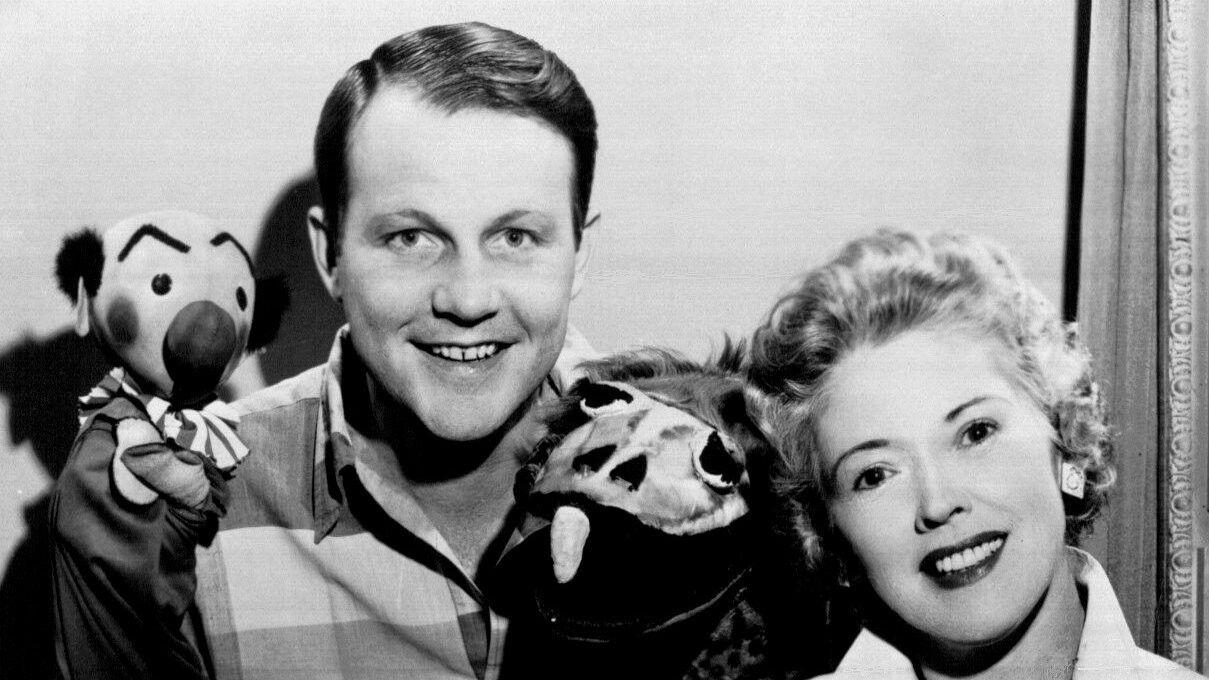
1947: Kukla, Fran and Ollie Open the Curtain
The program started in Chicago as Junior Jamboree, with Fran Allison talking to Kukla, Ollie, and a larger family of hand puppets. Its conversations, songs, and make-believe kept the scale intimate. That gentle, lightly improvised feeling made early television seem less like machinery and more like a neighbor dropping by.
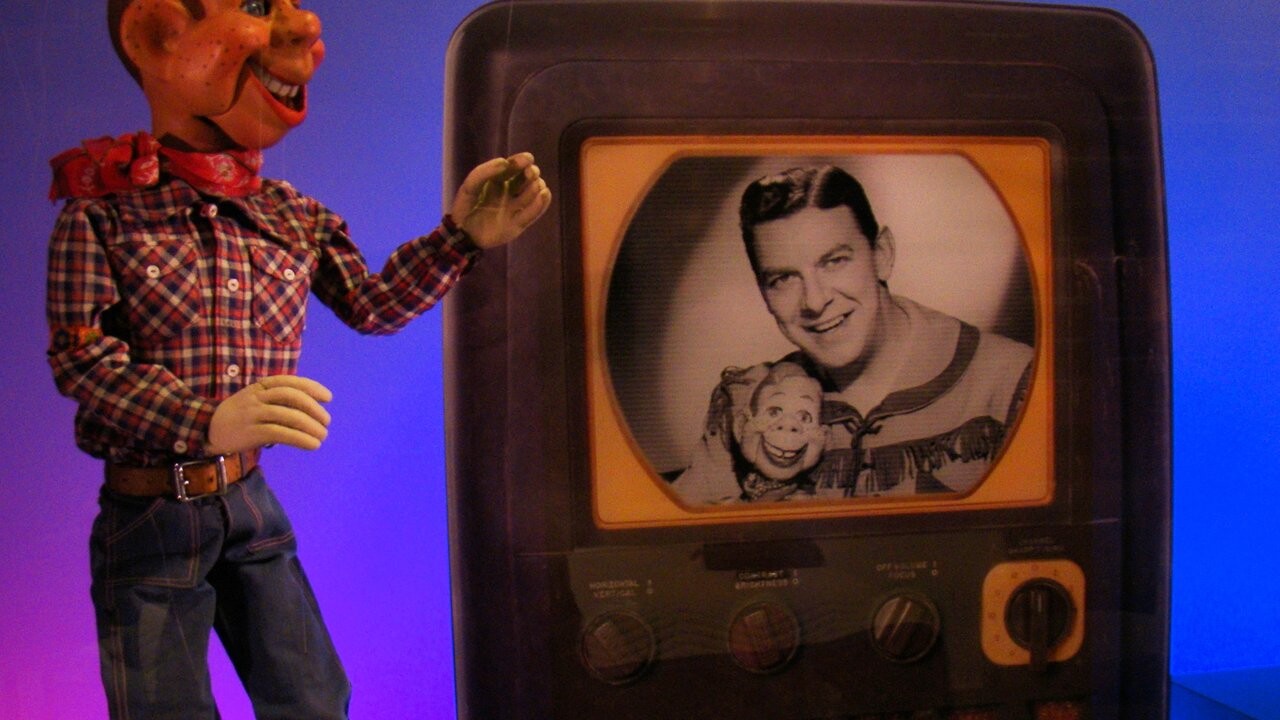
1947: Howdy Doody Fills the Peanut Gallery
Howdy Doody paired Buffalo Bob Smith and marionettes with a live children’s audience known as the Peanut Gallery. Running through 1960, its playhouse-style mixture of skits and songs made viewers feel close to the action. The children on the bleachers helped give the program its exuberant rhythm.
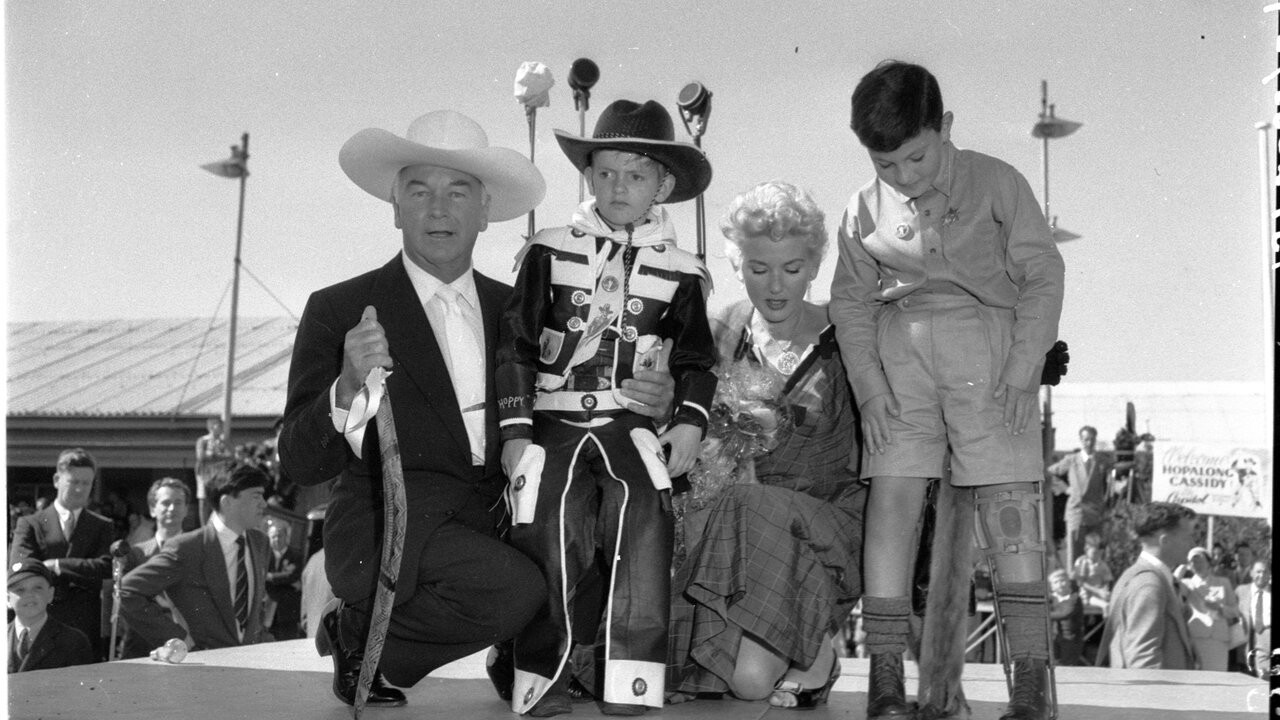
1949: Hopalong Cassidy Rides Onto Television
Hopalong Cassidy brought a familiar screen cowboy into the still-new television world. That year, the Library of Congress began collecting films made for television with a Hopalong Cassidy feature. The archival milestone captures the program’s place near the beginning of the medium, when the open range was moving into the family living room.
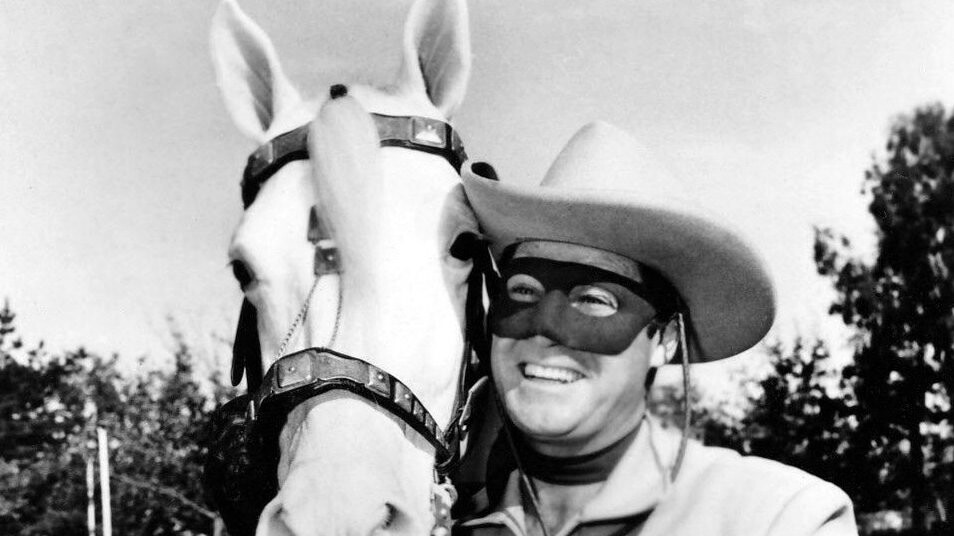
1949: The Lone Ranger Answers the Call
Clayton Moore’s masked hero and Jay Silverheels’s Tonto carried a popular radio adventure into the television age. The series ran through 1957, giving young viewers a steady ritual of galloping rescues and moral choices. Its black-and-white landscapes helped make the television Western a fixture of postwar childhood.
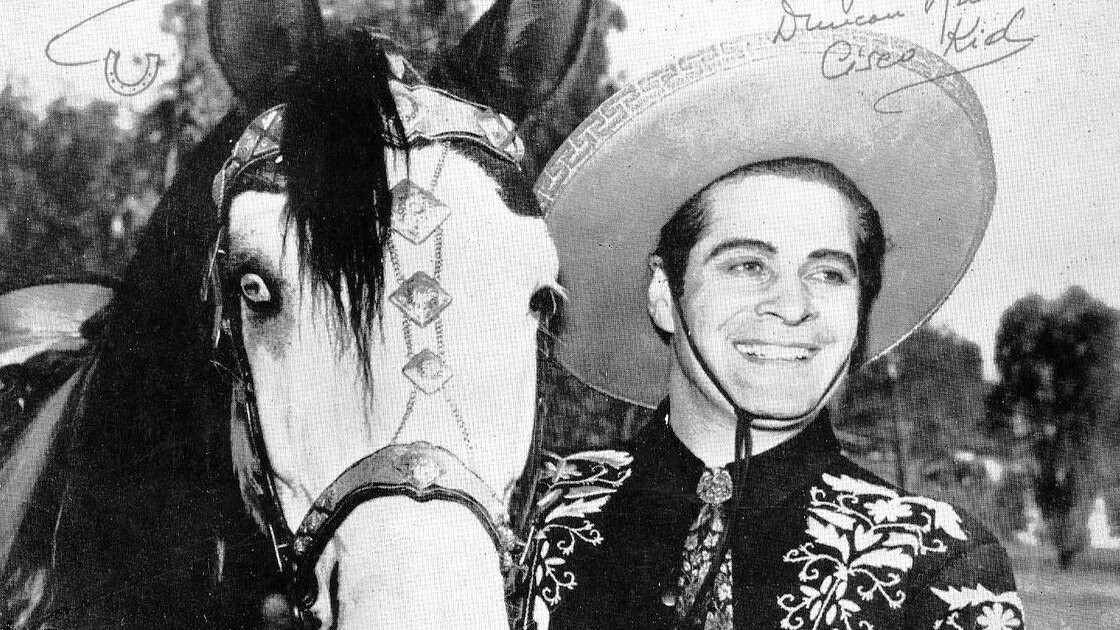
1950: The Cisco Kid Rides Into Syndication
Syndicated through 1956, The Cisco Kid joined the growing herd of television Westerns. Its brisk adventures offered desert scenery, horseback chases, and a hero with an easy smile. Because stations could schedule the series locally, the program became part of childhood routines in communities across the country.

1951: Sky King Takes Adventure Airborne
Sky King shifted the action from horseback to the cockpit as it began its NBC television run. The aviation adventure presented a pilot who could confront trouble from above as confidently as Western heroes handled it on the ground. Airplanes added a modern edge, while the wide landscapes kept one boot planted in frontier storytelling.
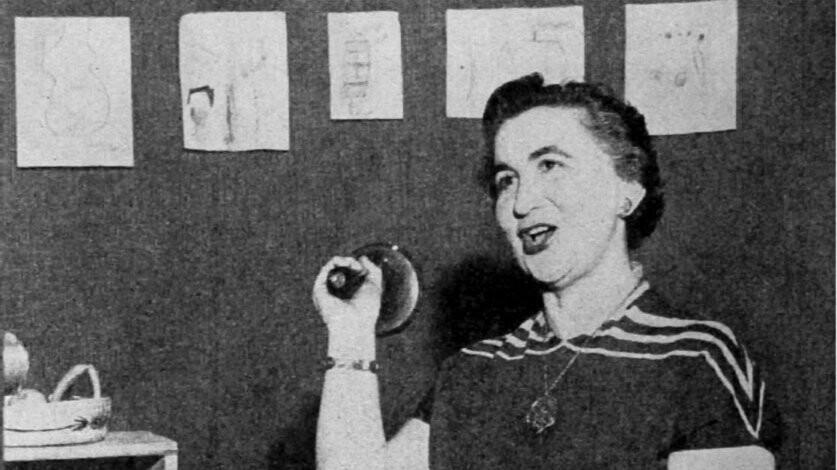
1952: Ding Dong School Rings the Bell
First broadcast from Chicago, Ding Dong School transformed television into a friendly preschool classroom. Simple activities and direct conversation encouraged children at home to participate instead of watching passively. The approach showed that the screen could offer reassurance and instruction alongside the era’s comedy, cowboys, and cliffhangers.
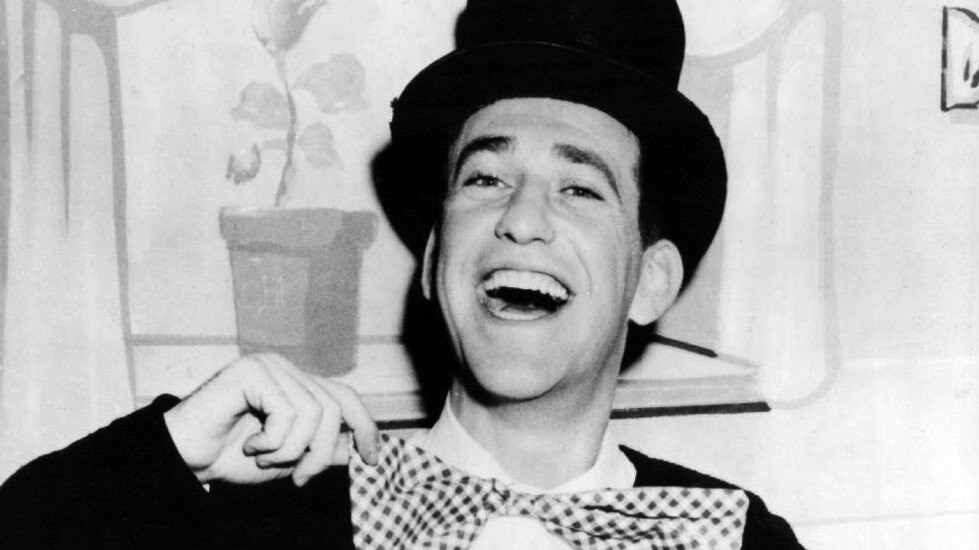
1953: Soupy Sales Serves Lunchtime Laughs
Soupy Sales’s lunchtime program debuted on Detroit’s Channel 7 as 12 O’Clock Comics and later became Lunch with Soupy. Its slapstick, puppets, jokes, and inevitable cream pies turned the midday screen into controlled chaos. Children loved the silliness, while quick asides and playful timing gave nearby adults reasons to keep watching.
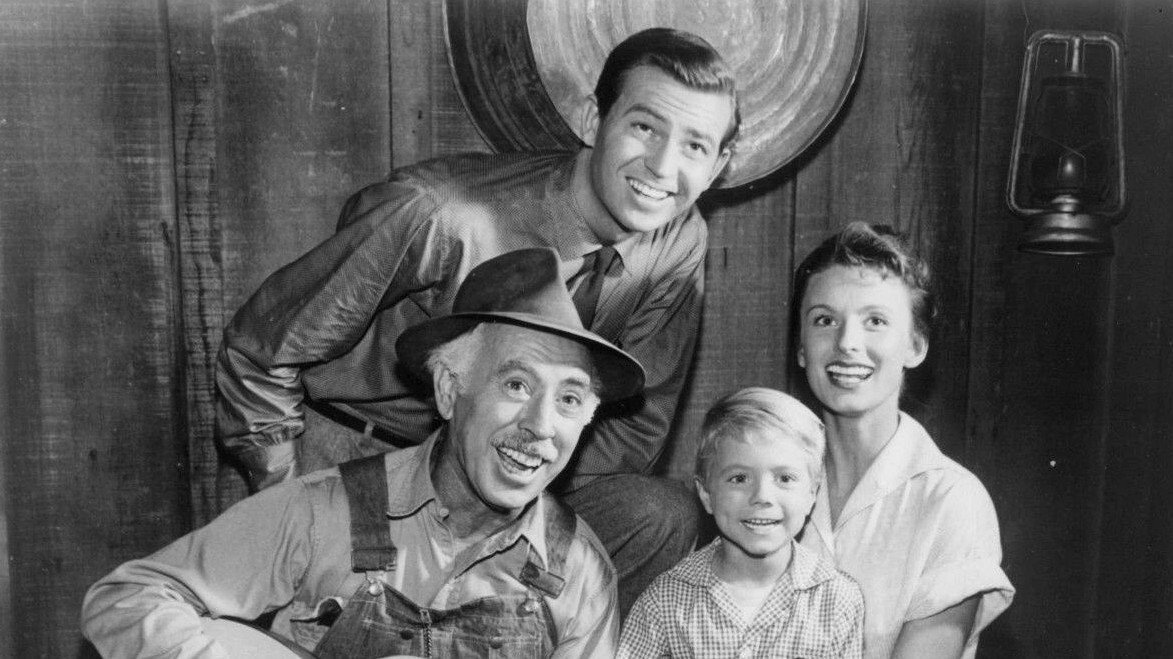
1954: Lassie Comes to the Rescue
Lassie began its long CBS television run with an extraordinarily capable collie at the center of family drama and outdoor adventure. The danger might involve a child, an animal, or the countryside, but reassurance was rarely far away. Loyalty and communication mattered even when the most important character could not speak.
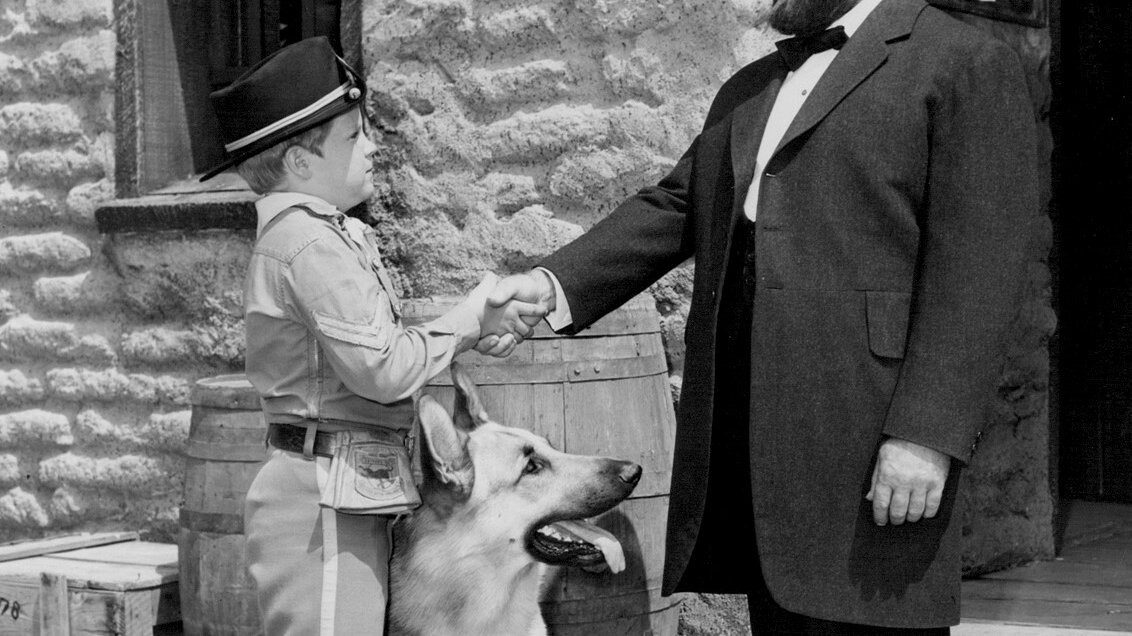
1954: Rin Tin Tin Reports for Duty
The Adventures of Rin Tin Tin combined a heroic dog with frontier action during its ABC run through 1959. Young Rusty and his canine companion faced danger around a cavalry post, bringing two childhood favorites together: animals and Western adventure. The dog’s intelligence often made him feel like a full partner rather than a pet.
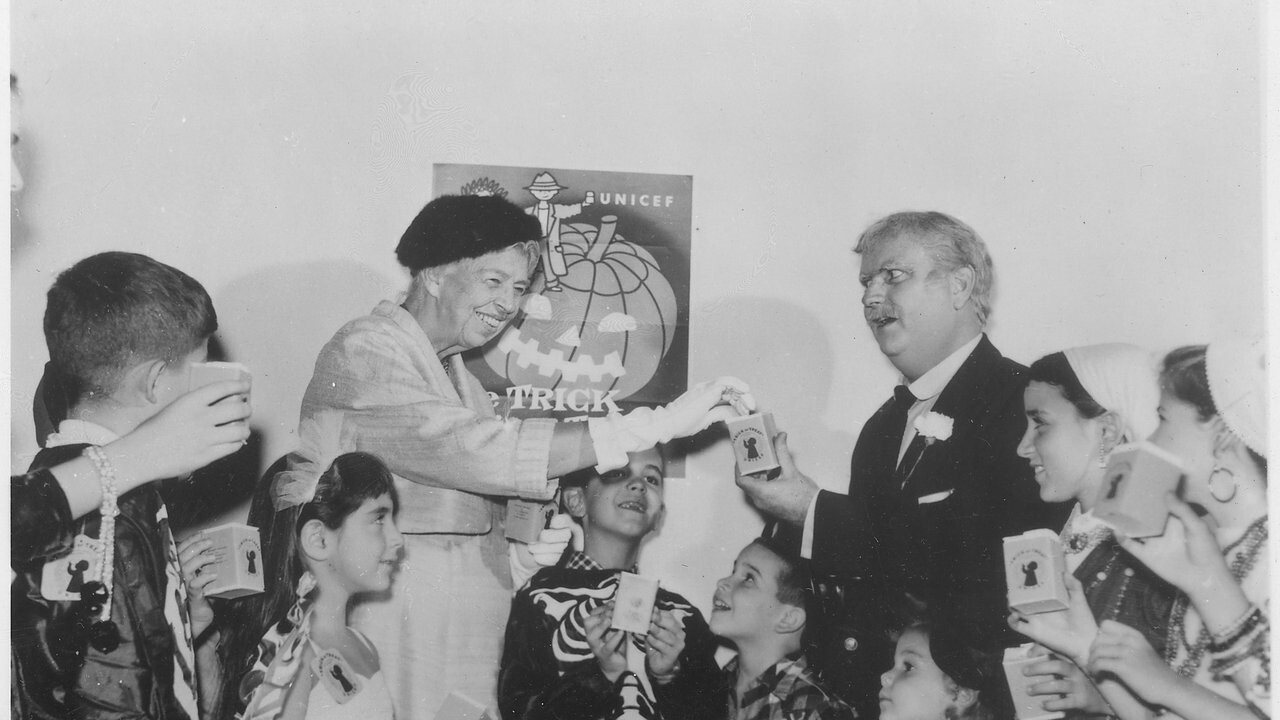
1955: Captain Kangaroo Unlocks the Treasure House
Captain Kangaroo premiered with Robert Keeshan in the title role and Hugh Brannum as Mr. Green Jeans. The program’s calm pace, stories, visitors, and gentle humor created a dependable morning refuge. It trusted that children could enjoy quiet attention as much as noise, speed, or adventure.
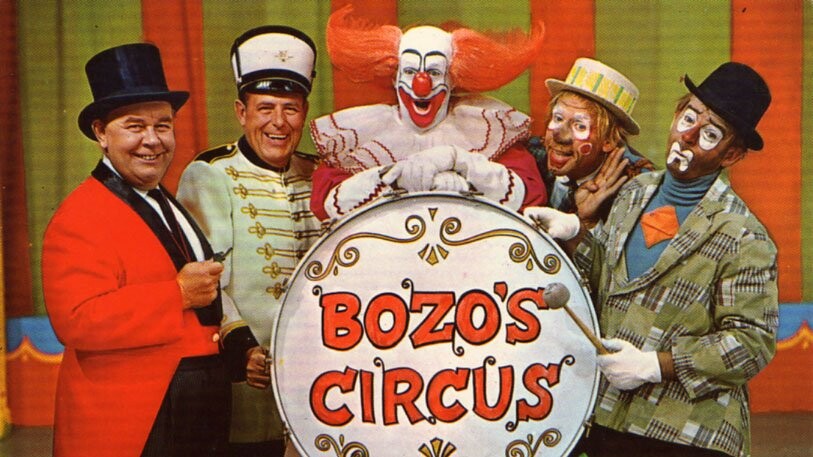
1956: Bozo Becomes a Local Television Institution
Larry Harmon purchased the rights to Bozo and licensed the clown to television stations across the country and beyond. That franchise model allowed local performers and studios to create their own versions. As a result, different generations and cities may remember different Bozos, each seemingly native to the local airwaves.
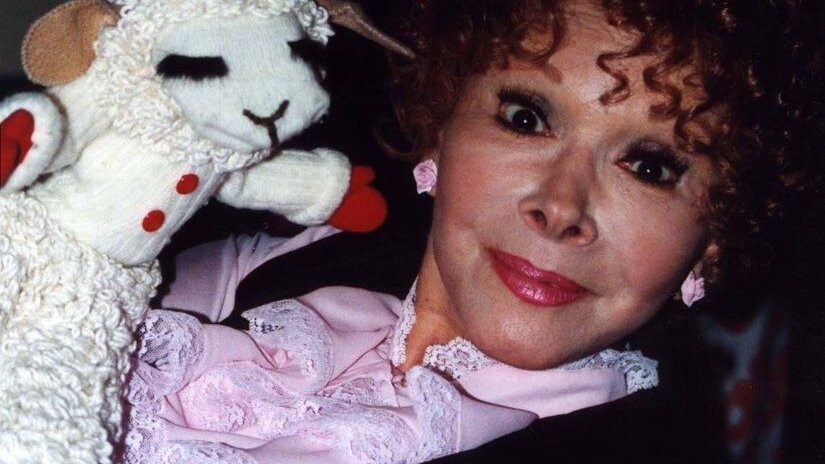
1960: Shari Lewis Gives Lamb Chop a Voice
The Shari Lewis Show began its three-year NBC run with a gifted host beside characters who seemed fully alive. Lewis and Lamb Chop traded affectionate disagreements that demonstrated how little material was needed when timing, voice, and a child’s imagination did the rest.
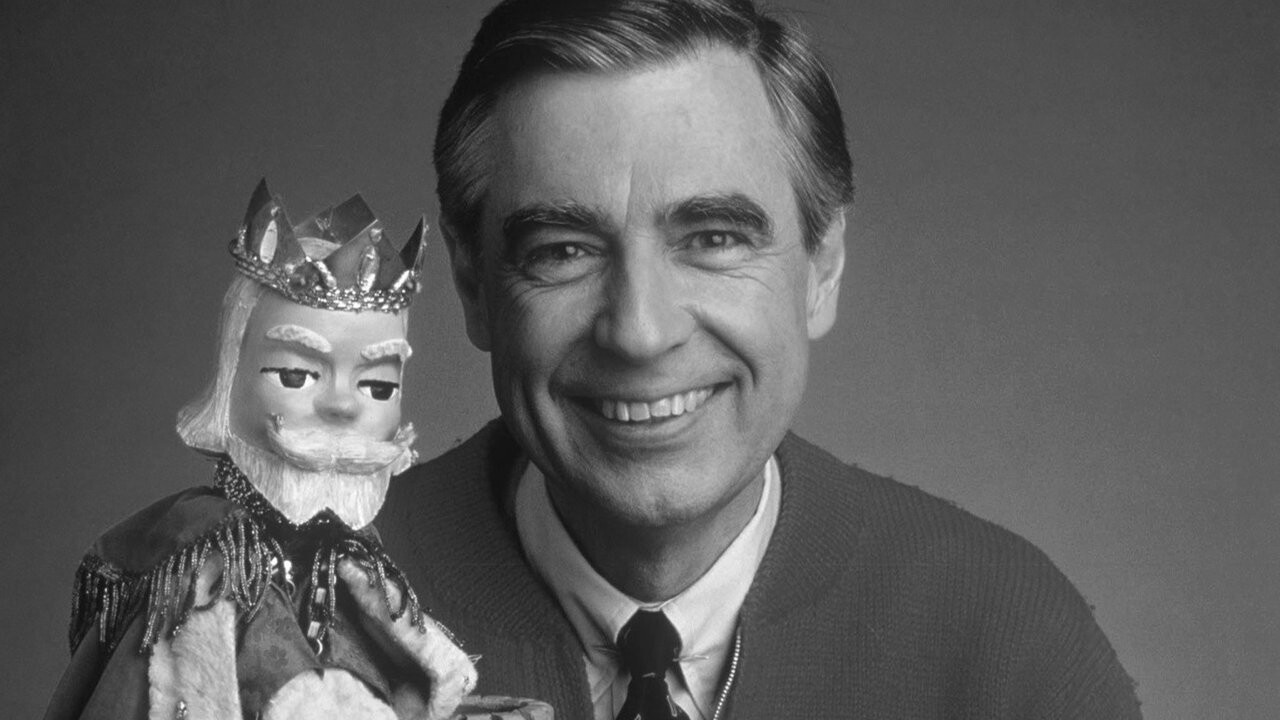
1968: Mister Rogers Welcomes the Neighborhood
Mister Rogers’ Neighborhood reached national television with Fred Rogers speaking directly to children, singing, and making arts and crafts. His steady manner treated young viewers as thoughtful people and made room for difficult feelings without hurry. In a medium increasingly drawn to speed and spectacle, the program made patience feel quietly radical.
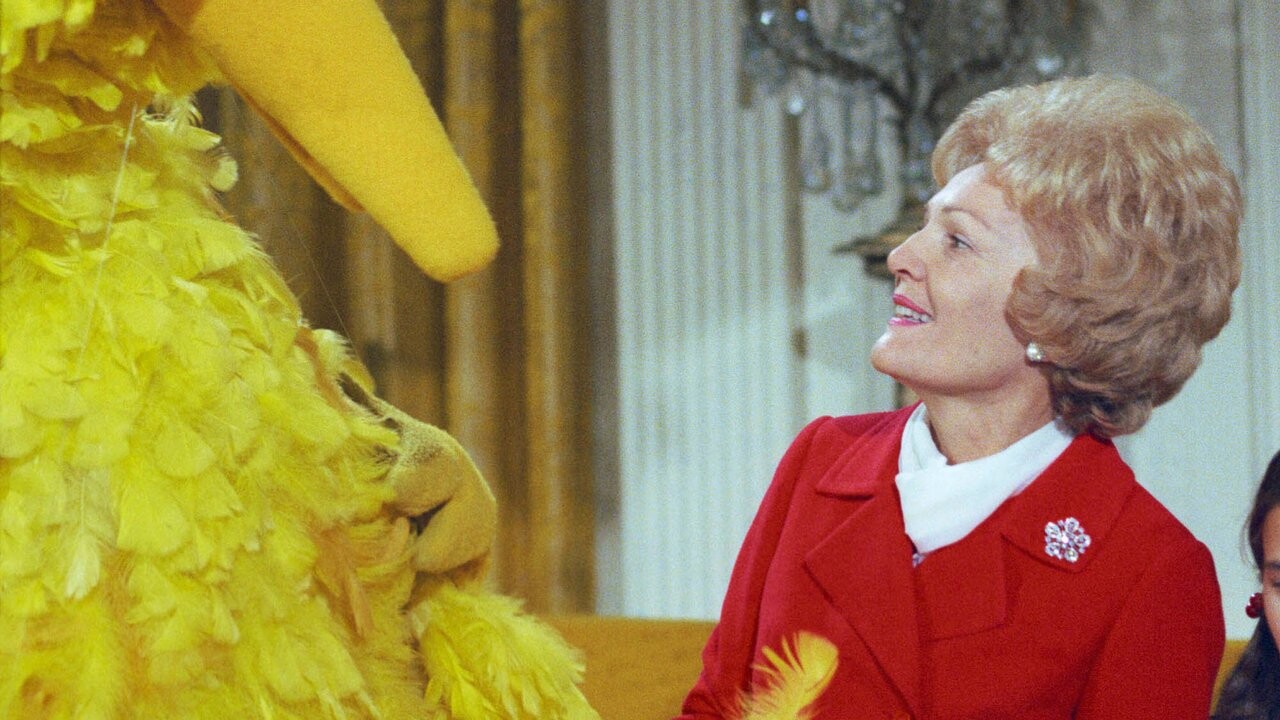
1969: Sesame Street Reinvents Educational Television
Sesame Street premiered with an ambitious educational purpose: teaching basic reading, math, and life skills, especially to young viewers of color and those from low-income households. Memorable puppets, music, humor, and repetition helped turn those lessons into entertainment, establishing a lively model for educational television.
Together, these programs show how quickly children’s television learned to mix adventure, laughter, reassurance, and teaching. Which of these shows do you remember best?
Follow The HyperHive on MSN for more stories like this.
Sources:






