Classic Film Noir Movies Worth Watching Again, in Photos

my own screen capture / Wikimedia Commons, Public domain (cropped)
Film noir rewards repeat viewing. Once the mystery is familiar, the performances, uneasy silences, sharp dialogue, and expressive shadows become even more absorbing.
Arranged from oldest to newest, these selections draw on film-institute catalogs and preservation records. Freely reusable publicity stills and trailer frames can illustrate the stars who gave each story its distinctive pull.
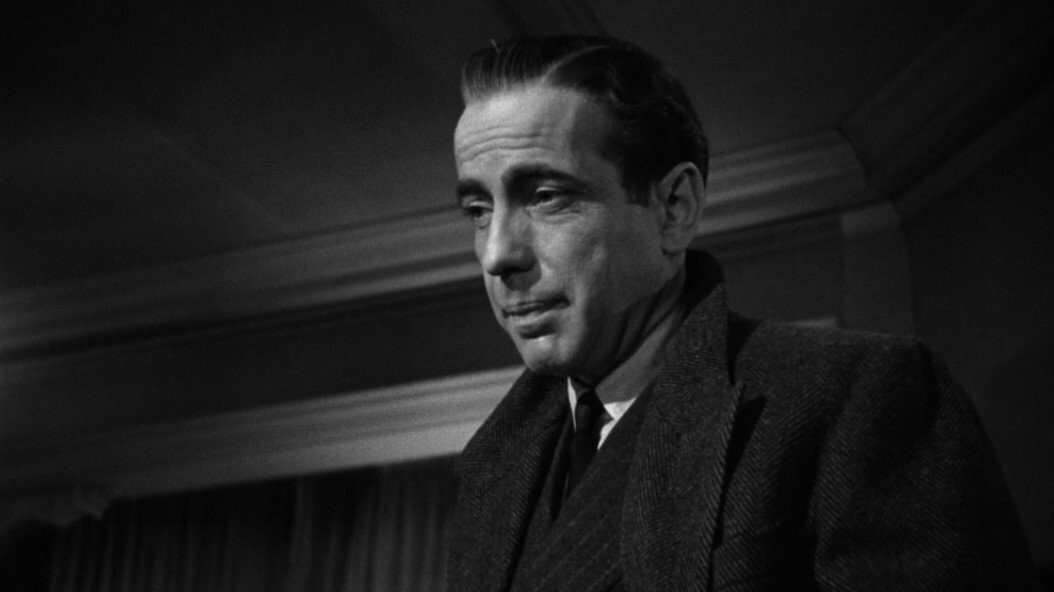
1941: The Maltese Falcon
Humphrey Bogart and Mary Astor give this mystery its hard, alert center. The pleasure on a return visit lies in the crisp verbal fencing, shifting loyalties, and marvelous supporting faces. Its rooms feel increasingly airless as every new explanation makes the prize seem less important than the people pursuing it.
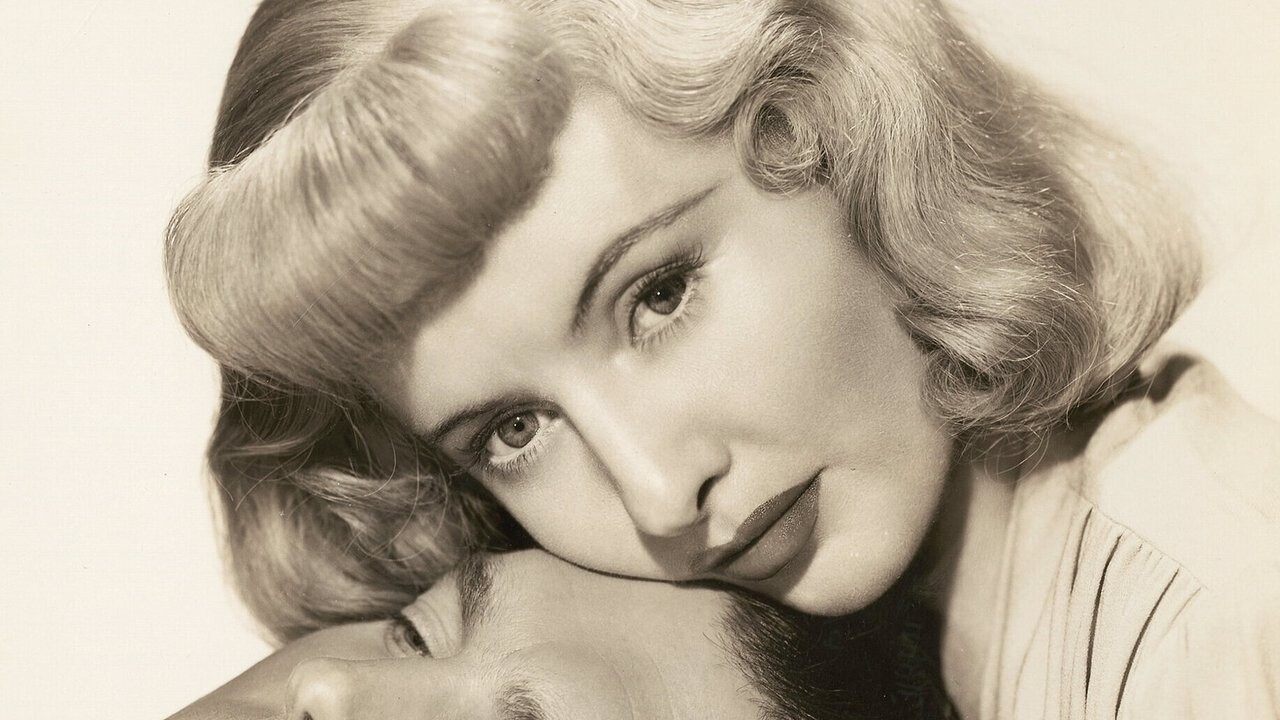
1944: Double Indemnity
Fred MacMurray, Barbara Stanwyck, and Edward G. Robinson form an exceptionally balanced trio. Rewatch it for the clipped exchanges, deep shadows, and steadily tightening sense of consequence. Stanwyck’s cool command meets MacMurray’s gathering panic, while Robinson supplies the intelligence and bruised affection that make the scheme feel painfully human.
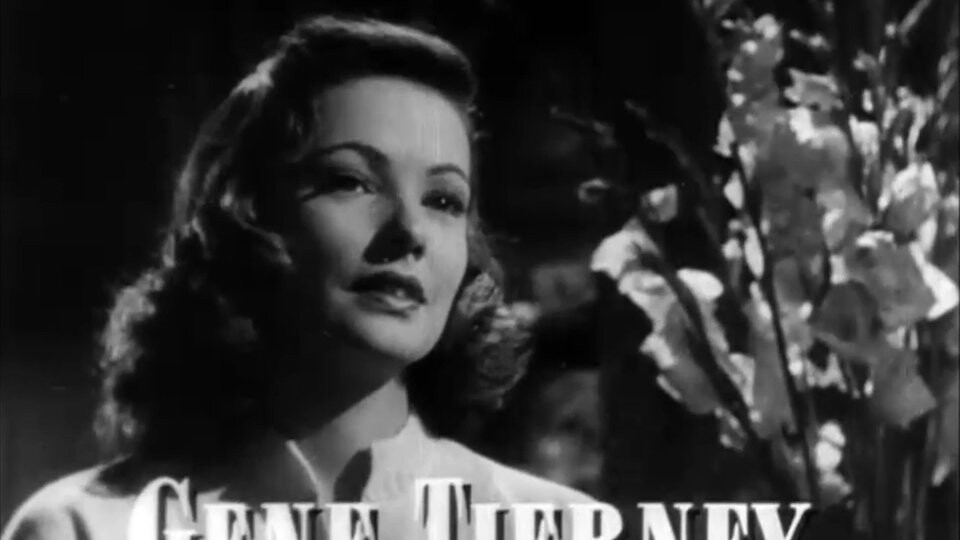
1944: Laura
Gene Tierney, Dana Andrews, and Clifton Webb inhabit a mystery shaped as much by fascination as detection. Its polished surfaces conceal possessiveness, vanity, and loneliness. Another viewing makes the small reactions especially rewarding, while the elegant photography and recurring musical theme give the picture the strange pull of a half-remembered dream.
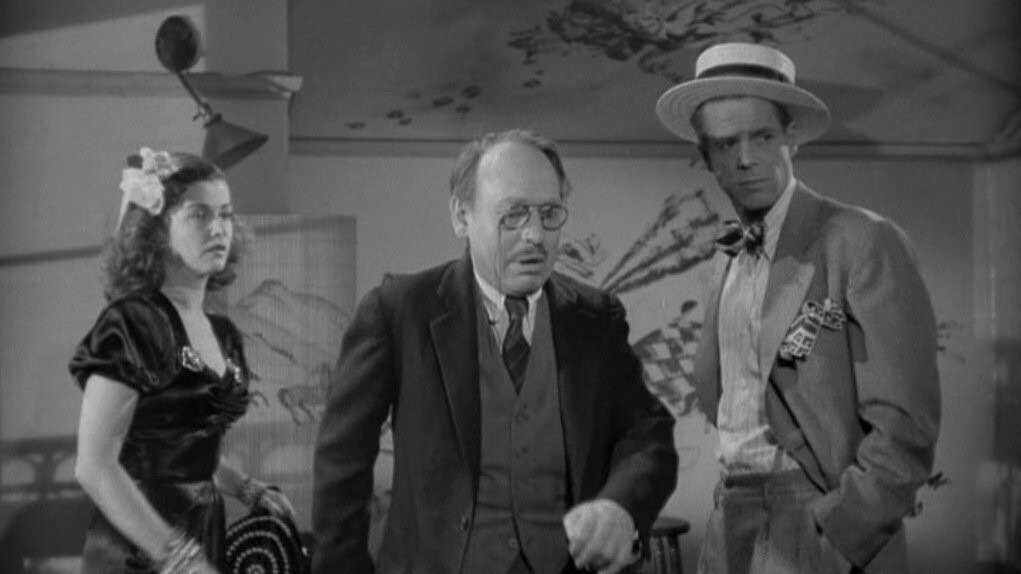
1945: Scarlet Street
Edward G. Robinson, Joan Bennett, and Dan Duryea create a merciless triangle of hope, manipulation, and self-deception. Robinson’s vulnerability gives the picture its aching center. On another viewing, notice how ordinary rooms and familiar routines become traps, and how every character mistakes desire for a reliable view of the truth.
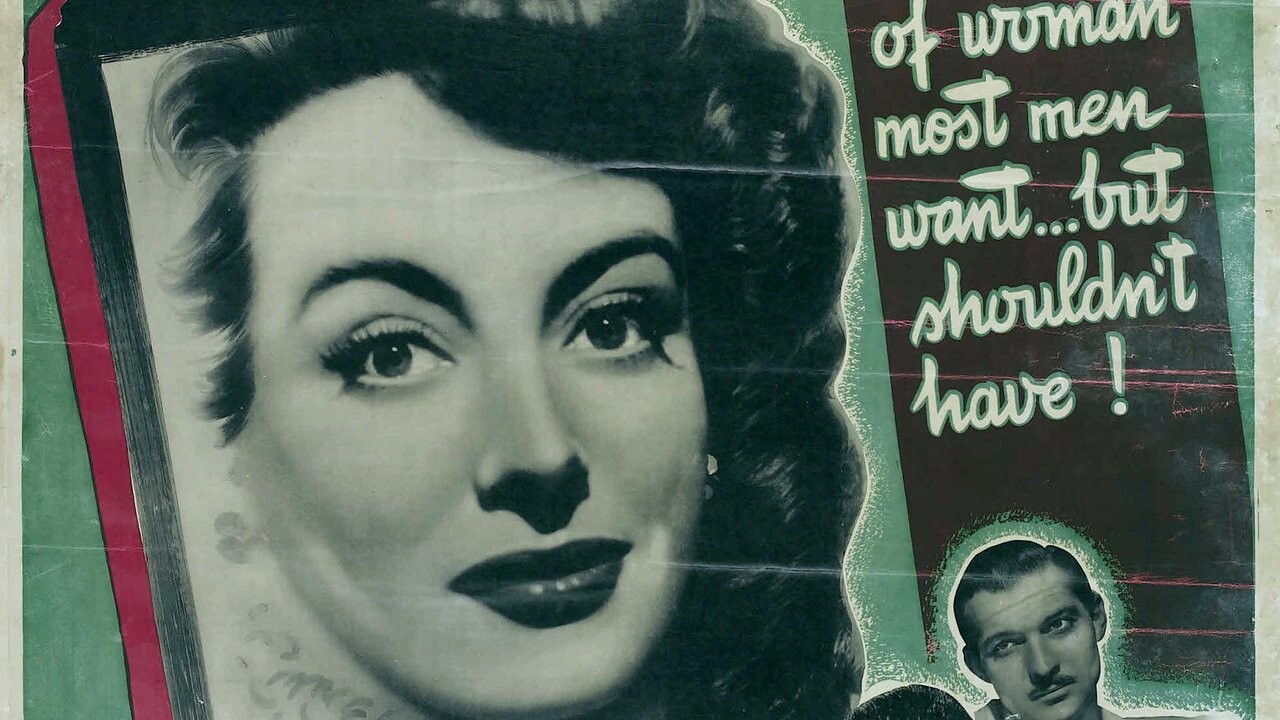
1945: Mildred Pierce
Joan Crawford, Jack Carson, and Zachary Scott give this family melodrama a noir edge without losing its emotional sweep. Crawford’s controlled intensity carries the picture through ambition, disappointment, and hard-earned independence. It is worth revisiting for the way domestic conflict and business success become as suspenseful as any conventional crime story.
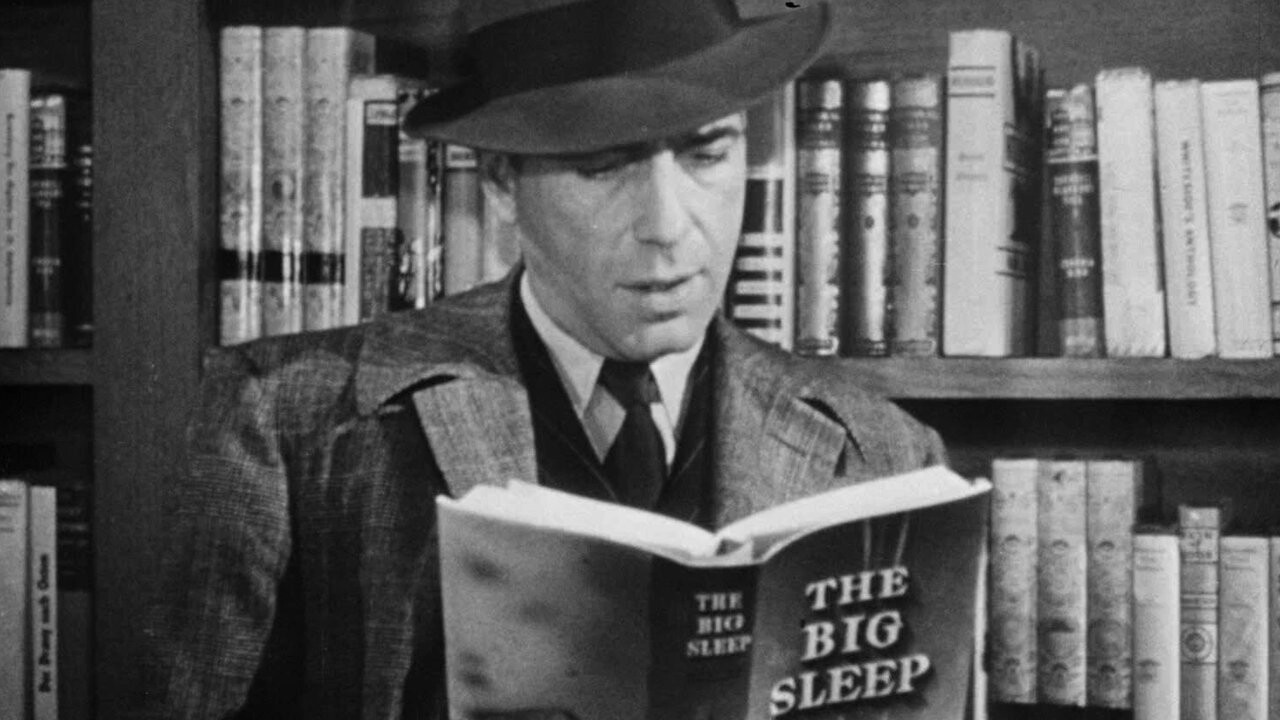
1946: The Big Sleep
Humphrey Bogart and Lauren Bacall make the famously tangled mystery feel effortless. Their teasing rhythm matters more than tracing every connection, and repeated viewings only improve the experience. Bogart’s dry patience, Bacall’s poised challenge, and the procession of eccentric encounters turn narrative confusion into a rich, witty atmosphere all its own.
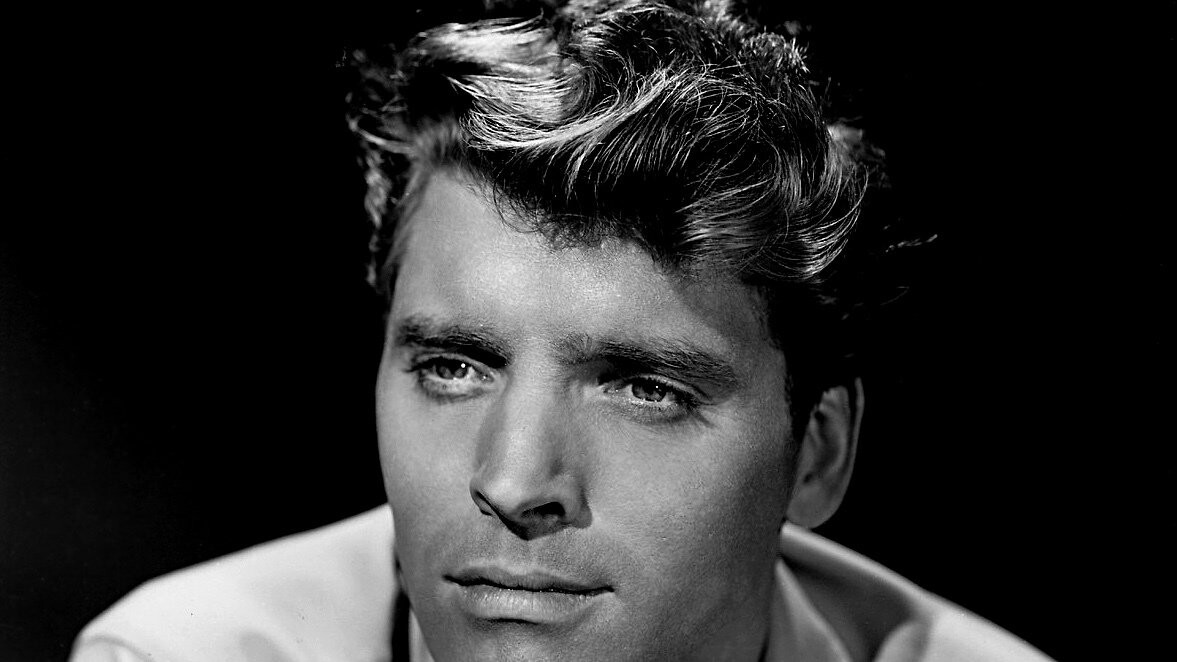
1946: The Killers
Burt Lancaster, Ava Gardner, and Edmond O’Brien lead a mystery assembled from fragments and recollections. Lancaster’s physical presence meets Gardner’s controlled allure, while O’Brien patiently connects the pieces. Rewatching lets you appreciate the layered construction, the ominous quiet of the opening, and the way each memory subtly changes the people involved.
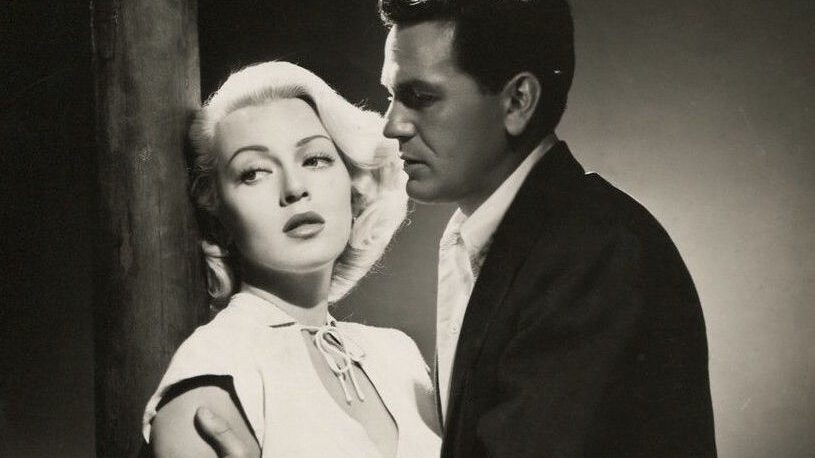
1946: The Postman Always Rings Twice
Lana Turner, John Garfield, and Cecil Kellaway bring uneasy intensity to this tale of desire and mistrust. Turner and Garfield generate heat, but their guarded reactions are even more revealing. A second look highlights how quickly attraction becomes suspicion, and how the bright roadside setting makes the emotional darkness feel sharper rather than safer.
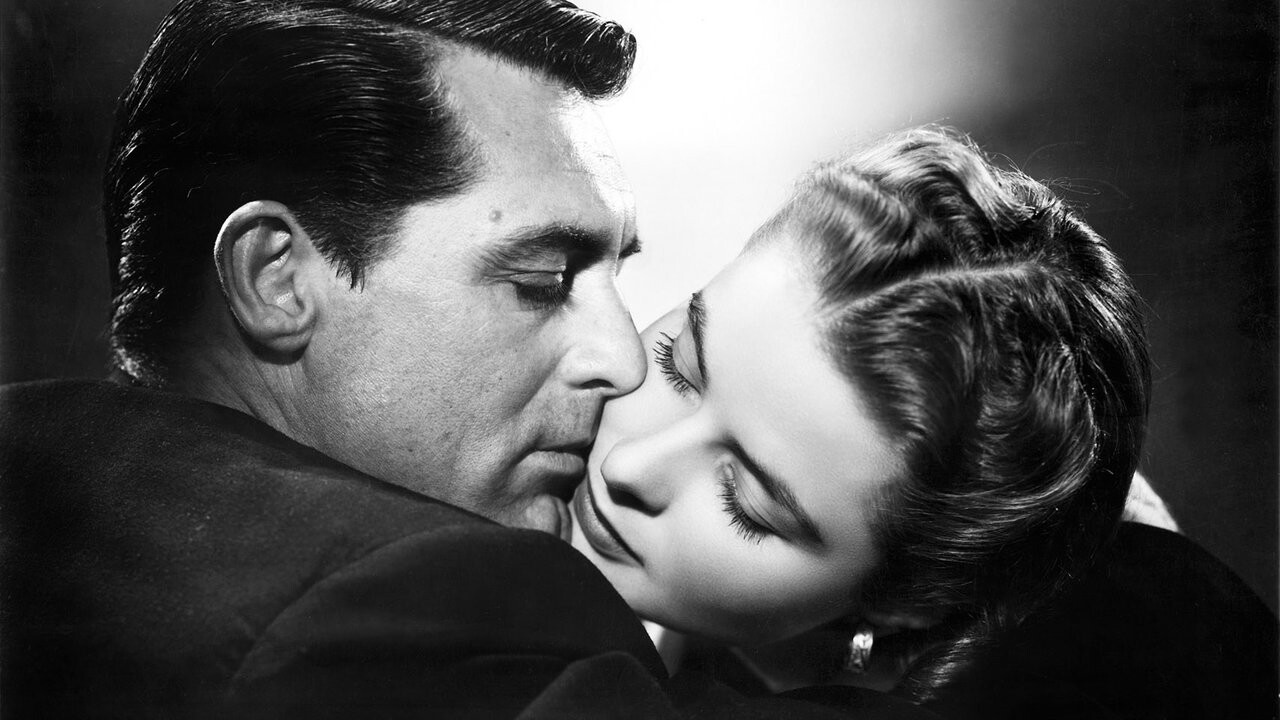
1946: Notorious
Cary Grant, Ingrid Bergman, and Claude Rains turn romantic doubt into almost unbearable suspense. Bergman’s openness, Grant’s restraint, and Rains’s wounded devotion keep sympathy moving in unexpected directions. Revisit it for the precise visual storytelling and for scenes in which a glance, hesitation, or small household detail carries more danger than open confrontation.
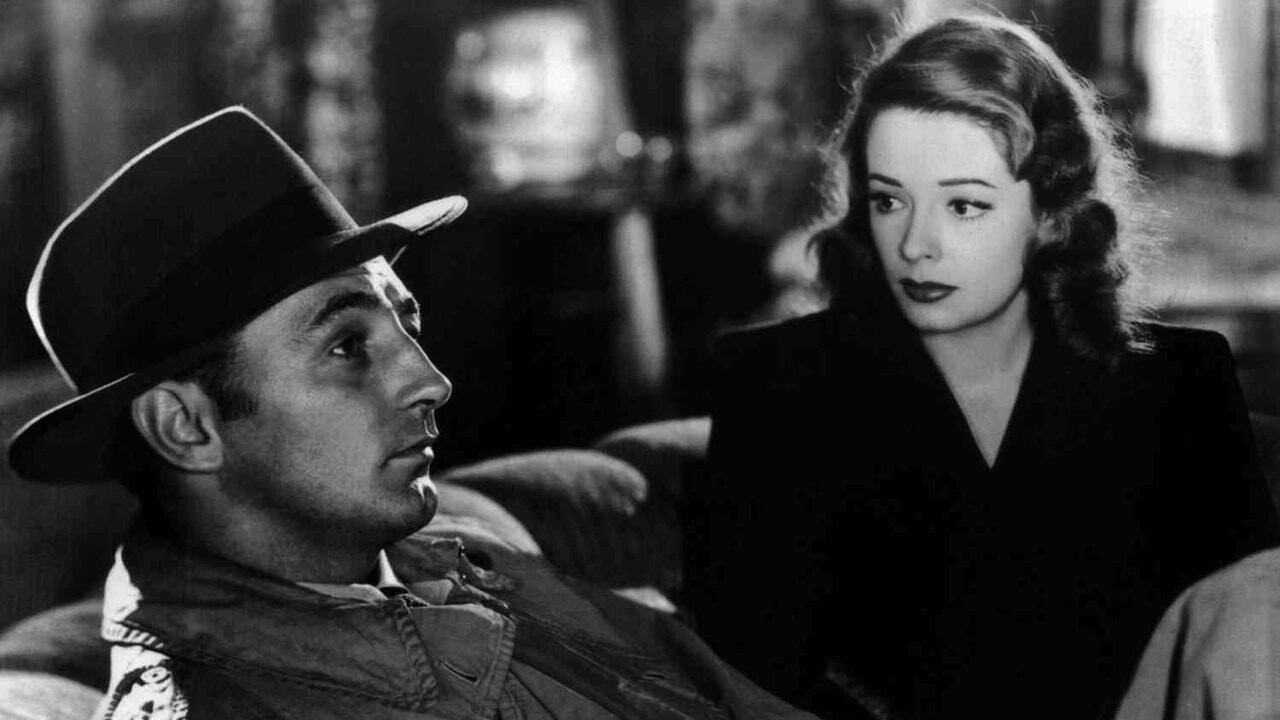
1947: Out of the Past
Robert Mitchum, Jane Greer, and Kirk Douglas make this fatalistic mystery look deceptively relaxed. Mitchum’s quiet delivery, Greer’s watchfulness, and Douglas’s polished pressure create an atmosphere where calm rarely means safety. Another viewing clarifies the intricate betrayals while deepening the film’s central pleasure: watching the past patiently reclaim everyone who underestimated it.
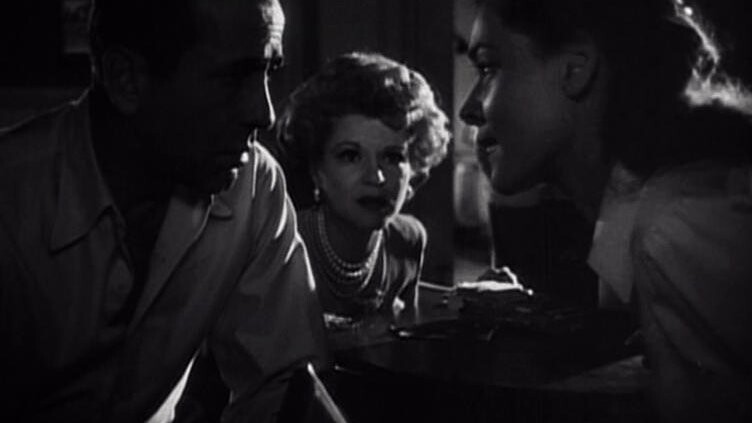
1948: Key Largo
Humphrey Bogart, Edward G. Robinson, and Lauren Bacall fill a confined setting with clashing forms of courage and control. Robinson’s bluster and Bogart’s reserve create a memorable contest, while Bacall supplies steady moral clarity. The close quarters and gathering storm make this especially rewarding when watched for tension rather than surprise.
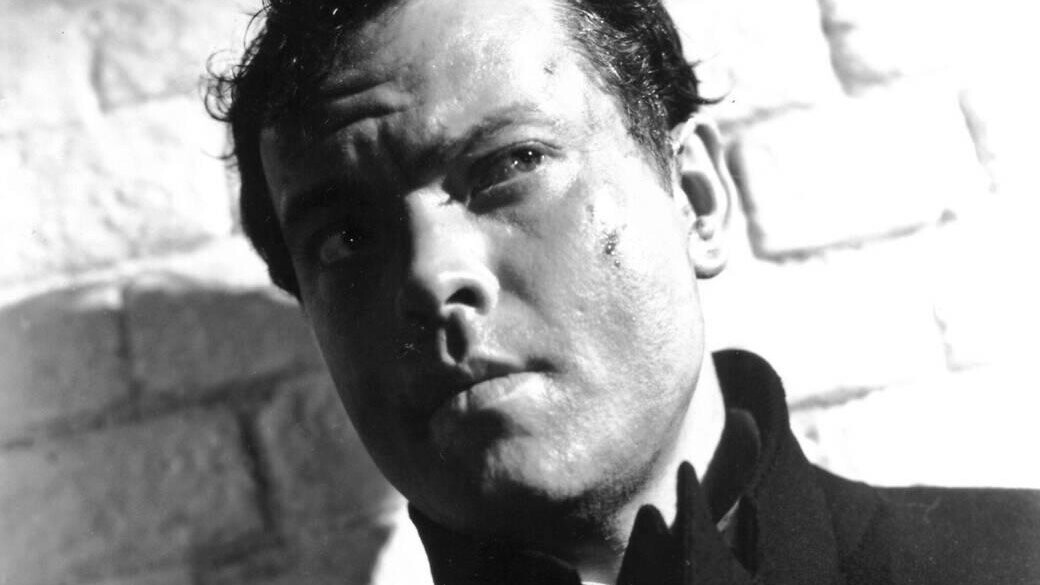
1949: The Third Man
Joseph Cotten, Valli, and Orson Welles move through a world of tilted perspectives and compromised loyalties. Welles makes limited screen time unforgettable, while Cotten’s growing unease holds the story together. Rewatch it for the striking locations, expressive compositions, and jaunty music that somehow makes the surrounding uncertainty feel even more disturbing.
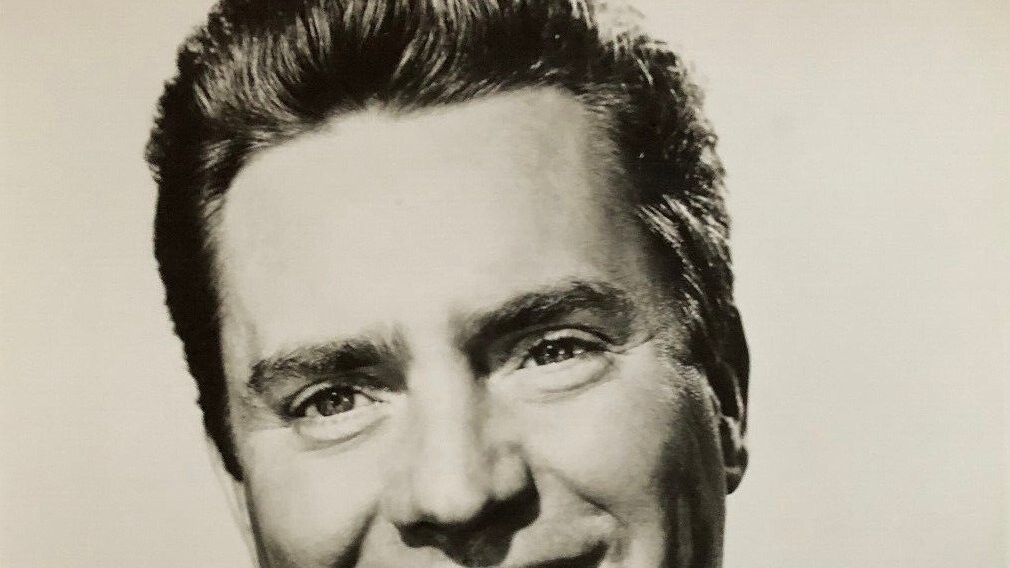
1950: D.O.A.
Edmond O’Brien, Pamela Britton, and Luther Adler power a thriller that begins with urgency and rarely relaxes. O’Brien’s increasingly frantic energy carries viewers through a maze of explanations and encounters. Its unusual premise remains irresistible, but repeat viewing also reveals a vivid urban journey filled with sharp locations, nervous movement, and mounting desperation.
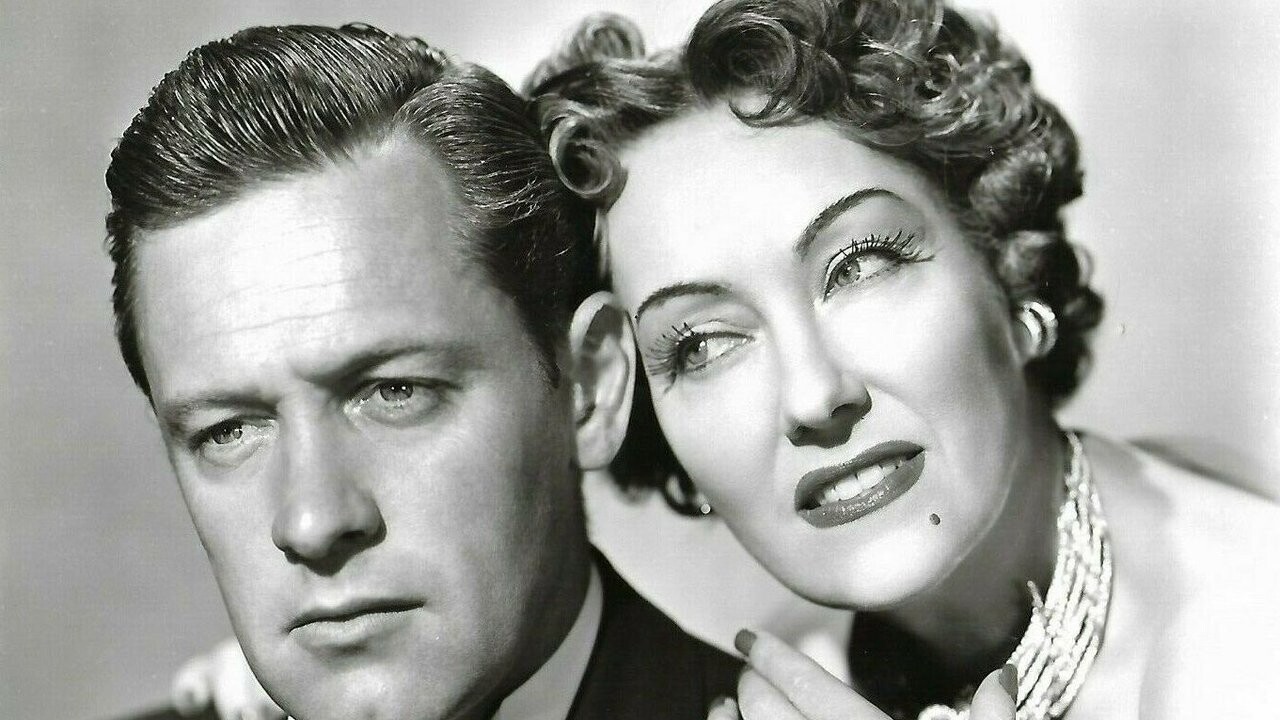
1950: Sunset Boulevard
William Holden, Gloria Swanson, and Erich von Stroheim make this portrait of faded celebrity both savage and sorrowful. Swanson’s grand gestures become more moving with familiarity, while Holden’s weary detachment sharpens the humor. Rewatch it for the elaborate rooms, bitter observations, and uneasy mixture of theatrical fantasy and emotional need.
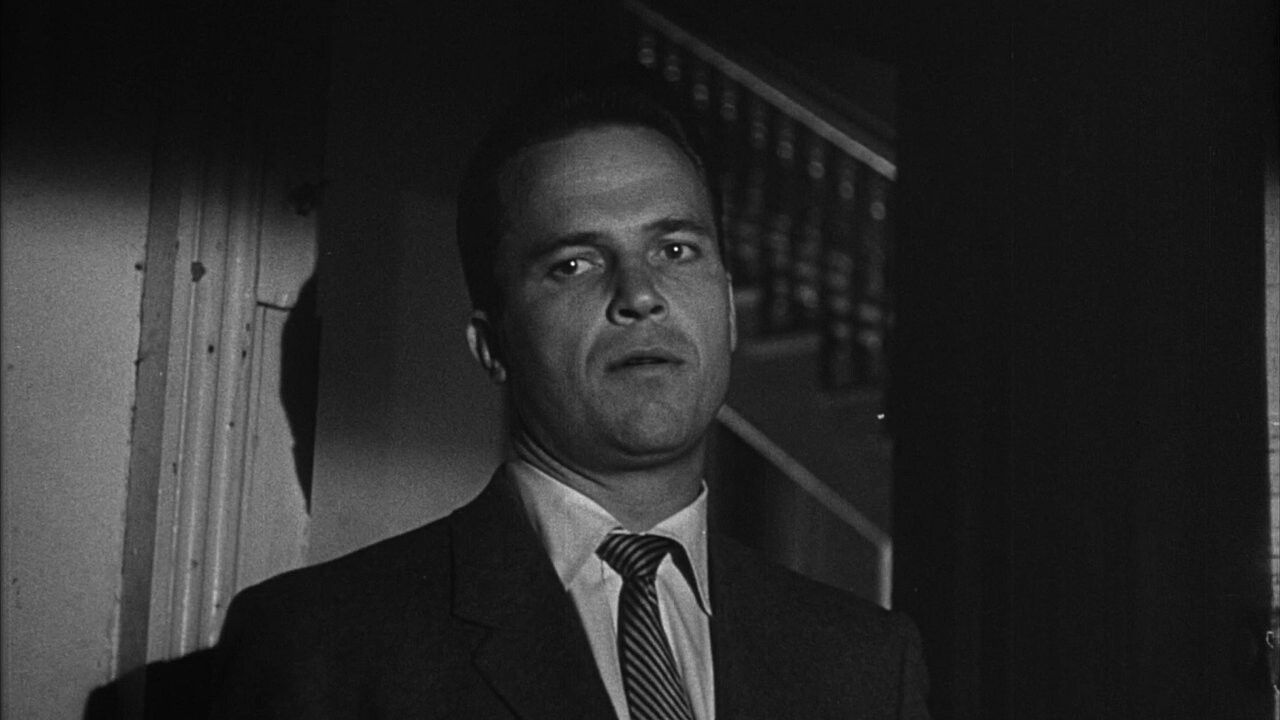
1955: Kiss Me Deadly
Ralph Meeker, Albert Dekker, and Paul Stewart inhabit one of noir’s strangest late-period worlds. Meeker’s aggressive confidence makes the gathering uncertainty especially effective. Another viewing emphasizes the fractured editing, anxious cityscapes, and unsettling sense that the mystery has grown beyond the detective’s understanding, pulling familiar genre ingredients toward something more apocalyptic.
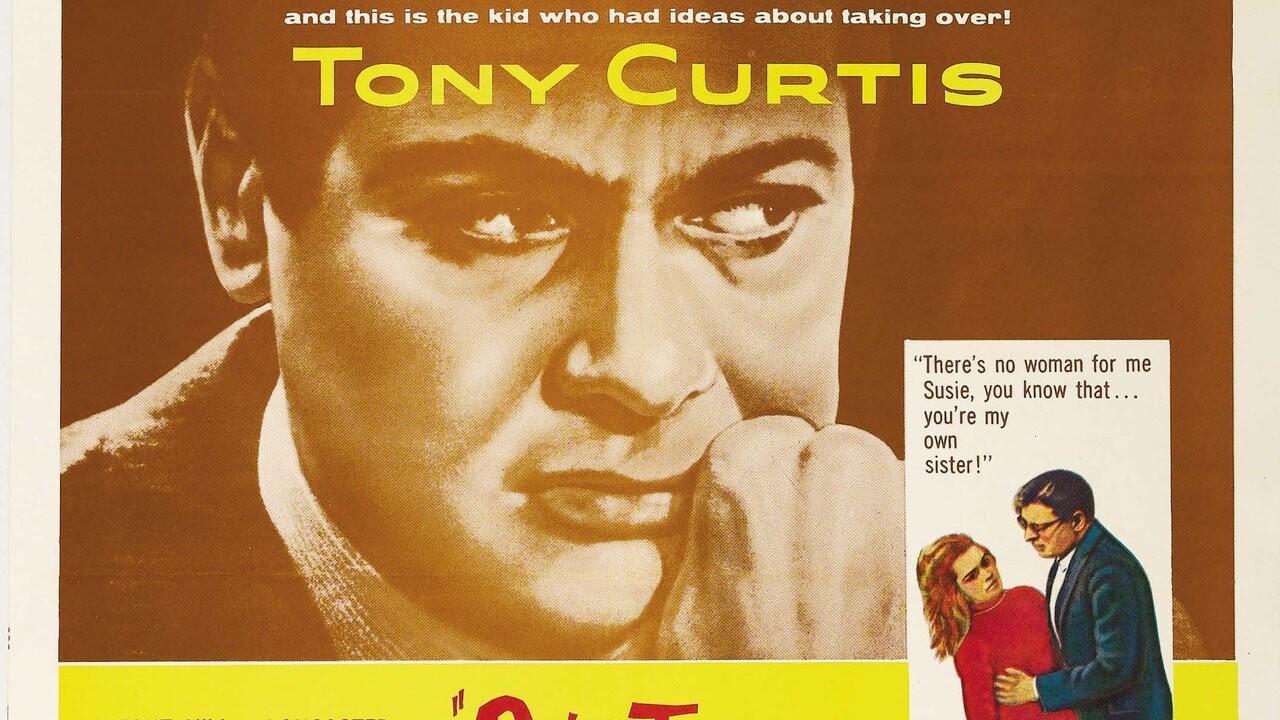
1957: Sweet Smell of Success
Burt Lancaster and Tony Curtis make ambition look both seductive and degrading. Lancaster’s stillness dominates rooms, while Curtis’s nervous speed suggests a man forever calculating his next move. Rewatch it for the razor-edged dialogue, gleaming nighttime photography, and ruthless social exchanges in which access and influence become their own dangerous forms of currency.
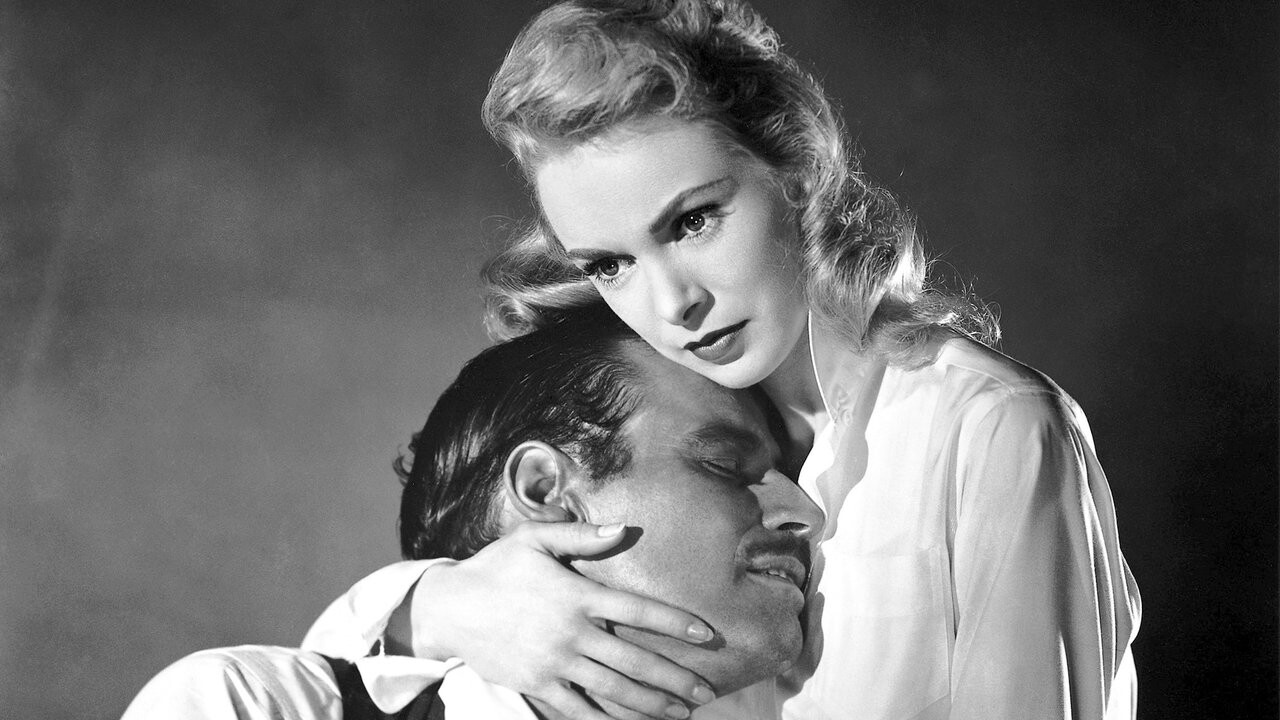
1958: Touch of Evil
Charlton Heston, Janet Leigh, and Orson Welles bring noir’s classic era to a feverish conclusion. Welles’s imposing performance is matched by restless camera movement and dense nighttime compositions. Another viewing lets the extraordinary staging come forward, especially the long passages in which characters, sounds, and threats move through the frame without obvious interruption.
These films still cast long shadows because their style serves characters whose choices remain recognizably human. Which of these noir classics would you most like to watch again?
Follow The HyperHive on MSN for more stories like this.
Sources:






