Department Stores Americans Loved That Are Gone

Tichnor Brothers, Publisher / Wikimedia Commons, Public domain (cropped)
Department stores were once destinations, complete with restaurants, holiday windows, parades, bargain basements, and familiar meeting places. Losing one could feel like losing part of a city’s identity.
Presented in order of when each name disappeared, these memories draw on company filings, government records, museums, historical societies, and archives. Sears appears last as an important exception: its once-vast national empire is nearly gone, but the chain has not completely closed.
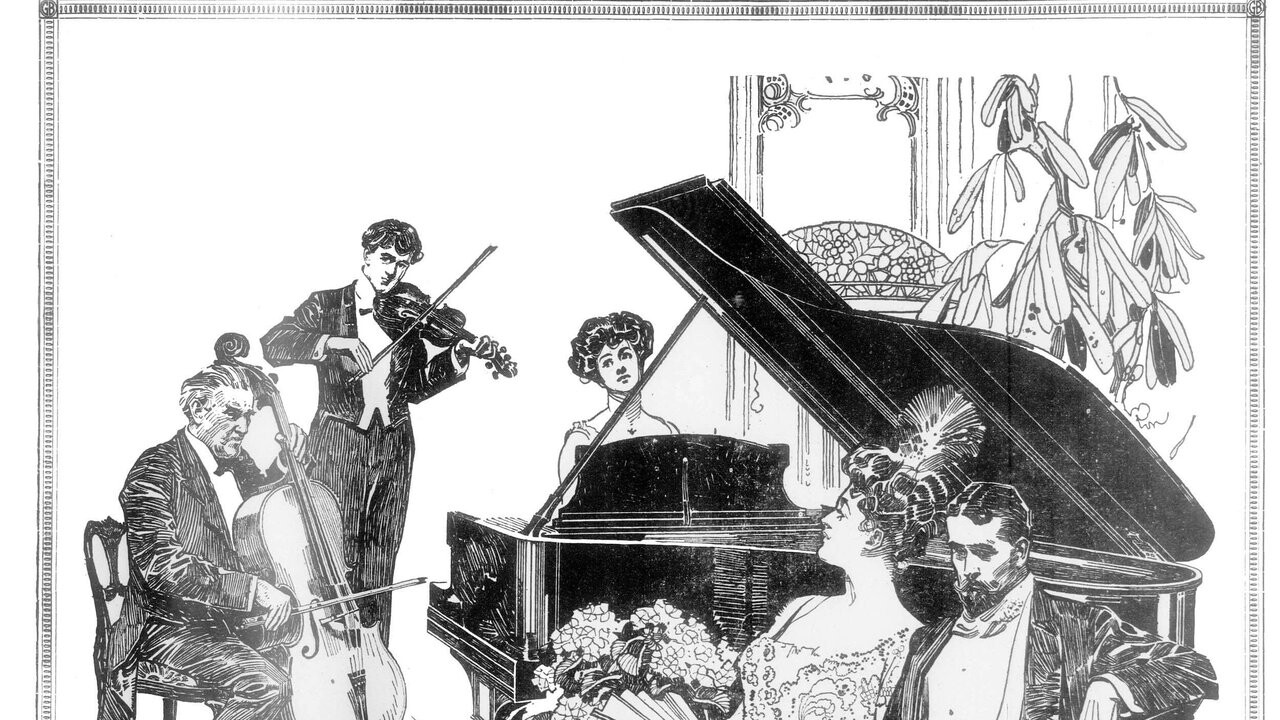
1987: Gimbels Reaches the End
Gimbels operated from 1887 to 1987 and became closely associated with Philadelphia’s Thanksgiving parade, which it established in 1920. The closing ended a century-long retail story and left many shoppers remembering a downtown institution that had made the holiday season part of its public identity.
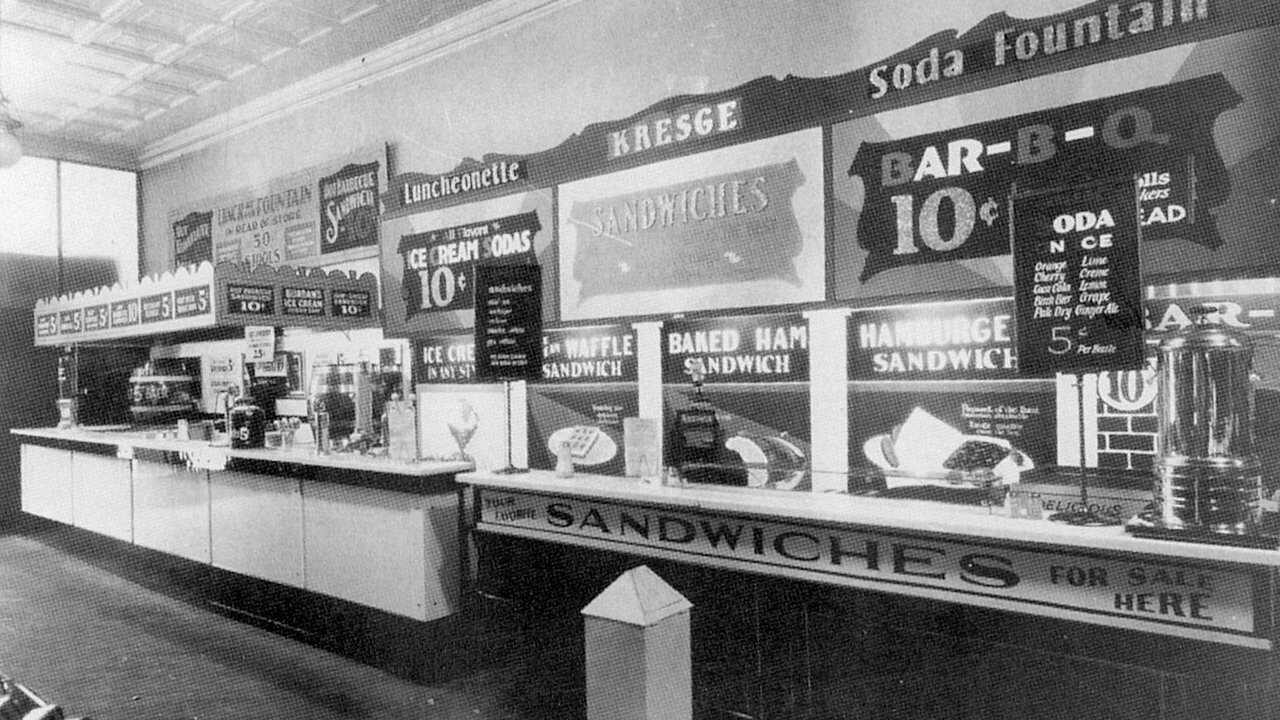
1987: Kresge Gives Way to Kmart
Kmart openings gradually replaced the older variety stores across the country. The last Kresge locations were sold to McCrory by 1987, bringing the original nameplate’s long American run to an end.
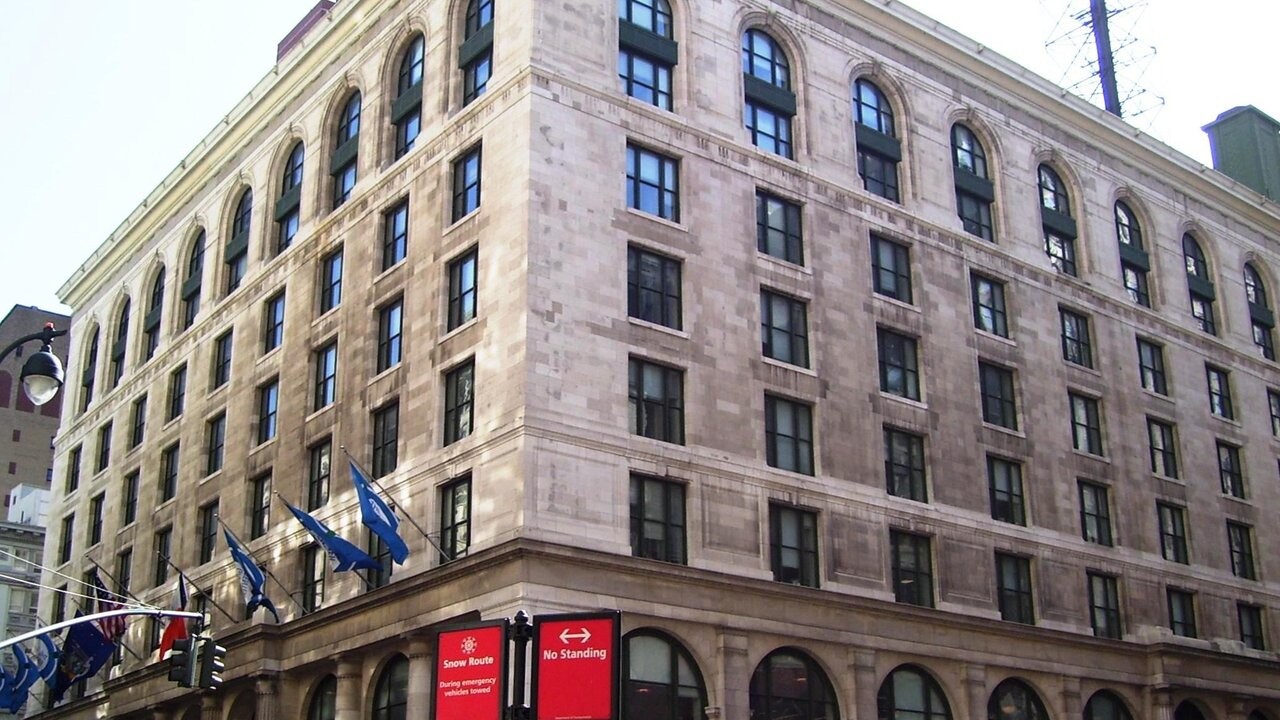
1989: B. Altman Closes on Fifth Avenue
B. Altman & Co. brought a restrained kind of elegance to New York retailing. Generations of New Yorkers grew attached to the store and its Fifth Avenue presence. When the company closed in 1989, the city lost a name that had long represented polished, traditional department-store shopping.
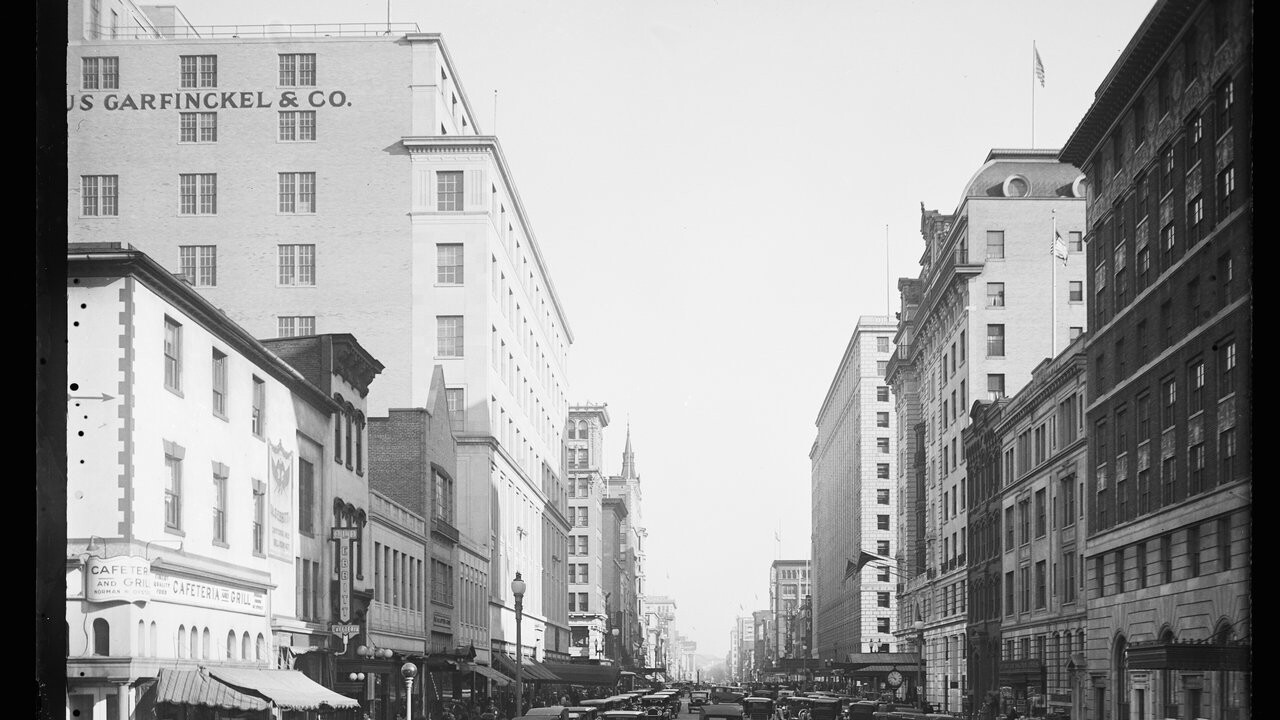
1990: Garfinckel’s Leaves Washington
Garfinckel’s became a familiar part of shopping in Washington, D.C., where its name carried the formality associated with a classic downtown department store. The company’s bankruptcy led to the store’s closure in 1990, ending a local retail story that had been woven into the capital’s commercial life.
1990: Bonwit Teller Unravels
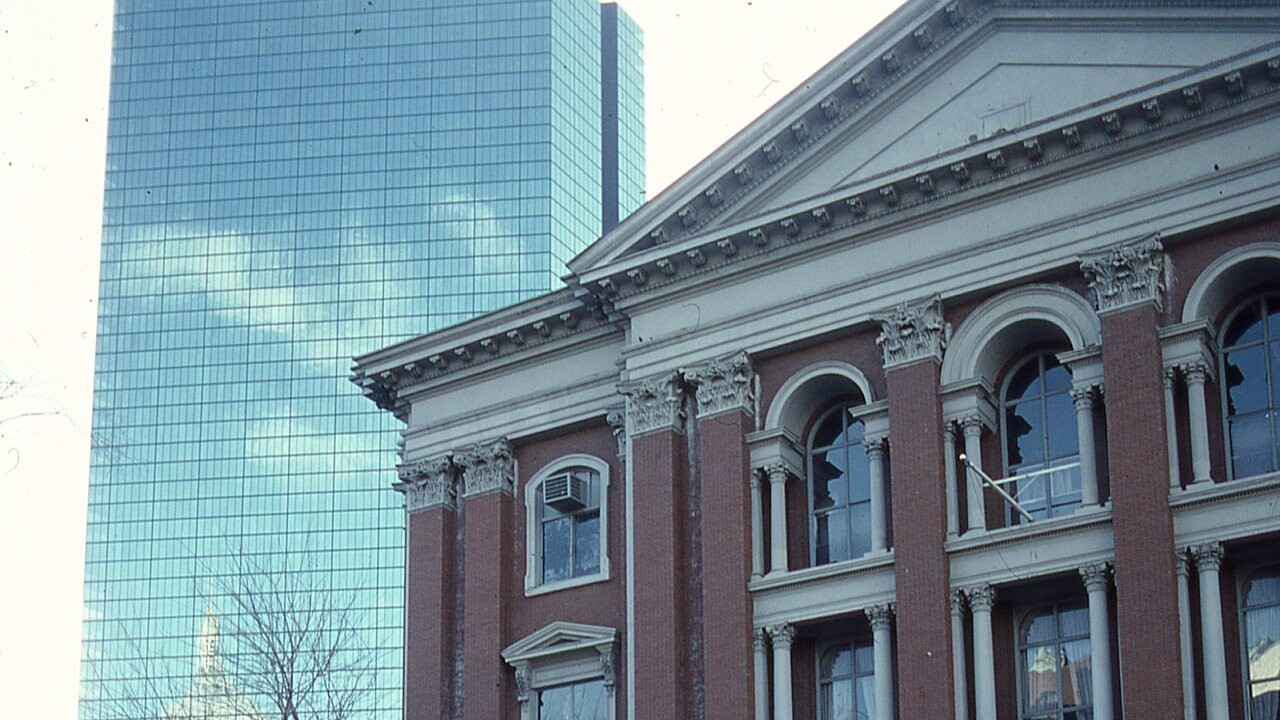
Bonwit Teller treated its New York windows as showcases for fashion and modern art, including works from the Guggenheim Museum’s collection. In 1990, the Los Angeles Times reported that most of the chain would close, including its Manhattan flagship. The announcement marked the collapse of a celebrated specialty retailer.
1995: Wanamaker’s Changes Names
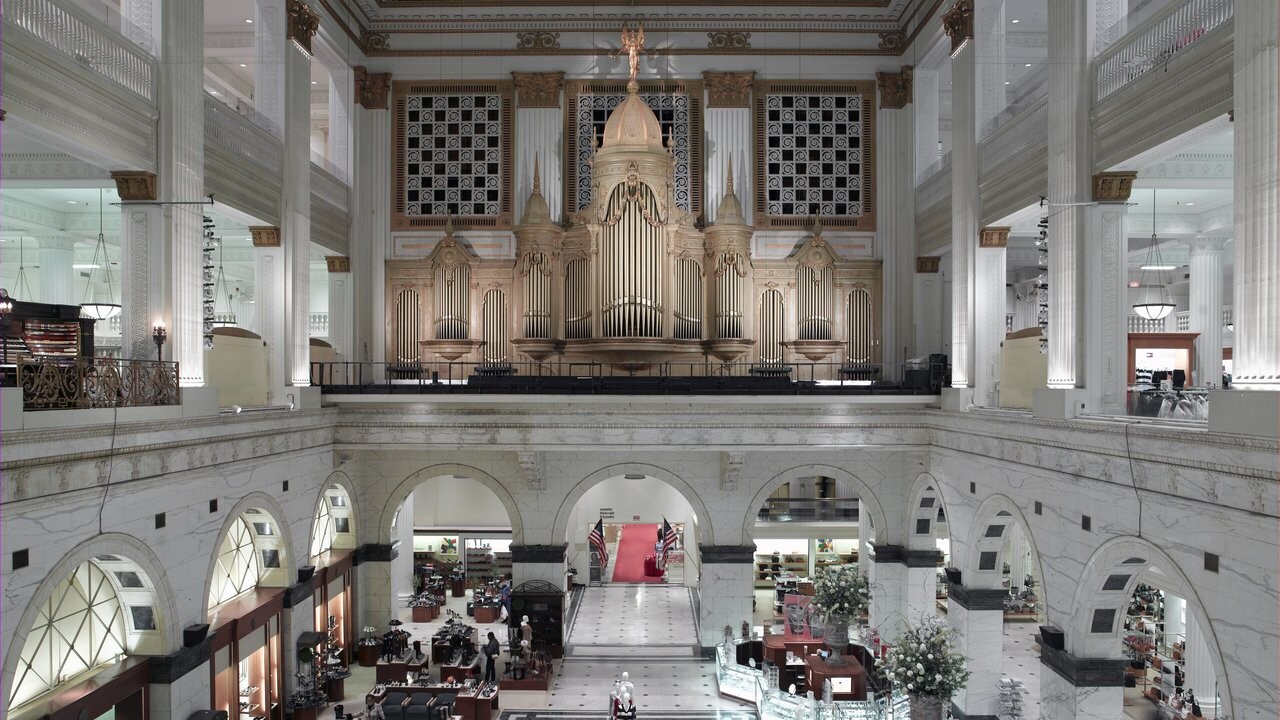
Wanamaker’s had been a Philadelphia institution since 1877, making its name part of the city’s identity for generations. In 1995, UPI reported that the historic department store had closed and would reopen as Hecht’s. The building remained a shopping destination, but the Wanamaker name disappeared from its doors.
1995: Woodward & Lothrop Says Goodbye
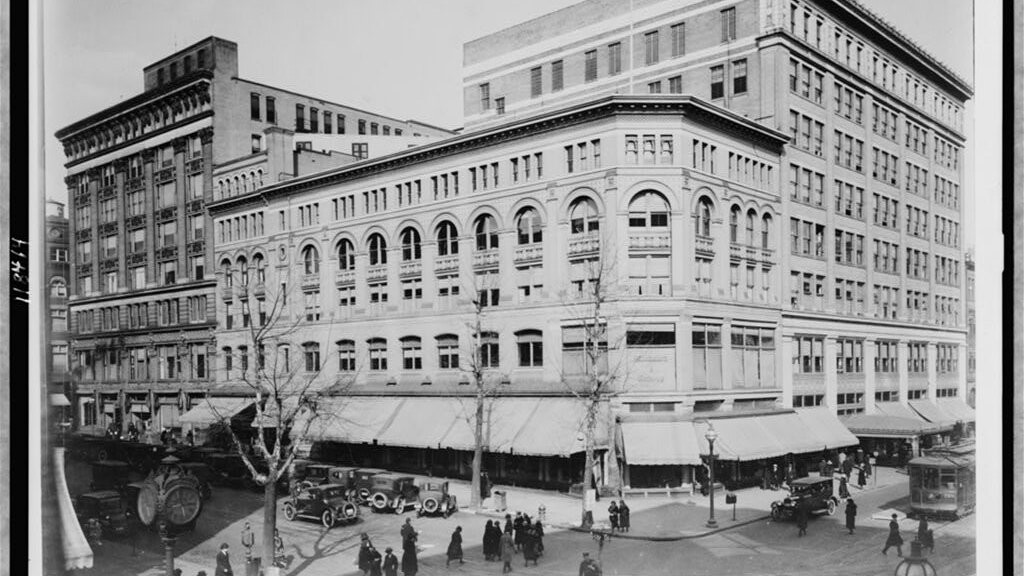
Affectionately called Woodies, Woodward & Lothrop served Washington shoppers for more than a century. The business began in 1880 and closed in 1995, according to the Smithsonian’s catalog record for a history of the company. Its disappearance removed one of the capital’s most recognizable homegrown retail names.
1997: Woolworth’s Five-and-Dime Era Ends
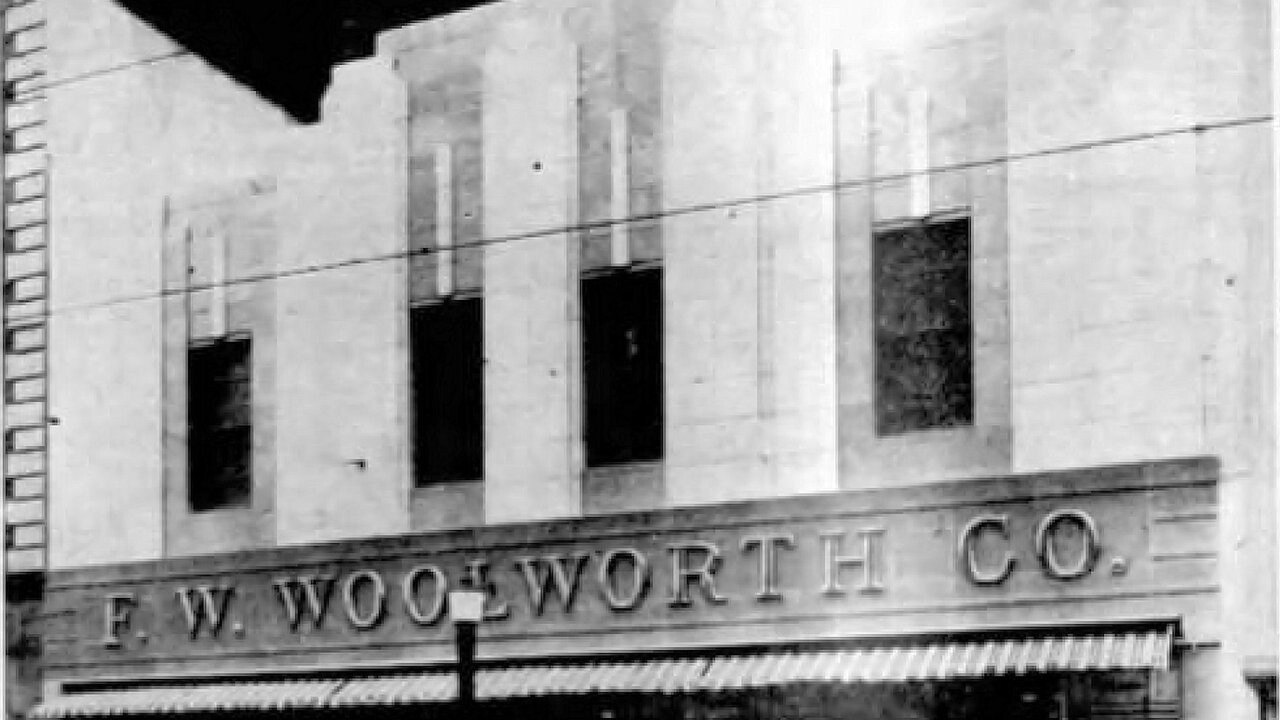
Frank Woolworth began with five-cent merchandise and later added ten-cent goods, creating the formula behind an enormously influential variety-store chain. The remaining domestic Woolworth general-merchandise stores closed in November 1997. Their departure ended the American run of a name closely identified with inexpensive, everyday shopping.
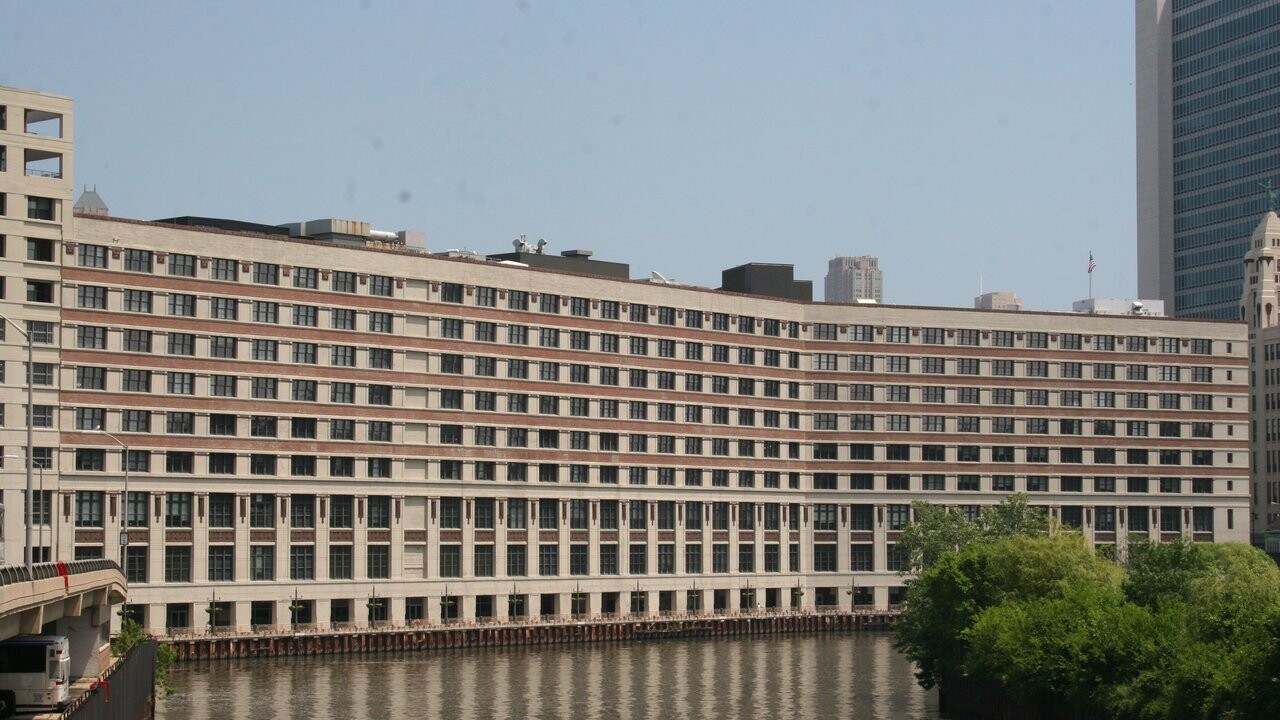
2001: Montgomery Ward Closes for Good
Montgomery Ward began as the country’s first mail-order house, bringing merchandise within reach of customers far from major shopping districts. Its business eventually included physical stores across the country. In 2001, PBS NewsHour reported that Montgomery Ward was closing for good after 128 years in business.
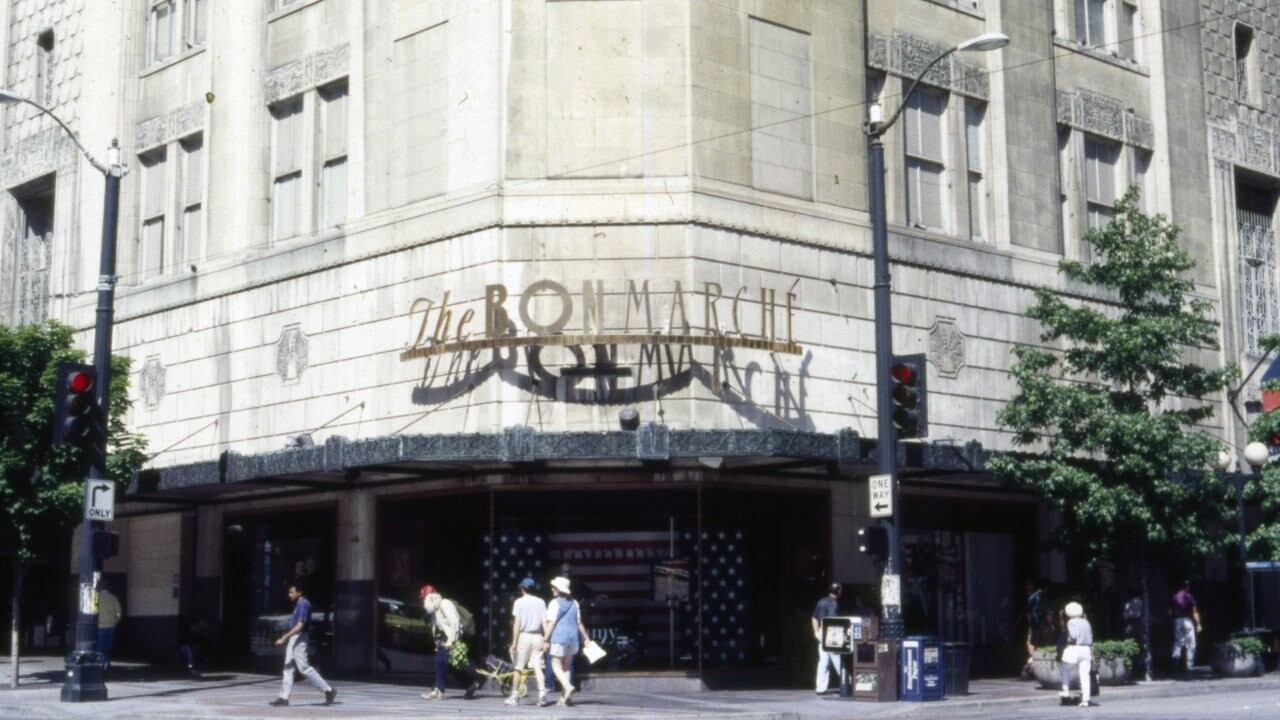
2005: The Bon Marché Becomes Macy’s
Seattle’s Bon Marché grew into one of the Pacific Northwest’s best-known retail names. Its identity was gradually folded into Macy’s, first through the Bon-Macy’s name. By January 2005, the transitional signs had been replaced with ones reading simply Macy’s, ending the visible life of The Bon.
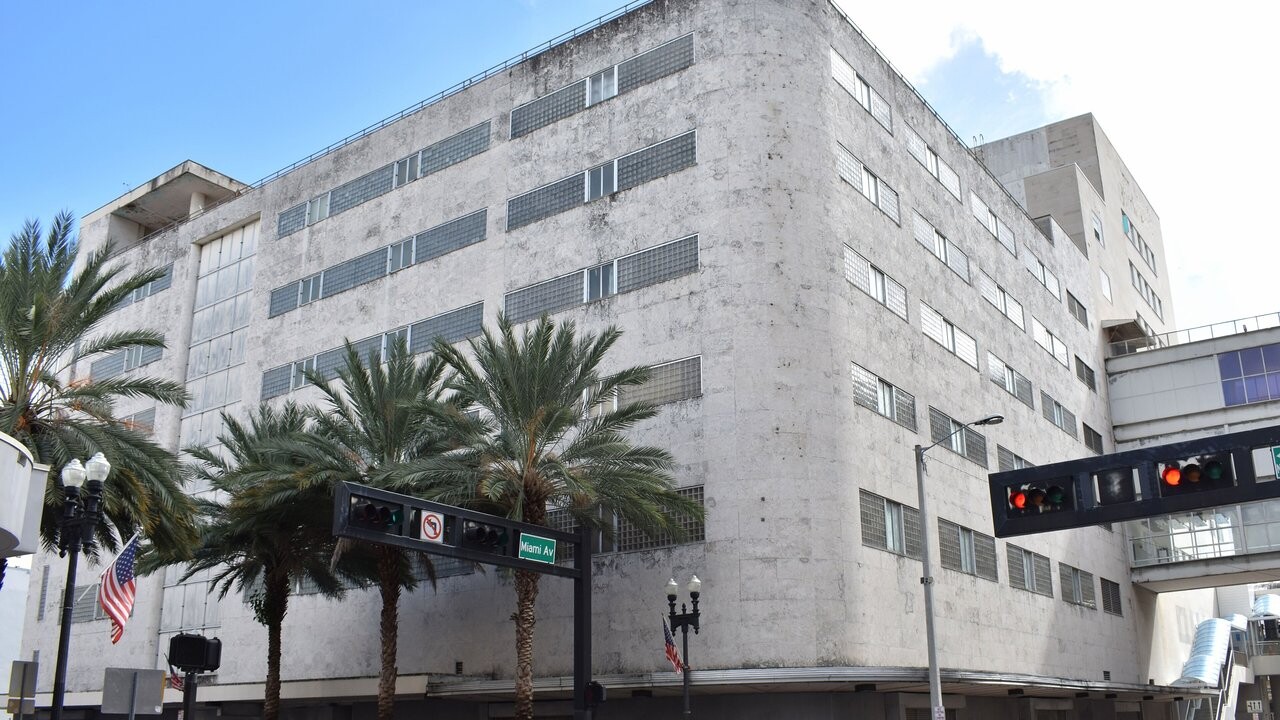
2005: Burdines Loses Its Florida Name
Burdines began in Miami in 1898 and proudly promoted itself as “The Florida Store.” That regional identity distinguished it from national competitors and made the name especially familiar across the state. Federated converted its regional department stores to Macy’s in March 2005, removing Burdines from Florida storefronts.
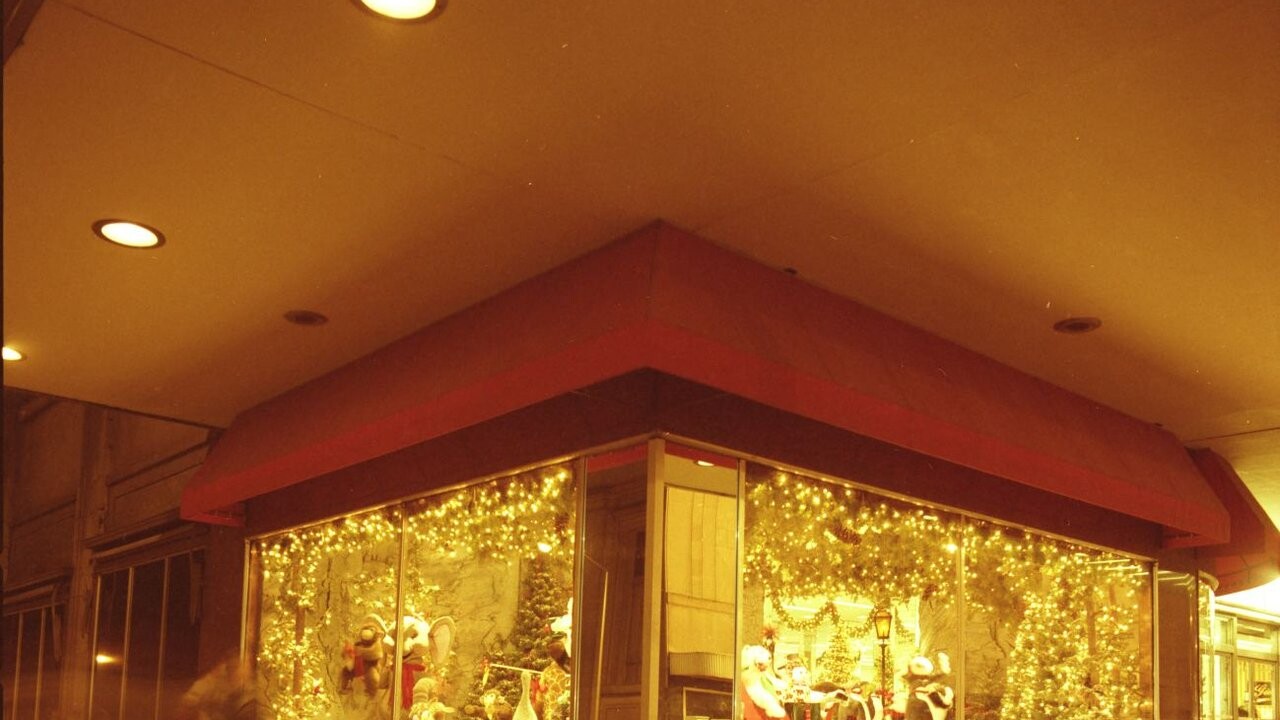
2005: Lazarus Disappears in Ohio
Lazarus shaped modern merchandising by grouping clothing in a single size while offering shoppers a range of styles, colors, and prices. That practical approach became part of the company’s retail legacy. The Ohio name disappeared during Federated’s 2005 conversion of its regional department stores to Macy’s.
2005: Rich’s Bows Out in Atlanta
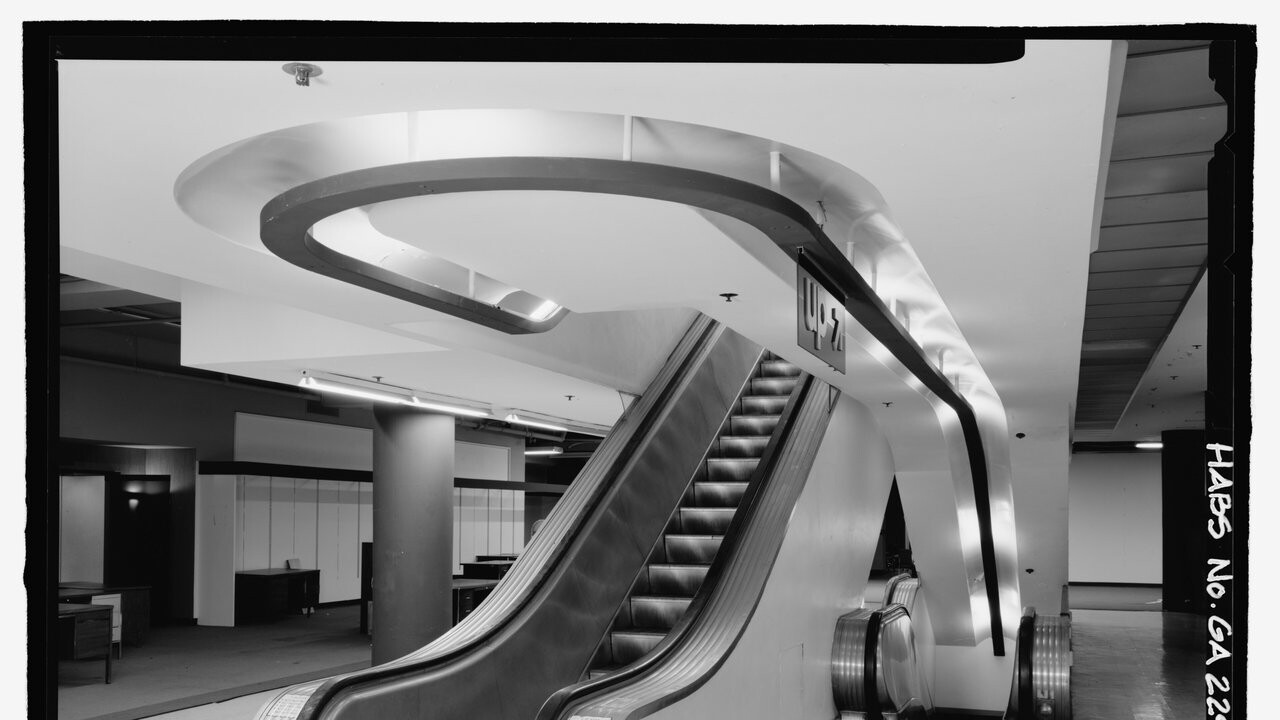
Rich’s held a special place in Atlanta memories, particularly through meals in the Magnolia Room and rides on the Pink Pig. Those traditions turned ordinary shopping trips into family occasions. Federated retired the regional name during its 2005 Macy’s conversion, ending the storefront identity of a deeply rooted Atlanta retailer.
2006: Famous-Barr Leaves St. Louis
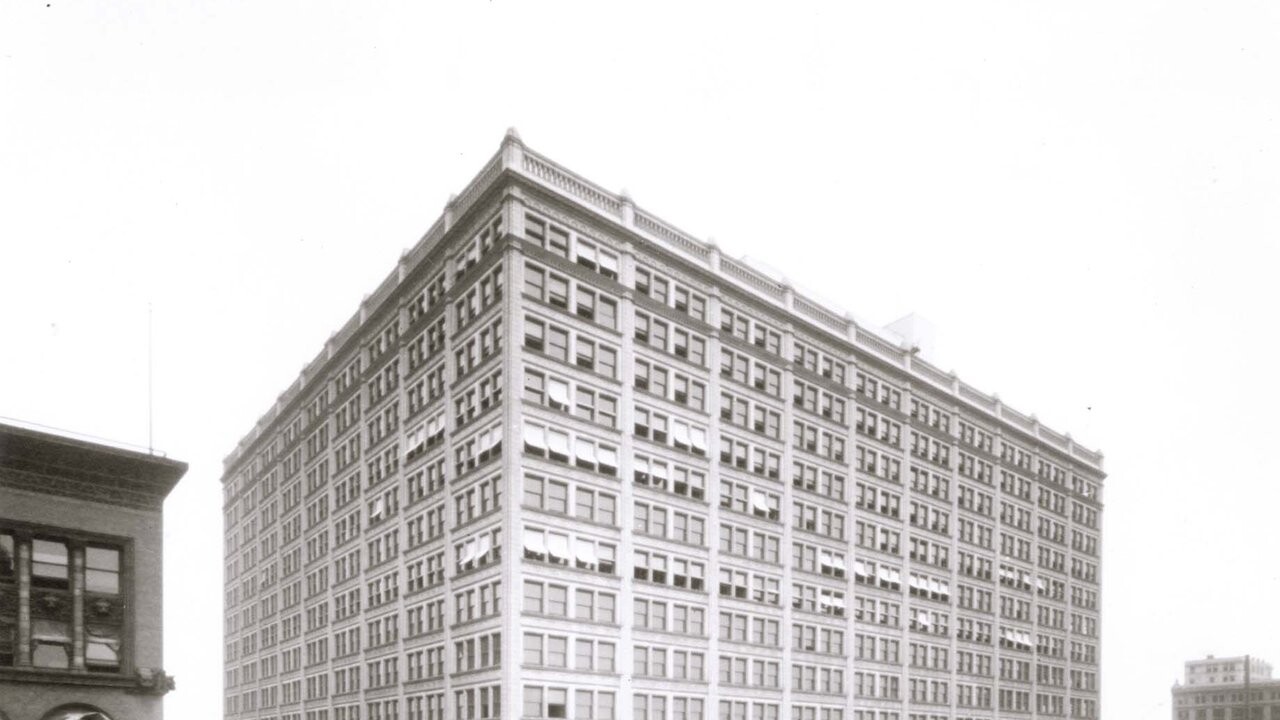
Famous-Barr emerged in 1911 after the May Company purchased the William Barr Dry Goods Company. The combined business grew into a familiar St. Louis retailer whose name endured for nearly a century. Famous-Barr disappeared in 2006 as Federated converted the May Company nameplates it retained to Macy’s or Bloomingdale’s.
2006: Filene’s Leaves Boston
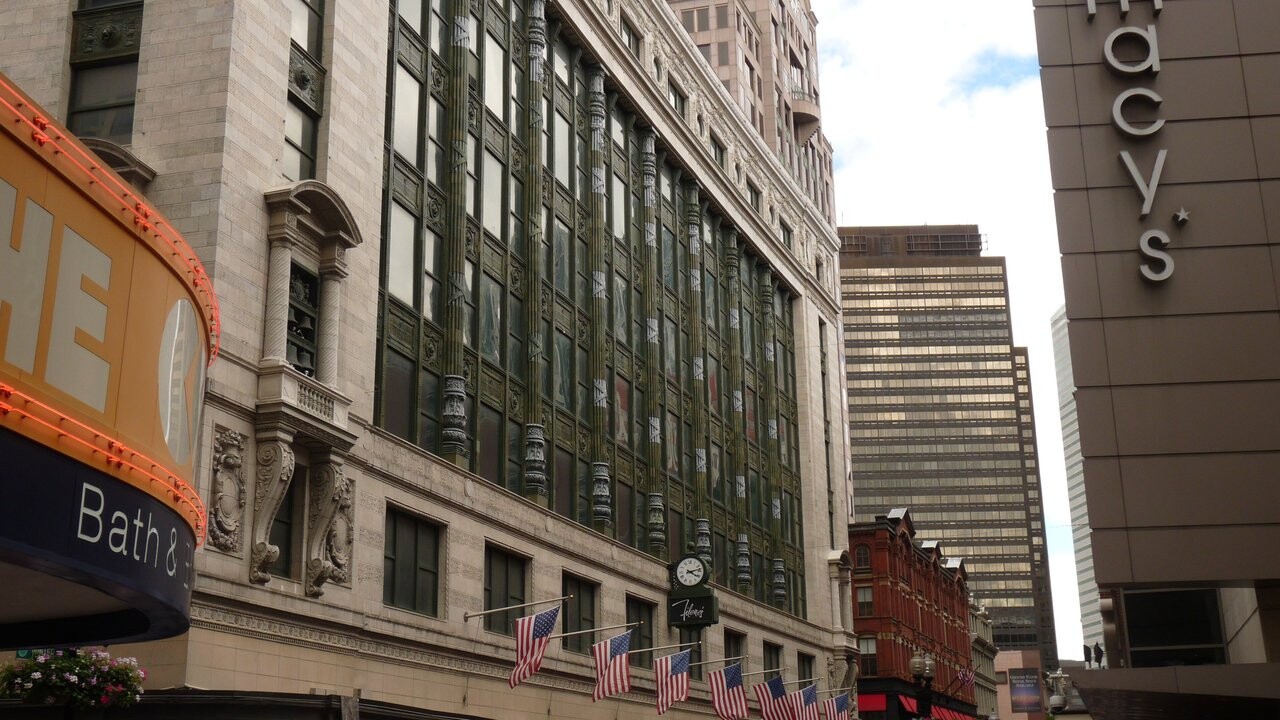
Filene’s was one of Boston’s defining department stores, while Filene’s Basement made discounted merchandise a destination for shoppers of moderate means. Bargain hunting became central to the company’s public image. The Filene’s name disappeared in 2006 as retained May Company stores were converted to Macy’s or Bloomingdale’s.
2006: Foley’s Says Farewell to Houston
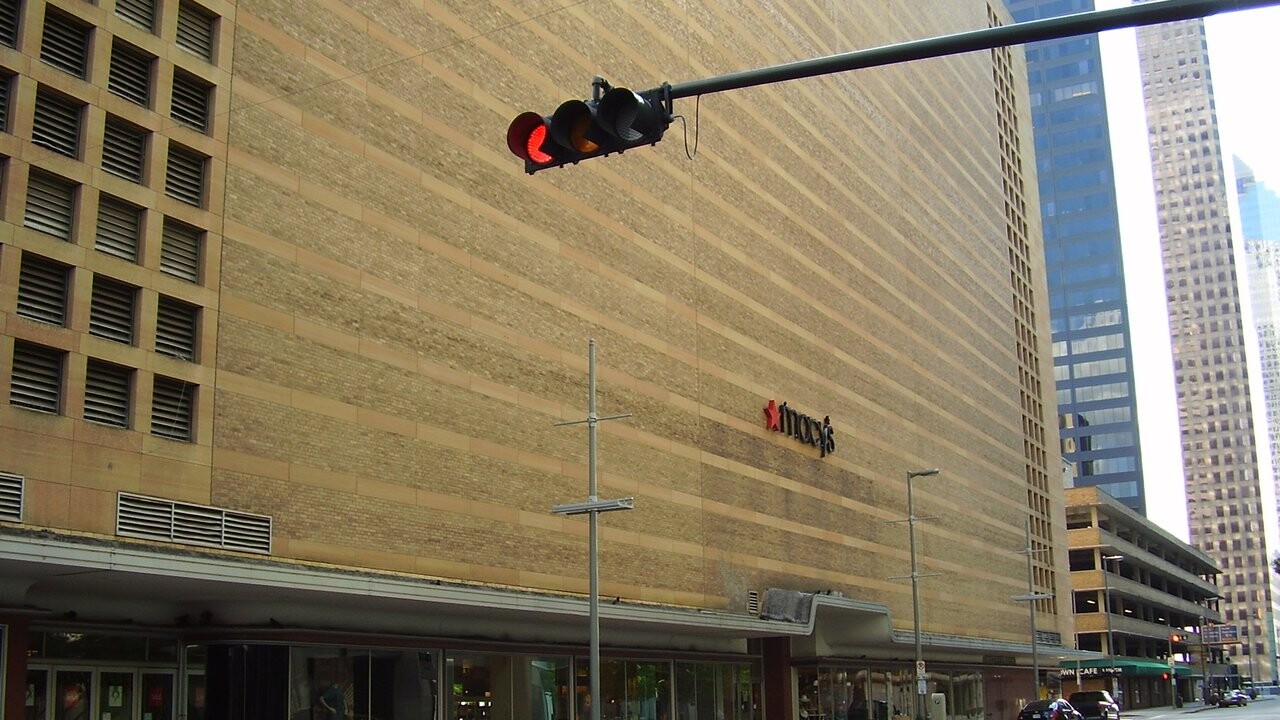
Foley’s became part of Houston’s civic calendar through the city’s Thanksgiving parade, which the retailer sponsored through 1994. The tradition helped connect the department store with generations of local families. The Foley’s name disappeared during the 2006 conversion of retained May Company stores to Macy’s or Bloomingdale’s.
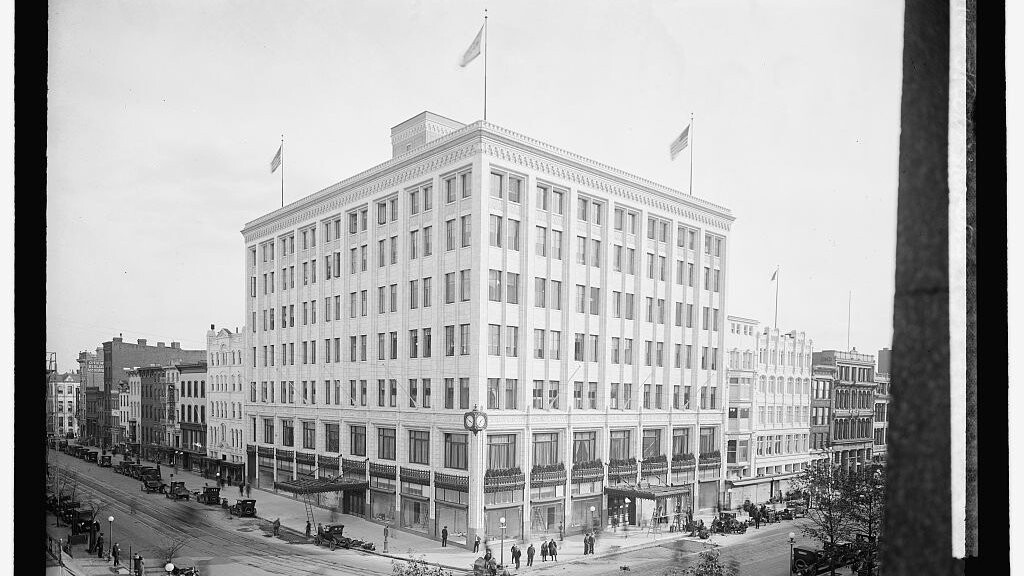
2006: Hecht’s Disappears Around Washington
Hecht’s opened a major downtown Washington department store at Seventh and F Streets during the 1920s and found considerable success there. The family enterprise grew into a familiar regional name. In 2006, Hecht’s disappeared as Federated converted the May Company locations it retained to Macy’s or Bloomingdale’s.
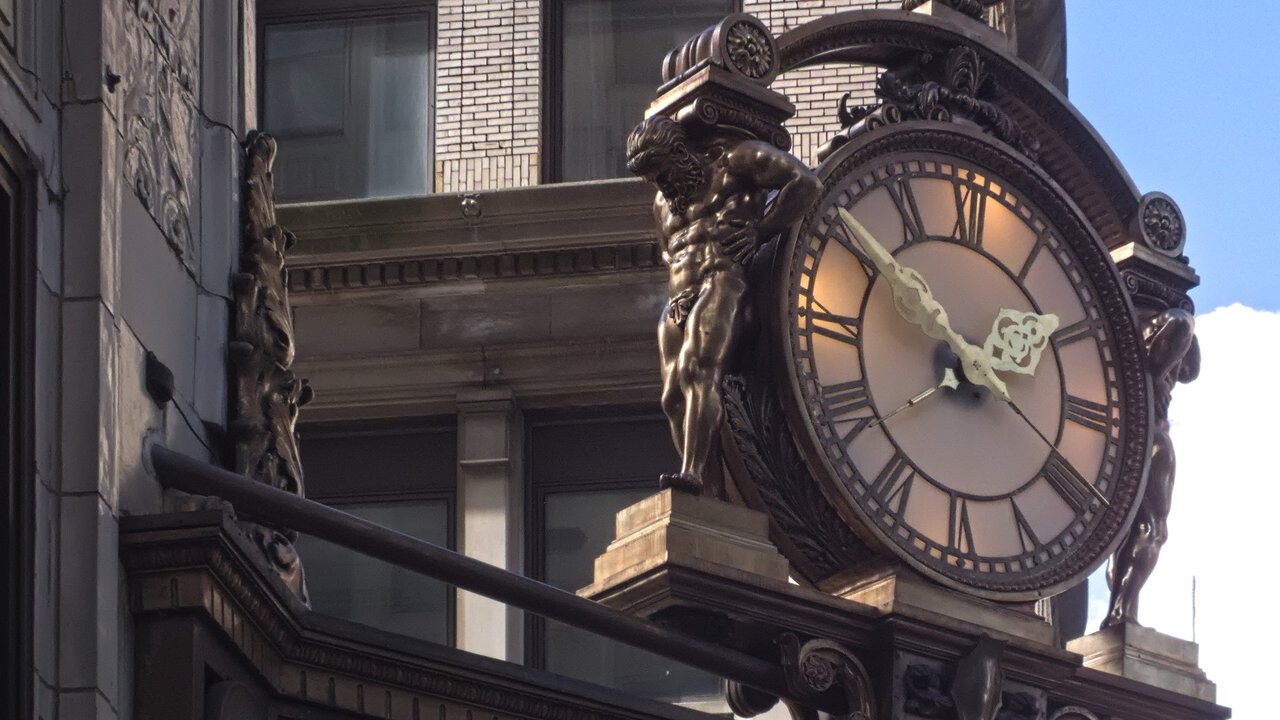
2006: Kaufmann’s Loses the Big Store Name
Pittsburgh shoppers knew Kaufmann’s as the Big Store by the 1890s. The owning family also left a remarkable architectural legacy: Edgar Kaufmann Sr. commissioned Frank Lloyd Wright’s Fallingwater. Kaufmann’s retail name disappeared in 2006 during the conversion of retained May Company stores to Macy’s or Bloomingdale’s.
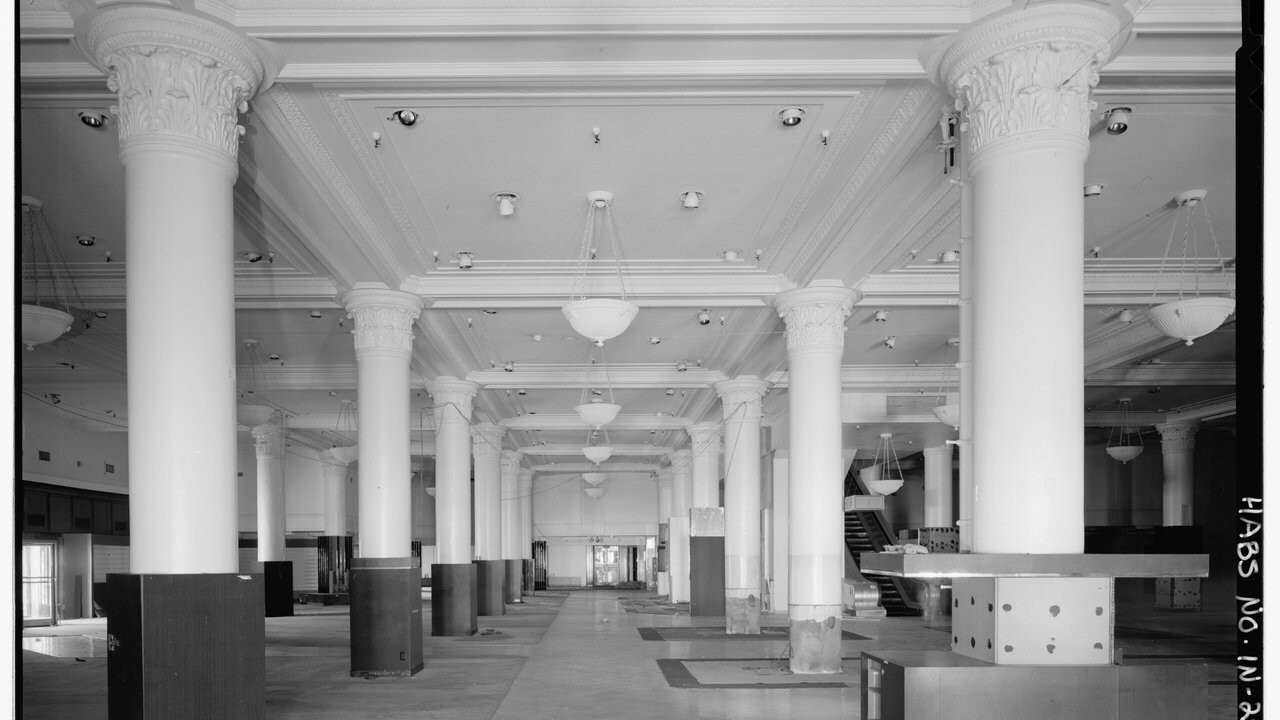
2006: L.S. Ayres Leaves Indianapolis
L.S. Ayres became closely associated with its downtown Indianapolis clock, which was erected in 1936. The landmark helped make the store a recognizable gathering point in the city. The Ayres name was retired in 2006 as Federated converted the May Company locations it retained to Macy’s or Bloomingdale’s.
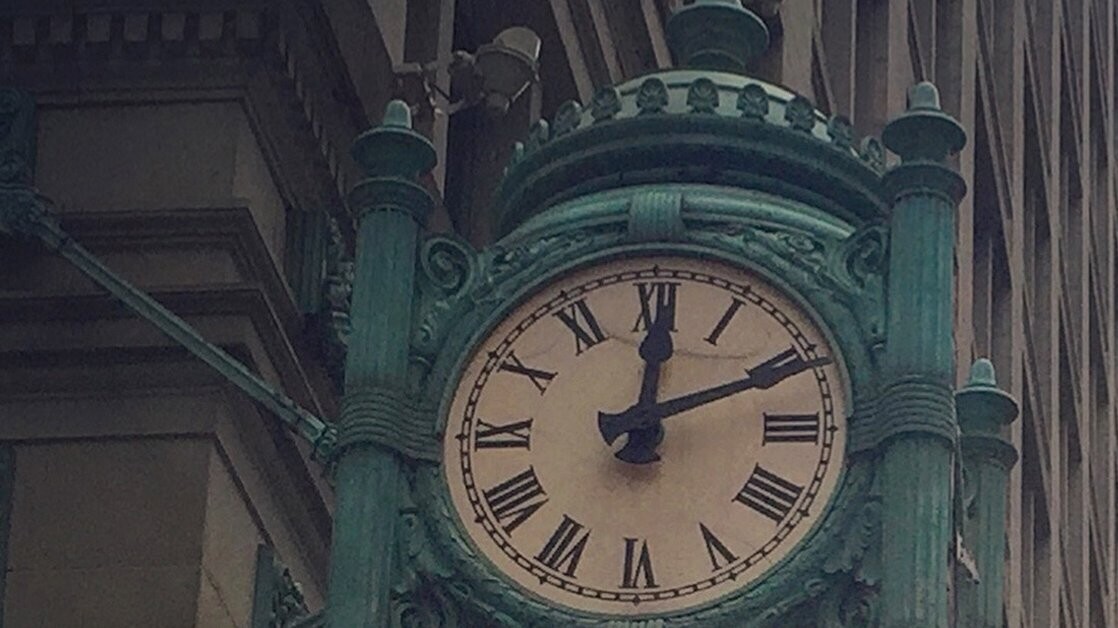
2006: Marshall Field’s Becomes Macy’s
Marshall Field’s helped shape modern department-store retailing and was credited with establishing an underprice basement used for selling. Chicago generations regarded the State Street store as part of the city’s identity. The Marshall Field’s name disappeared in 2006 when its retained locations were converted under Federated’s nationwide rebranding.
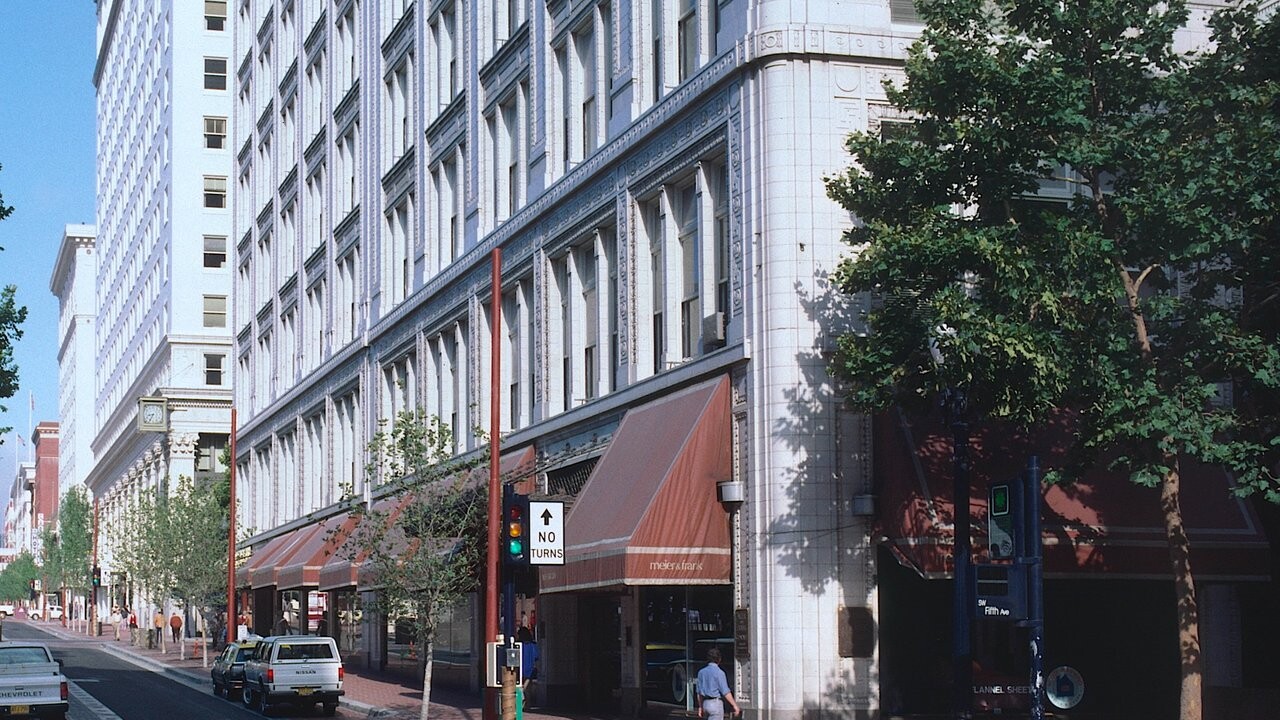
2006: Meier & Frank Leaves Portland
Meier & Frank was an economic, cultural, and civic institution in Portland for more than a century. It grew from a small general store opened in 1857 into a major department-store chain. After Federated acquired the May Company, Meier & Frank’s stores were rebranded as Macy’s in 2006.
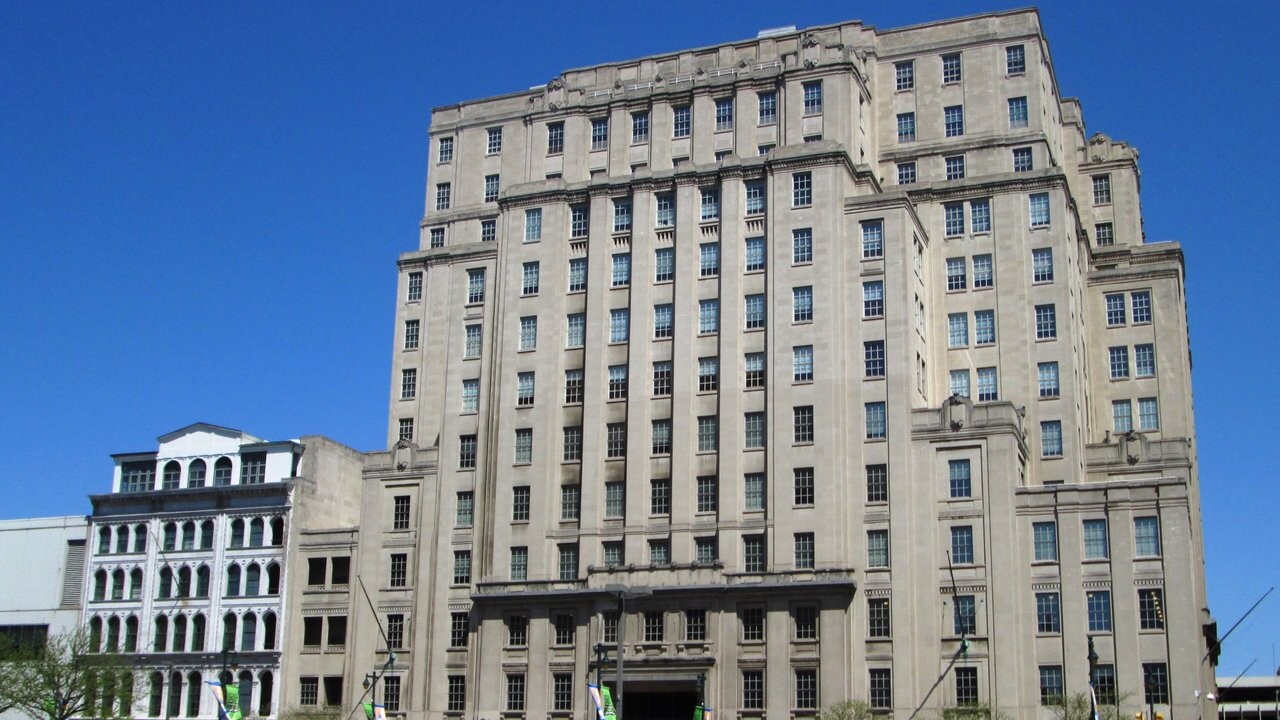
2006: Strawbridge’s Closes in Philadelphia
Strawbridge & Clothier built its reputation around low prices, high-quality merchandise, and cash sales. Founded by Quaker partners, it became part of Philadelphia’s department-store tradition. The Strawbridge’s identity disappeared in 2006 as Federated converted the May Company locations it retained to Macy’s or Bloomingdale’s.
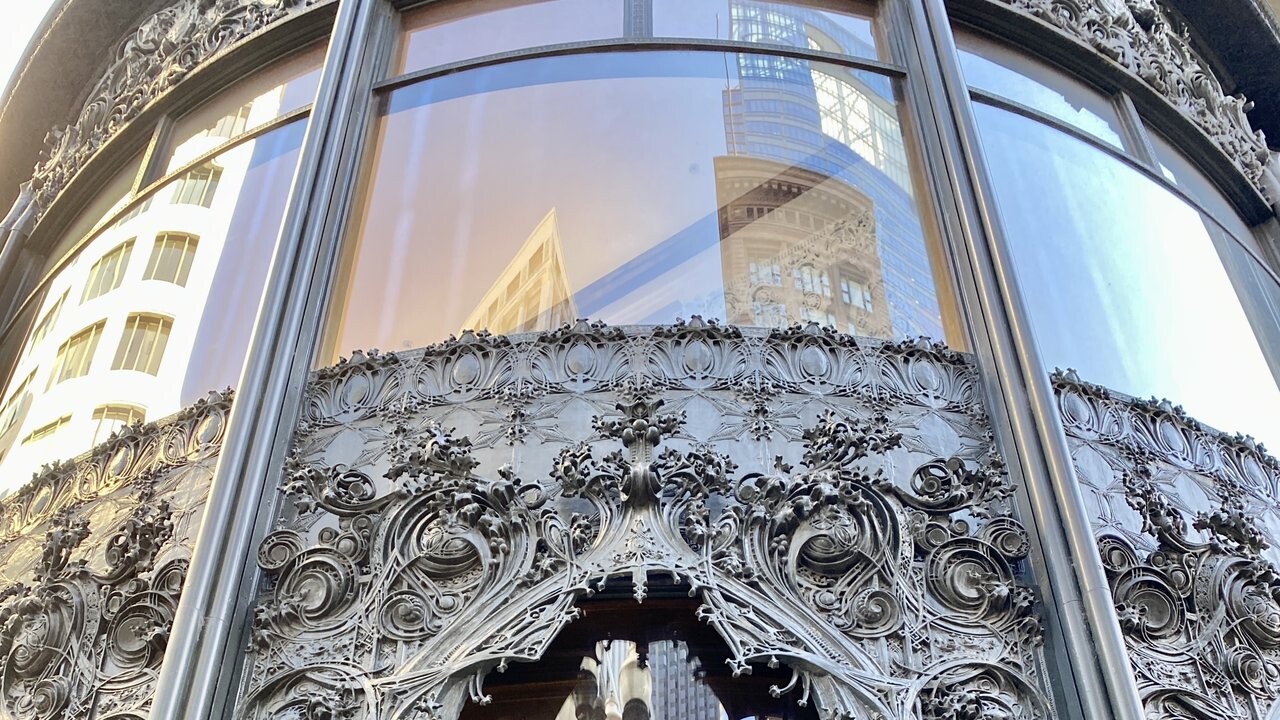
2018: The Bon-Ton Family Liquidates
Bon-Ton’s wind-down affected stores operating under the Bon-Ton, Bergner’s, Boston Store, Carson’s, Elder-Beerman, Herberger’s, and Younkers names. The company had been unable to finalize an agreement with a bidder that would keep it operating. Going-out-of-business sales began on April 20, 2018, closing several regional retail chapters together.
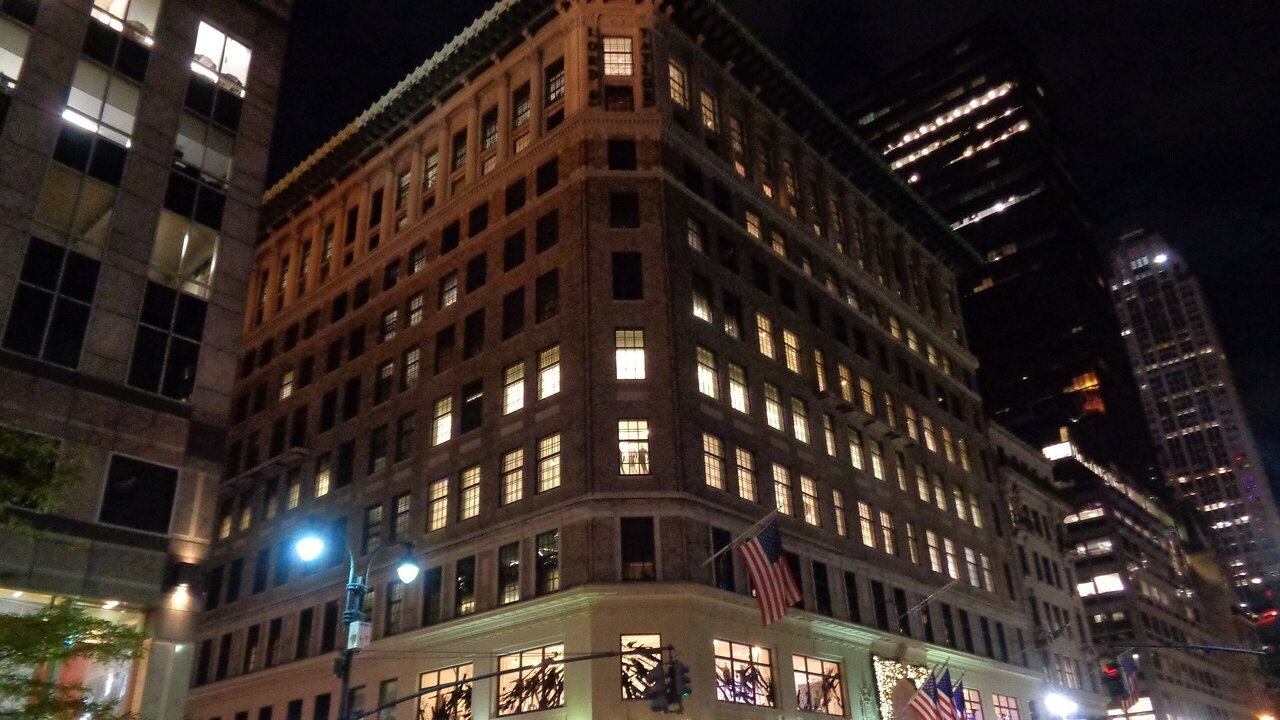
2020: Lord & Taylor Goes Out of Business
Lord & Taylor’s Fifth Avenue flagship opened in 1914 and became famous for its window displays. Those presentations helped make the store a familiar part of New York’s holiday shopping season. In August 2020, an Associated Press report carried by KWTX said the company was going out of business after filing for bankruptcy.
2026: Sears Is an Important Exception
Sears has not completely disappeared. The retailer moved beyond mail order when its first physical store opened outside Chicago in 1925. Sears Holdings and its affiliates filed for bankruptcy in 2018, but some stores survived. In September 2026, The Washington Post reported that only five Sears locations remained in the United States.
These stores vanished, but their names, parades, landmarks, and family memories still belong to the communities they served. Which one do you remember best?
Follow The HyperHive on MSN for more stories like this.
Sources:






