Doomsday Predictions That Never Came True

Lowell Observatory/NOIRLab/NSF/AURA/ / Wikimedia Commons, CC BY 4.0 (cropped)
Predictions about the world’s end often reflect the worries, beliefs, and new technologies of their time. Some inspired sincere religious preparation, while others spread through books, newspapers, television, or the internet.
Moving from the oldest prediction to the newest, this gallery draws on museum collections, contemporary archives, scientific agencies, academic research, and established reporting.
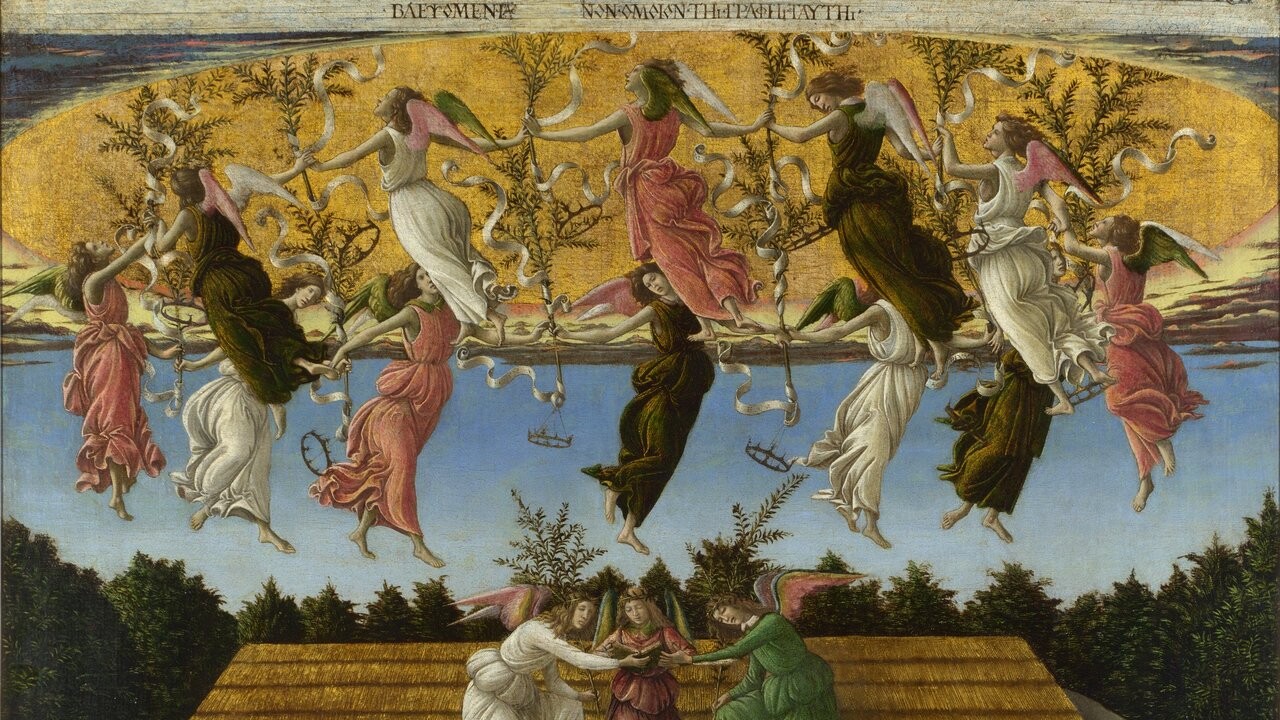
1500: Botticelli’s Apocalyptic Nativity
Sandro Botticelli’s Mystic Nativity was more than a familiar Christmas scene. Painted in 1500, it connected Italy’s troubles with the Book of Revelation and the expected return of Christ. Its apocalyptic imagery portrayed a period of turmoil nearing its conclusion, but the anticipated transformation did not arrive as imagined.

1524: Stöffler’s Flood Forecast
German astronomer Johannes Stöffler forecast flooding in February 1524, linking it to an unusual number of planetary conjunctions in Pisces. Later accounts turned the warning into a prediction of a worldwide deluge. The appointed month passed without the feared catastrophe, but the story remained part of doomsday lore.
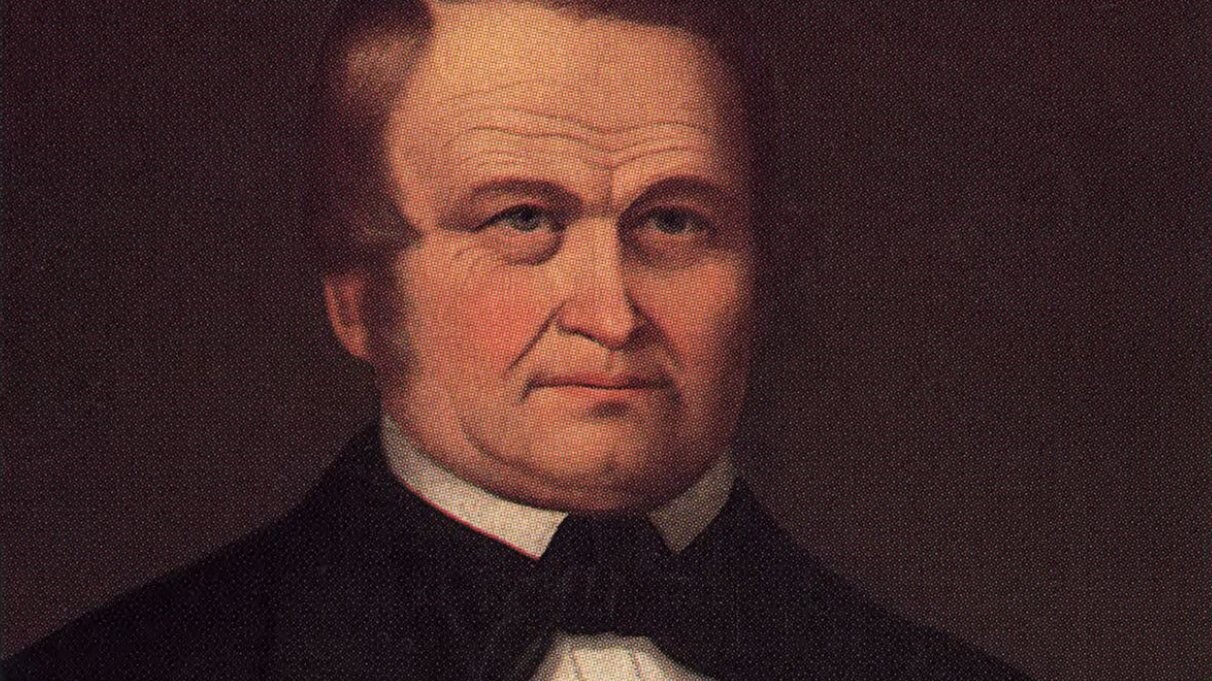
1844: The Great Disappointment
Followers of Baptist preacher William Miller expected Christ’s return on October 22, 1844. When the date passed without the anticipated event, their profound letdown became known as the Great Disappointment. The episode remained significant in the history of nineteenth-century American apocalyptic belief and the emerging Adventist movement.
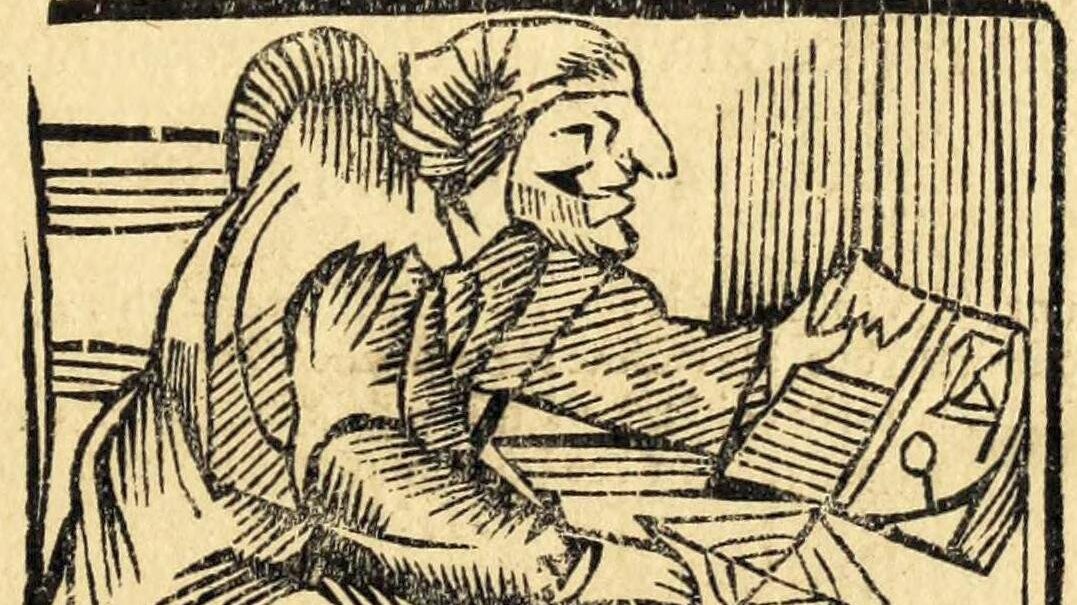
1881: The Mother Shipton Hoax
A verse attributed to the legendary Mother Shipton declared that the world would end in 1881. It had appeared in an 1862 book, but publisher Charles Hindley later admitted that he had fabricated the prophecy. Despite that confession, the rhyme continued circulating until its appointed year arrived and passed normally.
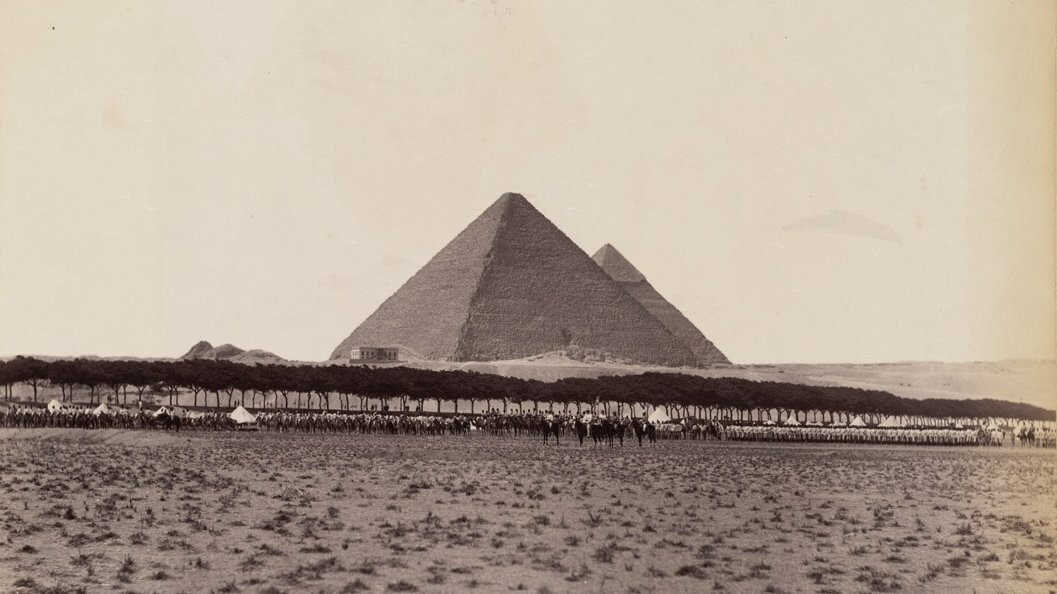
1881: The Great Pyramid Countdown
Charles Piazzi Smyth believed measurements inside Egypt’s Great Pyramid revealed a chronology of human history. Interpretations of his work pointed toward 1881 as the beginning of the final events, sometimes called the last things. The year ended without an apocalypse, leaving another elaborate countdown without its promised conclusion.
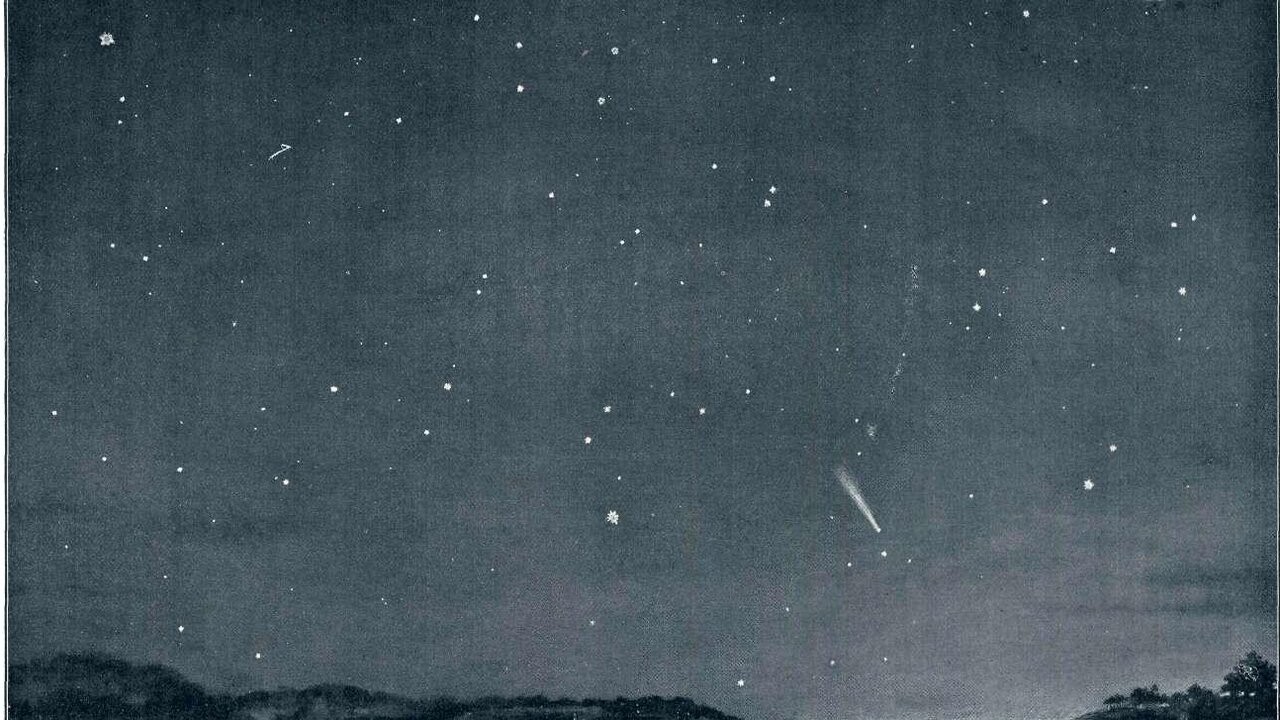
1910: Halley’s Comet and Comet Pills
Reports about cyanogen gas in Halley’s Comet helped produce an extraordinary scare in 1910. The Library of Congress records that opportunistic vendors offered gas masks, protective umbrellas, and anti-comet pills. The comet’s appearance in May proved harmless, leaving the unusual merchandise as a memorable example of fear-driven marketing.
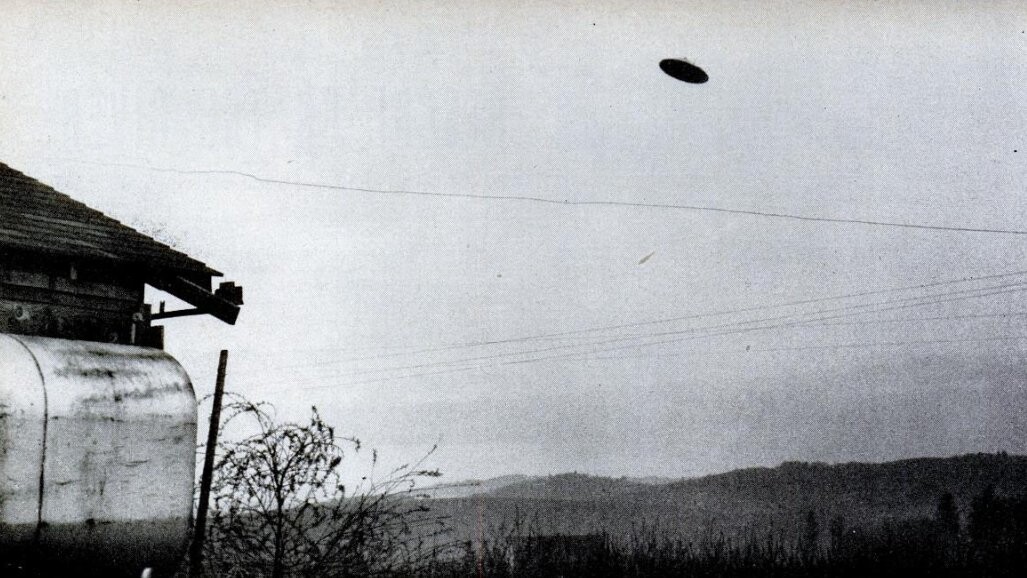
1954: Dorothy Martin’s Flood and Flying Saucers
Dorothy Martin predicted that an apocalyptic flood would arrive in 1954 and promised that flying saucers would rescue her followers. Neither the catastrophe nor the extraterrestrial evacuation occurred. The failed forecast nevertheless became one of the twentieth century’s best-known examples of a small group preparing for a specific doomsday deadline.
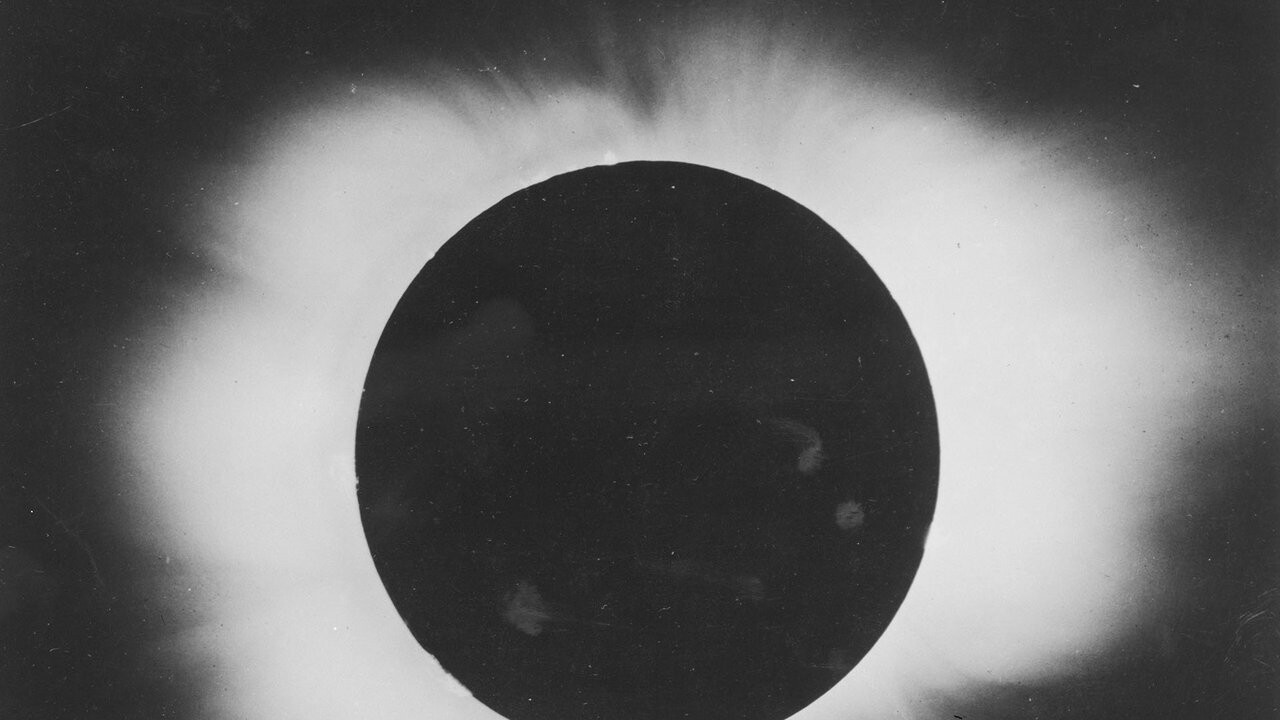
1962: The Planetary Alignment Scare
Hindu astrologers predicted disaster around February 4 and 5, 1962, when several planets, the Sun, and the Moon gathered in one region of the sky. Anxiety became especially visible in India. Astronomers said the arrangement could not significantly affect Earth, and the closely watched interval ended without the forecast catastrophe.
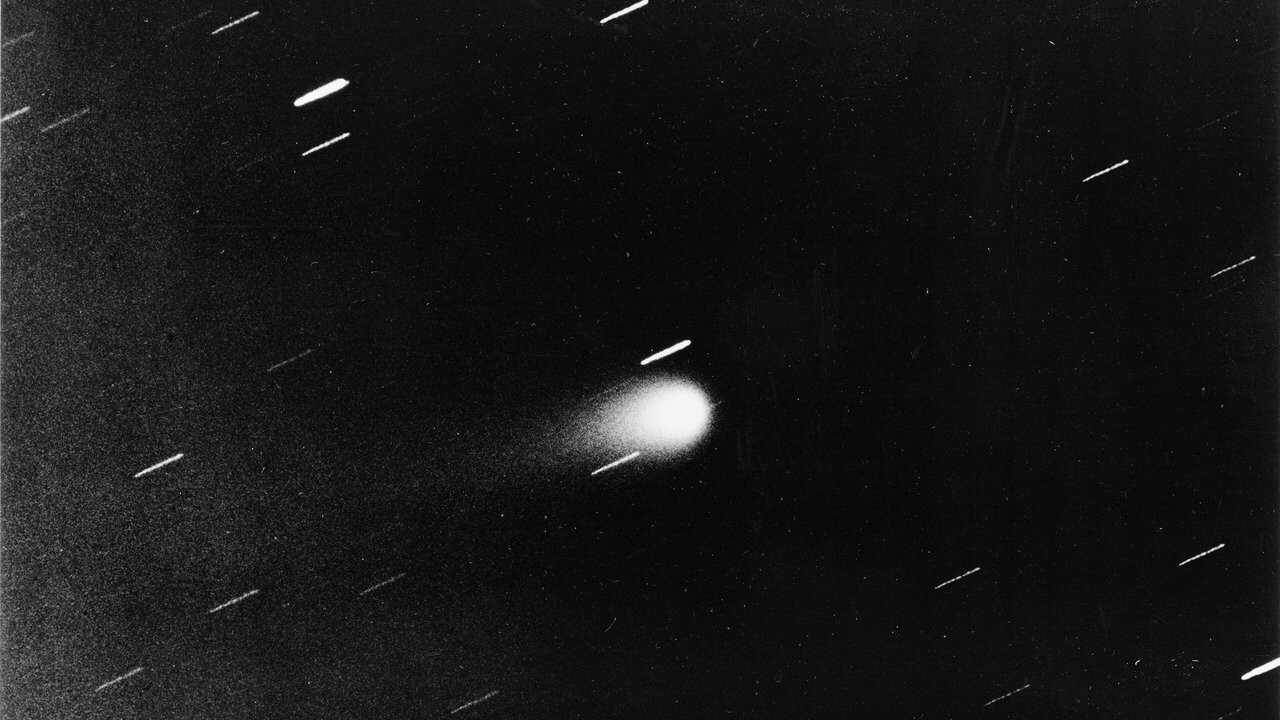
1974: Comet Kohoutek’s Warning
Comet Kohoutek became a heavily publicized astronomical event before its closest approach to the Sun. David Berg, founder of the Children of God, urged people to leave the United States before January 1974, when he expected disaster, destruction, or divine judgment. The comet appeared, but the predicted national catastrophe never followed.
1982: The Jupiter Effect
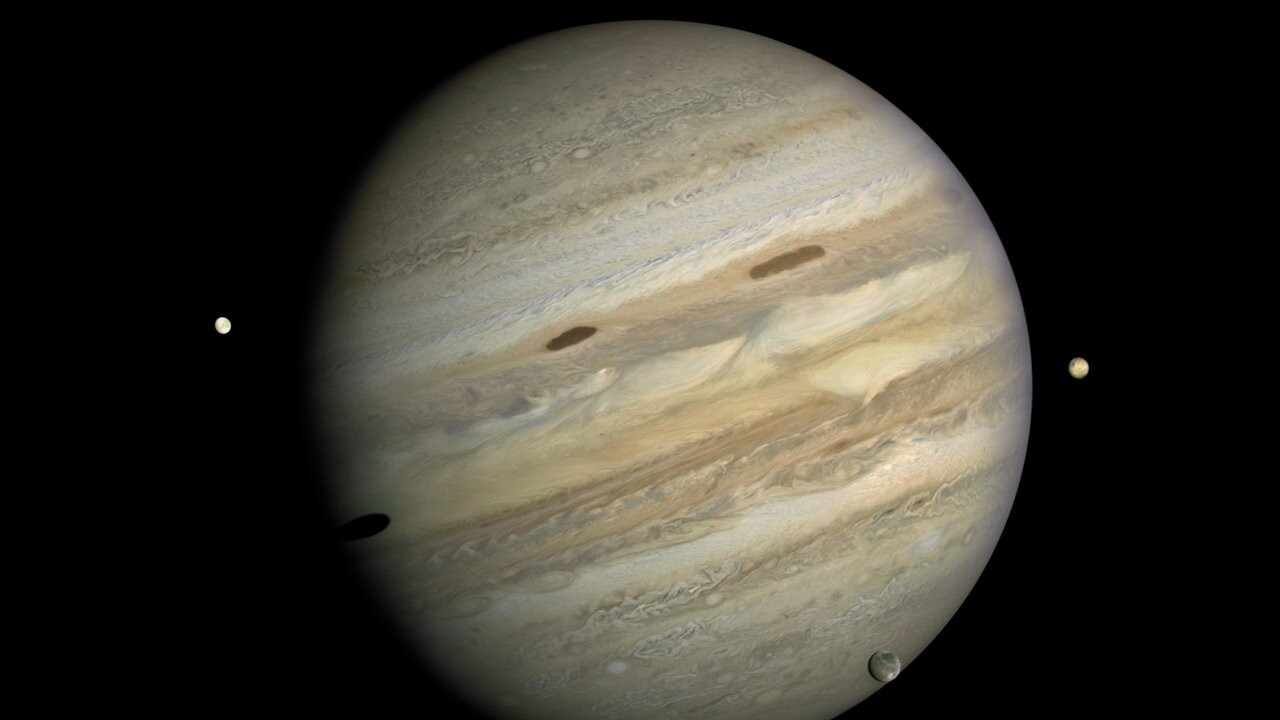
John Gribbin and Stephen Plagemann’s book The Jupiter Effect connected a planetary grouping with solar activity and potentially devastating earthquakes in 1982. Scientists challenged the proposed chain of events before the deadline, noting that the planets’ combined gravitational pull was too weak to produce such destruction. California escaped the predicted catastrophe.
1999: Nostradamus and the King of Terror
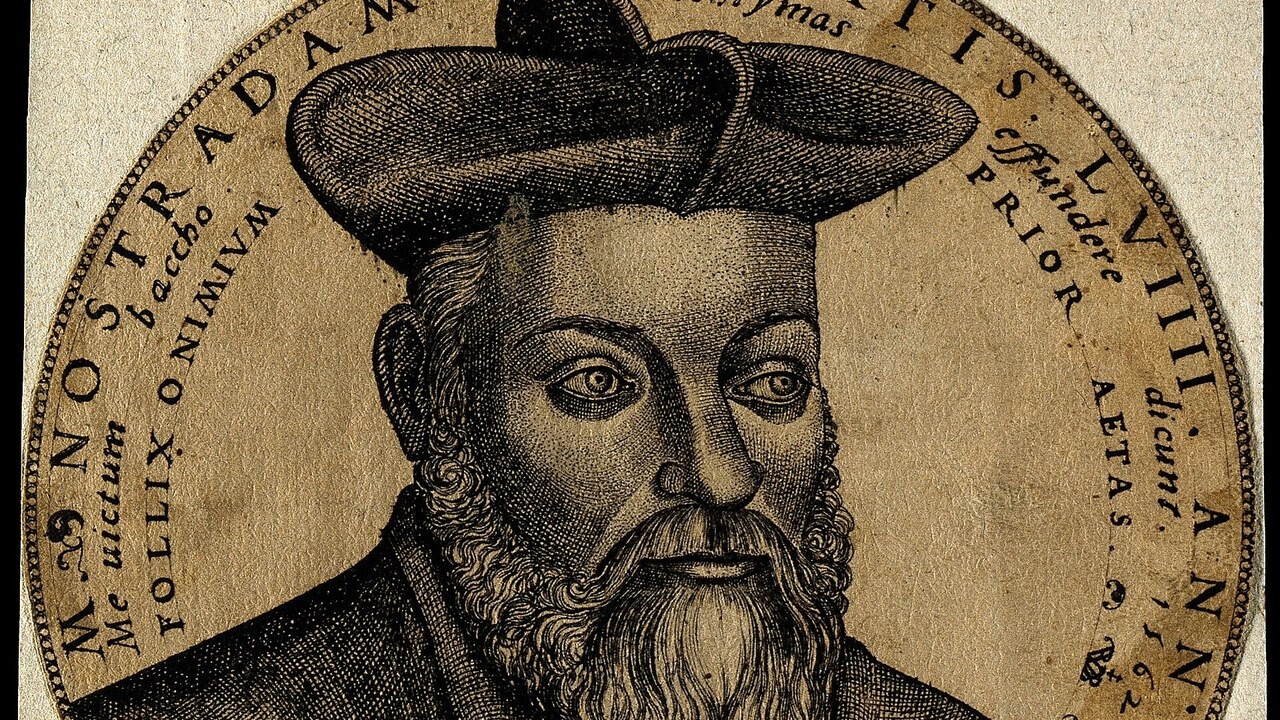
Century X, quatrain 72 of Nostradamus’ writings mentions the seventh month of 1999 and a great King of Terror coming from the sky. Readers offered alarming interpretations involving war or global catastrophe. July passed without a recognizable fulfillment, underscoring how the verse’s ambiguous language could accommodate dramatically different meanings.
2000: Y2K and the Millennium Rollover
The Y2K software problem was real: systems using two digits for the year could interpret 00 as 1900 instead of 2000. The date change attracted predictions of widespread social disruption, but January 1 produced limited rollover problems rather than technological collapse, according to the U.S. Government Accountability Office.
2000: The May 5 Planetary Alignment
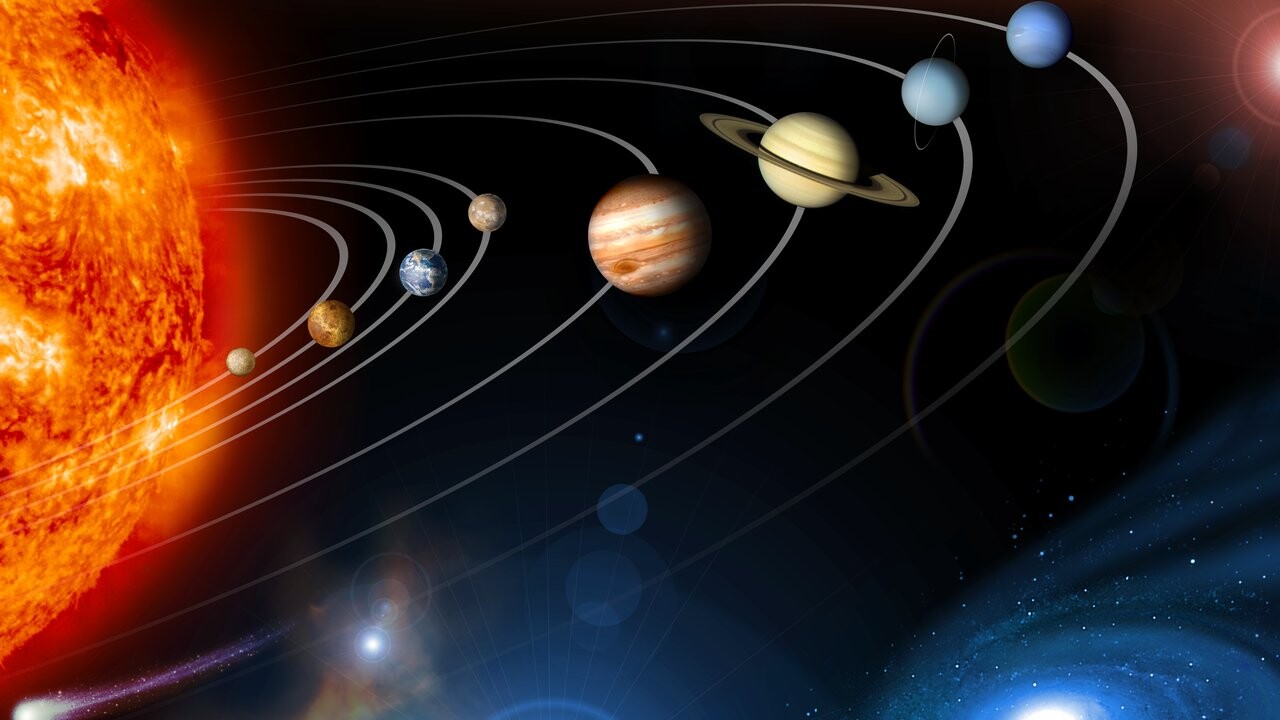
Another millennium scare centered on May 5, 2000, when Mercury, Venus, Earth, Mars, Jupiter, and Saturn were positioned more or less in line with the Sun. Dire predictions included melting ice caps, floods, hurricanes, and earthquakes. NASA explained that the distant planets could not noticeably affect Earth, and the day passed without catastrophe.
2003: Nibiru’s First Missed Arrival
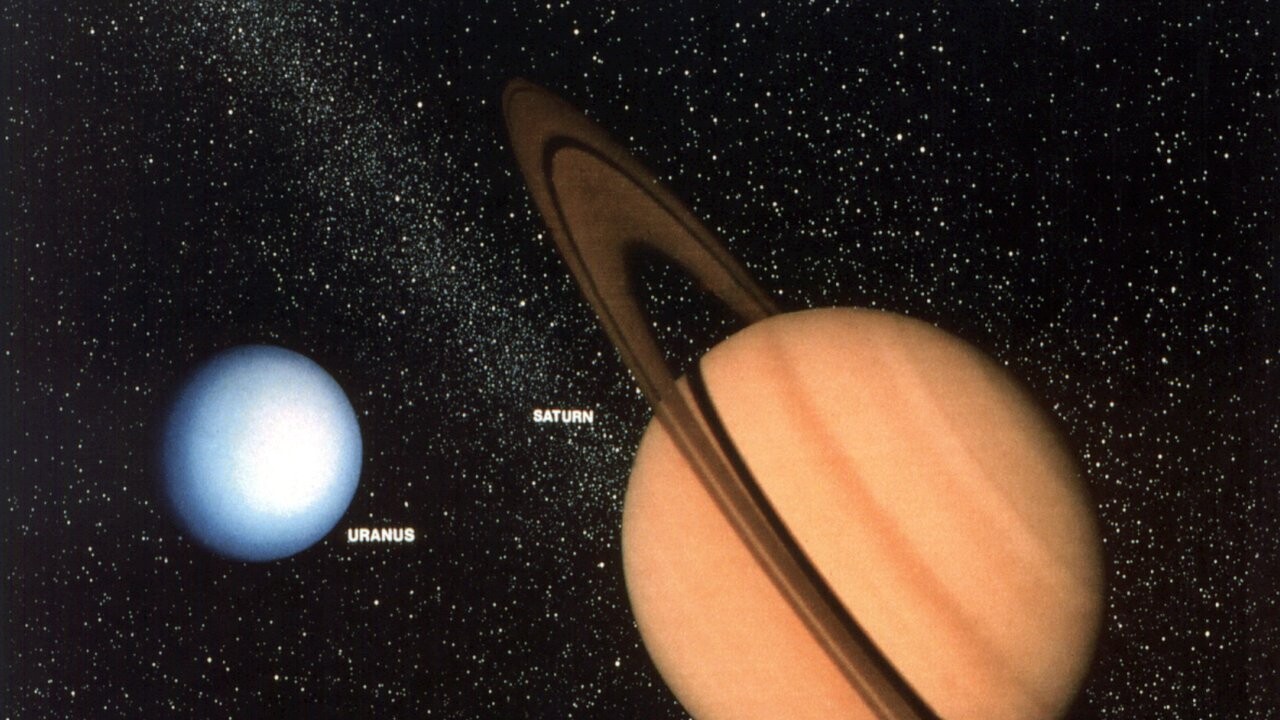
Early versions of the Nibiru story claimed that a hidden planet would approach Earth in May 2003. When the month passed without the predicted catastrophe, the deadline moved to December 2012 and merged with fears surrounding the Maya calendar. No incoming planet appeared in either year.

2008: Large Hadron Collider Black Holes
Before CERN activated the Large Hadron Collider in 2008, some people feared its particle collisions might produce a black hole capable of consuming Earth. CERN’s safety assessment explained that the hypothetical microscopic black holes predicted by speculative theories would disintegrate immediately, leaving no time to accumulate matter or cause large-scale effects.
2011: Harold Camping’s May 21 Prediction
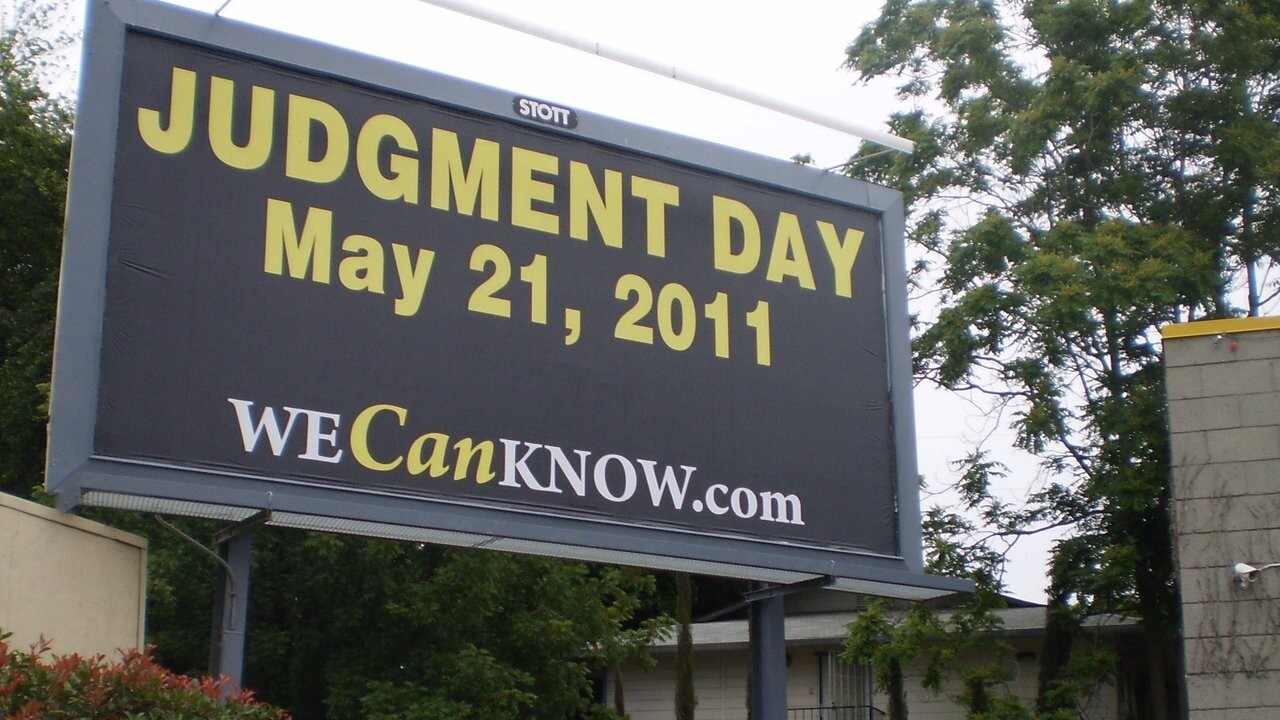
Harold Camping returned to worldwide attention by naming May 21, 2011, as the date of the Rapture. The campaign appeared across Family Radio broadcasts and thousands of billboards. The date passed without the predicted event, and Camping eventually acknowledged that attempting to determine a specific date had been mistaken.
2012: The Maya Calendar Misreading
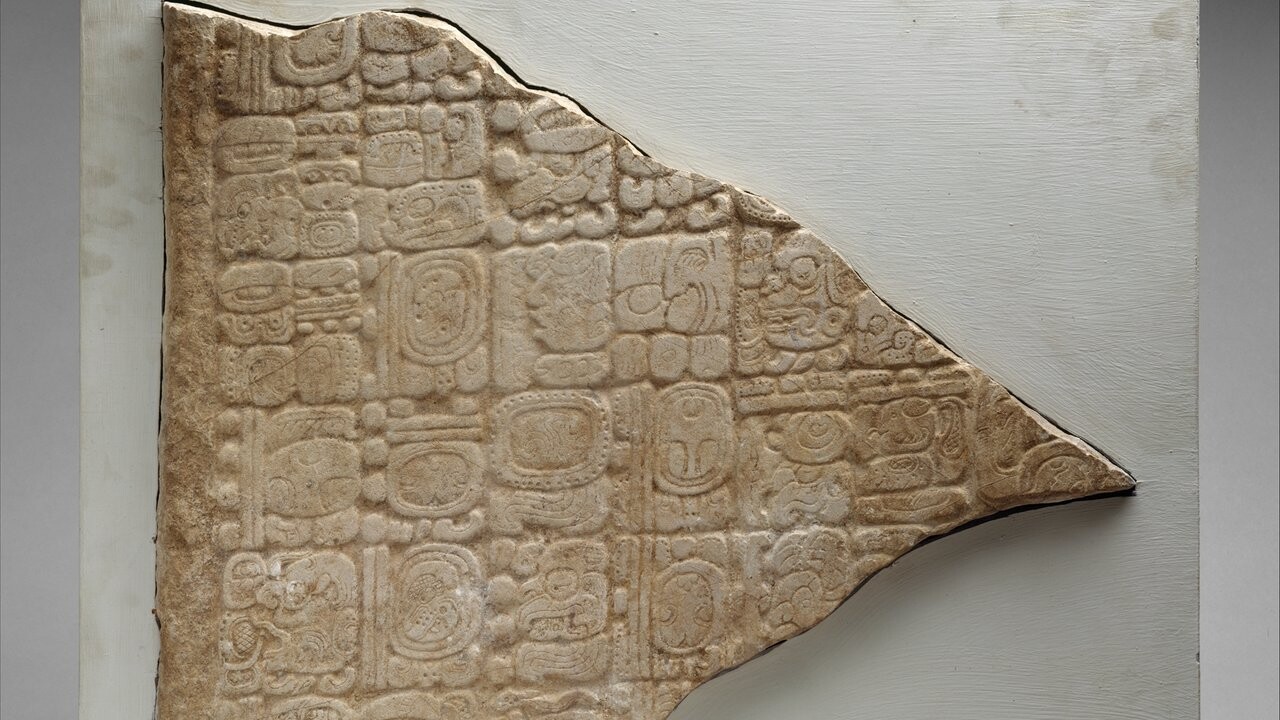
December 21, 2012, marked the end of an important cycle in the Maya Long Count calendar, not a Maya prediction that Earth would be destroyed. The Smithsonian’s National Museum of the American Indian explained the date’s calendrical meaning, while modern doomsday stories attached an assortment of imaginary cosmic disasters to it.
2017: Nibiru Returns to the Internet
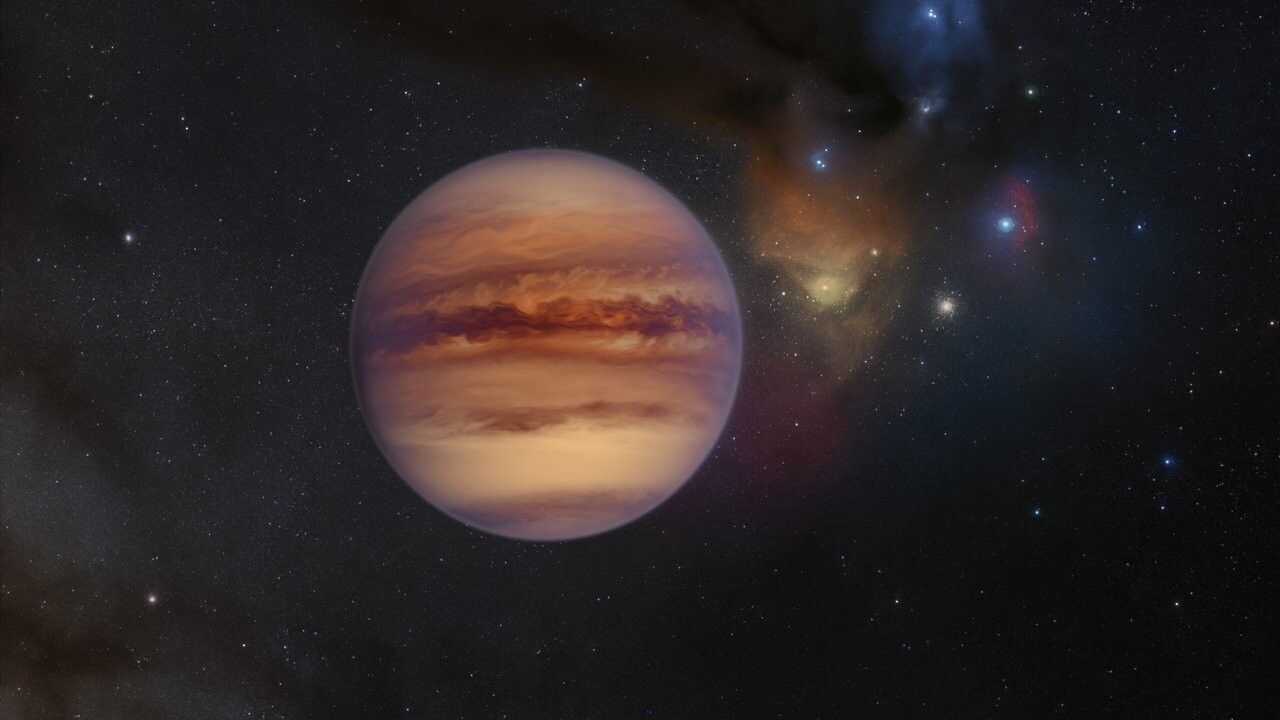
Self-published author David Meade promoted a claim that Earth would encounter the supposed planet Nibiru on September 23, 2017. The theory spread through online videos and news coverage despite lacking a scientific basis. The date passed without an encounter, and the alleged rogue planet remained absent from astronomical observations.
These missed deadlines reveal as much about the hopes and anxieties of their eras as they do about prediction. Which of these doomsday forecasts do you remember hearing about?
Follow The HyperHive on MSN for more stories like this.
Sources:






