Famous Paintings and Their Hidden Secrets: What the Record Confirms

Leonardo da Vinci / Wikimedia Commons, Public domain (cropped)
Famous paintings attract legends, but their documented histories are often surprising enough. Museum records, conservation research, and collection entries reveal altered names, experimental techniques, unexpected materials, and thefts that became part of the artworks’ stories.
These slides move roughly in the order the artworks were created before turning to later thefts. Each entry separates confirmed details from speculation, offering a closer look at familiar masterpieces without relying on myths.
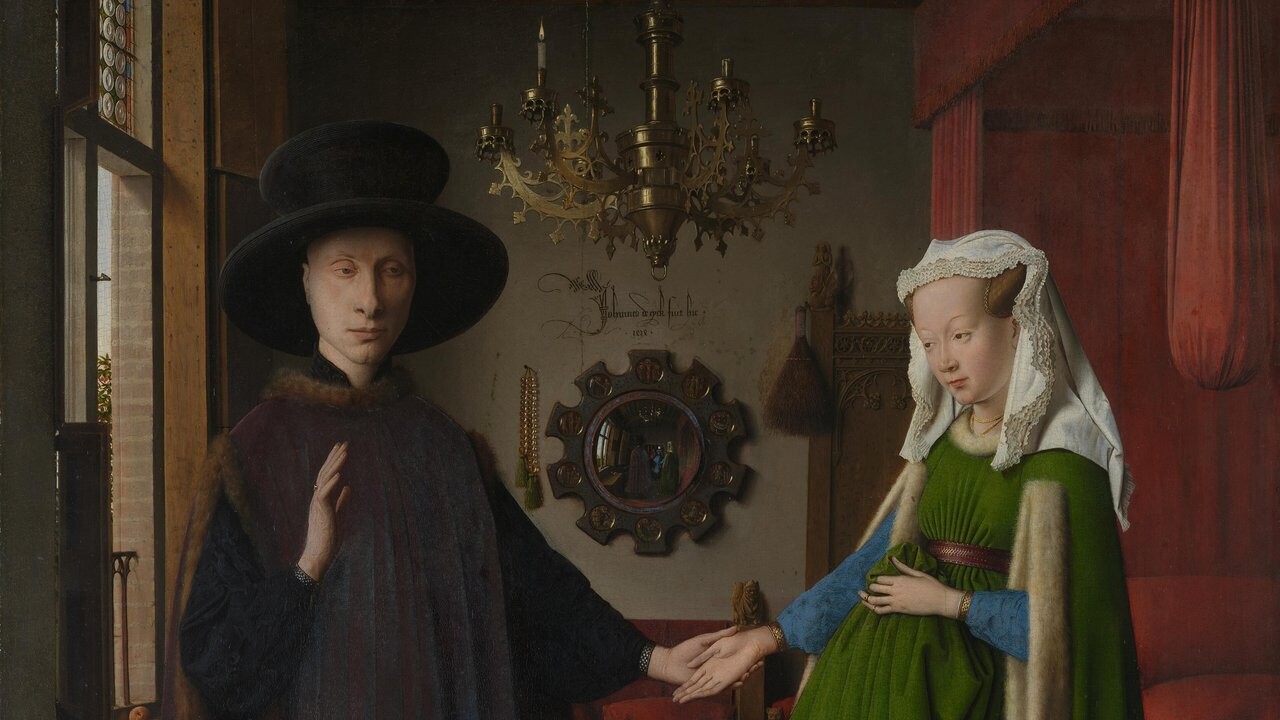
The Arnolfini Portrait’s Tiny Reflected Visitors
Jan van Eyck dated the Arnolfini Portrait to 1434. In its convex mirror, two additional figures appear to enter the room occupied by the richly dressed couple. The National Gallery says one of those figures may be the artist himself, carefully presenting that intriguing identification as a possibility rather than a certainty.
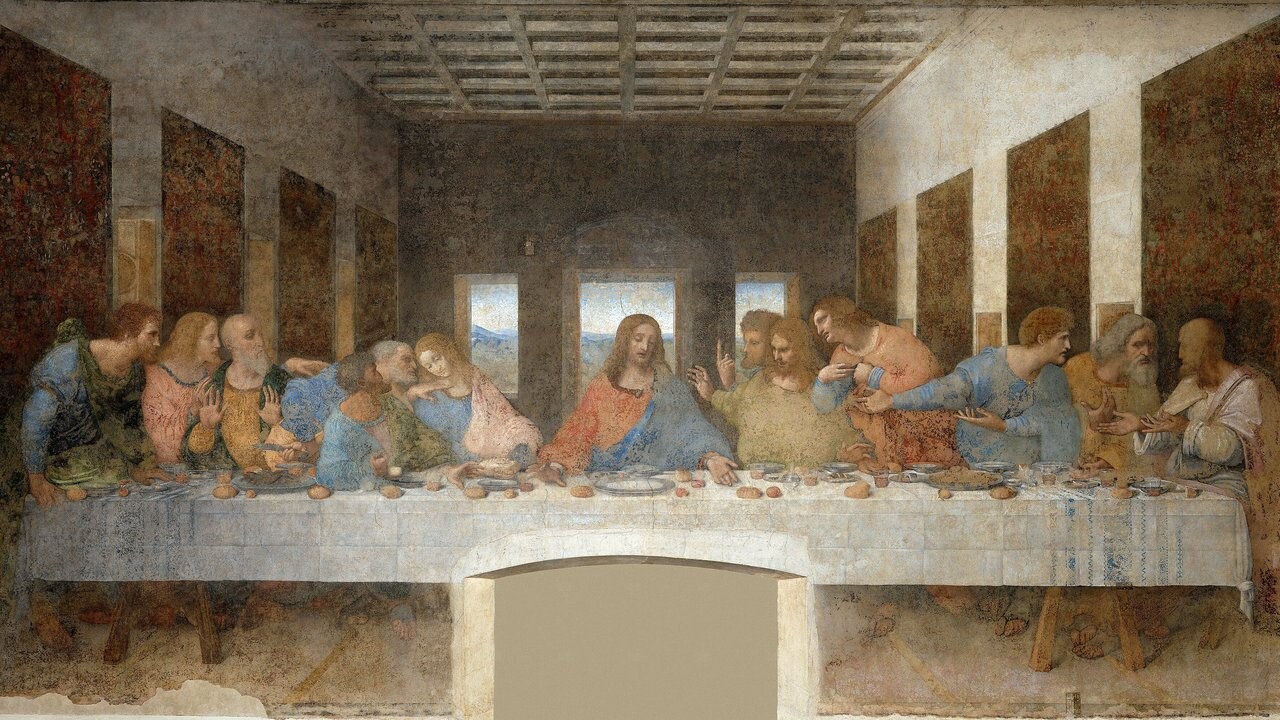
The Last Supper Used an Unusual Technique
Leonardo painted The Last Supper using a dry technique, applying pigments to a white preparatory layer rather than directly to wet plaster. This documented choice distinguishes the mural from a traditional fresco and helps explain why its physical construction has received as much scholarly attention as its composition and figures.
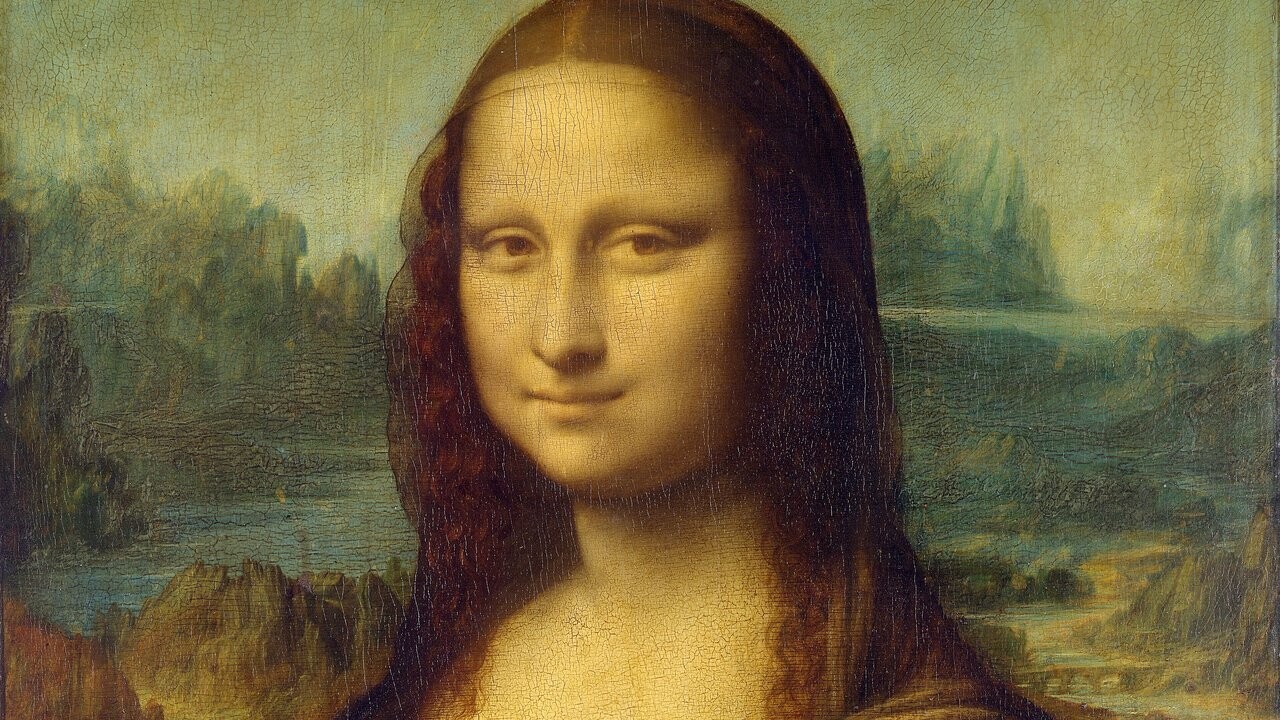
The Mona Lisa Disappeared From the Louvre
The Louvre records that the Mona Lisa disappeared on August 21, 1911. Vincenzo Peruggia, who had worked at the museum, stole the painting that year. It was rediscovered in 1913, ending an episode that drew enormous press attention and added a real-life theft story to the portrait’s growing fame.
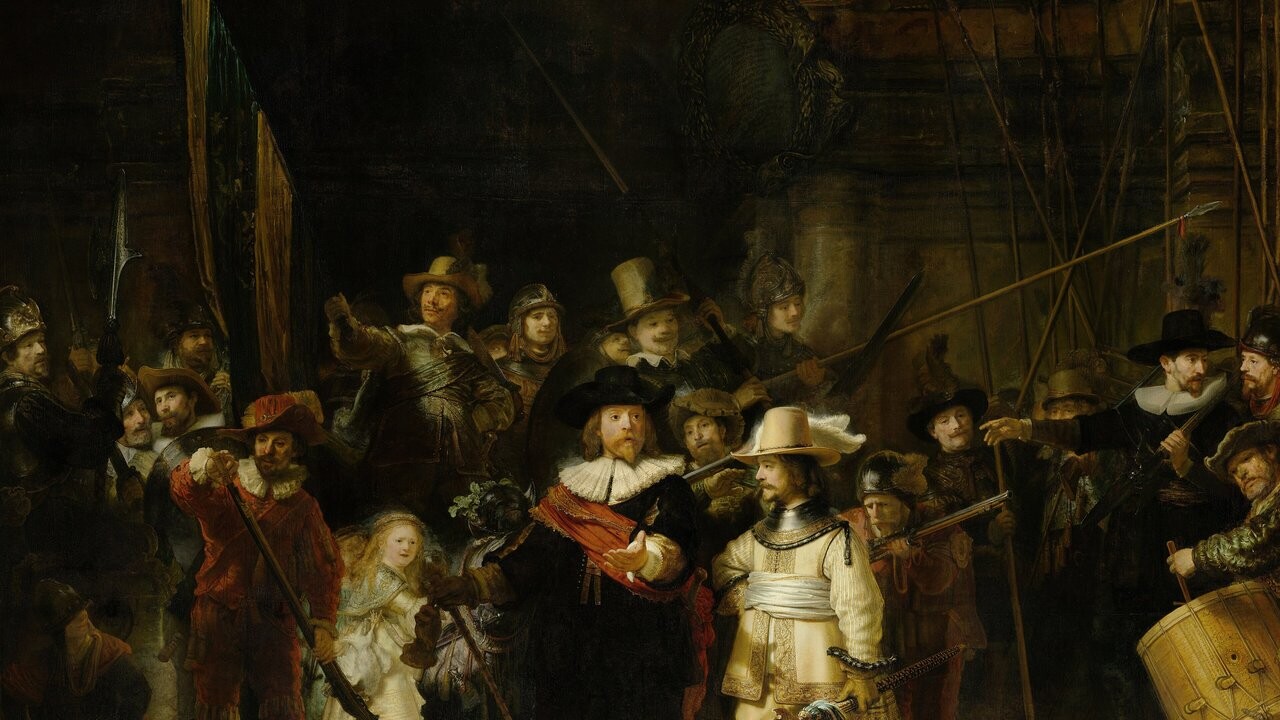
The Night Watch Actually Shows Daylight
The Rijksmuseum describes Rembrandt’s The Night Watch as a daylight march despite its dark tones. It also explains that natural-resin varnishes used in the past yellow with age and become less transparent. Those facts show why a painting’s present appearance should not automatically be mistaken for the lighting of its depicted scene.
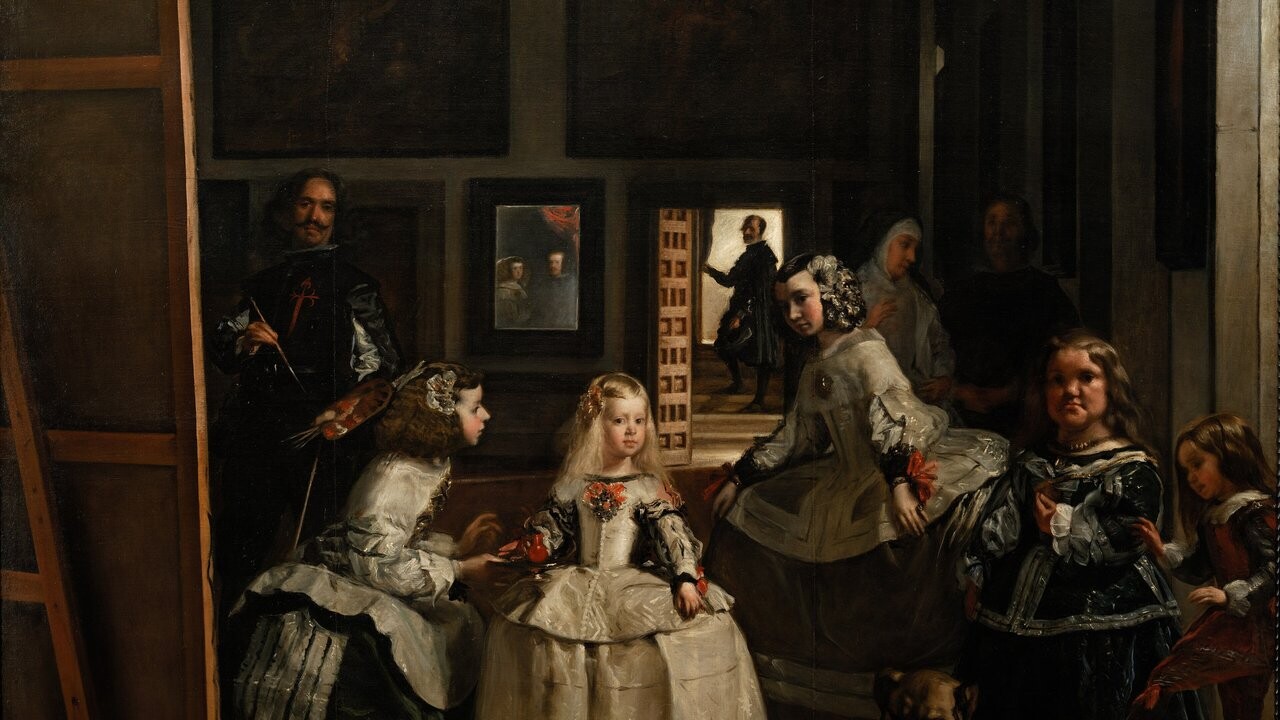
Velázquez Put Himself Inside Las Meninas
Diego Velázquez painted Las Meninas in 1656 and included his own likeness within the courtly scene. That self-portrait makes the painter a visible participant in the work rather than an unseen observer. His presence invites viewers to consider the act of painting alongside the people and space represented on the canvas.
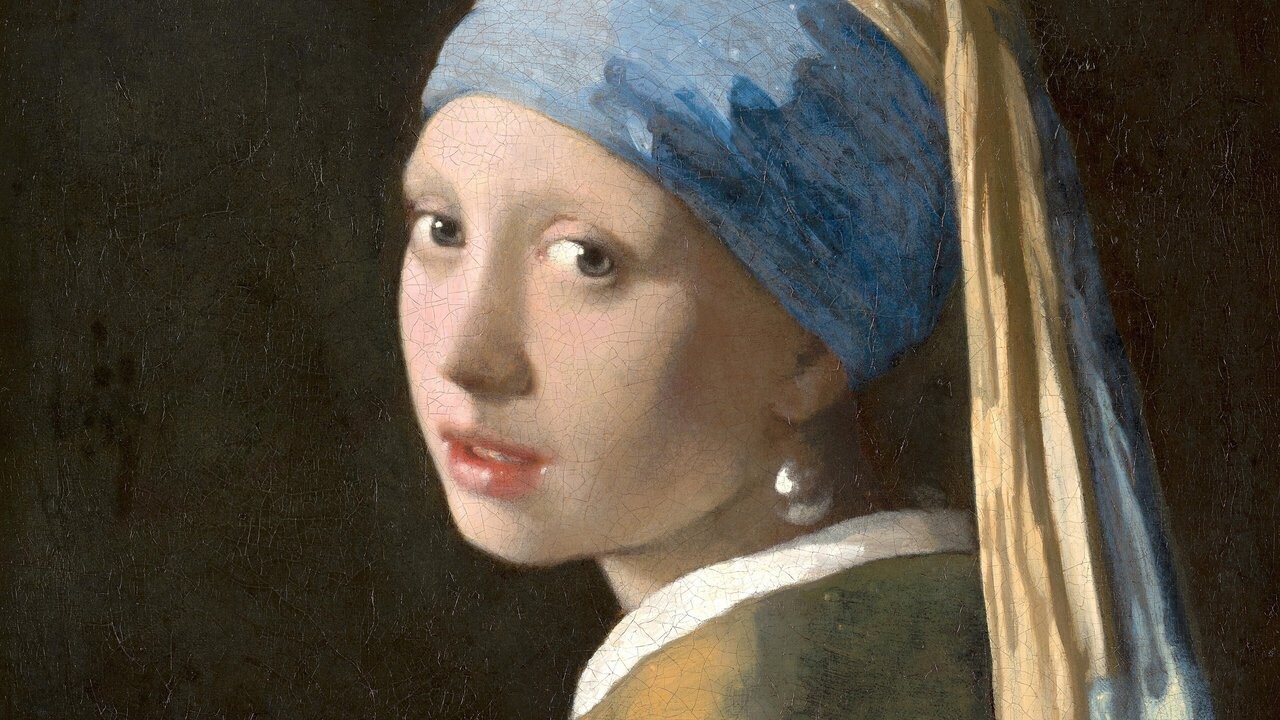
Girl With a Pearl Earring Is a Tronie
The Mauritshuis dates Johannes Vermeer’s Girl with a Pearl Earring to about 1665 and classifies it as a tronie, not a portrait. That distinction changes how the familiar image is understood: the museum does not present it as a formal record of a specifically identified individual, despite its portrait-like immediacy.
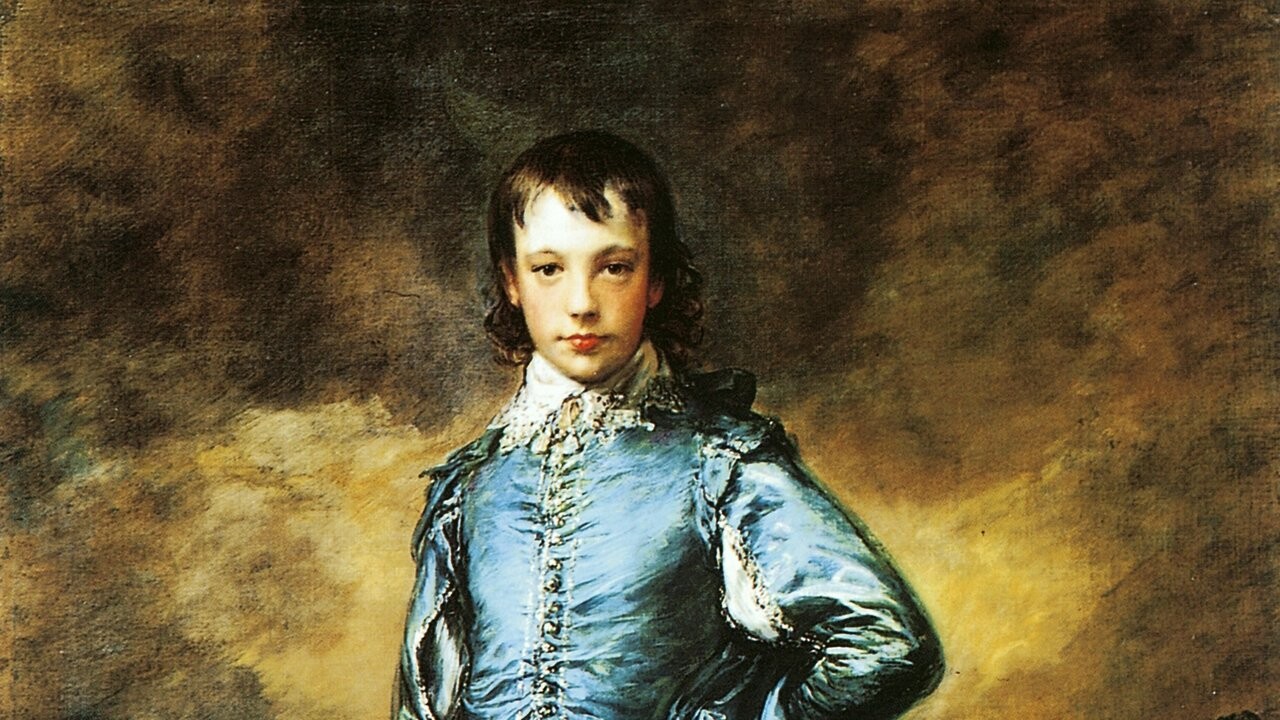
The Blue Boy Began With Another Title
Thomas Gainsborough’s painting appeared at an exhibition in 1770 as A Portrait of a Young Gentleman. By 1798, people were calling it The Blue Boy, and the shorter title endured. Its history offers a clear example of a popular nickname becoming more recognizable than the name under which a painting first appeared.
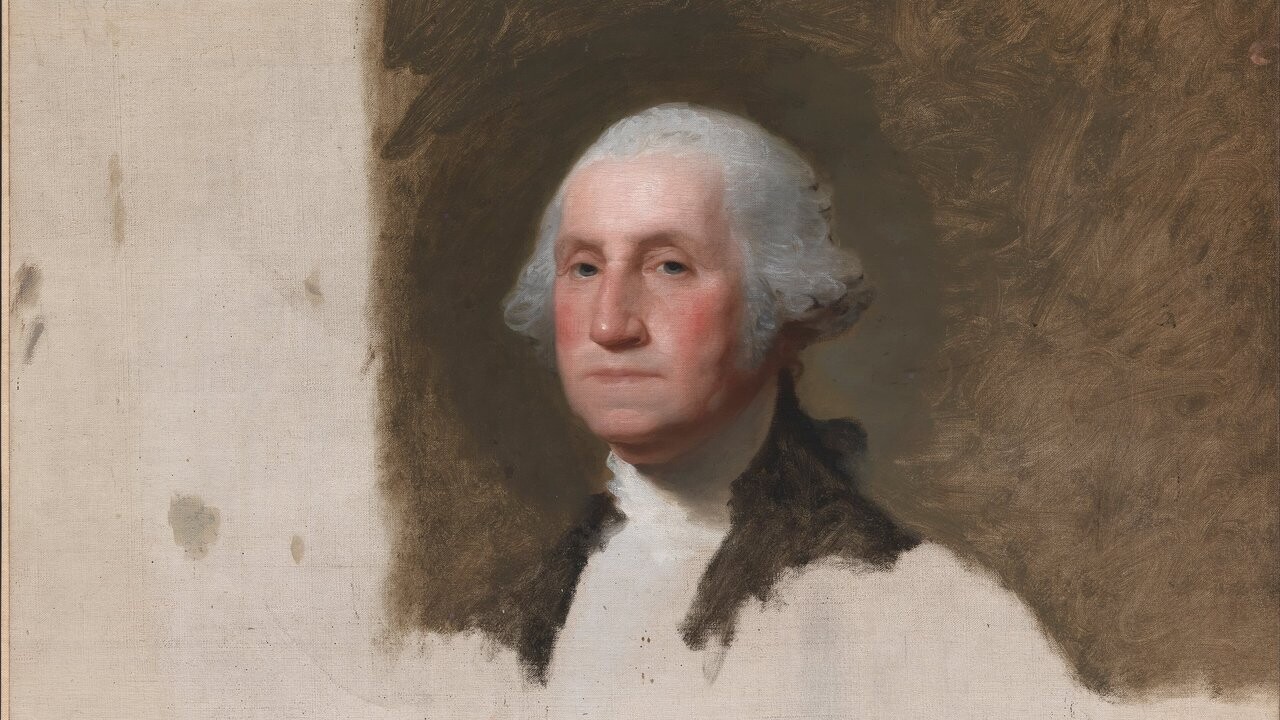
The Unfinished Portrait on the Dollar Bill
Gilbert Stuart painted the Athenaeum portrait of George Washington in 1796. The original portrait remained unfinished, but its likeness became exceptionally familiar: the Smithsonian’s National Portrait Gallery notes that the image was reproduced in reverse on the one-dollar bill. A working portrait consequently became part of everyday American visual culture.
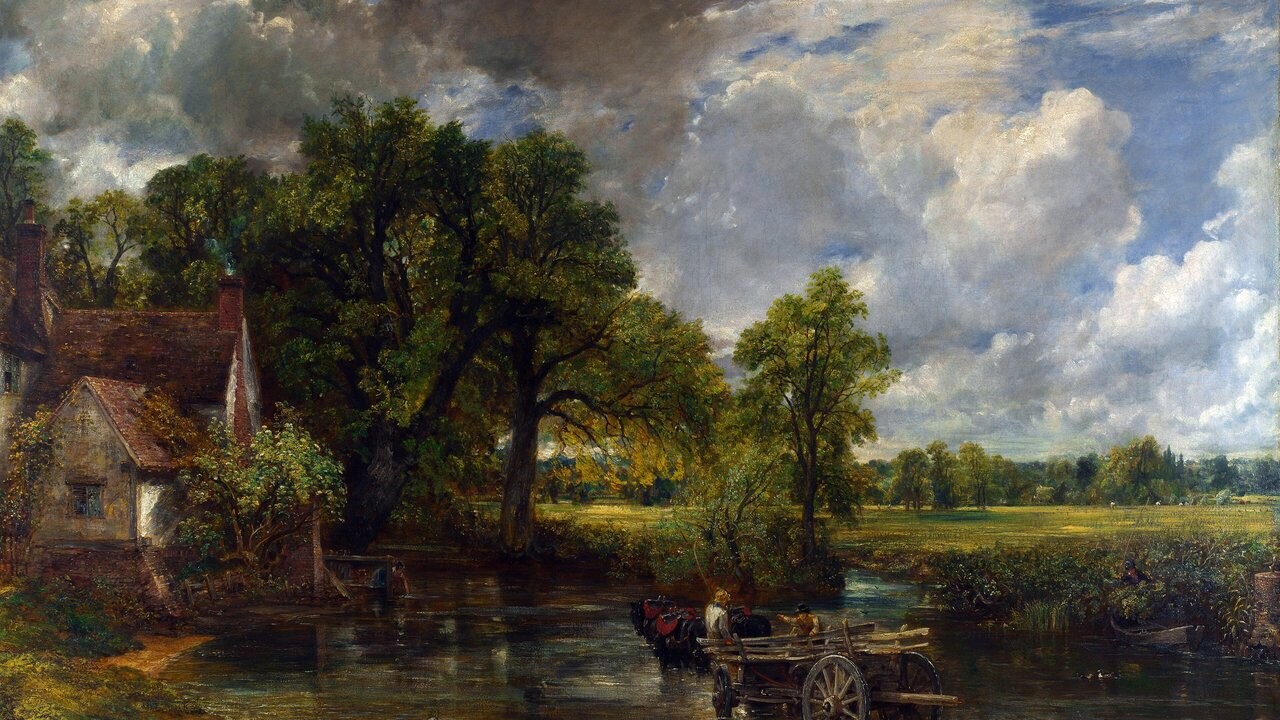
The Hay Wain Was a Nickname
John Constable did not call his famous rural painting The Hay Wain. According to the National Gallery, that name began as a nickname given to the picture by his friend Archdeacon Fisher. The informal label outlasted its personal origins and became the title by which generations of museum visitors now recognize the work.
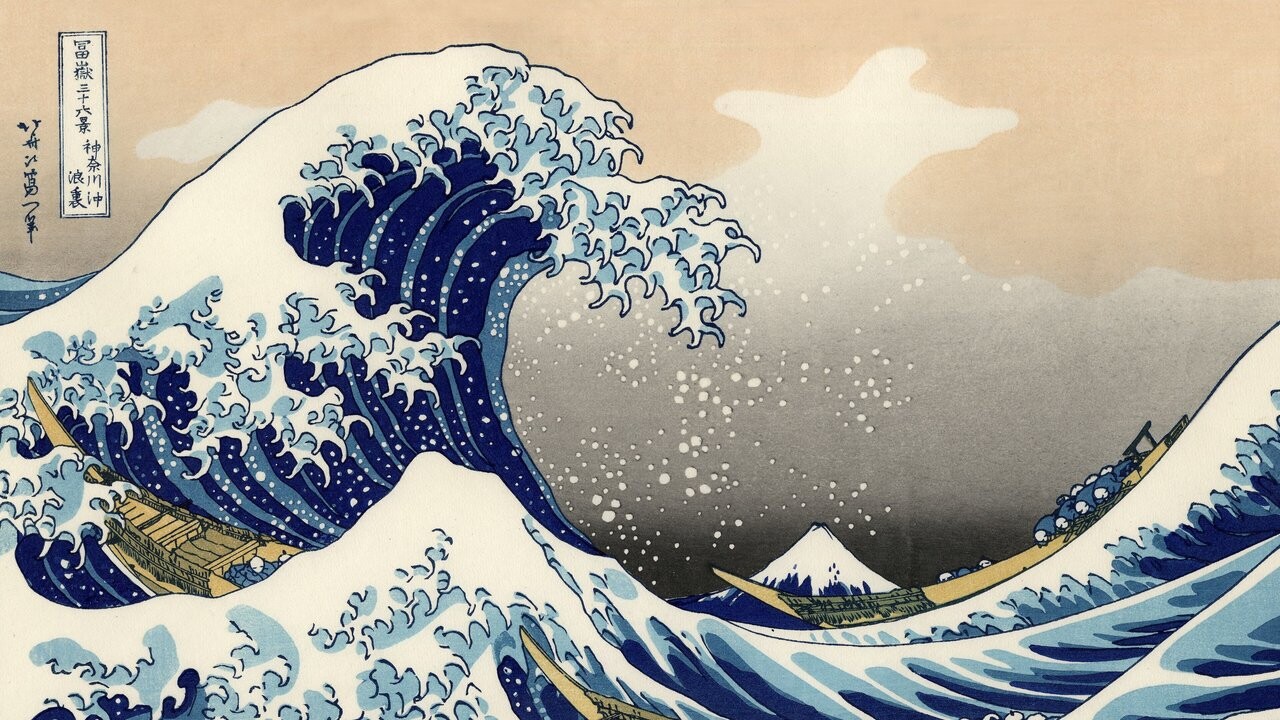
The Great Wave Combines Two Blues
Hokusai’s Under the Wave off Kanagawa is better known as The Great Wave. Analysis discussed by the Metropolitan Museum of Art found that its printers used indigo and Prussian blue, sometimes mixing them and sometimes printing one over the other. The powerful blue is therefore the result of deliberate layering as well as bold design.
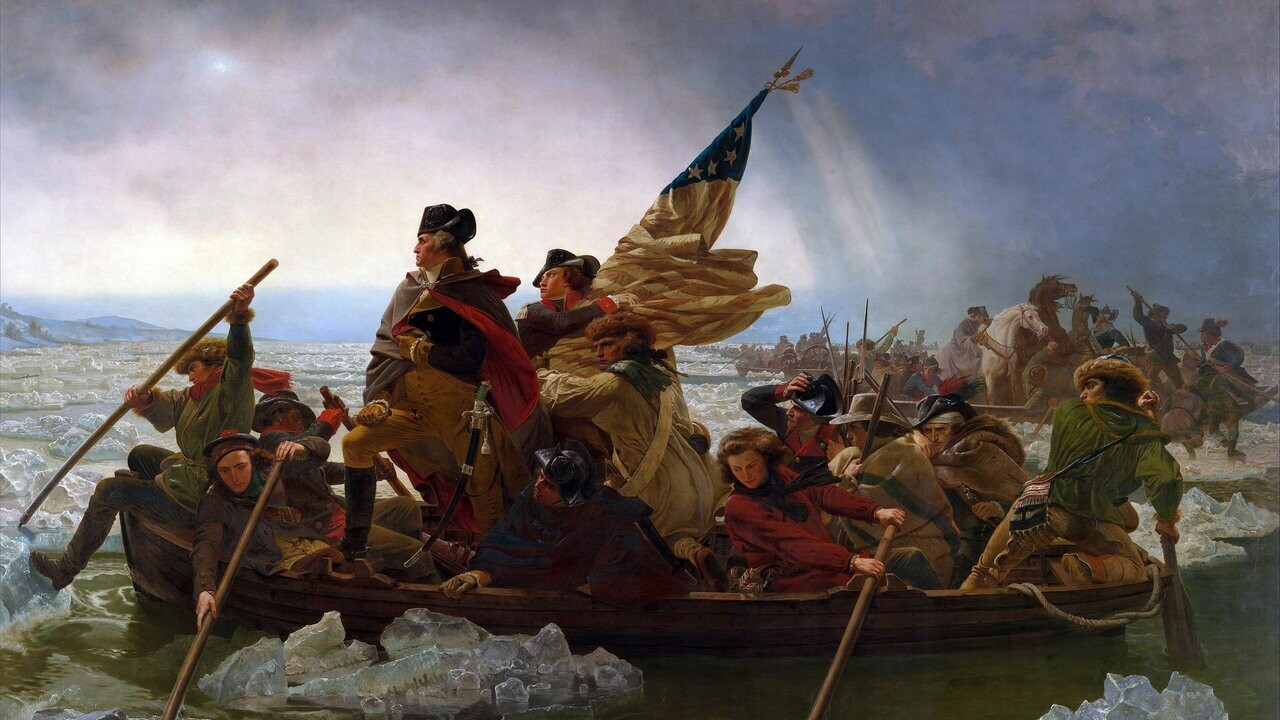
Washington Crossing the Delaware Takes Liberties
Emanuel Leutze painted Washington Crossing the Delaware in 1851, but its dramatic scene is not a precise reconstruction. The Metropolitan Museum of Art notes that the boats travel in the wrong direction and the ice floes are impossibly large. The flag held by James Monroe also uses a design that did not yet exist.
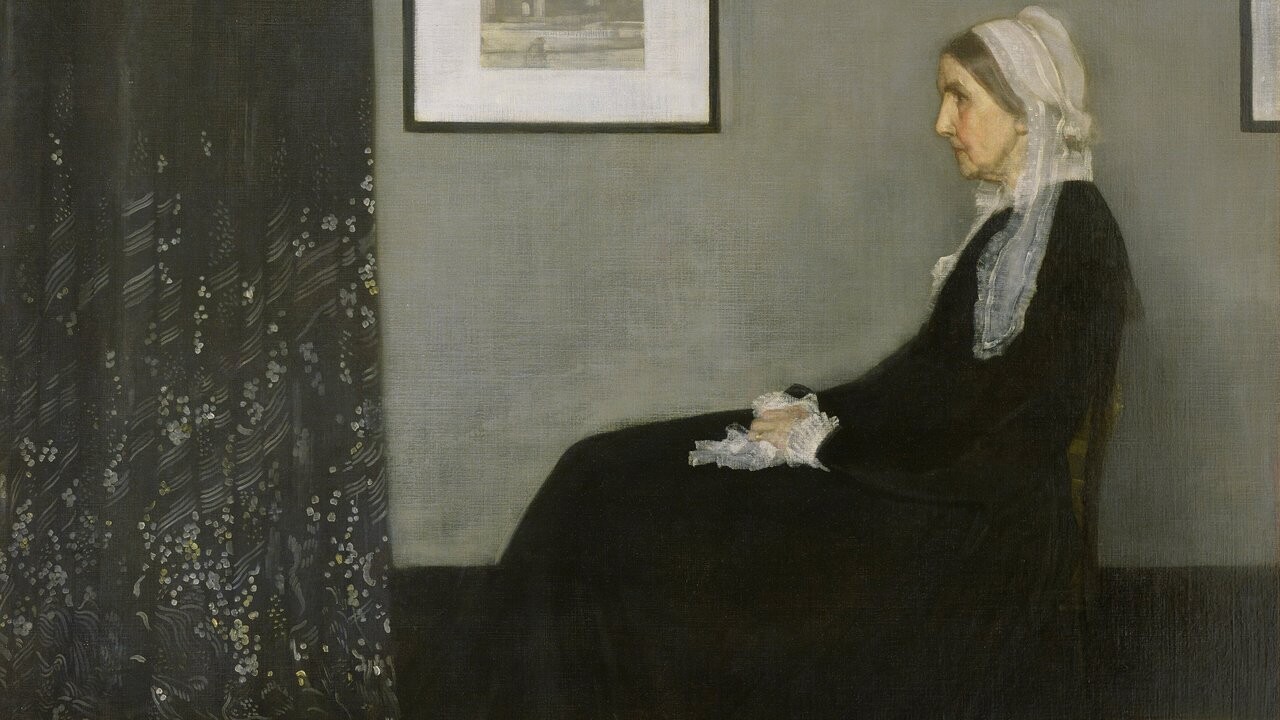
Whistler’s Mother Has a Musical Title
The painting popularly called Whistler’s Mother bears the formal title Arrangement in Grey and Black No. 1. The Musée d’Orsay also identifies it as Portrait of the Artist’s Mother. Its two accepted names place different emphasis on the same image: one highlights its formal arrangement, while the other identifies its familiar subject.
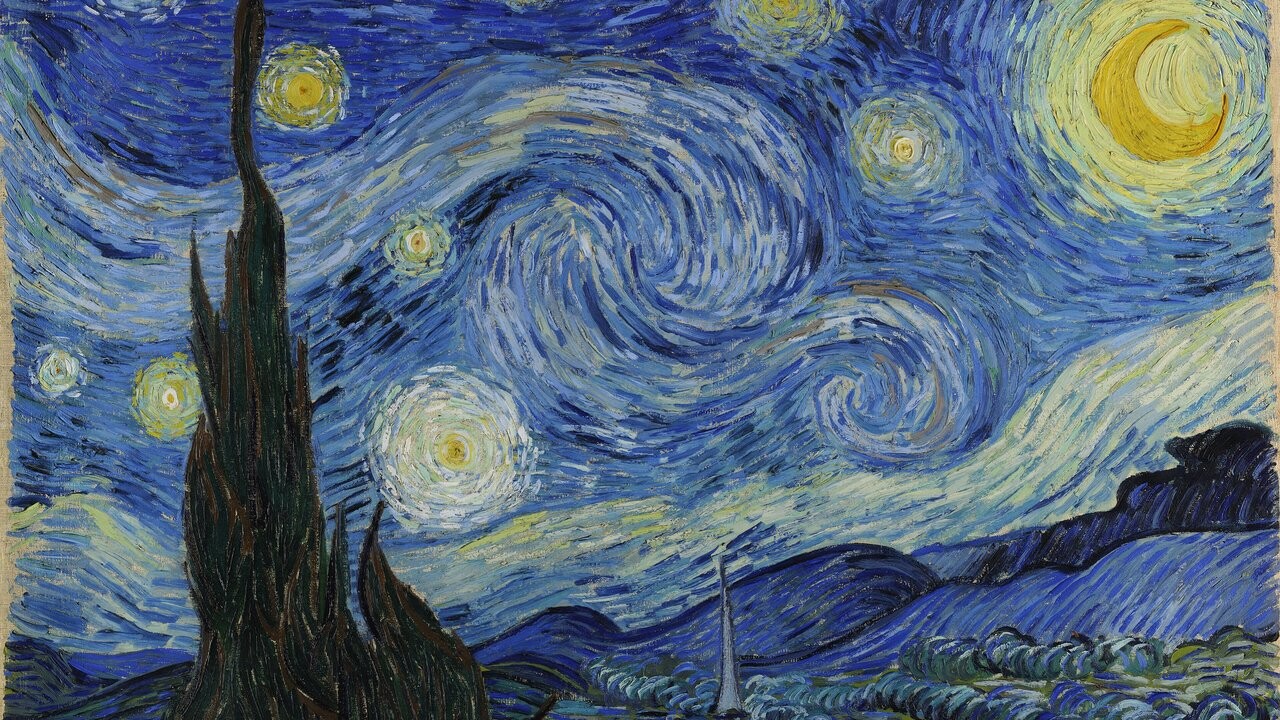
The Starry Night Began With a Window View
MoMA says Vincent van Gogh’s The Starry Night was inspired by the view from his window at the Saint-Paul-de-Mausole asylum in Saint-Rémy, southern France. That documented starting point gives the swirling composition a specific setting, even as the finished painting has become a broader symbol of imaginative, emotionally charged landscape art.
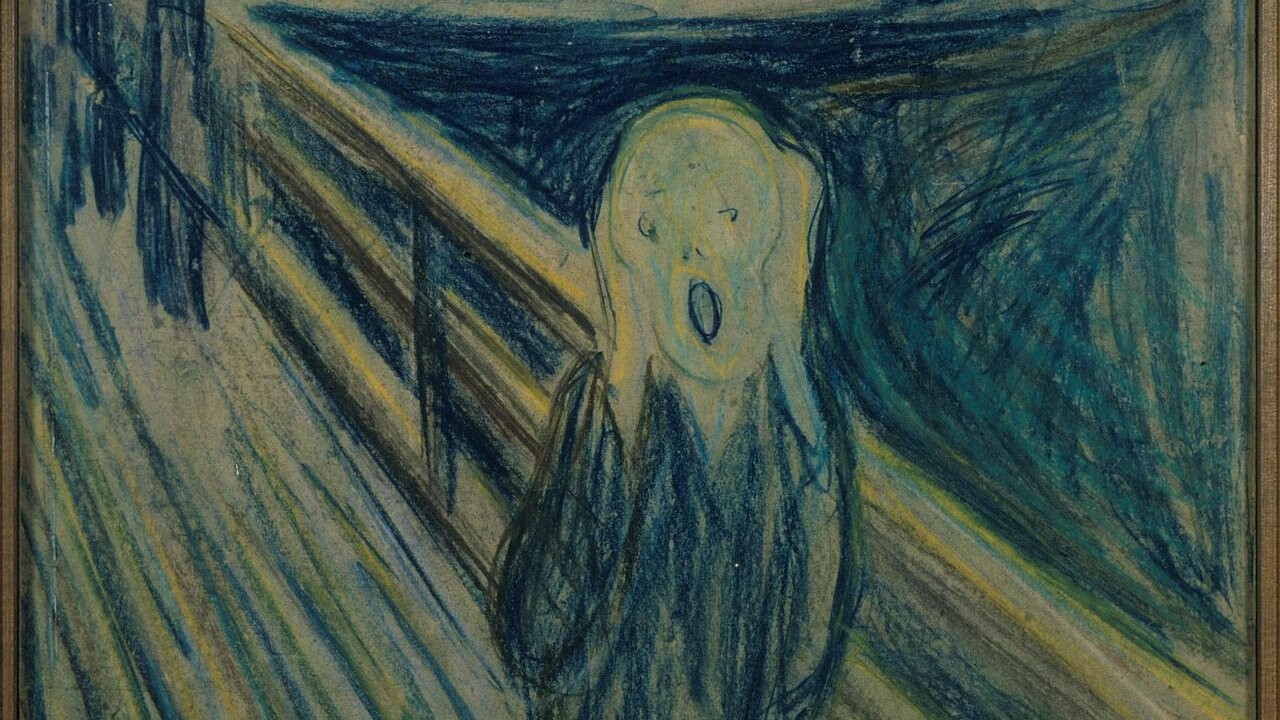
The Scream Is More Than One Artwork
Edvard Munch produced four colorful versions of The Scream rather than a single definitive work. MUNCH identifies two as tempera paintings and two as drawings made with pastel and crayon. The famous image therefore exists across different objects and media, a useful distinction when discussing its exhibitions, ownership, and later thefts.
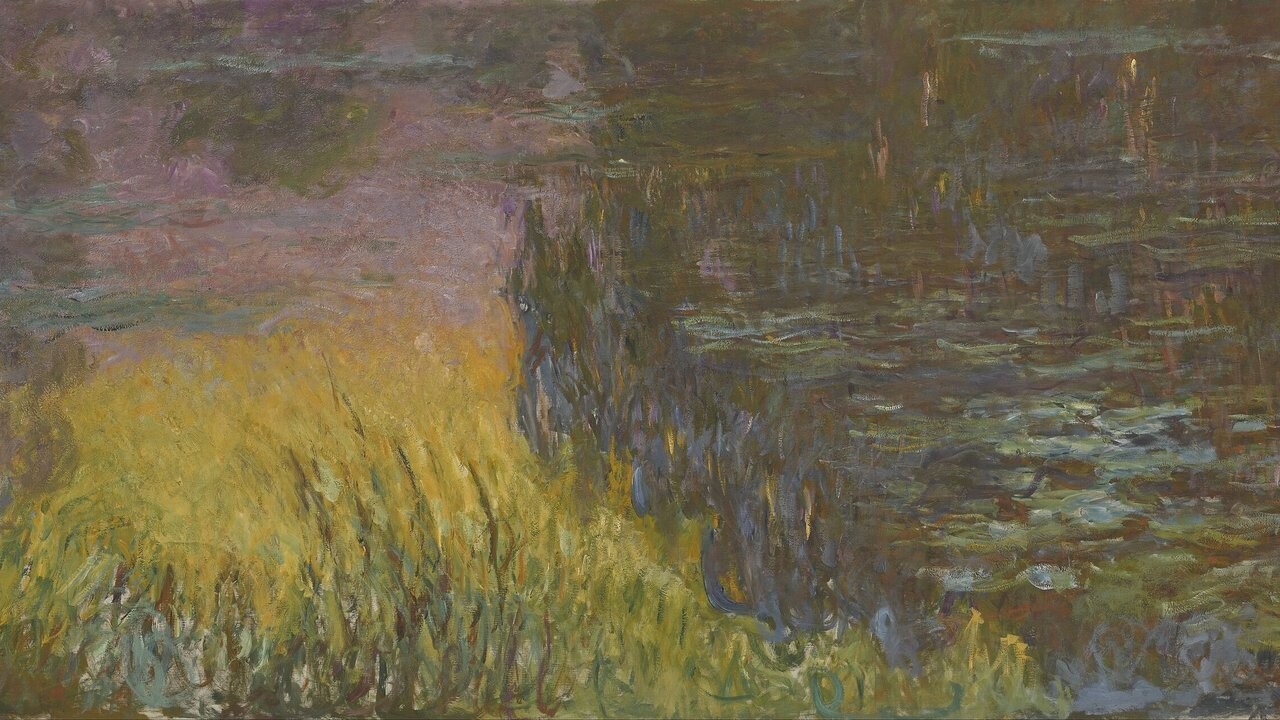
Water Lilies Occupied Monet for Decades
Claude Monet worked on the Water Lilies cycle from the late 1890s until his death in 1926. He donated the final great panels to the French state in 1922, and they have been displayed at the Musée de l’Orangerie since 1927. The series was not a brief experiment but a decades-long undertaking.
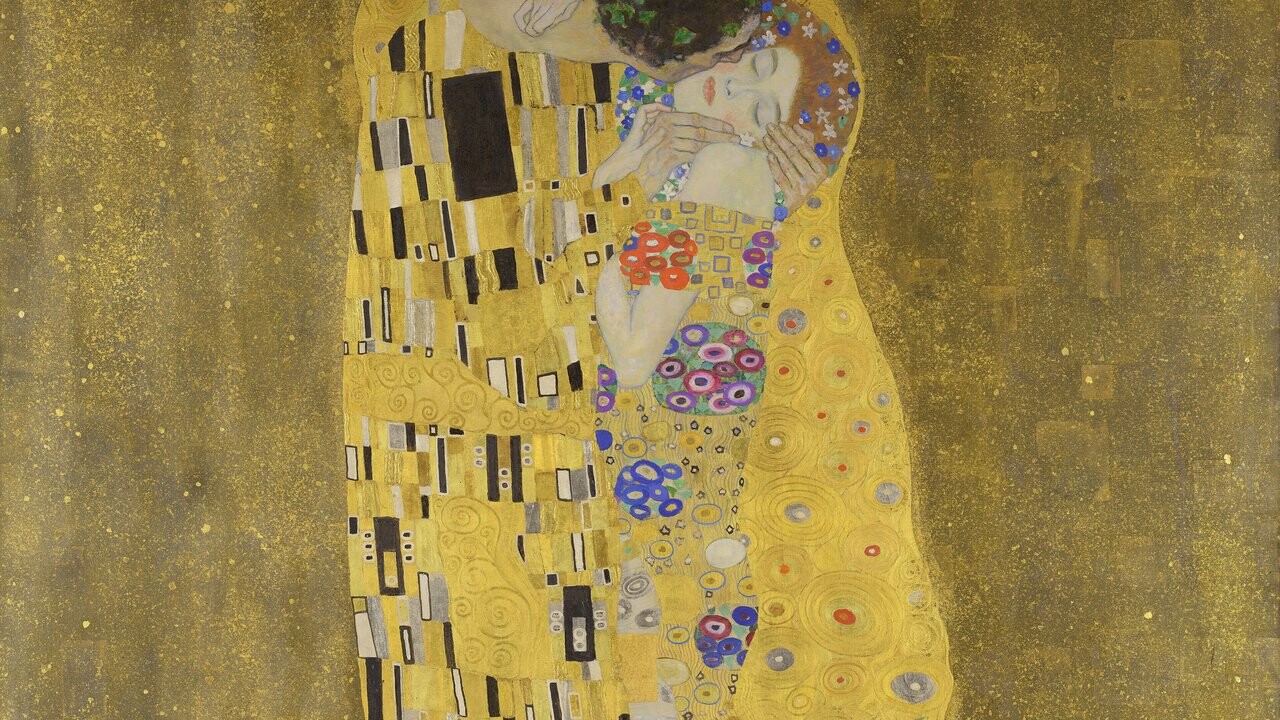
The Kiss Contains Real Precious Metal
The Belvedere confirms that Gustav Klimt used real gold leaf, silver, and platinum in The Kiss. He exhibited the painting under the title Lovers. Its celebrated metallic shimmer is therefore not merely an illusion created with conventional paint; precious materials are physically present in the work, contributing directly to its distinctive surface.
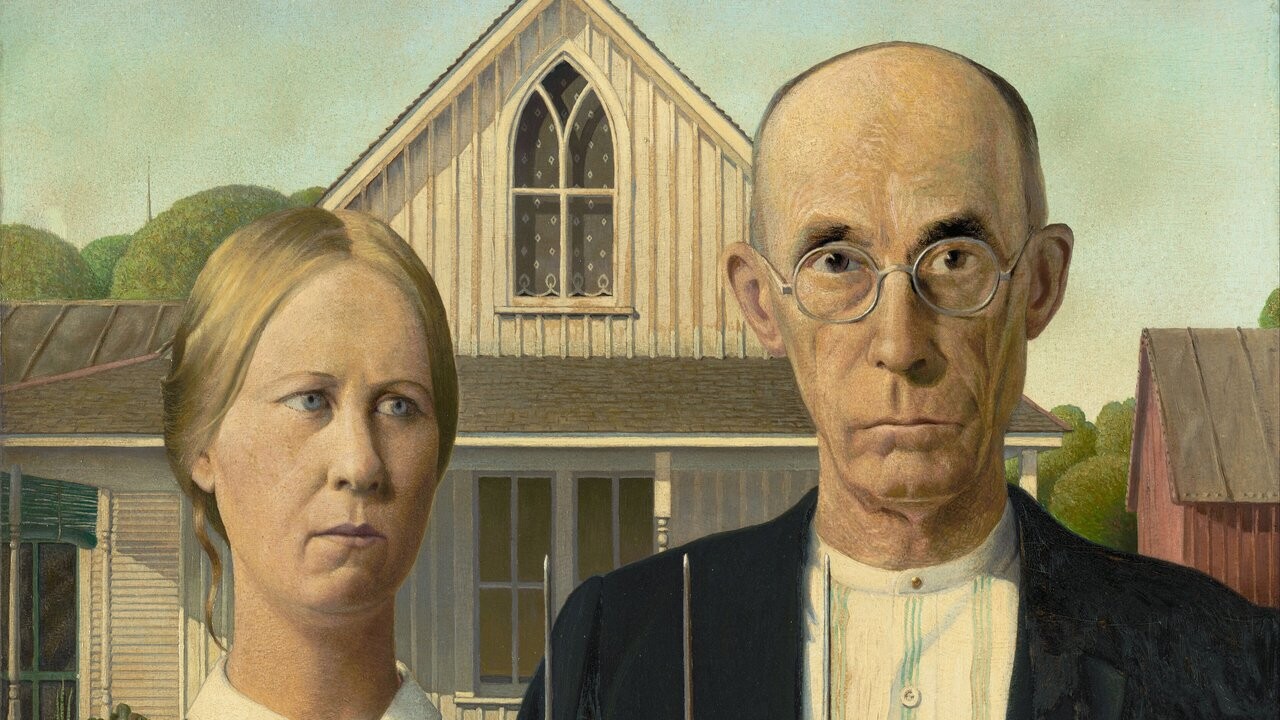
American Gothic’s Models Were Familiar Faces
Grant Wood created American Gothic in 1930 and used two people he knew as models: his sister and his dentist. Those documented identities sit behind one of American art’s most widely recognized pairs. Knowing who posed does not settle every interpretation, but it replaces speculation about the models with a straightforward record.
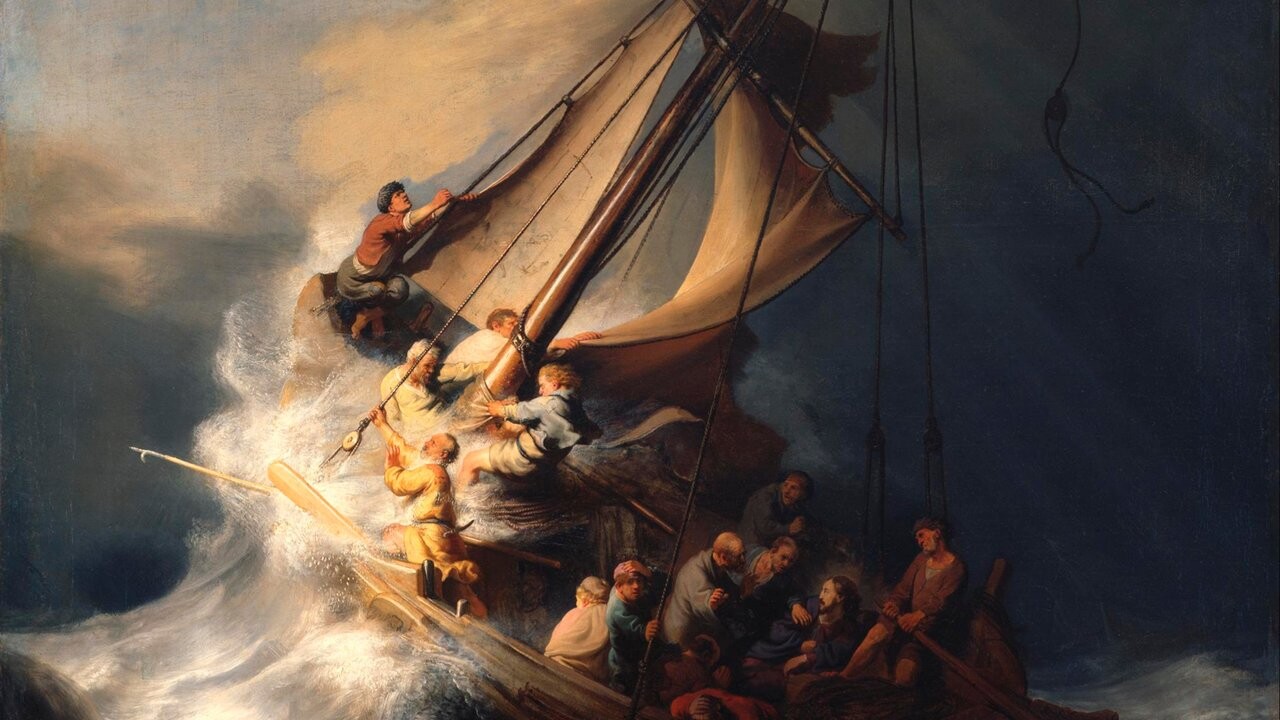
Rembrandt’s Canvas Was Cut From Its Frame
On March 18, 1990, two men dressed as police officers rang the night bell at Boston’s Isabella Stewart Gardner Museum. During the robbery, Rembrandt’s Christ in the Storm on the Sea of Galilee was cut from its frame. The documented method makes the theft especially stark: the canvas was physically sliced out and carried away.
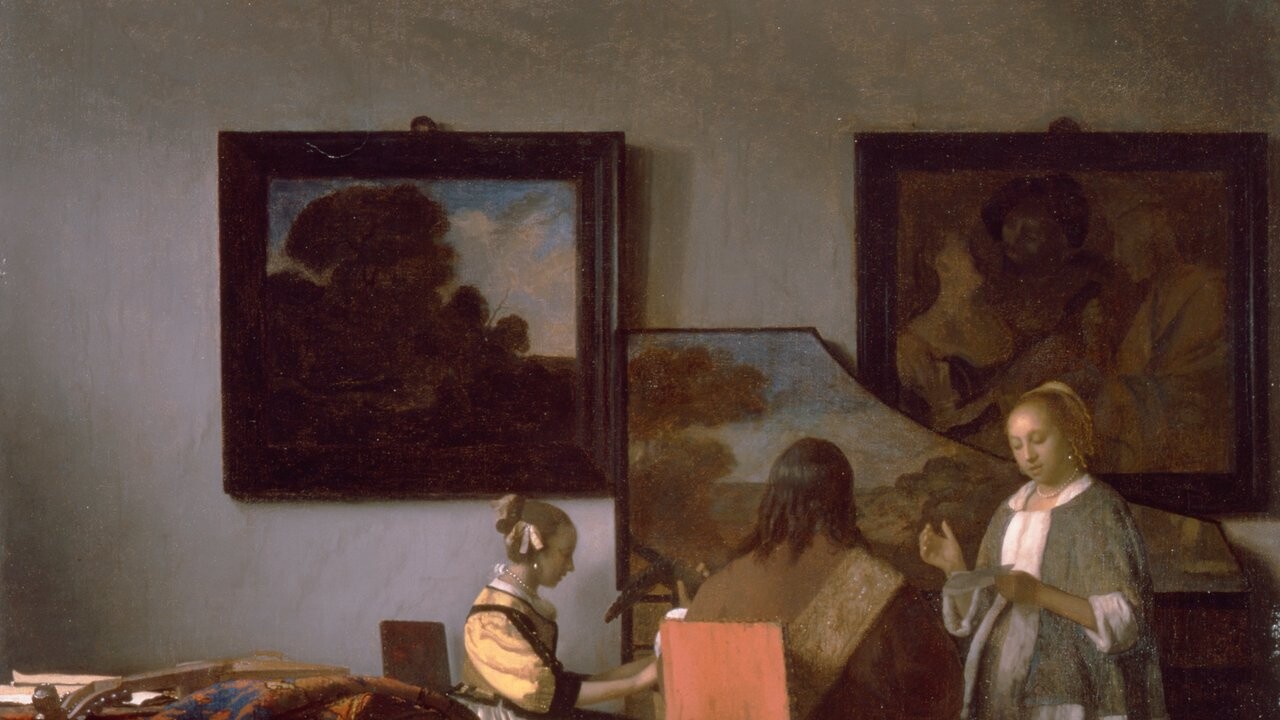
Vermeer’s The Concert Vanished in the Same Heist
The Gardner Museum’s collection entry identifies Johannes Vermeer’s The Concert, dates it to 1663–1666, and records it as stolen on March 18, 1990. That date links it directly to the same museum robbery that took Rembrandt’s painting, placing two celebrated Dutch works within one of the art world’s most notorious thefts.
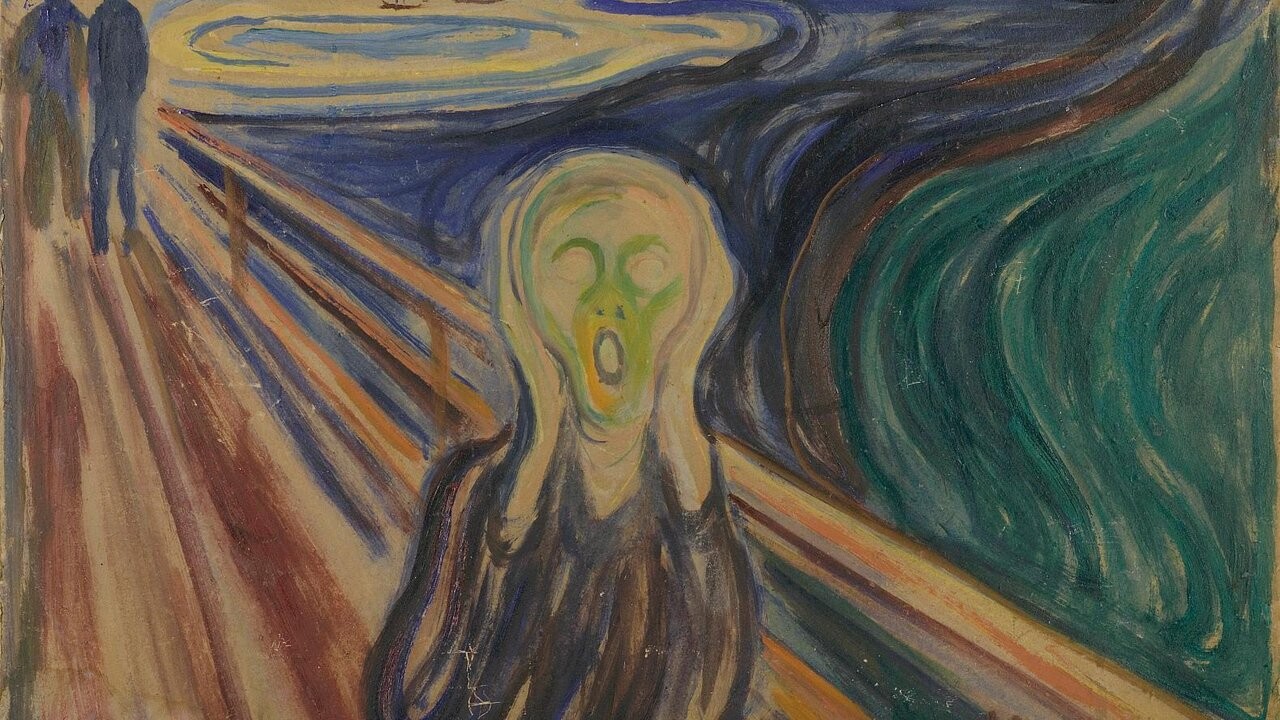
Two Versions of The Scream Were Stolen
Versions of The Scream were targeted in two separate robberies: one at Oslo’s National Museum in 1994 and another at Munchmuseet in 2004. The first painting was recovered three months after its theft. The second returned to the Munch museum in 2006, giving both episodes a documented recovery as well as a dramatic disappearance.
These records show how materials, names, techniques, and journeys can change the way a masterpiece is understood. Which documented discovery changed the way you see a familiar painting?
Follow The HyperHive on MSN for more stories like this.
Sources:






