Famous U.S. Navy Ships and Where They Are Now, in Photos

Milt Putnam, HS-4 U.S. Navy / Wikimedia Commons, Public domain (cropped)
America’s most famous Navy ships did not share the same fate. Some welcome visitors, while others were scrapped, deliberately sunk, lost in combat, or captured.
The slides move chronologically by entry into Navy service. Their stories and present locations were checked against Navy, National Park Service, and museum records.
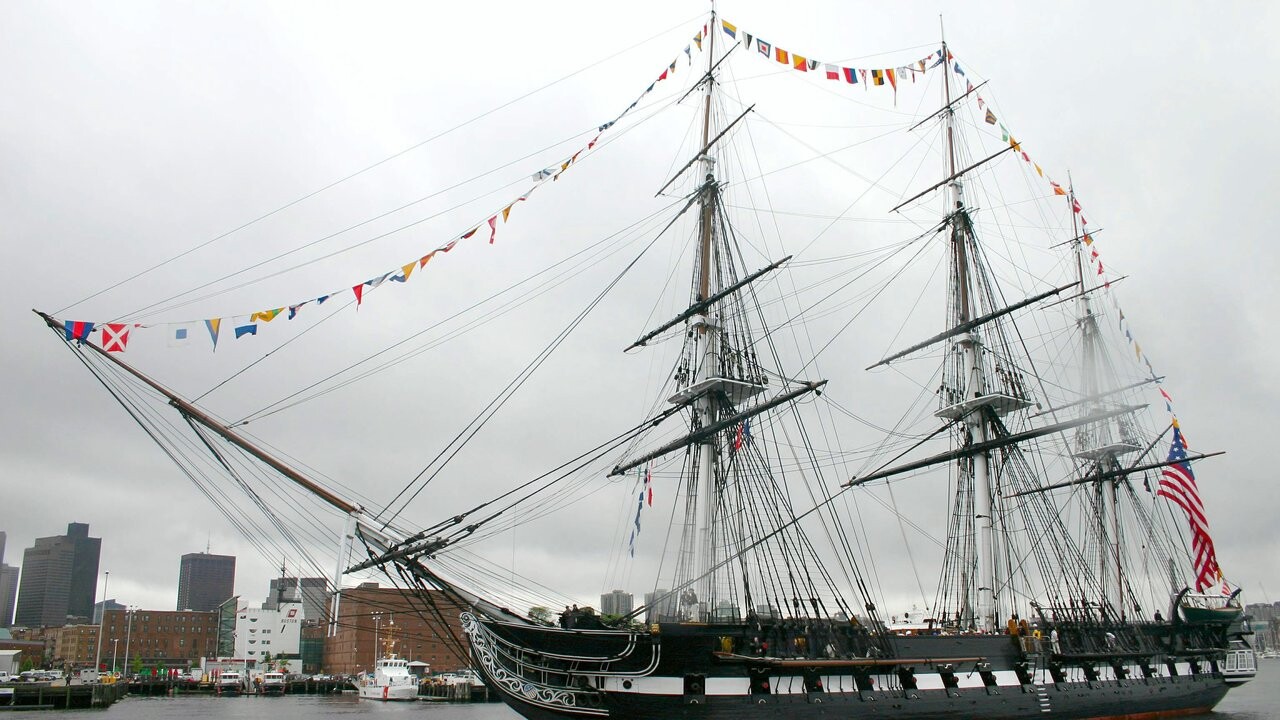
USS Constitution: Old Ironsides Still Serves
Launched in Boston in 1797, USS Constitution earned the name Old Ironsides during the War of 1812. The world’s oldest commissioned warship afloat can still sail under her own power. Active-duty Navy personnel serve aboard the frigate at Charlestown Navy Yard in Massachusetts, where visitors can step into the age of sail.
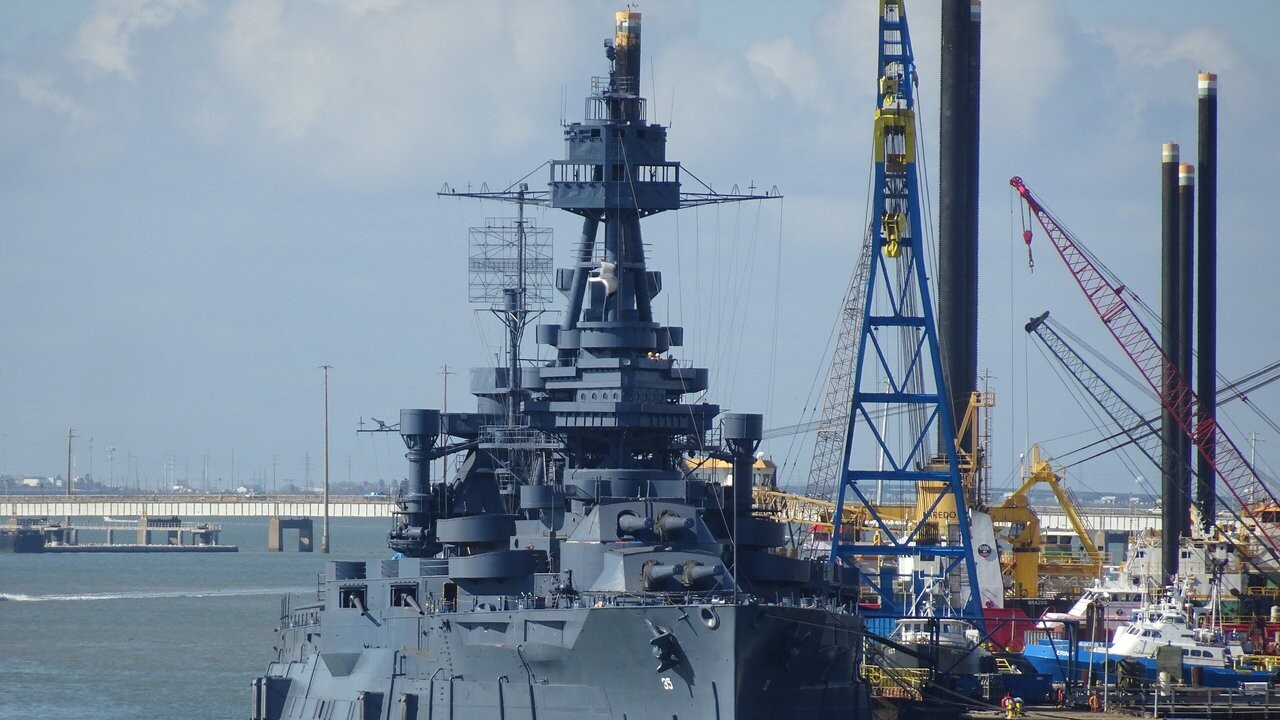
USS Texas: A Survivor Under Restoration
Commissioned on March 12, 1914, USS Texas fought in both world wars. The battleship is closed for regular tours while repairs and restoration continue at Gulf Copper Shipyard in Galveston. Pier 15 is planned as her new home, and the Battleship Texas Foundation is targeting 2027 for a grand reopening.
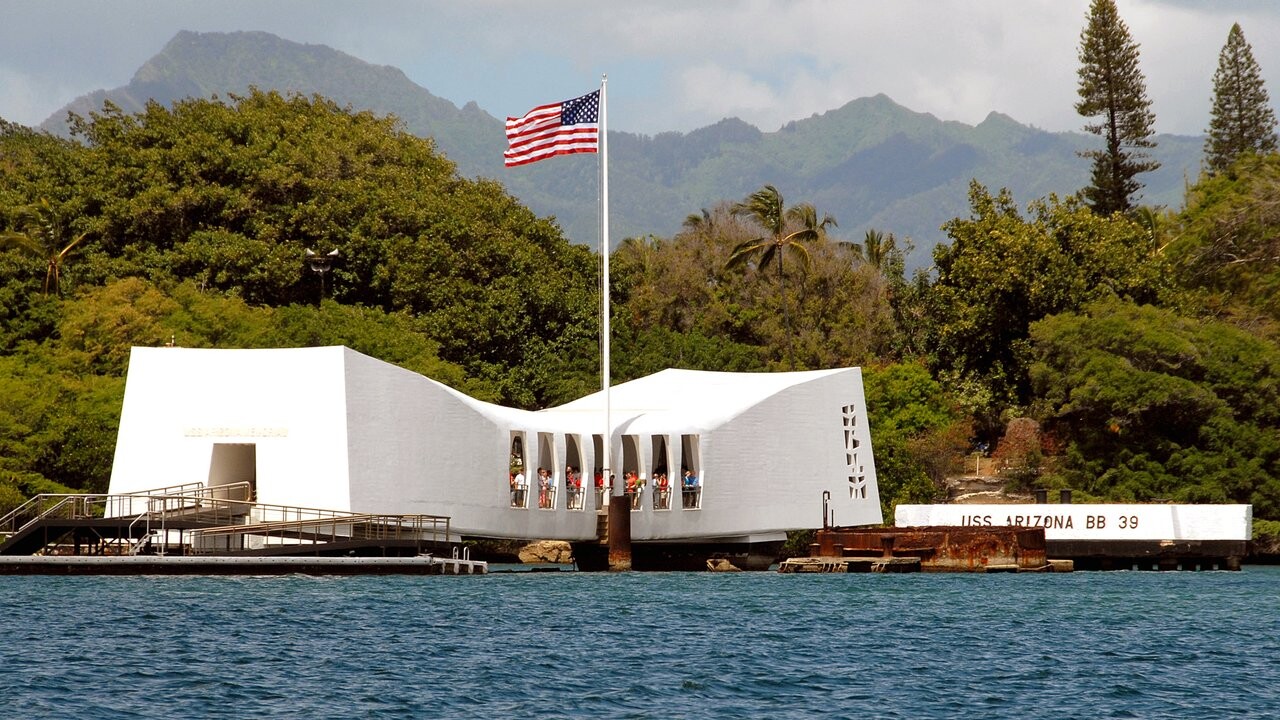
USS Arizona: A Memorial Above the Wreck
USS Arizona became a final resting place during the attack on Pearl Harbor on December 7, 1941. More than 900 of the 1,177 crewmen who died remain within the wreck. Today, a 184-foot memorial spans the battleship’s midsection, creating a place for quiet reflection above the sunken hull.
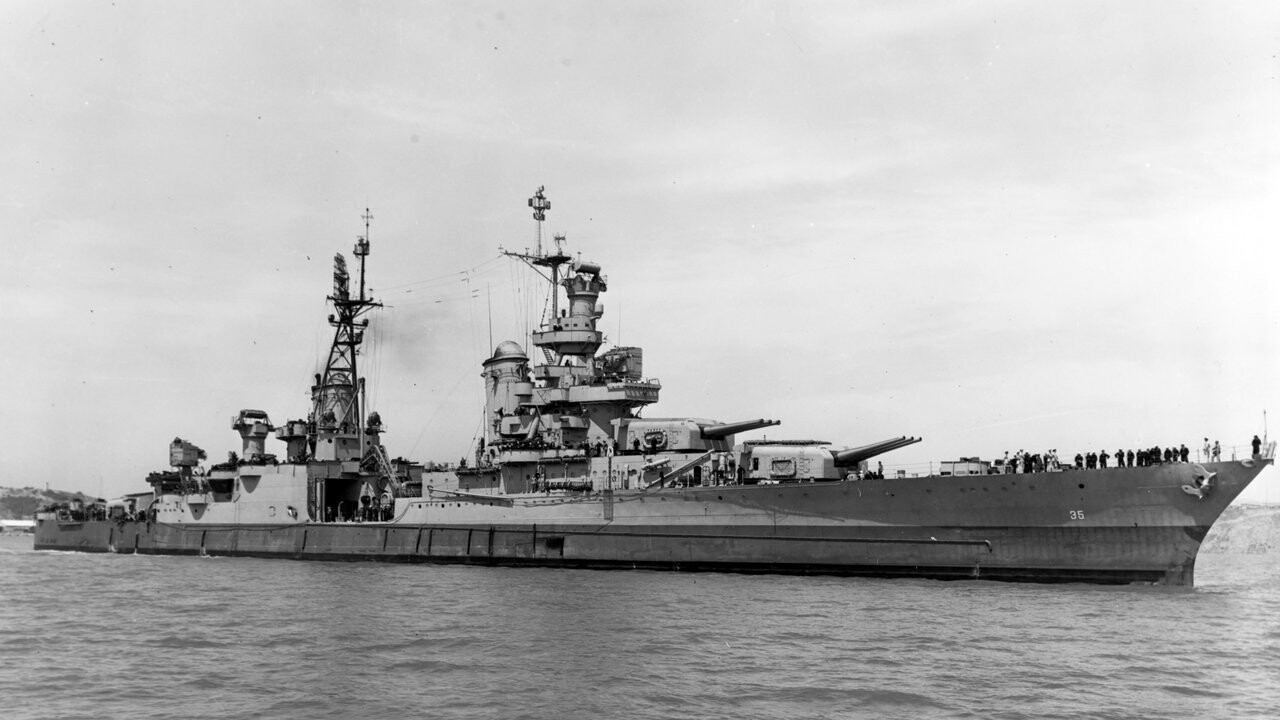
USS Indianapolis: Found Deep in the Pacific
After delivering atomic bomb components to Tinian, USS Indianapolis was torpedoed and sunk by Japanese submarine I-58 early on July 30, 1945. The wreck was discovered on August 19, 2017, resting 5,500 meters below the surface on the floor of the North Pacific Ocean.
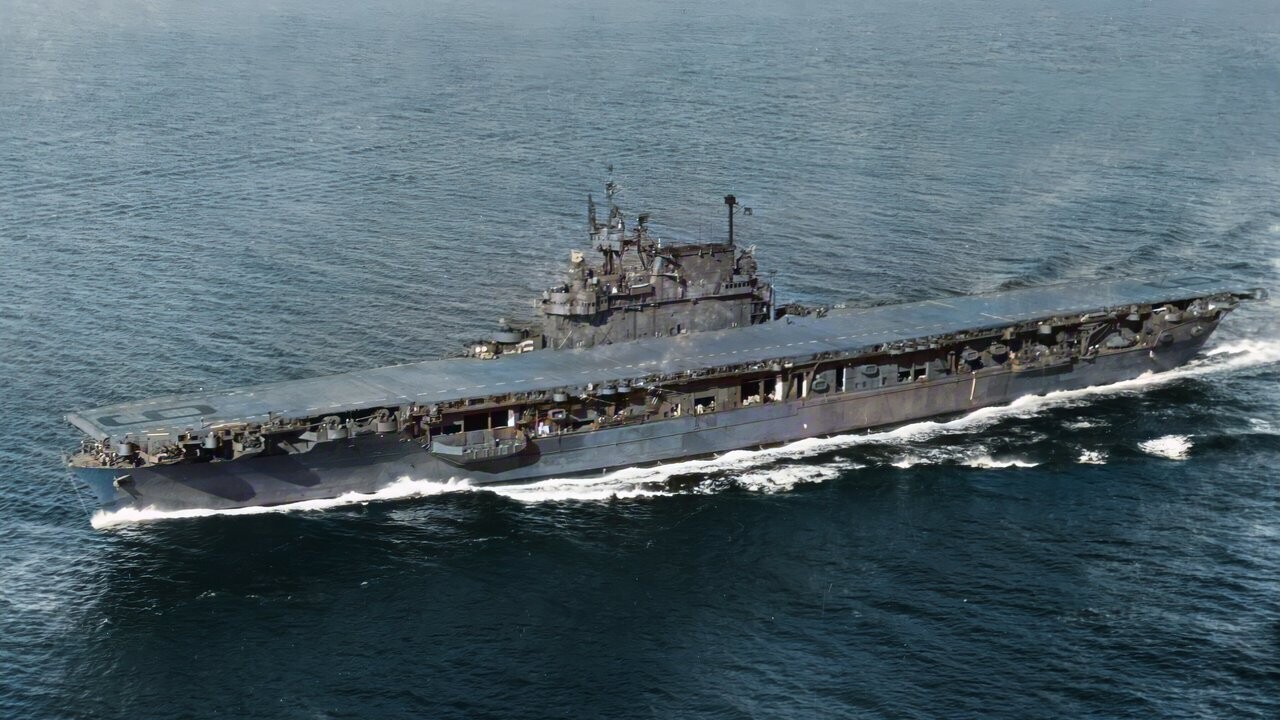
USS Enterprise CV-6: The Big E Was Scrapped
USS Enterprise became one of the defining American carriers of World War II, earning the Navy Unit Commendation and 20 battle stars. Sold to the Lipsett Corporation for scrap on July 1, 1958, the carrier was fully dismantled by February 1960, leaving photographs, artifacts, and memories instead of a museum ship.
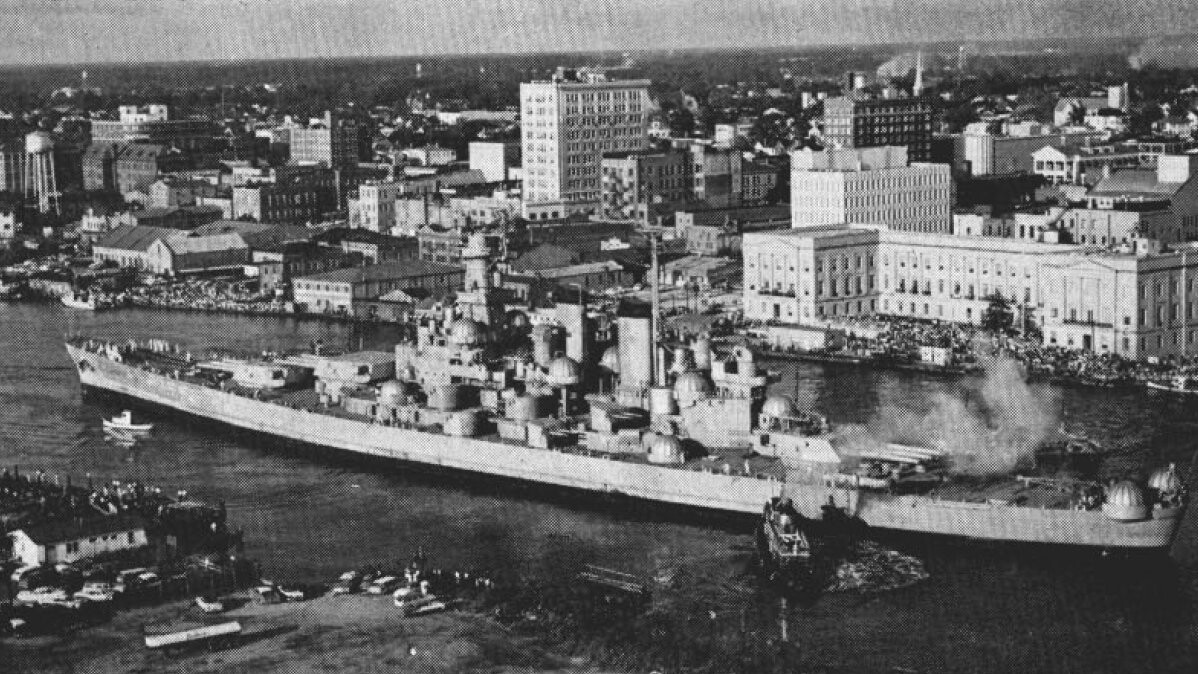
USS North Carolina: The Battleship in Wilmington
USS North Carolina participated in every major naval offensive in the Pacific theater during World War II and earned 15 battle stars. Transferred to the state after retirement, the battleship remains in Wilmington as a museum and memorial to North Carolinians who died during the war.
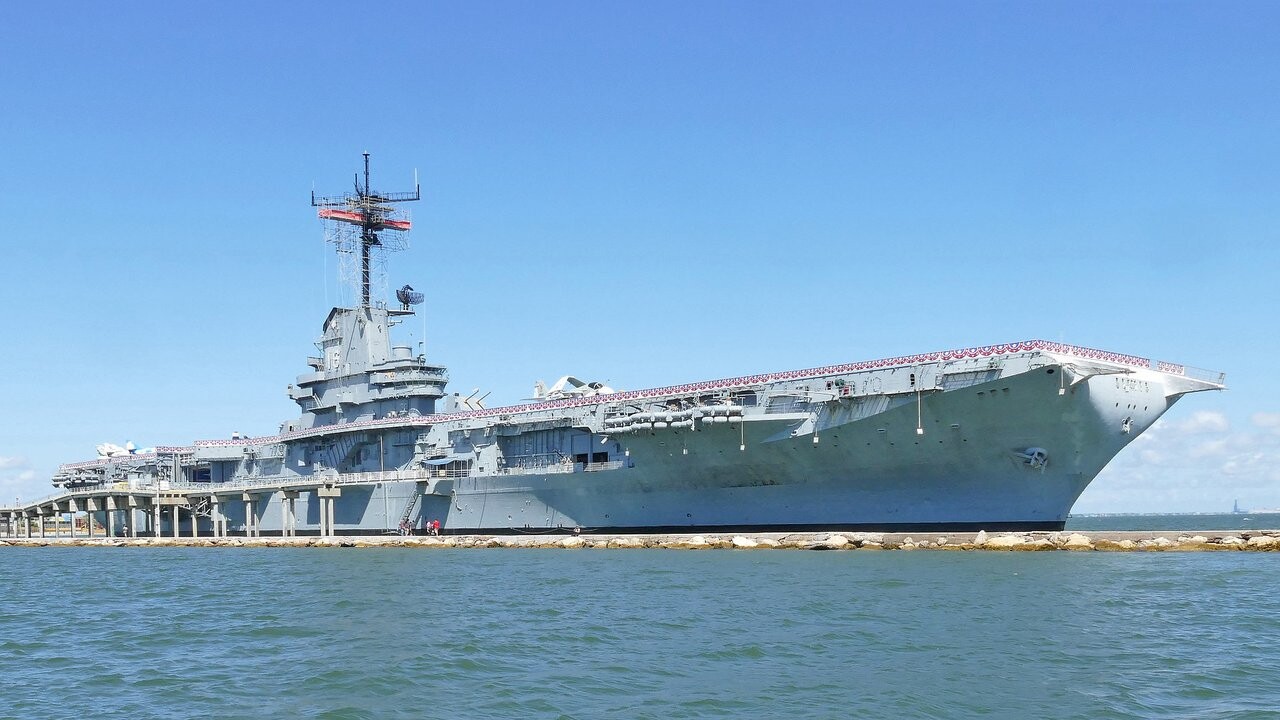
USS Lexington: The Blue Ghost in Texas
During World War II, USS Lexington participated in nearly every major operation in the Pacific. She was the Navy’s oldest working carrier when decommissioned in 1991. Lexington arrived at Corpus Christi in 1992 and has since served as a naval aviation museum, educational facility, and area attraction.
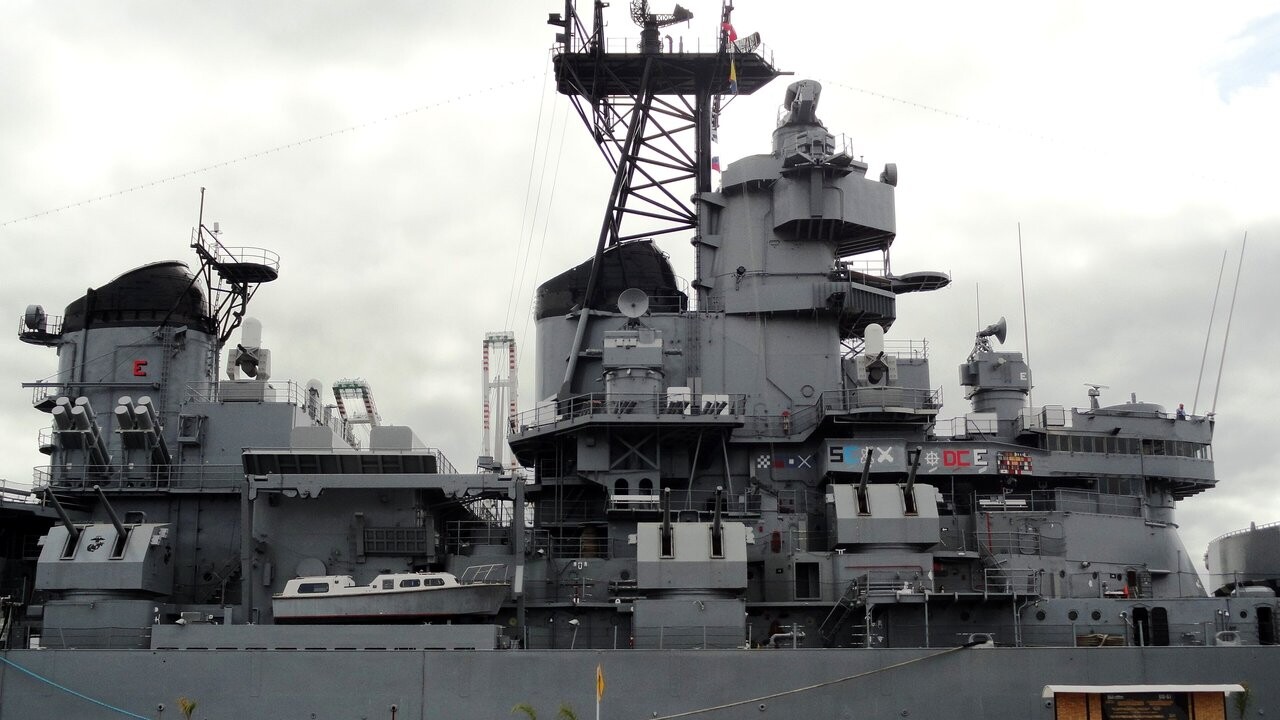
USS Iowa: A Battleship on the Los Angeles Waterfront
USS Iowa carried President Franklin D. Roosevelt to and from the Casablanca Conference, then spent the rest of World War II in the Pacific. Decommissioned in March 1949, she was recommissioned two years later for the Korean War. The battleship is now preserved on the Los Angeles Waterfront in San Pedro.
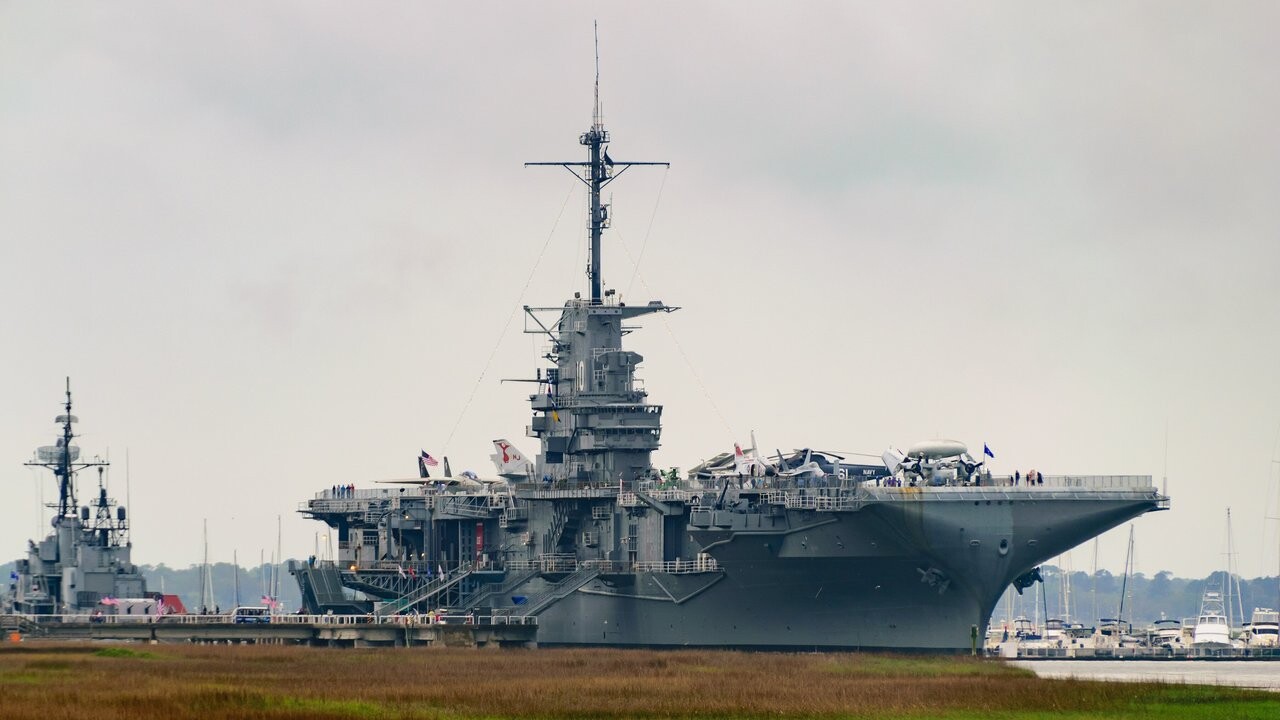
USS Yorktown: The Fighting Lady at Patriots Point
USS Yorktown earned 11 battle stars during World War II. After her final decommissioning in 1970, preservation advocates found the carrier a new role. In 1975, she was towed from Bayonne, New Jersey, to Charleston, South Carolina, to become the centerpiece of Patriots Point Naval & Maritime Museum.
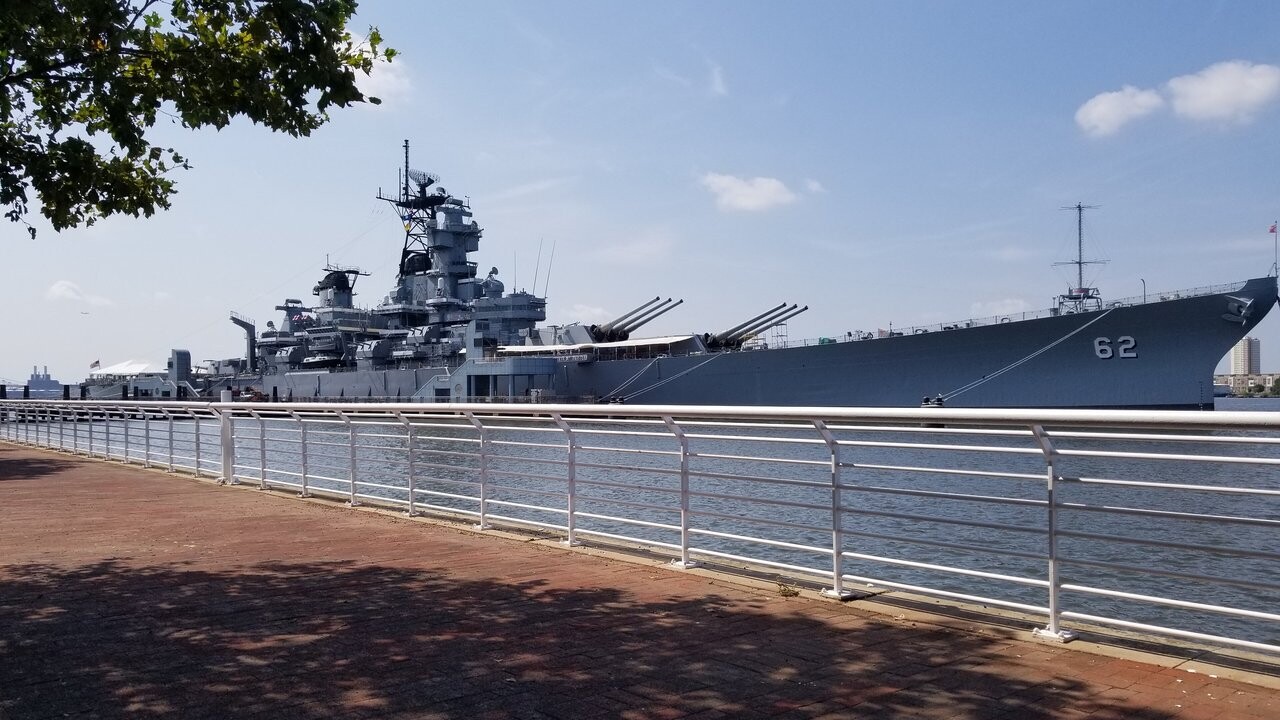
USS New Jersey: The Decorated Battleship in Camden
Commissioned in 1943, USS New Jersey served in World War II, Korea, Vietnam, and the Persian Gulf War. She is the most decorated battleship in Navy history. Today, the ship serves as a museum in Camden, New Jersey.
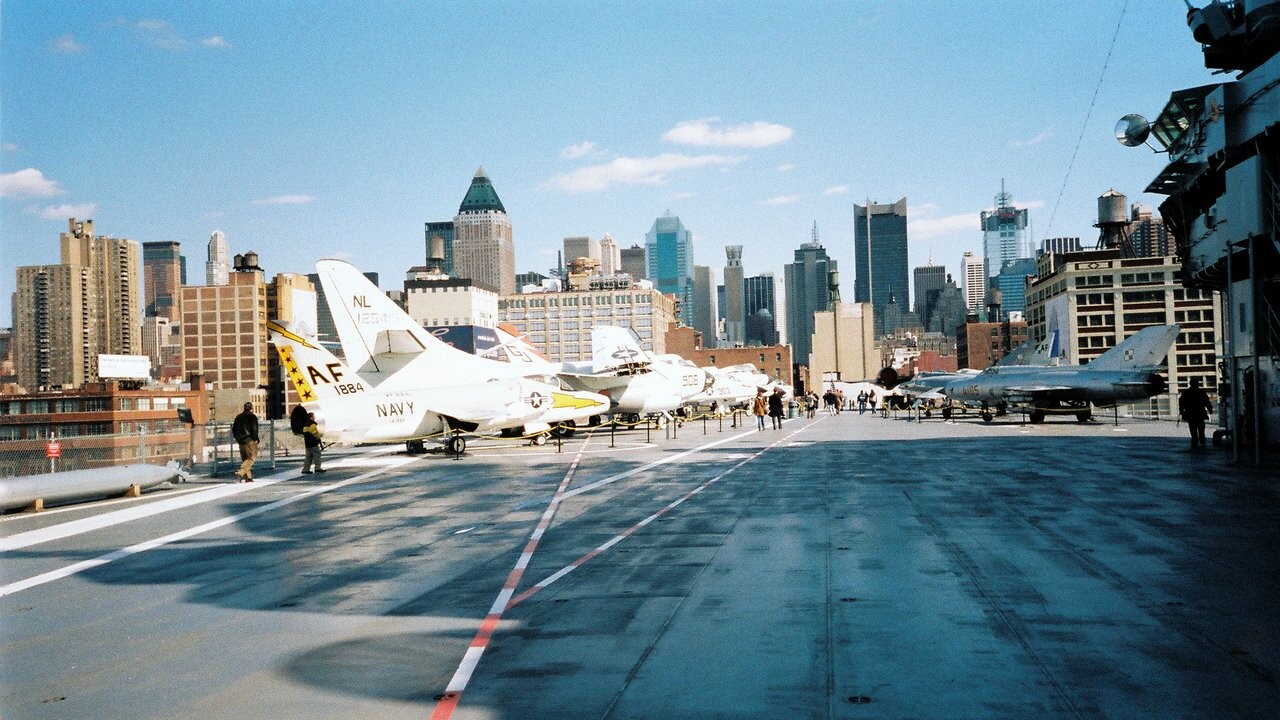
USS Intrepid: From Kamikazes to Manhattan
Commissioned in 1943, USS Intrepid survived five kamikaze attacks and a torpedo strike during World War II. The carrier later served during the Cold War and Vietnam War and worked as a NASA recovery vessel. Today, Intrepid is berthed on the Hudson River as the centerpiece of its New York City museum.
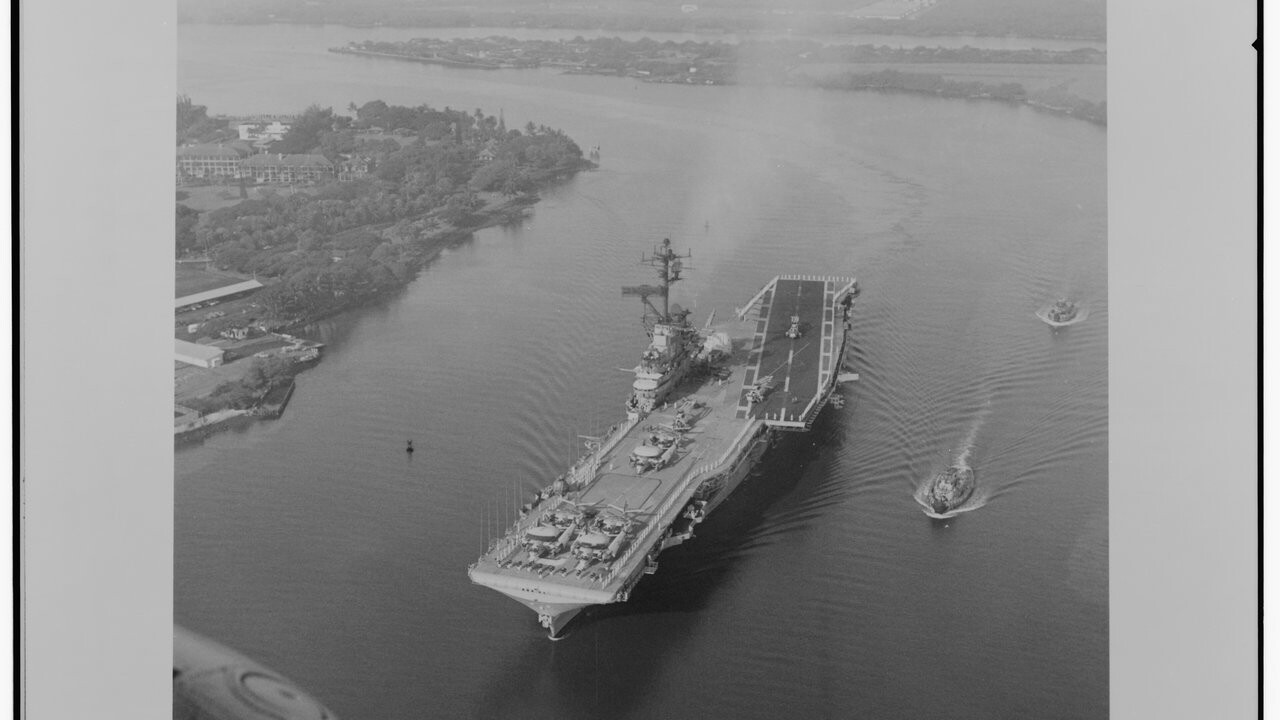
USS Hornet: A Carrier Linked to Apollo 11
USS Hornet recovered the Apollo 11 astronauts on July 24, 1969, after humanity’s first Moon landing. The carrier also served during World War II, a history now interpreted aboard the preserved ship. Hornet remains a museum in Alameda, California, connecting naval aviation with the early space program.
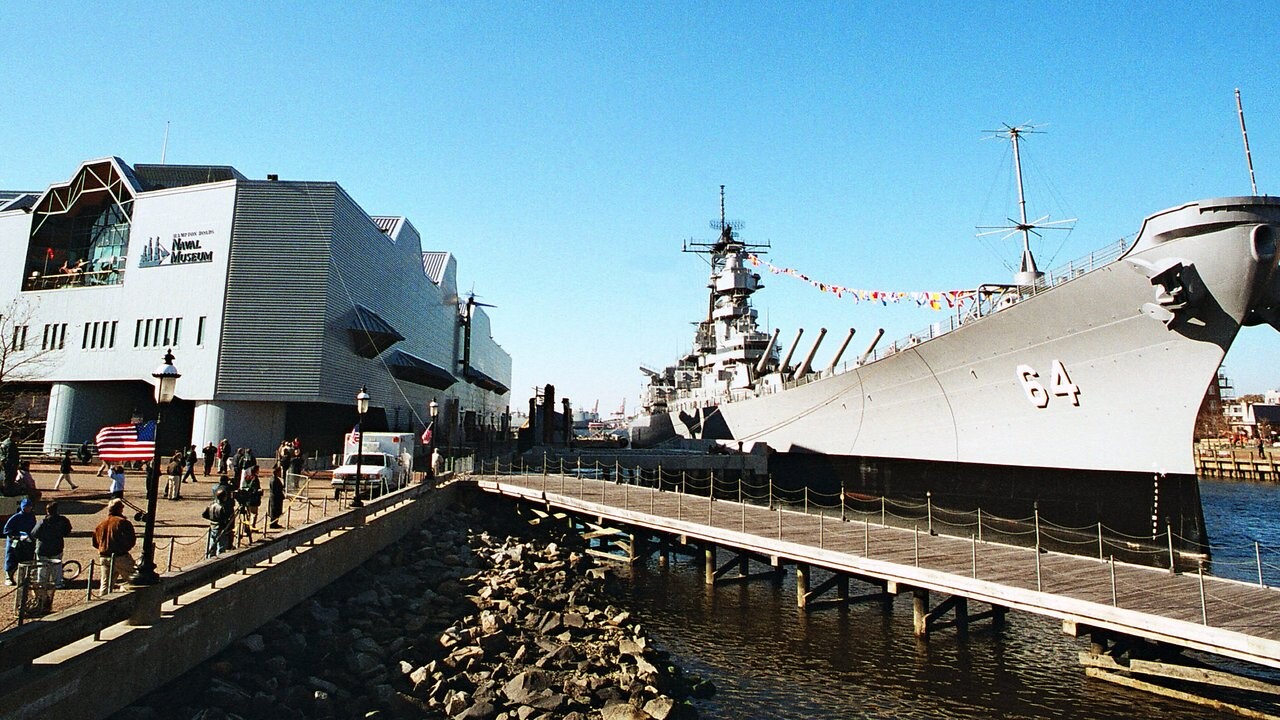
USS Wisconsin: Three Wars, Then Norfolk
USS Wisconsin reached the Pacific combat zone during World War II, returned to active service for a Korean War combat tour, and later deployed to the Persian Gulf. Decommissioned for the final time in 1991, the battleship is now berthed beside Nauticus in Norfolk, Virginia, where the public can tour her.
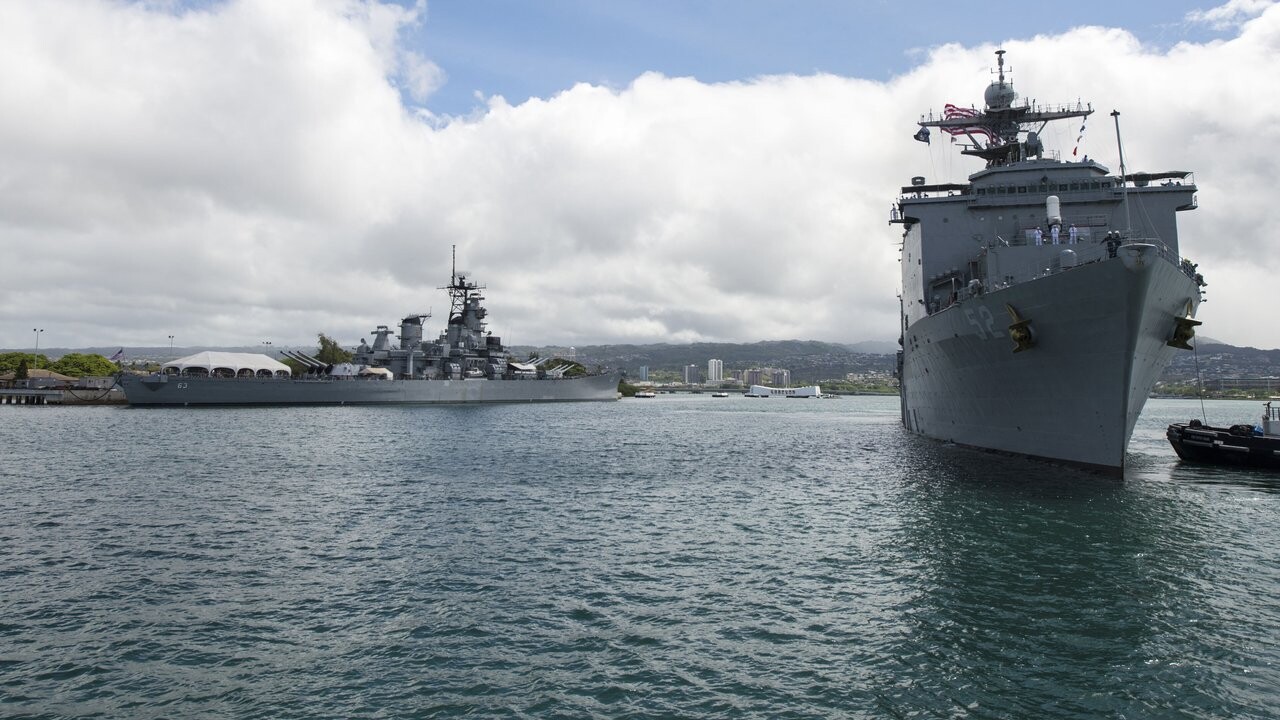
USS Missouri: Where World War II Formally Ended
Japan formally surrendered aboard USS Missouri in Tokyo Bay on September 2, 1945, bringing World War II to an end. Missouri later served in the Korean War and the Gulf War. The Battleship Missouri Memorial now preserves the ship on Ford Island at Pearl Harbor.
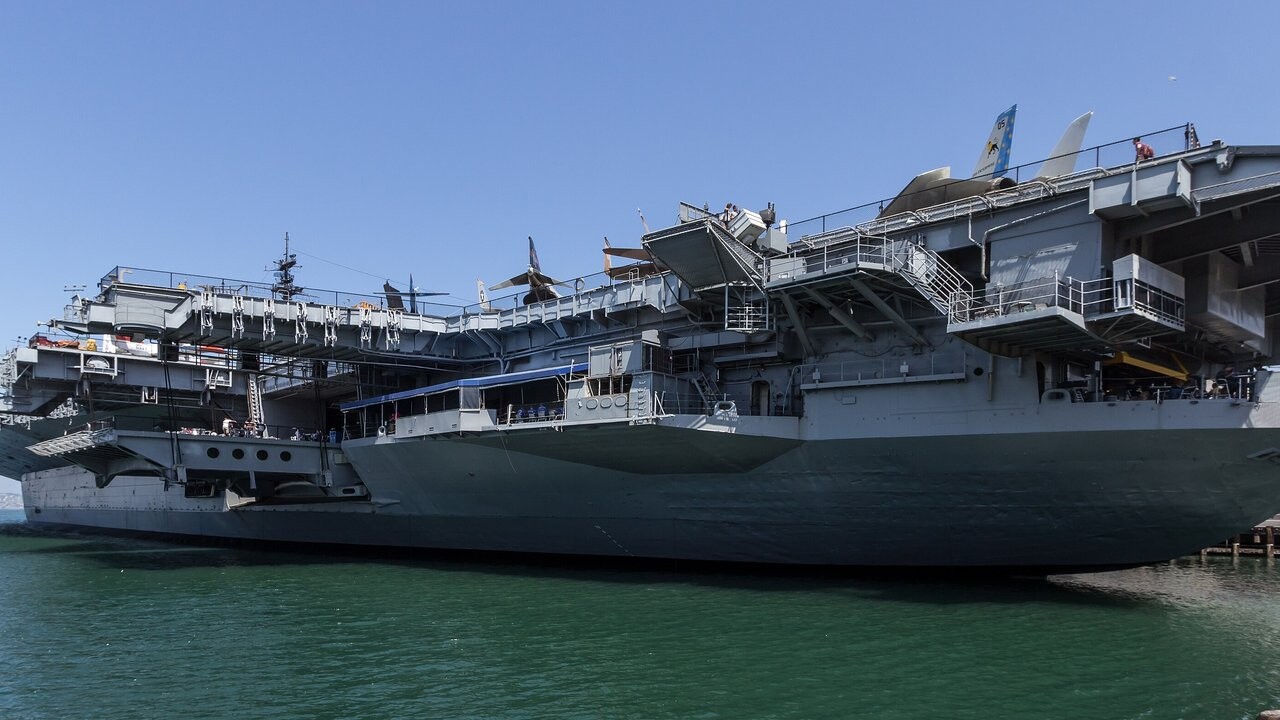
USS Midway: A Floating Museum in San Diego
USS Midway was the longest-serving aircraft carrier of the 20th century. Decommissioned on April 11, 1992, the carrier was later donated for preservation and began operating as a museum ship in 2004. Today, visitors can explore Midway at her permanent home in San Diego.
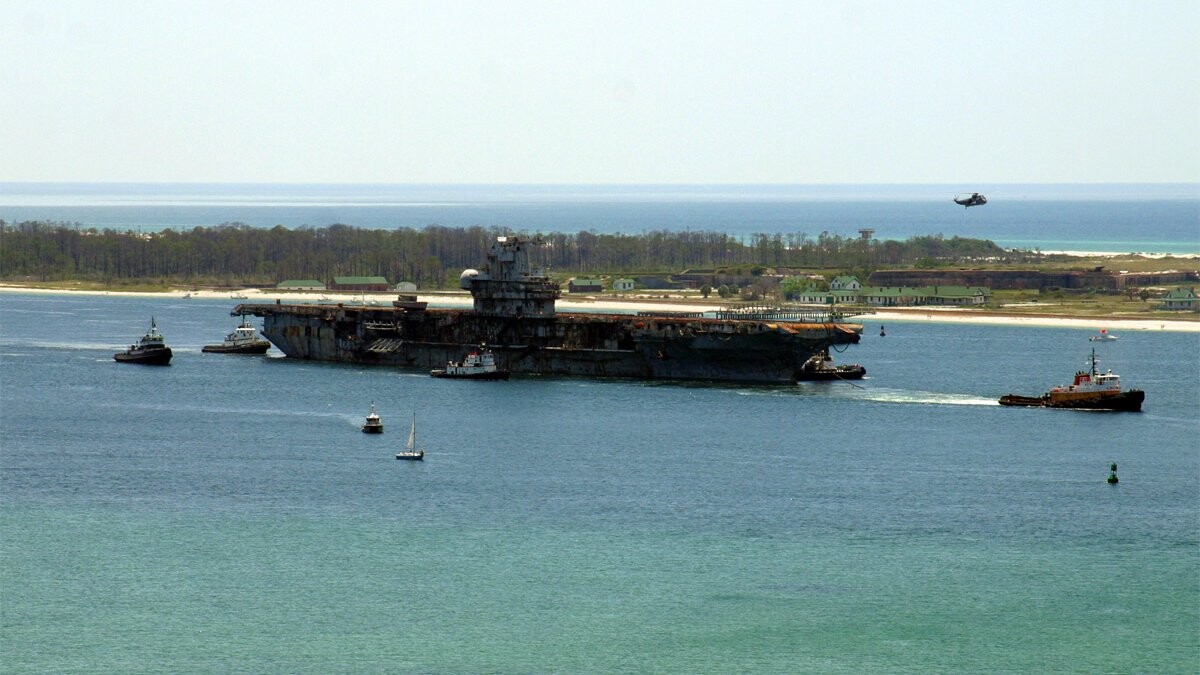
USS Oriskany: An Aircraft Carrier Turned Reef
USS Oriskany earned two battle stars for Korean War service and 10 for service off Vietnam. Decommissioned on September 30, 1976, the carrier spent years awaiting a permanent fate. After extensive planning and hazardous-material cleanup, she was sunk as an artificial reef off Pensacola, Florida, on May 17, 2006.
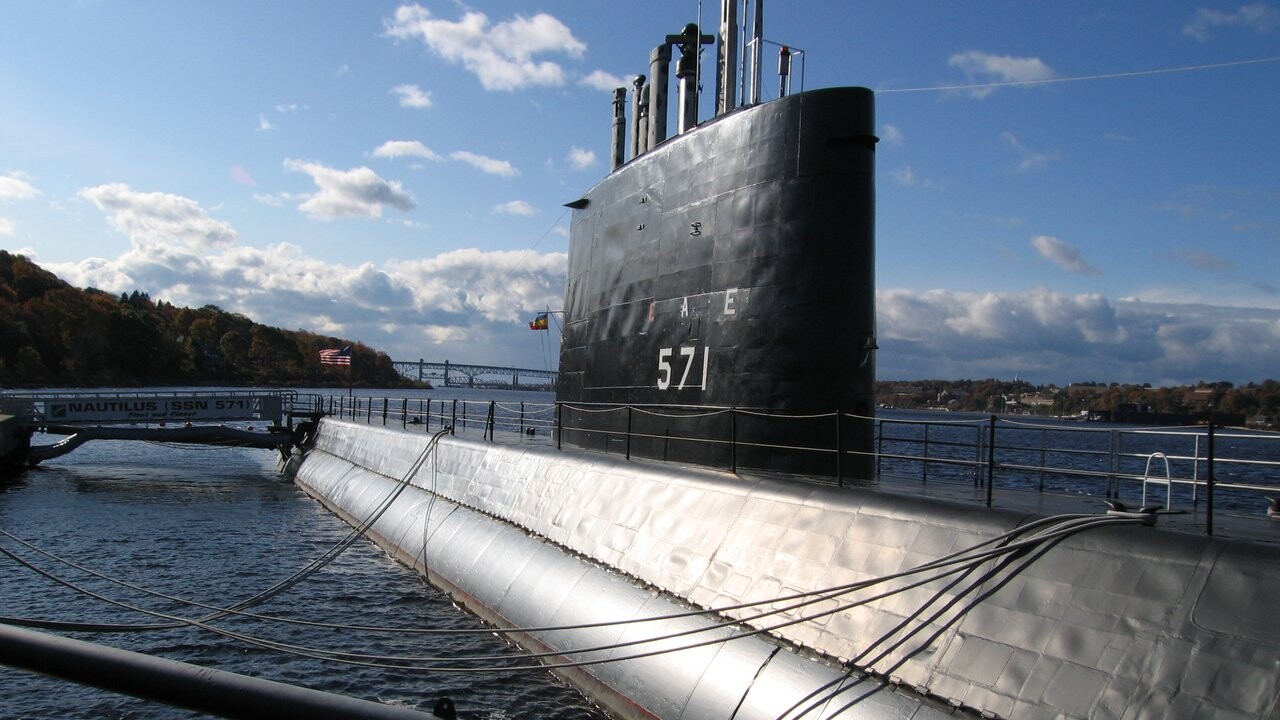
USS Nautilus: The Nuclear Pioneer in Groton
USS Nautilus was the world’s first nuclear-powered submarine. Following conversion into a historic ship, she arrived in Groton, Connecticut, on July 6, 1985, and opened to the public with the Submarine Force Museum the following year. The pioneering submarine remains a museum centerpiece in Groton.
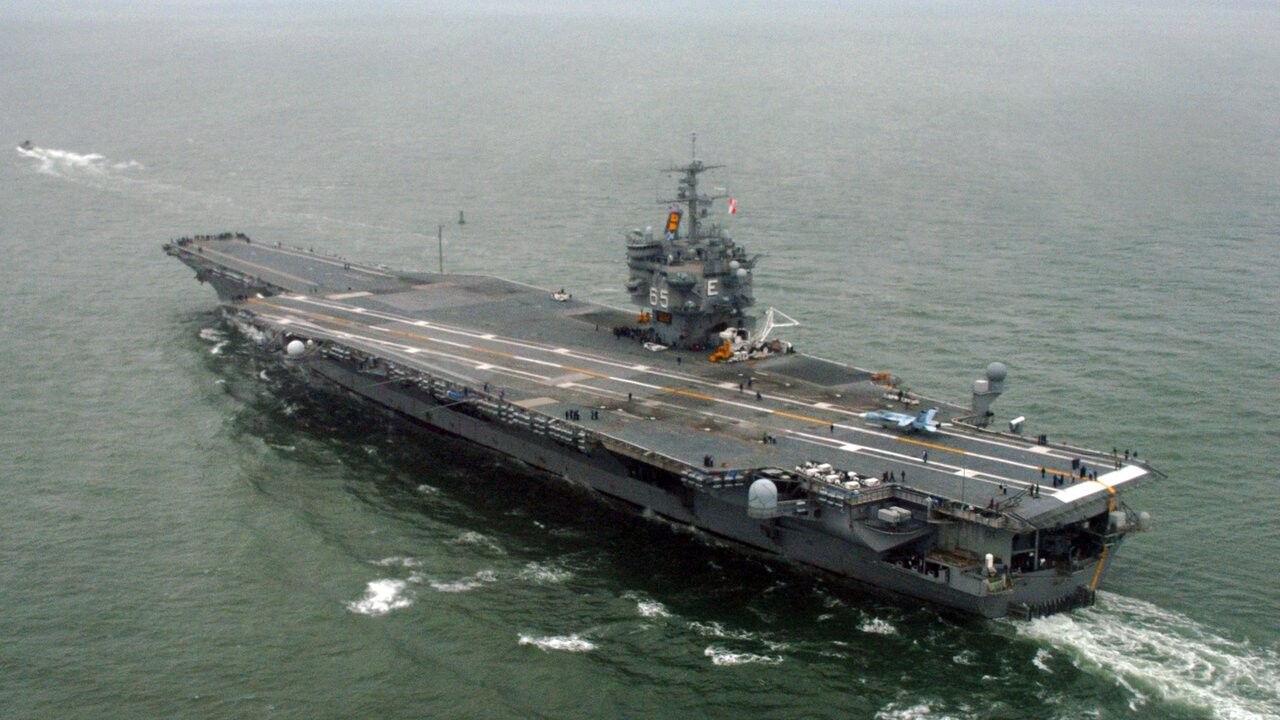
USS Enterprise CVN-65: The Final Voyage
USS Enterprise was the world’s first nuclear-powered aircraft carrier and completed 25 deployments during 51 years of service. On November 2, 2026, the former carrier departed Newport News for a final transit to Mobile, Alabama, where the ship will be dismantled.
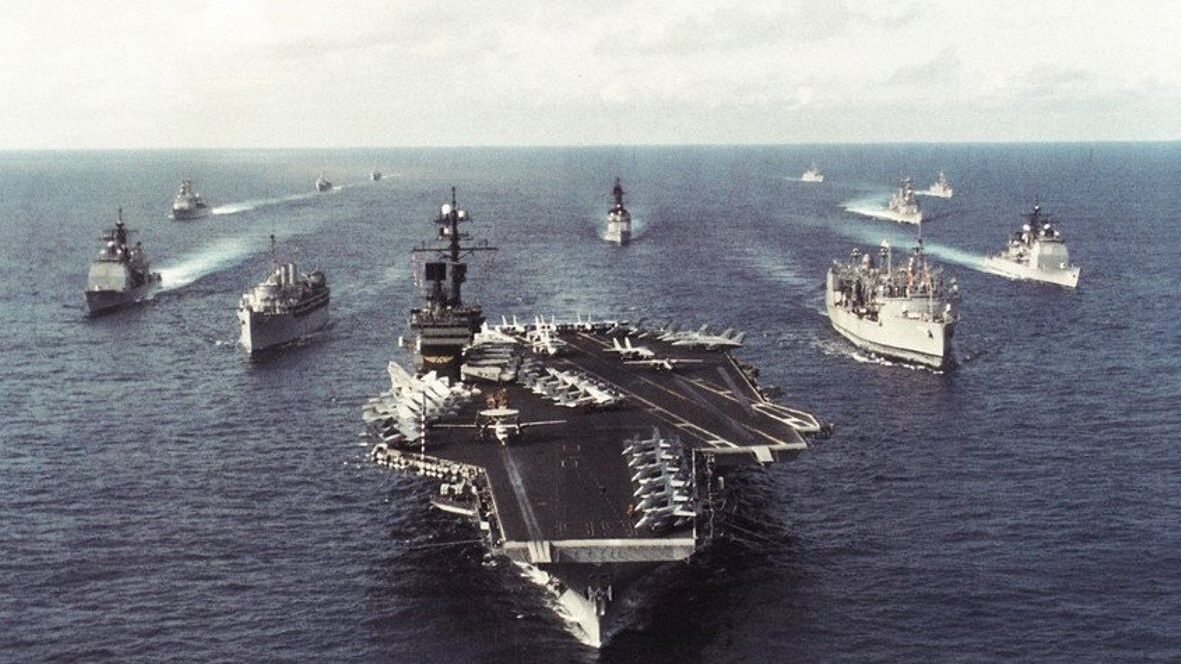
USS America: Sunk to Teach the Navy
USS America sailed the world’s oceans for 30 years before taking on an unusual final assignment. After retirement, the carrier was sunk during a live-fire test and controlled scuttling. The Navy used the event to help engineers and shipbuilders better understand survivability and applied lessons to later ship designs.
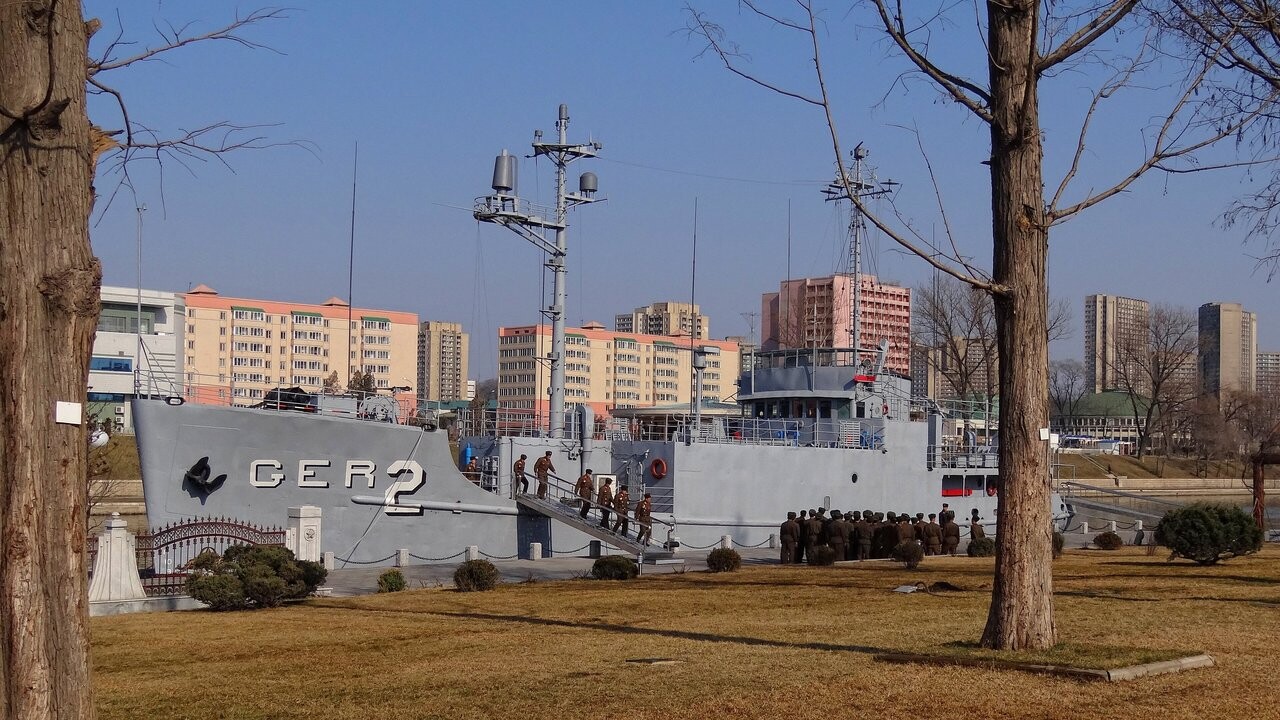
USS Pueblo: Still Held by North Korea
North Korea forcibly captured USS Pueblo in international waters on January 23, 1968. Eighty-two crew members were taken prisoner and spent 11 months in captivity. The ship remains in North Korea as a museum, while the U.S. Navy continues to regard Pueblo as its property.
Their dramatically different fates show how a warship’s story can continue long after its final mission. Which of these ships would you most like to see in person?
Follow The HyperHive on MSN for more stories like this.
Sources:






