FDR’s Hidden Disability: What the Record Confirms

FDR Presidential Library & Museum / Wikimedia Commons, CC BY 2.0 (cropped)
Franklin D. Roosevelt’s polio was known, but the extent of his paralysis rarely reached the public eye. This chronological gallery follows the documented story from his active youth through rehabilitation, the presidency, and the memorial debate that followed.
The photographs and facts come from the FDR Presidential Library, the National Archives, the Library of Congress, and National Park Service historic sites. Because wheelchair images are scarce, period portraits, buildings, and surviving mobility aids help complete the record.
August 10, 1921: Illness at Campobello
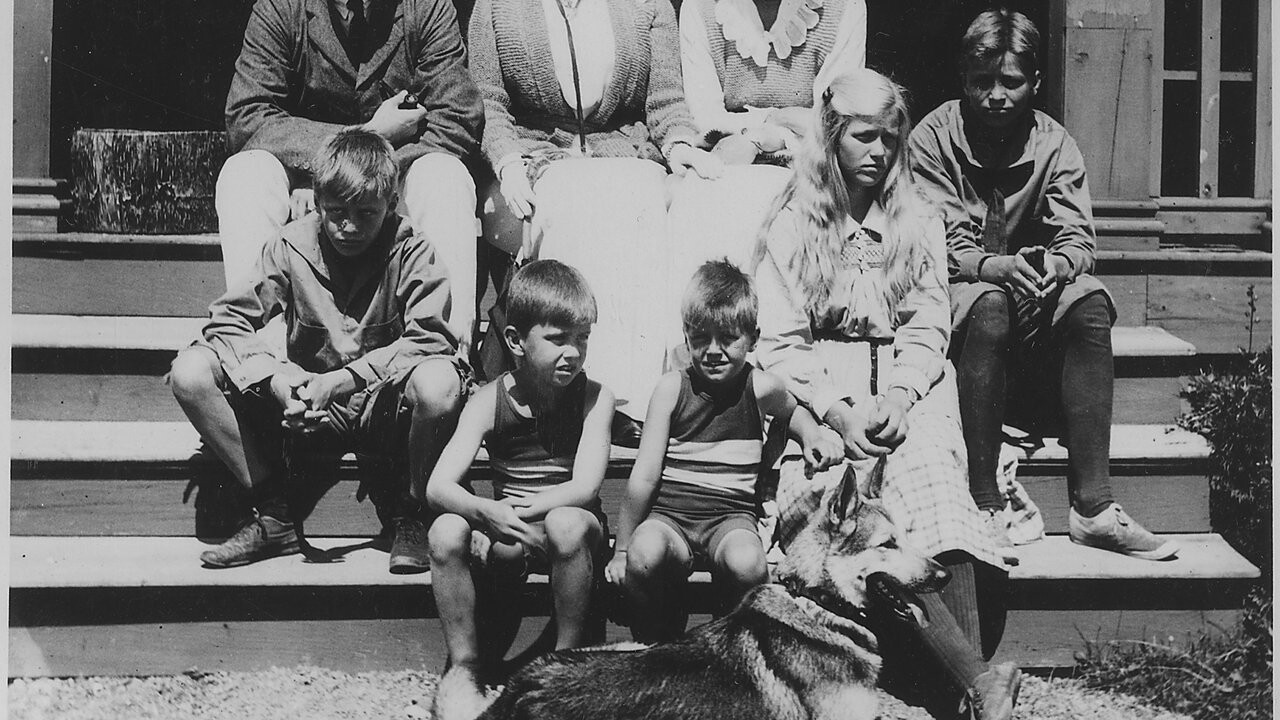
Roosevelt developed acute symptoms of poliomyelitis on August 10, 1921, while visiting his summer home on Campobello Island in New Brunswick, Canada. He was 39 years old. The date marks the beginning of the illness that permanently changed how he stood, walked, traveled, and appeared in public.
The Lasting Paralysis
The illness produced motor paralysis from Roosevelt’s waist down, although the lower-body paralysis was not complete. He never again walked without braces, crutches, or canes, plus support from a son or an aide. He retained some movement, but independent walking did not return.
January 1922: Locked-Knee Braces
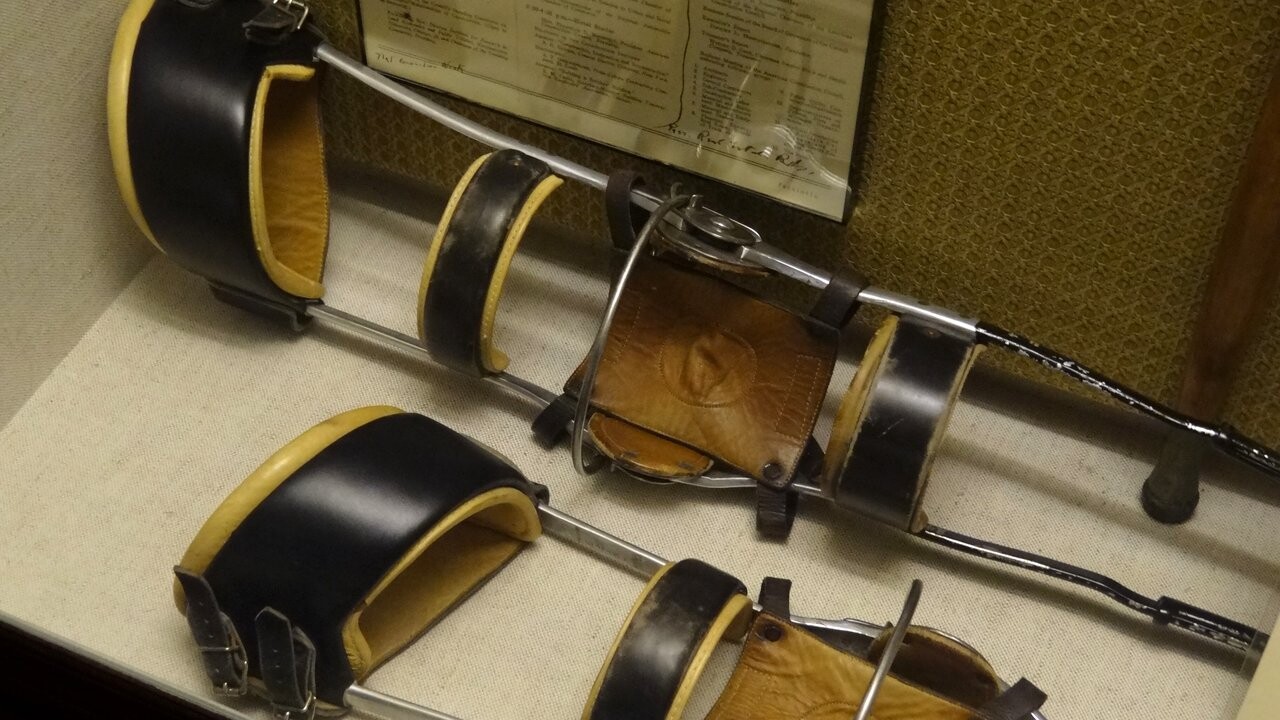
In January 1922, Roosevelt was fitted with long leg braces that locked at the knees. By spring, he could stand with assistance. The braces became part of the method he later used when standing before crowds or moving a short distance during a public appearance.
A Long Search for Recovery
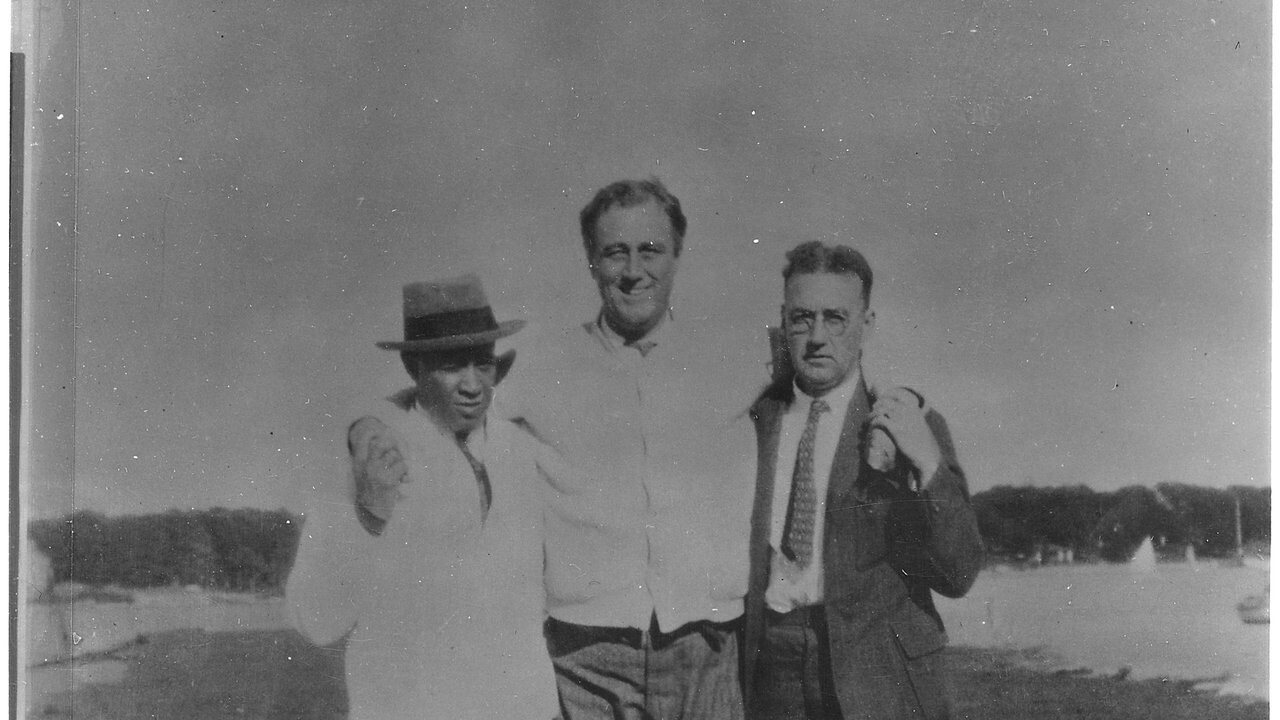
For several winters, Roosevelt cruised Florida waters, where sunlight and swimming seemed to help. He also spent two summers in Massachusetts following a doctor’s exercise program for people with polio. Neither approach produced lasting improvement, despite the time and effort he devoted to them.
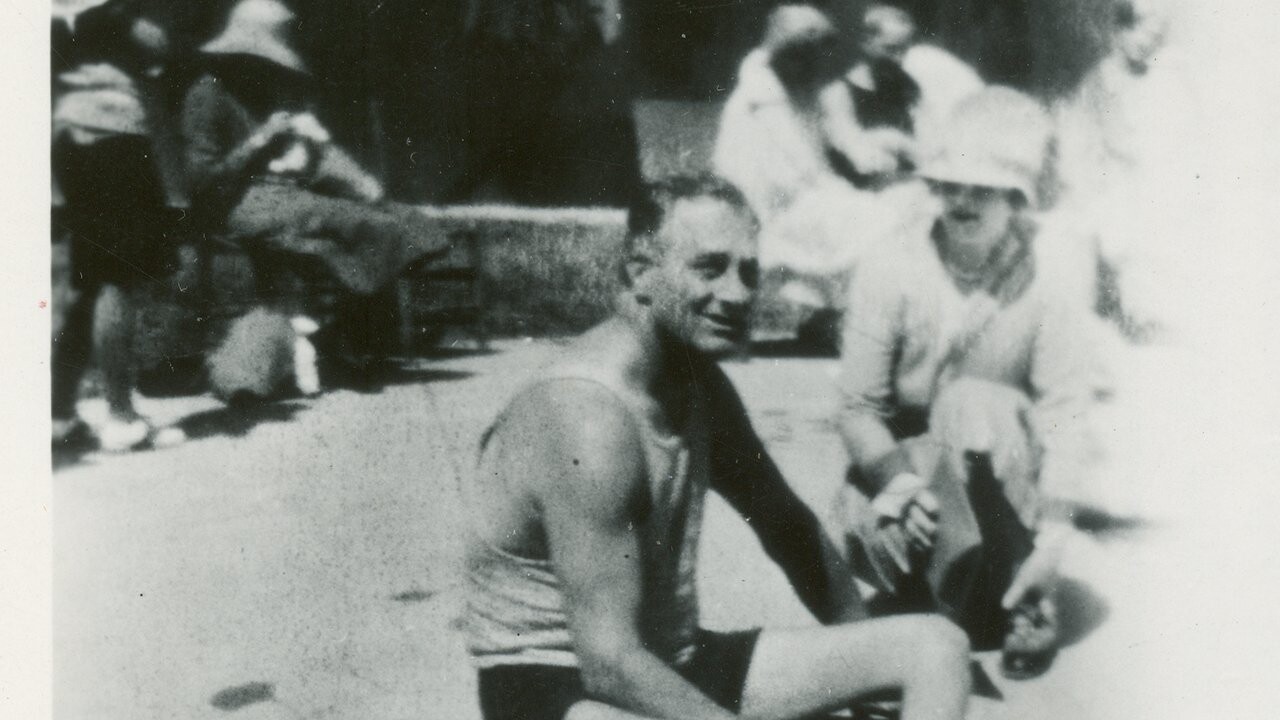
October 1924: Arrival at Warm Springs
Roosevelt arrived at Warm Springs, Georgia, on October 3, 1924, hoping to find a cure. He began swimming the following day and felt an immediate improvement. That visit started a lasting connection with the resort and changed its role in his life.
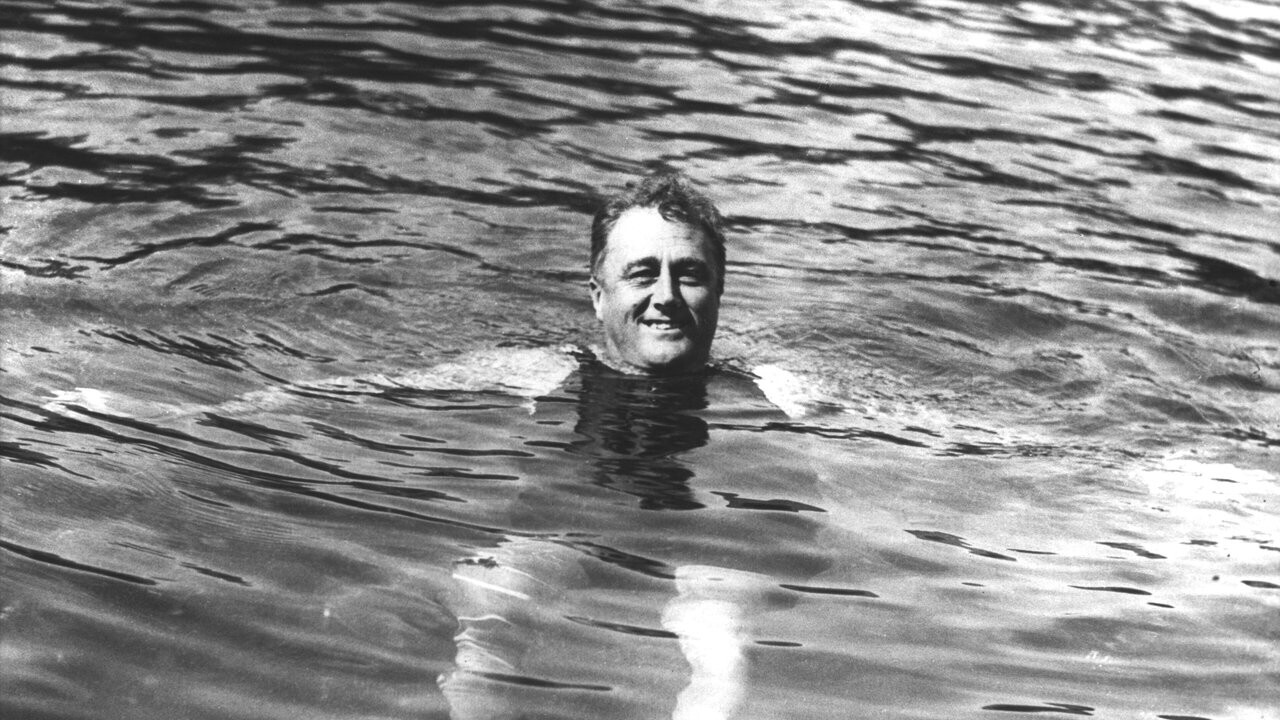
Why the Water Mattered
At Warm Springs, Roosevelt was able to move his right leg for the first time in three years. That documented moment helps explain why the place mattered so deeply to him. Swimming provided a setting for movement and exercise that differed sharply from his experience on land.
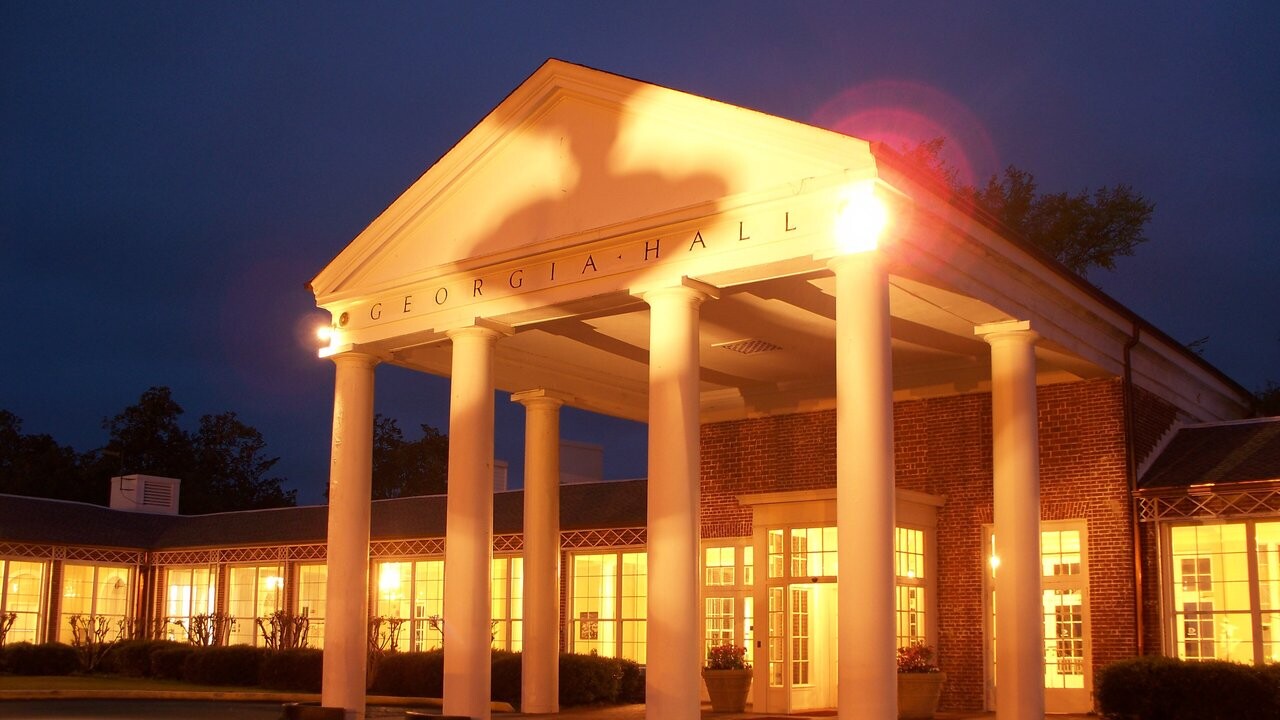
1926: Buying the Resort
Roosevelt decided that Warm Springs should become more than his personal retreat. In 1926, he bought the resort and 1,200 acres from George Peabody for about $200,000. The purchase created a path toward developing a dedicated treatment center for other people affected by polio.
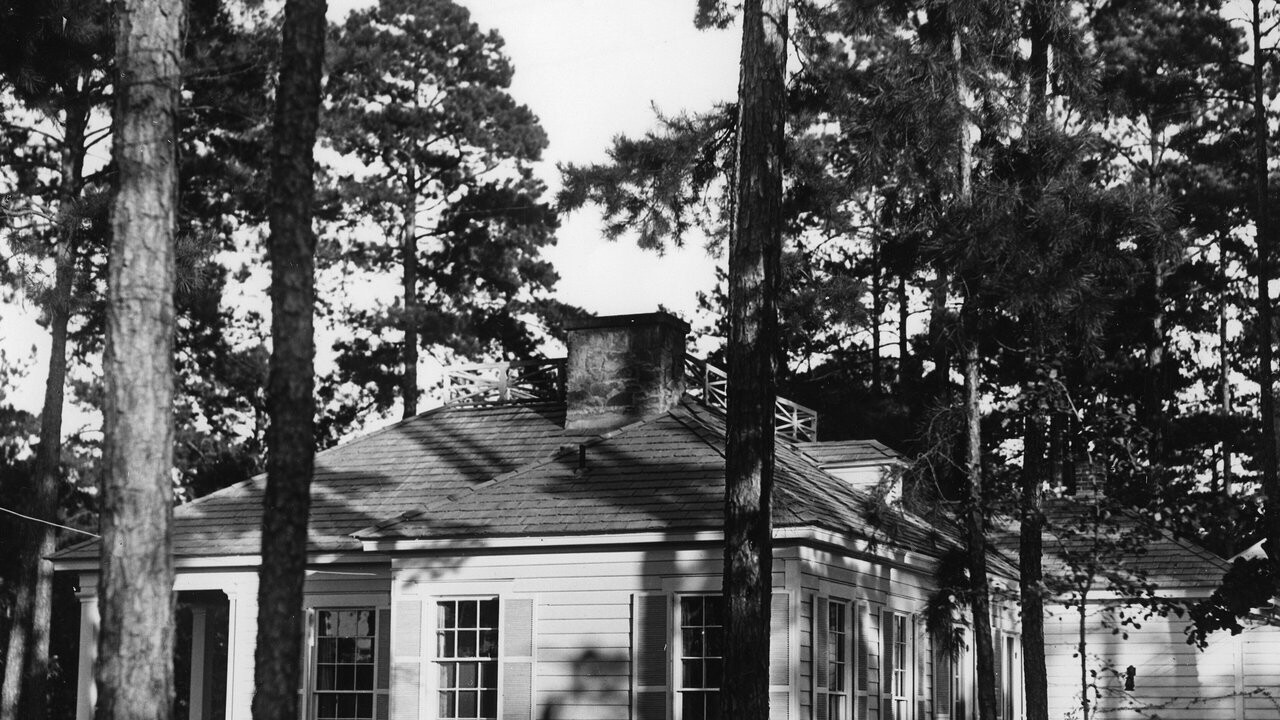
1927: A Foundation Takes Shape
In 1927, Roosevelt organized the nonprofit Warm Springs Foundation and transferred the property to it. What began as his personal search for improvement now had a formal institutional structure, allowing the site to develop around the treatment and rehabilitation of people affected by polio.
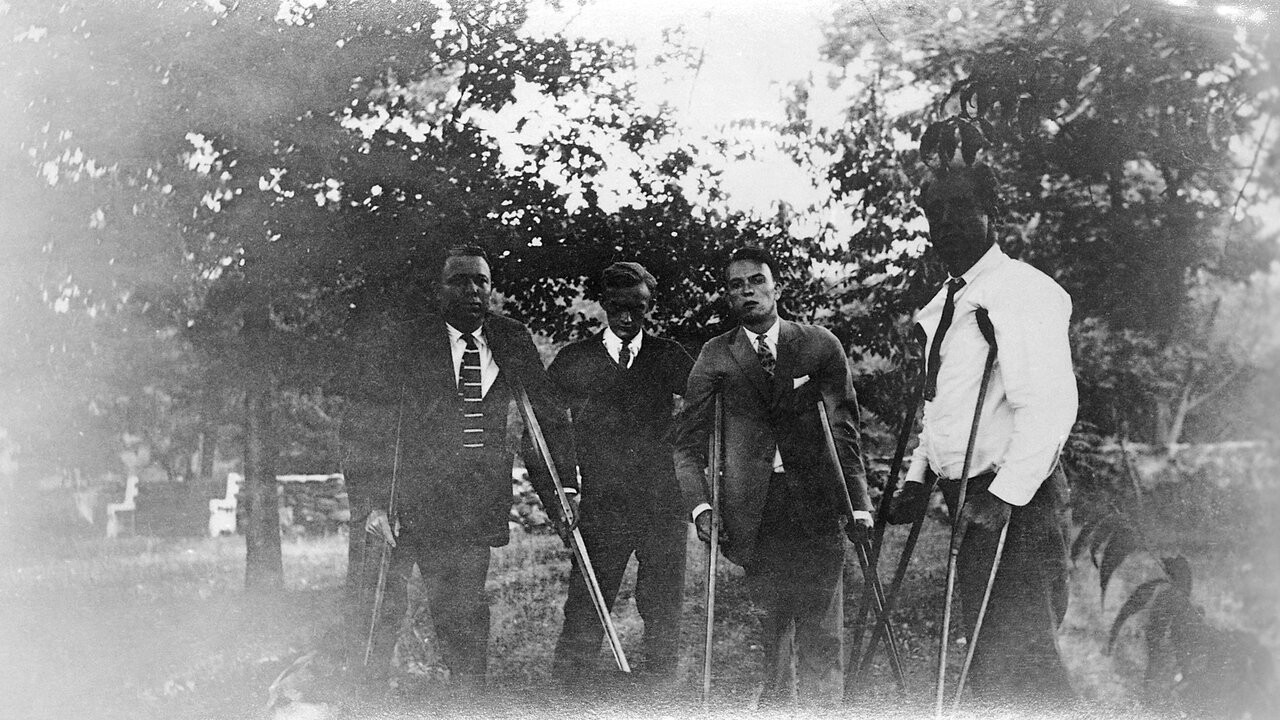
A Hospital Centered on Polio
The foundation created what the National Park Service identifies as the first, and for many years the only, hospital in the world devoted solely to treating people affected by poliomyelitis. Warm Springs had become a specialized institution rather than simply a resort Roosevelt visited for swimming.
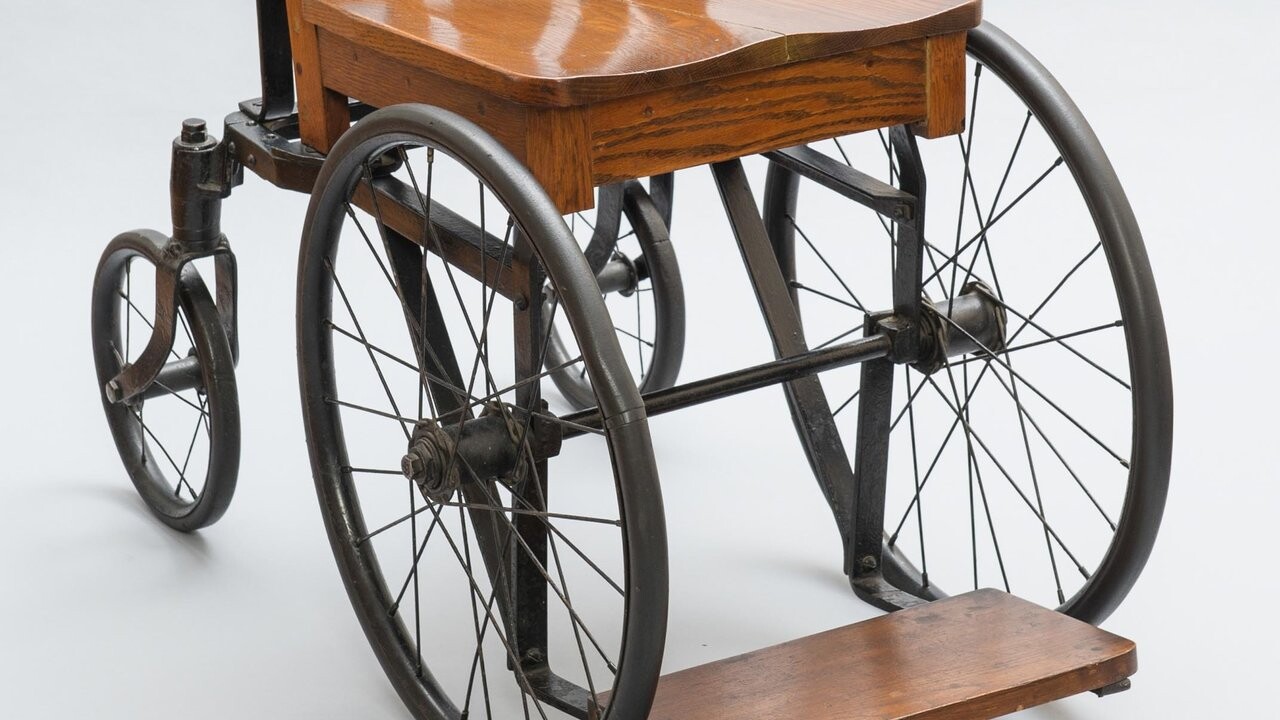
A Wheelchair Built for Daily Life
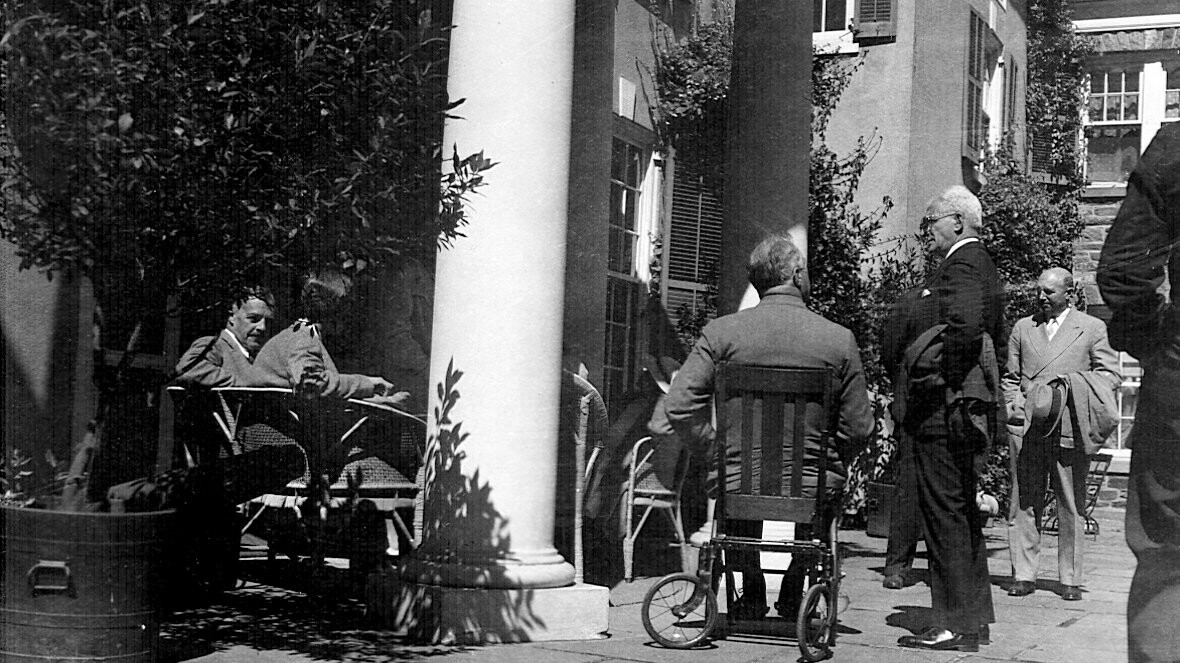
For private use, Roosevelt relied on a wheelchair made by replacing the legs of a dining chair with bicycle-like wheels. The design shows how an ordinary household object was adapted into a practical mobility aid suited to his daily life and the spaces he used.
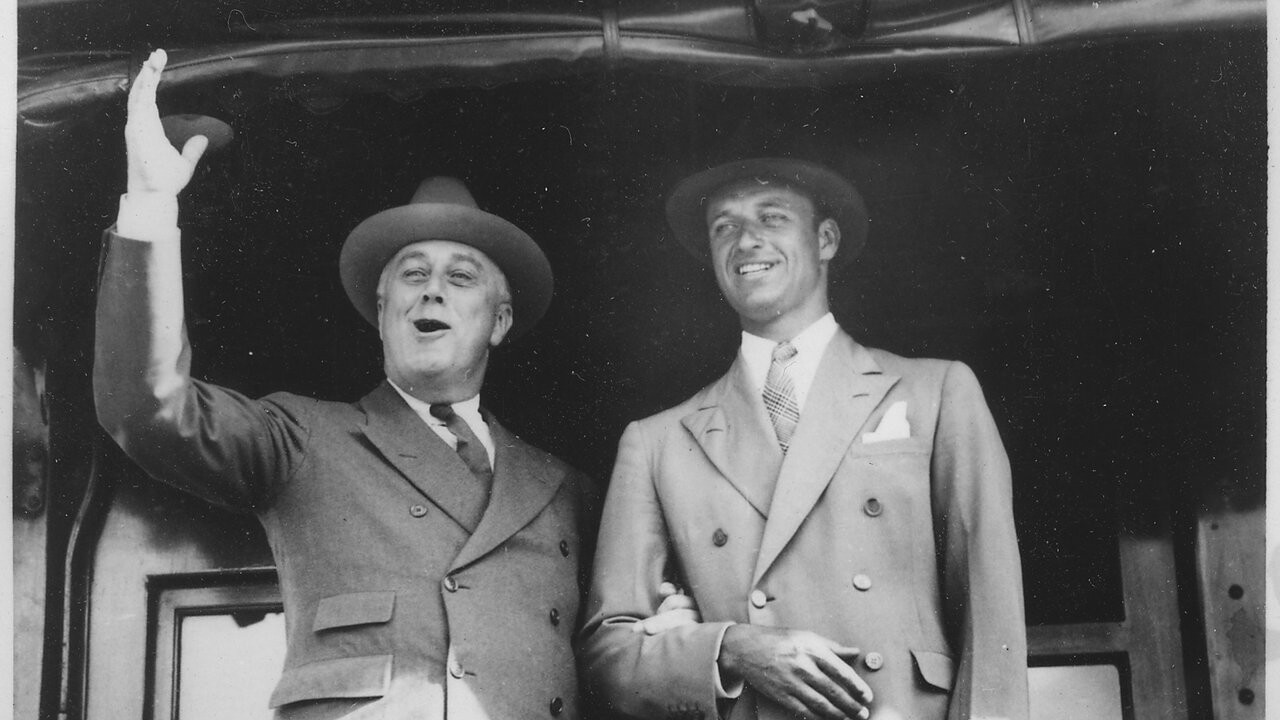
The Carefully Practiced Walking Technique
For public appearances, Roosevelt devised a method of appearing to walk. Wearing leg braces, he used a cane and held the arm of a son or adviser for balance. This method allowed him to cover short distances while presenting an upright image to watching crowds.
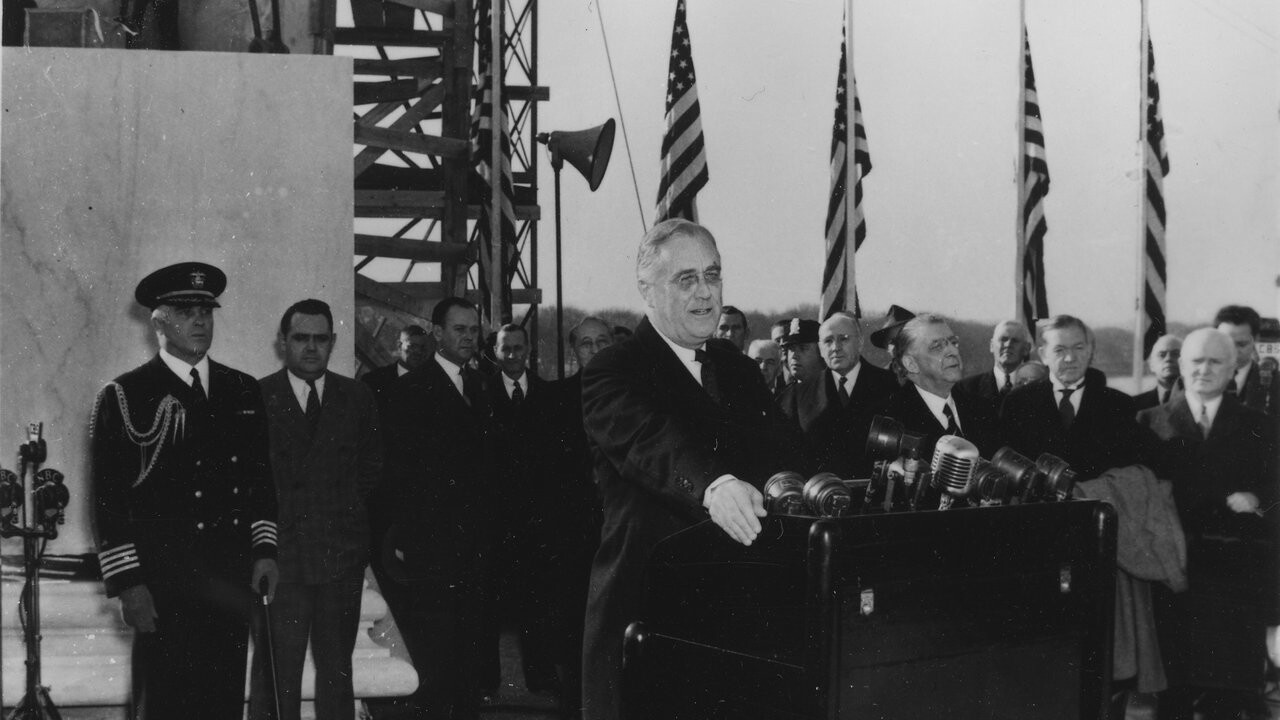
Managing Stairs With Arm Strength
Stairs presented a different challenge. Roosevelt learned to support his weight with his arms, holding himself as though he were using parallel bars, and swing toward the next step. The technique required a different form of movement from the method he used on level ground.
Known Illness, Hidden Extent
Roosevelt’s experience with polio was not a complete secret. What he guarded was his inability to walk without assistance. He worried that political opponents could portray him as too weak for office, so the public rarely saw the practical realities of his disability.
The Press Agreement
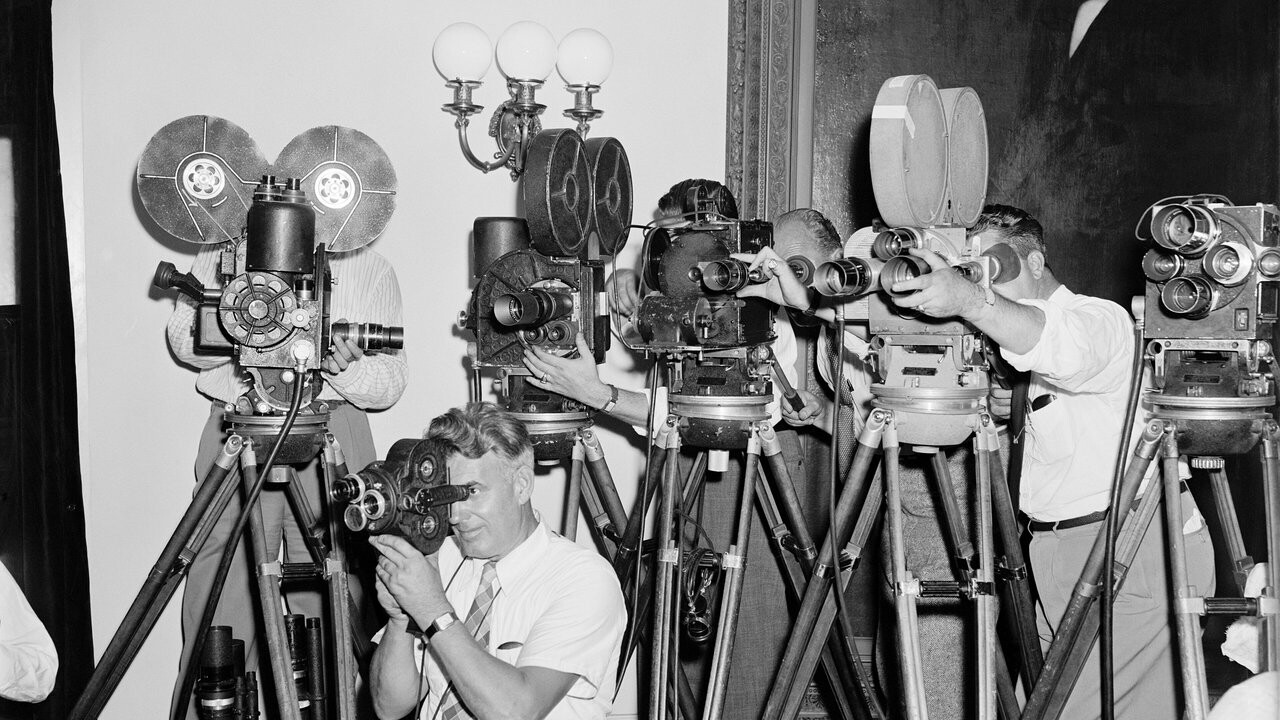
The presidential press corps agreed not to report on Roosevelt using a wheelchair or being carried by aides. This restraint helped shape the public image of a president whose disability was known but seldom shown in full. It also influenced the visual record inherited by later generations.
Mobility Built Into the Presidency
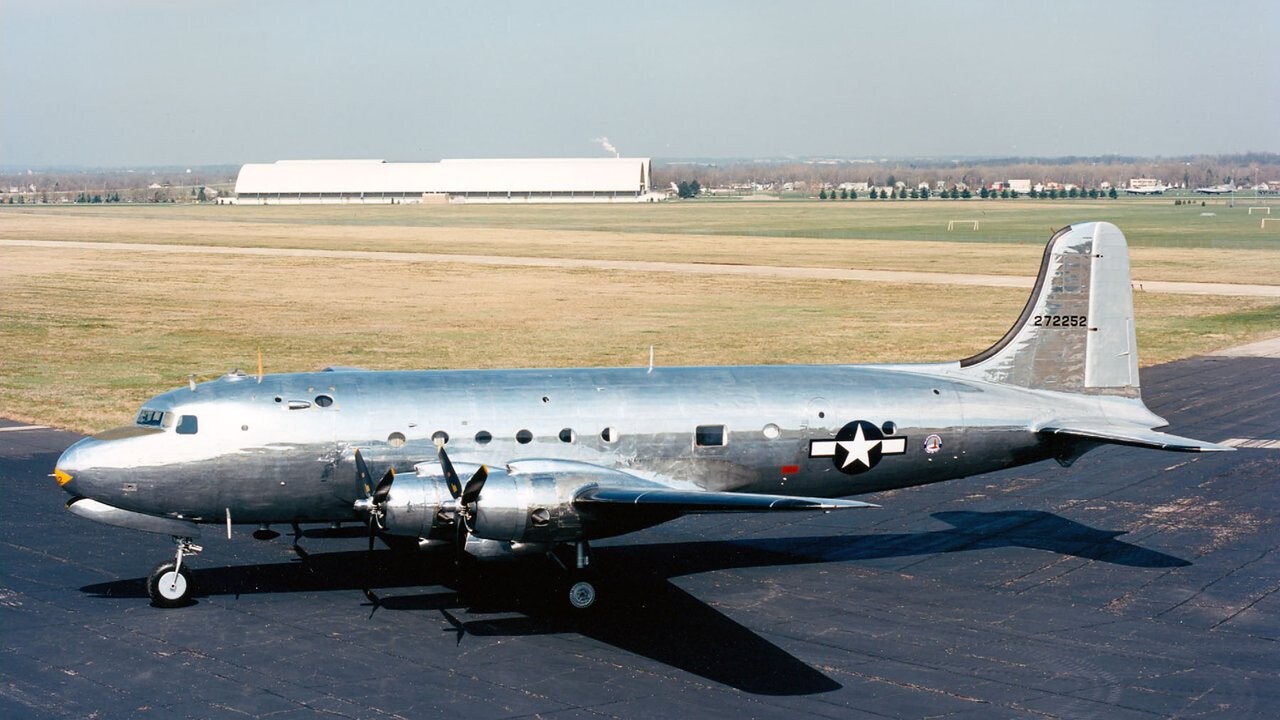
Access required more than personal equipment. Ramps were installed at the White House and the U.S. Capitol, while automobiles, a train car, and an airplane were modified for Roosevelt. Warm Springs also incorporated architectural changes that helped him navigate an environment not designed for wheelchair users.
Springwood Preserves the Adaptations
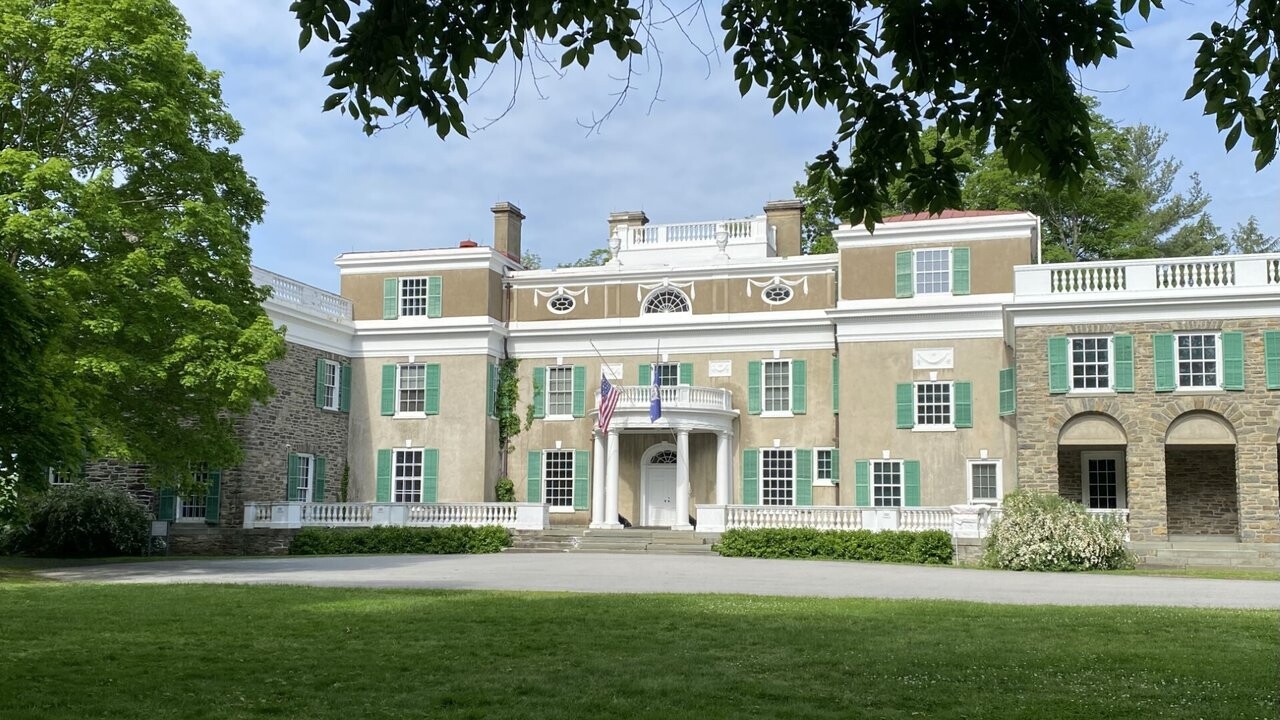
At Springwood, Roosevelt’s Hyde Park home, ramps, handrails, an elevator, custom wheelchairs, and crutches remain preserved in place. Together, these objects and alterations show how mobility was addressed throughout his surroundings, beyond the formal portraits and carefully managed public appearances.
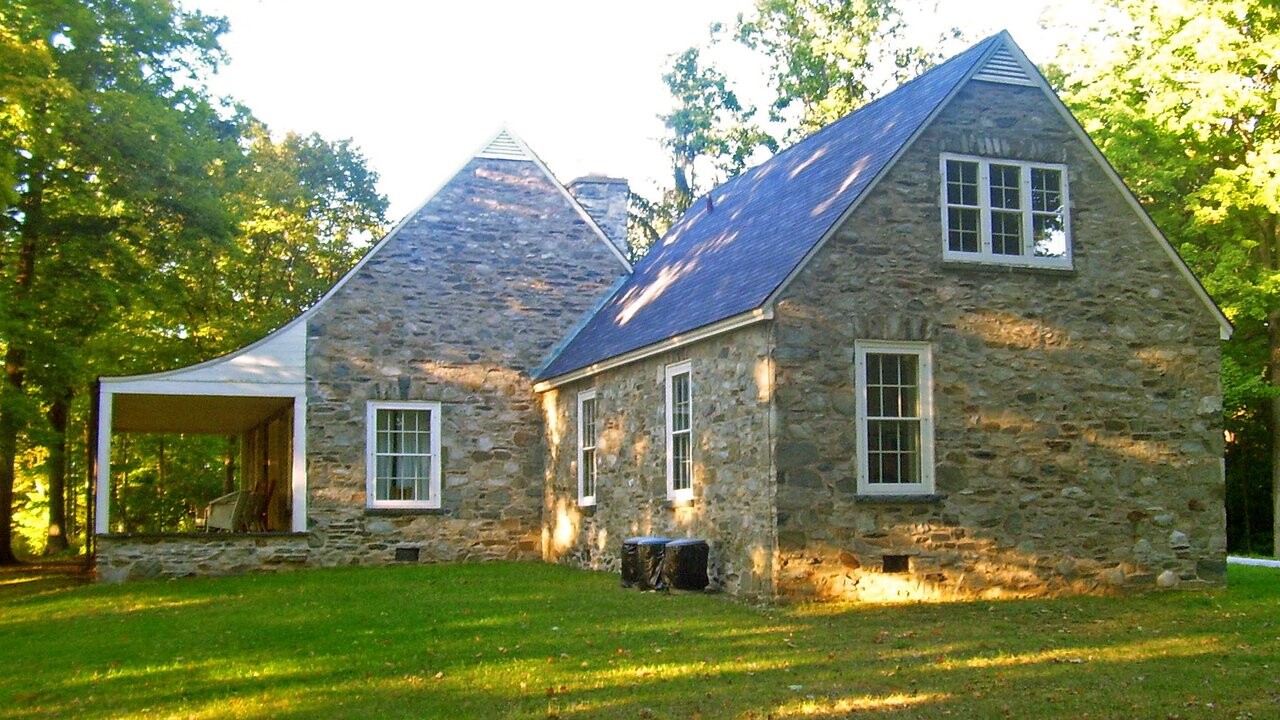
1939: Top Cottage and Independence
Top Cottage, completed in 1939, was designed by Roosevelt and architect Henry Toombs. Its primary spaces occupied one floor, and its exterior entries were at ground level. Those choices accommodated Roosevelt’s wheelchair and made the retreat notably different from many buildings of its era.
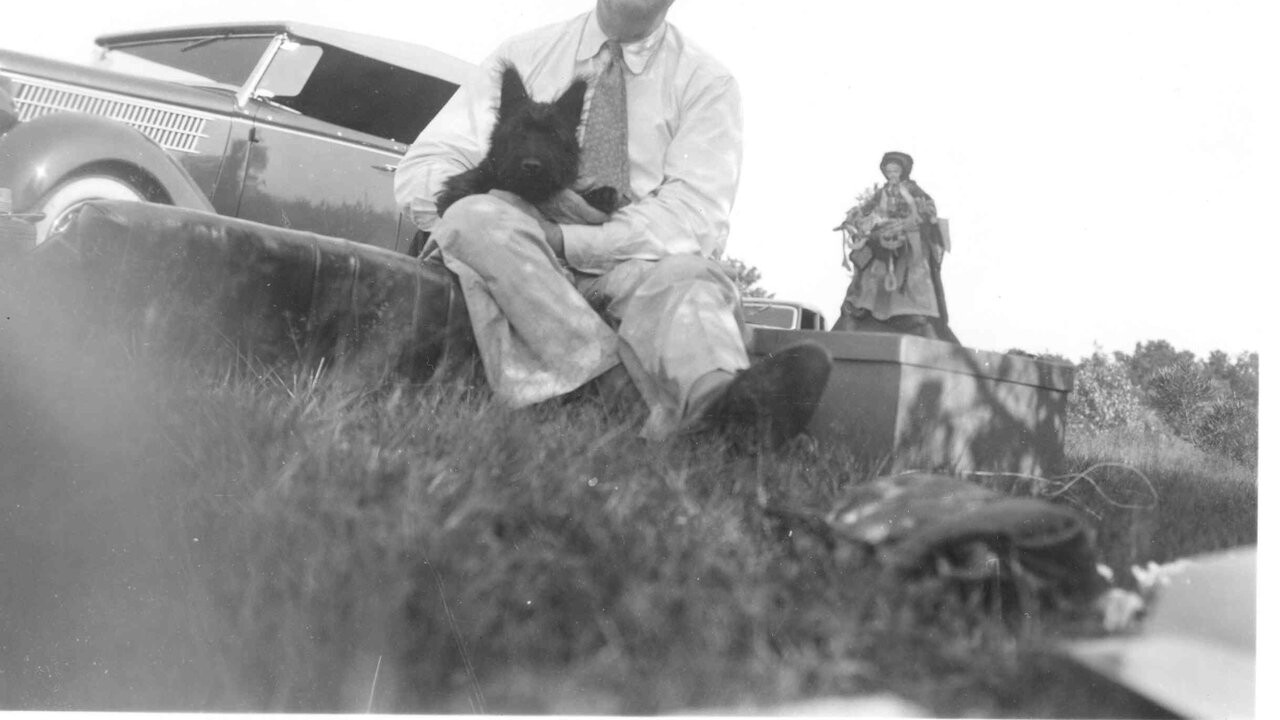
November 10, 1940: Fala Moves In
Fala moved into the White House on November 10, 1940, and became Roosevelt’s constant companion. The Scottish terrier accompanied the president through the final years of his life and became a familiar presence in photographs, journeys, and the public story of the Roosevelt White House.
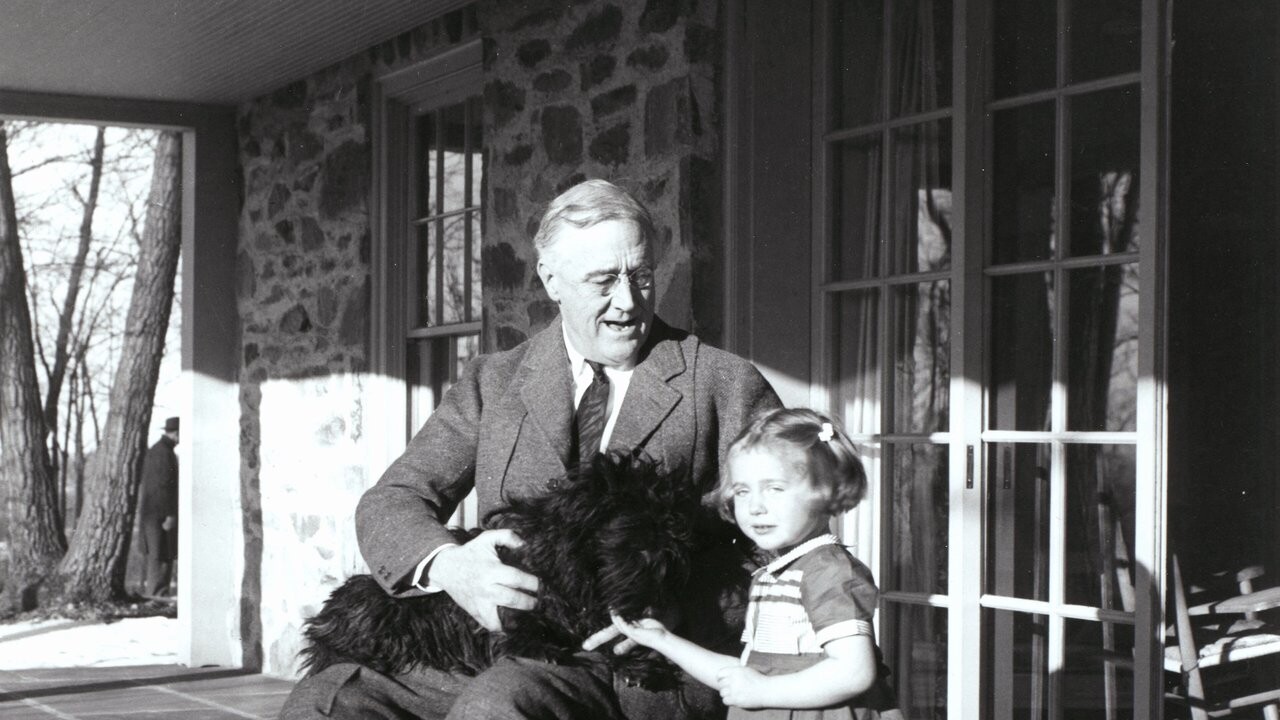
February 1941: The Rare Porch Portrait
In February 1941, Margaret “Daisy” Suckley photographed Roosevelt in his wheelchair on the porch at Top Cottage. Ruthie Bie stood beside him, and Fala joined them. The photograph preserves an unusually direct view of Roosevelt seated in the mobility aid he used away from formal public appearances.
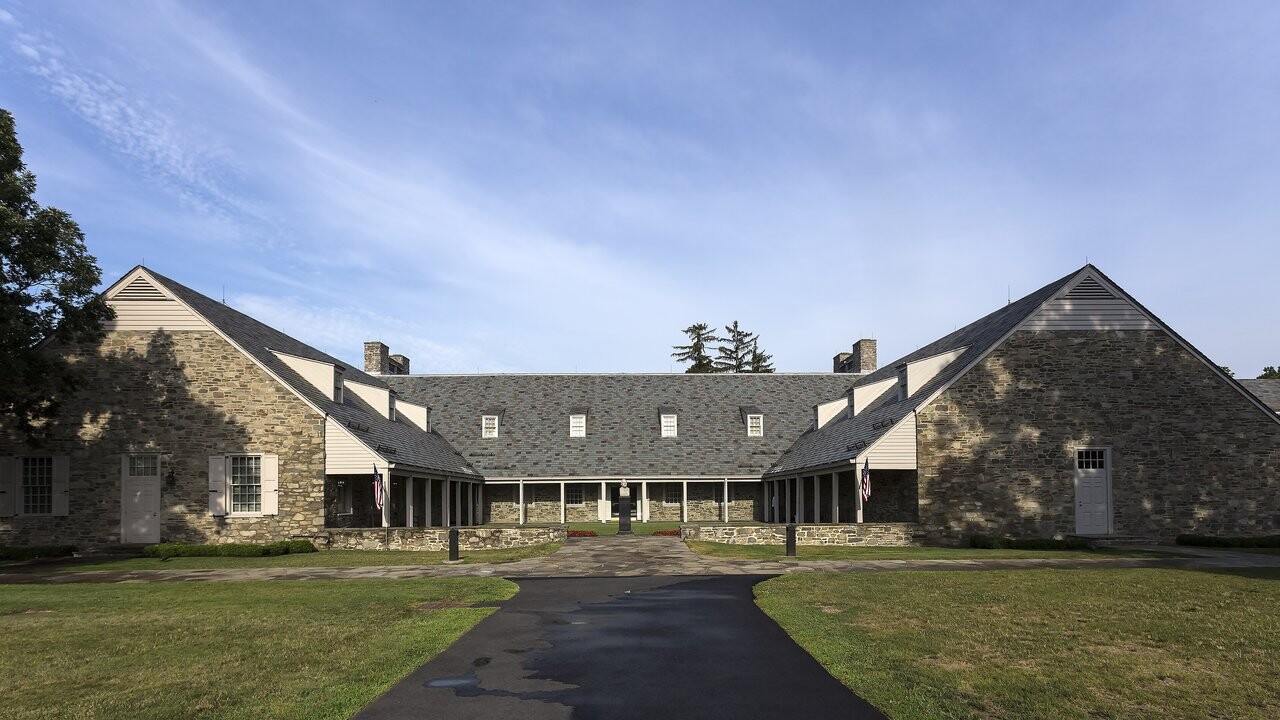
Only Four Wheelchair Photographs in the Library
The Roosevelt Library says it owns four candid photographs showing Roosevelt in his wheelchairs. That small number reflects how rarely cameras recorded this part of his daily life. Many formal portraits survive, but only a few photographs in the library’s collection show his wheelchair directly.
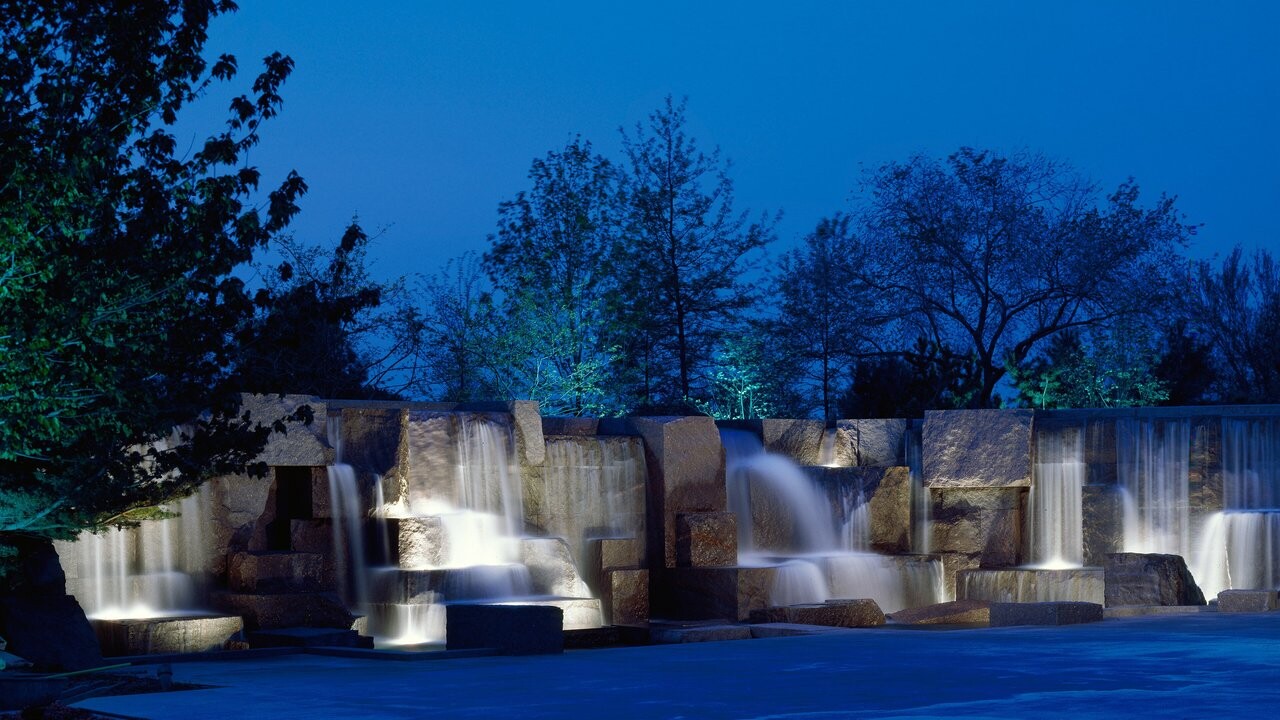
1997: The First Memorial Image
The Franklin Delano Roosevelt Memorial was dedicated on May 2, 1997. Its original design barely hinted at Roosevelt’s paralyzed leg, and the wheels behind its seated figure were hidden from ordinary view. A later campaign for a more explicit portrayal changed how the memorial presented his disability.
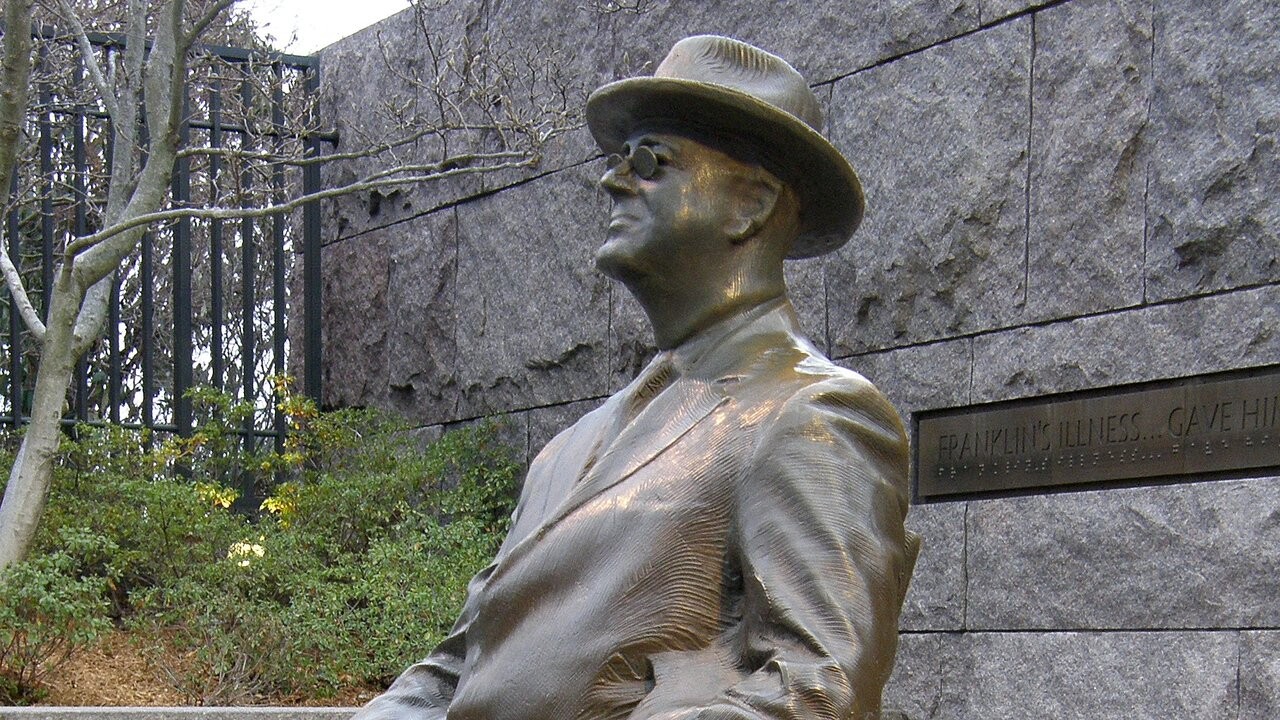
January 10, 2001: The Wheelchair Statue
After lobbying by disability rights advocates, including the National Organization on Disability, a wheelchair sculpture was added in 2001. The Prologue Room was dedicated on January 10 and contains a life-size bronze Roosevelt seated in a wheelchair, reflecting how his family and close associates saw him.
The surviving record reveals both Roosevelt’s careful image-making and his ingenuity in navigating a world that rarely accommodated wheelchair users. Which photograph or preserved object most changes how you see his story?
Follow The HyperHive on MSN for more stories like this.
Sources:






