
Have you ever stepped out of a hot shower feeling drained, lightheaded, or ready for a nap?
Hot water can affect circulation, and showering involves more activity than it may seem. Standing, lathering, rinsing, and reaching all take effort, particularly when you already feel tired or unsteady.
Understanding what may be happening can help you make showers more comfortable and recognize symptoms worth discussing with a healthcare professional.
What Happens to Blood Pressure in a Hot Shower?
Hot water can cause capillaries near the skin to dilate, helping the body heat up more slowly. Cleveland Clinic explains, “Vasodilation is the medical term for when blood vessels in your body widen, allowing more blood to flow through them and lowering your blood pressure.”
Blood vessels contain muscle that controls how wide or narrow they are. When hot water causes those vessels to widen, blood pressure may fall.
A drop in blood pressure can cause fainting. If you begin to feel lightheaded, stop washing, sit somewhere safe, and give yourself time to recover before standing again.
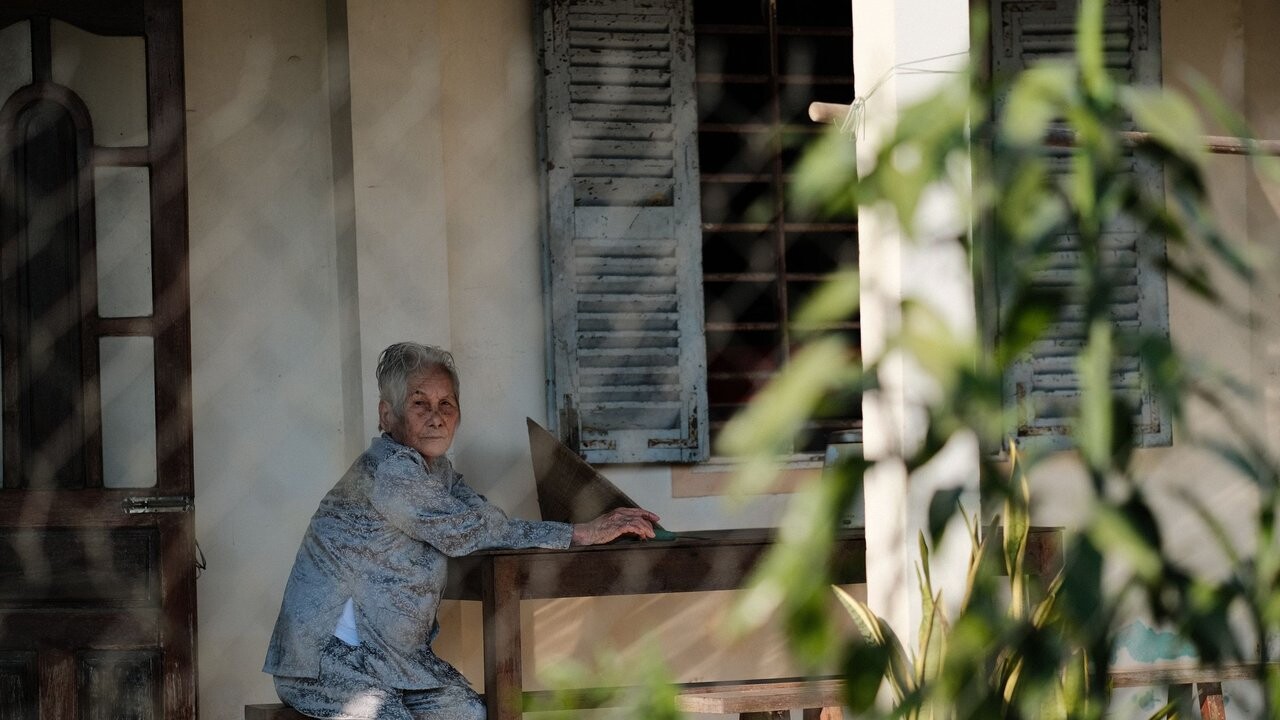
Why Does the Effort Feel Heavier After 65?
The body’s blood pressure controls can change with age. Mayo Clinic says orthostatic hypotension is common in adults 65 and older because pressure-sensing cells near the heart and neck arteries can slow with age. An aging heart may also have more difficulty speeding up to compensate for falling blood pressure.
A hot environment can cause heavy sweating and possible dehydration, which may lower blood pressure and trigger orthostatic hypotension. Even mild dehydration can contribute to weakness, dizziness, and fatigue.
Showering also requires sustained standing and repeated movement. Washing your hair, reaching for supplies, and stepping over a tub edge can feel demanding when your energy or balance is limited.
Could an Underlying Condition Be Draining You?
Fatigue can be a normal response to physical activity, stress, boredom, or insufficient sleep, but it can also signal a physical or mental health concern. On a low-energy day, the steps involved in showering may simply feel harder.
Do not assume that persistent exhaustion is an unavoidable part of aging. If you have felt continuously tired for several weeks, a healthcare professional can help investigate the cause and identify ways to relieve it. Mention when the fatigue occurs, how long it lasts, and whether it comes with dizziness or fainting.

Simple Changes to Keep Your Shower Comfortable
A few practical adjustments can make washing less tiring and help you feel steadier.
- Lower the temperature. Use warm rather than hot water. The National Institute on Aging recommends warm water for bathing and notes that hot showers can make dry skin worse.
- Use a shower chair. MedlinePlus advises sitting on a bath chair or bench while showering. Choose equipment designed for wet areas, and place it on a stable surface.
- Keep air moving. Run the exhaust fan, or leave the bathroom door slightly open if privacy and safety allow. A cooler room may feel more comfortable.
- Sit down to dry. Keep a sturdy chair outside the wet area, or put on a robe and rest before getting dressed.
- Plan for hydration. Drink fluids according to your usual care plan. If a clinician has instructed you to limit fluids, continue following that guidance.
MedlinePlus identifies the bathroom as the place in the home where falls most often happen. Keep the floor clear, place toiletries within easy reach, and avoid rushing when entering or leaving the shower.
When Is Shower Fatigue a Warning Sign?
The CDC reports that falls among adults 65 and older caused more than 43,000 deaths in 2024, making falls the leading cause of injury death for that age group. Mayo Clinic also notes that falling after fainting is a common complication of orthostatic hypotension.
- Frequent dizziness. Tell a healthcare professional about recurring lightheadedness or unsteadiness during or after a shower, especially if you need to grab nearby objects for support.
- Brief fainting spells. Mayo Clinic says losing consciousness, even for a few seconds, is serious and requires seeing a healthcare provider right away.
- Persistent exhaustion. Arrange a medical appointment if unexplained fatigue continues for several weeks or makes ordinary daily activities harder to manage.
A healthcare professional can review your blood pressure, health conditions, and medicines and help you plan a safer routine.
A gentler water temperature, a place to sit, and an unhurried routine can make showering more comfortable. Pay attention to recurring dizziness, fainting, or persistent fatigue rather than dismissing those symptoms as part of getting older. Have you noticed a change in how you feel during or after a shower?
This article is for general information and isn’t a substitute for advice from your doctor.
Follow The HyperHive on MSN for more stories like this.
Sources:



