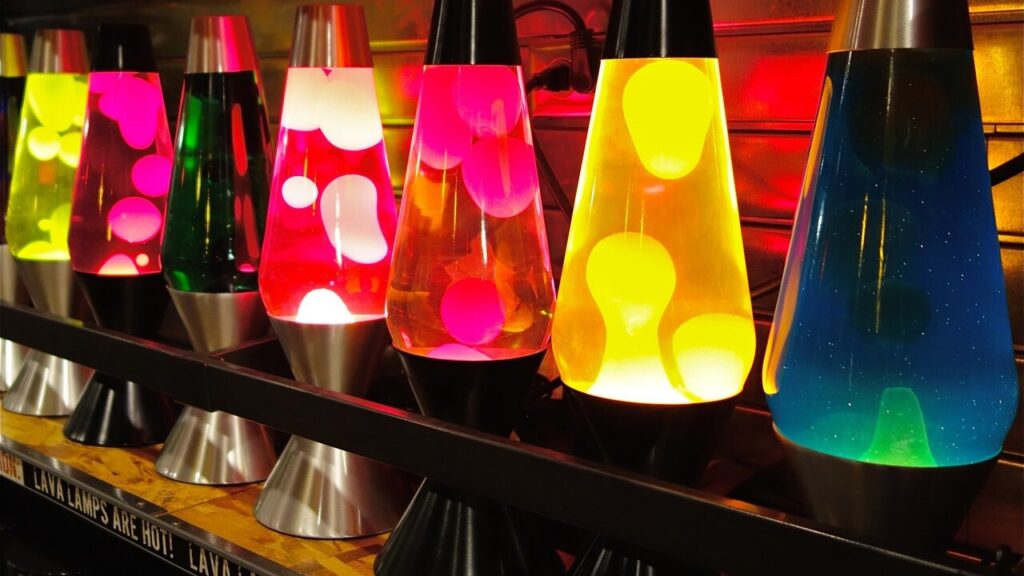
Gas Station Brands From the 1950s That Have Disappeared

Thomas Dahlstrøm Nielsen / Wikimedia Commons, CC BY 4.0 (cropped)
Gas station signs once gave American regions their own roadside personalities. These slides trace 15 brands by the year their identities faded, including one short-lived successor that completes the story of Exxon’s nationwide changeover.
The record comes from corporate histories, government documents, preservation studies, museum archives, and contemporary reporting. Together, they show how consolidation gradually replaced a varied landscape of regional brands with fewer national names.
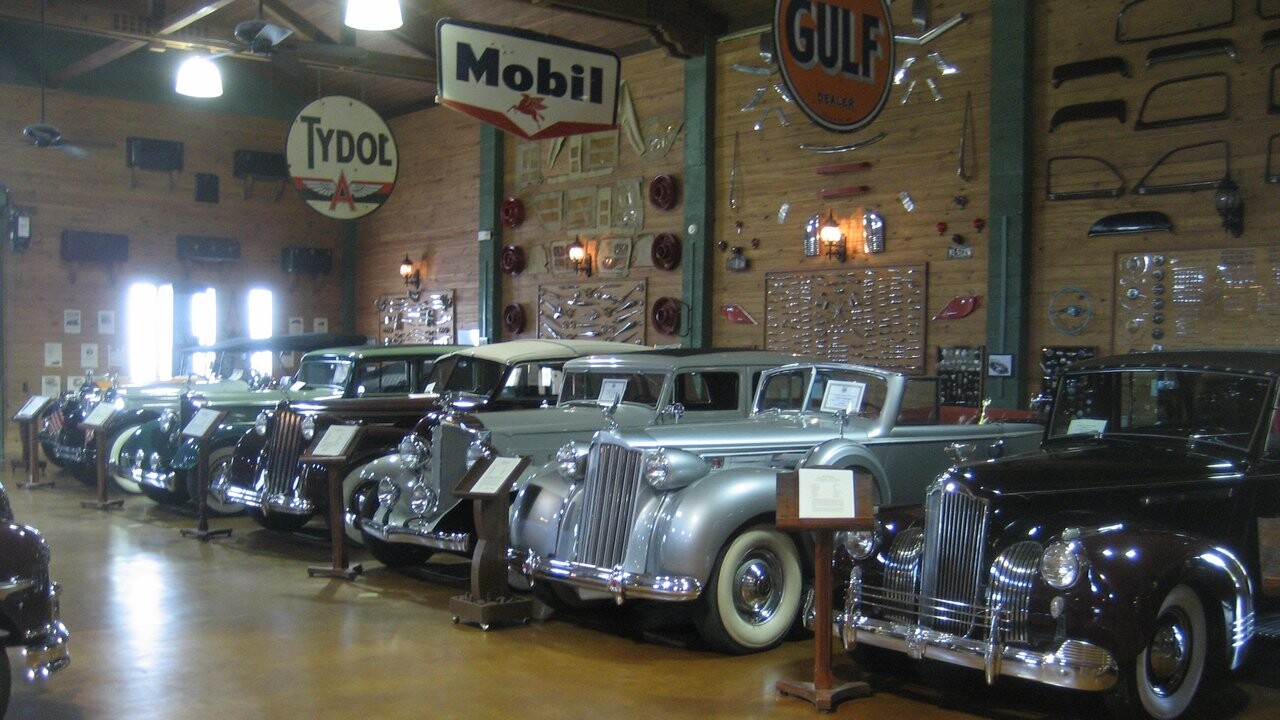
1956: Tydol Is Retired
Tydol was one of several regional identities that gradually fell out of use during the 1950s. The brand was dropped entirely in 1956, ending its place in active petroleum marketing. Surviving pumps, road maps, and station signs now preserve a name that was once familiar to motorists.
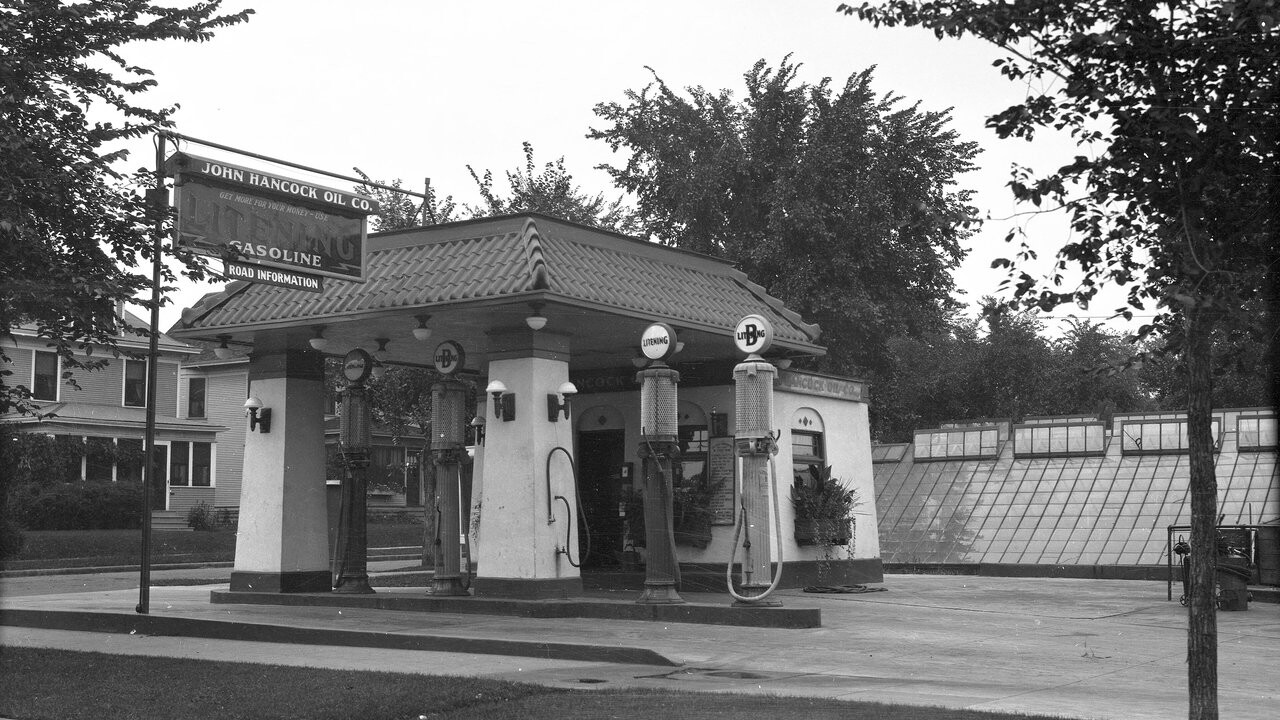
1958: Hancock Merges Into Signal
Hancock’s independent corporate run ended when the company merged into Signal on December 31, 1958. Its station identity did not necessarily disappear the moment the paperwork took effect, but the merger explains why Hancock stopped developing as a separate gasoline brand and gradually became a roadside memory.
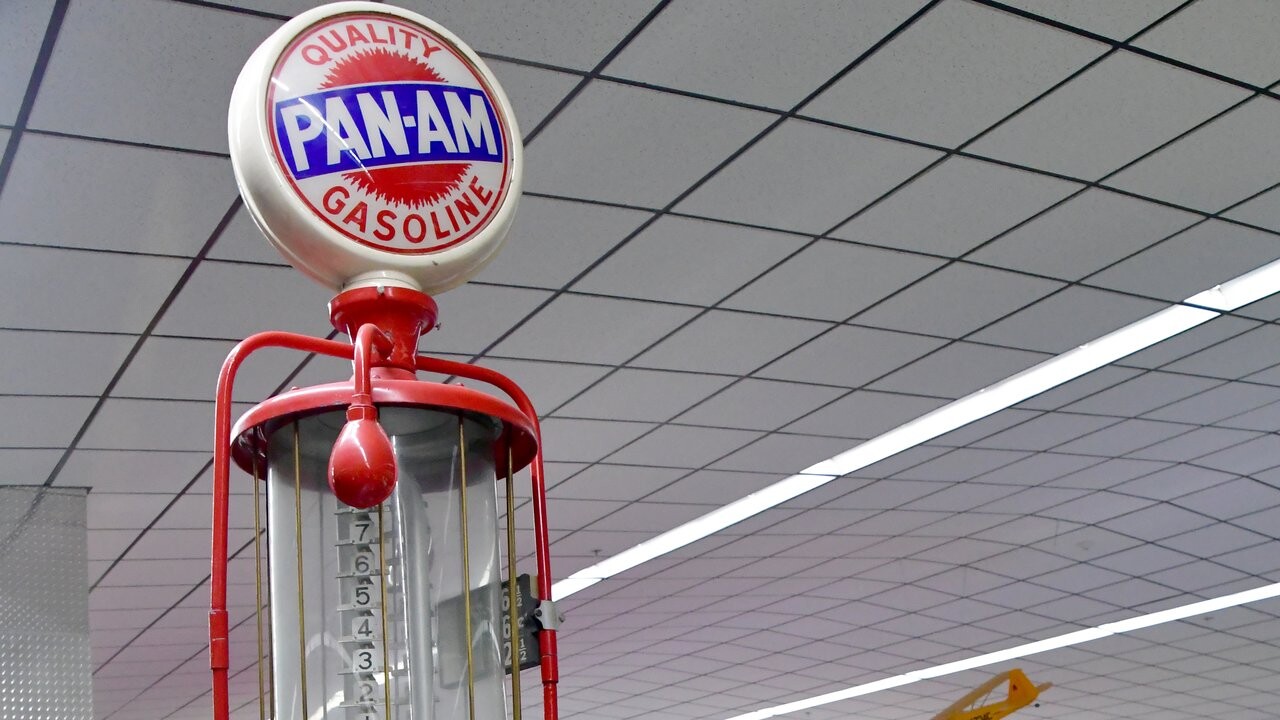
1958: Pan-Am Gives Way to Amoco
Pan-Am and Amoco briefly appeared as a dual brand in 1957 and 1958, according to a road-map collectors’ company list. After 1958, the catalog directs readers to Amoco instead. That short overlap captures a common changeover pattern: an older regional name sharing space with the identity that would replace it.
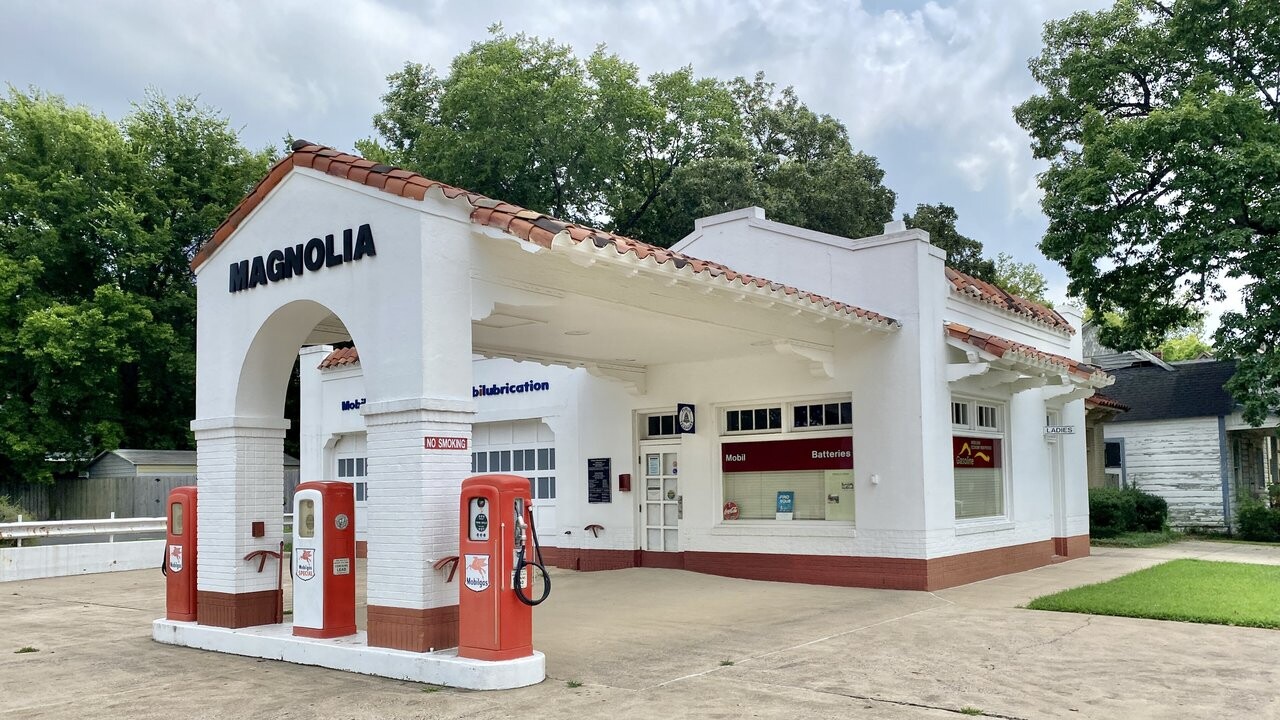
1959: Magnolia Becomes Mobil
Magnolia retained its name and remained a separate property for years after entering a larger corporate system. That arrangement ended in 1959, when it was absorbed into Mobil Oil Company. The change removed a longstanding regional company name while placing its operations under the increasingly prominent Mobil identity.
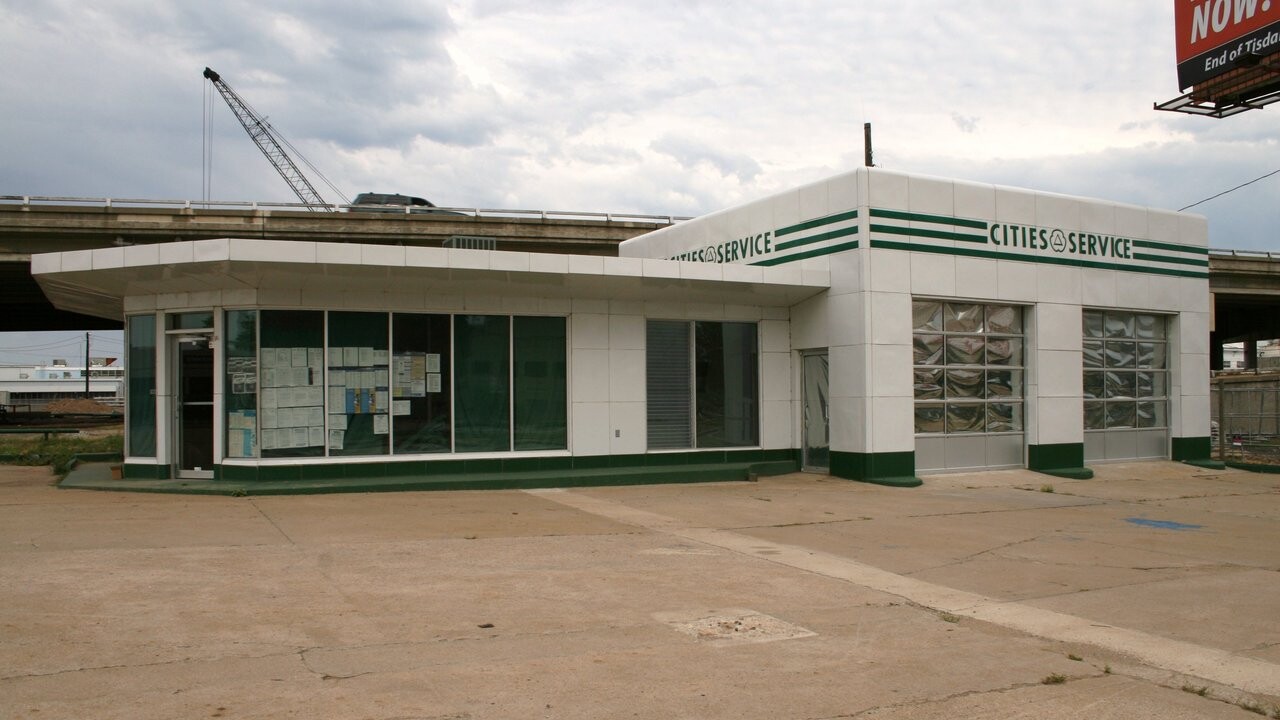
1965: Cities Service Introduces CITGO
Cities Service introduced the CITGO gasoline brand in 1965. The new name combined the opening letters of Cities with the word go, creating a compact identity suited to signs and advertising. CITGO gradually became the public-facing brand, leaving Cities Service as the corporate ancestor remembered by collectors and longtime motorists.
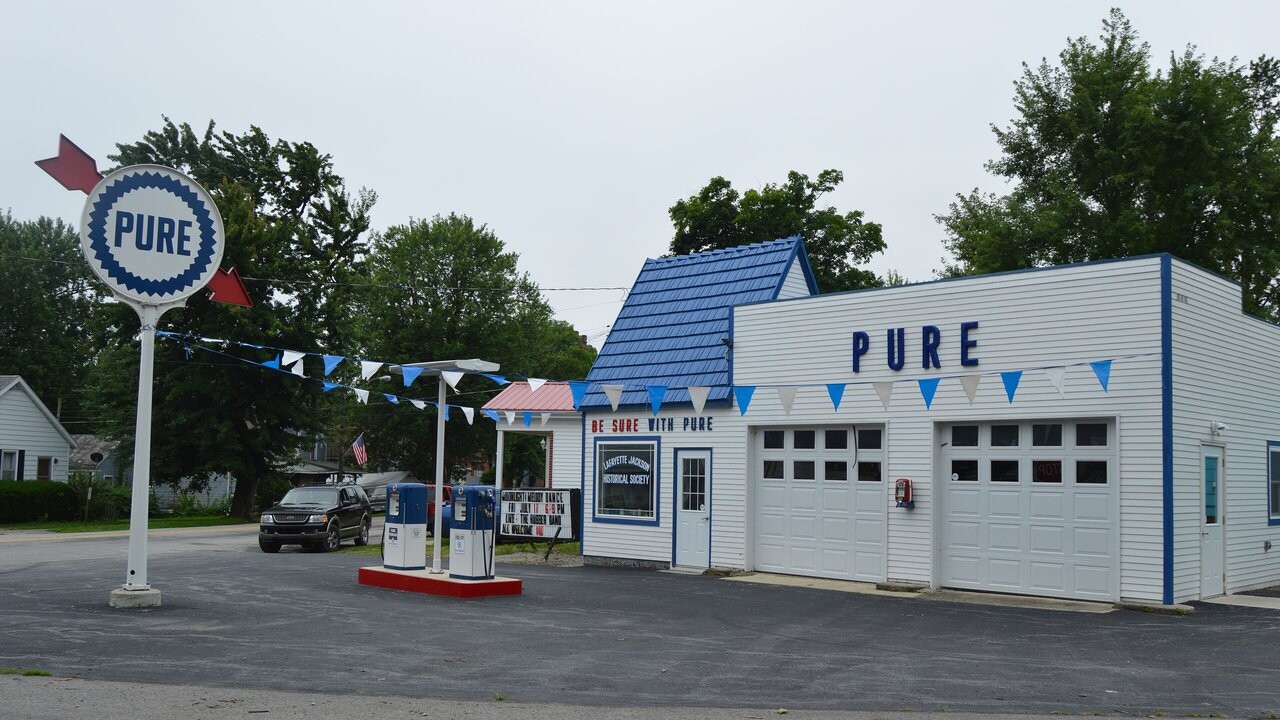
1965: Pure Oil Converts to Union 76
Union Oil Company of California purchased Pure Oil in 1965 and converted Pure-branded locations to Union 76. The transaction folded a recognizable network into a larger marketing system. Although old Pure signs and stations remain popular with preservationists, the midcentury chain lost its independent place along American roads.
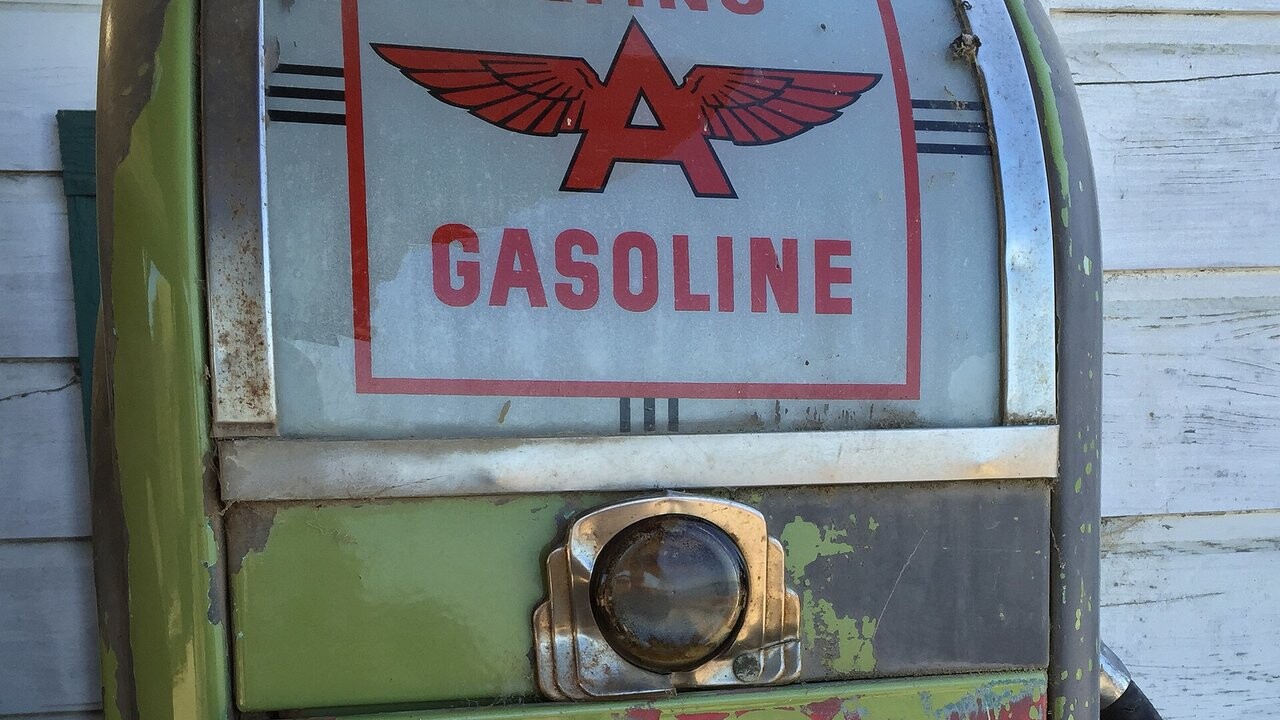
1966: Flying A Loses Its Western Network
Phillips Petroleum purchased Tidewater’s Western refining and marketing properties in 1966, taking control of the network associated with Flying A. The brand continued elsewhere for a transitional period, but a later historical evaluation places its end by 1970. Its winged emblem remains one of the most recognizable artifacts of vanished gasoline advertising.
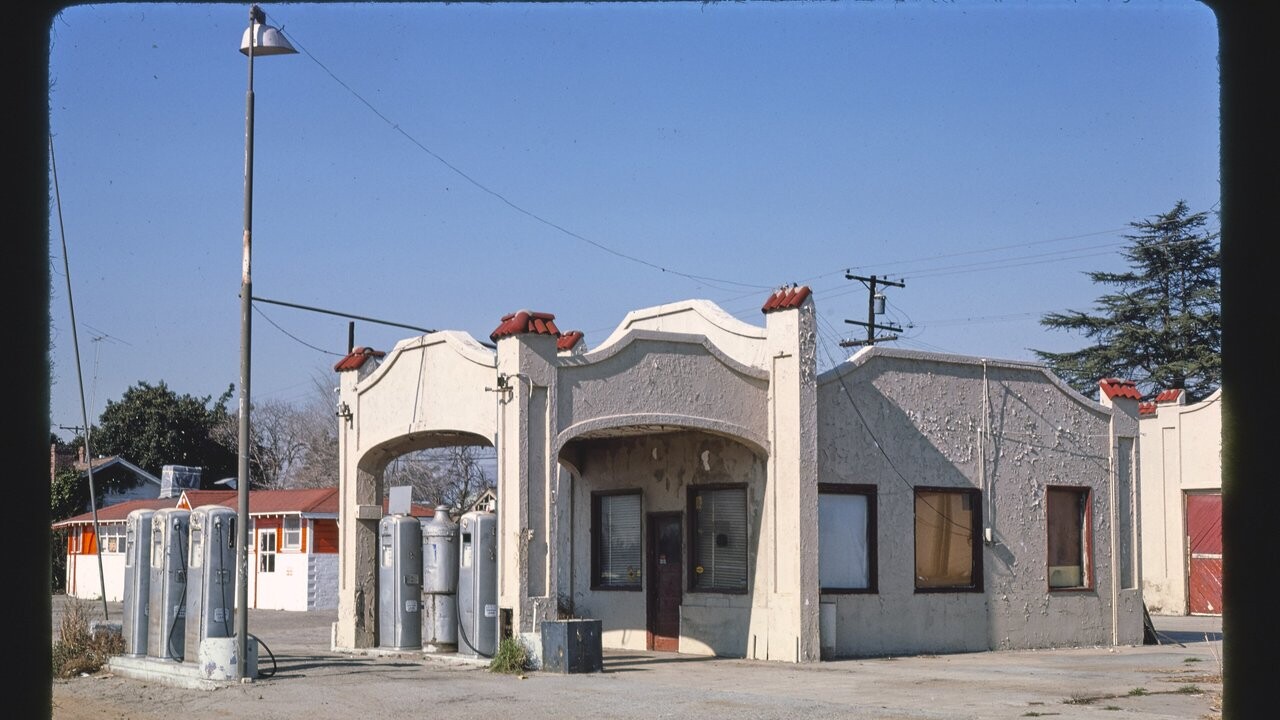
1966: Richfield Helps Create ARCO
Richfield entered a defining merger with Atlantic in 1966. Together, the companies formed Atlantic Richfield, commonly shortened to ARCO. Richfield therefore did not vanish through a simple closure. Its standalone name gave way to a combined identity intended to represent the expanded company across a broader market.
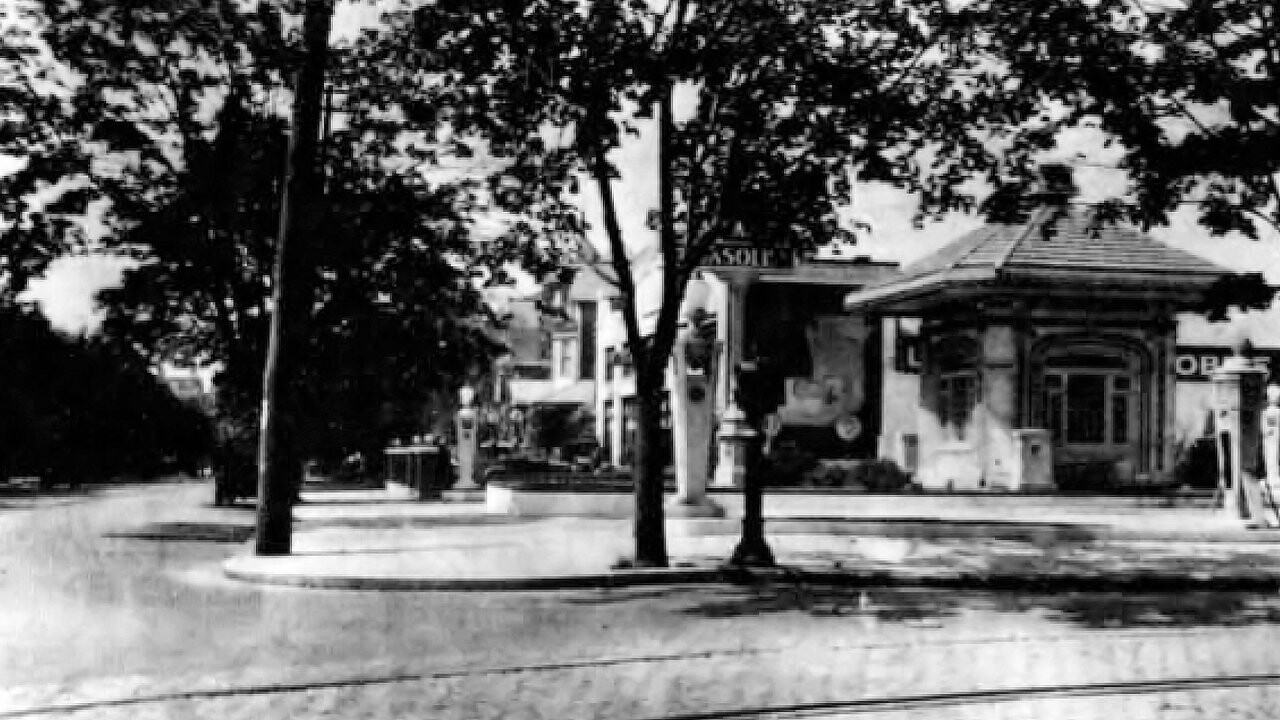
1966: Atlantic Becomes Half of a New Name
Atlantic supplied the other half of the Atlantic Richfield name. Its established identity was incorporated into ARCO, the shorter brand created by the union with Richfield. Older Atlantic signs could remain during the transition, but the merger redirected the company’s future away from Atlantic as a standalone station name.
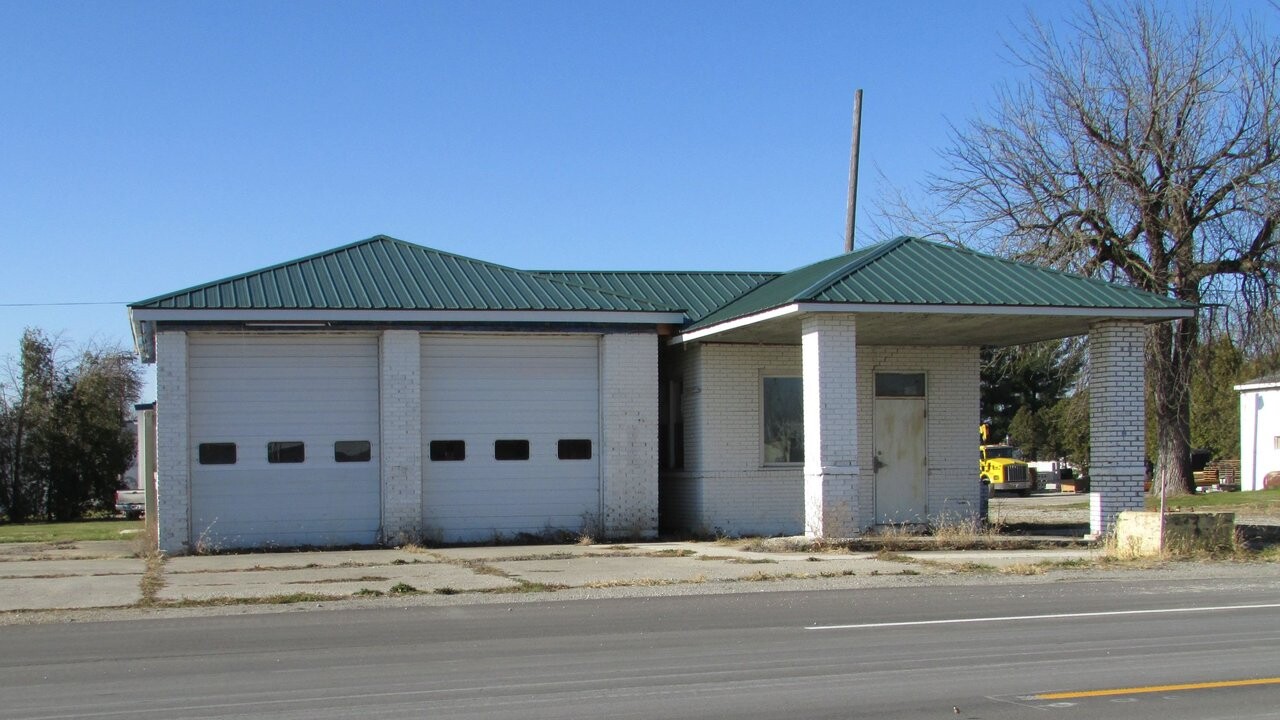
1968: Sunray DX Merges Into Sun Oil
Sunray DX Oil Company merged into Sun Oil Company on October 25, 1968. The transaction ended Sunray DX as a separate corporate organization, although familiar station branding could persist during the transition. For motorists, the merger marked the beginning of another regional identity’s retreat from the roadside.
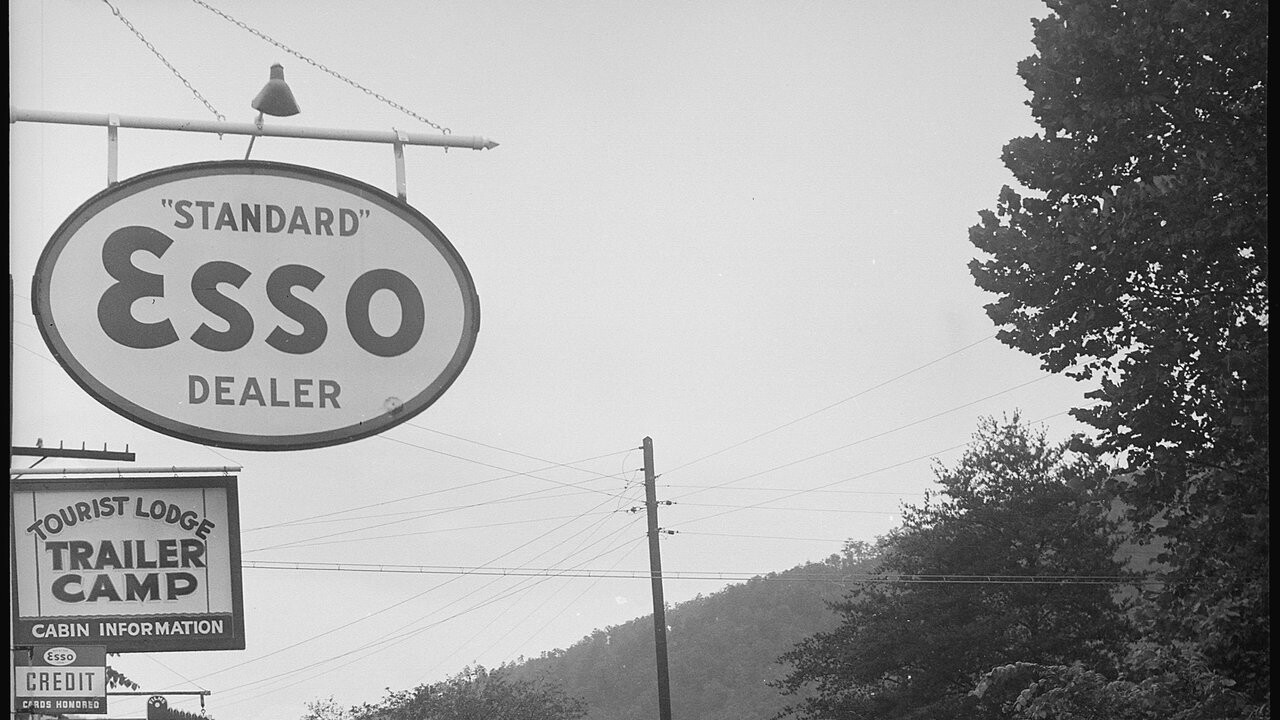
1972: Esso Leaves American Roads
Esso was another established identity swept into the 1972 Exxon changeover. Its station ovals were removed across the United States and replaced by Exxon signs. The decision gave the company a consistent national brand, but it also ended the everyday roadside presence of a name recognized by generations of American drivers.
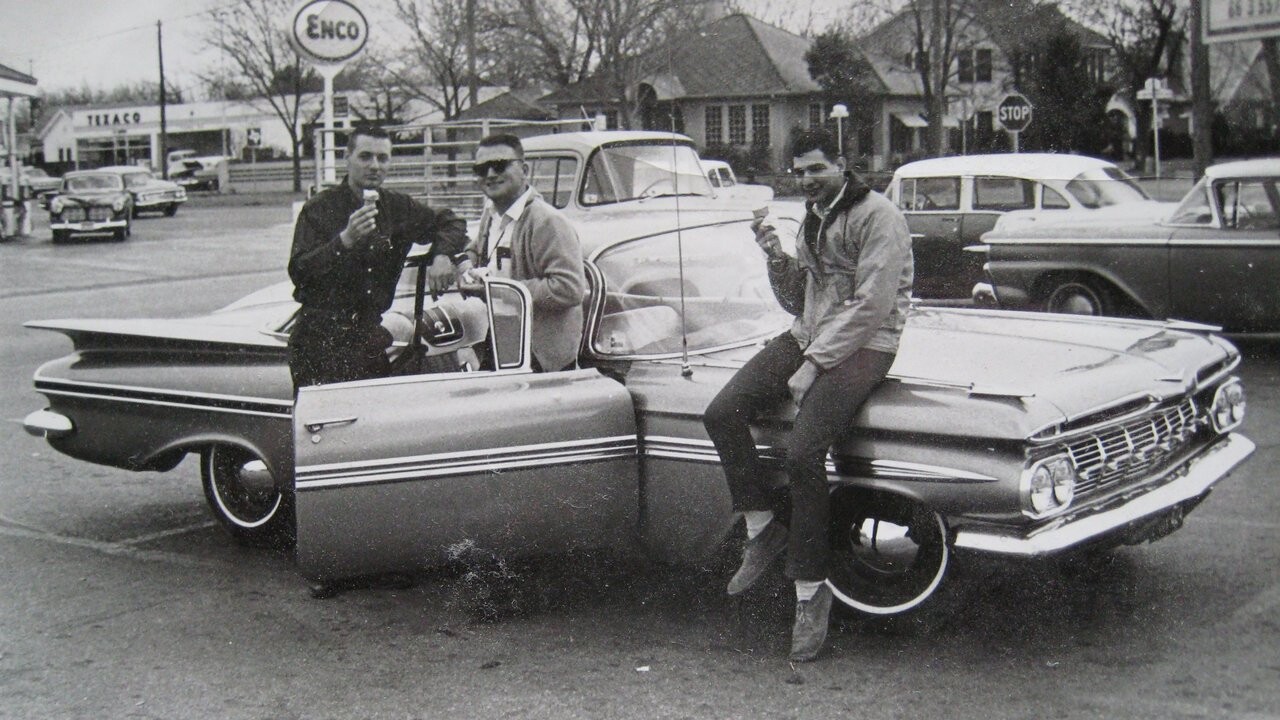
1972: Enco’s Short Run Ends
Humble introduced Enco in select states in 1960, making it the newest brand in this gallery. Its run lasted only about 12 years. When Exxon became the unifying identity in 1972, Enco signs were removed alongside Esso and Humble signs, closing a brief chapter in gasoline marketing.
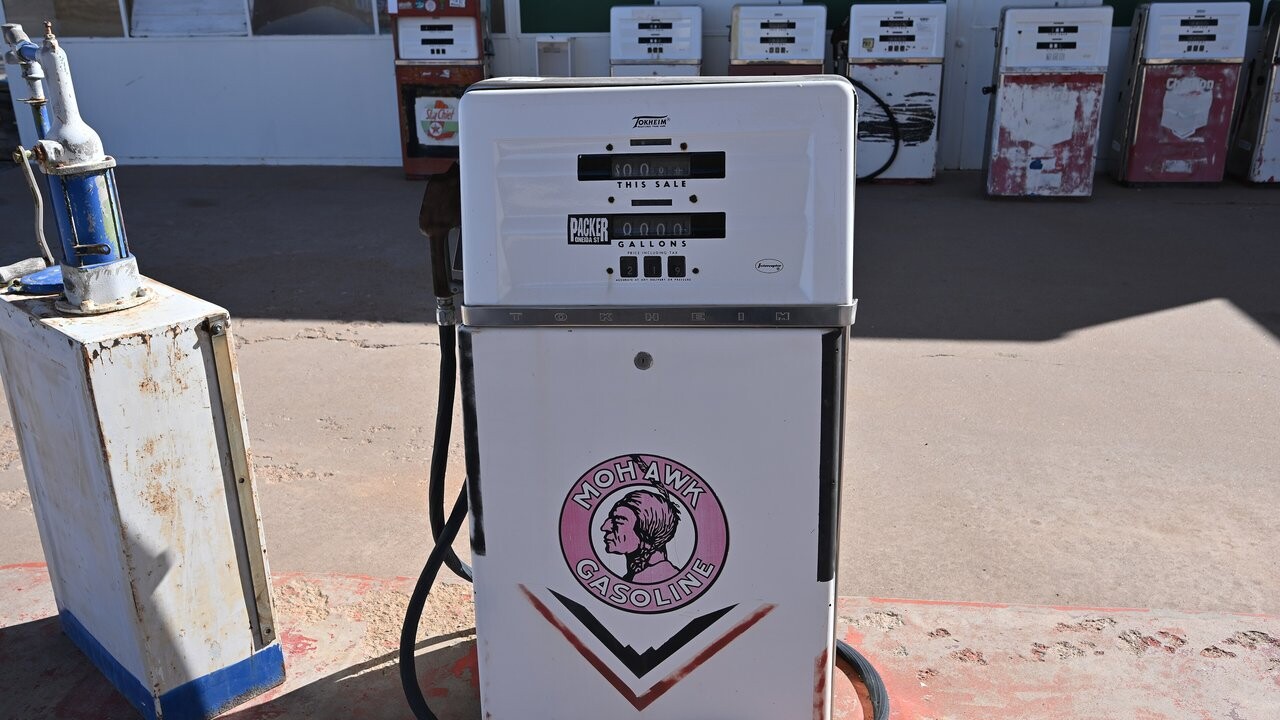
1975: Mohawk Changes Corporate Hands
California refinery records list Mohawk Petroleum as the operator from 1932 through 1975, followed by Reserve Oil and Gas from 1975 through 1980. Those dates document a corporate transition, not a precise final day for Mohawk-branded stations. They nevertheless place the company’s midcentury identity within a clear ownership timeline.
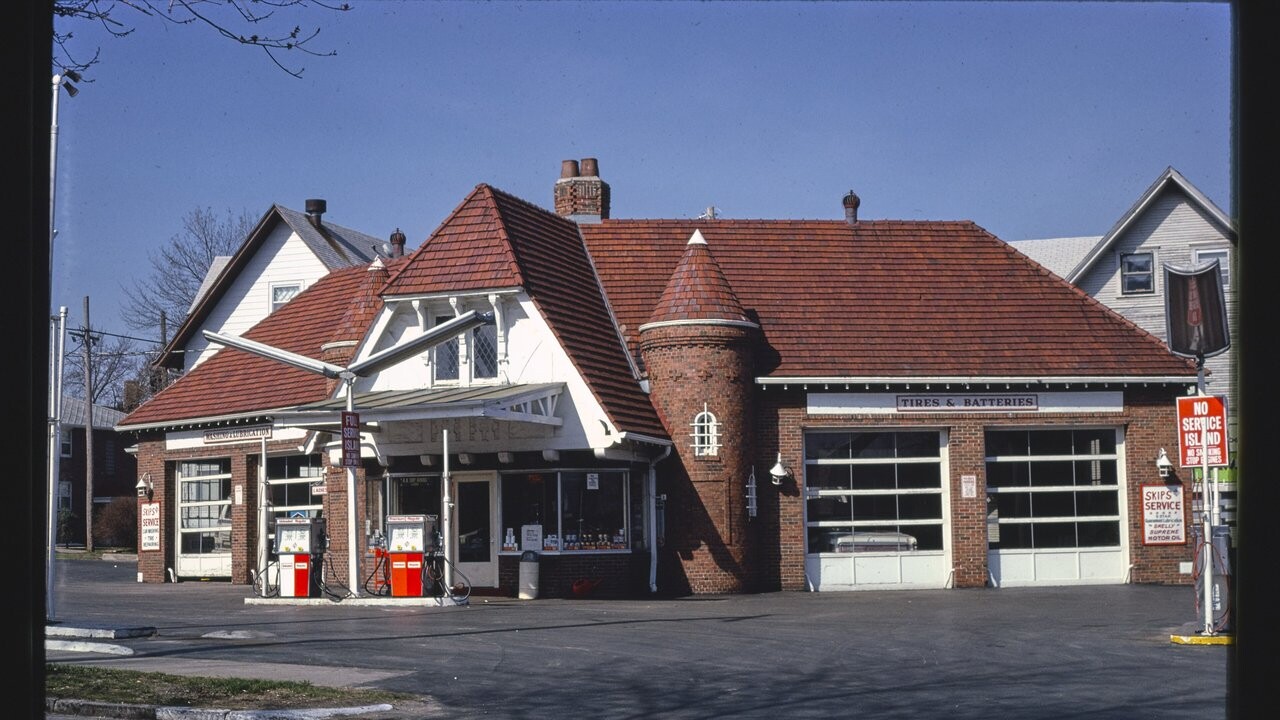
1977: Skelly Merges Into Getty
Skelly’s independent corporate story formally ended on January 31, 1977, when the company merged into Getty Oil. The transaction placed its operations inside Getty and removed the foundation for a separate Skelly network. Vintage diamond-shaped signs now recall a name that once served motorists across the Plains and Midwest.
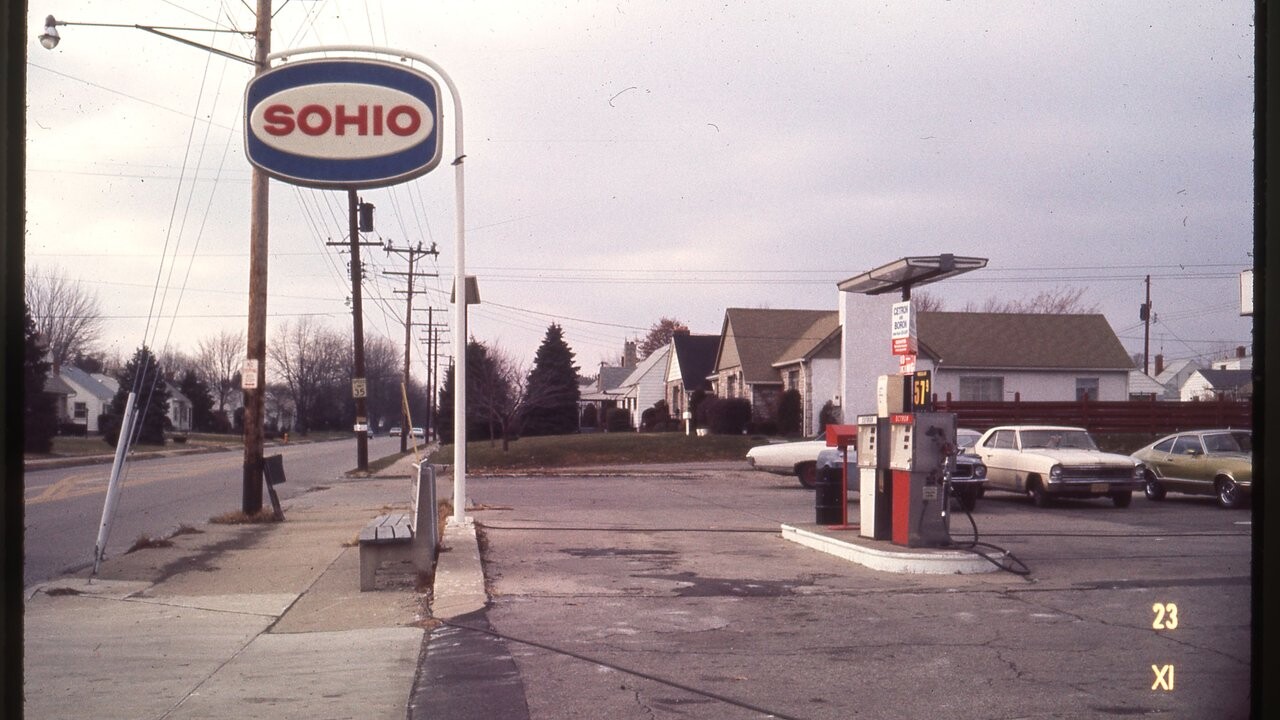
1991: Sohio Rebranding Is Announced
BP acquired Sohio outright in 1987, but the familiar regional signs remained for several more years. In April 1991, UPI reported that the final 1,000 Sohio stations were scheduled to receive BP signs within three weeks. The report captured the planned closing stage of a long transition rather than confirming its completion.
Many of these companies continued inside larger organizations, but their distinctive roadside names became pieces of American motoring history. Which of these stations do you remember best?
Follow The HyperHive on MSN for more stories like this.
Sources: