Grand Central Terminal Secrets: What the Record Confirms

Original photography & stitching by Diliff / Wikimedia Commons, CC BY 2.5 (cropped)
Grand Central Terminal rewards anyone who looks beyond the departure board. Familiar clocks, vaulted passages and elaborate stonework hold stories that hurried travelers can easily miss.
These slides move from the terminal’s earliest predecessor to its rescue and restoration, using official records, court documents, public archives and museums.
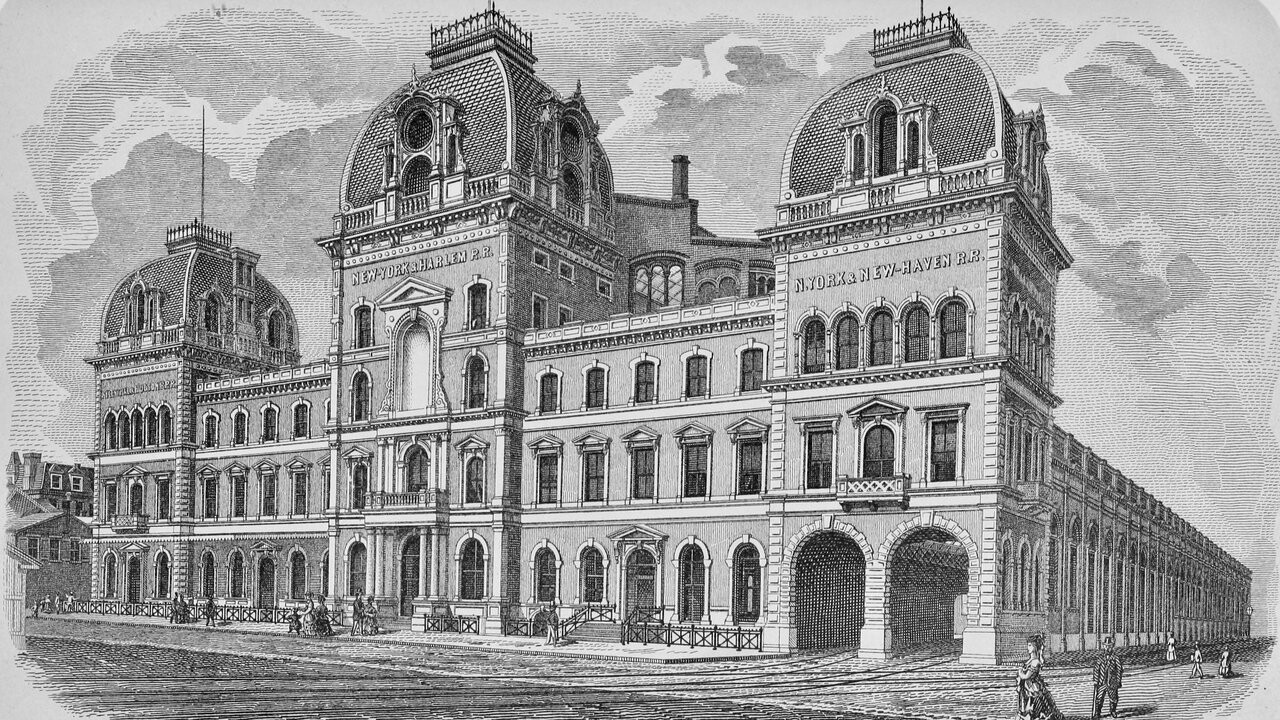
1869–1871: The Grand Central Depot Came First
The Grand Central Depot was built between 1869 and 1871 on the site later occupied by the present terminal, long before the building travelers recognize today.
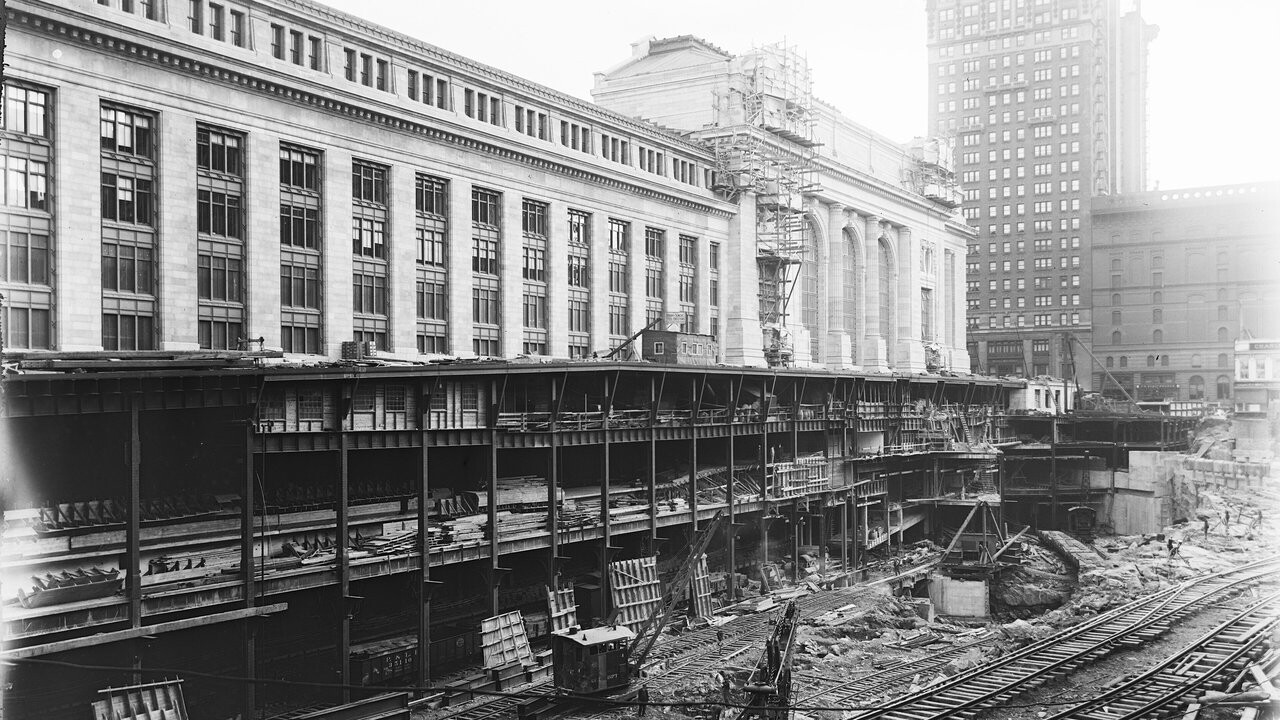
1903: An Electric Terminal Takes Shape
In March 1903, New York Central accepted engineer William J. Wilgus’s plan for the terminal that stands today.
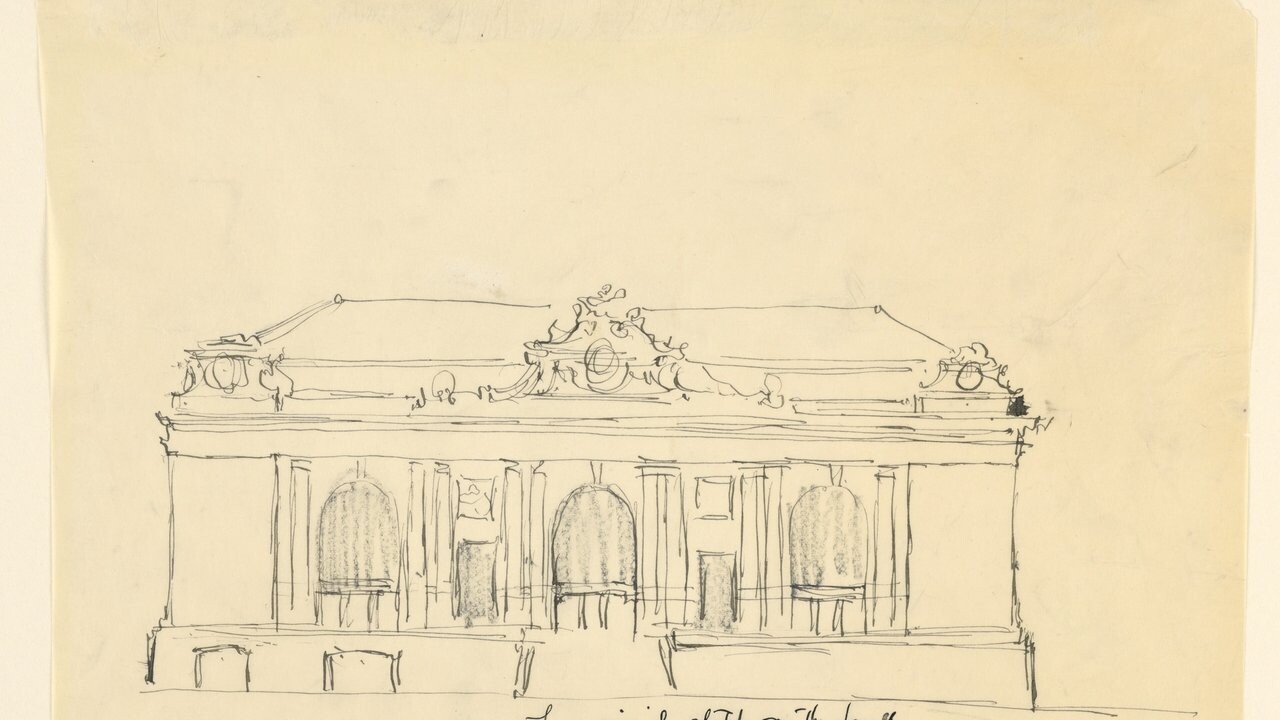
Two Architecture Firms, One Terminal
Two architecture firms, Reed & Stem and Warren & Wetmore, worked together on Grand Central’s design. The result is one of America’s great French Beaux-Arts buildings.
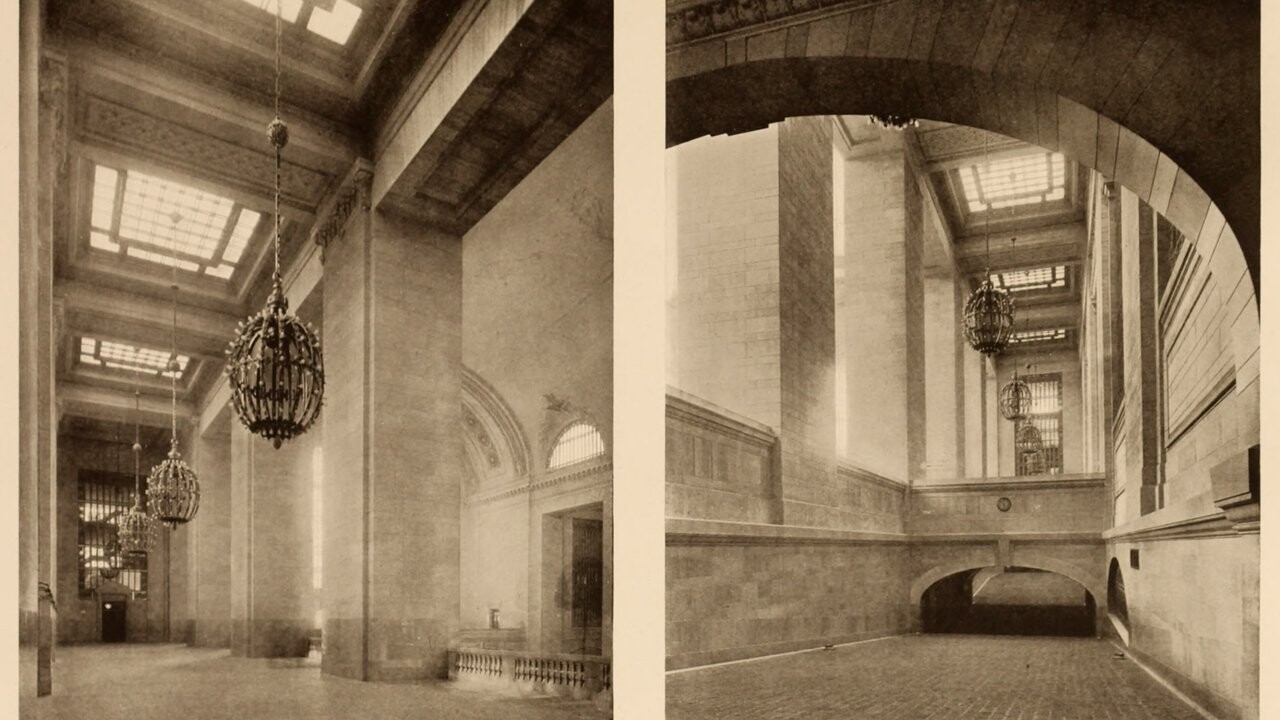
1913: Opening Day Draws a Crowd
Grand Central Terminal officially opened at 12:01 a.m. on February 2, 1913, although construction was not entirely complete. More than 150,000 people visited that day.
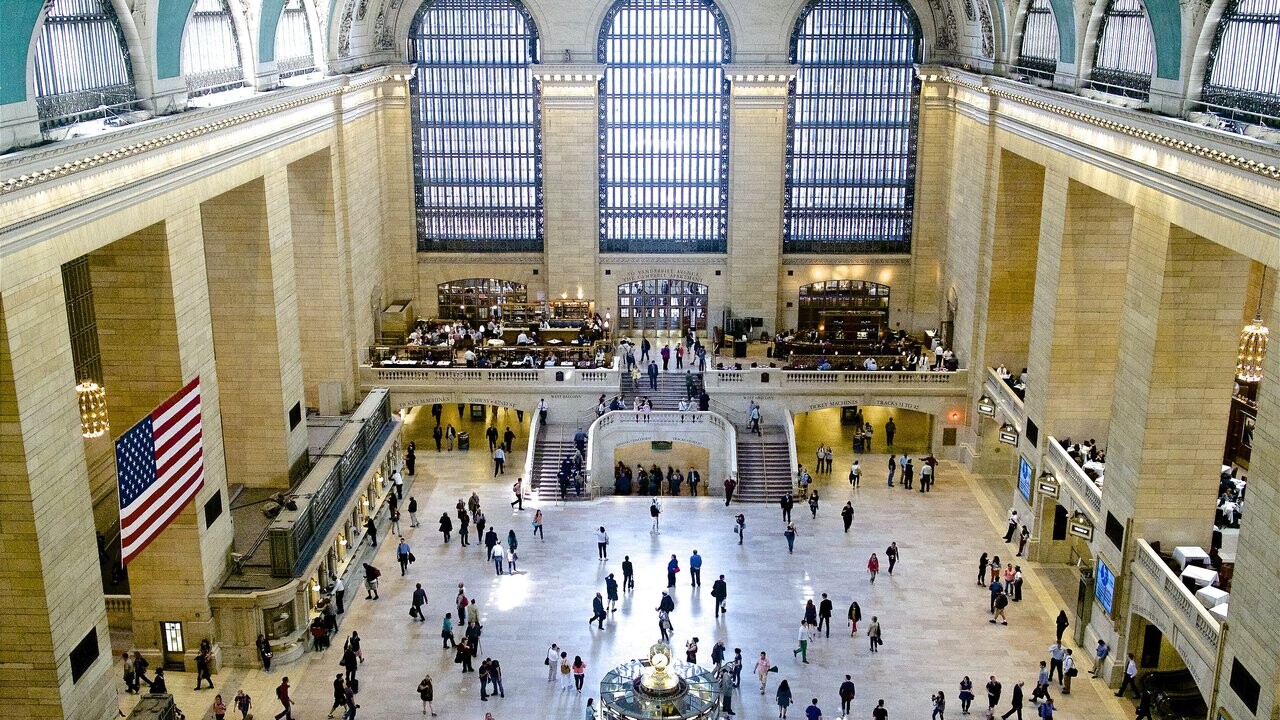
The Main Concourse Was Built to Impress
The Main Concourse shows the terminal’s French Beaux-Arts design at its grandest. For many people, it is the room they picture when they hear the name Grand Central.
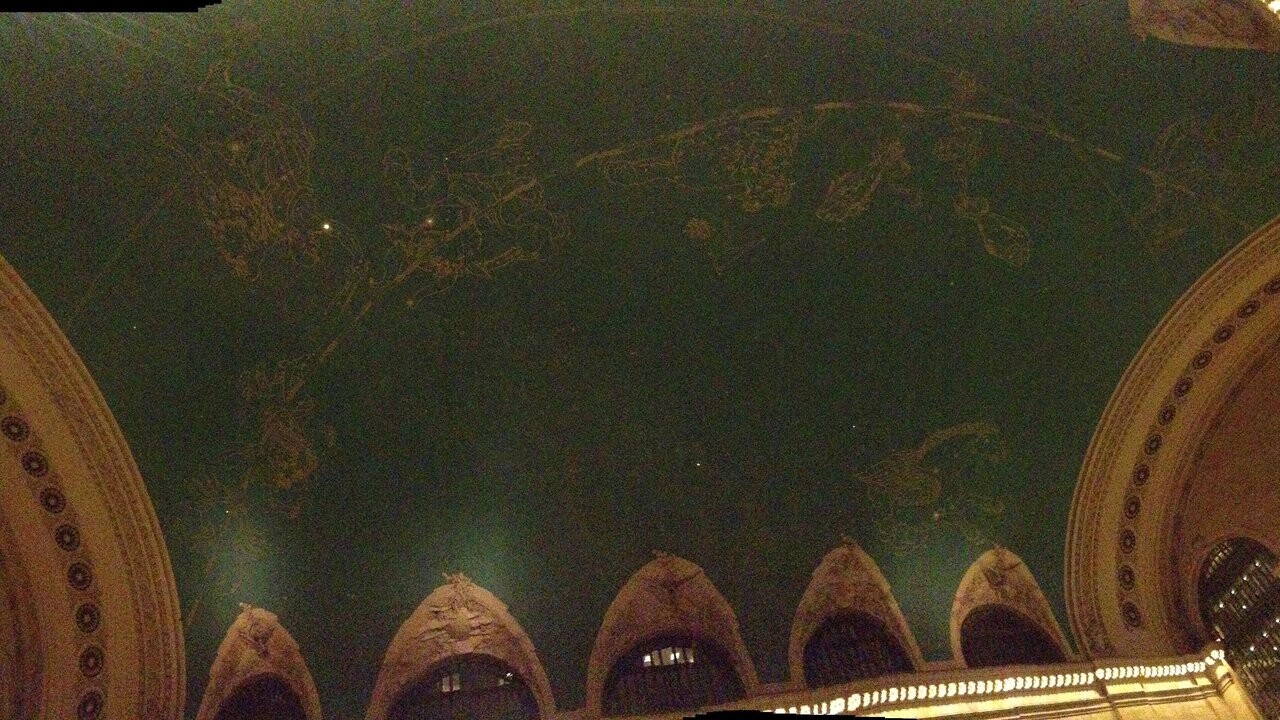
The Zodiac Runs Backward
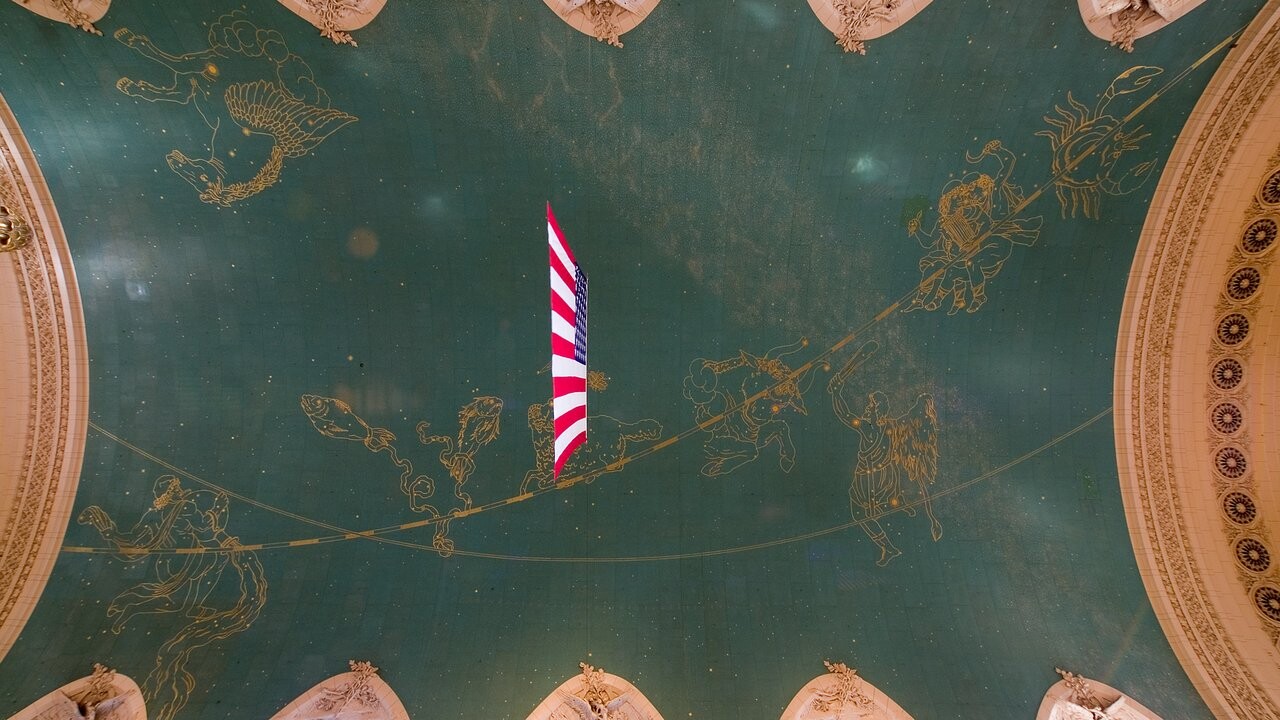
Look up, and the celestial design appears reversed from an earthly view of the night sky. Grand Central’s official visitor information confirms that the zodiac was painted backward.
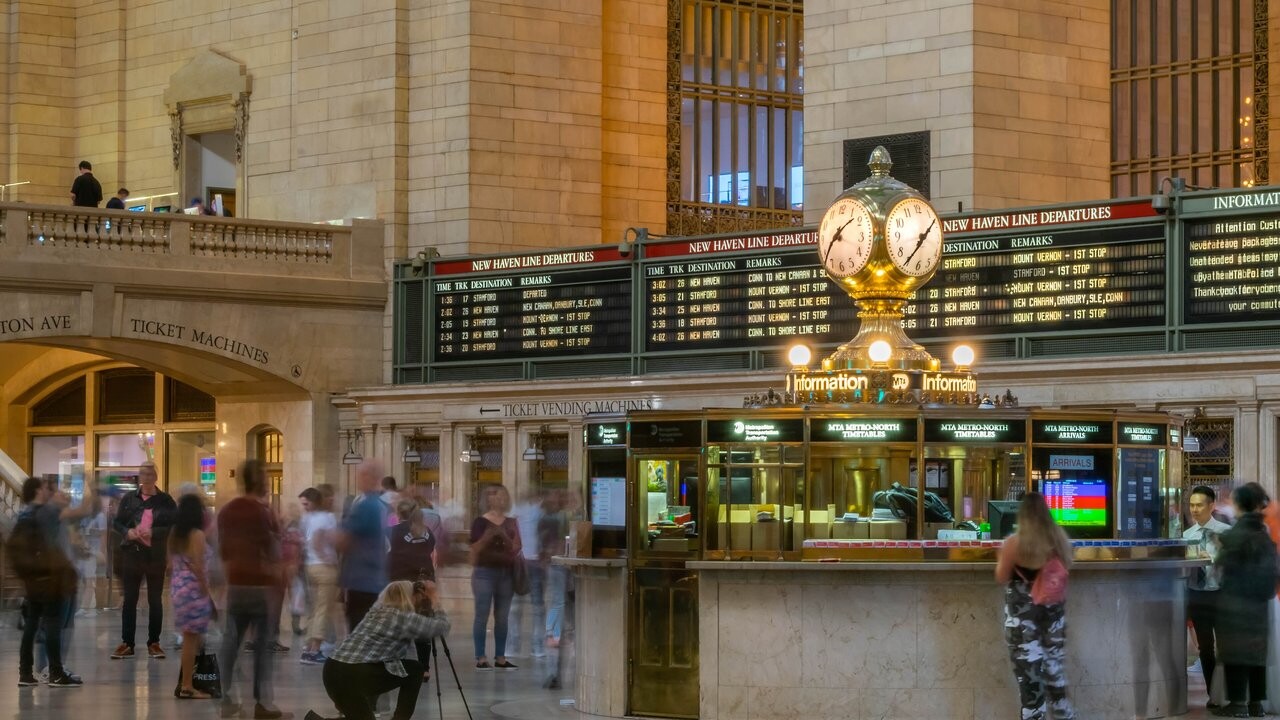
The Four-Faced Opal Clock
The four-faced opal clock above the Main Concourse information booth became Grand Central’s best-known meeting point. Its central placement is practical as well as beautiful: travelers approaching from several directions can check the time without circling the booth or searching for another clock.
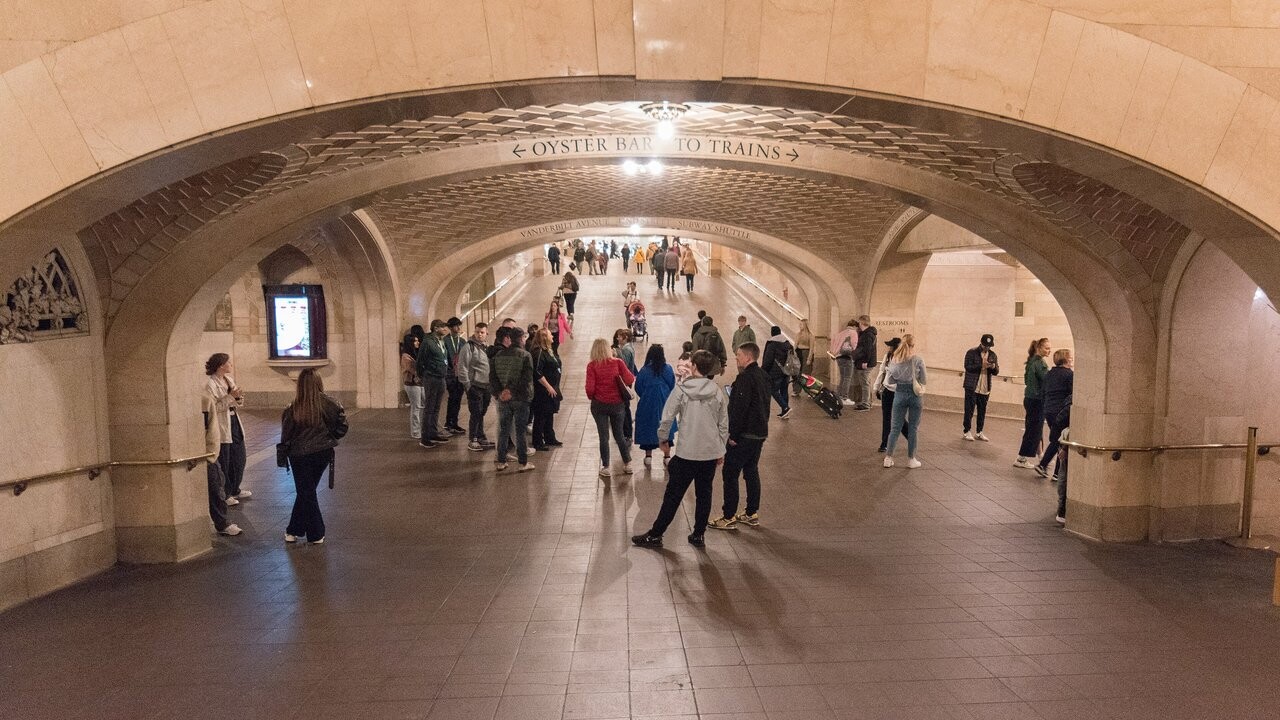
Whispers Travel Through the Tile Vault
Arches covered in Guastavino tile create the Whispering Gallery’s famous effect: two people can face diagonally opposite corners and hear each other across the passage.
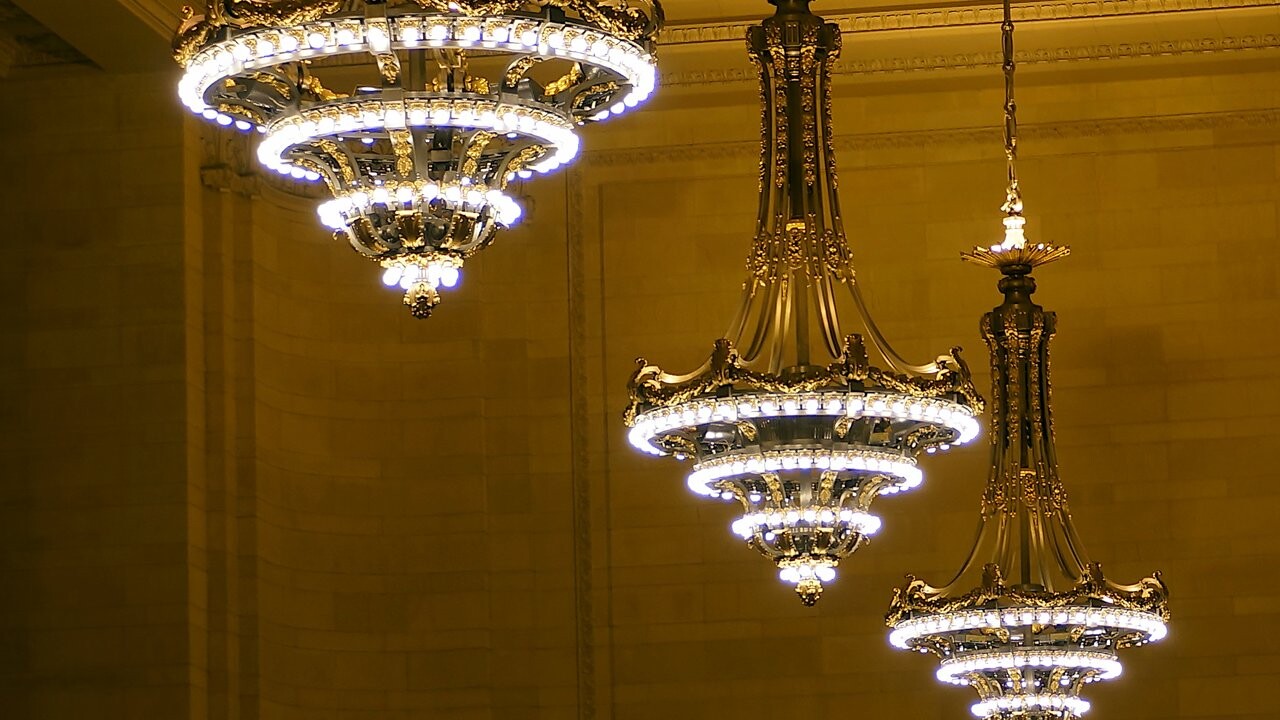
Acorns Point to the Vanderbilt Family
Oak leaves and acorns appear repeatedly in Grand Central’s decoration. The official terminal guide identifies them as symbols of the Vanderbilt family, which financed construction.
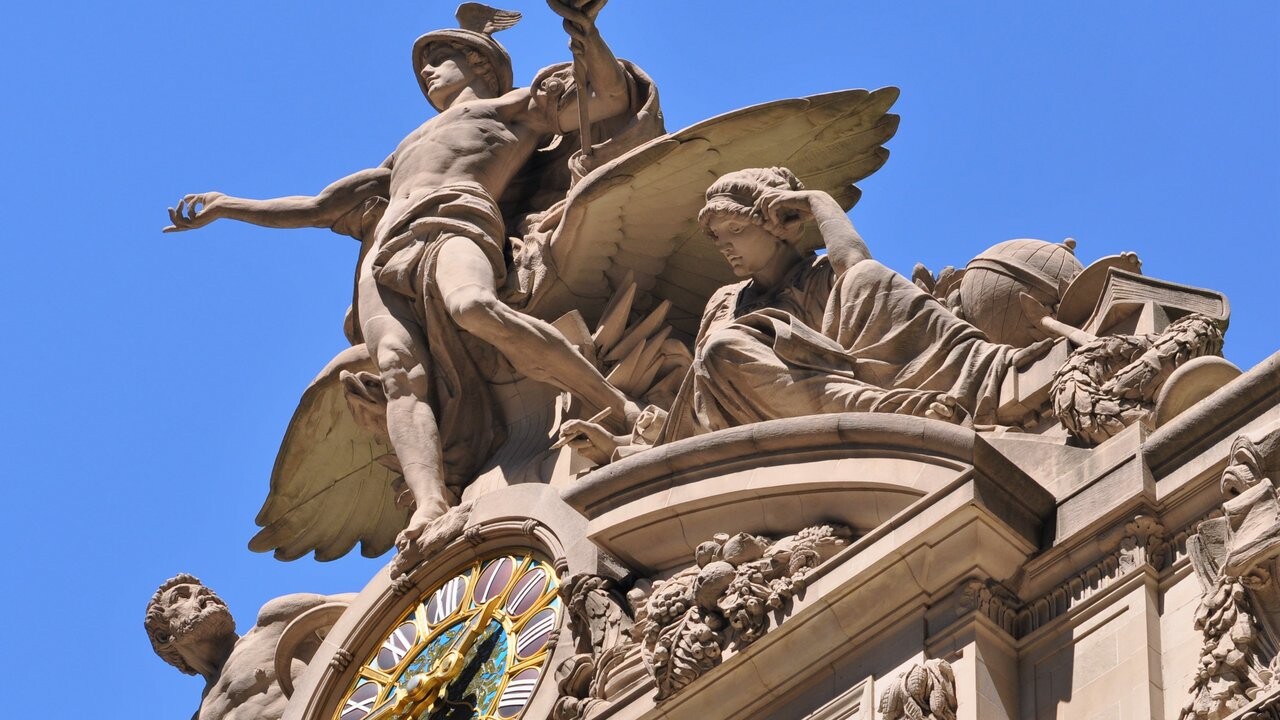
The Tiffany-Glass Clock Faces Park Avenue
Outside, a monumental clock with a Tiffany-glass face looks out from the terminal’s main façade. It is separate from the four-faced clock indoors.
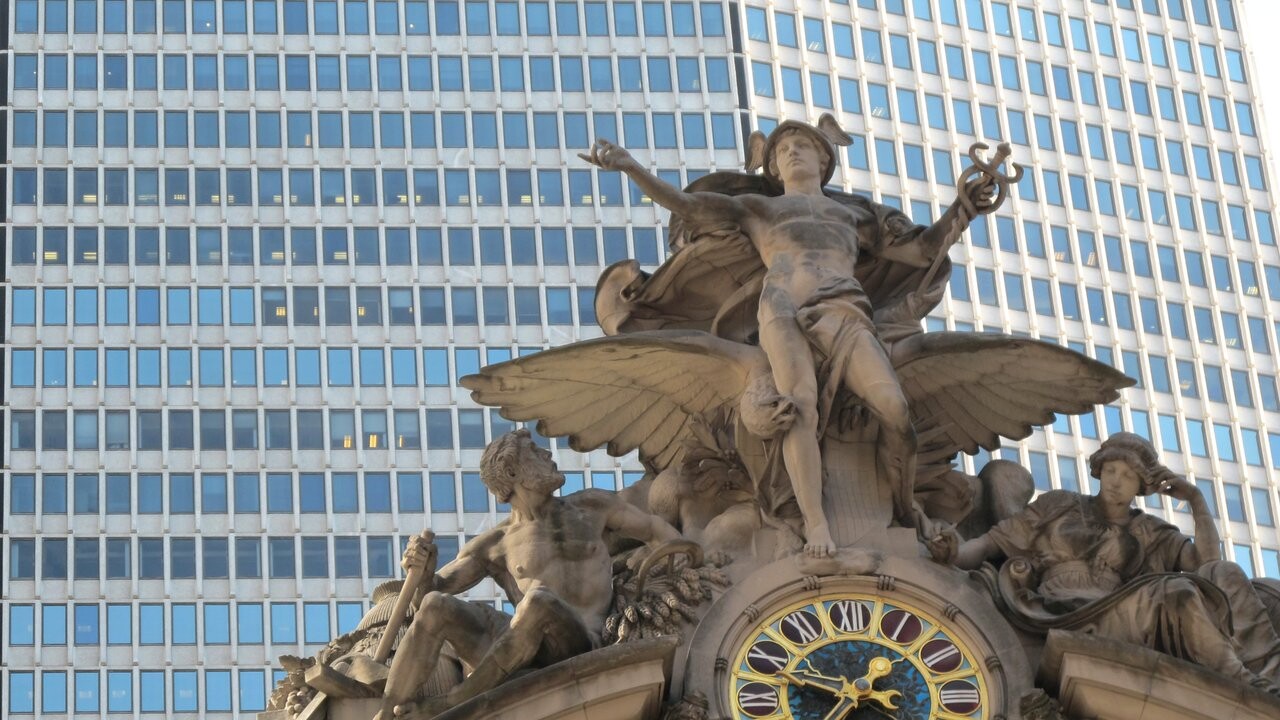
The Glory of Commerce Crowns the Façade
Above the exterior clock stands the sculptural group known as the Glory of Commerce, with Mercury, Hercules and Minerva. Mercury stands for commerce, while Hercules and Minerva represent moral and mental strength.
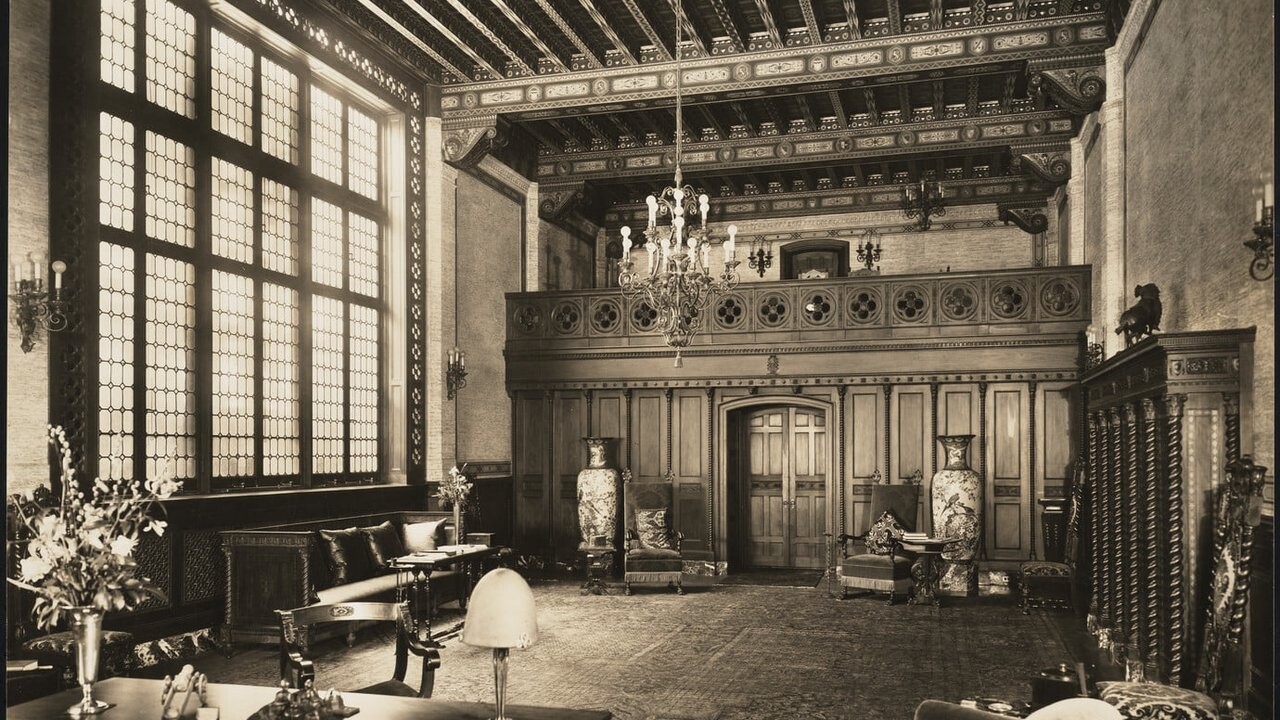
1923: The Campbell Apartment Was an Office
Despite its familiar nickname, the Campbell Apartment was not a home. John W. Campbell began creating a private office there around 1923, filling the room with elaborate decoration. Museum records state that there is no evidence Campbell, or anyone else, ever lived in the space.
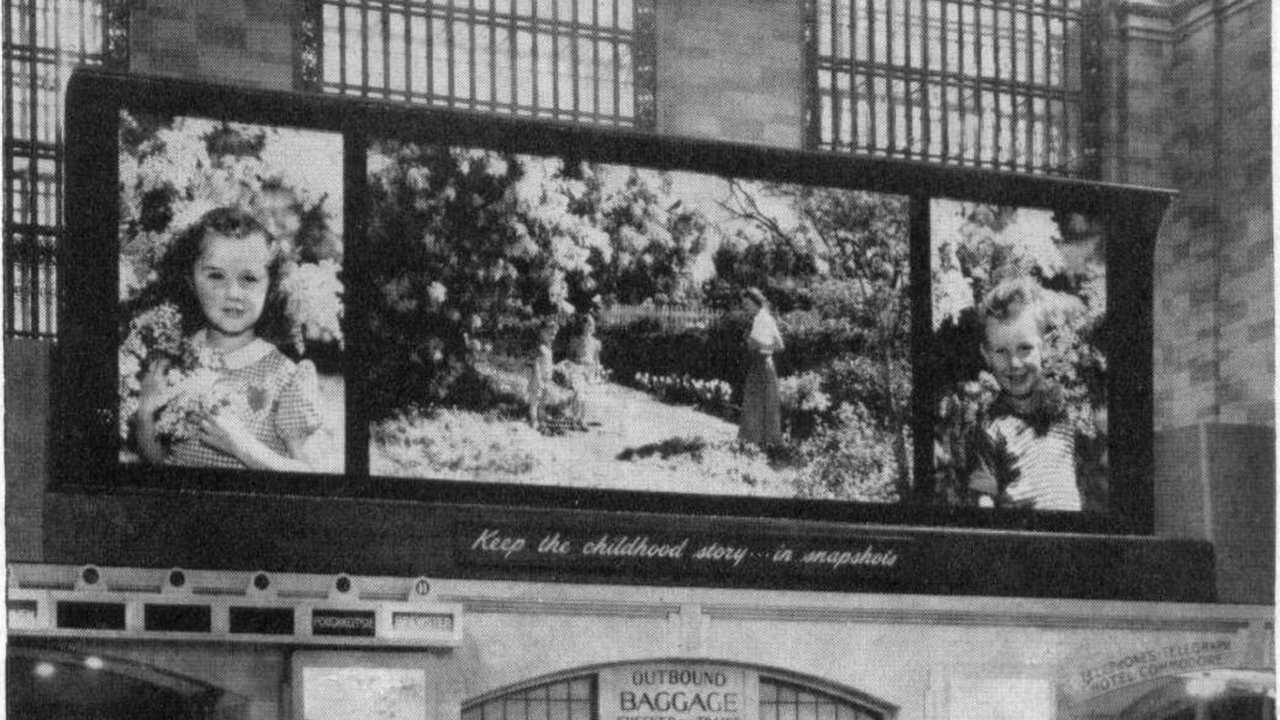
1950–1990: Kodak’s Giant Coloramas
From 1950 through 1990, Kodak’s enormous backlit Colorama photographs dominated the east side of the Main Concourse. The campaign produced 565 displays in all.
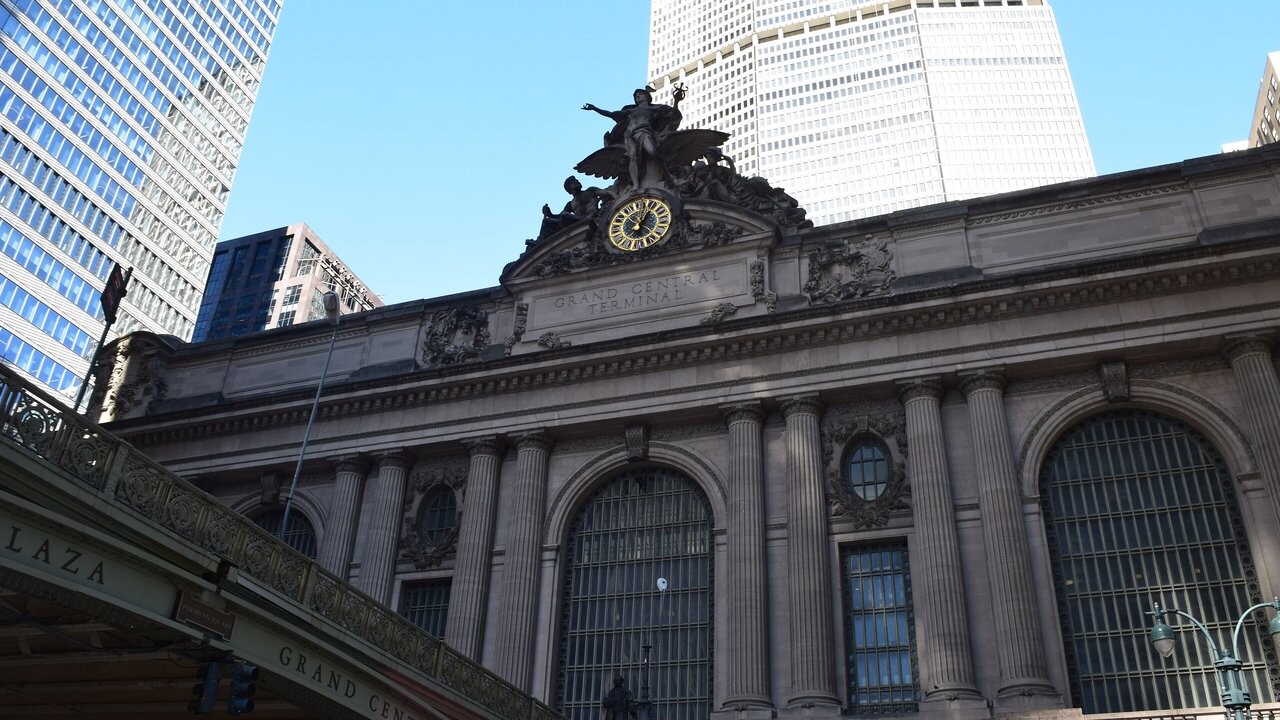
1967: Landmark Protection Arrives
Following Pennsylvania Station’s demolition in 1963, New York City designated Grand Central Terminal a landmark on August 2, 1967. The designation placed the terminal under the protection of the city’s landmarks law.
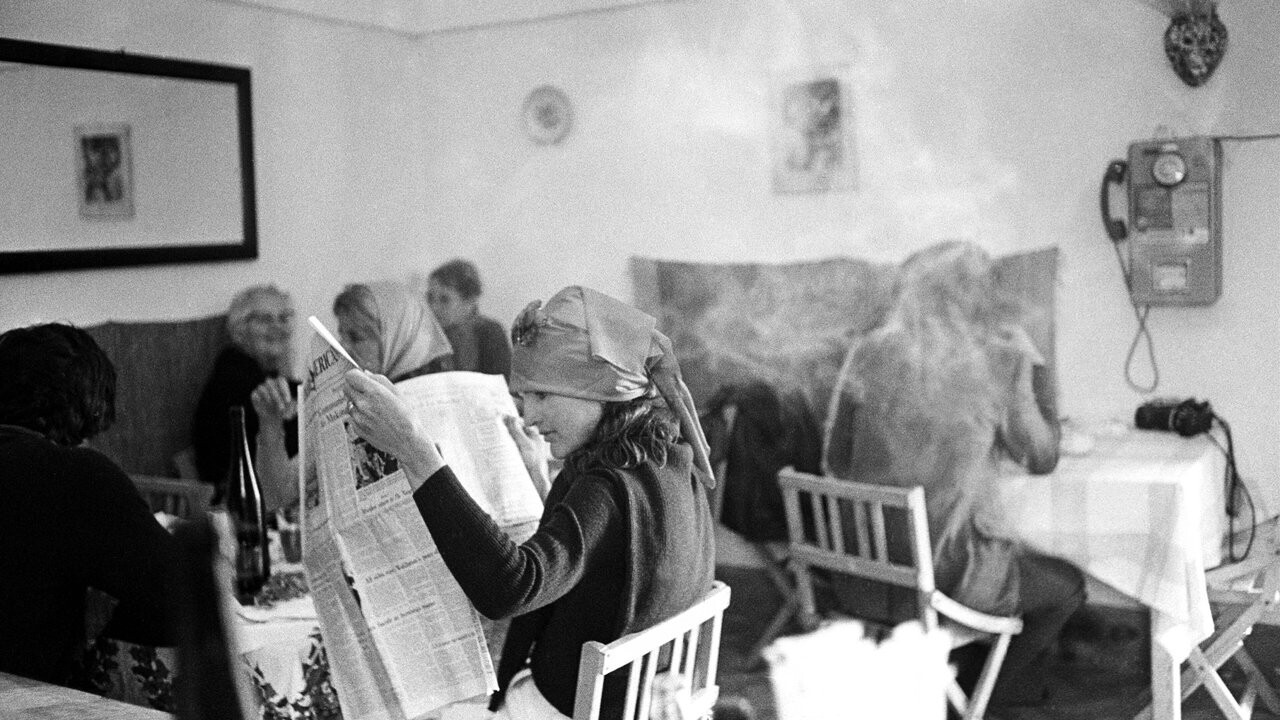
1975: Jacqueline Kennedy Onassis Joins the Fight
Jacqueline Kennedy Onassis joined the Municipal Art Society’s preservation work in 1975, adding one of the world’s best-known voices to the effort to save the terminal.
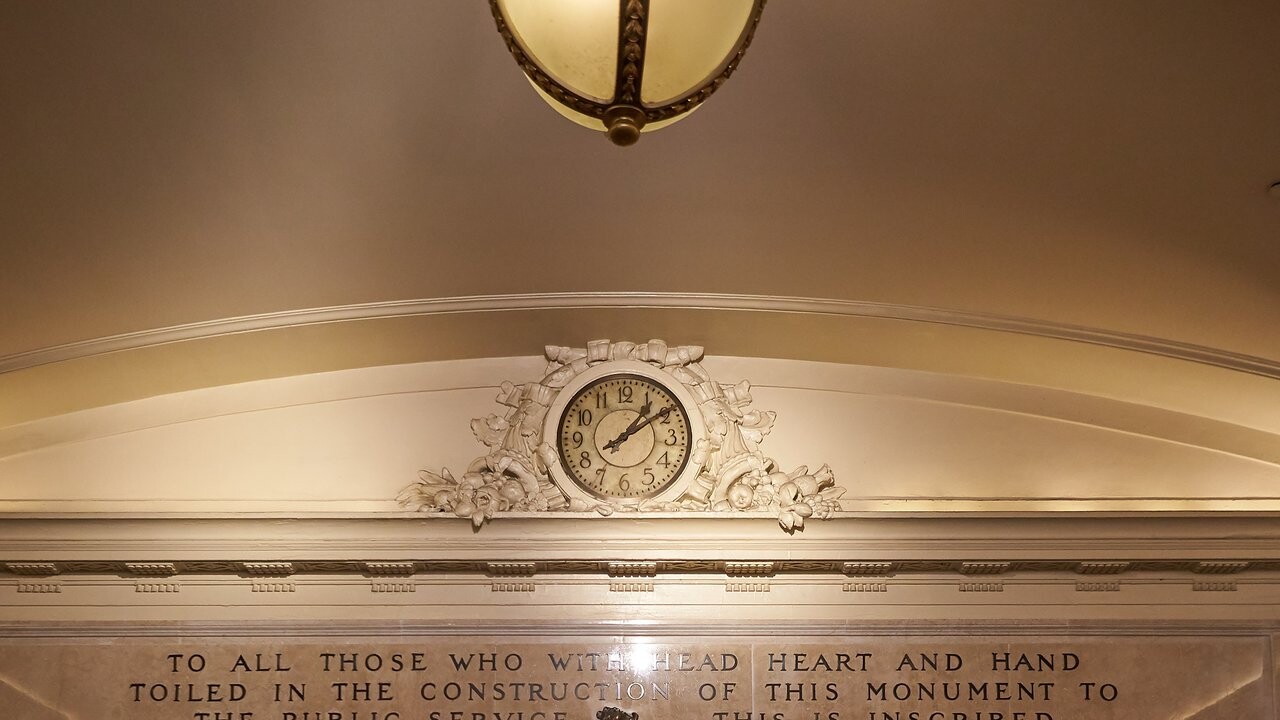
1978: A Supreme Court Victory
On June 26, 1978, the U.S. Supreme Court issued its decision in Penn Central v. New York City. The Court held that applying the city’s landmarks law did not take Penn Central’s property. The official terminal tour now includes the Onassis Foyer and its commemorative plaque.
1998: Restoration Leaves a Visible Contrast
In 1998, the restoration project culminated in a rededication celebration. Workers intentionally left one patch of the ceiling uncleaned, a reminder of how dark it had become.
Grand Central’s most compelling secrets are the ones its architecture and surviving records can still demonstrate. Which detail would you look for first on your next visit?
Follow The HyperHive on MSN for more stories like this.
Sources:






