The Greatest Movie Heroes and the Actors Behind Them

Allied Artists Pictures Corporation / Wikimedia Commons, Public domain (cropped)
Movie heroes change with the times, but courage, conscience, and a memorable screen presence never go out of style. This gallery moves chronologically, from the screwball era to the close of the 1970s, pairing enduring characters with the performers who made them vivid.
Cast and release details come from the AFI Catalog of Feature Films and Library of Congress film records. The image leads point to freely usable files on Wikimedia Commons, favoring publicity stills, trailer frames, and period portraits.
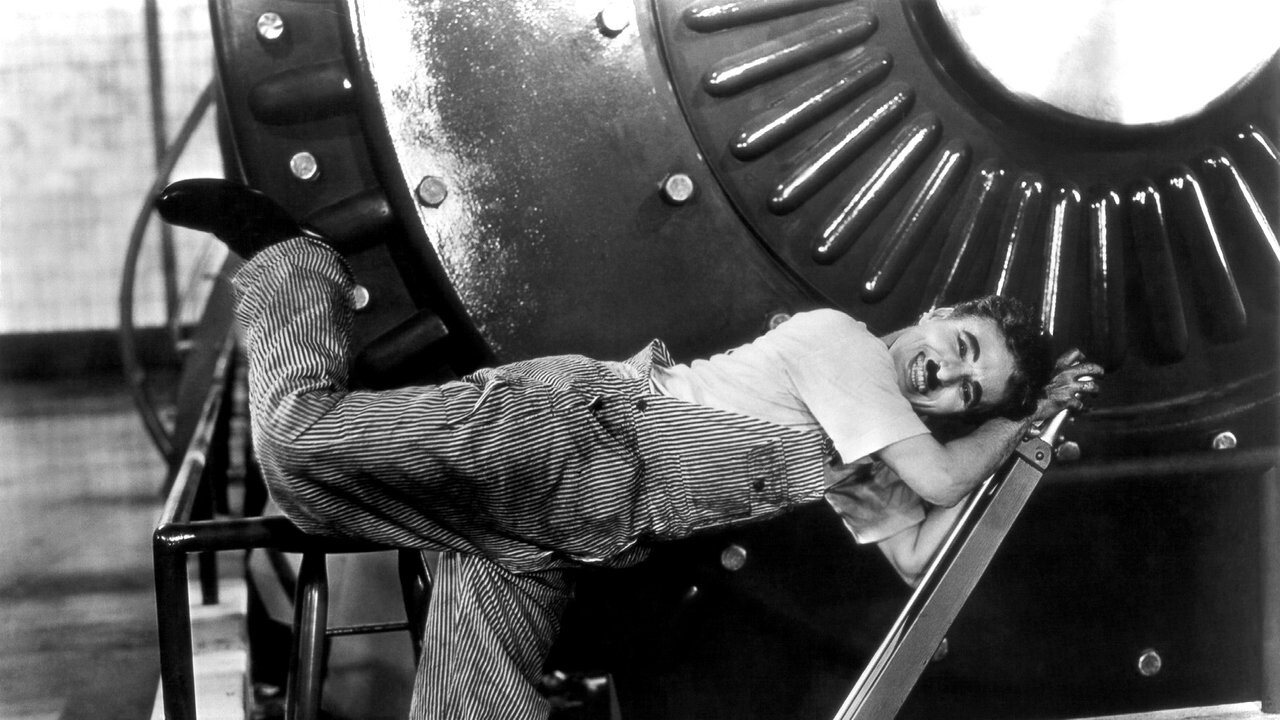
1936: Charlie Chaplin as a Factory Worker
Charlie Chaplin plays an unnamed factory worker buffeted by machines, unemployment, and authority. His resilience is the point. However often the modern world knocks him down, he keeps finding humor, companionship, and another road forward. It is a small-scale kind of heroism built from tenderness and stubborn hope.
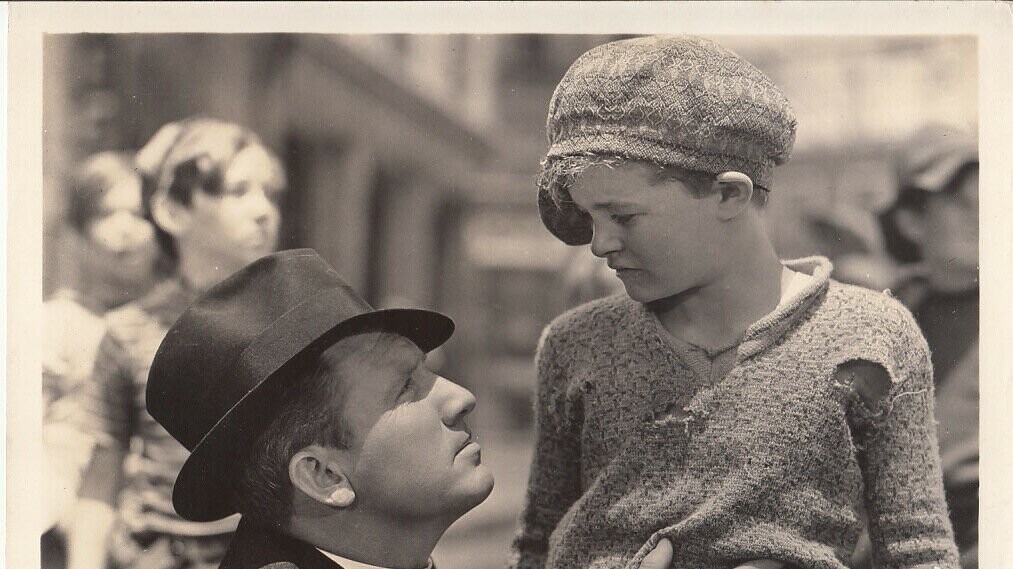
1938: Spencer Tracy as Father Flanagan
Spencer Tracy’s Father Edward Flanagan stands up for boys whom society has written off. His steady belief that care can redirect a life gives Boys Town its moral center. Tracy avoids grand gestures, making the priest’s patience and persistence feel like the hard, daily work of building trust.
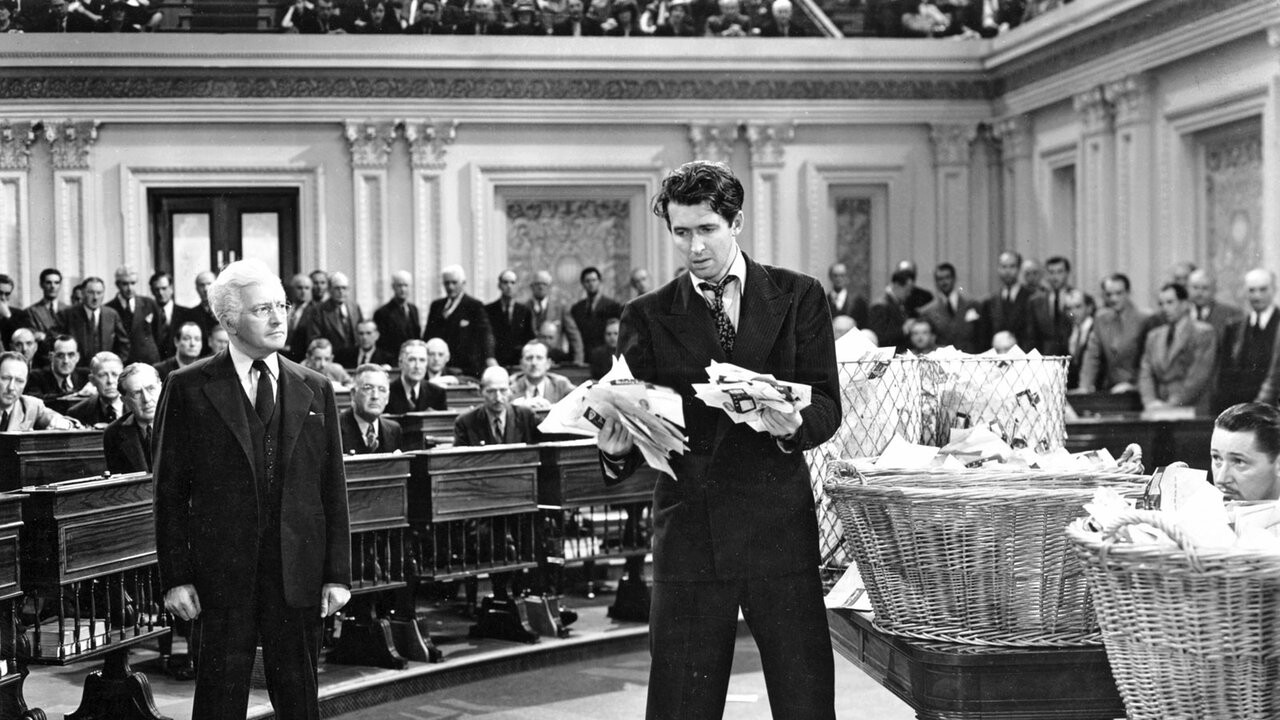
1939: James Stewart as Jefferson Smith
James Stewart’s Jefferson Smith arrives in Washington with more faith than political experience. When corruption closes around him, sincerity becomes his weapon. Stewart lets idealism look bruised but never foolish, turning a long fight for public integrity into a lasting portrait of civic courage.
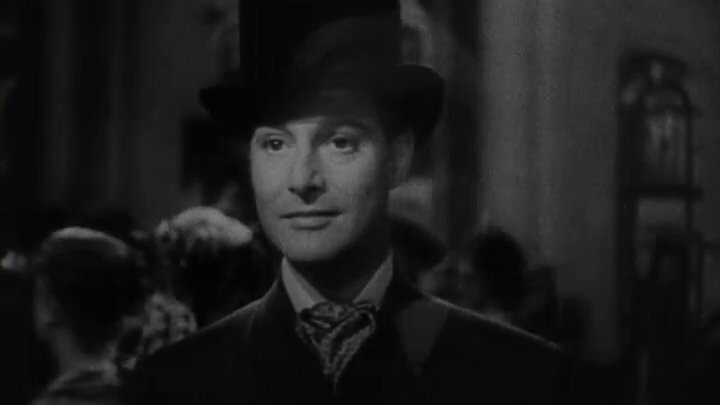
1939: Robert Donat as Mr. Chips
Robert Donat’s Charles Chipping is no warrior, yet his decades in the classroom reveal another form of heroism. Reserved, awkward, and deeply devoted to his pupils, Mr. Chips becomes memorable through accumulated kindness. Donat shows how a quiet life can shape generations without ever seeking applause.
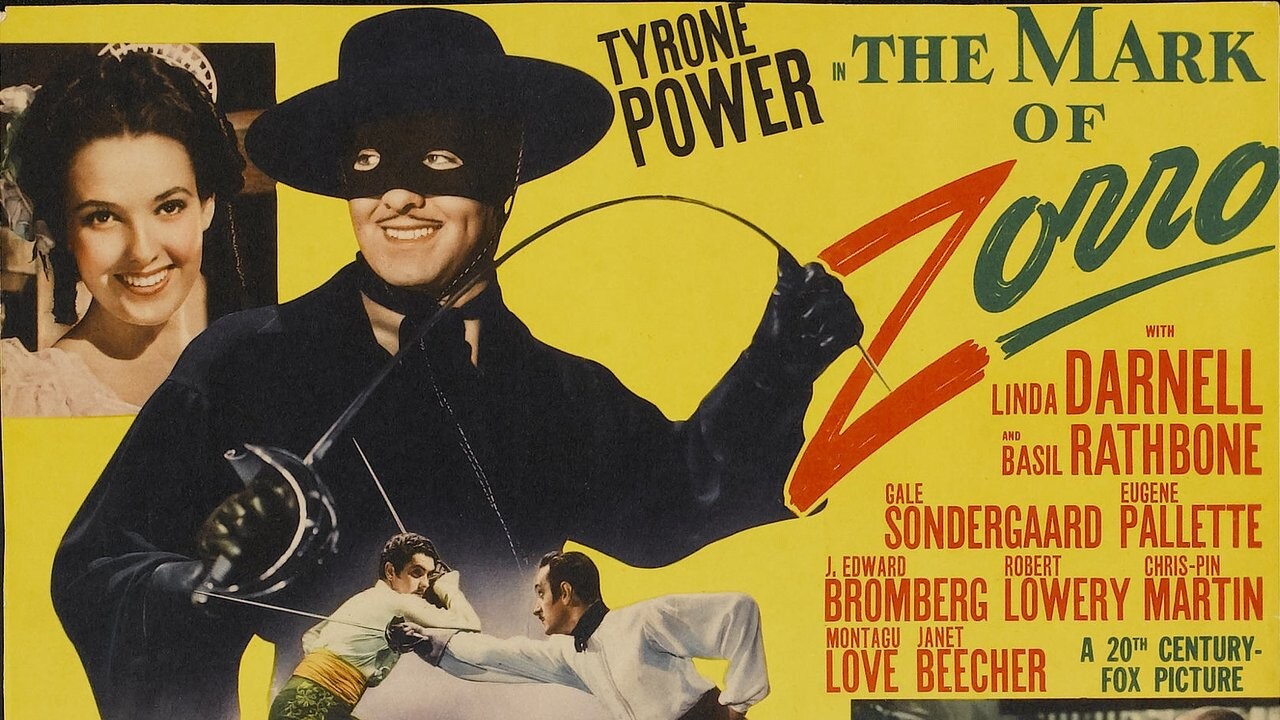
1940: Tyrone Power as Zorro
Tyrone Power’s Diego Vega hides resolve behind the manners of an idle aristocrat, then becomes Zorro when action is required. The double identity gives the hero wit as well as steel. Power makes resistance to tyranny feel elegant, daring, and grounded in concern for ordinary people.
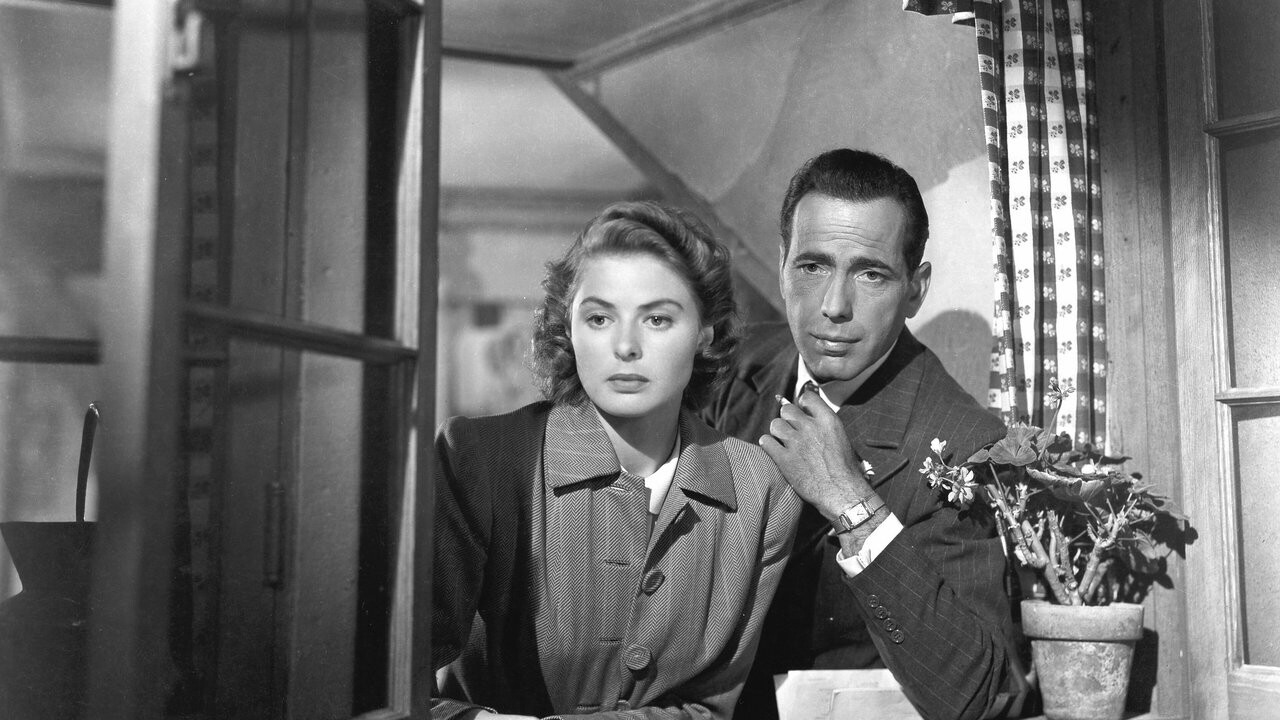
1942: Humphrey Bogart as Rick Blaine
Humphrey Bogart’s Rick Blaine first presents himself as a man who will not take sides. Casablanca gradually reveals the cost of that pose. His final choice turns private heartbreak into public courage, and Bogart makes the sacrifice convincing because Rick’s tenderness remains buried beneath restraint.
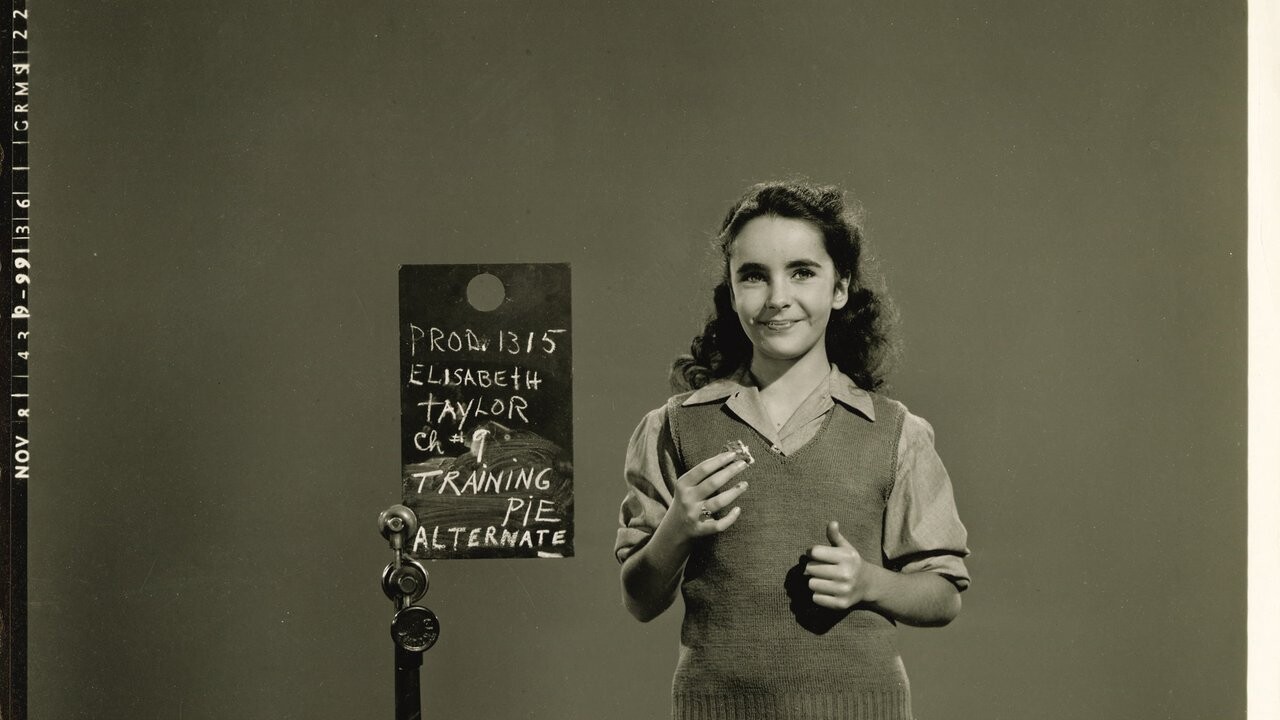
1944: Elizabeth Taylor as Velvet Brown
Elizabeth Taylor’s Velvet Brown is young, horse-mad, and unwilling to accept that her dream is impossible. The film makes her determination heroic without making it effortless. Taylor brings fierce concentration and wonder to a character whose courage lies in training, trusting, and daring to compete.
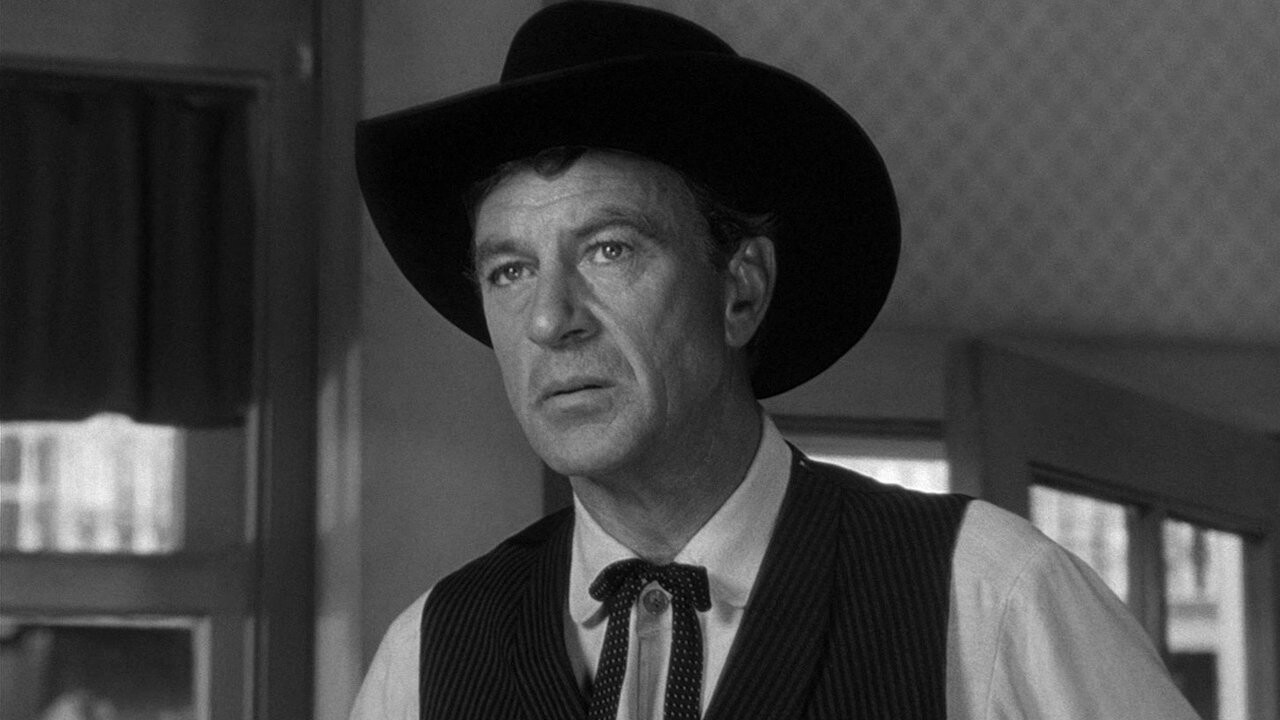
1952: Gary Cooper as Will Kane
Gary Cooper’s Marshal Will Kane chooses duty even when his town refuses to stand beside him. The quiet performance makes isolation visible in every pause and glance. His heroism is not fearlessness but the decision to face danger while fully aware of what it may cost.
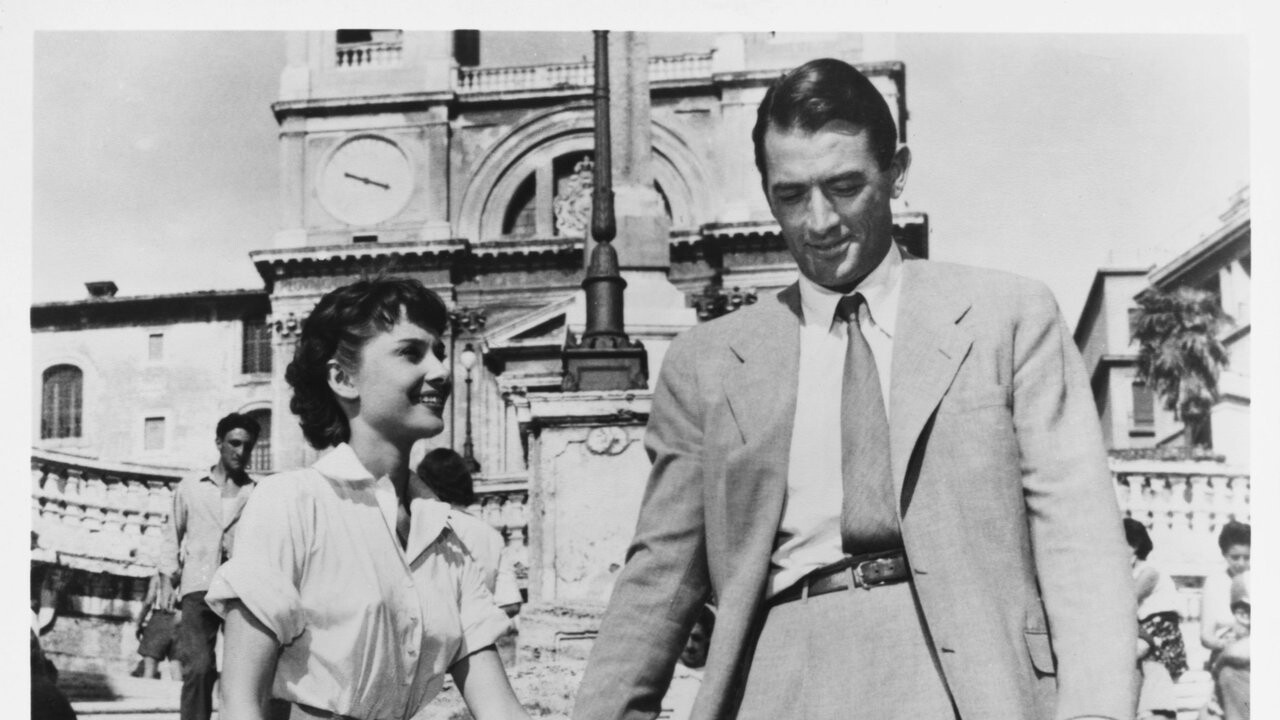
1953: Audrey Hepburn as Princess Anne
Audrey Hepburn’s Princess Anne slips away from royal obligations for one day of ordinary freedom. Her heroism is intimate rather than physical: she learns what she wants, recognizes what duty demands, and makes a difficult choice. Hepburn balances delight and restraint, giving the ending its lasting ache.
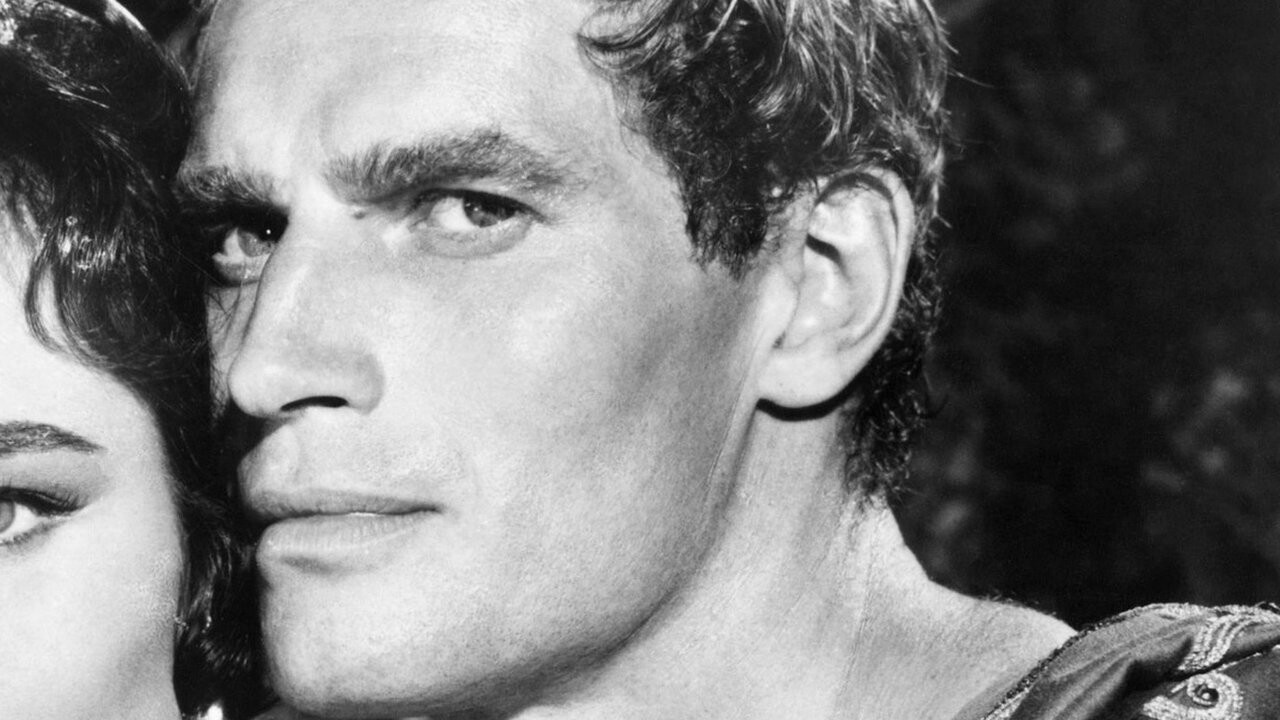
1959: Charlton Heston as Judah Ben-Hur
Charlton Heston’s Judah Ben-Hur travels from privilege through enslavement, vengeance, and spiritual change. Heston supplies the physical force expected of an epic hero, but the character’s deeper struggle is inward. The performance gives the spectacle a human center, shaped by anger, endurance, and the possibility of mercy.
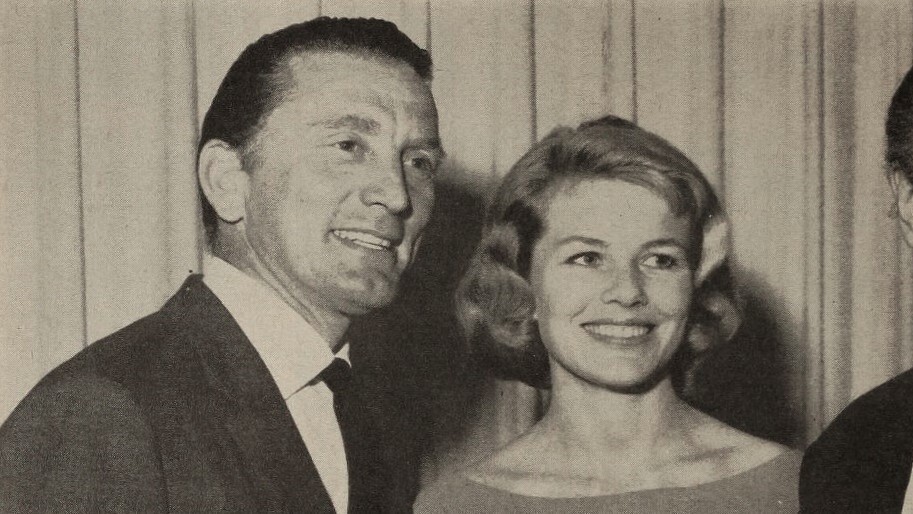
1960: Kirk Douglas as Spartacus
Kirk Douglas plays Spartacus as a man who refuses to let slavery define his humanity. His rebellion grows from personal resistance into shared purpose. Douglas combines physical intensity with vulnerability, making the hero’s loyalty to family and fellow captives as important as his command in battle.
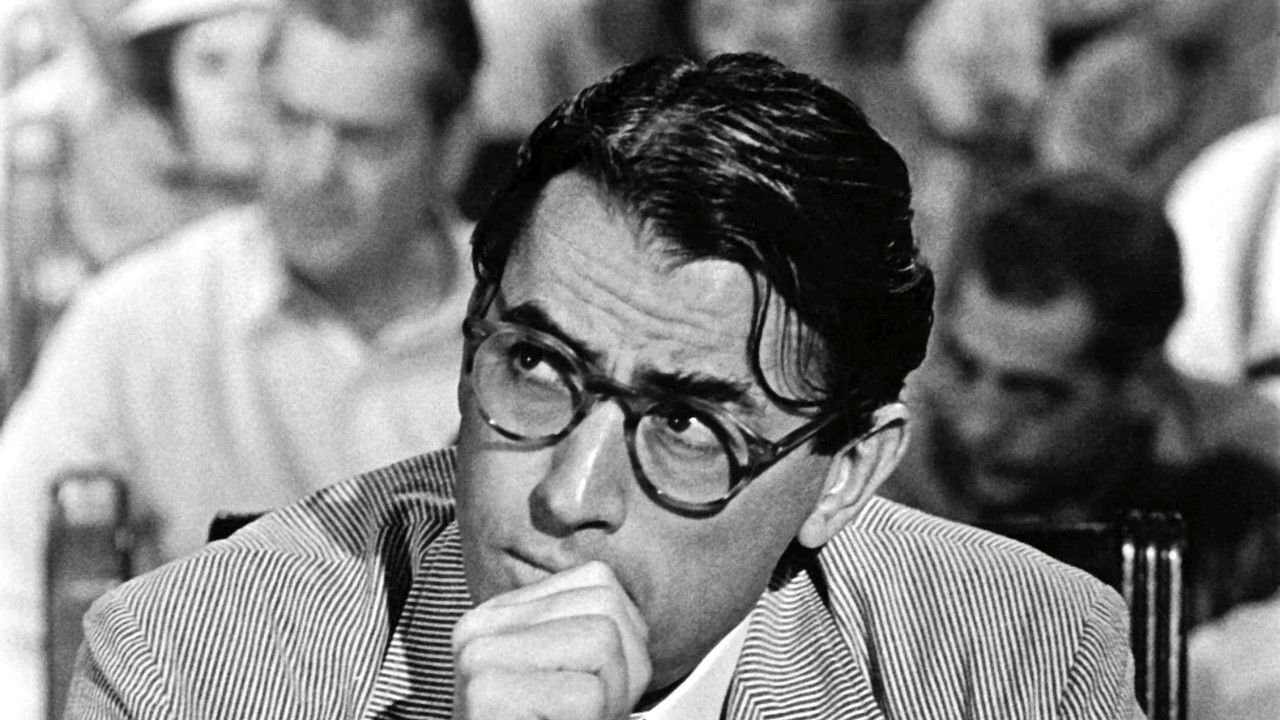
1962: Gregory Peck as Atticus Finch
Gregory Peck’s Atticus Finch stands for fairness in a community ruled by prejudice. His power comes less from force than from composure, empathy, and moral clarity. Peck’s measured delivery makes courage seem like a practiced habit, especially when doing right brings neither safety nor popularity.
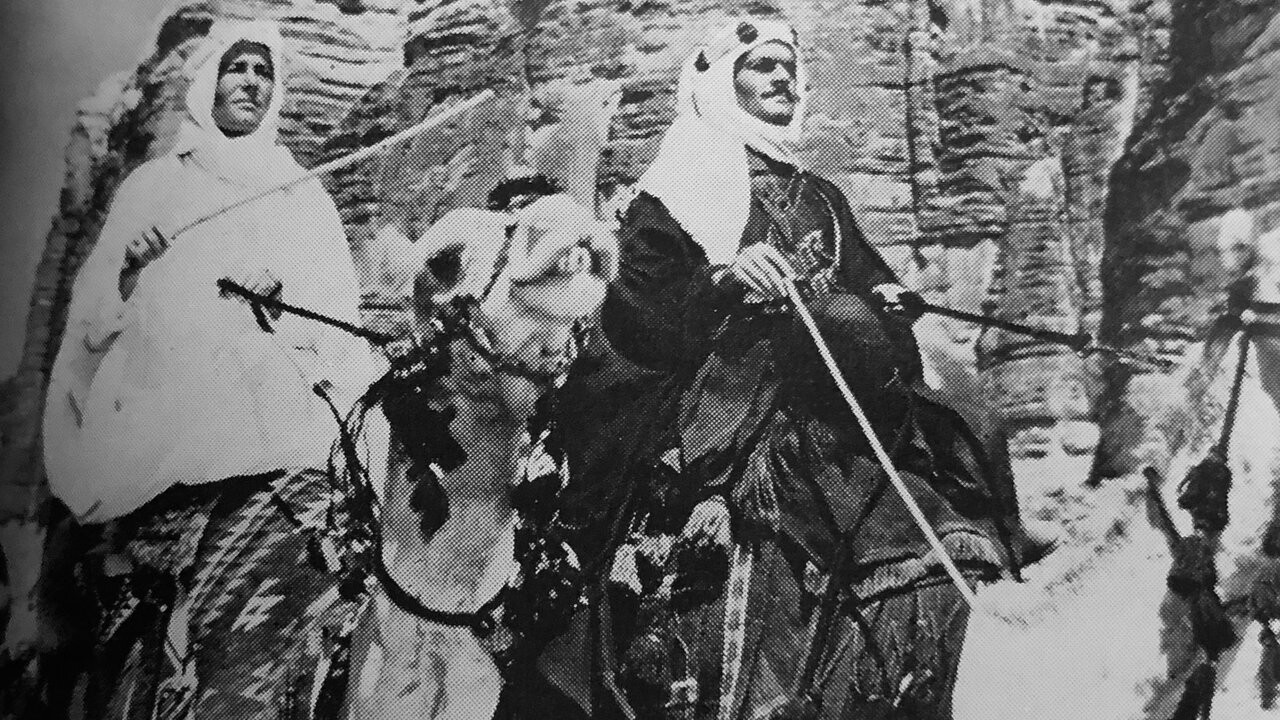
1962: Peter O’Toole as T. E. Lawrence
Peter O’Toole’s T. E. Lawrence is a more unsettled hero than most in this gallery. Charismatic and daring, he is also divided by ambition, identity, and the violence around him. O’Toole’s performance makes the triumphs thrilling while preserving the contradictions that keep the character from becoming a simple legend.
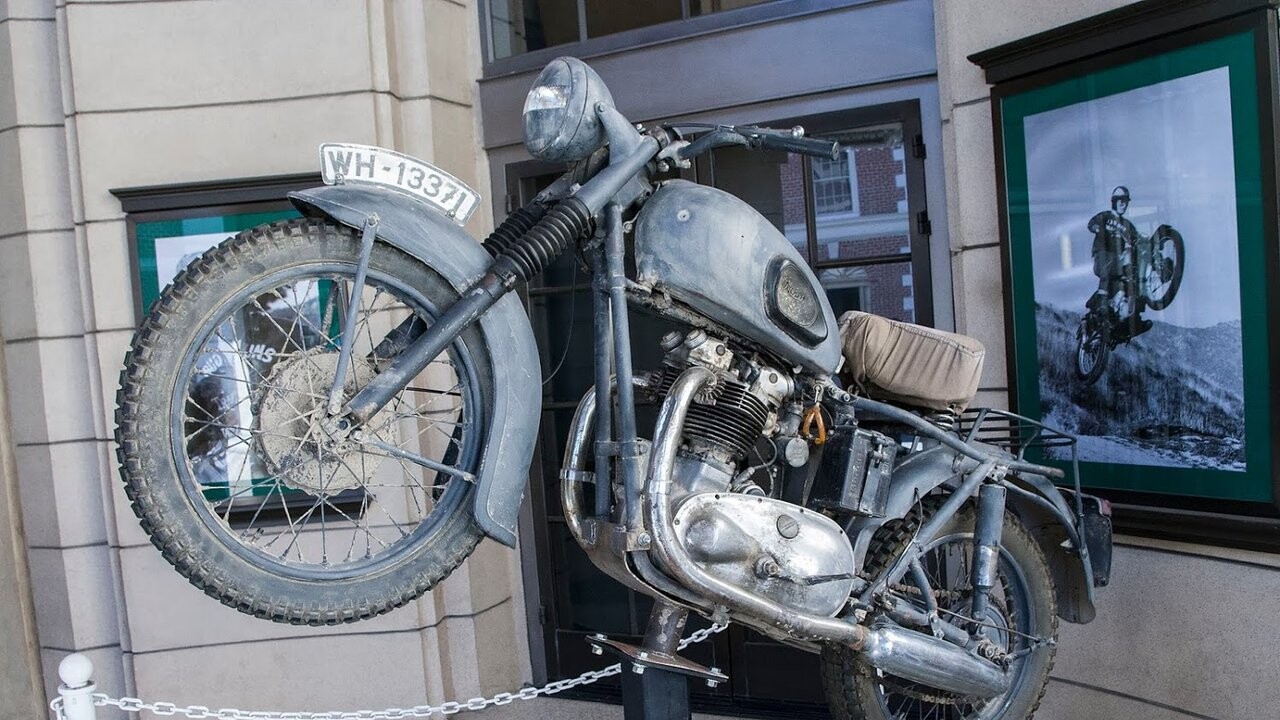
1963: Steve McQueen as Virgil Hilts
Steve McQueen’s Virgil Hilts turns captivity into a contest of nerve. Cool, inventive, and defiantly independent, he becomes the film’s most recognizable face of refusal. McQueen’s economy is crucial: a look, a baseball, or a sudden move carries the confidence of someone determined not to be psychologically imprisoned.
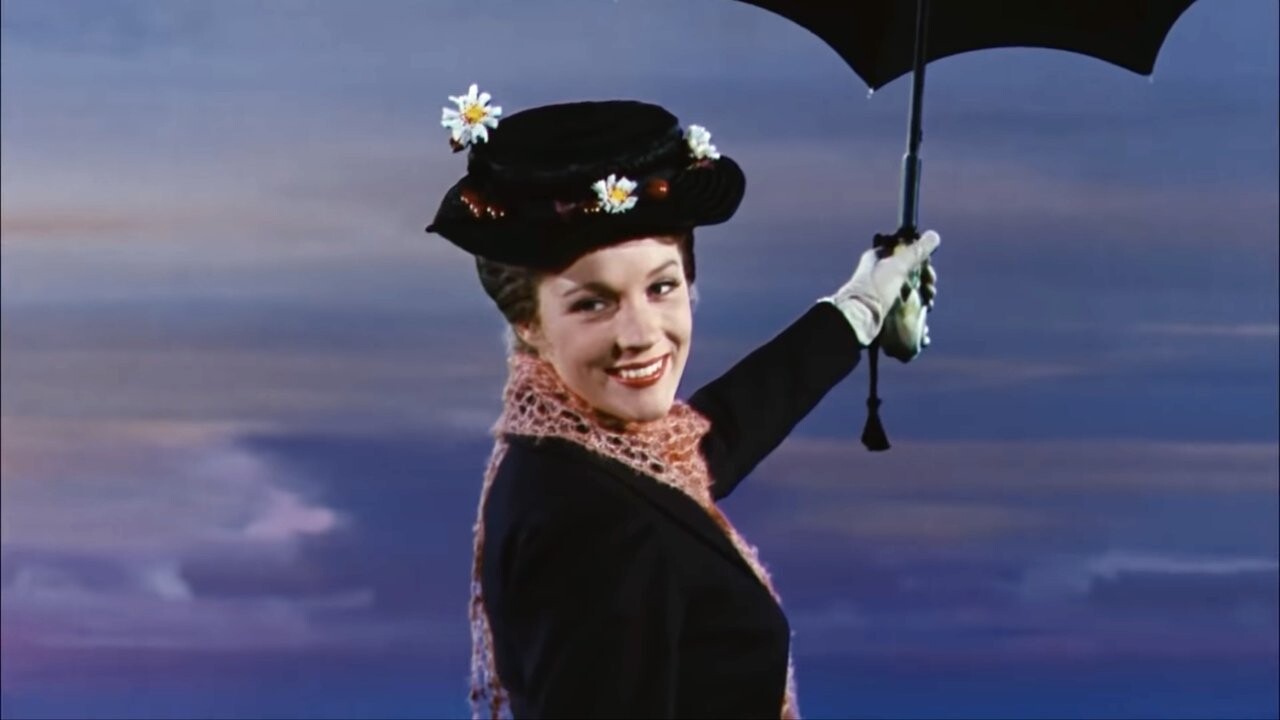
1964: Julie Andrews as Mary Poppins
Julie Andrews gives Mary Poppins authority without heaviness. The magical nanny restores order by inviting wonder, but she also knows when to step back. Andrews combines precision, humor, and warmth, creating a heroine whose real gift is helping a family see one another more clearly.
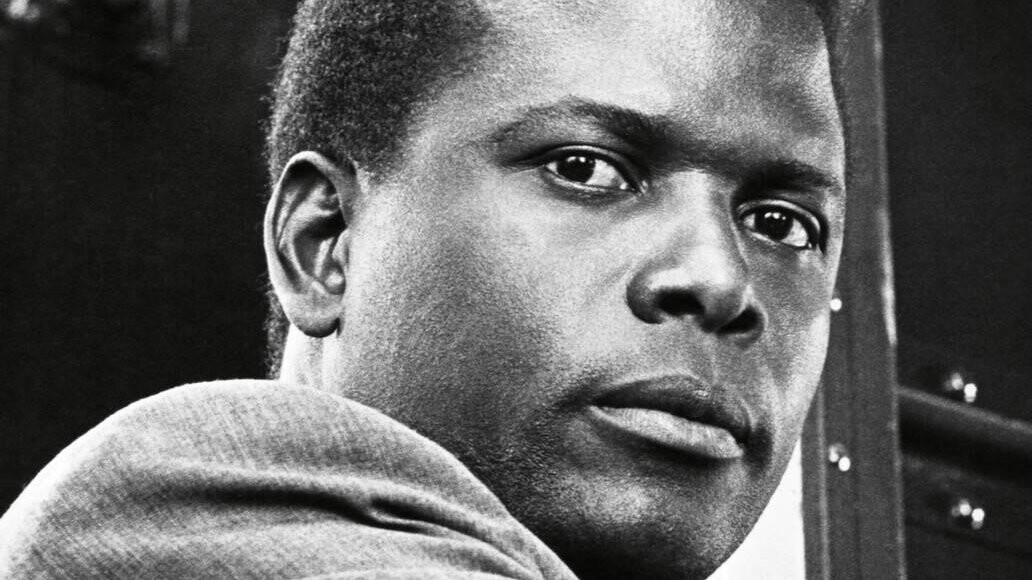
1967: Sidney Poitier as Virgil Tibbs
Sidney Poitier’s Virgil Tibbs enters a hostile town as both an outsider and the sharpest investigator in the room. His control under pressure is part of the character’s strength but is never mistaken for passivity. Poitier gives Tibbs dignity, intelligence, and anger without reducing him to a symbol.
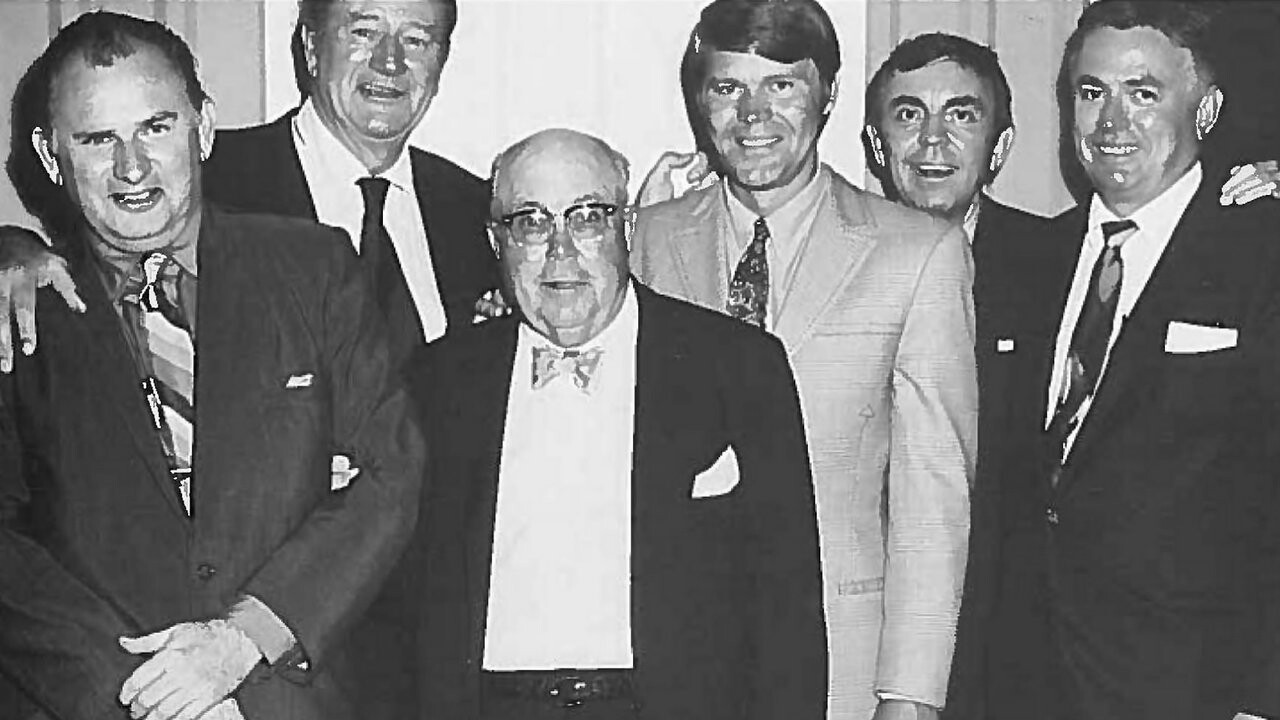
1969: John Wayne as Rooster Cogburn
John Wayne’s Rooster Cogburn is gruff, boastful, and far from tidy, but he answers danger when it matters. Wayne turns the marshal’s rough edges into part of the appeal. The heroism comes through action, loyalty, and a willingness to risk himself for someone more vulnerable.
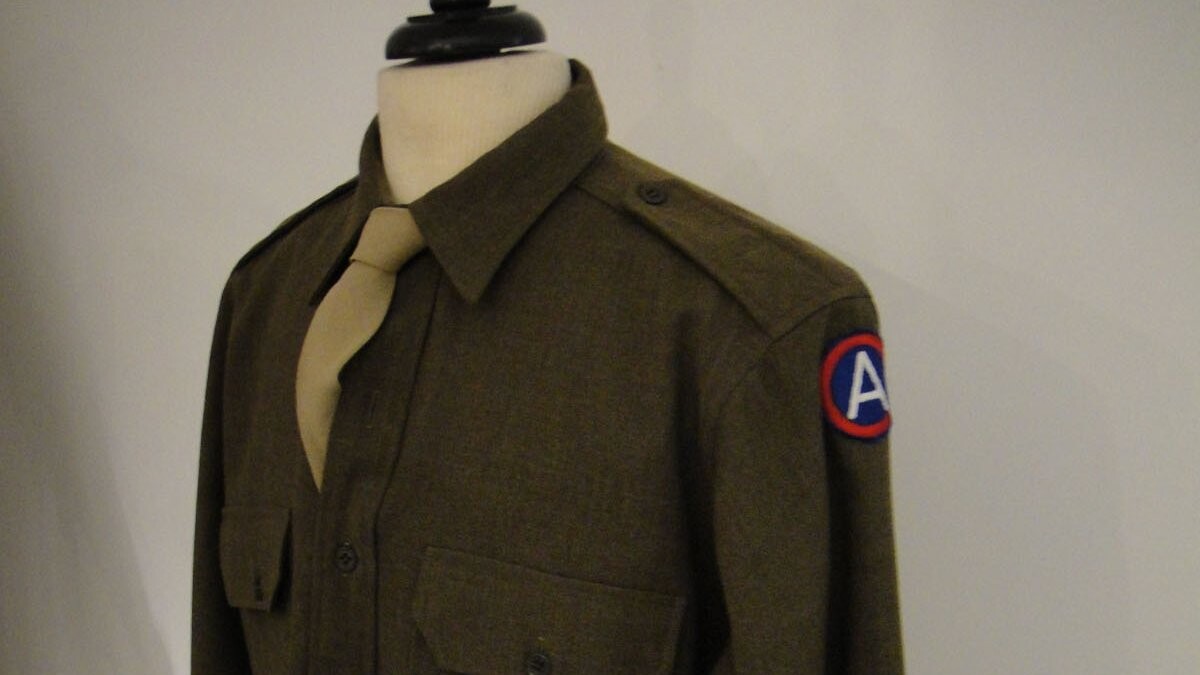
1970: George C. Scott as General Patton
George C. Scott’s General George S. Patton is presented as brilliant, theatrical, and deeply difficult. This is heroism viewed through a complicated historical lens, not simple sainthood. Scott’s forceful performance captures command and contradiction at once, asking viewers to admire achievement while noticing the personal cost of relentless ambition.
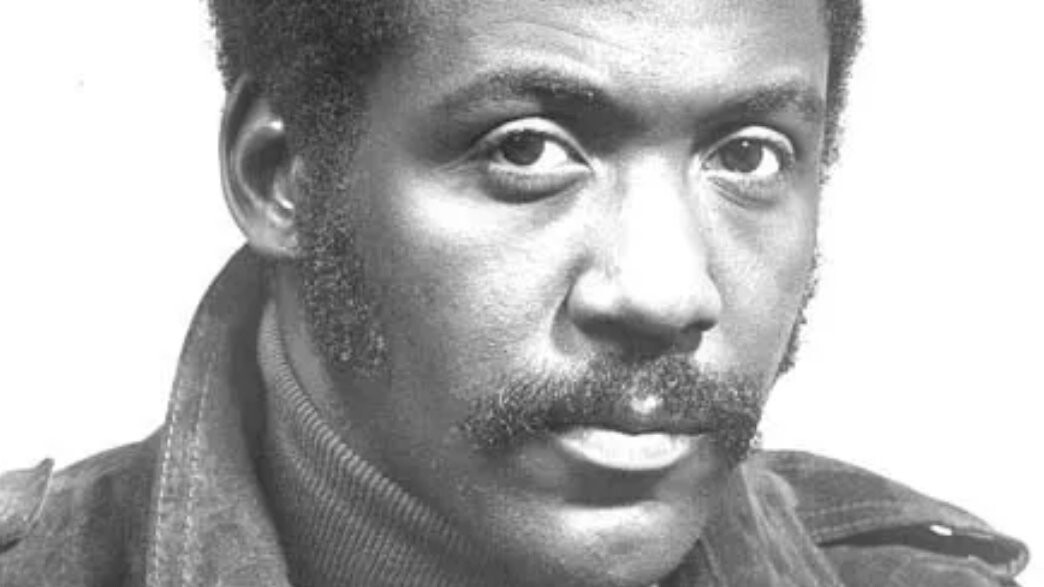
1971: Richard Roundtree as John Shaft
Richard Roundtree’s John Shaft brought a new kind of leading man to the center of a major studio crime film. Stylish, self-possessed, and capable, the private detective moves through danger on his own terms. Roundtree’s relaxed authority makes the character feel modern even within the film’s hard-edged world.
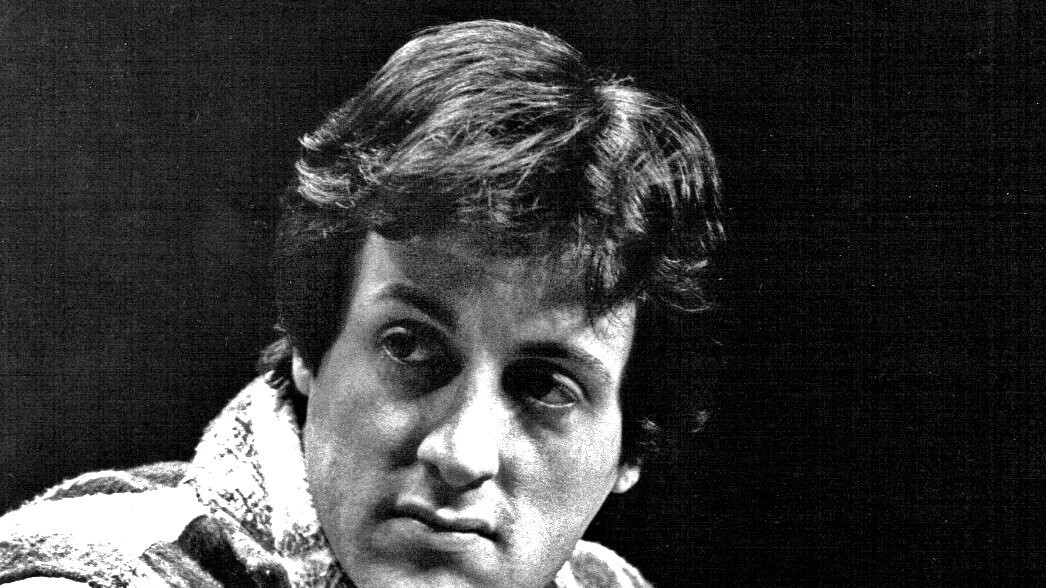
1976: Sylvester Stallone as Rocky Balboa
Sylvester Stallone’s Rocky Balboa is not heroic because victory is guaranteed. He matters because he chooses the work, accepts the risk, and measures success against his own limits. Stallone’s vulnerable performance turns a battered club fighter into an emblem of dignity earned through persistence.

1979: Sally Field as Norma Rae
Sally Field’s Norma Rae begins as a mill worker with little formal power, then learns to speak and organize. Field gives the transformation energy without smoothing away uncertainty. The character’s courage is collective as well as personal, showing that a hero can be someone who helps others recognize their own voice.
Across changing eras, these performances made courage look as varied as sacrifice, humor, duty, and stubborn hope. Which performance has stayed with you the longest?
Follow The HyperHive on MSN for more stories like this.
Sources: