The Greatest Movie Villains and the Actors Behind Them

Unknown / Wikimedia Commons, CC BY-SA 4.0 (cropped)
A great movie villain can unsettle us with a glare, a pleasant smile, or a perfectly controlled voice. This gallery moves chronologically, tracing screen villainy from classic Hollywood fantasy to modern psychological thrillers.
The selections draw on the American Film Institute’s villains list, Academy records, and British Film Institute coverage. The accompanying photo ideas use freely licensed actor portraits from Wikimedia Commons rather than copyrighted film stills.
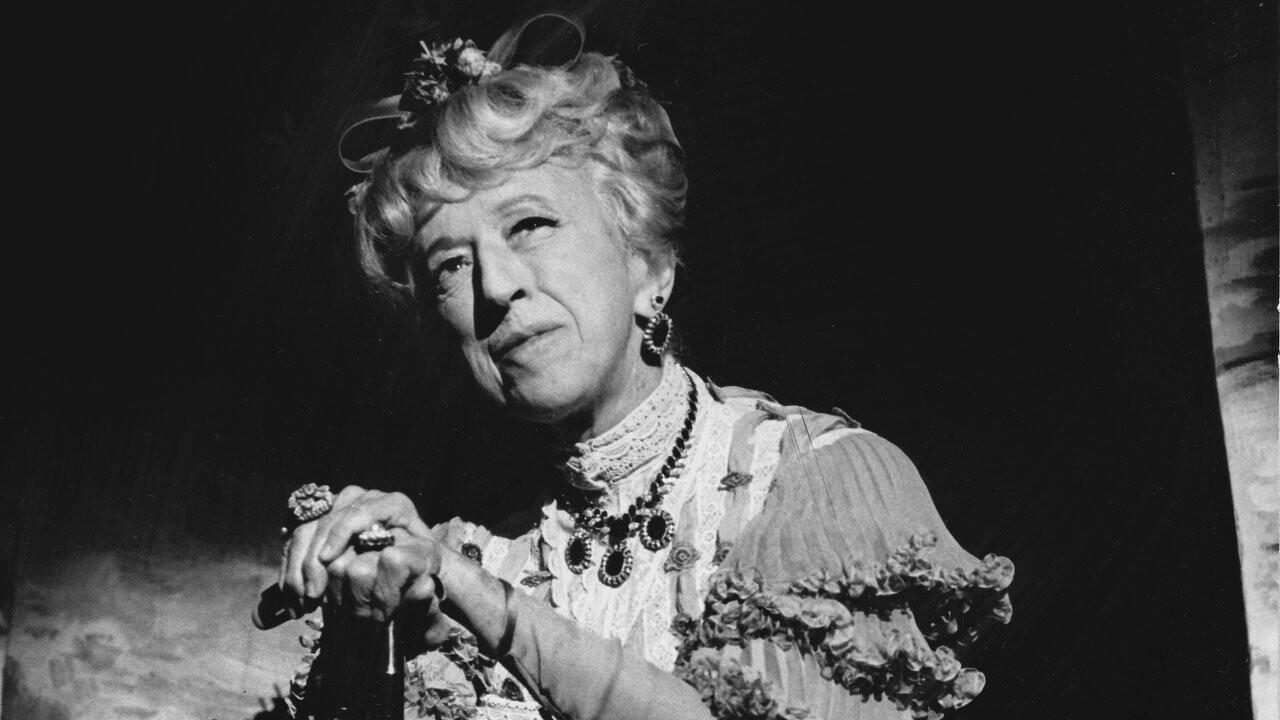
Margaret Hamilton as the Wicked Witch
Margaret Hamilton gives The Wizard of Oz its sharpest edge as the Wicked Witch of the West. Her piercing delivery, angular movements, and unmistakable cackle make a colorful fantasy genuinely frightening. The American Film Institute ranked the character fourth among its greatest screen villains, confirming the lasting power of Hamilton’s deliciously severe performance.
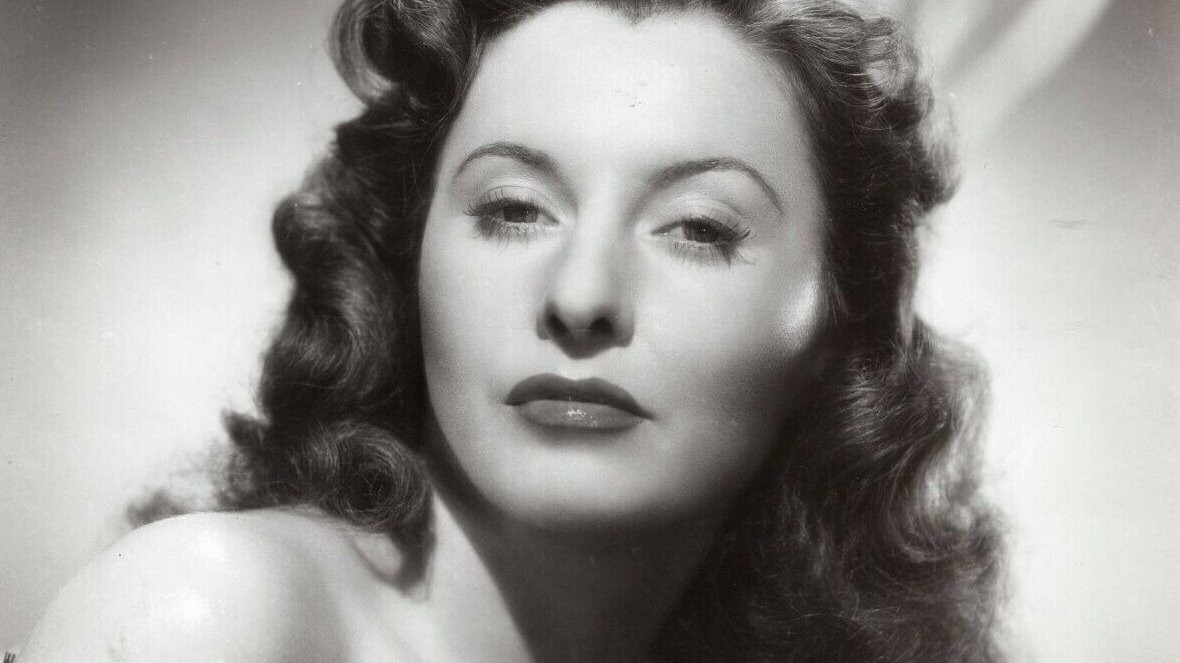
Barbara Stanwyck as Phyllis Dietrichson
In Double Indemnity, Barbara Stanwyck plays Phyllis Dietrichson, whose cool persuasion draws an insurance salesman toward murder. Stanwyck avoids obvious theatrics. Her measured voice and watchful expression do the work, allowing calculation to emerge beneath polished manners. The result helped establish the poised, dangerous femme fatale as an enduring film-noir figure.
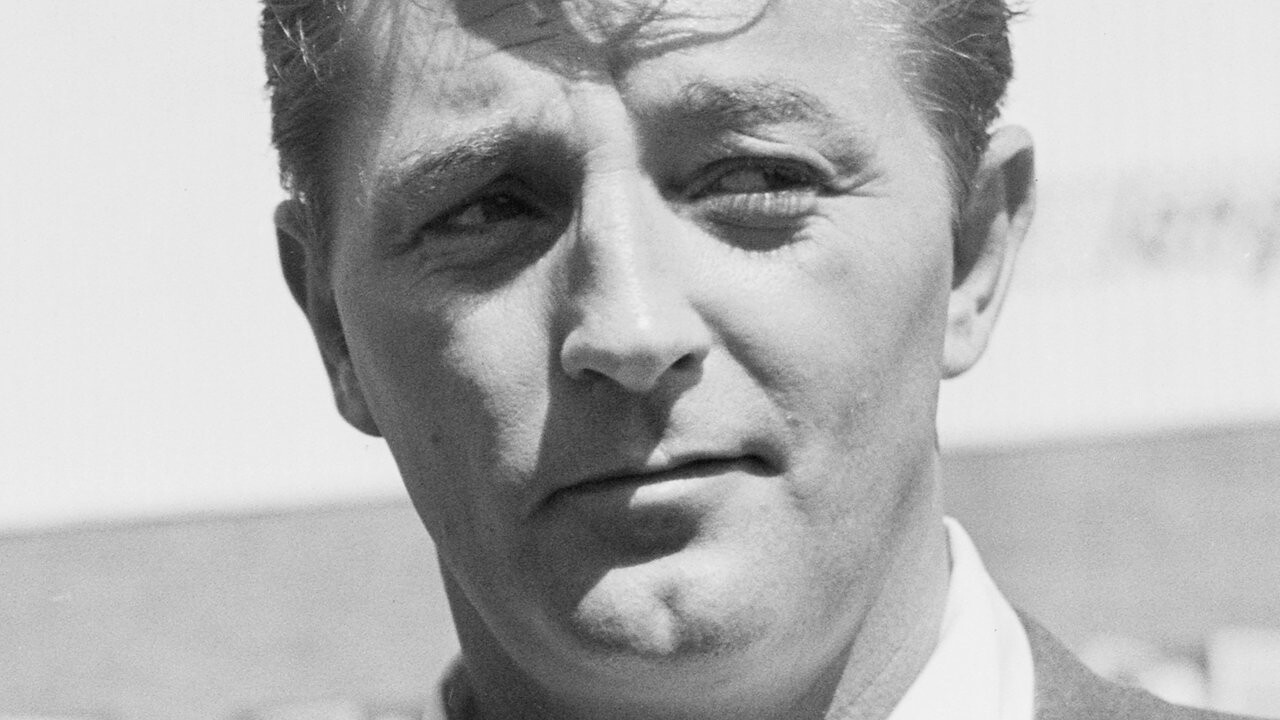
Robert Mitchum as Reverend Harry Powell
Robert Mitchum’s Reverend Harry Powell in The Night of the Hunter poses as a traveling preacher while hunting two children for stolen money. Mitchum makes calmness terrifying, especially when Powell sings in the darkness. AFI ranked the character 29th among its villains, while the Library of Congress describes the film as a dark allegory of good versus evil.
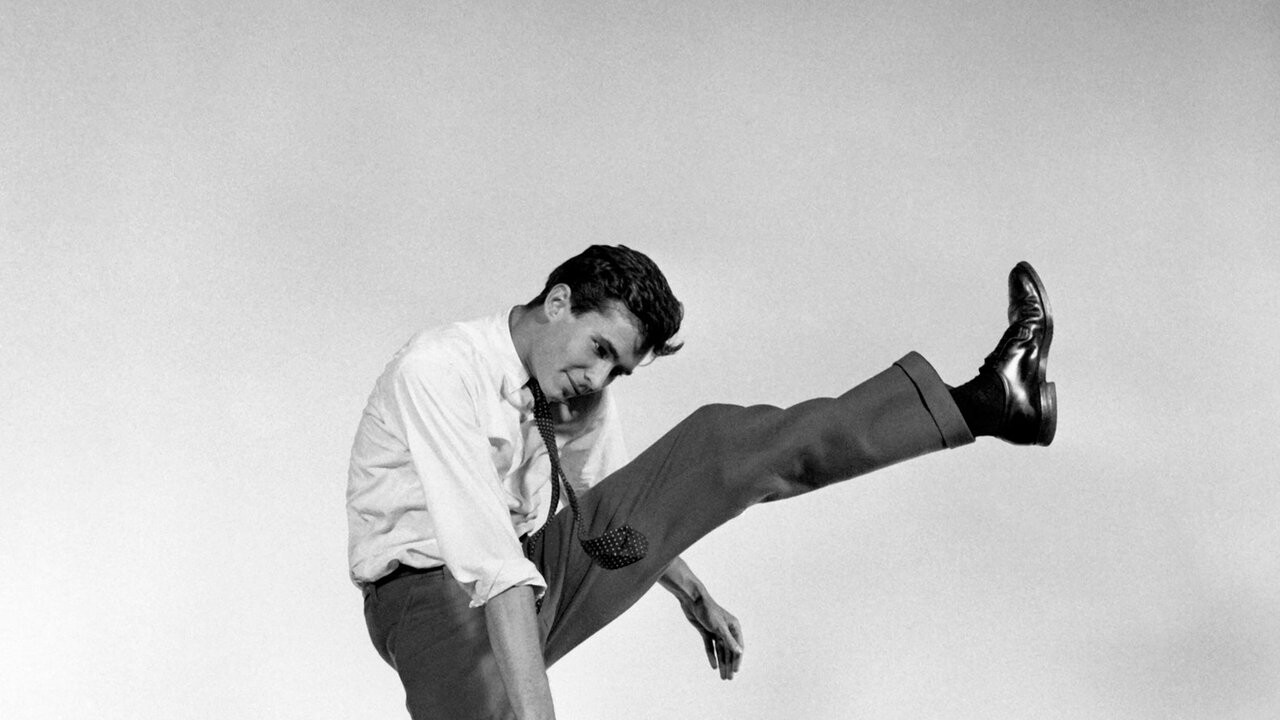
Anthony Perkins as Norman Bates
Anthony Perkins initially makes Norman Bates seem shy, courteous, and painfully lonely in Psycho. That surface gentleness gives the film’s revelations their lasting force. Perkins never reduces Norman to a simple monster, making his uneasiness even more disturbing. AFI ranked Norman second among movie villains, behind only Hannibal Lecter.
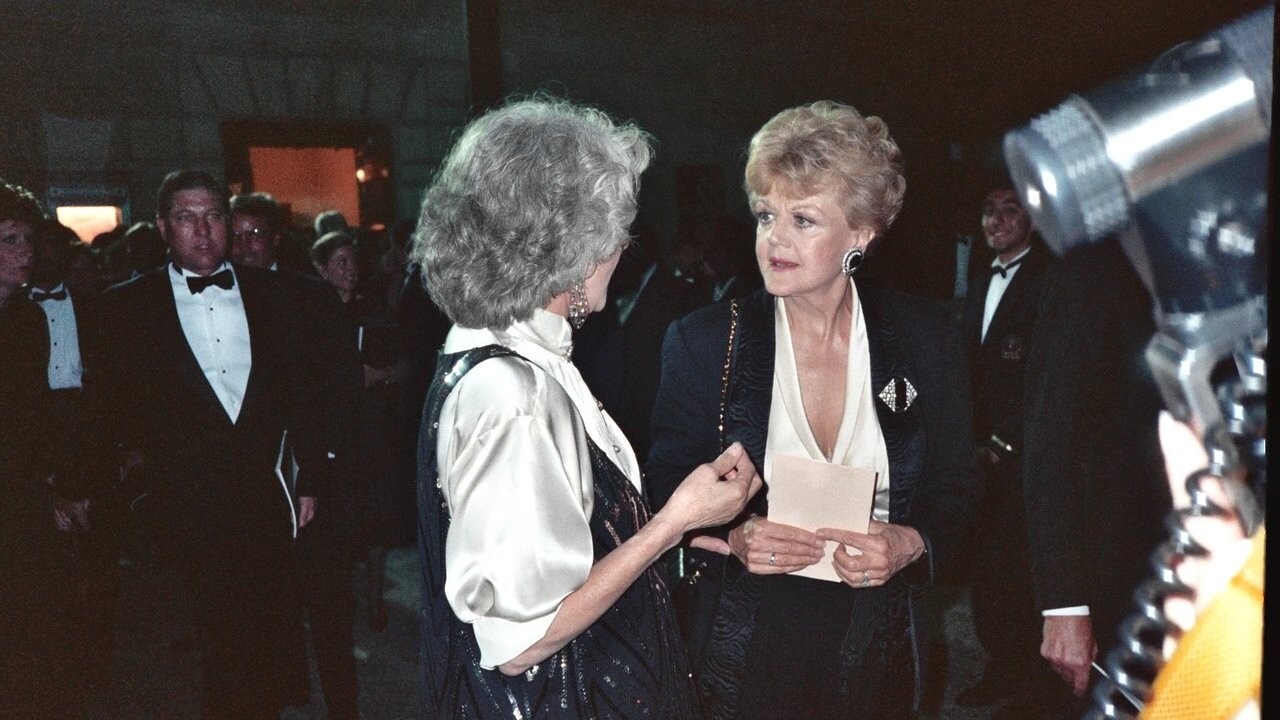
Angela Lansbury in The Manchurian Candidate
Angela Lansbury brings drawing-room composure and ruthless political ambition to the role of Raymond Shaw’s controlling mother in The Manchurian Candidate. Her poised delivery makes maternal authority feel colder than any conventional spy-movie menace. AFI ranked the character 21st among its 50 greatest villains, recognizing the precision and force of Lansbury’s performance.
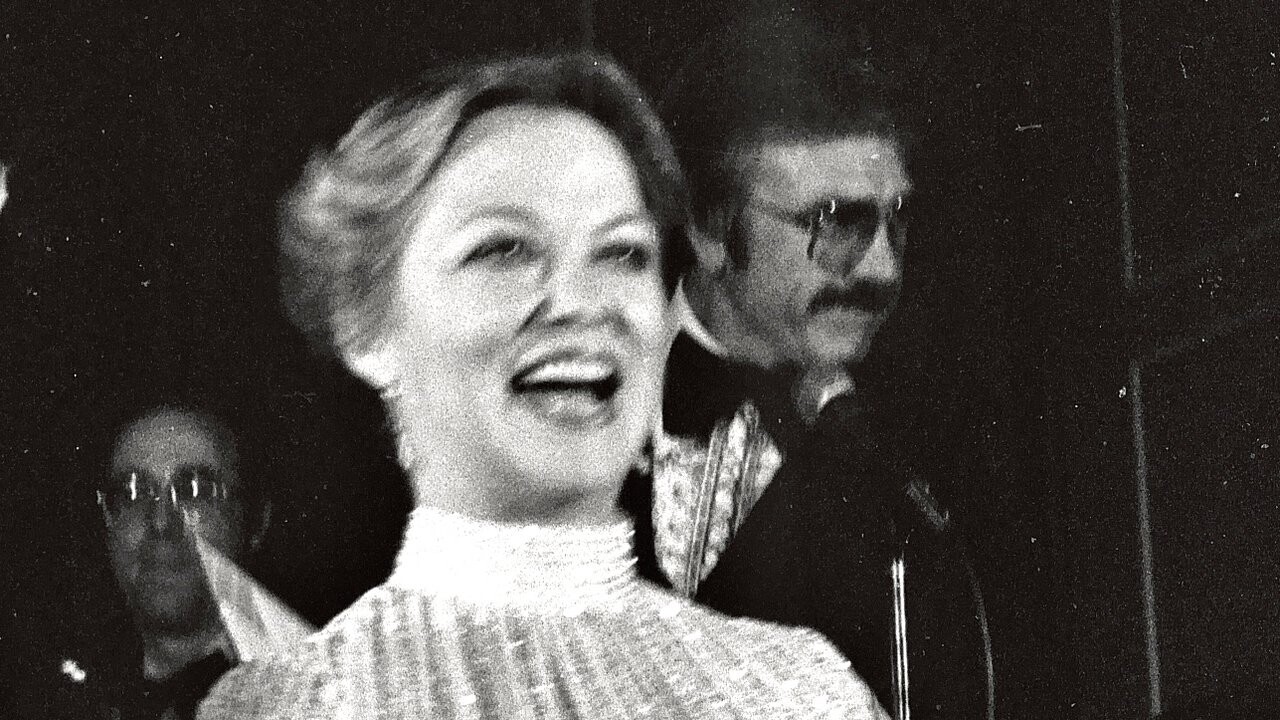
Louise Fletcher as Nurse Ratched
Louise Fletcher’s Nurse Ratched rarely needs to raise her voice in One Flew Over the Cuckoo’s Nest. Her power comes from rules, routines, and carefully administered humiliation. Fletcher’s restraint made the character an enduring symbol of institutional control, and AFI ranked Ratched fifth among its greatest movie villains.
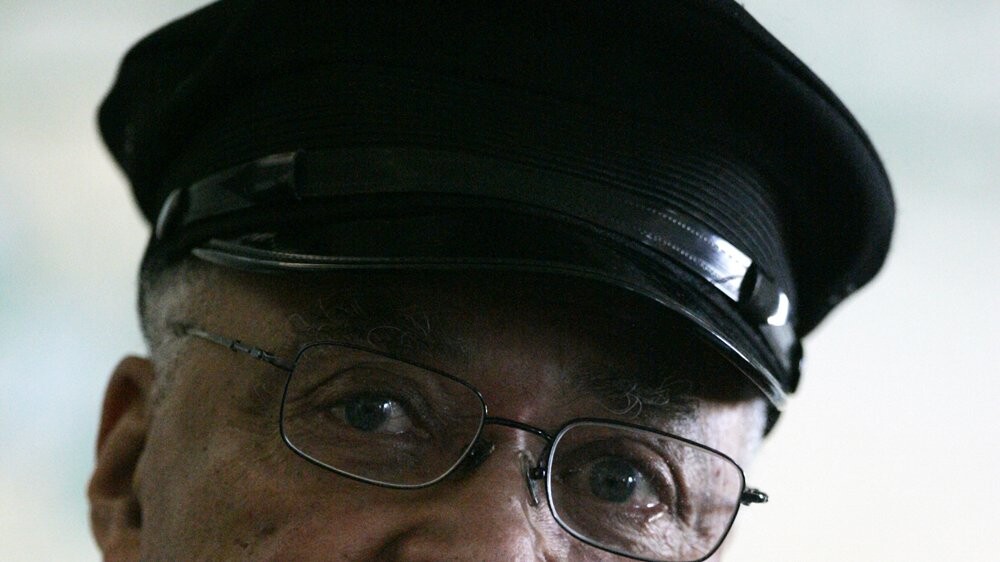
James Earl Jones Voices Darth Vader
David Prowse supplied Darth Vader’s imposing physical presence in Star Wars, while James Earl Jones performed the voice. Jones stripped warmth from his resonant delivery, giving the masked figure an almost mechanical authority. Lucasfilm says Jones was cast in early 1977, and AFI later ranked Vader third among the greatest movie villains.
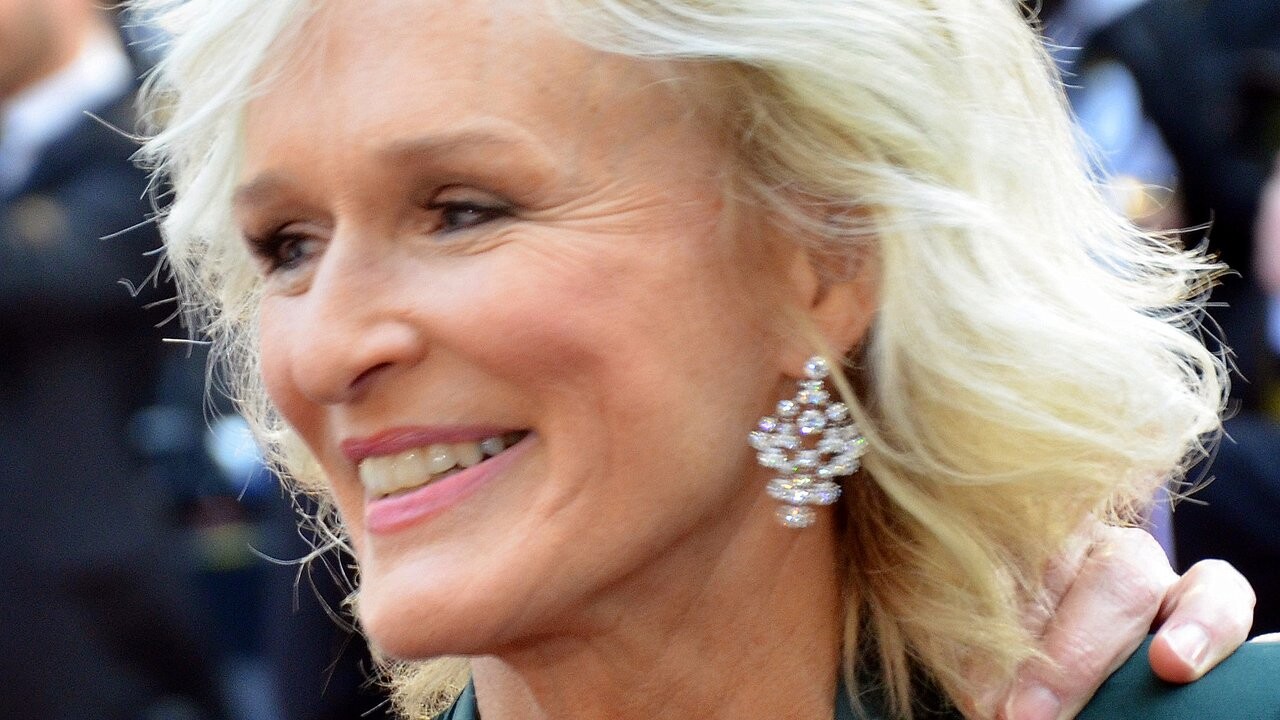
Glenn Close as Alex Forrest
Glenn Close’s Alex Forrest in Fatal Attraction begins as a sophisticated book editor before becoming the center of an increasingly violent domestic nightmare. Close gives the character intelligence, pain, and volatility, resisting a one-note performance even as the story turns sensational. AFI ranked Alex seventh among its greatest movie villains.
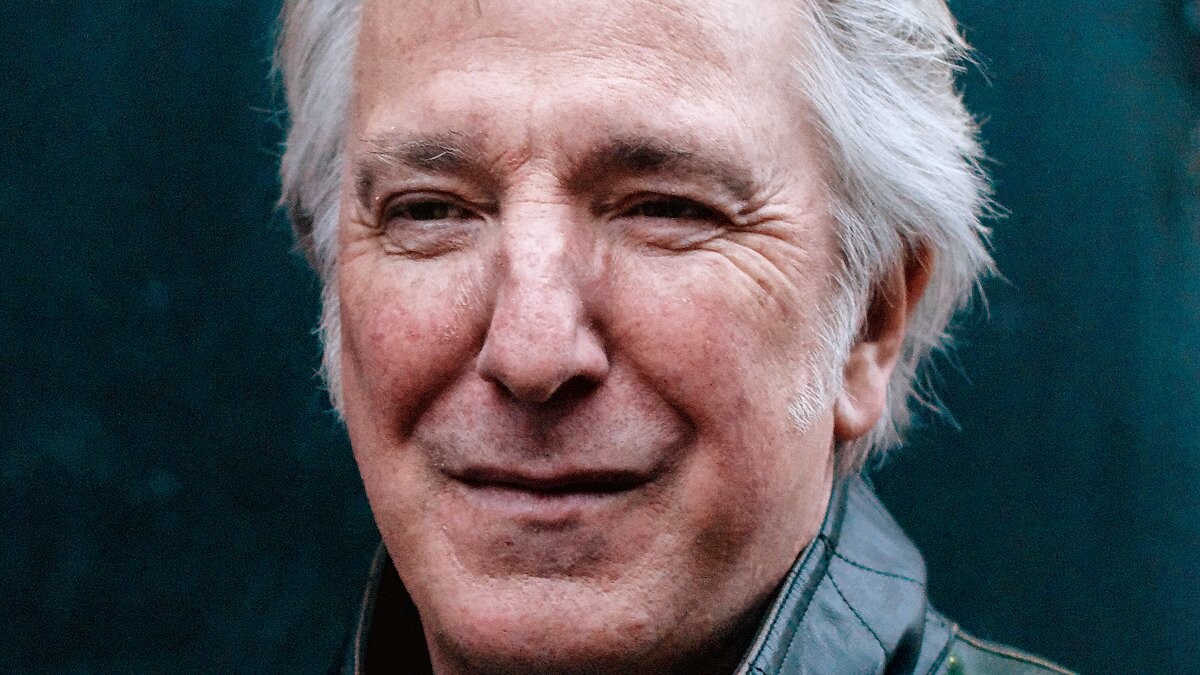
Alan Rickman as Hans Gruber
Alan Rickman made his credited feature-film debut as Hans Gruber in Die Hard. Gruber’s tailored clothes, quiet wit, and patient manners contrast sharply with the chaos he creates inside Nakatomi Plaza. Rickman’s controlled performance gave the urbane criminal unusual charm and helped establish a durable model for the sophisticated action villain.
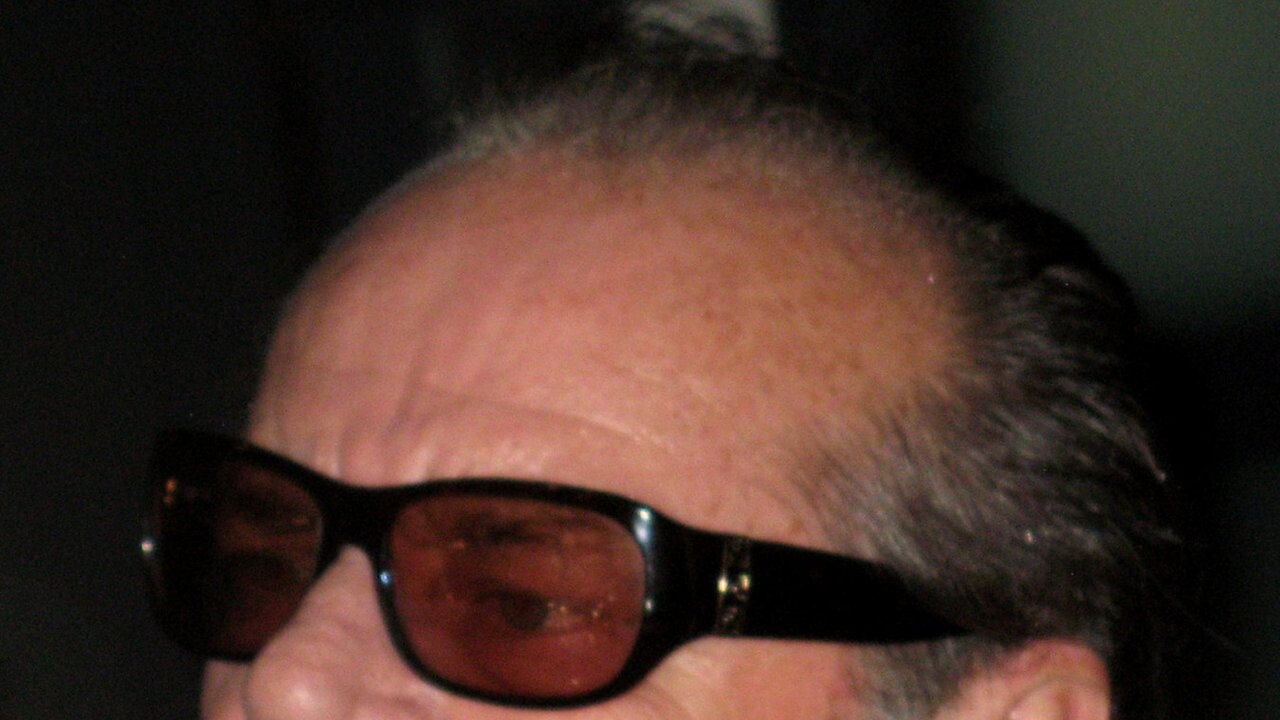
Jack Nicholson as the Joker
Jack Nicholson brought menace, star power, and gleeful showmanship to the Joker in Batman. His Jack Napier treats crime as performance art, turning jokes and colorful public spectacles into weapons. Nicholson’s expansive style fits Tim Burton’s heightened Gotham City, and AFI ranked this version of the Joker 45th among its movie villains.
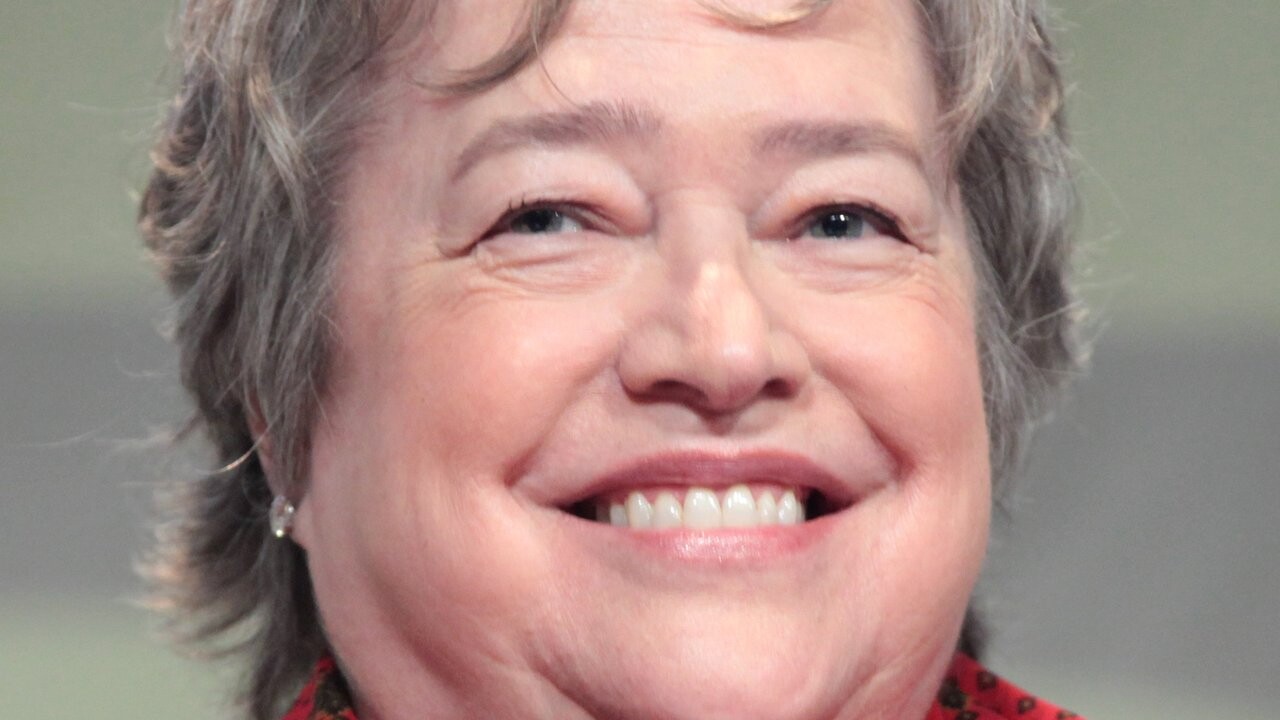
Kathy Bates as Annie Wilkes
Kathy Bates can make Annie Wilkes sound nurturing, wounded, or terrifying within a single conversation in Misery. Her unpredictable shifts keep novelist Paul Sheldon and the audience off balance. AFI recognizes Annie as one of cinema’s great villains, while the Academy honored Bates for her leading performance.
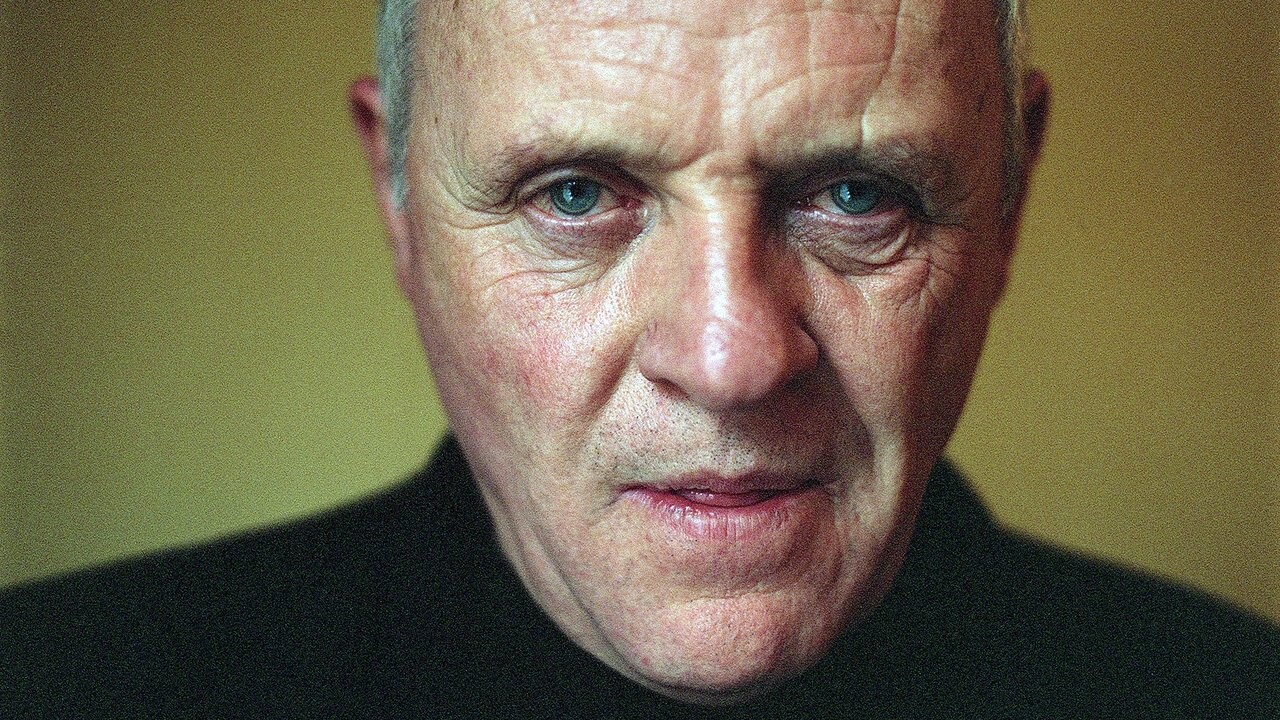
Anthony Hopkins as Hannibal Lecter
Anthony Hopkins spends limited time on screen in The Silence of the Lambs, yet Hannibal Lecter dominates the film. His stillness, precise speech, and unwavering attention make ordinary conversation feel dangerous. Hopkins won the Academy Award for the role, and AFI ranked Lecter first on its list of the greatest movie villains.
Robert De Niro as Max Cady
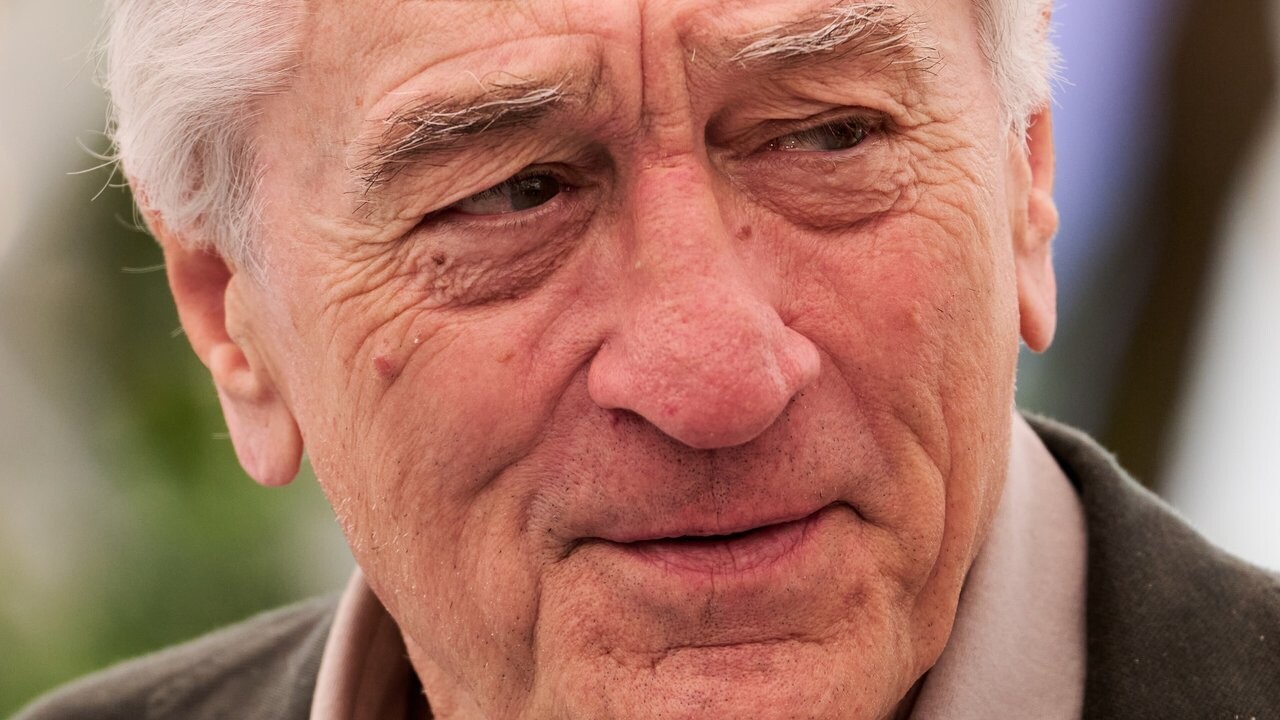
Robert De Niro transformed himself into Max Cady for Martin Scorsese’s Cape Fear, playing the ex-convict as physically powerful, articulate, and relentlessly vindictive. Cady does more than stalk the Bowden family. He studies their weaknesses, exploits their private conflicts, and turns his knowledge into a weapon.
Denzel Washington as Alonzo Harris
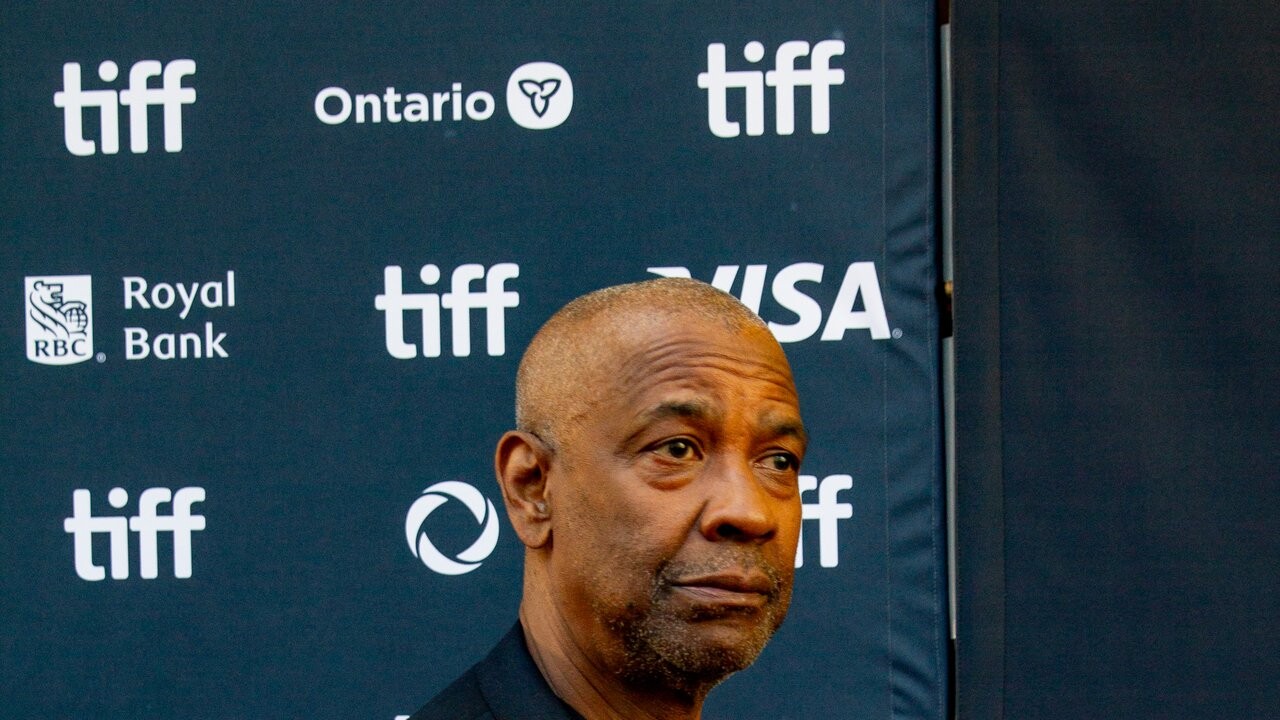
Denzel Washington overturned his familiar heroic image as corrupt narcotics officer Alonzo Harris in Training Day. Alonzo’s humor and confidence initially make him magnetic, even as his methods grow indefensible. Washington keeps that dangerous charisma alive throughout the film, and the role brought him his second Academy Award.
Daniel Day-Lewis as Bill “The Butcher” Cutting
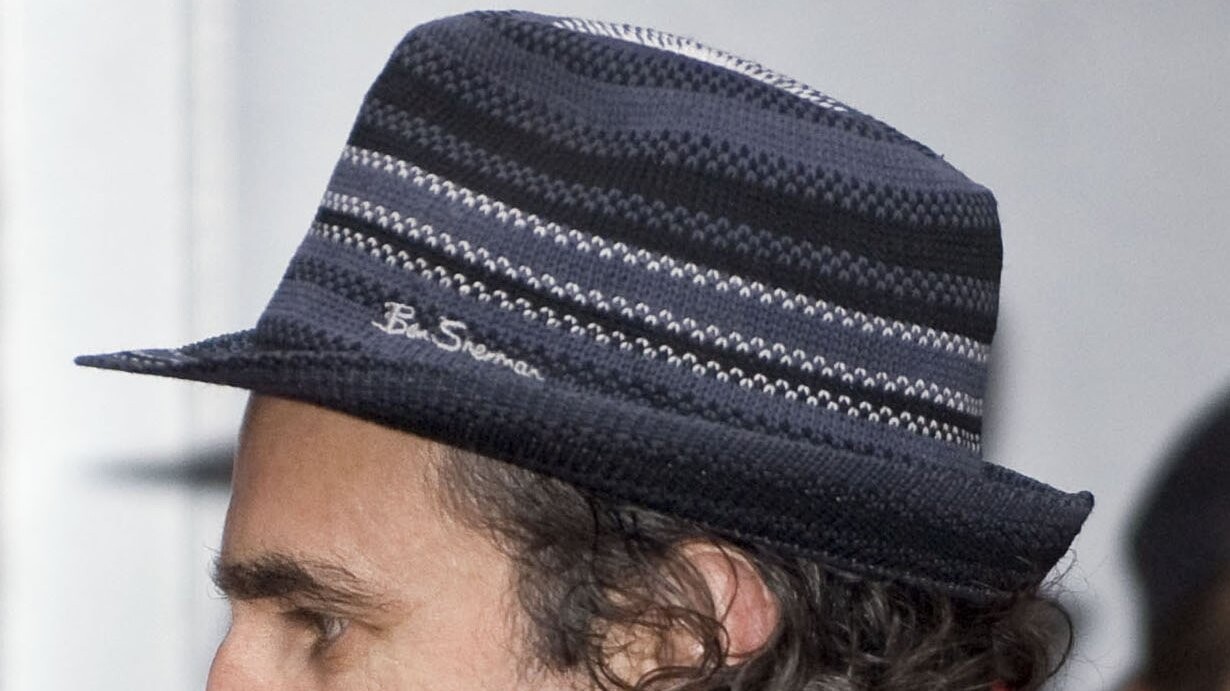
Daniel Day-Lewis commands Gangs of New York as Bill “The Butcher” Cutting, a gang leader driven by theatrical pride and violent anti-immigrant politics. His elaborate speech, glass eye, and sudden eruptions of fury make Bill both charismatic and appalling. The performance earned Day-Lewis an Academy Award nomination for leading actor.
Ralph Fiennes as Lord Voldemort
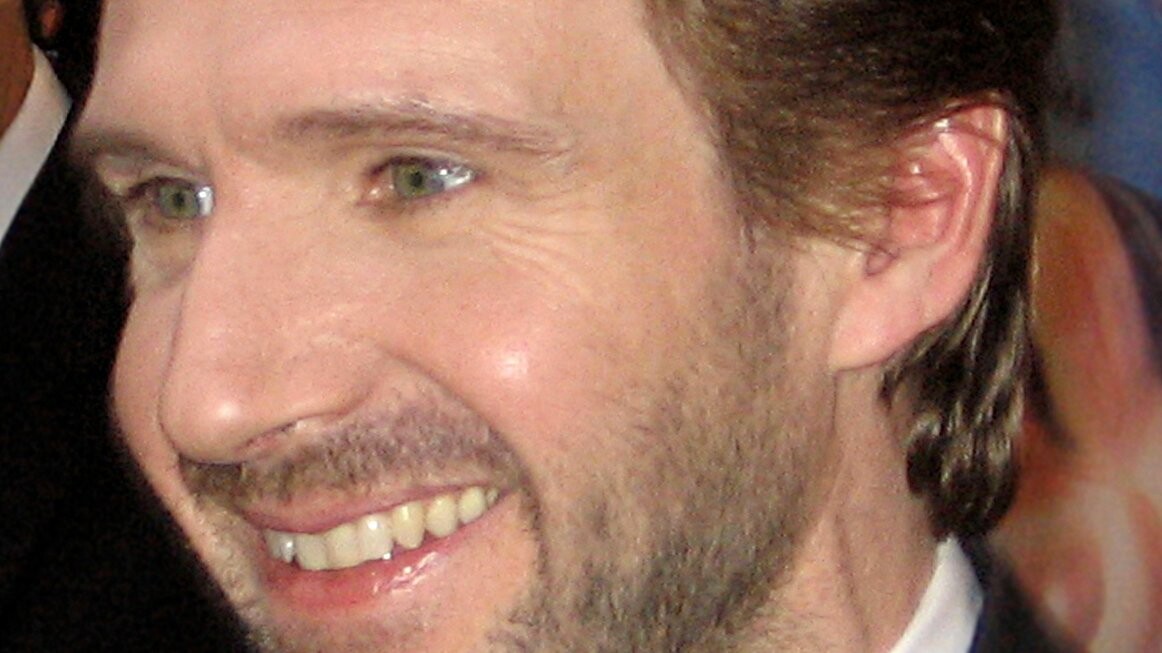
Ralph Fiennes plays Lord Voldemort in Harry Potter and the Goblet of Fire, bringing physical grace and sudden flashes of rage to the dark wizard. Even beneath extensive makeup, Fiennes remains vividly expressive. His fluid movements and clipped delivery make Voldemort feel less like a distant legend and more like an immediate threat.
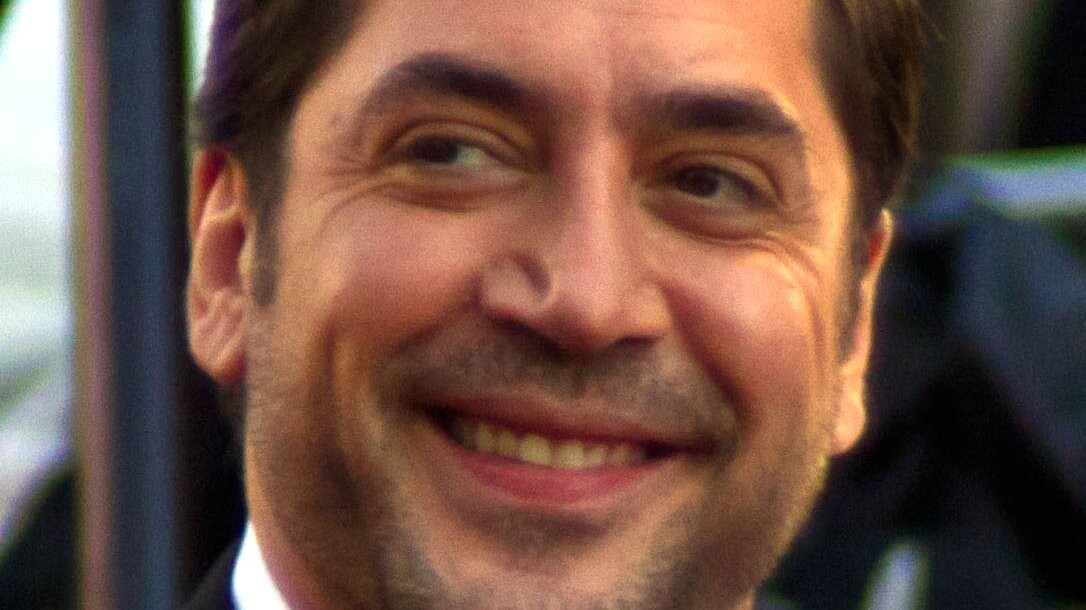
Javier Bardem as Anton Chigurh
Javier Bardem’s Anton Chigurh moves through No Country for Old Men with the patience of an approaching storm. His strange haircut, measured questions, and captive-bolt weapon make him instantly recognizable, but his rigid certainty is even more unsettling. Bardem plays Chigurh as a man whose private rules leave no room for mercy.
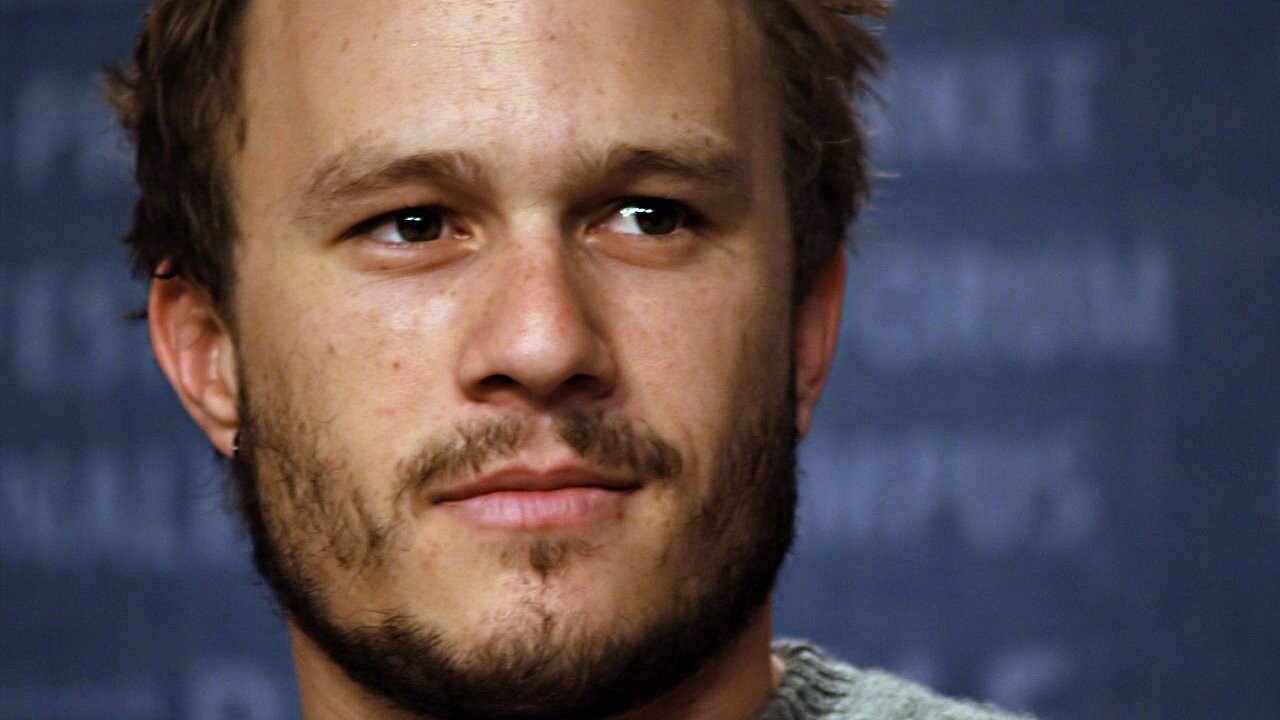
Heath Ledger as the Joker
Heath Ledger’s Joker in The Dark Knight is restless, funny, and frighteningly difficult to predict. Ledger builds the performance from small physical details, including the voice, posture, and habitual licking of scarred lips. The British Film Institute calls his work show-stopping, and the Academy honored Ledger posthumously for the supporting performance.
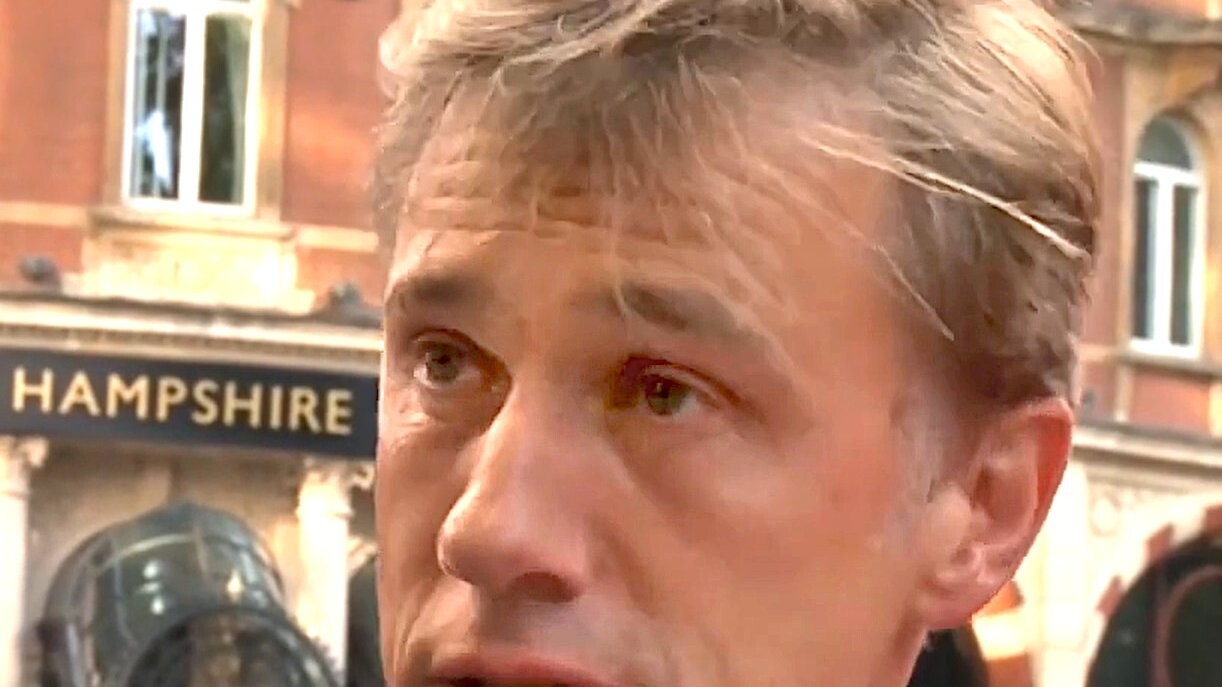
Christoph Waltz as Hans Landa
Christoph Waltz introduces Colonel Hans Landa with elaborate courtesy in Inglourious Basterds, then lets the menace surface one careful question at a time. His command of language turns conversation into interrogation. The British Film Institute describes Waltz as being on career-defining form, and the performance earned him his first Academy Award.
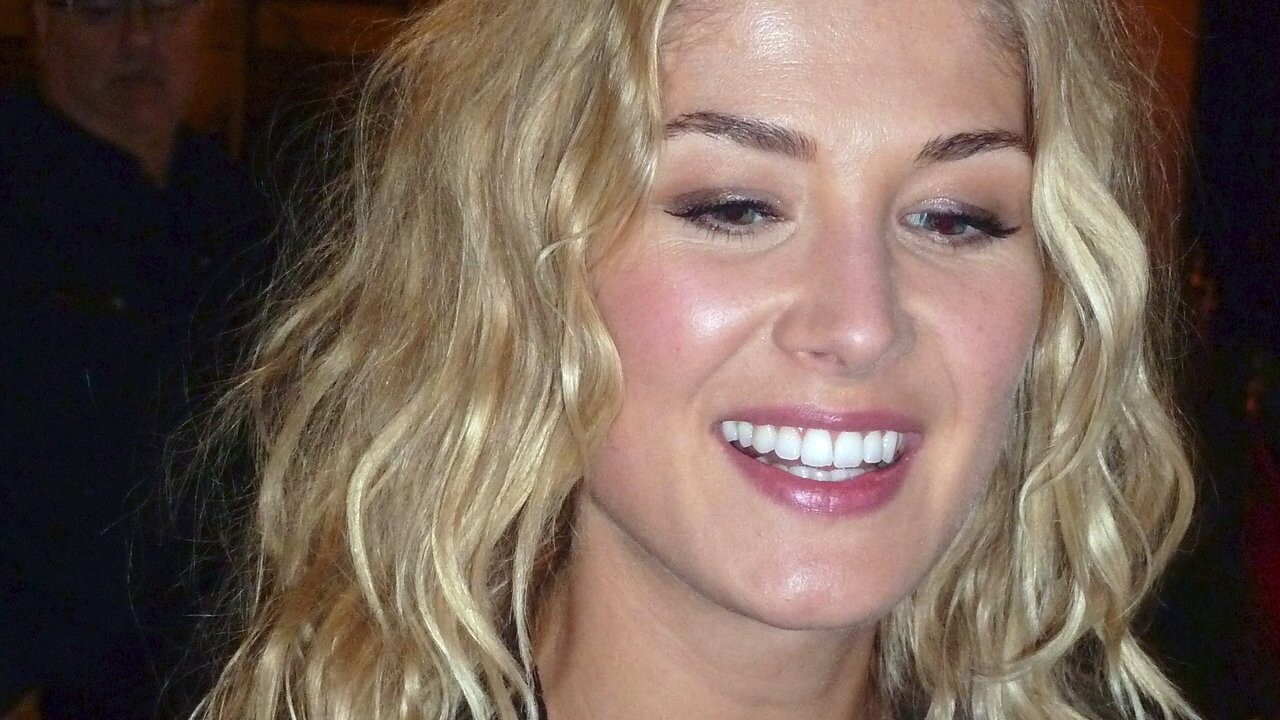
Rosamund Pike as Amy Dunne
Rosamund Pike plays Amy Dunne in Gone Girl with immaculate control, gradually revealing the anger and calculation beneath a carefully constructed public image. Her restrained expressions make Amy difficult to read even after the film exposes her plans. Pike’s ability to shift between private fury and public poise earned her an Academy Award nomination.
The most memorable villains endure because the actors make their darkness feel specific, human, and impossible to dismiss.
Sources:






