Hollywood Stars Who Lived to 100 and Beyond

Scotty Welbourne / Wikimedia Commons, Public domain (cropped)
A long life can hold many acts. These performers and creators reached the century mark after careers that entertained generations. Their stories span Broadway, Hollywood, television, radio, dance, and comedy.
The slides run from the greatest verified lifespan to stars who reached 100. Ages and career details were checked against entertainment institutions, official records, and published obituaries.
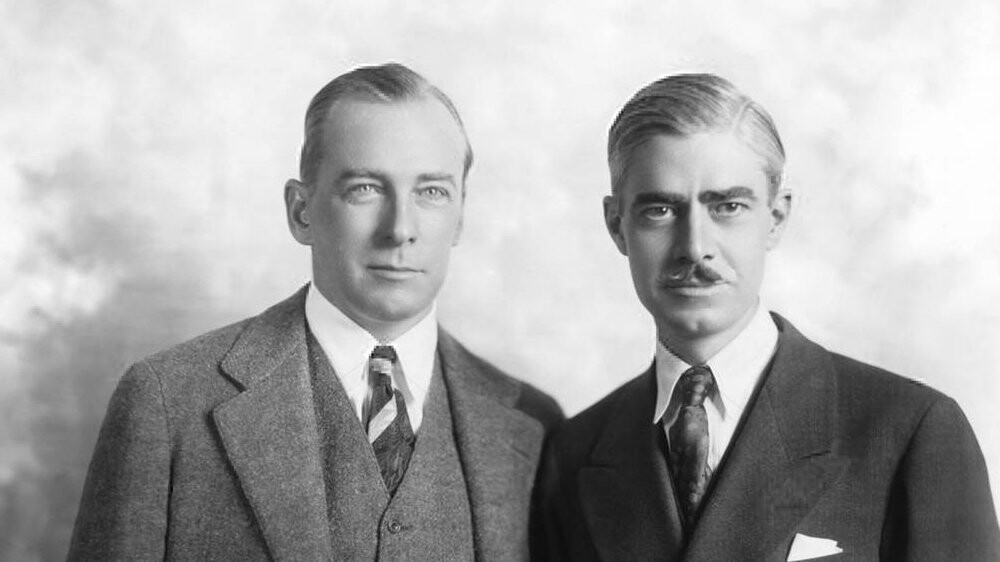
George Abbott: 107
George Abbott was a producer, playwright, director, actor, and “play doctor” who reached Broadway more than 125 times between 1913 and 1994. He died at 107. Few careers show more clearly how one person could move among so many theatrical roles while remaining a defining Broadway presence.
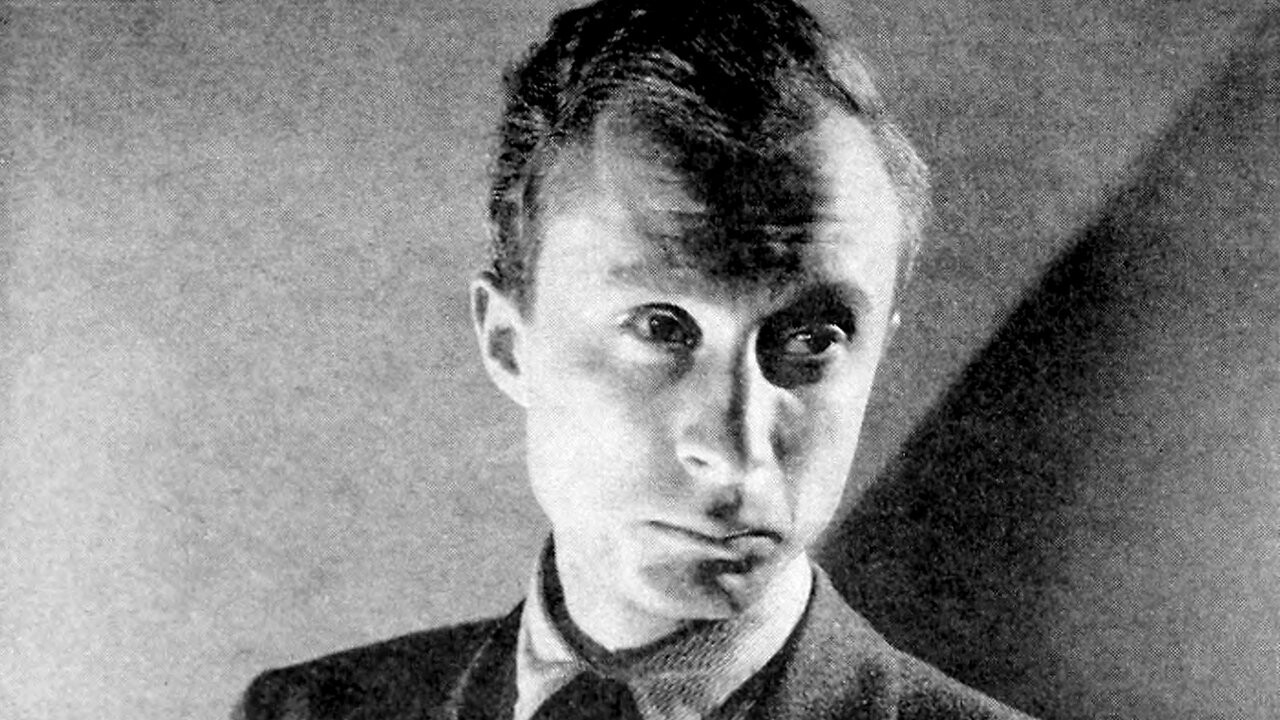
Norman Lloyd: 106
Norman Lloyd worked as an actor, producer, and director, and he died at 106. His uncommon longevity made him a living connection between different eras of entertainment. The breadth of those three roles also shows how a performer’s career can expand when curiosity extends beyond acting alone.
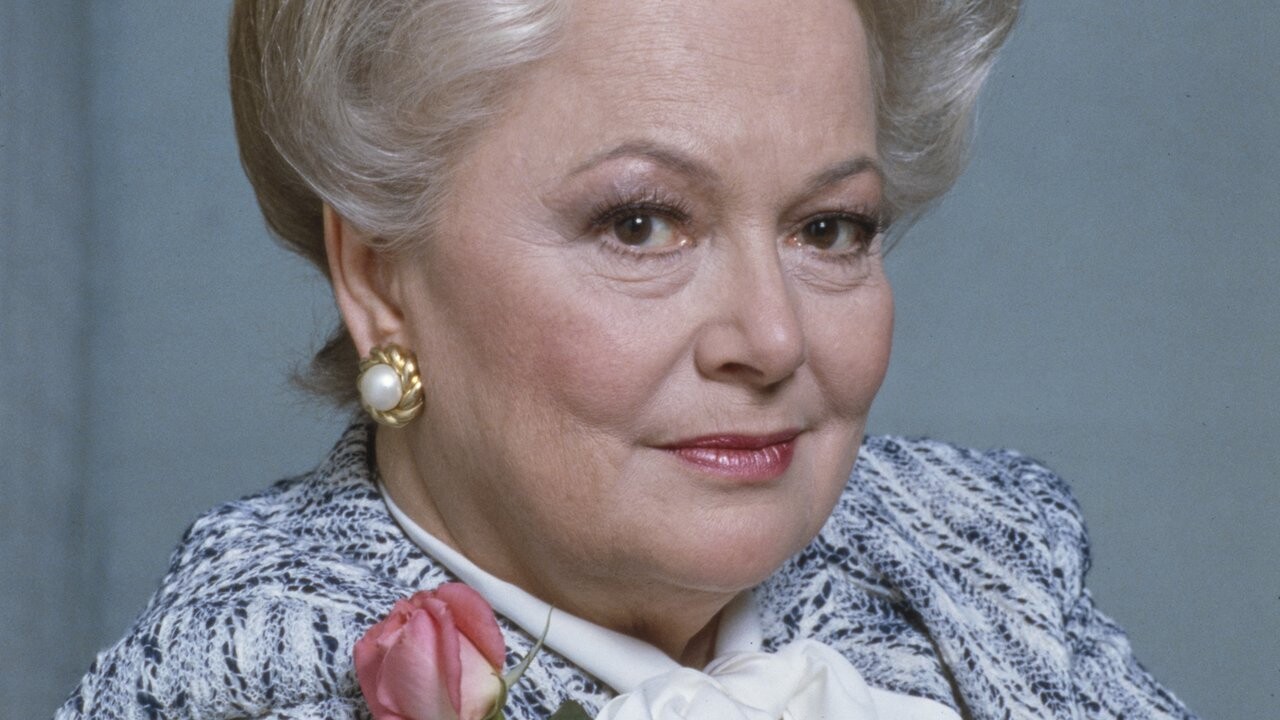
Olivia de Havilland: 104
Olivia de Havilland died at 104 after becoming one of classic Hollywood’s most celebrated performers. The last surviving star of Gone With the Wind, she won two Academy Awards. Her long life preserved a direct connection to an era when studio productions shaped popular culture on an extraordinary scale.

Luise Rainer: 104
Luise Rainer was the first actor to win back-to-back Academy Awards. She earned her first Best Actress Oscar for The Great Ziegfeld and her second for The Good Earth. Rainer died at 104, leaving a compact but historic film legacy built around two performances that achieved an unprecedented awards milestone.

Marsha Hunt: 104
Marsha Hunt appeared in notable productions including Pride and Prejudice and The Human Comedy. She died at 104 after spending seven decades as a humanitarian activist. Her life joined a substantial screen career with a lasting commitment to public causes, giving her legacy a reach that extended well beyond her film roles.
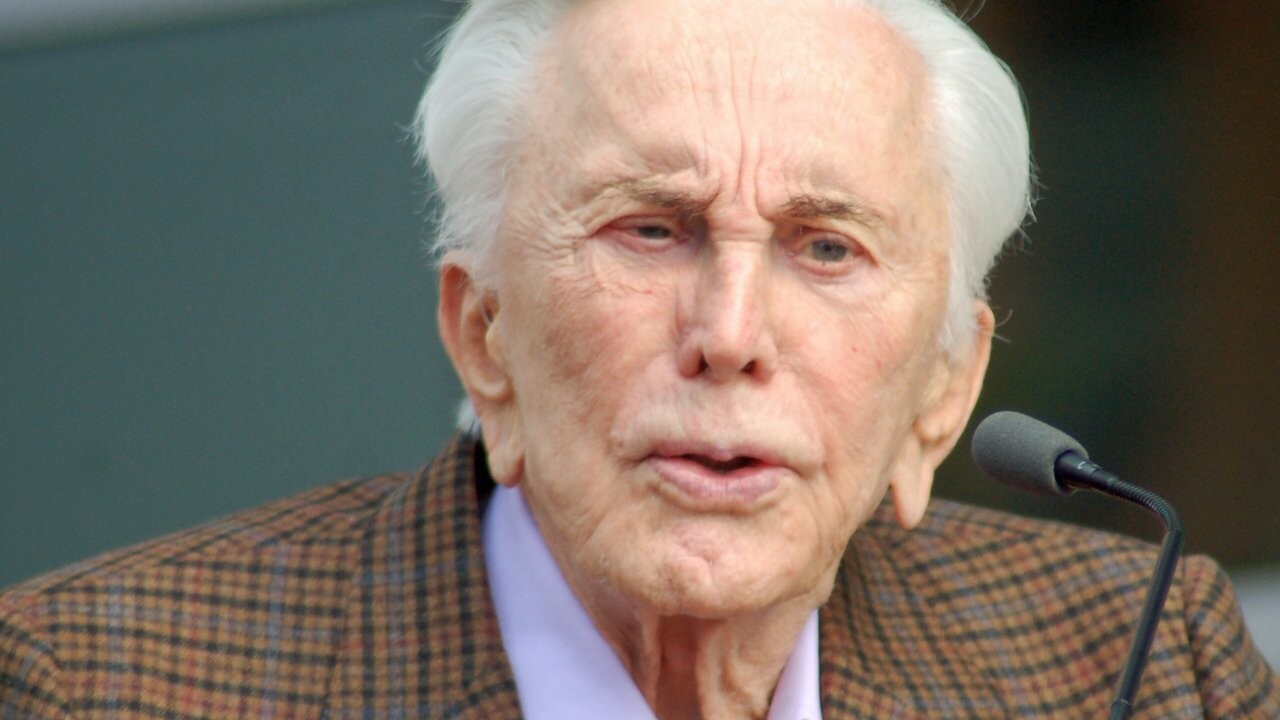
Kirk Douglas: 103
Kirk Douglas brought his forceful screen presence to Spartacus, Champion, Paths of Glory, and Lust for Life. He also helped end the Hollywood blacklist. Douglas died at 103, leaving a body of work shaped by ambitious roles and a willingness to challenge one of the film industry’s most damaging practices.
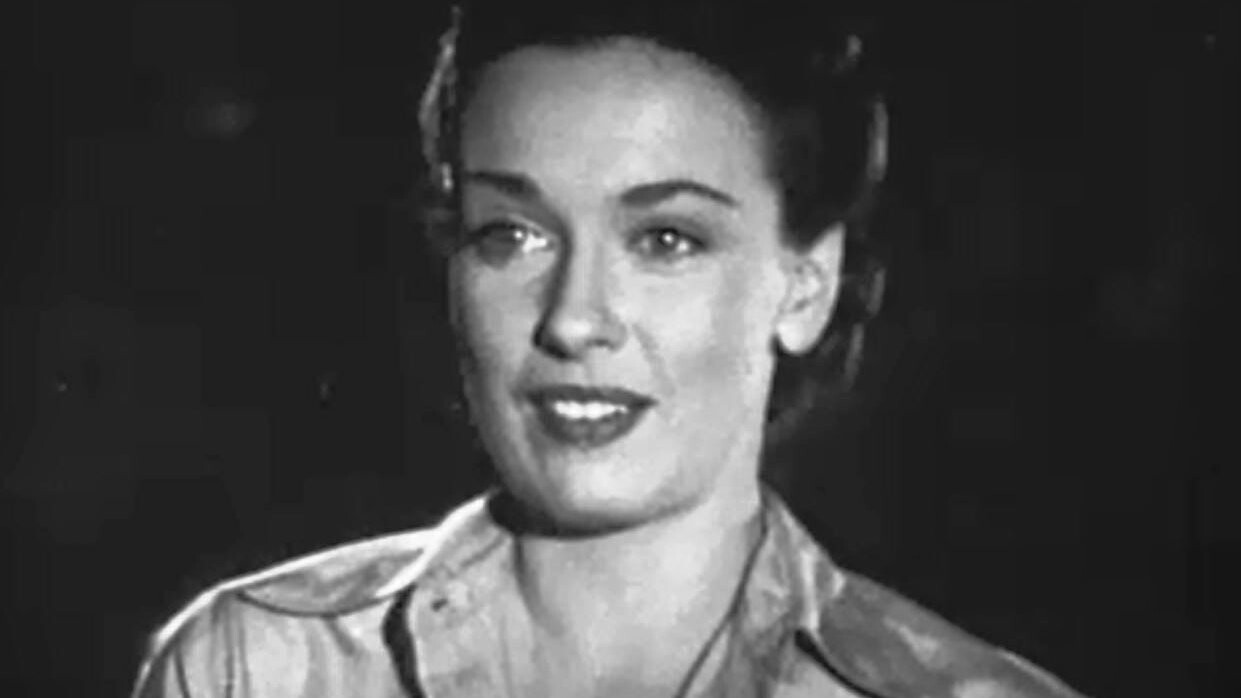
Patricia Morison: 103
Patricia Morison originated the role of the temperamental diva Lilli Vanessi in the Broadway musical Kiss Me, Kate. She also starred opposite Yul Brynner in The King and I. Morison died at 103, remembered for a commanding stage presence that connected the worlds of Hollywood film and musical theater.
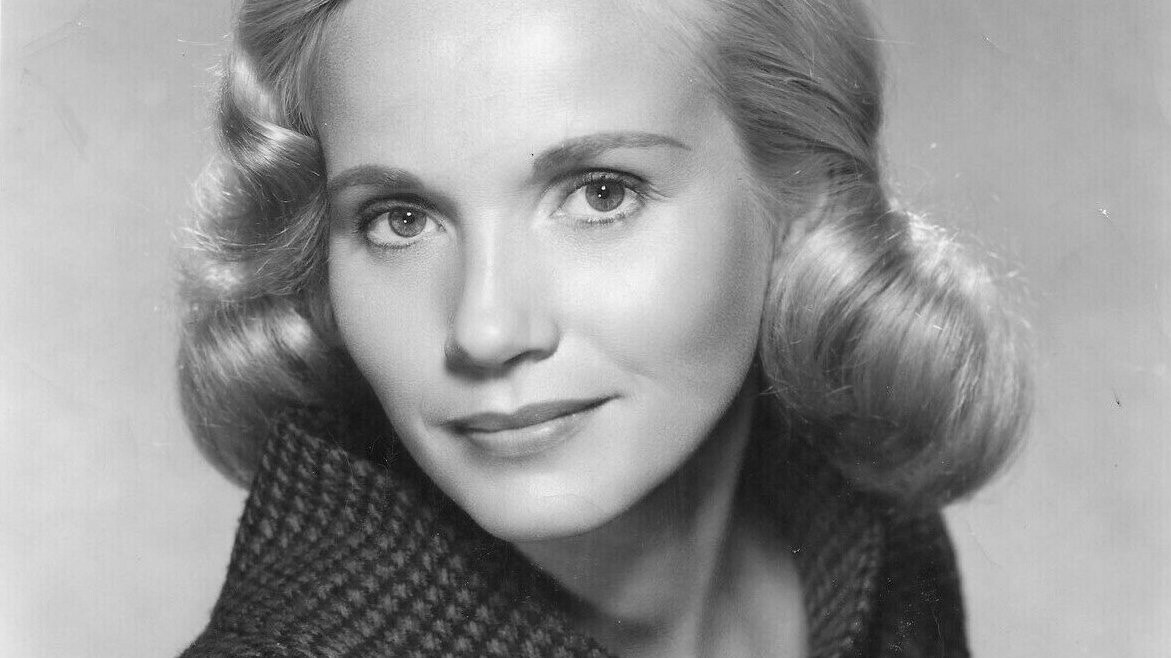
Eva Marie Saint: 102
Eva Marie Saint won an Academy Award for her first movie, On the Waterfront, and later starred in Alfred Hitchcock’s North by Northwest. She died at 102. Her best-known performances paired an understated manner with remarkable emotional control, proving that screen authority does not always require grand gestures.
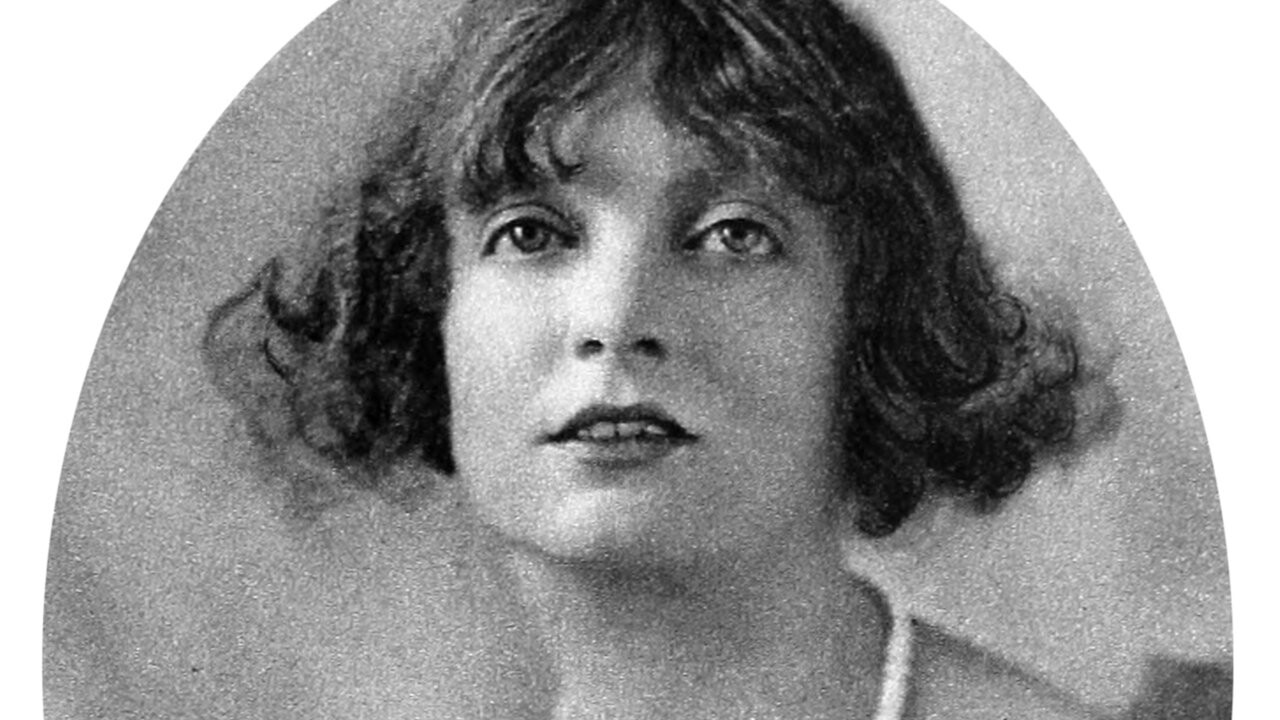
Estelle Winwood: 101
Estelle Winwood died at 101 after an acting career that lasted more than seven decades in Britain and the United States. Her final film was the 1976 mystery comedy Murder by Death. The length of her career offers a striking measure of how thoroughly her professional life crossed theatrical eras and national borders.
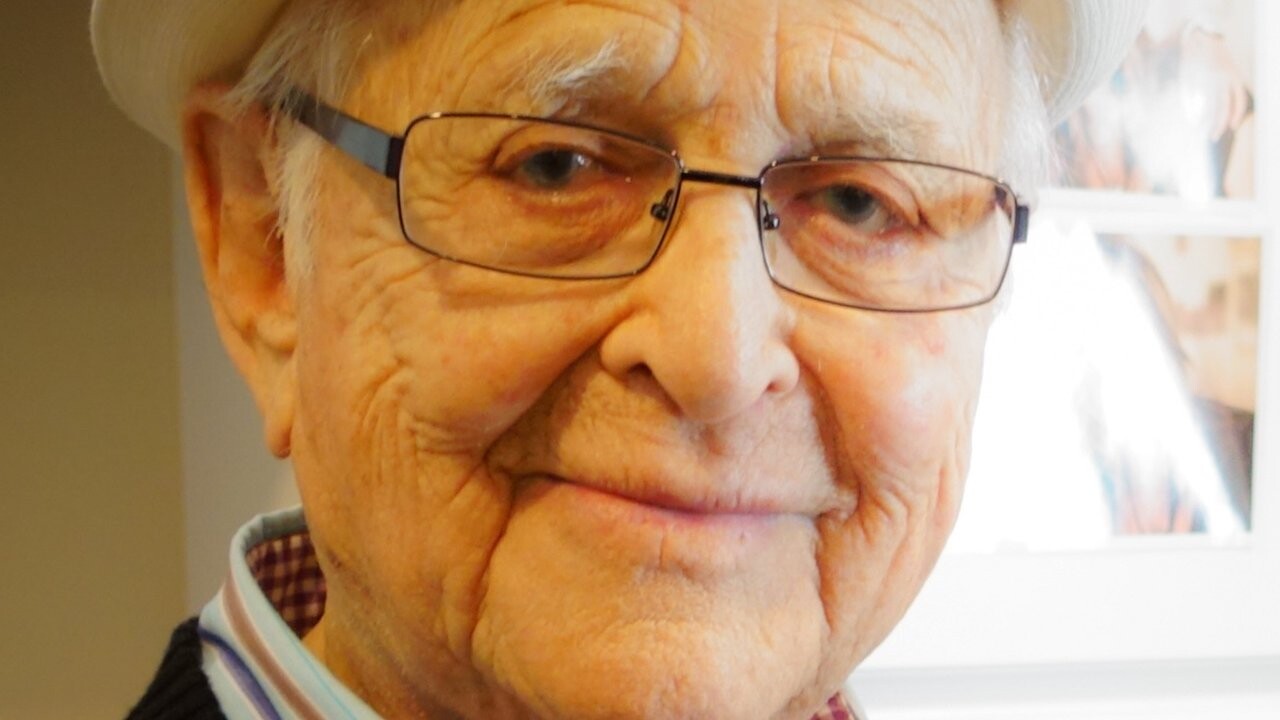
Norman Lear: 101
Norman Lear transformed American television with programs including All in the Family, Maude, and The Jeffersons. He died at 101. Lear believed laughter added time to life, an idea that suited a creator whose comedy invited audiences to confront family tensions and social change while still finding reasons to laugh.
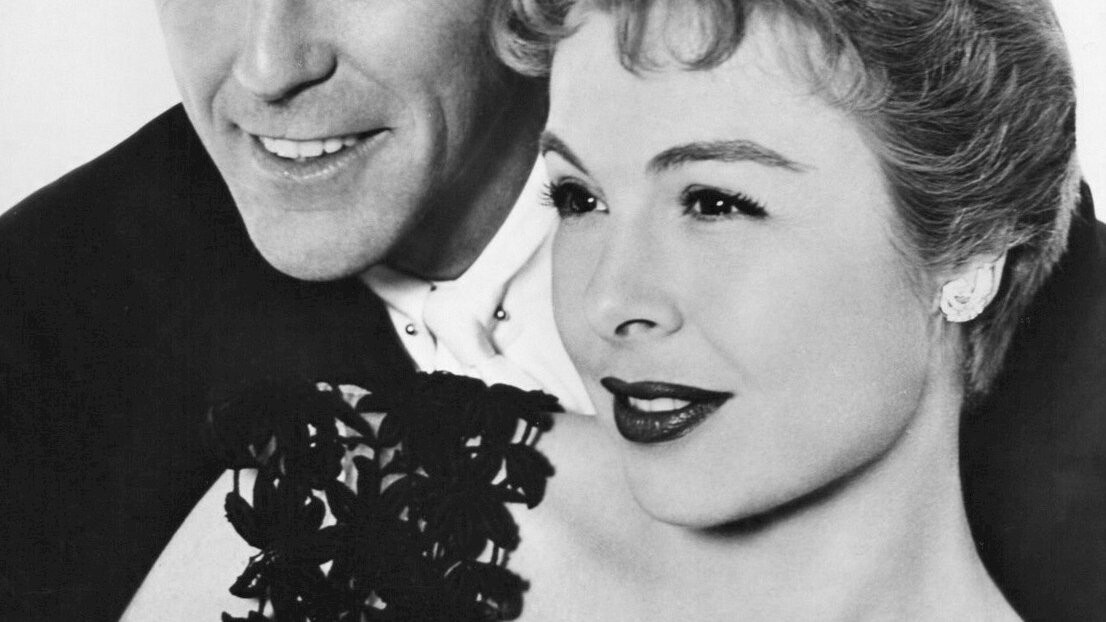
Marge Champion: 101
Marge Champion, a famed dancer from Hollywood’s Golden Age, was also a Broadway performer and an Emmy-winning choreographer. She died at 101. Her work reflected the discipline behind apparently effortless movement, while her success in both performance and choreography showed the range of her understanding of dance.
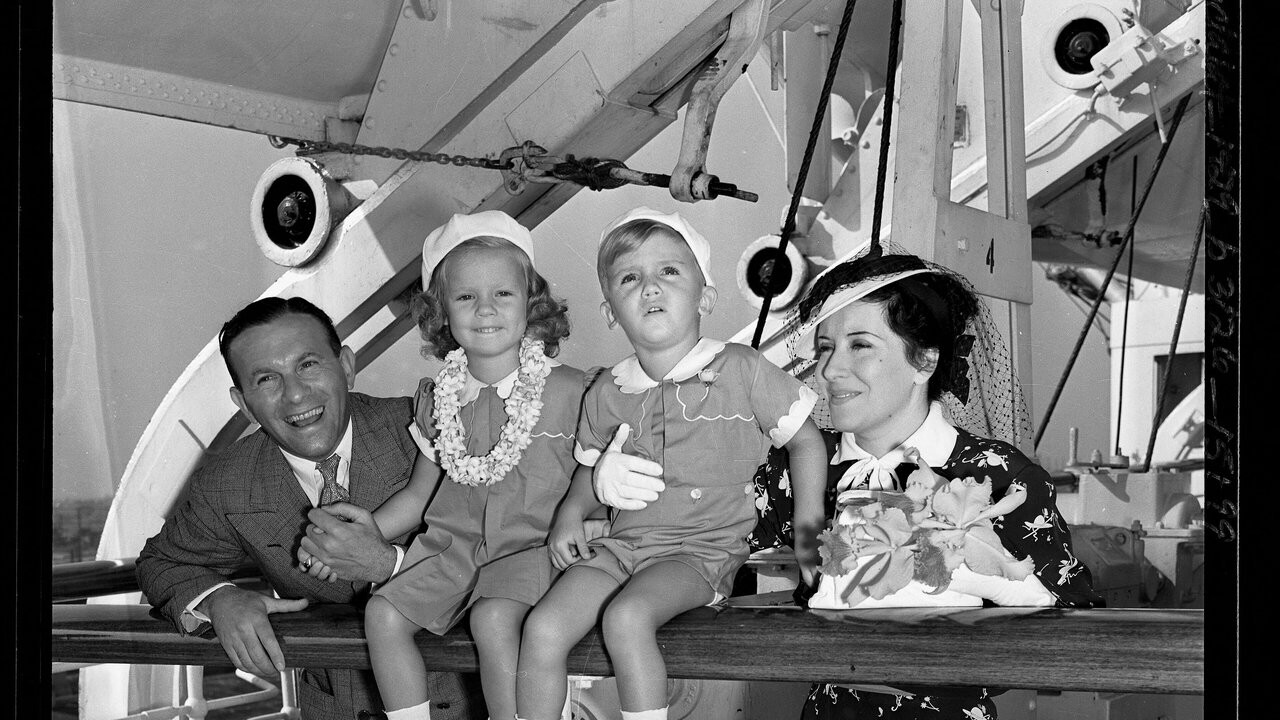
George Burns: 100
George Burns died at 100 after a career that stretched from vaudeville to television. He was best known as the cigar-smoking, unflappable straight man to his wife, Gracie Allen. Their partnership made his patient delivery instantly recognizable and secured his place in the history of American comedy.
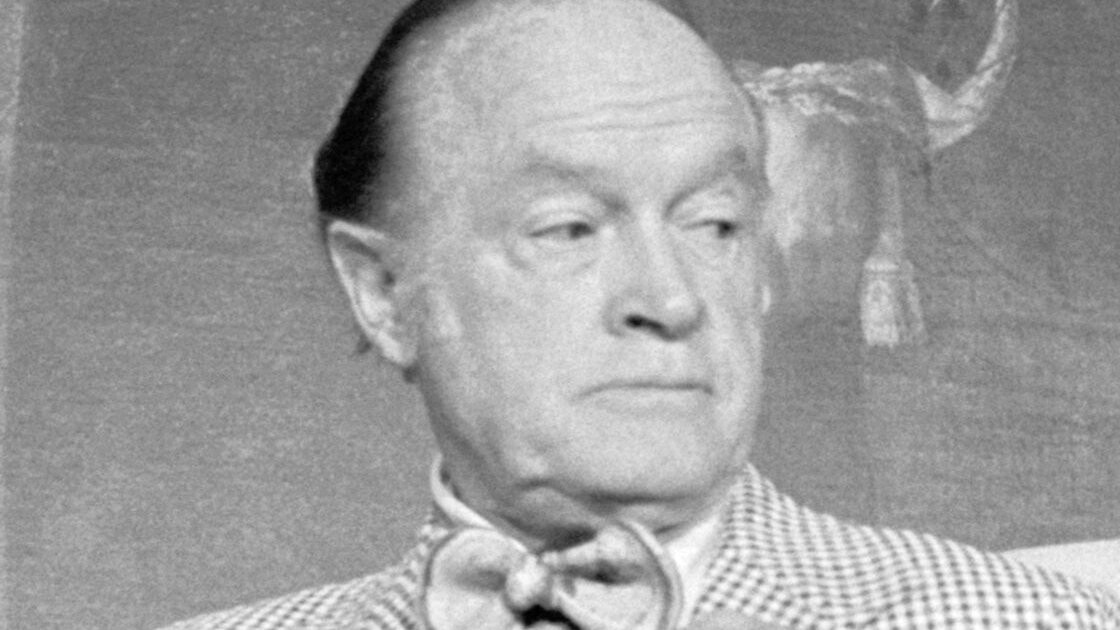
Bob Hope: 100
Bob Hope’s entertainment career spanned three quarters of a century, and he died at 100. In 1999, he donated his personal papers, radio and television programs, scripts, and treasured Joke File to the Library of Congress. The collection preserves the working materials behind one of American entertainment’s longest careers.
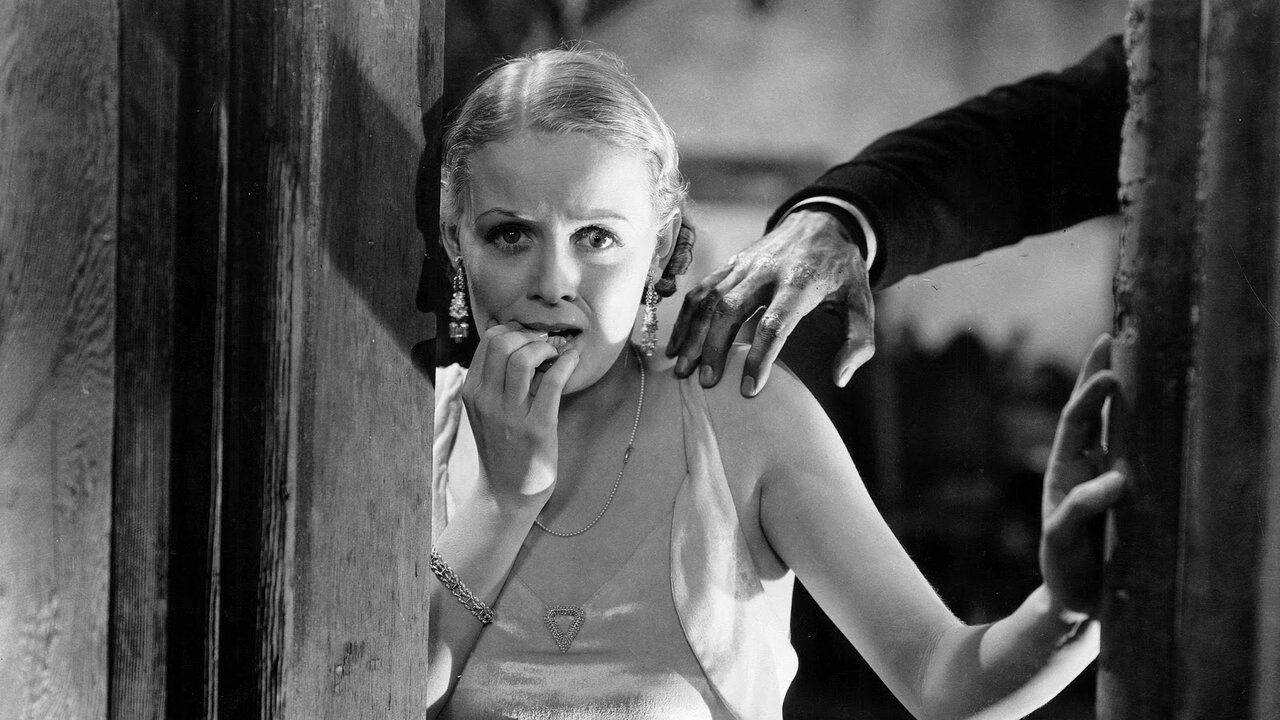
Gloria Stuart: 100
Gloria Stuart received an Academy Award nomination for playing the older Rose in Titanic and died at 100. She was also a founding member of the Screen Actors Guild who became an accomplished painter and fine printer. Those pursuits reveal an artist whose creative identity reached far beyond her screen appearances.
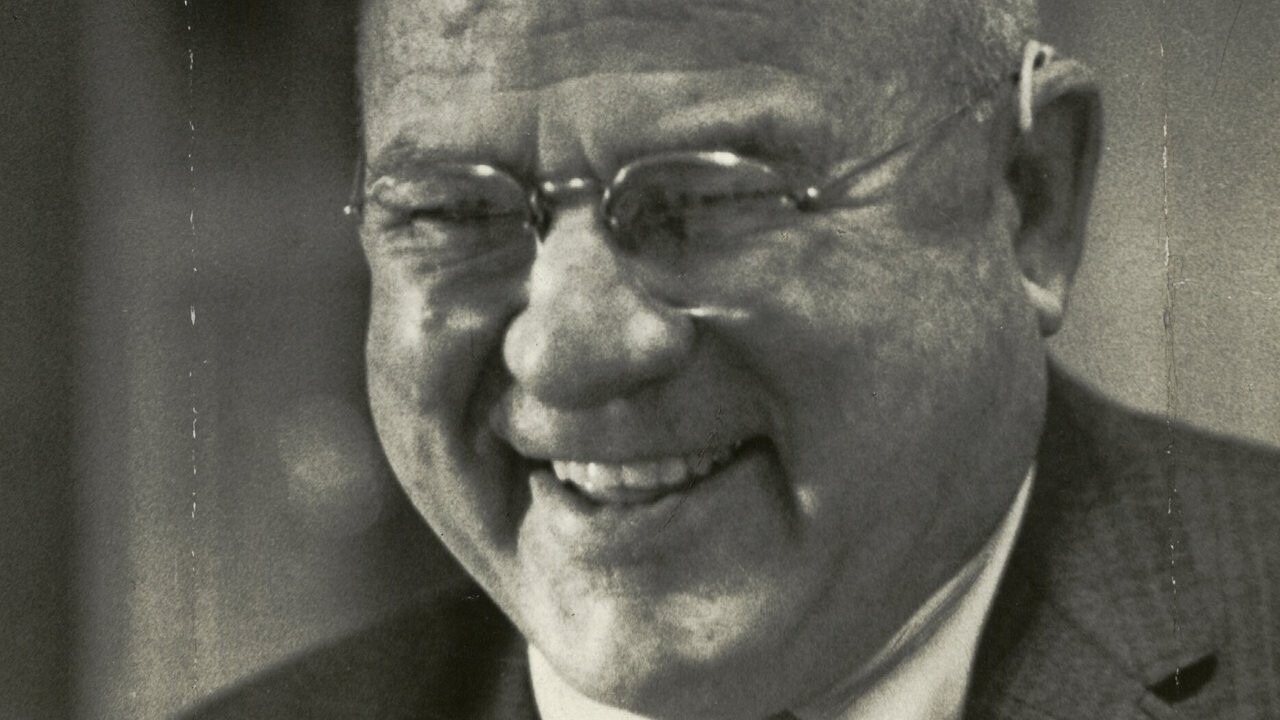
Hal Roach: 100
Hal Roach helped discover and develop the talents of silent-film greats Harold Lloyd, Stan Laurel, and Oliver Hardy. He died at 100. His place in comedy history rests on recognizing performers whose timing, contrasting personalities, and physical invention would continue making audiences laugh long after the silent era ended.
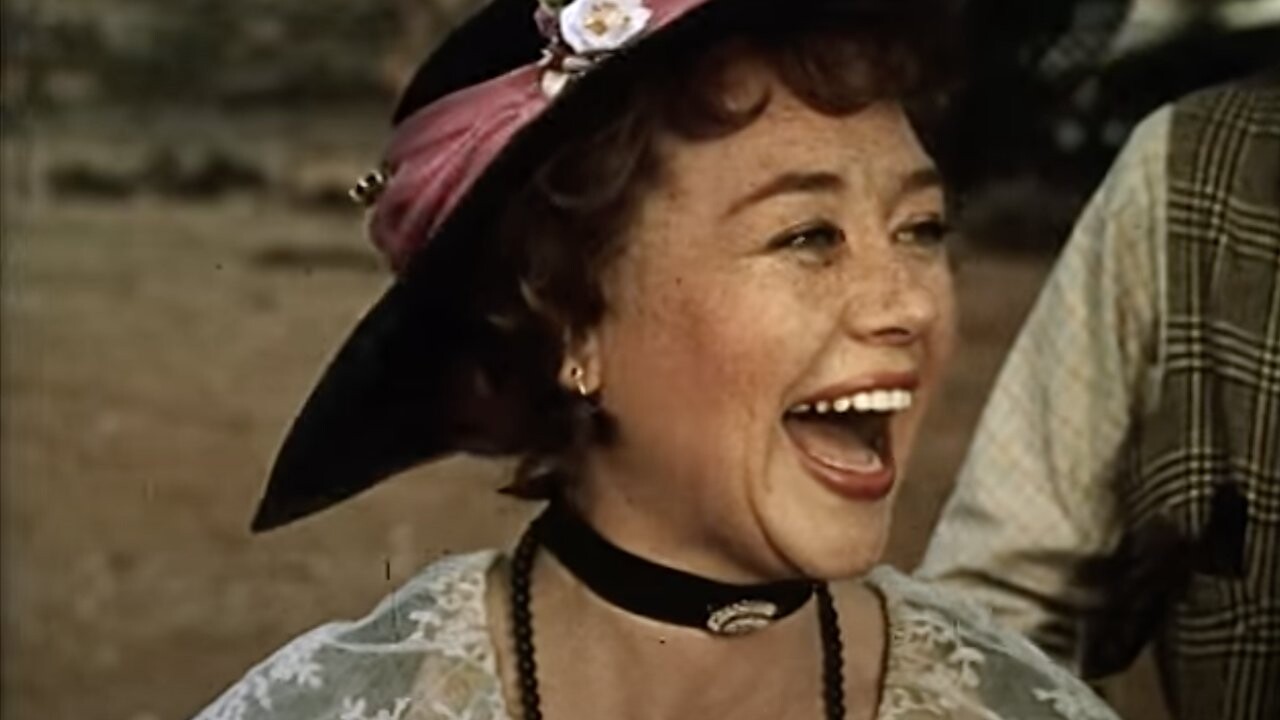
Glynis Johns: 100
Glynis Johns played the mother opposite Julie Andrews in Mary Poppins and introduced audiences to Stephen Sondheim’s Send in the Clowns. She died at 100. Her distinctive voice suited both the playful energy of film musicals and the bittersweet emotional shading of Sondheim’s celebrated stage song.
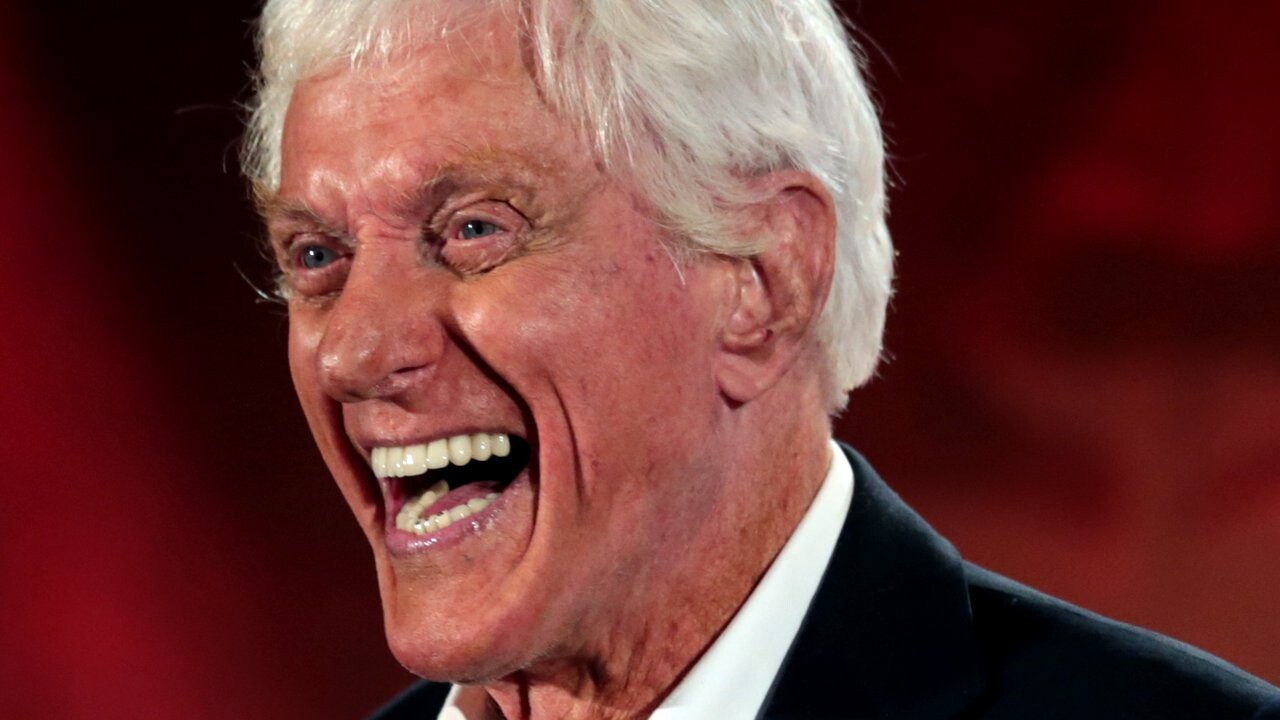
Dick Van Dyke: 100
Dick Van Dyke reached 100 decades after starring in The Dick Van Dyke Show and appearing with Julie Andrews in Mary Poppins. At his centennial, he said, “A hundred years is not enough. You want to live more, which I plan to.” The remark captured his familiar warmth and forward-looking spirit.
These century-spanning careers show how creative work can connect generations, preserve memories, and keep finding new audiences. Which of these stars brings back your fondest memory?
Follow The HyperHive on MSN for more stories like this.
Sources:






