Adults 65 and older are more likely to become seriously ill from contaminated food, making careful handling especially important.
Refrigerate leftovers promptly, use them within federal storage limits, and reheat them thoroughly. Remember that a normal appearance or smell does not prove food is safe.
Here is a practical routine for storing leftovers and deciding when to discard them.
Why Is Food Poisoning More Serious After 65?
FoodSafety.gov states, “Adults aged 65 and older are more likely to be hospitalized or die from foodborne illness.”
The CDC explains that aging immune systems and organs become less able to recognize and remove harmful germs. Nearly half of people 65 and older with a laboratory-confirmed illness from Salmonella, Campylobacter, Listeria, or E. coli are hospitalized.
Chronic conditions such as diabetes and cancer may further increase the risk. Careful food handling therefore matters for older adults and anyone preparing their meals.
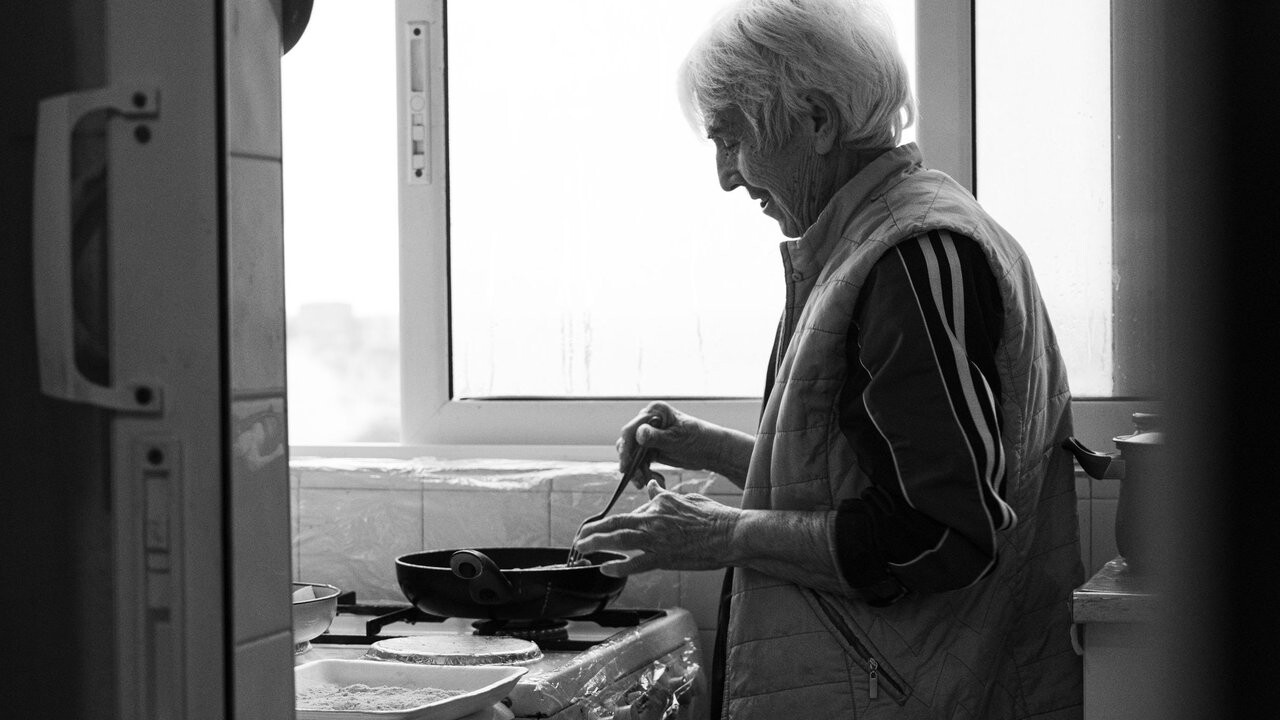
How Long Are Leftovers Good For?
The USDA gives a clear rule: “Use refrigerated leftovers within 3 to 4 days, or freeze them for longer storage.” This limit applies to safely stored home-cooked food and restaurant leftovers.
Refrigerate perishable food within two hours. If it has been exposed to temperatures above 90°F, such as in a hot car or at a picnic, refrigerate it within one hour. Discard food left out beyond the applicable limit.
Divide large amounts of food among shallow containers, and refrigerate or freeze them promptly. Shallow containers encourage rapid, even cooling instead of allowing the center to retain heat.
Label each container with the date so you can tell at a glance whether it remains within the refrigerated-storage window.
What Temperatures Keep Leftovers Safer?
Keep the refrigerator at or below 40°F and the freezer at 0°F, according to the FDA. Use appliance thermometers to verify both temperatures.
Food kept continuously at 0°F or below can remain safe indefinitely, although its quality may decline. Freeze leftovers promptly if you will not eat them within three to four days.
Reheat leftovers to 165°F throughout. Check several places with a food thermometer, particularly when reheating a large or dense portion.
When using a microwave, cover the food, stir or rotate it for even heating, and let it stand before checking the temperature.
Do not rely on your senses alone. The FDA warns that “food can make you very sick even when it doesn’t look, smell, or taste spoiled.”

Which Foods Need Extra Care After 65?
The CDC identifies foods that pose greater risks for older adults and recommends safer alternatives. These choices apply to both freshly prepared meals and food intended for later use.
- Cook Animal Foods Thoroughly. Avoid raw or undercooked meat, poultry, eggs, fish, and shellfish. Cook eggs until the yolks and whites are firm, and use a food thermometer when cooking meat or poultry.
- Choose Pasteurized Products. Select pasteurized milk, dairy products, juice, and cider instead of unpasteurized versions.
- Heat Deli Foods. Heat deli meat, cold cuts, hot dogs, and fermented or dry sausages to 165°F or until steaming hot.
- Prepare Produce Carefully. Wash fruits and vegetables before eating them. Choose cooked sprouts instead of raw or undercooked sprouts.
When preparing several portions, begin with safer ingredients, place extra servings in clean, covered containers, and refrigerate them promptly.
What Are the Warning Signs of Food Poisoning?
Common symptoms include diarrhea, stomach pain or cramps, nausea, vomiting, and fever. Symptoms vary by germ: some begin within hours, while others may take several days to appear.
The CDC advises seeing a doctor for any severe symptom, including the following:
- Bloody Diarrhea. Seek medical care if diarrhea contains blood.
- Lasting Diarrhea. See a doctor if diarrhea continues for more than three days.
- High Fever. Contact a doctor for a temperature above 102°F.
- Frequent Vomiting. Get medical help if vomiting is so frequent that you cannot keep liquids down.
- Dehydration. Watch for little urination, a dry mouth or throat, or dizziness when standing.
Because adults 65 and older face a greater risk of serious foodborne illness, contact a healthcare professional when severe symptoms appear rather than waiting for them to improve.
Dated containers, appliance thermometers, and a food thermometer make it easier to decide whether to store, serve, or discard leftovers.
This article is for general information and isn’t a substitute for advice from your doctor.
Sources:
- FoodSafety.gov: People at Risk—Older Adults
- CDC: People at Increased Risk for Food Poisoning
- USDA FSIS: How Do I Handle Leftovers Safely?
- USDA FSIS: How Long Are My Takeout Leftovers Safe?
- FoodSafety.gov: People at Risk of Food Poisoning
- FDA: Are You Storing Food Safely?
- FoodSafety.gov: Cold Food Storage Chart
- USDA FSIS: How Do I Reheat Leftovers Safely?
- USDA FSIS: What Methods of Reheating Food Are Safe?
- CDC: Safer Food Choices for Adults 65 and Older
- CDC: Food Poisoning Symptoms
You might also want to read: How Much Protein Do Adults Over 65 Need? What New Federal Guidelines and Aging Experts Say