How Much Sleep Do Adults Over 65 Need? What Sleep Experts and Health Agencies Recommend

© Ron Lach / Pexels
Is seven hours of sleep still enough once you’re past 65, or do you need more?
Many older adults notice changes in their sleep. They get sleepy earlier in the evening, wake up earlier in the morning, and wake more often during the night.
The good news is that experts largely agree on how much rest older adults need. Here’s what sleep specialists and federal health agencies recommend.
How Many Hours of Sleep Do Adults Over 65 Need?
The National Sleep Foundation recommends seven to eight hours a night for adults over 65. “If you’re older than 65, you may need a little less,” the foundation says, compared with seven to nine hours for younger adults.
The Centers for Disease Control and Prevention (CDC) uses the same range: seven to eight hours for people 65 and older.
The National Institute on Aging (NIA) sets the bar a little higher. It says older adults need “about the same amount of sleep as all adults — seven to nine hours each night.”
Both ranges include seven to eight hours. The National Sleep Foundation adds that an extra hour or two on either side “may be appropriate, depending on the person.”
Why Does Sleep Change With Age?
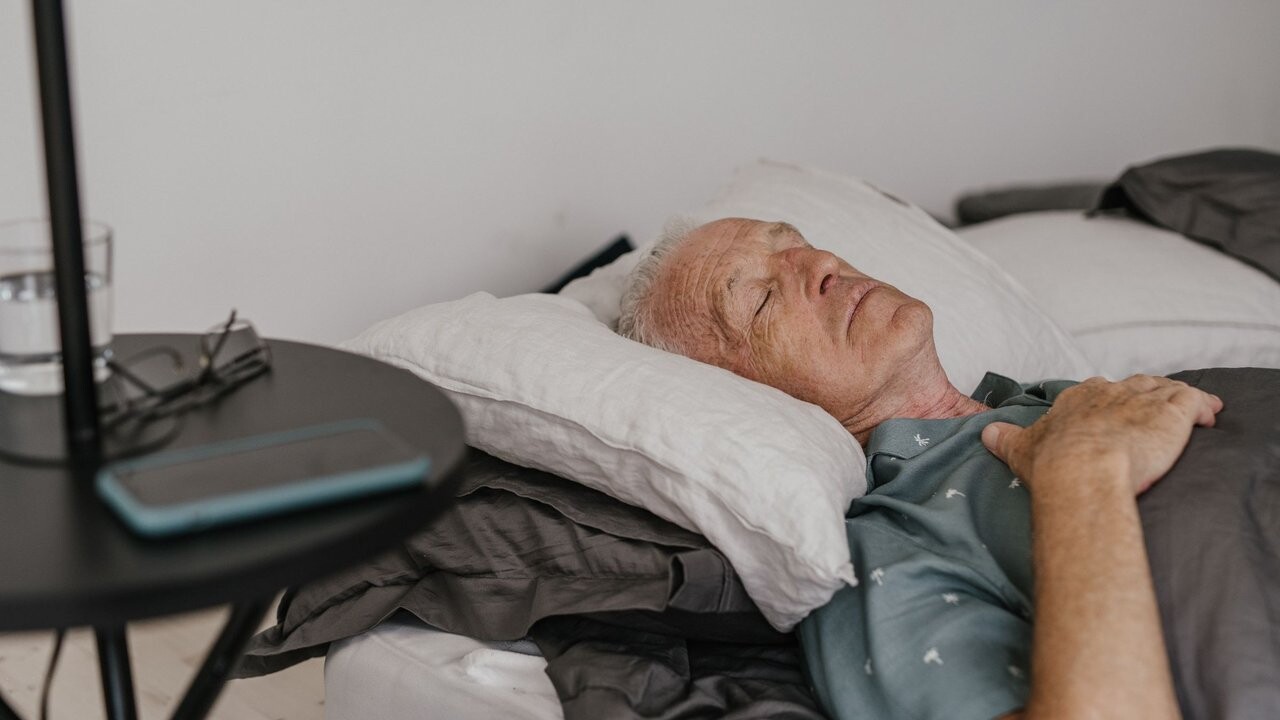
According to the NIA, older adults tend to go to bed earlier and wake up earlier than younger adults. Sleep also tends to be “shorter and lighter,” with more waking during the night.
Health problems and medicines can play a role, too. The NIA says insomnia, meaning trouble falling or staying asleep at least three nights a week, is the most common sleep problem in adults 60 and older. Sleep apnea and restless legs syndrome also become more common with age.
Naps can help, but timing matters. The NIA advises against napping in the late afternoon or evening, and Harvard Health says short naps of around 20 minutes in the early afternoon may be best.
Can Too Little or Too Much Sleep Affect Your Health?
Research suggests both extremes may be a warning sign. A 2016 review of 27 studies covering more than 70,000 people aged 60 and older, published in BMJ Open, found that long sleepers had a 33% higher risk of dying during the studies. Short sleepers had a 7% higher risk.
A British study published in Nature Communications in 2021 followed nearly 8,000 people for 25 years. Those who regularly slept six hours or less in their 50s and 60s were more likely to develop dementia later in life.
These studies show a link, not cause and effect. The National Sleep Foundation notes that sleeping far outside the normal range may be a sign of an underlying health problem.
Simple Habits That Can Help
- Keep a regular schedule. The NIA advises going to bed and getting up at the same time every day, including weekends.
- Watch the caffeine. The CDC suggests avoiding caffeine in the afternoon or evening.
- Turn off screens. The CDC recommends switching off electronic devices at least 30 minutes before bedtime.
- Stay active, but not too late. The NIA suggests regular exercise, but not within three hours of bedtime.
- Skip big late meals. The NIA recommends avoiding large meals two to three hours before bed.
When Should You Talk to a Doctor?
Sleeping pills are not a long-term fix. The NIA says sleep medicines “carry risks and should not be used long term.” The American Geriatrics Society lists several common sleep drugs, including zolpidem (Ambien) and older antihistamines such as diphenhydramine, among medicines older adults should generally avoid because of risks like confusion and falls.
For long-lasting insomnia, the American Academy of Sleep Medicine recommends a type of talk therapy called cognitive behavioral therapy for insomnia (CBT-I). Don’t stop any medicine on your own; ask your doctor or pharmacist first.
It’s also time to see a doctor if you’re always sleepy, have trouble sleeping on most nights, snore loudly or stop breathing during sleep, or still feel tired during the day after seven or more hours in bed.
Getting older doesn’t mean giving up on good sleep. For most people over 65, seven to eight restful hours a night is a healthy goal.
Sources:
- National Institute on Aging: Sleep and Older Adults
- CDC: About Sleep
- National Sleep Foundation: How Many Hours of Sleep Do You Really Need?
- BMJ Open (2016): Sleep duration and mortality in the elderly
- Nature Communications (2021): Sleep duration in midlife and later life and dementia
- American Geriatrics Society: 2023 Beers Criteria
- American Academy of Sleep Medicine: Behavioral treatment of chronic insomnia (2021)
- Harvard Health: Is your daily nap doing more harm than good?
You might also want to read: Can Sleeping Longer Prevent Heart Attacks?