There is no separate sheet-changing schedule for adults over 65, but age-related skin changes can make clean, dry bedding especially welcome.
Your health, comfort, and circumstances matter more than age alone. Illness, incontinence, allergies, and heavy sweating may require more frequent changes.
Here is how to choose a practical routine, wash bedding safely, and make changing the bed less tiring.
How Often Should You Change Your Sheets?
Cleveland Clinic dermatologist Sean McGregor, DO, offers a clear general guideline: “Medical experts advise washing your sheets at least once a week.” The American Academy of Allergy, Asthma & Immunology also recommends weekly washing to help control dust mites.
Treat that weekly schedule as a starting point. Wash sheets sooner if they become damp or dirty, or if you sweat heavily, have allergies, allow a pet in bed, or are recovering from an illness.
Changing and washing can be separate jobs. Put a clean set on the bed right away, then launder the used sheets when your energy and schedule allow.

What Builds Up in Bedding?
According to Cleveland Clinic, sheets collect dead skin, sweat, body oils, dirt, bacteria, dust, and pet dander.
Dead skin cells left on sheets, mattresses, and pillows can support bacterial growth. Dust mites also thrive in bedding and other warm, humid places, and their allergens commonly trigger allergy and asthma symptoms.
Your bed does not need to be germ-free. A regular washing routine keeps accumulated sweat, oils, skin cells, and allergens under control.
Why Pay Attention to Bedding After 65?
The American Academy of Dermatology says, “During our 60s and 70s, skin can feel dry and irritated.” Skin becomes thinner and loses water more easily during these decades.
Later-life skin changes can also include greater susceptibility to skin infections and slower healing. These changes do not require a special age-based laundry schedule, but clean, dry sheets can support comfort and personal hygiene.
Ask a health professional about new or persistent itching, sores, or a rash, regardless of when you last changed the bedding.
When Should You Change Sheets Sooner?
Do not wait for the usual laundry day when bedding is damp or visibly soiled. Several situations call for prompt attention.
- After a leak. Replace damp bedding after urinary or bowel incontinence. MedlinePlus warns that excess moisture makes redness, peeling, irritation, and yeast infections more likely and says, “Special care must be taken to keep the skin clean and dry.”
- During illness. Cleveland Clinic recommends washing more frequently while you recover from an illness or infection. The CDC says laundry from someone who is sick can be washed with other household items.
- When allergies flare. Wash bedding more often if allergy or asthma symptoms increase. Dust mite allergens are common triggers, and weekly washing helps reduce exposure.
- After heavy sweating. Change sheets sooner after night sweats or during hot or humid weather. More frequent washing may also be helpful when a pet sleeps in the bed.
Visible stains, sweat marks, odors, or a sticky, slimy, or grimy feel are further signs that sheets need washing.
What Water Temperature Should You Use?
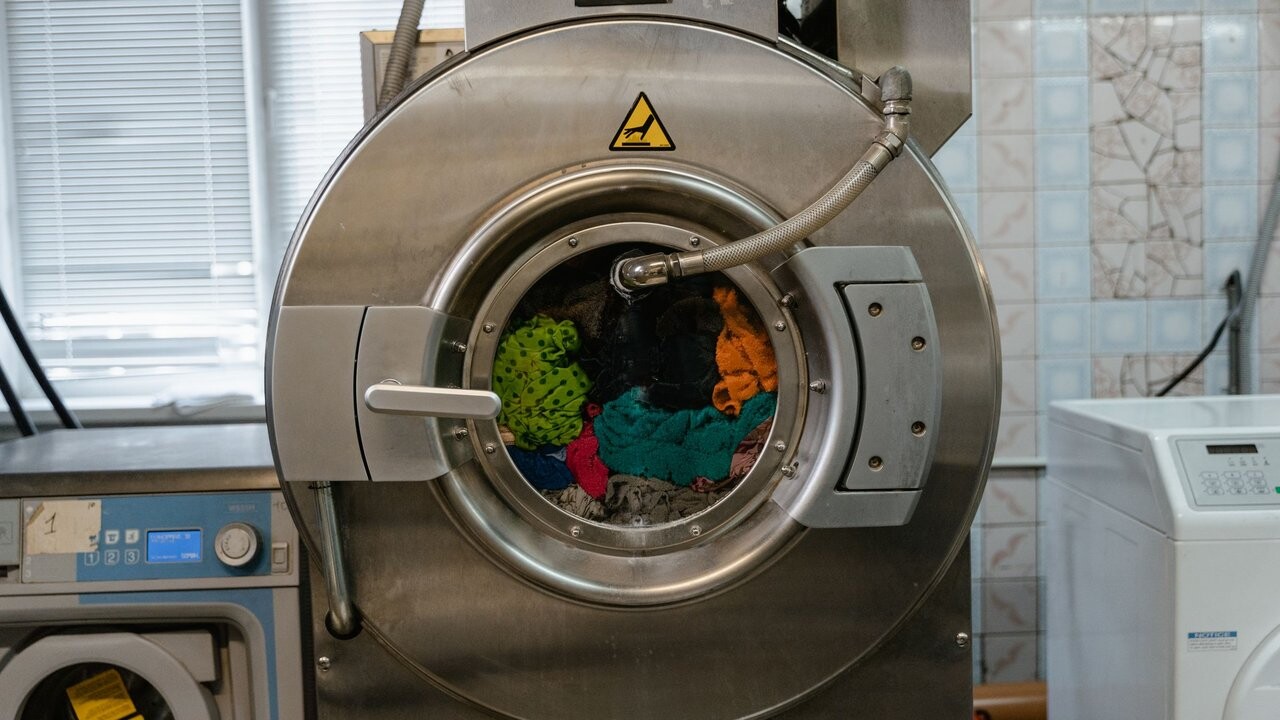
Dust mite guidance varies. AAAAI’s public advice recommends washing bedding weekly in water at 130°F and drying it in a hot dryer.
However, a joint allergy practice parameter says a high temperature is not necessary. It describes weekly washing in warm water as a reasonable approach that removes most, but not all, mites and mite allergens.
For general household laundry, follow the CDC’s advice: “Use the warmest appropriate water setting and dry items completely.” Check the care label, use detergent, and do not assume every fabric can withstand the hottest cycle.
If your skin is sensitive, consider fragrance-free detergent. Cleveland Clinic notes that scented products can irritate some people.
How Can You Make Sheet Changes Easier?
Choose a routine that suits your energy and mobility. A few adjustments can reduce the work involved.
- Keep a spare set. Store one complete set near the bedroom so you can remake the bed before doing the laundry.
- Pick a cue. Connect the change with a regular day, caregiver visit, or phone reminder instead of relying on memory.
- Air the bed. Fold back the covers briefly before making the bed. This allows sweaty sheets to dry and reduces the moisture that helps dust mites and bacteria flourish.
- Share the strain. If carrying a basket or stretching fitted corners feels unsteady, ask a family member or caregiver to handle that part.
- Use smaller bundles. Carry sheets and heavier blankets separately if a single large load is difficult to manage.
A simple system can keep a clean, dry set ready without making laundry day exhausting.
Aim to wash sheets weekly, then change them sooner when illness, moisture, allergy symptoms, visible dirt, or discomfort calls for it.
This article is for general information and isn’t a substitute for advice from your doctor.
Sources:
- Cleveland Clinic: How Often You Should Wash Your Sheets
- Cleveland Clinic Newsroom: How Often Should You Wash Your Sheets?
- American Academy of Dermatology: How to Care for Your Skin in Your 60s and 70s
- AAAAI: Indoor Allergens
- AAAAI and ACAAI Joint Task Force: Environmental Assessment and Exposure Control of Dust Mites
- CDC: When and How to Clean and Disinfect Your Home
- MedlinePlus: Skin Care and Incontinence
You might also want to read: How Often Should Adults Over 65 Shower? What Dermatologists and Aging Experts Recommend