How many times can you reuse a bath towel after 65?
For most people, about three uses is a practical guideline, provided the towel belongs to one person and dries completely after every shower. Damp, musty, or shared towels belong in the laundry sooner.
Here is how to keep towels fresh without turning laundry into a daily chore.
How Often Should You Wash Your Bath Towel?
Houston Methodist dermatologist Dr. Jennifer Maender offers a straightforward rule: “Bath towels and hand towels should be laundered after every three uses.” Cleveland Clinic dermatologist Dr. Alok Vij recommends laundering or replacing a bath towel at least once a week.
Counting uses may be easier than counting days, especially if you rotate several towels. A small mark on a laundry calendar can help you remember when each towel is ready for washing.
Washcloths need a different schedule. Houston Methodist recommends washing them after every use. Set used washcloths aside to dry rather than leaving them crumpled on the counter or mixed with clean linens.
Why Damp Towels Get Unclean
Bacteria, fungi, and viruses can grow on towel fabric, according to Houston Methodist. Cleveland Clinic explains that drying your body also leaves moisture, dead skin cells, and other debris in the fibers.
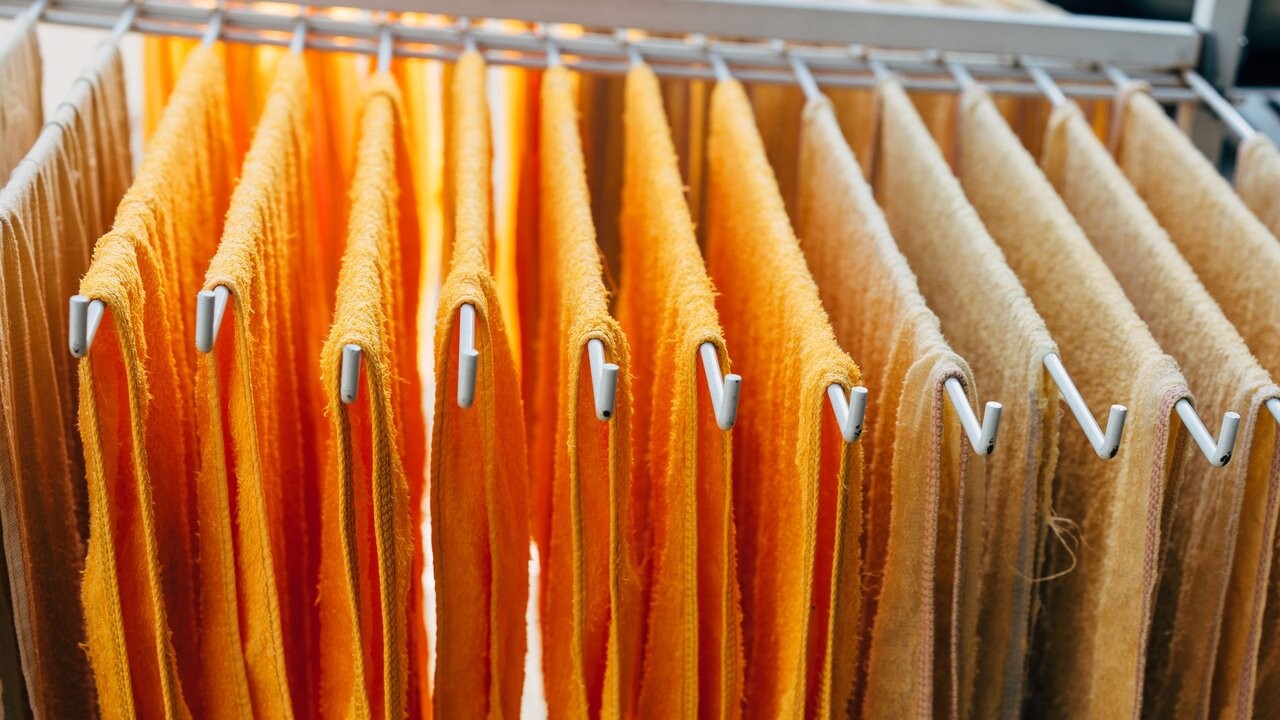
Moisture is the main reason drying matters. Cleveland Clinic notes that yeasts, bacteria, molds, and viruses remain alive and active longer when a towel stays damp. A musty or unusual odor can indicate that bacteria, mold, or both are multiplying in the fabric.
Spread your towel out immediately after each shower. A towel bar or drying rack exposes more of the fabric to air than a hook does. Avoid leaving the towel in a heap on the floor, folded while wet, or pressed against other damp laundry.
Why Age Can Matter
The American Academy of Dermatology says that during your 60s and 70s, “skin is thinner and loses water more easily.” The organization also lists greater susceptibility to skin infections among the changes that may occur with age.
Handle older skin gently after bathing. Pat away water instead of rubbing vigorously, and stop using a towel if its texture feels uncomfortably rough. The American Academy of Dermatology recommends leaving a little water on the skin after patting.
Extra care is sensible when eczema or another condition has compromised the skin barrier. Dr. Maender explains that a weakened barrier can make it easier for bacteria to enter the skin. Follow any towel or bathing instructions provided by your clinician for your particular condition.
When to Wash a Towel Sooner
The usual schedule assumes that one person uses the towel after a regular shower and hangs it where it can dry thoroughly. Choose a clean towel sooner when those conditions change.
- It stays damp. Humidity can make drying more difficult. Launder the towel if it is still moist when you need it again.
- Someone is sick. Cleveland Clinic advises washing towels more frequently during illness and when an injury or skin condition has damaged the skin barrier.
- There is a contagious skin infection. For impetigo, the American Academy of Dermatology recommends using a clean washcloth and towel every time you wash.
- It went to the gym. Houston Methodist recommends cleaning gym towels after every use, including towels used for wiping away sweat or cleaning equipment.
- Someone else used it. The American Academy of Dermatology says, “Never share personal care items, including towels and razors.” MedlinePlus notes that staph bacteria can spread on objects such as towels.
Keeping towels separate does not require an elaborate system. Different colors, labeled hooks, or assigned places on a towel bar can help prevent accidental sharing.
How to Wash and Dry Towels
Check each towel’s care label before washing. Houston Methodist recommends using detergent and a washing machine. Leave enough room in the drum for the load to move instead of packing it tightly.
Drying deserves as much attention as washing. Make sure towels are completely dry before folding them, returning them to the bathroom, or placing them in a hamper. Otherwise, moisture can remain trapped in the fabric or against other laundry.
A few simple habits can make the routine easier:
- Open it fully. Hang the towel across a bar or drying rack instead of folding or bunching it while damp.
- Keep damp laundry separate. Allow a wet towel to dry before putting it in the hamper.
- Notice changes. Move a towel to the laundry early if it remains damp or develops an unusual odor.
- Keep a spare nearby. Store a clean replacement within comfortable reach, particularly if the laundry area is on another floor.
A consistent rotation of clean, in-use, and ready-to-wash towels can keep the routine simple.
Regular washing, thorough drying, and separate towels create a manageable routine without unnecessary loads of laundry. How often do you usually change the towels in your home?
This article is for general information and isn’t a substitute for advice from your doctor.
Follow The HyperHive on MSN for more stories like this.
Sources: