
The finished Hoover Dam can look almost inevitable. Historic construction photographs tell a more complicated story of tunneling, excavation, concrete placement, and carefully planned systems for moving workers, equipment, and materials through a remote canyon.
This gallery follows that work chronologically through federal records. The Library of Congress construction portfolio includes views of Black Canyon before construction, the surrounding desert, and Boulder City.
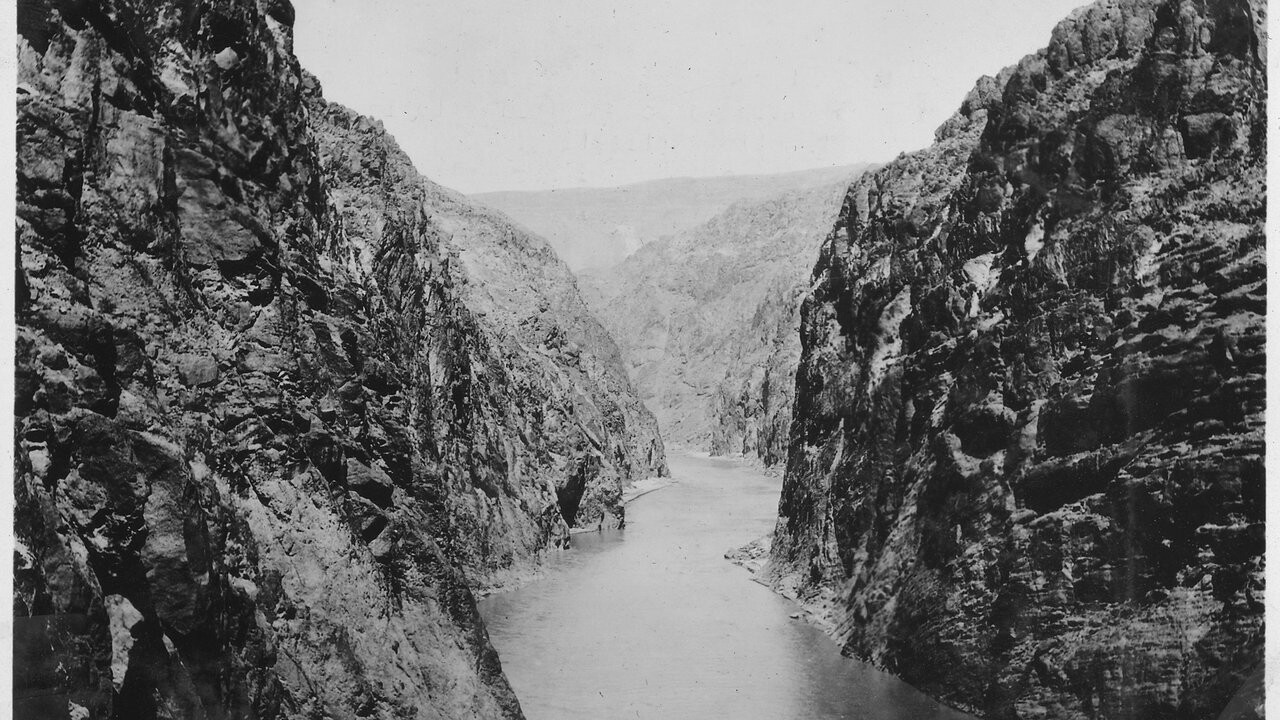
Before Construction: Black Canyon
Before construction, the Colorado River ran through Black Canyon on the Nevada-Arizona state line. The dam site lay in a deep canyon more than 30 miles from the nearest town. Its location shaped the entire project, beginning with the roads, railways, housing, utilities, and other support facilities needed before the main structure could rise.
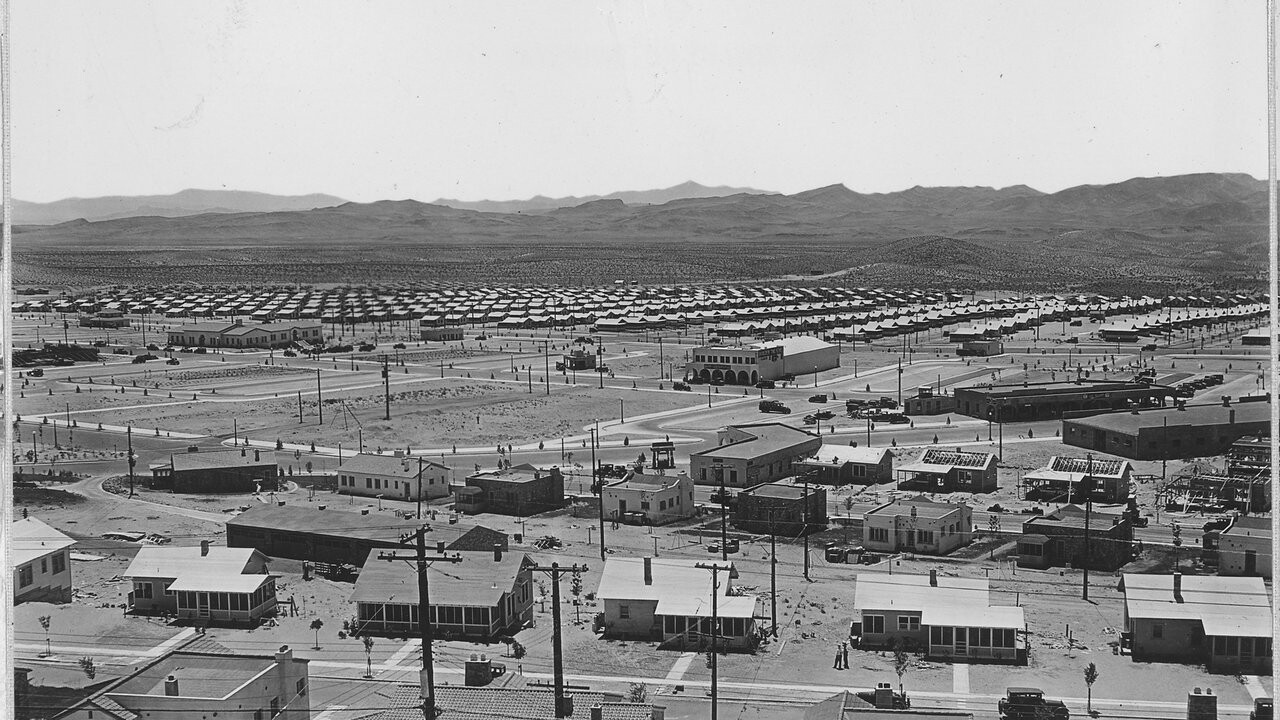
Boulder City Begins
Work on Boulder City began in December 1930. The federal government designed and built the community about six miles from the dam site. Its paved streets, water and sewer system, electrical service, public buildings, schools, hospital, and housing gave project workers and their families a planned community in the desert.
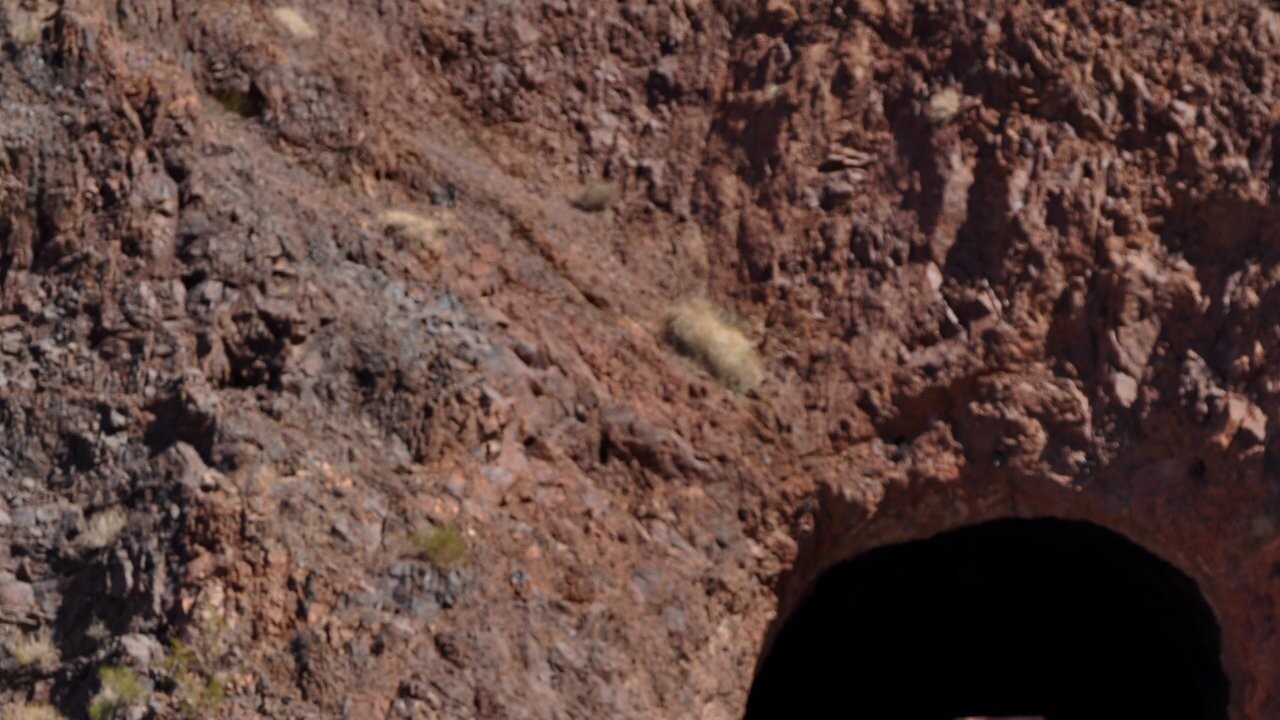
Rails Reach the Canyon
Preparatory transportation included 22.7 miles of standard-gauge railroad from the Union Pacific main line in Las Vegas to Boulder City, plus another 10 miles from Boulder City to the dam site. Those connections created a route for bringing machinery, cement, steel, and other heavy supplies into the construction area.
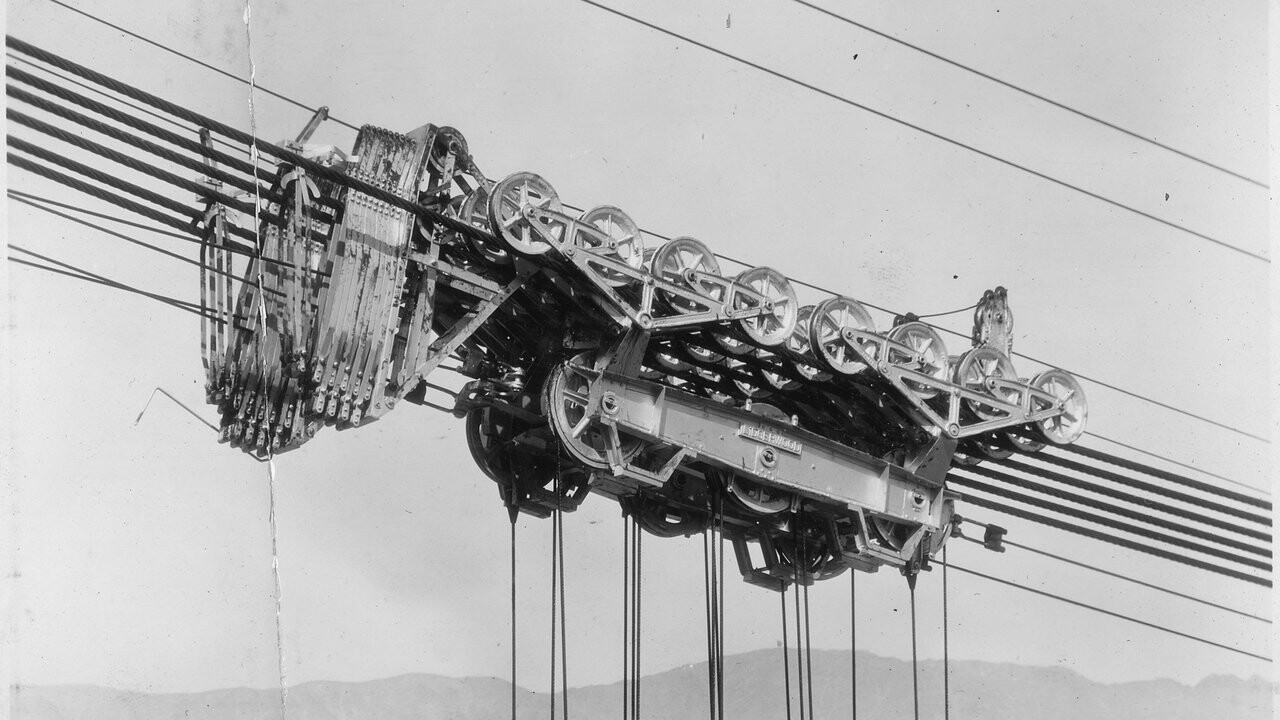
A Cableway Spans the Canyon
The federal government built a permanent cableway with a 150-ton capacity because much of the equipment could not practically reach the canyon floor by road. The cableway spanned the canyon near the downstream ends of the powerhouses, allowing crews to lower heavy loads to landing platforms on the canyon walls.
The Diversion Tunnels Begin
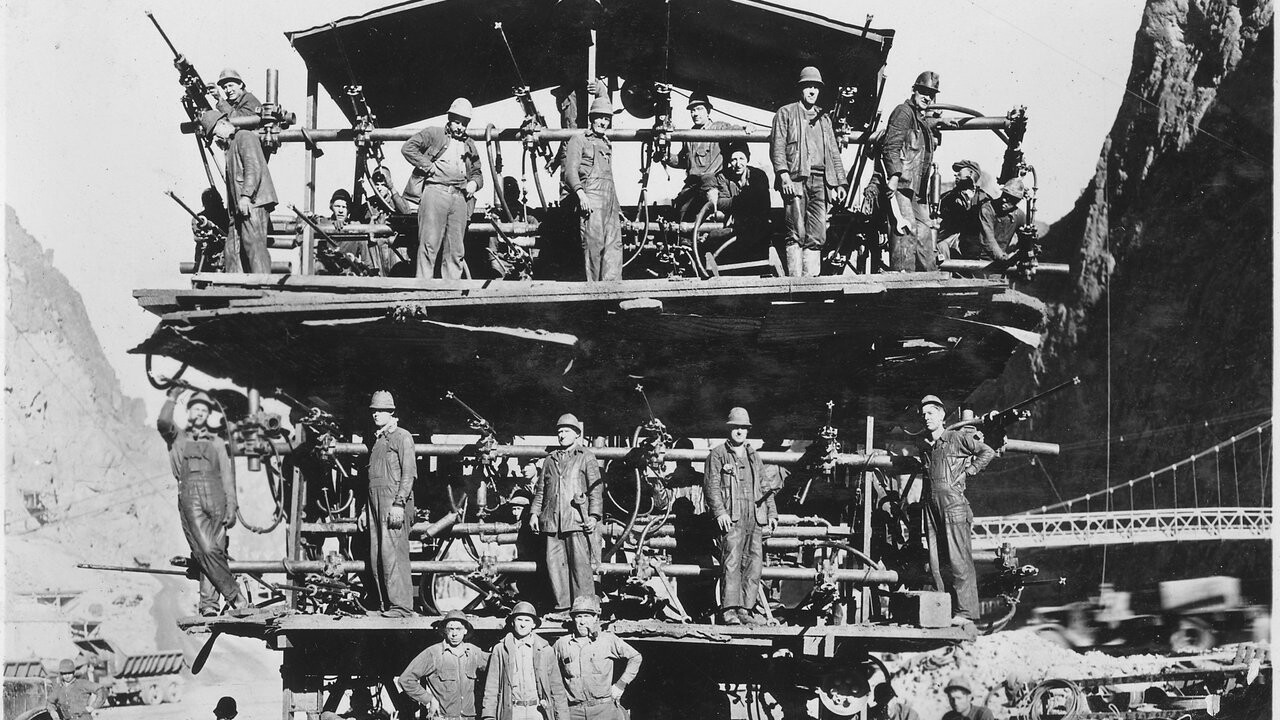
Work on the diversion tunnels began at the lower Nevada portals in May 1931, followed shortly by work on the Arizona side. Crews drove four tunnels through Black Canyon, with two on each side of the Colorado River. Together, these passages would carry the river around the dam site.
Concrete Lines the Tunnels
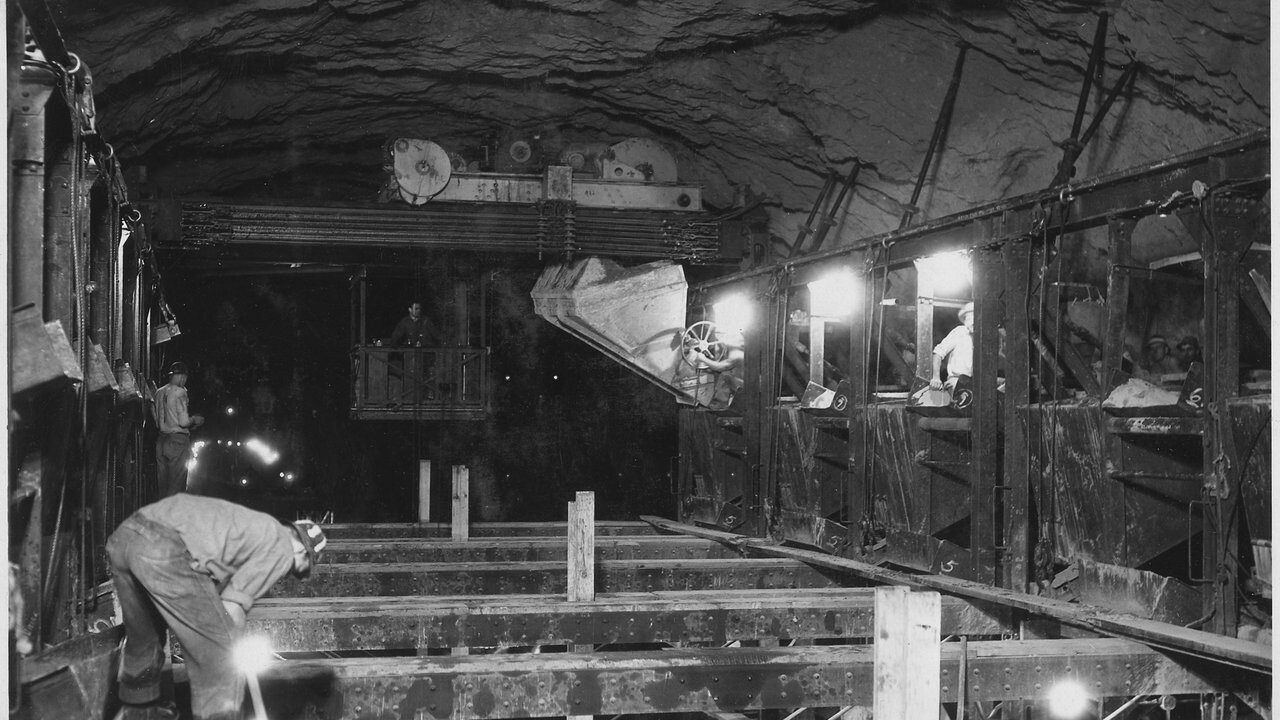
Concrete lining began in March 1932. Crews poured the tunnel bases first and used rail-mounted gantry cranes to place the concrete. The sidewalls followed inside movable steel forms, while pneumatic equipment filled the overhead sections. This sequence turned the excavated openings into concrete-lined channels for the diverted river.
High Scalers Prepare the Canyon Walls
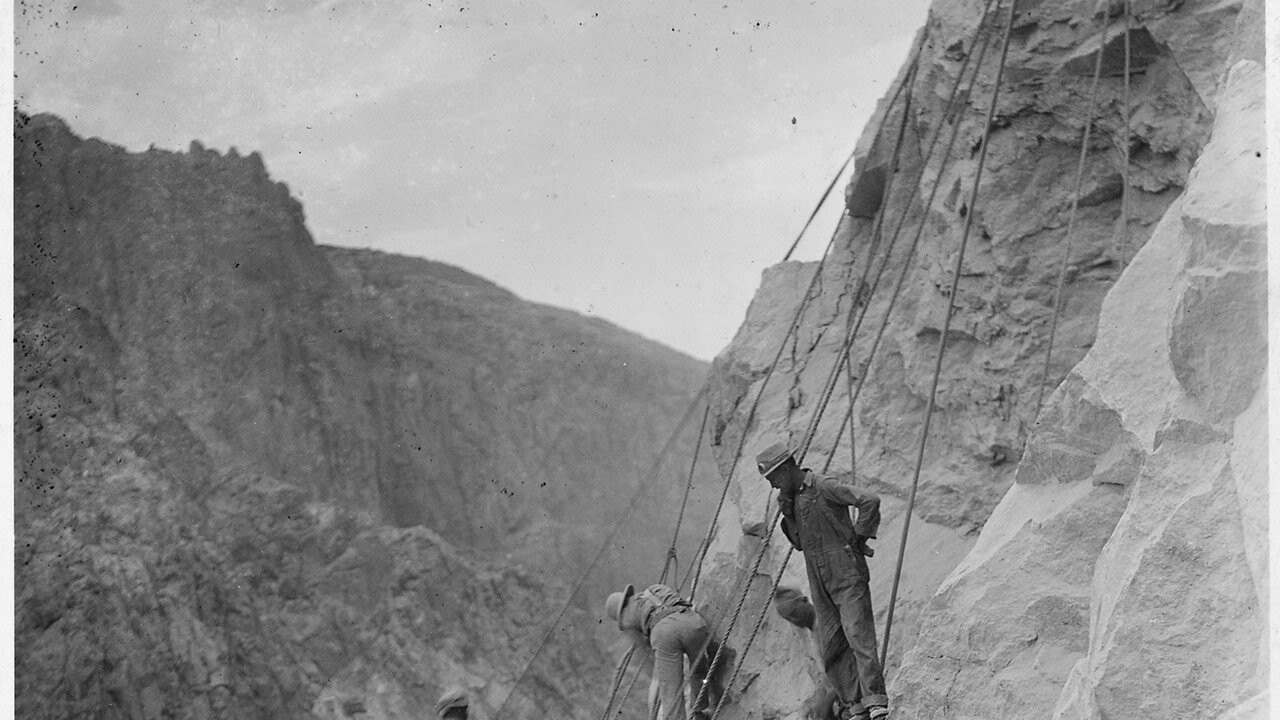
High scalers descended the canyon walls on ropes with jackhammers and dynamite. Their job was to strip away loose rock above the construction area and expose solid surfaces where the dam would meet the canyon. The photographs capture workers suspended high above the river, roads, machinery, and excavation sites below.
The River Moves Aside
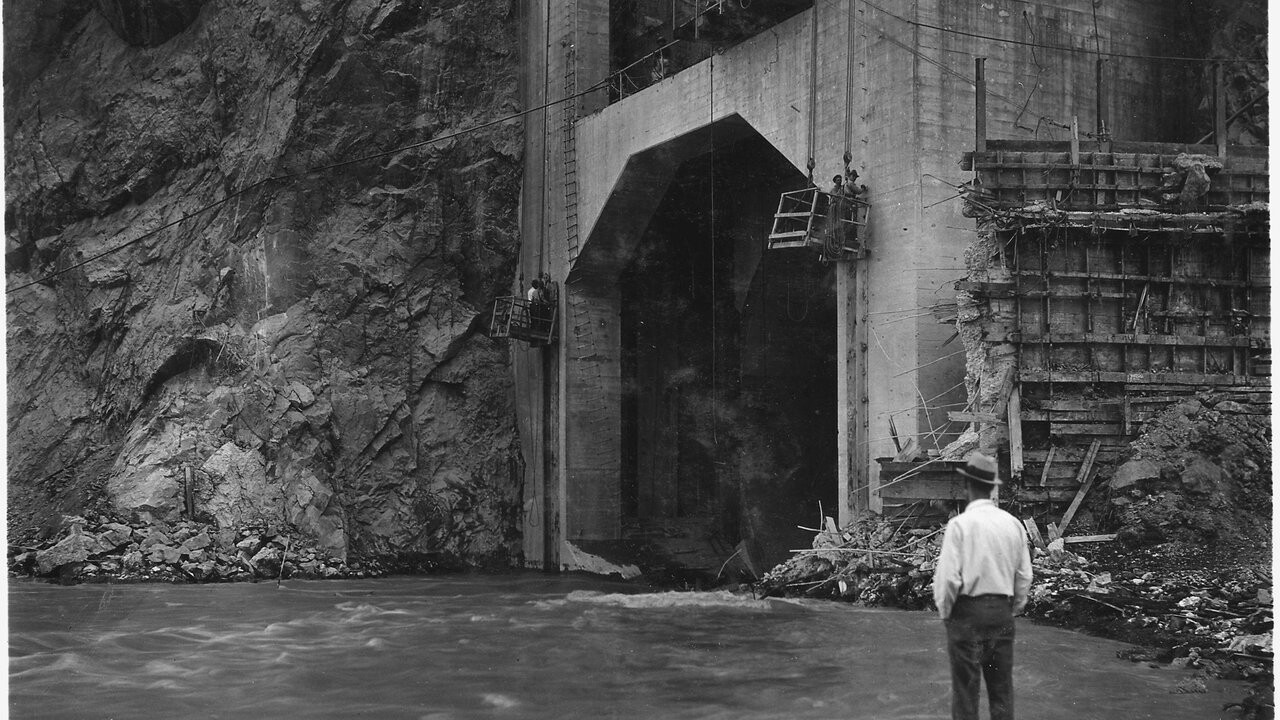
The Colorado River was first diverted through the two Arizona tunnels on November 14, 1932. Sending the river through the completed passages moved its flow around the central construction area. Crews could then proceed with the barriers, dewatering, excavation, and foundation work required before concrete placement began.
Cofferdams Hold Back the Water
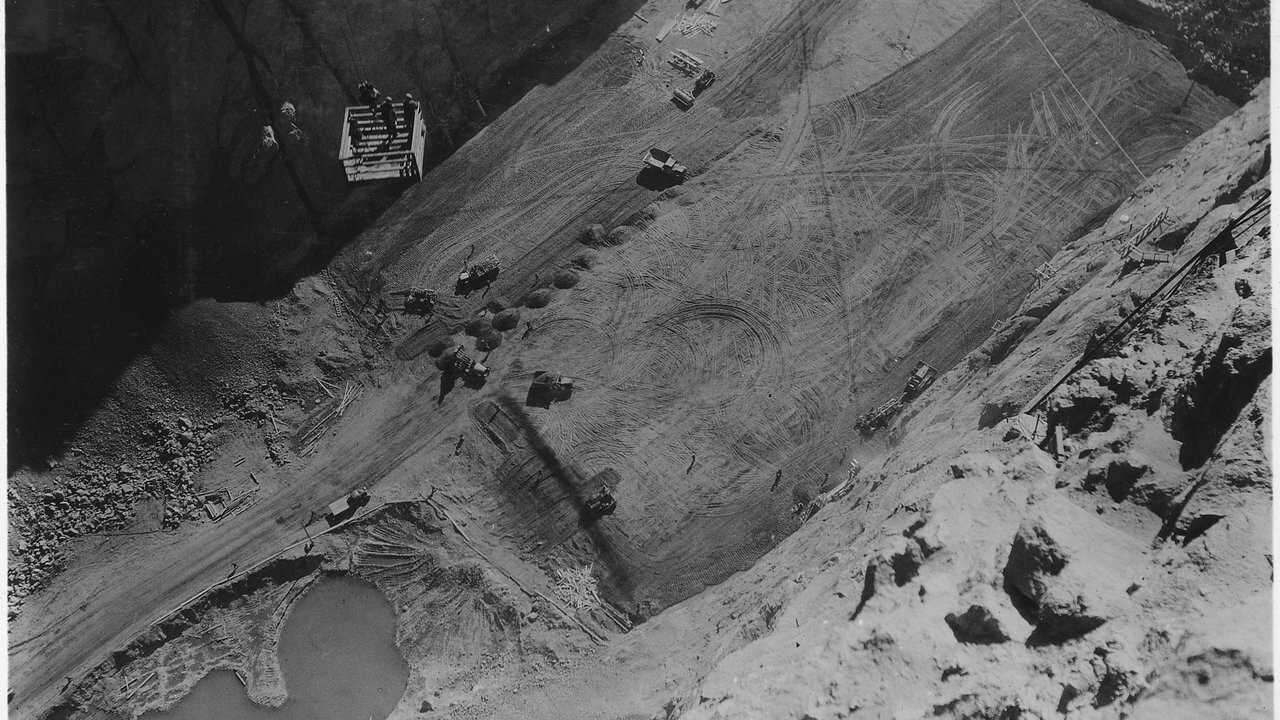
Two cofferdams isolated the construction site and protected it from flooding while the river traveled through the diversion tunnels. These temporary barriers allowed crews to remove water from the central work area. With the riverbed exposed, excavation could move forward on the foundation of the main dam.
Excavating the Foundation
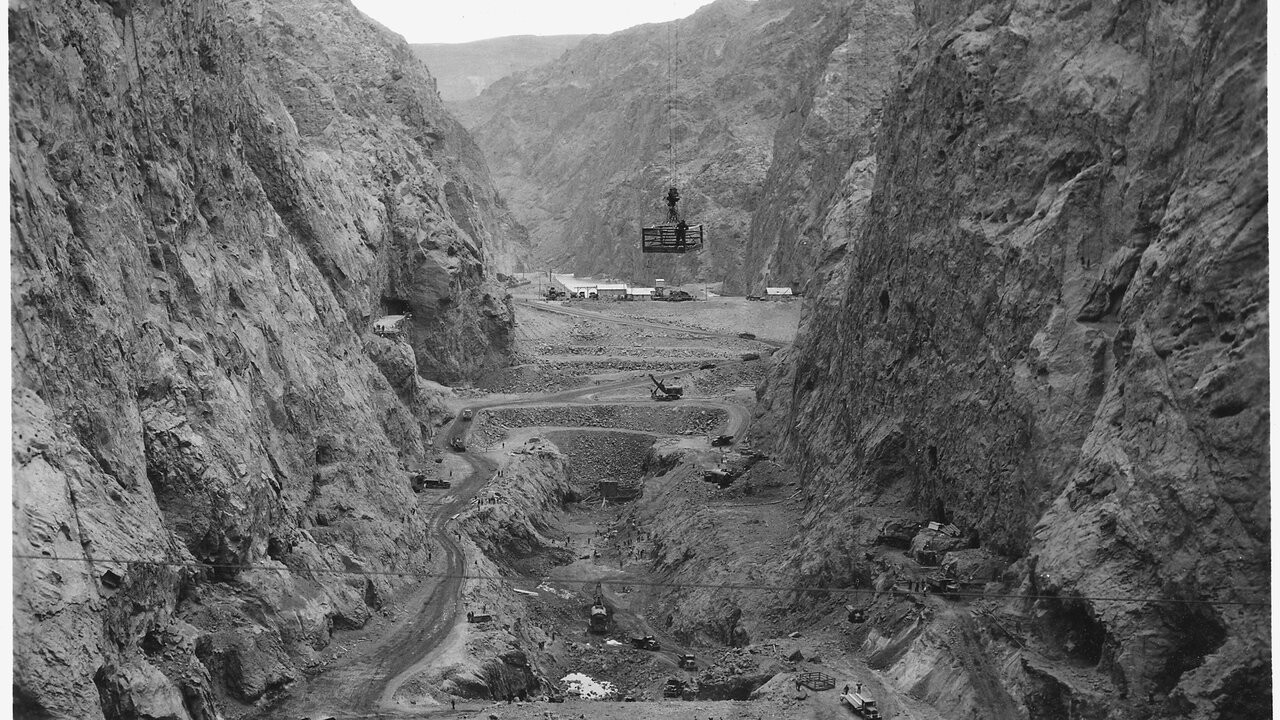
Foundation excavation was completed in June 1933 after crews removed loose material until they reached solid rock. Engineers then drilled holes in the foundation and abutments and injected grout under pressure. The grouting created a barrier against seepage and consolidated the surface zones into a more unified rock mass.
The First Concrete Goes In
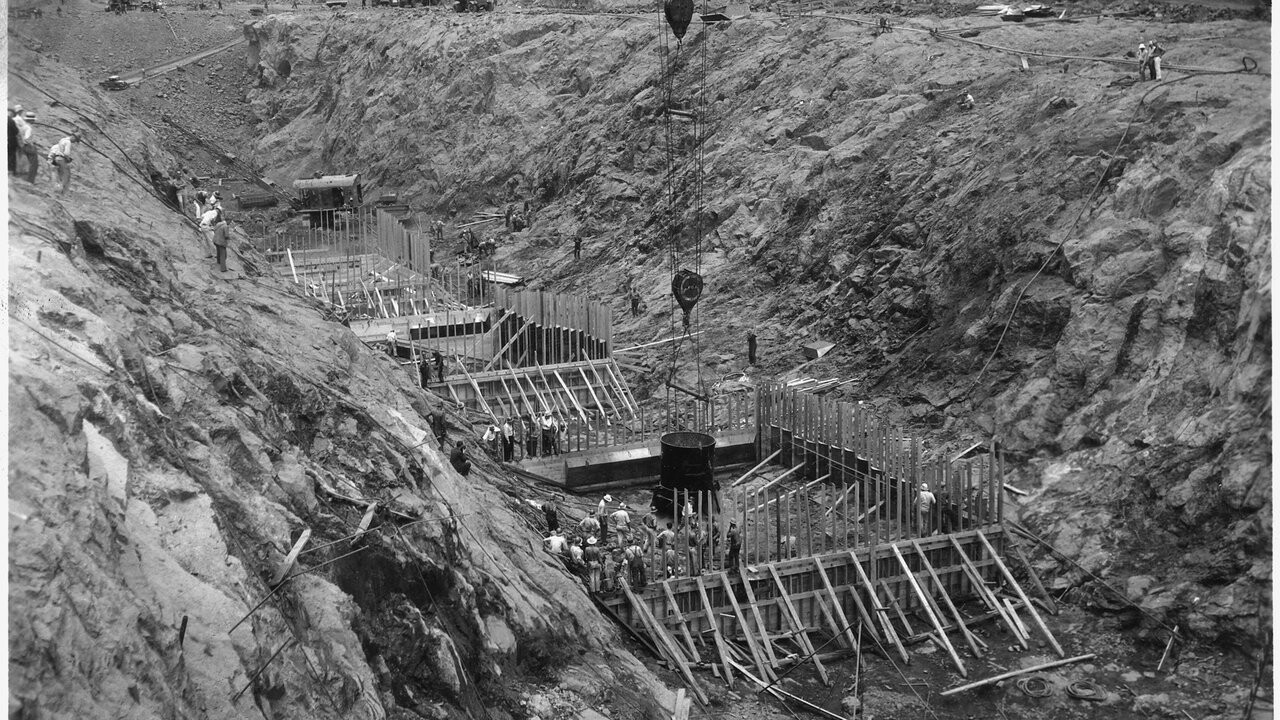
The first concrete entered the dam on June 6, 1933. Crews transported concrete in large bottom-dump buckets carried on railcars. Overhead cableways lifted the buckets from the cars and lowered them into position, creating a flexible delivery system that could serve different parts of the growing structure.
The Dam Rises Block by Block
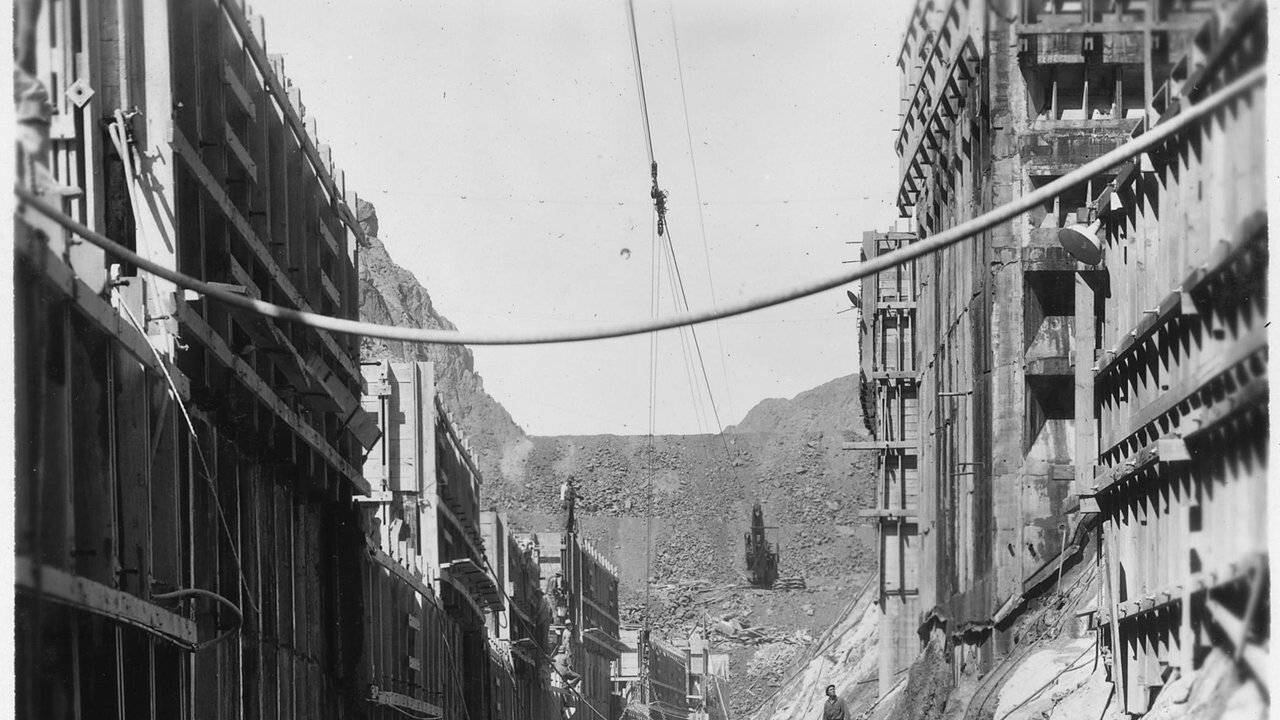
Rather than forming a single concrete block, the dam rose as a series of vertical columns. Crews placed concrete in controlled lifts, while vertical and horizontal keys locked adjacent columns together. Once the concrete cooled, workers forced grout into spaces created between the contracting columns to form a unified structure.
Steel Penstocks Join the System
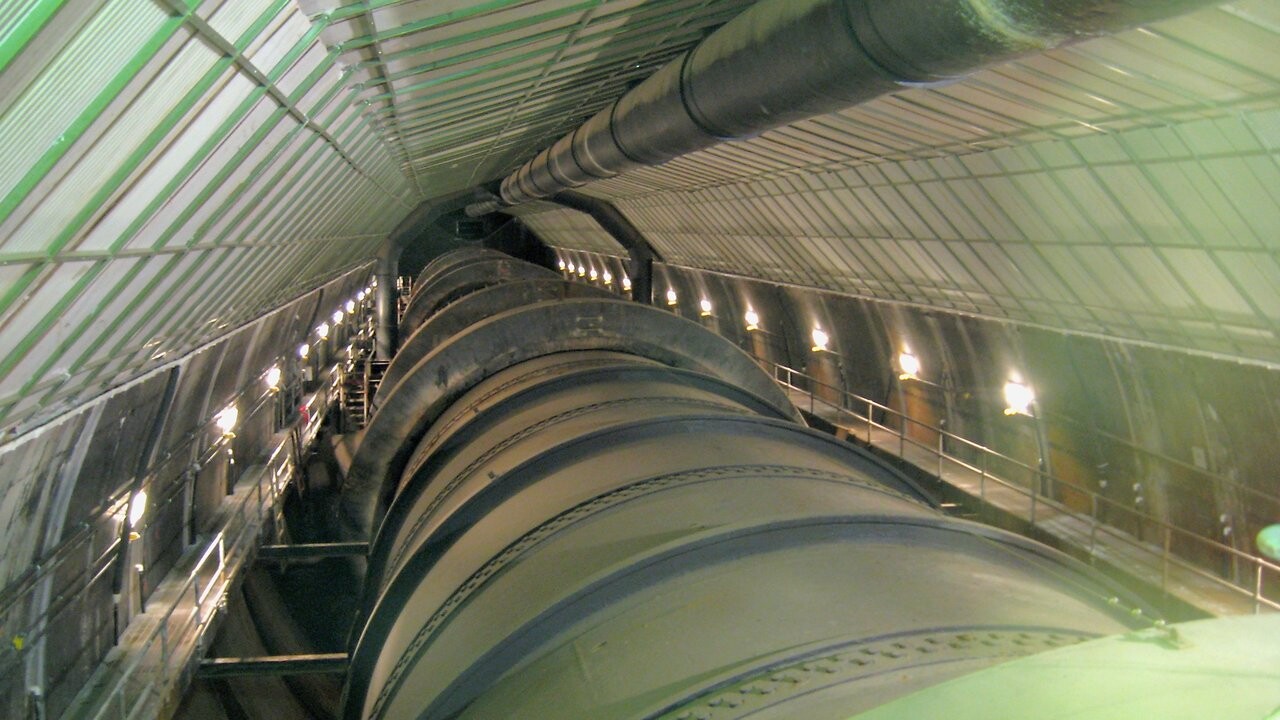
Thirty-foot-diameter steel penstocks were installed inside the two inner diversion tunnels. These immense pipes connected the reservoir’s intake towers with the powerplant and canyon-wall outlet works. Smaller penstocks branching from the main pipes would deliver water to the turbines, linking the reservoir to the dam’s generating system.
The Intake Towers Rise
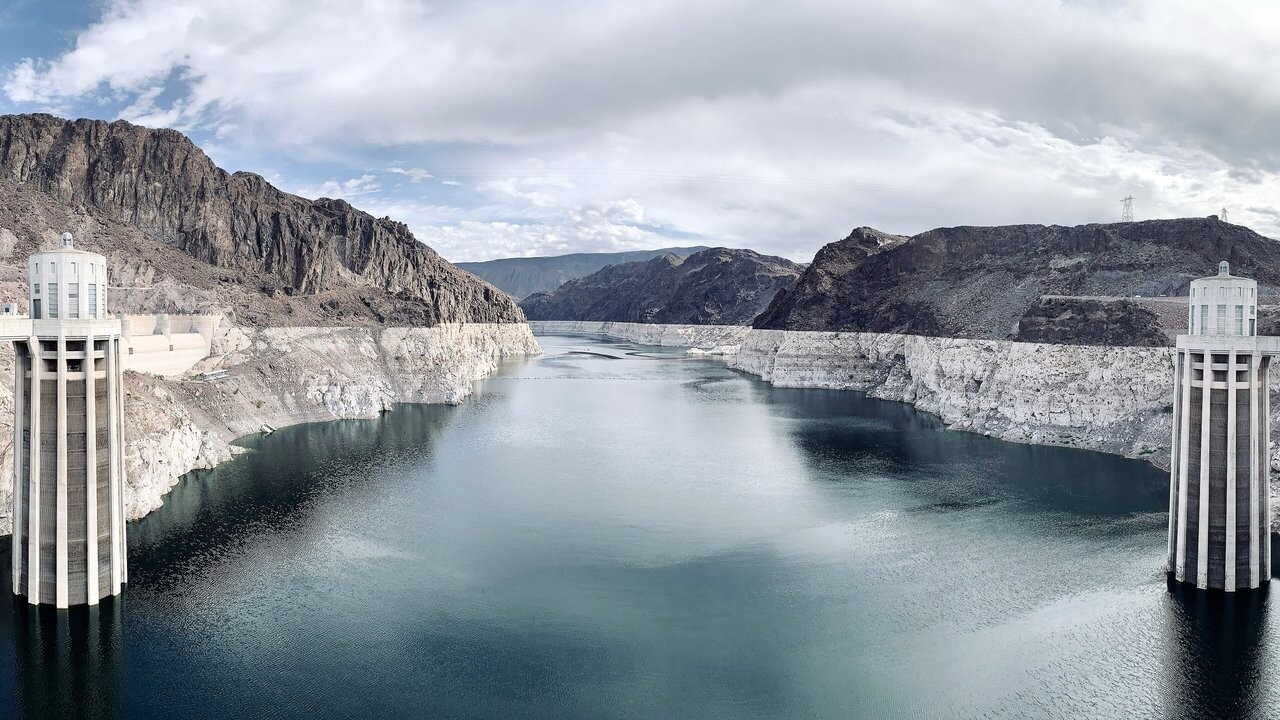
Four reinforced-concrete intake towers rose above the dam, with two on each side of the canyon. Each tower controlled one-fourth of the water supply for the powerplant turbines. Construction photographs show the towers before Lake Mead surrounded their lower sections, making their full height easier to appreciate.
The Powerhouse Takes Shape
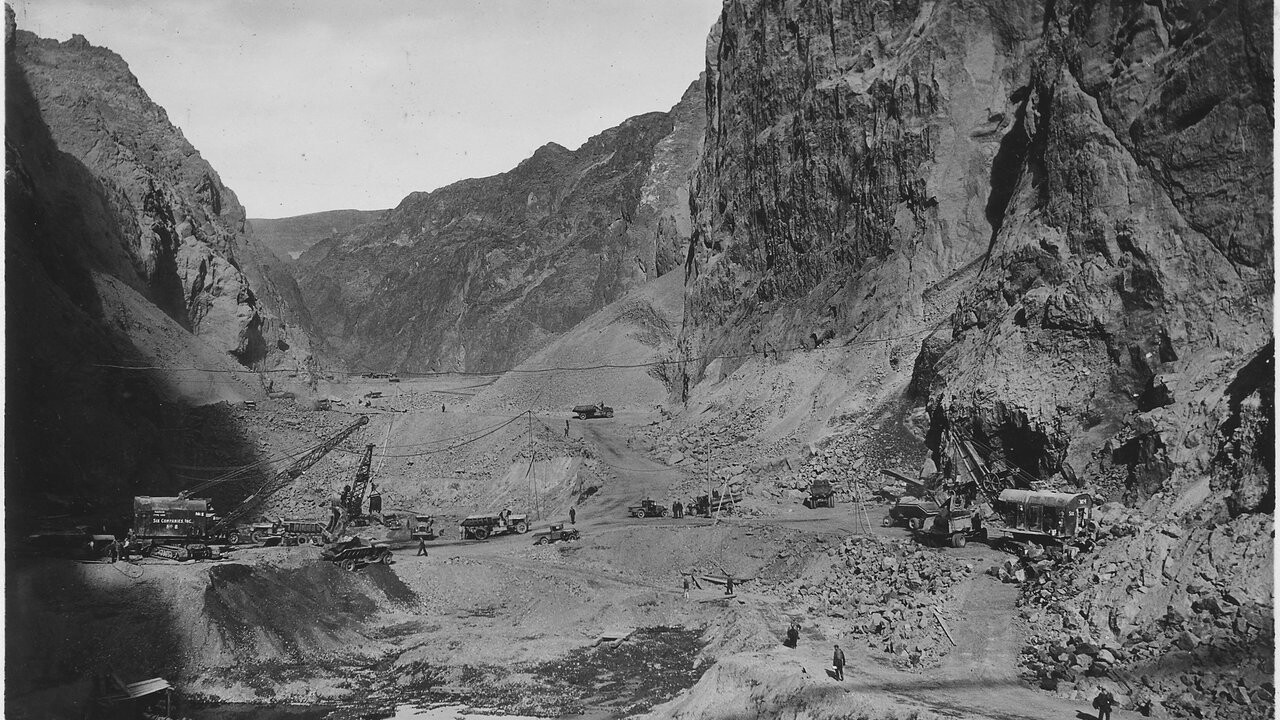
Excavation for the U-shaped powerhouse at the downstream toe of the dam was completed in late 1933, and its first concrete followed in November. The Arizona and Nevada wings extended downstream from the dam’s face, while a center section joined them across the base of the structure.
Lake Mead Starts Filling
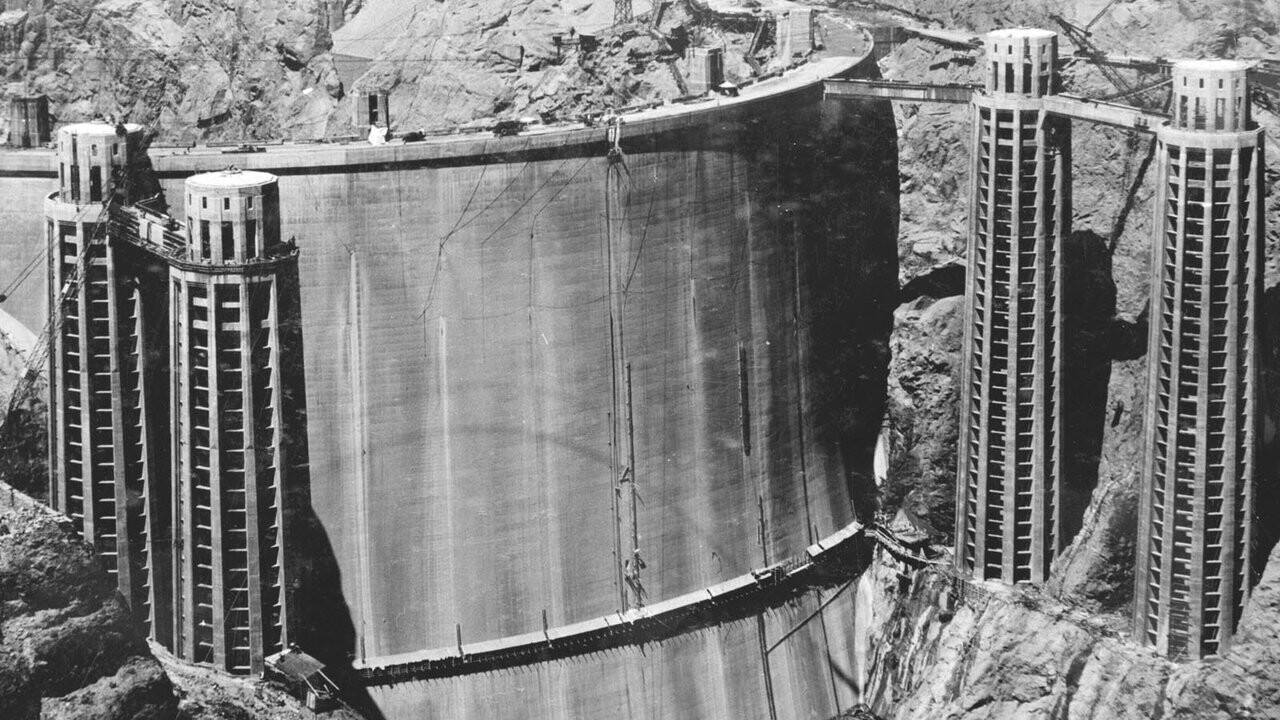
Hoover Dam began impounding water in Lake Mead on February 1, 1935. As the reservoir expanded behind the dam, water covered parts of the former construction landscape and rose around the intake towers. Photographs from this period record Black Canyon’s transition from an active river worksite to a reservoir.
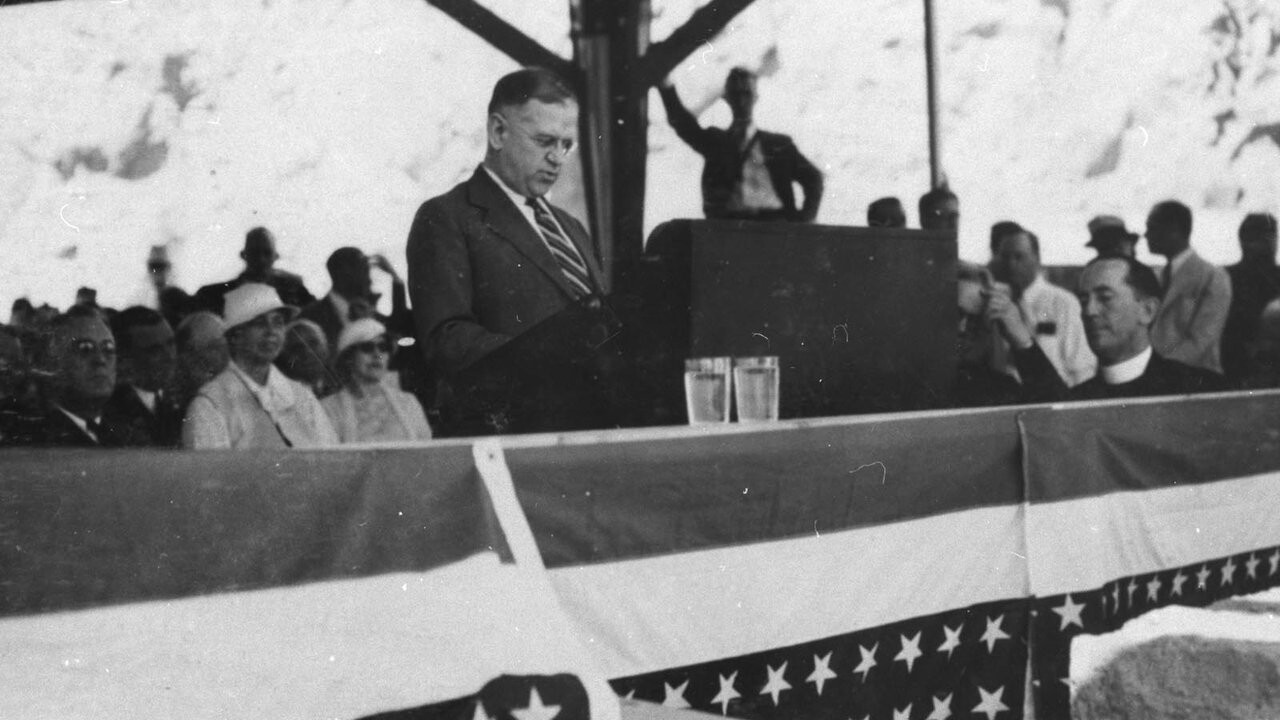
Roosevelt Dedicates the Dam
President Franklin D. Roosevelt dedicated the dam on September 30, 1935. The public ceremony marked a major milestone, but the wider project was not yet finished. Crews continued installing and testing the machinery and water-delivery systems needed to turn the completed concrete structure into an operating hydroelectric facility.
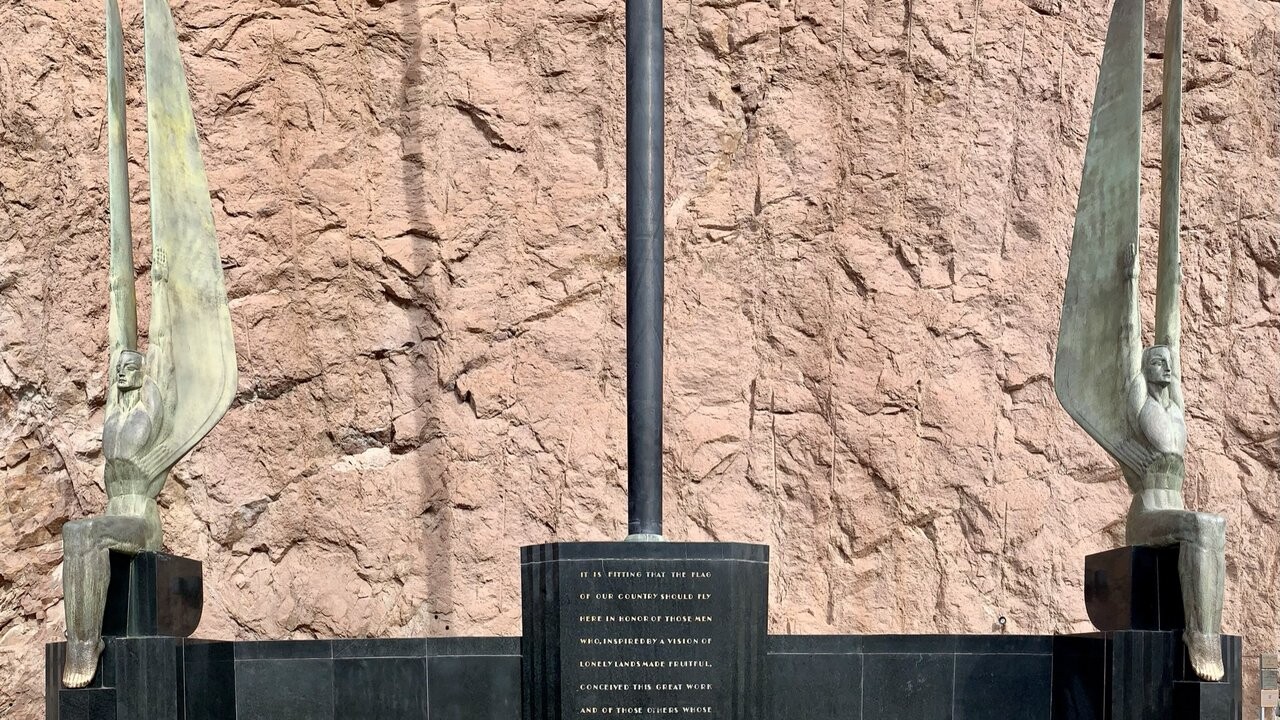
The Winged Figures Complete the Monument
Sculptor Oskar J.W. Hansen created much of Hoover Dam’s artwork. At the Nevada dedication monument, a tall flagpole rises from a polished black base between two sculptures he called the Winged Figures of the Republic. A surrounding terrazzo celestial map preserves the date of Roosevelt’s dedication.
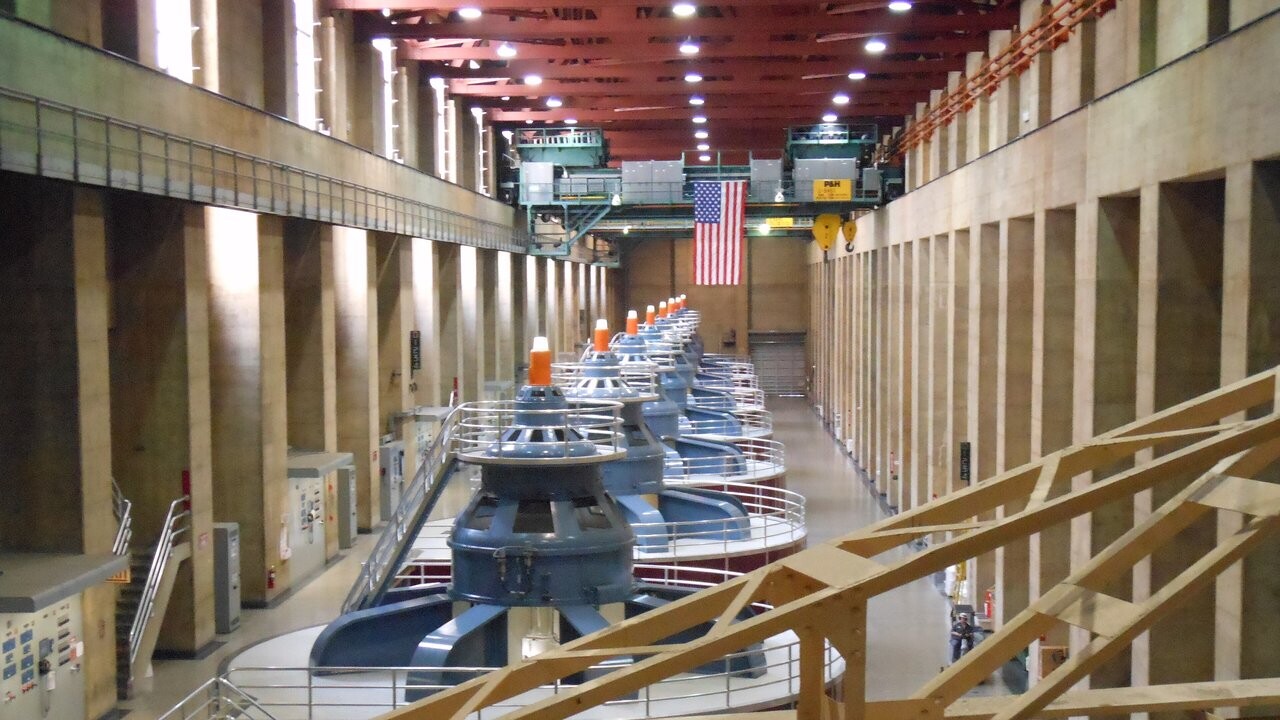
The First Generator Runs
Commercial power production at Hoover Dam began on October 26, 1936, when generator N-2 went into operation. Water passing from the intake towers through the penstock system could now drive turbines connected to generators. The milestone brought the dam’s reservoir, tunnels, steel pipes, powerhouse, and electrical machinery into one operating system.
These photographs turn a finished landmark back into a sequence of human decisions, specialized tools, and carefully staged work. Which stage of Hoover Dam’s construction surprised you most?
Follow The HyperHive on MSN for more stories like this.
Sources:






