
A cracked window can make a winter bedroom feel fresh, but it can also create a cold draft or lower the room temperature. The practical goal is to ventilate the room without allowing it to become cold.
Age-related changes can make it harder for older adults to notice when their body is becoming too cold. That makes it useful to check the room temperature instead of relying only on how the bedroom feels.
Why Does Cold Night Air Pose Risks After 65?
The National Institute on Aging (NIA) says changes associated with aging can make older adults less aware that their body is becoming too cold. It also reports that about 20% of injuries related to cold exposure happen at home.
Cleveland Clinic sleep psychologist Dr. Michelle Drerup explains that when the body is cold, blood vessels constrict, breathing becomes shallow, and extra pressure is placed on the cardiovascular system as the body tries to regulate its temperature.
Age UK reports that chest infections and increased blood pressure become more common as the weather gets colder. In some cases, this can increase the risk of heart attacks and strokes. These concerns make a steady, comfortable indoor temperature particularly important for anyone who is sensitive to cold.
What Bedroom Temperature Do Experts Recommend?
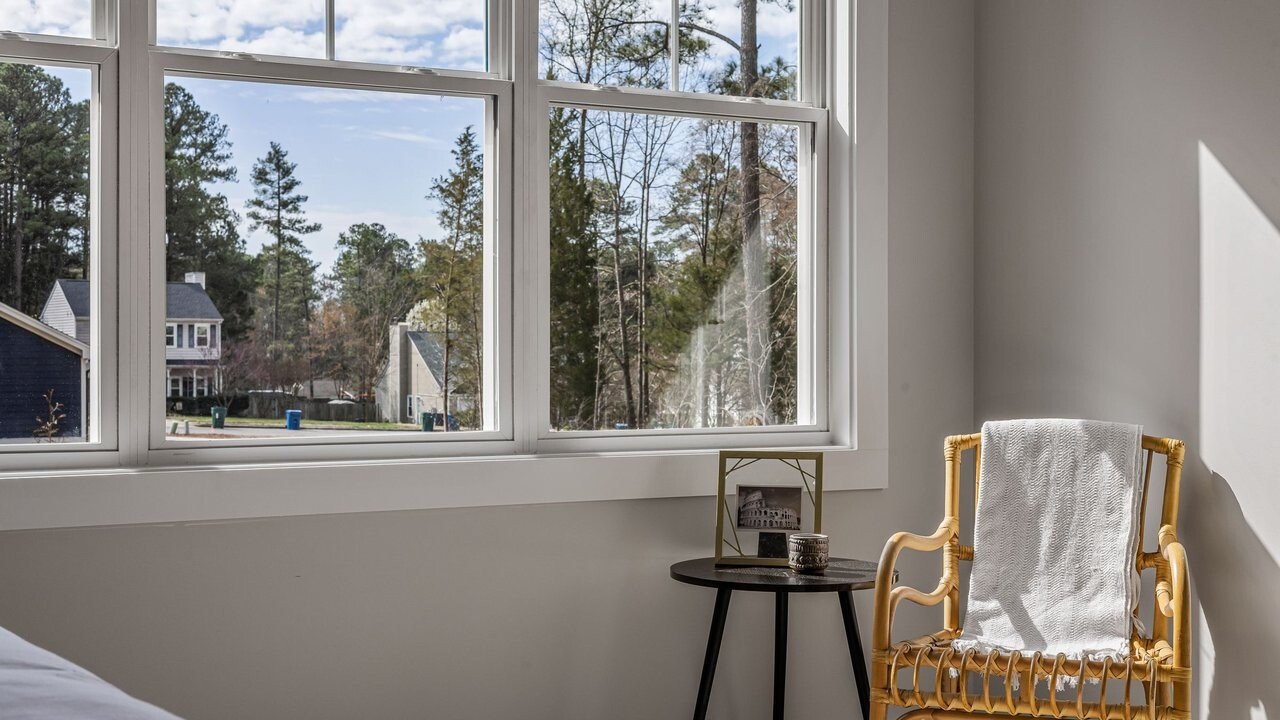
For sleep in general, Dr. Drerup recommends keeping the bedroom between 60 and 67 degrees Fahrenheit and making it cool, dark, and quiet. Cleveland Clinic considers a bedroom below 60 degrees too cold.
Guidance focused on staying well during cold weather favors warmer rooms. The NHS recommends heating regularly used rooms, including the bedroom, to at least 18 degrees Celsius, or about 64 degrees Fahrenheit, if possible. It also says bedroom windows are best kept closed at night.
The NIA advises setting the heat to at least 68 degrees Fahrenheit. It cautions that even homes kept between 60 and 65 degrees can lead to hypothermia in older adults. Instead of aiming for the coolest possible bedroom, follow the guidance intended for older adults and choose a temperature that remains comfortable throughout the night.
What About Fresh Air and Carbon Dioxide?
An open window can make a closed bedroom feel fresher, and research suggests that better ventilation may improve sleep. However, the study often cited for this benefit involved two field experiments in single-occupancy student dormitory rooms, so its findings are not specific guidance for older adults.
In an initial 14-person pilot experiment, opening a bedroom window reduced the average carbon dioxide level from 2,585 parts per million to 660 parts per million. At the lower level, objectively measured sleep quality and perceived air freshness improved significantly. Participants also reported less next-day sleepiness, better concentration, and stronger performance on a logical-thinking test.
The findings support bedroom ventilation, but they do not mean a window should remain open when outdoor conditions make the room too cold. You can manage freshness and warmth separately.
How Can You Ventilate Without Freezing?
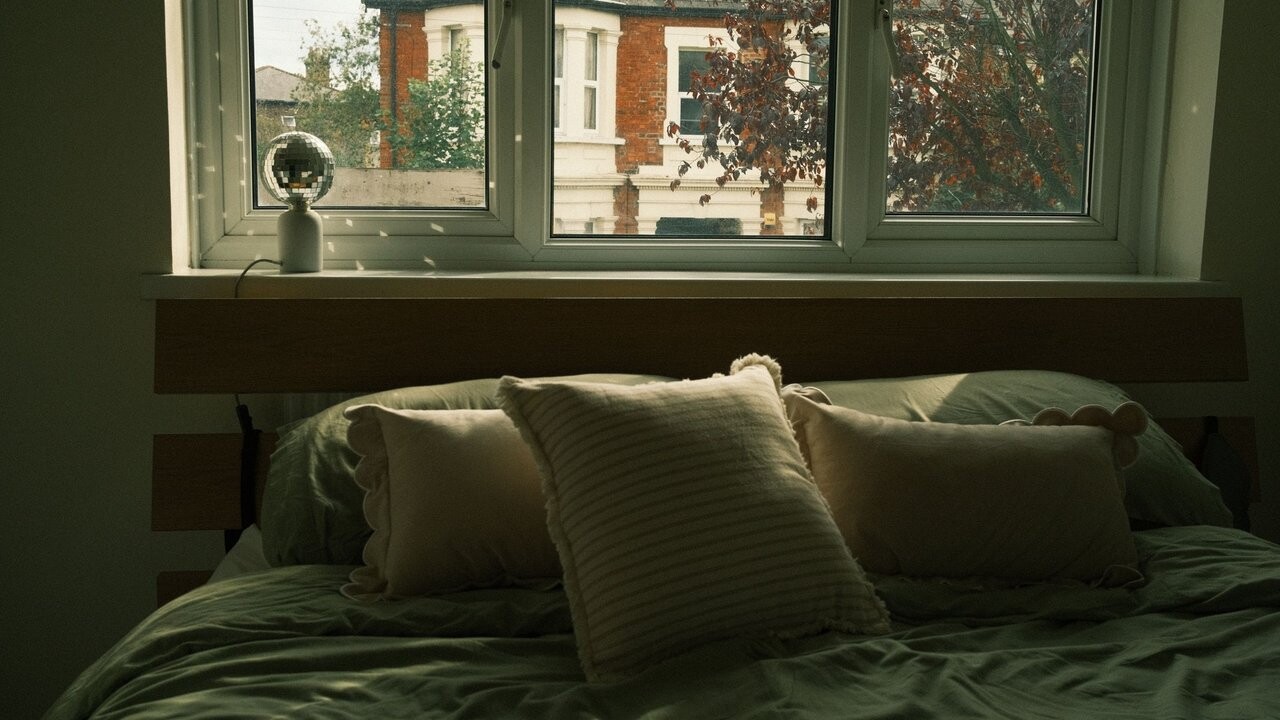
You can freshen the bedroom before sleep, then close the window once the room feels comfortable. A few simple habits can help you avoid an overnight draft.
- Air Out the Room Earlier. Open the window for a short period before bed, then close and latch it. Allow the room to warm up before you settle in.
- Check the Temperature. Use a simple room thermometer instead of judging the temperature only by how the room feels when you first enter.
- Close the Curtains at Dusk. Age UK recommends closing the curtains and windows at dusk to block drafts and help keep warmth indoors.
- Keep the Bed Away From Drafts. If possible, position the bed so cold air from windows or exterior doors does not blow directly across it.
If the bedroom cools noticeably after you get into bed, close the window. You can ventilate again the next day, when you are awake and able to monitor the room.
Tips for Staying Warm and Cozy Overnight
Warm sleepwear, suitable bedding, and a draft-free room can make winter nights more comfortable. Prepare what you need before bedtime so you are less likely to adjust the room during the night.
- Layer Your Nightwear. The NIA recommends using extra covers, wearing long underwear under pajamas, and considering a head covering.
- Block Door Drafts. Place a rolled towel in front of a drafty door to keep cold air from sweeping across the floor.
- Separate Warming Devices. Never use a hot water bottle and an electric blanket together.
- Skip the Nightcap. The NIA advises avoiding or limiting alcohol because alcoholic drinks can make the body lose heat.
If you repeatedly wake feeling cold, change the heating, bedding, or ventilation routine rather than trying to tolerate the discomfort. Choose an arrangement that remains comfortable throughout the night.
A winter bedroom can feel fresh without becoming cold. Check the temperature, ventilate before bed when needed, and close the window before an overnight draft develops. Do you sleep better with a cracked window or with the room closed and warm?
This article is for general information and isn’t a substitute for advice from your doctor.
Follow The HyperHive on MSN for more stories like this.
Sources:



