Kennedy Family Secrets: What the Record Confirms

Louis Fabian Bachrach Jr. / Wikimedia Commons, Public domain (cropped)
The Kennedys projected youth, confidence, and public service, but surviving records reveal a family shaped by disability, war, grief, and consequential private decisions.
Arranged chronologically, this gallery draws on government archives, presidential records, museum research, contemporary reporting, and scholarly work to separate documented history from decades of rumor.
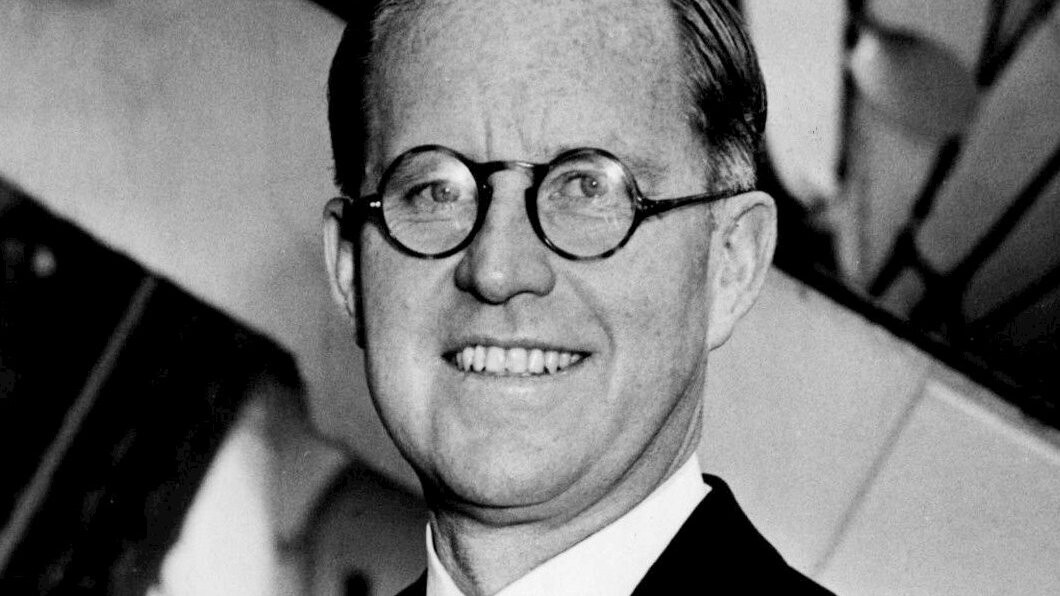
1938: Joseph Kennedy Enters the Diplomatic Spotlight
In 1938, Joseph P. Kennedy began serving as the American ambassador to Britain, bringing his prominent family into the diplomatic spotlight as Europe moved toward war. The appointment placed Kennedy at the center of urgent debates over how the United States should respond to the gathering conflict.
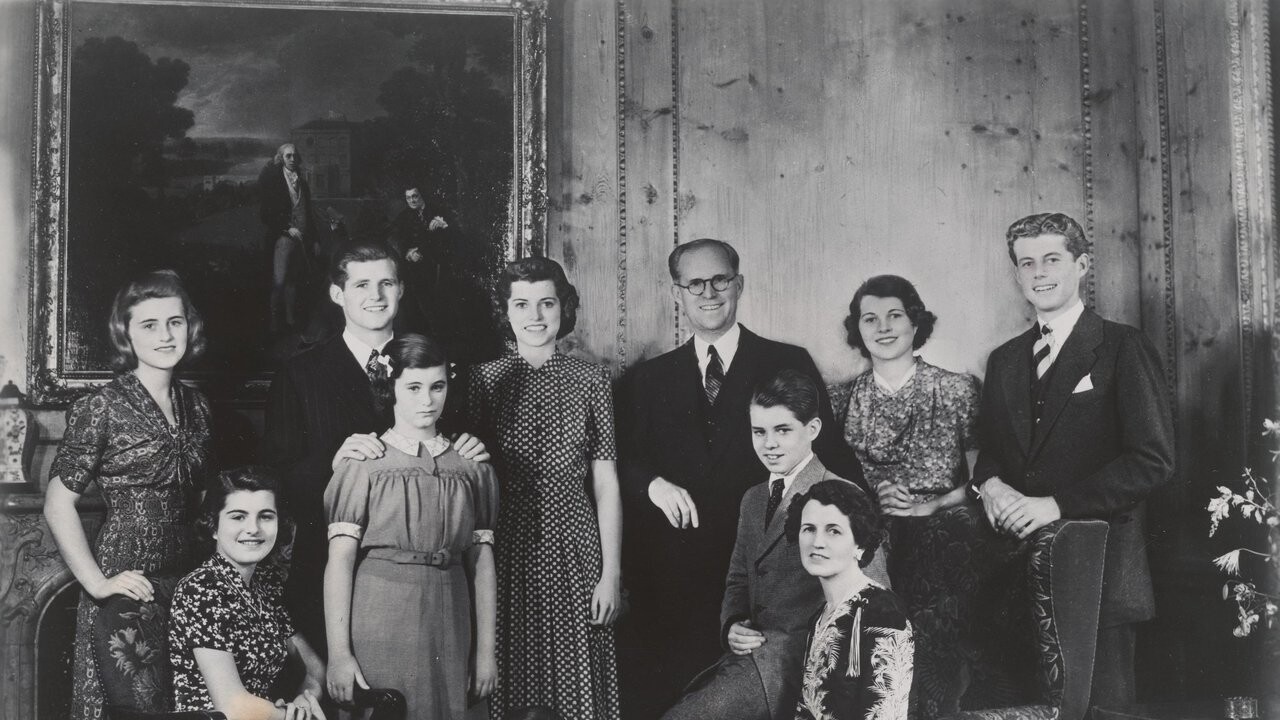
The London Years: Rosemary Makes Her Court Debut
During the family’s London years, Rosemary Kennedy made her formal debut at the British court alongside her sister Kathleen. Her place beside Kathleen in this carefully staged occasion offers a clear glimpse of her public role within the ambassador’s family, without allowing later accounts of her life to define her entire story.
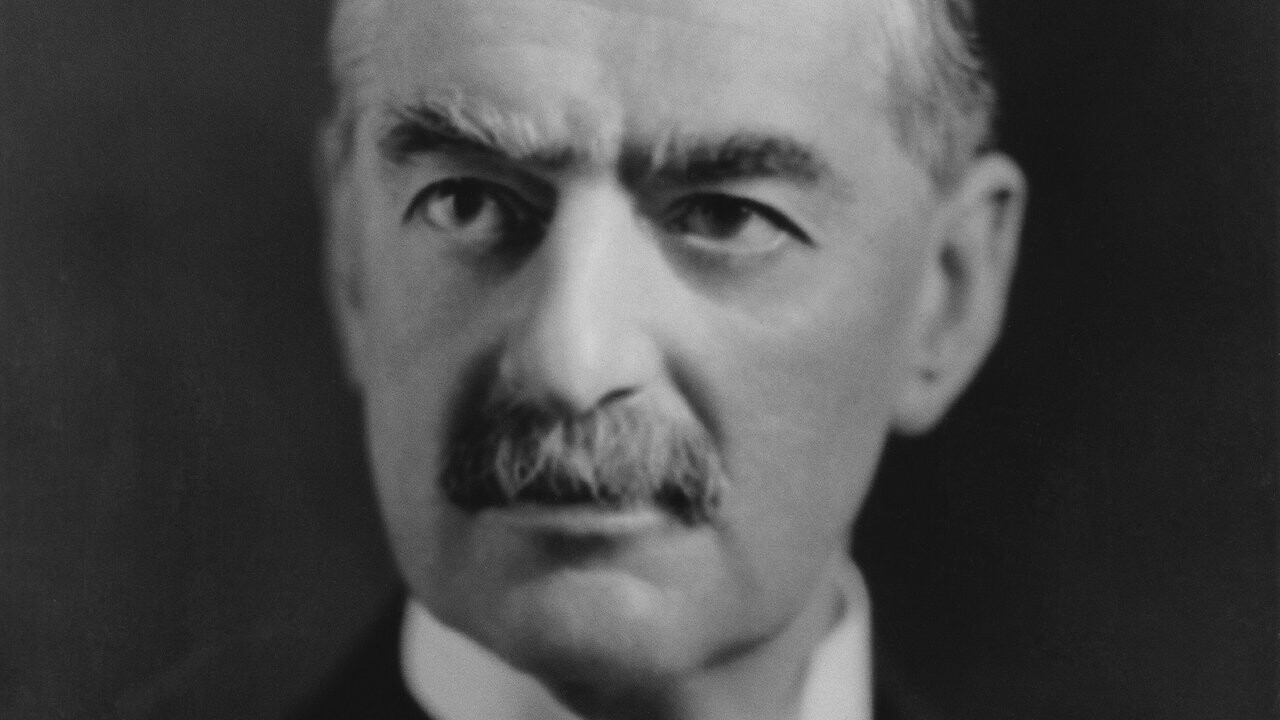
1938: The Ambassador Supports Appeasement
Joseph Kennedy and British Prime Minister Neville Chamberlain shared a belief in appeasement, the effort to settle the demands of Germany and Italy through negotiation. Kennedy viewed another European war with deep alarm, but his position increasingly separated him from people who believed the dictators had to be confronted.
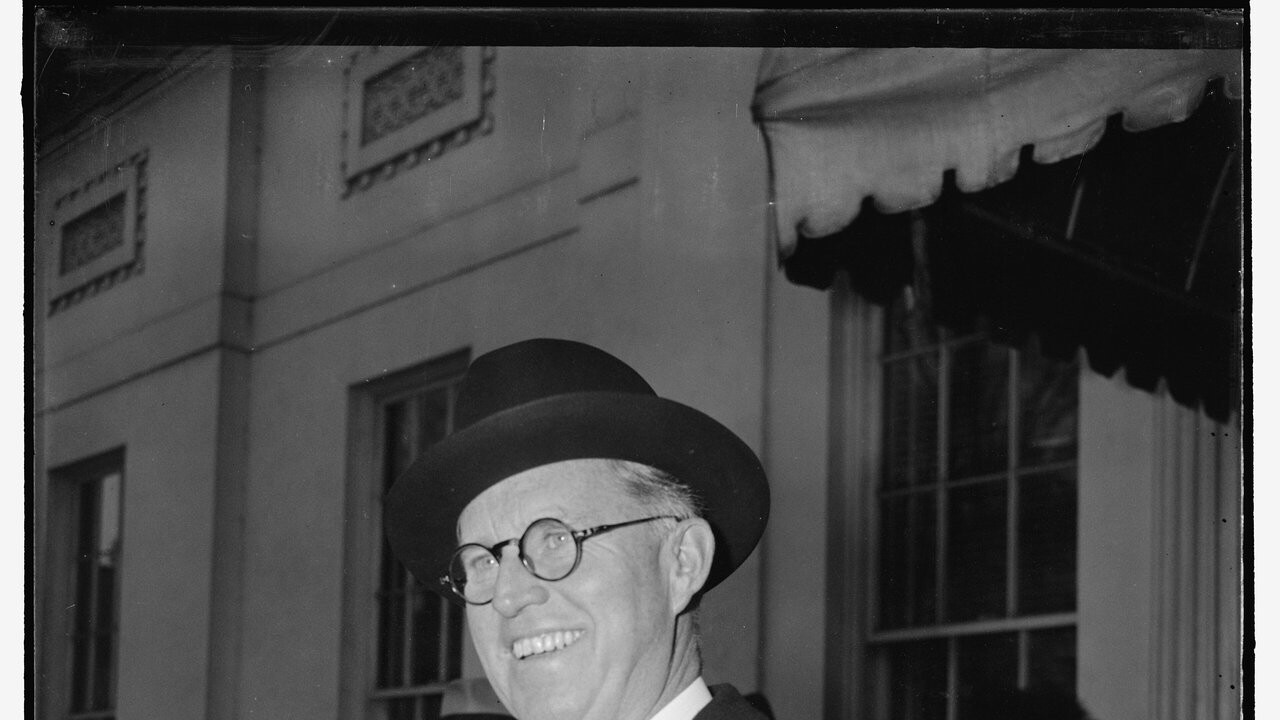
1940: A Pessimistic London Posting Ends
Kennedy left his ambassadorial post on October 22, 1940. An archival oral history later recalled his conviction that Britain was certain to be defeated. That bleak judgment became a lasting part of his diplomatic reputation and illustrated how far his outlook had diverged from Britain’s determination to continue fighting.
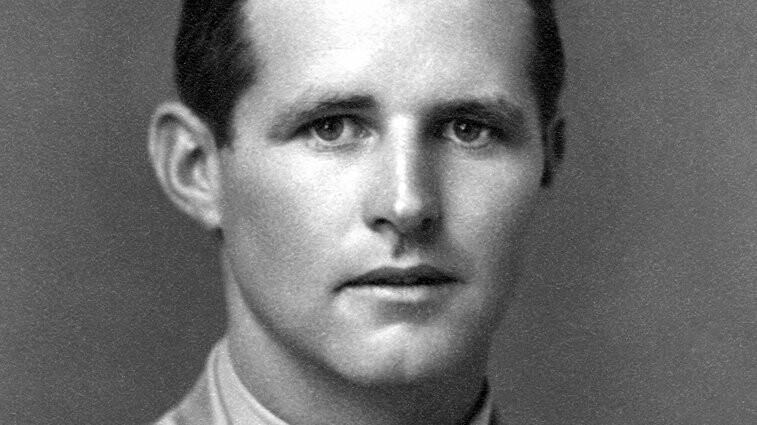
1944: Kick Marries With Only One Kennedy Present
Kathleen “Kick” Kennedy married William “Billy” Cavendish on May 6, 1944. Her brother Joe Jr. was the only Kennedy at the wedding. The notably small family presence stands out in the official account and provides a concrete measure of how privately she entered this new stage of her life.
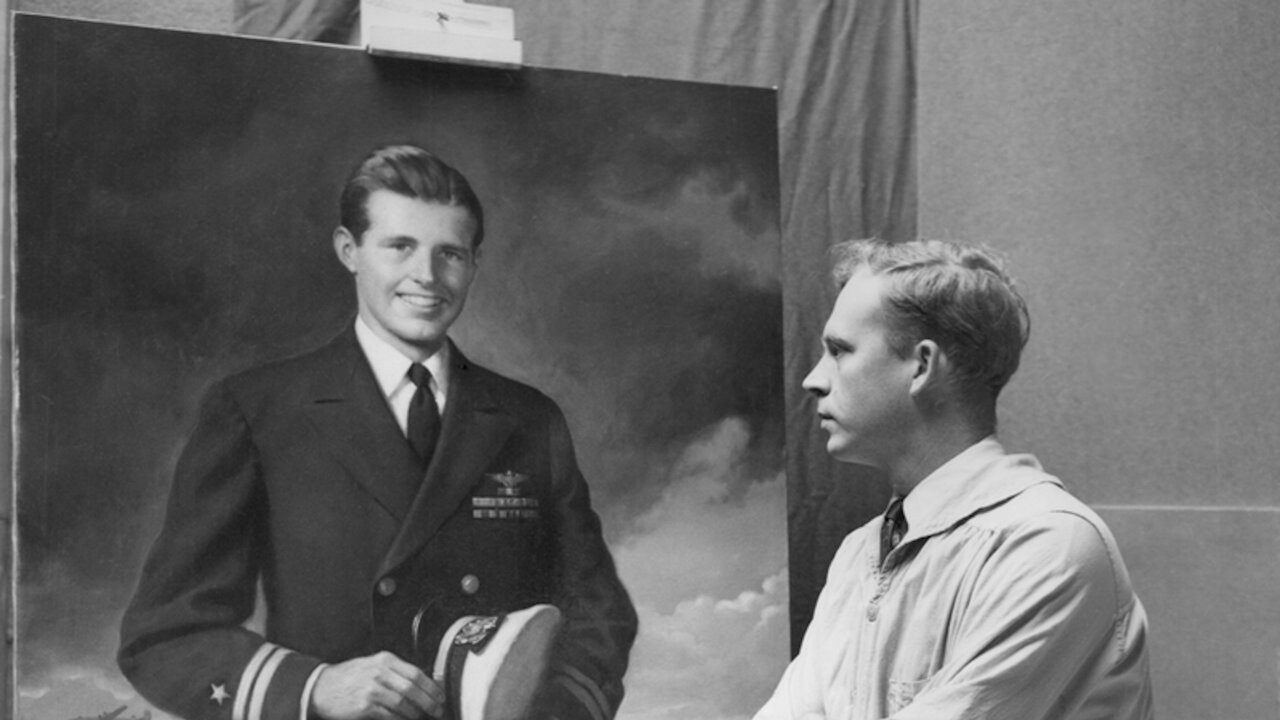
1944: Joe Jr. Undertakes a Secret Mission
Joseph P. Kennedy Jr., the family’s eldest son, took part in a dangerous, secret mission in Europe during World War II. His aircraft exploded during the operation, killing him. The loss abruptly removed the son on whom the family had placed many of its early political expectations.

Joe Jr. Receives Posthumous Honors
After his death, Joe Jr. was awarded the Navy Cross and the Air Medal. The decorations formally recognized his wartime service and sacrifice, while his death altered the Kennedy family’s future. Public attention and political expectations would increasingly settle on his younger brother John.
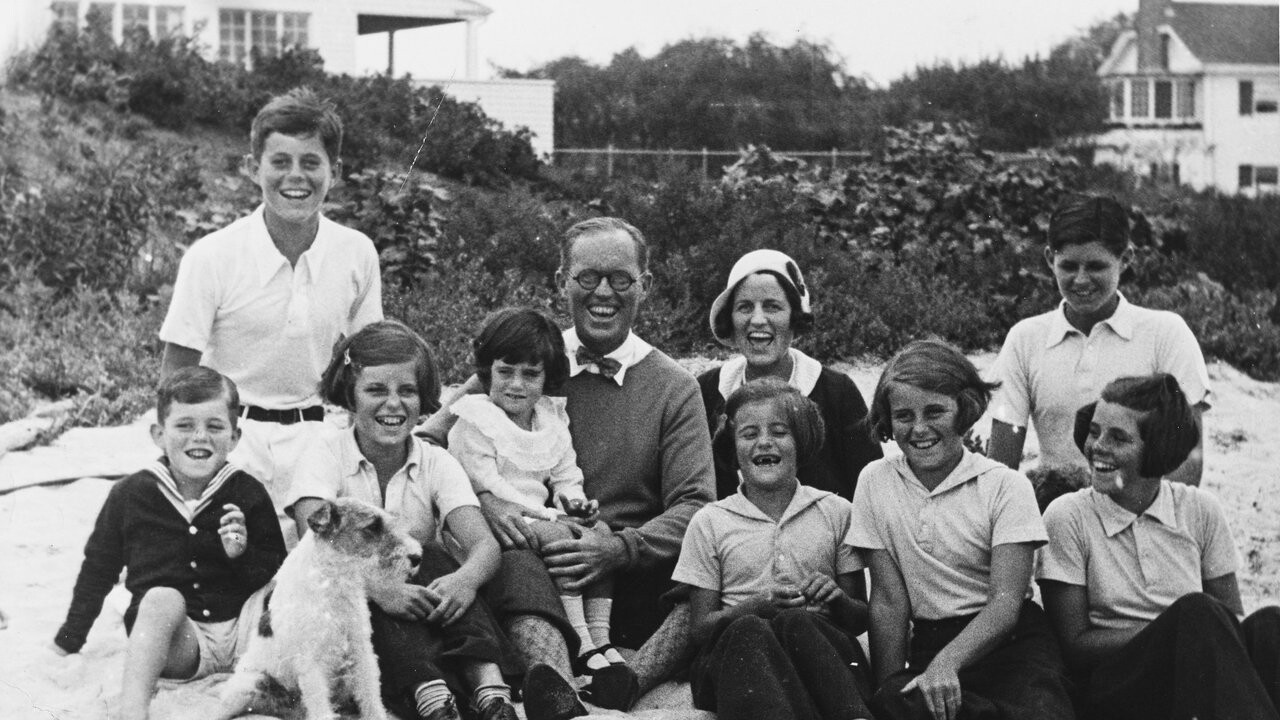
1945: John Kennedy Sees Political Promise in Kick
Kick remained in Britain after her husband’s death and developed a public identity of her own. During a 1945 visit, her brother John watched her speak and regarded her as a possible political candidate. His observation suggests that he recognized both her confidence and her ability to command an audience.
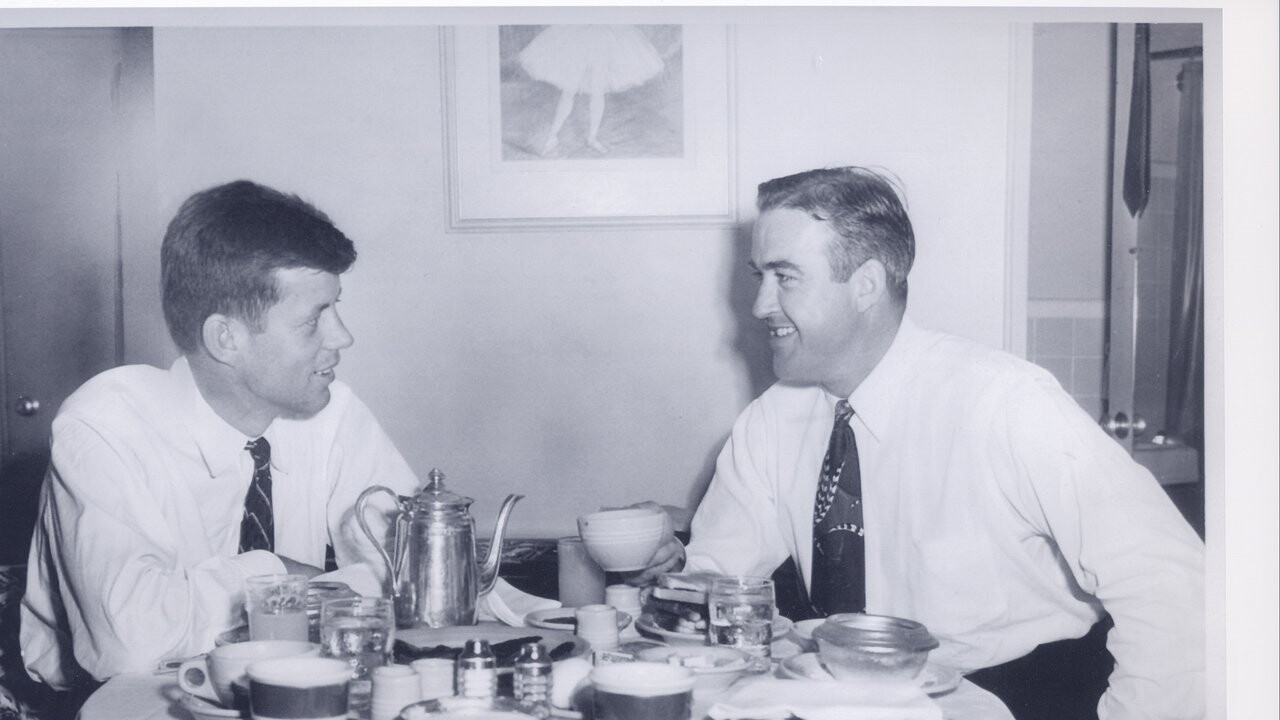
1947: JFK Receives an Addison’s Disease Diagnosis
A 2002 PBS NewsHour discussion of John F. Kennedy’s health reported that his back began hurting in 1940 and that he was diagnosed with Addison’s disease by 1947. These health problems accompanied his rise in politics, although the full medical record did not become available for examination until decades later.
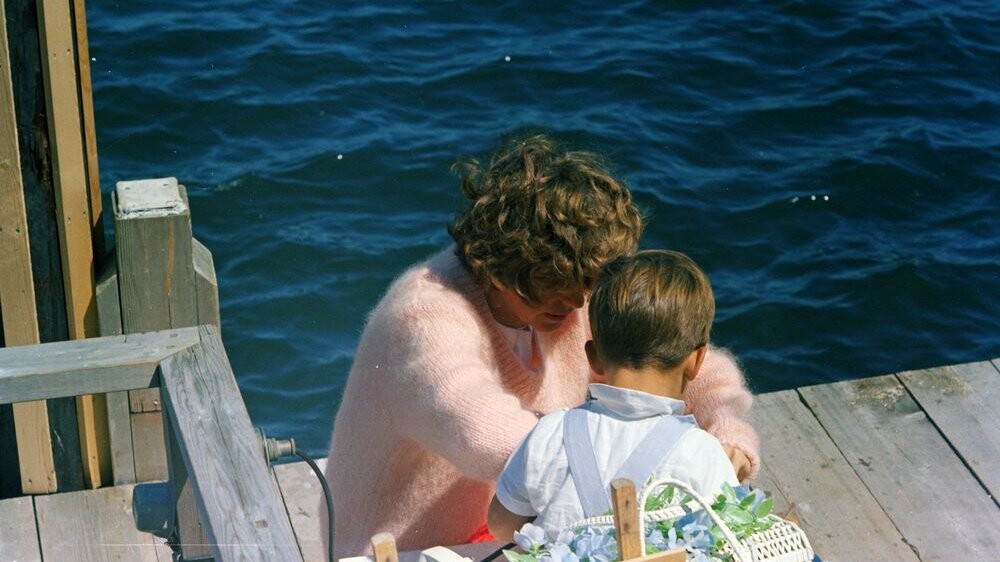
1962: Eunice Publicly Acknowledges Rosemary
In 1962, Eunice Kennedy Shriver publicly disclosed Rosemary’s intellectual disability in a magazine article. Special Olympics history describes the essay as the Kennedy family’s first public acknowledgment of her condition. The disclosure brought a long-guarded part of Rosemary’s life into the family’s public story.
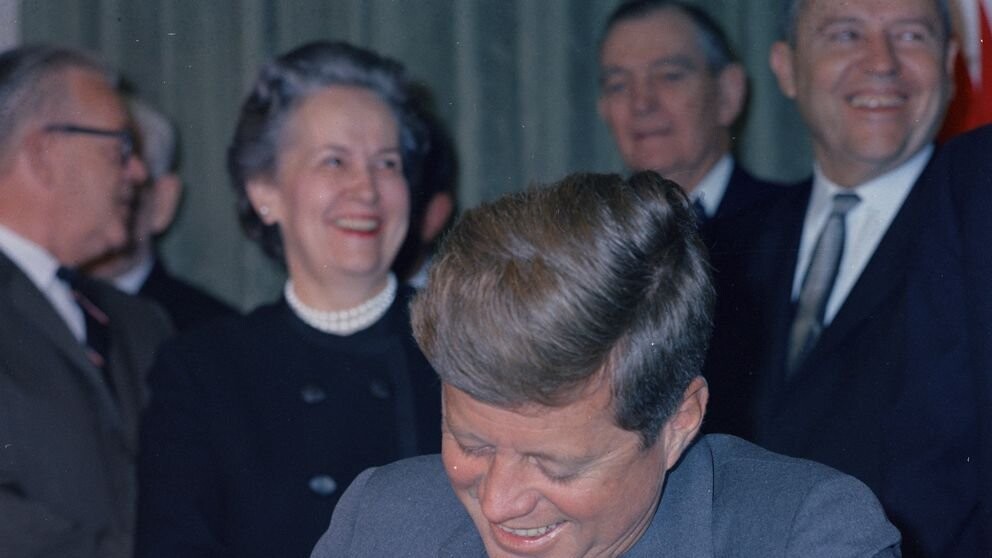
1963: Federal Disability Programs Expand
Public Law 88-164 expanded federal support for training and services concerning intellectual and developmental disabilities. Passed during the Kennedy administration, the legislation marked a significant federal commitment to the field and moved policy beyond the secrecy and isolation that had characterized many families’ experiences.
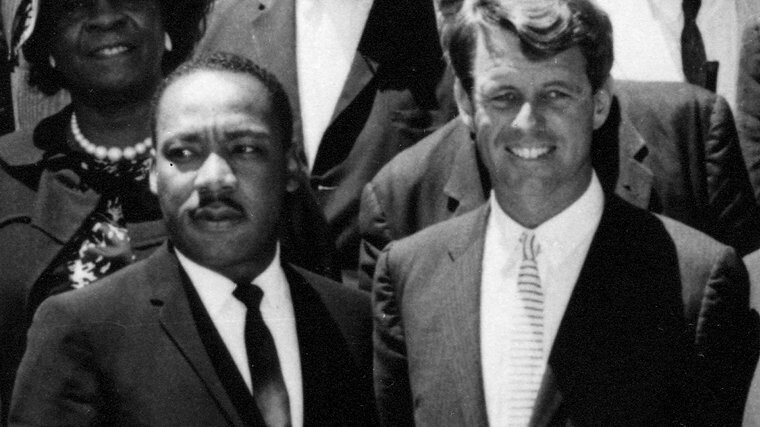
1963: Robert Kennedy Authorizes a King Wiretap
As attorney general, Robert F. Kennedy approved the FBI’s request to wiretap civil rights leader Martin Luther King Jr. on October 10, 1963. Later congressional findings concluded that the Justice Department shared responsibility for surveillance that developed into a deeply abusive FBI campaign against King.
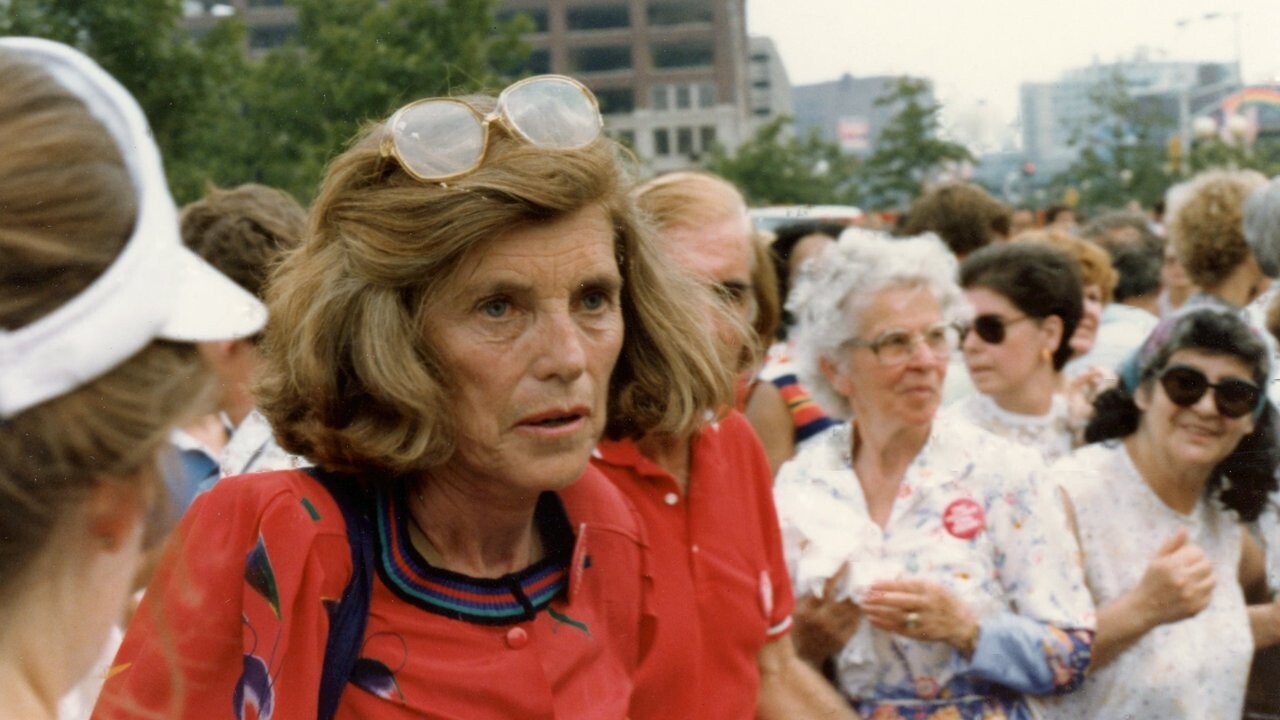
1968: Eunice Helps Launch the Special Olympics
The first Special Olympics took place at Chicago’s Soldier Field in 1968. National Park Service records also describe the particularly close bond Eunice developed with Rosemary. Together, those documented details show the personal relationship at the center of Eunice’s life alongside the highly visible work she pursued in public.

1969: The Chappaquiddick Crash
According to an Associated Press account, the car Senator Edward M. Kennedy was driving plunged from a bridge on Chappaquiddick Island, killing passenger Mary Jo Kopechne. The crash became one of the most damaging episodes of Kennedy’s career and permanently linked his public record to Kopechne’s death.
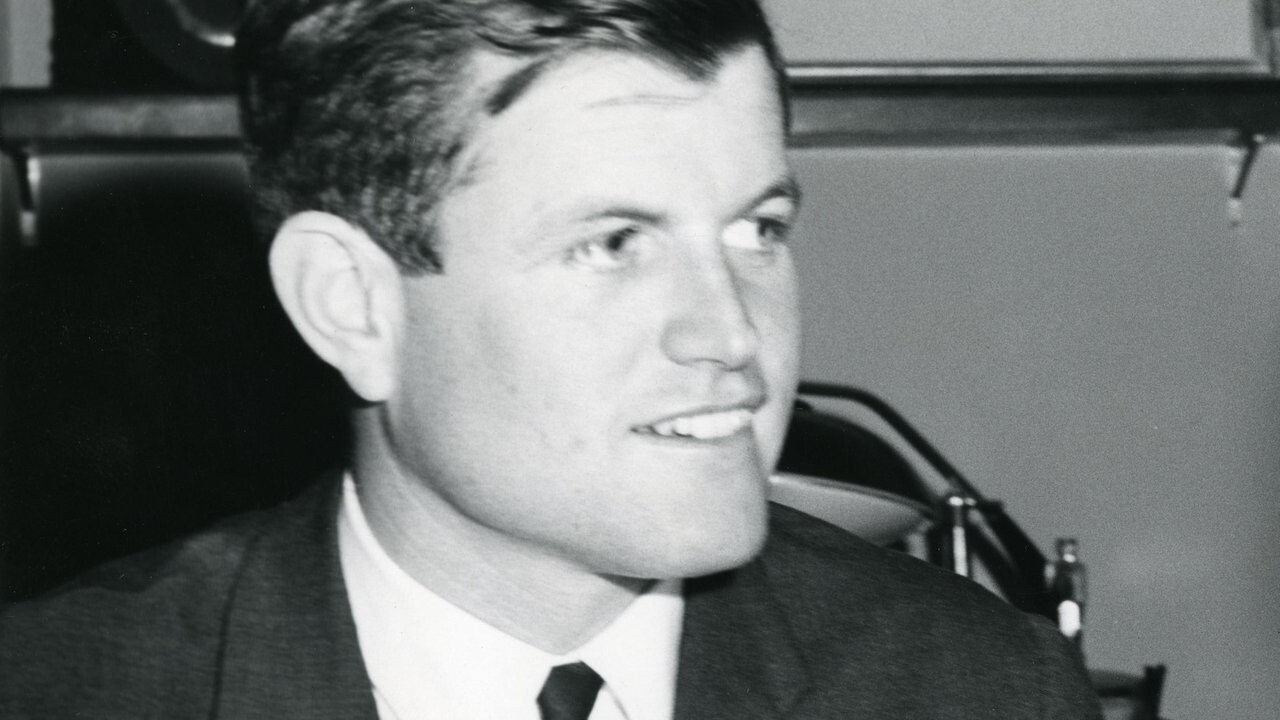
1969: The Delayed Report Becomes Central
The Associated Press also records that Kennedy waited hours before notifying police and later pleaded guilty to leaving the scene of an accident. Those confirmed actions became central to the public response. The documented delay is clear, even where later retellings have added disputed interpretations and speculation.
The documented record reveals a family more vulnerable, divided, and complicated than its carefully maintained public image suggested. Which part of this history has stayed with you most?
Follow The HyperHive on MSN for more stories like this.
Sources: