Mobile Dog Groomer Died of Carbon Monoxide in Her Van in Texas: How to Stay Safe

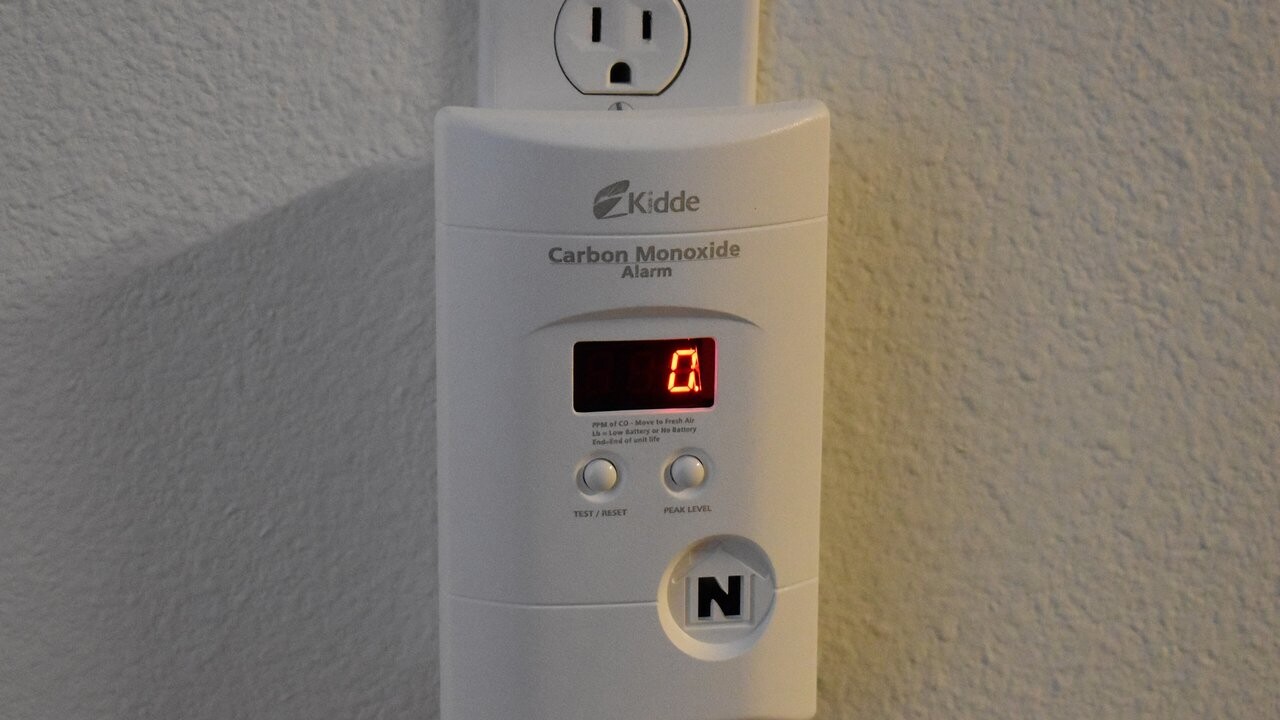
A carbon monoxide alarm. © Santeri Viinamäki / Wikimedia Commons (CC BY-SA 4.0, cropped)
A 60-year-old mobile dog groomer died of carbon monoxide poisoning inside her grooming van in San Antonio, Texas, the Bexar County Medical Examiner’s Office determined, according to News 4 San Antonio. A dog she was grooming was also found dead.
Officials have not said how the gas built up inside the van. The investigation is ongoing.
Key points:
- The groomer and a customer’s 10-year-old dog were found unresponsive inside the van on Wednesday afternoon.
- The Bexar County Sheriff’s Office said no foul play was identified.
- The dog’s cause of death has not been released.
What Happened?
The groomer had arrived at a customer’s home in the Davis Ranch community, on the city’s Far Northwest Side, to groom the family’s dog, News 4 San Antonio reported. When several hours passed without word from her, the dog’s owner asked a neighbor to help check on them. They found both unresponsive inside the van.
Deputies and emergency crews arrived around 5 p.m. “Our deputies and medical personnel provided life-saving measures,” the sheriff’s office told the New York Post. Both were pronounced dead at the scene.
The dog’s family told Fox San Antonio they were devastated for their dog and for the groomer, who “was a person with a family, loved ones and a life of her own,” the Post reported. They are calling for carbon monoxide detectors, alarms, and proper ventilation in mobile grooming vans.
Why Is Carbon Monoxide So Dangerous?
Carbon monoxide, or CO, is an odorless, colorless gas that “kills without warning,” according to the Centers for Disease Control and Prevention. It is produced whenever fuel is burned, including in cars and trucks, small engines, generators, grills, and furnaces. It can build up in enclosed spaces and poison people and animals who breathe it.
More than 400 Americans die each year from accidental CO poisoning not linked to fires, the CDC says.
Know the Symptoms
The most common symptoms are headache, dizziness, weakness, upset stomach, vomiting, chest pain, and confusion, according to the CDC, which says they are often described as “flu-like.” People who are asleep can die before they have any symptoms.
If you think you are breathing in CO, go outside to fresh air and get medical help right away, the U.K.’s National Health Service advises.
How to Stay Safe
The CDC recommends these steps:
- Install battery-powered or battery backup CO detectors, and check the batteries every spring and fall.
- Never use a generator inside a home or garage, even with the doors and windows open. Keep it outside, more than 20 feet from windows, doors, and vents.
- Have a mechanic check the exhaust system of your car or truck every year. A small leak can let CO build up inside.
- Never run a car or truck inside a garage attached to a house, even with the garage door open.
Sources:
- News 4 San Antonio: Carbon monoxide poisoning blamed for death of mobile dog groomer found inside van
- New York Post: Dog groomer, pup die in mobile van after deadly carbon monoxide poisoning
- CDC: Carbon Monoxide (CO) Poisoning Basics
- NHS: Carbon monoxide poisoning
You might also want to read: First Widespread Freeze of the Season Hits Millions: How Older Adults Can Stay Safe