The Most Beautiful Actresses of the 1950s, in Photos

Unknown / Wikimedia Commons, Public domain (cropped)
Beauty is subjective, but 1950s movie publicity turned certain faces into cultural landmarks. These actresses paired unforgettable style with performances that still reward a closer look.
The gallery moves by signature film, from 1951 through 1959. Credits, awards and production details come from official awards records and respected national film archives.
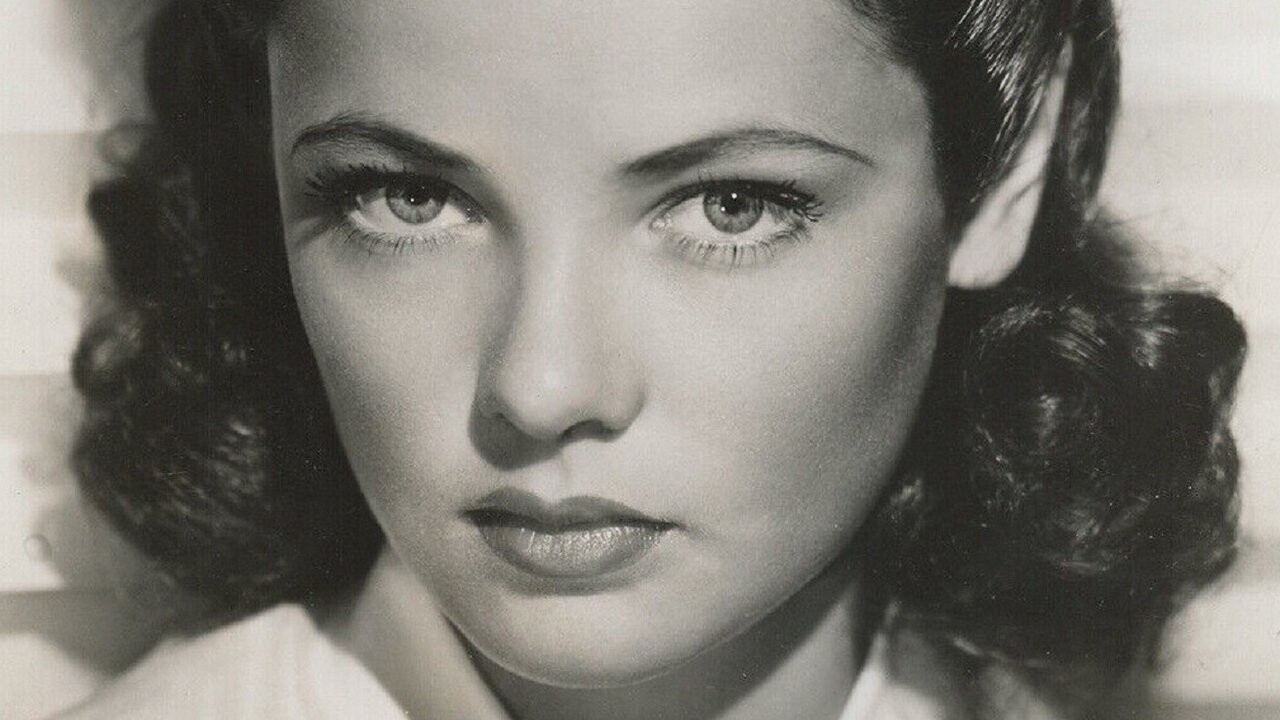
1951: Gene Tierney in The Mating Season
Gene Tierney brings quiet polish to The Mating Season, a sophisticated comedy from 1951. Her casting also captures the contract-era machinery behind the glamour: Paramount borrowed her from Twentieth Century-Fox for the production, showing how closely stars were connected to their home studios.
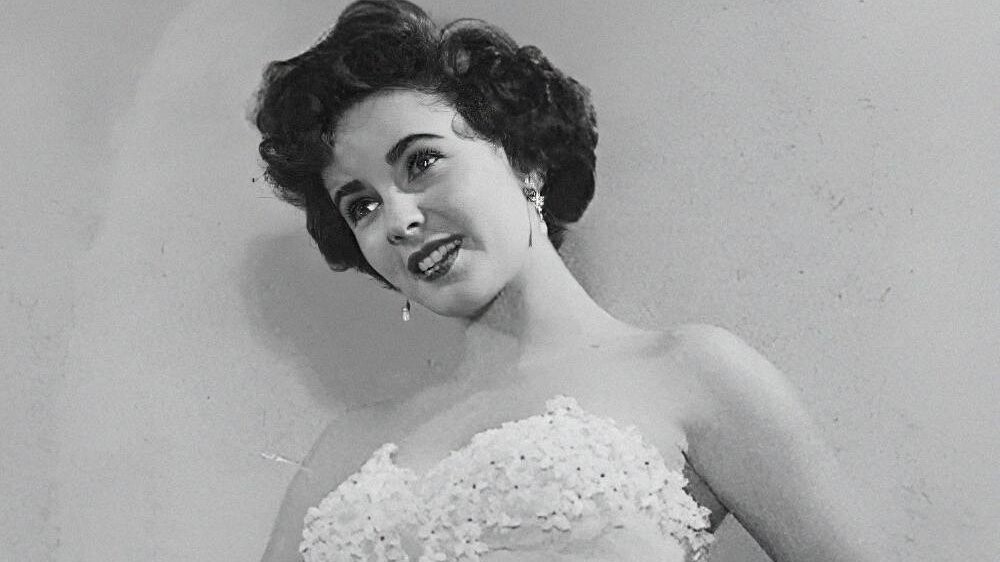
1951: Elizabeth Taylor in A Place in the Sun
Elizabeth Taylor’s luminous presence in 1951’s A Place in the Sun helped define her transition into adult drama. The movie nearly carried a much darker title. Paramount changed it from An American Tragedy because the studio considered A Place in the Sun more positive, a small publicity choice with lasting impact.
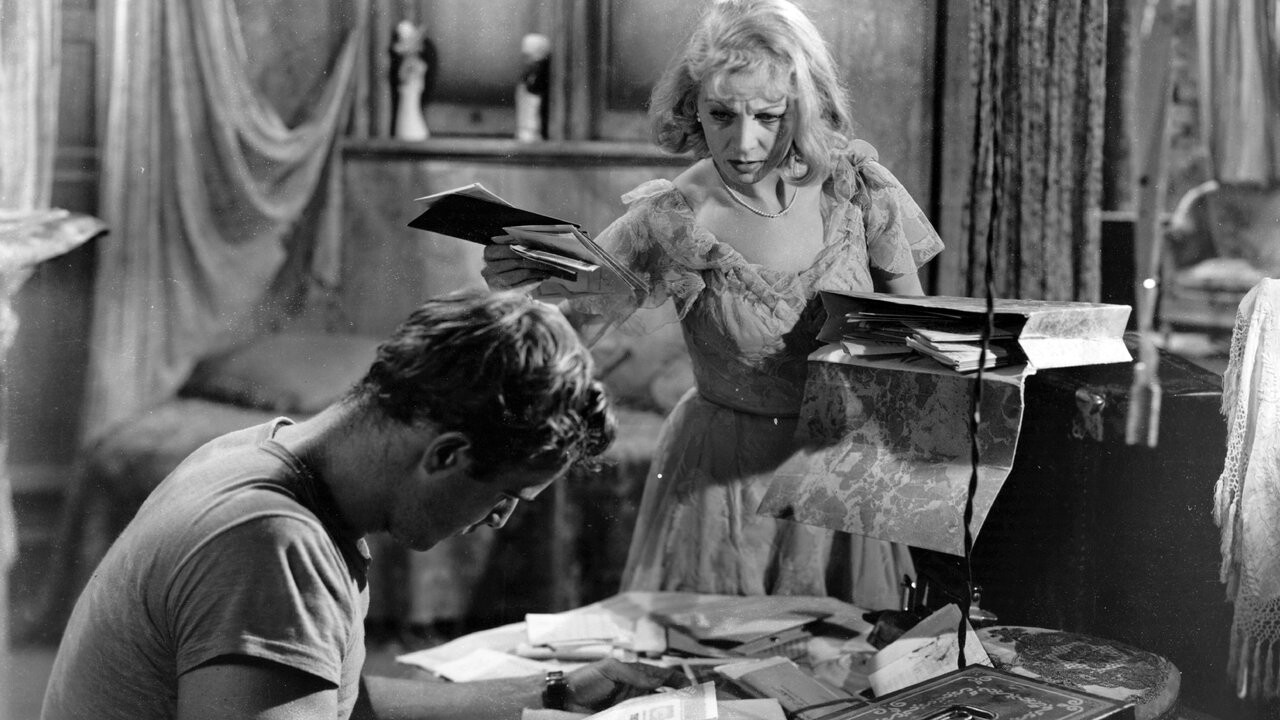
1951: Vivien Leigh in A Streetcar Named Desire
Vivien Leigh returned to a demanding dramatic world in 1951’s A Streetcar Named Desire. Her performance gave the film a fierce emotional center and earned Best Actress at the 1952 Academy Awards. It remains a vivid example of elegance serving, rather than softening, difficult material.
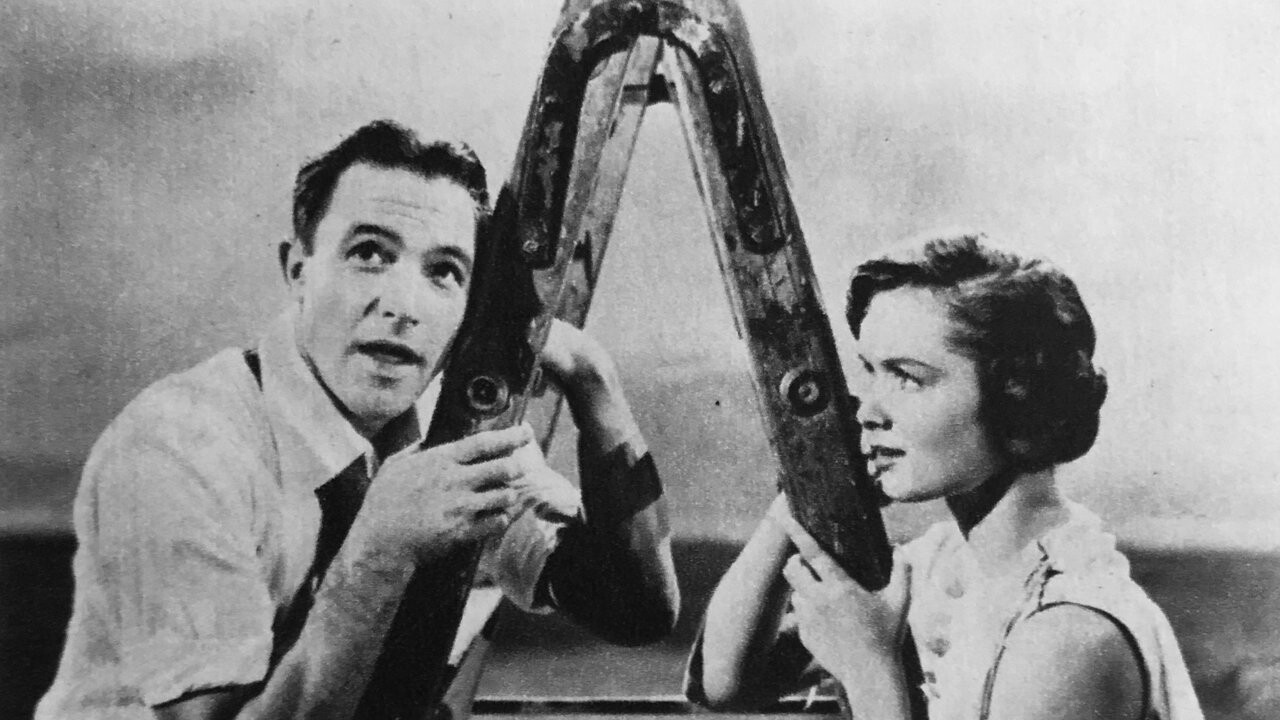
1952: Debbie Reynolds in Singin’ in the Rain
Debbie Reynolds gives 1952’s Singin’ in the Rain a buoyant, quick-witted center. Her work beside the film’s veteran leads feels remarkably assured. The musical’s staying power proved literal: it returned to theaters in 1974 and again in 1992 for a 40th-anniversary premiere.
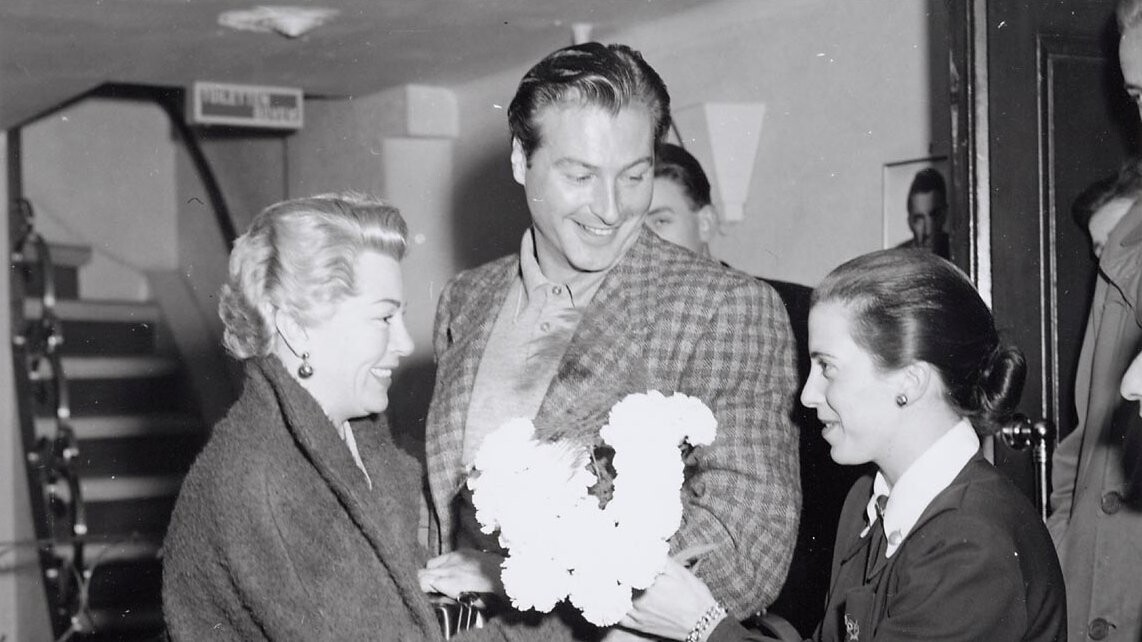
1953: Lana Turner in The Bad and the Beautiful
Lana Turner places screen glamour inside a sharp story about the movie business in 1953’s The Bad and the Beautiful. Its view of ambition, loyalty, and image-making endured. The AFI Catalog notes that film historians have frequently ranked it among the finest movies made about Hollywood.
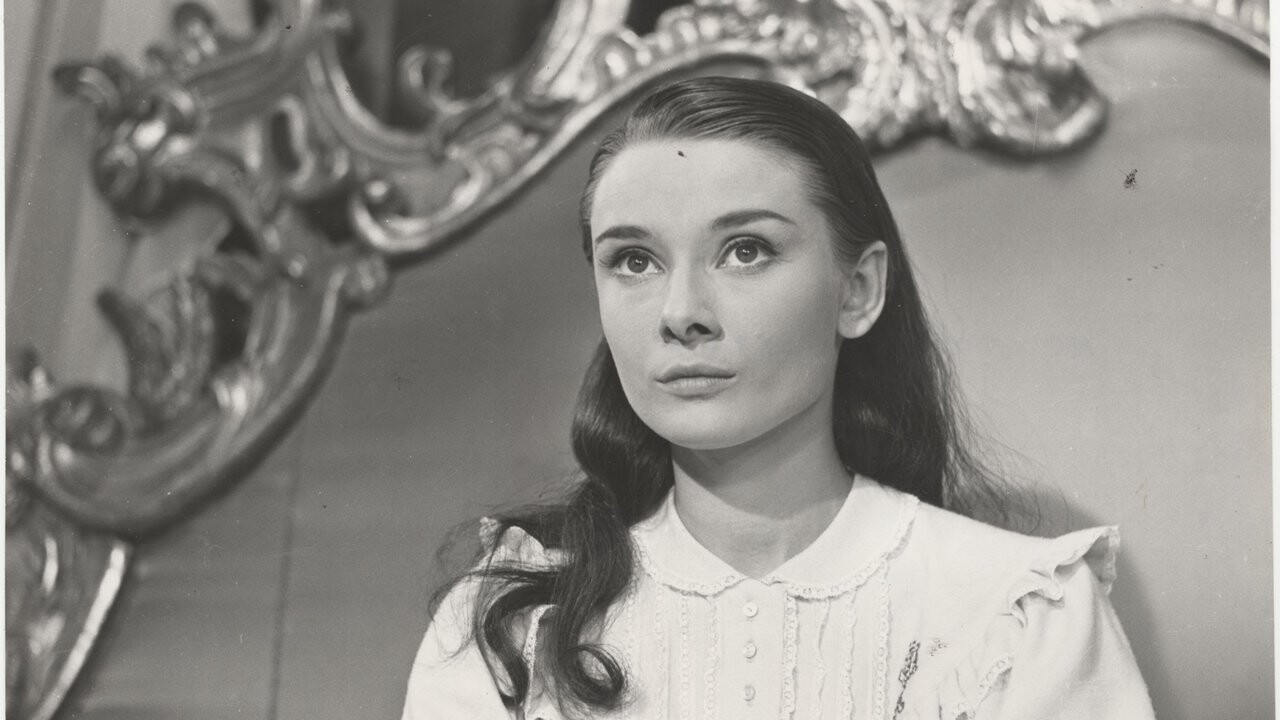
1953: Audrey Hepburn in Roman Holiday
Audrey Hepburn combines regal poise with playful curiosity in 1953’s Roman Holiday. Her comic timing and emotional restraint keep the fairy-tale premise grounded, while her distinctive presence brightens every scene. She won the Academy Award for Best Actress, confirming her place among the decade’s defining stars.
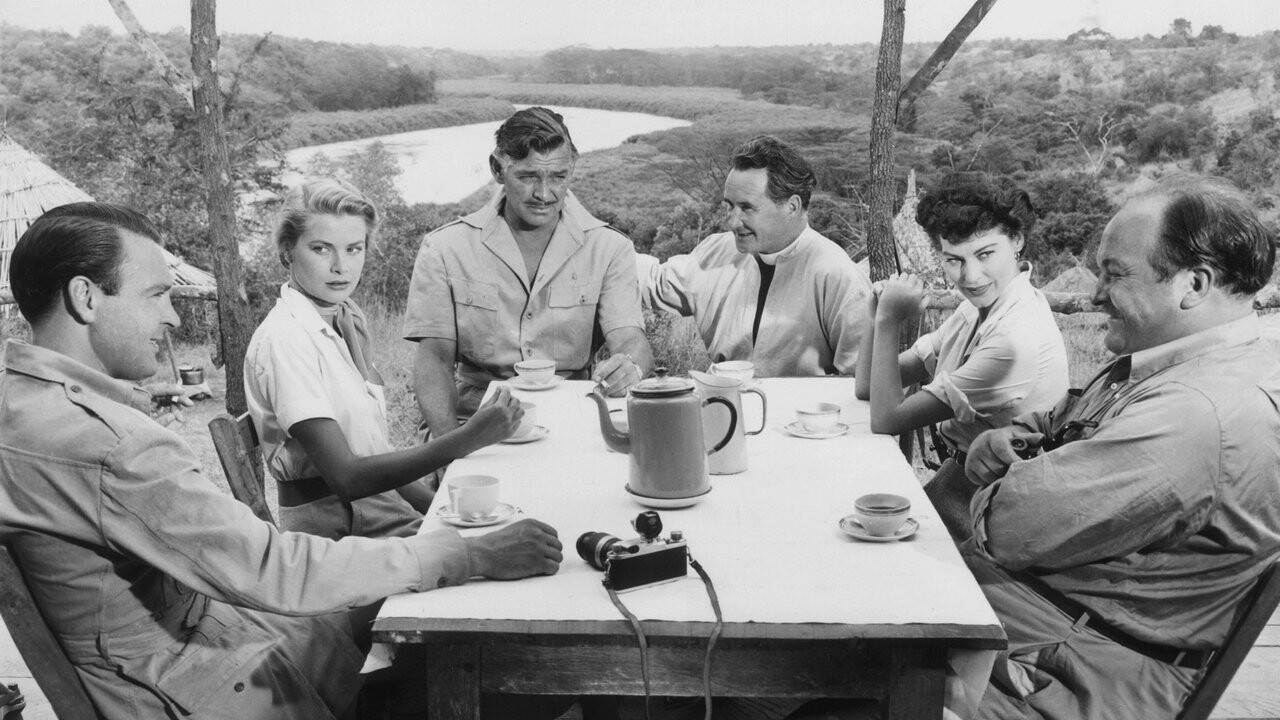
1953: Ava Gardner in Mogambo
Ava Gardner gives 1953’s Mogambo much of its wit, confidence, and emotional spark. Behind its sweeping location work was a familiar studio idea: the movie remade M-G-M’s 1932 drama Red Dust, creating a fresh setting for Gardner’s commanding presence.
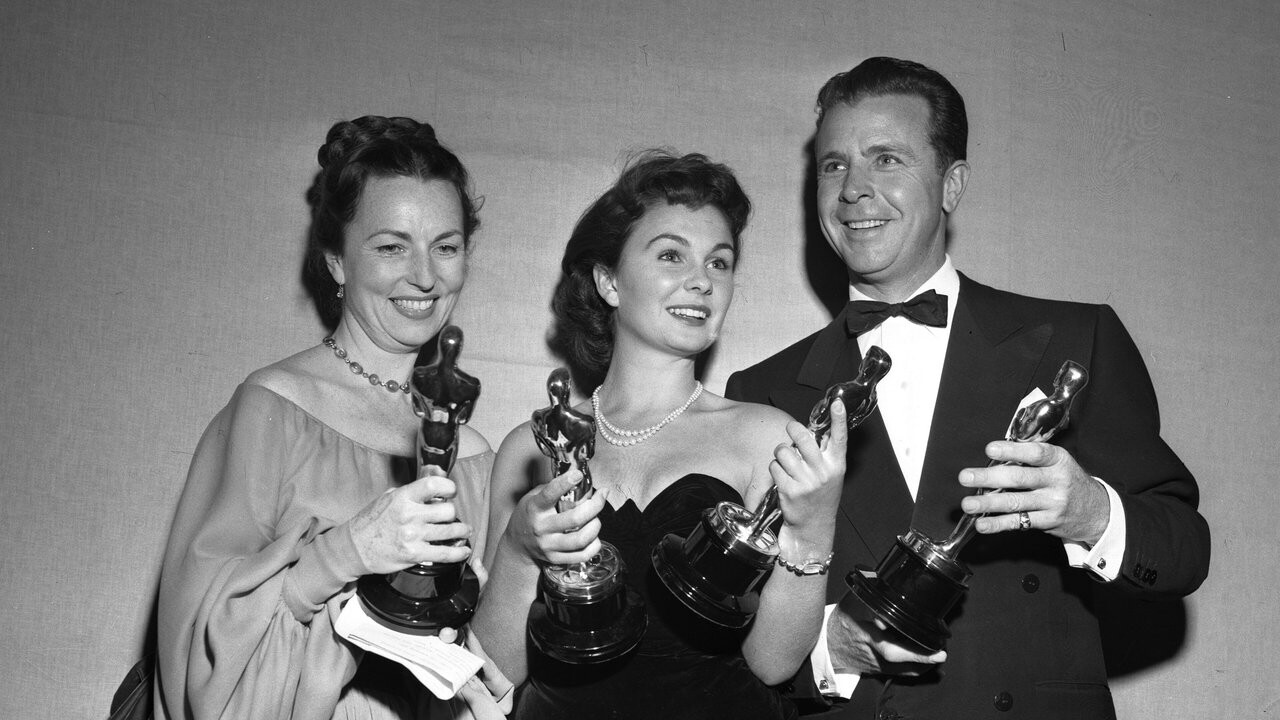
1953: Jean Simmons in The Robe
Jean Simmons brought warmth and resolve to the grand scale of 1953’s The Robe. The film also marked a technical turning point for Hollywood. A special plaque placed next to Simmons’s signature in the cement commemorated The Robe as the first CinemaScope picture.
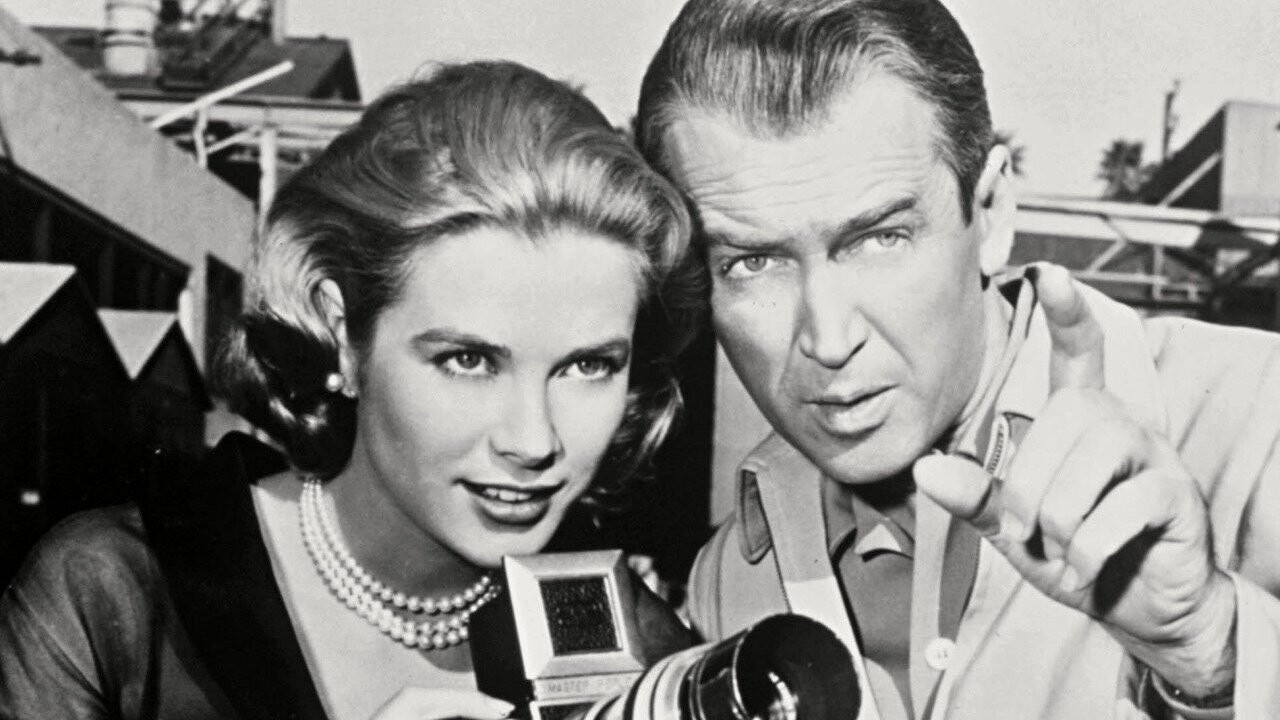
1954: Grace Kelly in Rear Window
Grace Kelly balances immaculate style with curiosity and courage in 1954’s Rear Window. The mystery became one of the decade’s most enduring films. In 2007, the American Film Institute placed it 48th on its anniversary ranking of the greatest American movies.
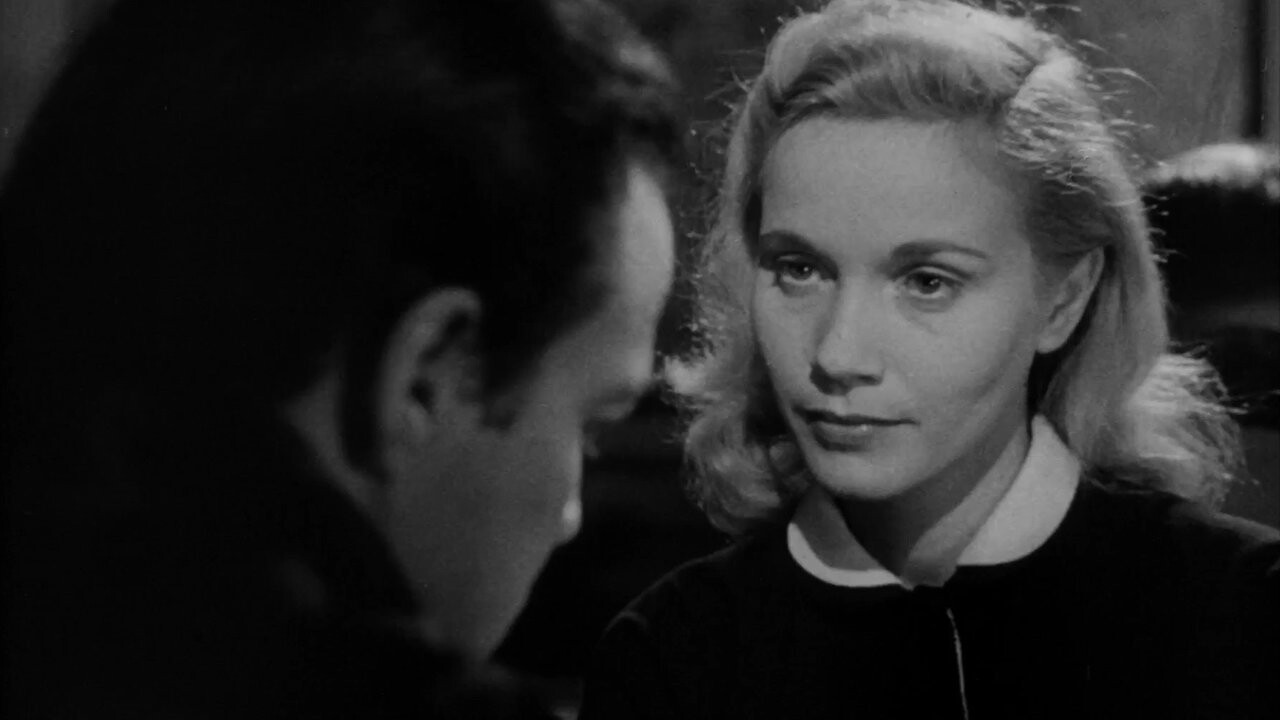
1954: Eva Marie Saint in On the Waterfront
Eva Marie Saint made an unusually assured screen debut in 1954’s On the Waterfront. Her restrained performance holds its ground amid the film’s anger and turmoil. It also earned her the Supporting Actress Oscar, beginning her film career with one of the industry’s highest honors.
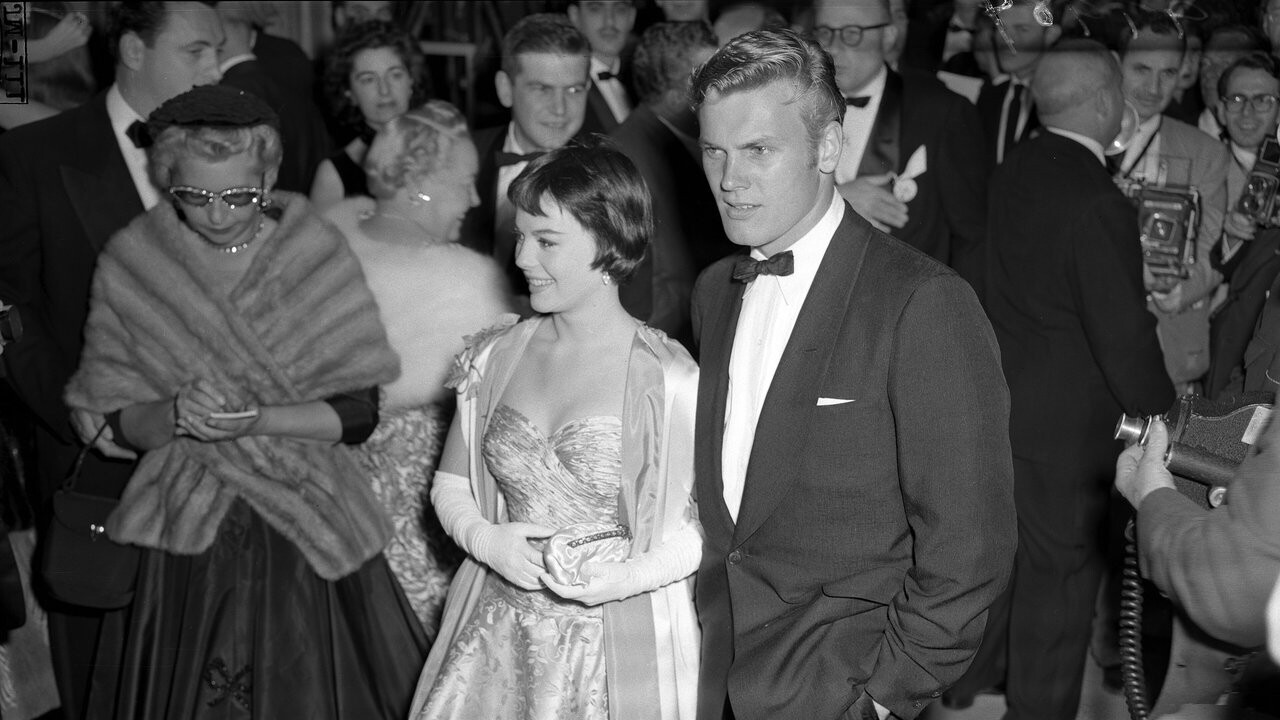
1955: Natalie Wood in Rebel Without a Cause
Natalie Wood captures both defiance and vulnerability in 1955’s Rebel Without a Cause. The film concentrates its family conflicts and teenage restlessness into an unusually tight frame. According to the AFI Catalog, its entire story unfolds across just 24 hours.
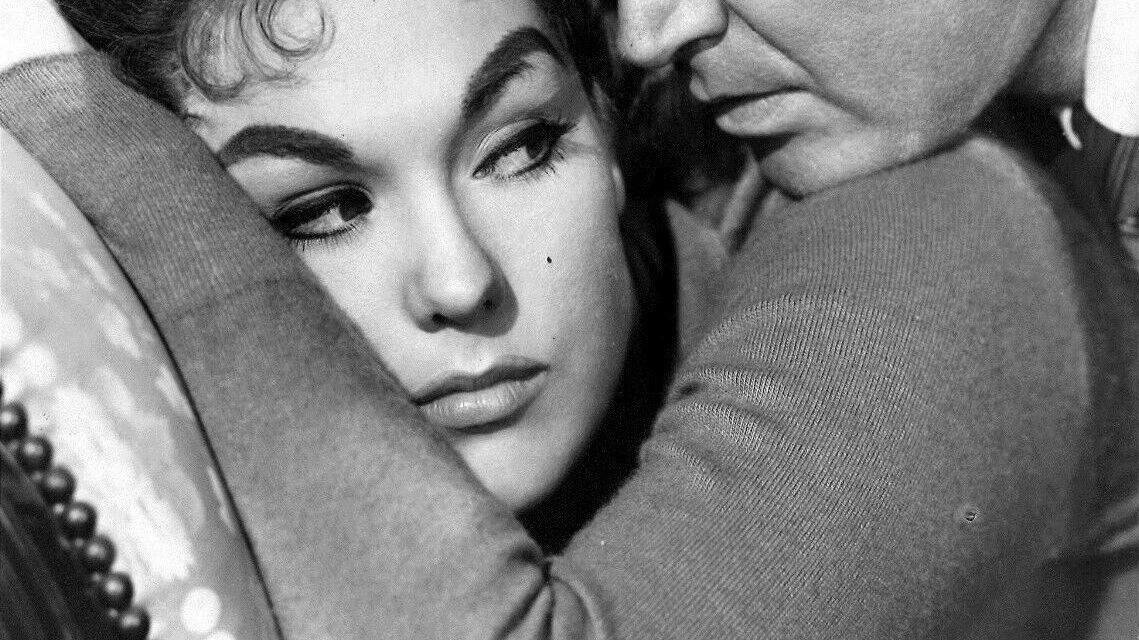
1956: Kim Novak in Picnic
Kim Novak brings a guarded, searching quality to 1956’s Picnic, especially when small-town expectations begin closing around her character. The production also briefly changed her familiar image. Novak appeared as a redhead, departing from the platinum-blonde look closely associated with her screen career.
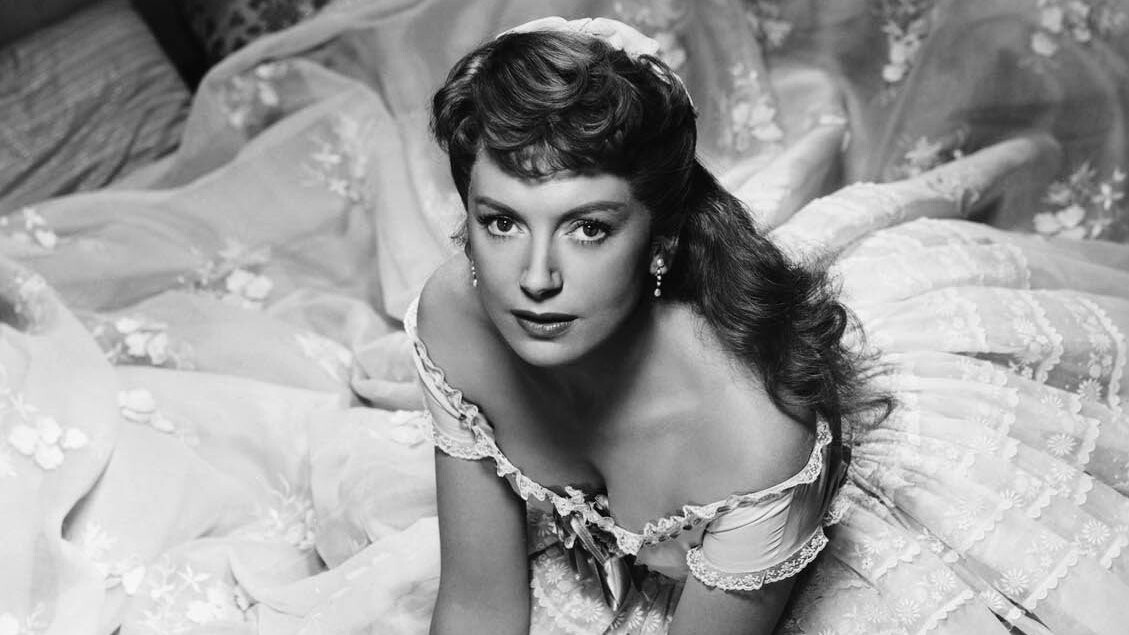
1956: Deborah Kerr in The King and I
Deborah Kerr meets the pageantry of 1956’s The King and I with intelligence and composure. Her performance seamlessly joins acting, movement, and music, although another artist contributed to the soundtrack. Marni Nixon served as Kerr’s singing-voice double for the celebrated screen musical.
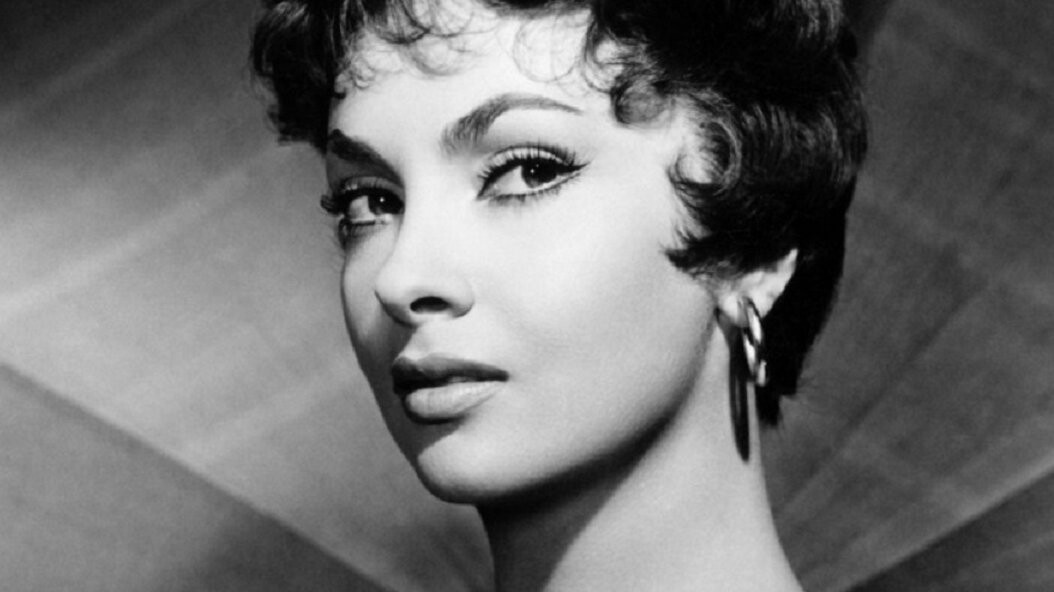
1957: Gina Lollobrigida in The Hunchback of Notre-Dame
Gina Lollobrigida brought international star power to the 1957 release of The Hunchback of Notre-Dame. Its sweeping medieval setting demanded extensive studio craftsmanship. For the production, the filmmakers built a replica of Notre Dame cathedral in a Paris studio, giving the drama an imposing architectural backdrop.
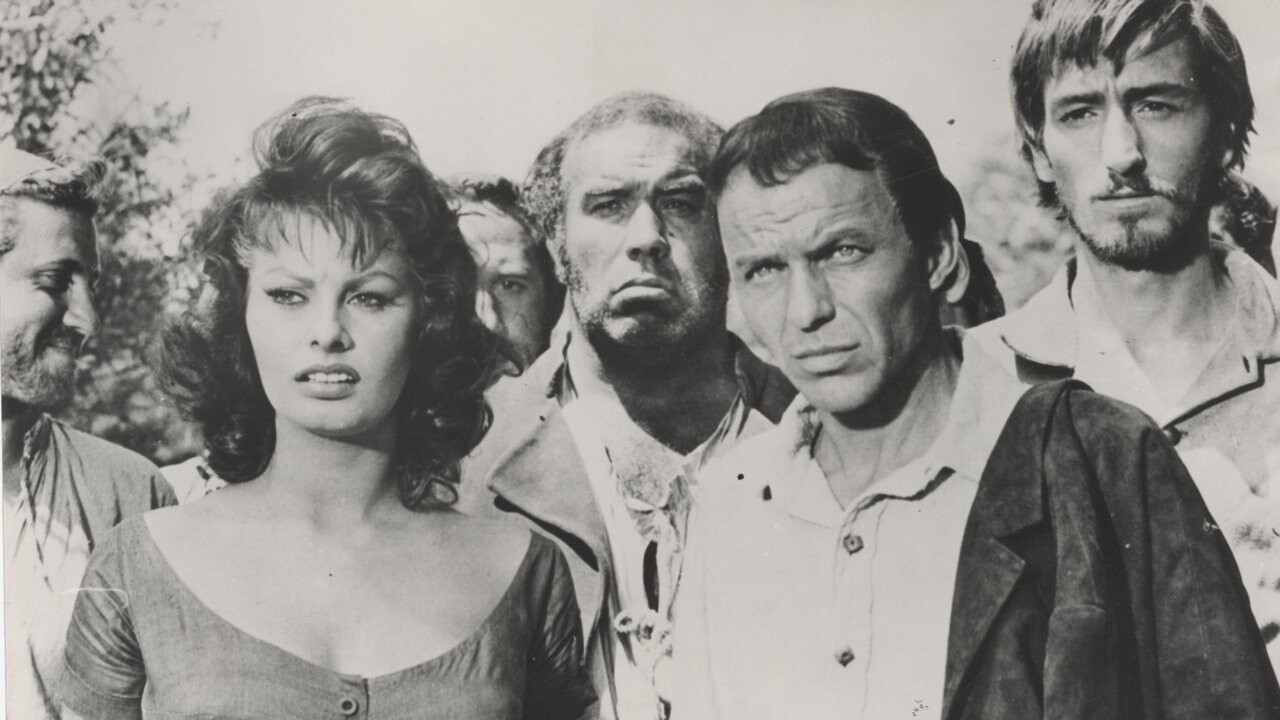
1957: Sophia Loren in The Pride and the Passion
Sophia Loren’s charisma meets the enormous scale of 1957’s The Pride and the Passion. The production was also an important step in her rise beyond Italian cinema. According to the AFI Catalog, it marked Loren’s first appearance in an English-language film.
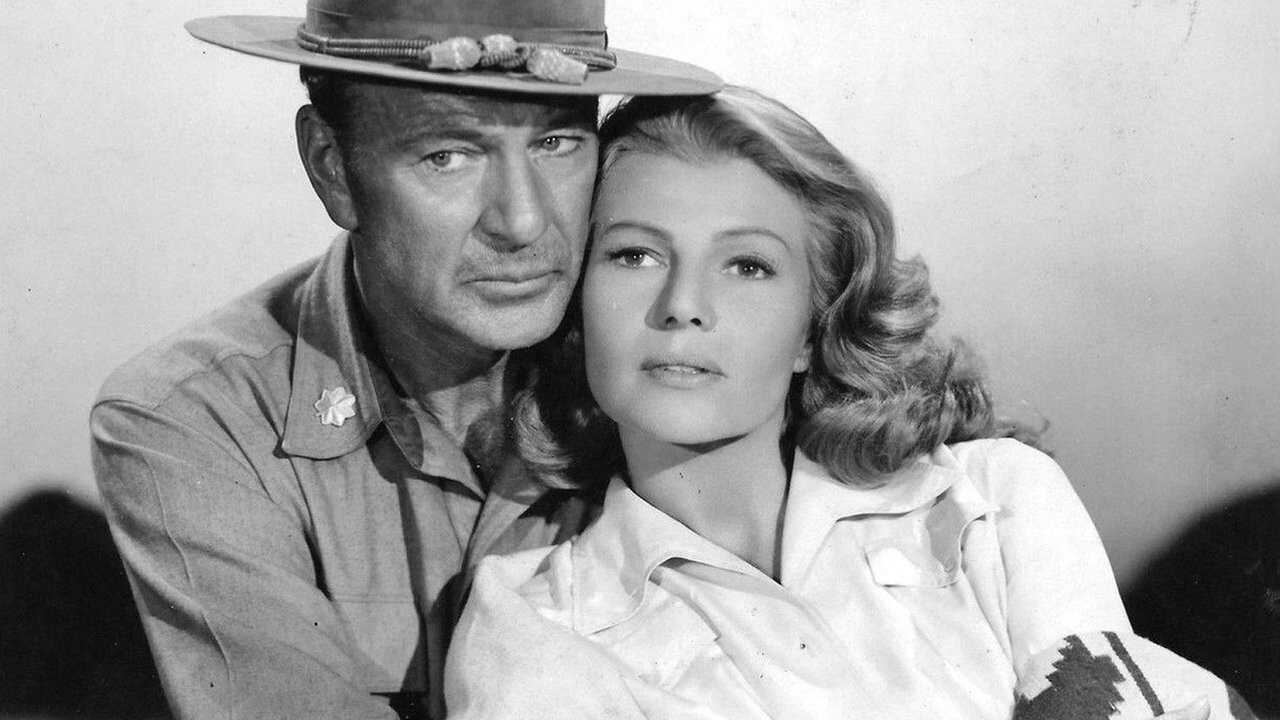
1957: Rita Hayworth in Pal Joey
Rita Hayworth brings seasoned glamour and emotional authority to the 1957 musical Pal Joey. Her performance also reflects a familiar studio-era collaboration between screen acting and unseen vocal work. Singer Jo Ann Greer provided Hayworth’s singing voice for the finished film.
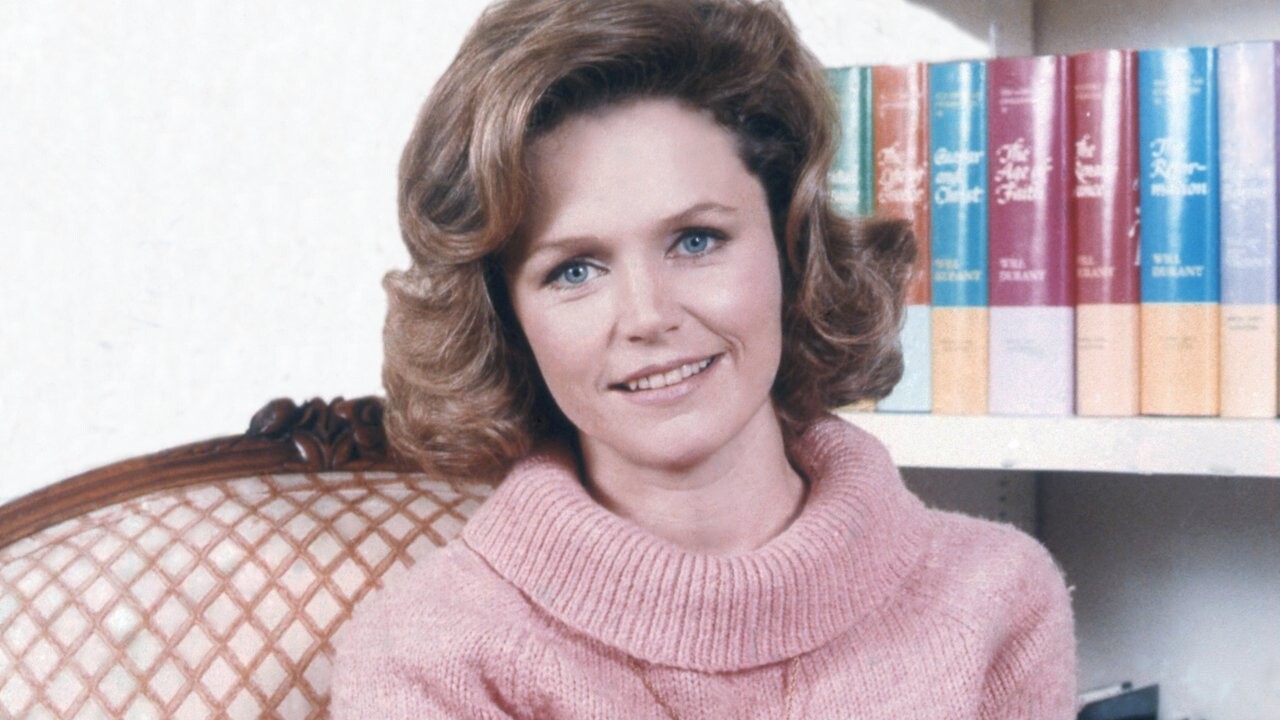
1959: Lee Remick in Anatomy of a Murder
Lee Remick holds her own in the complex courtroom drama Anatomy of a Murder, released in 1959. The film’s frank, intelligent treatment of difficult material continued to earn recognition decades later. The Library of Congress selected it for the National Film Registry in 2012.
Together, these portraits recall an era when carefully constructed glamour could coexist with daring, deeply memorable acting. Which of these stars or performances do you remember best?
Follow The HyperHive on MSN for more stories like this.
Sources:






