The Most Visited National Parks in America, Ranked in Photos

GlacierNPS / Wikimedia Commons, Public domain (cropped)
National parks can feel timeless, but their popularity changes from year to year. The National Park Service’s latest completed annual figures cover 2025, when mountain icons, desert canyons, Atlantic headlands, and an Ohio River valley all drew enormous crowds.
The slides run from the most recreation visits to the fewest, pairing each park with a defining view and a landscape detail.
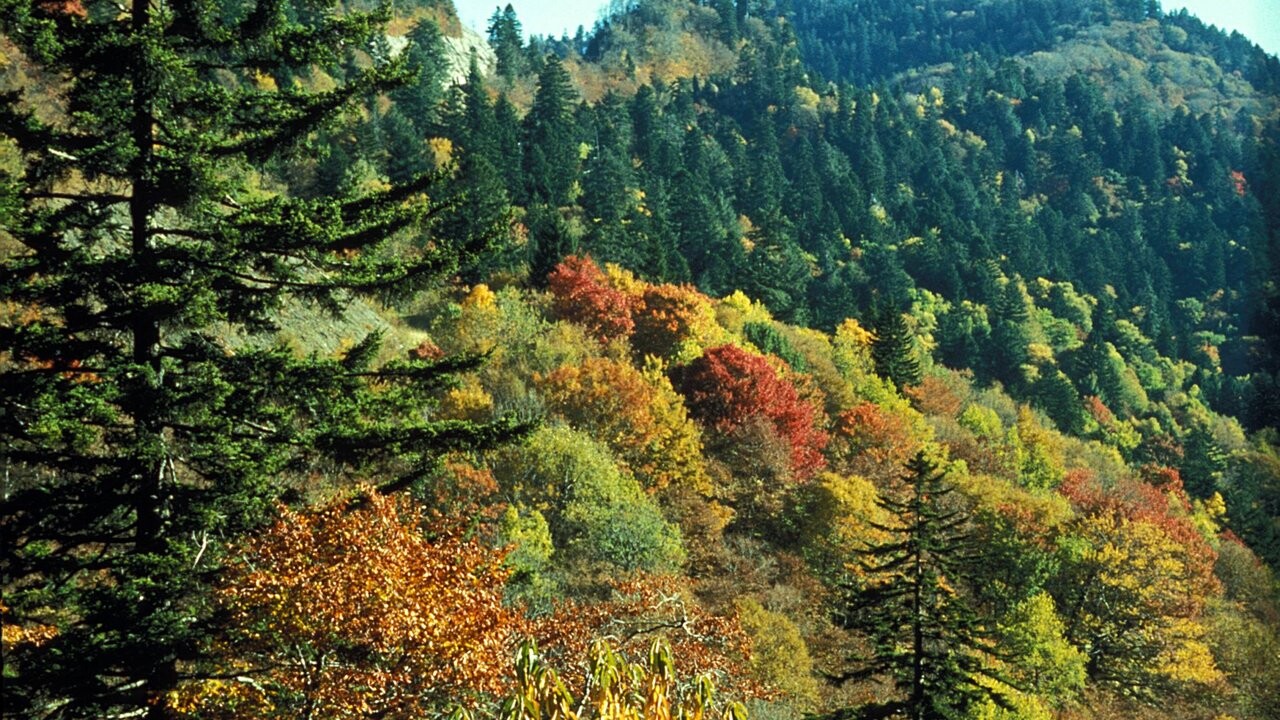
Great Smoky Mountains: 11,527,939 Visits
Straddling North Carolina and Tennessee, Great Smoky Mountains National Park is a landscape of forested ridges that often disappear into mist. The sweeping views can feel both grand and surprisingly intimate. Beyond the scenery, the park is renowned for its variety of plant and animal life, ancient mountains, and remnants of Southern Appalachian mountain culture.
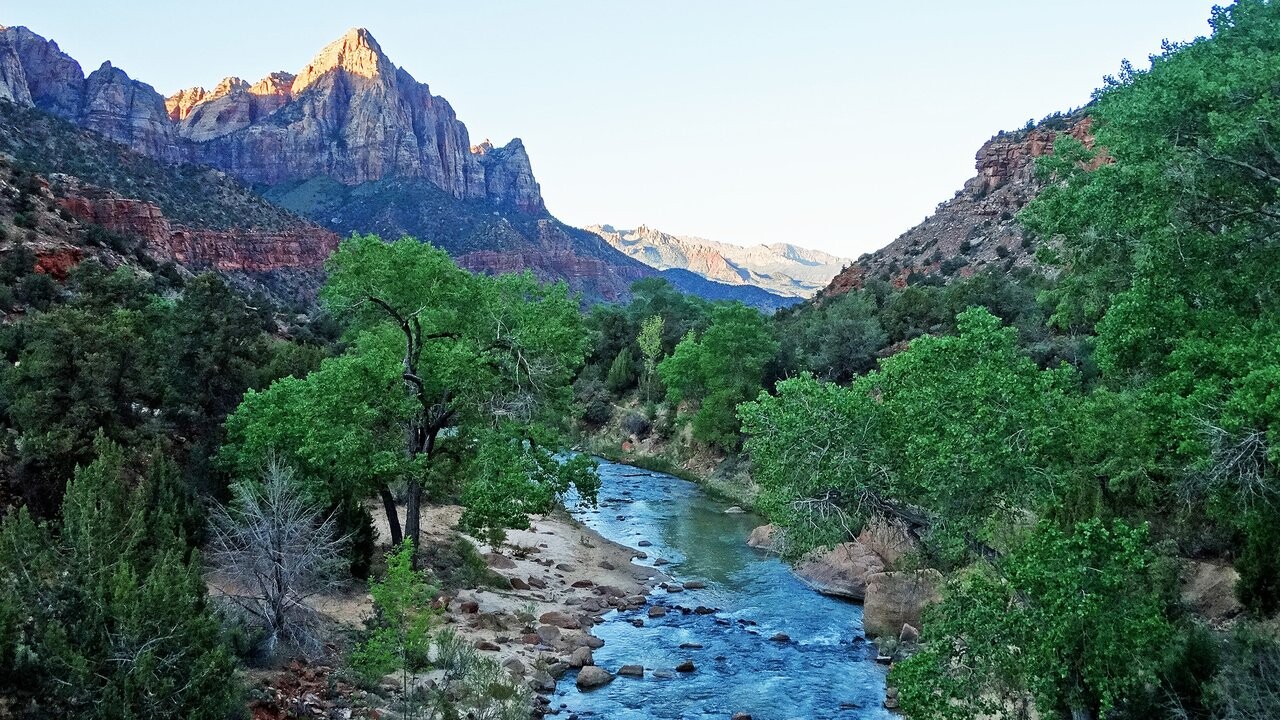
Zion: 4,984,525 Visits
In southwestern Utah, Zion National Park surrounds visitors with towering sandstone walls and narrow canyons. One familiar view looks along Zion Canyon, with the Virgin River threading beneath the cliffs. The river and its tributaries are more than scenic features: Their water remains the primary force of erosion carving and reshaping the park.

Yellowstone: 4,762,988 Visits
Yellowstone spreads mostly across Wyoming, with smaller portions in Montana and Idaho. Old Faithful remains its classic photograph, but the famous eruption represents a much larger thermal world. The park contains more than half of the world’s geysers, making steam, vivid mineral color, and bursts of boiling water central to its visual identity.

Grand Canyon: 4,430,653 Visits
Entirely within Arizona, Grand Canyon National Park presents a tremendous sweep of layered rock, changing light, and deep shadow. Mather Point offers one of its most recognizable perspectives. The park encompasses 278 miles of the Colorado River and adjacent uplands, showing that the canyon is not merely a rim-side view but a vast river landscape.
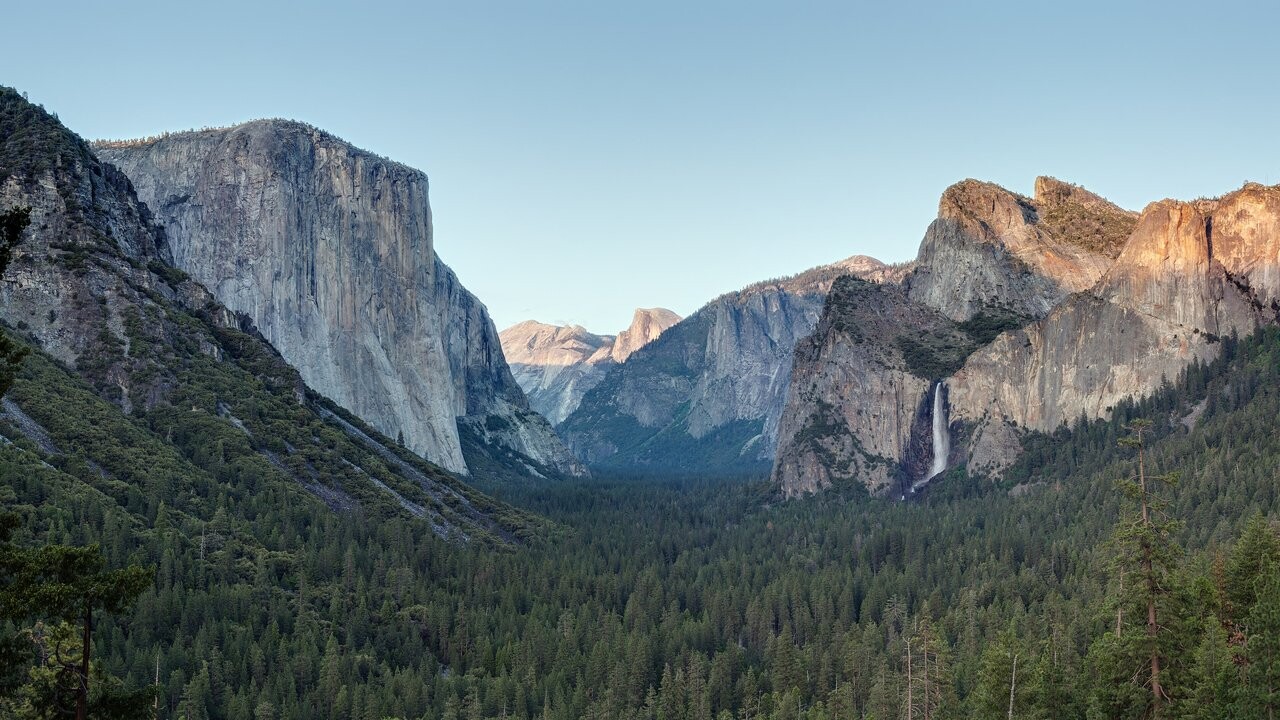
Yosemite: 4,278,413 Visits
Tunnel View brings together sheer granite cliffs, a waterfall, and Yosemite Valley in one memorable frame. Waterfalls may be the park’s best-known features, but they are only part of the landscape. Deep valleys, broad meadows, ancient giant sequoias, and an expansive wilderness give Yosemite a variety that extends far beyond its most familiar viewpoints.
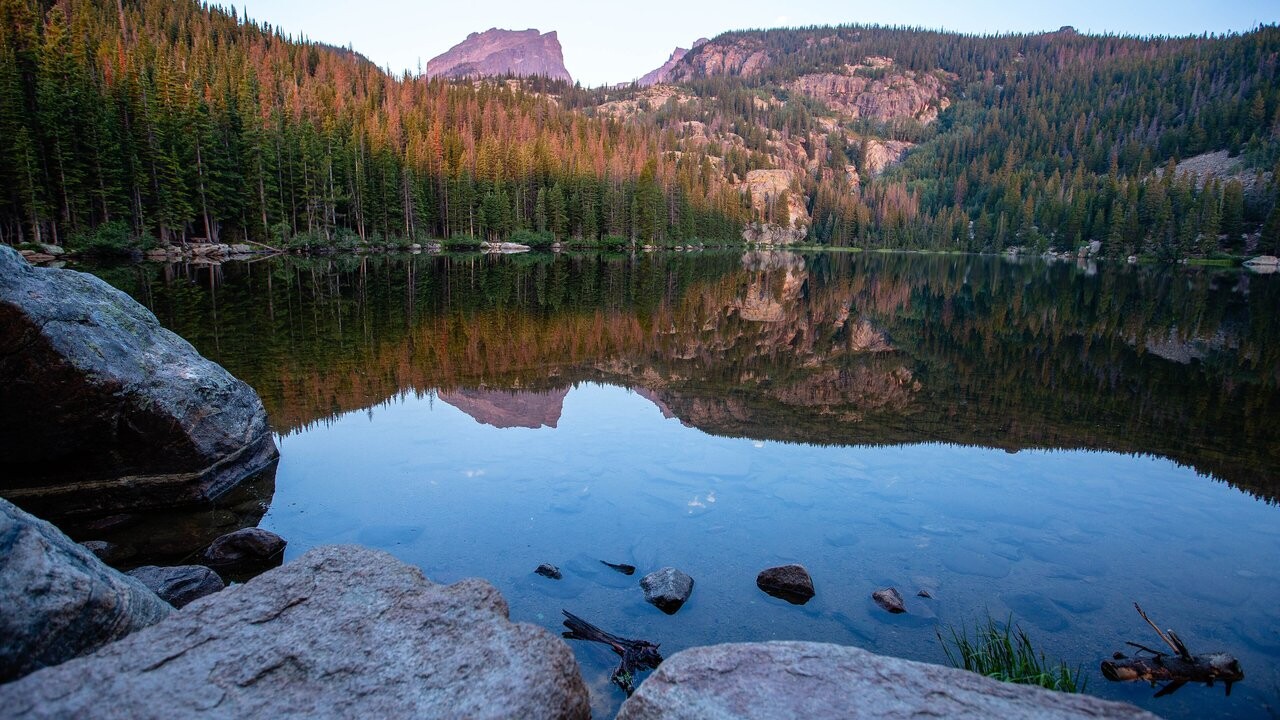
Rocky Mountain: 4,171,431 Visits
Rocky Mountain National Park lies in north-central Colorado, where Bear Lake creates a calm foreground for steep peaks and lingering snow. The Continental Divide crosses the park and separates two major watersheds. Water on its western side flows toward the Pacific Ocean, while water on the eastern side eventually travels toward the Atlantic Ocean.

Acadia: 4,079,318 Visits
Acadia National Park brings sea, stone, forest, and sky together in a landscape distinct from the inland parks ranked above it. Bass Harbor Head Light makes a striking focal point among the coastal rocks. The park protects the highest rocky headlands along the United States’ Atlantic coastline, as well as abundant habitats and a rich cultural heritage.
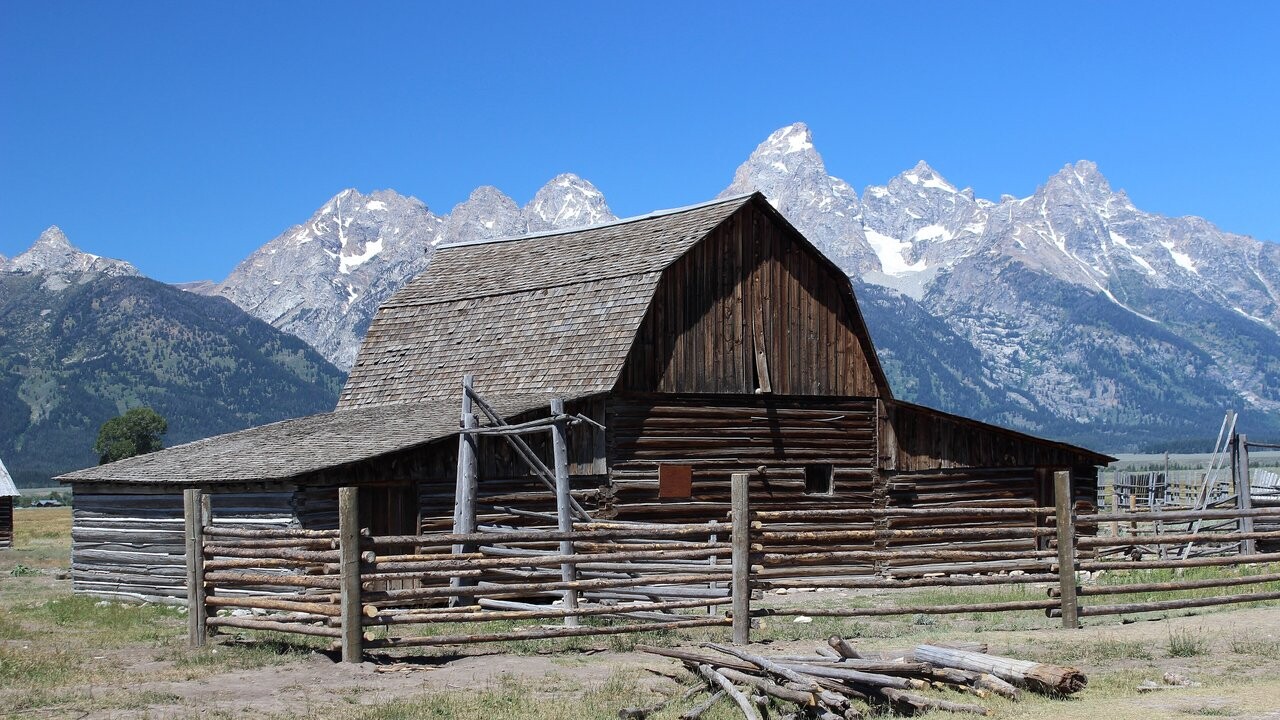
Grand Teton: 3,800,648 Visits
Grand Teton National Park is in Wyoming, where jagged peaks create one of the American West’s most recognizable skylines. A classic photograph frames the weathered Moulton Barn against that dramatic mountain backdrop, combining the region’s cultural history with its monumental scenery. The National Park Service describes the structure as one of the most photographed barns in America.

Olympic: 3,584,187 Visits
No single photograph can capture every side of Olympic National Park, but the moss-draped Hoh Rain Forest makes an unforgettable introduction. The park brings together several distinctly different ecosystems, including glacier-capped mountains, old-growth temperate rain forests, and wild Pacific coastline. That range gives each part of Olympic its own atmosphere, weather, and visual character.
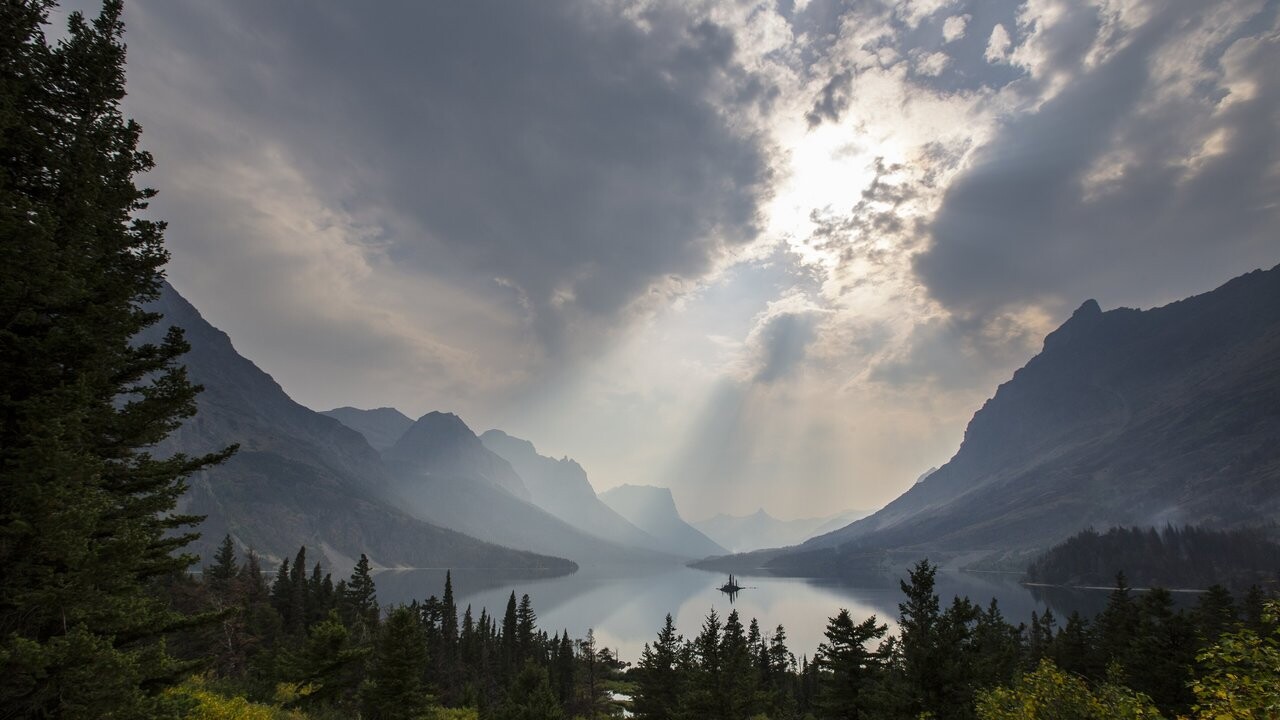
Glacier: 3,136,557 Visits
A view across Saint Mary Lake toward sharp peaks captures Glacier National Park’s water, rock, and immense scale in a single frame. The park showcases melting glaciers, alpine meadows, carved valleys, and spectacular lakes. Together, those features reveal how ice and water helped shape a landscape known for steep relief and expansive views.

Cuyahoga Valley: 3,025,325 Visits
Cuyahoga Valley National Park protects land along the Cuyahoga River between Cleveland and Akron, Ohio, creating a remarkably green corridor near two cities. Brandywine Falls provides a dramatic subject within this varied setting. Cultural, historical, and natural resources share the landscape, while the river remains the park’s defining natural feature and historical spine.
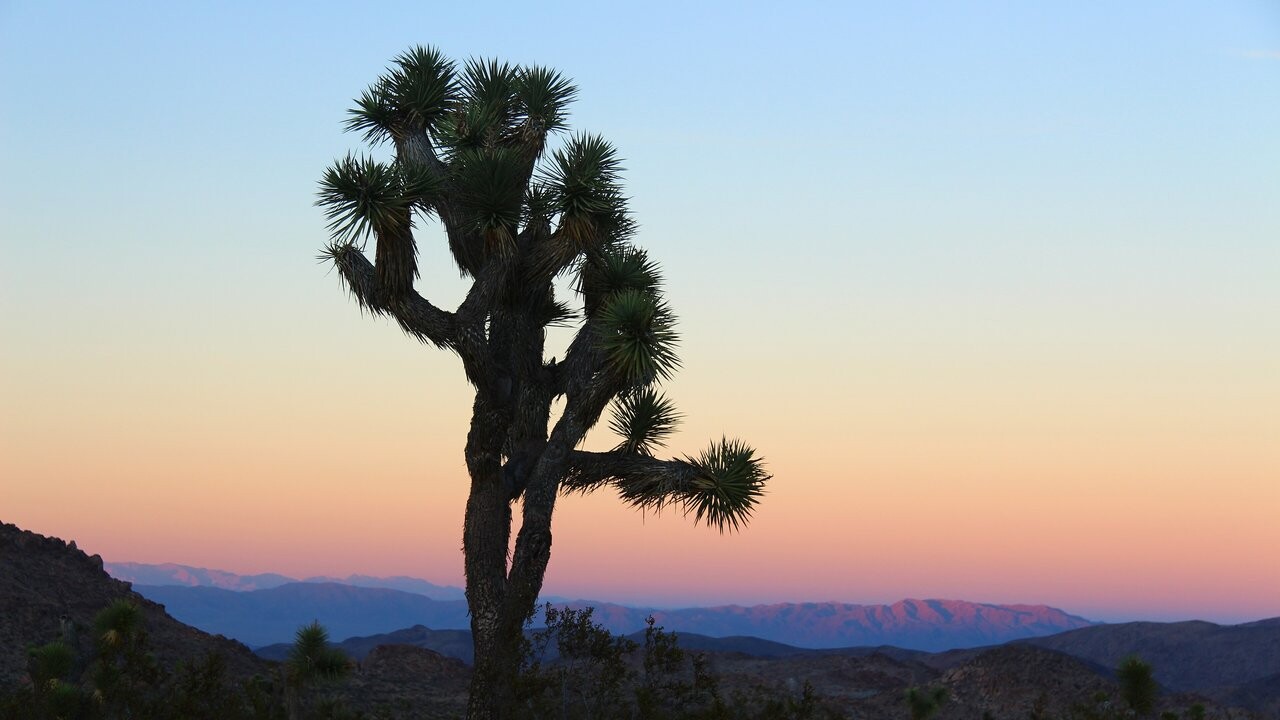
Joshua Tree: 2,932,644 Visits
Joshua Tree National Park is especially striking near sunset, when its namesake plants become twisting silhouettes against boulders and an open desert sky. Two distinct desert ecosystems, the Mojave and the Colorado, meet within the park. Their convergence supports a fascinating variety of plants and animals in a landscape shaped by strong winds and occasional torrents of rain.
Together, these parks show how many kinds of American landscape can become a shared destination.
Sources:
- NPS 2025 Visitation Statistics News Release
- Great Smoky Mountains National Park
- Zion National Park: Rivers and Streams
- Yellowstone National Park Facts
- Grand Canyon National Park
- Yosemite National Park
- Rocky Mountain National Park Brochures
- Acadia National Park
- Grand Teton National Park
- Olympic National Park
- Glacier National Park
- Cuyahoga Valley National Park Press Kit
- Joshua Tree National Park Statistics
- Joshua Tree National Park






