What Is a Normal Blood Pressure After 65? What the Latest Heart Guidelines Say

© Vlada Karpovich / Pexels
What should your blood pressure be once you’re past 65? Is a higher number simply part of getting older?
Not according to the latest guidelines. High blood pressure becomes very common with age, but the numbers doctors use to judge it are the same for older adults as for everyone else.
Here’s what counts as healthy, when doctors may adjust the goal, and how to get an accurate reading at home.
What Counts as Normal Blood Pressure After 65?
The American Heart Association (AHA) uses these categories for adults:
- Normal: less than 120 systolic (the top number) and less than 80 diastolic (the bottom number)
- Elevated: 120 to 129 and less than 80
- Stage 1 high blood pressure: 130 to 139, or 80 to 89
- Stage 2 high blood pressure: 140 or higher, or 90 or higher
A new high blood pressure guideline from the AHA, the American College of Cardiology (ACC), and other medical groups, published in August 2025, kept these categories the same.
High blood pressure is very common later in life. According to the CDC, 71.6% of adults 60 and older had high blood pressure in 2021–2023, and only about 29% of them had it under control.
The most common type in older adults is isolated systolic hypertension, when the top number is 130 or higher, but the bottom number stays below 80. The National Institute on Aging (NIA) says it’s linked to age-related stiffening of the large arteries.

What Is the Treatment Goal for Older Adults?
For most adults, including older adults, the 2025 guideline sets a treatment goal of below 130/80. The AHA says the goal “is <130/80 mm Hg for all adults,” with extra considerations for people in institutional care, people with a limited life expectancy, and during pregnancy.
The guideline also recommends keeping the top number below 130 to help lower the risk of mild cognitive impairment and dementia.
For people who are frail, take many medicines, or fall often, doctors are encouraged to tailor the target. “Your doctor will work with you to find a blood pressure target that is best for your well-being,” the NIA says. Never stop or change a blood pressure medicine on your own.
How Can You Get an Accurate Reading at Home?
- Rest first. “Sit in a comfortable chair with your back supported for at least 5 minutes before your reading,” the CDC advises.
- Avoid caffeine and exercise. The AHA suggests no caffeine, smoking, or exercise for 30 minutes before, and emptying your bladder.
- Sit the right way. Keep your feet flat and your arm supported at heart level, and don’t talk during the reading.
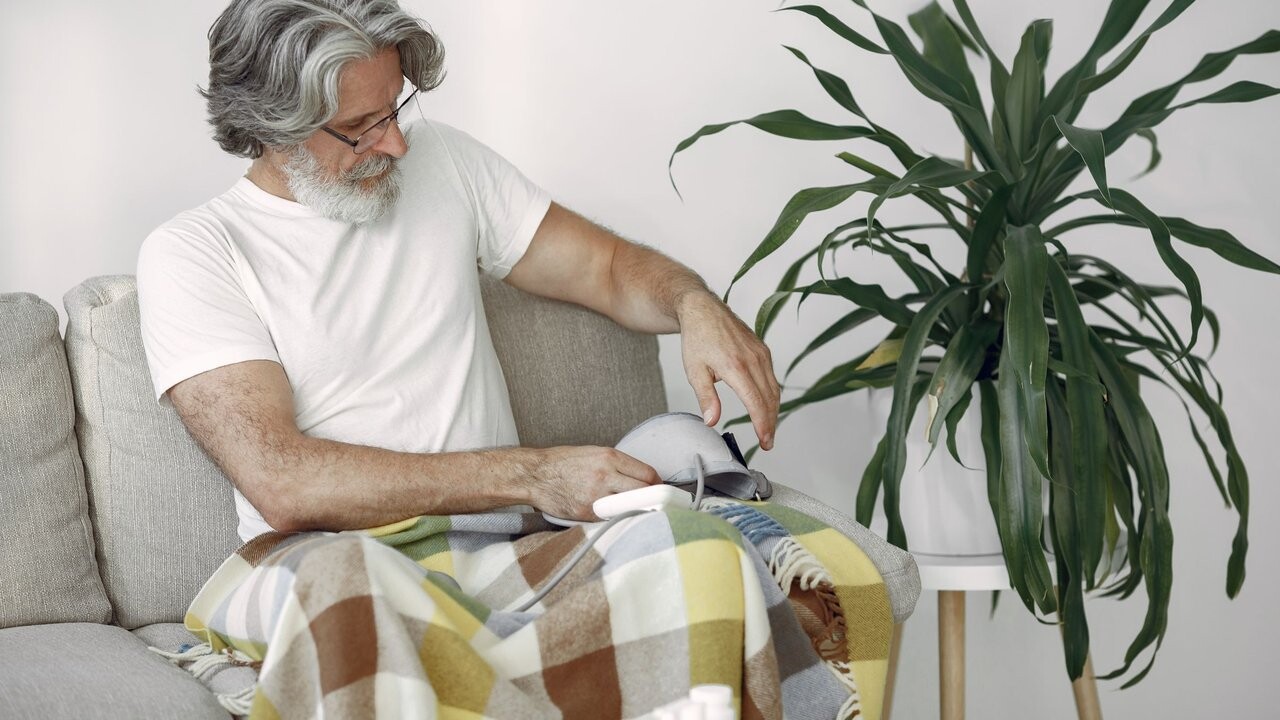
- Use a bare arm. Place the cuff on your bare upper arm and make sure it fits snugly.
- Take two readings. The CDC recommends at least two readings, one or two minutes apart. Write them down.
- Choose the right monitor. The AHA recommends an automatic upper-arm cuff in the right size. Wrist and finger monitors are less reliable. You can check whether a device has been tested for accuracy at validatebp.org.
The 2025 guideline also advises against relying on cuffless devices, such as smartwatches, until they prove more accurate.
When Is Blood Pressure Too Low, or Too High to Wait?
Low blood pressure can be a problem, too. “Low blood pressure is blood pressure that is lower than 90/60 mm Hg,” according to the National Heart, Lung, and Blood Institute. Older adults are more likely to feel dizzy or faint when they stand up, sometimes as a side effect of blood pressure medicine. “Get up slowly from a seated or lying position and stand for a bit before walking,” the NIA advises.
Very high readings need quick action. If your blood pressure is higher than 180 and/or higher than 120, the AHA says to wait a minute and measure again. If it’s still that high and you have no symptoms, contact your doctor promptly. If you also have chest pain, shortness of breath, back pain, numbness, weakness, vision changes, or trouble speaking, call 911.
Daily habits matter. The guideline recommends keeping sodium under 2,300 milligrams a day, and ideally closer to 1,500, following the DASH eating plan, limiting alcohol, and staying active. “As you get older, the body and blood pressure become more sensitive to salt (sodium),” the NIA notes.
Blood pressure tends to rise with age, but that doesn’t mean you have to accept it. Know your numbers, measure correctly, and work with your doctor on the target that’s right for you.
This article is for general information and isn’t a substitute for advice from your doctor.
Sources:
- AHA: 2025 high blood pressure guideline, top things to know
- AHA: Understanding blood pressure readings
- AHA: Monitoring your blood pressure at home
- ACC: New high blood pressure guideline emphasizes prevention and early treatment
- CDC/NCHS: Hypertension prevalence, awareness, treatment and control among adults, 2021–2023
- CDC: Measuring your blood pressure
- National Institute on Aging: High blood pressure and older adults
- NHLBI: Low blood pressure
- Validated Device Listing (validatebp.org)
You might also want to read: How Many Steps a Day Do Adults Over 60 Really Need? What the Latest Research Shows