Nostradamus and 2026: Claims About the Final Months

After César de Notre-Dame / Wikimedia Commons, Public domain (cropped)
Nostradamus’s story begins in Renaissance Provence and continues through royal encounters, a famous tournament, centuries of interpretation, and the verses now being attached to 2026.
The historical record helps separate what the surviving sources say from the flexible meanings later readers have placed around them.
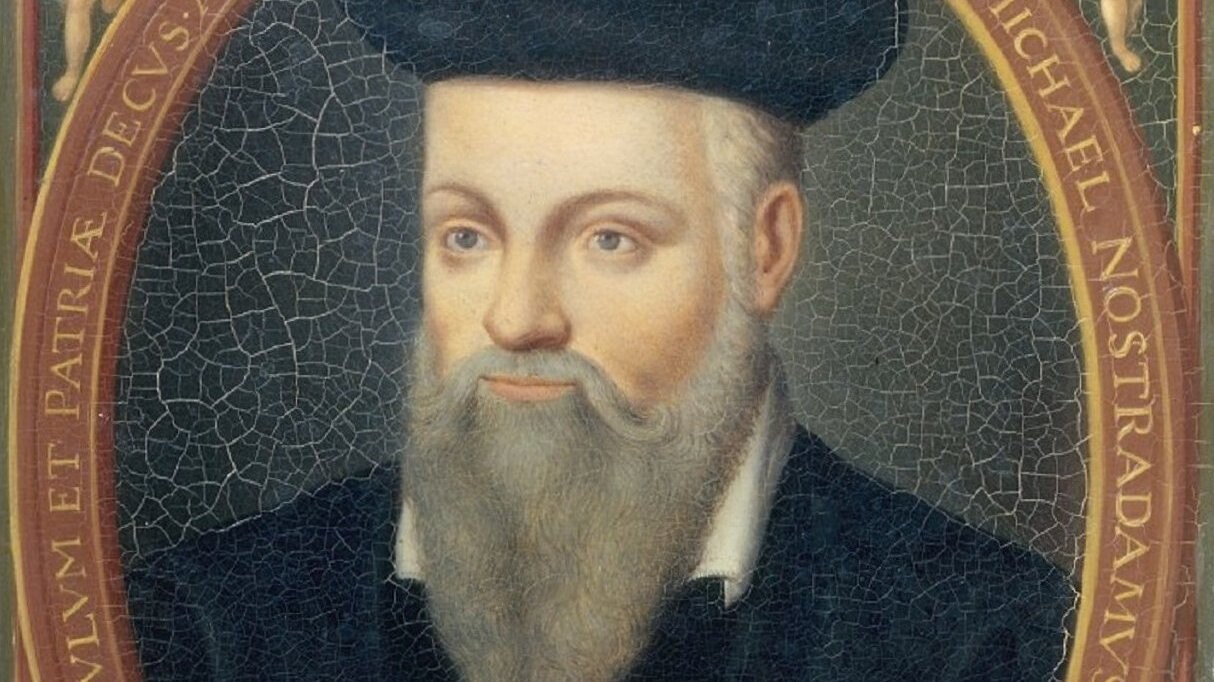
1503: Michel de Nostredame Is Born
Michel de Nostredame, later known by the Latinized name Nostradamus, was born in Saint-Rémy-de-Provence on December 14, 1503. His life unfolded in Renaissance Provence, but the reputation surrounding him grew far beyond that setting, eventually turning a historical writer into a recurring figure in modern prediction stories.
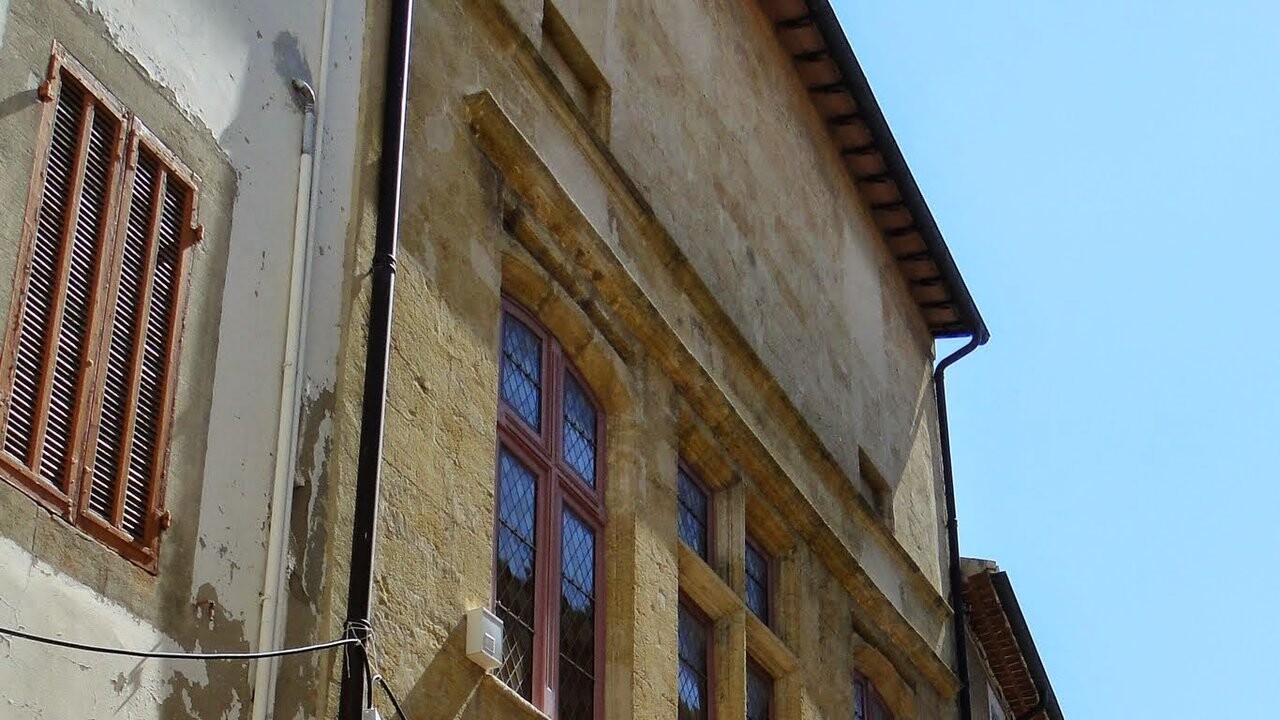
1547: A Home in Salon-de-Provence
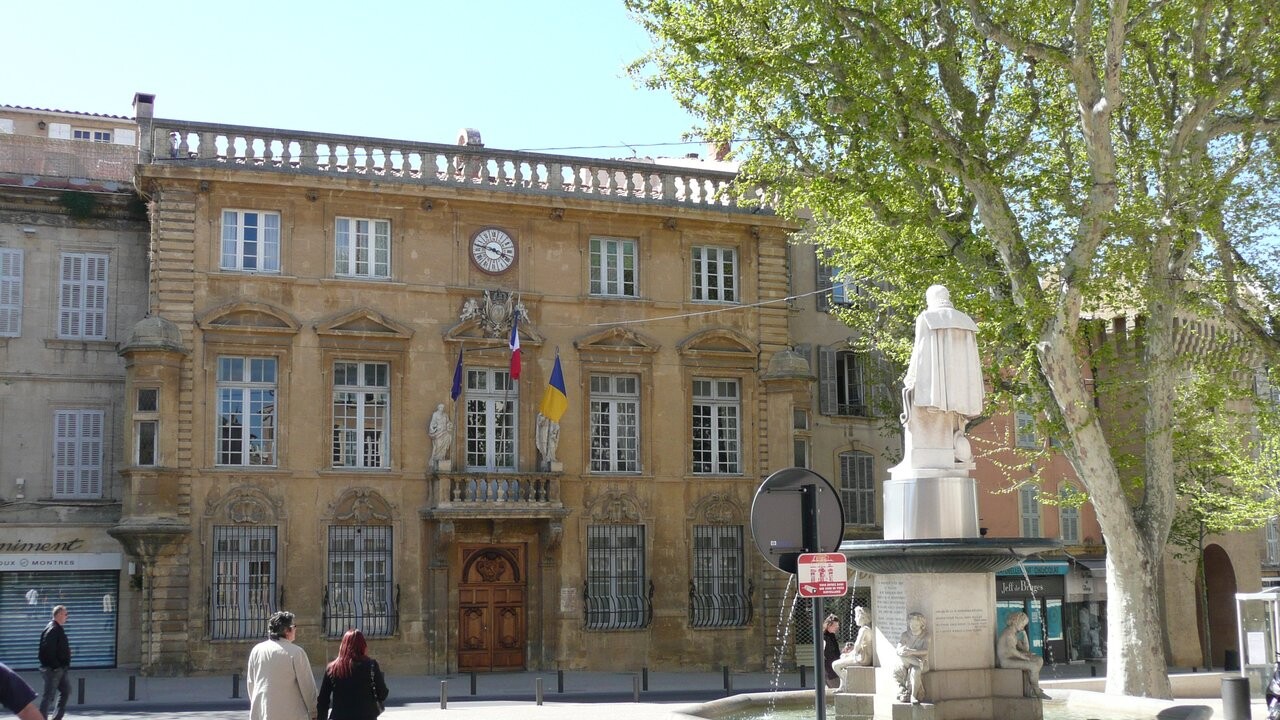
In 1547, Nostradamus bought a house in Salon-de-Provence and began a new family there with Anne Ponsard. The building now houses a municipal museum, giving visitors a physical link to the place where he lived during the years when his best-known works appeared.
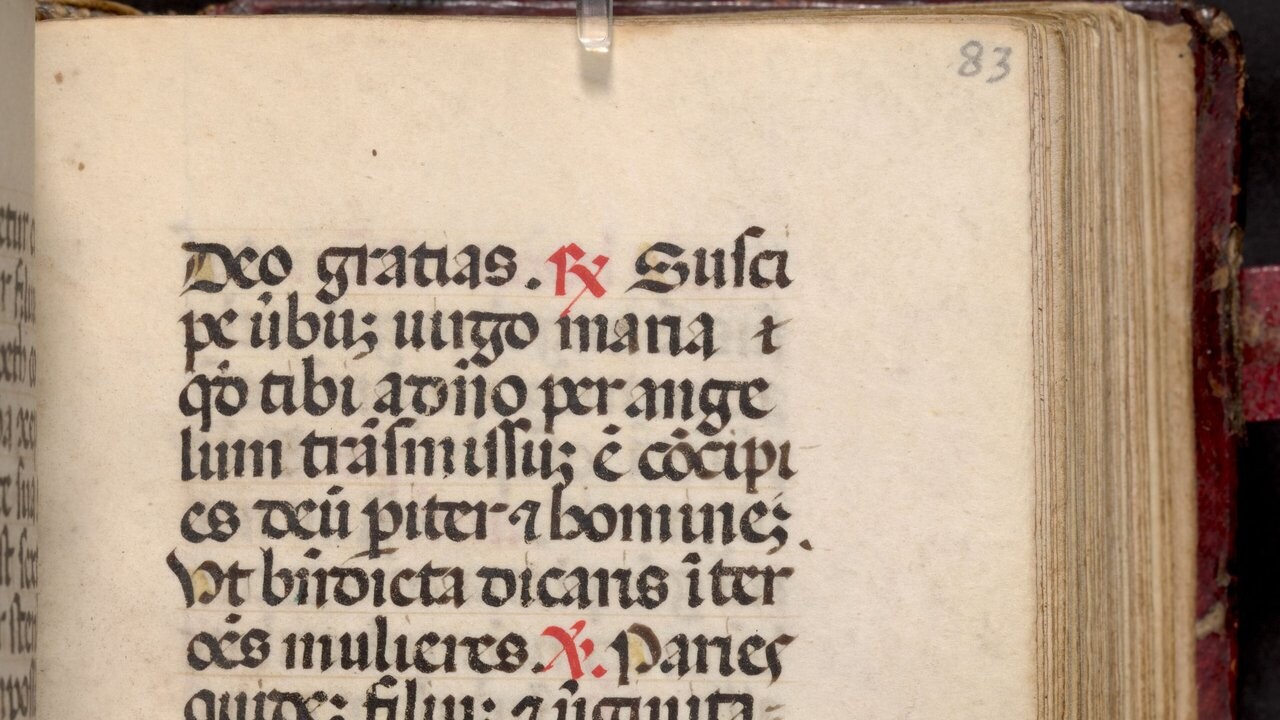
How a Century Works
In Nostradamus’s book, a Century is a group of 100 quatrains, not a span of 100 years. The first 1555 book contained three Centuries and 53 additional quatrains. That structure matters because the numbering organizes poems; it does not assign them to matching years on a future calendar.
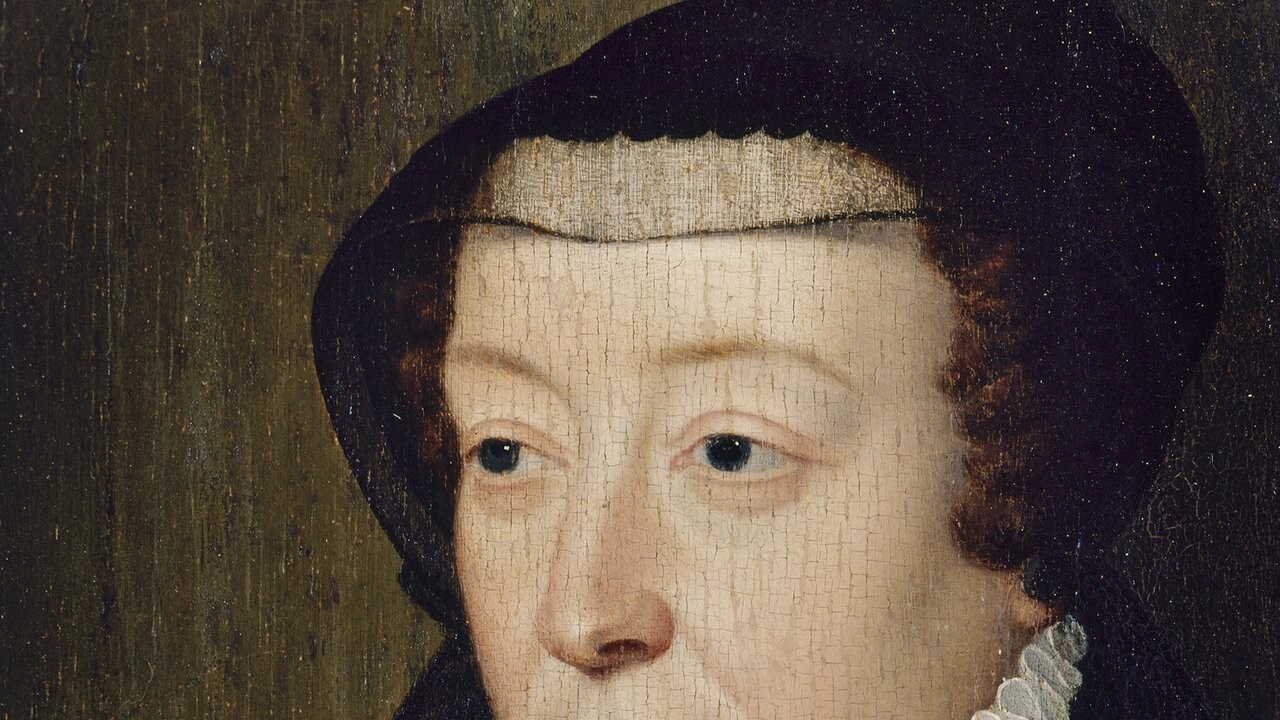
1556: Catherine de’ Medici Calls
Nostradamus’s growing reputation took him to Paris. A Salon-de-Provence heritage guide says he met Catherine de’ Medici there in 1556. That municipal record establishes the encounter. Any fuller scene should be checked against additional evidence rather than treated as part of the documented meeting.
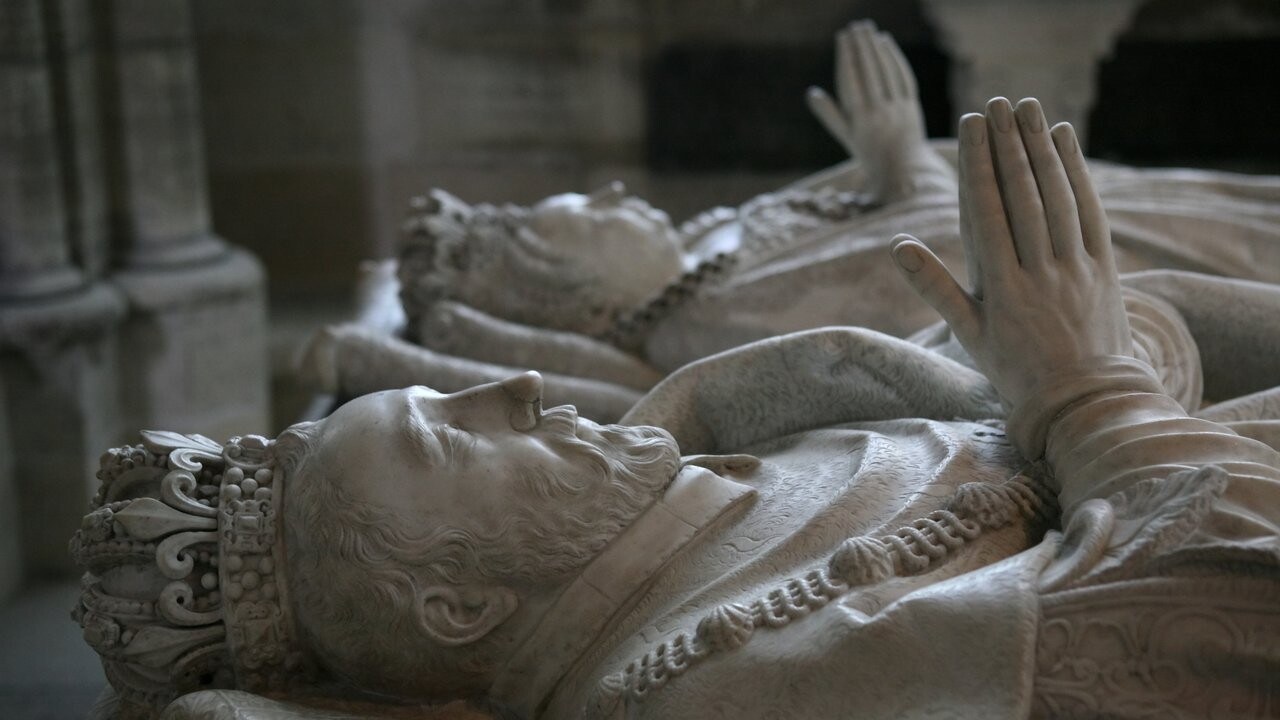
1559: Henry II’s Fatal Joust
Henry II was mortally wounded during a Paris joust on June 30, 1559, and died from his injuries ten days later. A museum dates a surviving engraving of the fatal tournament to 1569–1570. The image documents the historical episode; the prophetic connection belongs to the later interpretation of Nostradamus’s work.
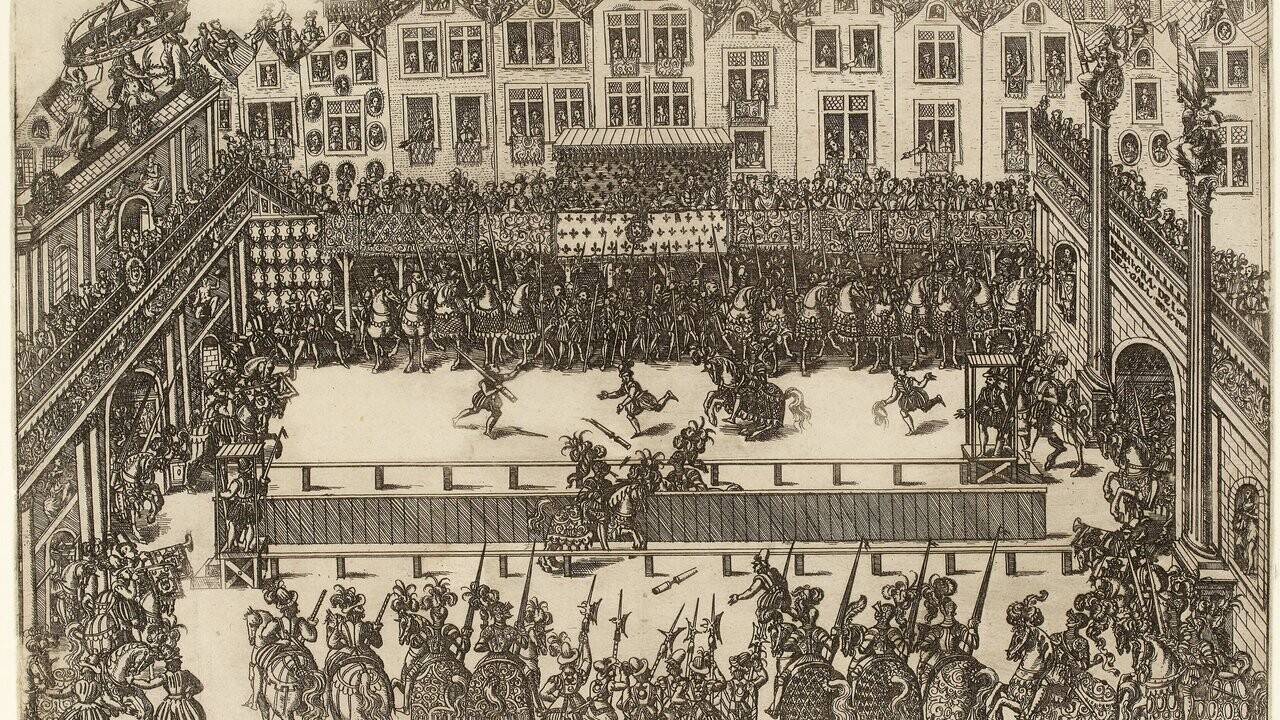
The Henry II Legend Takes Hold
A scholarly review of Nostradamus research notes that Quatrain 1.35 appeared to many readers to predict Henry II’s accidental death in the tournament. The careful wording matters: it describes what readers believed the poem had done, not independent proof that the verse uniquely identified the king or the accident beforehand.
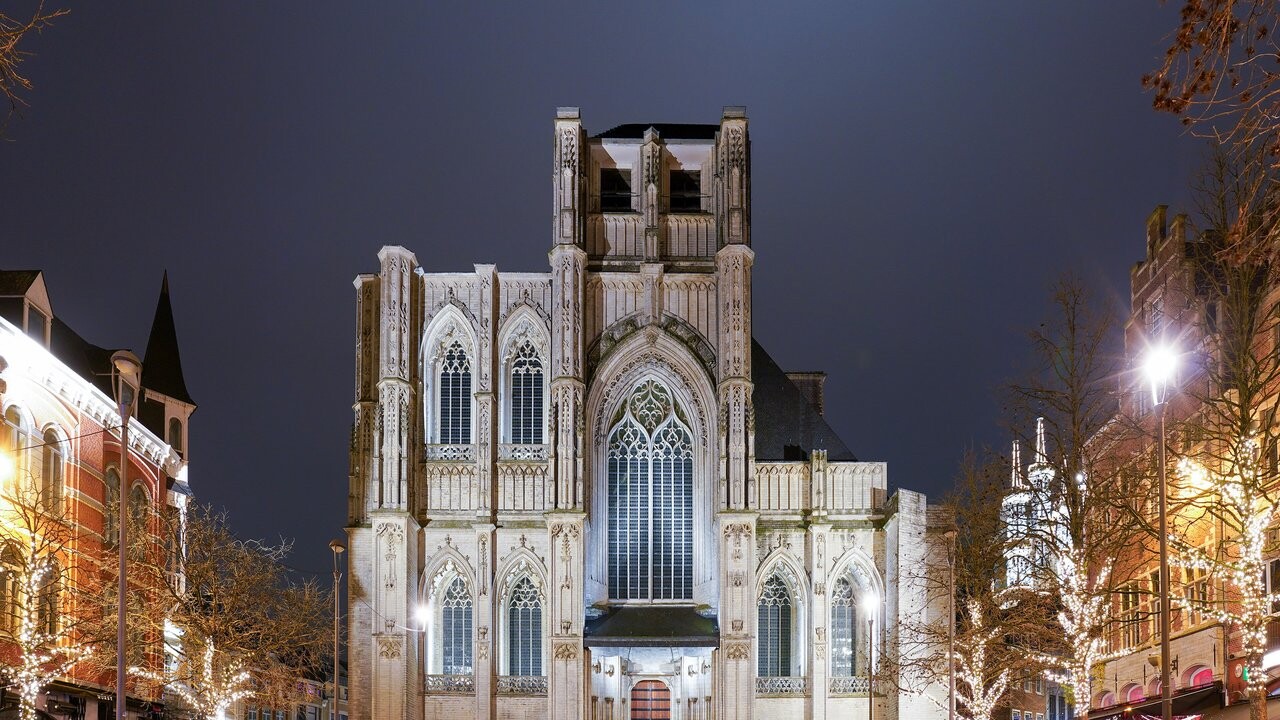
1566: The Story Ends in Salon
Nostradamus died on July 2, 1566. In 1791, Salon’s mayor had his remains and family portraits transferred to the former Saint-Roch chapel inside the Collégiale Saint-Laurent. The move left his story anchored in another surviving Salon landmark, a short walk from the house now associated with his life and writings.
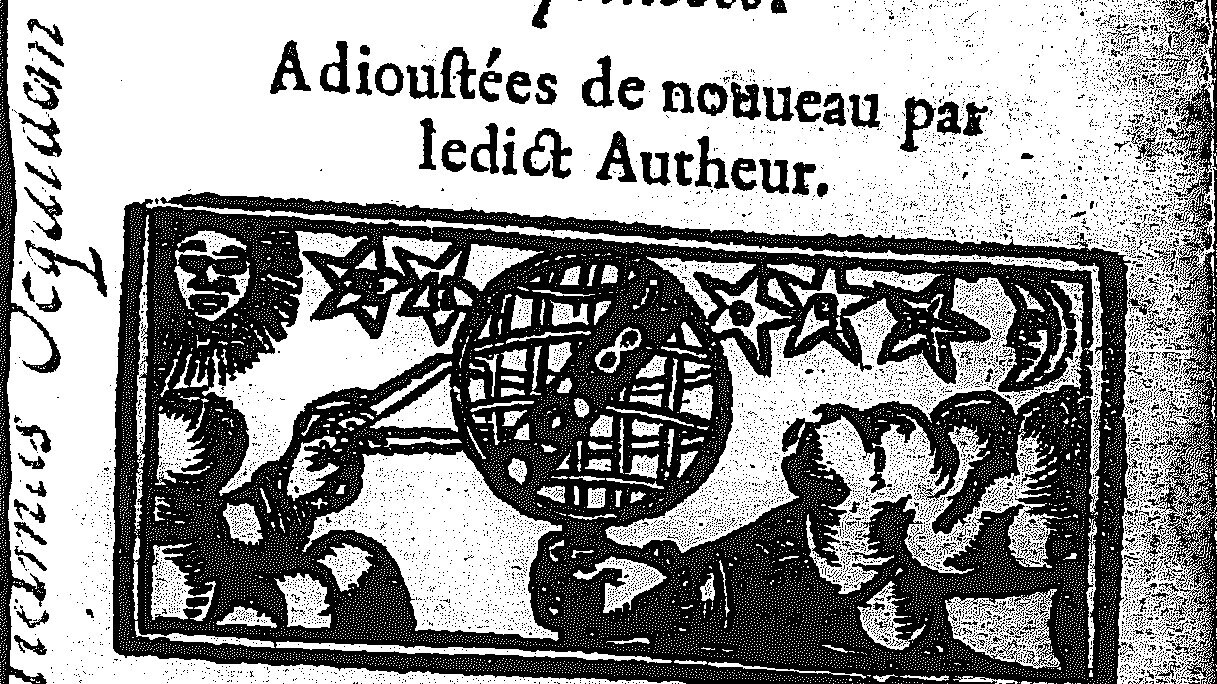
1568: The Complete Edition Appears
The Bibliothèque nationale de France records a partial first book in 1555 and an edition of the full collection in 1568, two years after Nostradamus’s death. That publication sequence is essential when tracing a famous passage: readers should first establish which edition contains it before calling it an original prediction.
Century I, Quatrain 26: The Popular Figure
NDTV summarized one modern reading of Century I, Quatrain 26 as a popular figure being struck down by a thunderbolt. That phrasing is narrower than claims about a named celebrity or politician. The interpretation still supplies both the modern year and the identity category; the cited line itself does not name either.

Century II, Quatrain 26: Po and Ticino
A transcription of Century II, Quatrain 26 names the Po and Ticino in a passage involving blood, fire, deaths, and blows. Modern summaries can turn that dense line into a clean forecast, but the place names alone do not establish a date, a countrywide disaster, or a link to 2026.
When Numbering Gets Messy
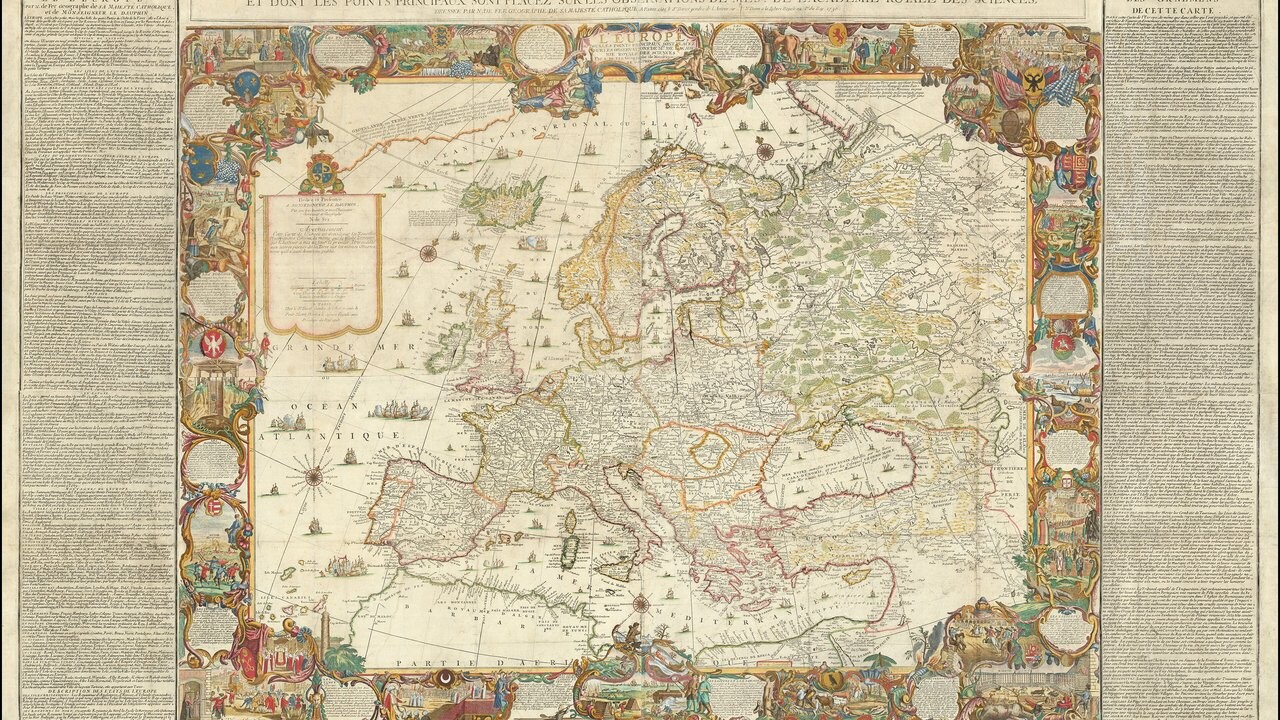
Numbering deserves a pause before interpretation begins. Check the Century, quatrain, edition, and transcription together because a misplaced label can send readers to a different poem. If a summary’s number and quoted image do not match the primary text, the safest choice is to stop and verify before building a prediction around either one.
Celestial Images Stay Flexible
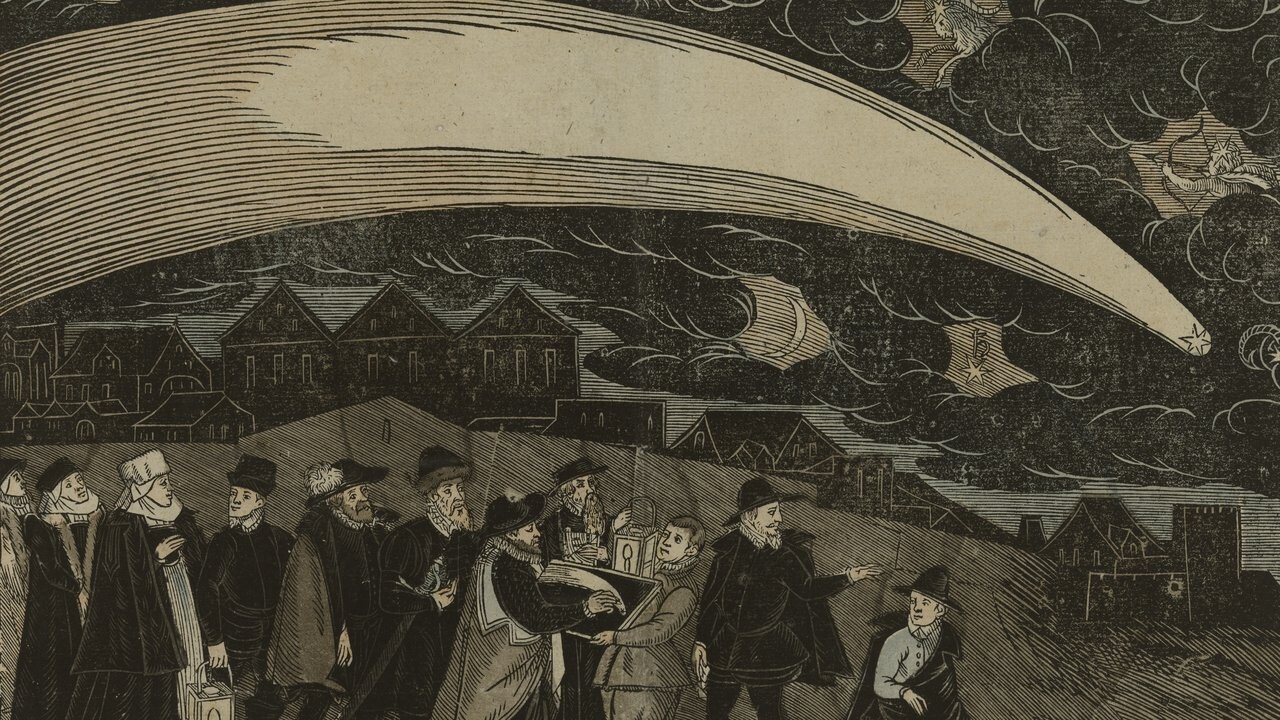
Stars, darkened skies, fire, and unusual light make powerful images, but they can be matched to many different events. Before choosing an eclipse, comet, asteroid, or atmospheric display, look for a date, location, and distinctive sequence in the full passage. A resemblance in one image is not the same as a complete forecast.
August 2026: A Real Eclipse
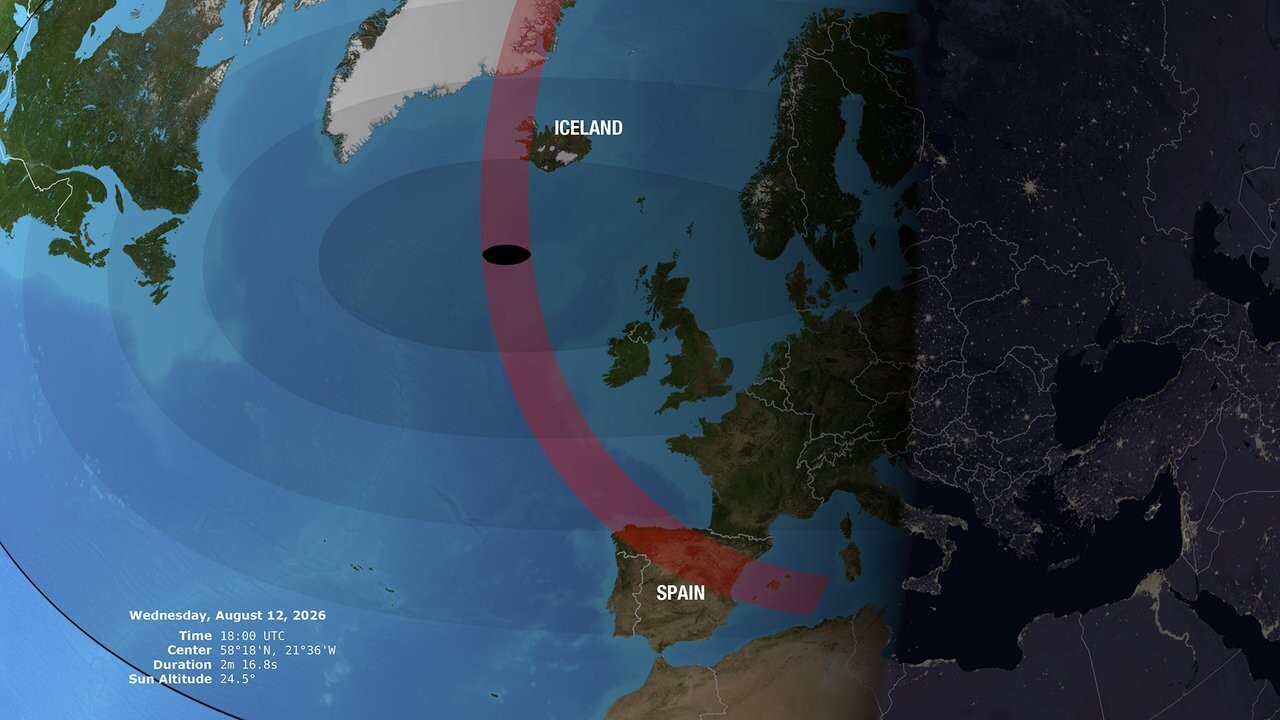
A total solar eclipse did cross Siberia, Greenland, Iceland, Spain, and Portugal on August 12, 2026. NASA’s post-event account described the Moon eclipsing the Sun and casting its shadow across that route. The astronomical event is documented; connecting it to an undated Renaissance image remains a separate interpretive step.
December 2026: Keep the Layers Separate
Treat any December deadline as a claim to audit, not a countdown supplied by the poem. Keep three layers separate: the Renaissance wording, the modern interpretation, and the event offered as confirmation. If the date exists only in the second layer, the story may be intriguing, but it is not a dated forecast from Nostradamus.
What seems most convincing to you: the original record, the modern interpretation, or the gap between them?
Sources:
- City of Salon-de-Provence: Nostradamus Biography
- City of Salon-de-Provence: Maison de Nostradamus
- Bibliothèque nationale de France: 1555 Edition Record
- Albi Libraries: Original 1555 Les Prophéties
- Bibliothèque nationale de France: Prophéties Catalogue Record
- City of Salon-de-Provence: 2025 Heritage Program
- Museum of the Reformation: The Fatal Joust of Henry II
- H-France Review: Nostradamus Scholarship
- City of Salon-de-Provence: Collégiale Saint-Laurent
- American Psychological Association: Confirmation Bias
- Sky History: Modern 2026 Interpretations
- NDTV: Modern Reading of Quatrain I.26
- Wikisource: Century II
- NASA Science: Total Solar Eclipse Over Spain
- SAGE Journals: Testing Vague Forecasts
- Cour de France: Michel de Nostredame Bibliography






_Miroir_des_plus_belles_courtisanes_de_ce_temps_(serietit,_BI-1946-662-45.jpg)


