Old Hollywood Feuds: What the Record Confirms

Warner Bros. Studios / Wikimedia Commons, Public domain (cropped)
Old Hollywood sold polished harmony, but court decisions, memoirs, interviews, and archival accounts preserve a rougher working world. The most revealing conflicts were often about contracts, credit, control, and sharply different personalities.
These slides examine documented rivalries from across the studio era. The surviving evidence varies: some disputes reached court, while others were described years later by the people involved. The suggested images are public-domain or freely licensed publicity stills, trailer frames, and portraits.
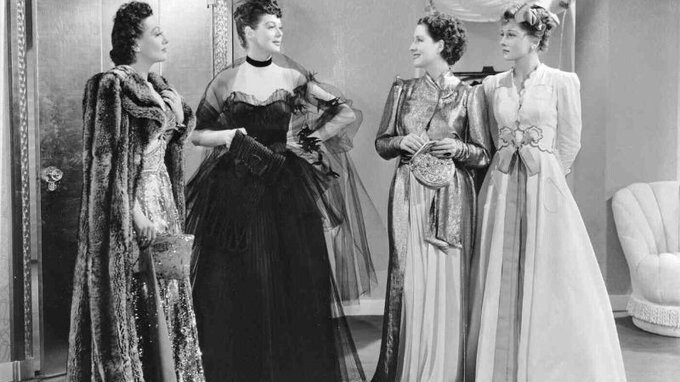
1939: Joan Crawford and Norma Shearer
Joan Crawford and Norma Shearer were already recognized as longtime MGM rivals when they appeared in The Women in 1939. That pairing gives the rivalry a firm place in the record. Later lore added increasingly theatrical details, but the documented story is simpler: two major stars occupied competing positions within the same powerful studio.

1936: Bette Davis and Jack Warner
Soon after winning an Academy Award for Dangerous, Bette Davis walked out on Warner Bros. in 1936. Davis and studio chief Jack Warner then went to court over her contract. The legal confrontation documents a serious professional dispute, but it does not, by itself, establish the permanent personal hatred suggested by later Hollywood mythology.
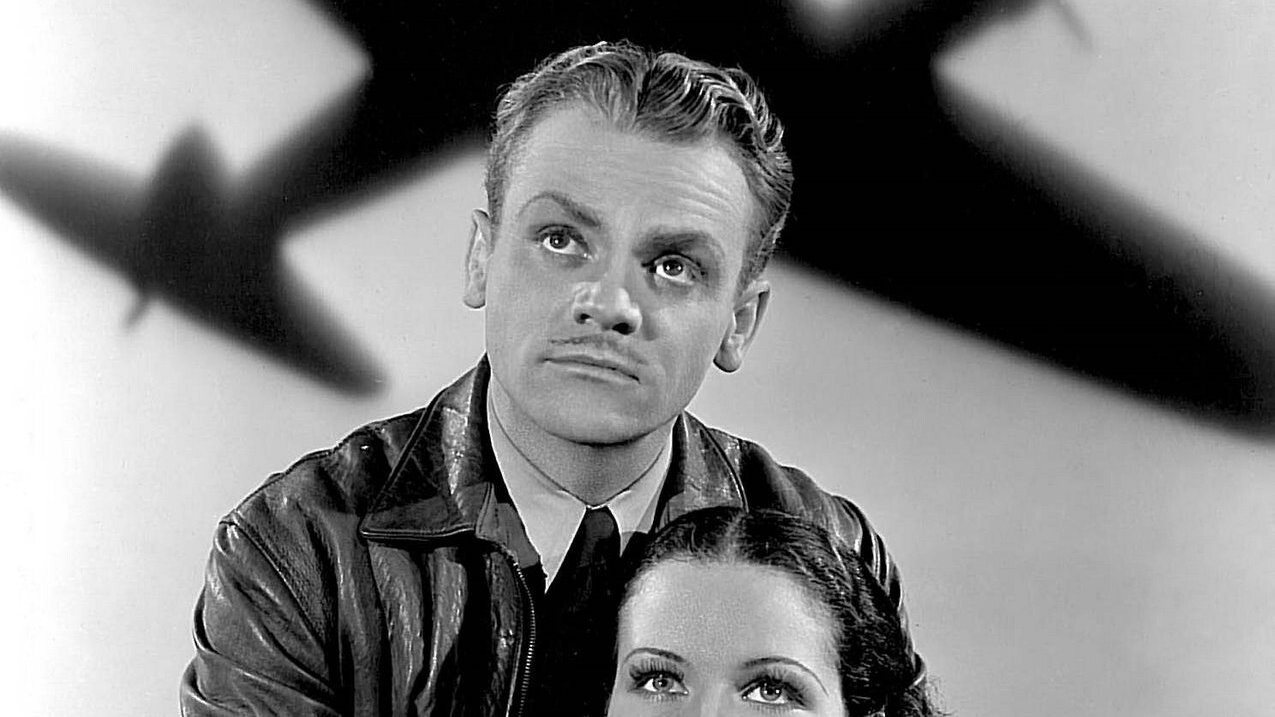
1936: James Cagney and Warner Bros.
James Cagney also challenged Warner Bros. in court. A Los Angeles Superior Court judge ruled in his favor and nullified his contract on March 3, 1936. Cagney moved into independent production before returning to the studio in 1938. Those events are documented without relying on colorful stories about his motives or private conversations.
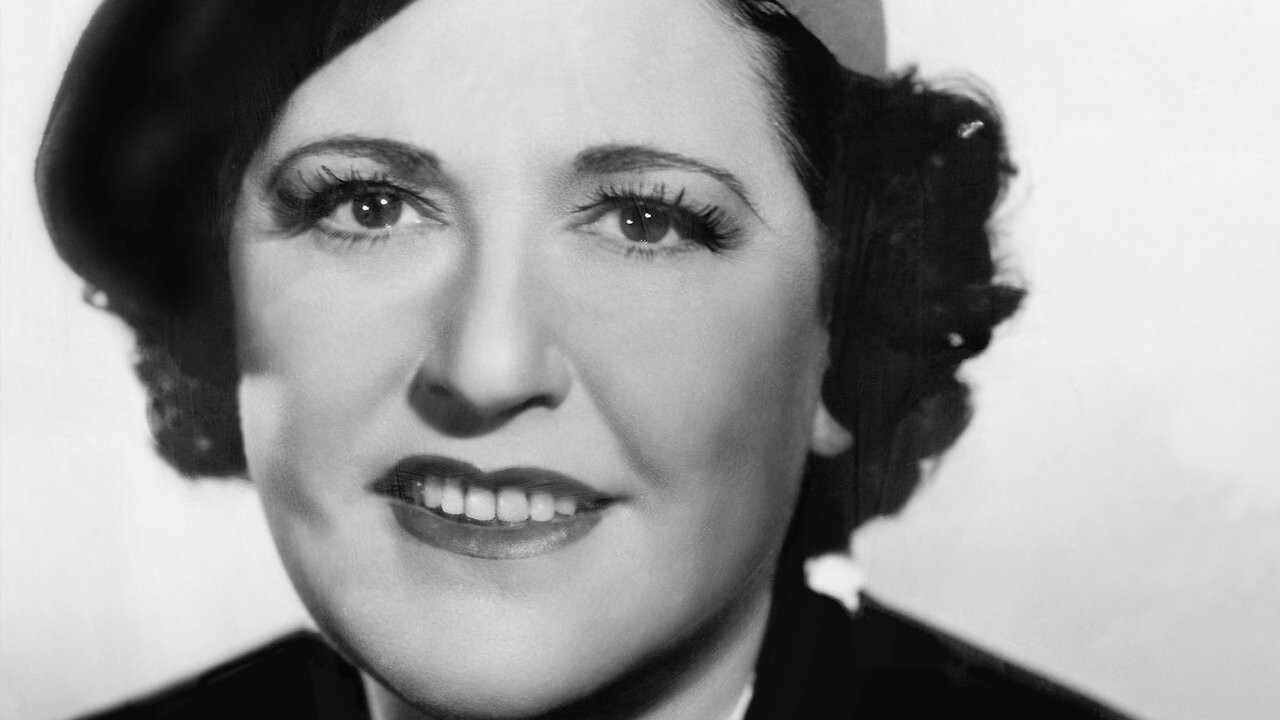
The Columnists: Hedda Hopper and Louella Parsons
Hedda Hopper obtained a Hollywood column in 1938 and became Louella Parsons’s best-known rival. Time later described the pair sitting down for a public lunch after a decade of fierce press warfare. Their competition was genuine and unusually visible, although claims about what privately motivated either columnist remain harder to verify.
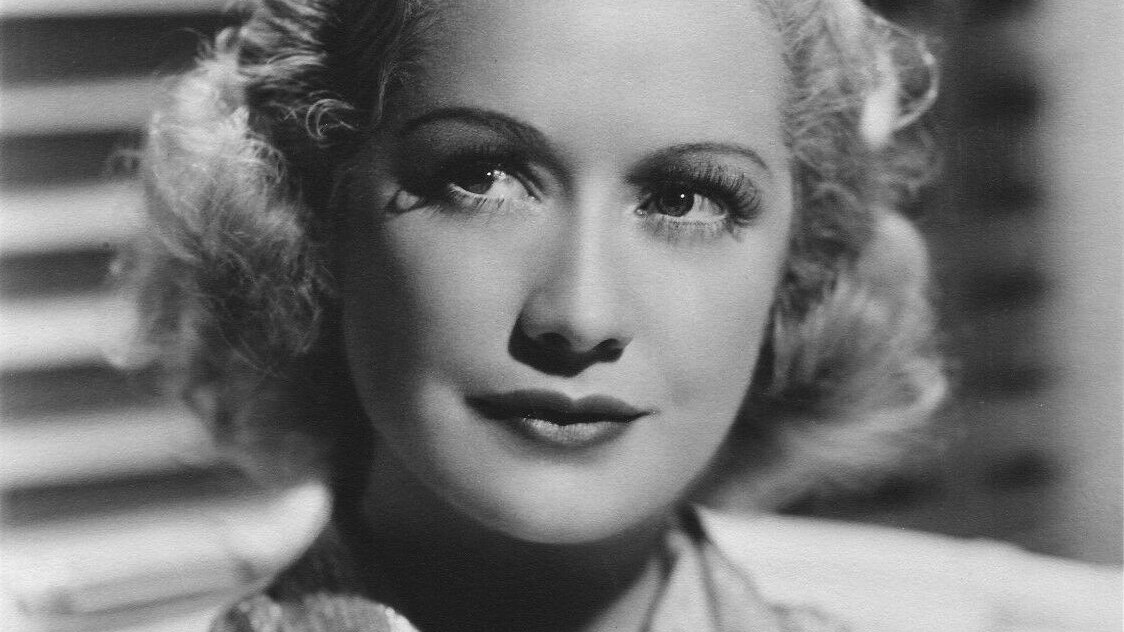
1939–1943: Bette Davis and Miriam Hopkins
Bette Davis and Miriam Hopkins generated what Turner Classic Movies calls offscreen fireworks while making The Old Maid in 1939. Old Acquaintance brought them together again in 1943 for what the same source describes as their second cinematic duel. The record supports real friction without requiring every embellished story about their behavior.
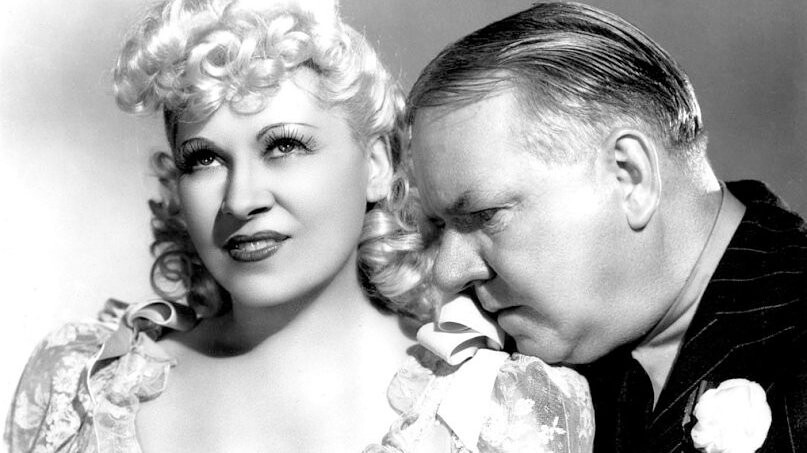
1940: Mae West and W. C. Fields
Mae West and W. C. Fields starred together in the 1940 Western comedy My Little Chickadee. According to an account from Fields’s family, each star wrote personal material before they collaborated through improvisation in their shared scenes. That description supports a complicated creative arrangement more clearly than claims of uninterrupted warfare throughout production.
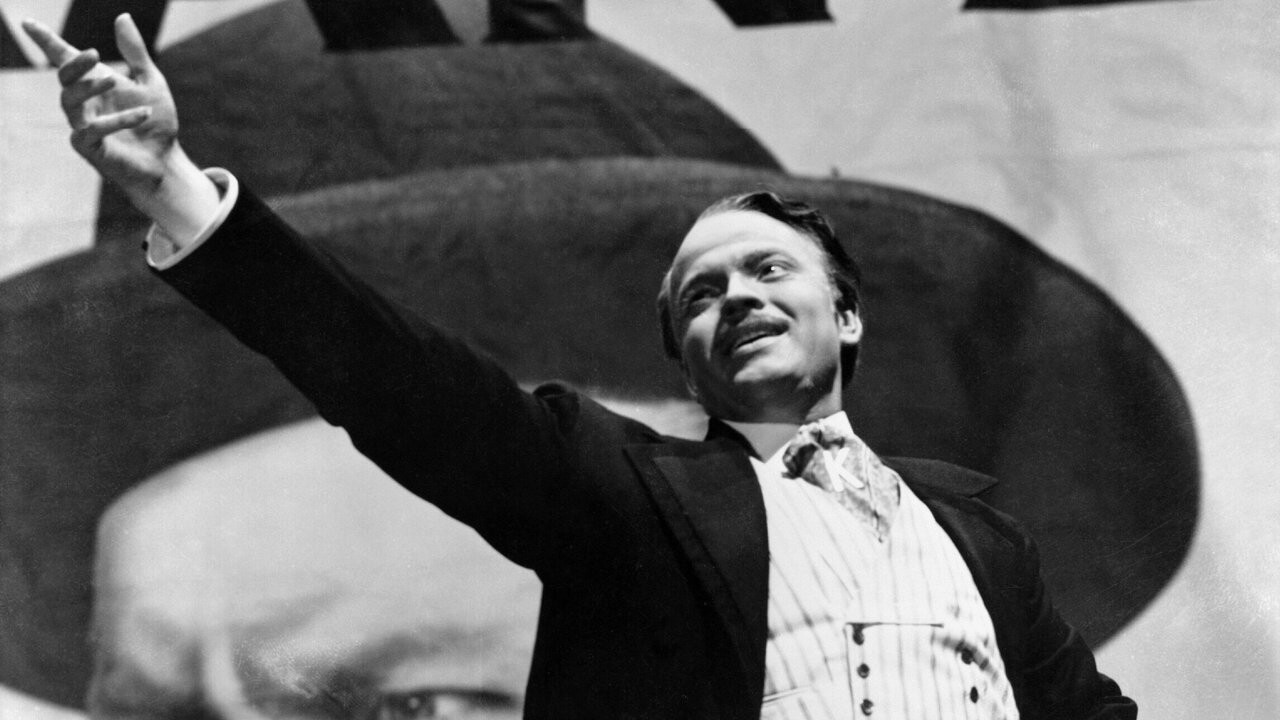
1941: Orson Welles and William Randolph Hearst
William Randolph Hearst tried to shut down Orson Welles’s Citizen Kane after learning about the film. PBS documents the resulting suppression campaign, making this one of the era’s clearest confrontations between a filmmaker and a media magnate. Citizen Kane nevertheless emerged as a 1941 film, and the attempted intervention became part of its history.
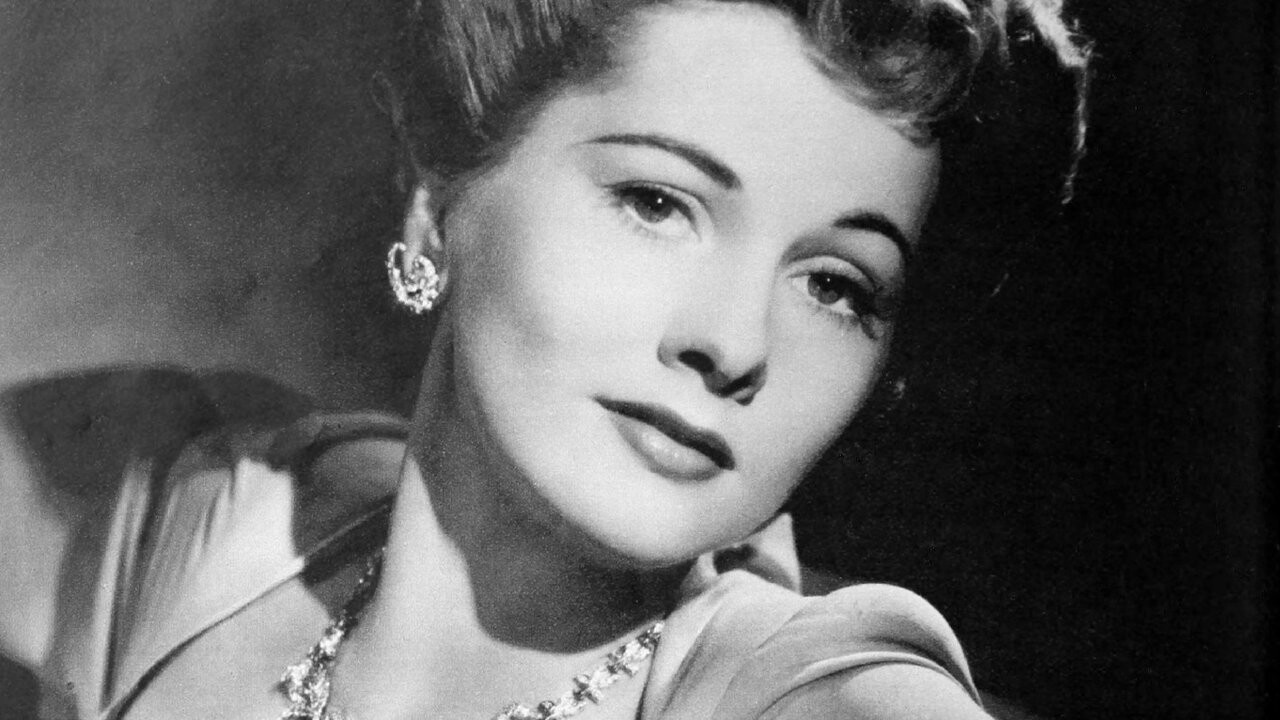
1942: Joan Fontaine and Olivia de Havilland
Joan Fontaine won an Academy Award for Suspicion in 1942, before her sister Olivia de Havilland received her first lead-actress Oscar. Years later, Fontaine gave an on-record explanation for why she had stopped speaking to de Havilland. Her account documents estrangement, but it cannot confirm every dramatic anecdote later attached to the sisters.
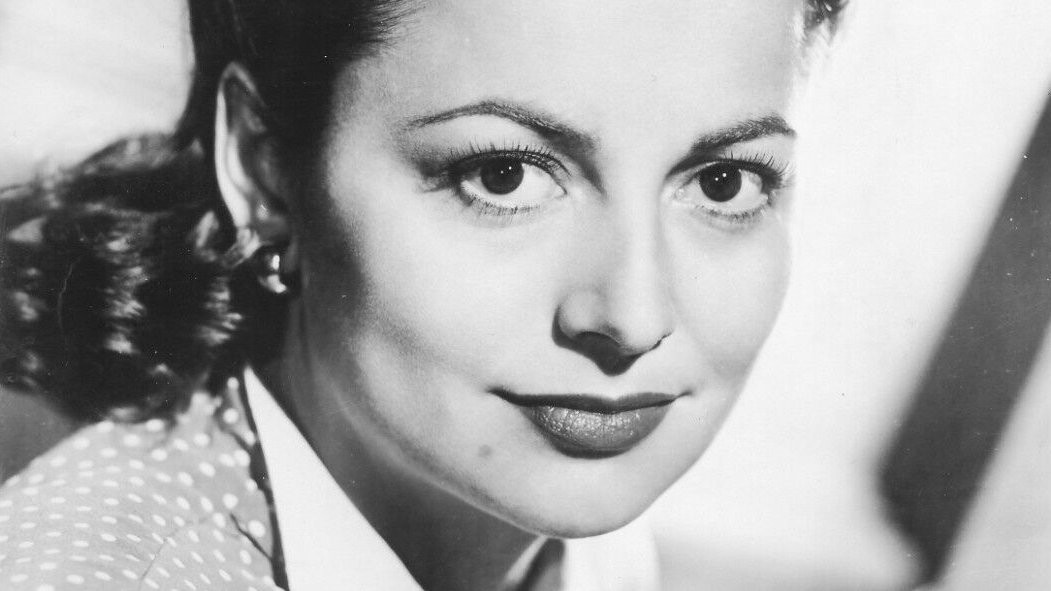
1944: Olivia de Havilland and Warner Bros.
Olivia de Havilland’s contract dispute with Warner Bros. produced a California Court of Appeal decision on December 8, 1944. The court held that the contract had run for seven years, the maximum life allowed for such agreements. Unlike many Hollywood feud stories, this confrontation is preserved in a dated judicial decision with a clear holding.
Errol Flynn and Jack Warner
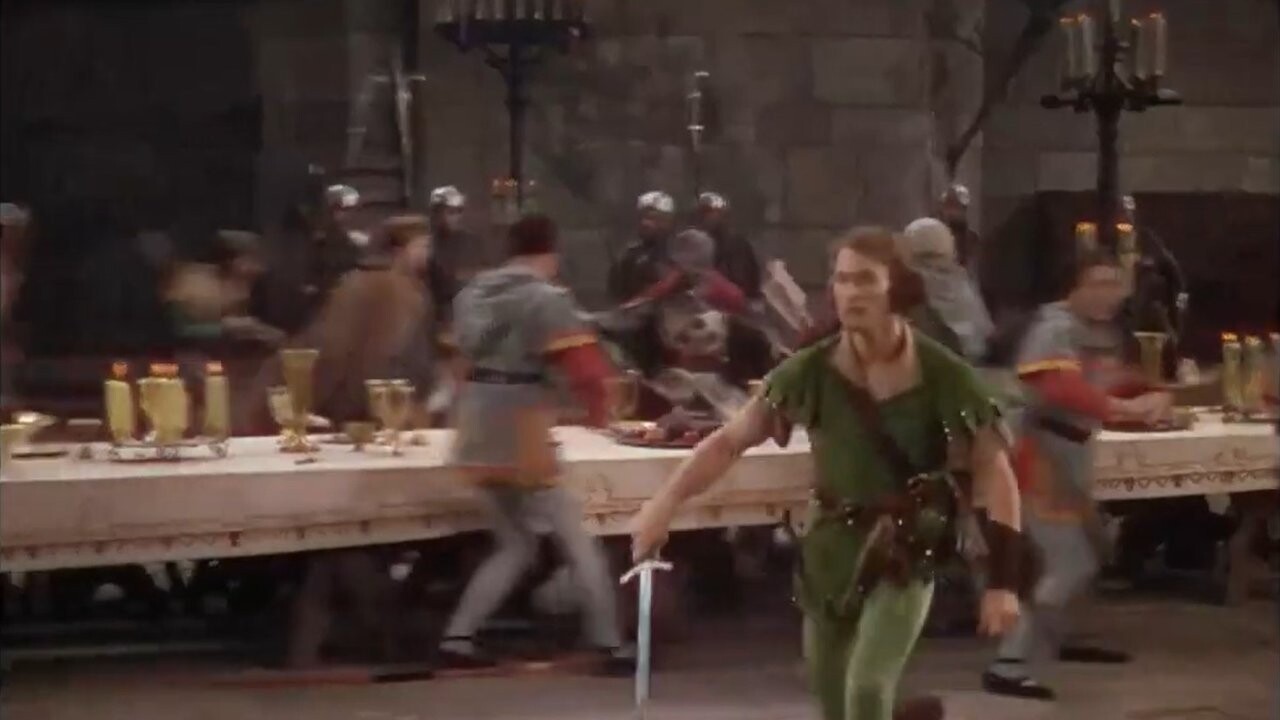
The publisher of Errol Flynn’s autobiography describes Jack Warner as a particular nemesis in Flynn’s Hollywood battles. That establishes how the relationship is presented in Flynn’s life story, not an impartial ruling on every disagreement between them. Autobiography can offer valuable firsthand testimony, but it naturally reflects its author’s perspective and memory.
All About Eve: Bette Davis and Tallulah Bankhead
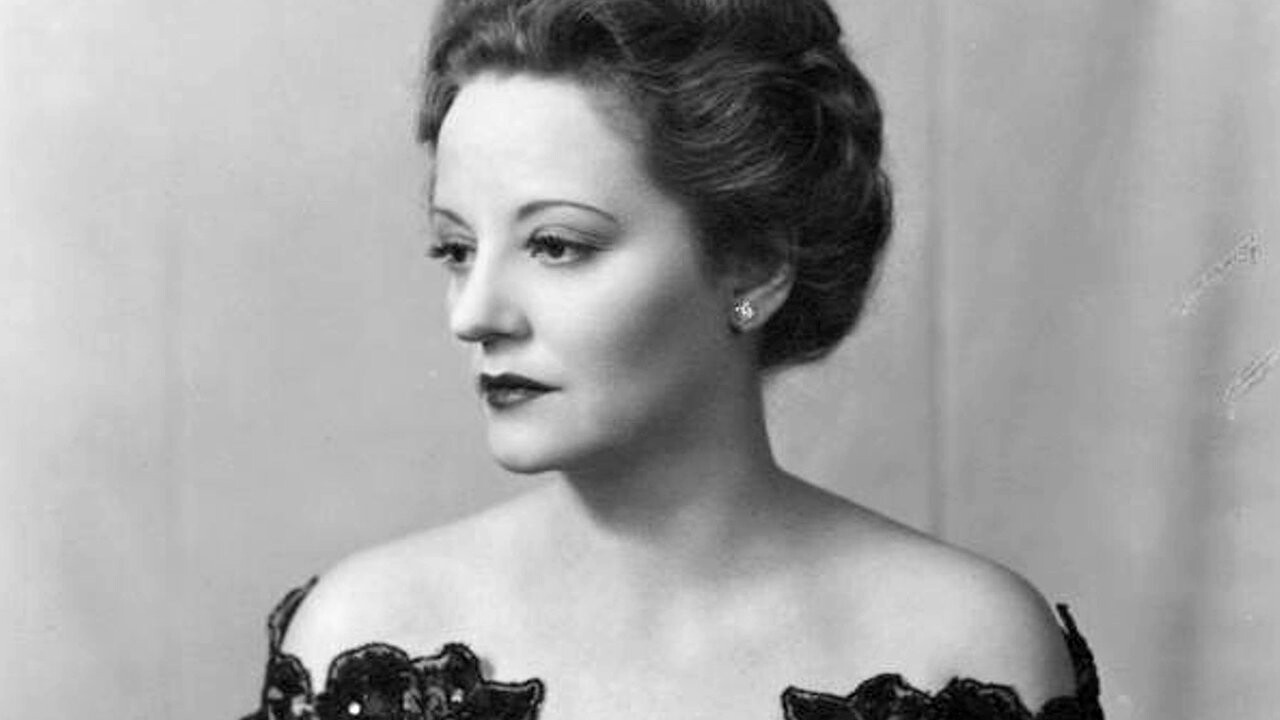
Reviews compared Bette Davis’s Margo Channing in All About Eve with Tallulah Bankhead, whose husky voice made the resemblance especially noticeable to some observers. Davis denied basing her characterization on Bankhead. The documented controversy therefore concerns a public comparison and Davis’s response, not proof that she intentionally copied another performer.
1951: Josephine Baker and Walter Winchell
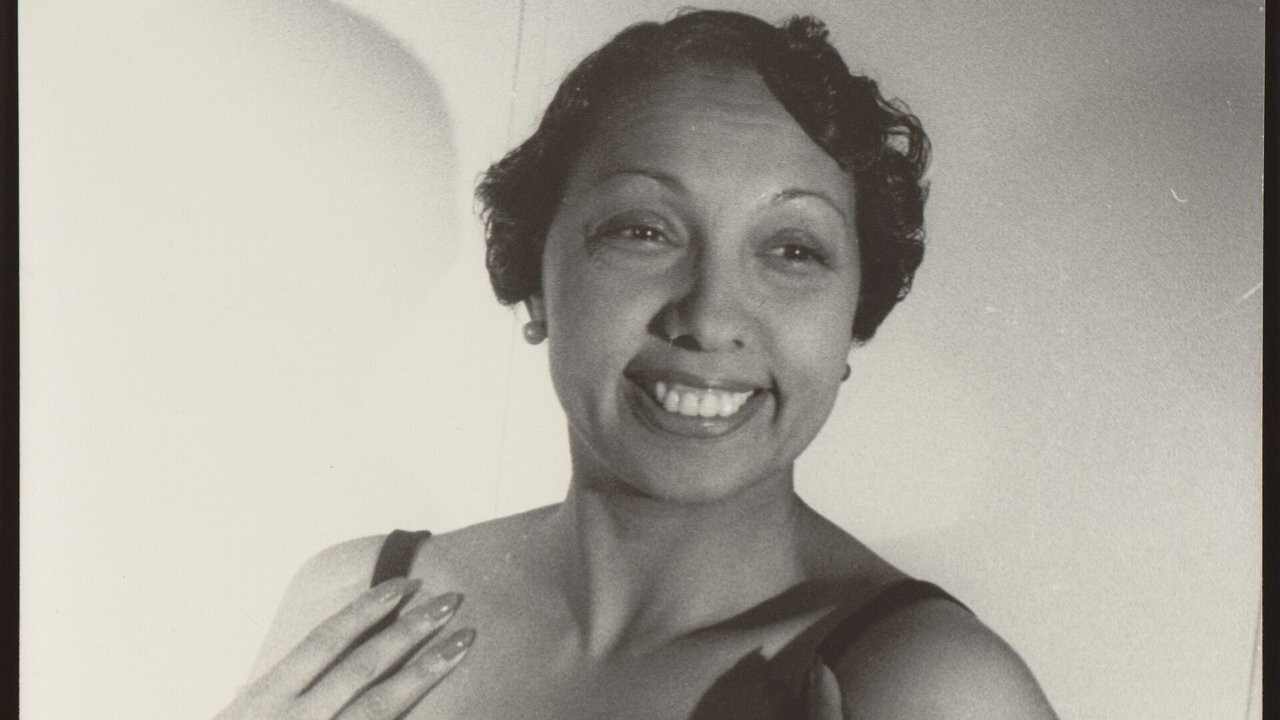
The rupture between Josephine Baker and Walter Winchell became unmistakably public in 1951. The Library of Congress records that Winchell struck back at Baker in a November 20 newspaper article, while a WNYC account says he ultimately defended the Stork Club rather than Baker. Those documented responses establish the conflict without reconstructing unsupported private exchanges.
Singin’ in the Rain: Gene Kelly and Debbie Reynolds
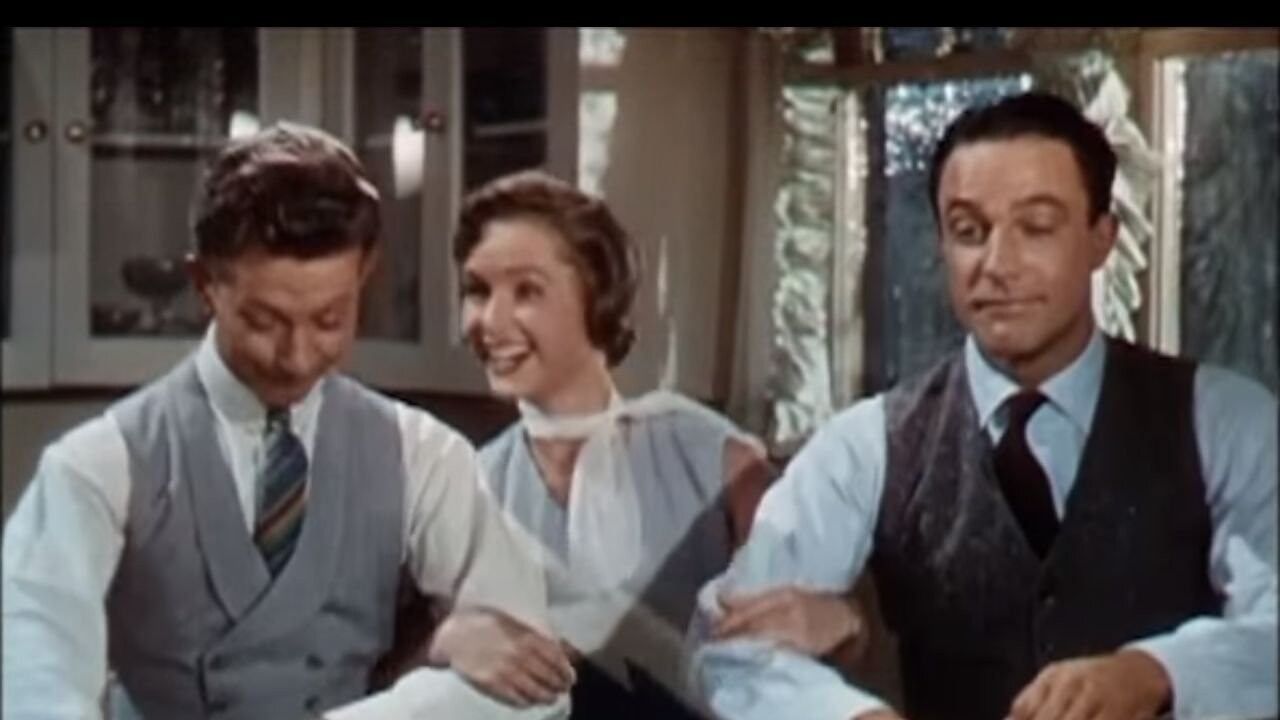
Debbie Reynolds remembered making Singin’ in the Rain as a very tough experience because Gene Kelly was both its star and choreographer. Another account says Fred Astaire found her crying under a piano and offered help. Her recollection confirms an intensely demanding working relationship, but it does not prove that Kelly personally hated his young costar.
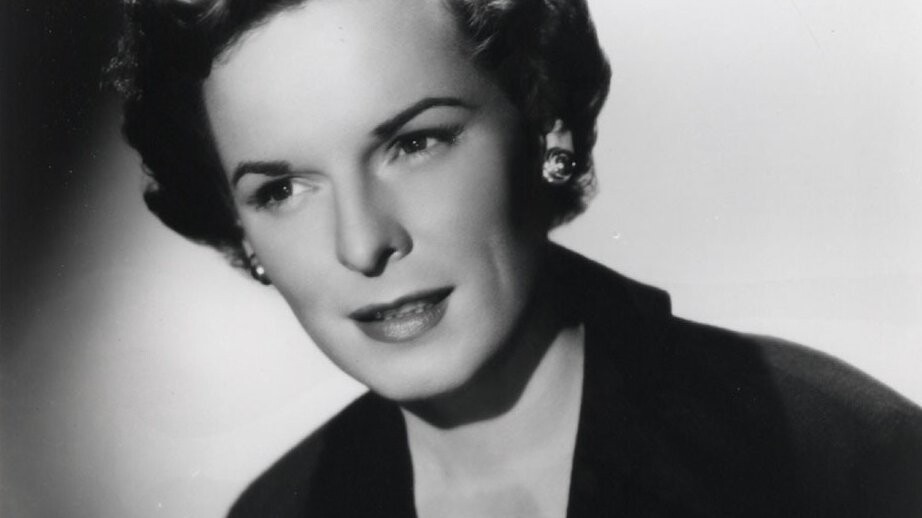
Johnny Guitar: Joan Crawford and Mercedes McCambridge
Joan Crawford and Mercedes McCambridge clashed immediately while making Johnny Guitar, according to a Library of Congress essay. Director Nicholas Ray initially believed their animosity might strengthen the film, but the situation soon moved beyond his control. That archival account establishes serious tension without depending on the more lurid stories repeated in later retellings.
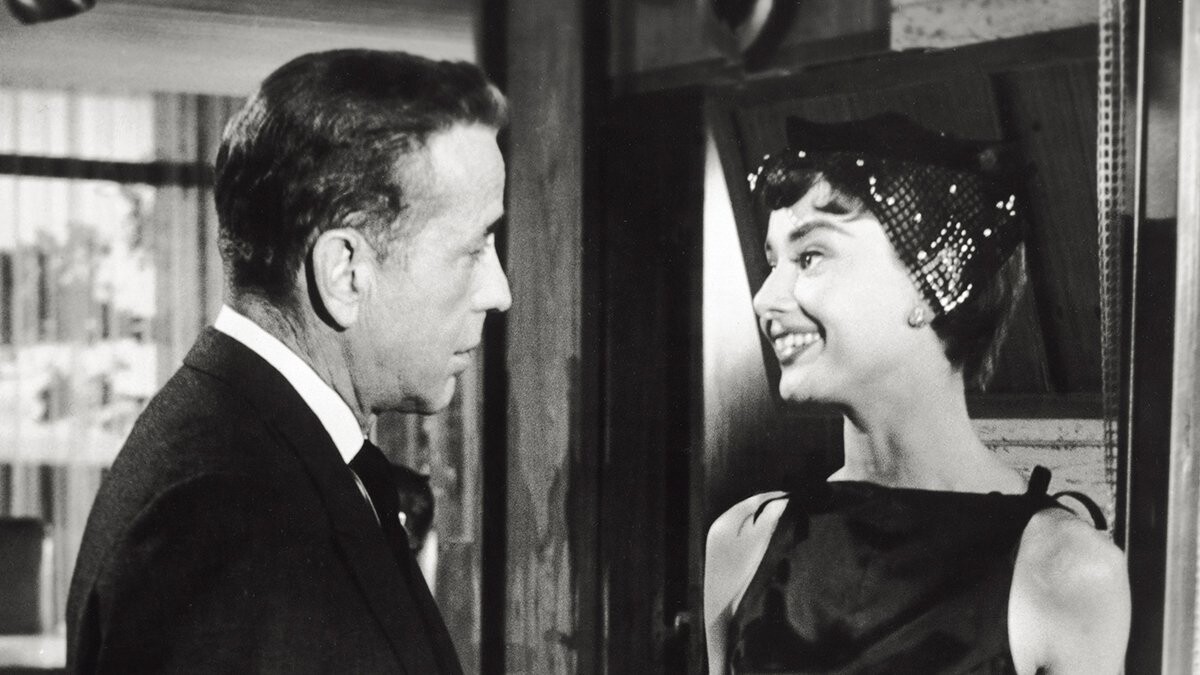
Sabrina: Humphrey Bogart and Billy Wilder
Director Billy Wilder gave a blunt firsthand account of his conflict with Humphrey Bogart while discussing Sabrina. His remarks establish genuine friction between actor and director, even though they do not confirm every story later told about the production. The safest reading keeps the dispute focused on Wilder’s own testimony rather than broader claims about the cast.
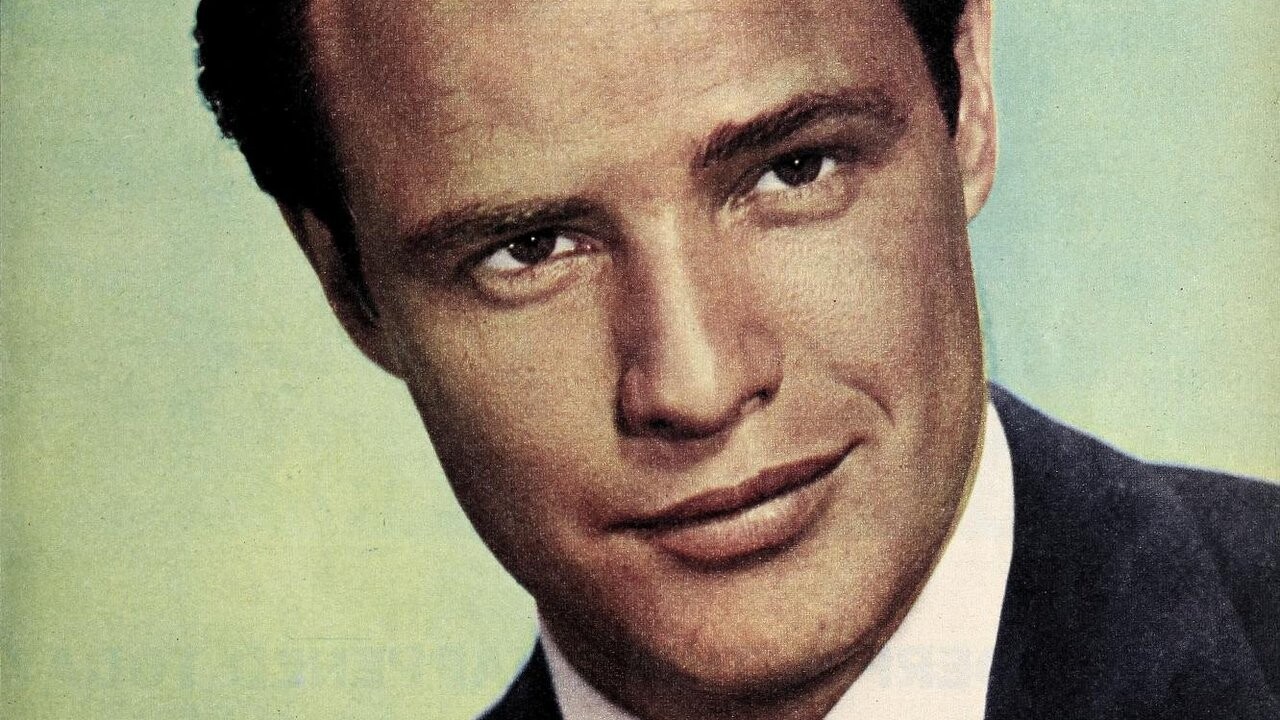
1955: Frank Sinatra and Marlon Brando
The British Film Institute describes a simmering feud between Frank Sinatra and Marlon Brando that erupted during production of Guys and Dolls. The film appeared in 1955, placing their conflict firmly within the late studio era. The broad clash is well supported, while detailed prank stories still depend more heavily on later retellings.
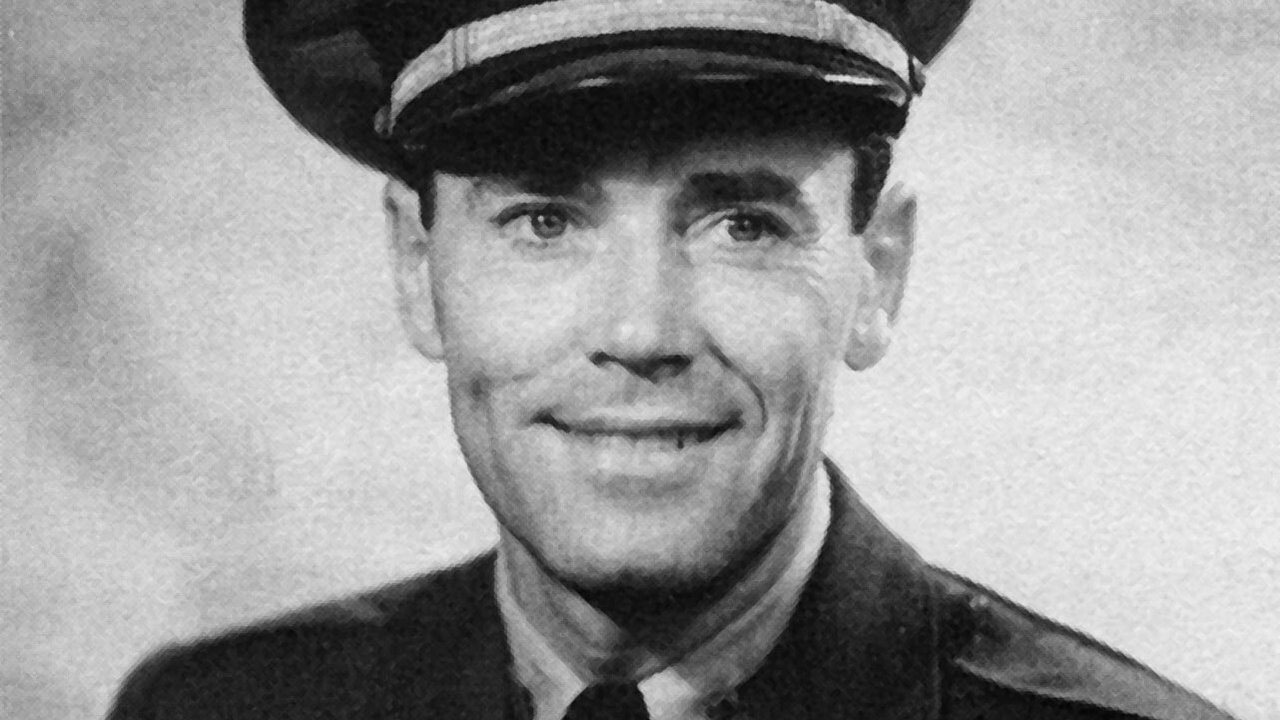
1955: John Ford and Henry Fonda
Henry Fonda starred in the 1955 film Mister Roberts, whose production included a serious confrontation with director John Ford. A history published by the U.S. Naval Institute states that Ford punched Fonda in the face. That specific incident is documented, although the supplied record does not establish every detail claimed about its aftermath.
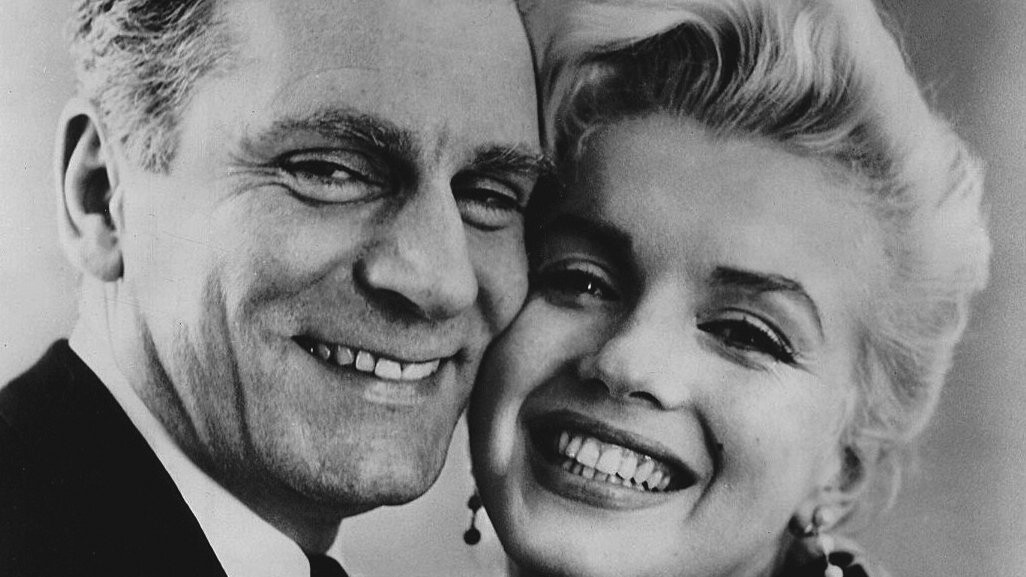
1956: Marilyn Monroe and Laurence Olivier
A report about The Prince and the Showgirl described Marilyn Monroe and Laurence Olivier as huge stars from different worlds in 1956. That contrast is a sound starting point for discussing their collaboration. More specific claims about their acting theories, private reactions, or neatly staged confrontations require stronger evidence than the supplied record provides.
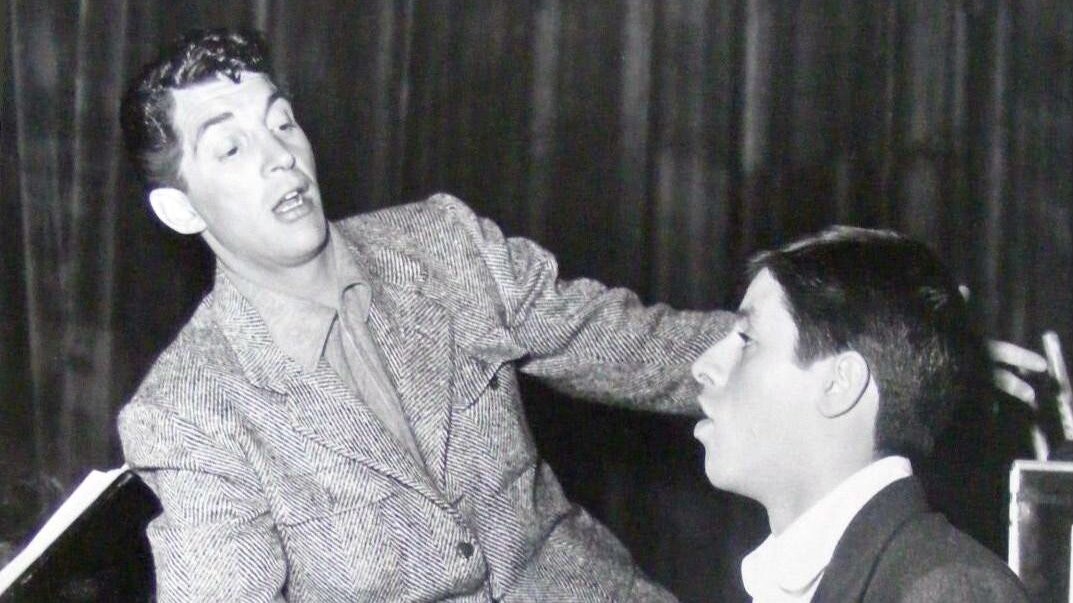
1956: Dean Martin and Jerry Lewis
Dean Martin and Jerry Lewis performed together from July 25, 1946, until late July 1956, working in nightclubs, radio, television, and movies. Lewis later said each man resented the other for allowing the partnership to end. His statement captures the bitterness of the split without reducing their decade-long collaboration to simple hatred.
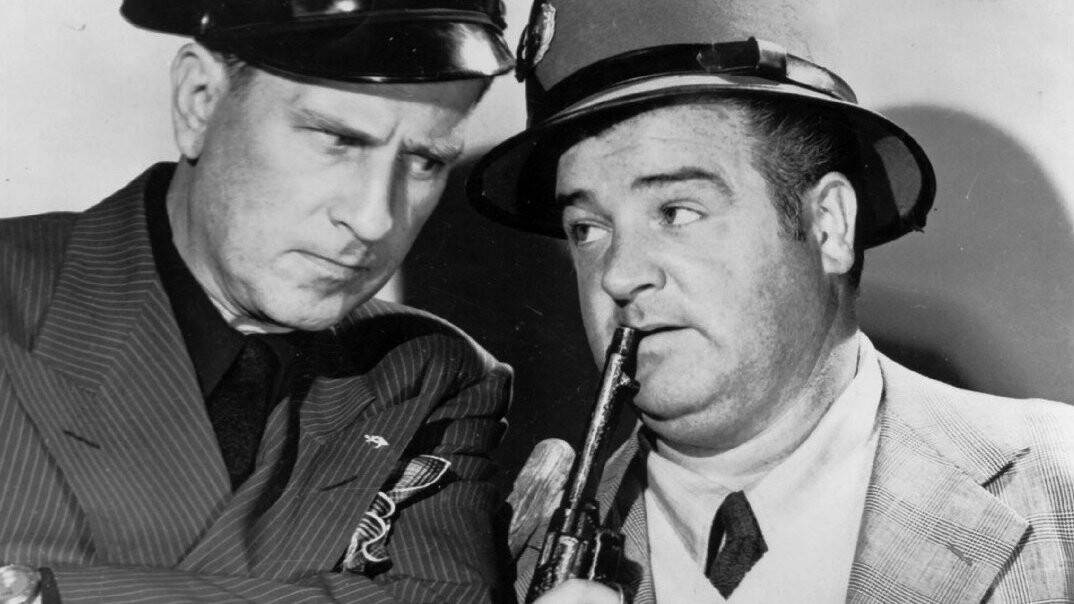
1957: Bud Abbott and Lou Costello
Bud Abbott and Lou Costello separated in July 1957. A contemporary account described the split as amicable, and Costello publicly said that no fight caused it. Those statements do not rule out ordinary professional tension, but they make the familiar claim that the comedy partners ended their act because they hated each other too strong.
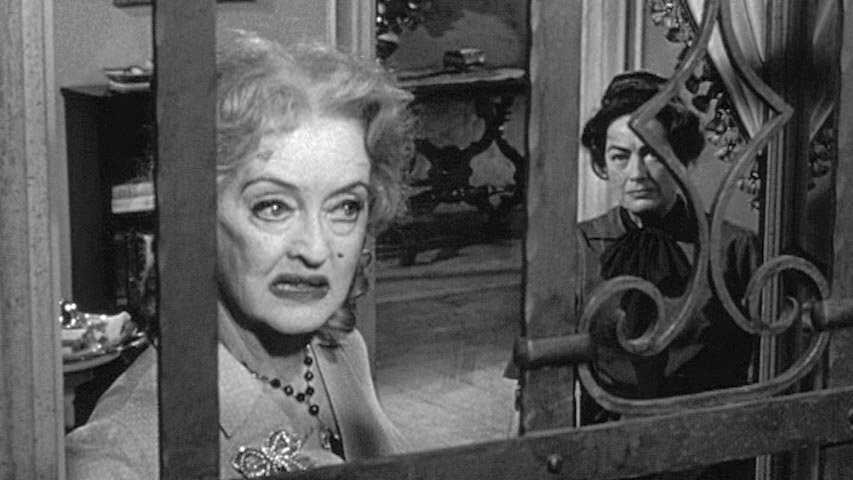
1962: Bette Davis and Joan Crawford
Bette Davis and Joan Crawford appeared together in What Ever Happened to Baby Jane? in 1962. Director Robert Aldrich later said they detested each other but behaved perfectly during production, without public abrasiveness or attempts at upstaging. His account confirms a real personal rivalry alongside a notably professional working relationship.
1966: Marlon Brando and Charlie Chaplin
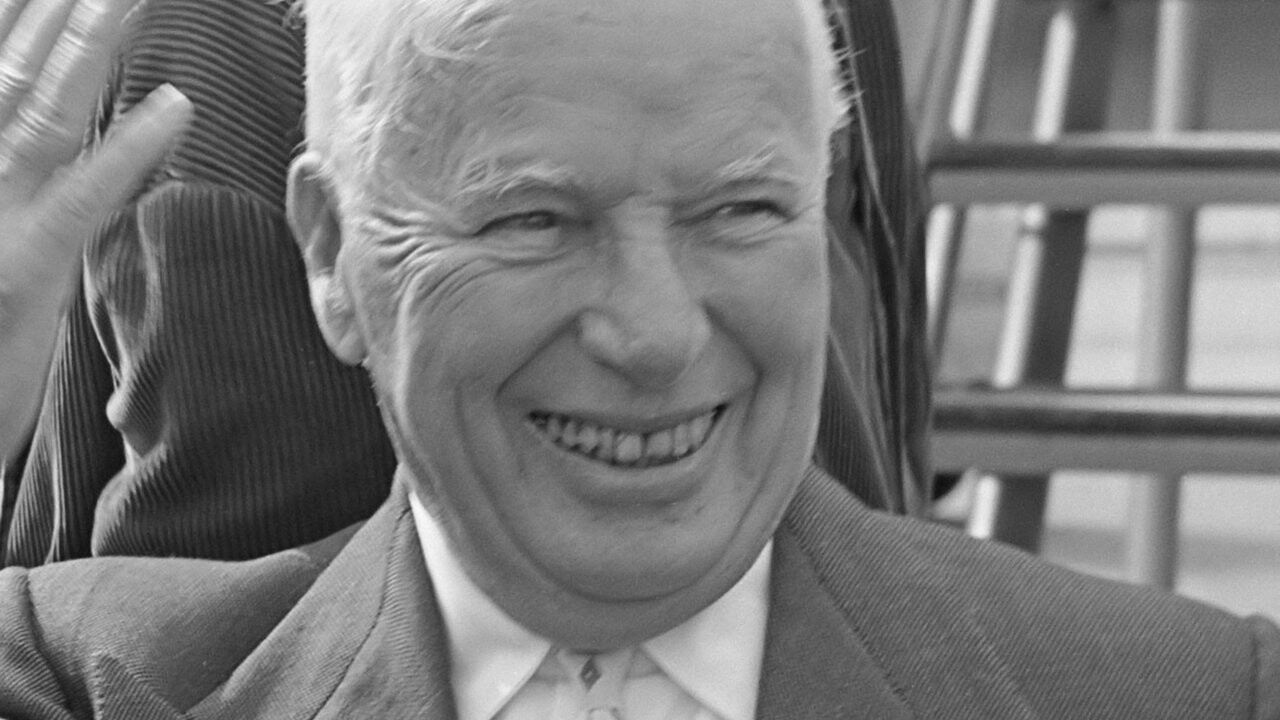
The Charlie Chaplin Archive preserves photographs of Chaplin and Marlon Brando together on a set in 1966. Brando later offered a harsh assessment of Chaplin in his autobiography, describing the director as cruel. That judgment documents Brando’s perspective, but the surviving evidence presented here does not establish Chaplin’s private view of their relationship.
1966: Peter Sellers and Orson Welles
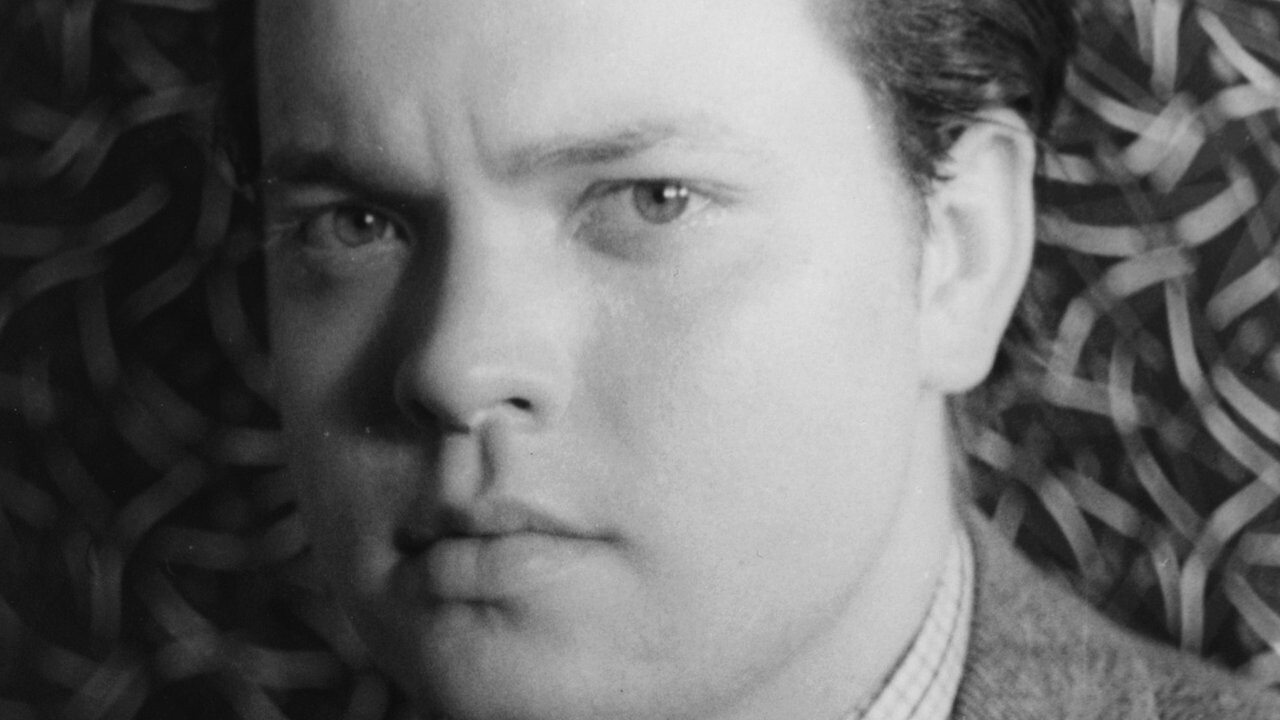
Director Joseph McGrath recalled that Peter Sellers became too intimidated to share scenes with Orson Welles during Casino Royale, which the Directors Guild of America identifies as a 1966 film. That firsthand account supports a disrupted working relationship. It does not, however, verify every later story about insults or motives surrounding the two performers.
The surviving record shows that Hollywood rivalry could be personal, professional, manufactured, or all three at once. Which of these conflicts do you remember hearing about first?
Follow The HyperHive on MSN for more stories like this.
Sources: