Old Household Items Younger People Can’t Identify, Explained

Harris & Ewing, photographer. / Wikimedia Commons, Public domain (cropped)
Household tools can become visual riddles once the routines around them disappear. A crank, hook, paddle, or oddly shaped board makes perfect sense only after you see the chore it once solved.
The identifications come from the Smithsonian’s National Museum of American History, the National Park Service, the Library of Congress, and other museum collections. The slides move by task: kitchen, laundry, clothing care, doorstep delivery, communication, water, and sanitation.
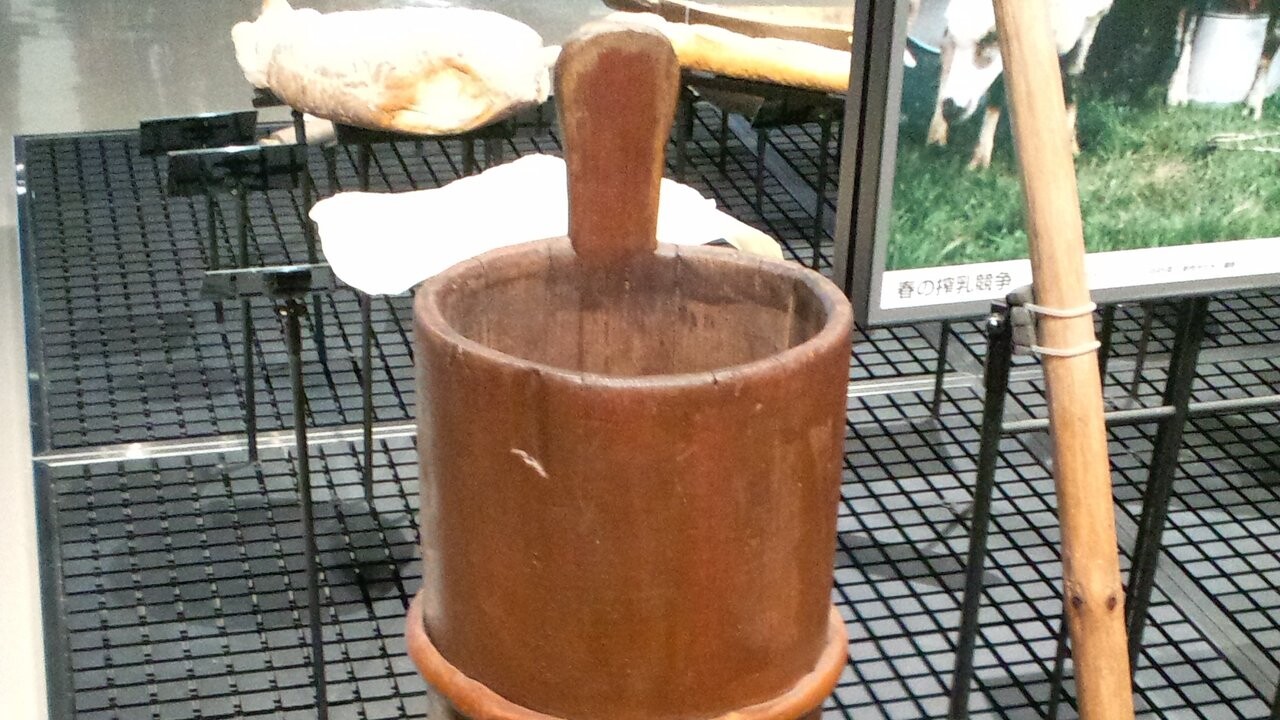
Butter Churn
This tall wooden vessel is a butter churn. Cream went inside and was repeatedly beaten until butter formed. Its simple barrel shape hides a job that demanded steady arm work and produced a familiar dairy staple at home.
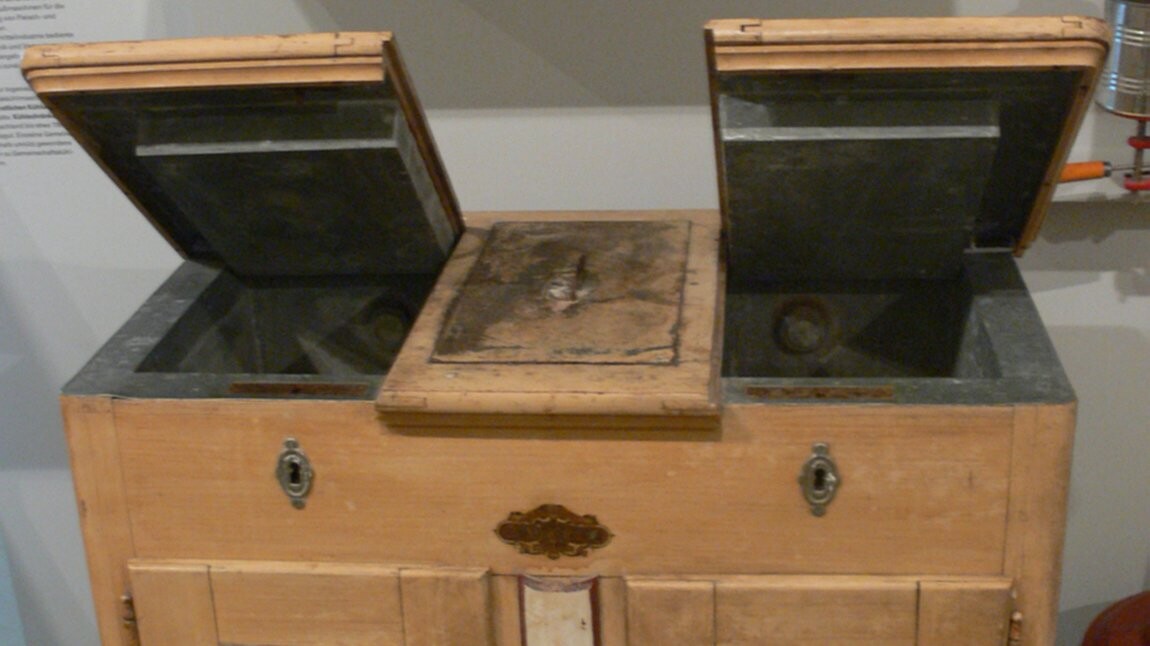
Icebox
An icebox kept food cool before electric refrigeration became ordinary. A large block of ice sat in an upper compartment, and cool air moved down over the food as the ice slowly melted. The wooden cabinet looked like furniture, but its job was much like a refrigerator’s.
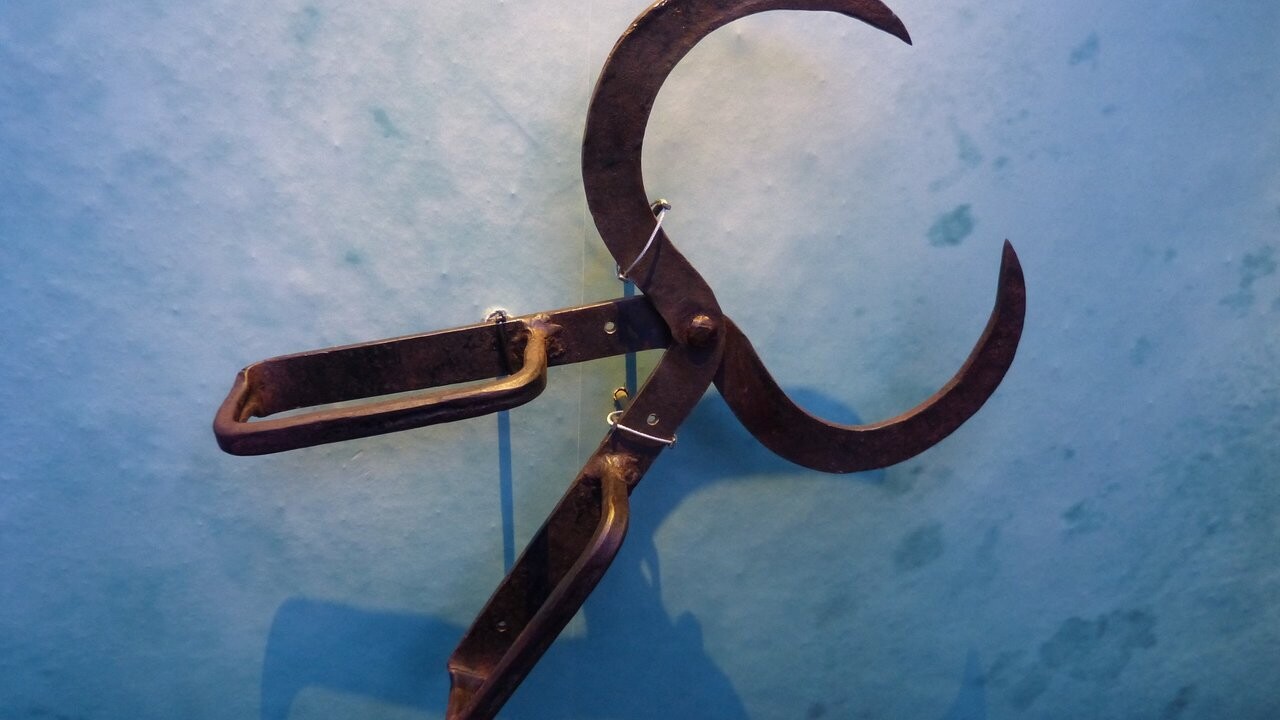
Ice Tongs
These heavy tongs were not fireplace tools. Their sharp points bit into large, slippery ice blocks so a delivery worker could carry them from a wagon or truck into a home’s icebox. The intimidating jaws were really part of an everyday cold-storage system.
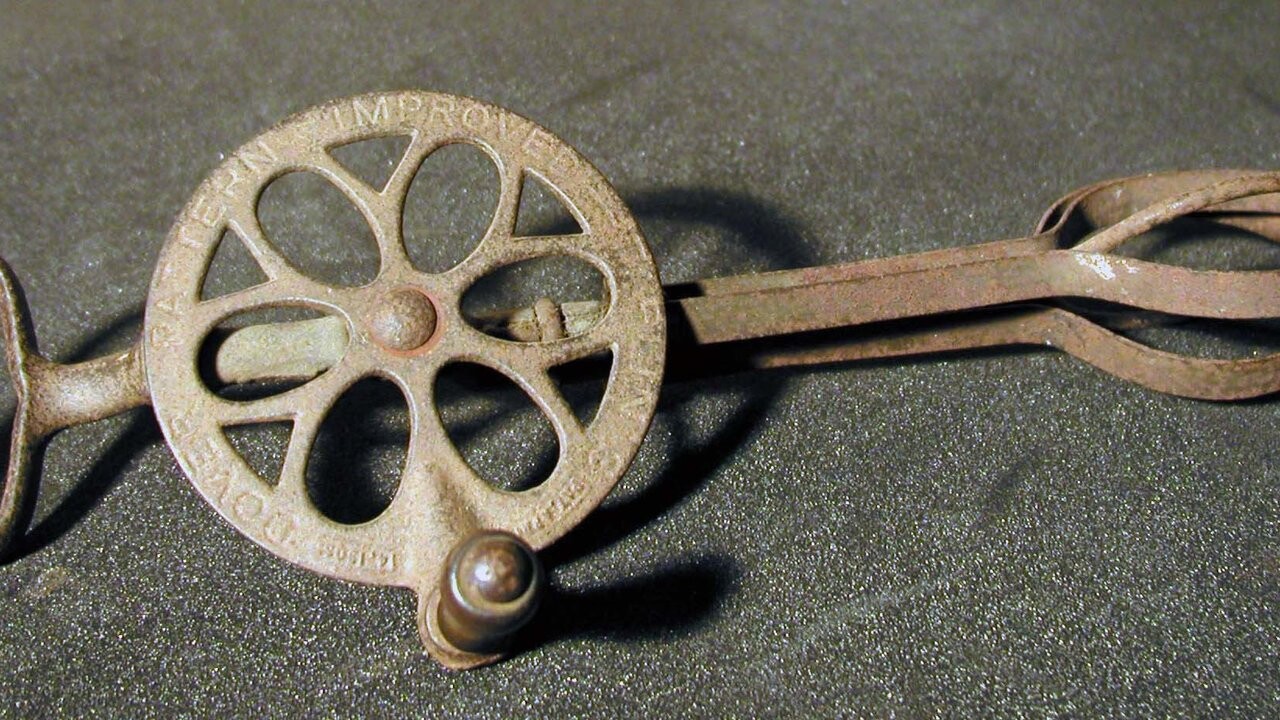
Hand Egg Beater
Turn the side crank, and the large wheel drives the beaters. That made this hand egg beater useful for whisking eggs, cream, and other liquid ingredients without electricity. Its exposed gears make the motion easy to understand once you know what you are seeing.
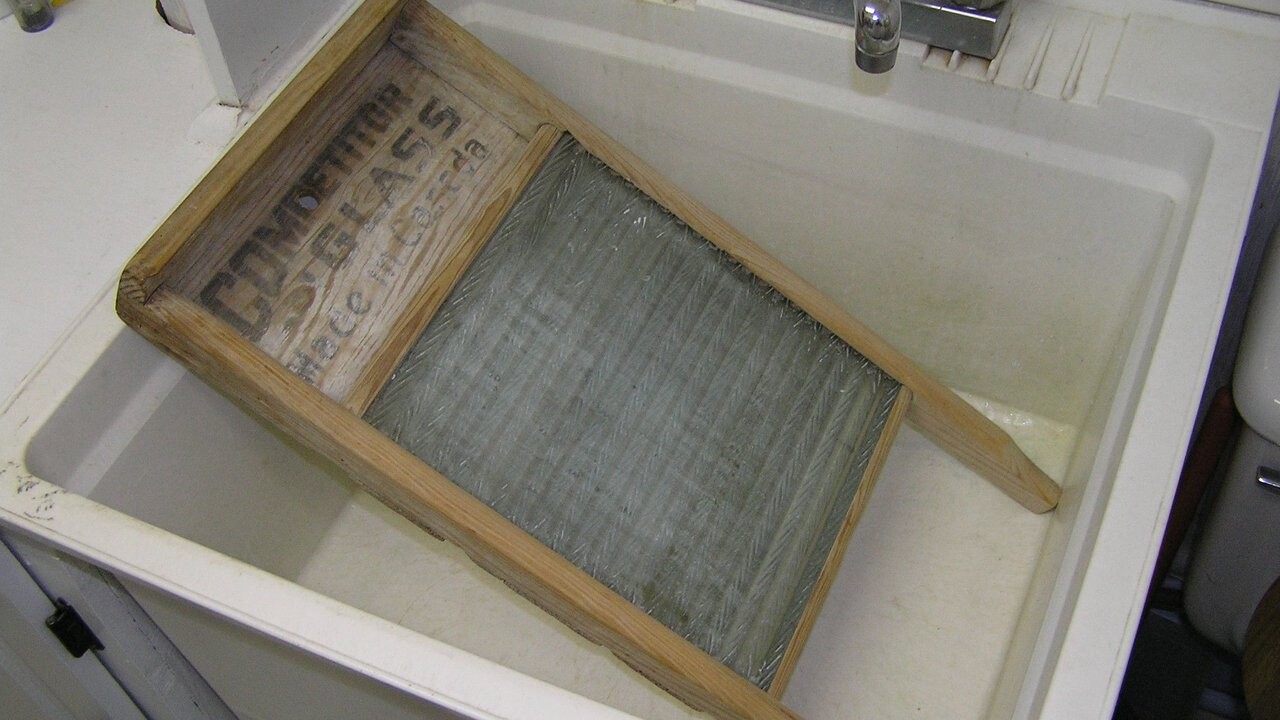
Washboard
The ridged panel of a washboard was a scrubbing surface, not merely a decorative pattern. Wet, soapy clothing was rubbed against those ridges while sitting in a washtub. A glass washboard can look ornamental today, but its practical purpose was to work dirt out of fabric.
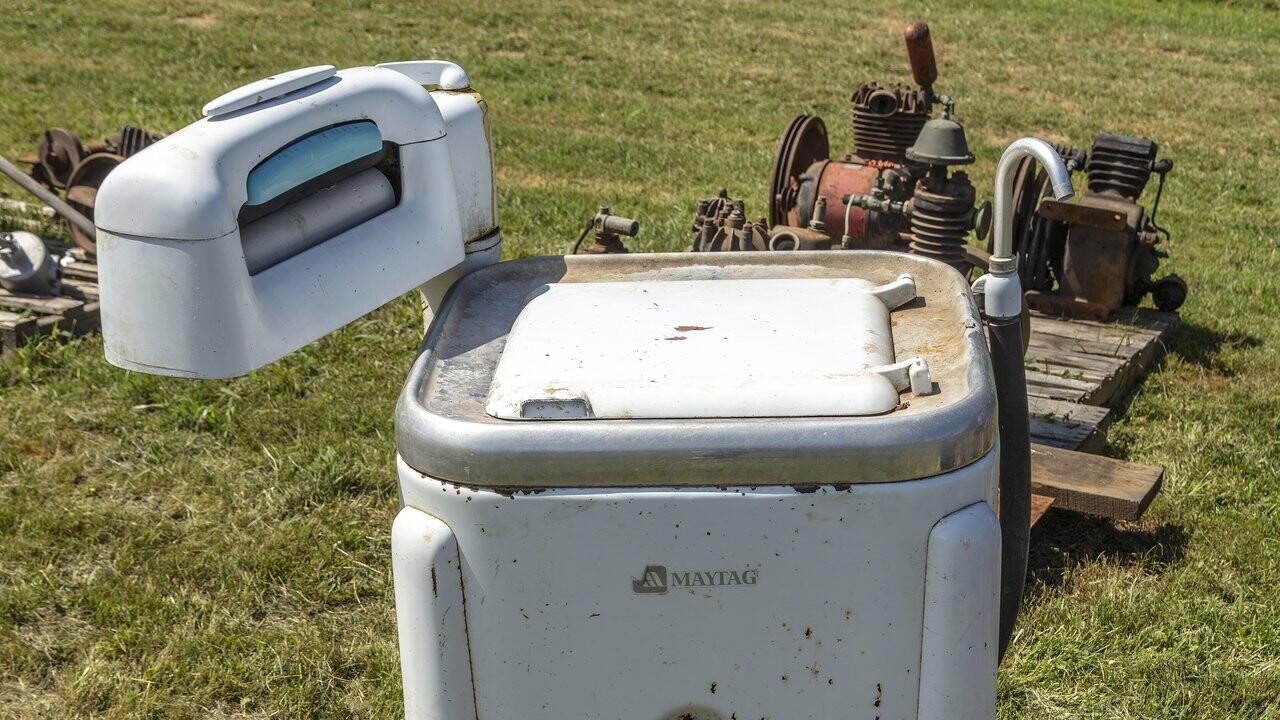
Wringer Washer
A wringer washer cleaned clothes in a tub and then squeezed water from them between rollers. The rollers were turned by hand on early models, sparing the user from twisting every garment dry. The machine demanded muscle, but it changed one of washday’s hardest steps.
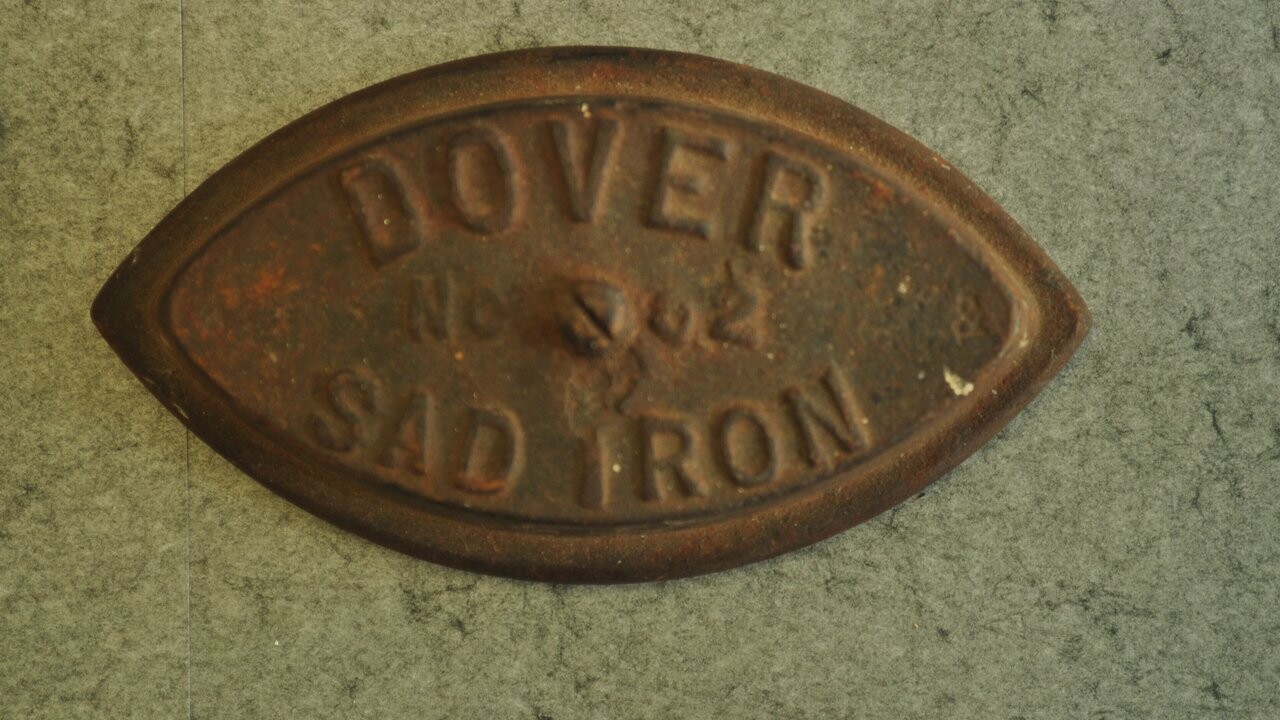
Flat Iron
This solid flat iron was heated before it ever touched cloth, either near an open fire or on top of a range. Its compact shape can make it look like a doorstop today. In use, however, that broad metal base was the working surface for pressing fabric.
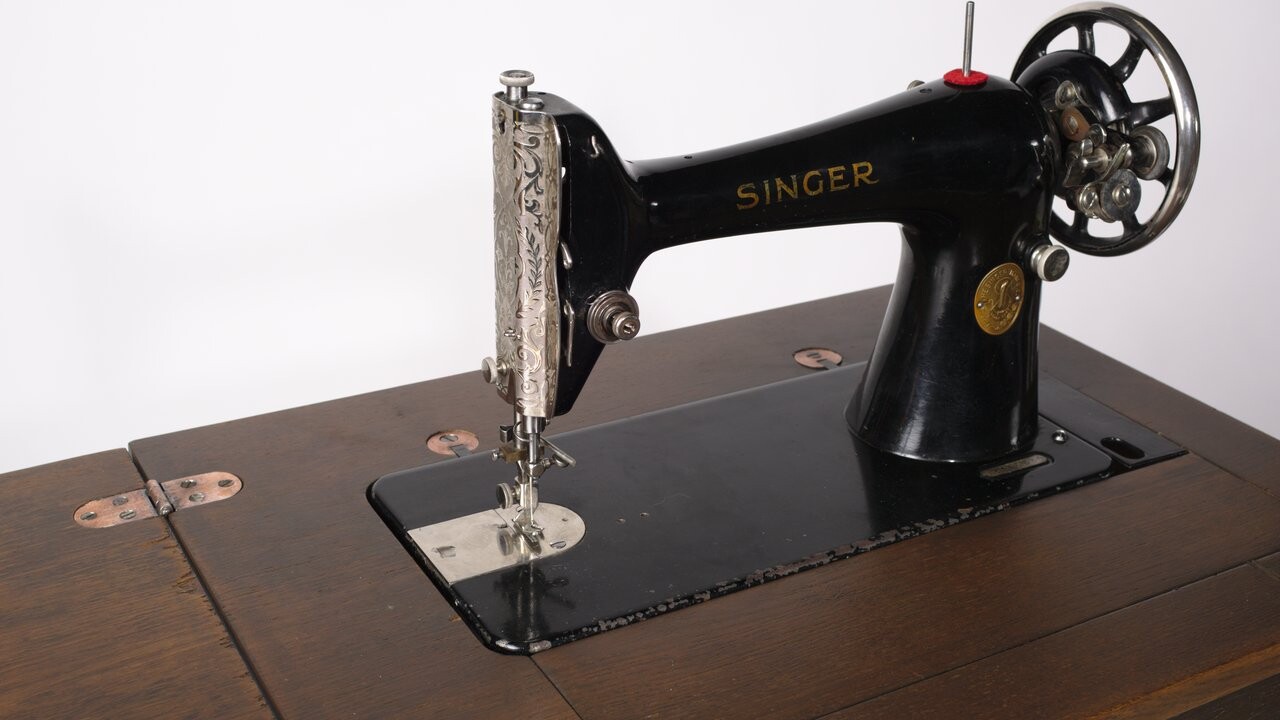
Treadle Sewing Machine
That wide pedal under the cabinet is the treadle. Rocking it with the feet powered the sewing machine and left both hands free to guide fabric. The furniture-like stand was part table, part power source, and part sewing station.
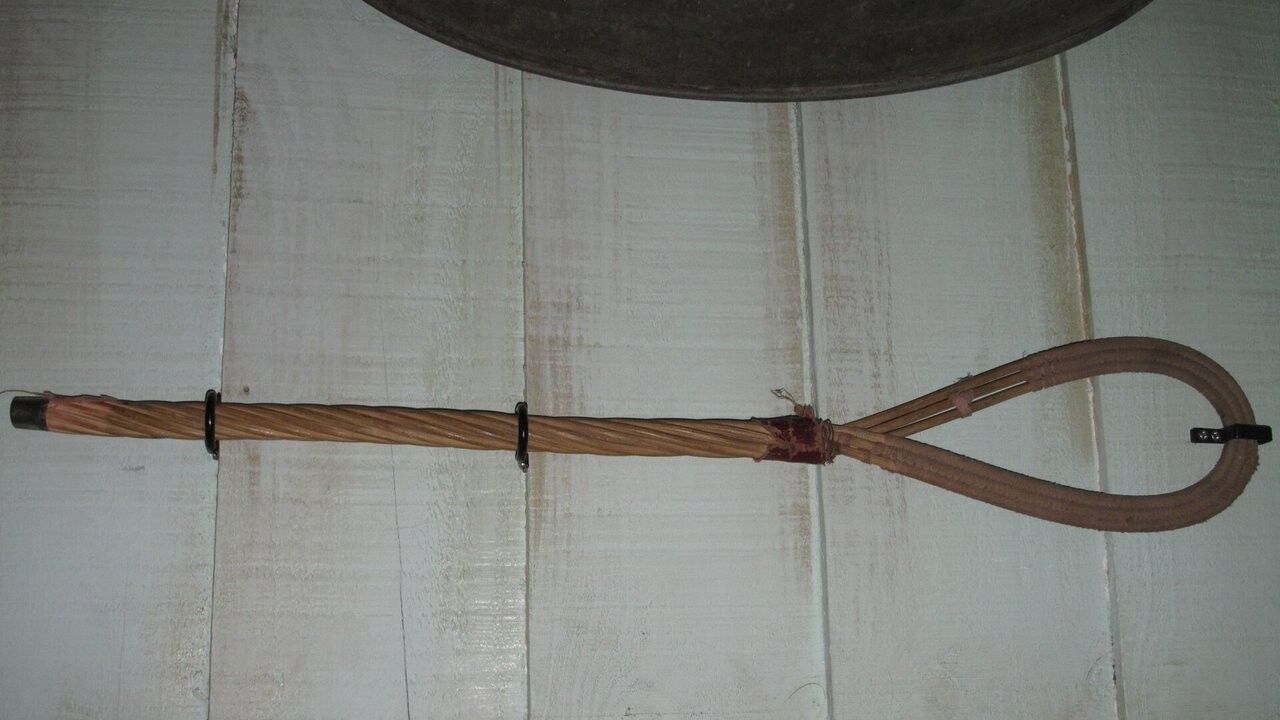
Carpet Beater
Before suction cleaning, removable rugs often went outside. A carpet beater’s flexible rattan, cane, or wire head struck a hanging rug so dust and dirt fell away. Its looping form is the clue, although unfamiliar eyes might mistake it for an oversized kitchen whisk.
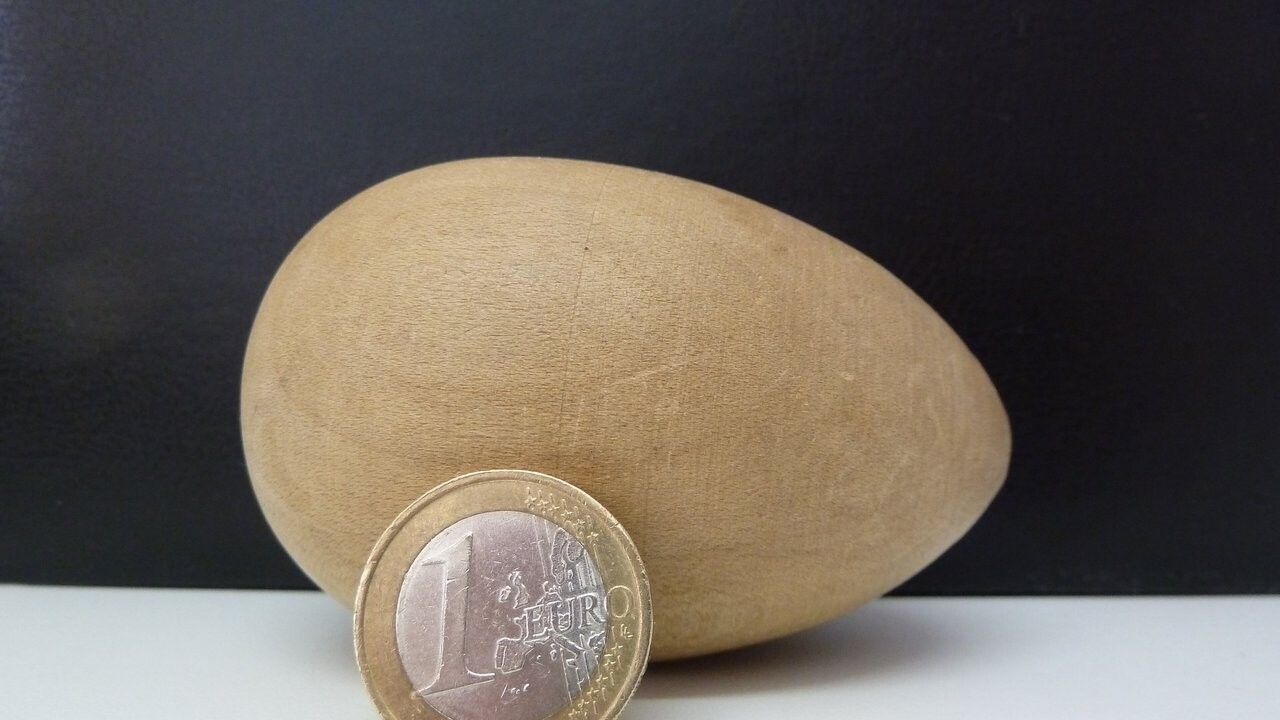
Darning Egg
The smooth wooden egg belonged in a sewing basket, not a kitchen. It slipped inside a sock or stocking, stretching the fabric over a firm, curved surface while a worn area was darned. This simple support made careful mending easier to control.
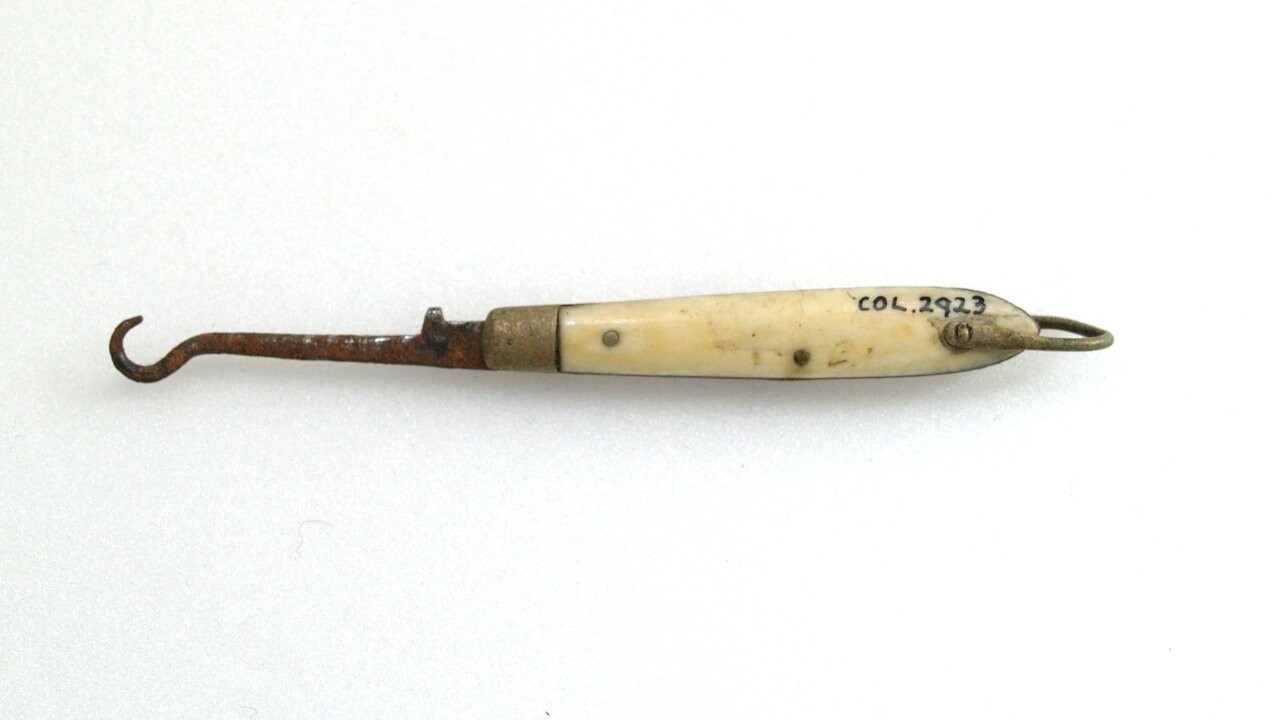
Button Hook
A button hook solved the problem of tight buttonholes and rows of tiny fasteners. The small hook passed through the hole, caught the button, and tugged it through. It was especially handy with fitted gloves, shoes, and boots, where fingers could struggle with stiff material.
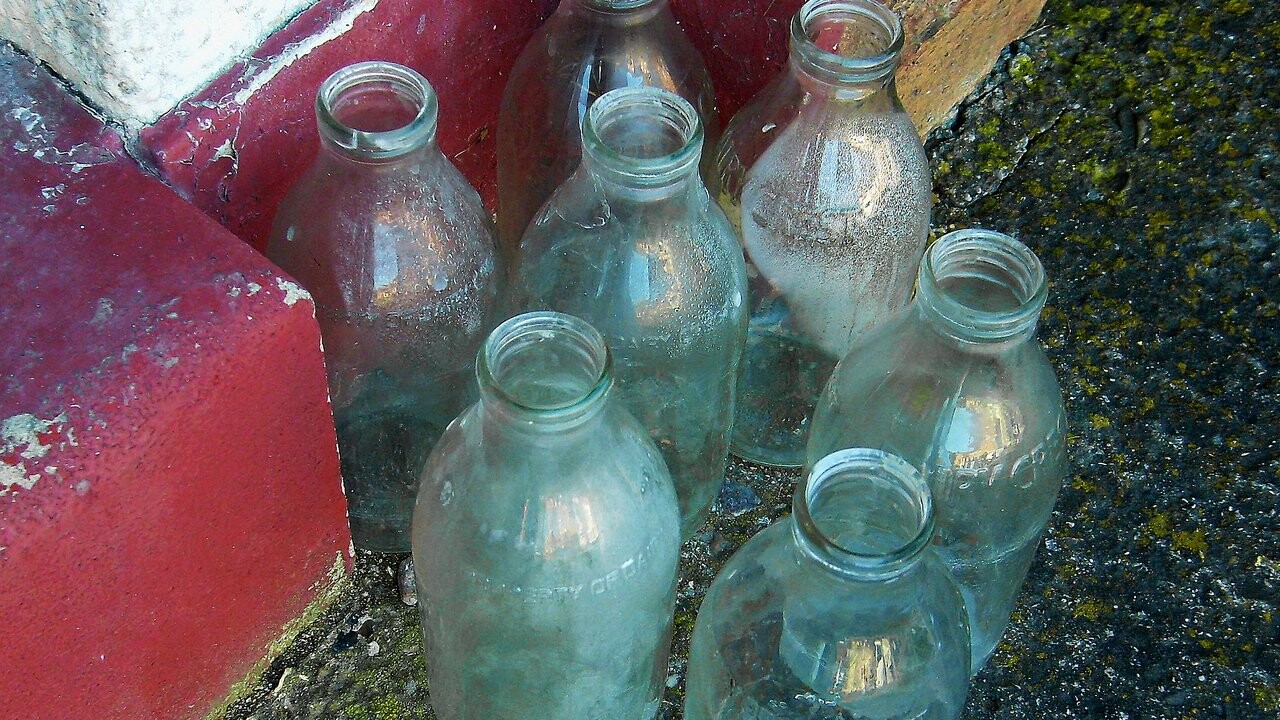
Milk Bottles and the Milk Box
Glass milk bottles and the box beside the door worked as a delivery system. A milkman left the new supply and collected the empty bottles, while customers could also leave payment in the box. That plain porch container was part drop-off point, part return station, and part household routine.
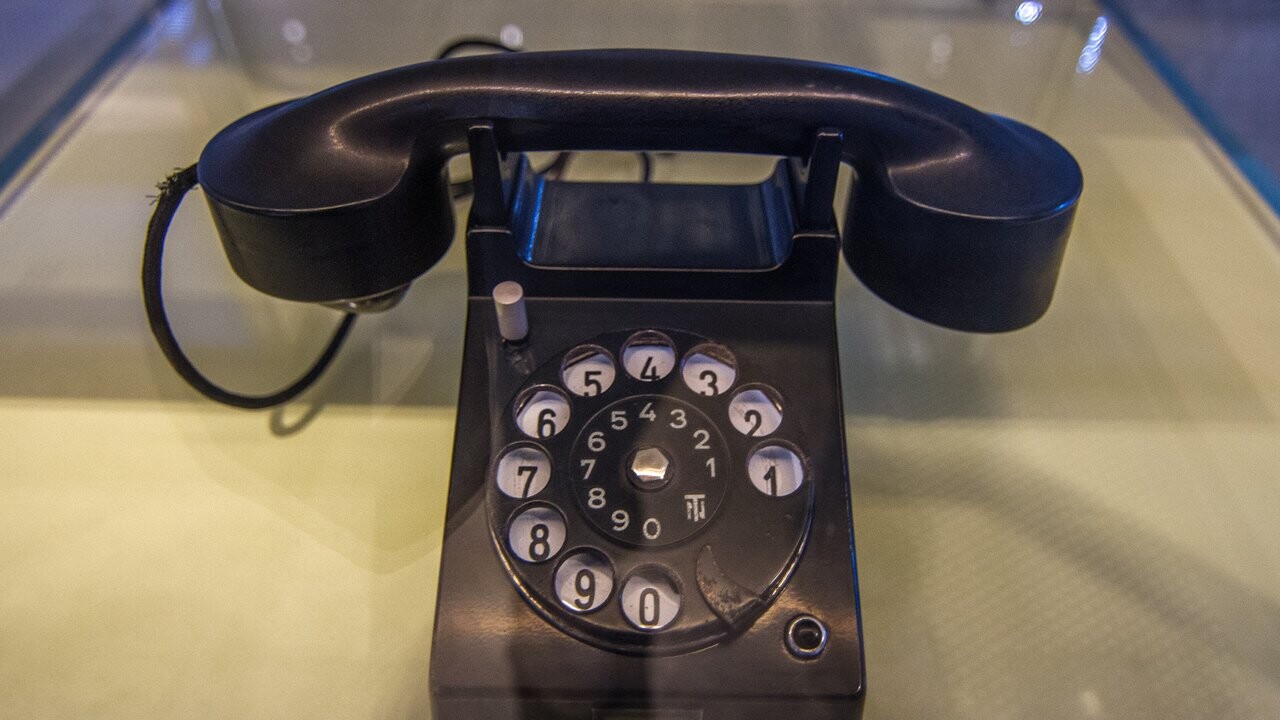
Rotary Telephone
To use a rotary phone, the caller placed a finger in the chosen hole, turned the dial to its stop, and released it. The mechanism sent pulses to the telephone exchange, one digit at a time. Every number required the same deliberate circular motion.
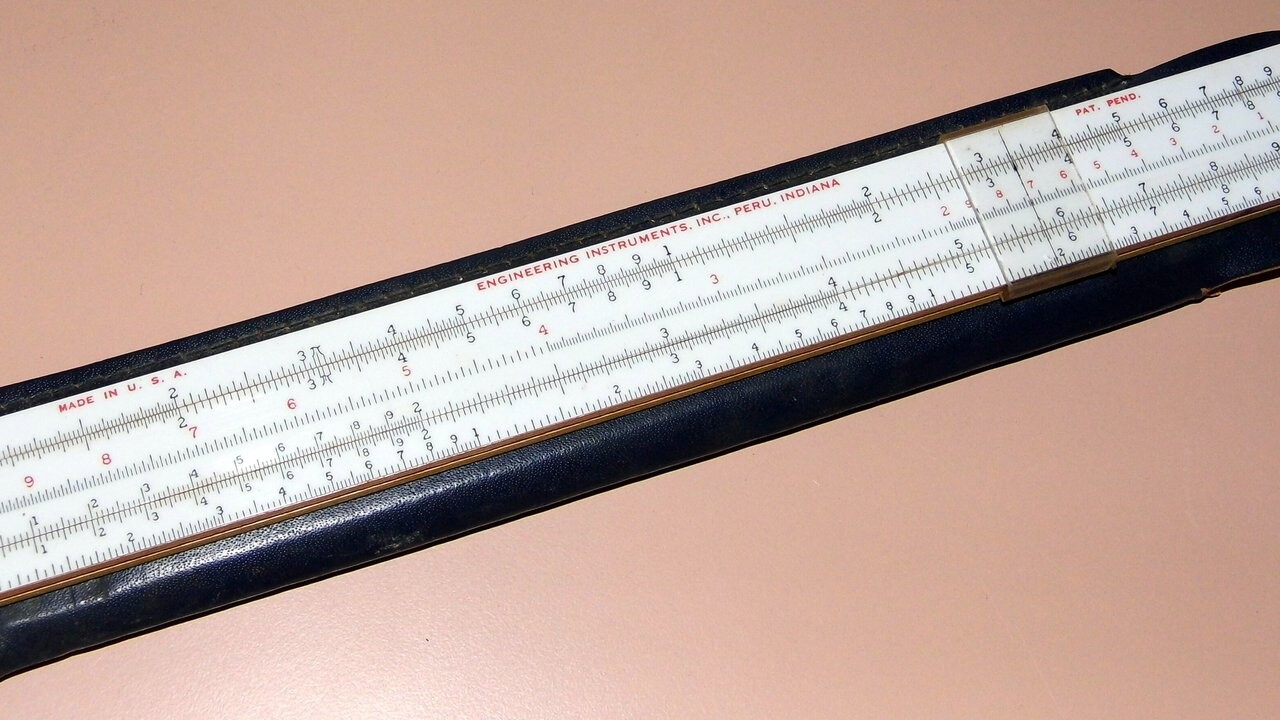
Slide Rule
A slide rule is an analog calculator with fixed and sliding scales. By aligning its logarithmic markings, a user could multiply, divide, and work with roots, exponents, or trigonometric functions. The answer came from reading the scales rather than from a digital display.
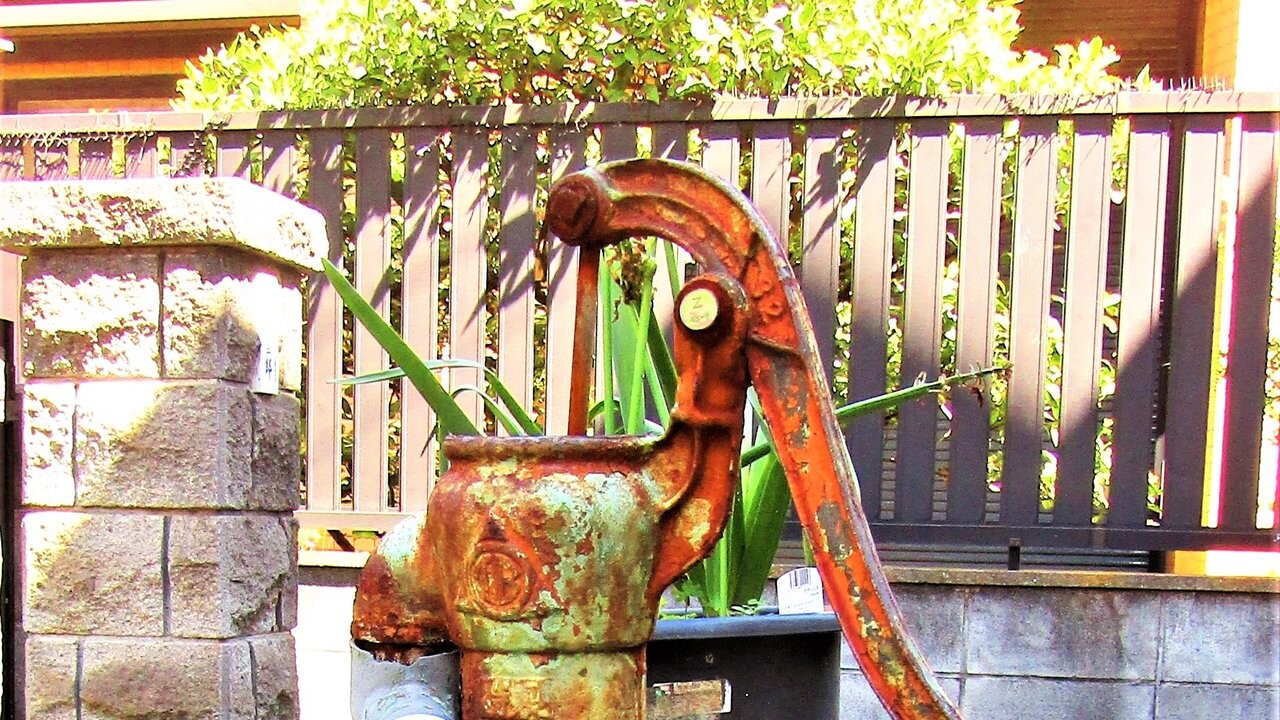
Hand Water Pump
This cast-iron hand pump brought water up from an underground well for household use. Moving the long handle supplied the necessary muscle. In a yard or kitchen, the pump turned a hidden water source below ground into a reachable stream at the spout.
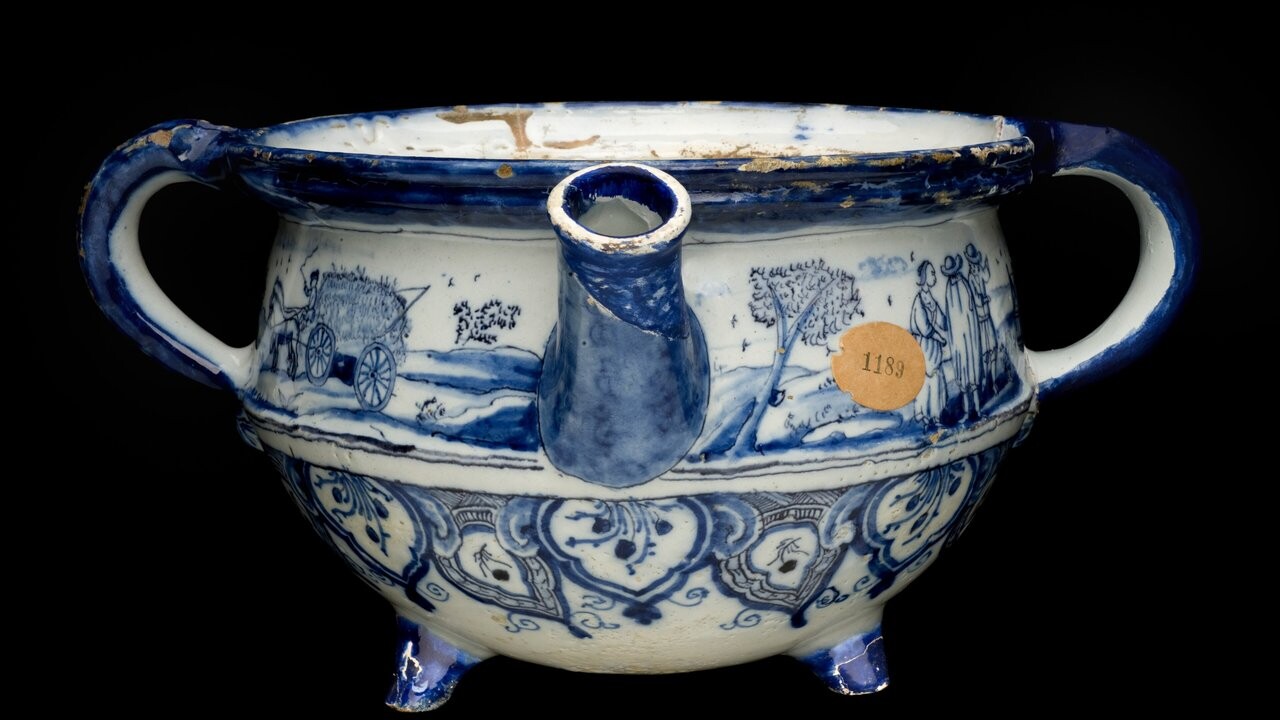
Chamber Pot
A chamber pot was a portable indoor toilet, often kept in a bedroom for times when going outside was uncomfortable or impractical. It could be a plain bowl or bucket, while fancier examples were fitted inside stools. The handle made an unpleasant necessity easier to carry away.
These objects show how much everyday knowledge can vanish when a routine changes. Which of these do you remember using, seeing at home, or learning about from an older relative?
Follow The HyperHive on MSN for more stories like this.
Sources:






