
Have you ever wondered why you feel chilly in an air-conditioned room on a hot afternoon while everyone else seems comfortable?
Some older adults notice this more with age. The body may become less able to regulate temperature and sense cold, while a thinner layer of fat beneath the skin provides less insulation.
A sweater may handle occasional discomfort. Long-lasting or extreme cold intolerance, however, is worth discussing with a healthcare professional because it can accompany conditions such as anemia, an underactive thyroid, blood vessel problems, or diabetes.
How Does Aging Change Body Temperature?
Aging can change both temperature control and awareness of cold. As the Mayo Clinic explains, “The body’s ability to regulate temperature and to sense cold may lessen with age.”
Skin changes matter, too. MedlinePlus states, “The subcutaneous fat layer thins so it has less insulation and padding.” The same page says this change reduces the ability to maintain body temperature. That can make a cool home or strong air conditioning feel more uncomfortable.
The National Institute on Aging also notes that age-related changes can make it harder to recognize when the body is becoming too cold. Comfort matters, but so does noticing when an ordinary chill becomes unusual or difficult to manage.
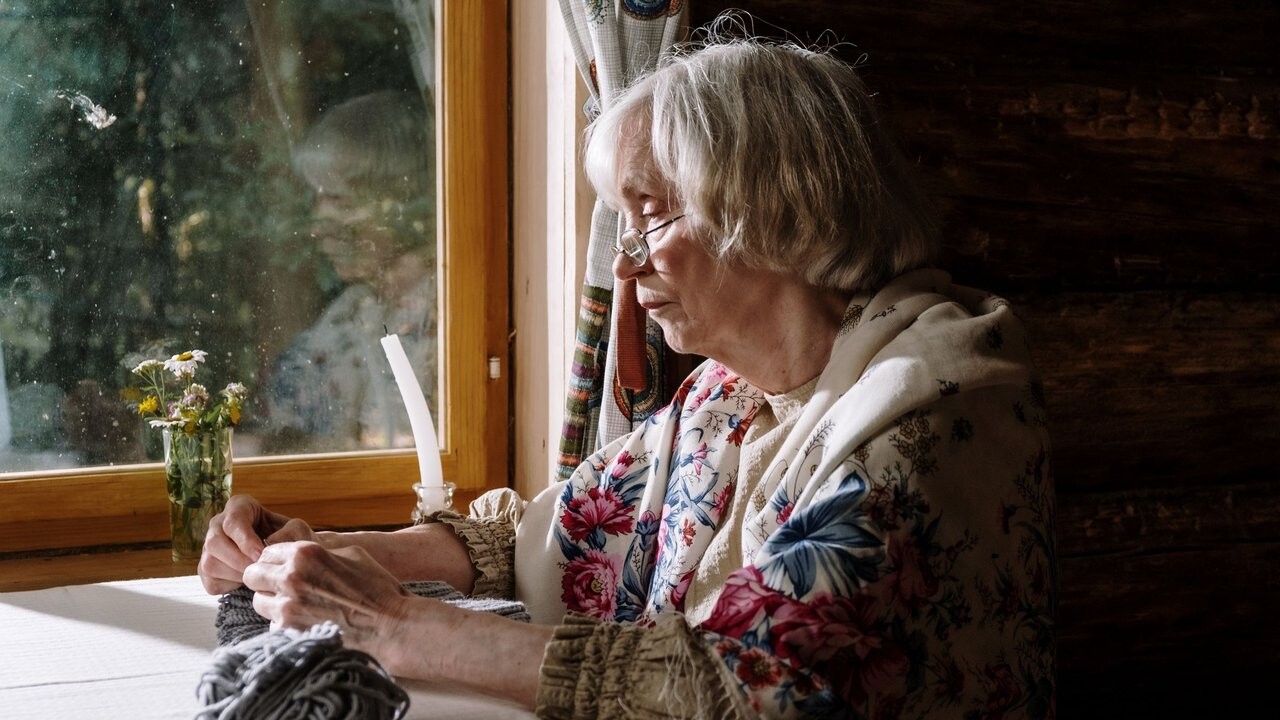
Could an Underactive Thyroid Be the Culprit?
An underactive thyroid, or hypothyroidism, means the thyroid gland does not make enough hormones. The NHS lists “feeling cold more than usual” among its common symptoms.
Symptoms may be mild, hard to notice, and slow to develop. If you want to discuss cold sensitivity with a clinician, describe the whole pattern instead of assuming it is simply part of aging.
A clinician may order blood tests to measure thyroid-stimulating hormone (TSH) and thyroxine (T4). If hypothyroidism is diagnosed, it is usually treated with medicine that replaces the thyroid hormone the body cannot produce, most often levothyroxine tablets.
How Do Circulation and Anemia Play a Role?
Anemia is one condition connected with feeling cold. Cleveland Clinic explains that a drop in red blood cells means the body does not receive the oxygen it needs, which can create a chilly feeling. Fatigue can occur with that cold feeling as well.
Poor blood flow is another possible reason for feeling chilly. The National Institute on Aging says diabetes can prevent blood from flowing normally to provide warmth.
Raynaud’s phenomenon is more specific: blood vessels in the extremities narrow and restrict blood flow, usually affecting the fingers and toes. A sudden temperature change can be enough to trigger an attack. The National Institute of Arthritis and Musculoskeletal and Skin Diseases notes, “Sudden changes in ambient temperature, such as when entering an air-conditioned supermarket on a warm day, can lead to an attack.”
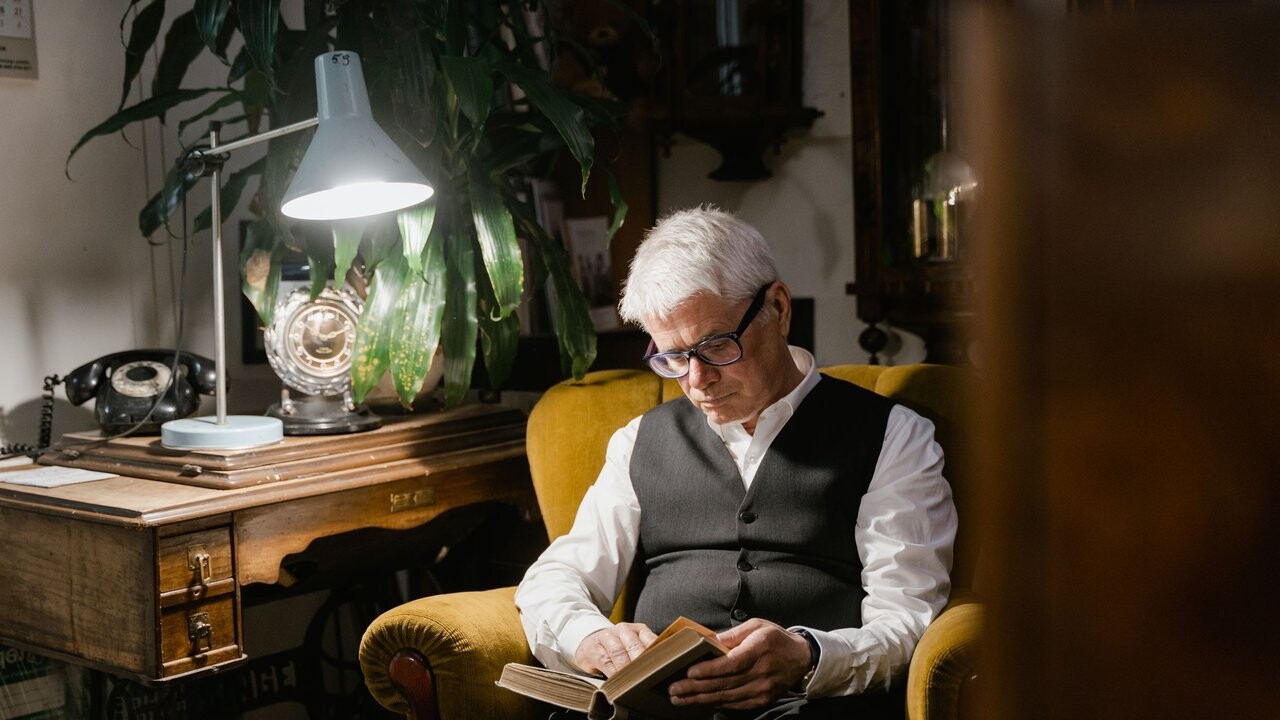
When Is Feeling Cold a Warning Sign?
Cold sensitivity deserves attention when it is long-lasting, extreme, or clearly out of proportion to the room. Cleveland Clinic advises speaking with a doctor when you are the only person in the household who feels cold.
- Long-Term or Extreme Intolerance. Arrange a healthcare appointment rather than continually turning up the heat.
- An Unusual Pattern. Write down when the chill occurs, how long it lasts, and what else you notice. Those details can make the conversation with your clinician clearer.
- Possible Hypothermia. A core body temperature below 95°F is hypothermia. It is a medical emergency, so call your local emergency number if someone shows signs of it.
- Medication Questions. Prescription and over-the-counter medicines, including some cold medicines, can affect body heat. Bring a complete medicine list to your appointment and ask what may be relevant.
What Practical Steps Can Keep You Comfortable?
Staying comfortable does not have to mean overheating the whole household. A few practical adjustments can make a cool room easier to share.
- Keep the Home Safely Warm. The National Institute on Aging advises setting the heat to at least 68°F because homes kept at 60°F to 65°F can lead to hypothermia in older adults.
- Use Adjustable Layers. Keep a light cardigan or wrap nearby so you can add warmth without changing the thermostat for everyone.
- Warm Hands and Feet. Try comfortable socks, closed-back slippers with nonskid soles, or light gloves indoors.
- Move in Ways That Suit You. Take a short walk around the home, stretch, or change position regularly if those activities are safe and comfortable for you.
- Eat Regularly. The National Institute on Aging advises eating enough to maintain your weight because some body fat is needed for warmth.
- Review Medicines. Ask your doctor or pharmacist whether any prescription or over-the-counter medicine you take may affect body heat.
Start with the simplest comfort measures, and pay attention to patterns that persist. A brief record of the room temperature, timing, and other changes can help a clinician understand what you are experiencing.
Feeling chilly on a warm day can be uncomfortable, but it is also useful information from your body. Have you or an older family member noticed feeling cold when everyone else feels comfortable?
This article is for general information and isn’t a substitute for advice from your doctor.
You might also want to read: How Often Should Adults Over 65 Shower? What Dermatologists and Aging Experts Recommend
Follow The HyperHive on MSN for more stories like this.
Sources:



