Presidential Cover-Ups That Came to Light: What the Record Confirms

Series: Nixon White House Photographs, 1/20/1969 / Wikimedia Commons, Public domain (cropped)
Presidential secrets rarely emerge all at once. Arranged from the oldest scandal to the most recent, these episodes show how investigations, recordings, internal documents, and declassification gradually changed the public record.
The evidence comes from congressional findings, court records, federal archives, and presidential libraries. Where the record establishes concealment but not a president’s personal involvement, that distinction remains essential.
Crédit Mobilier Hid a Railroad Scheme
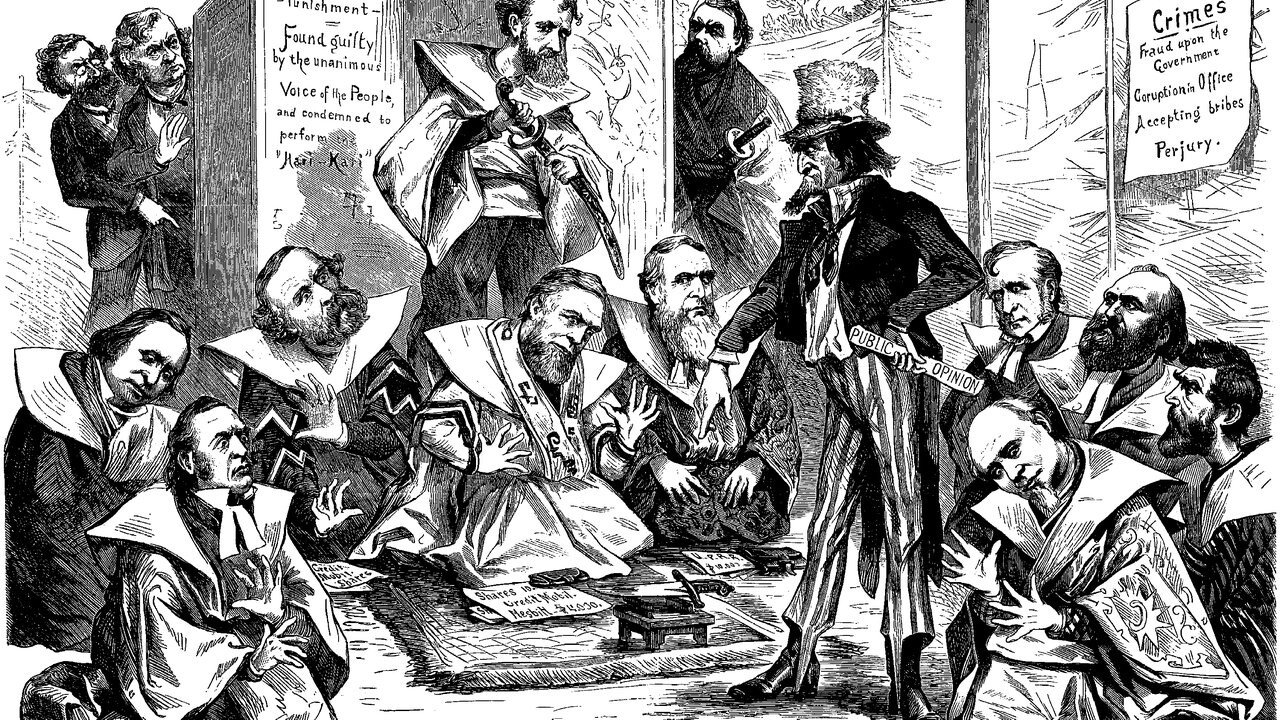
Crédit Mobilier and Union Pacific were secretly managed by the same stockholders, a structure that let the construction company charge $2 million above actual building expenses. The House investigation focused on Representative Oakes Ames, who had distributed company shares to congressional associates in an effort to deter scrutiny of the dealings.
The Whiskey Ring Reached Grant’s Inner Circle
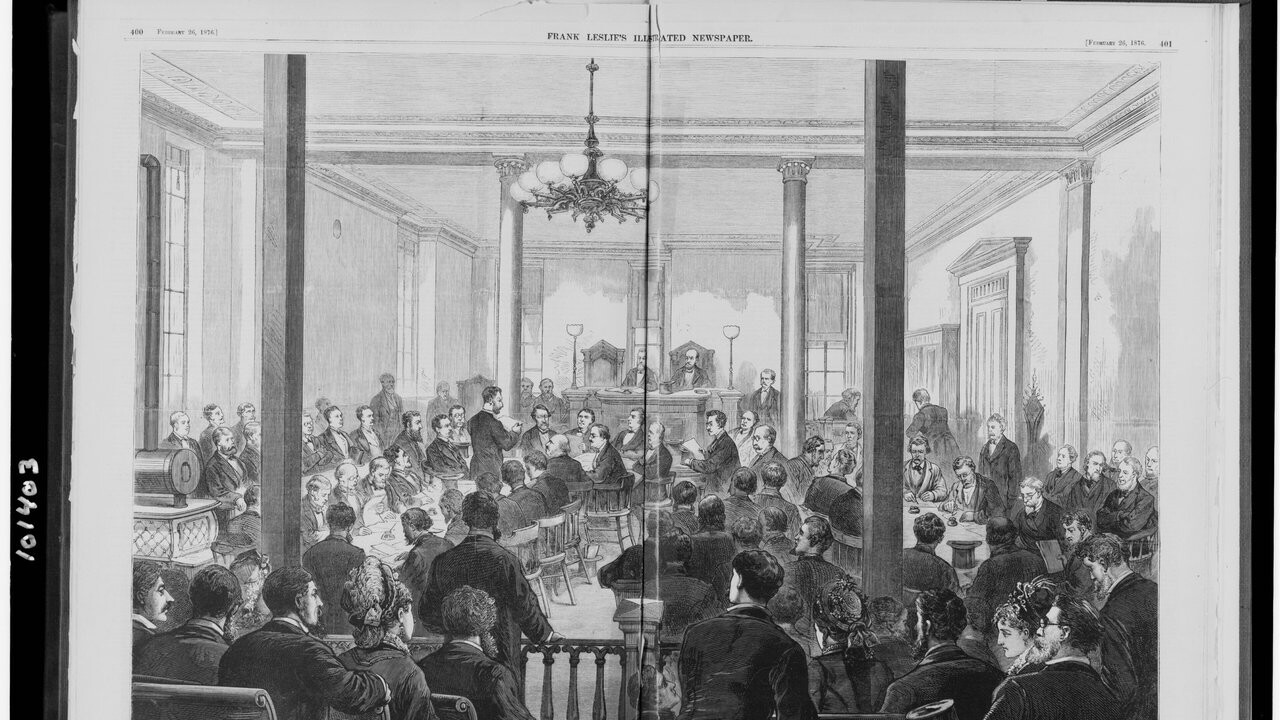
The Whiskey Ring was a tax-evasion scheme that reached President Ulysses S. Grant’s staff. His personal secretary, Orville Babcock, was indicted, and Grant testified in his favor. The National Park Service says the episode spurred unfounded rumors that Grant himself participated in the fraud, a distinction the surviving record makes clear.
Belknap’s Trading-Post Kickbacks
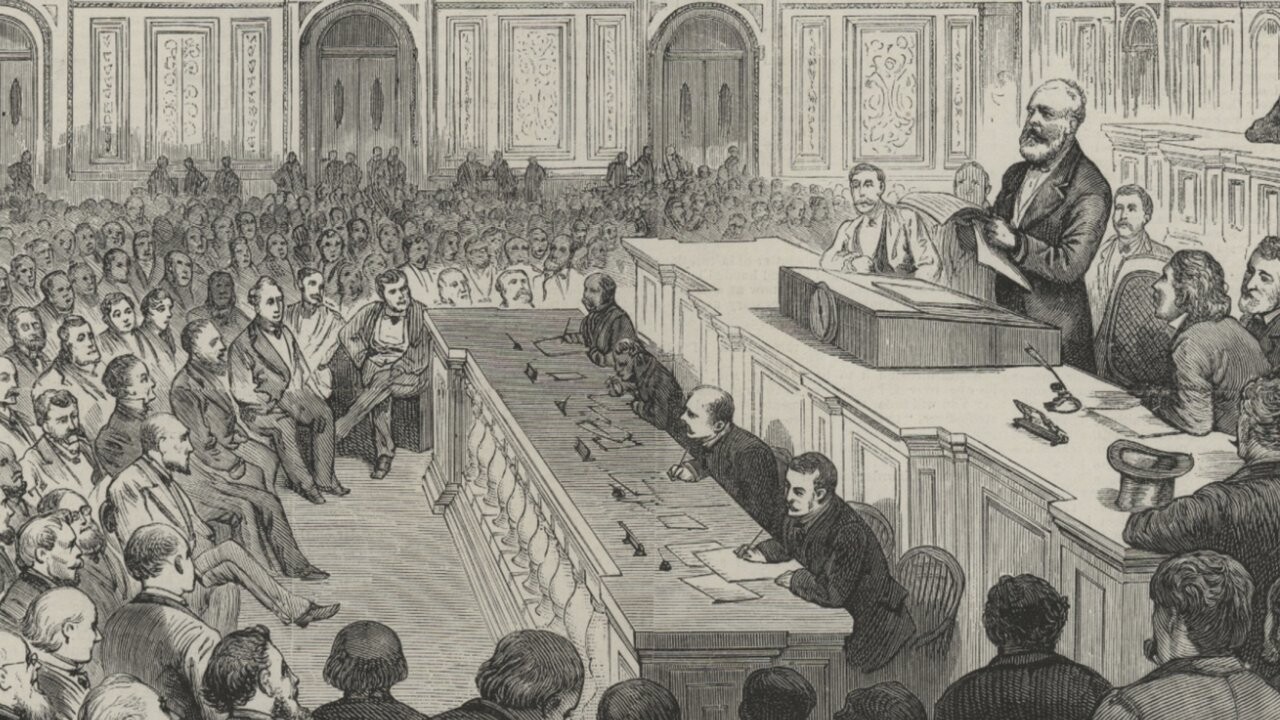
William Belknap served as secretary of war in Grant’s administration. A House committee uncovered evidence of corruption tied to the profitable military trading post at Fort Sill. The Senate’s history says a promise of generous kickbacks prompted Belknap to appoint an associate of Caleb Marsh to operate the post.
The Secret Teapot Dome Leases
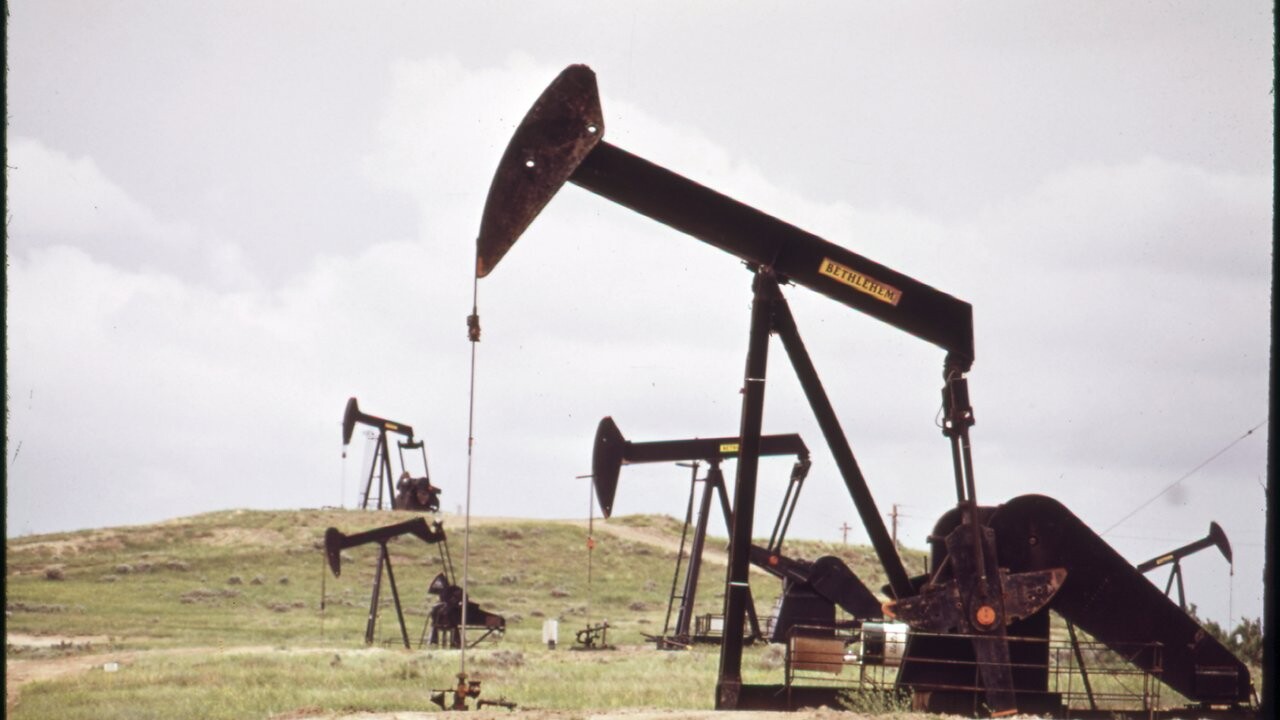
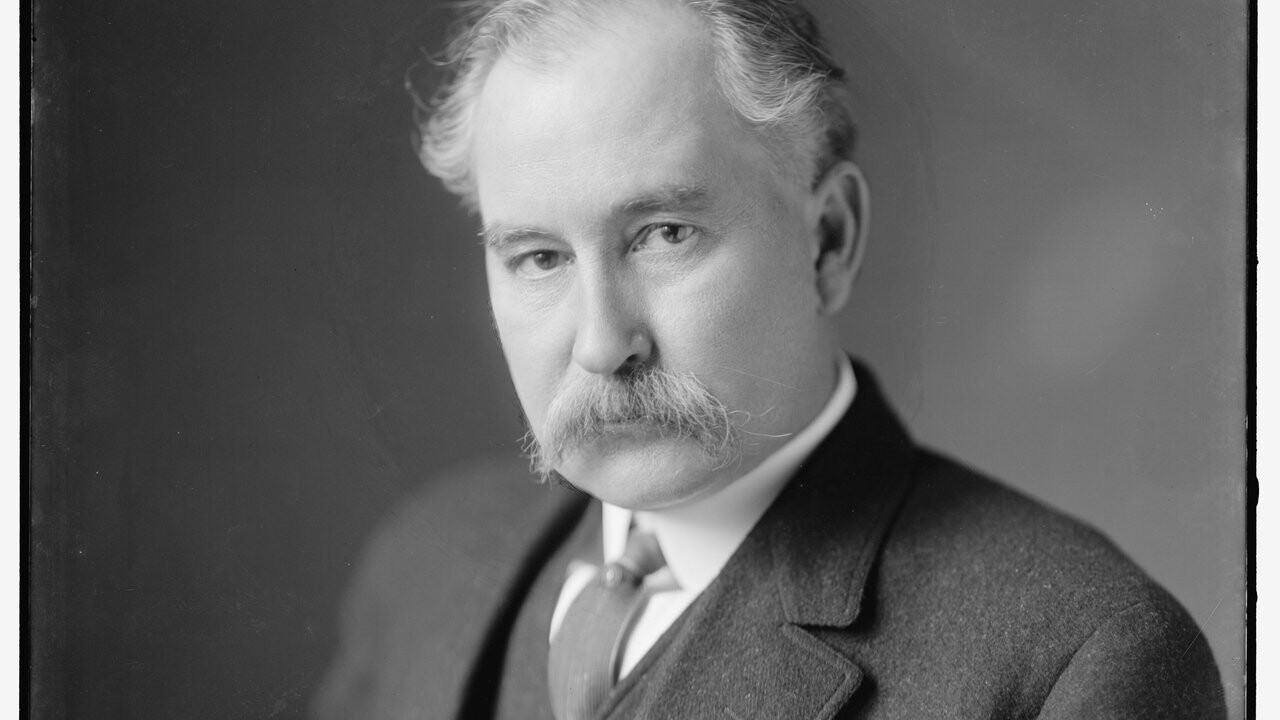
Interior Secretary Albert Fall arranged a secret lease of the federal naval petroleum reserve at Teapot Dome without competitive bidding. President Warren G. Harding had nominated Fall to lead the Interior Department. A Senate investigation eventually uncovered Fall’s dealings, turning a quiet transfer of public resources into a defining federal corruption scandal.
Teapot Dome’s Payment for Silence
The Teapot Dome investigation uncovered an especially direct effort to suppress publicity: a $1 million payment to newspaper publishers in exchange for their silence. That finding showed that the scandal involved more than a secret lease. Money was also used to keep the arrangement from becoming a public story.
The U-2 Weather Mission Story
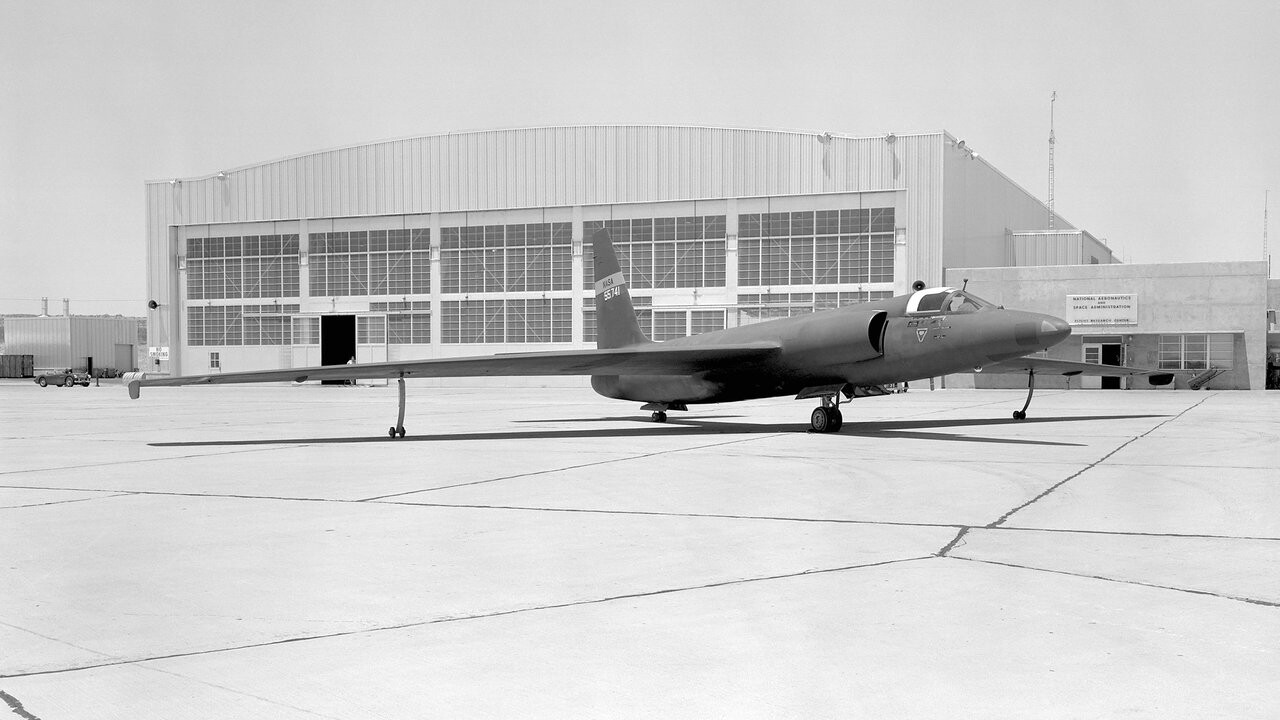
An official U-2 cover plan called for describing the missing aircraft as a weather mission that had originated in Adana, Turkey. It said the pilot had reported oxygen trouble and that a search was underway. The document records a concrete government plan for explaining a reconnaissance aircraft’s disappearance to the public.
The Bay of Pigs False Defector
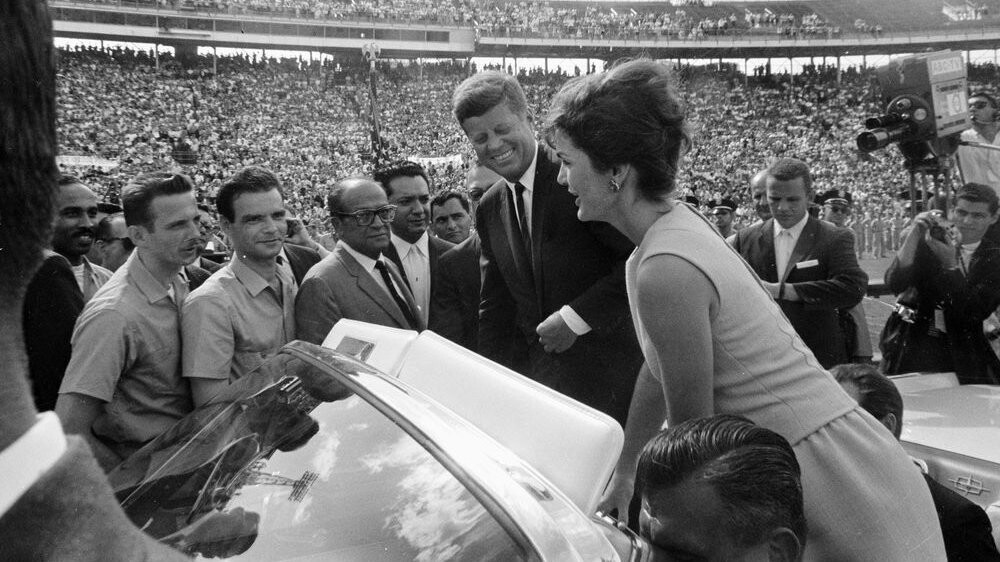
Before the Bay of Pigs invasion, Brigade 2506 pilots were assigned a cover story for planned attacks on Cuban air bases. According to the CIA’s history, they were to pose as pilots from Fidel Castro’s own air force, appear disgruntled, and then fly to the United States as supposed defectors.
The Secret Jupiter Missile Understanding
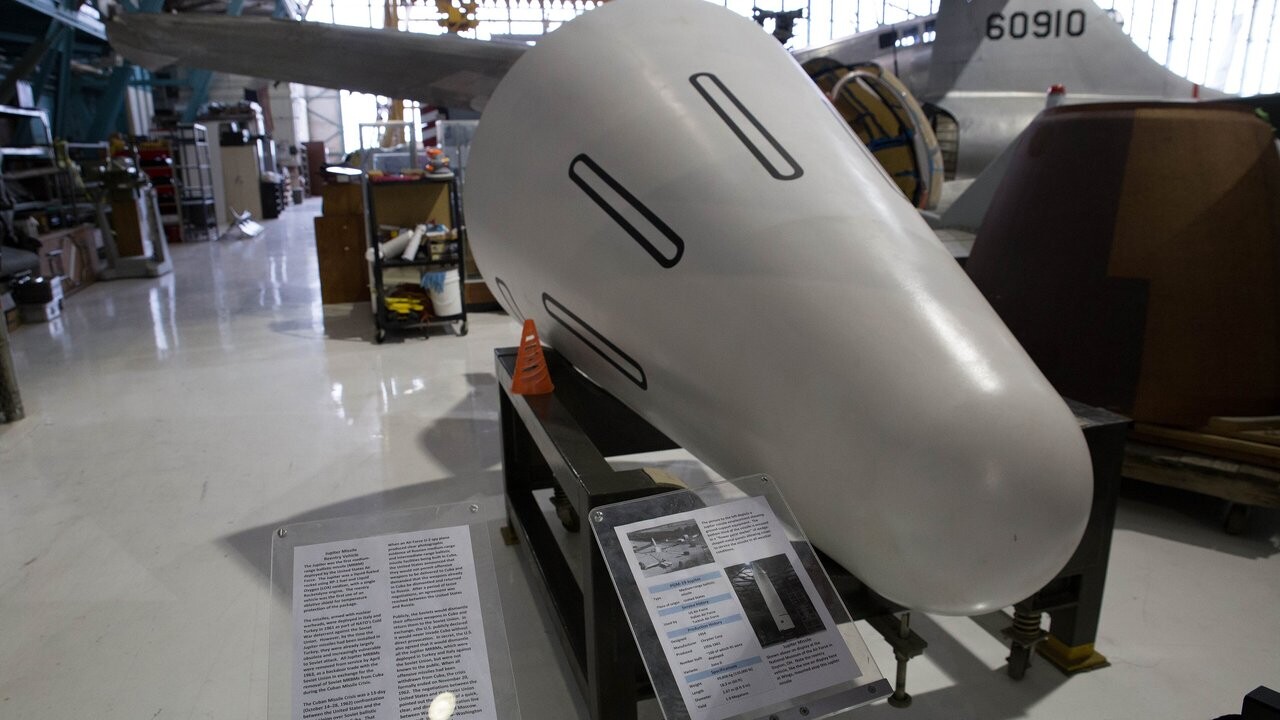
During the Cuban Missile Crisis, the Kennedy administration secretly indicated that the United States planned to remove Jupiter missiles from Turkey soon. The State Department’s historical account says the removal could not be part of any public resolution, leaving a consequential part of the understanding outside the public announcement.

The Missing Doubts in the Gulf of Tonkin
After reports of a second attack in the Gulf of Tonkin, the USS Maddox captain warned that weather effects and over-eager sonar operators might explain what crews had observed. The National Archives says Defense Secretary Robert McNamara did not relay those doubts to President Lyndon Johnson. A later NSA report concluded that the second attack never happened.
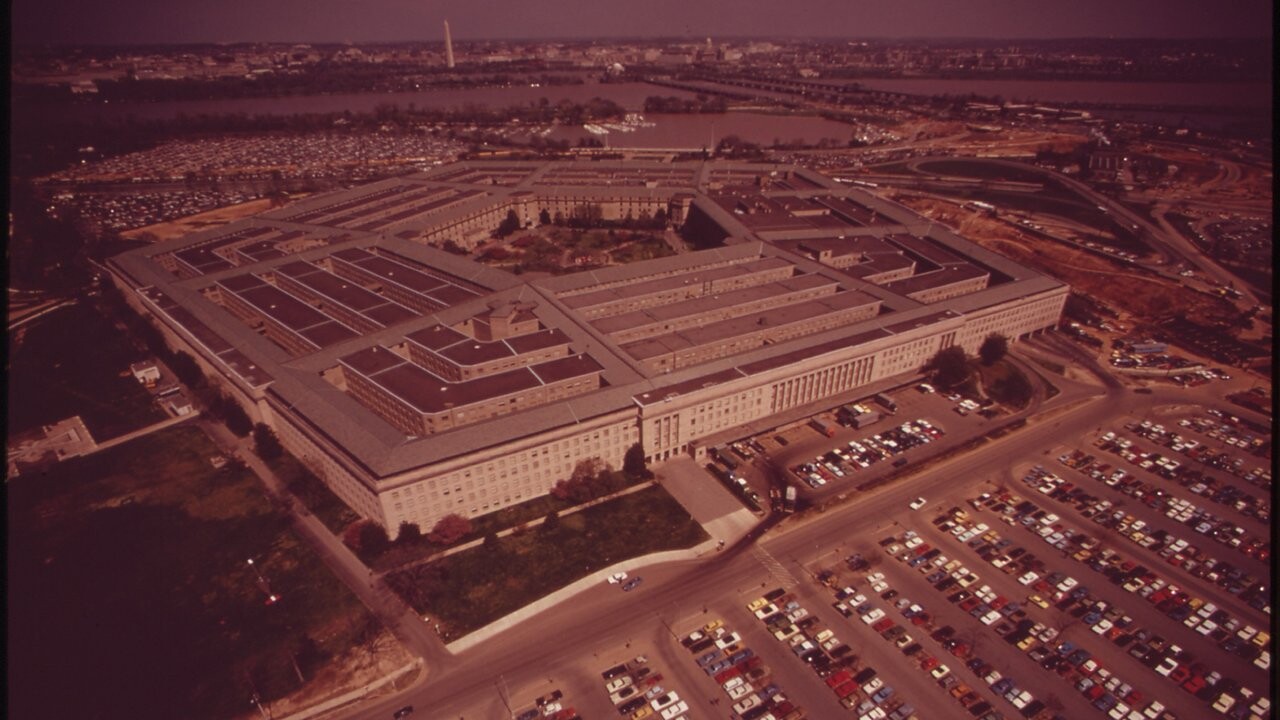
The Pentagon Papers’ Blanket Classification
The Pentagon Papers were classified in their entirety at the Top Secret level, even though some volumes contained public statements considered unclassified. The National Archives describes the work as a 47-volume Defense Department report titled United States-Vietnam Relations 1945–1967. Its blanket classification kept even previously public material inside a highly restricted study.
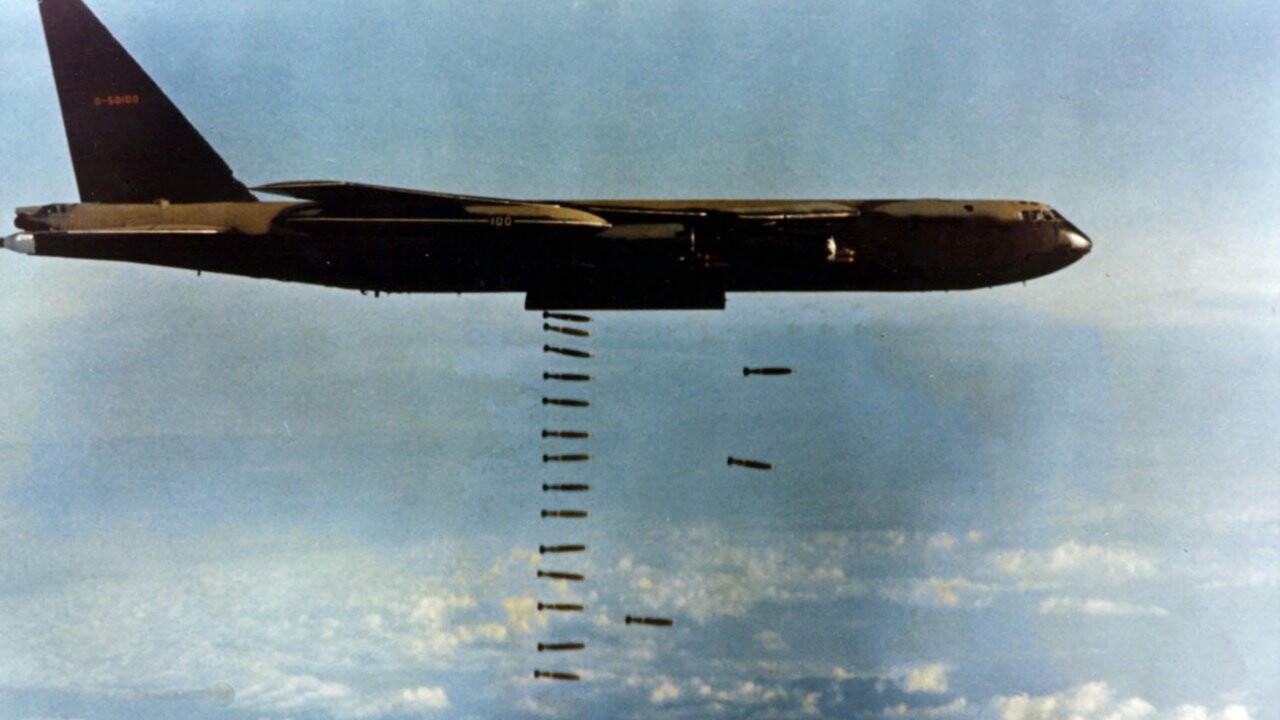
Cambodia’s Falsified Bombing Reports
Operational reports prepared after American bombing missions in Cambodia falsely stated that the strikes had occurred in South Vietnam. That documented reporting practice concealed the true location of the missions in official paperwork. The record supports this narrow but significant conclusion without requiring broader claims about who designed or authorized the reporting system.
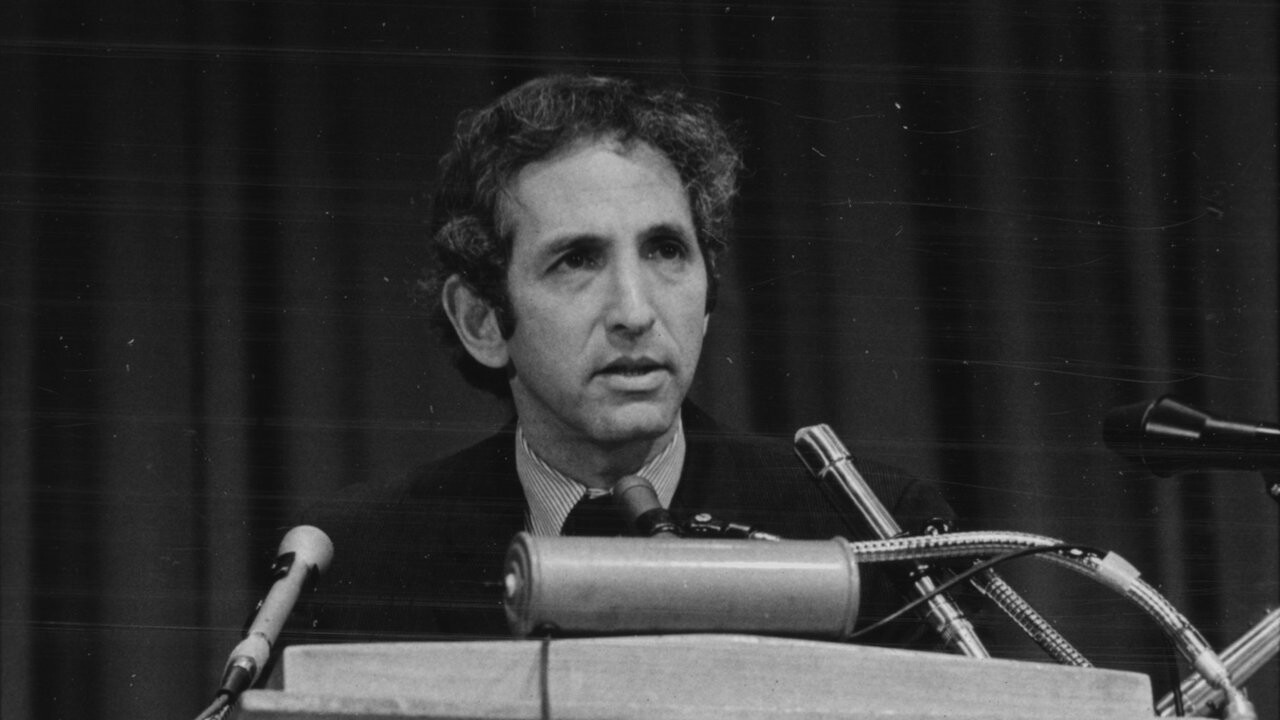
The Ellsberg Psychiatrist Break-In Investigation
The National Archives describes people associated with the White House unit called the Plumbers as suspected of breaking into psychiatrist Lewis Fielding’s Los Angeles office to obtain Daniel Ellsberg’s medical record. That careful wording preserves the difference between a documented suspicion and a proven act.
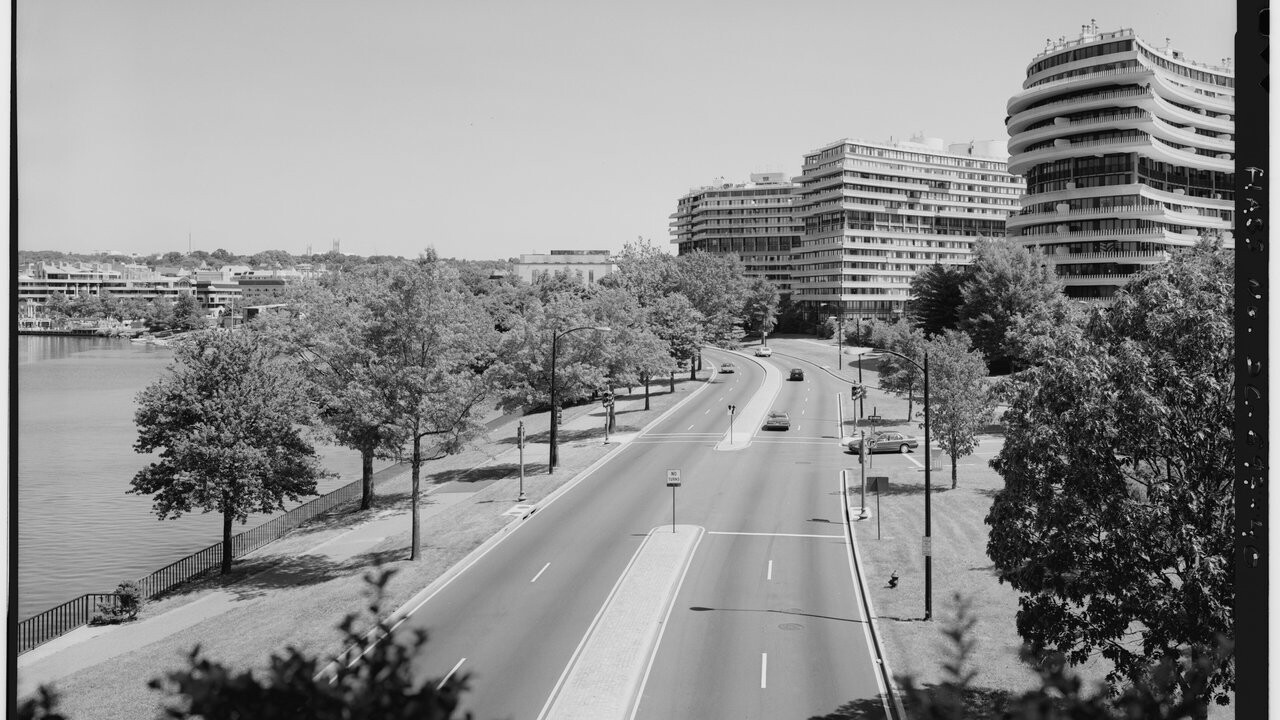
The White House Watergate Denial
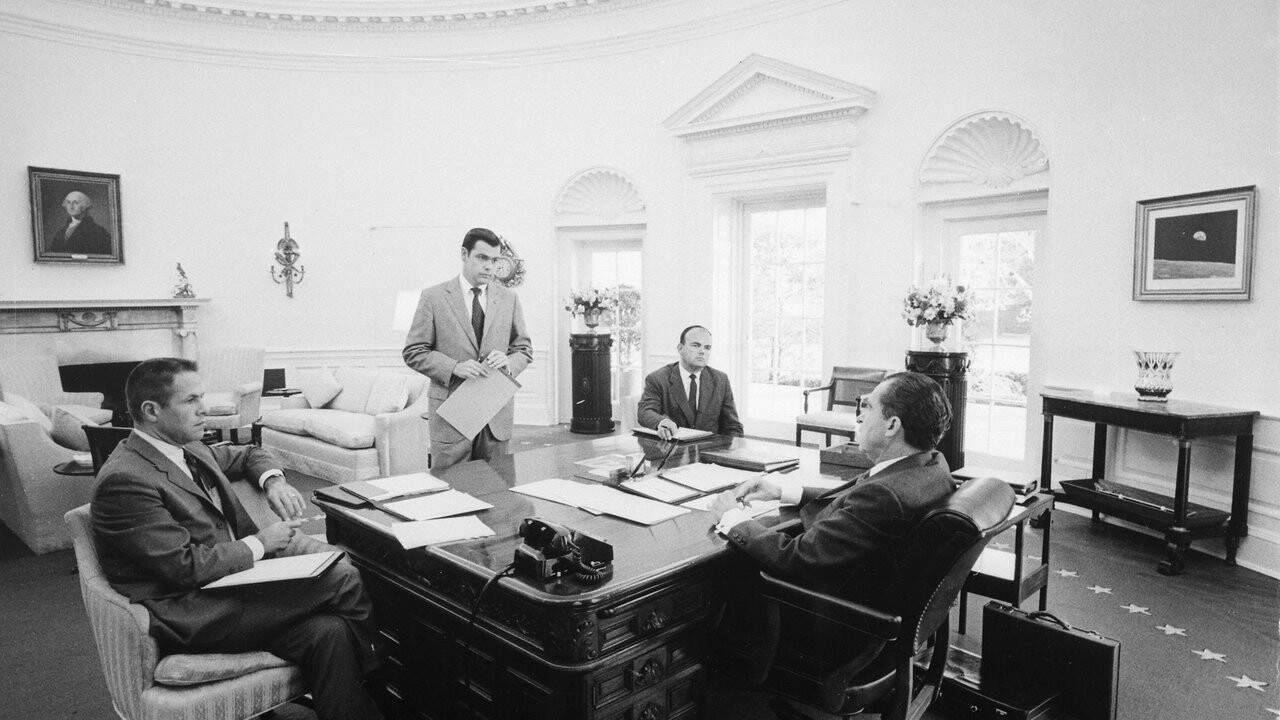
After the Watergate arrests, President Richard Nixon announced that White House counsel John Dean had completed an investigation and found that no one from the White House was involved. The National Archives chronology preserves that public assurance, which became central to understanding how the administration initially presented the break-in.
The CIA Plan to Block the FBI
A White House recording captured Nixon and H. R. Haldeman discussing the FBI’s effort to trace money found on the Watergate burglars. They proposed having the CIA ask the FBI to halt its investigation by presenting the break-in as a national-security operation. The Nixon Library labels this exchange the smoking-gun conversation.
Watergate’s Payments for Silence
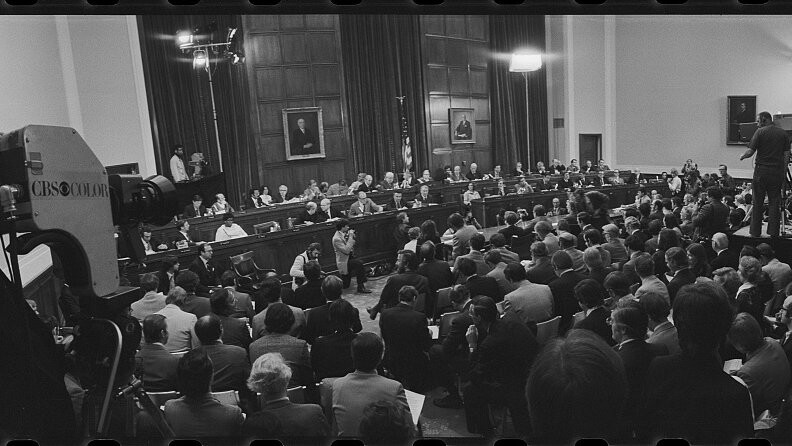
The House Judiciary Committee’s adopted obstruction article said Nixon approved, condoned, or acquiesced in secret payments of substantial sums intended to obtain silence. The finding placed money at the center of the Watergate cover-up and came from Congress’s formal impeachment process, not from a later recollection.
The Fight to Keep the Tapes Hidden
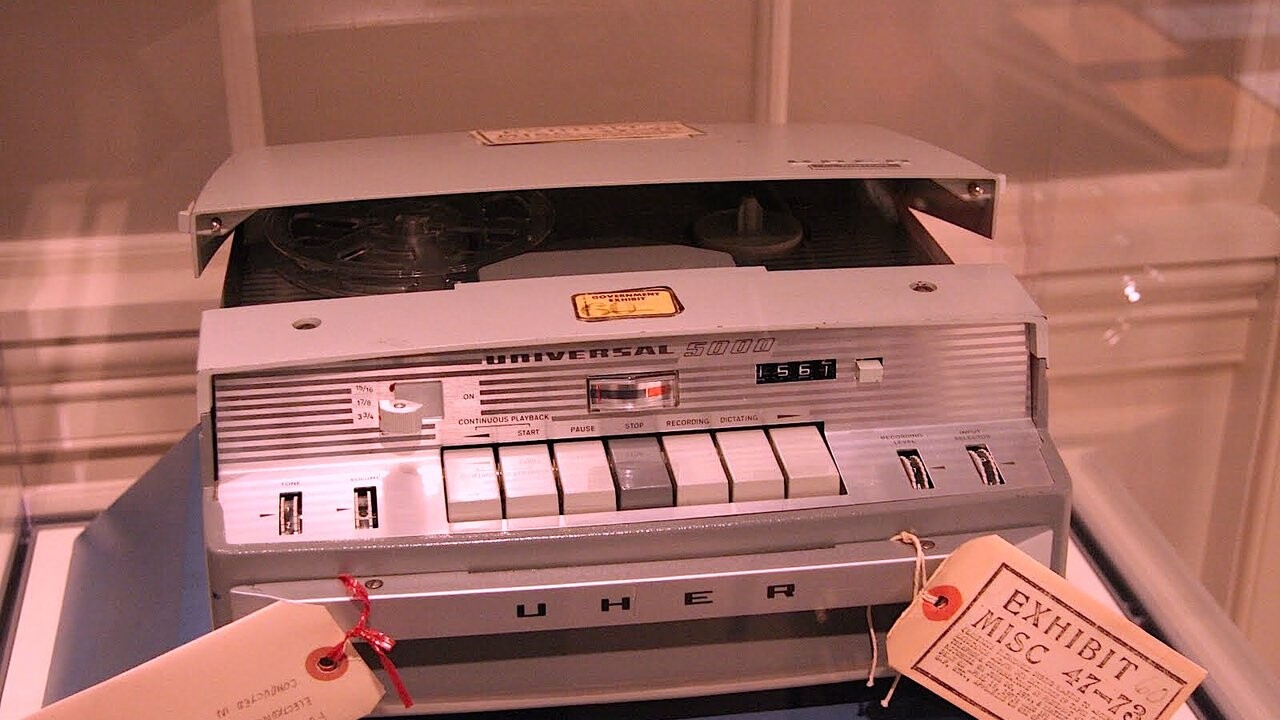
When the Senate Watergate Committee subpoenaed White House recordings and documents, Nixon refused to comply, invoking executive privilege and separation of powers. The confrontation showed why control of the tapes mattered: investigators were seeking direct evidence while the president asserted a constitutional basis for keeping the requested material from them.
The Unsolved 18½-Minute Tape Gap
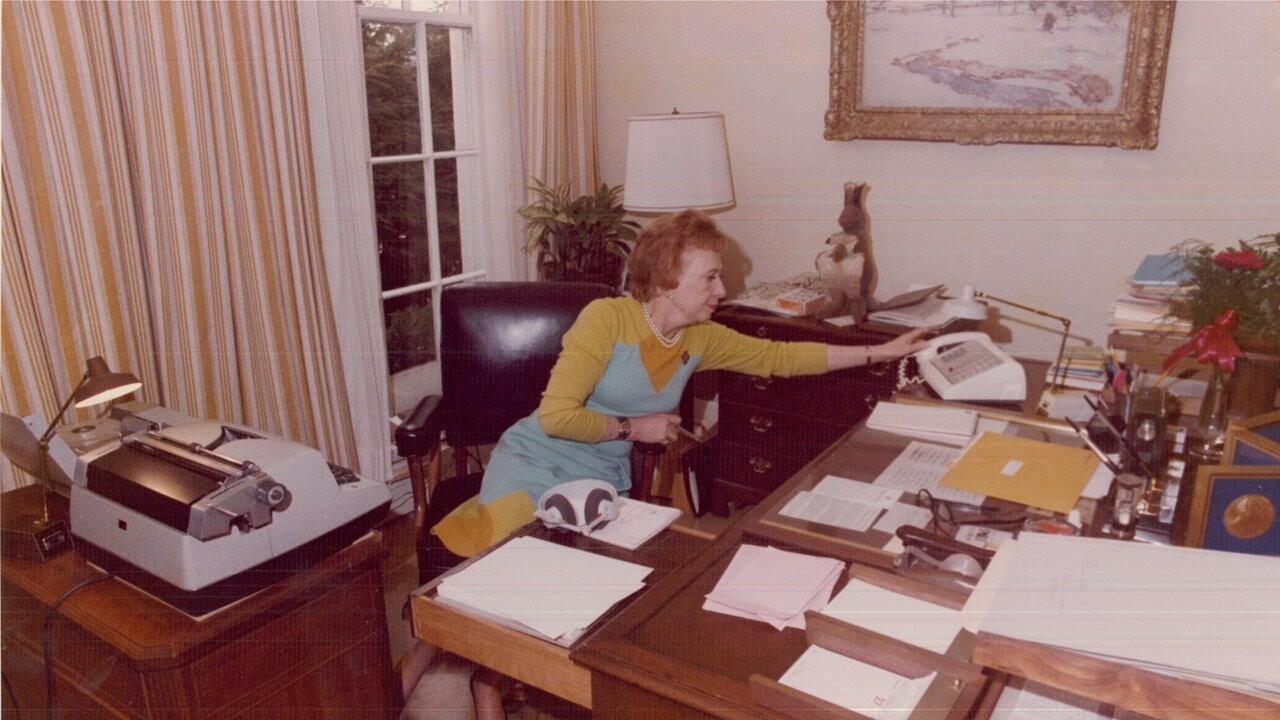
One Nixon recording contained an 18½-minute gap. The National Archives says no one was ever indicted for causing it and that its source remains a mystery. Those limits matter: the record confirms the missing segment, but it does not support naming the person responsible or claiming certainty about how the gap was created.
The CIA’s Family Jewels
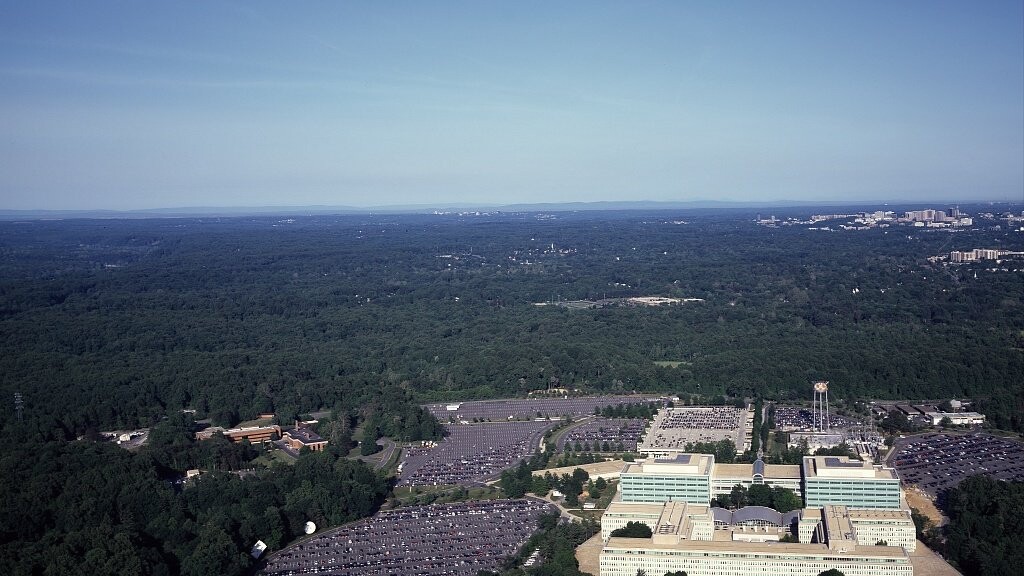
The CIA released a 700-page internal collection known as the Family Jewels, compiled in 1973 under Director James Schlesinger. The documents gathered activities that agency employees believed might conflict with the CIA’s charter. Their release turned an internal accounting of potentially improper conduct into a public record that could be examined directly.
The Senate Confirms Assassination Plots
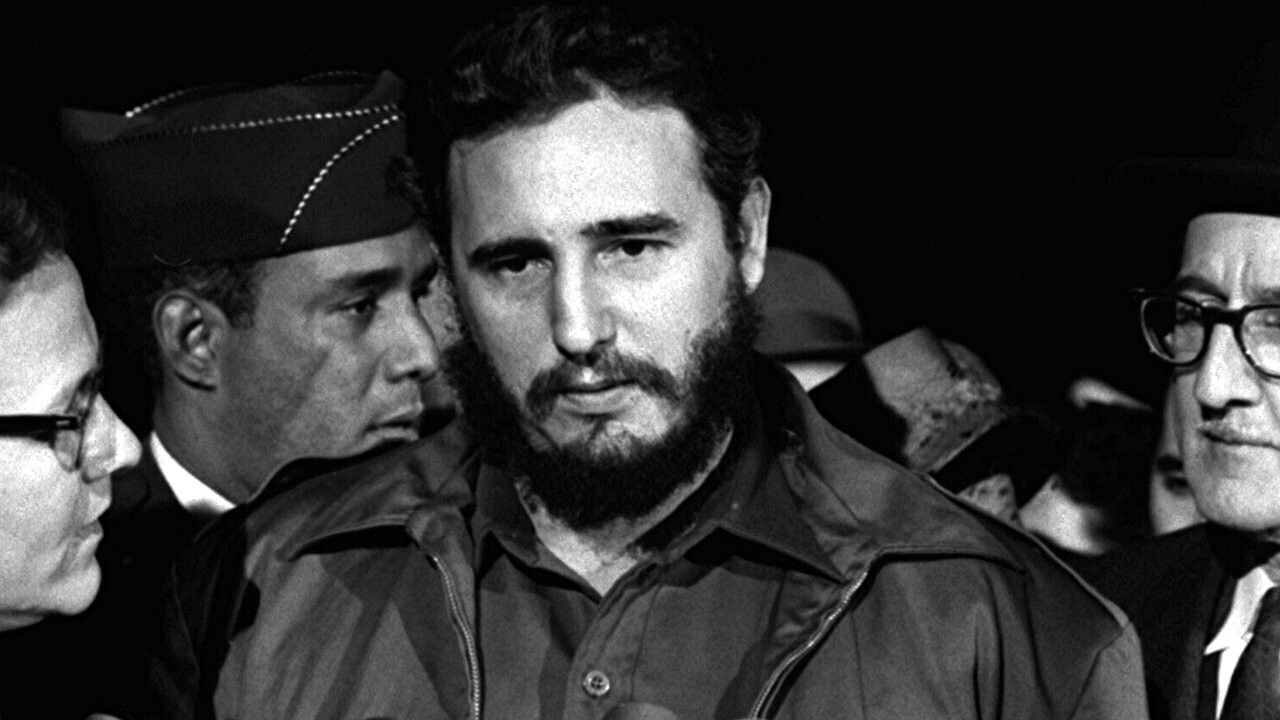
The Church Committee found that United States officials initiated plots to assassinate Cuban leader Fidel Castro and Congolese leader Patrice Lumumba. That formal Senate finding established the existence of the plots. Keeping the claim to the committee’s precise conclusion avoids extending it beyond what the cited report itself establishes.
COINTELPRO’s Campaigns of Disruption
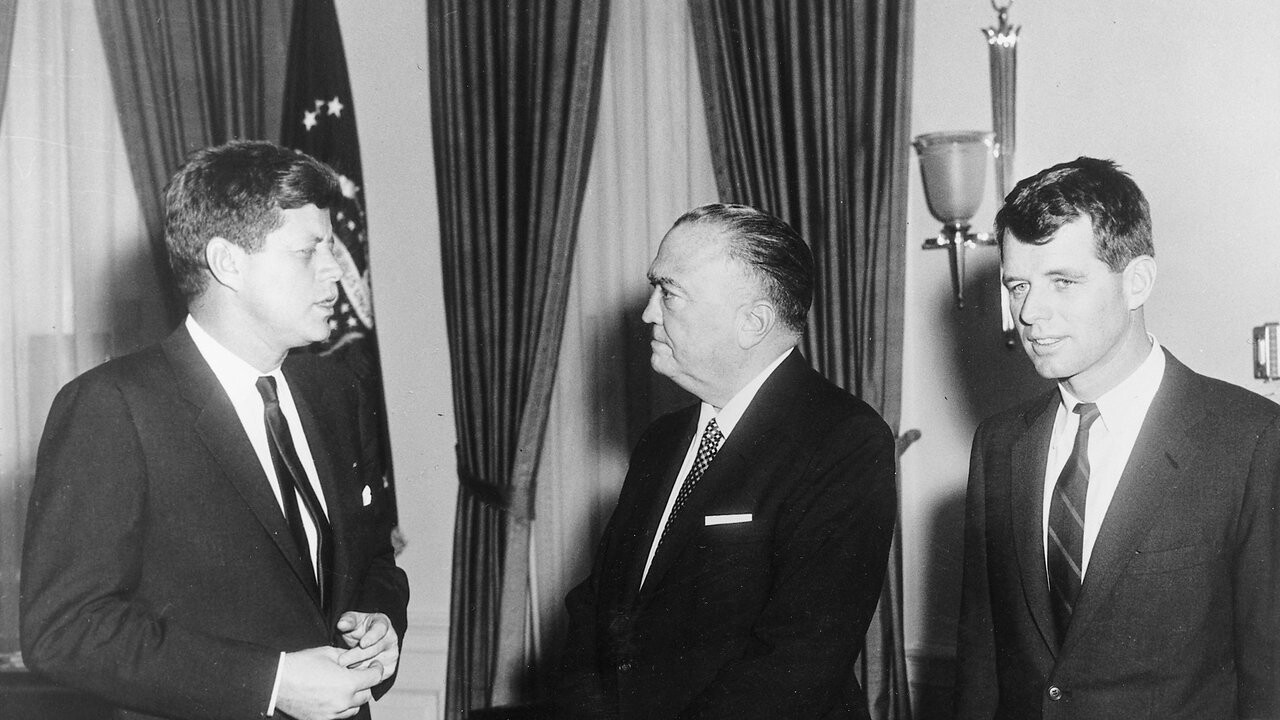
The Church Committee also brought renewed scrutiny to the FBI’s COINTELPRO. The Senate describes the program as covert action designed to disrupt and discredit groups and individuals considered threats to the social order. This was not simply intelligence collection; disruption and reputational harm were stated features of the activity uncovered by investigators.
NSA Programs Hidden From the Public
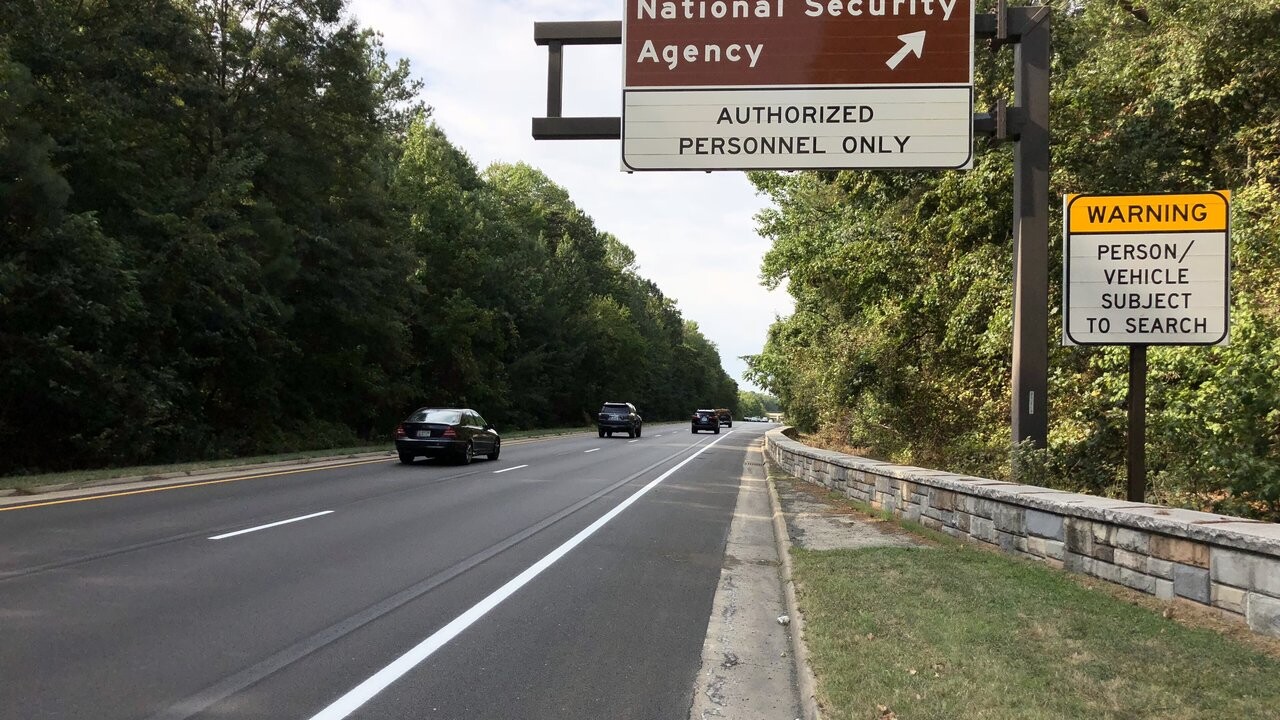
The Senate investigation disclosed two NSA surveillance programs, SHAMROCK and MINARET, that monitored wire communications traveling to and from the United States. Their exposure showed that secret domestic-facing surveillance concerns were not confined to a single agency. The official Senate record places both programs within the broader findings of the Church Committee era.
Reagan-Era Arms Sales to Iran
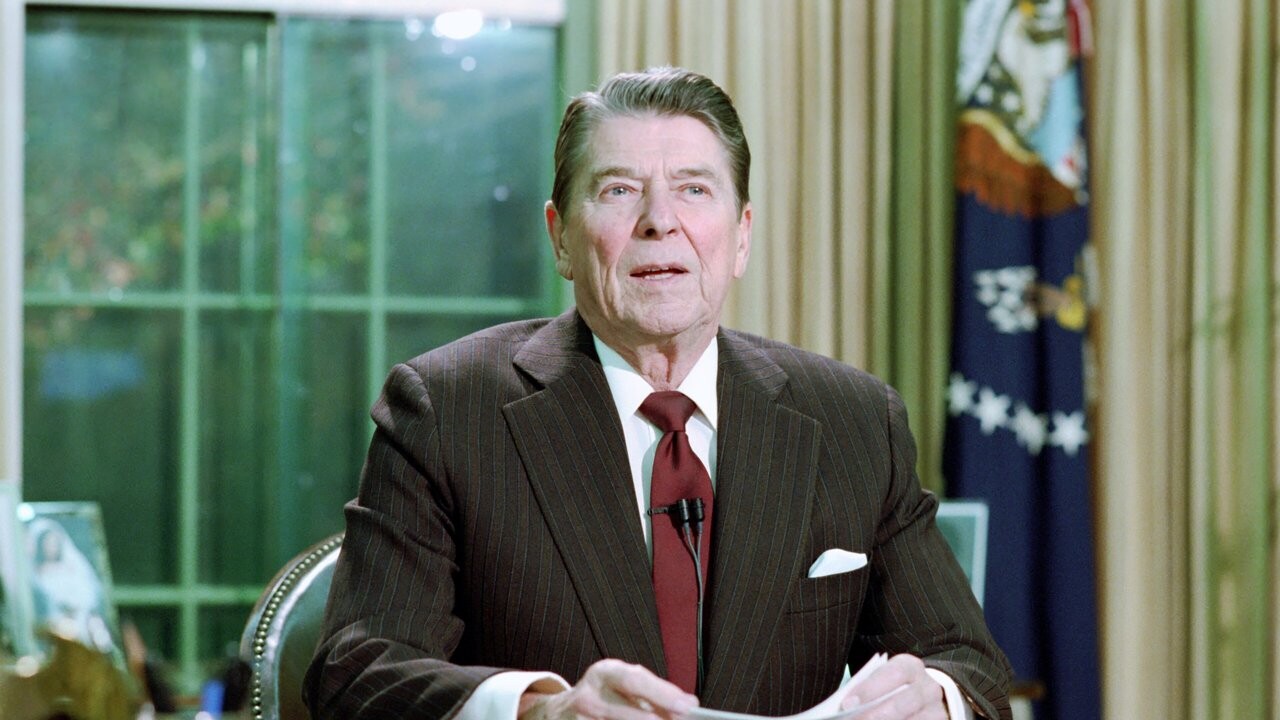
Two secret Reagan-era operations were publicly exposed in 1986, including sales of United States arms to Iran that contradicted stated American policy and may have violated export controls. The National Archives account establishes the secrecy and the policy conflict without making broader claims about how much any individual knew.
Arms Proceeds Diverted to the Contras
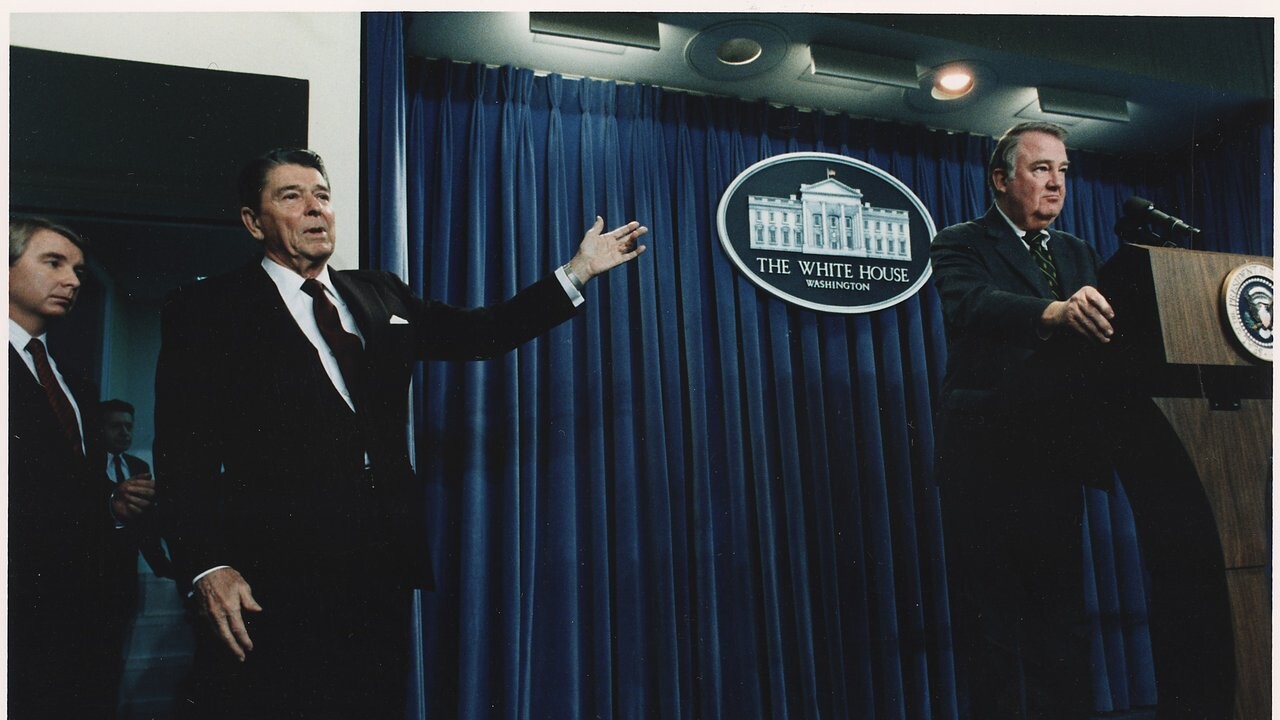
Part of the surplus from the Iran arms sales paid Contra-related expenses in Nicaragua. The congressional Iran-Contra report defined that transfer as the diversion and concluded that it did not happen by accident. That deliberate financial link connected two secret foreign-policy operations and gave the scandal its enduring name.
The Contra-Aid Denial to Congress
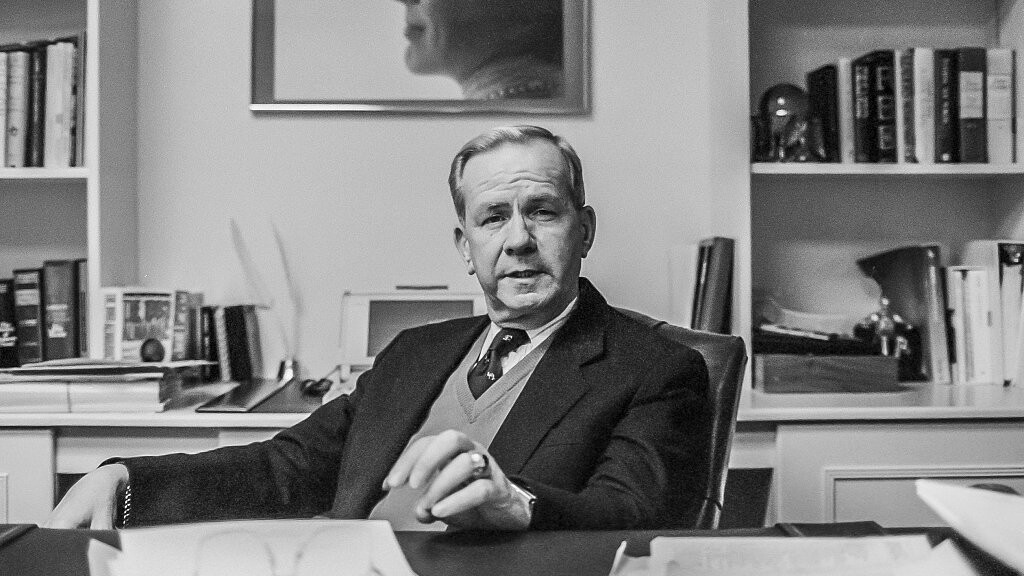
When Congress asked in 1985 about reports that National Security Council staffer Oliver North was aiding the Contras, National Security Adviser Robert McFarlane denied the allegations. Reagan Library records preserve that denial, documenting the assurance Congress received as it tried to determine whether restricted assistance was continuing.
Iran-Contra Records Were Destroyed
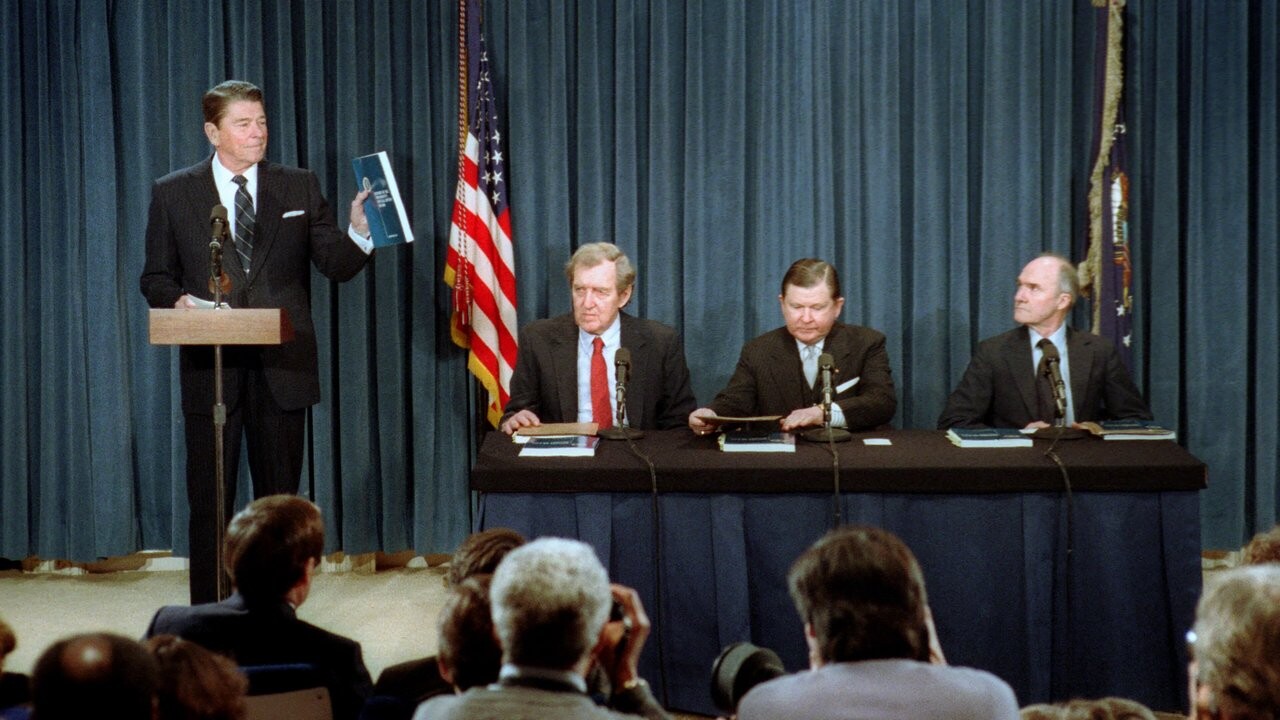
Investigators faced an incomplete record of Iran-Contra. A National Archives account says Reagan administration officials impeded congressional and independent-counsel inquiries by destroying and withholding large amounts of records. That obstruction is itself documented, while the missing material limits how confidently historians can reconstruct every decision within the intertwined operations.
Declassified files do not answer every question, but they can separate documented concealment from enduring rumor. Which revelation most changed how you view presidential secrecy?
Follow The HyperHive on MSN for more stories like this.
Sources:






