Presidential Duels and Brawls: What the Record Confirms

Keppler, Udo J., 1872-1956, artist / Wikimedia Commons, Public domain (cropped)
Presidential history has a surprisingly physical side. Some future presidents defended their honor with weapons, while others wrestled, boxed, or confronted attackers at close range.
Arranged from oldest to newest, these episodes draw on manuscripts, government timelines, presidential-library research, and historic-site records. The evidence also separates documented encounters from legends that grew in the retelling.
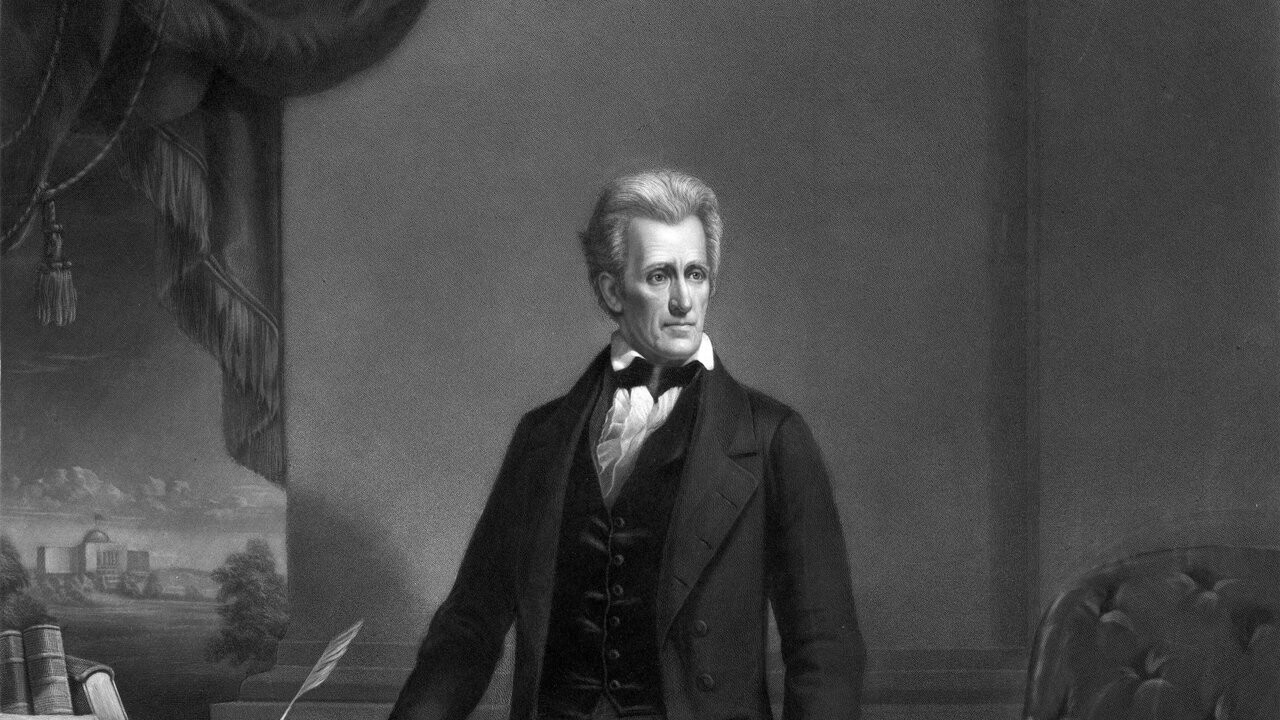
1788: Andrew Jackson Challenges Waightstill Avery
On August 12, 1788, young lawyer Andrew Jackson challenged attorney Waightstill Avery after taking offense during a court case. A tracing of the challenge survives among Jackson’s papers. The two men subsequently met and fought, but neither was injured, making this a bloodless opening to Jackson’s long record of personal confrontations.
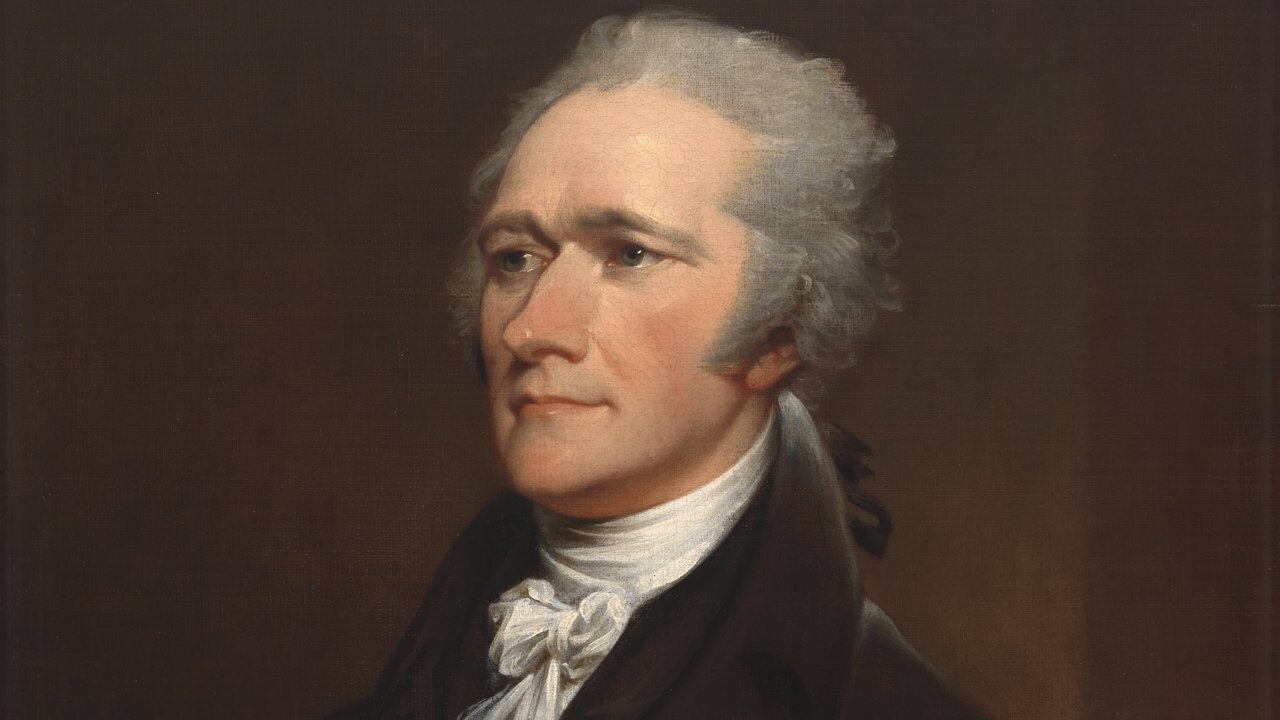
1797: James Monroe Nearly Duels Alexander Hamilton
During the summer of 1797, James Monroe and Alexander Hamilton exchanged heated letters over documents connected to Hamilton’s affair with Maria Reynolds. The dispute came close to producing a duel before Aaron Burr defused the tension. The intervention proved strikingly ironic given Burr’s fatal encounter with Hamilton seven years later.
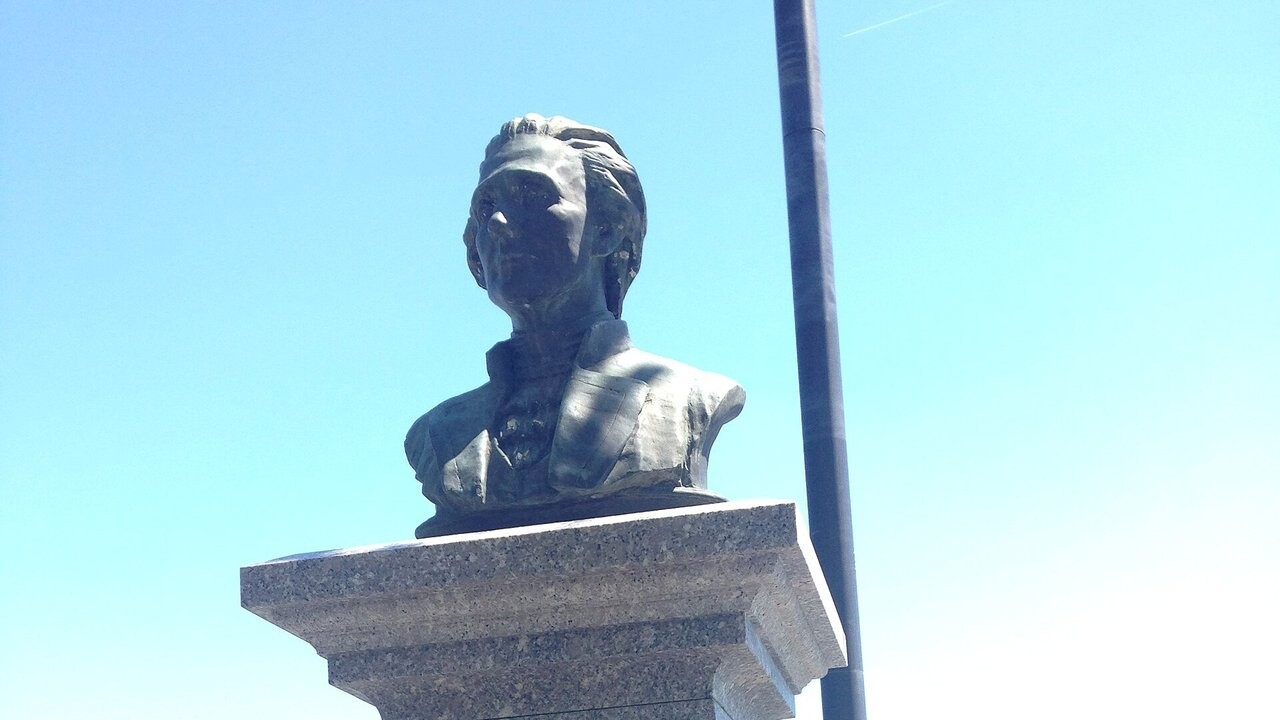
1804: Aaron Burr and Alexander Hamilton Meet at Weehawken
On July 11, 1804, Vice President Aaron Burr and former Treasury secretary Alexander Hamilton met for a duel at Weehawken, New Jersey. Burr’s shot fatally wounded Hamilton, who died the following day, while Burr escaped unharmed. The encounter remains the best-known American duel involving a national officeholder.
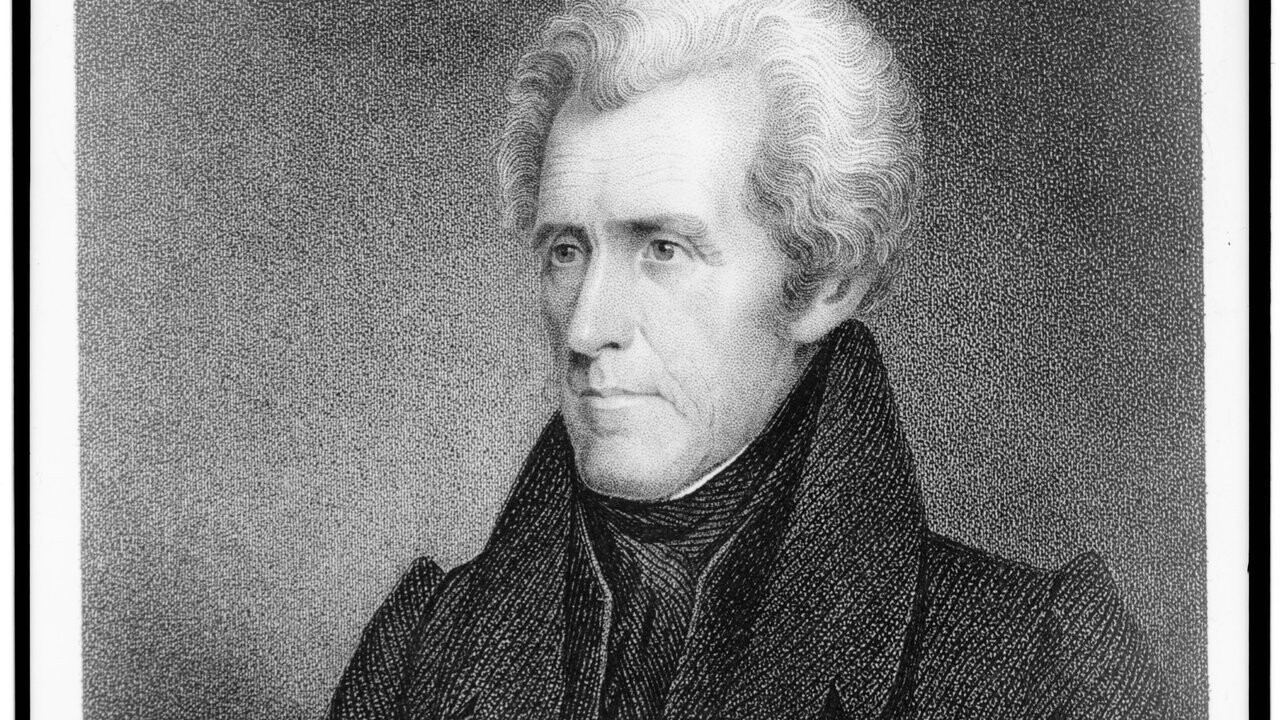
1806: Jackson Canes Thomas Swann in Nashville
A terse entry in the official timeline of Andrew Jackson’s papers records that he caned Thomas Swann in Nashville on January 13, 1806. The entry provides no account of what prompted the incident or what happened afterward. Even so, it documents a physical confrontation from Jackson’s years as a Tennessee lawyer and politician.
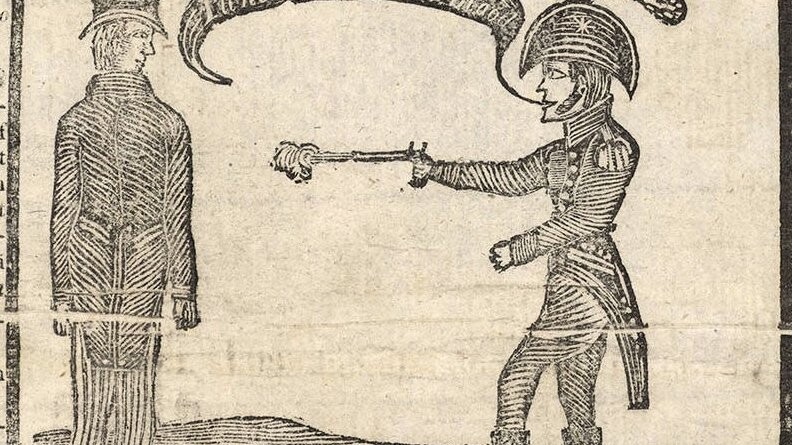
1806: Jackson’s Deadly Duel With Charles Dickinson
On May 30, 1806, Andrew Jackson and Charles Dickinson met at Harrison’s Mill, Kentucky, to settle their differences in a duel. Dickinson wounded Jackson, but Jackson returned fire and mortally wounded his opponent. Dickinson died at dusk, turning a dispute rooted in injured pride into one of Jackson’s darkest personal episodes.
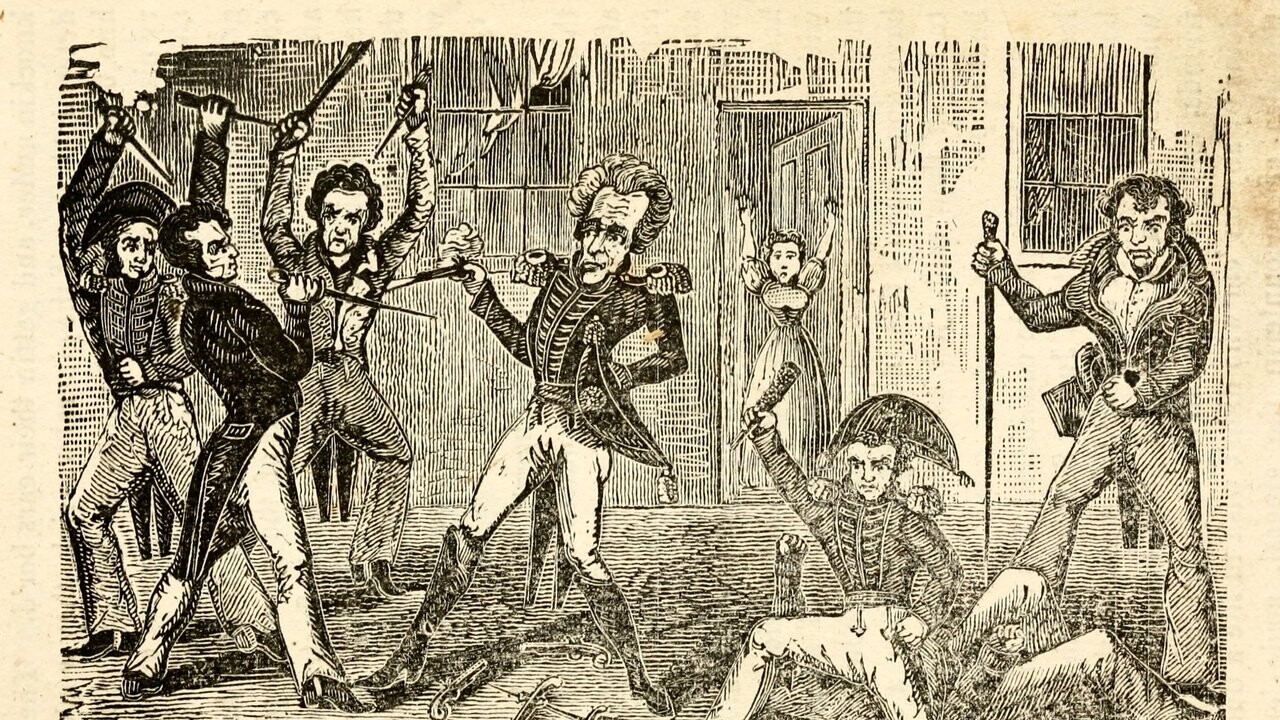
1813: Jackson and the Bentons Fight in a Hotel
In September 1813, Andrew Jackson fought Jesse and Thomas Hart Benton in an armed brawl at a Nashville hotel. A pistol shot seriously wounded Jackson in the shoulder. The hostility did not last forever: after Jackson was elected president in 1828, Thomas Hart Benton became his strongest supporter in the Senate.
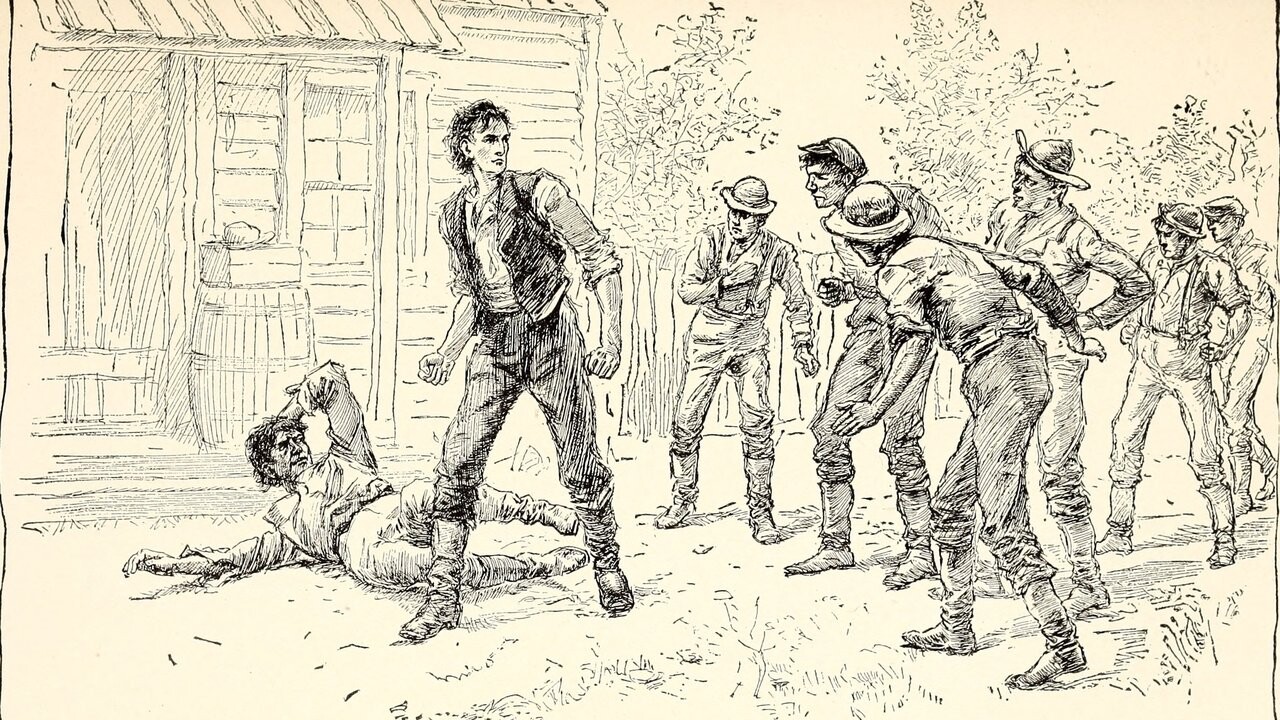
1831: Abraham Lincoln Wrestles Jack Armstrong
While living in New Salem in 1831, Abraham Lincoln wrestled a man named Jack Armstrong. A National Park Service timeline records the result as a draw. Later accounts supplied increasingly colorful details, but the documented match alone offers a memorable glimpse of the physical strength associated with Lincoln before his rise in politics.
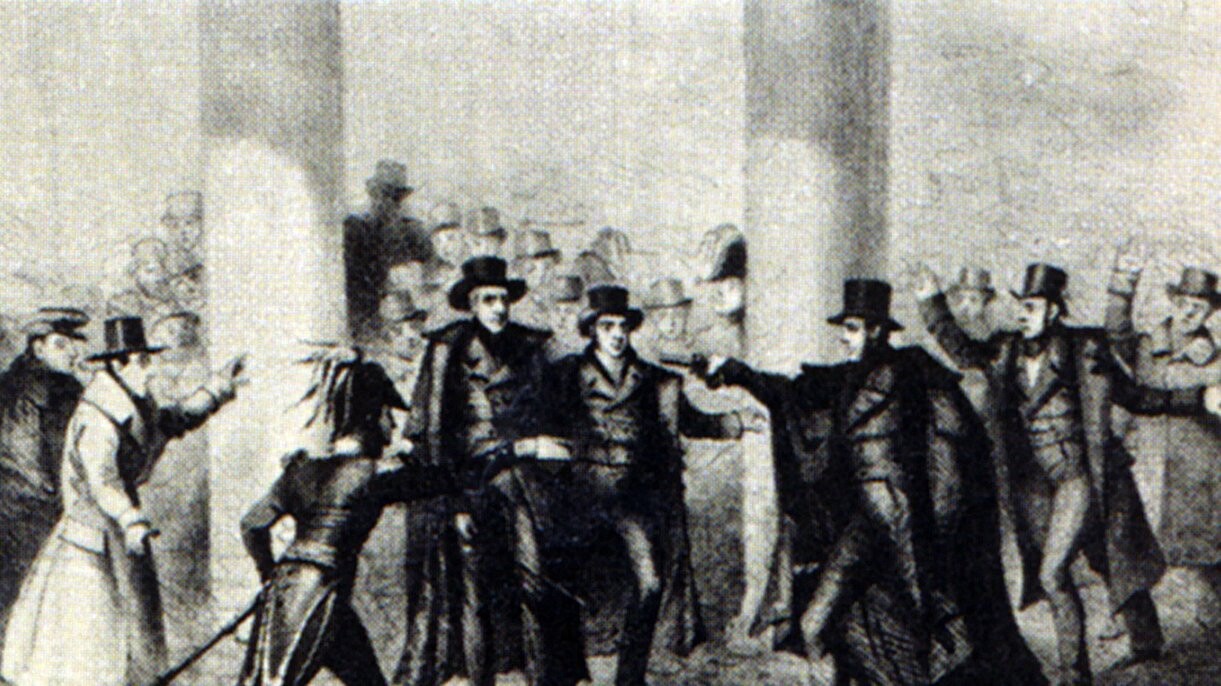
1835: Jackson Charges an Assassin With His Cane
On January 30, 1835, Richard Lawrence aimed two pistols at President Andrew Jackson near the United States Capitol. Both weapons misfired. Jackson responded by charging his attacker with his cane held high. The confrontation became the first known attempt to assassinate a sitting United States president.
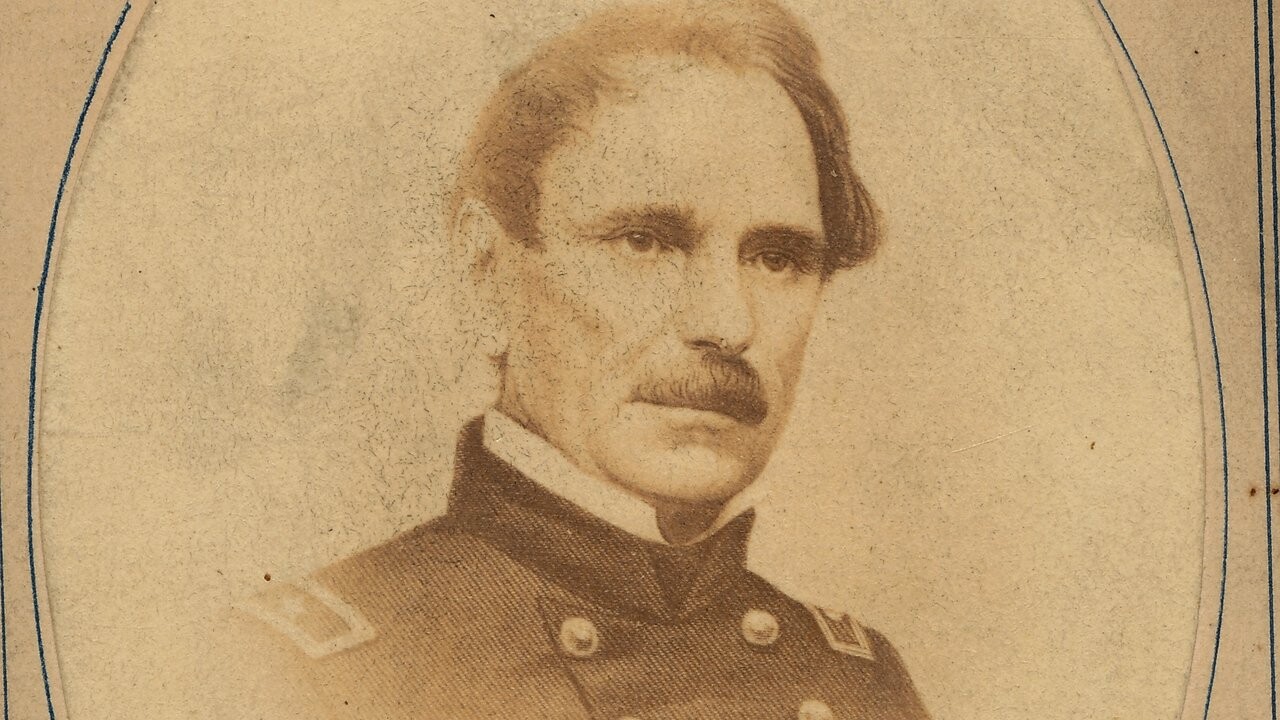
1842: Lincoln and James Shields Avoid a Sword Duel
On September 22, 1842, Abraham Lincoln and Illinois official James Shields met near Alton for a proposed duel. As the challenged party, Lincoln had selected cavalry broadswords and established the ground rules. Friends resolved the dispute before either man used a weapon, transforming a potentially brutal encounter into a famous near-duel.
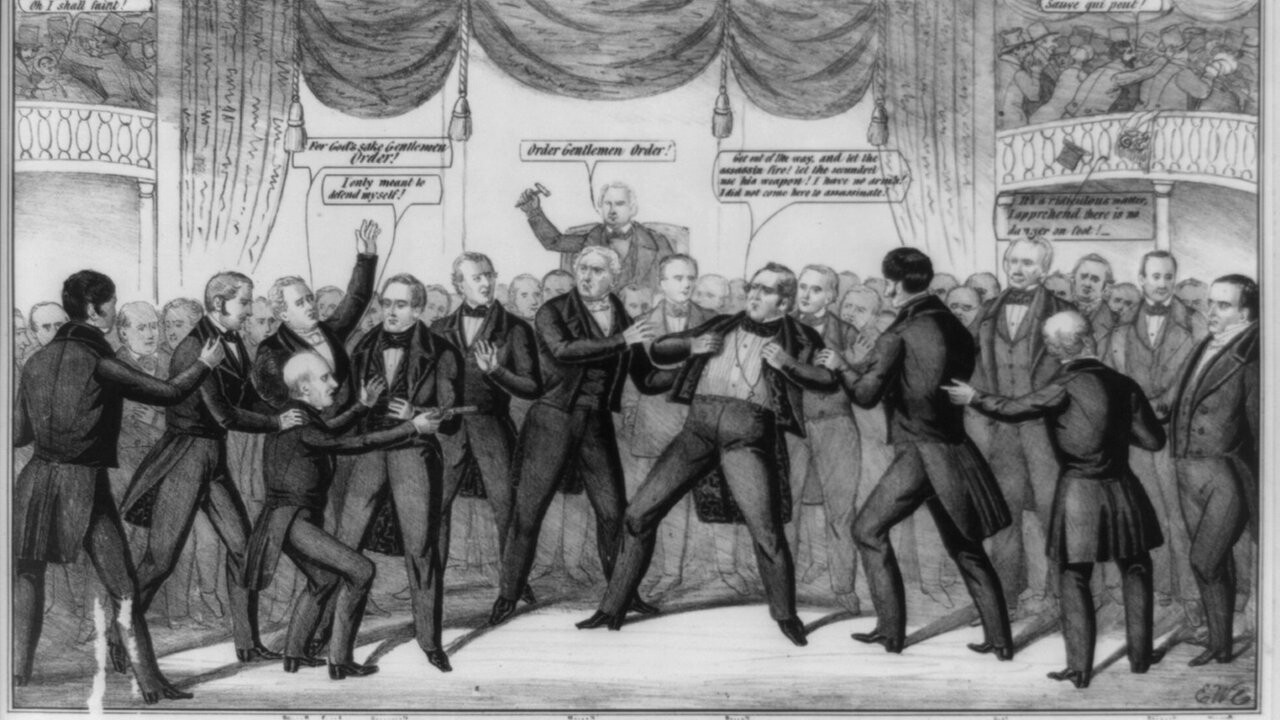
1850: Millard Fillmore Faces Disorder in the Senate
In April 1850, Vice President Millard Fillmore was presiding over the Senate when Thomas Hart Benton moved menacingly toward Senator Henry Foote during a bitter exchange. Foote pulled a pistol, throwing the chamber into confusion. Benton declared that he was unarmed, and the Senate soon accepted a motion to adjourn.
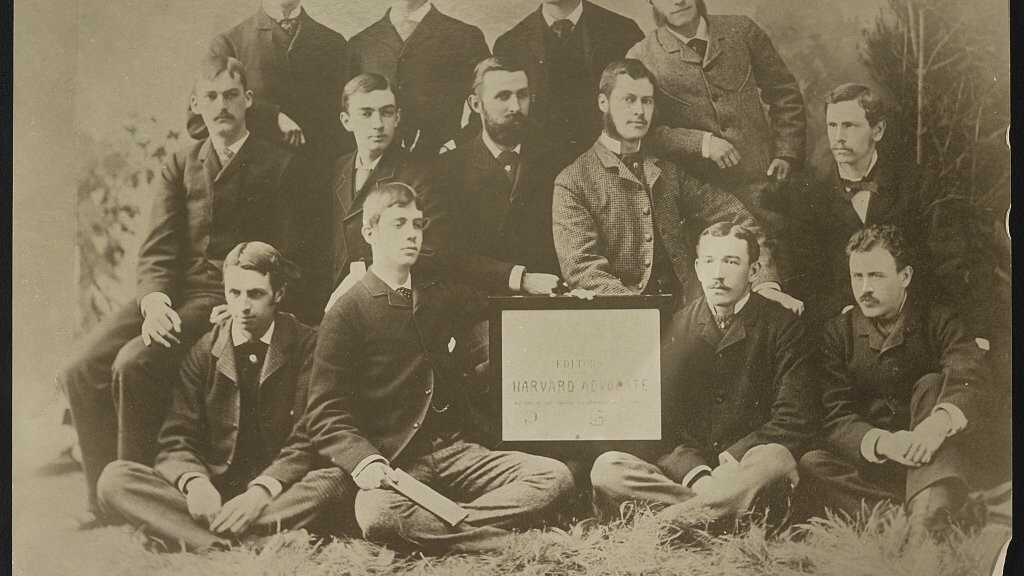
Harvard: Theodore Roosevelt Learns to Box
Theodore Roosevelt took up boxing with his father’s encouragement and eventually boxed while attending Harvard. He was not destined for professional competition, but the sport became an enduring part of his active life. Boxing offered Roosevelt a demanding test of timing, endurance, and composure that he continued to pursue after college.
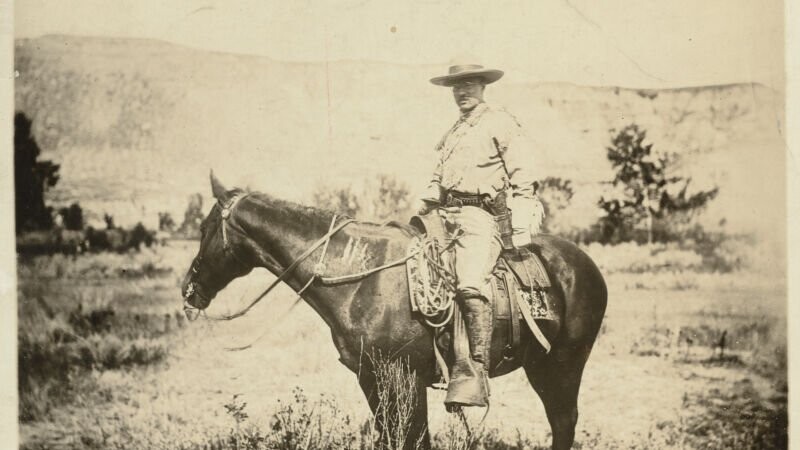
1884: Roosevelt Floors an Armed Barroom Bully
Probably during the summer of 1884, Theodore Roosevelt entered a hotel bar in Mingusville, Montana Territory, where an armed man mocked his spectacles and demanded drinks. Roosevelt later recalled striking the man, knocking him unconscious, and removing his guns. The National Park Service presents the episode as a documented barroom fight.
1885: Roosevelt and the Marquis Nearly Duel
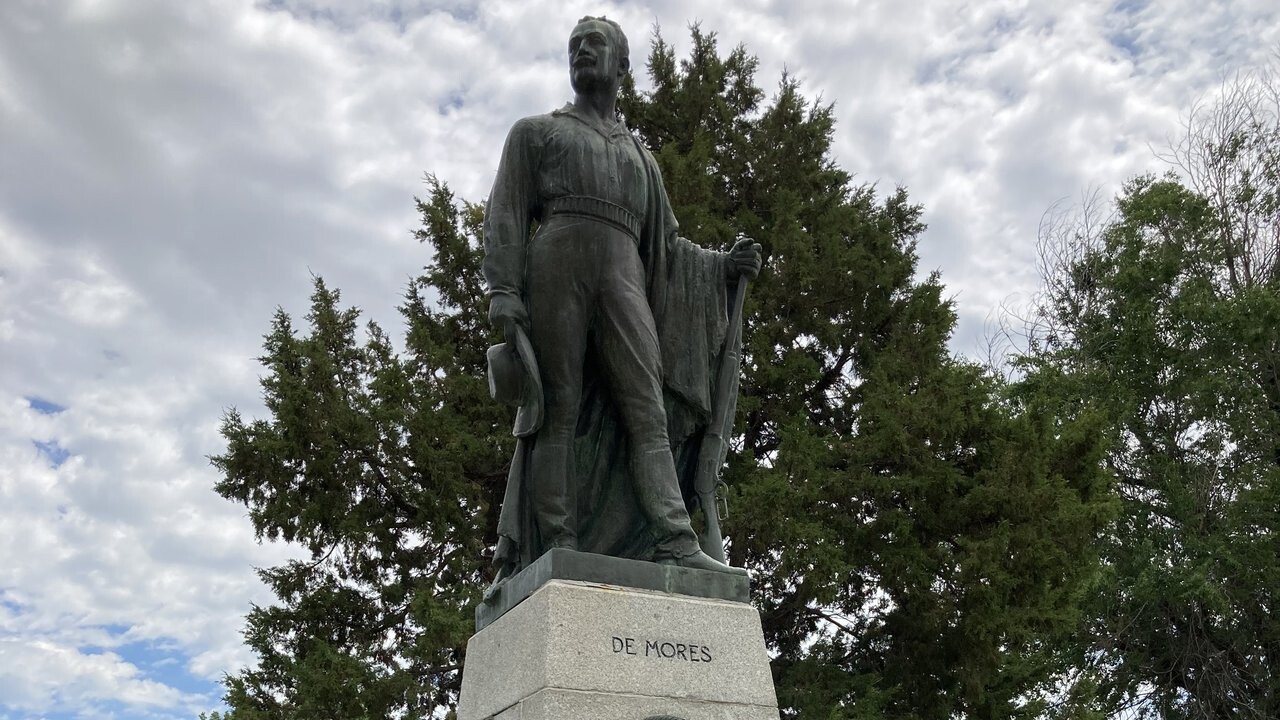
On September 3, 1885, a dispute between Theodore Roosevelt and the Marquis de Morès nearly led to a duel in the Dakota Badlands. The marquis, then facing a murder charge, suggested that Roosevelt had worked against him. Roosevelt denied the allegation, and his carefully worded reply defused the tension without an armed meeting.
White House Boxing Becomes a Presidential Habit
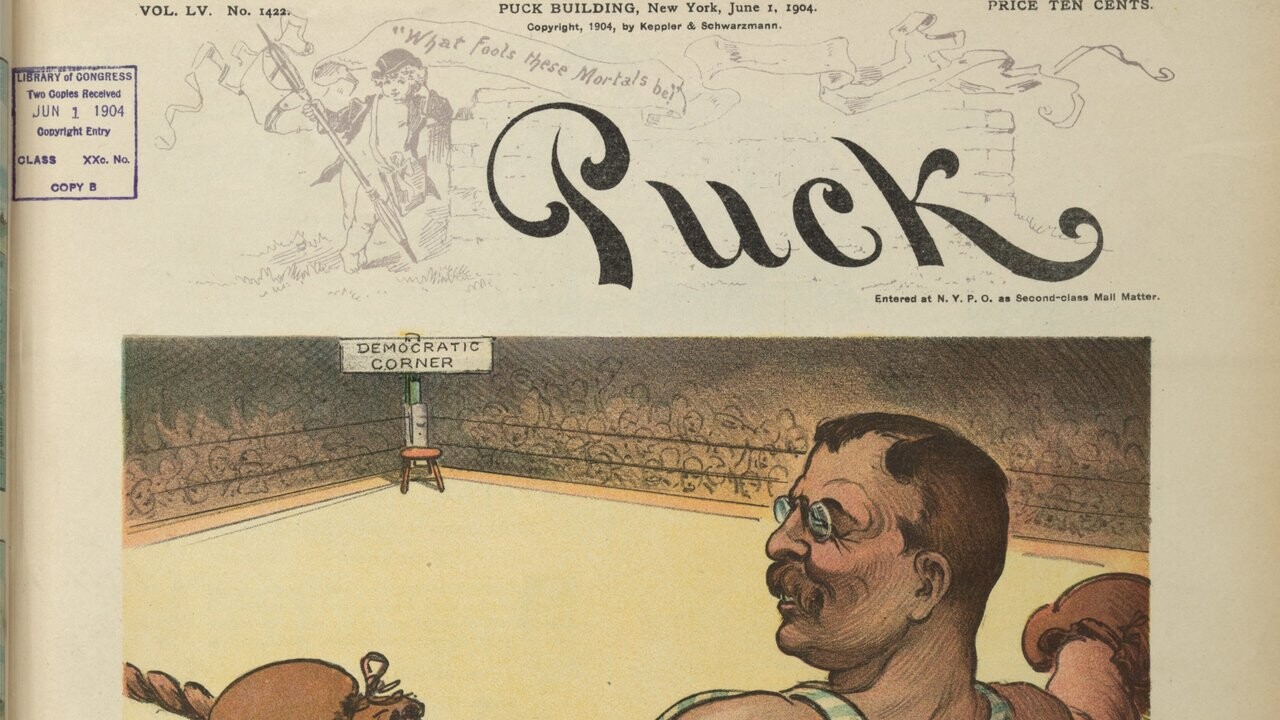
Theodore Roosevelt remained a serious amateur boxer into his presidency. Though he was not considered great by professional standards, he trained regularly, sparred with experienced opponents, and approached the sport with commitment. His White House bouts were vigorous exercise rather than public entertainment, continuing a practice that had occupied him for years.
1904: Roosevelt Studies Jiu-Jitsu at the White House
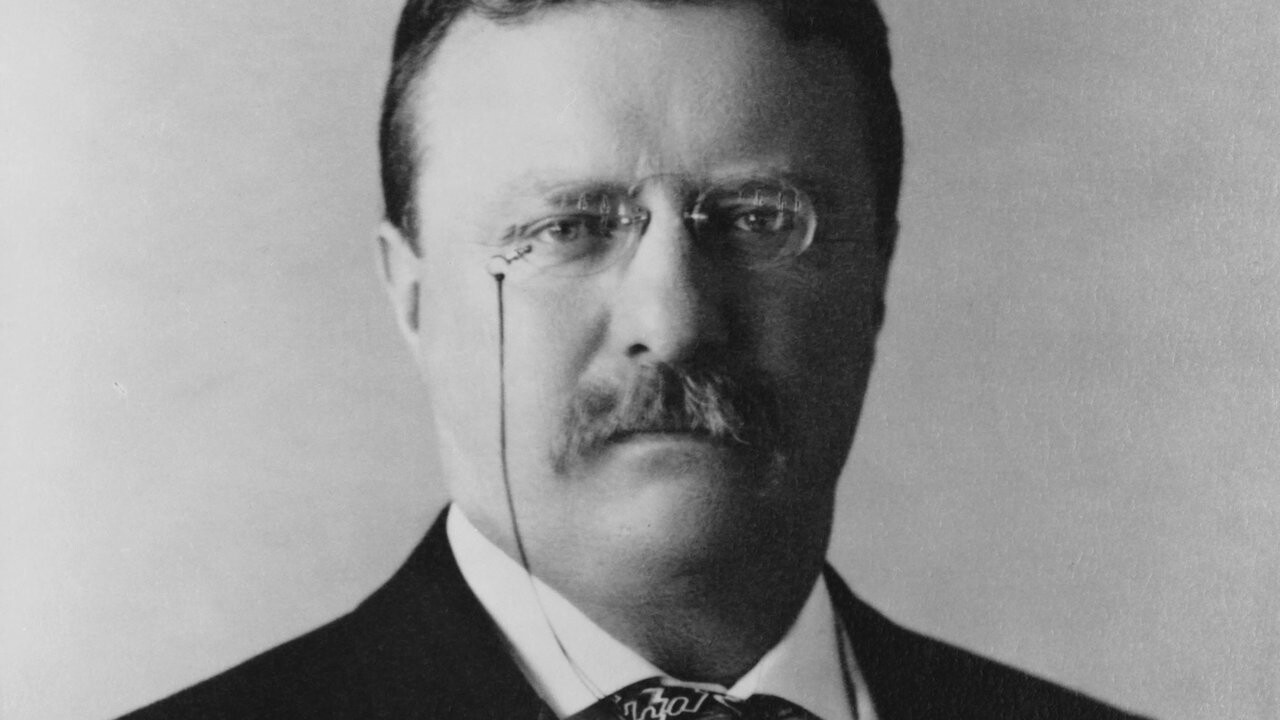
In 1904, President Theodore Roosevelt studied jiu-jitsu with Japanese master Yoshiaki Yamashita. Roosevelt invited Yamashita to the White House, where the instructor taught him the martial art’s fundamentals over several months. The private sessions added a new discipline to a physical routine already shaped by boxing and other strenuous pursuits.
A White House Punch Damages Roosevelt’s Left Eye
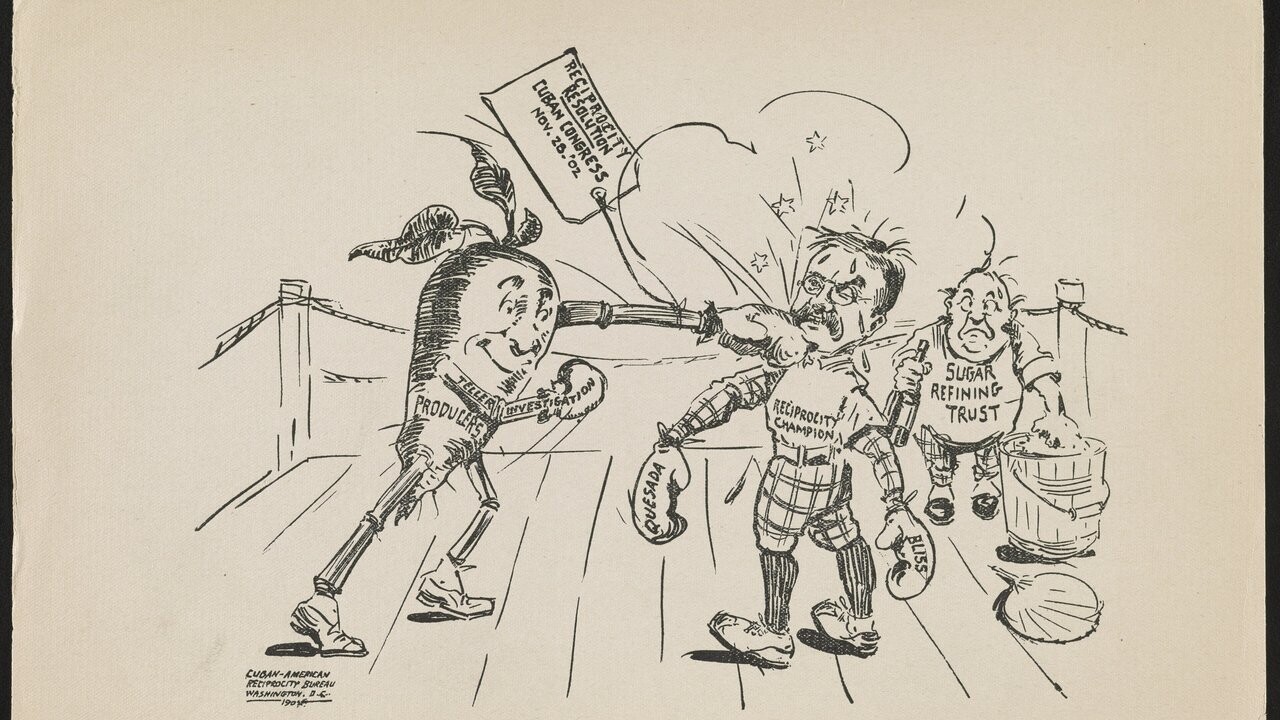
During a White House boxing match, Theodore Roosevelt suffered a serious and permanent injury to his left eye. He lost much of the eye’s sight and eventually stopped boxing. The injury remained secret for decades, showing that his presidential sparring was more than a playful pose and carried lasting consequences.
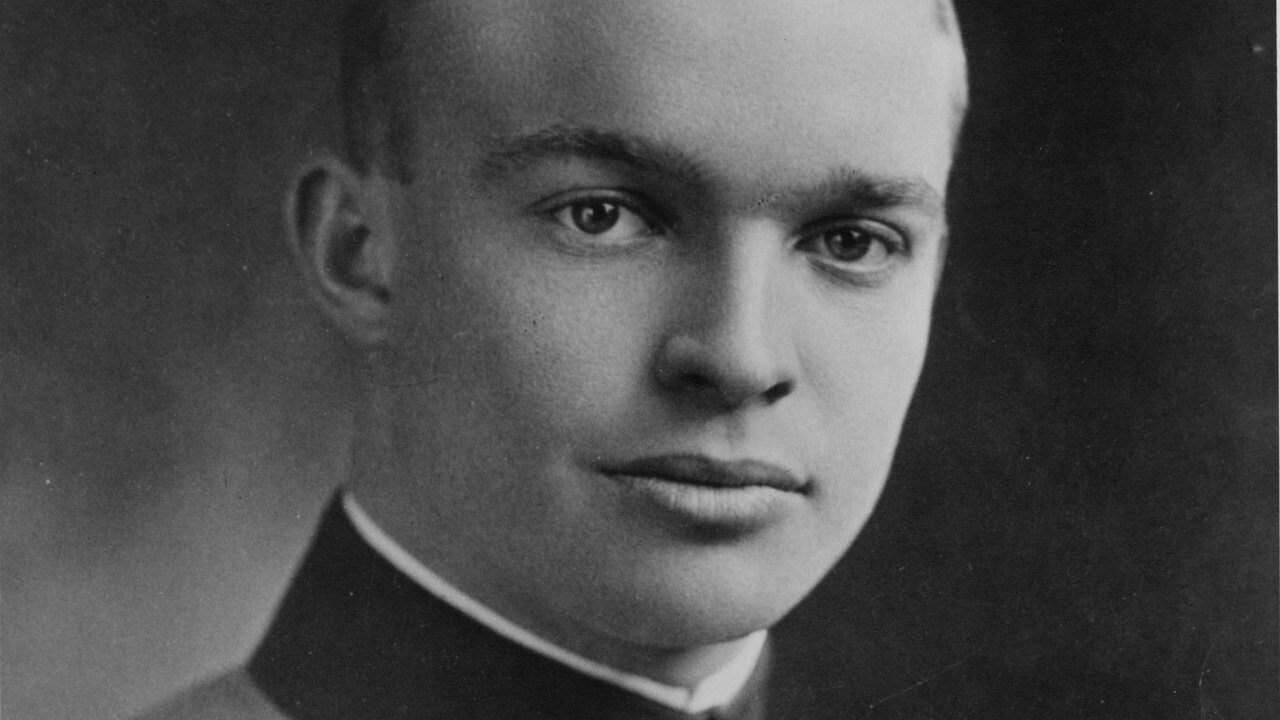
West Point: Dwight Eisenhower Enters the Ring
Dwight D. Eisenhower participated in boxing while attending the United States Military Academy at West Point. The sport formed one part of an athletic life that also included baseball and football. Long before becoming a wartime commander and president, Eisenhower was already testing himself across several demanding forms of competition.
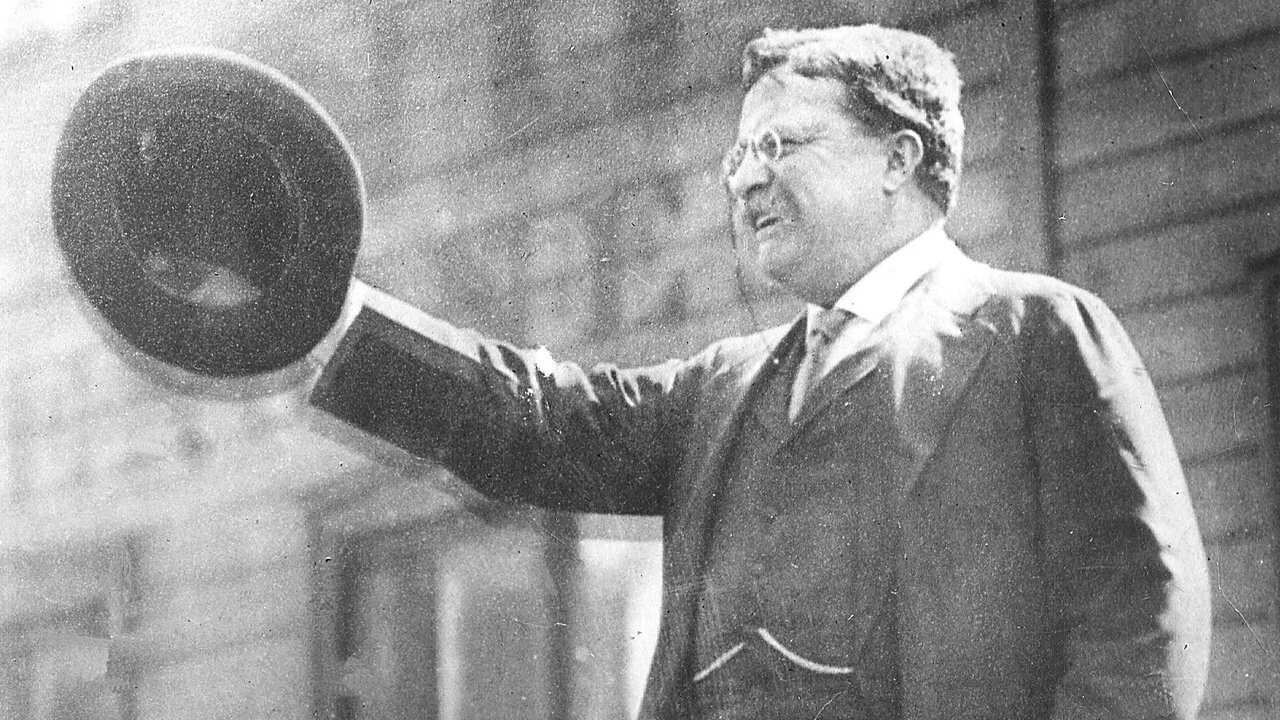
1912: Roosevelt Speaks After Being Shot
On October 14, 1912, John N. Schrank shot former president Theodore Roosevelt before a campaign speech in Milwaukee. Roosevelt nevertheless addressed the audience for an hour and a half before seeking medical attention. The extraordinary decision added another dramatic chapter to the public image he had cultivated through decades of strenuous activity.
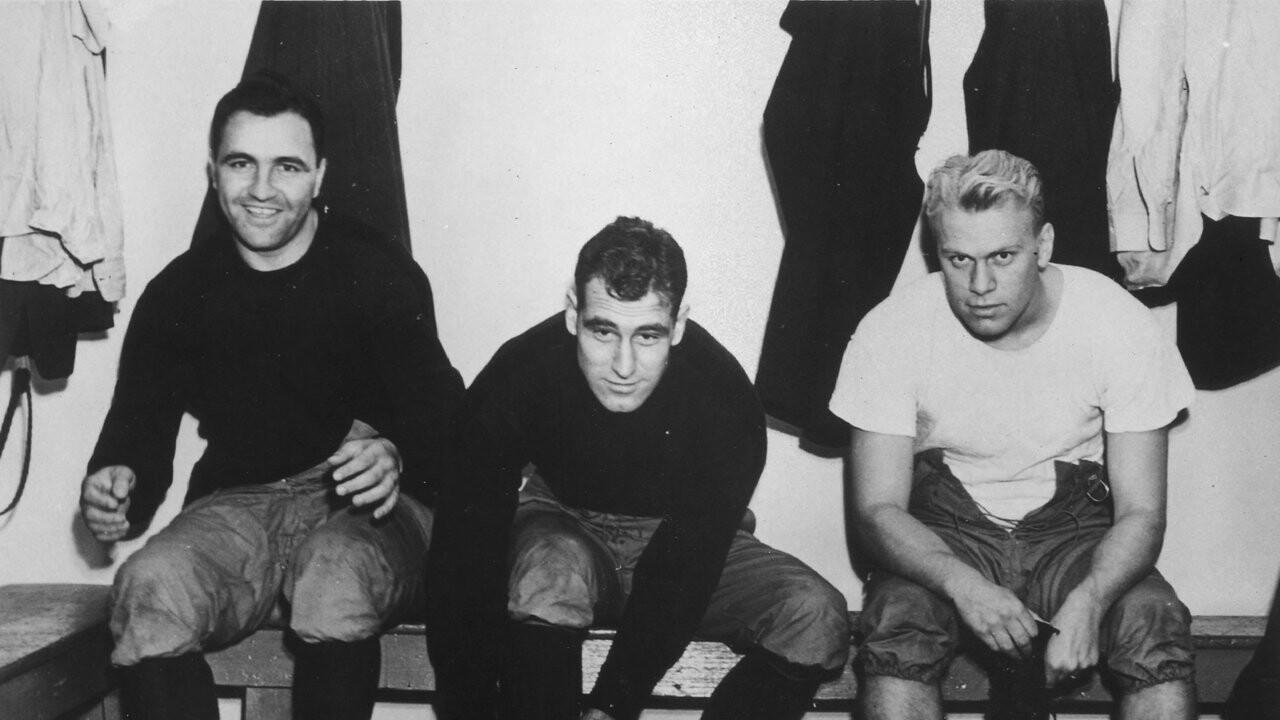
1935: Gerald Ford Coaches Boxing at Yale
In 1935, Gerald Ford declined opportunities in professional football and instead accepted work at Yale. He served as a boxing coach and assistant varsity football coach while pursuing his goal of attending law school. The position connected Ford’s athletic background with the legal education that helped prepare him for public life.
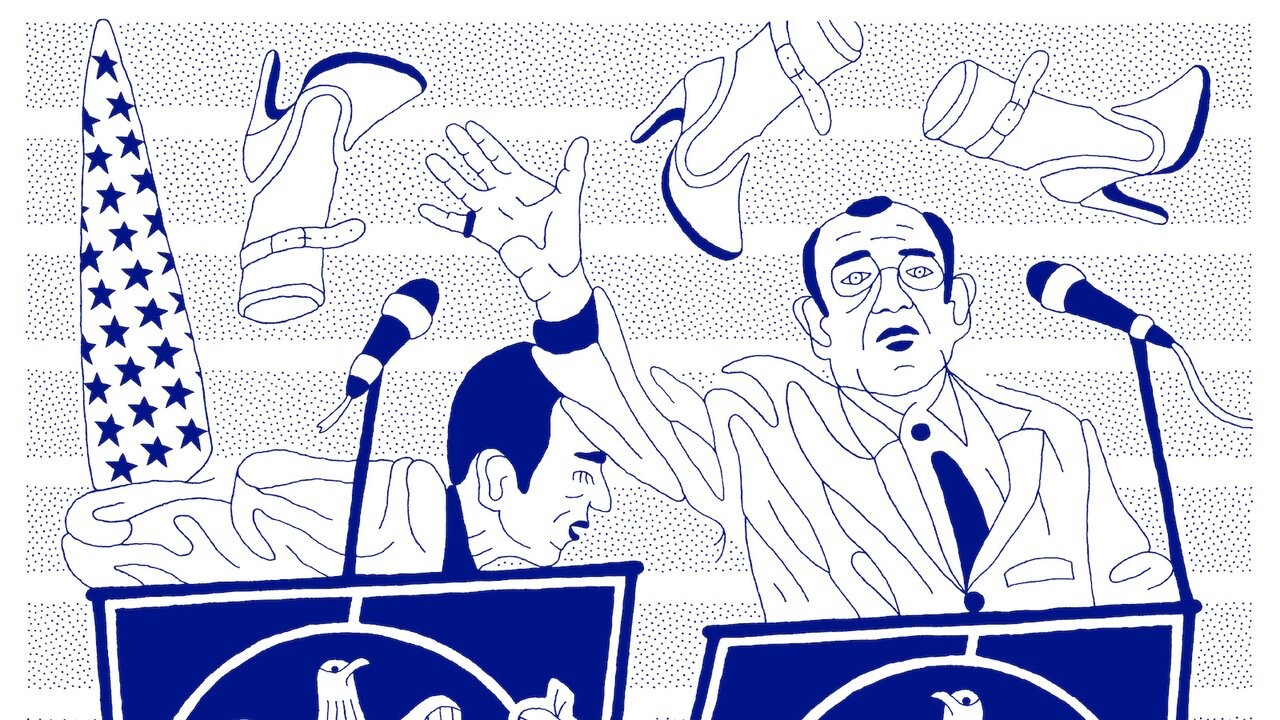
2008: George W. Bush Faces Flying Shoes in Baghdad
On December 14, 2008, Iraqi journalist Muntadar al-Zaidi threw his shoes at President George W. Bush during an event in Baghdad. Bush answered the disruption with a joke about the shoe’s size and continued taking questions. The startling scene became a modern example of a president responding calmly to an unexpected physical protest.
The verified record is vivid enough without turning every presidential legend into fact. Which encounter most changed how you see the people who occupied the presidency?
Follow The HyperHive on MSN for more stories like this.
Sources:






