Presidents and Vice Presidents Who Couldn’t Stand Each Other

Frank Muto / Wikimedia Commons, Public domain (cropped)
The title is blunt, but the record is more revealing than simple hatred. Some of these partnerships collapsed into open opposition. Others were marked by distrust, humiliation, or an unequal working relationship.
Arranged from the early republic to the Kennedy years, this gallery draws on congressional histories, presidential libraries, the Library of Congress, and the National Archives. Together, the records show how quickly an alliance can unravel once an election is over.
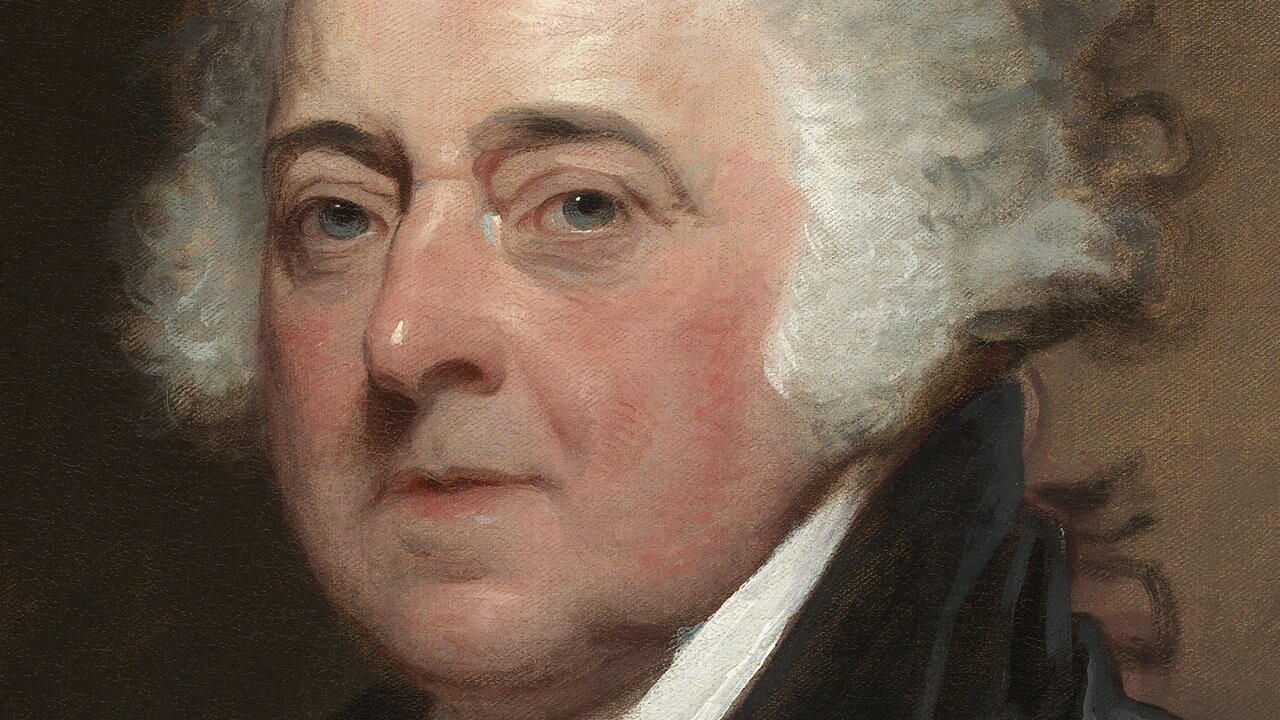
1797: Adams Gets an Opposition Vice President
John Adams and Thomas Jefferson took office in 1797 as political opponents from different parties. The electoral system made the runner-up vice president, giving the new administration leaders who strongly disagreed on major issues. The arrangement exposed a basic weakness in the original method of choosing the nation’s top two officers.
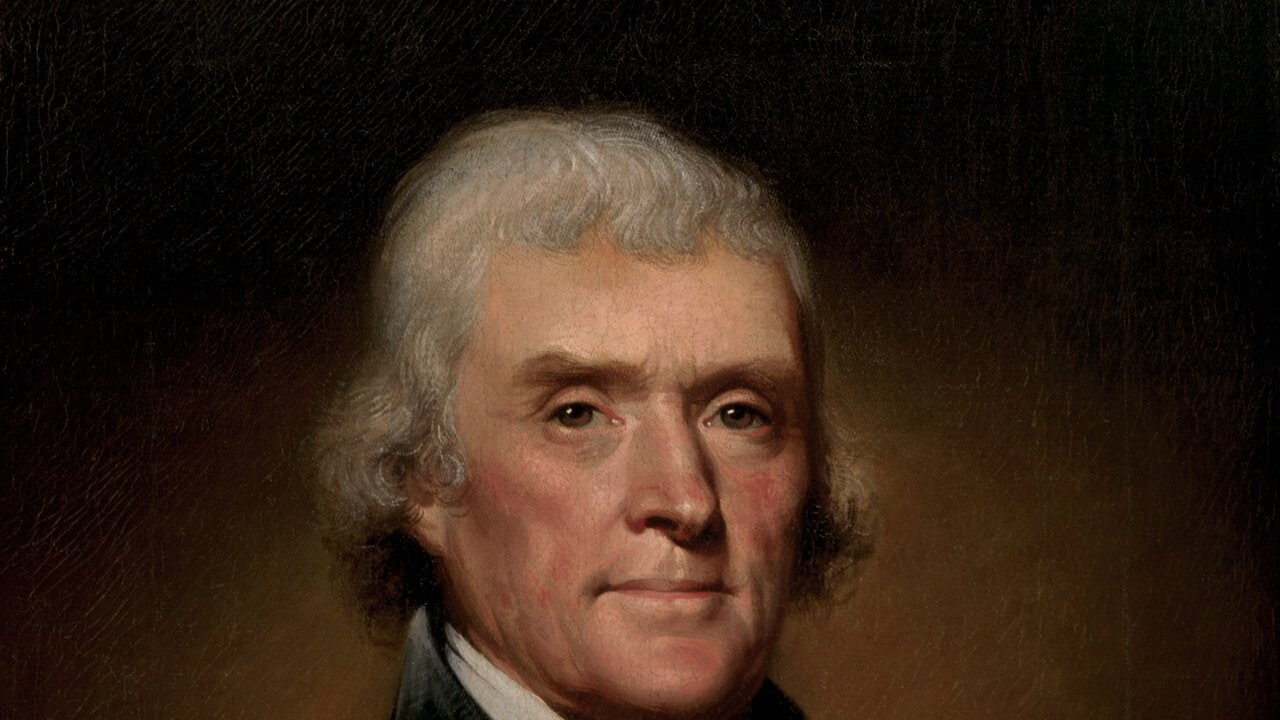
Jefferson Says Adams Stopped Consulting Him
Relations cooled after the 1797 inauguration. Jefferson later said Adams never again consulted him about government measures. That complaint captures the practical distance between them: the vice president held a constitutional office, but he did not become a trusted partner in the president’s administration.
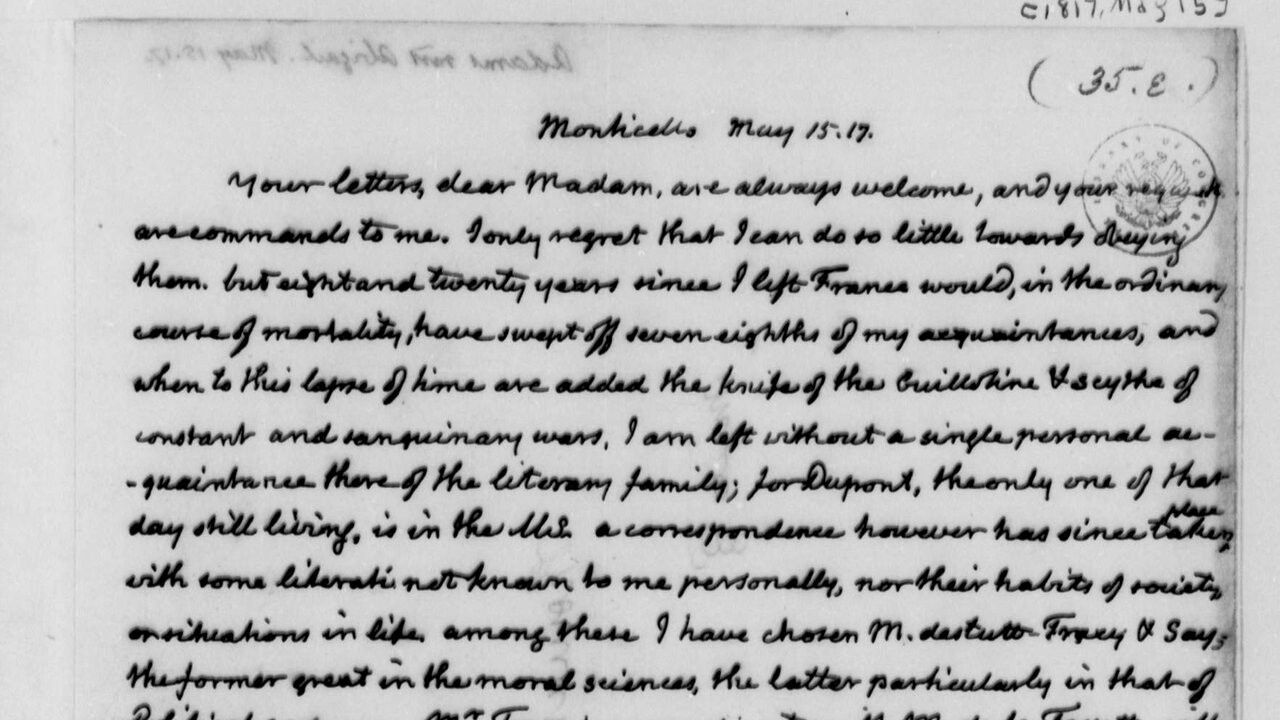
The Bitter Election Breaks Their Friendship
The bitter election of 1800 ravaged the Adams-Jefferson friendship, and the two men remained estranged for about a decade. Their story eventually took a gentler turn. With help from their mutual friend Benjamin Rush, the aging rivals reconciled and began reconsidering a relationship that partisan politics had nearly destroyed.
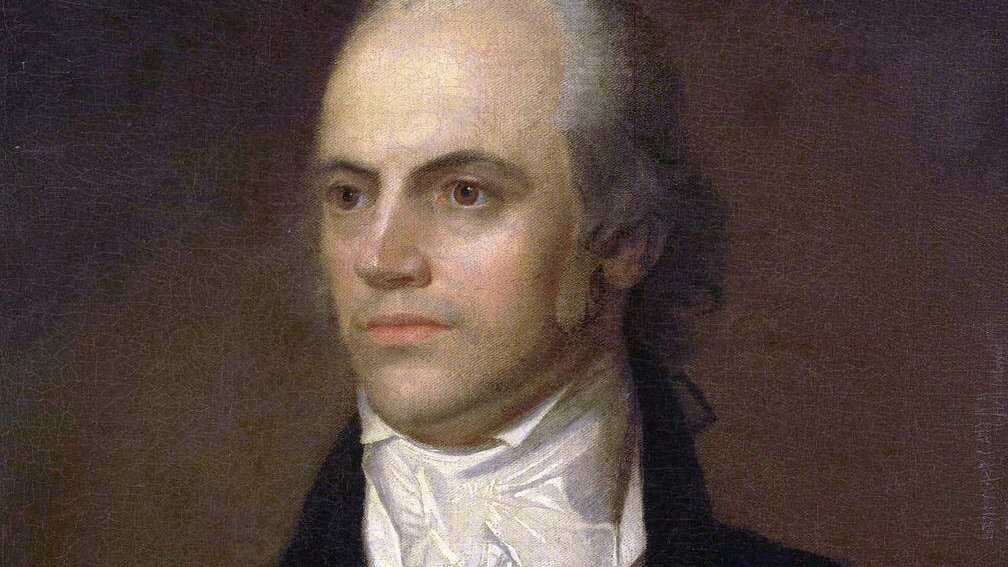
1800: Jefferson and Burr Finish in a Tie
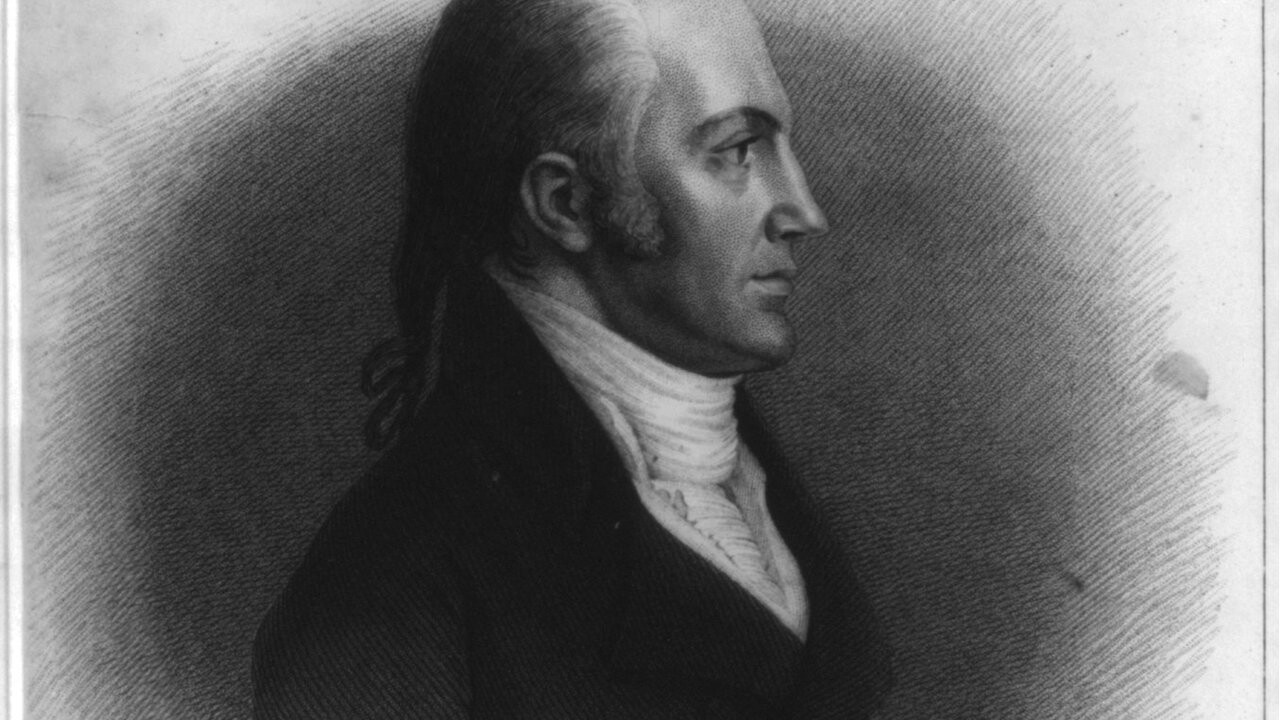
Thomas Jefferson and Aaron Burr received the same number of electoral votes in 1800, tying two Republicans intended for different offices. Because the original system did not provide separate presidential and vice-presidential ballots, the result became an electoral crisis and exposed another serious flaw in the young nation’s constitutional machinery.
Burr Refuses to Step Aside Quietly
Burr’s refusal to defer to Jefferson helped precipitate the electoral crisis. Although Jefferson ultimately became president and Burr became vice president, the administration began beneath the shadow of that struggle. Political allies on the same ticket had come uncomfortably close to becoming direct competitors for the nation’s highest office.
1804: Jefferson’s Party Abandons Burr
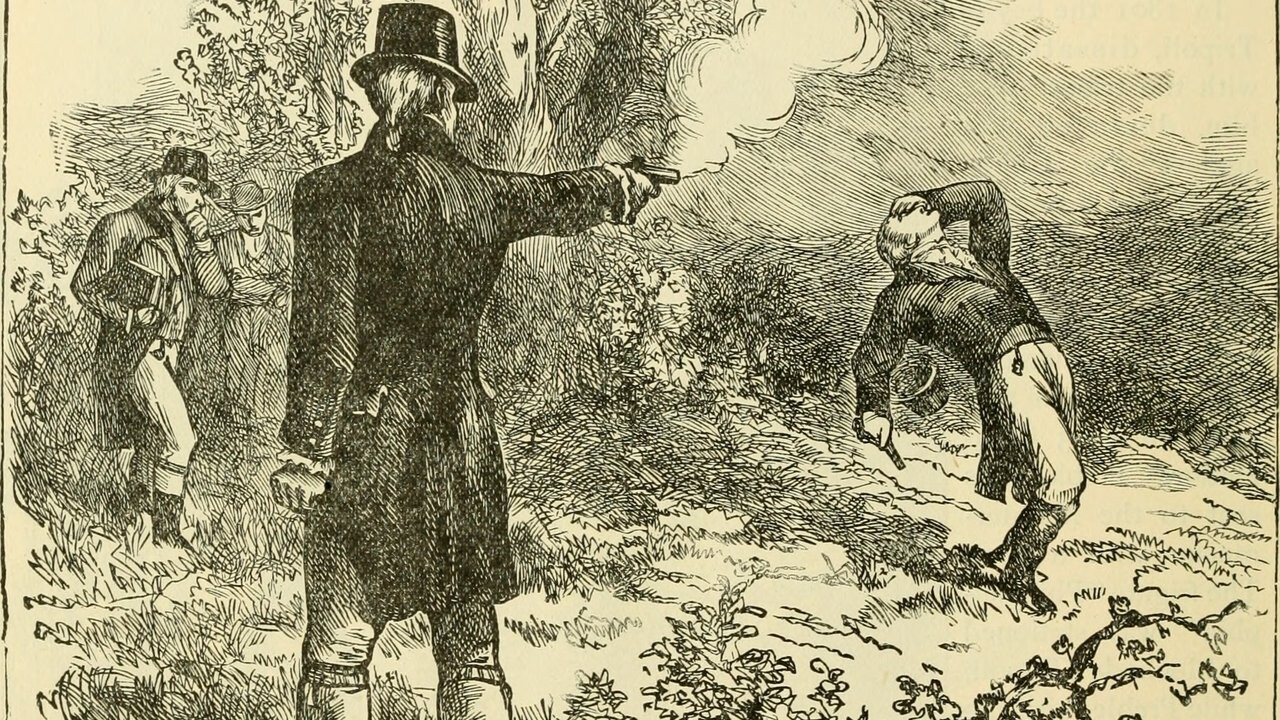
Republican lawmakers renominated Jefferson in 1804 but abandoned Burr and chose George Clinton for vice president. Their estrangement later entered the courtroom. During Burr’s treason trial, he sought documents from the administration, and he was legally entitled to serve a subpoena on President Jefferson.
1829: Jackson and Calhoun Take Office Together
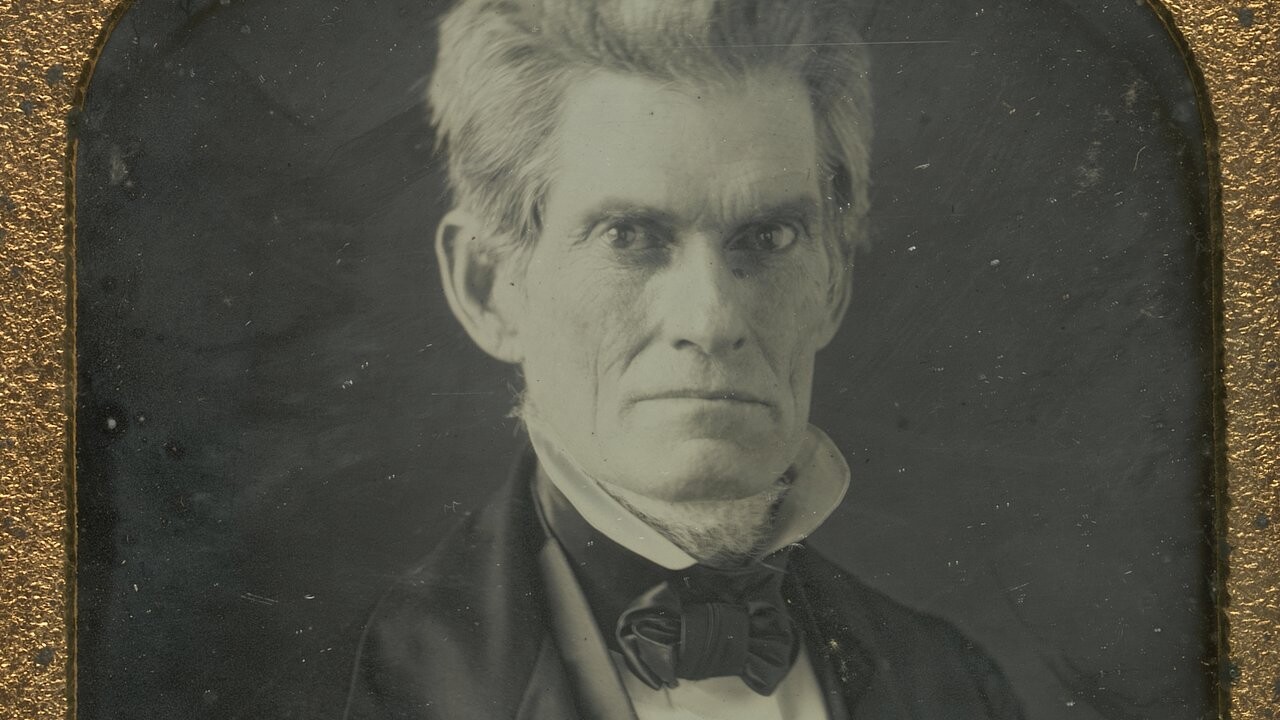
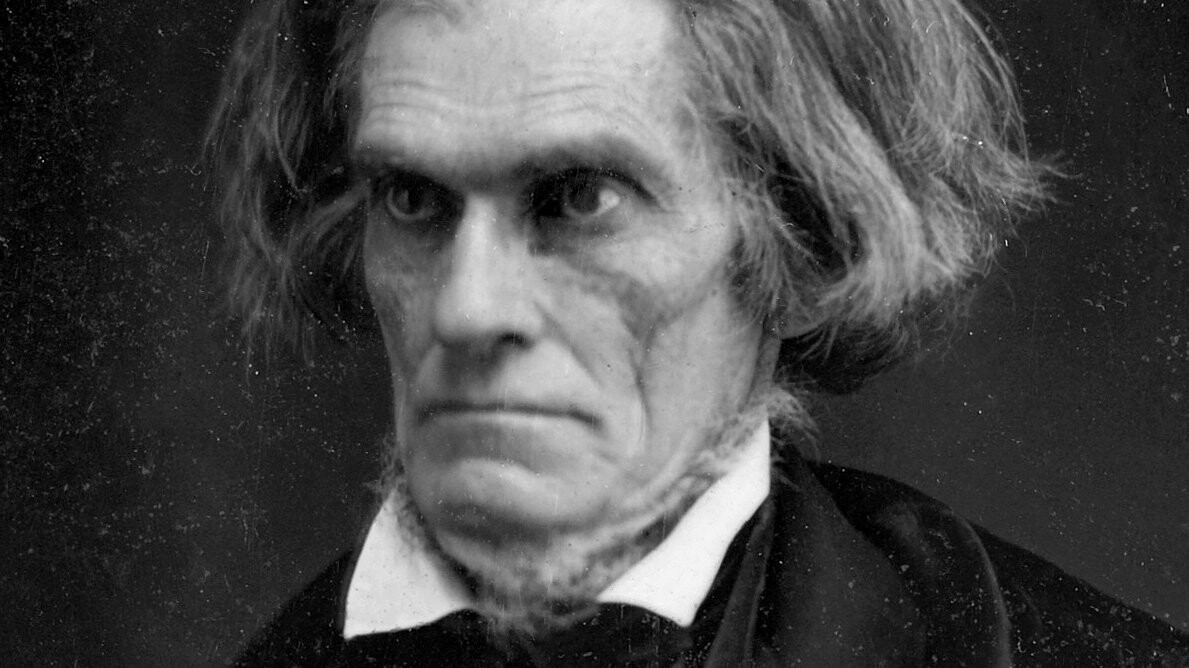
Andrew Jackson and John C. Calhoun were sworn in together in 1829. The partnership did not last through Jackson’s first term. Their conflict over federal authority, tariff enforcement, and nullification became more consequential than an ordinary clash of personalities, placing the president and vice president on opposing sides of a constitutional crisis.
1830: Two Toasts Reveal the Divide
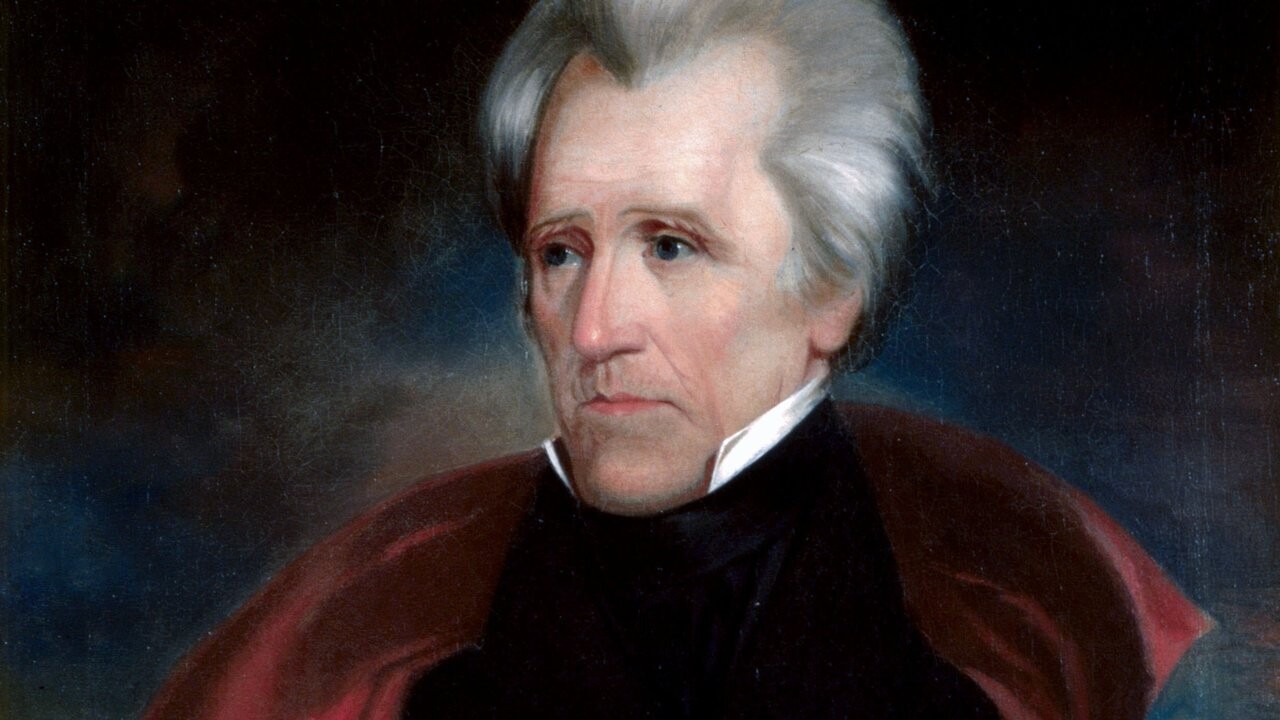
At a Jefferson Day dinner in 1830, Jackson toasted the preservation of the Union. Calhoun answered by placing liberty alongside the Union while defending states’ rights. The exchange put their constitutional disagreement before a public audience and reduced a complicated political argument to two sharply contrasting statements of principle.
1832: Calhoun Resigns During the Nullification Crisis
Calhoun argued that states could nullify federal laws within their borders, while Jackson threatened military enforcement of a federal law nullified by South Carolina. Calhoun broke with Jackson and resigned the vice presidency in December 1832 to fill a Senate vacancy. Their governing partnership had ended in open constitutional opposition.
1925: Coolidge and Dawes Make an Awkward Pair
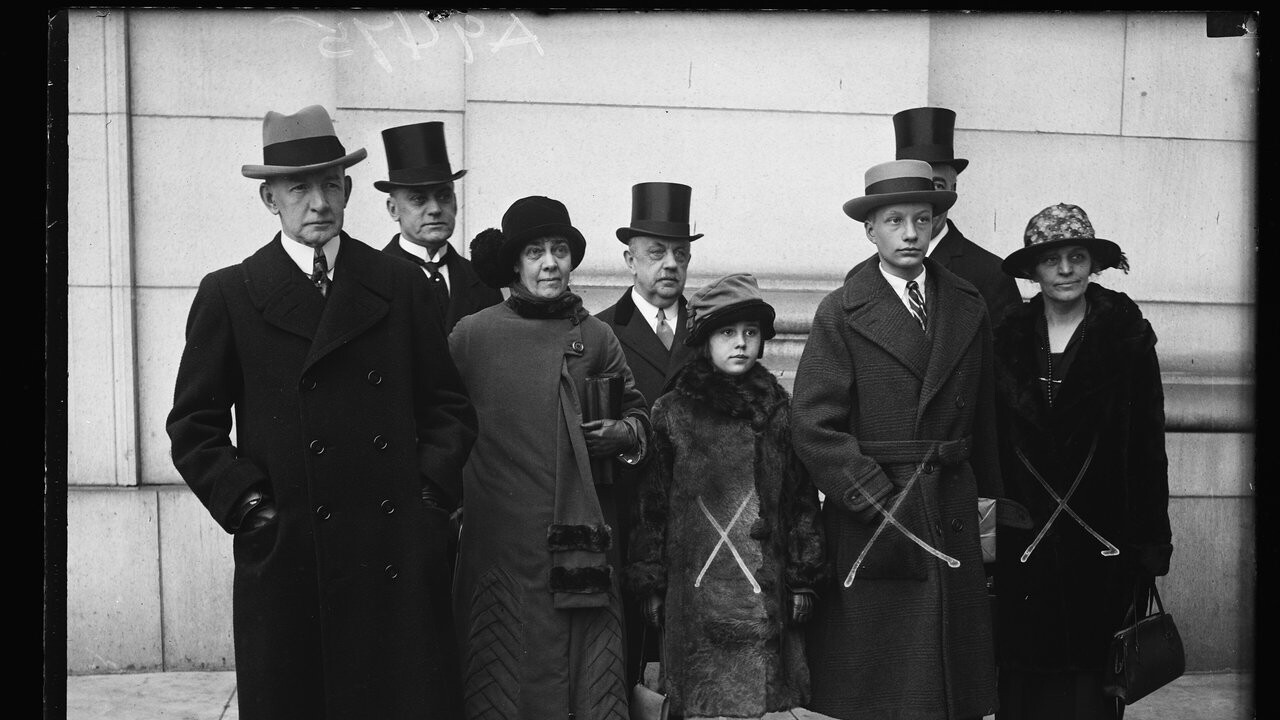
Calvin Coolidge and Charles Dawes were inaugurated together in 1925, but common party membership did not produce complete agreement. The two men clashed over the proposed appointment of Frank O. Lowden to lead the Department of Agriculture. Their dispute showed that divisions within an administration could extend beyond personality to appointments and policy direction.
Dawes Leaves After Being Told No Votes Were Coming
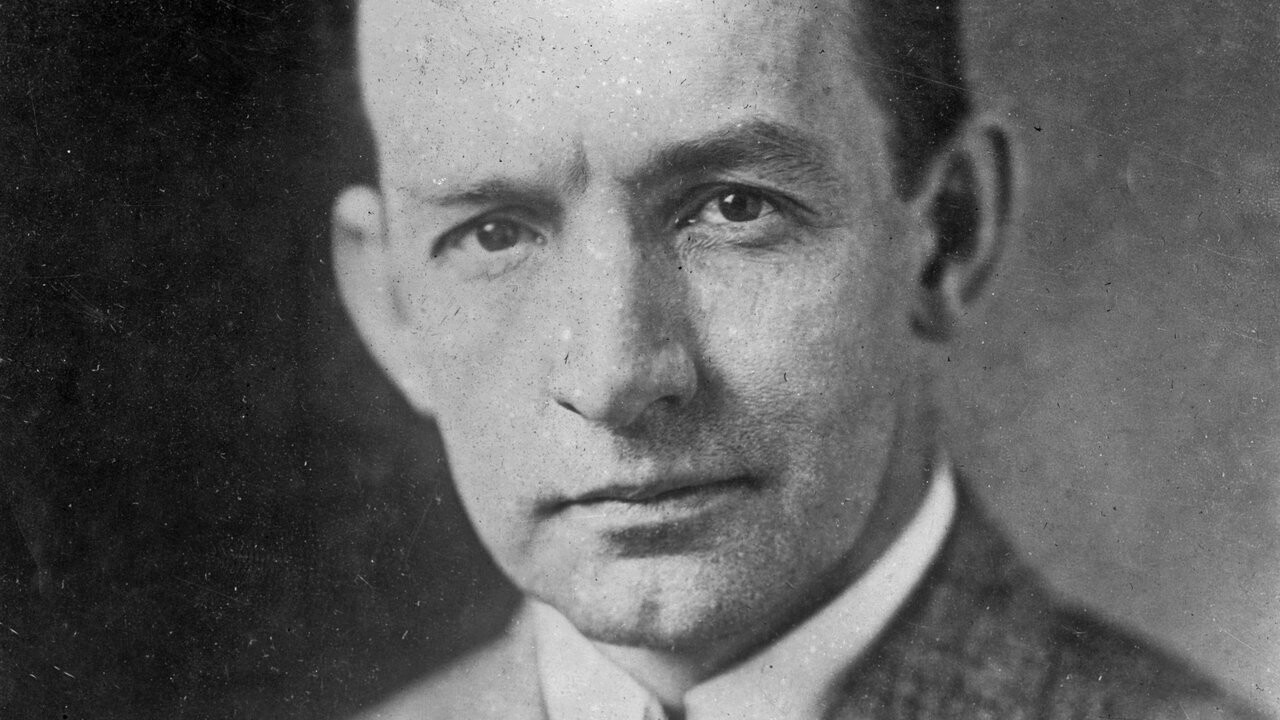
After Senate leaders assured Dawes that no votes would be cast that afternoon, he retired to his apartment at the Willard for a nap. The day’s plans changed, leaving him scrambling back toward the Capitol. The episode became an enduring symbol of the difficult partnership, even though it began with a mistaken assurance rather than deliberate defiance.
Garner Begins as Roosevelt’s Capitol Hill Ally
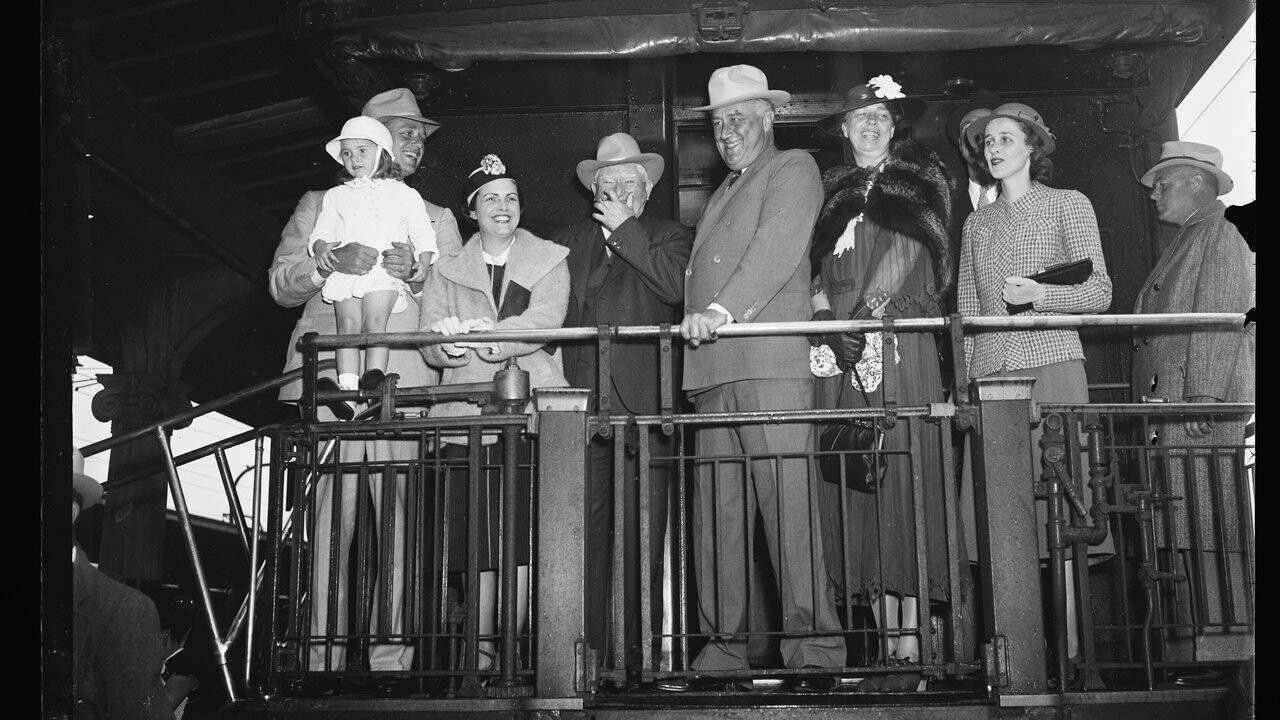
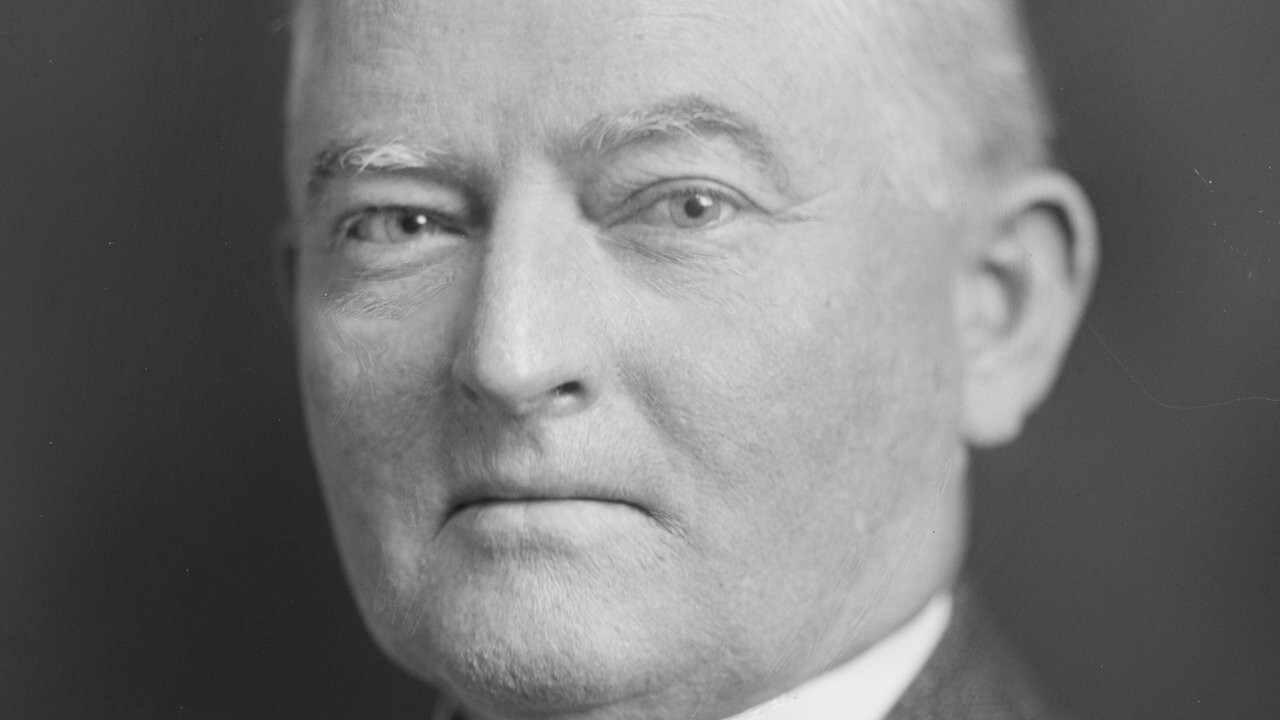
John Nance Garner brought extensive knowledge of legislative leadership and congressional procedure to Franklin Roosevelt’s administration. He initially used that experience to promote the New Deal, making him a valuable link between the White House and Congress. Their partnership was effective while they supported the same program, but that alignment did not survive Roosevelt’s second term.
1937: Court Packing Breaks the Partnership
The decisive break came over Roosevelt’s 1937 attempt to reorganize the federal judiciary and add sympathetic Supreme Court justices. Garner opposed the proposal, severing the political alliance between the two men. The vice president who had helped advance Roosevelt’s New Deal was now resisting one of the administration’s most controversial initiatives.
1940: Garner Challenges Roosevelt
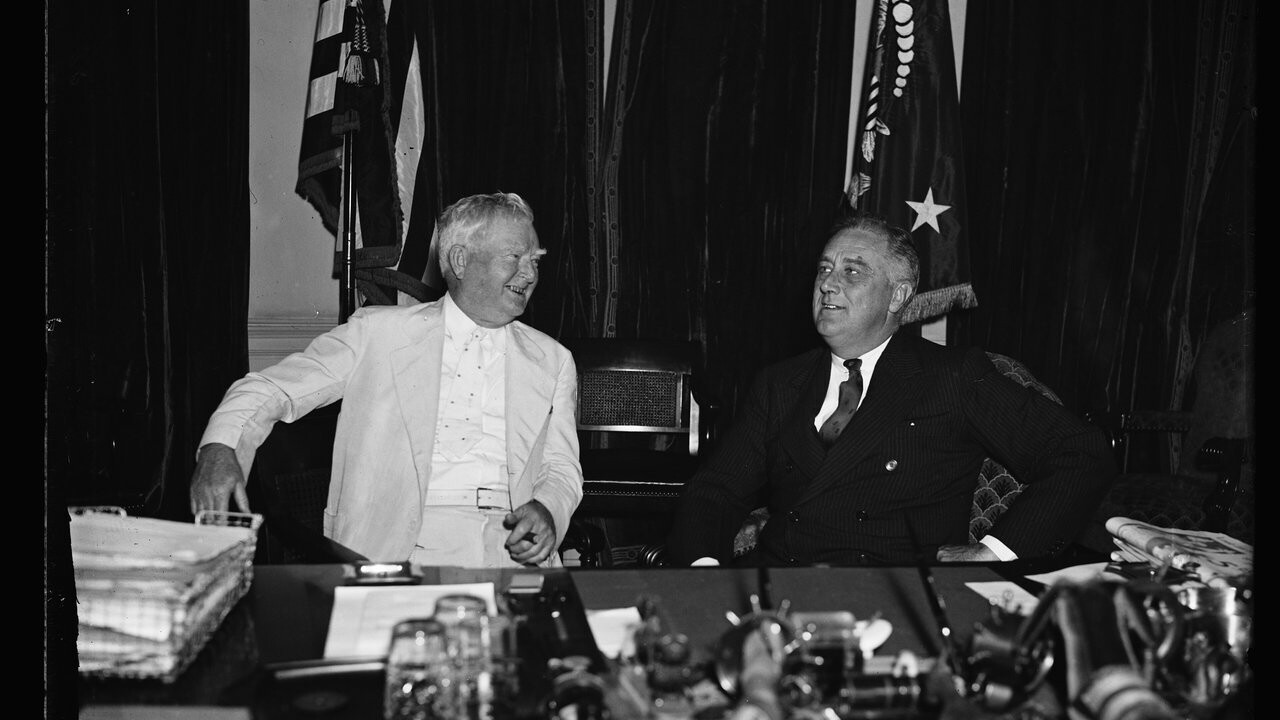
The disagreement became a direct contest in 1940. Garner opposed Roosevelt’s pursuit of an unprecedented third term and unsuccessfully sought the Democratic presidential nomination himself. What had begun as an effective legislative partnership ended with the vice president challenging the president for control of their party and its place on the national ballot.
1952: Nixon Nearly Loses His Place on the Ticket
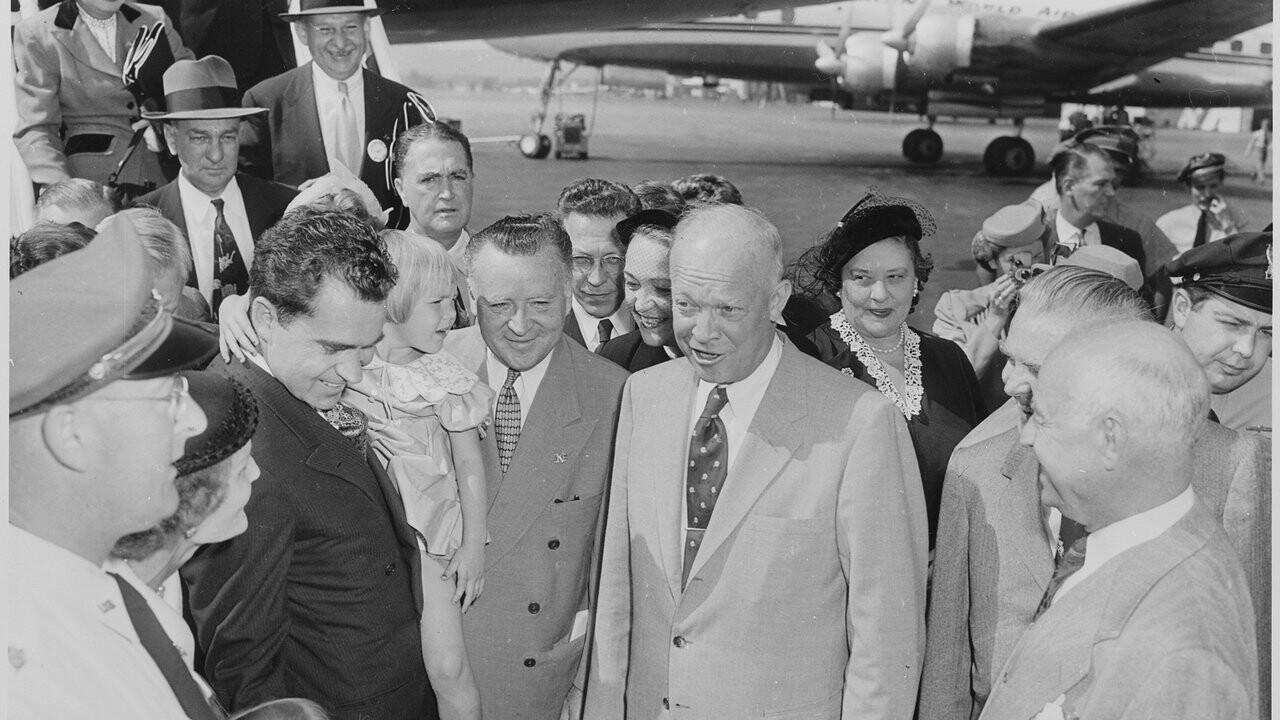
A public inquiry into Richard Nixon’s campaign finances nearly cost him his position on Dwight Eisenhower’s 1952 ticket. The crisis made Nixon’s political survival dependent on the presidential nominee’s judgment before either man had reached office. Their partnership therefore began with uncertainty about whether Nixon would remain Eisenhower’s running mate at all.
1956: Eisenhower Considers Moving Nixon Elsewhere
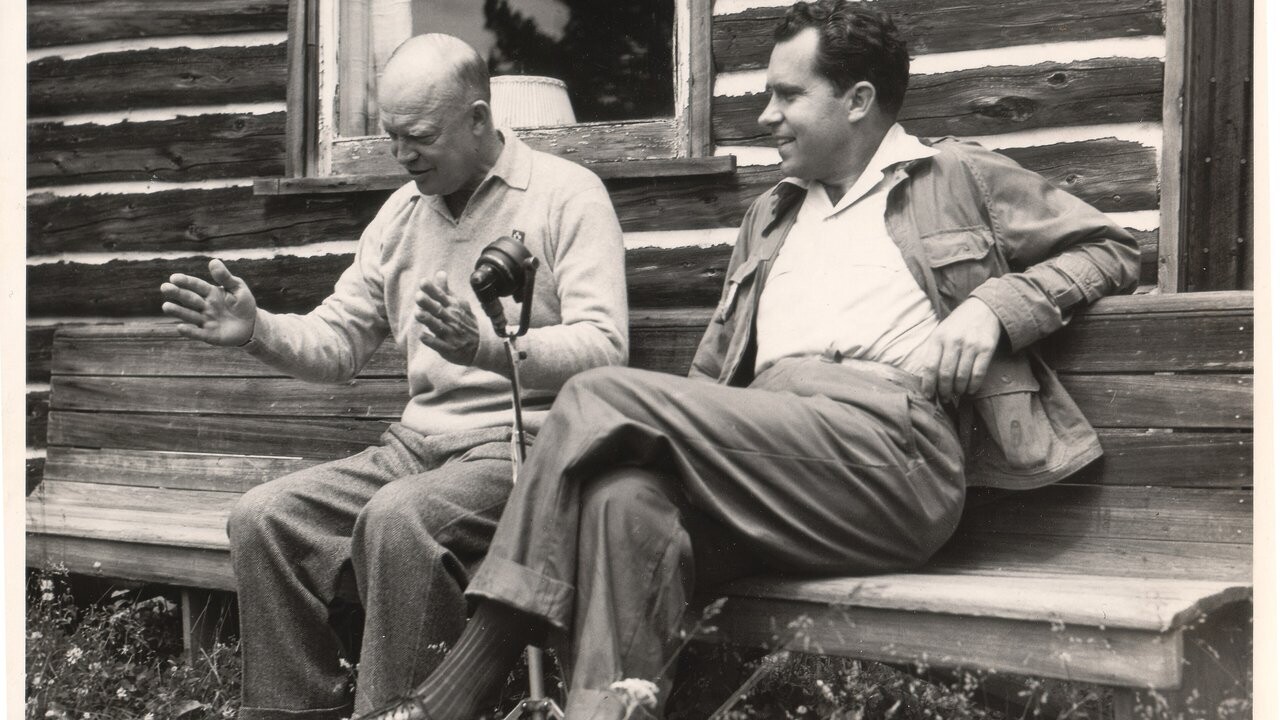
As Eisenhower considered another campaign, his private papers recorded discussions of Nixon’s political plans and Eisenhower’s suggestion of a cabinet post. The record does not show how far that possibility advanced, but it confirms that an alternative to another vice-presidential term was discussed. Nixon ultimately remained on the Republican ticket.
1960: Eisenhower’s Answer Haunts Nixon
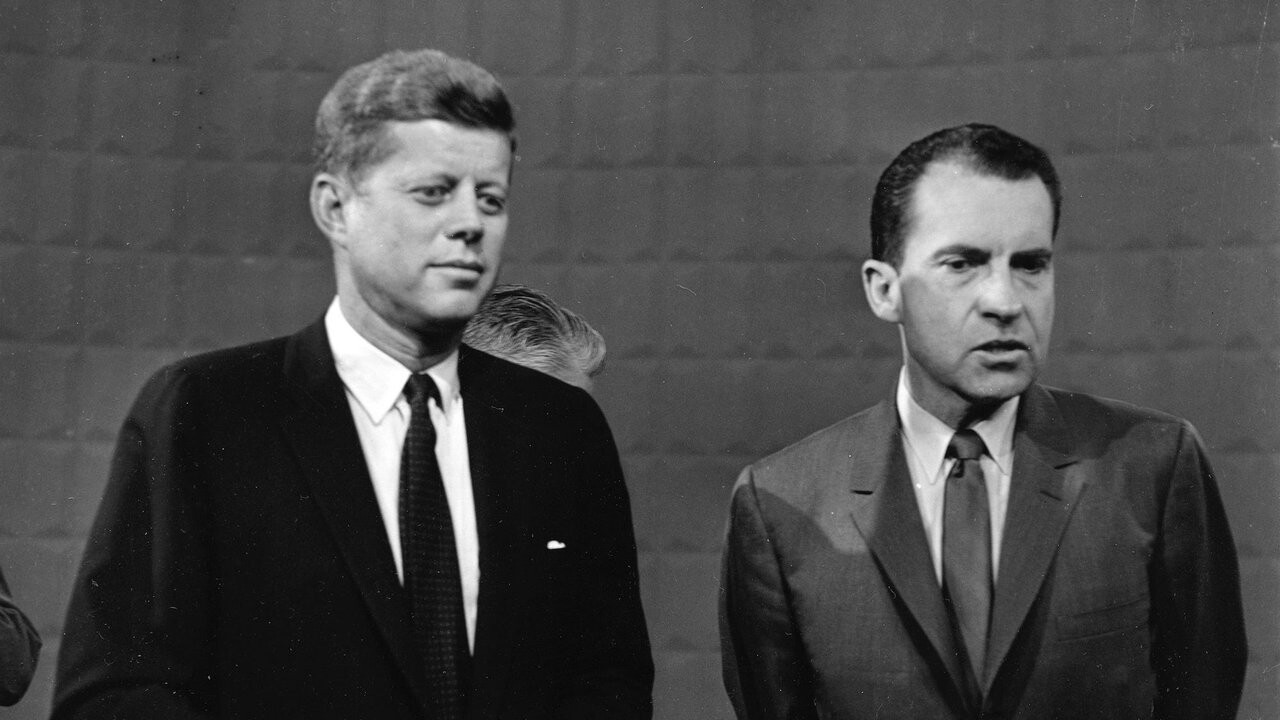
Asked to identify a major Nixon idea he had adopted, Eisenhower replied, “If you give me a week, I might think of one. I don’t remember.” The remark later followed Nixon into a presidential debate. A National Archives account nevertheless argues that their relationship matured over eight years, so the public slight does not summarize their entire partnership.
1960: Kennedy Chooses a Former Rival
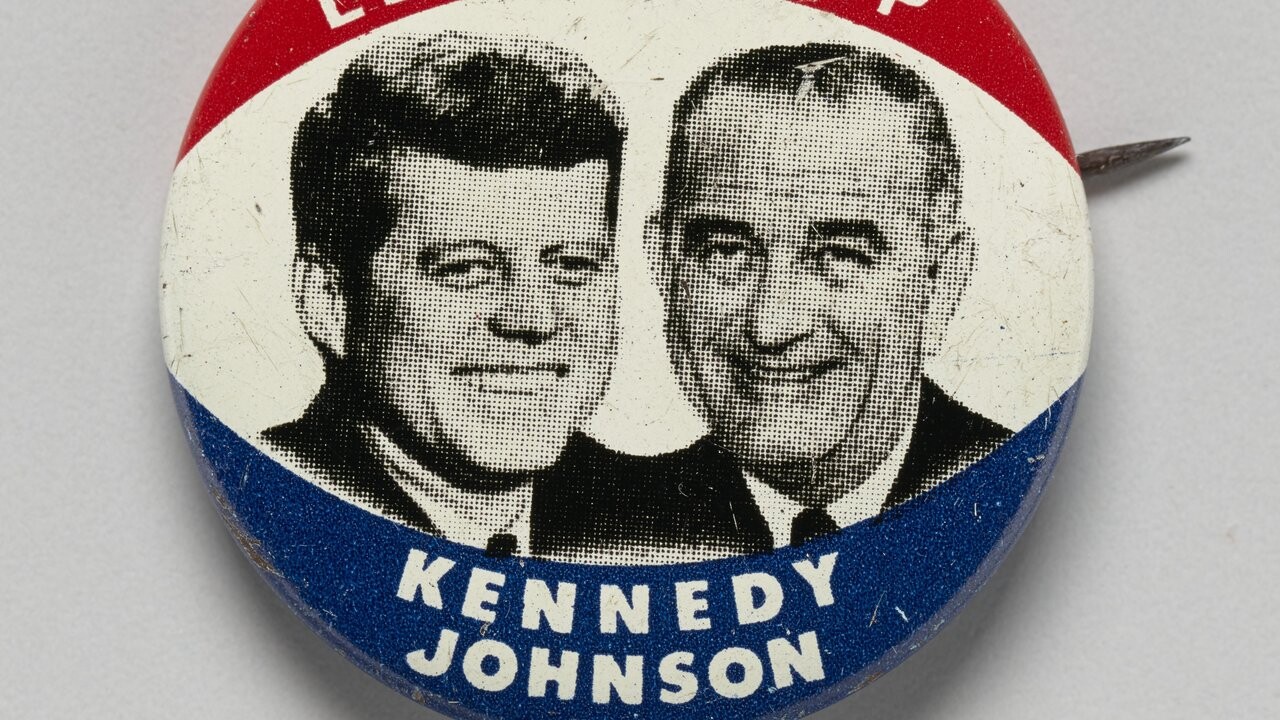
The 1960 Democratic convention nominated John F. Kennedy over Lyndon B. Johnson. Kennedy then asked Johnson to become his vice-presidential running mate, a strategic decision intended to attract support in the South. The choice moved the powerful Senate leader into a secondary office under the man who had just defeated him for the nomination.
1960–1961: Johnson Tries to Keep His Senate Power
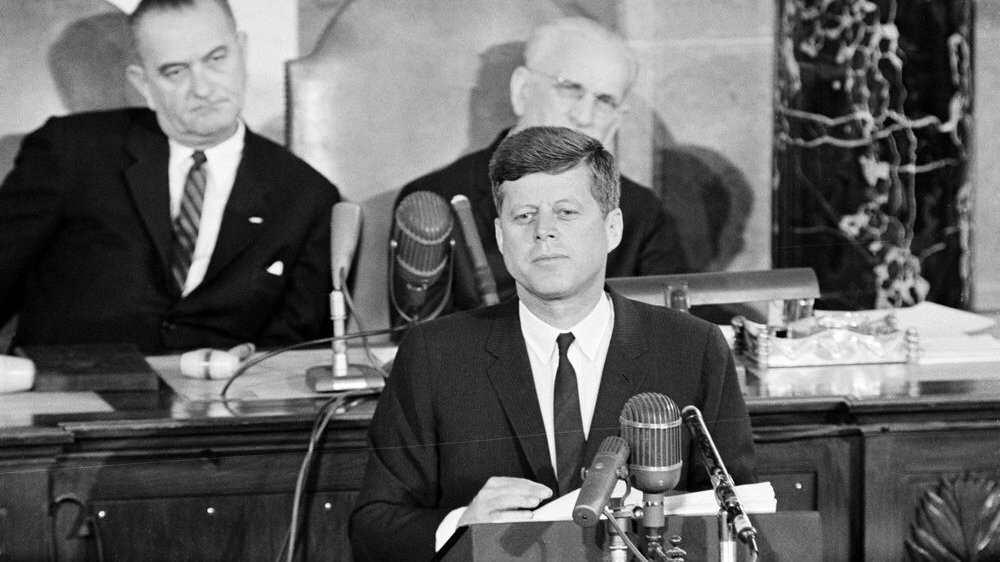
In December 1960, while still a senator and vice president-elect, Johnson told several senators that he wanted to chair the Senate Democratic Conference. On January 3, Mike Mansfield proposed instead that Johnson preside over future conference meetings. That narrower proposal drew stunned silence, and senators adopted a compromise allowing the majority leader to invite the vice president to attend or preside.
Kennedy and Johnson Never Become Comfortable Partners
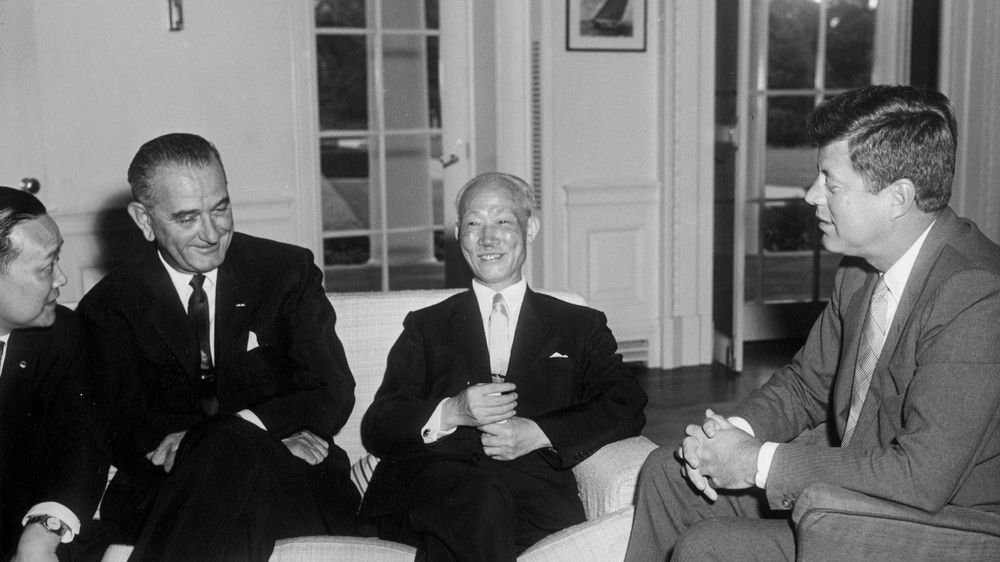
Senator George Smathers remembered Johnson as very uneasy around Kennedy while serving as vice president. He also said Kennedy did not personally dislike Johnson, although Johnson was not among his favorite companions. Their difficulty was less a story of open hatred than of discomfort after a dramatic and unavoidable shift in political power.
These partnerships show how quickly political necessity can give way to rivalry once power and principle collide. Which presidential partnership do you think was the most dysfunctional?
Follow The HyperHive on MSN for more stories like this.
Sources:






