Presidents Who Hid Illnesses From the Public

Stoughton, Cecil / Wikimedia Commons, Public domain (cropped)
Presidential health was once treated almost like a state secret. These confirmed cases show how serious conditions were hidden, softened, or replaced with reassuring cover stories.
Moving from the 1880s to the 1960s, the gallery draws on the Library of Congress, National Archives, presidential collections, medical research, and historic-site records.
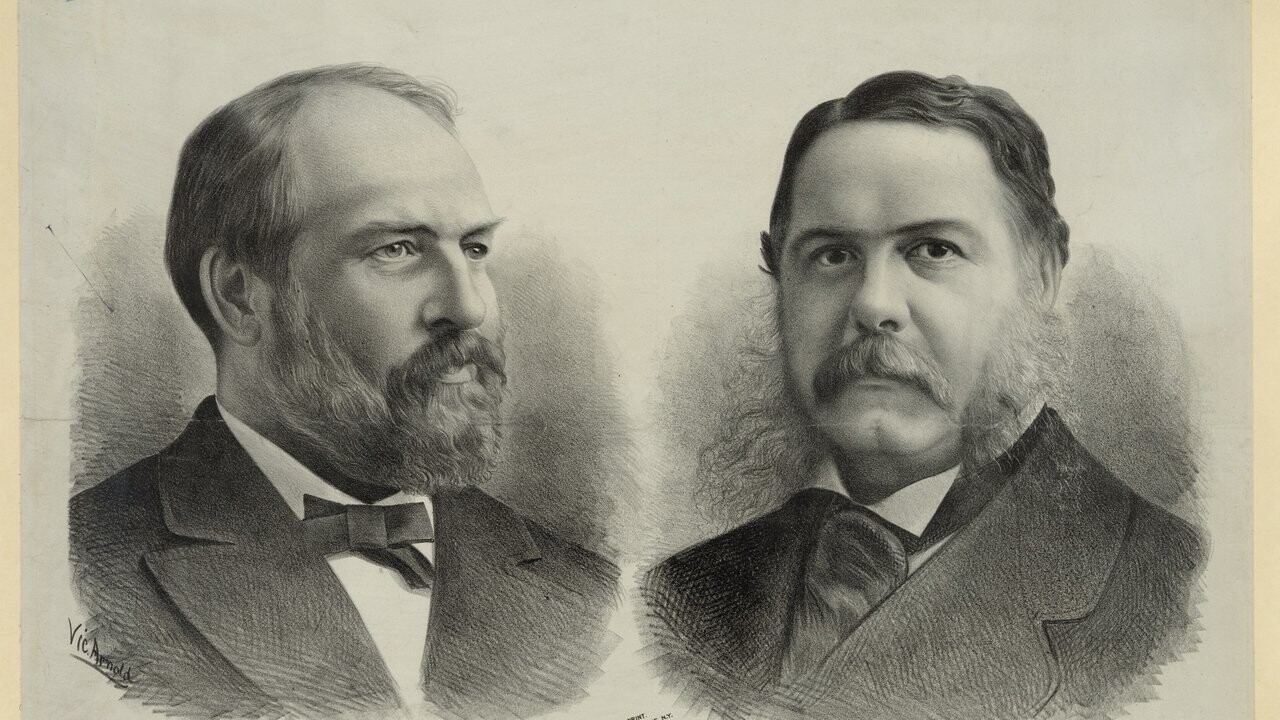
1882: Chester Arthur’s Secret Diagnosis
Chester A. Arthur was diagnosed with Bright’s disease in 1882 and kept it secret. The public therefore lacked a clear account of the kidney illness affecting the president. The concealment set a pattern seen throughout this gallery: a serious condition was managed privately while public discussion remained limited or misleading.
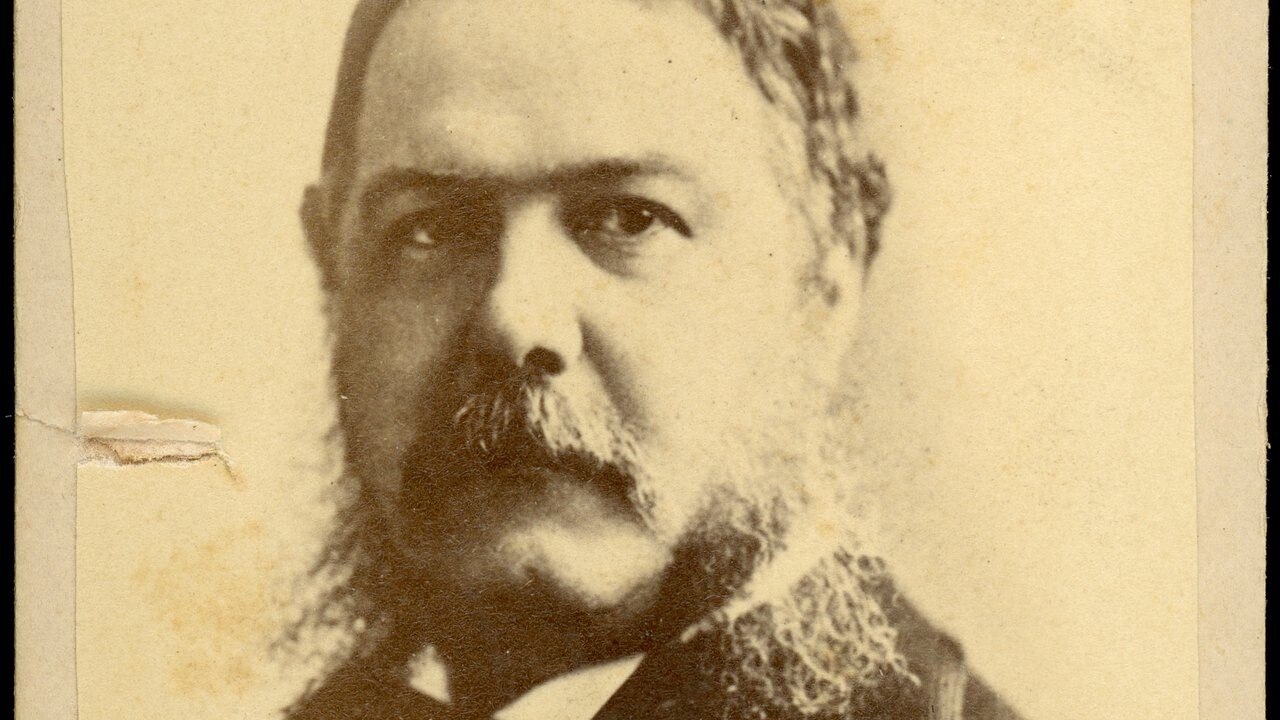
The Diary Behind the Silence
A private diary recorded what official statements did not. On August 1, 1882, physician Brode Herndon wrote, “The President sick in body and soul.” The stark entry offers a rare contemporary view of Arthur’s condition from a doctor who knew the truth while the diagnosis remained hidden from the public.
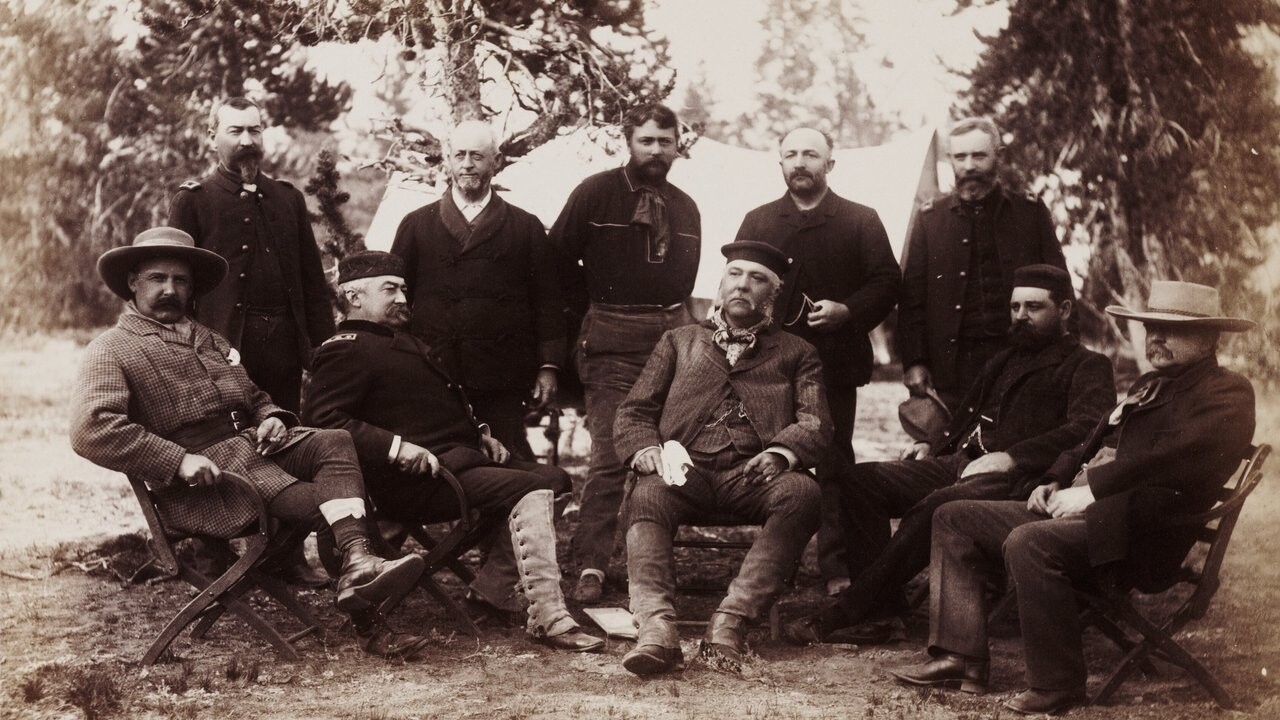
Malaria Became the Cover Story
As rumors spread, the White House described Arthur’s illness as a mild case of malaria and denied the report of Bright’s disease. The two responses did more than withhold details: they supplied a less alarming explanation and rejected the accurate diagnosis, leaving the public with a false account of the president’s health.
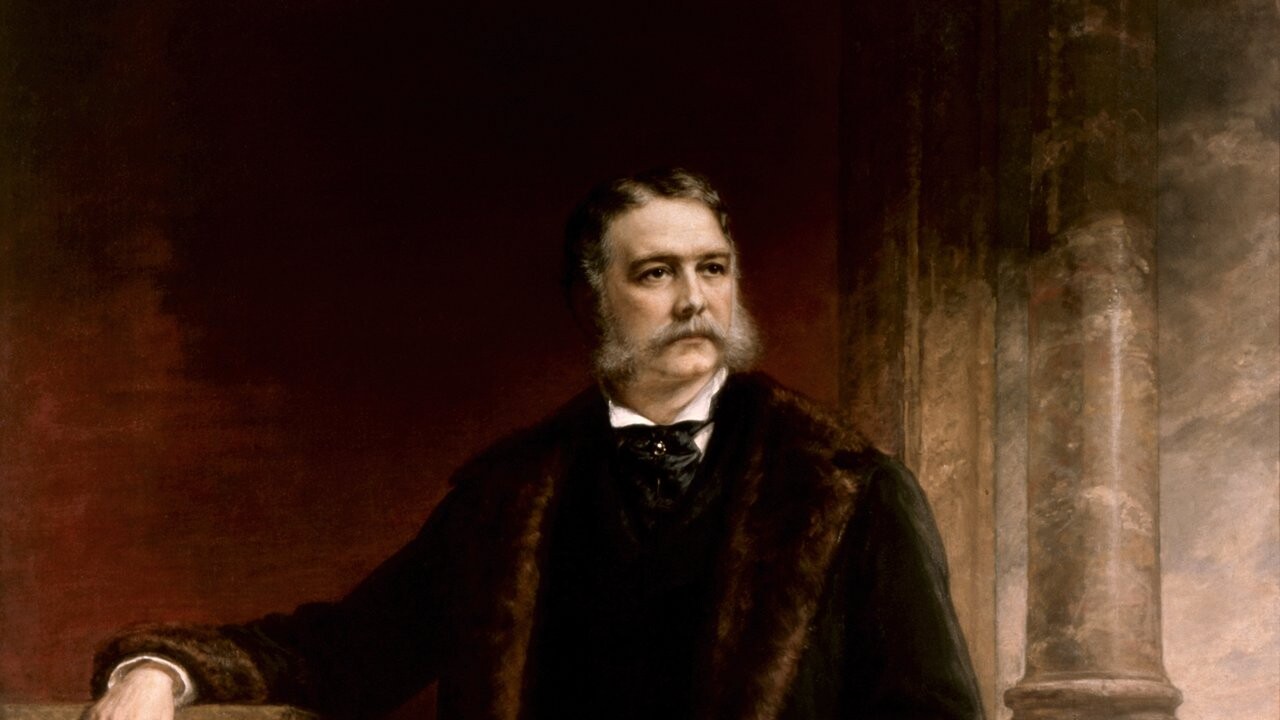
1884: Staying Politically Viable
Arthur kept his illness secret while leaving his name in the 1884 presidential contest. An official National Guard history says he did so to remain politically viable. His health was therefore tied to the political image he maintained as his term neared its end, even though the disease was taking a serious toll.
1893: A Tumor Amid a Financial Panic
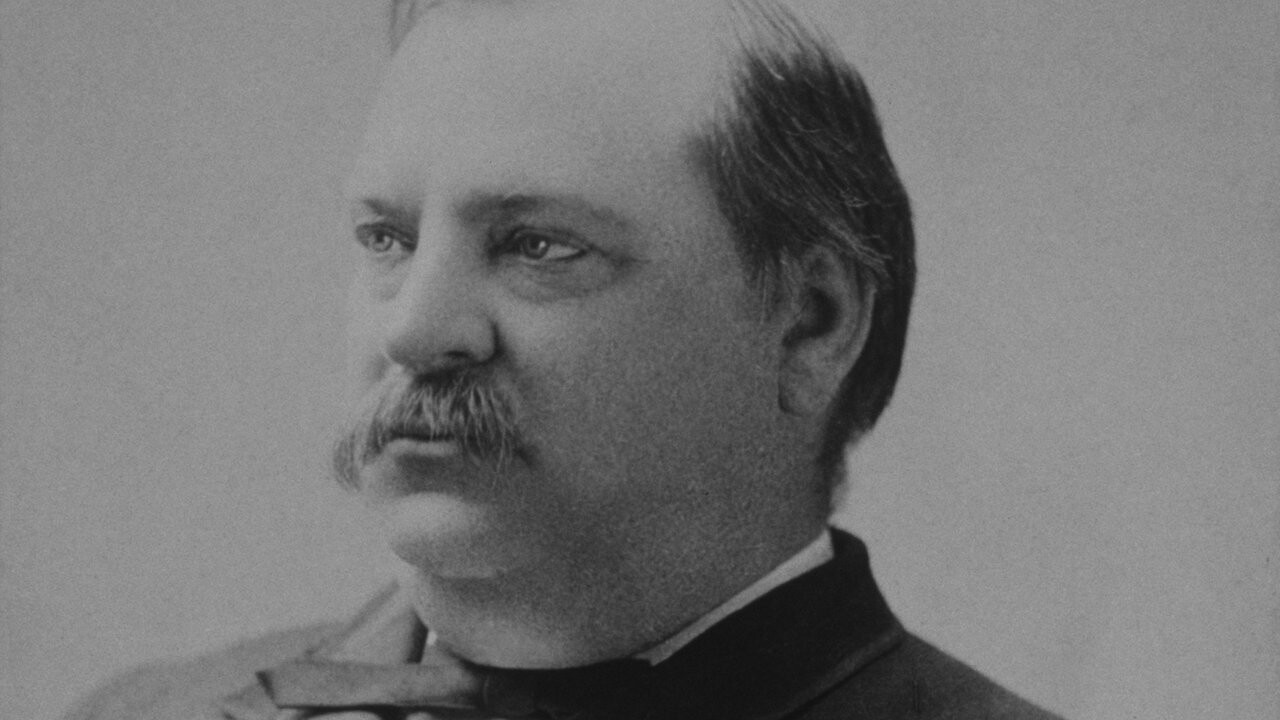
During the Panic of 1893, doctors discovered a tumor in Grover Cleveland’s mouth and ordered immediate surgery. Because of the turmoil caused by the Panic, Cleveland insisted that the operation remain secret. The president’s medical crisis was therefore handled in the shadow of national financial instability.
The Fishing Trip That Wasn’t
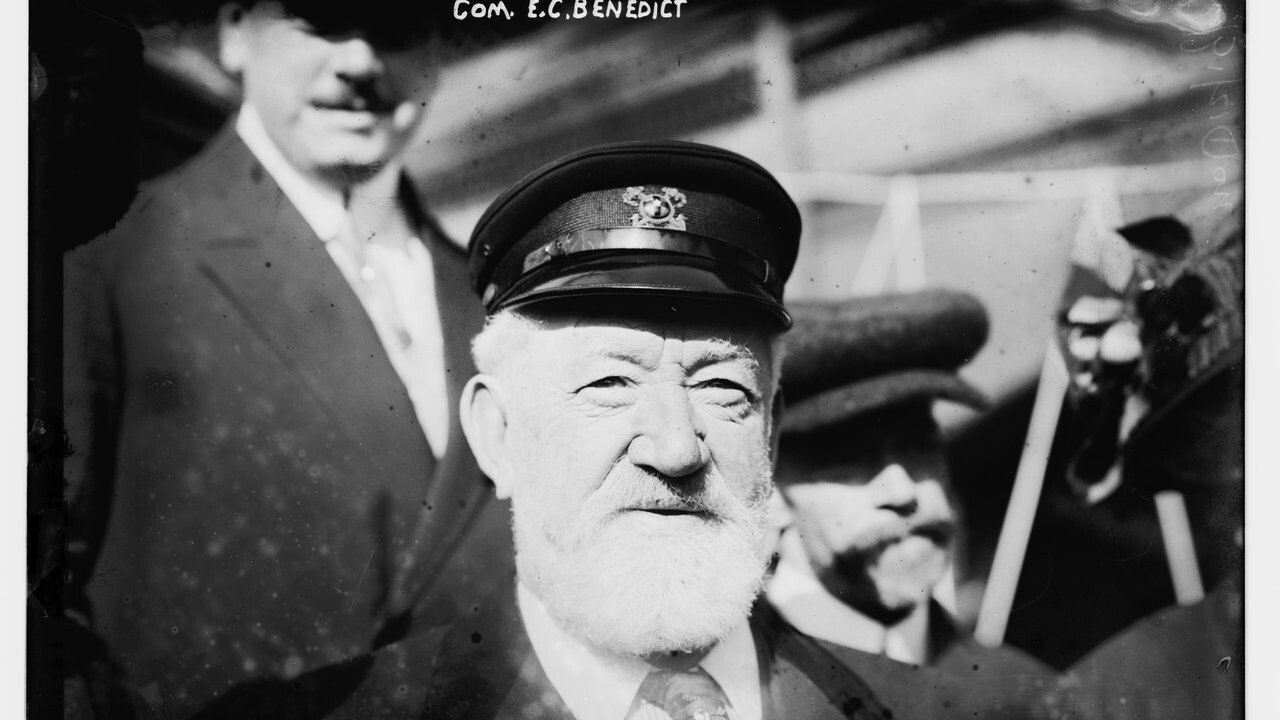
The public was told that Cleveland was going on a fishing trip. In reality, the president underwent surgery aboard a yacht off Long Island. The cover story concealed both his condition and the operation, allowing Cleveland to disappear from public view without announcing that doctors were treating a tumor in his mouth.
Surgery Aboard the Oneida
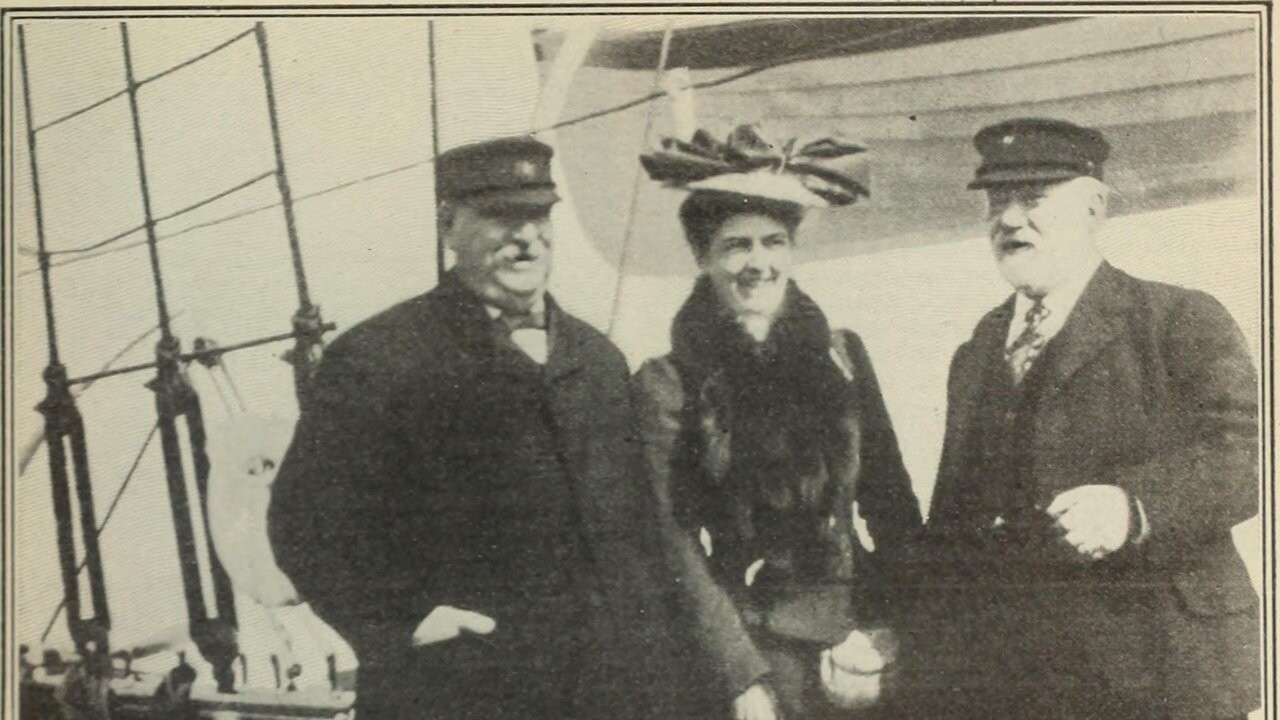
Cleveland boarded the yacht Oneida amid rumors that he had cancer. His surgical team was sworn to secrecy, and the operation took place away from public view. The private vessel became part of the concealment itself, giving doctors a place to work while Cleveland’s true reason for the trip remained unacknowledged.
1917: The Secret Finally Became Public
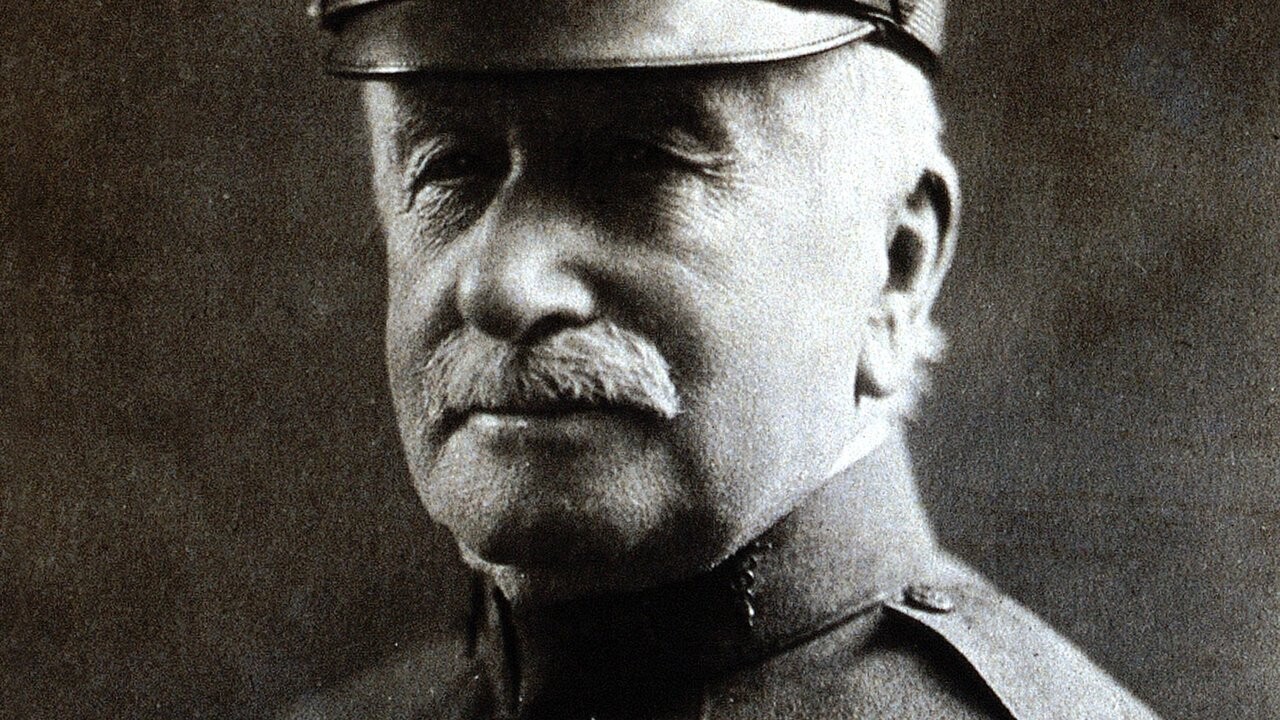
The secret survived long after Cleveland left the White House. In 1917, surgeon William Williams Keen publicly confirmed the operation in an article he wrote. His account finally established the truth behind the yacht trip, turning an episode managed through secrecy into a documented part of presidential medical history.
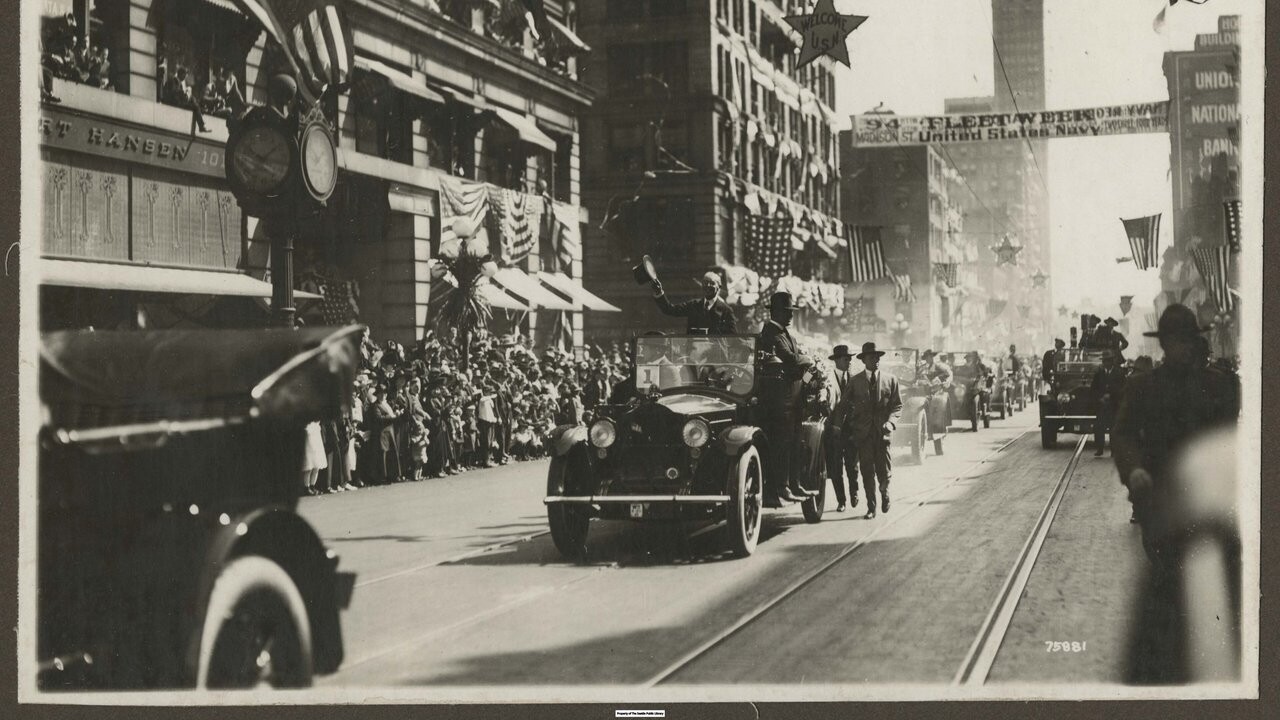
The Tour That Broke Wilson’s Health
Woodrow Wilson undertook a demanding national speaking tour to promote his peace plans. The schedule damaged his health, and he collapsed in Pueblo, Colorado. The tour ended there, but Wilson’s health problems did not. He returned to Washington weakened, shortly before a far more serious crisis transformed his presidency.
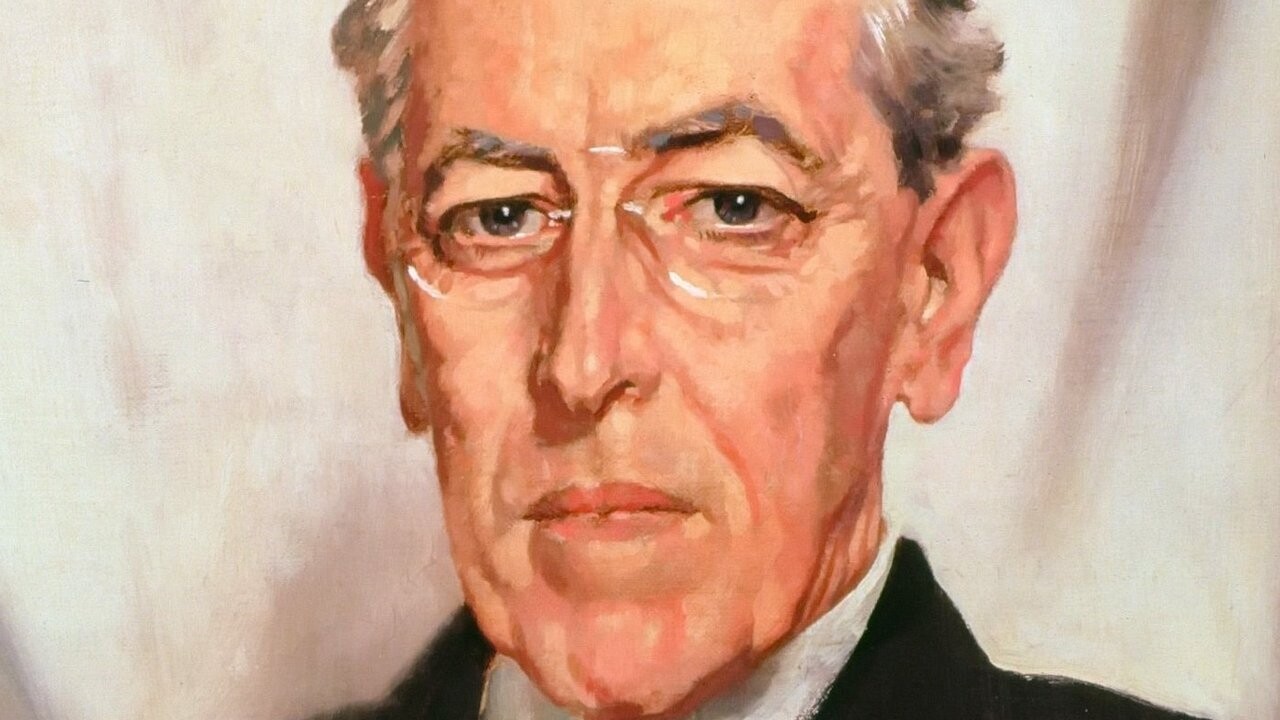
October 2, 1919: Wilson’s Stroke
On October 2, 1919, Wilson suffered a serious stroke. The event sharply reduced his ability to work, yet people outside his immediate circle received only a limited account of his condition. The gap between the president’s actual impairment and the information released publicly became central to the final years of his administration.
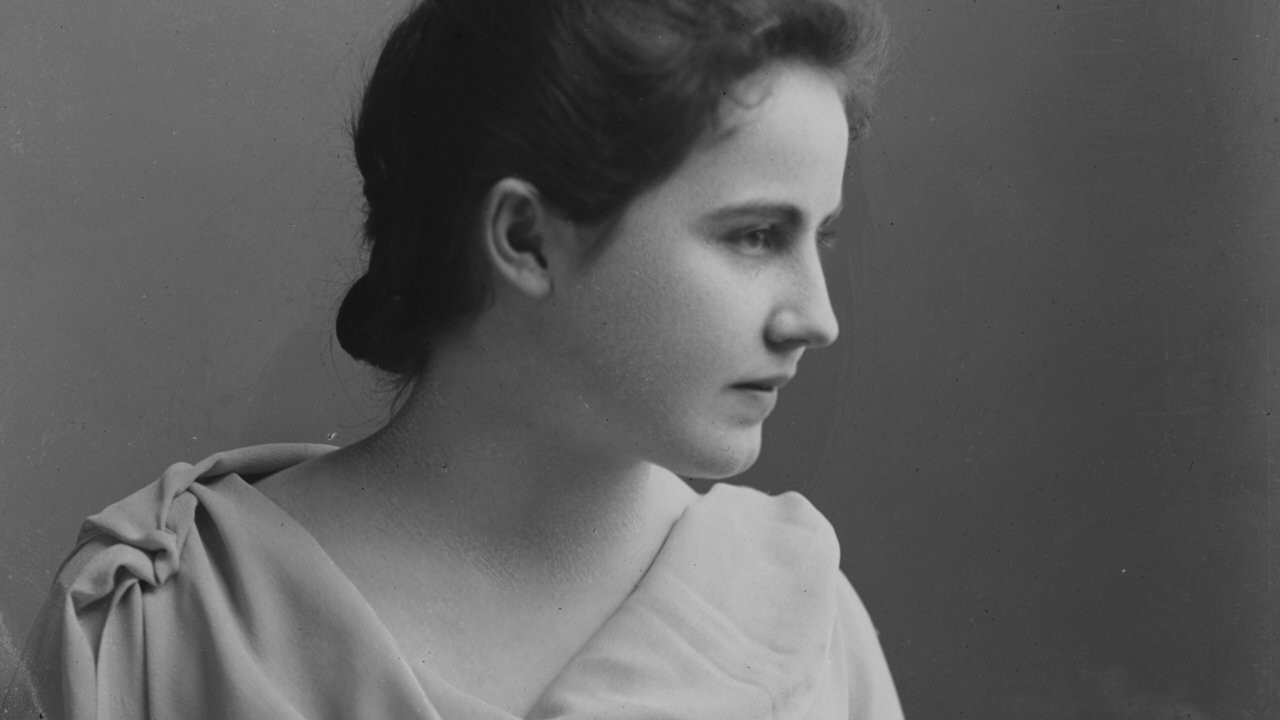
Edith Wilson and the Restricted Sickroom
First lady Edith Wilson and presidential physician Dr. Cary Grayson carefully controlled access to Wilson and limited public knowledge of his condition. Cabinet members, lawmakers, reporters, and the public therefore had to assess the administration without a full account of the president’s health or the severity of his impairment.
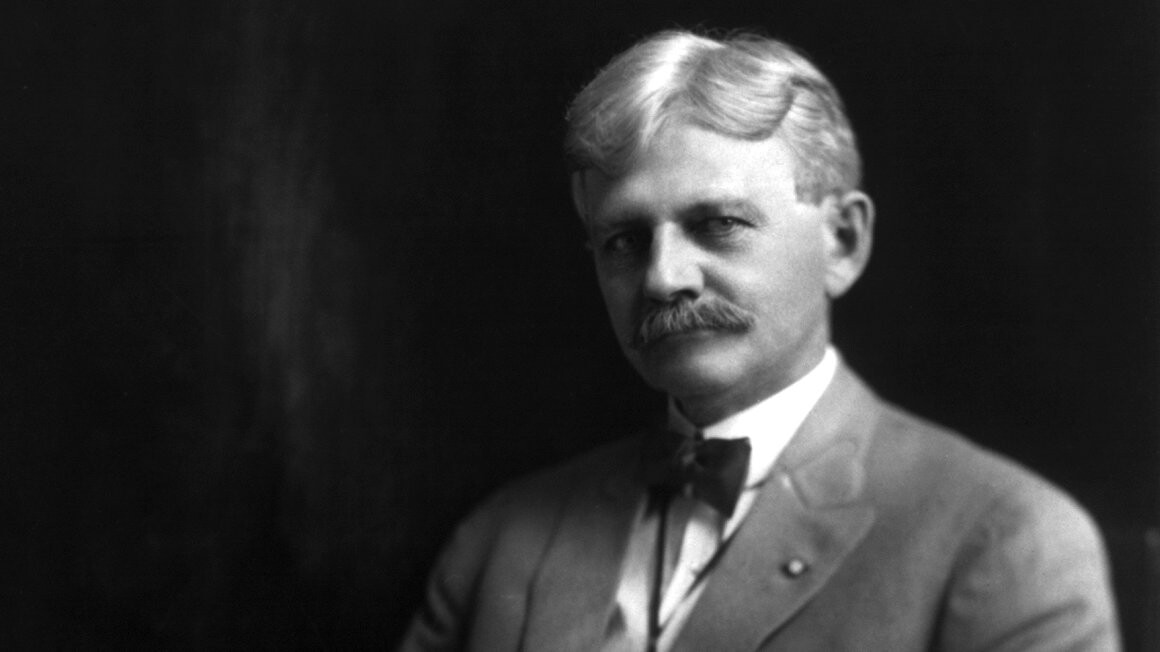
A Vice President Left Uncertain
Vice President Thomas R. Marshall remained largely unaware of Wilson’s condition after the stroke. With no established process or unmistakable declaration of disability, he did not assume presidential authority. The episode exposed a constitutional uncertainty: the president remained in office even as his capacity to carry out the job had been severely reduced.
The Wheelchair Most Americans Never Saw
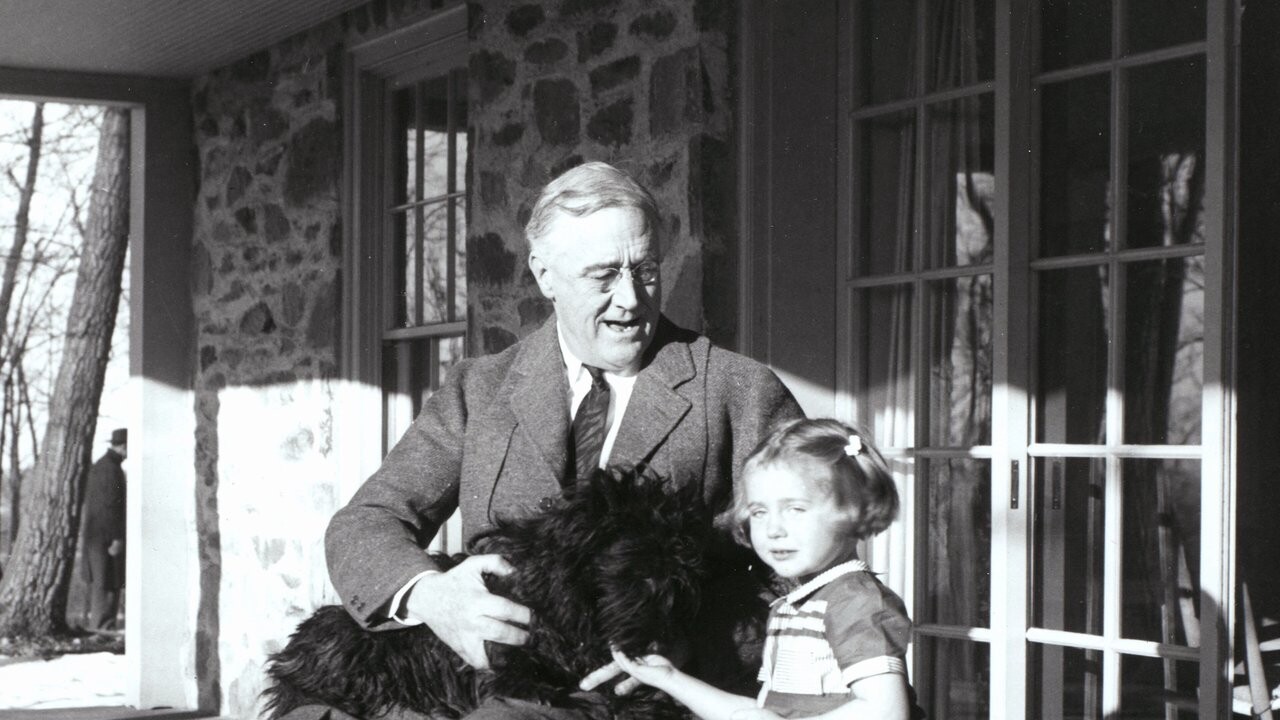
Franklin D. Roosevelt primarily used a small wheelchair to move through the White House and at home, a fact unknown to most Americans at the time. He used an adaptive walk only for short distances during public appearances. That contrast helped preserve a public image that revealed little about his daily mobility.
The Press Agreement Around Photographs
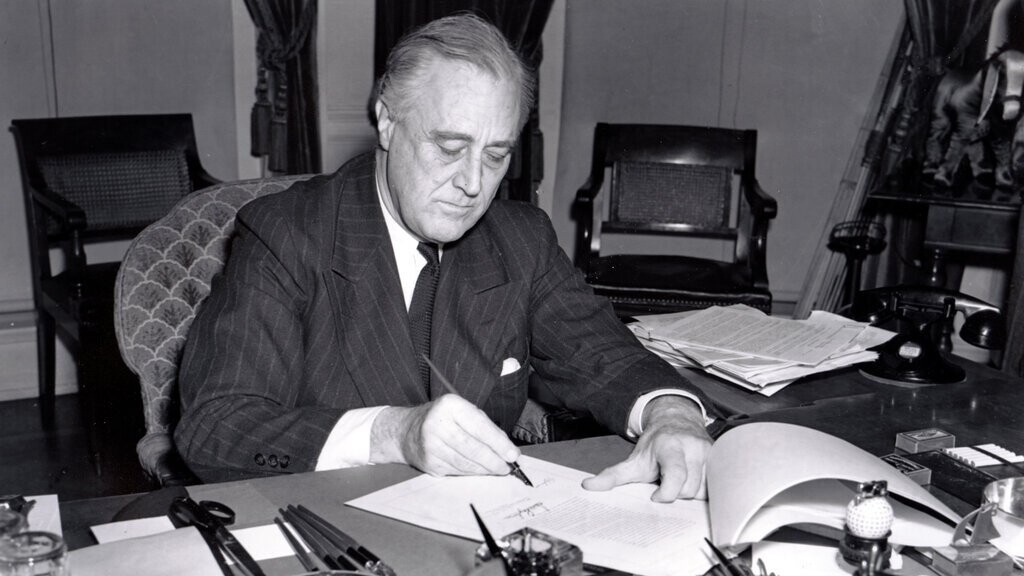
News photographers generally honored an understanding that photographs displaying Roosevelt’s disability would not be published. The White House also highly restricted filming and photography of the disability, and camera operators complied. As a result, the surviving public record rarely showed the wheelchair that Roosevelt primarily used inside the White House and at home.
The Heart Diagnosis Behind Closed Doors
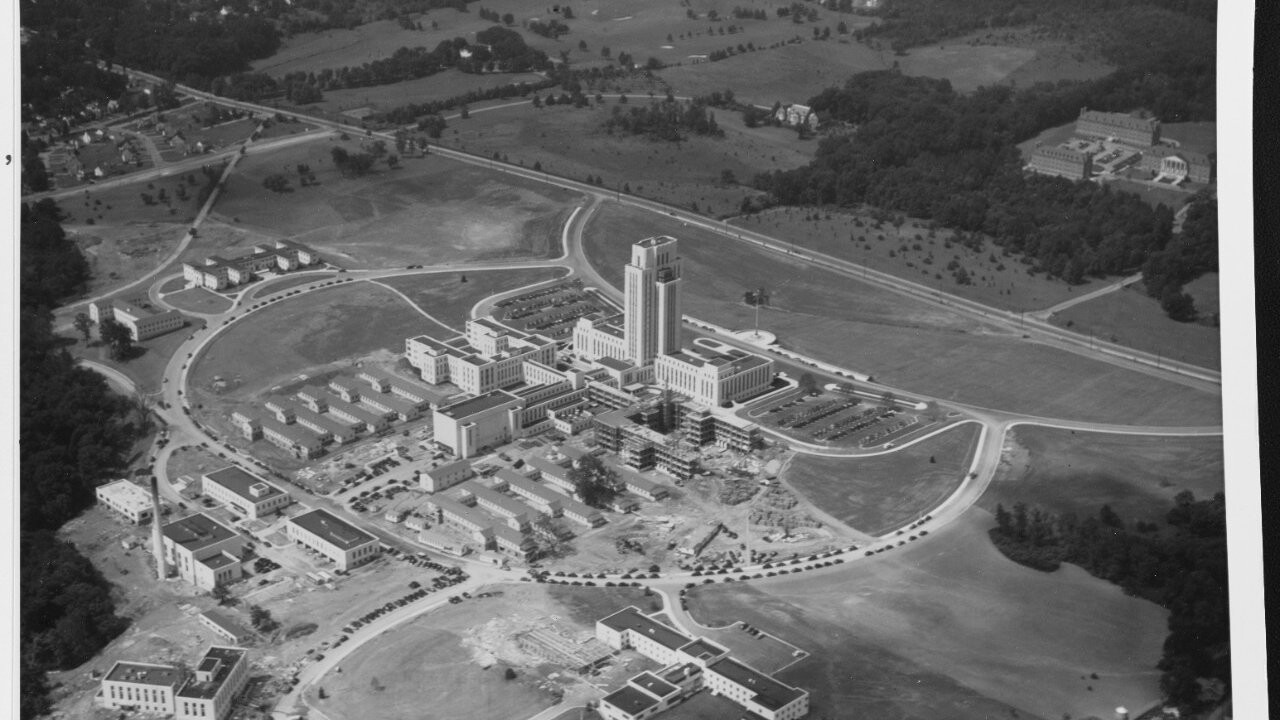
A medical examination found that Roosevelt had reduced lung capacity, high blood pressure, acute bronchitis, and congestive heart failure. The findings revealed a grave decline while he was leading the country during World War II. They also created another presidential health story that officials did not fully share with the public.
The Public Was Kept in the Dark
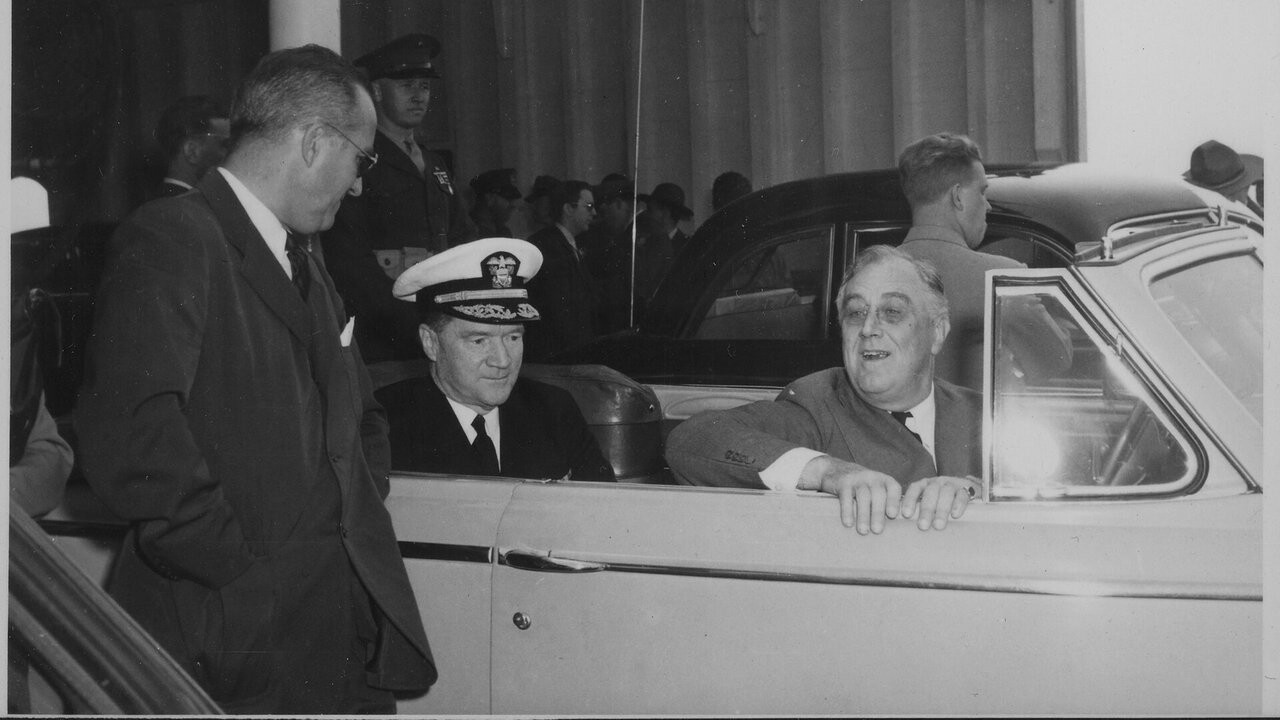
Roosevelt’s heart condition was treated without public disclosure. The National Park Service states that the press and the American people were kept in the dark about the diagnosis and treatment. His visible decline prompted concern, but the medical explanation remained concealed while he continued serving as president.
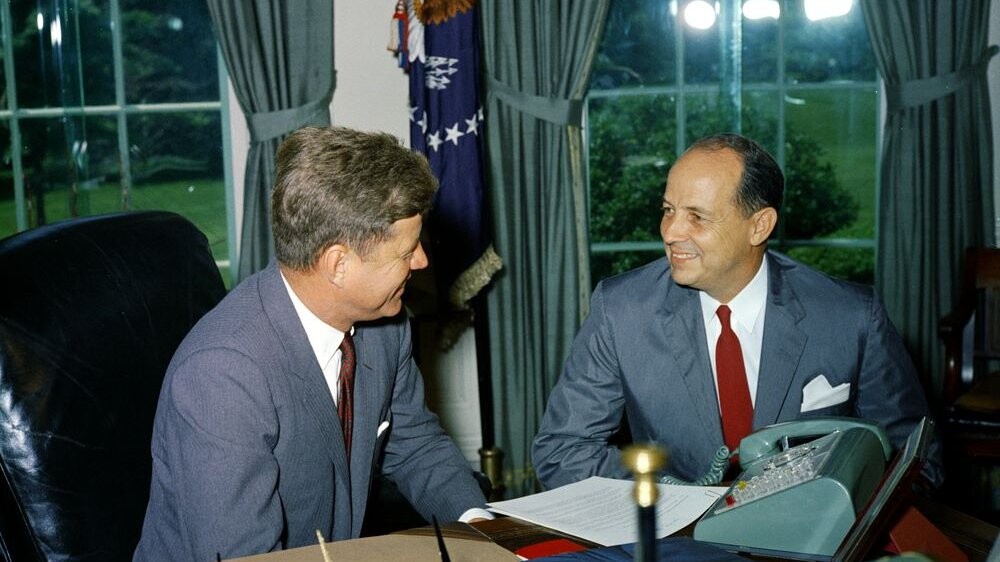
John F. Kennedy’s Image of Vigor
John F. Kennedy was presented to voters as the picture of youth and energy. Behind that image was a complicated medical history. A peer-reviewed review of his records says the vigorous public portrait continued through his campaign and presidency, creating a sharp contrast between Kennedy’s political image and his private health.
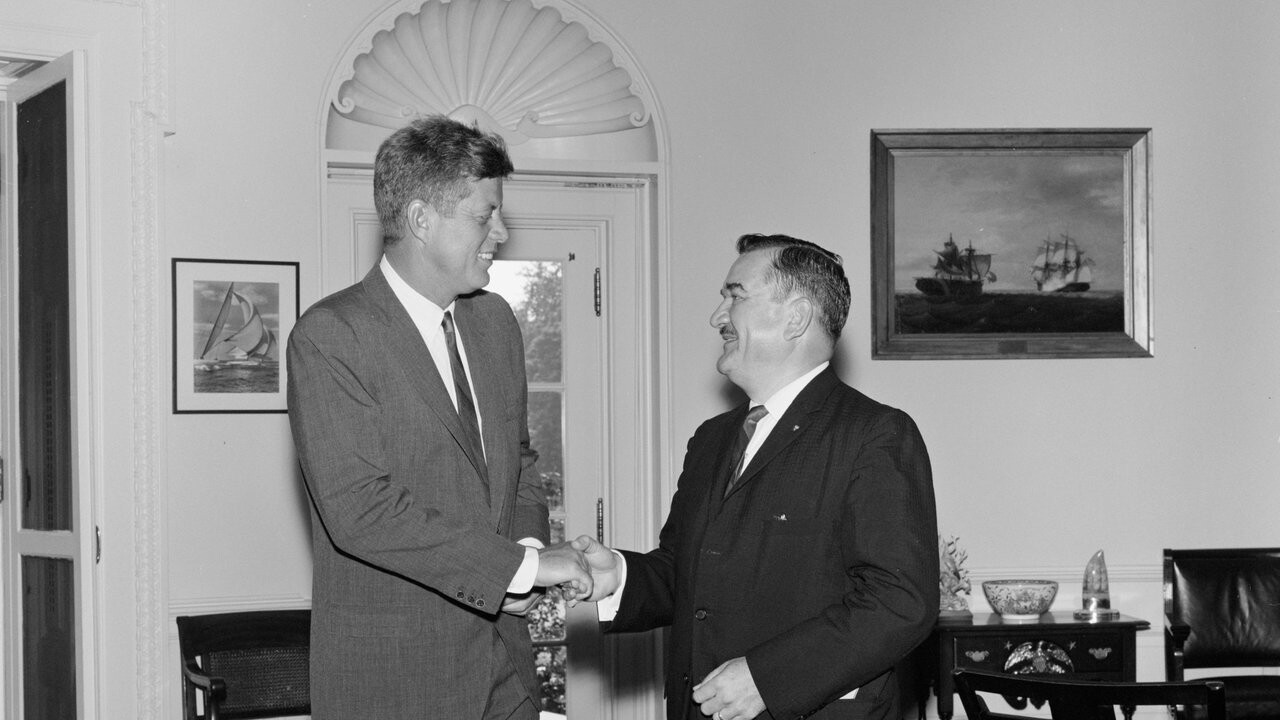
The Campaign’s Carefully Worded Denial
When questions about Addison’s disease emerged during Kennedy’s presidential campaign, his camp denied the story. It acknowledged only “some mild adrenal insufficiency.” That carefully limited statement reassured voters without disclosing the fuller diagnosis that Kennedy had been managing privately, preserving the energetic image at the center of his candidacy.
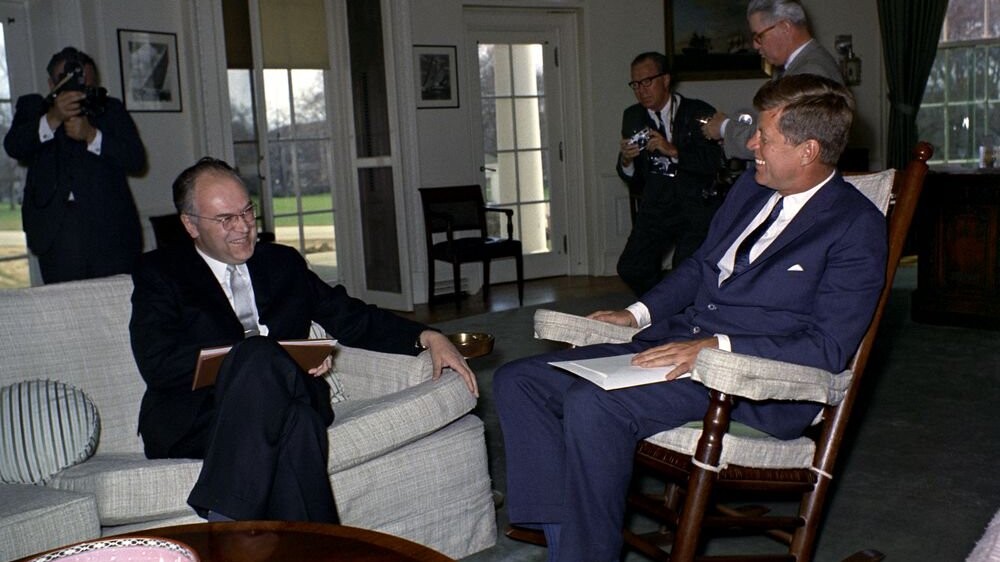
Addison’s Disease and Back Pain
Kennedy had Addison’s disease and chronic back pain. These documented conditions reveal a medical history more complicated than the campaign’s limited public account. They also show why later records matter: evidence preserved after his presidency gives historians a fuller picture than voters received while he was seeking and holding office.
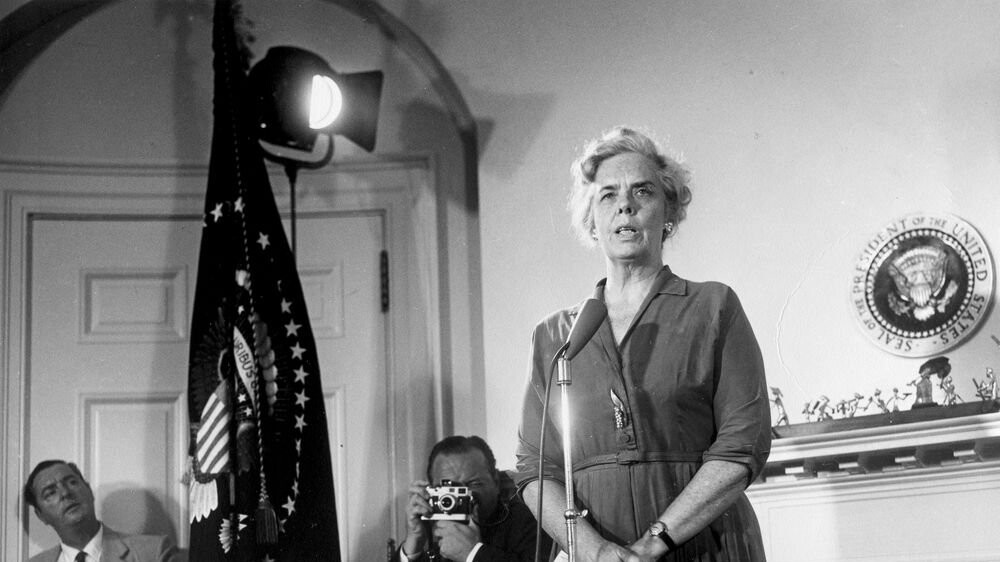
A Doctor’s Later Confirmation
In an oral history preserved by the John F. Kennedy Presidential Library, White House physician Janet Travell agreed that the broader medical meaning of Addison’s disease covered Kennedy’s condition. Her answer joined the historical record that gradually replaced the campaign’s carefully limited statement with a fuller understanding of his health.
These cases show how presidential image-making once depended on silence from families, physicians, aides, and reporters. Which of these hidden health stories surprised you most?
Follow The HyperHive on MSN for more stories like this.
Sources:






