
The Roaring Twenties changed how Americans dressed, traveled, followed celebrities, watched movies, and listened to music. Surviving photographs give the decade an immediacy that written histories alone cannot match.
Drawn from public archives, museums, and specialist collections, these slides move from home life and fashion through sports, film, and music, concluding with a celebrated archaeological discovery and a skyscraper that reshaped New York.
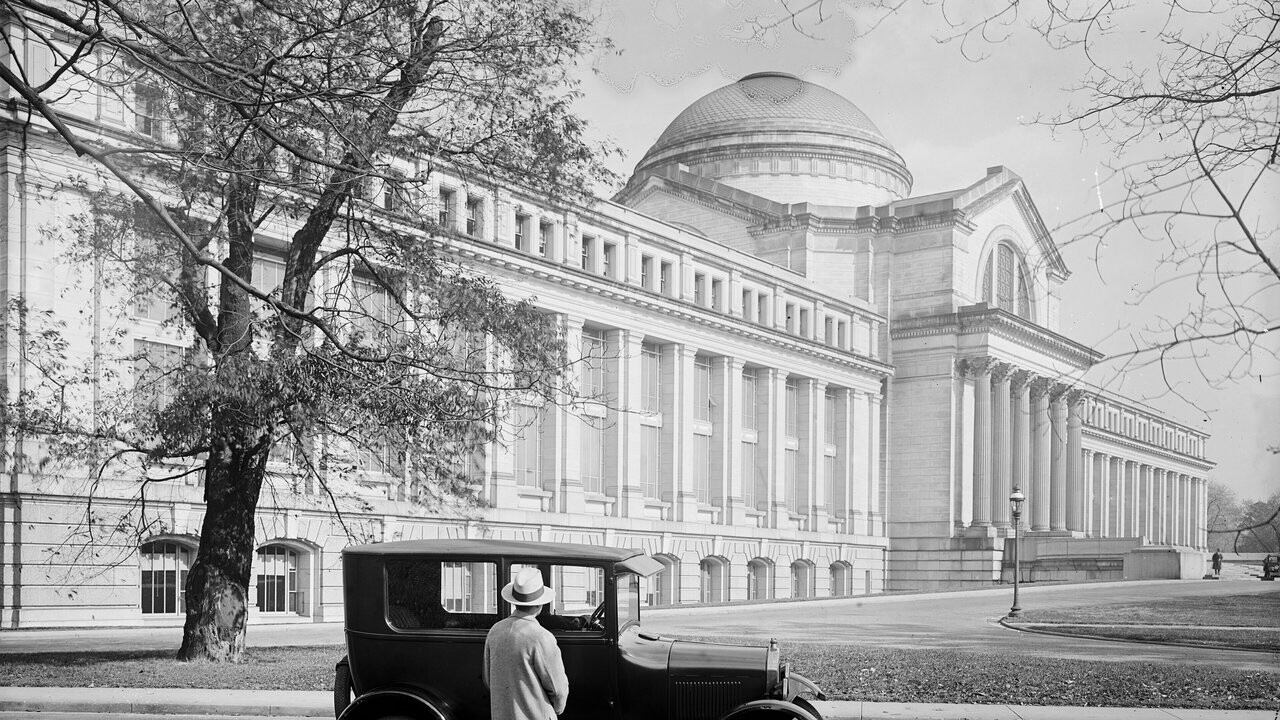
The Model T Reaches Its Peak
Ford built more than two million Model Ts in 1923, and by 1924, the model accounted for more than half of all cars sold worldwide. Photographs of the familiar automobile show how its straightforward design became part of the decade’s streets, family outings, workplaces, and expanding culture of personal travel.
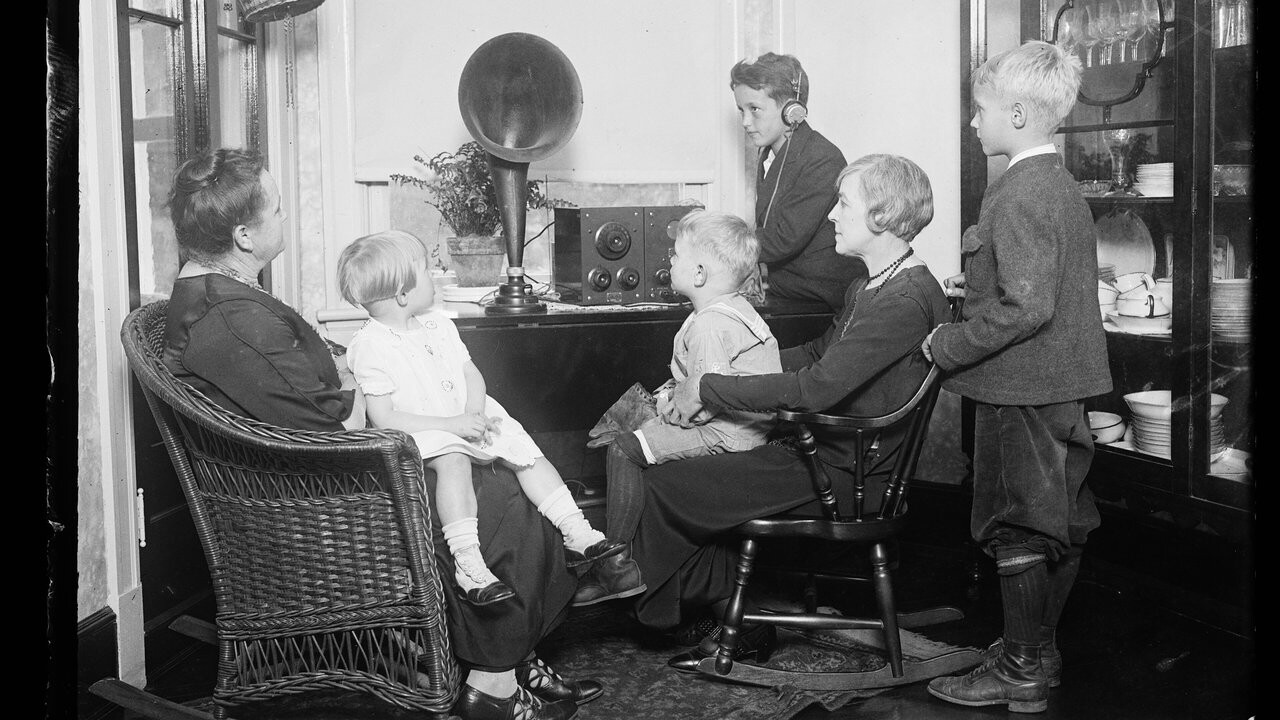
Radio Enters the American Living Room
Radio became a staple of everyday life during the 1920s, carrying news and entertainment into American homes. Family photographs often place the set at the center of the living room, where listeners gathered around one shared device. The scene captures a new kind of connection between private households and public culture.
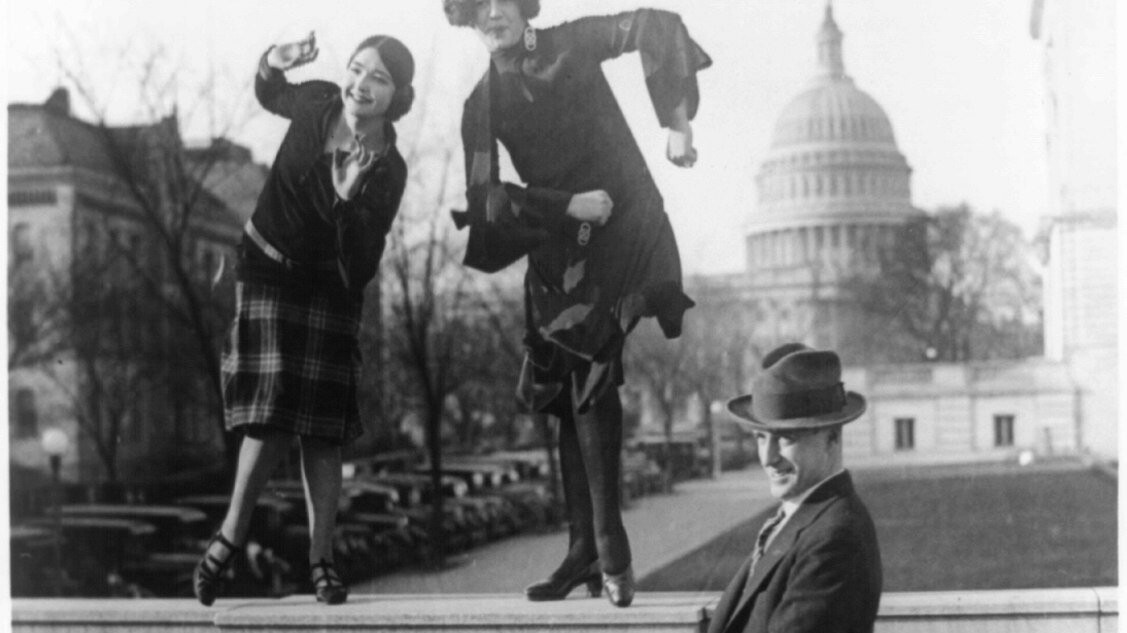
Flapper Fashion Moves With the Music
American flappers were associated with bobbed hair, short dresses, and dancing the Charleston. Their clothing created a sharp visual break from earlier fashions, particularly when photographed in motion. These images preserve a style that looked youthful, energetic, and closely connected to the decade’s changing music and social life.
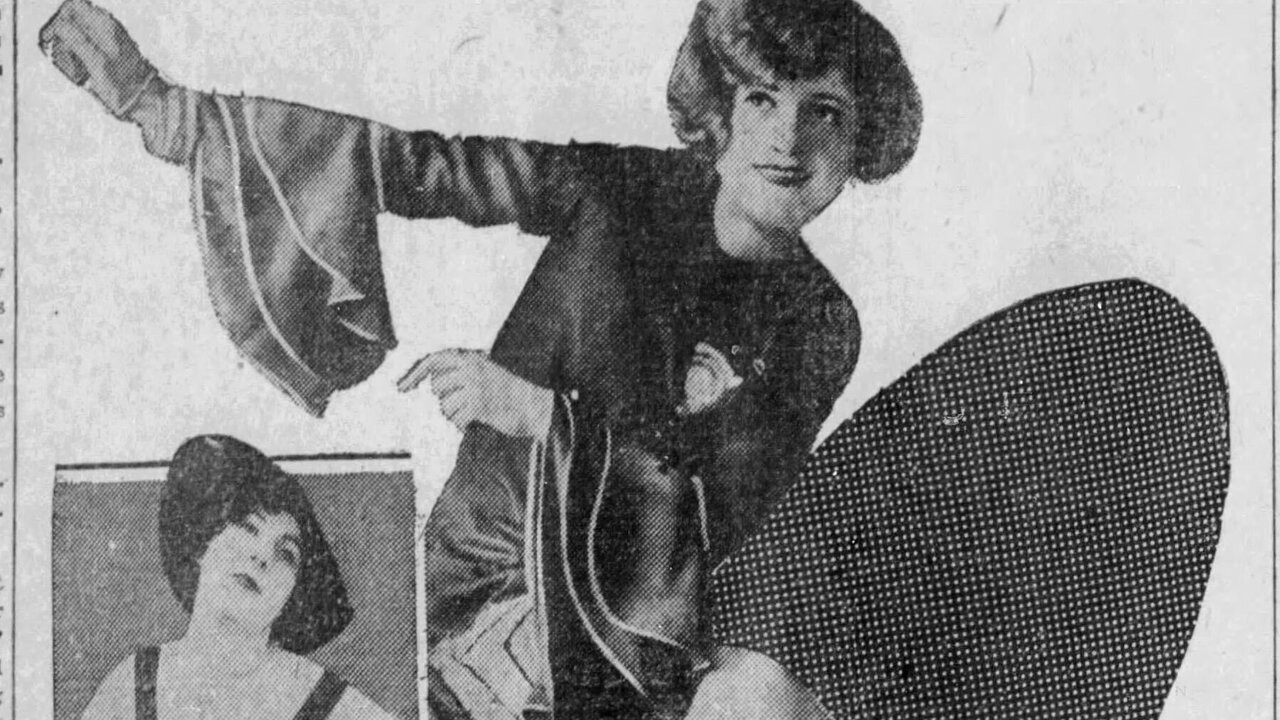
1926: Bee Jackson Demonstrates the Charleston
Professional dancer Bee Jackson visited the Charleston area in April 1926. Surviving silent footage shows her demonstrating Charleston steps in front of the Jenkins Orphanage Band.
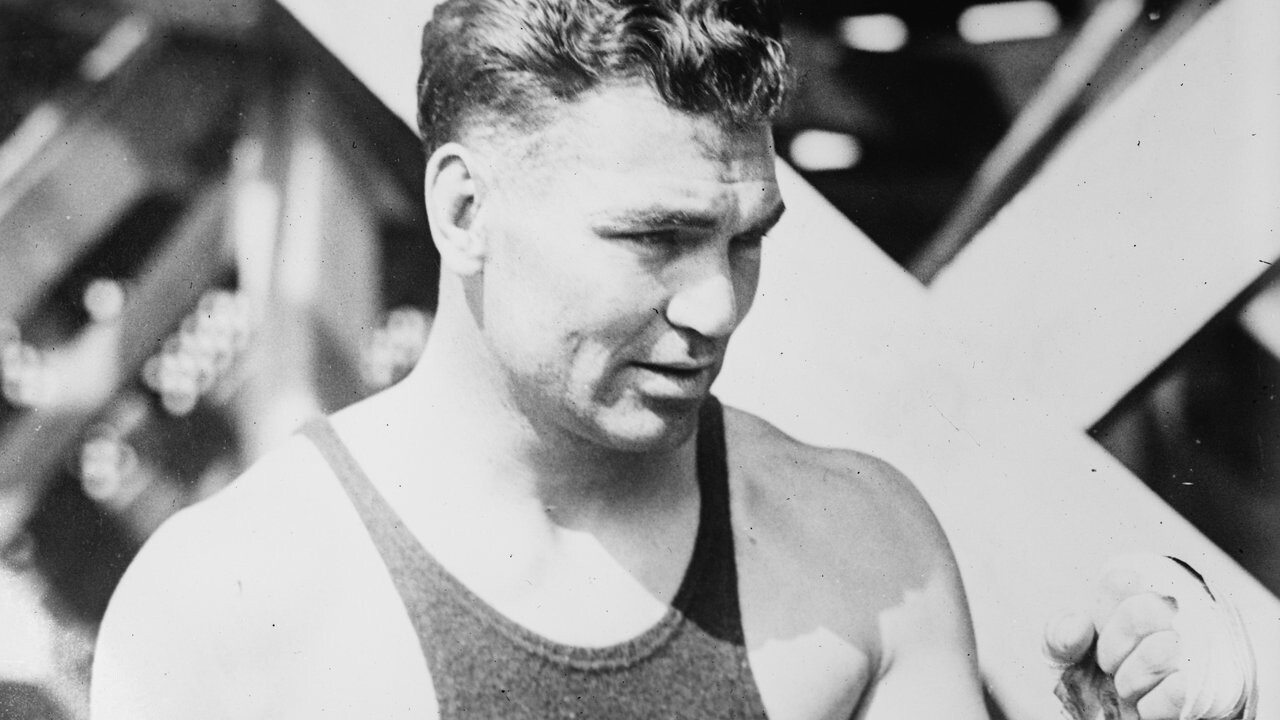
1920: Jack Dempsey Defends His Championship
Heavyweight champion Jack Dempsey won a title fight against Bill Brennan at Madison Square Garden on December 14, 1920. Photographs of Dempsey convey the physical intensity and showmanship surrounding championship boxing. His stance, gloves, and guarded expression also illustrate how carefully athletes presented themselves beyond the ring.
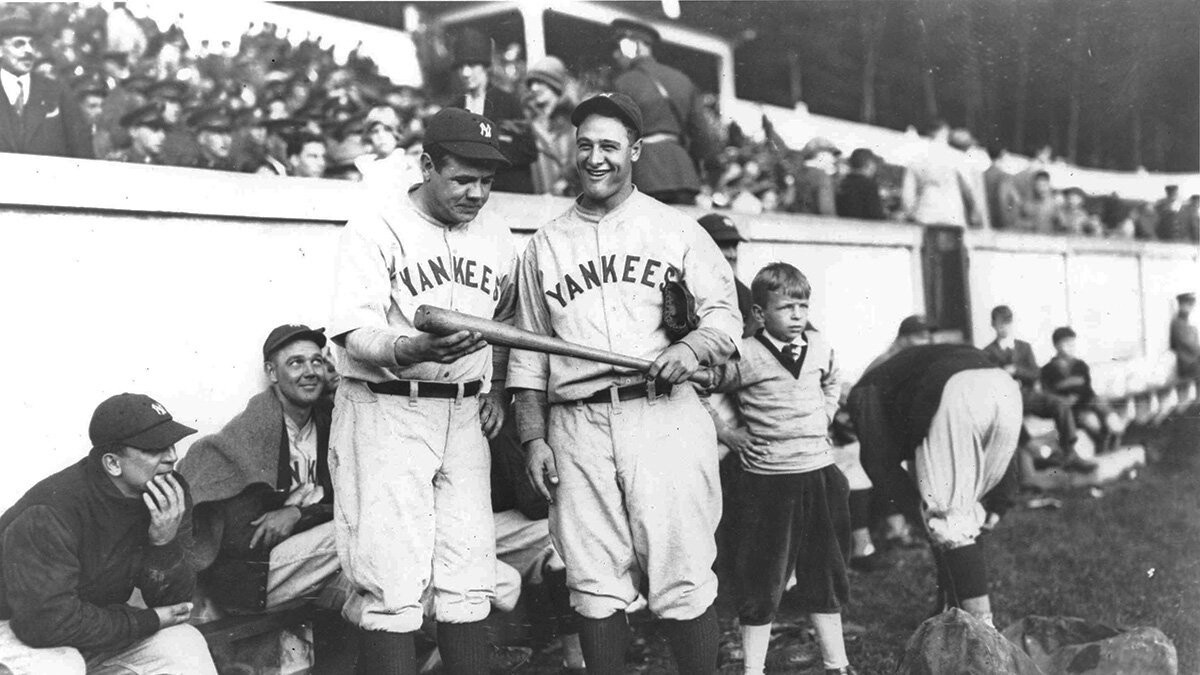
1927: Babe Ruth and Lou Gehrig Power the Yankees
Babe Ruth and Lou Gehrig combined for 107 home runs as the New York Yankees outpaced the major leagues in 1927. Photographs of the two sluggers capture contrasting figures at the heart of the same formidable lineup. Together, they represent an era when baseball players were becoming nationally recognizable public personalities.
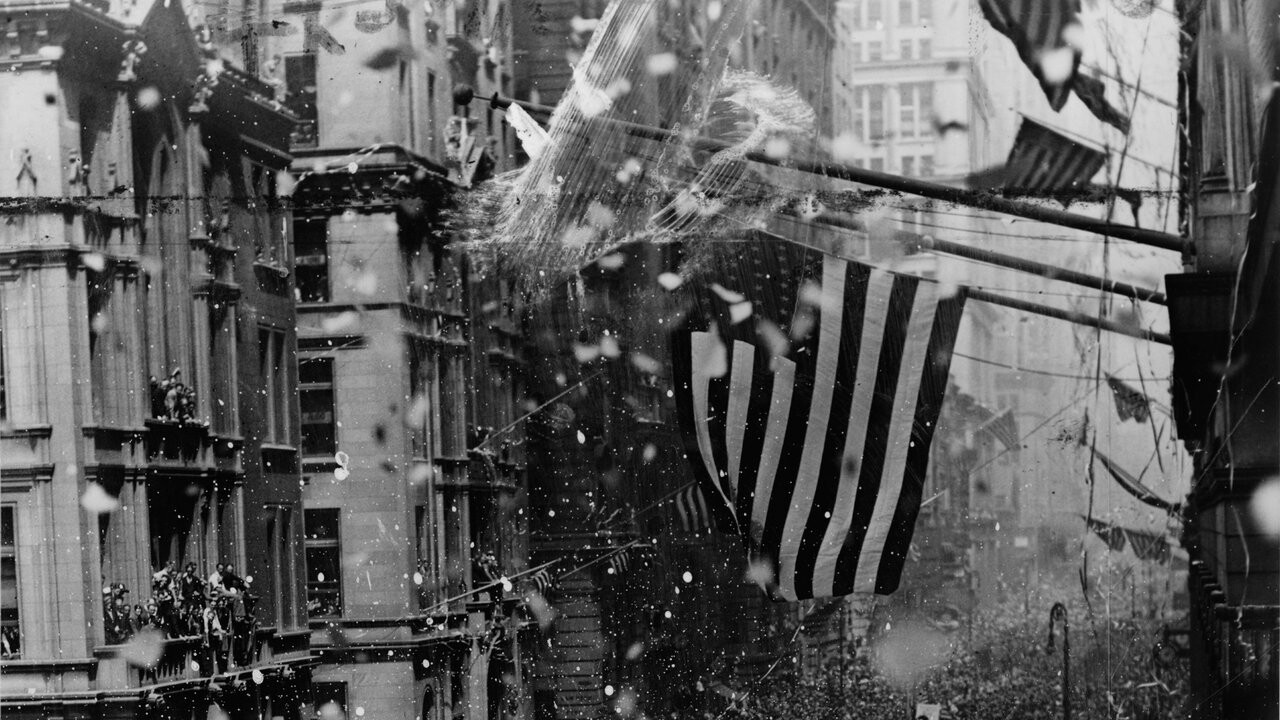
1926: Gertrude Ederle Conquers the Channel
Gertrude Ederle became the first woman to swim across the English Channel in 1926. Her time of fourteen and a half hours was two hours faster than the performances of the five men who had previously completed the crossing. Images of Ederle preserve the confidence behind one of the decade’s defining athletic achievements.
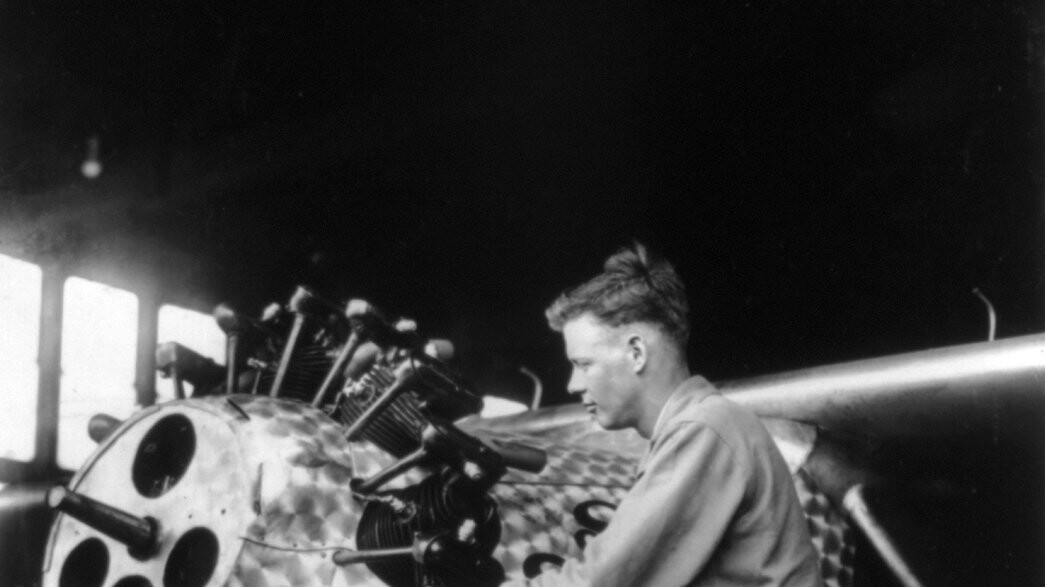
1927: The Spirit of St. Louis Crosses the Atlantic
Charles Lindbergh piloted the Spirit of St. Louis on the first solo, nonstop flight across the Atlantic on May 20–21, 1927. Photographs of the compact aircraft beside crowds and hangars convey the scale of the achievement. The plane appears modest against the distance it covered from New York to Paris.
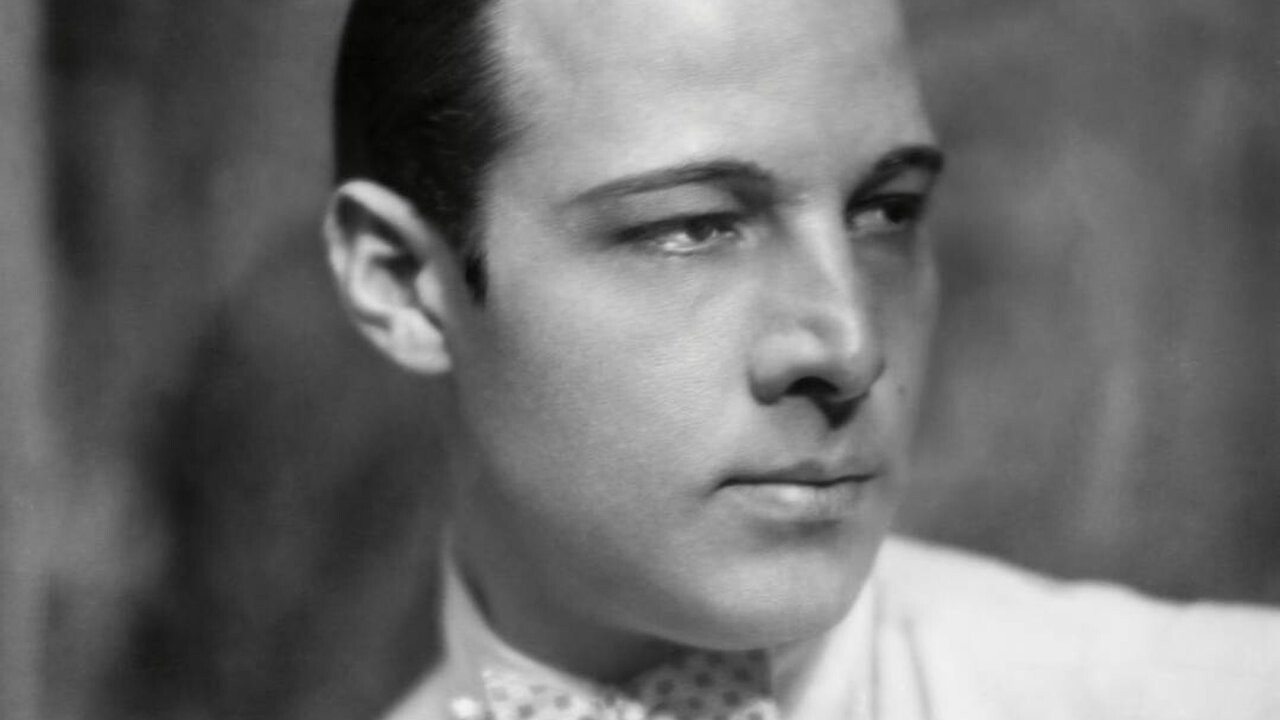
1921: Rudolph Valentino Becomes a Silent-Screen Idol
The Four Horsemen of the Apocalypse propelled Rudolph Valentino to stardom in March 1921. His best-known film, The Sheik, premiered that October and continued playing into 1922. Publicity portraits emphasized his expressive gaze, elegant clothes, and carefully arranged poses, helping audiences recognize him before they entered the theater.
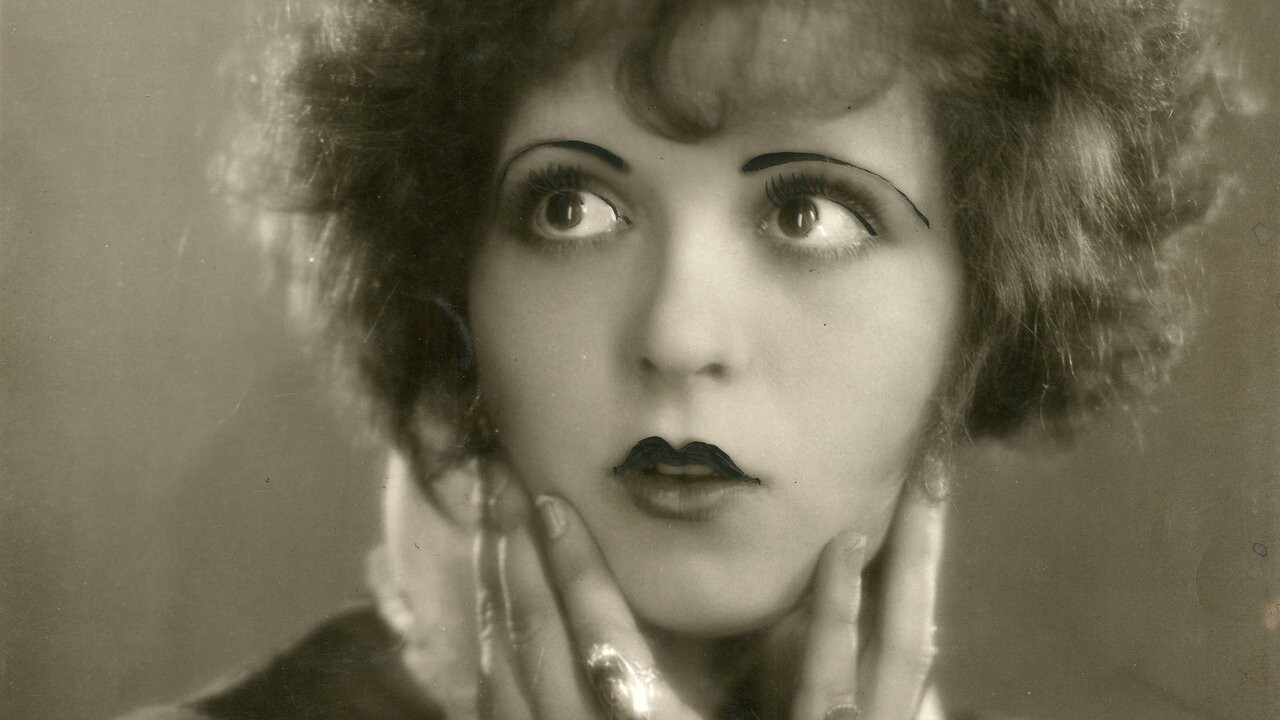
1927: Clara Bow Becomes the It Girl
Clara Bow achieved her greatest success as the It girl in the 1927 film It. Her lively screen presence aligned naturally with the popular image of the modern flapper. Portraits from the period show how a bobbed hairstyle, direct expression, and relaxed pose could communicate personality in a single carefully composed frame.
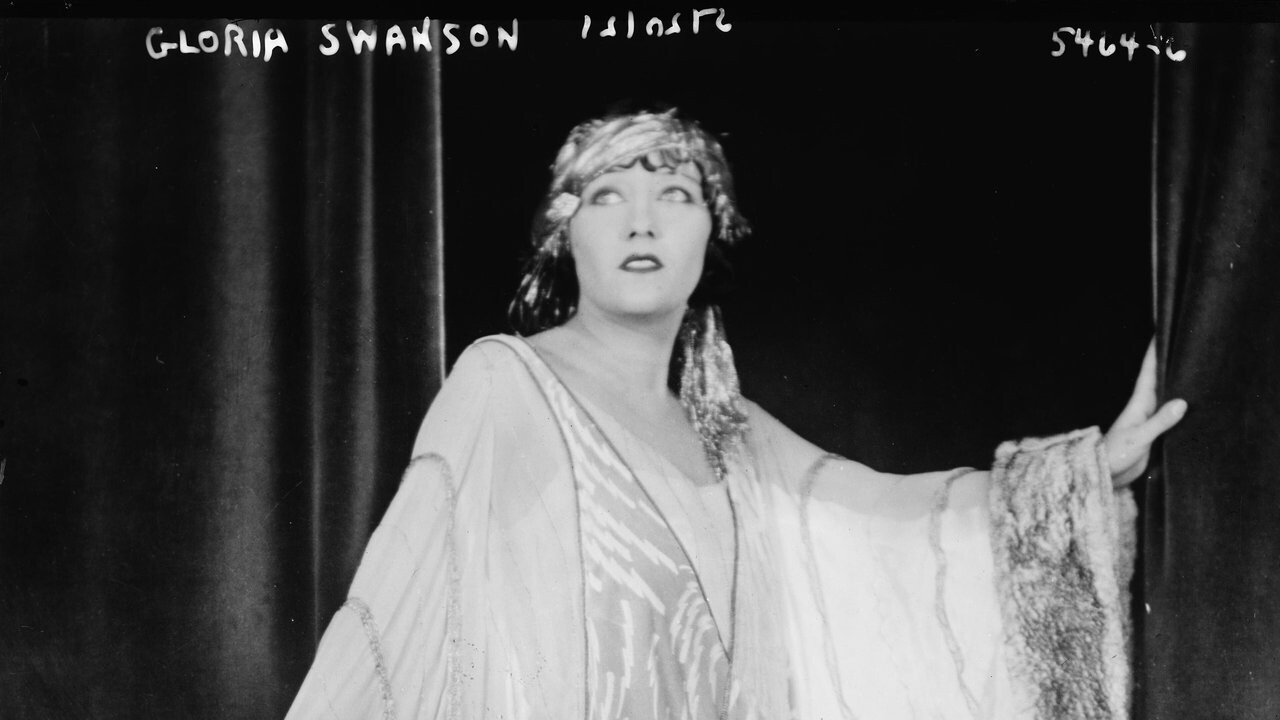
Gloria Swanson Defines Silent-Era Glamour
Gloria Swanson ranked among the biggest and grandest stars of the silent era. Her studio portraits present Hollywood glamour as a deliberate visual performance, shaped through lighting, clothing, jewelry, and confident poses. Even without a film playing, the photographs explain why audiences associated her with the scale and luxury of stardom.
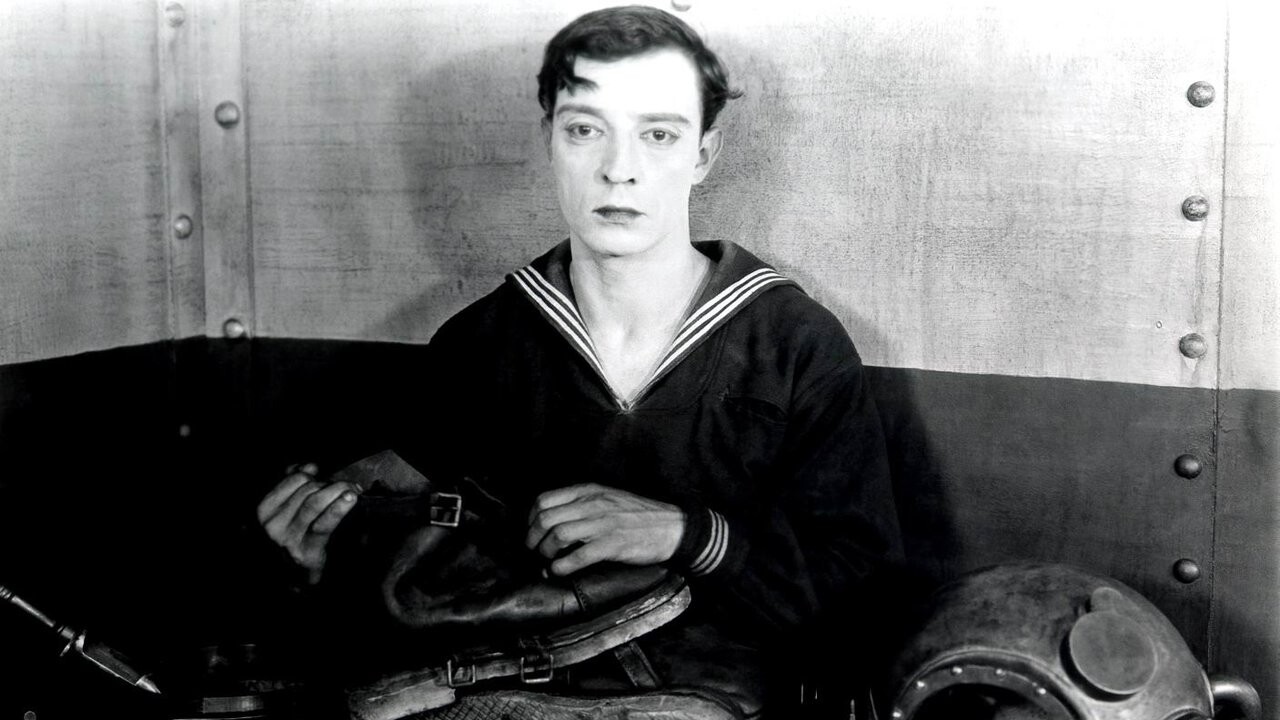
1924: Buster Keaton Breaks Through
The Navigator became Buster Keaton’s commercial breakthrough in 1924, moving him into the front rank of screen comedy. Production stills and portraits showcase his controlled expression, which remained steady amid elaborate comic situations. That contrast gave photographers a simple, memorable way to suggest the precision of his physical performances.
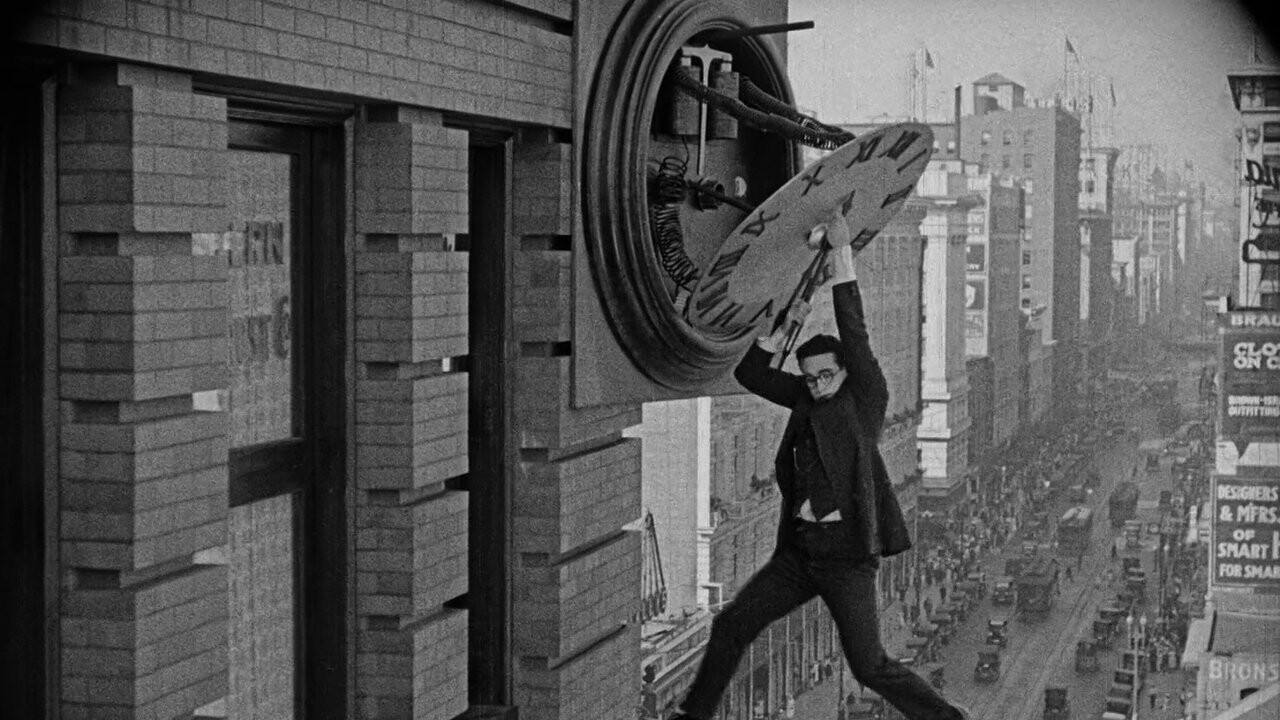
1923: Harold Lloyd Hangs From the Clock
Safety Last! appeared in 1923 and produced silent cinema’s most famous enduring image: Harold Lloyd hanging from the hands of a large clock. The still remains immediately legible because the danger, city setting, and comic disbelief meet in one frame. It captures the ambitious visual humor that made Lloyd distinctive.
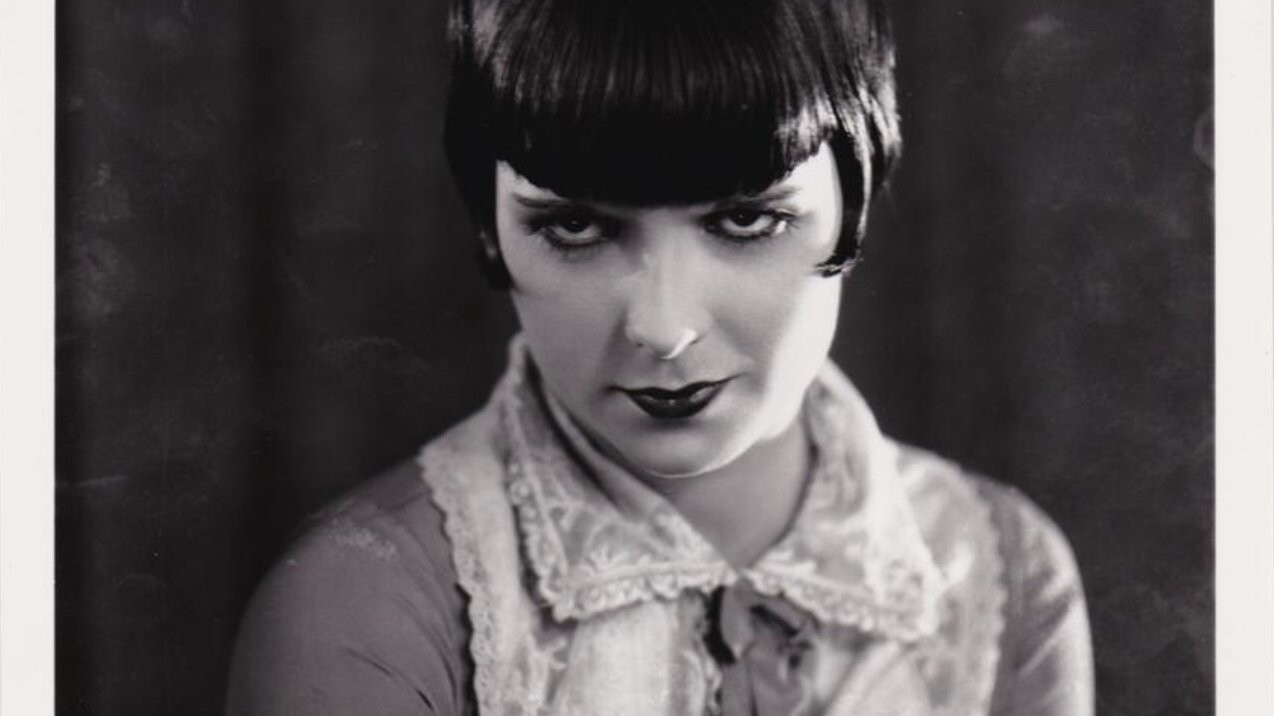
1929: Louise Brooks Finds Her Defining Role
American actress Louise Brooks became an international star through the 1929 German film Pandora’s Box. Production stills center her unmistakable bob and direct gaze, creating a screen image that remains striking in photographs. The film placed an American performer within one of the decade’s most memorable works of European cinema.
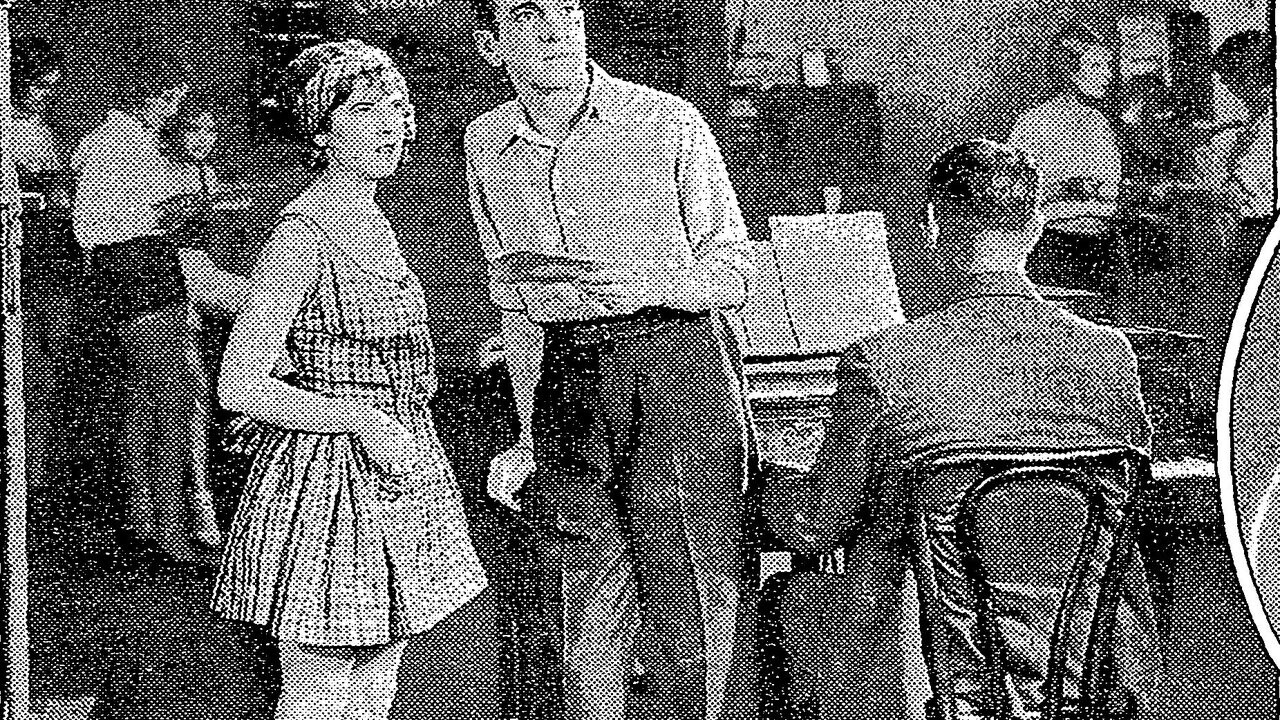
1927: The Jazz Singer Introduces Synchronized Sequences
The Jazz Singer was not the first talking picture. Released in 1927, it was mainly a silent feature but included several synchronized sequences with its star, Al Jolson. Posters and publicity photographs capture a film positioned between established silent storytelling and the recorded performances that were beginning to change audience expectations.
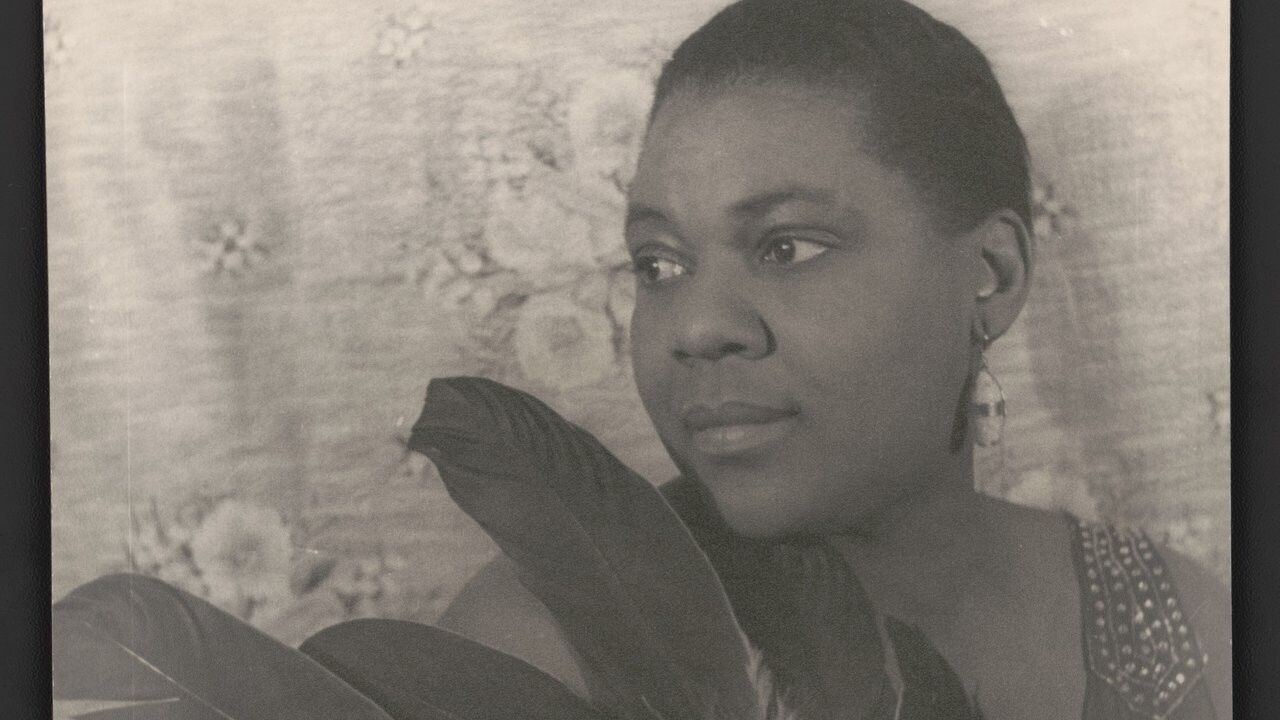
1923: Bessie Smith Begins Recording
Bessie Smith first recorded in 1923, beginning a career without parallel during the classic blues era. Her formal portraits present a poised performer facing the camera with directness and assurance. Those images complement the recorded voice through which listeners encountered one of the period’s most significant blues artists.
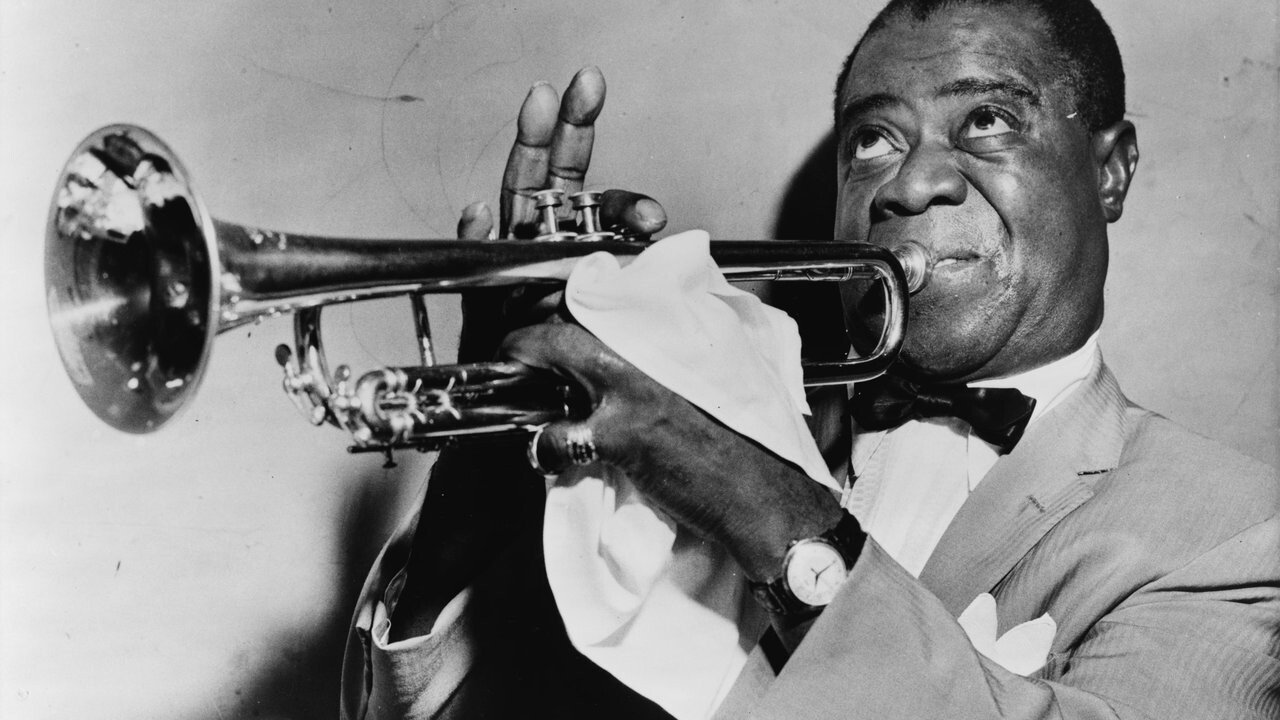
Louis Armstrong Emerges as a Great Jazz Soloist
Louis Armstrong became jazz’s first great soloist and one of American music’s most important and influential figures. Photographs frequently show him with his trumpet, turning the instrument into part of his public image. His expressive face and unmistakable stage presence remain as recognizable as the music associated with him.
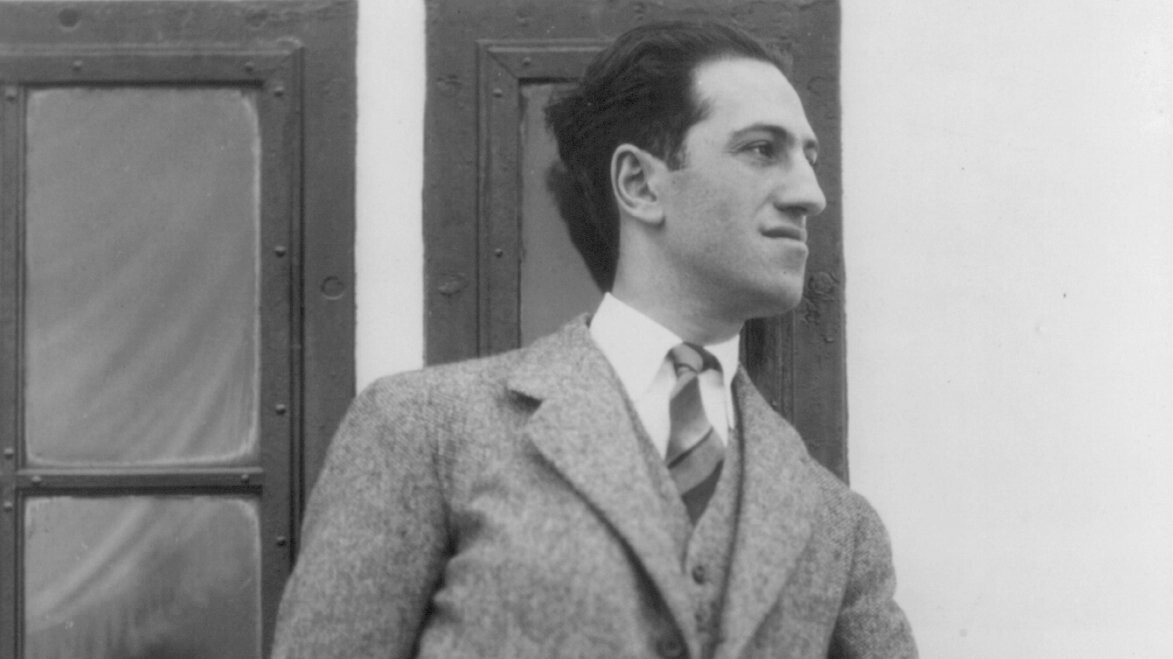
1924: Rhapsody in Blue Premieres in New York
Rhapsody in Blue received its first public performance at New York’s Aeolian Hall on February 12, 1924. Photographs of George Gershwin from the period place a young composer at the center of the city’s musical life. The premiere date offers a precise marker in a decade filled with experimentation and change.
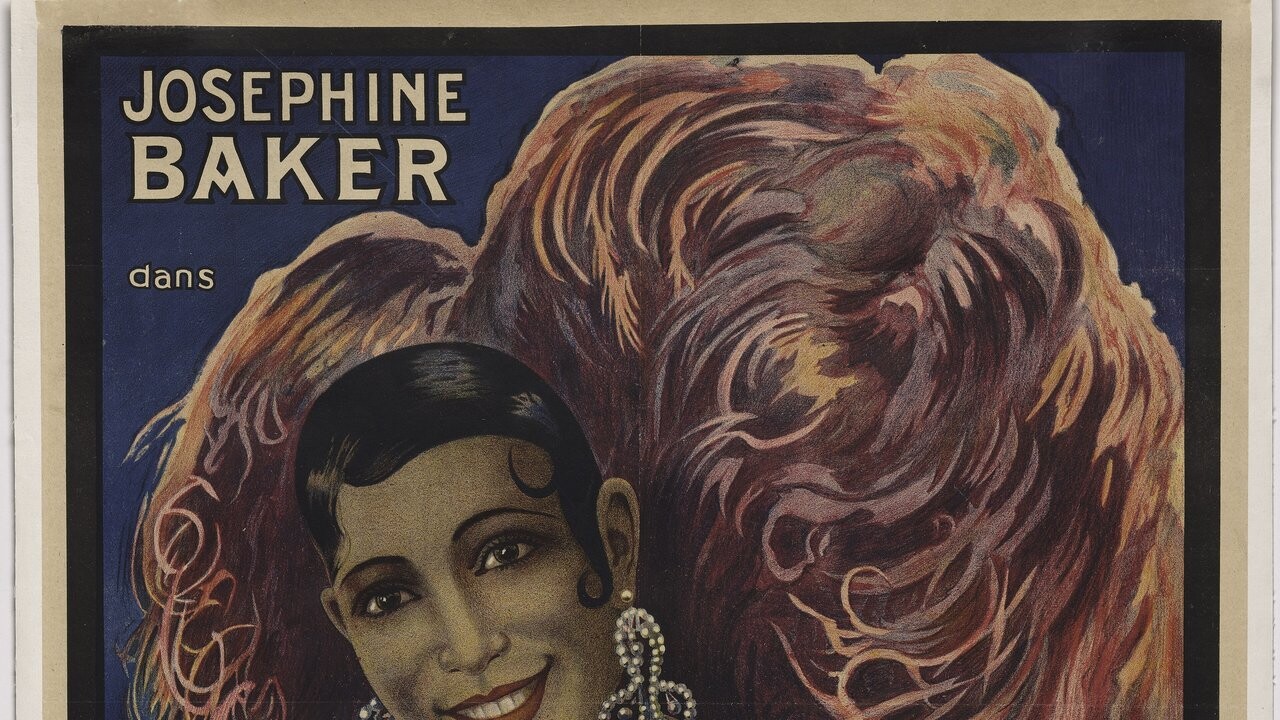
1925: Josephine Baker Captivates Paris
Josephine Baker traveled to Paris in 1925, where her distinctive performance and costume styles brought rapid success. Stage photographs preserve her command of pose, movement, and comic expression, showing how clearly she understood the power of a memorable image. Paris gave that visual inventiveness a prominent new setting.
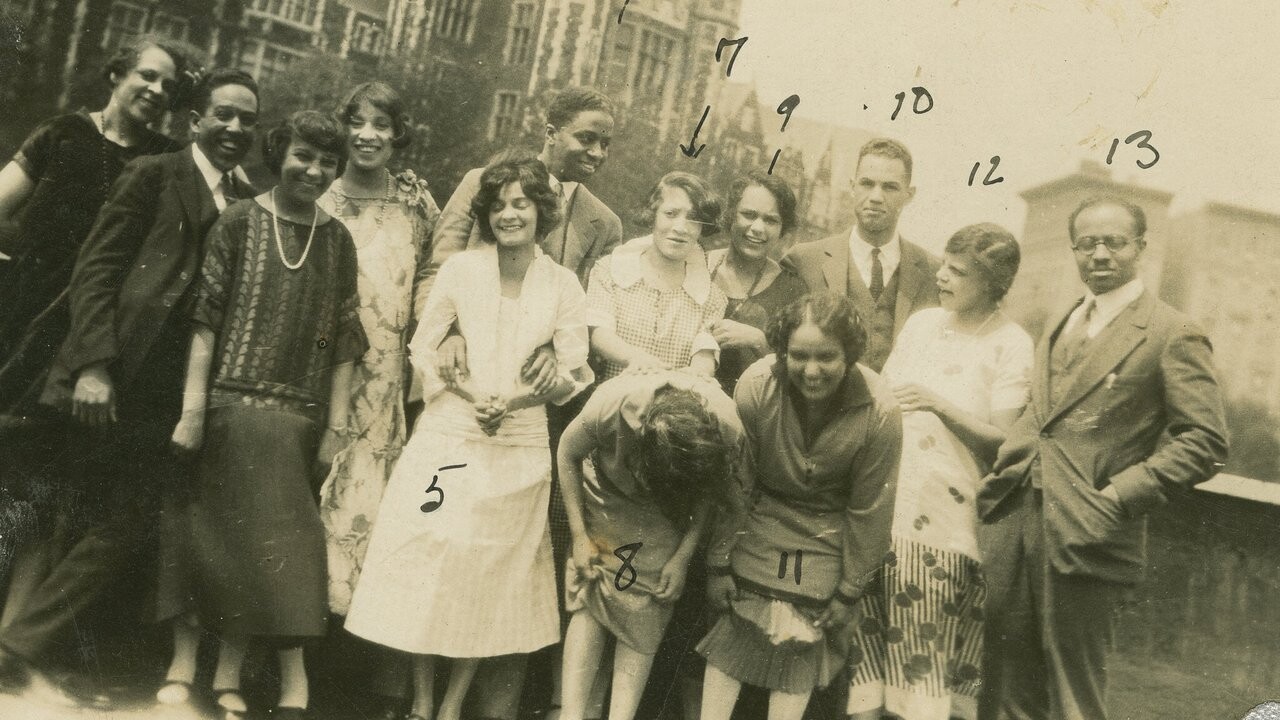
The Harlem Renaissance Reshapes American Culture
The Harlem Renaissance was a creative upsurge in Black music, visual art, theater, and literature. It found full expression in Harlem, Chicago, Washington, D.C., and other American cities. Group portraits, performance photographs, and author studies reveal a broad network of artists developing new forms while building a shared cultural presence.
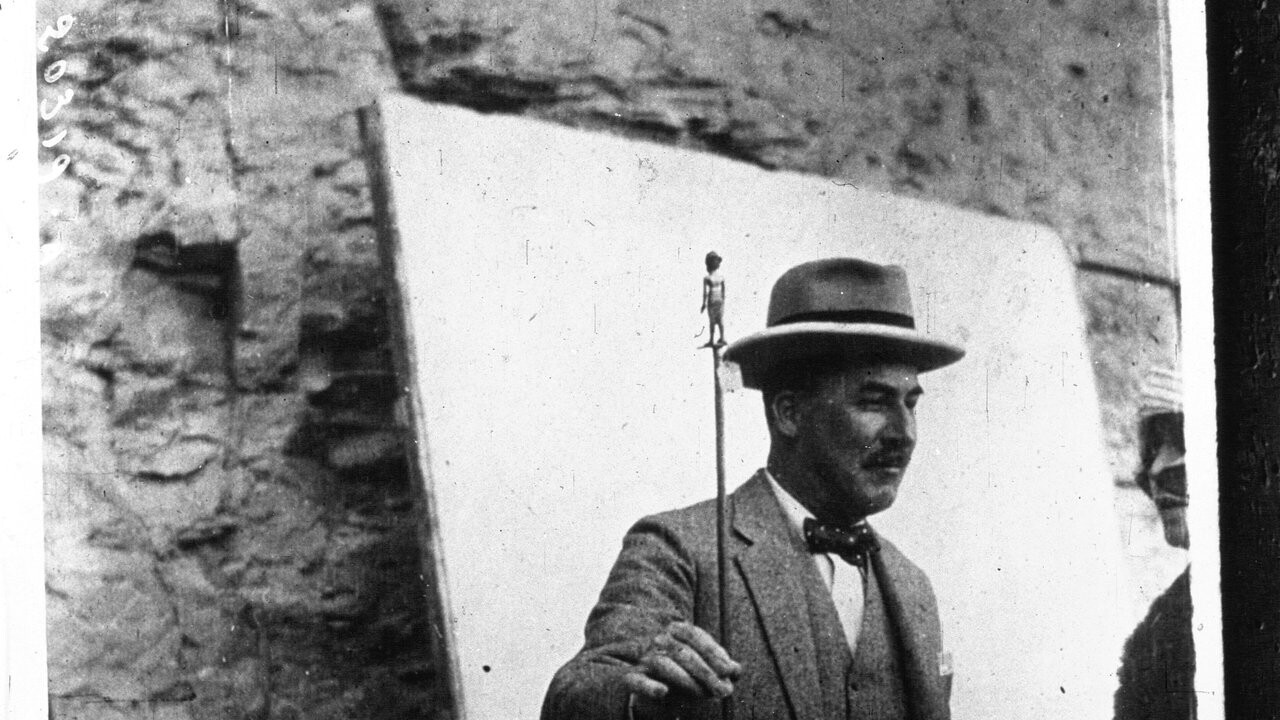
1922: Howard Carter Finds Tutankhamun’s Tomb
A team of Egyptian workers led by Howard Carter uncovered Tutankhamun’s tomb on November 4, 1922. Carter requested photographer Harry Burton’s services, and Burton documented the excavation work and its finds. His carefully composed images allow viewers to follow the discovery as a working archaeological site rather than only as a finished display.
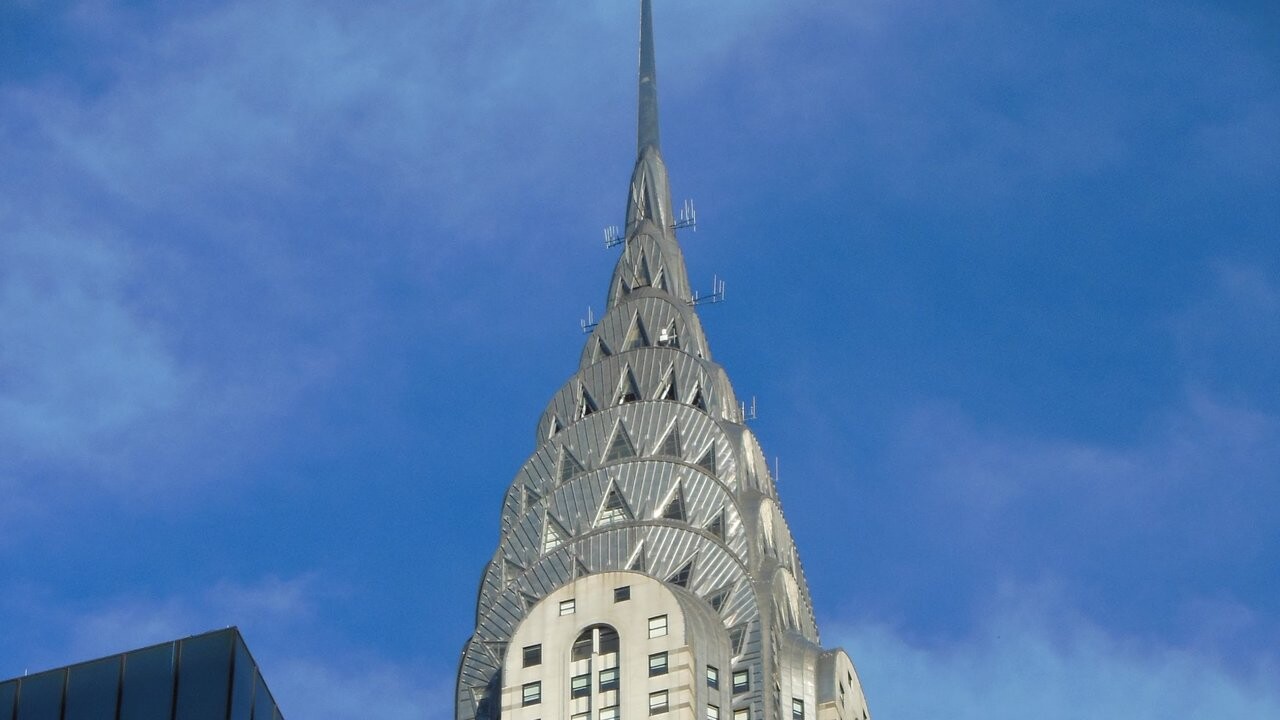
1930: The Chrysler Building Crowns the Decade
Completed in 1930, the Chrysler Building was then the tallest building in the world. Architect William Van Alen designed the tower as a striking statement in the Art Deco style. Rising over Manhattan, its recognizable silhouette provides a fitting final image for a period fascinated by height, industry, speed, and modern design.
These photographs preserve a decade whose experiments in style, entertainment, technology, and culture still feel surprisingly familiar. Which image best captures the Roaring Twenties for you?
Follow The HyperHive on MSN for more stories like this.
Sources:






