
Can you switch on a slow cooker in the morning, leave the house, and come home to a safe dinner?
In many cases, yes. USDA says cooking on low for the entire cooking time is safe, including when your schedule requires you to leave for work. That convenience still depends on preparing the food properly, using a sound appliance, and choosing a safe spot on the counter.
Here is how guidance from USDA, FDA, and fire-safety experts can help you use a slow cooker safely from preparation through serving.
Can You Leave It On While You Are Out?
USDA directly addresses the familiar all-day routine. It says, “It’s safe to cook foods on low the entire time” when, for example, you need to leave for work.
That guidance assumes the slow cooker keeps working normally. USDA says food remains safe while it cooks and after it finishes as long as the cooker is operating. Before leaving, confirm that the appliance is undamaged, correctly set, and positioned where it will not be disturbed.
How Should You Prepare the Food?
Begin with thawed ingredients. USDA advises thawing meat and poultry before putting them in a slow cooker because frozen pieces take longer to reach a safe internal temperature and could contribute to foodborne illness.
Keep meat, poultry, and other perishable ingredients refrigerated until you are ready to assemble the meal. You can chop them ahead of time, but return them to the refrigerator instead of leaving them on the counter.
Before serving, check the food with a food thermometer. USDA says all poultry, including whole birds, pieces, and ground poultry, must reach an internal temperature of 165°F. A thermometer provides information that appearance alone cannot.
Why Are Dry Kidney Beans Risky?
Dry red kidney beans require special preparation. Do not rely on a slow cooker alone to make them safe. The FDA advises soaking the beans for at least 5 hours, discarding the soaking water, and boiling them in fresh water for at least 30 minutes.
The FDA’s Bad Bug Book states, “Slow cookers should not be used to cook these beans or dishes that contain them.”
For an easier slow-cooker meal, begin with canned or properly cooked kidney beans. The FDA says the low toxin levels in these beans will not affect consumers.
What Is the Keep-Warm Setting For?
Treat the keep-warm setting as a holding tool, not a cooking setting for raw ingredients. USDA says to use it only after the food has cooked completely and reached a safe internal temperature.
Once food is cooked or reheated, keep it at or above 140°F. A slow cooker can be used for this hot-holding stage if it maintains that temperature.
Do not reheat cold leftovers in a slow cooker. USDA does not recommend this method because food may remain between 40°F and 140°F for too long. Choose another safe reheating method before using the slow cooker to hold the food hot.
How Can You Reduce the Fire Risk?
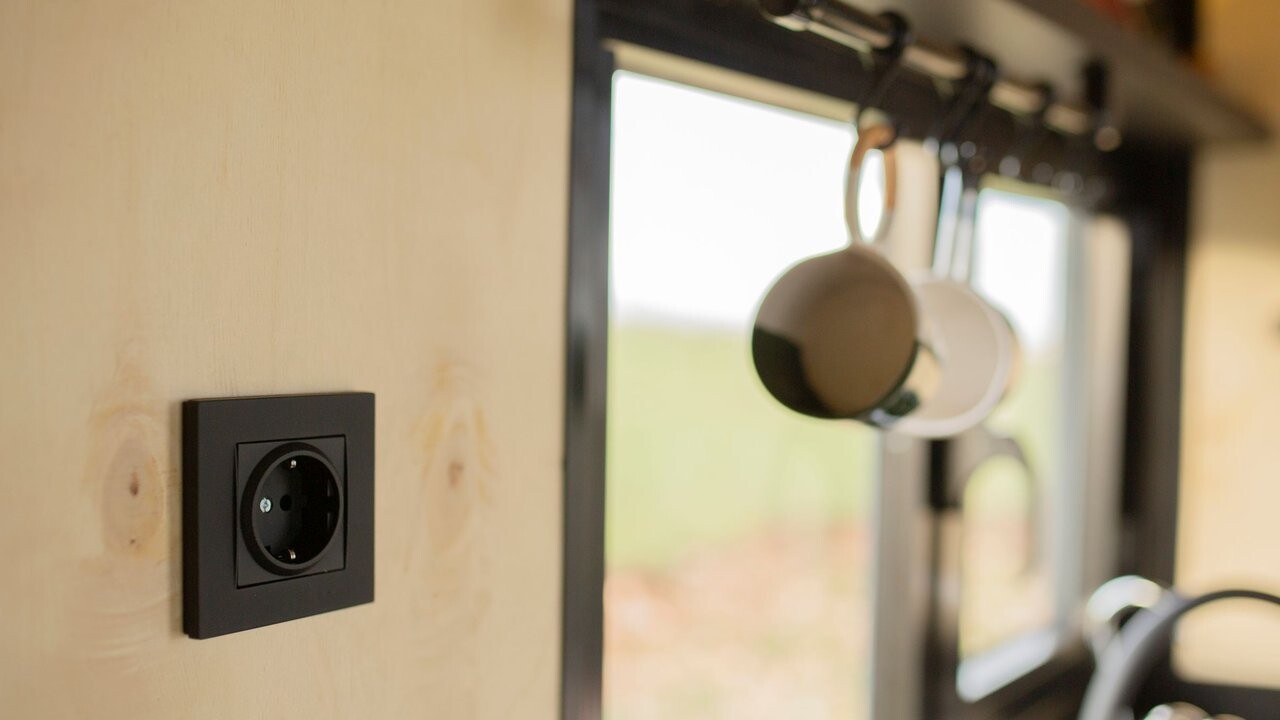
Before leaving the kitchen, inspect the cord, outlet, and surrounding counter. This quick check can reveal visible damage or placement problems.
- Clear the area. Keep items that could catch fire away from the slow cooker.
- Inspect the cord. Do not use the cooker if its power cord is cracked, broken, or otherwise damaged.
- Plug in directly. Connect the cooker directly to a wall outlet, not an extension cord, which can overload the circuit and cause a fire.
- Protect the lid. Place the cooker where it will not be bumped. If the lid is knocked off, liquid can boil away, the appliance can overheat, and a fire could start.
Follow the manufacturer’s instructions for placement, fill level, settings, and cooking time. If the appliance or cord shows damage or signs of overheating, replace it or have it professionally repaired before using it again.
What If the Power Goes Out?
A power outage changes the situation, especially if nobody was home to notice it. The food may have spent an unknown amount of time without heat, leaving no reliable way to reconstruct its cooking history.
USDA says that if you were away during the entire cooking process and the power failed, “throw away the food even if it looks done.” A finished appearance cannot show how long the cooker was off or whether the meal cooked safely.
Discarding dinner may feel wasteful, but it is the safer choice when you cannot confirm that the slow cooker operated continuously.
A slow cooker can make an all-day meal practical and manageable. Start with thawed, refrigerated ingredients, use an undamaged appliance on a clear counter, and check the finished food with a thermometer. If the power goes out while you are away, discard the meal rather than guessing.
This article is for general information and isn’t a substitute for advice from your doctor.
Sources:
- NFPA: Educational Messages Desk Reference, 2026 Edition
- USDA FSIS: What setting should you use on a slow cooker?
- USDA FSIS: Is it safe to cook frozen foods in a slow cooker or crock pot?
- USDA FSIS: What ingredients can you cook in a slow cooker?
- USDA FSIS: What is a safe internal temperature for cooking meat and poultry?
- FDA: Natural Toxins in Food
- FDA: Bad Bug Book, Second Edition
- USDA FSIS: At what temperature should I hold hot foods?
- USDA FSIS: What methods of reheating food are safe?
- USDA FSIS: What happens if the power goes off while the slow cooker is operating?



