The Beatles in Photos, From Liverpool to Abbey Road

EMI. / Wikimedia Commons, Public domain (cropped)
Few groups left a visual trail as instantly recognizable as the Beatles. Club doorways, airport press rooms, stadiums, neighborhood streets, and a London crosswalk chart how a Liverpool band became a worldwide cultural presence.
This gallery moves in chronological order, using official band history, public archives, broadcaster records, and heritage listings. The images were chosen around subjects with public-domain or Creative Commons options, including carefully checked Dutch archive photographs.
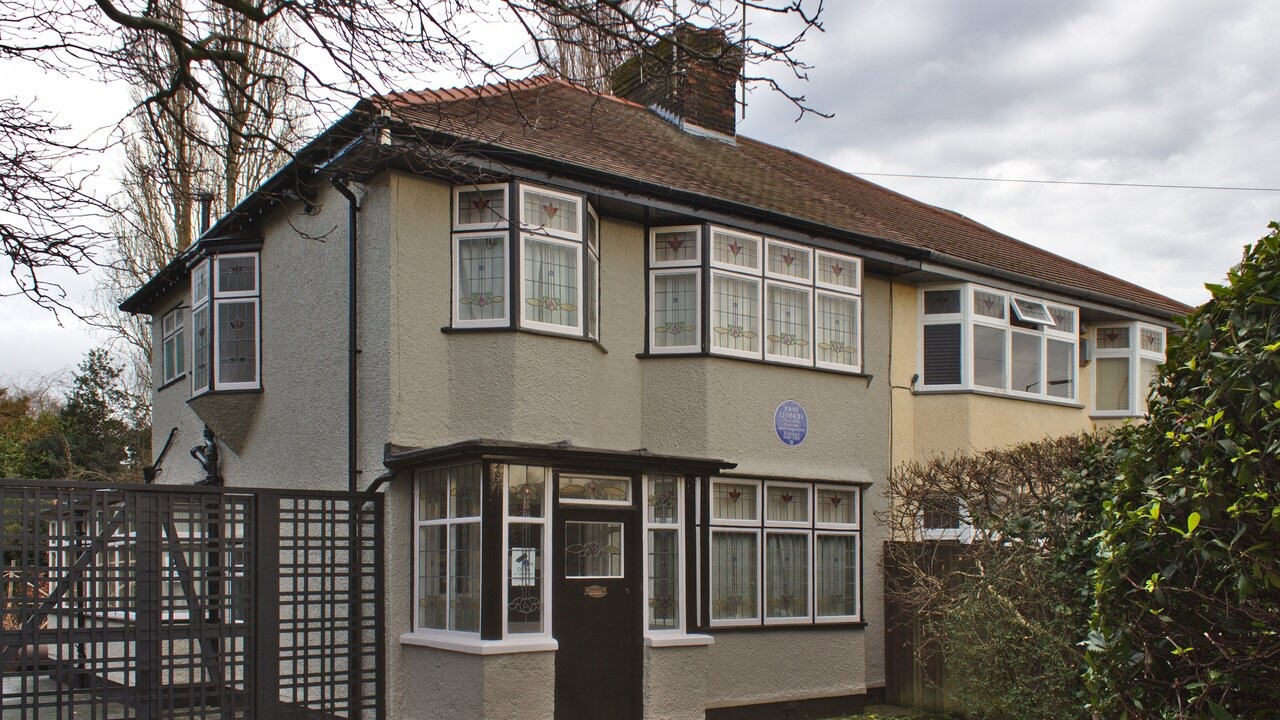
Late 1950s: Three Teenagers in Liverpool
The Beatles began with three Liverpool teenagers: John Lennon, Paul McCartney, and George Harrison. The familiar lineup came later, after several names and drummers. That early hometown chapter makes the later images more striking, because the story starts with young musicians learning how to become a band.
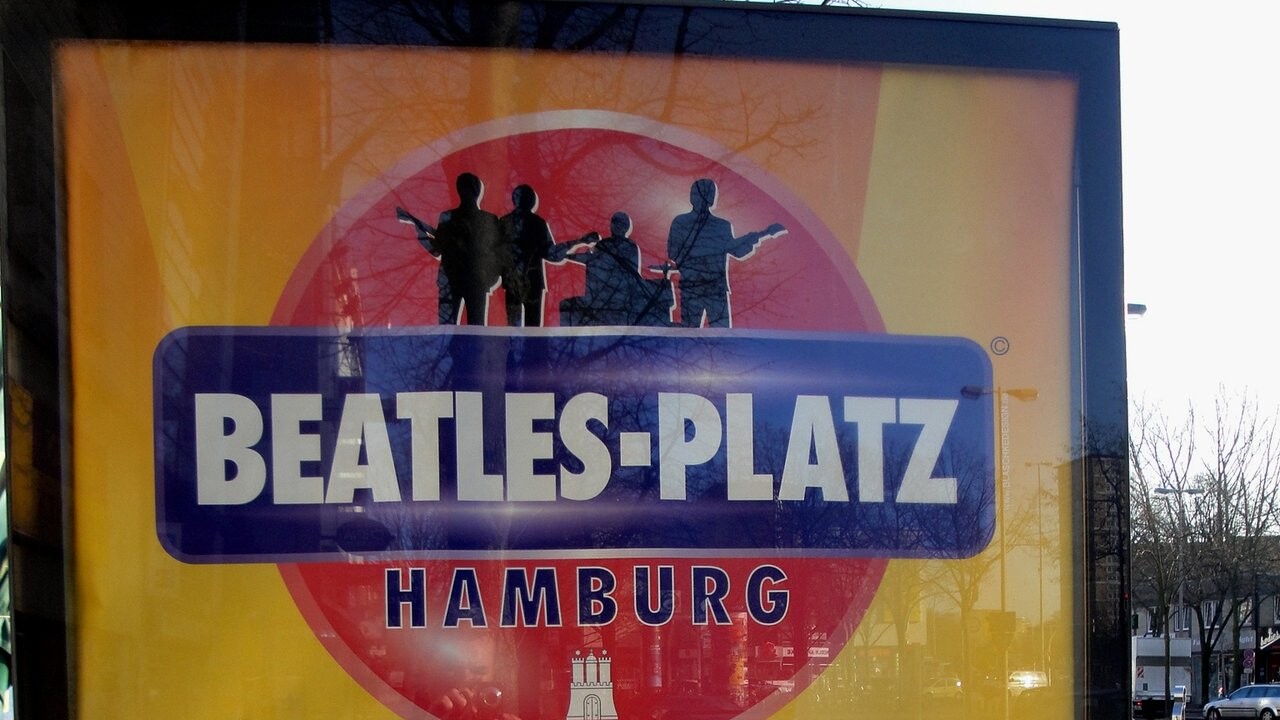
Hamburg: Learning the Stage
In Hamburg, the young band encountered an intense club circuit far from home. Their official history remembers the German city as the place where they truly developed. The experience forms a crucial bridge between their Liverpool beginnings and the increasingly confident performers who returned to England ready for larger audiences.
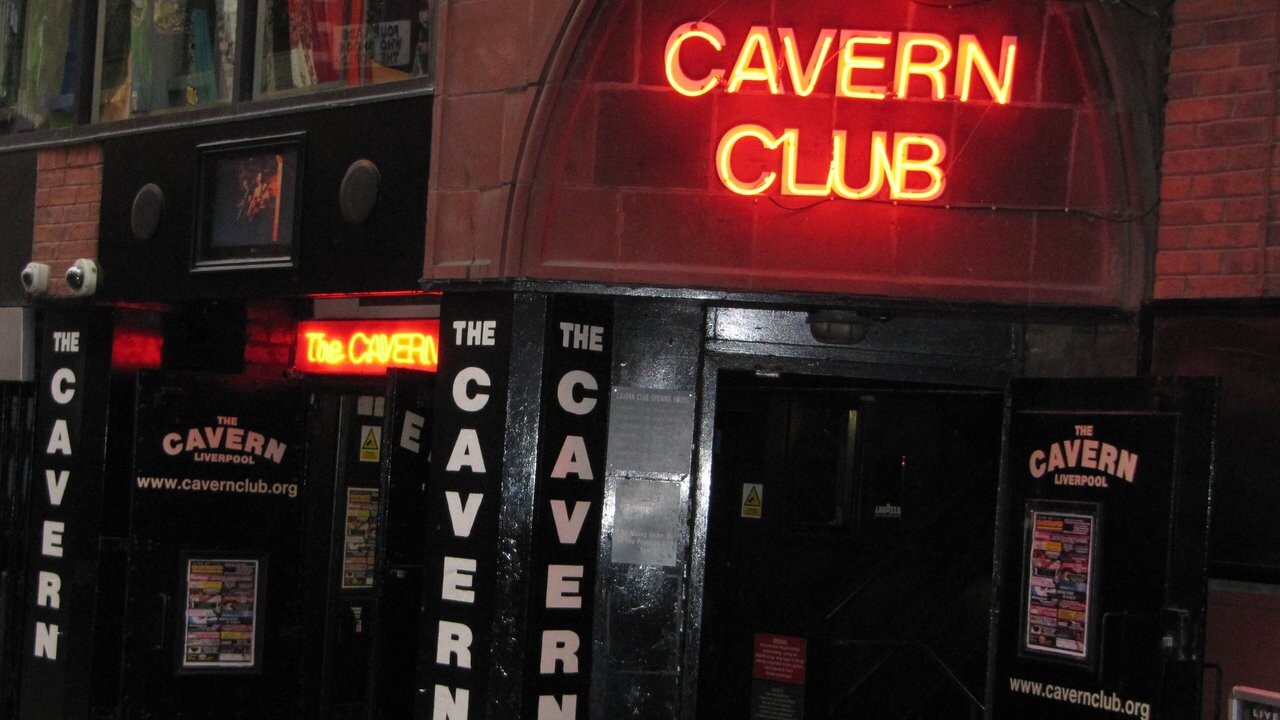
1961: The Cavern Club and Brian Epstein
At the Cavern Club in Liverpool, a November 1961 lunchtime concert became a hinge point: the band met future manager Brian Epstein there. The moment joins two sides of the early story, the intimate hometown stage and the professional partnership that would help carry the group far beyond it.
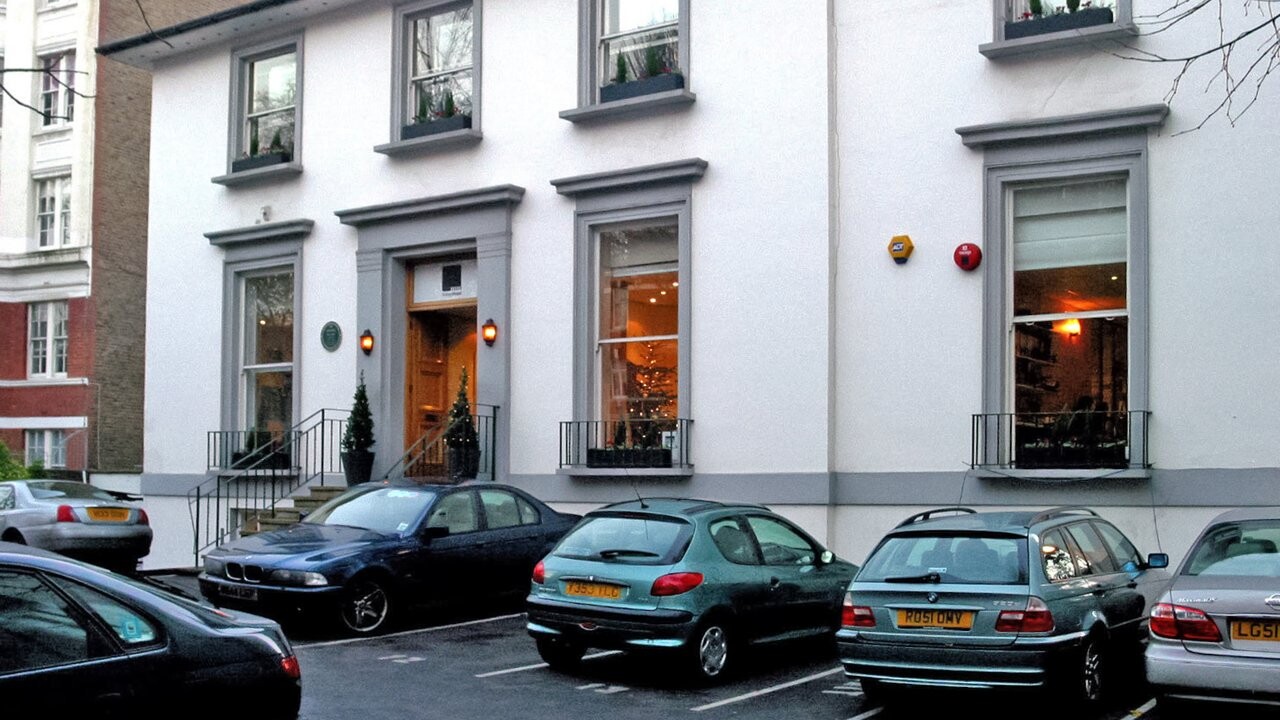
George Martin and the Recording Room
George Martin became the producer who helped translate the Beatles’ live energy into records. The recording room offered a new kind of stage, shaped by microphones, tape, arrangement, and repeated takes. That partnership became one of the band’s defining creative relationships, linking performance instincts with patient studio craft.
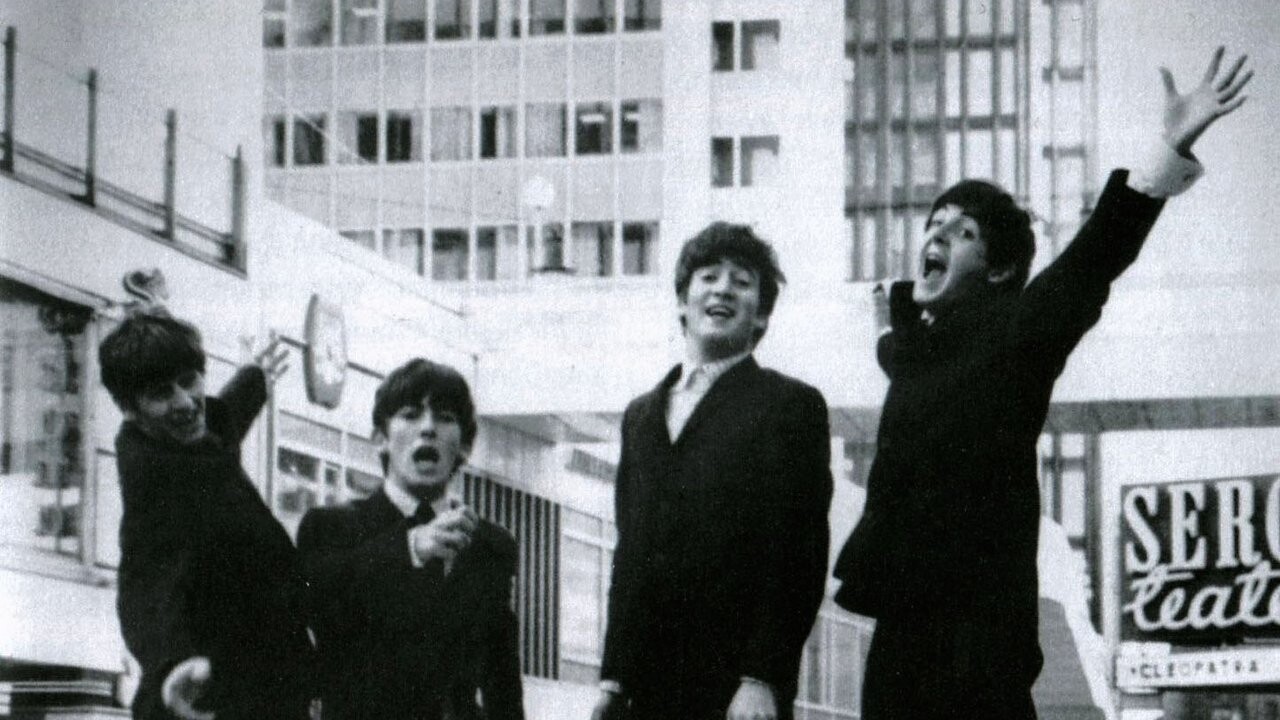
1963: The First Foreign Tour Begins in Sweden
On October 23, 1963, the Beatles landed at Stockholm’s Arlanda Airport and began their first foreign tour. Sweden catches the band at a fascinating edge: already successful enough to travel, yet photographed before the American explosion made almost every public arrival a global news event.
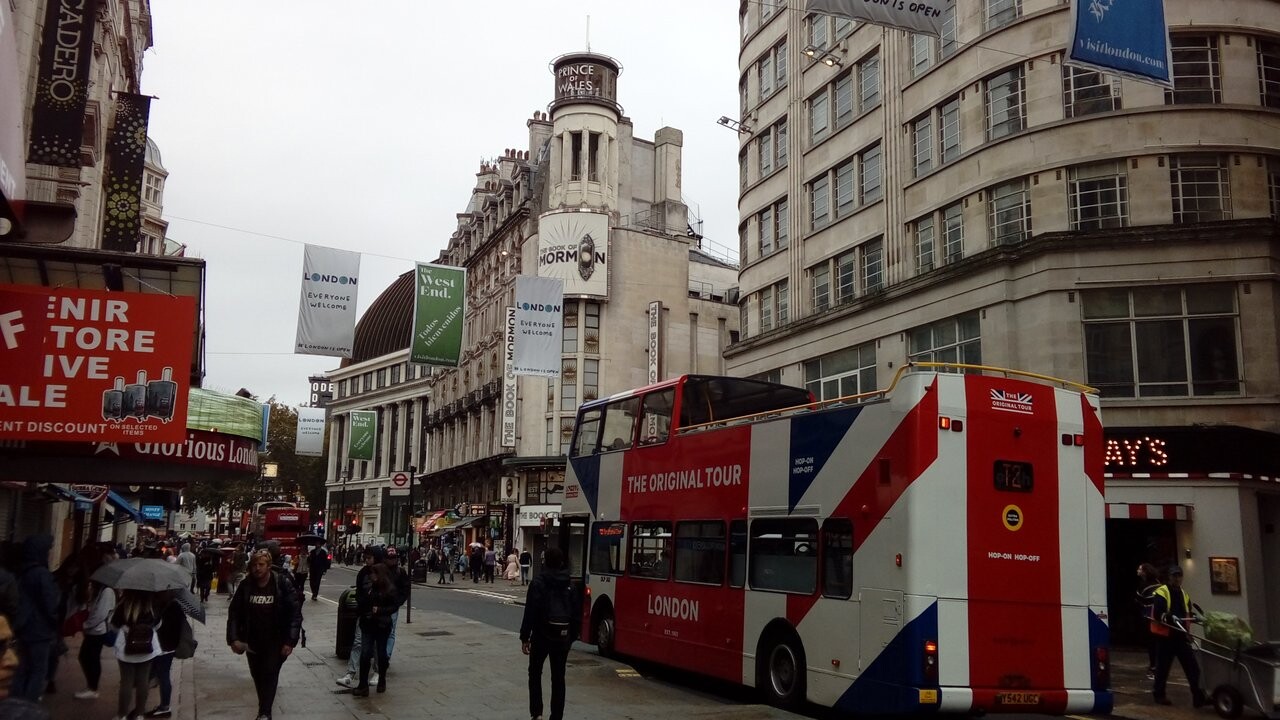
1963: The Royal Variety Stage
At the Royal Variety Performance on November 4, 1963, the Beatles appeared before Queen Elizabeth The Queen Mother and Princess Margaret. The booking placed the Liverpool favorites inside a formal national tradition, making the contrast between courtly surroundings and the band’s youthful energy part of the moment’s enduring charm.
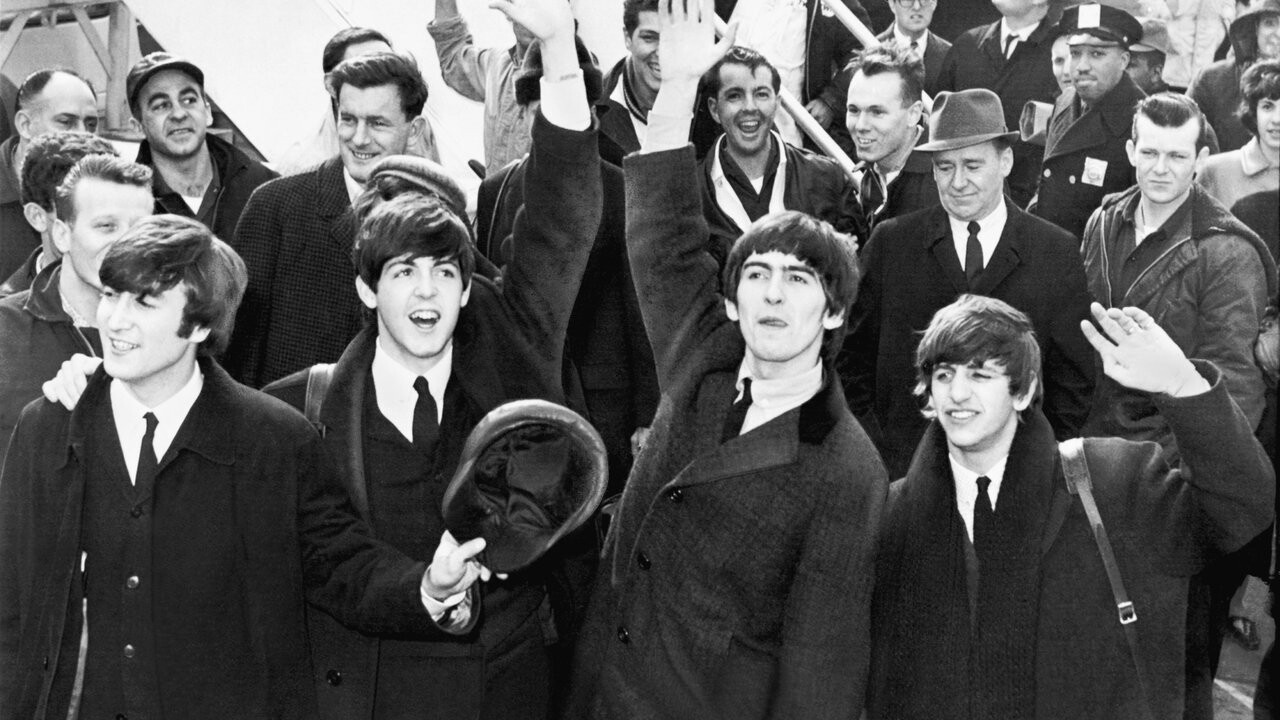
1964: The Beatles Land at JFK
On February 7, 1964, the Beatles opened their first United States visit with a press conference at John F. Kennedy International Airport. The image of young musicians meeting a wall of questions marks the moment British fame crossed the Atlantic and the American chapter began in earnest.
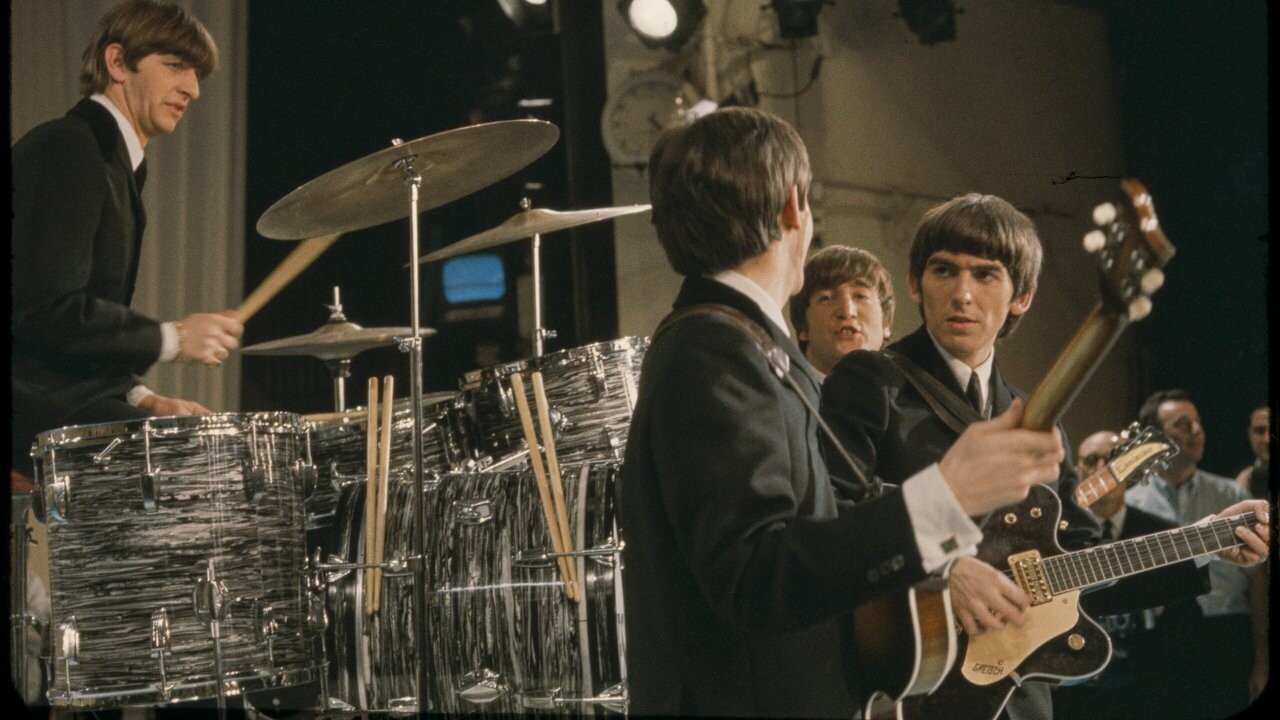
1964: A Sunday Night With Ed Sullivan
Two nights later, on February 9, 1964, the Beatles made their first live American appearance on The Ed Sullivan Show. For many families, the event was shared in one room, and the memory became inseparable from television’s power to turn a musical performance into a national occasion.
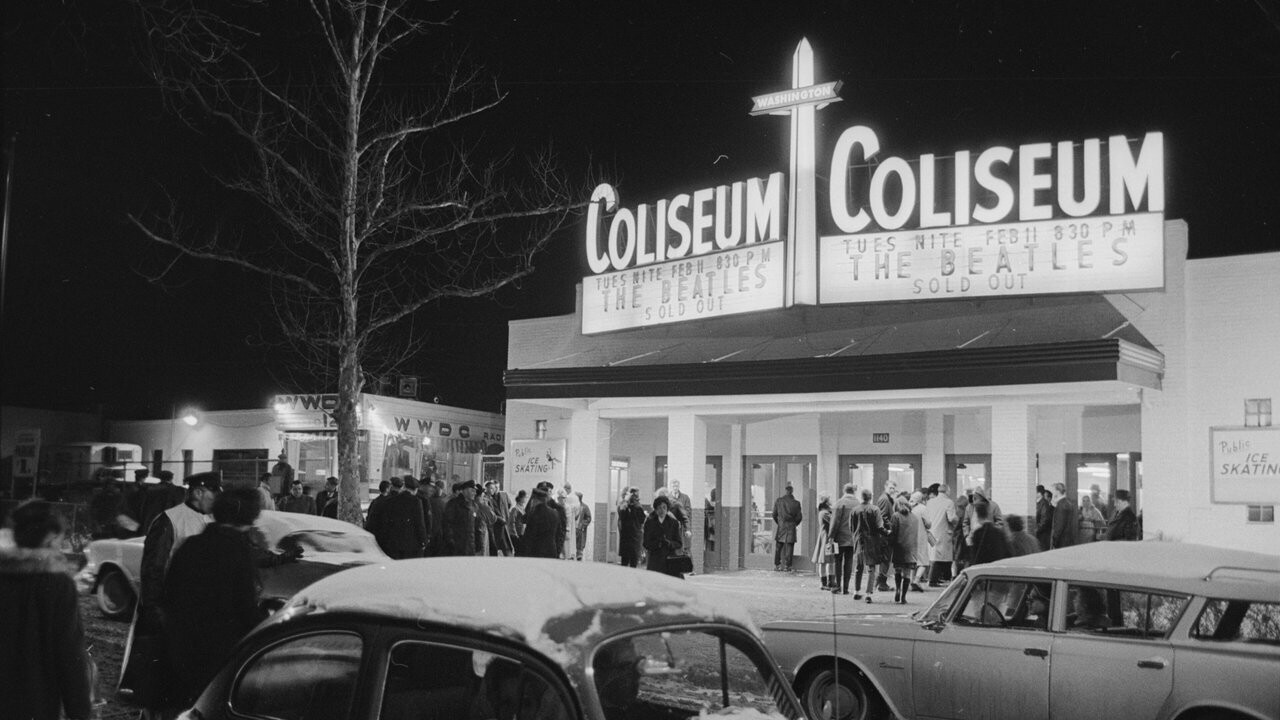
1964: The Washington Coliseum Concert
On February 11, 1964, the Beatles played the Washington Coliseum, their first United States concert. Library of Congress photographs preserve the performance, the press gathering, and the crowd outside. The quick move from television studio to arena shows how rapidly the visit shifted from introduction to full-scale public event.
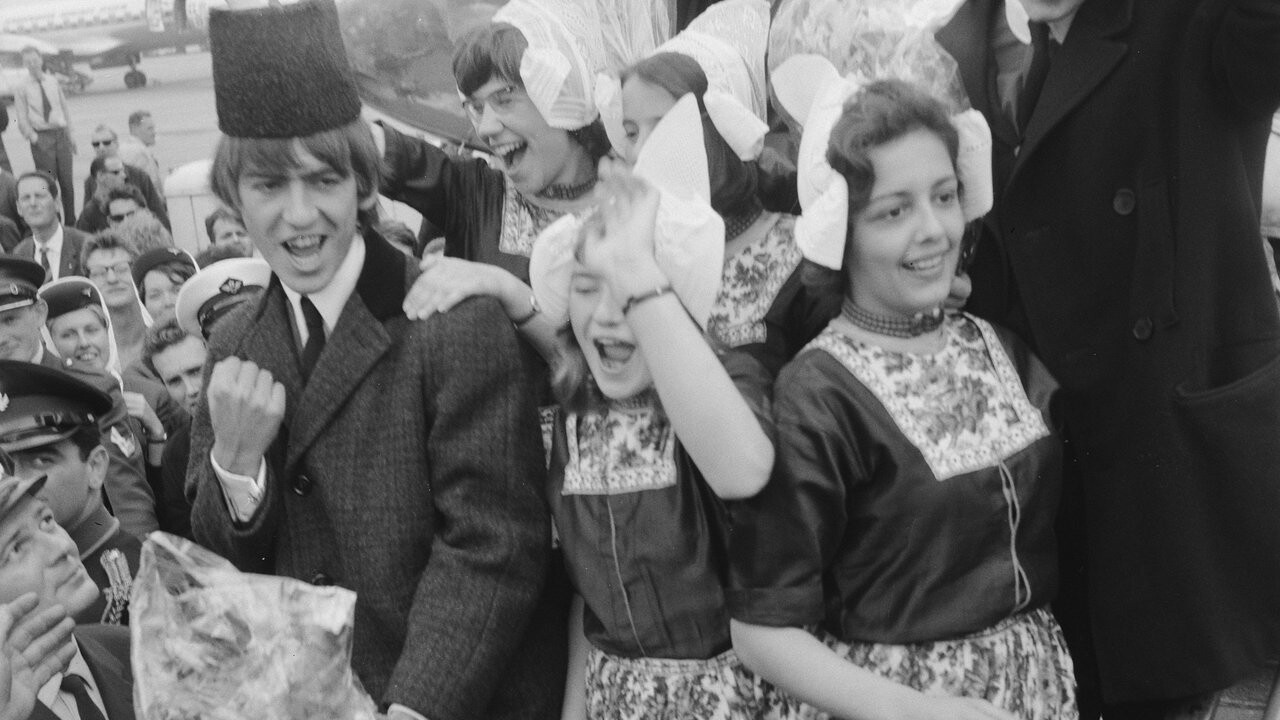
June 1964: Volendam Caps at Schiphol
On June 5, 1964, the Beatles arrived at Schiphol Airport. George Harrison was photographed in a Volendam cap beside women in traditional dress, a playful welcome preserved by the Dutch National Archives. The archive marks the image CC0, making this cultural exchange especially practical for a free-photo gallery.
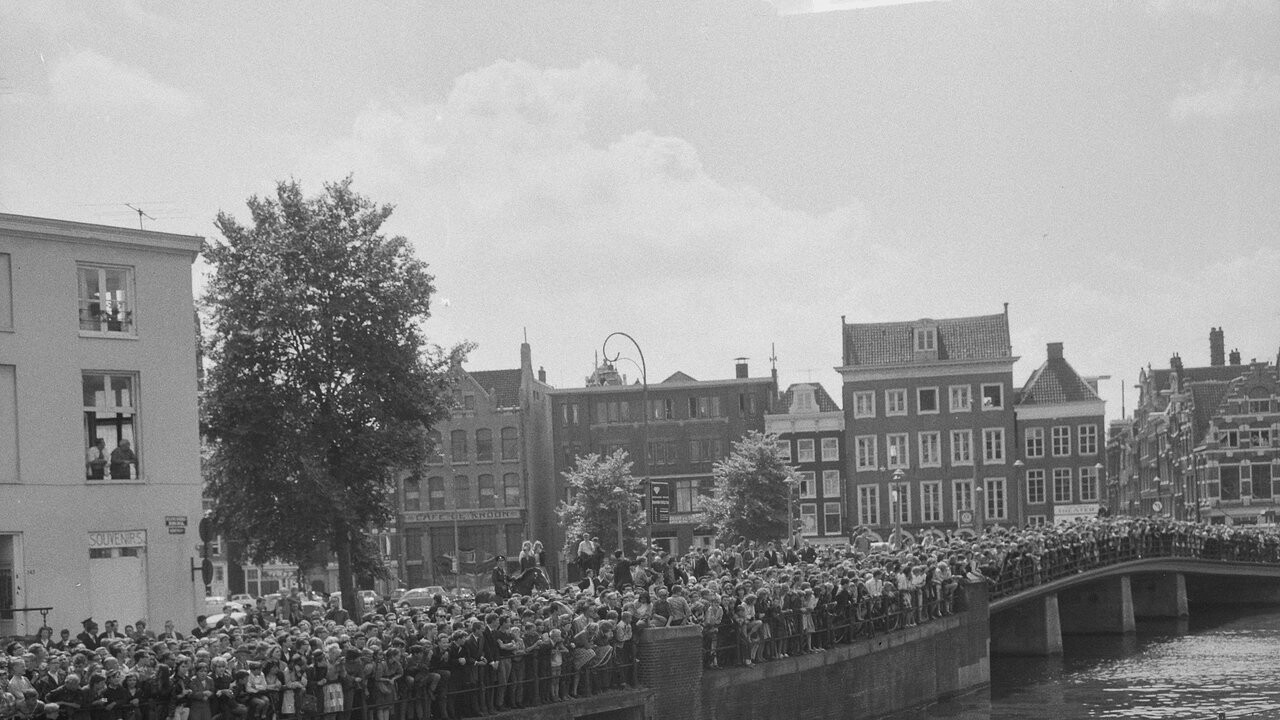
Amsterdam’s Canal Welcome
On June 6, 1964, the Beatles took a canal boat through Amsterdam while photographers recorded the visit. The trip became a moving public appearance rather than a quiet sightseeing break. The surviving Anefo photograph is available under a CC0 dedication, allowing free reuse of the archived image.
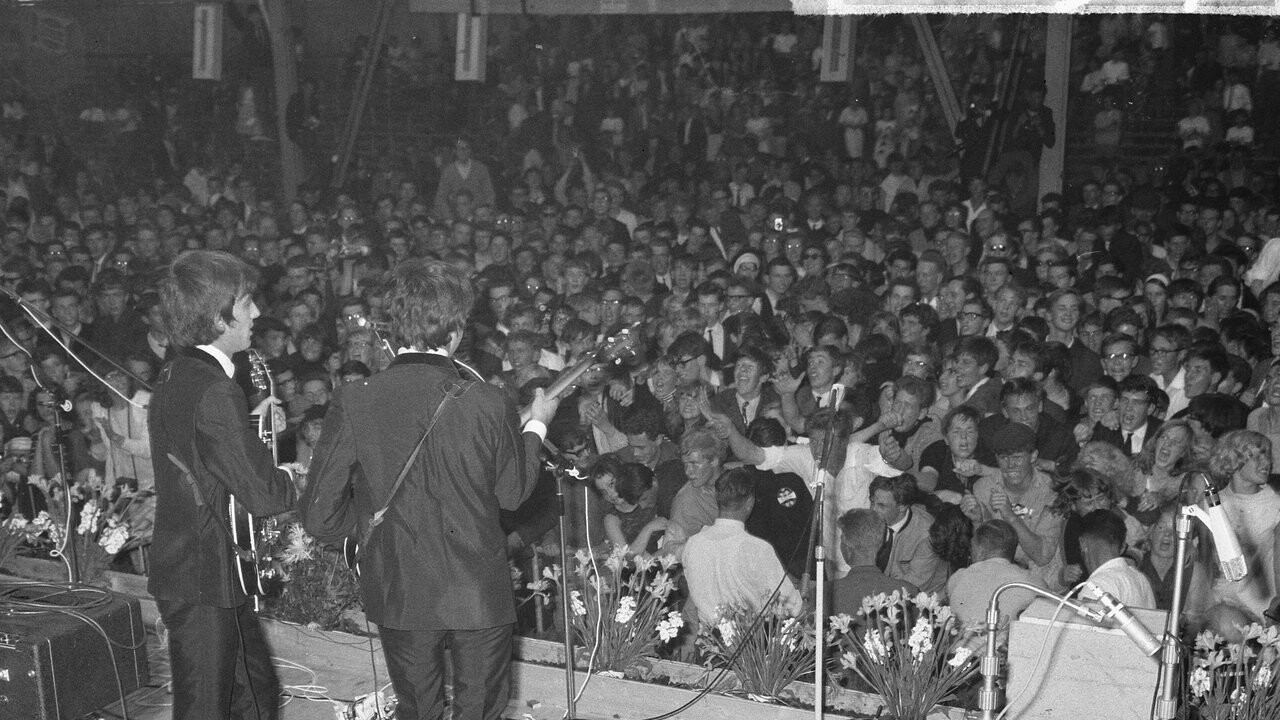
Blokker: Beatlemania in an Auction Hall
During the June 1964 visit, the Beatles moved into a produce-auction hall in Blokker for a concert. The local setting feels almost modest beside the international attention surrounding the band. Yet the hall shows how quickly Beatlemania could transform an ordinary community space into the center of the musical world.
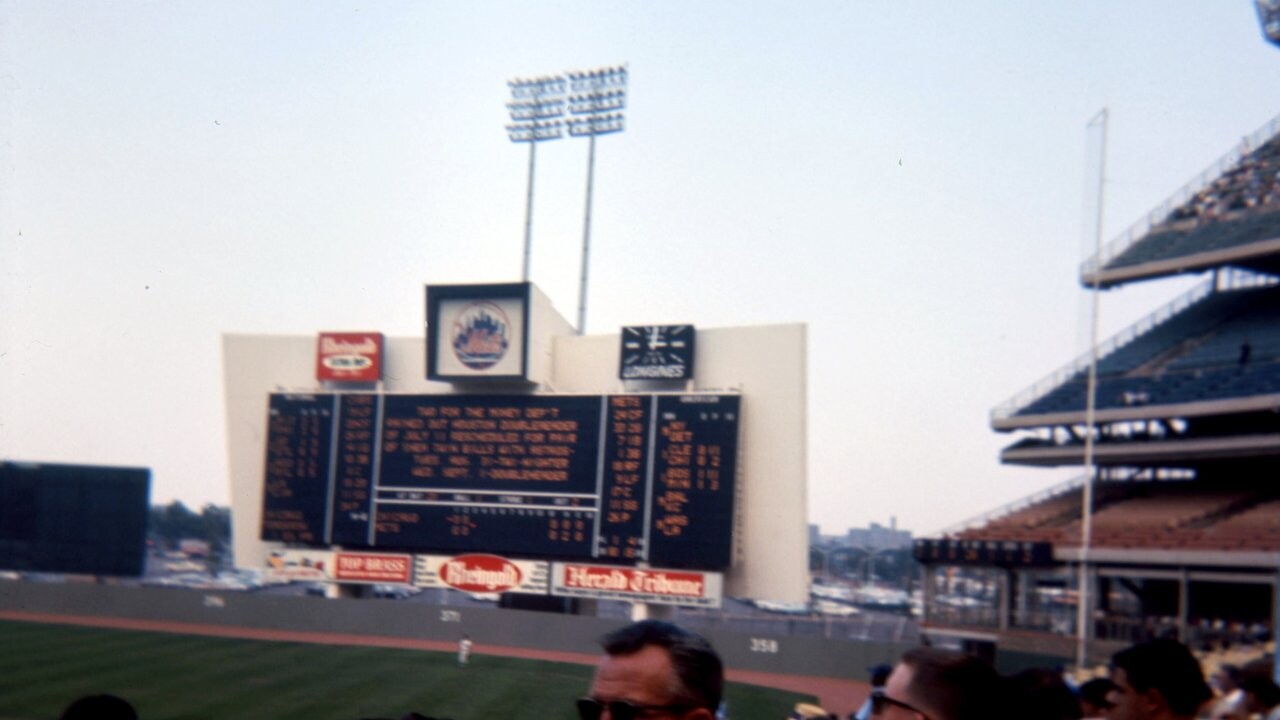
1965: Shea Stadium Changes the Scale
On August 15, 1965, more than 55,000 people came to see the Beatles at Shea Stadium in New York City. The scale turned a baseball park into a new kind of music venue. The immense distance between the stage and the crowd helps explain why the show remains a Beatlemania landmark.
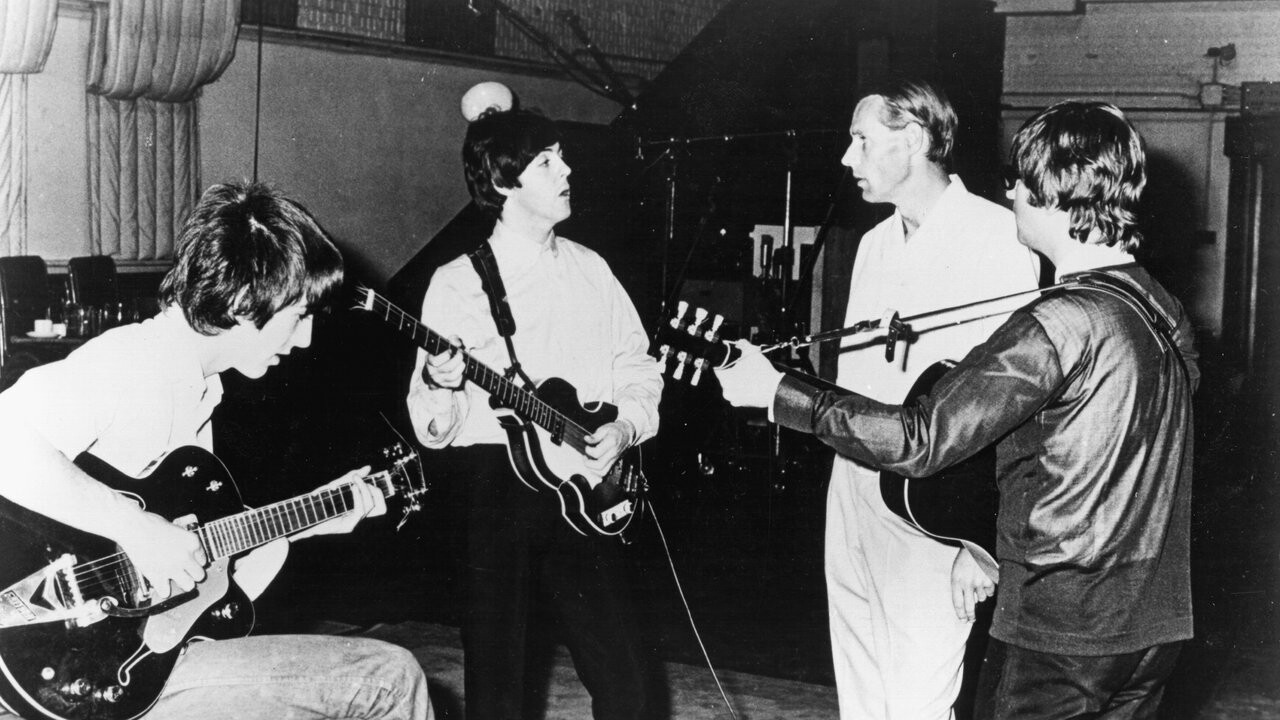
1966: George Martin in the Studio
In 1966, the Beatles spent three continuous months at Abbey Road recording Revolver. A surviving publicity photograph places producer George Martin beside the group in the studio. It captures the band’s new center of gravity, with the recording room offering possibilities that a concert stage could not easily reproduce.
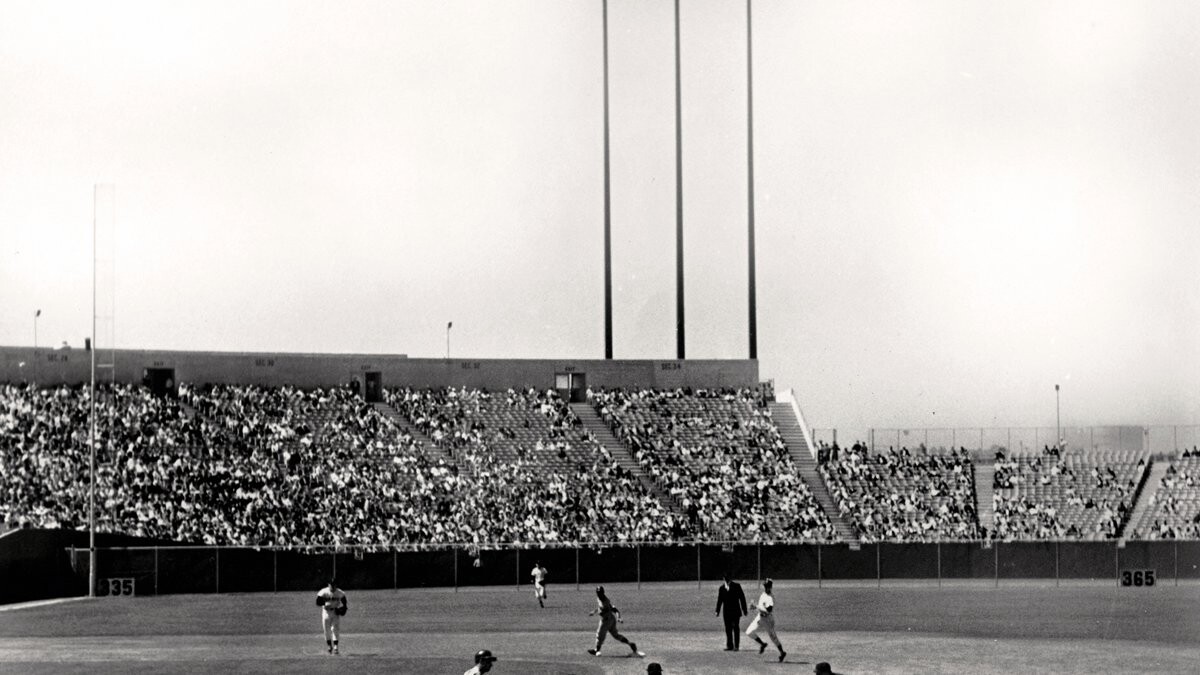
1966: The Last Ticketed Concert
On August 29, 1966, the Beatles played their final ticketed concert at Candlestick Park. The moment closed a touring era that had begun in clubs and expanded into stadiums. Afterward, the public story increasingly shifted toward records, films, and studio-created sounds rather than another road itinerary.
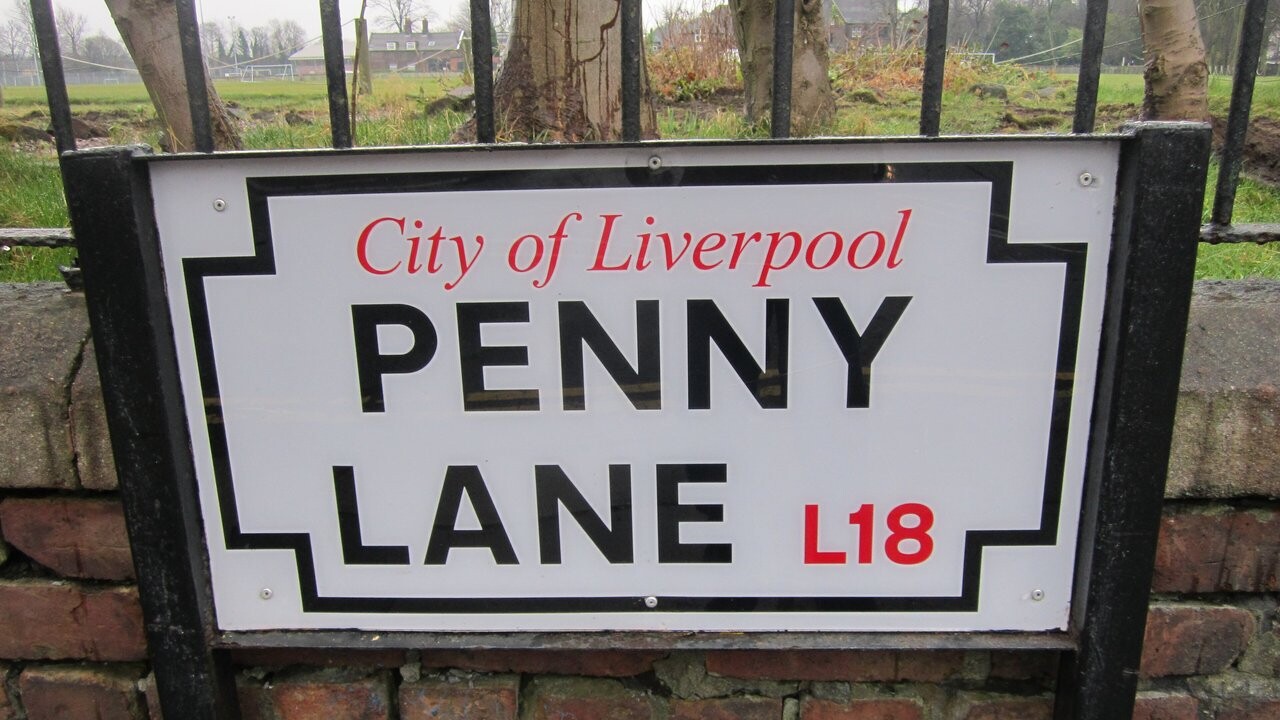
1967: Penny Lane Comes Home
In 1967, “Penny Lane” turned a real Liverpool location near Paul McCartney’s childhood home into one side of a paired single. The visual return to familiar streets connected adventurous studio pop with ordinary geography. It also gave listeners far from Merseyside a place-name they could picture, visit, and remember.
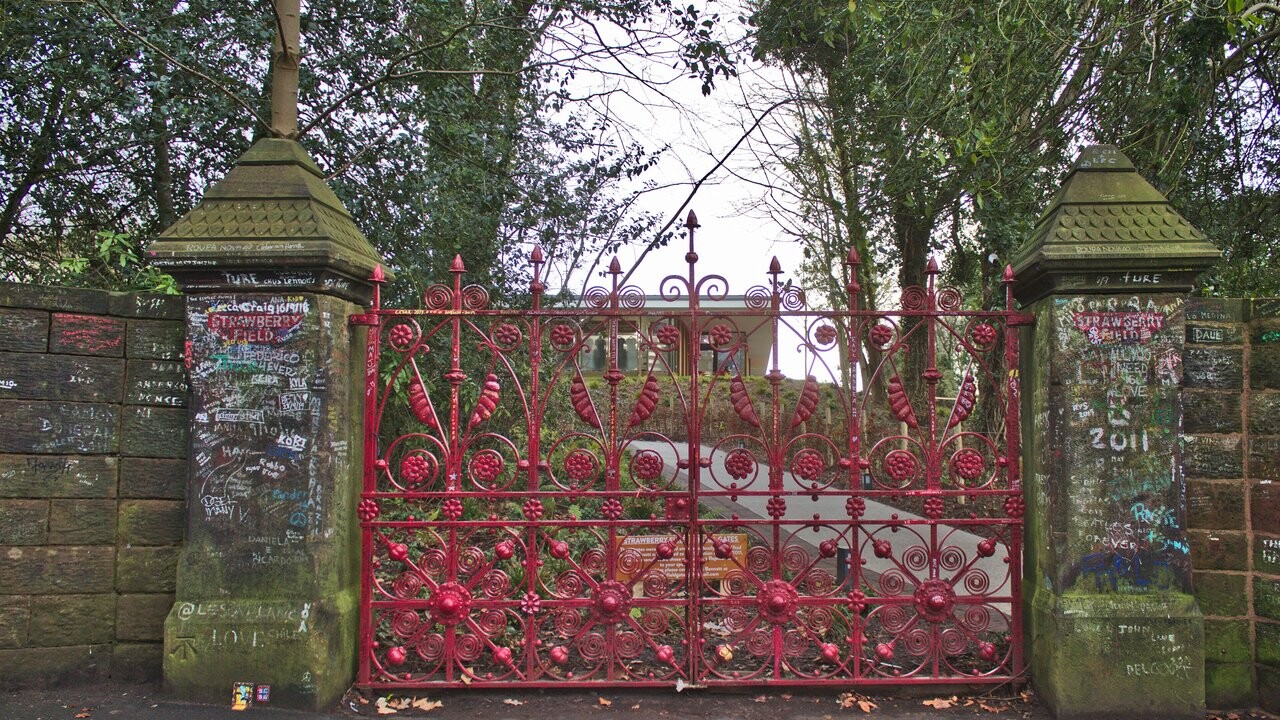
Strawberry Field’s Red Gates
“Strawberry Fields Forever” drew on Strawberry Field, a Salvation Army children’s home in Woolton, Liverpool. Its red gates became a natural visual companion to the song. The place gives the music a concrete doorway, linking a remembered childhood landscape with one of the group’s most imaginative recordings.
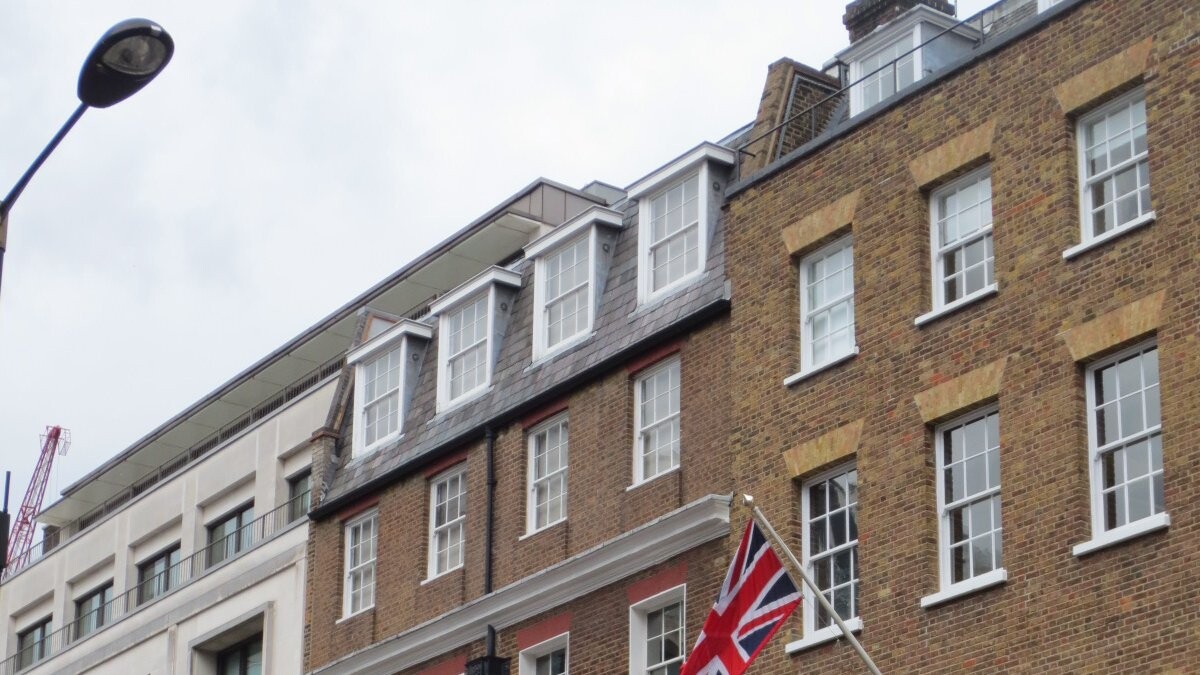
1969: The Rooftop Performance
On January 30, 1969, the Beatles gave their final live performance on the roof of Apple Corps headquarters in London’s Savile Row. The choice rejected a conventional venue while putting the band back into public earshot. Coats, chimneys, and open sky gave the closing live chapter an unexpectedly everyday setting.
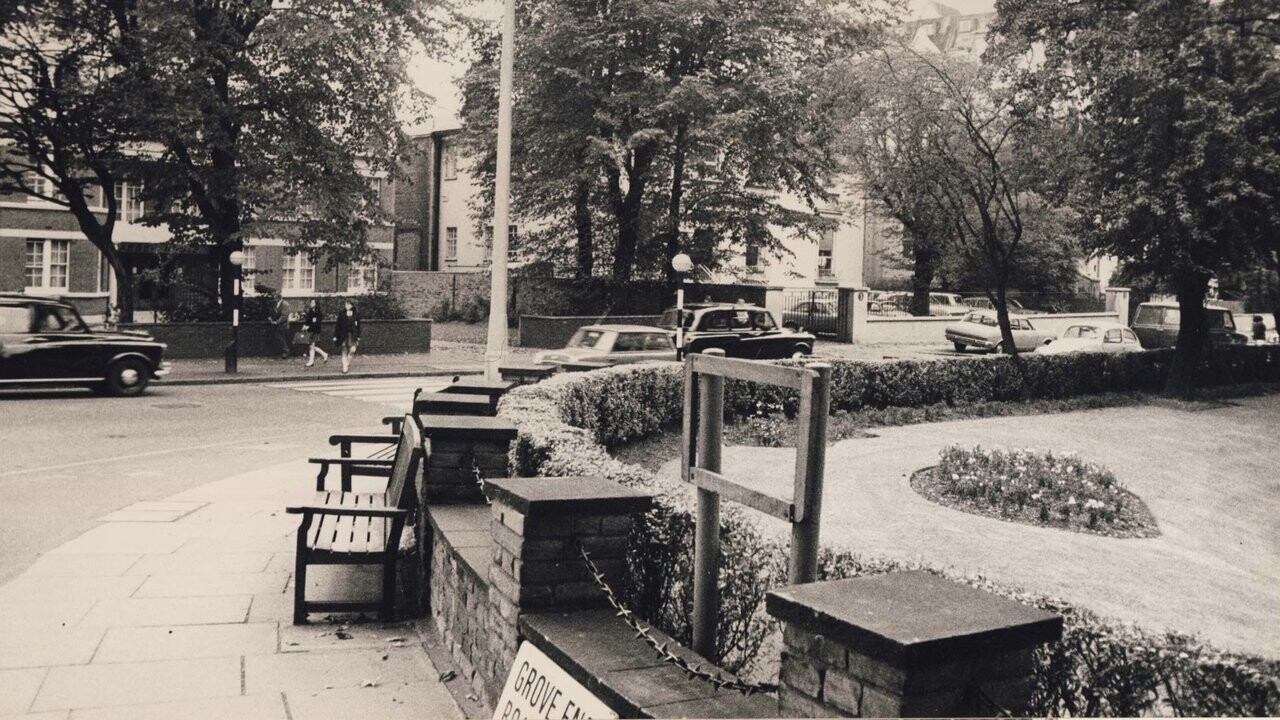
1969: The Abbey Road Crossing
In 1969, the Beatles turned the zebra crossing near their London studio into the cover of Abbey Road. The everyday street feature later received Grade II listing. Its simple stripes make a fitting final image: the road became part of the record, and an ordinary London crossing entered the band’s visual history.
From cellar stages to a striped crossing, the photographs preserve a remarkably fast transformation. Which Beatles image or moment do you remember best?
Follow The HyperHive on MSN for more stories like this.
Sources:






