Things From the 1950s That No Longer Exist

Collins, Tudor Washington, 1898-1970, photographer / Wikimedia Commons, CC BY 4.0 (cropped)
The 1950s remain close enough for many Americans to remember, yet much of the decade’s daily rhythm has disappeared. Personal service, shared technology, and hands-on routines once shaped everything from breakfast to a night at the movies.
This gallery moves from household deliveries and service jobs to communication, entertainment, consumer goods, and civil-defense relics. The photographs and facts draw on collections from the Smithsonian, Library of Congress, National Park Service, Federal Communications Commission, and public health archives.
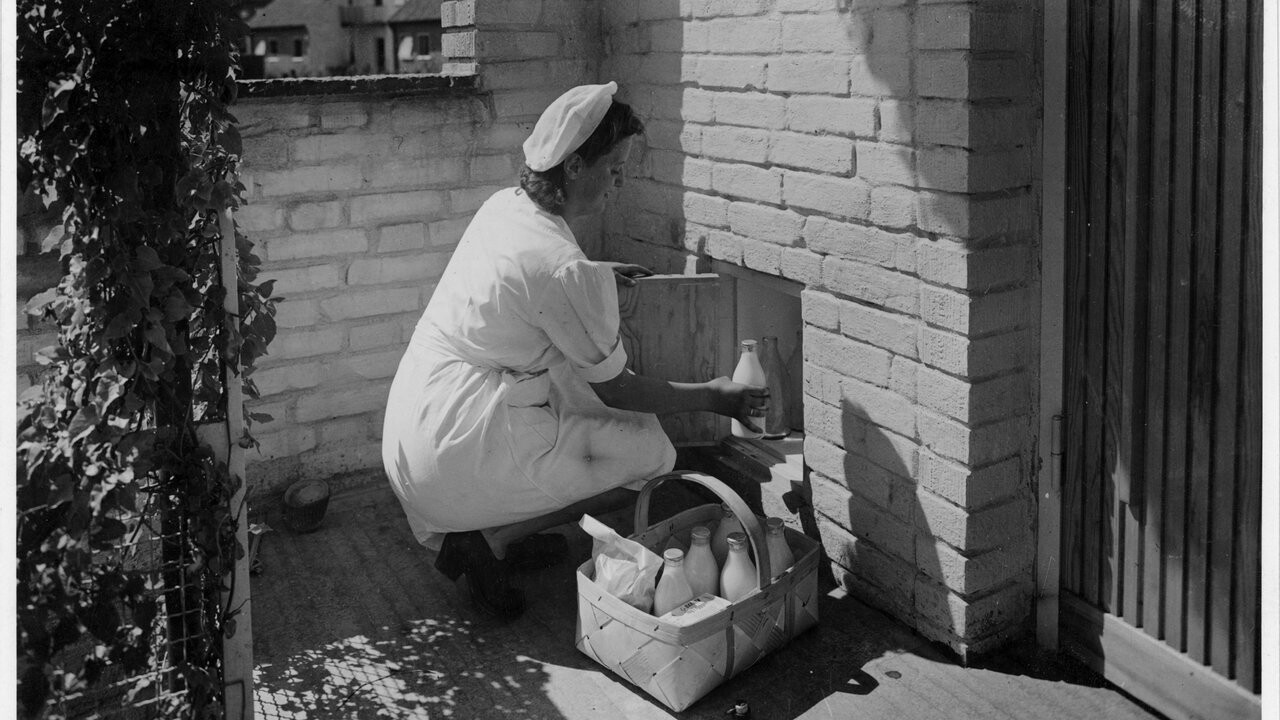
The Milkman at the Side Door
Morning milk delivery required no app, insulated box, or trip to the store. The milkman followed a regular route and left dairy products beside the house. Customers might also leave a note requesting cottage cheese, butter, or an extra bottle for the next breakfast.
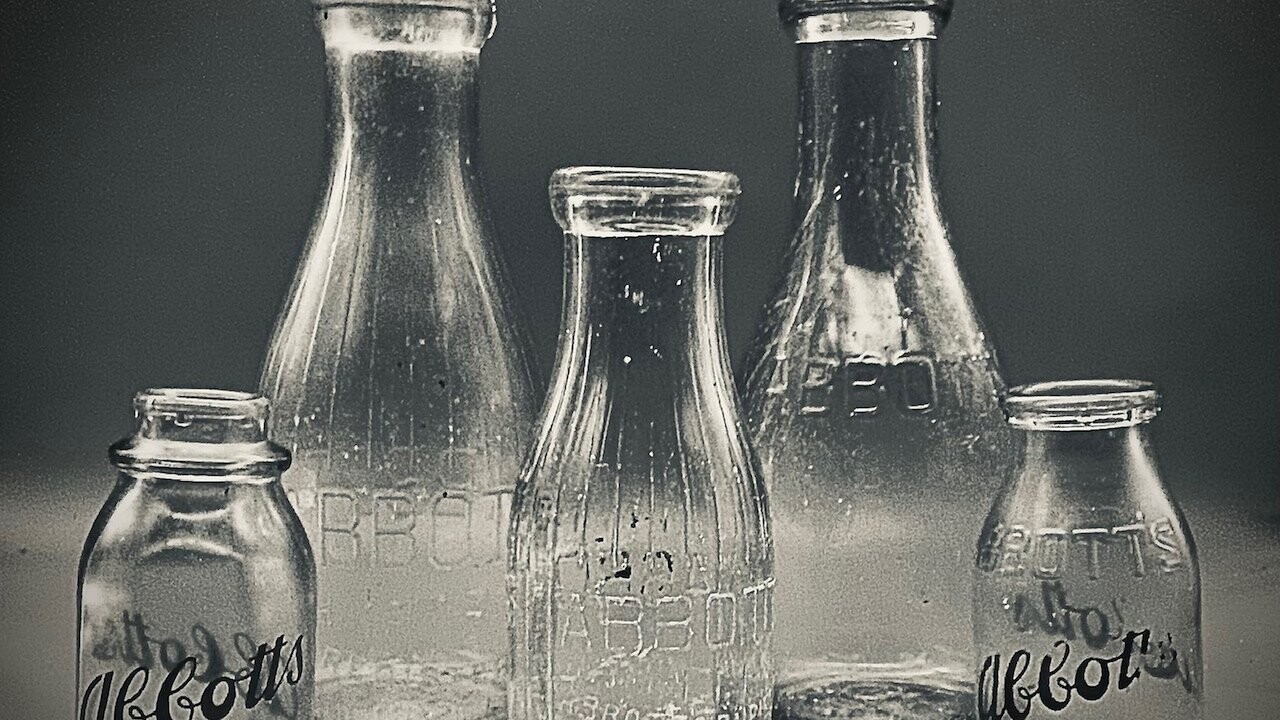
Returnable Glass Milk Bottles
The bottles were part of the service, not disposable packaging. Families placed empties outside so the dairy could collect, wash, refill, and return them. A handwritten note tucked among the bottles could change the next order. Today’s supermarket cartons lack that quiet conversation between a household and its neighborhood dairy route.
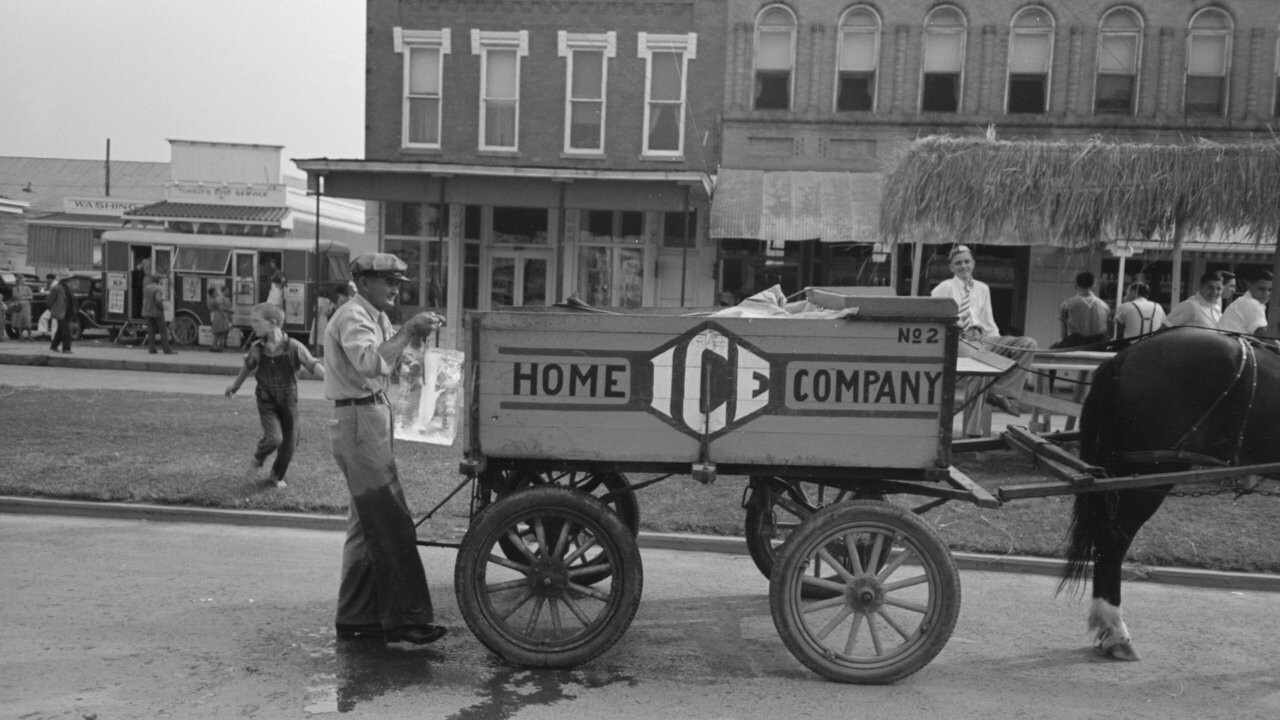
The Iceman’s Window Card
Even during the decade, a few ice routes still served homes and businesses without dependable refrigeration. A numbered card in the window told the iceman how large a block to carry inside with his tongs. By 1957, a museum account described ice carts as an increasingly rare sight.
Full-Service Gas Station Attendants
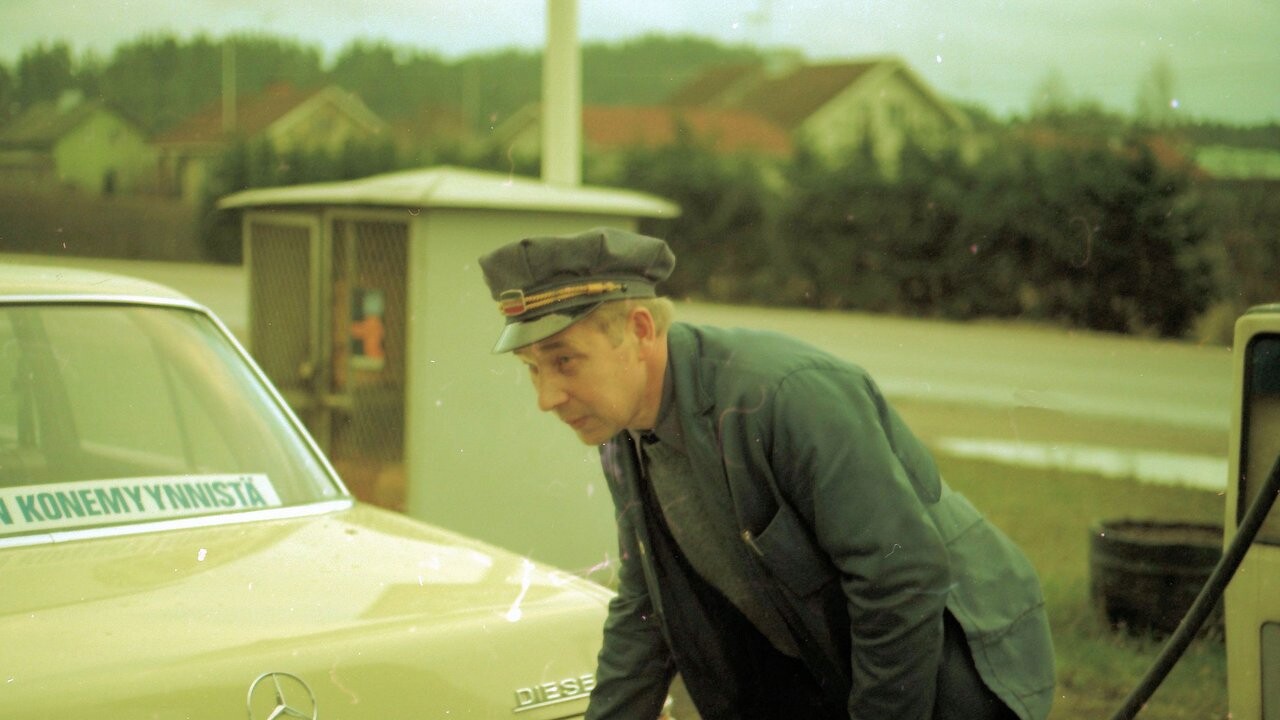
Drivers could remain behind the wheel while a uniformed attendant pumped the gasoline. Service commonly included wiping the windshield and checking oil, water, or tire pressure. The ritual made the neighborhood station part garage and part personal service counter. Self-service pumps eventually transferred nearly every part of the stop to the motorist.
Switchboard Operators
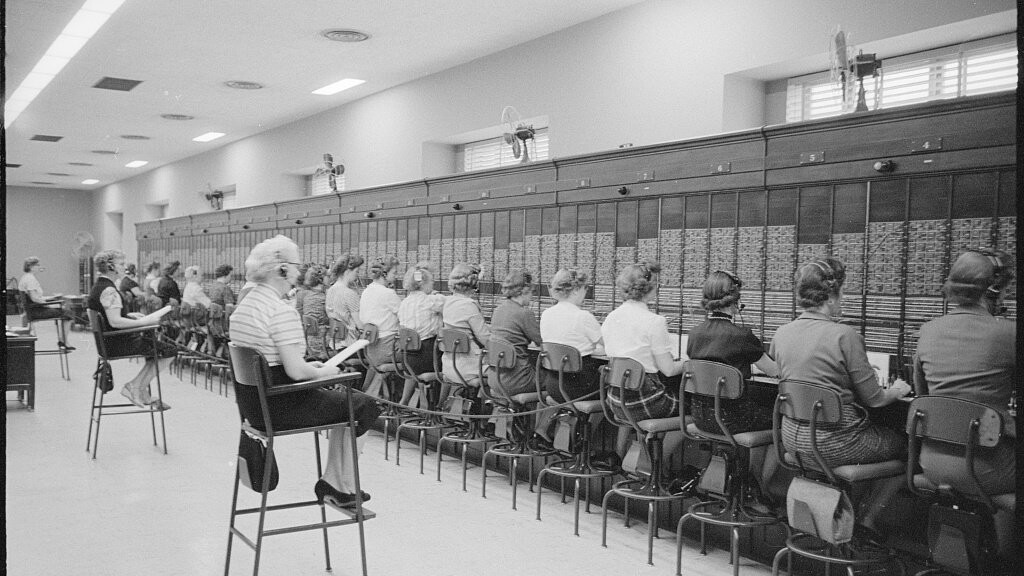
Direct dialing was spreading, but reaching an operator remained an ordinary part of telephone use. A caller could turn the dial to the word “Operator” and wait for a human voice. Long-distance, collect, and special calls still depended on skilled workers whose voices were familiar even when their busy rooms remained unseen.
Party-Line Telephones
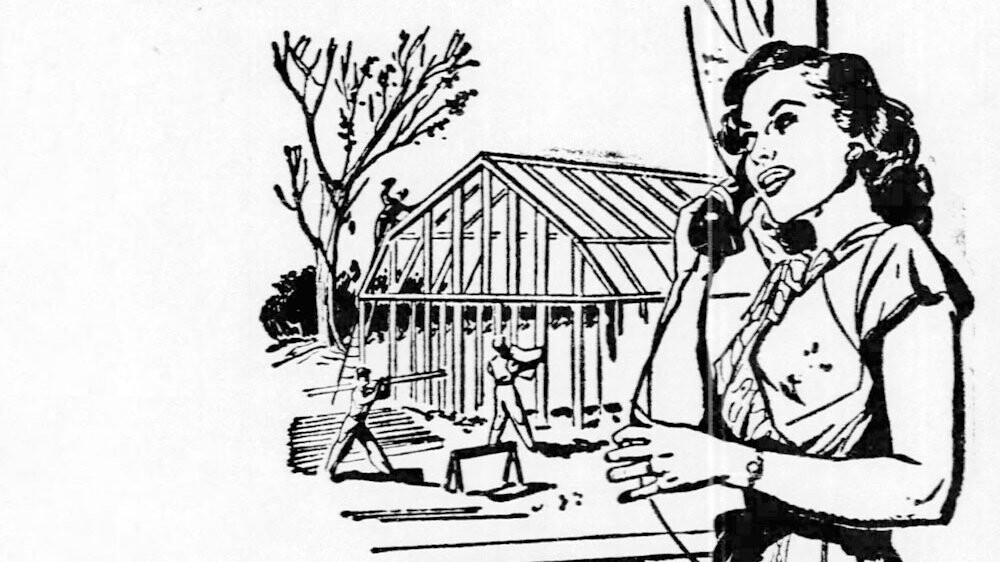
Several households could share one telephone circuit, so patience and courtesy mattered. A neighbor might come onto the line while someone else was dialing or talking. Leaving a receiver off the hook could interrupt service for everyone. Private household conversations became much easier once individual lines replaced this communal arrangement.
Telephone Exchange Names
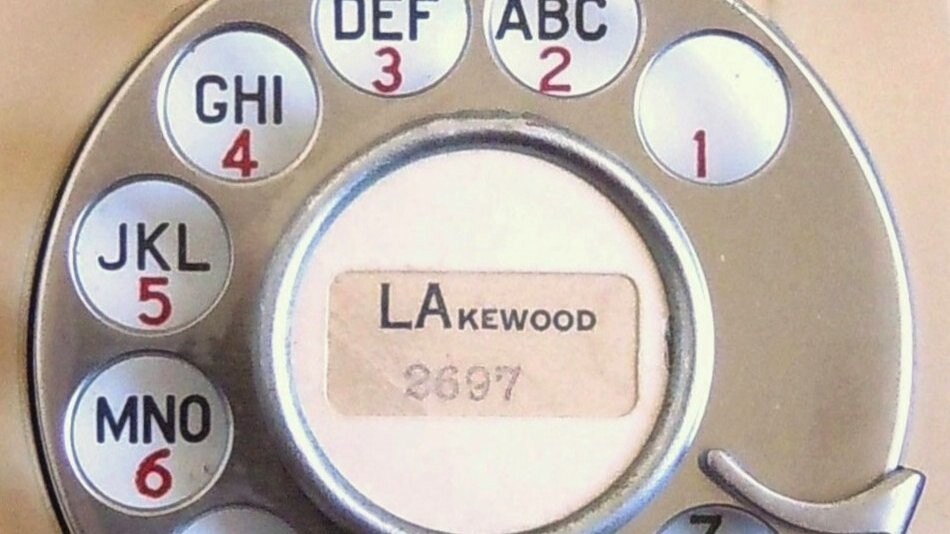
Telephone numbers once sounded like miniature addresses. Directories told callers to dial the first two letters of an exchange name, followed by its identifying numeral and the remaining digits. The words made numbers easier to remember and linked a call to a neighborhood. All-number dialing eventually silenced that distinctive vocabulary.
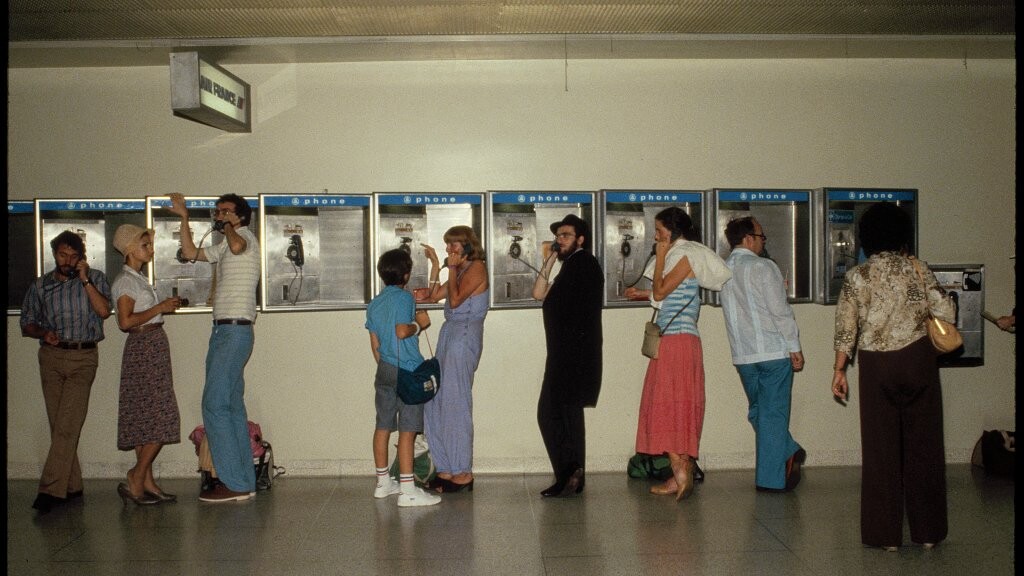
Telephone Booths and Pay Phones
A private call away from home required coins and a public telephone. Booths offered shelter from traffic, weather, and nearby ears, while airports and stations installed long banks of pay phones. The Library of Congress now describes booths as obsolete structures, and portable phones have made a wired public call unnecessary for most people.
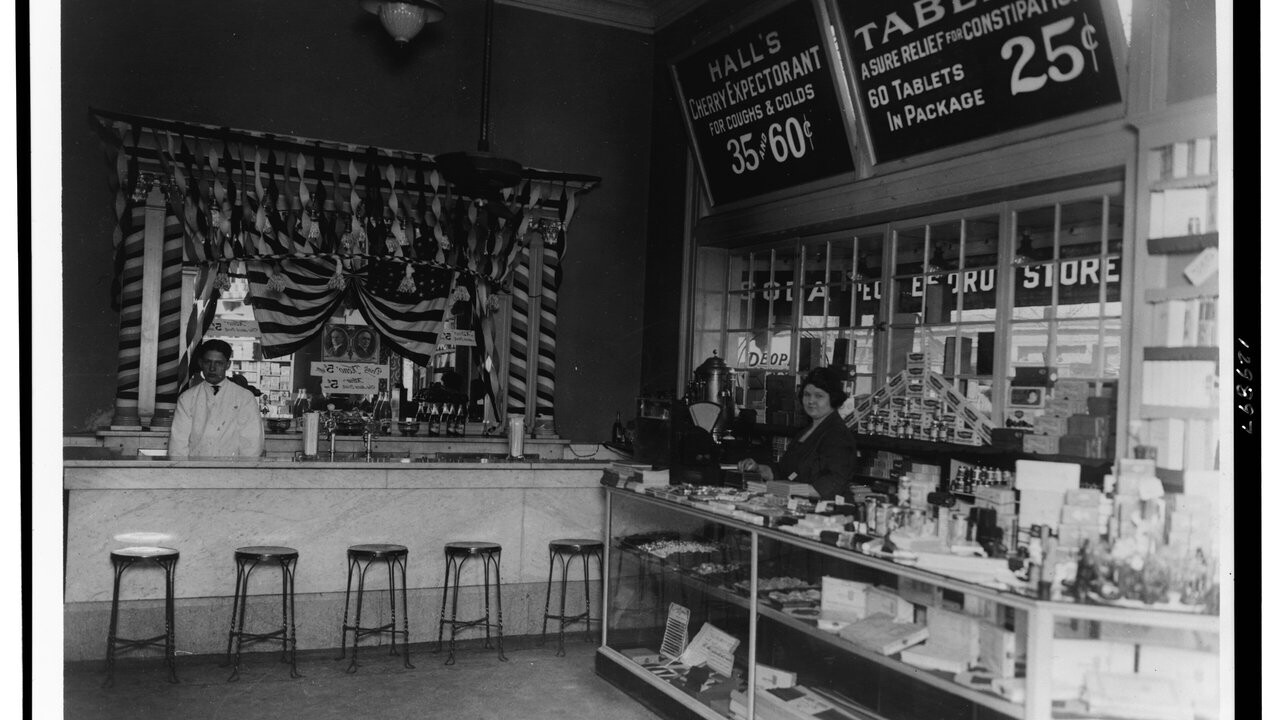
Drugstore Soda Fountains
The neighborhood pharmacy could also be a social center, with stools, counters, fizzy drinks, sundaes, and light meals. Teenagers met friends while other customers waited for prescriptions. National chains forced many independent drugstores out of business during the 1950s. Surviving fountains became nostalgic destinations rather than an ordinary part of pharmacy life.
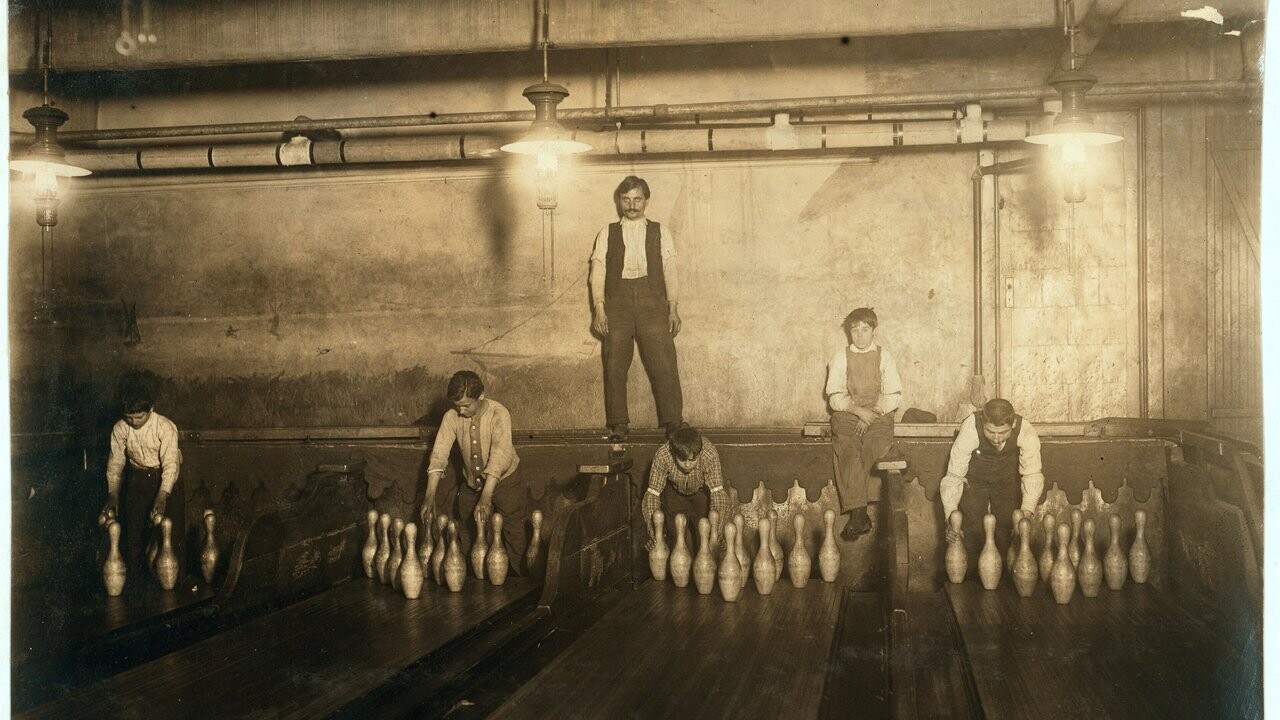
Bowling Alley Pinsetter Boys
Before machinery reset the lanes, young workers waited behind the pins. They cleared fallen pins, returned balls, and arranged the next rack while bowlers played. The job could be noisy, fast, and dangerous. The development of automatic pinspotting machines in the early 1950s transformed bowling and made the pin boy an occupational memory.
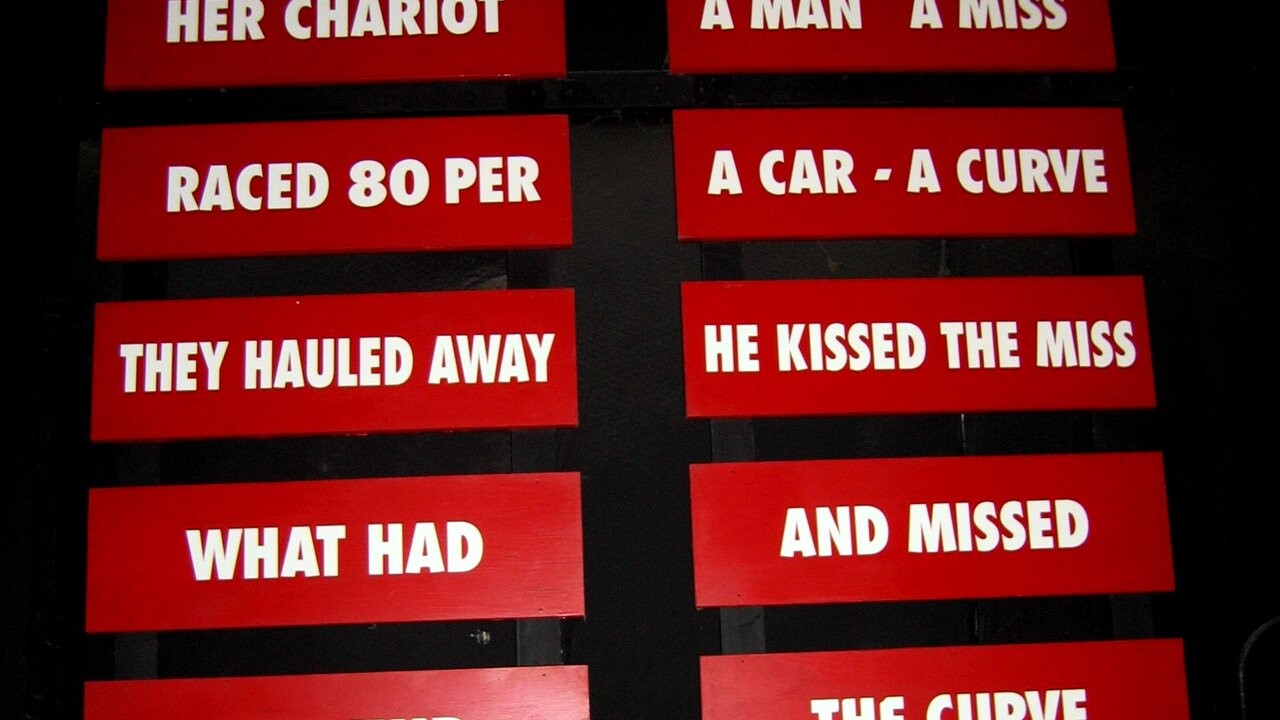
Burma-Shave Roadside Rhymes
A country drive once unfolded one red sign at a time. Each Burma-Shave board supplied another piece of a humorous serial jingle, with the brand name arriving as the final beat. The signs depended on drivers moving slowly enough to read the sequence. Faster highways favored large, single-message billboards instead.
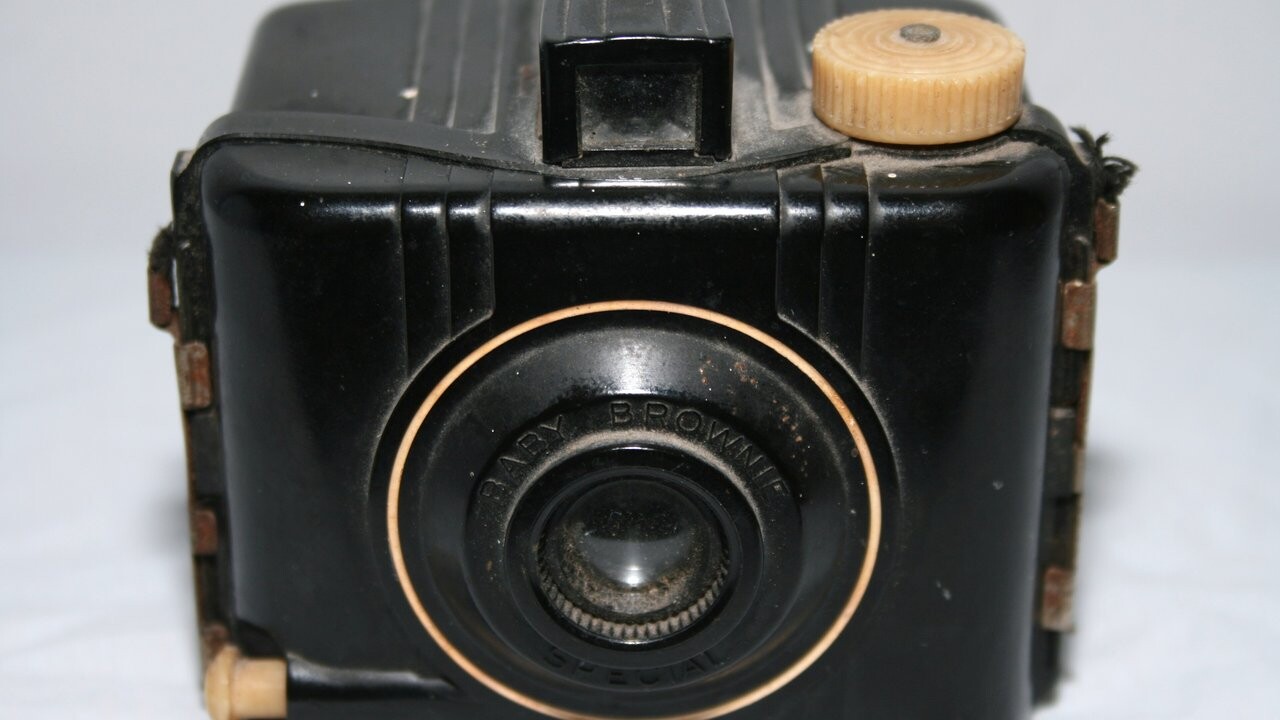
The Kodak Brownie Snapshot Ritual
The Kodak Brownie made casual family photography approachable. Its simple design reduced the decisions, but every exposure still mattered because film was limited and results remained hidden. Families finished a roll, sent it for processing, and waited to discover which moments had worked. Digital cameras erased that suspense and delay.
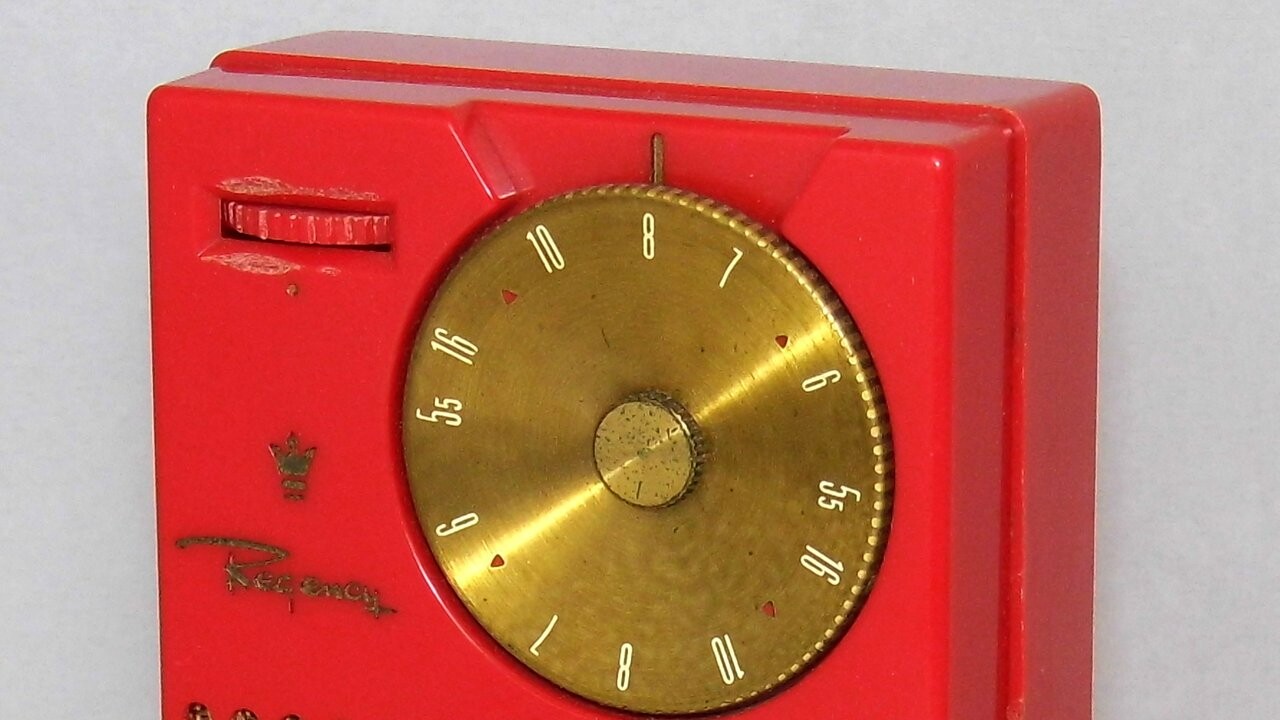
Pocket Transistor Radios
A small radio and single earphone gave teenagers a new kind of privacy. They could carry music outdoors or listen without involving the entire family. In the late 1950s, prices fell, rock and roll took off, and AM stations began playing Top 40 hits. These radios’ functions now live inside phones and portable speakers.
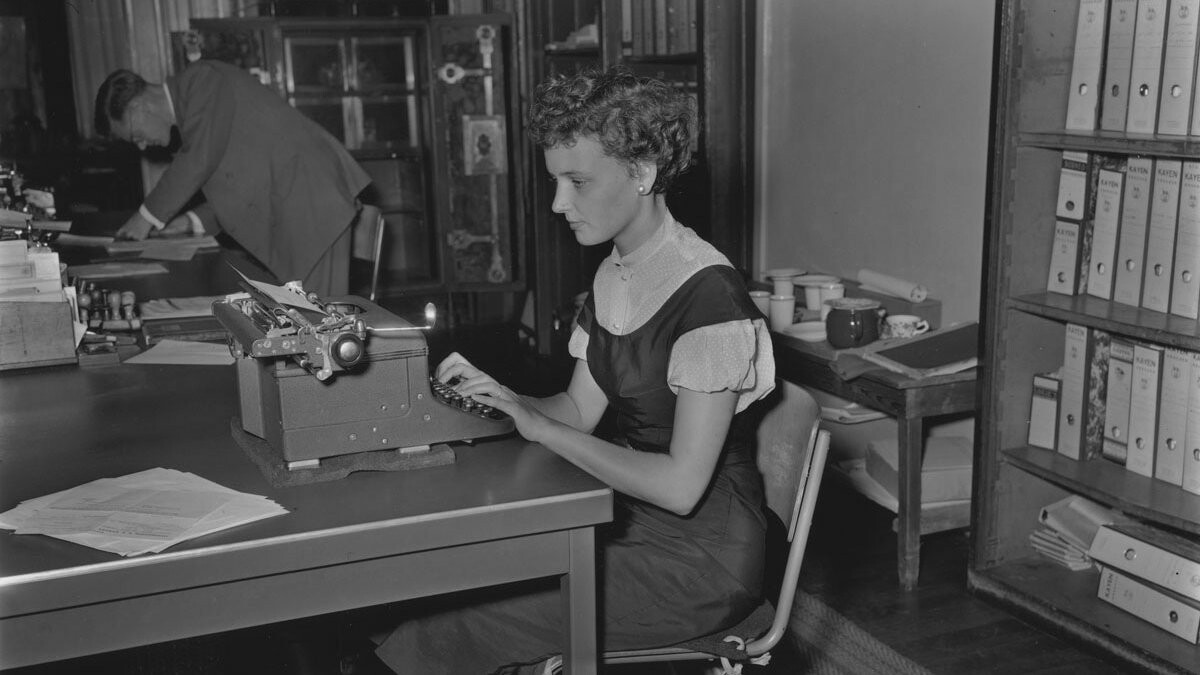
The Manual Typewriter
The office once echoed with keys striking ribbons, carriages returning, and bells warning of the approaching margin. Corrections required an eraser, correction paper, or a fresh sheet. Personal computers gradually removed typewriters from ordinary use, although the keyboard layout survived. The machine’s sound and physical resistance are now nostalgic rather than routine.
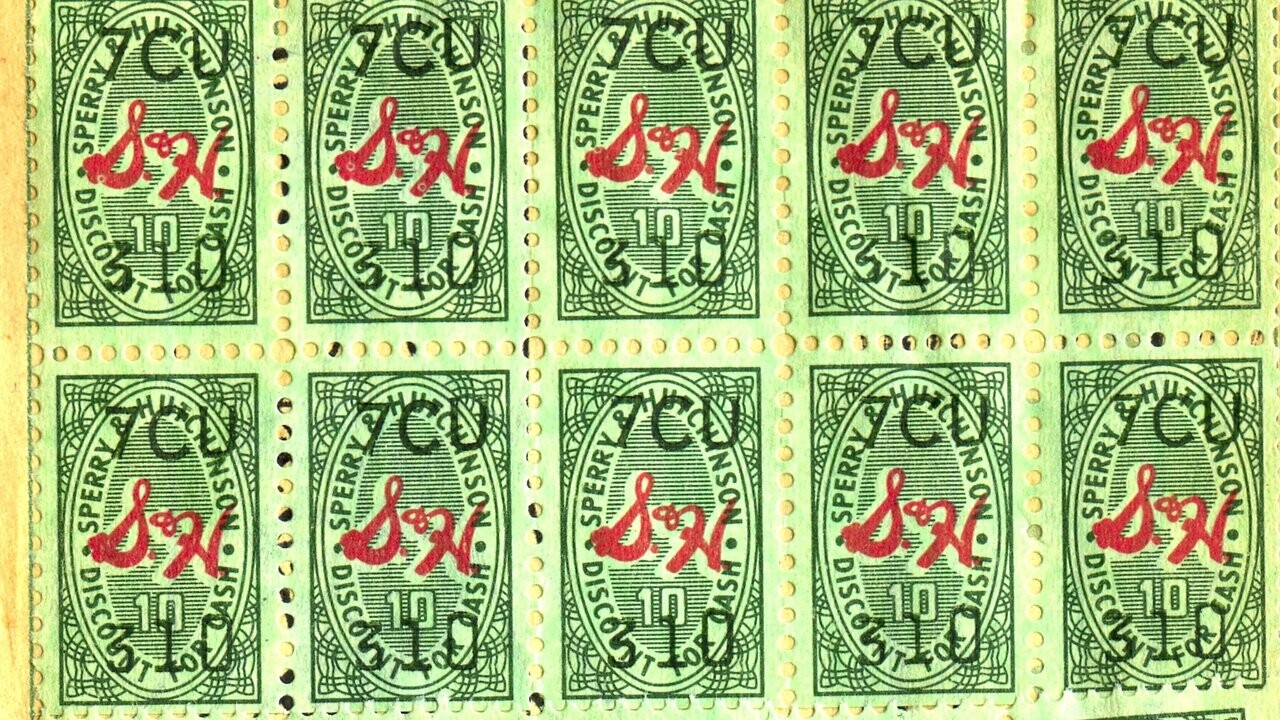
S&H Green Stamp Books
A grocery or gasoline purchase could bring a strip of small green stamps. Shoppers pasted them into books and exchanged completed volumes for merchandise at redemption centers. The ritual turned family shopping into a long-running reward project. Digital loyalty accounts preserved the basic idea while eliminating the stamps, glue, catalogs, and crowded books.
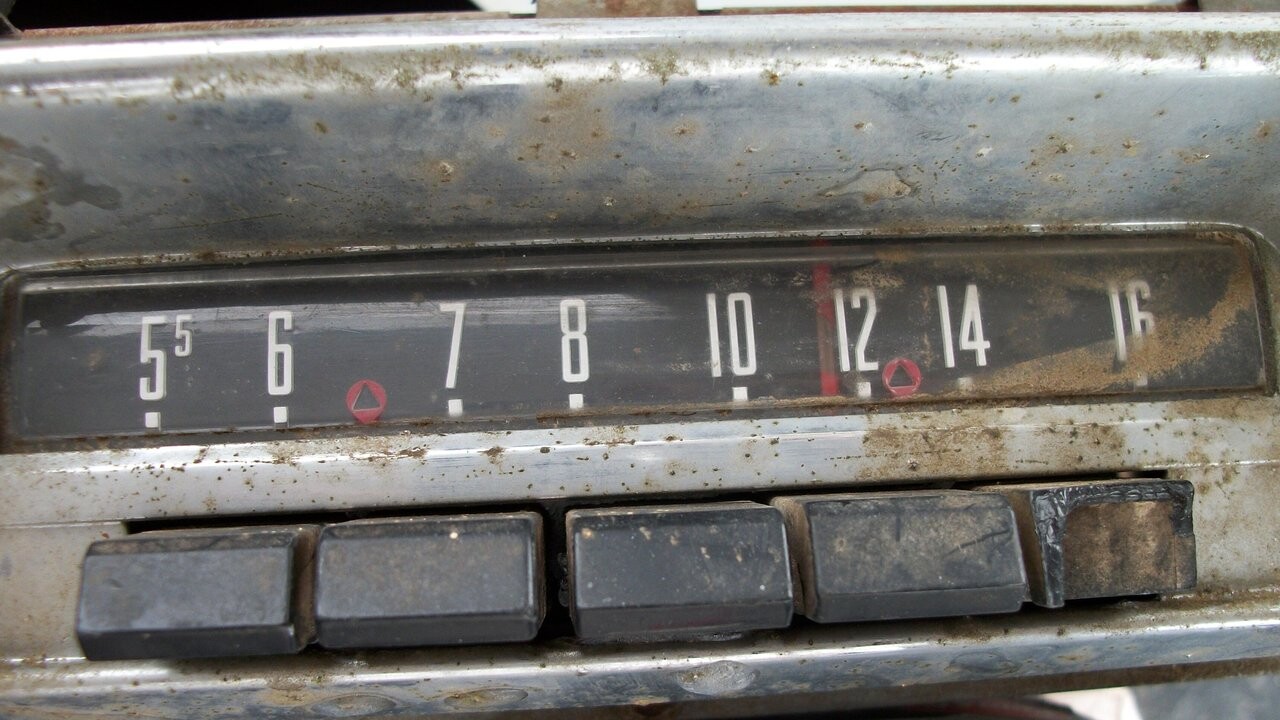
CONELRAD Radio Dial Markings
Small civil-defense triangles on an AM radio dial marked 640 and 1240 kilohertz. They belonged to CONELRAD, short for Control of Electromagnetic Radiation, a system that directed the public to emergency broadcasts. Later warning systems replaced it, and the mysterious markings survive mainly on vintage radios and in Cold War collections.
These vanished routines reveal how much everyday life once depended on shared systems, physical objects, and face-to-face service. Which of these do you remember best?
Follow The HyperHive on MSN for more stories like this.
Sources: