Things You Probably Remember From a 1960s Family Road Trip

MercurySable99 / Wikimedia Commons, CC BY-SA 4.0 (cropped)
A family road trip could feel like its own little world: crowded, slow, occasionally quarrelsome, and full of discoveries that began long before anyone reached the destination. These slides follow that journey from the driveway to the postcard rack.
The photos and facts draw on the Library of Congress, National Park Service, Smithsonian museums, The Henry Ford, federal safety records, and AAA history. Together, their archives preserve the cars, maps, signs, restaurants, and roadside rituals that shaped the experience.
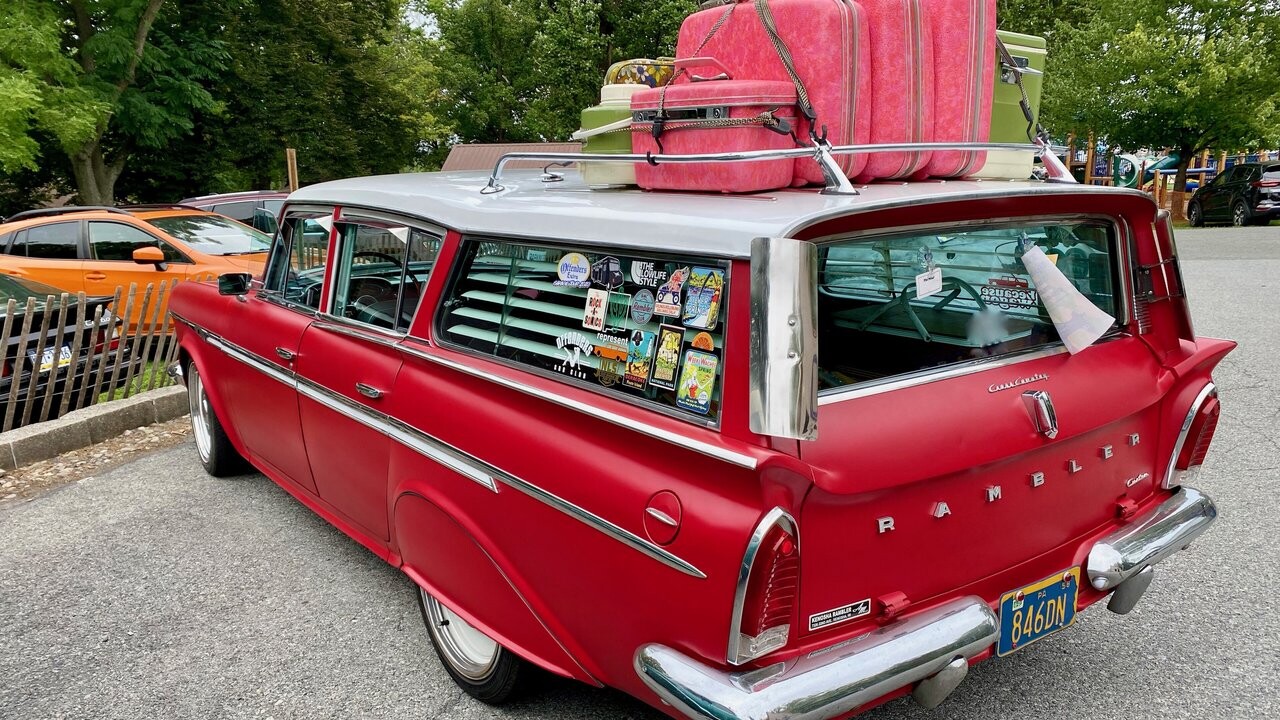
The Station Wagon in the Driveway
By the early 1960s, the station wagon had become the family vacation workhorse. Museums describe it as roomy enough for children, groceries, camping gear, and luggage. Before departure, the driveway became a staging area, with suitcases, blankets, and paper bags fitted together until the tailgate would finally close.
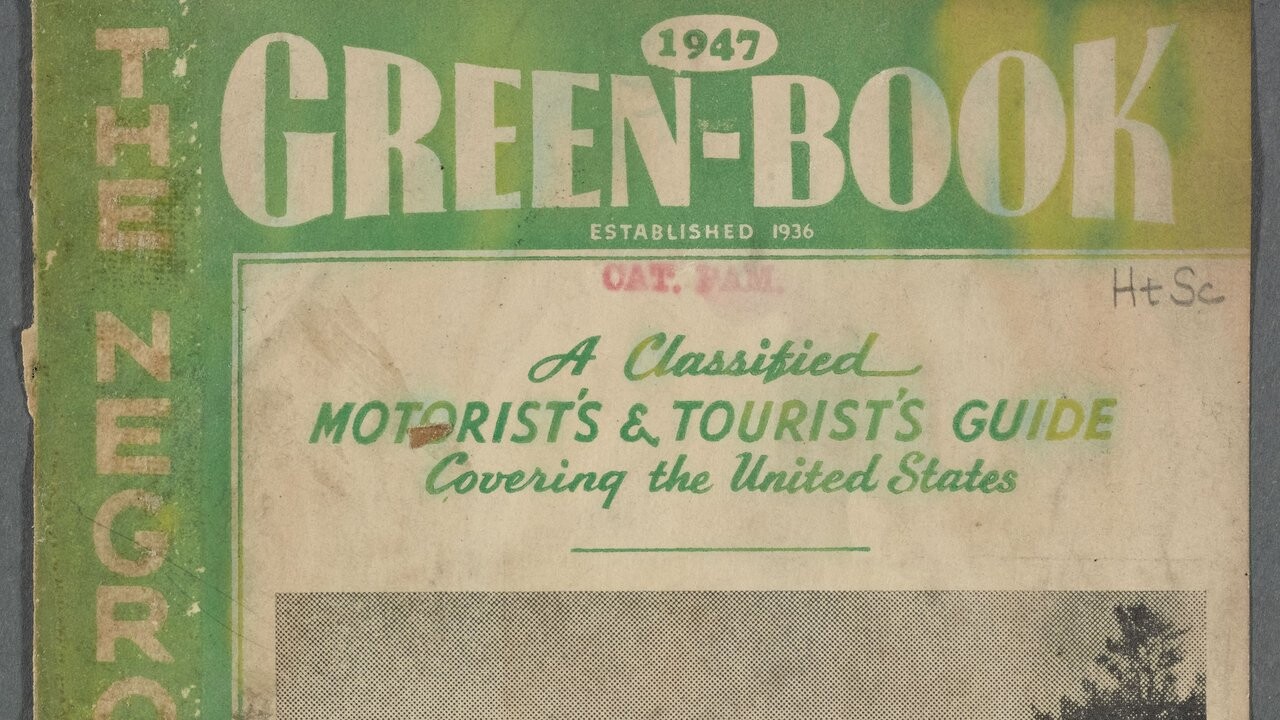
The Green Book in Some Glove Compartments
The open road was not equally welcoming to every family. Black motorists used the Green Book and similar guides to locate restaurants, lodgings, service stations, and other businesses that served African Americans. Careful planning was a matter of comfort and safety, making this small guide an essential part of many journeys through segregated America.
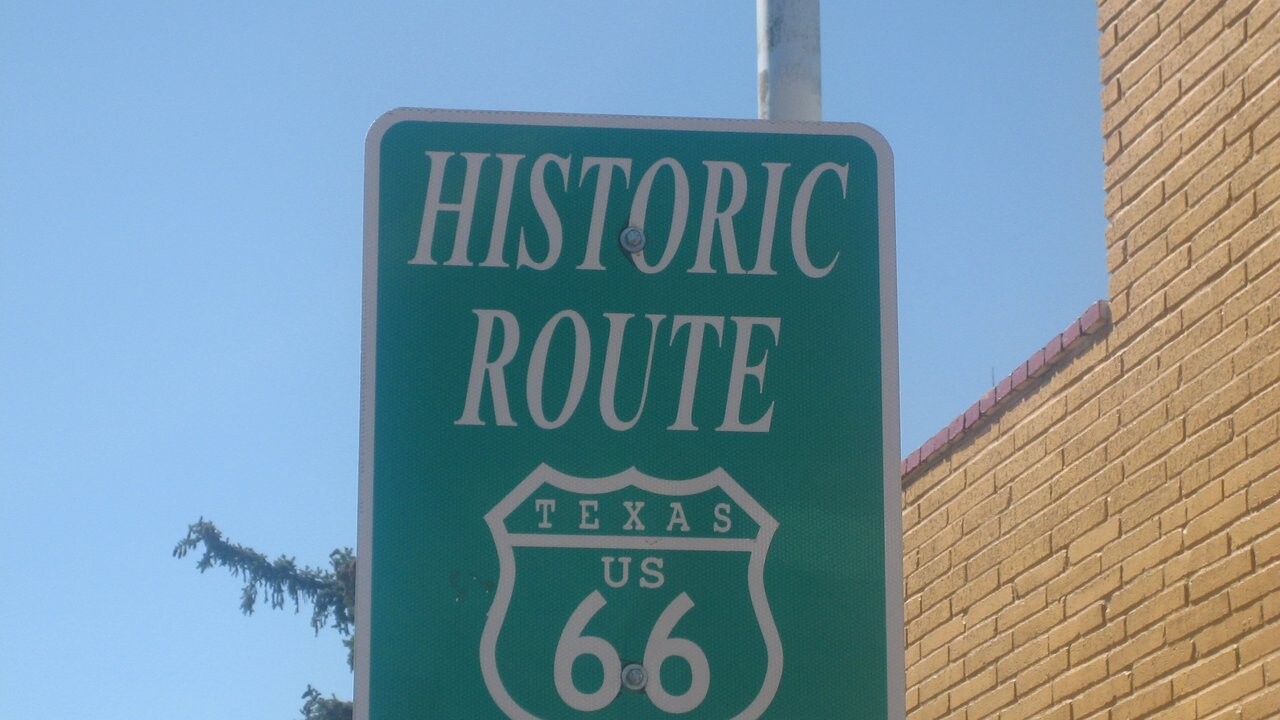
The Route 66 Shield
Even families traveling only part of Route 66 recognized its highway shield and reputation. The road linked Chicago and Los Angeles through towns, deserts, diners, motels, and filling stations. Unlike a limited-access freeway, it made the journey feel close to local life, with businesses and attractions appearing directly beside the pavement.
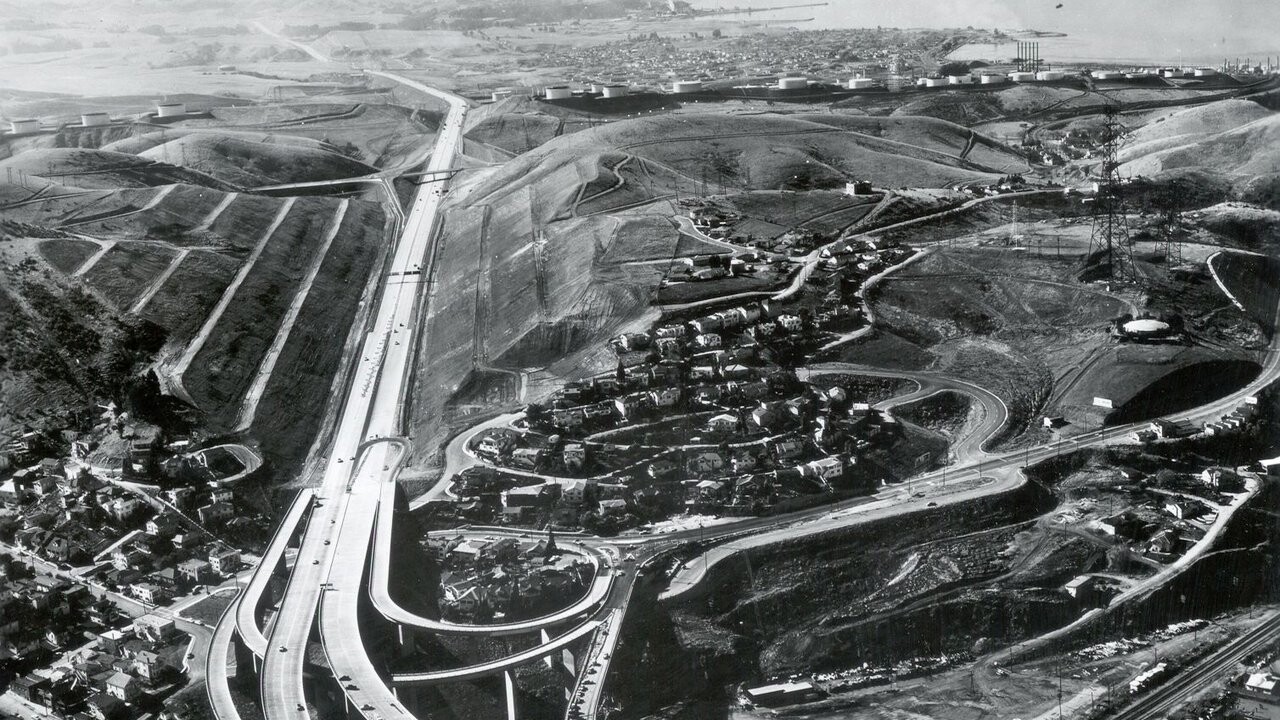
New Interstates and Old Two-Lane Highways
The Interstate system was still expanding, so a trip could shift between broad new freeways and older roads that passed through every town. Rest areas and controlled access felt modern, while two-lane highways offered stoplights, storefronts, and unexpected detours. Parents valued speed, but children often found the slower stretches more interesting.
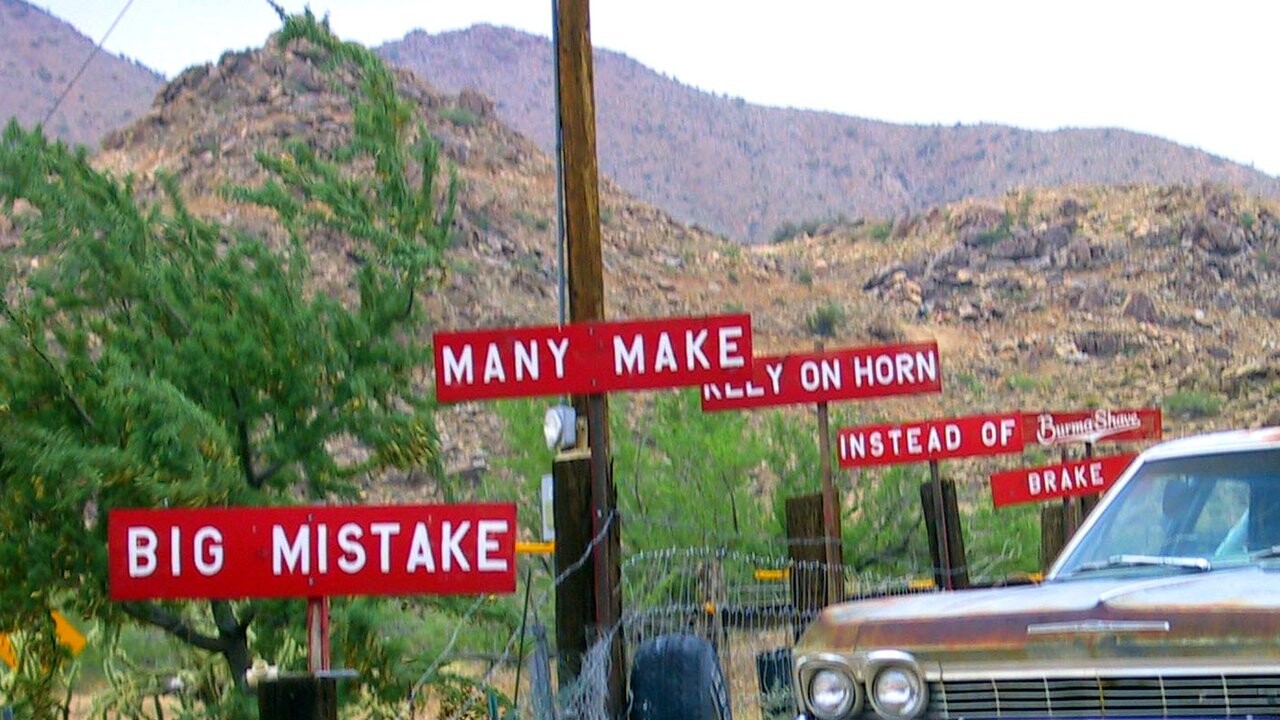
Burma-Shave Rhymes Along the Road
A Burma-Shave message arrived one small sign at a time. Each phrase appeared far enough from the next to keep passengers watching for the punch line. The roadside campaign lasted until 1963, so families traveling near the start of the decade could still turn advertising into a shared reading game.
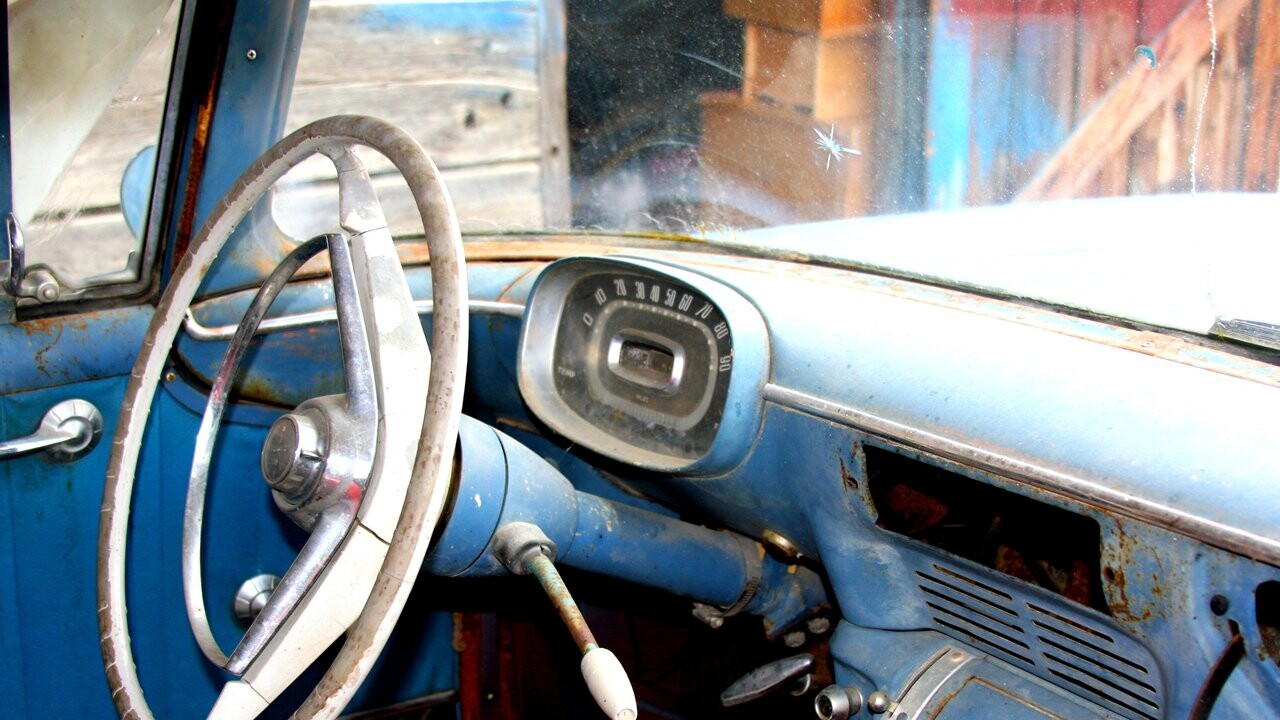
The AM Radio Fading Between Towns
The dashboard AM radio supplied music, baseball, weather, commercials, and voices from unfamiliar cities. Reception weakened in open country, then returned as the car approached another transmitter. With no personal playlists, everyone heard the same station, and the driver’s hand moving the dial could change the mood of the entire car.
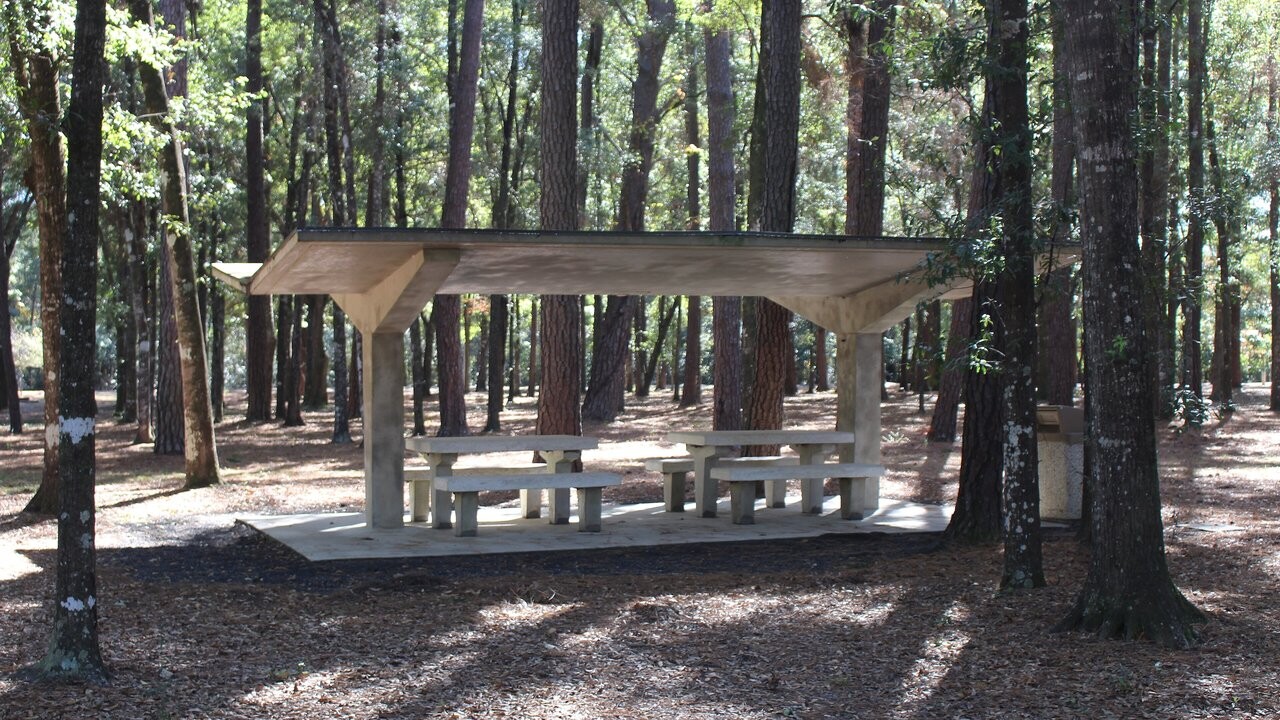
The Rest Area Picnic Table
Early Interstate rest areas were simple places with parking, bathrooms, and picnic tables. Families unpacked sandwiches, fruit, cookies, and drinks rather than searching for a restaurant at every meal. After hours in the car, even a concrete table beneath a patch of shade could feel like a welcome destination of its own.
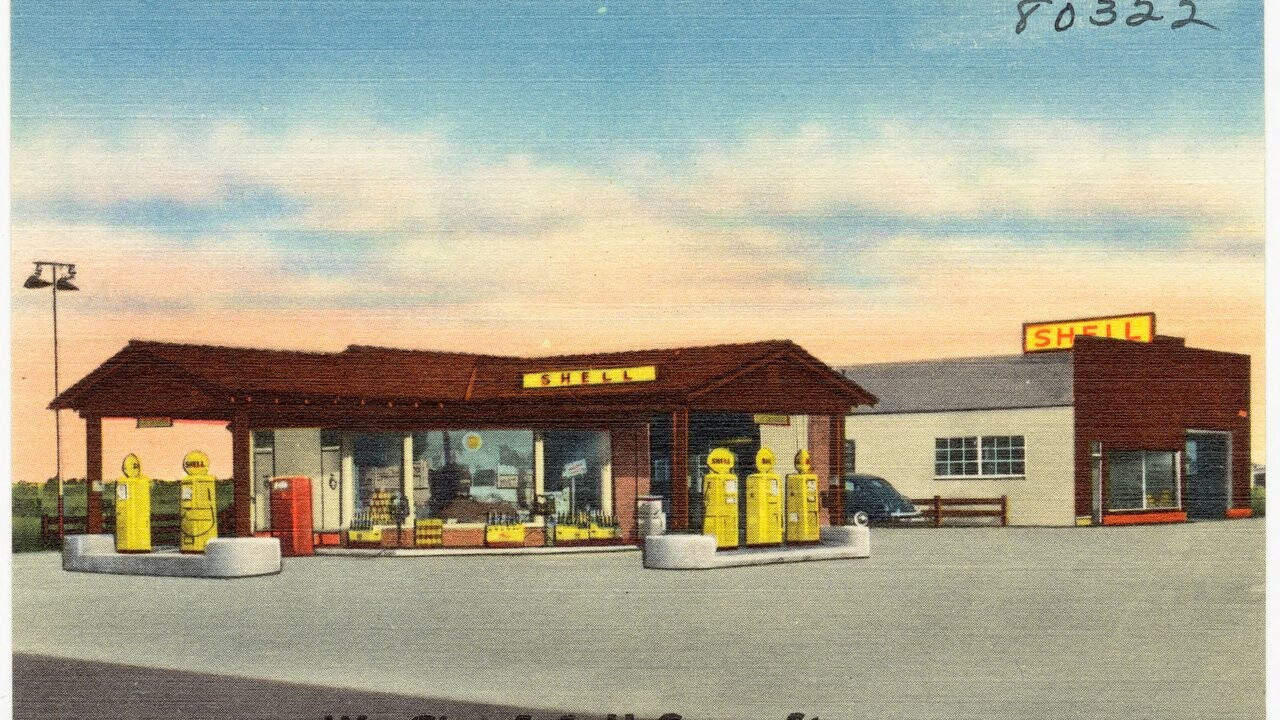
The Full-Service Gas Station Stop
A station attendant could pump the gasoline while checking the oil and battery, adding air or water, and washing the windshield. Children stretched their legs while adults studied maps or asked about the road ahead. Clean restrooms and a cold drink mattered nearly as much as the fuel during a long summer drive.
Green Stamps Saved for Later
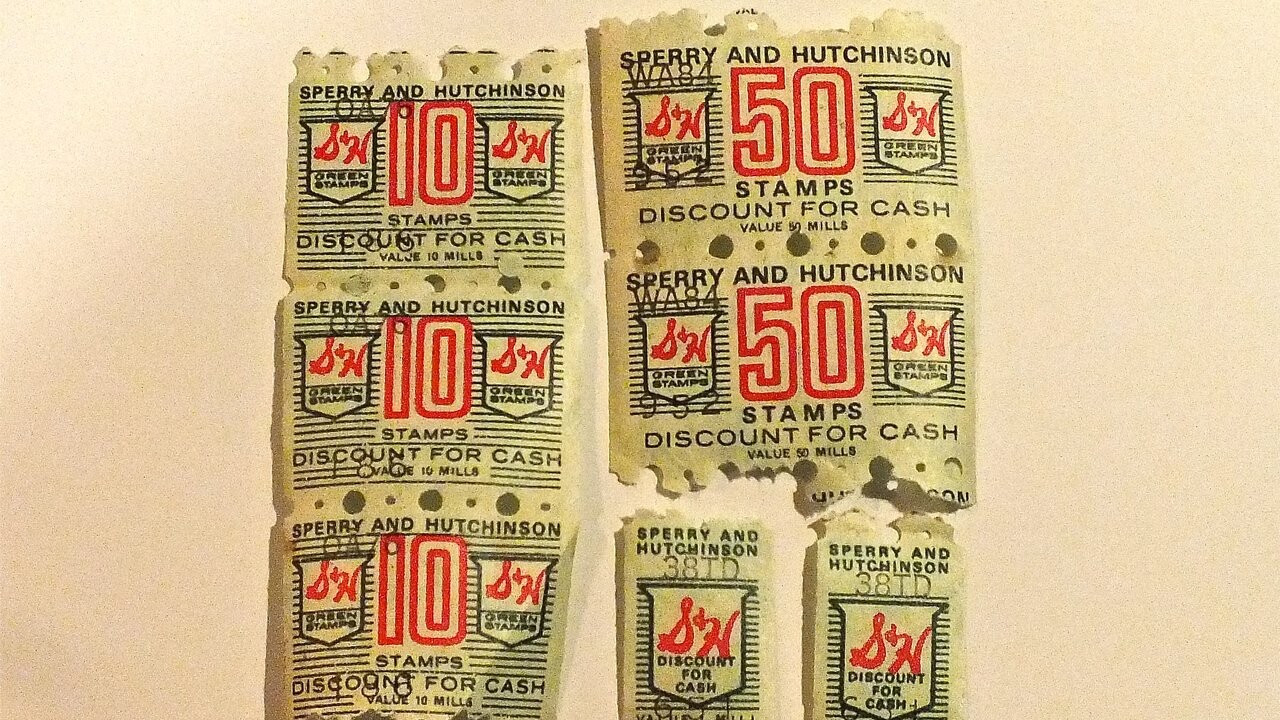
Some supermarket and gas-station purchases came with S&H Green Stamps that were carried home and pasted into booklets. Collecting them extended the trip’s rewards beyond the highway. The books could eventually be exchanged for household merchandise, giving children another job and parents a reason to keep loose strips from disappearing under a seat.
The Familiar Howard Johnson’s Orange Roof
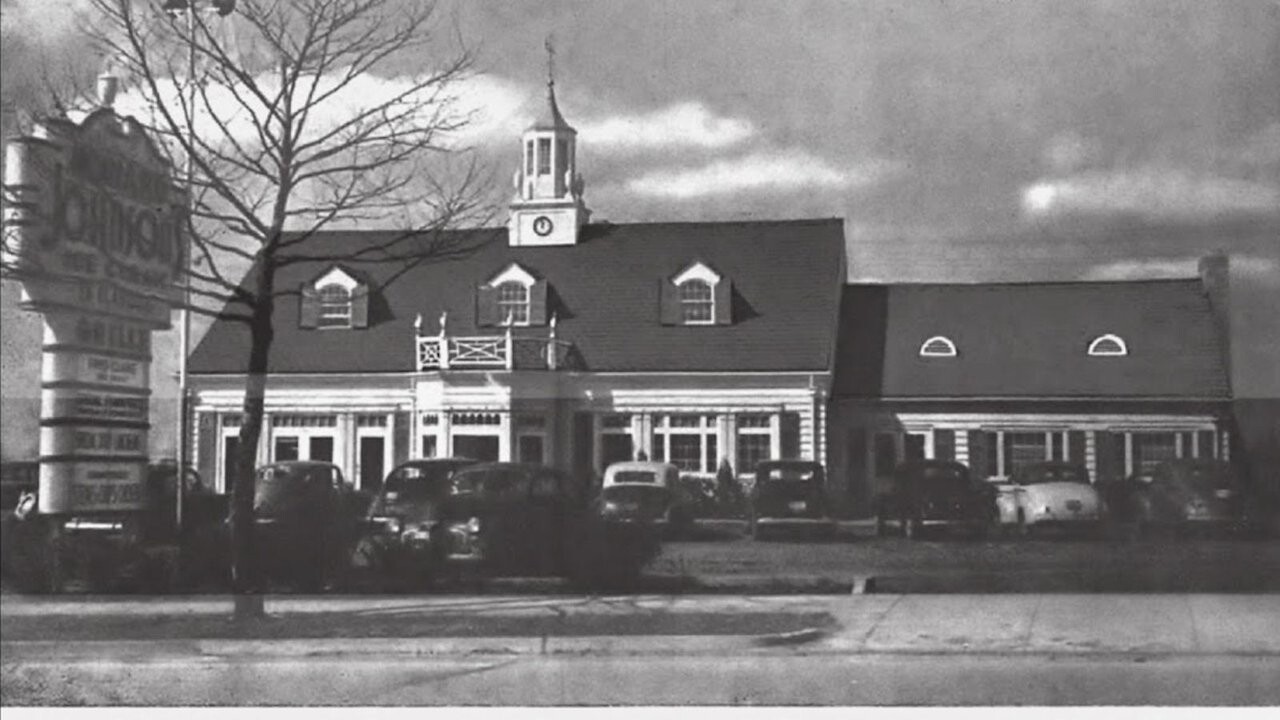
A Howard Johnson’s orange roof offered recognition in an unfamiliar place. The chain had expanded nationwide by the 1960s, combining restaurants with motor lodges for travelers who wanted a predictable meal or room. For children, the appeal might be simpler: familiar food and the relief of finally getting out of the car.
The Carhop at a Drive-In Diner
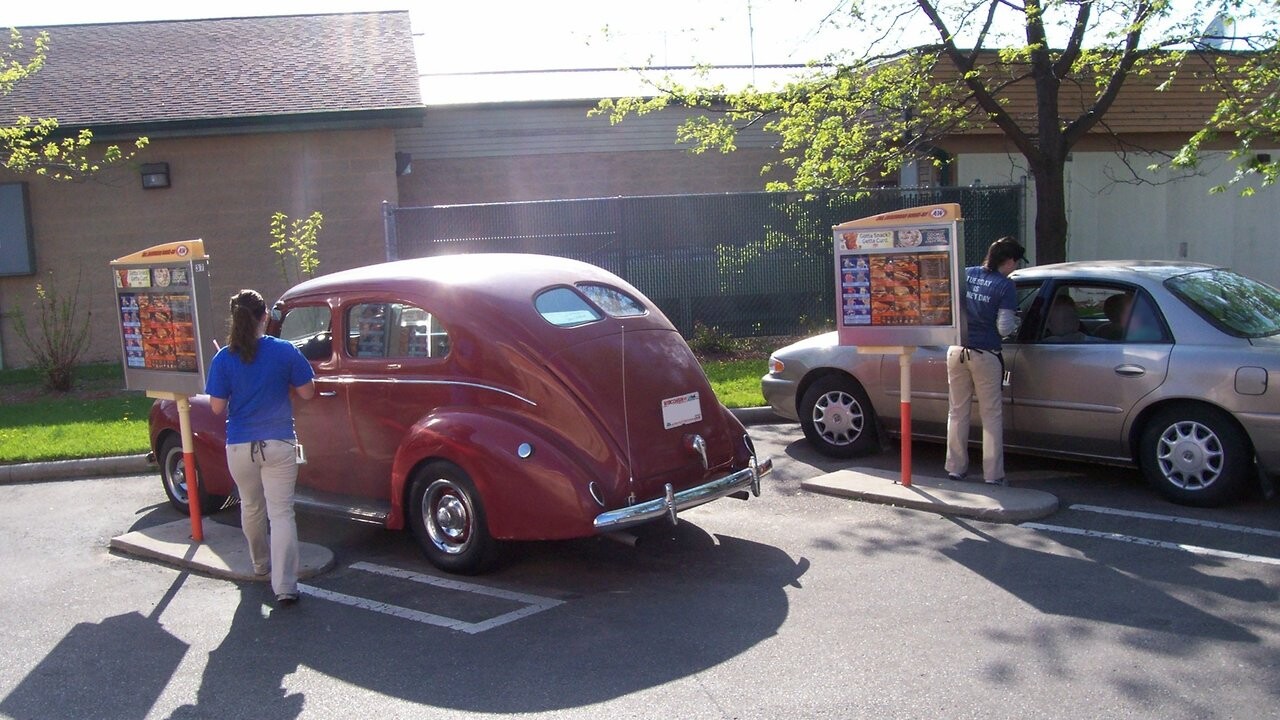
Eating in the car became increasingly popular during the 1950s. At a drive-in restaurant, a carhop delivered food directly to people in parked cars, sometimes while wearing roller skates. By the early 1960s, some glove-box doors also opened flat and included shallow wells that helped steady drinks during a roadside meal.
The Billboard Promising Something Giant
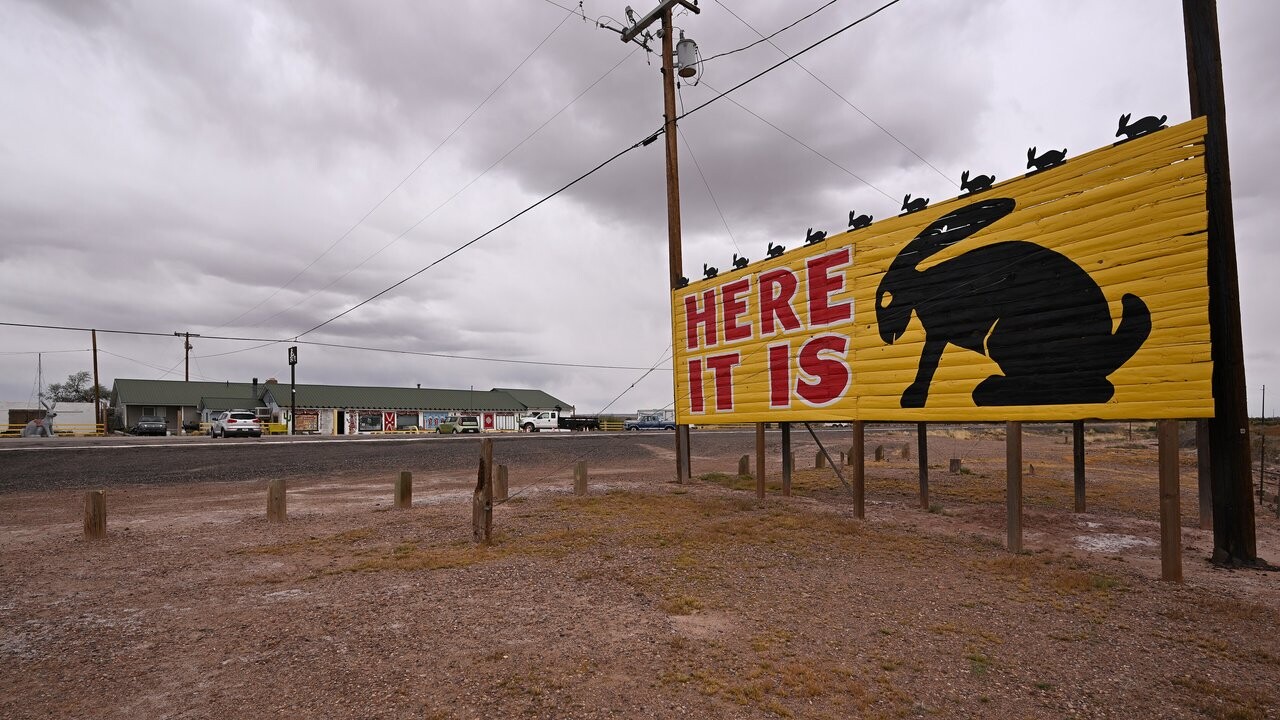
Roadside entrepreneurs knew that an oversized animal, enormous food item, or oddly shaped building could persuade a family to stop. Signs built anticipation mile after mile. Children begged, adults negotiated, and the attraction finally appeared ahead. The photograph taken there could become more memorable than many carefully planned parts of the vacation.
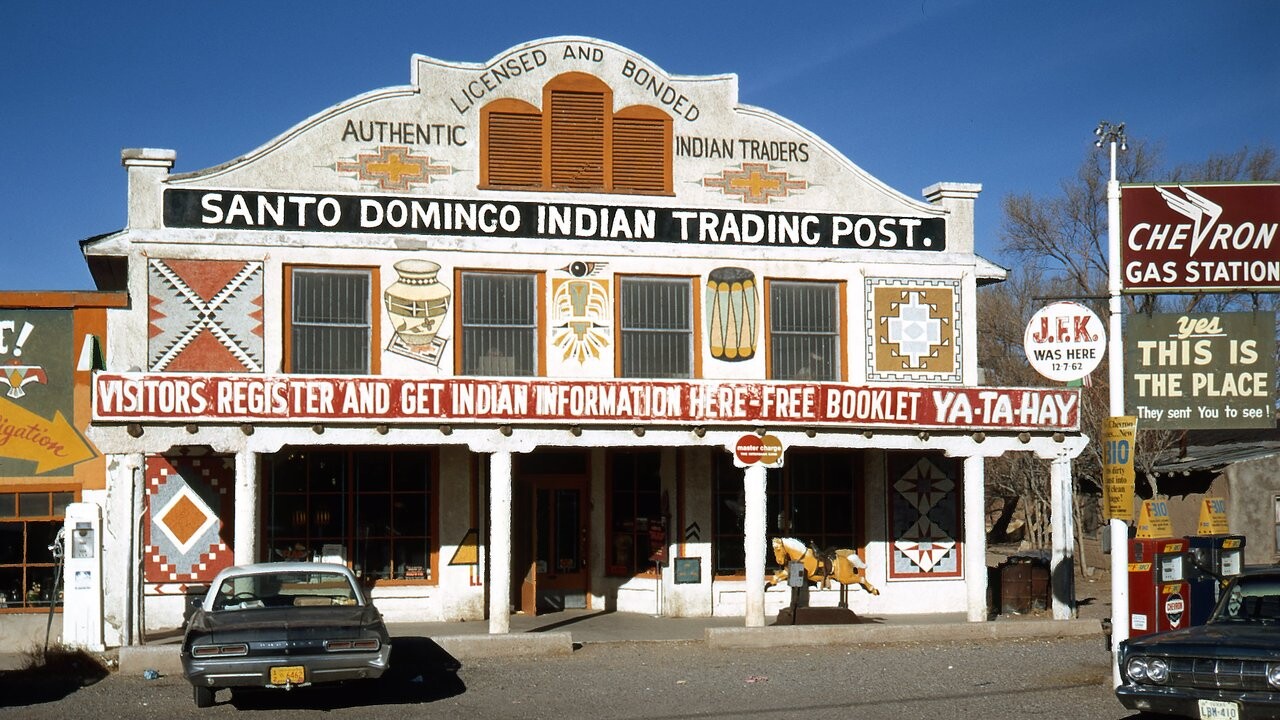
The Curio Shop and Souvenir Stand
Trading posts and curio shops used large signs, murals, and attention-getting outdoor displays to catch passing motorists. The saddled jackrabbit at one Route 66 store was a classic example of the roadside gimmick. Stopping offered everyone a break from the car and a chance to browse before returning to the highway.
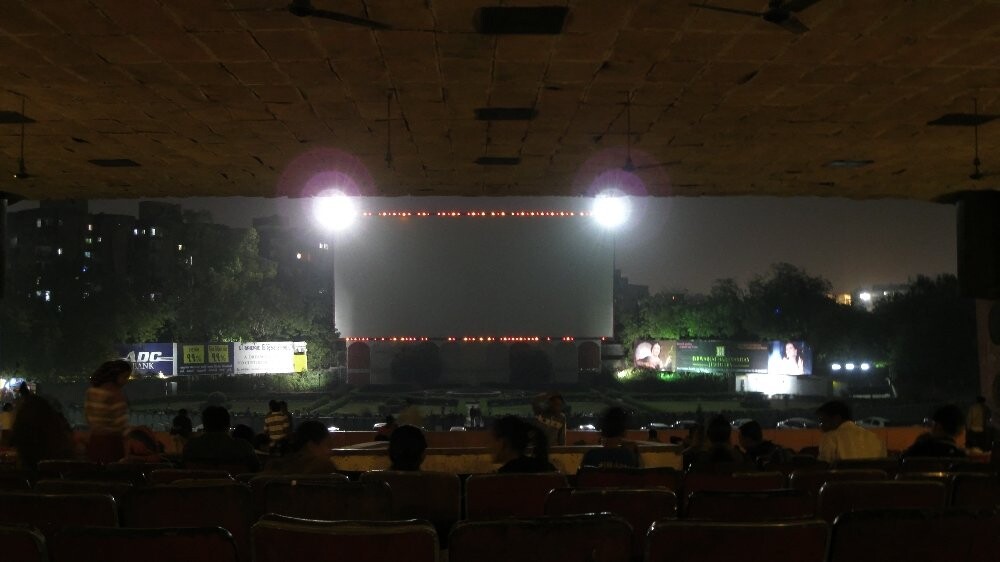
The Drive-In Movie After Dark
Drive-in theaters flourished beside American highways during the 1950s and 1960s, when more than 4,000 operated across the country. A traveling family could watch a movie without leaving the car for long. As darkness settled over the rows of vehicles, the speaker box brought the soundtrack through a partly opened window.
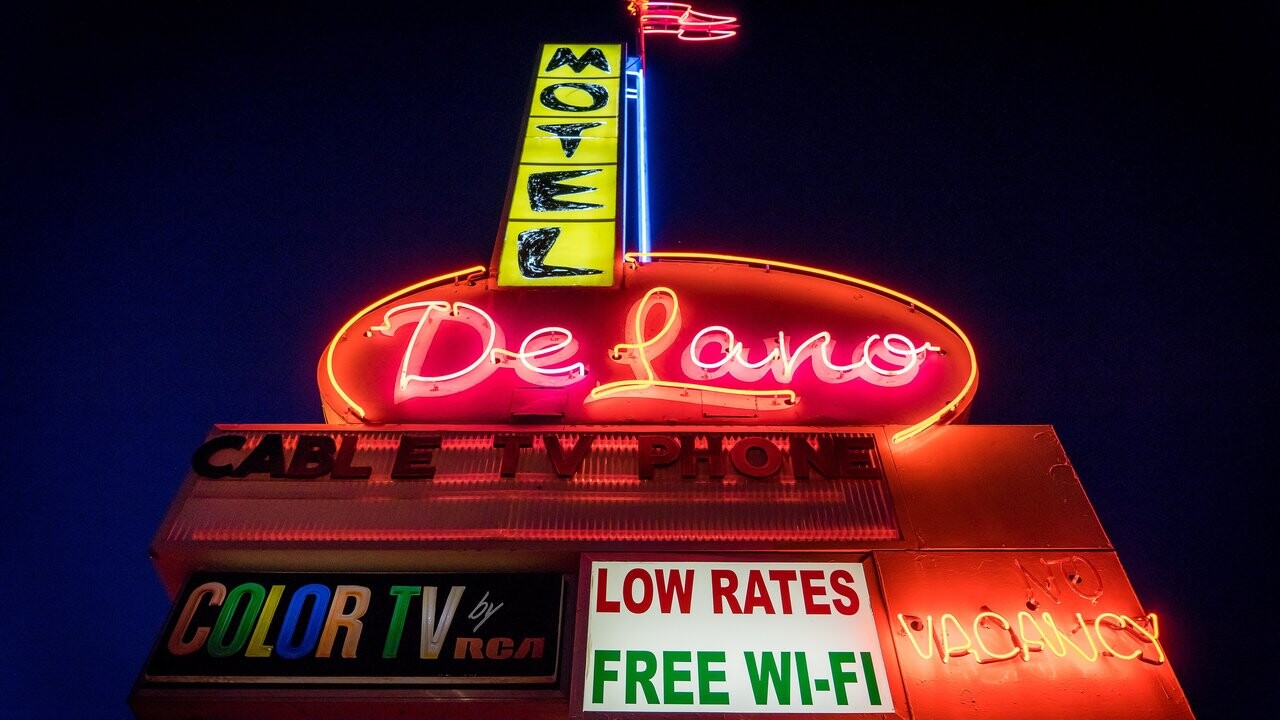
The Neon Motel Sign Up Ahead
After a full day of driving, a bright motel sign offered hope that the car would soon stop. Neon acted as a roadside beacon for rooms and other comforts. Swooping arrows, stars, and script gave each property a personality that travelers could recognize from the highway after sunset.
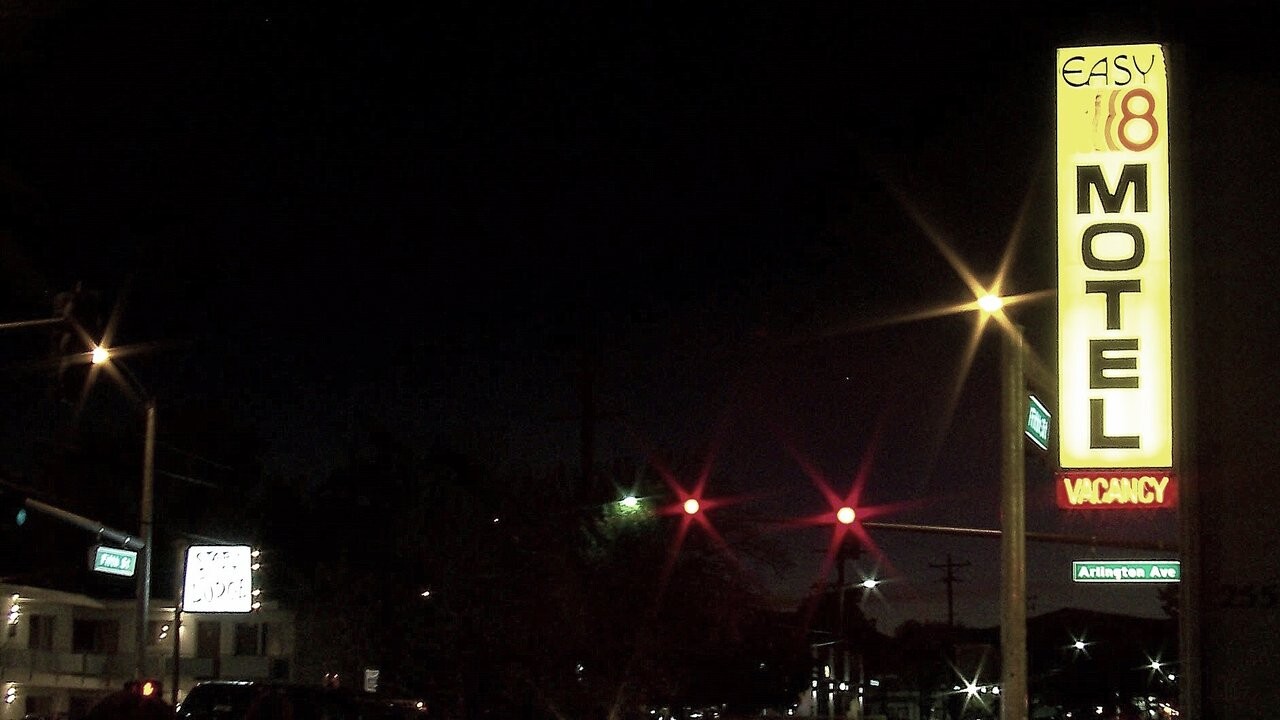
The Evening Vacancy Hunt
Motel construction boomed in the late 1950s and early 1960s, but choosing a room could still become an evening ritual. Adults evaluated price, appearance, parking, and the vacancy sign while tired children offered opinions from the back. Passing one more motel could lead to a better pool or a much longer search.
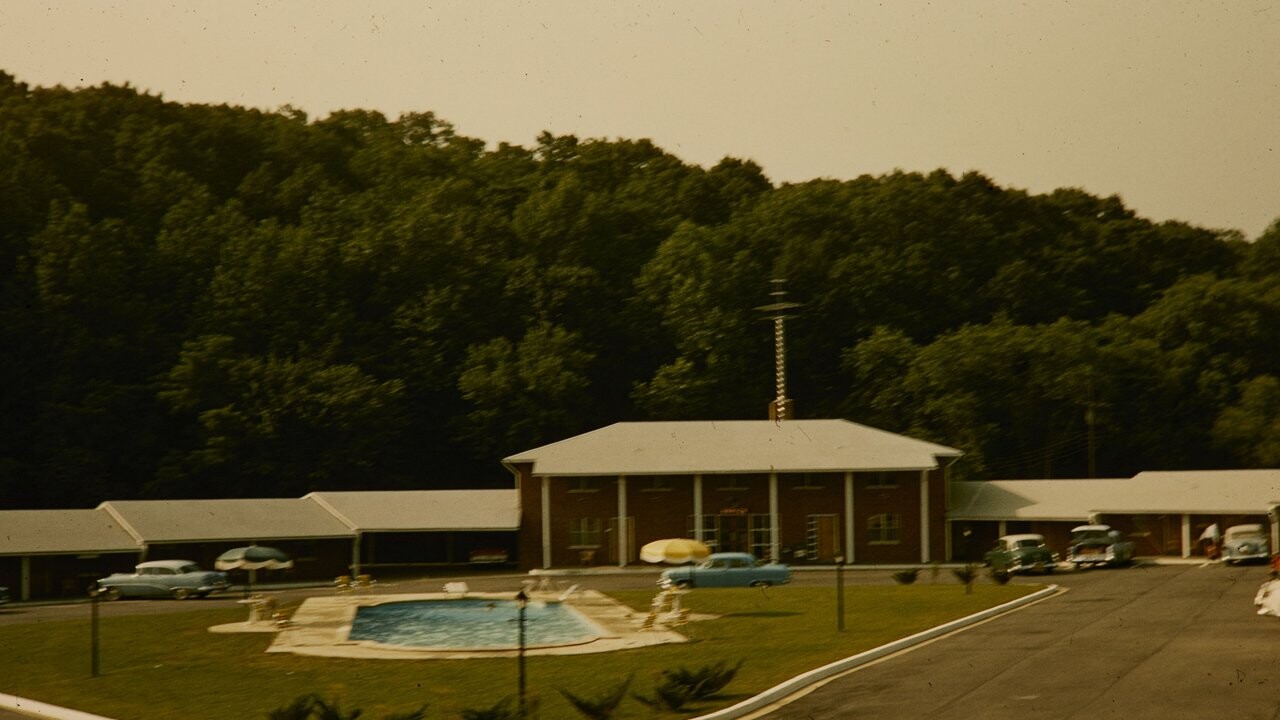
The Motel Pool Everyone Noticed First
Motor courts increasingly advertised swimming pools alongside restaurants and souvenir shops. Children scanned every property for blue water before anyone asked about the room. Even a brief swim could transform an ordinary overnight stop into a vacation highlight, while wet bathing suits were draped over chairs before the next morning’s departure.
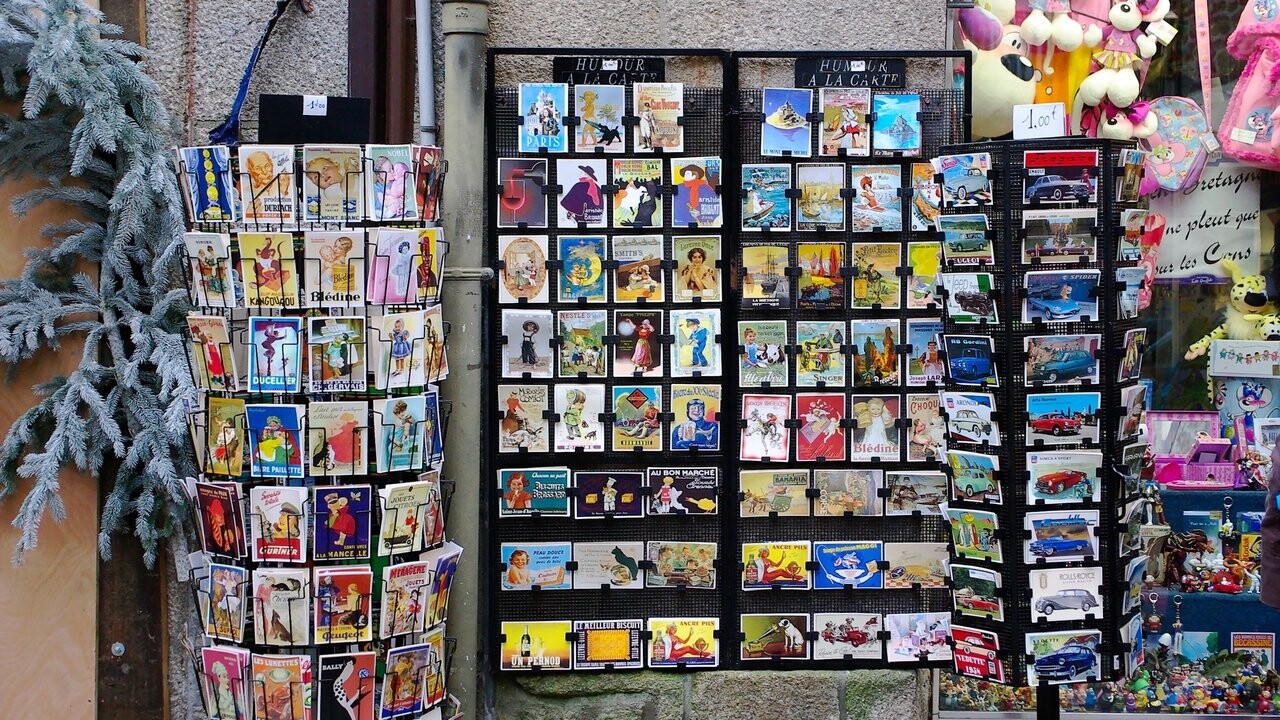
The Postcard Rack Before Leaving Town
Postcards turned motels, attractions, restaurants, and natural wonders into bright little souvenirs. Families chose views, wrote short updates, and mailed them from somewhere along the route. Others returned home unwritten and remained in drawers for decades, preserving idealized colors and signs long after the original roadside place had changed or disappeared.
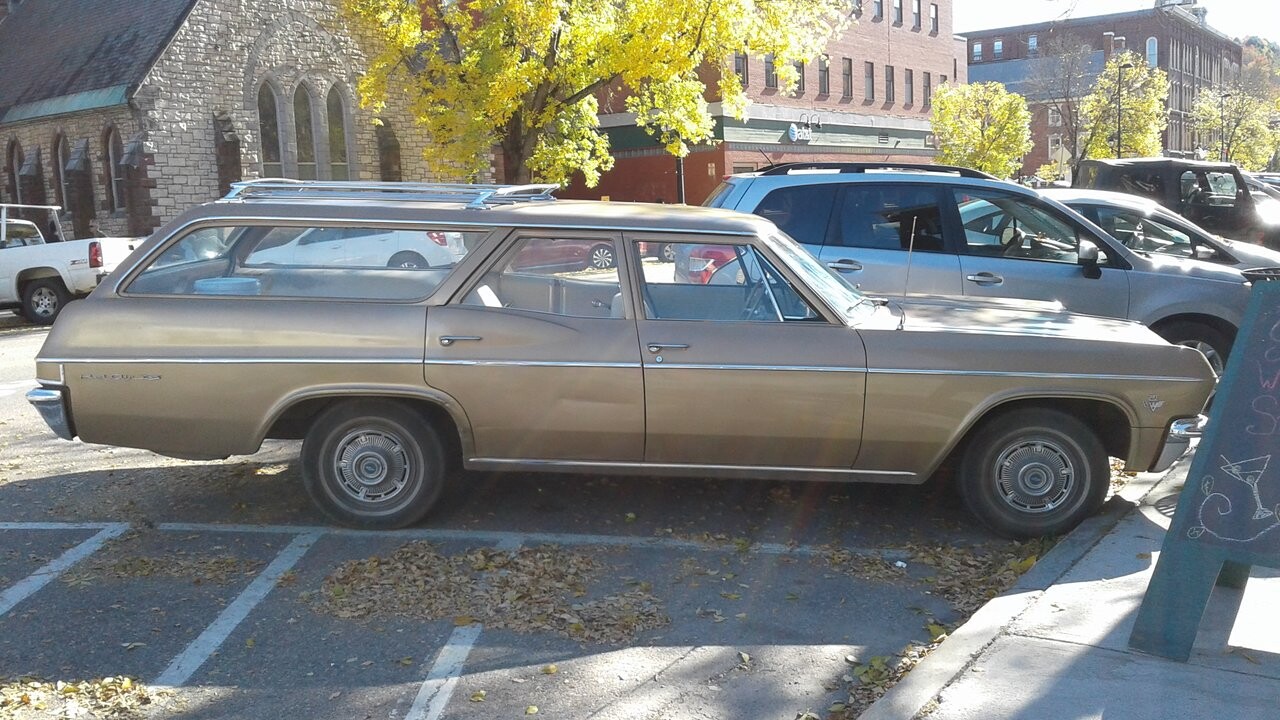
The Car Unpacked Back at Home
The trip ended with another puzzle as luggage, maps, brochures, wrappers, toys, and damp towels came out of the car. A postcard or souvenir might already feel more important than it had at the roadside stand. The station wagon grew quiet again, but its crowded interior had become part of the family story.
The old road may be quieter now, but these small rituals still carry the sound and feel of a family in motion. Which part of a 1960s road trip do you remember best?
Follow The HyperHive on MSN for more stories like this.
Sources:






