Things You Probably Remember From a 1970s Childhood, in Photos

Paul Sequeira / Wikimedia Commons, Public domain (cropped)
Small details can unlock an entire childhood: the rumble of a school bus, the sound of roller skates, or a station wagon packed for a weekend away.
Most of these scenes come from the Environmental Protection Agency’s DOCUMERICA collection, preserved by the National Archives. The gallery moves from school days and outdoor play to family outings and evenings at home.
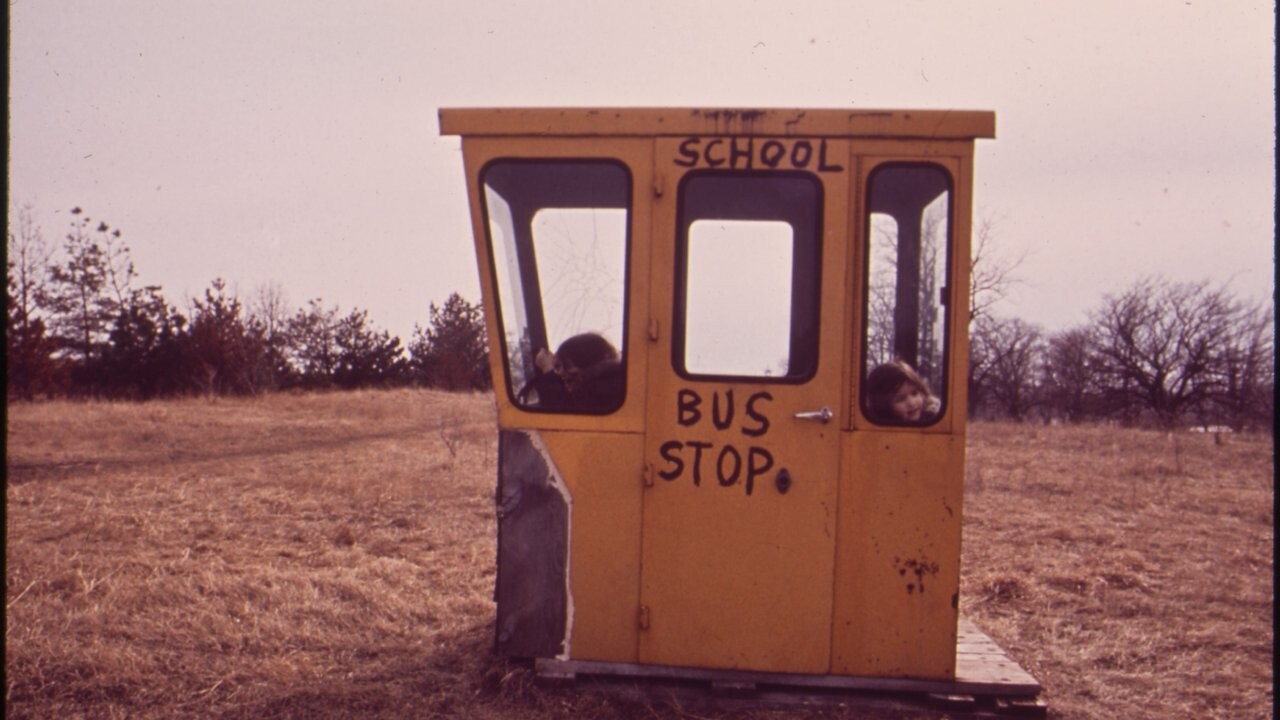
Waiting for the School Bus
Waiting beside a country road or at a neighborhood corner was part of the morning rhythm. Children talked, kicked stones, and watched for that familiar yellow shape. The bus stop was an unofficial meeting place where the school day began before anyone reached the classroom.
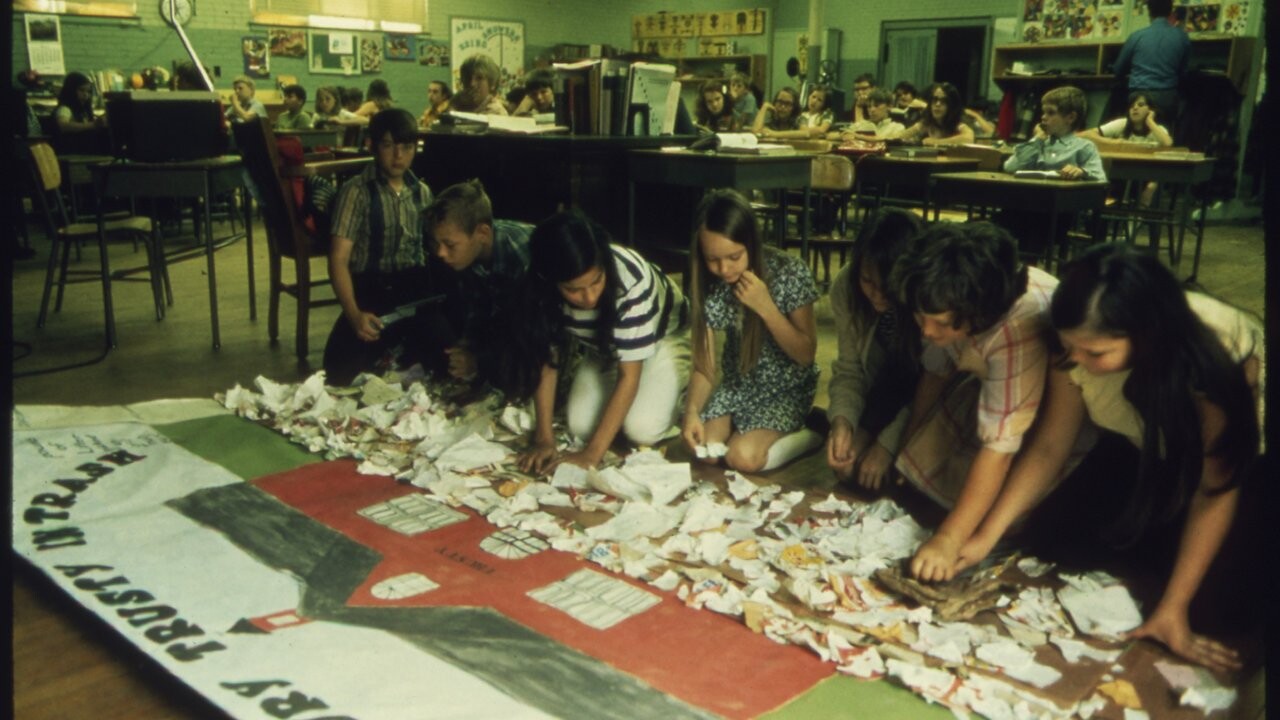
Classroom Posters and Paste
Classrooms had their own unmistakable atmosphere: chalk dust, construction paper, wooden desks, and the faint smell of paste. Group projects often meant making posters by hand. DOCUMERICA photographers captured children cutting, lettering, and arranging their ideas without a screen anywhere in sight.
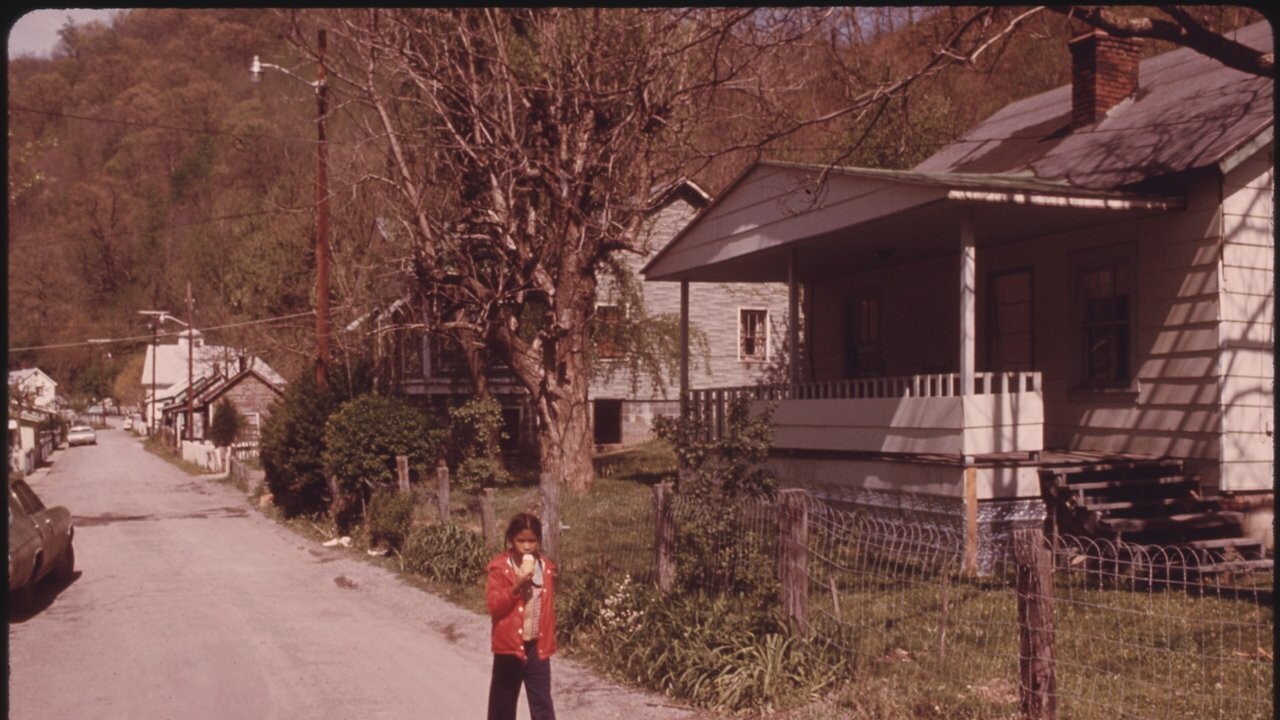
An Ice Cream Cone at Recess
In a small town, recess could feel surprisingly independent. One archival photograph shows a youngster returning to school after going home for an ice cream cone. The larger memory is wonderfully familiar: brief midday freedom, a sweet treat, and the certainty that the bell would soon ring.
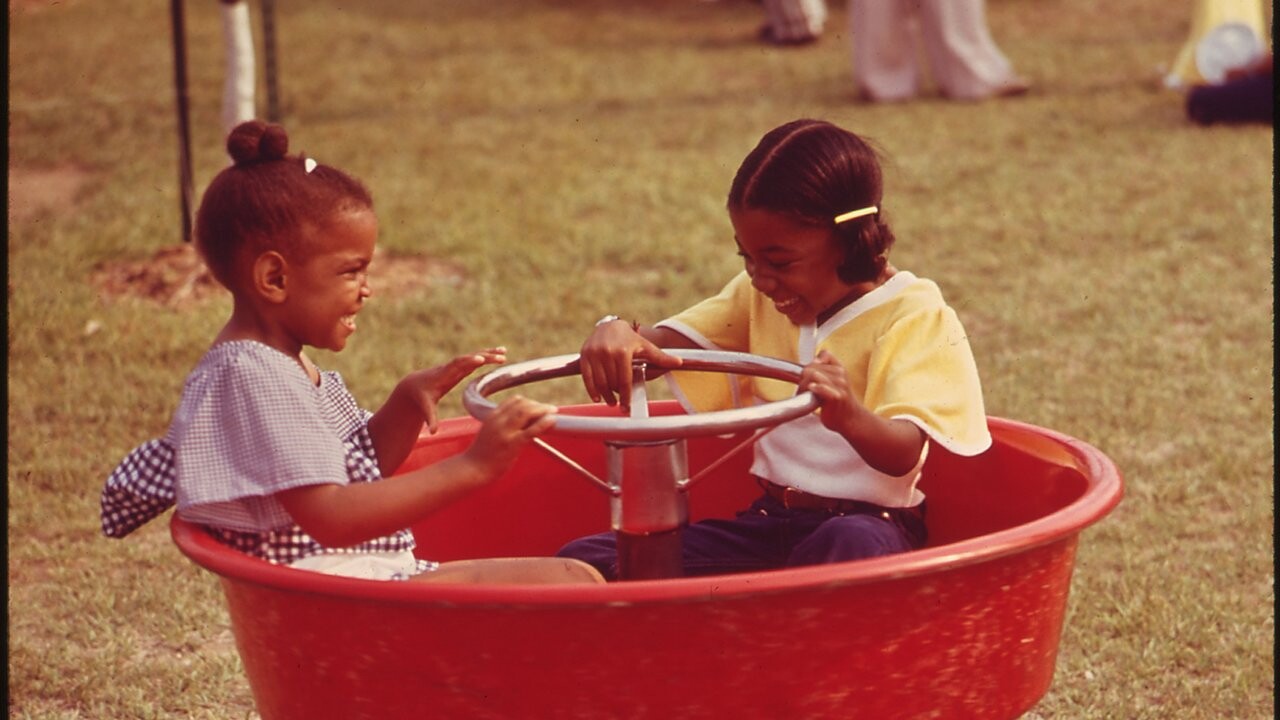
The Neighborhood Playground
Metal slides, hard-packed ground, and simple climbing equipment could fill an afternoon. Adults were not always hovering nearby, so children invented games and settled their own rules. A playground might have been modest, but to its regular crowd, it became a kingdom with familiar territories and traditions.
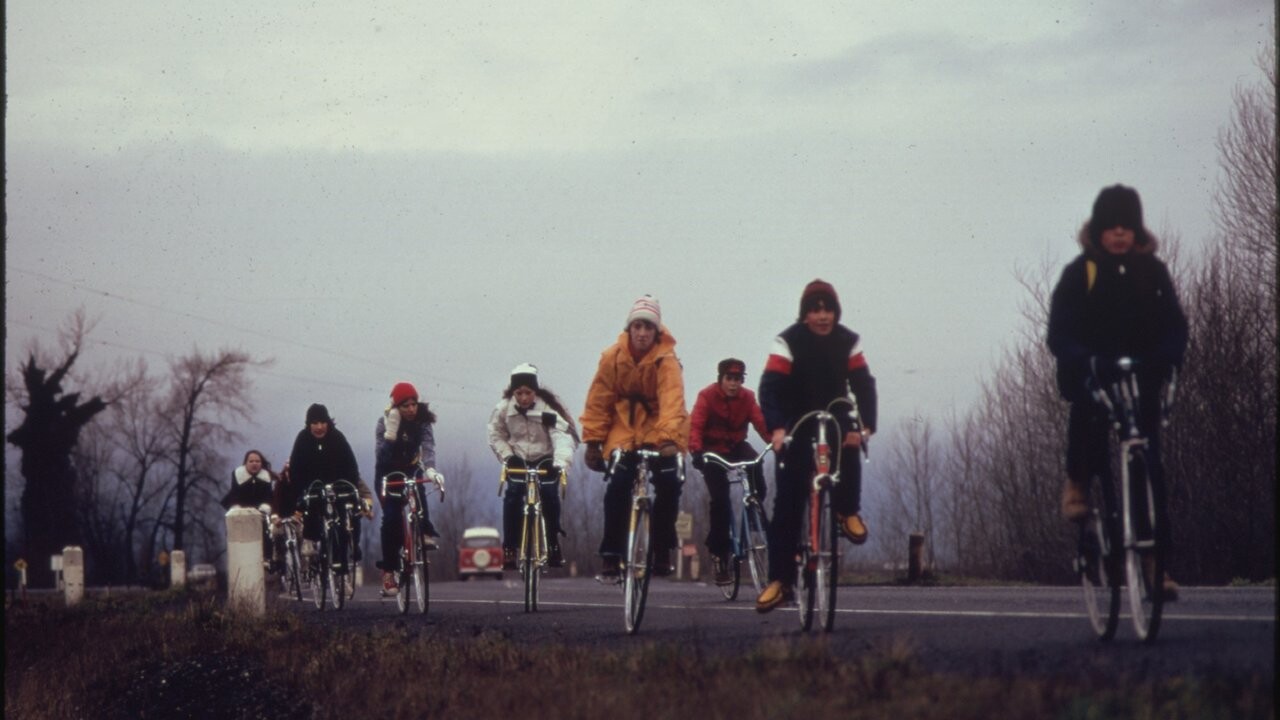
Bikes as Everyday Transportation
A bicycle offered a child a first taste of real mobility. It carried riders to friends’ houses, ball fields, stores, and school activities. Helmets may not dominate the memory, but handlebars, banana seats, baskets, and groups of bikes scattered across a lawn or sidewalk often do.
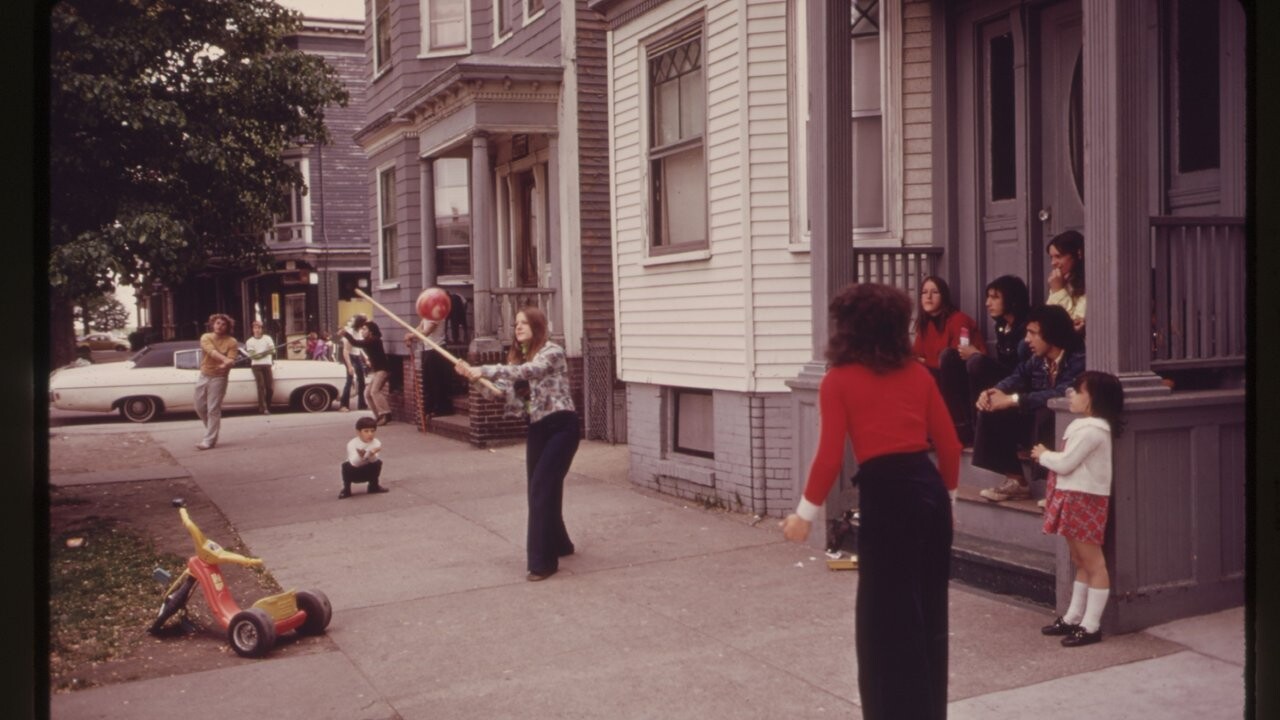
When the Sidewalk Became the Playground
Children did not need a purpose-built play space. A city sidewalk could become a ball field, racetrack, meeting spot, or stage. With a few friends and an improvised game, an ordinary stretch of pavement turned into the center of the neighborhood until supper or darkness called everyone home.
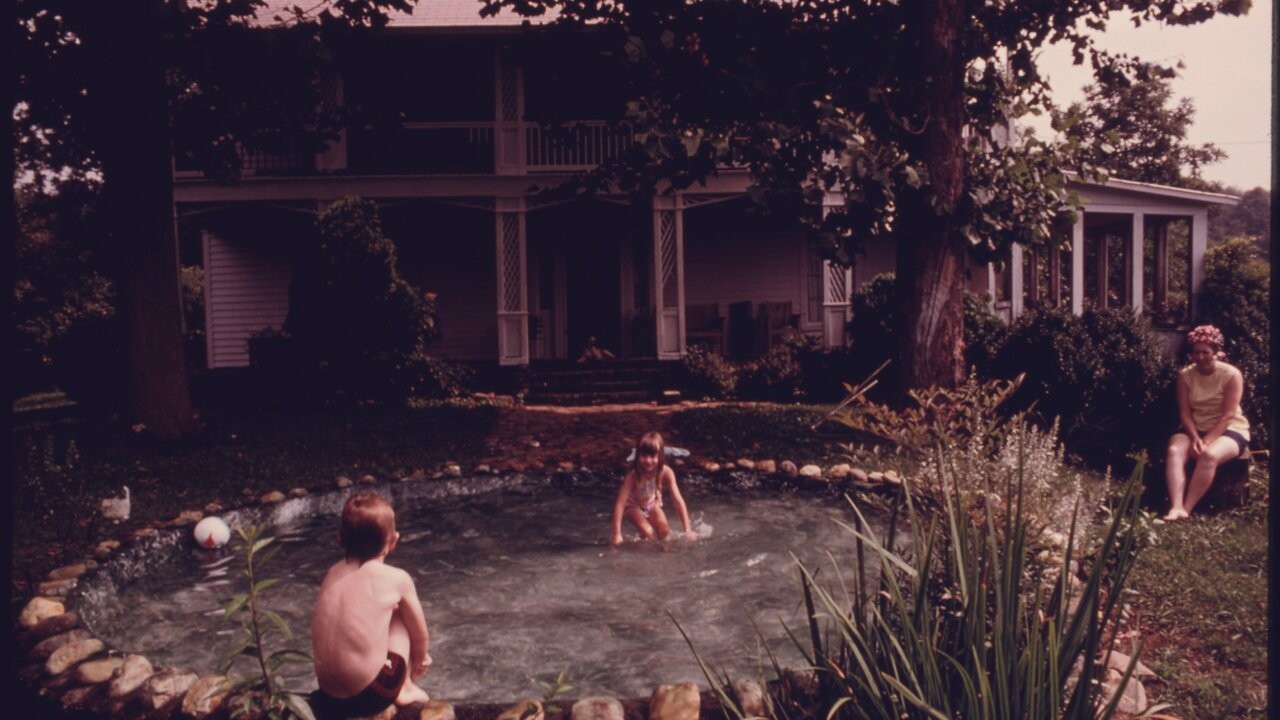
The Backyard Swimming Pool
Not every pool was large or permanent. Even a small backyard pool could draw siblings, cousins, and neighborhood friends on a hot afternoon. The splashing, wet footprints, and towels draped over nearby chairs mattered more than its size. It was summer vacation contained within a few feet of water.
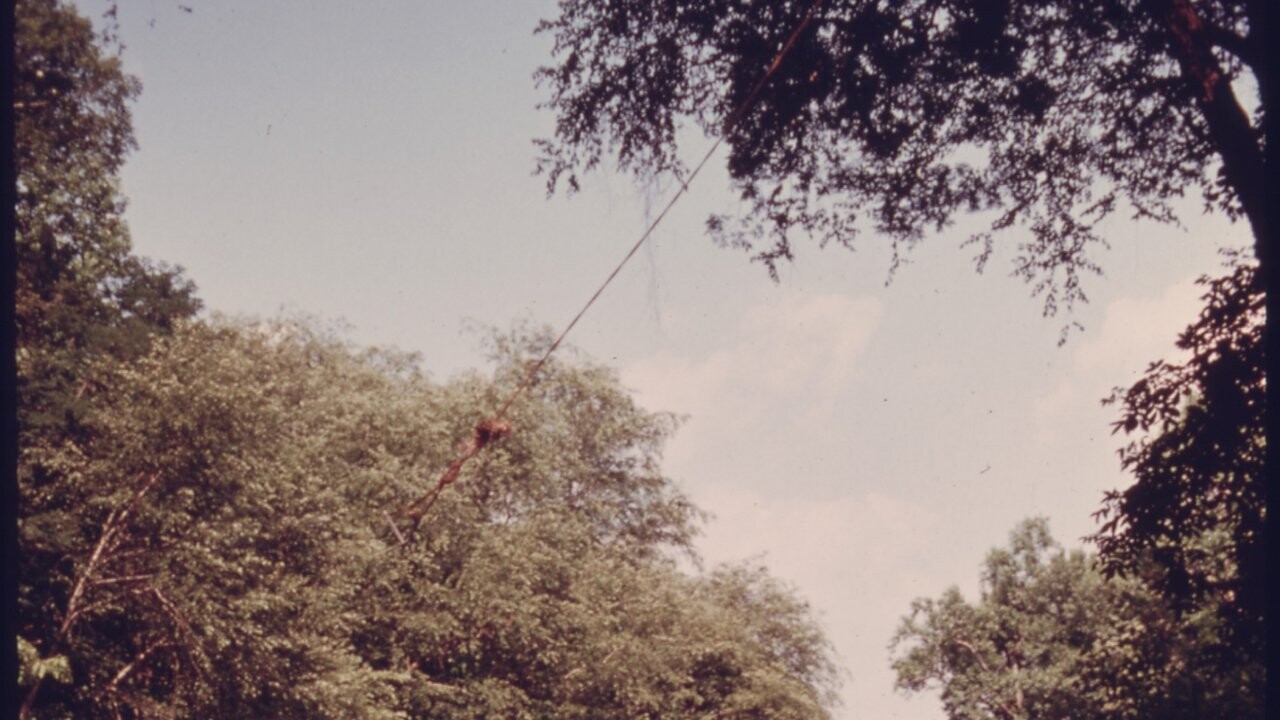
A Rope Swing Over the Water
A sturdy branch, a length of rope, and a swimming hole created an adventure that felt enormous. Taking a turn required timing, nerve, and trust in whoever tied the knot. The best swings became local landmarks, passed from one group of children to the next through long summer days.
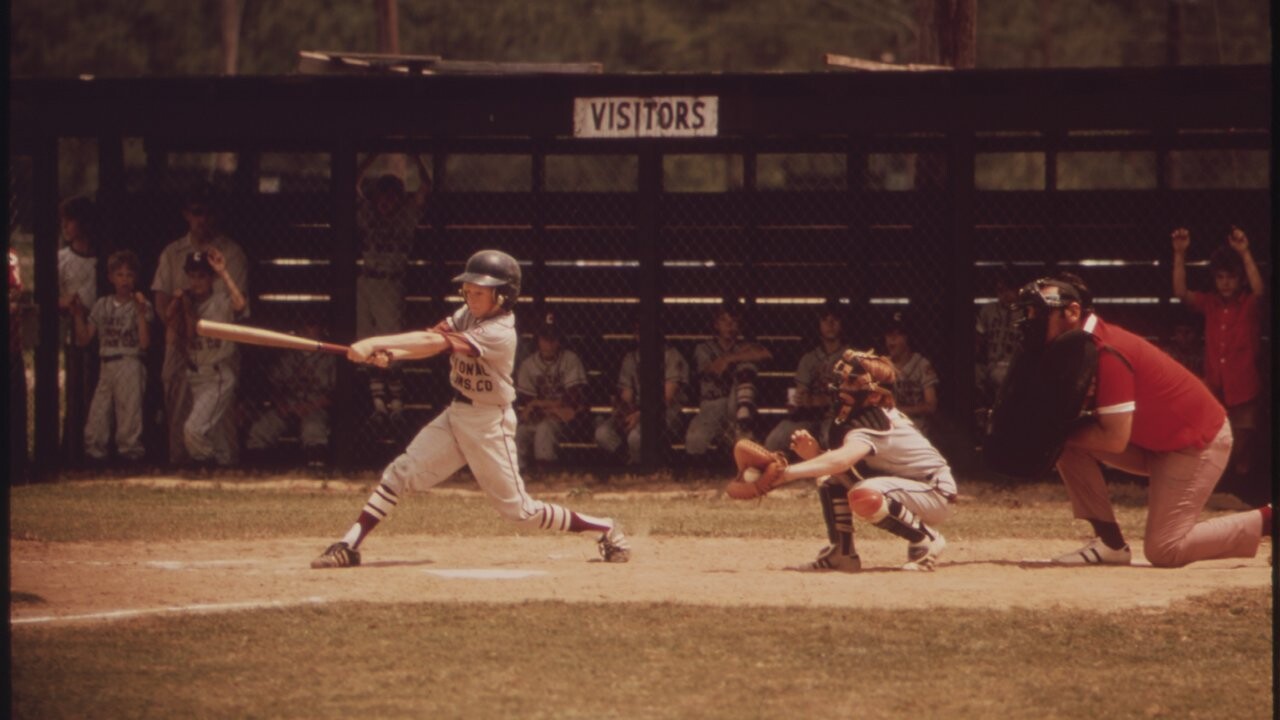
Little League at the Local Field
Little League games brought uniforms, dusty base paths, folding chairs, and parents calling encouragement from behind the fence. For many children, the local diamond was where they first learned about teamwork, nerves, and keeping score. It also gave entire families somewhere to gather on warm evenings.
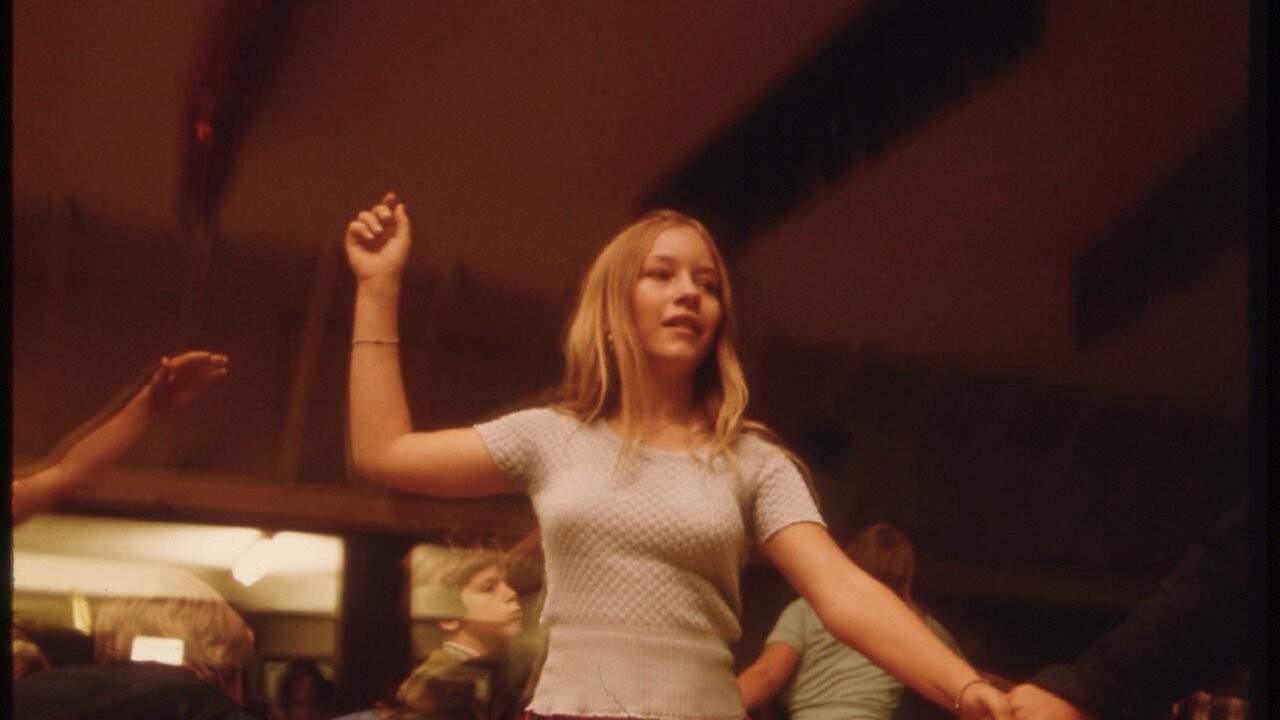
Saturday at the Roller Rink
The roller rink combined music, motion, and just enough darkness to feel grown-up. Beginners clung to the rail while confident skaters sailed past under colored lights. Rental skates, snack counters, and group laps made the rink a dependable destination for birthdays, school friends, and weekend afternoons.
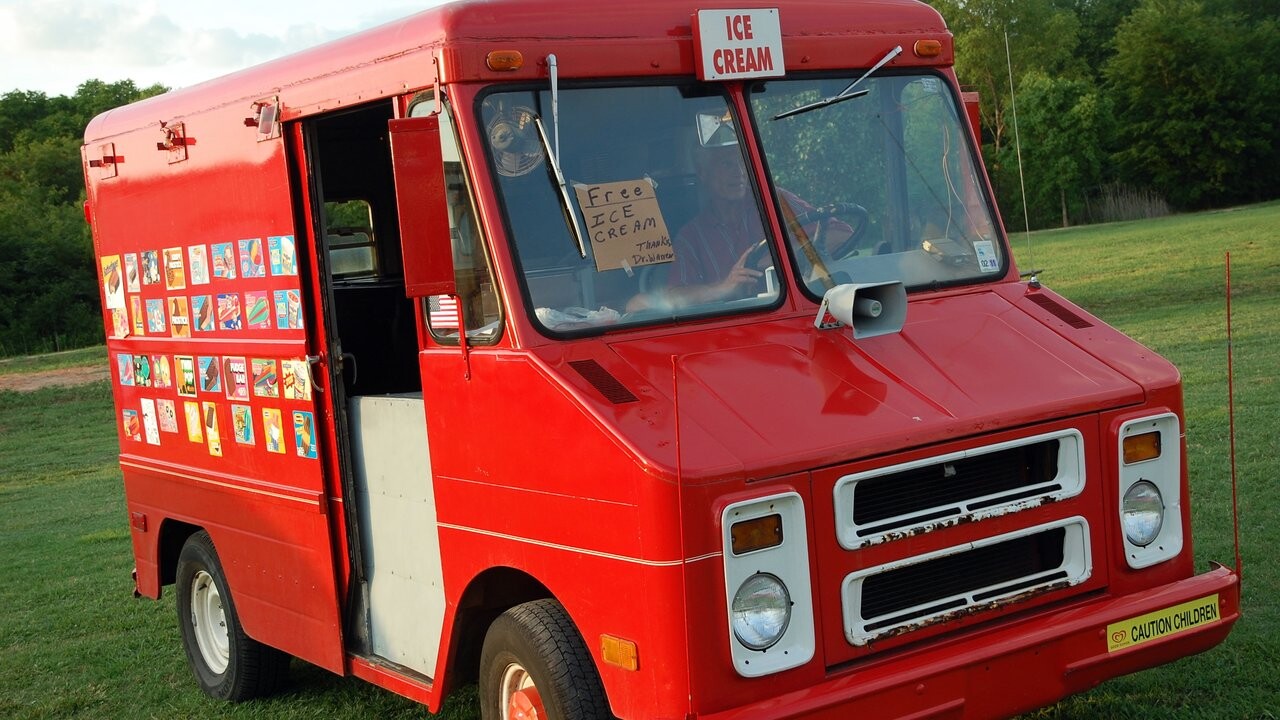
The Ice Cream Truck Melody
The tune could send children searching for coins and racing toward the curb. Choosing quickly from the pictures on the truck was part of the excitement. The treat mattered, but so did the sudden gathering of neighbors, all summoned outside by the same familiar sound drifting down the block.
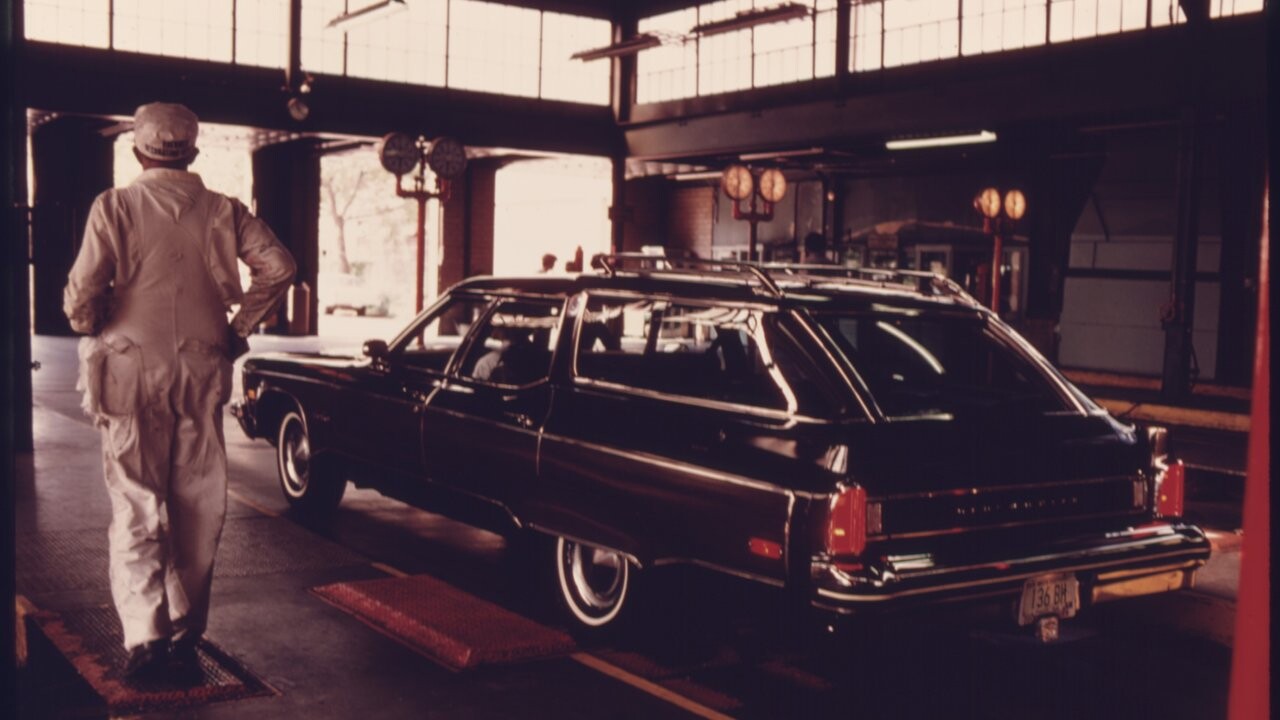
The Family Station Wagon
The station wagon was transportation, cargo carrier, and vacation machine in one long package. Its rear area swallowed groceries, sports equipment, luggage, and sleepy children. Whether the destination was a campsite or a relative’s house, the ride included roadside stops, restless questions, and a changing view through broad windows.
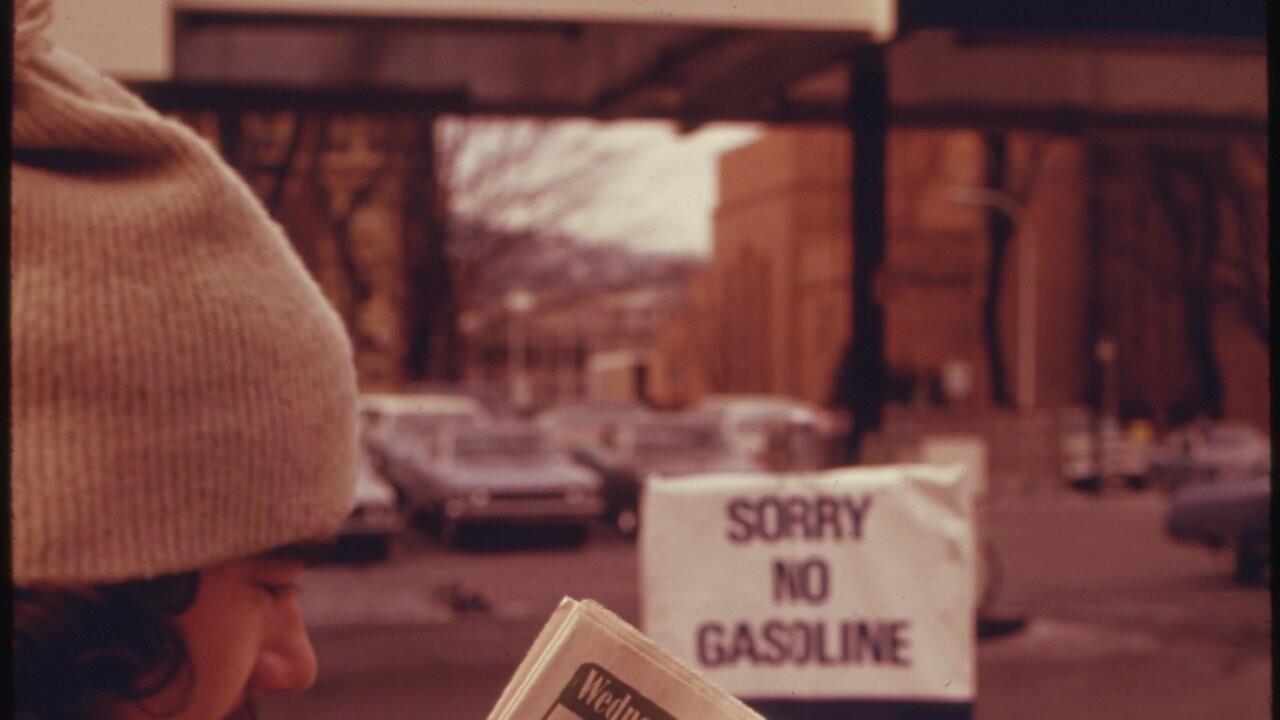
The No Gas Sign
The fuel shortage made an adult problem visible to children in the back seat. Long waits, odd-even sales plans, and handwritten No Gas signs interrupted ordinary errands and family trips. For many Americans, a service station with closed pumps remains one of the decade’s sharpest roadside images.
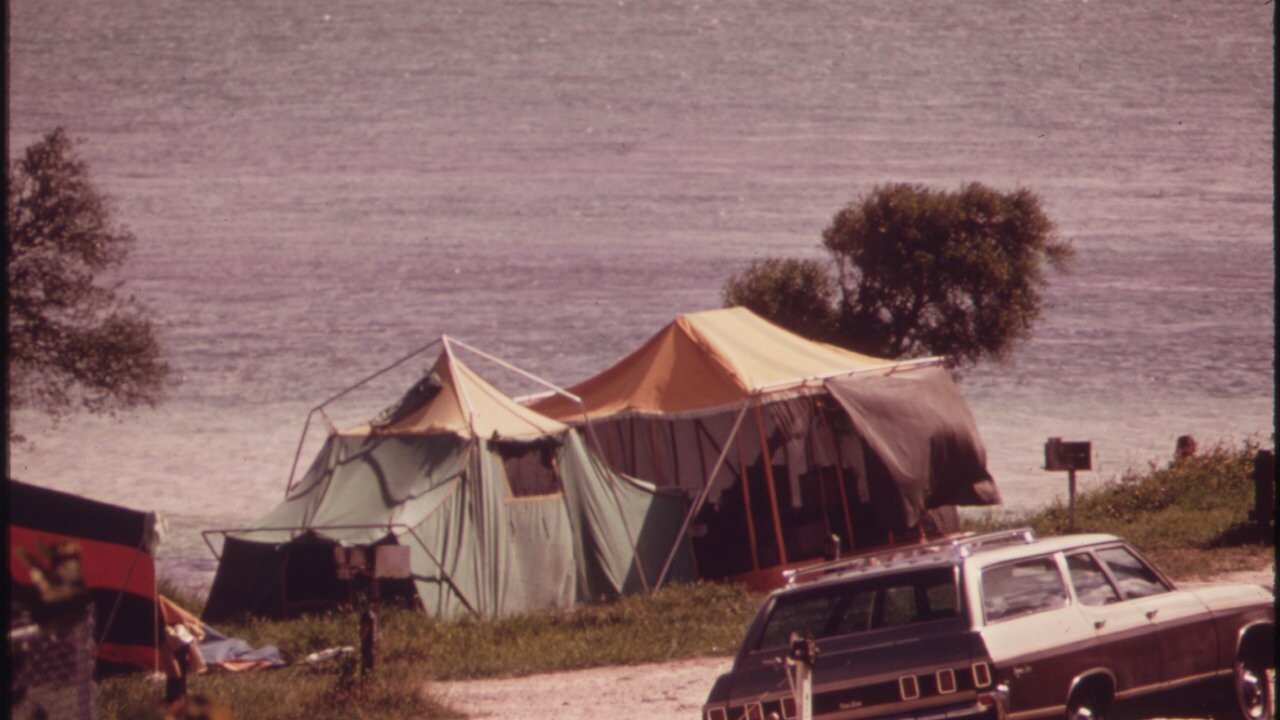
Camping With the Family
Camping compressed family life into a tent, a picnic table, and the space around a fire. Children explored while adults unpacked coolers and sleeping gear. Even a simple campground felt far from home after sunset, when flashlights, unfamiliar noises, and stories in the dark took over.
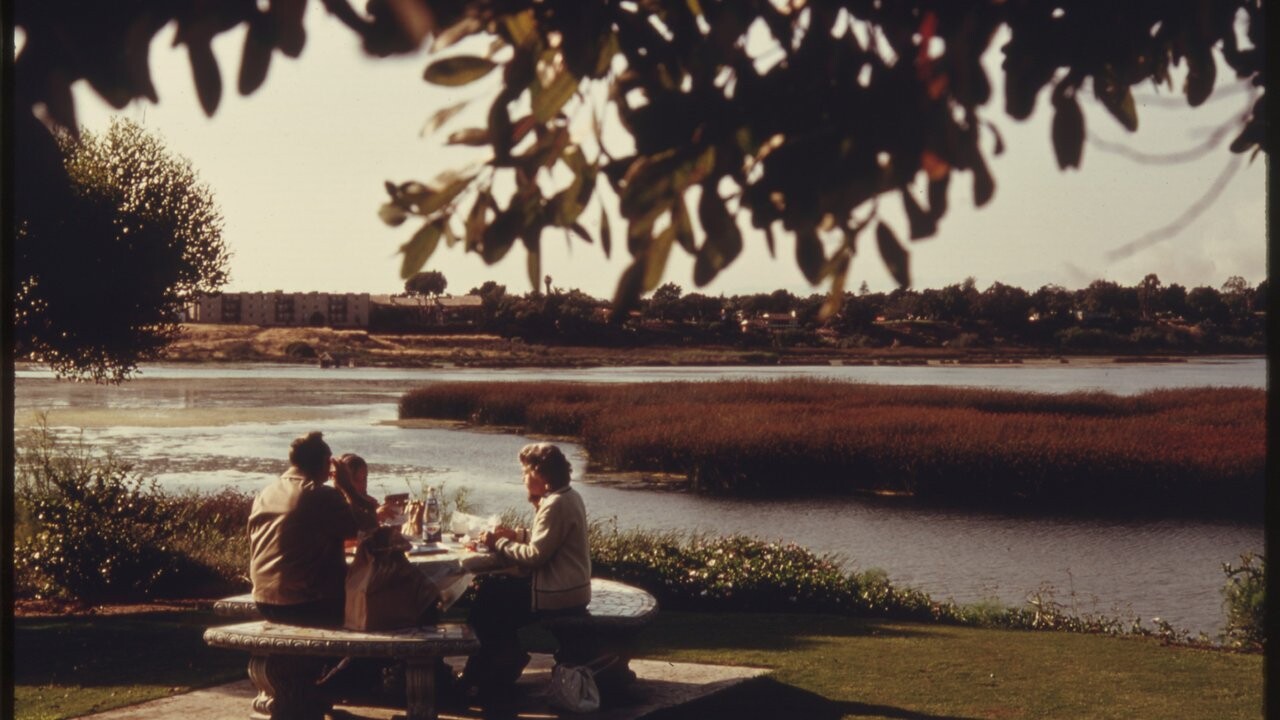
A Picnic on the Beach
A beach day required towels, food, folding chairs, and plenty of patience with sand. Lunch might be eaten directly from a cooler while shoes disappeared beneath a growing pile of belongings. The appeal was simple: open water, room to roam, and an afternoon that seemed to stretch forever.
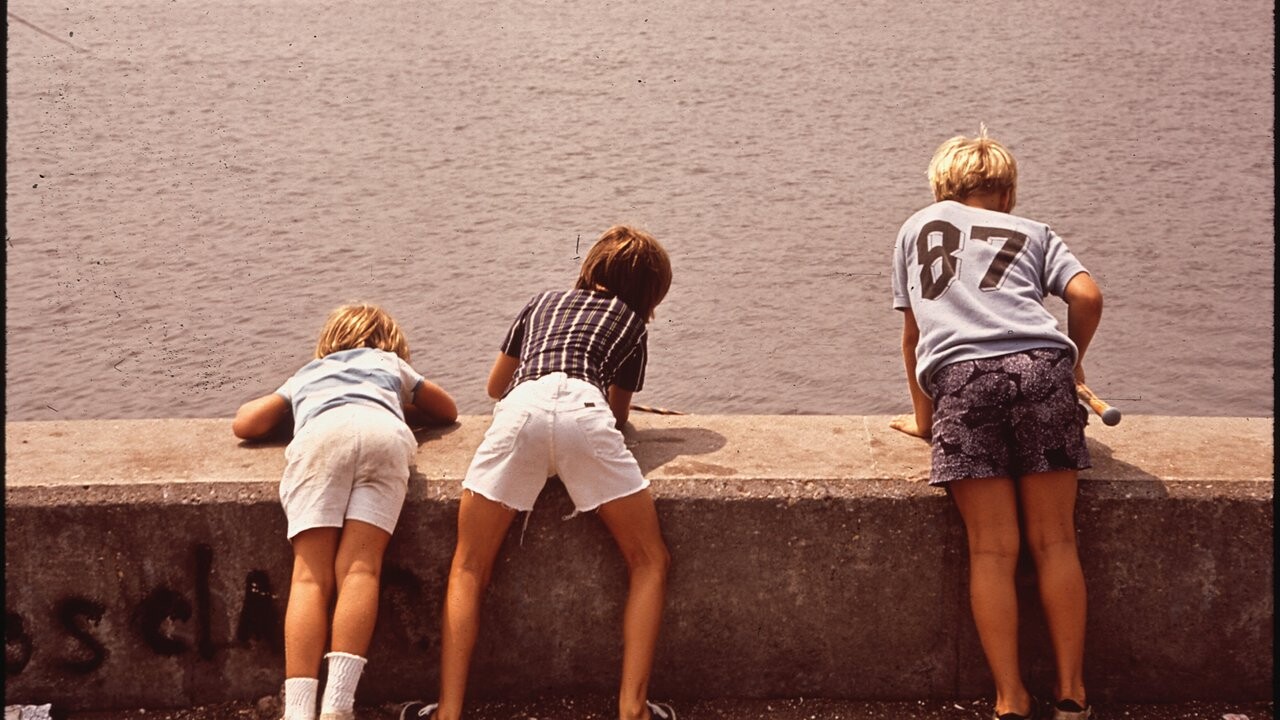
Skipping Stones by the Water
Some childhood competitions needed no equipment at all. Finding a flat stone and making it bounce across the surface could occupy friends or siblings for ages. The technique was debated, demonstrated, and practiced beside lakes and rivers, usually with more enthusiasm than success.
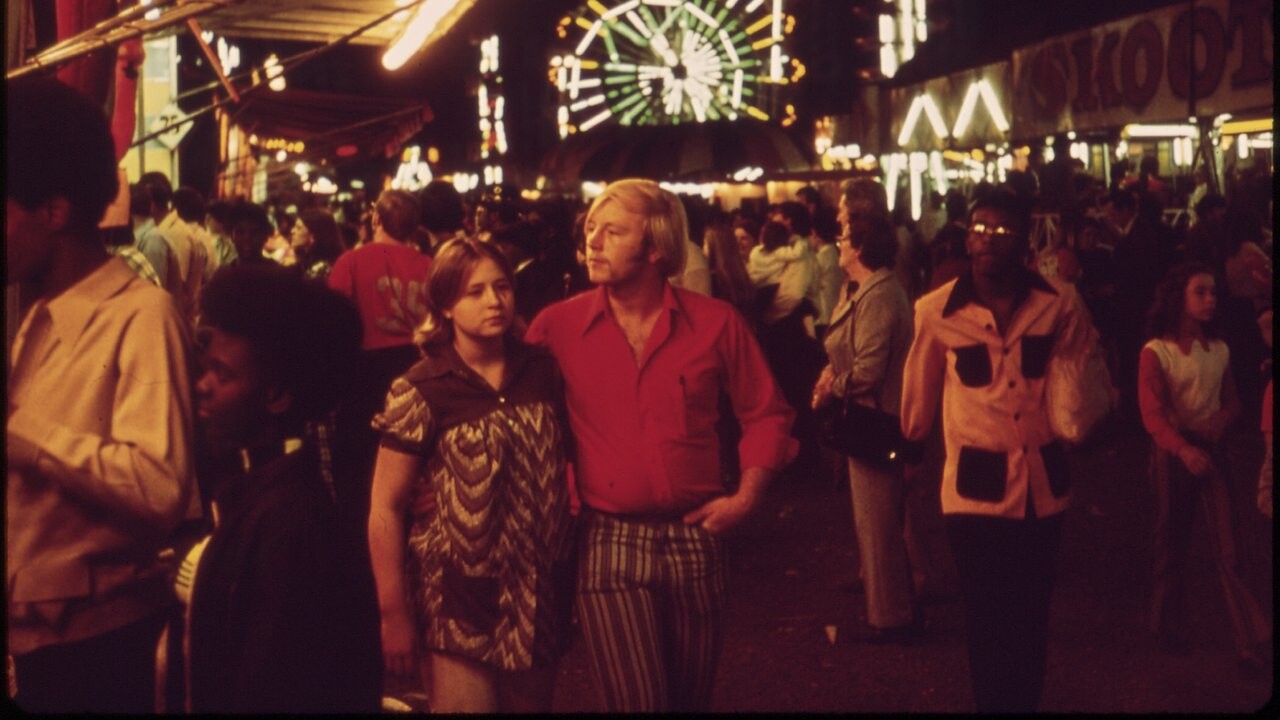
The State Fair Midway
The midway was a rush of lights, prizes, rides, and food that looked brighter than ordinary life. Children studied game booths, measured their courage against spinning rides, and tried to make a small allowance last. Cotton candy and stuffed animals completed an outing anticipated long before fair day.
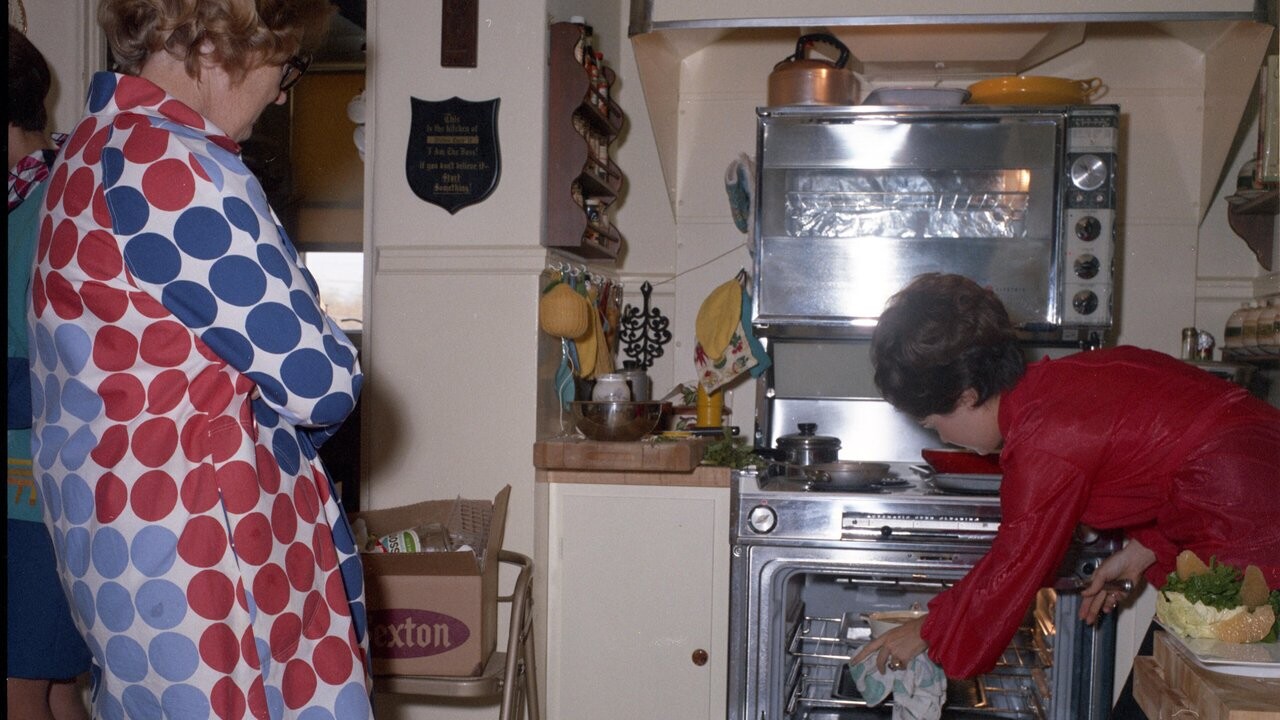
The Family Kitchen
The kitchen was often the busiest room in the house. Meals, homework, phone calls, and conversations overlapped around counters and tables. Its colors and surfaces could be unmistakably bold, but the strongest memories are usually sensory: something cooking, cabinet doors closing, and family voices carrying from the next room.
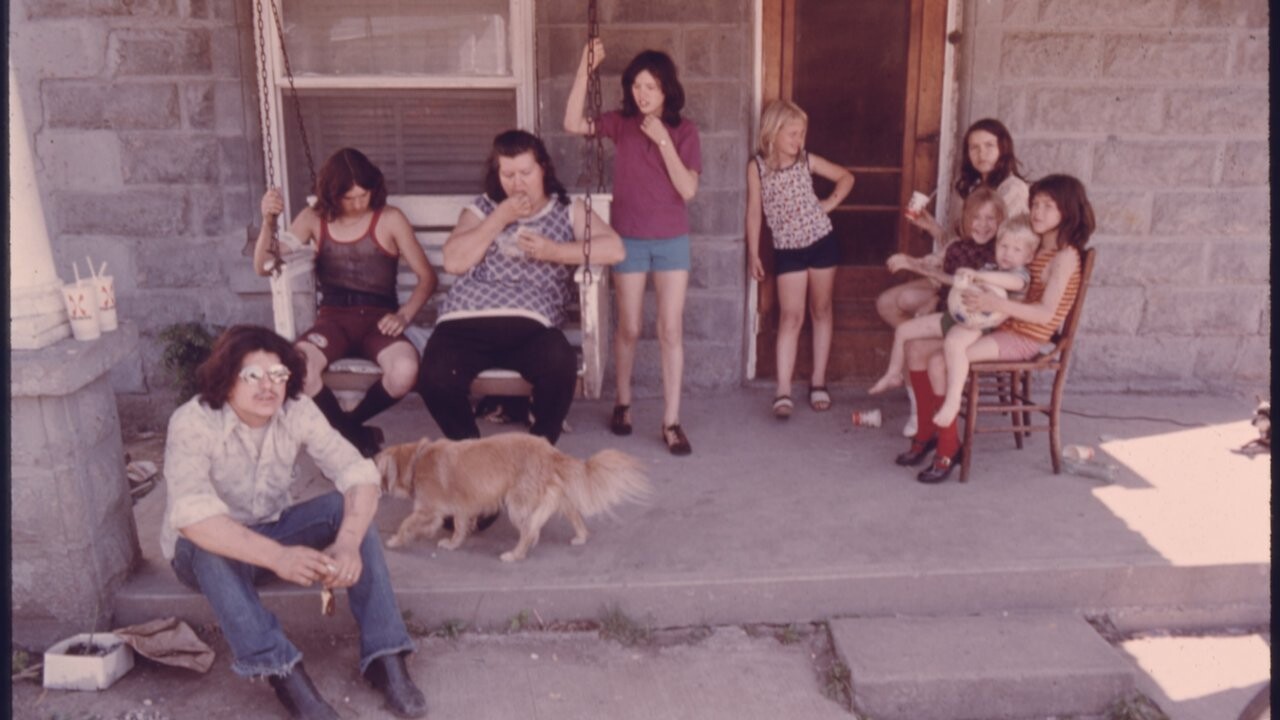
The Front Porch Swing
A porch swing gave children and adults a place to pause without going indoors. Family members visited, neighbors stopped to talk, and children drifted in and out of the conversation. The steady back-and-forth motion made the porch feel like a room shared with the whole neighborhood.
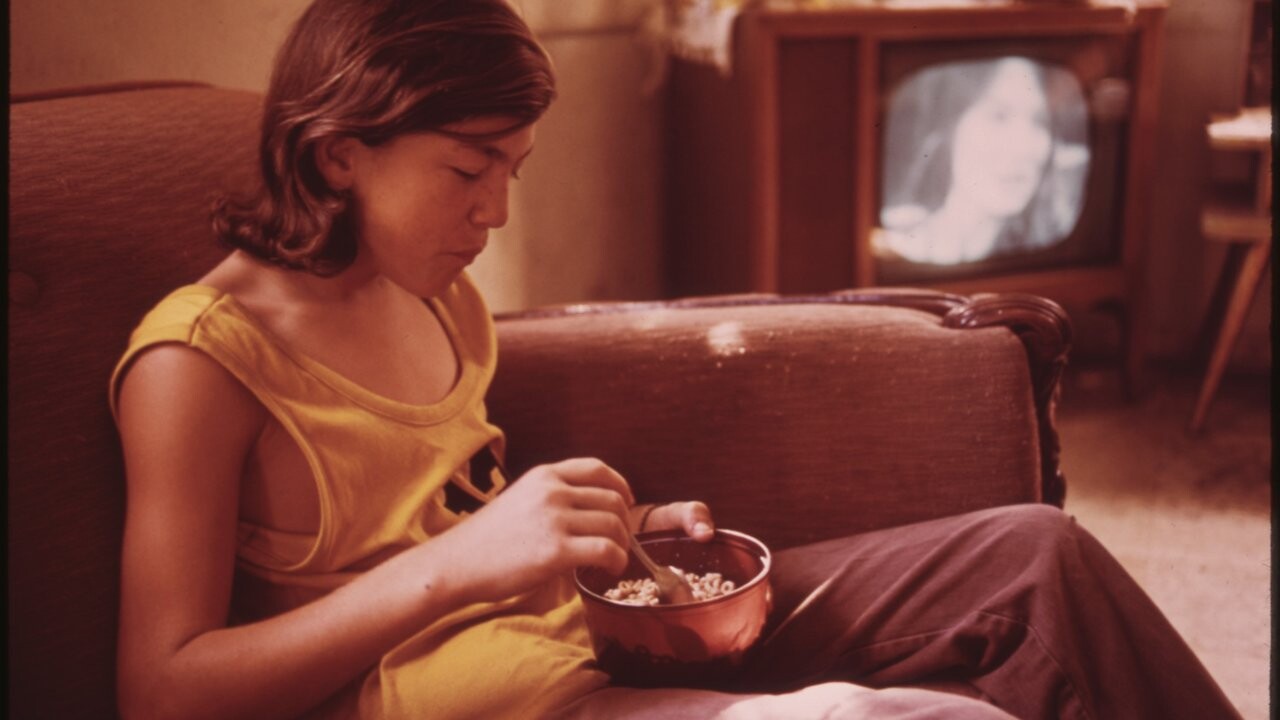
The Television as Living-Room Furniture
The family television was not simply a screen. It was a substantial piece of living-room furniture, sometimes topped with framed photographs or decorations. When one set served the household, choosing what to watch could become a family negotiation, followed by everyone facing the same glowing picture.
These ordinary scenes show how strongly childhood can remain attached to places, sounds, and shared routines. Which of these memories takes you back most clearly?
Follow The HyperHive on MSN for more stories like this.
Sources:






