Toys From the 1950s and 1960s That Every Child Wanted

Unknown / Wikimedia Commons, Public domain (cropped)
A familiar toy can unlock remarkably specific memories: the sound of a buzzer, the feel of a long-awaited box, or the nervous excitement of trying something new.
These slides follow a broadly chronological path through midcentury toy history. The milestones come from museum collections and toy archives, while the photo suggestions focus on genuine examples of the playthings.
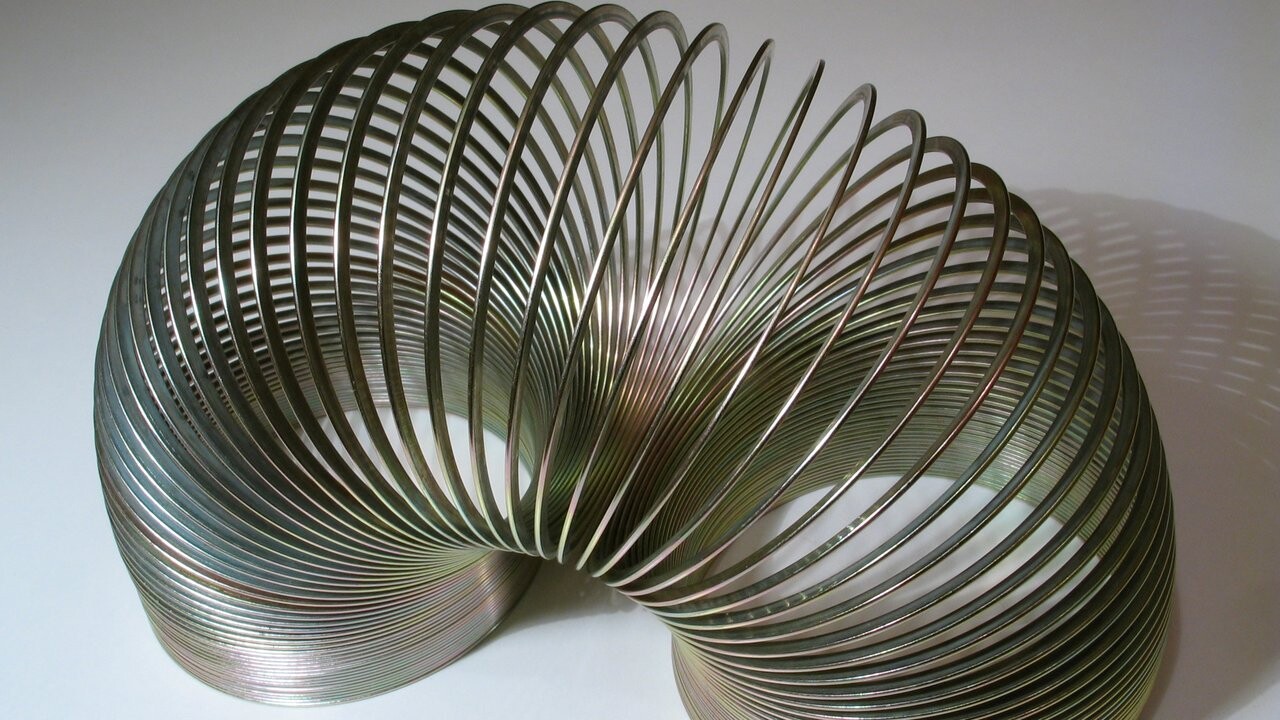
1945: Slinky Walks Into Christmas
Before Christmas 1945, a demonstration at Gimbels Department Store in Philadelphia sent Slinky sales soaring, and the first 400 sold within minutes. The pleasure was immediate and easy to understand: set the spring in motion, watch it travel, then line it up for another mesmerizing run.
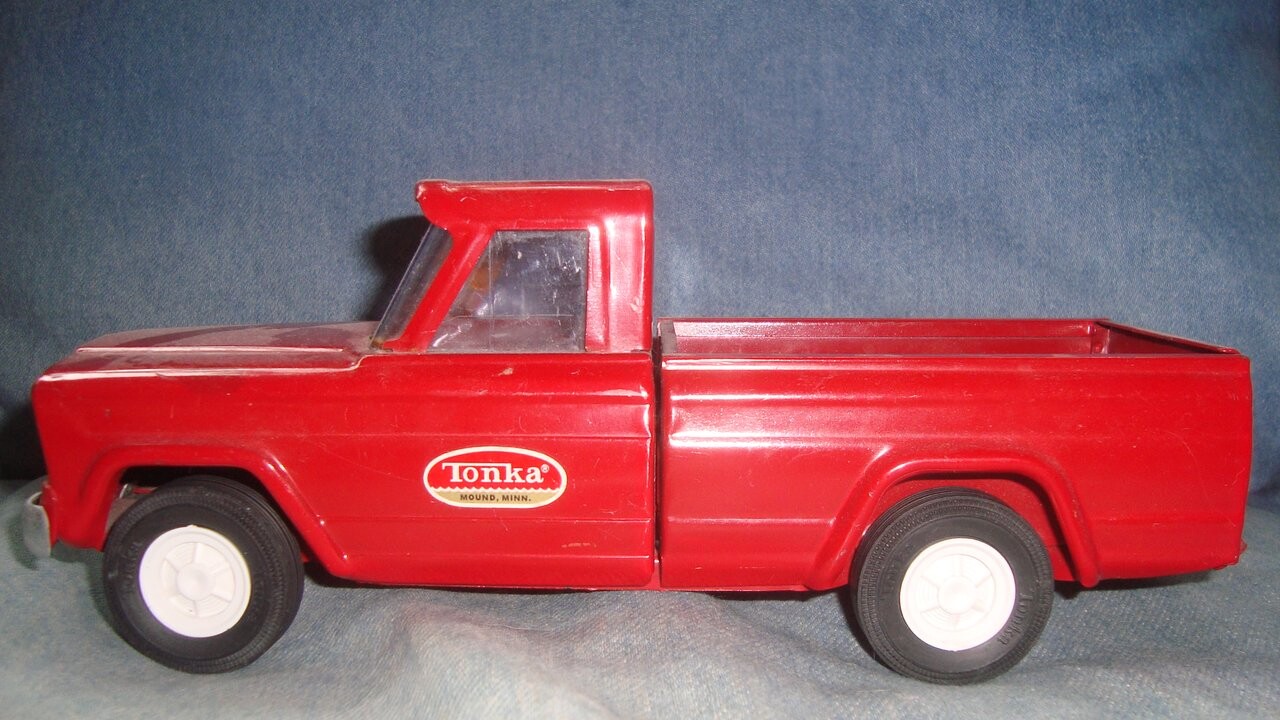
1947: Tonka Trucks Get To Work
Tonka’s toy story began in 1947, when its founders acquired a competing company and inherited a toy steam shovel. After 37,000 units sold in the first year, they left garden equipment behind and focused on toys, giving children a compact way to turn ordinary outdoor play into serious work.
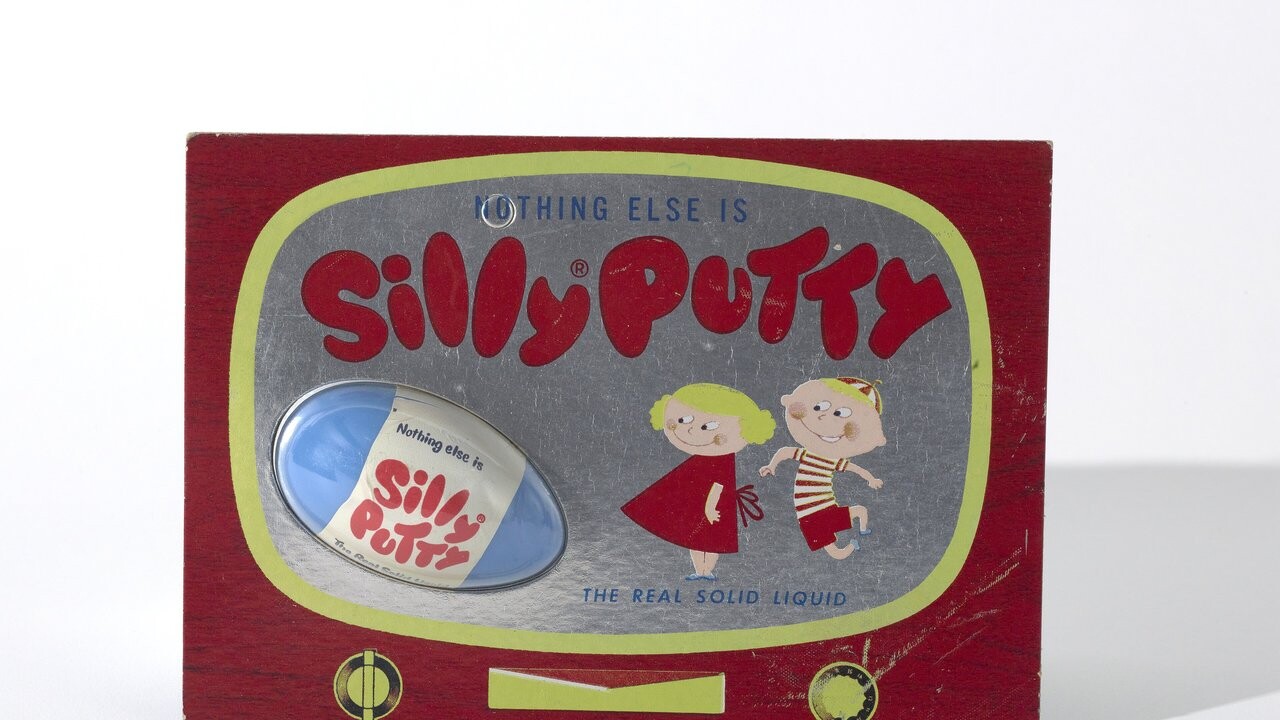
1950: Silly Putty Becomes a Sensation
After a New Yorker article featured Silly Putty in 1950, orders topped 250,000 in three days. The name alone promised something curious, and the novelty became an easy conversation piece. It was the sort of toy that begged to be opened, explored, and shown to everyone nearby.
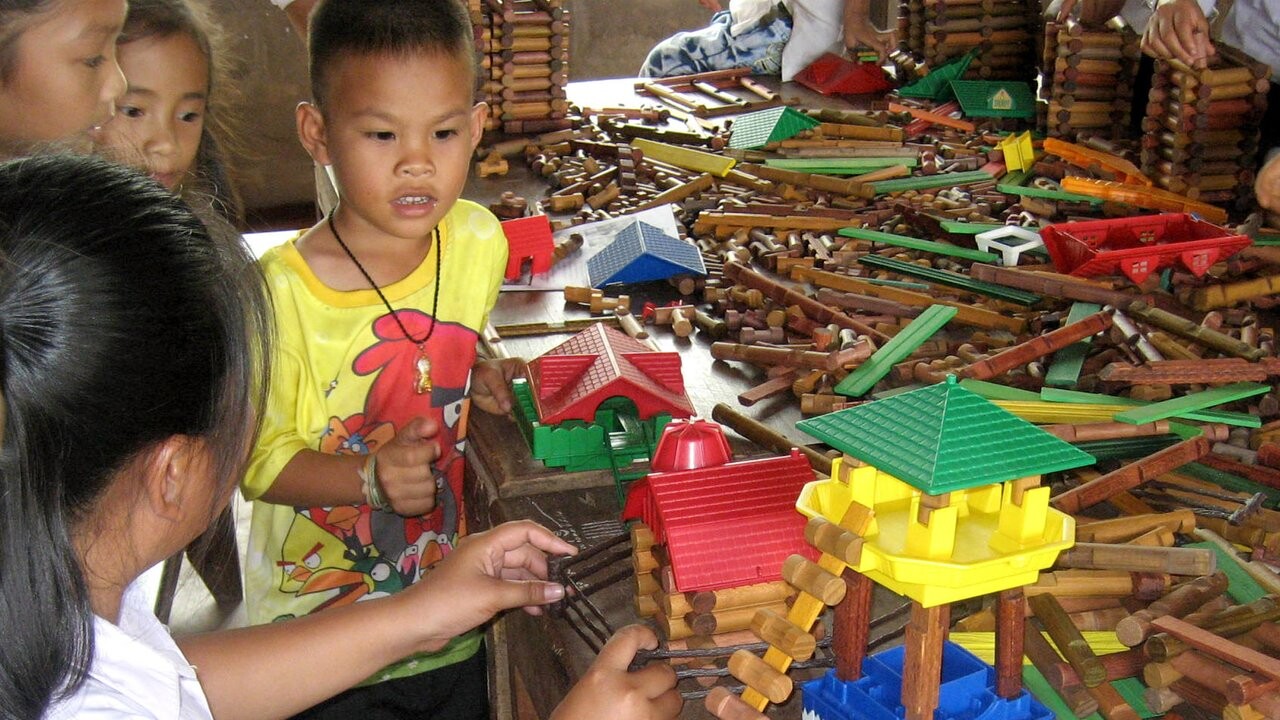
Early 1950s: Lincoln Logs Reach Television
Advertisements on television programs such as Pioneer Playhouse and Davy Crockett enormously boosted Lincoln Logs sales in the early 1950s. The campaign met families where they were already finding entertainment. Soon, another generation was arranging pieces, comparing creations, and turning the living-room floor into a place for ambitious building projects.
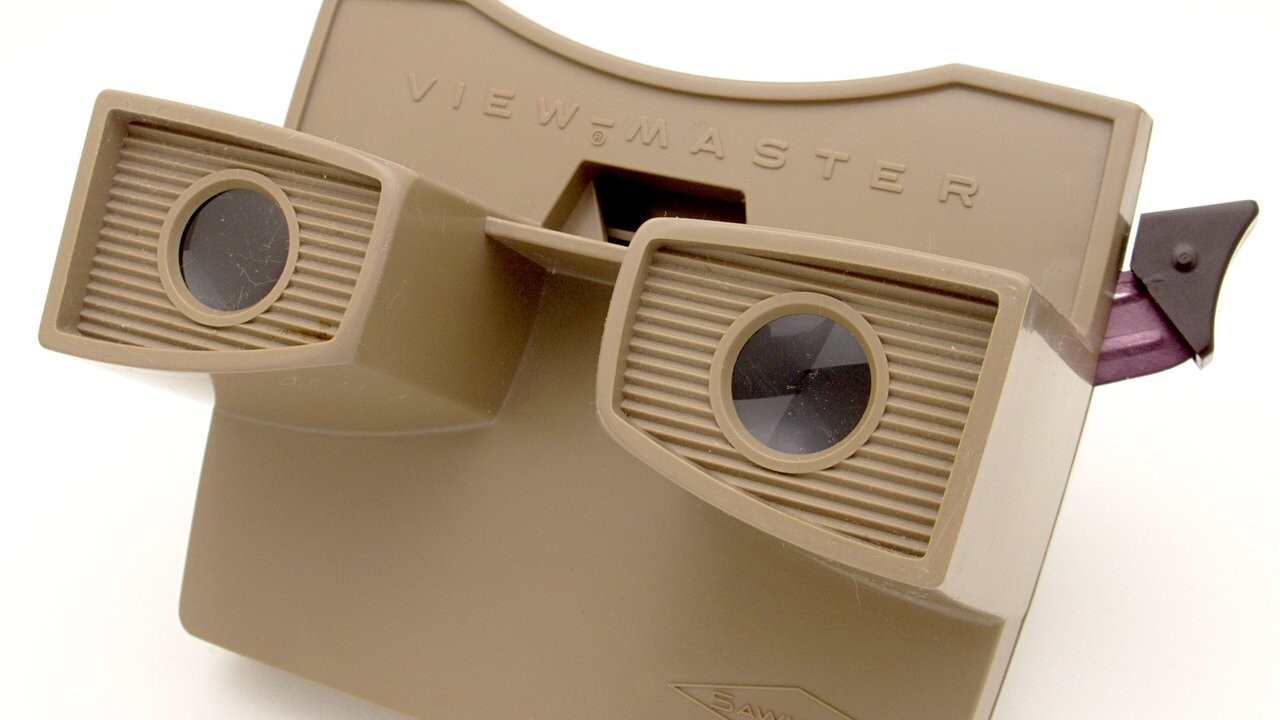
1951: View-Master Finds a New Audience
In 1951, View-Master acquired its main competitor, Tru-Vue, along with the stereo licensing rights to Disney characters. That agreement connected the handheld viewer with figures children already recognized. Each viewing became a small private show, perfect for quiet afternoons, family visits, or sharing favorite scenes with a friend.
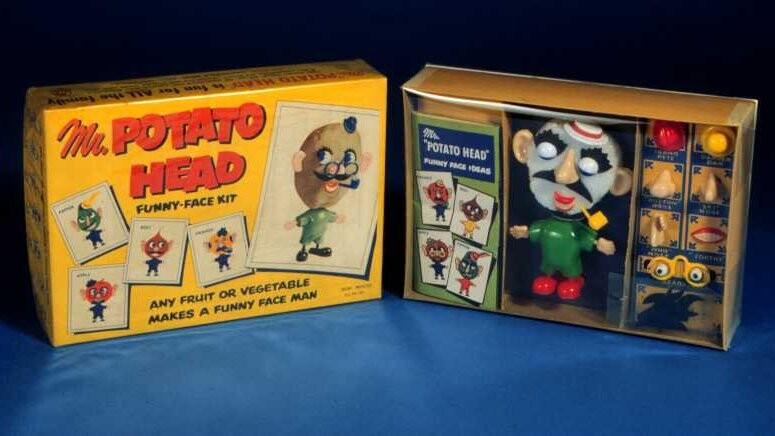
1952: Mr. Potato Head Makes Television History
Hassenfeld Brothers, the company later known as Hasbro, acquired Mr. Potato Head in 1952. Its commercial was the first television advertisement for a toy and helped generate more than $4 million in sales during the first few months. The playful character quickly demonstrated the selling power of television.
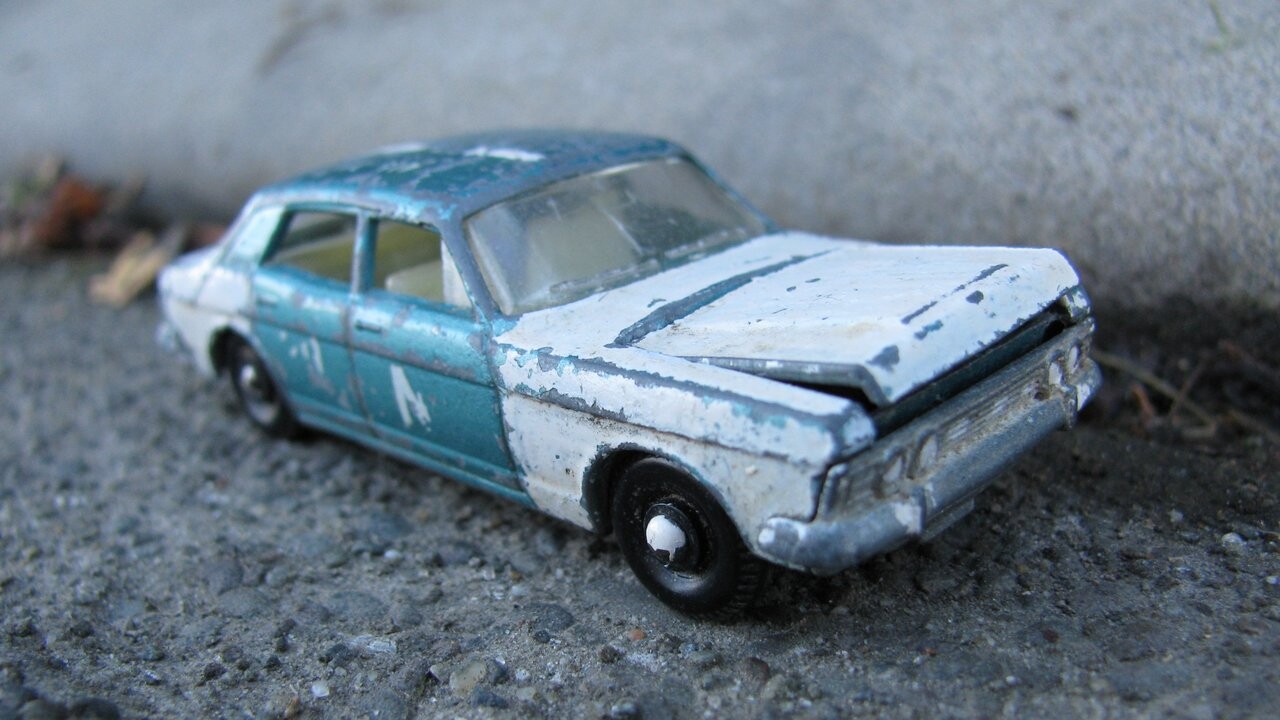
1952: Matchbox Cars Fit the Rule
In 1952, Jack Odell drew inspiration from a school rule allowing children to bring only toys small enough to fit inside a matchbox. The clever solution turned a restriction into the toy’s defining scale. It also made play easy to carry from a bedroom floor to a friend’s house.
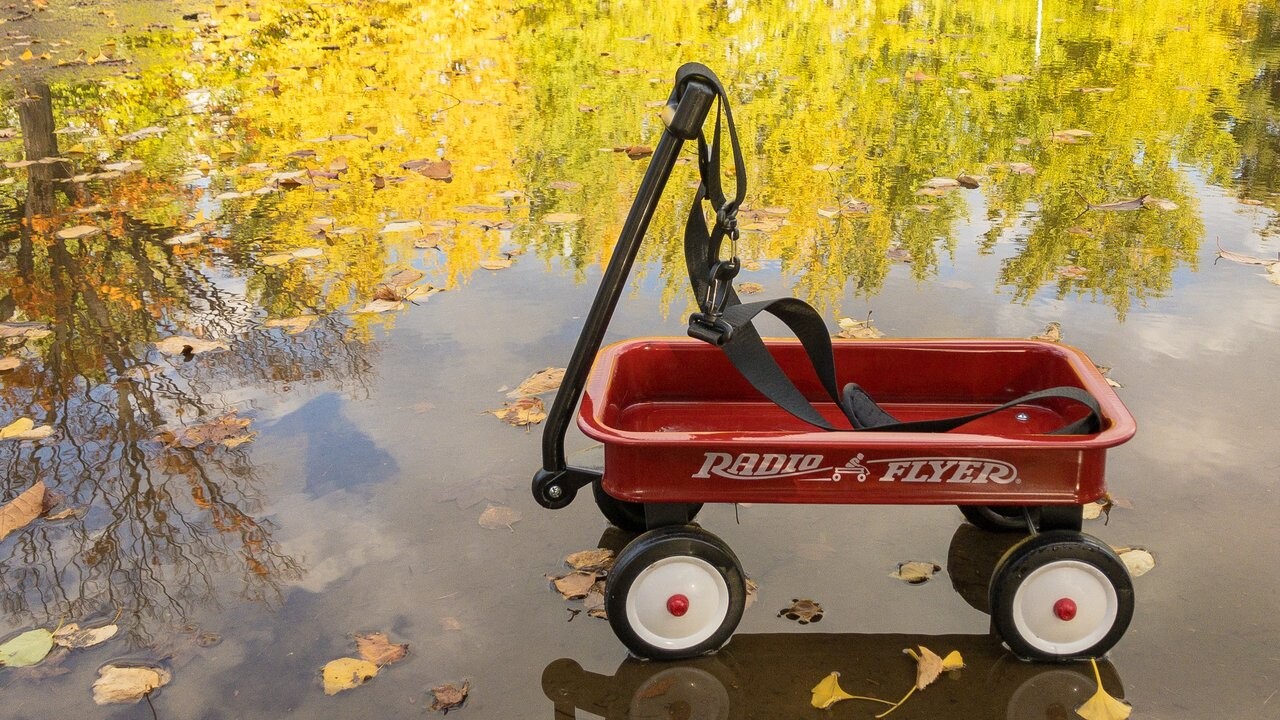
The 1950s: Radio Flyer Adds Room for Passengers
Radio Flyer designers added high sides for carrying children during the 1950s. That practical change expanded the possibilities of an already useful wagon. It could accompany a slow neighborhood outing, help move a collection of treasures, or simply wait by the porch until the next journey began.
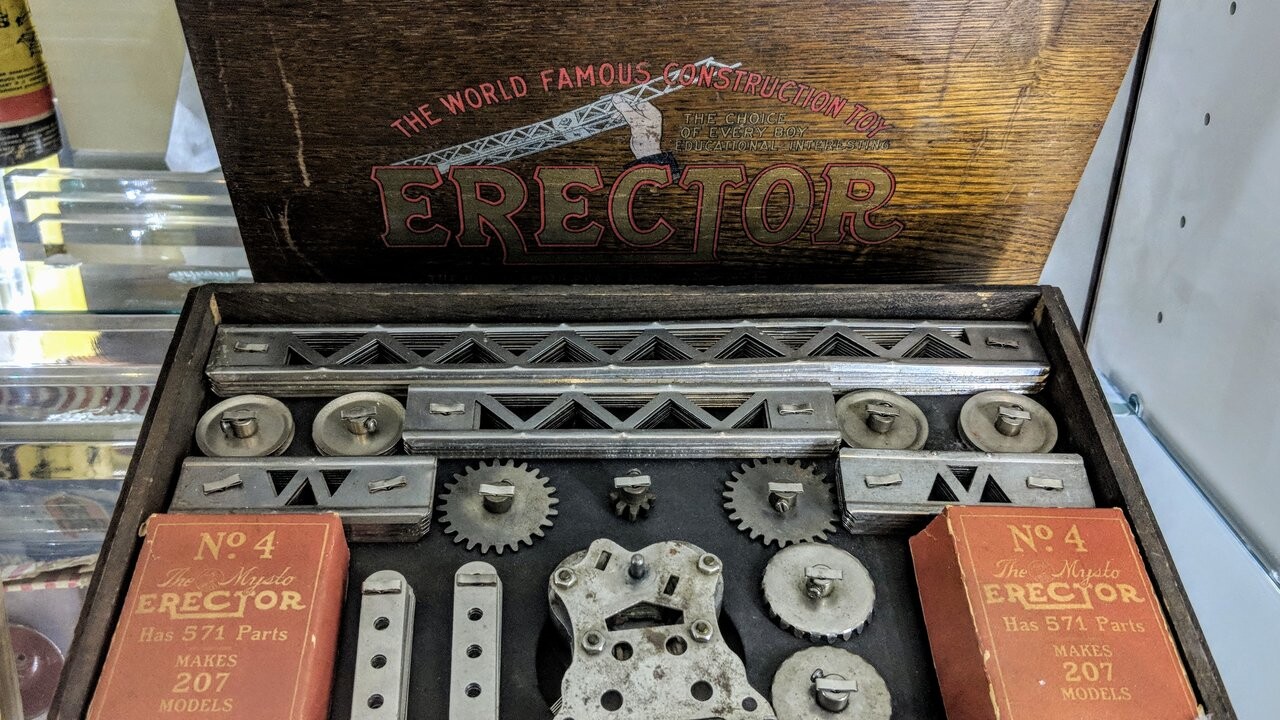
Circa 1954: Erector Set Builds Big Ideas
The Smithsonian collection includes an Erector Set made by the A.C. Gilbert Company with a box dating to about 1954. Its survival captures the care families sometimes gave a treasured construction set. Opening a box like this invited concentration, experimentation, and the satisfying challenge of making separate pieces work together.
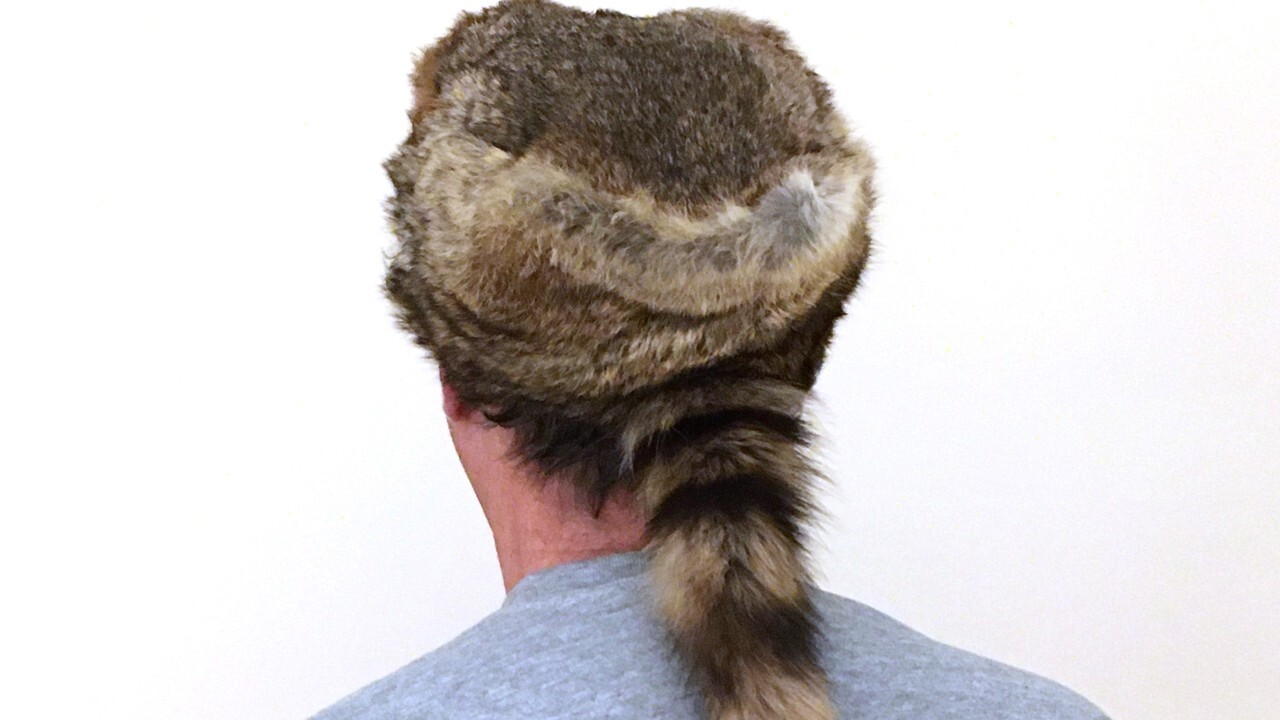
Mid-1950s: Coonskin Caps Take Over
The coonskin cap prompted a national and international mania among boys in the mid-1950s. Versions marketed to children were generally simplified caps made from faux fur with an attached raccoon tail. The distinctive shape made the accessory instantly recognizable, even when the nearest frontier was the backyard.
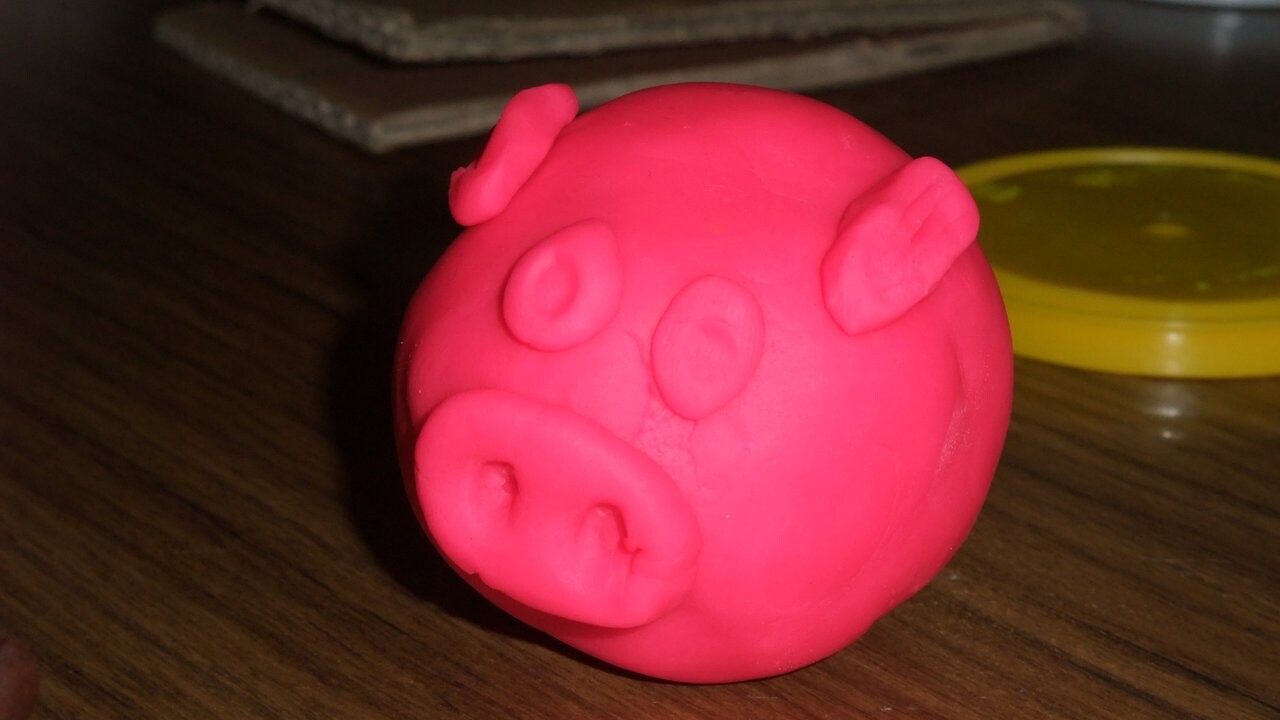
1956: Play-Doh Leaves the Walls Behind
Play-Doh modeling compound began as wallpaper cleaner, but by 1956, the household product had become a toy. The reinvention remains a wonderfully unexpected chapter in play history. A once-practical material found a new purpose in children’s hands, where experimentation mattered more than producing a perfect result.
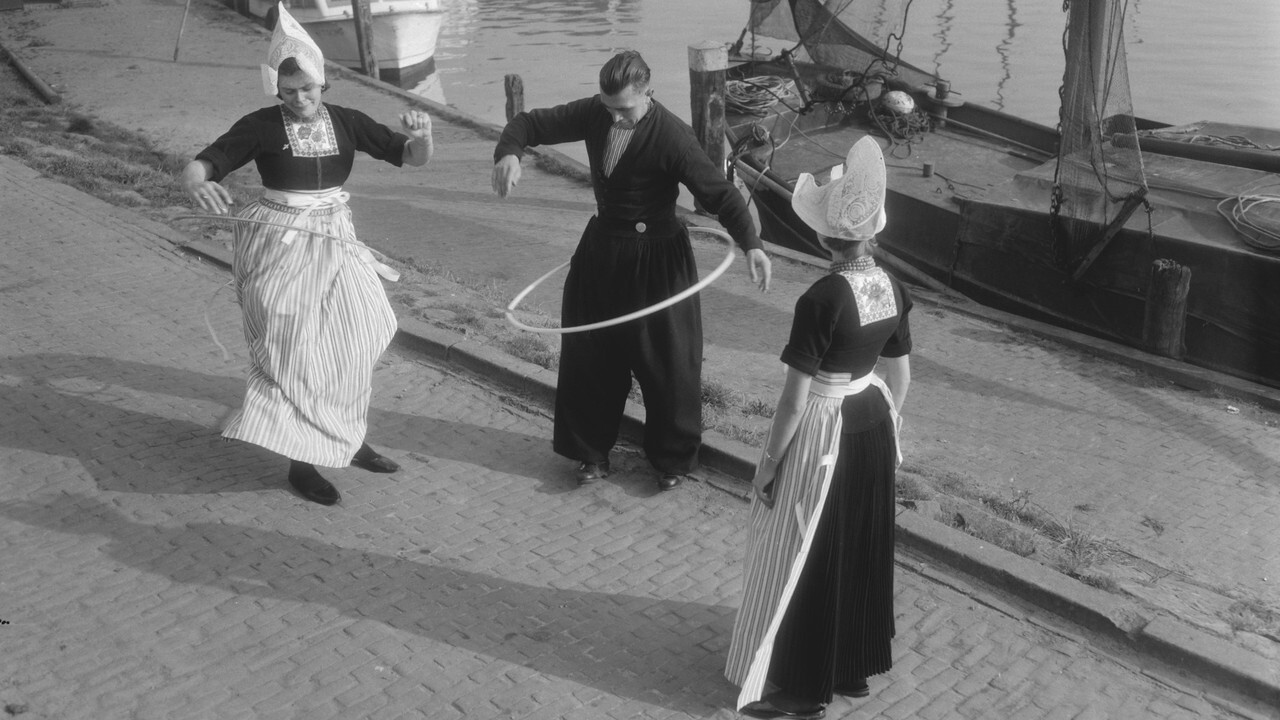
1957: The Hula Hoop Craze Takes Shape
Wham-O put the hoop toy into production in 1957 and sold 25 million hoops in just two months. A toy with such a simple form became an astonishing commercial success. Its appeal was easy to test firsthand: find some open space, keep moving, and try once more whenever the hoop dropped.
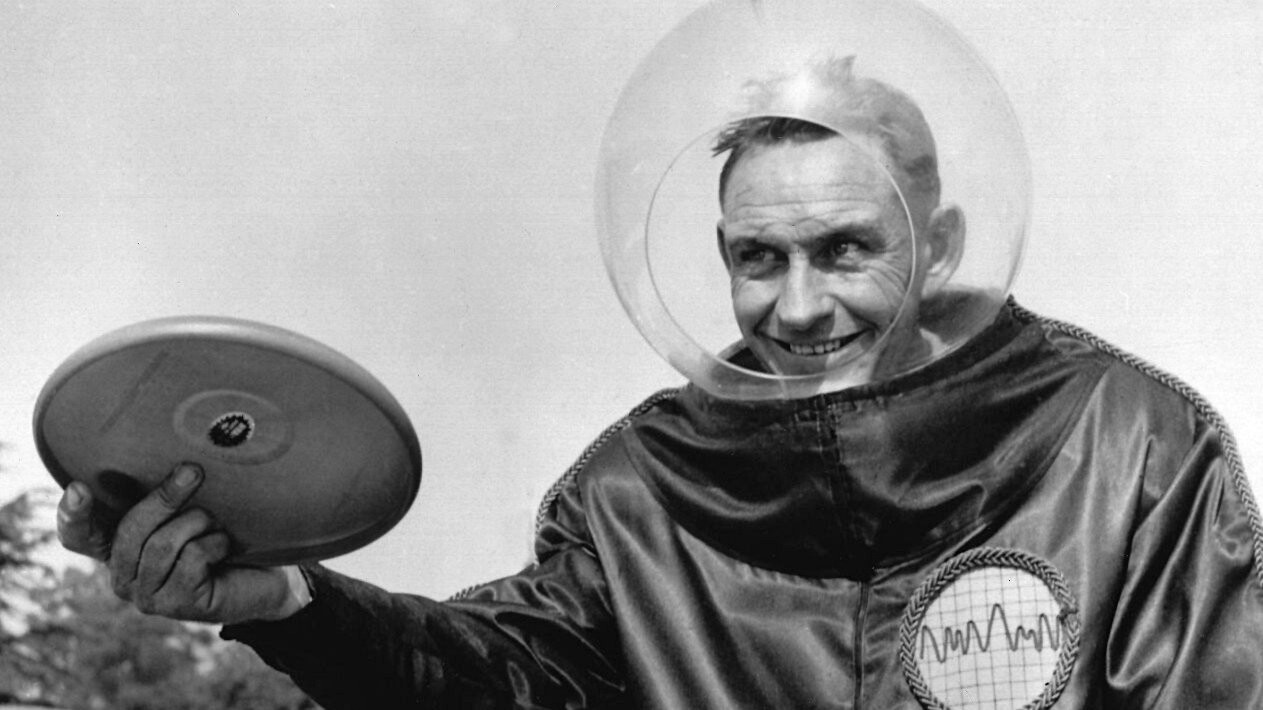
1958: Frisbee Gets Its Familiar Name
Wham-O renamed the flying disc Frisbee in 1958. Sales eventually reached 100 million before Mattel acquired the company. Despite those enormous numbers, enjoying one never required an elaborate setup. A clear patch of grass, a willing partner, and enough room for an imperfect throw were plenty.
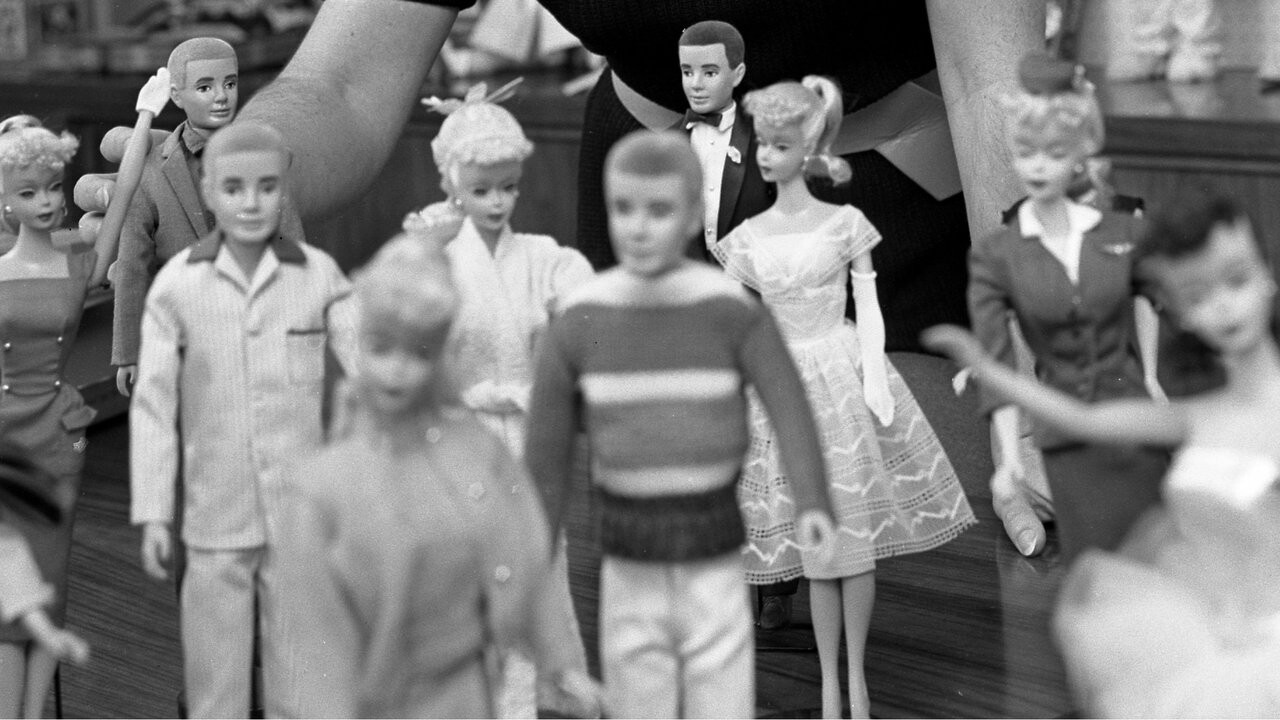
1959: Barbie Changes the Doll Aisle
Within a year of Barbie’s introduction in 1959, she had become the biggest-selling fashion doll of all time. For children, that rapid commercial success mattered less than the fresh direction she offered for imaginative play. A new outfit or setting could suggest another occasion, role, or story.
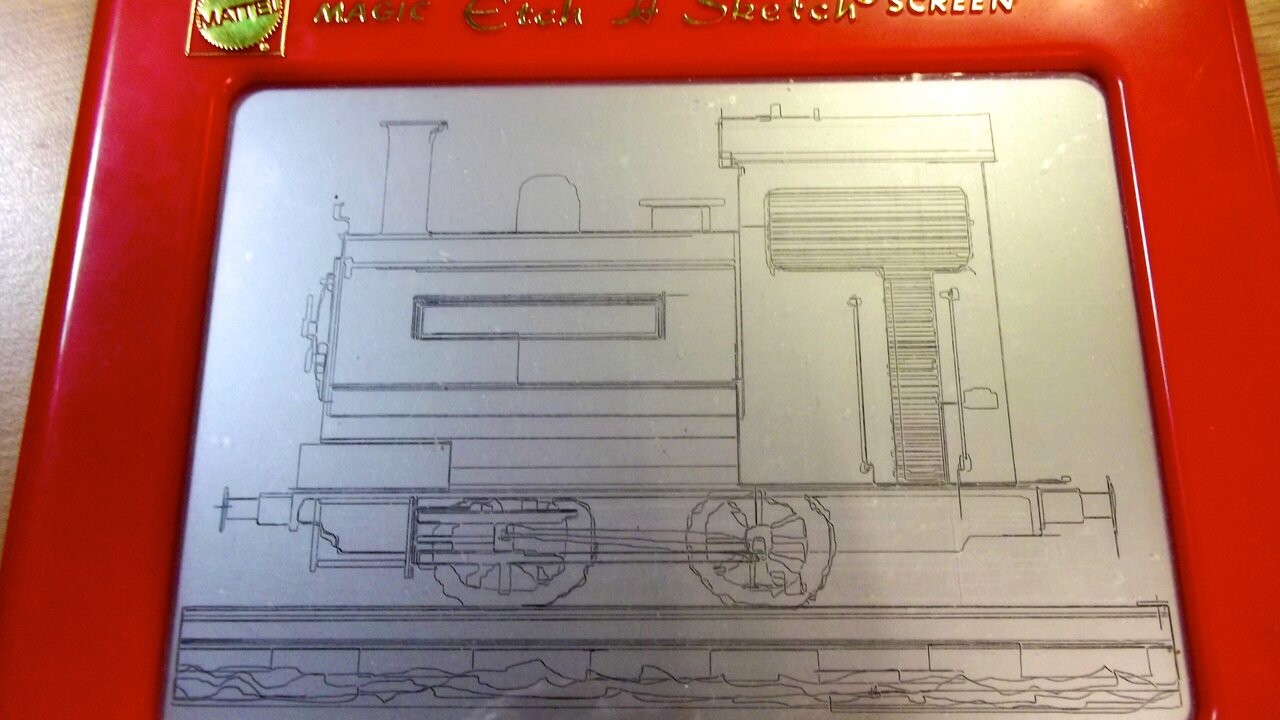
1960: Etch A Sketch Becomes a Must-Have
Saturation television advertising turned Etch A Sketch into a must-have item for Christmas 1960. That holiday status captures how quickly a distinctive toy could enter family wish lists during the television era. It also rewarded a quiet kind of play, giving children time to concentrate on one picture at a time.
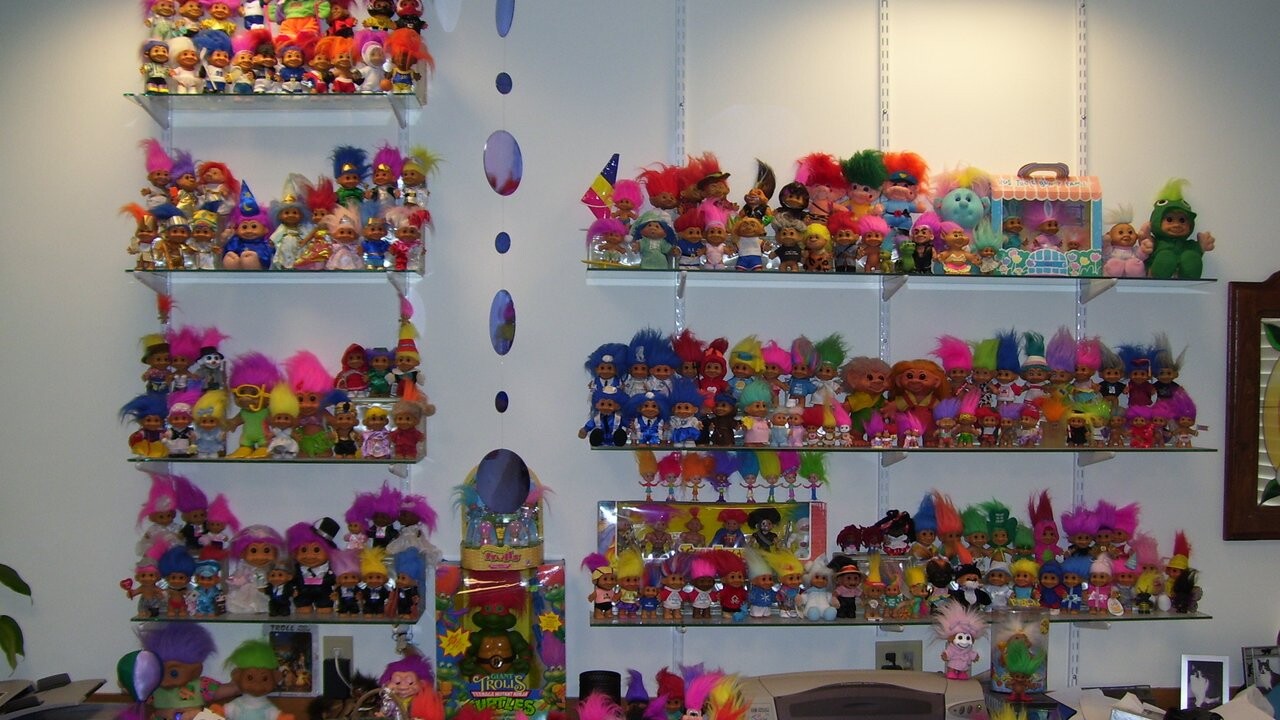
Early 1960s: Troll Dolls Bring Good Luck
Dam’s trolls were known as good-luck trolls in the early 1960s, and sales peaked between 1964 and 1967. Their popularity made them natural candidates for swapping, displaying, and giving as small gifts. A group of figures could quickly become a collection, with each new addition earning its own place.
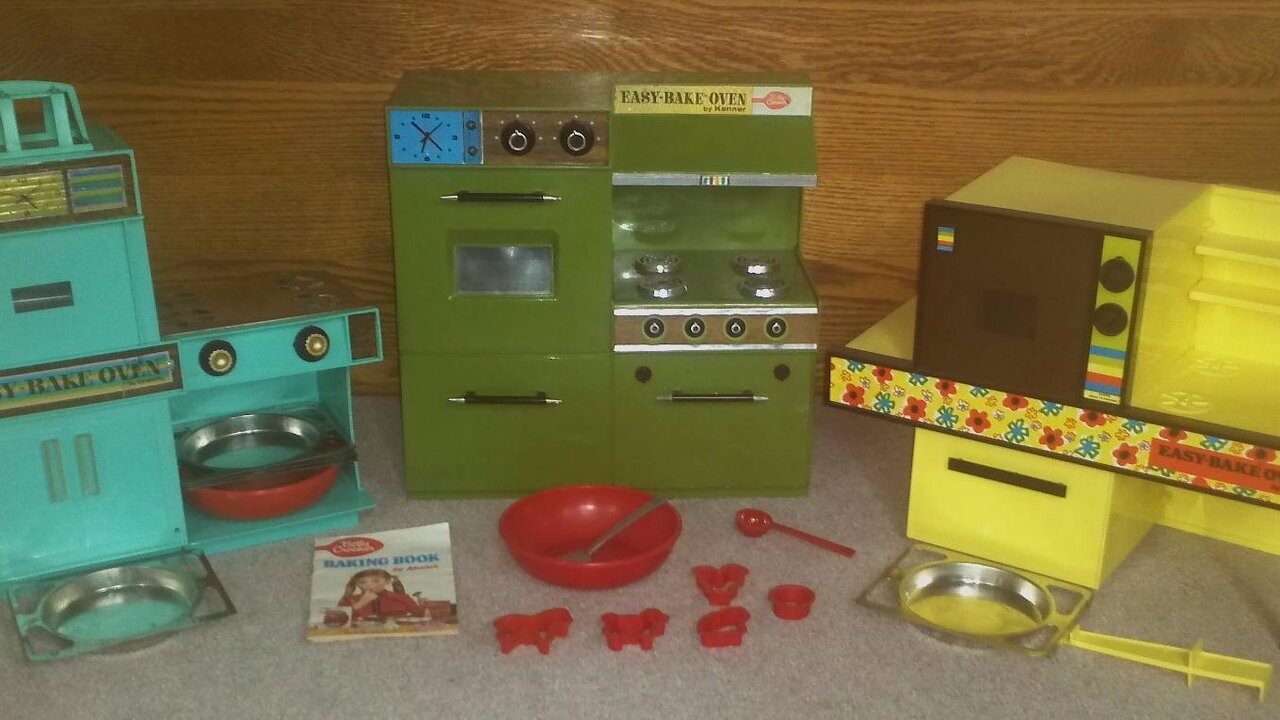
1963: Easy-Bake Oven Serves Tiny Treats
Since 1963, more than 23 million Easy-Bake Ovens have been sold, and more than 140 million mixes have been baked. Those totals capture the lasting appeal of making something on a child-friendly scale. The process invited patience, while the finished treat provided a small reward that could be proudly shared.
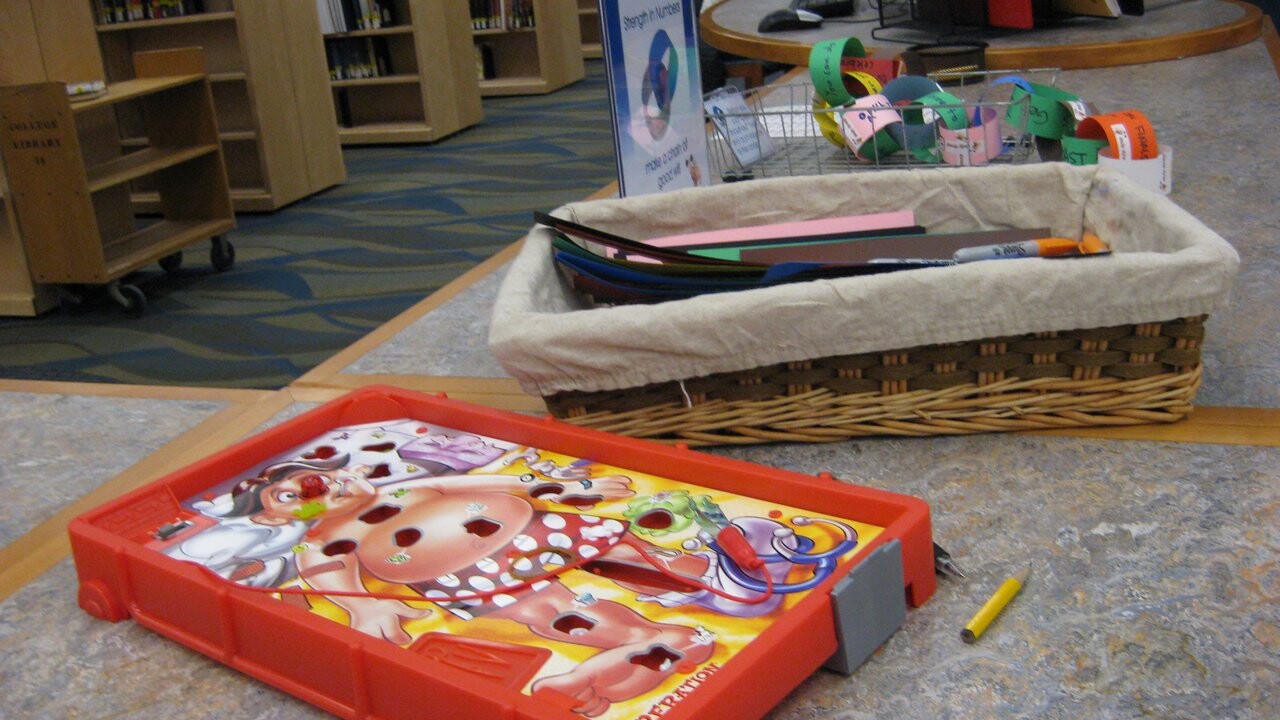
1965: Operation Tests Steady Hands
Milton Bradley introduced Operation in 1965. Players used tweezers near metal-lined openings, and contact closed an electrical circuit that illuminated the patient’s nose and sounded a buzzer. That immediate response made every turn tense and funny. A steady hand helped, but a mistake often produced the moment everyone remembered.
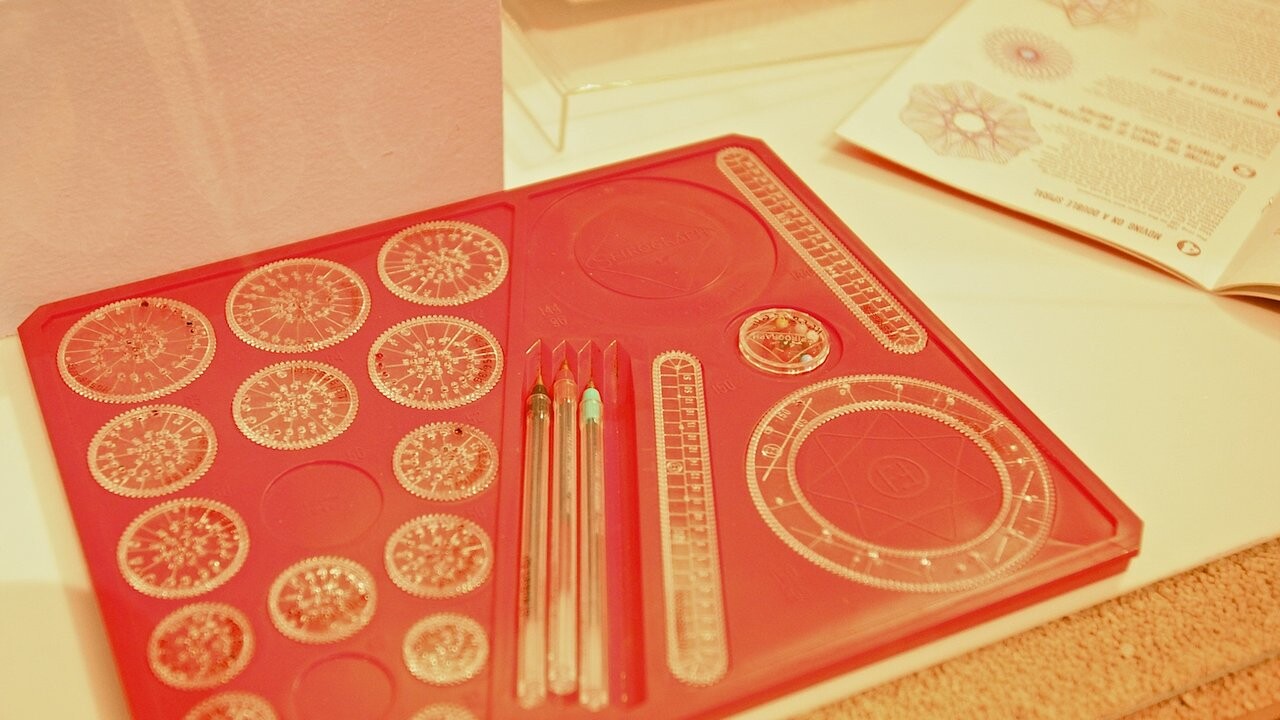
1965: Spirograph Turns Gears Into Art
Spirograph’s plastic gears and rings appeared at the 1965 Nuremberg Toy Fair, where Kenner secured the American rights. The set brought a methodical pace to creative play. The best way to appreciate it was to slow down, choose the pieces carefully, and allow each design to emerge step by step.
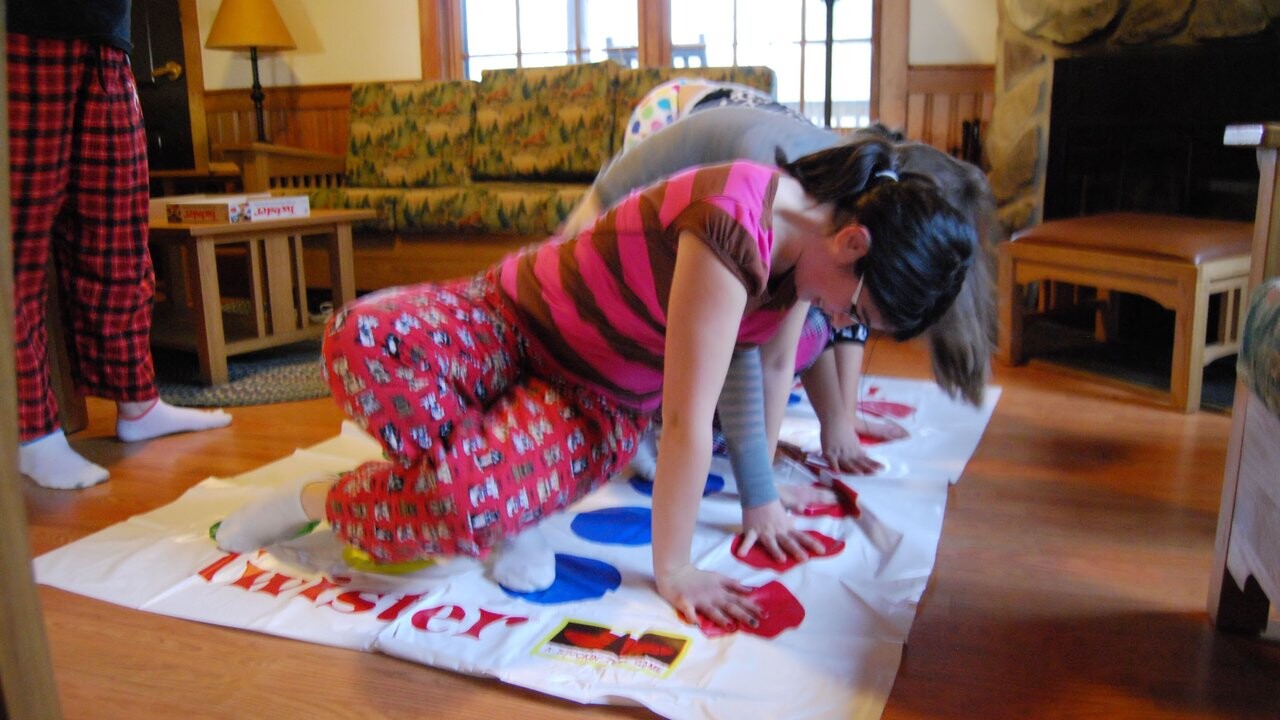
1966: Twister Finds Its Market
Twister was ready for market in 1966, and more than three million copies sold in 1967. That leap captures the appeal of a game that turns a gathering into a shared spectacle. Set aside some open floor, invite willing players, and leave room for laughter when careful plans unravel.
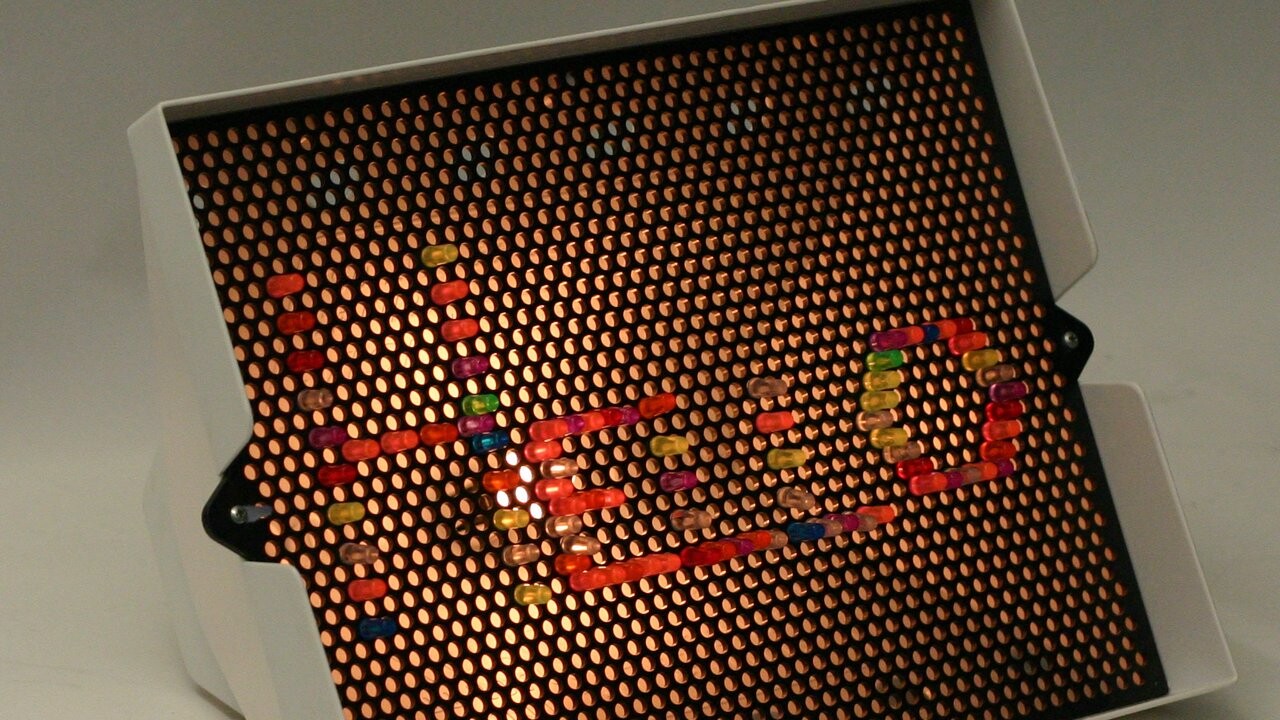
1967: Lite-Brite Draws With Light
Hasbro first produced Lite-Brite in 1967, and the original toy included 400 plastic pegs in eight colors. That abundant supply encouraged children to linger over their choices and try different combinations. Following an idea could be satisfying, but so could experimenting freely and seeing where the arrangement led.
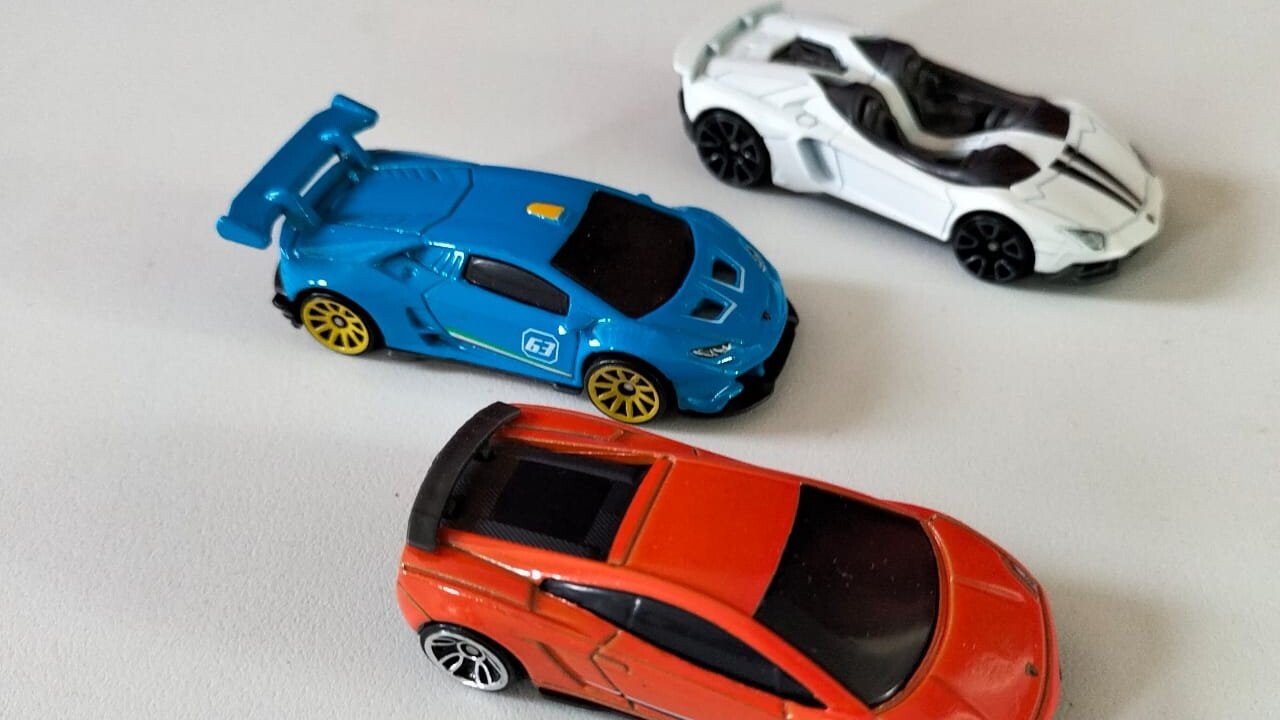
1968: Hot Wheels Race Ahead
Mattel first offered 16 Hot Wheels models in 1968, and first-year sales topped 16 million. That astonishing start explains why early cars still command attention in a gallery. For collectors, the pleasure lies in comparing the lineup, noticing individual favorites, and remembering which model once ruled the floor.
These toys endure because the memories around them became as important as the playthings themselves. Which one brings back the clearest childhood memory for you?
Follow The HyperHive on MSN for more stories like this.
Sources:






