Western Movie Stars of the 1950s, in Photos

Republic Pictures / Wikimedia Commons, Public domain (cropped)
The Western did not belong to one kind of star in the 1950s. Quiet lawmen, singing cowboys, commanding ranchers, dangerous gunfighters, and weathered sidekicks all found room on the big screen. These slides move chronologically by featured film, with an earlier movie series as a prologue because its revival continued into the decade.
Film credits and release histories were checked against the American Film Institute Catalog and the Library of Congress.
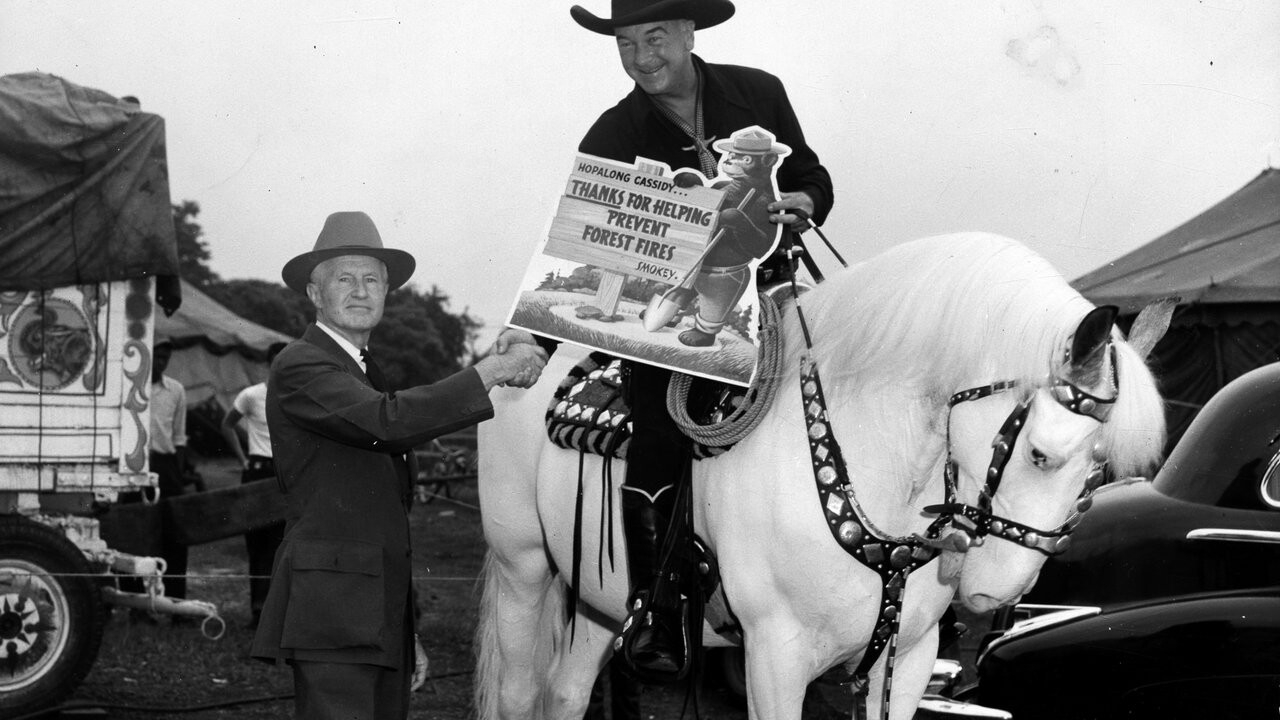
1935–1951: William Boyd’s Hopalong Revival
William Boyd’s Hopalong Cassidy movies began well before the decade, but edited versions aired on NBC from 1949 to 1951. That afterlife makes Boyd a natural opening act. His familiar presence connected the Saturday-matinee West with a newer home audience without turning this gallery into a survey of television shows.
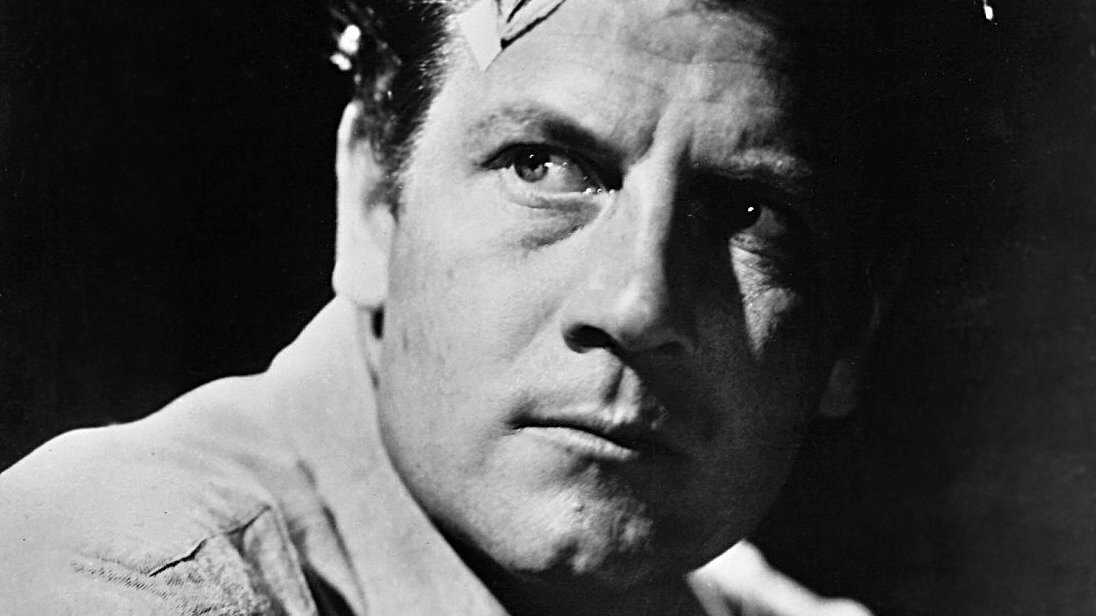
1950: Joel McCrea in Stars in My Crown
Joel McCrea brings quiet gravity to Stars in My Crown. The performance is less about fast-draw swagger than steady moral presence, giving this Western drama a different rhythm from the decade’s harder-edged gunfighter tales. McCrea makes restraint feel active rather than passive.
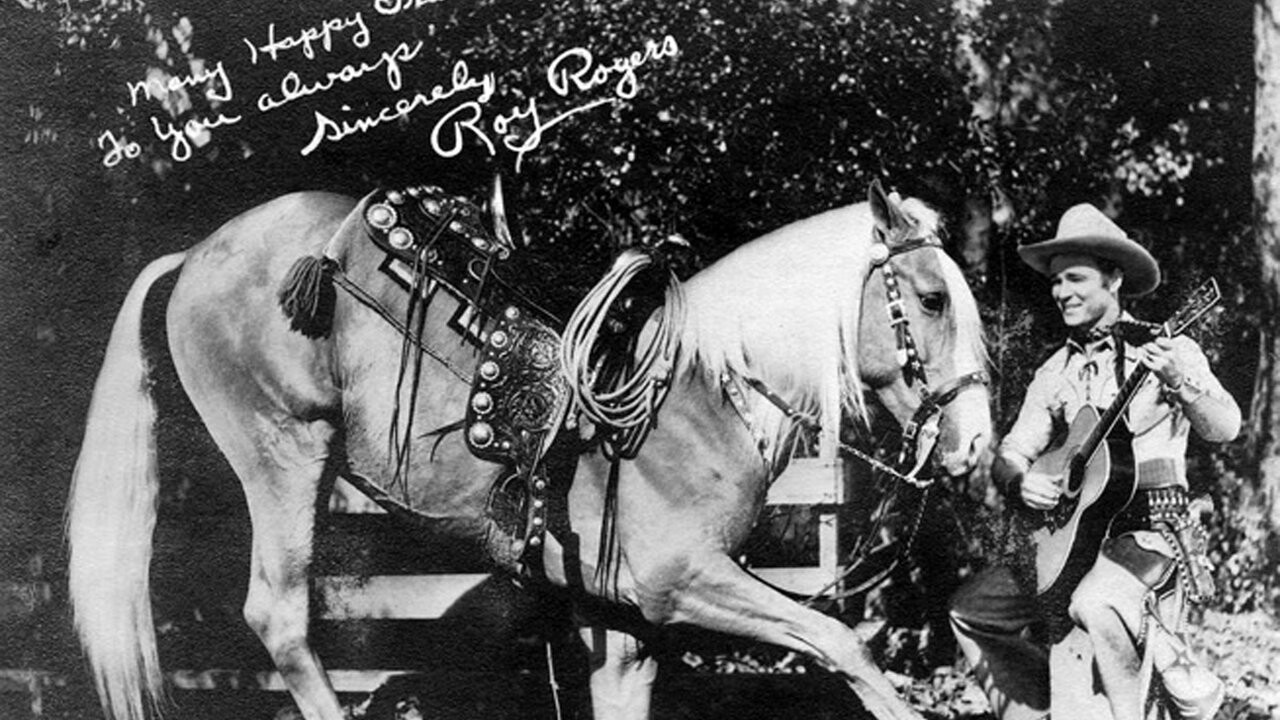
1950: Roy Rogers in Trigger, Jr.
Roy Rogers plays himself in Trigger, Jr., sharing the screen with Trigger and Dale Evans. The arrangement captures the accessible appeal of his screen persona. He seems completely at home amid horses, music, and clean-cut heroics, becoming the bright, reassuring center without needing an invented character name.
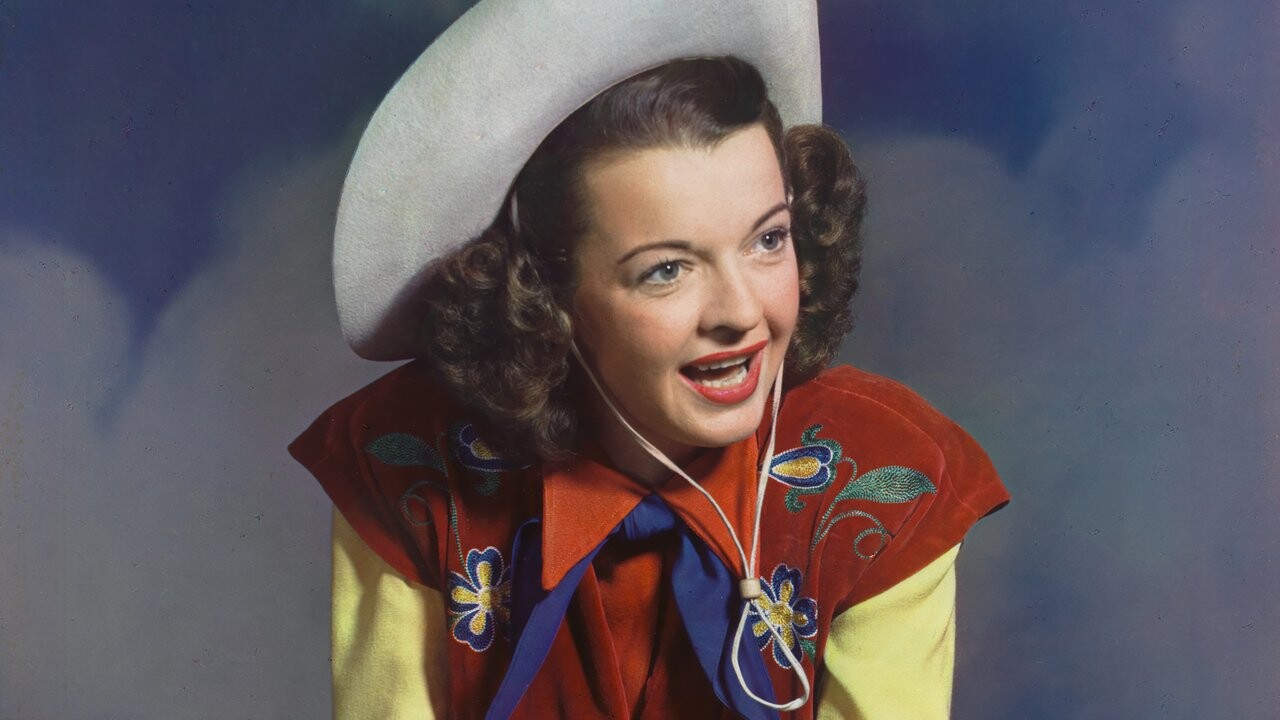
1950: Dale Evans in Trigger, Jr.
Dale Evans plays Kay Harkrider in Trigger, Jr., but she is far more than decorative company for its cowboy hero. Her alert, capable presence gives the film another source of energy, and her scenes hold their own beside the riding and action. The partnership feels balanced rather than ornamental.
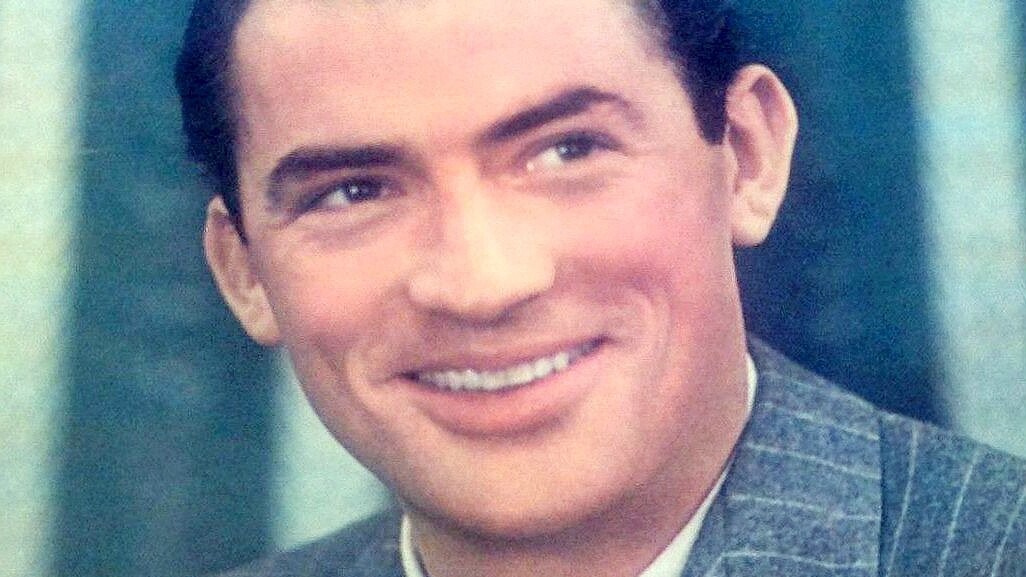
1950: Gregory Peck in The Gunfighter
Gregory Peck leads The Gunfighter as Jimmie Ringo, a weary man carrying a reputation he cannot escape. Peck’s contained performance makes fatigue and dread more important than bravado. It is a Western built around consequences, and his stillness does much of the storytelling before any gun is drawn.
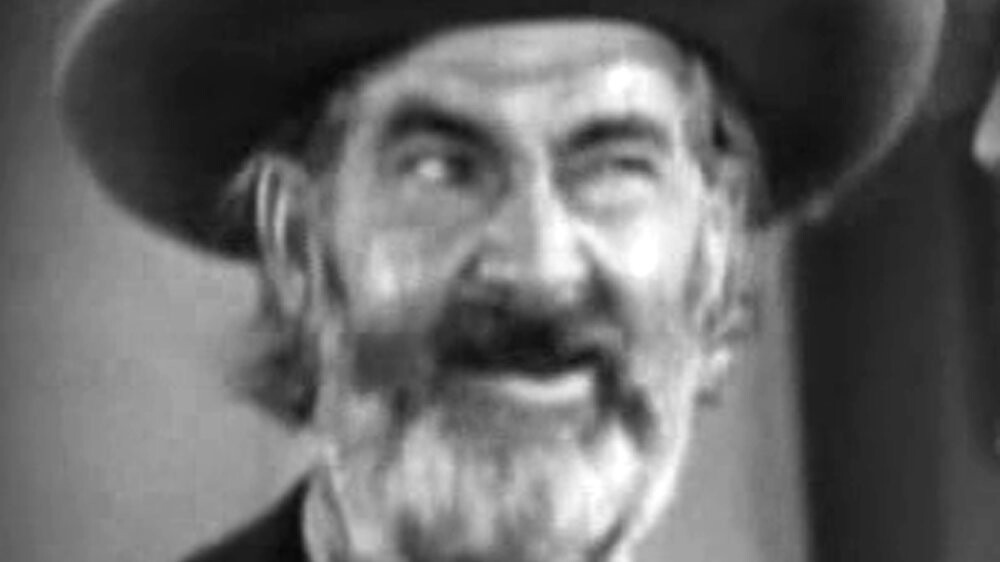
1950: Gabby Hayes in The Cariboo Trail
George “Gabby” Hayes appears as Grizzly in The Cariboo Trail. His weathered comic timing softens the story without making its dangers disappear. Hayes understood how a sidekick could be funny, loyal, and useful at once, giving the hero someone to challenge and the audience someone warmly familiar.
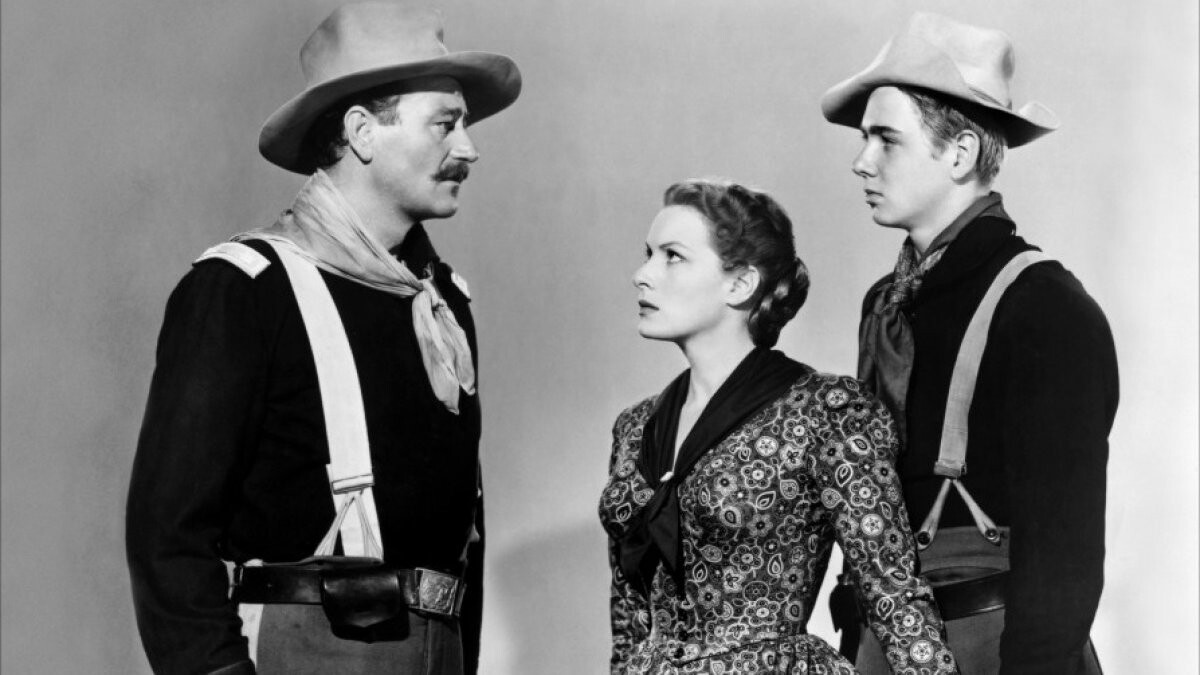
1950: Maureen O’Hara in Rio Grande
Maureen O’Hara plays Kathleen Yorke in Rio Grande. Her forceful presence keeps the story from belonging only to soldiers and riders. O’Hara gives the family conflict equal weight with the frontier action, making resolve, pride, and old hurt visible without surrendering the character’s warmth.
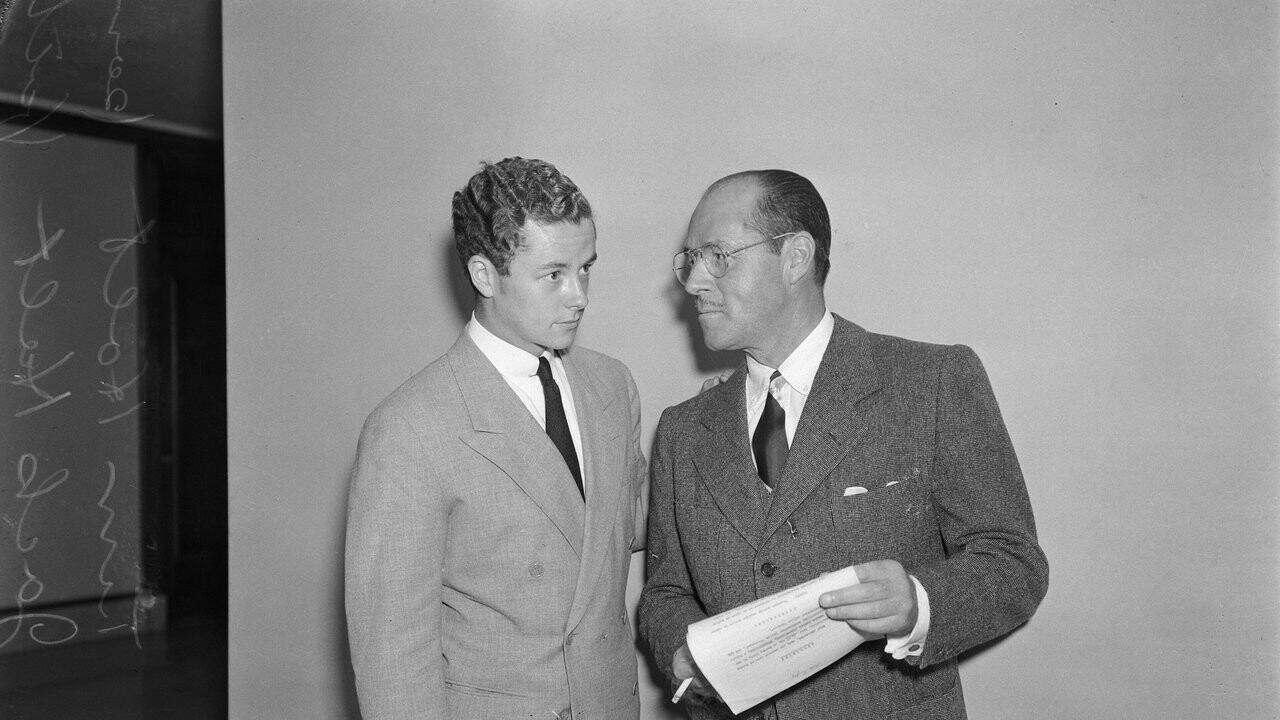
1952: Tim Holt in Desert Passage
Desert Passage was the final entry in RKO’s long-running Western series starring Tim Holt. That endpoint gives Holt a fitting place here: he carried the economical, dependable series Western into the early 1950s. His manner is direct and unadorned, built for stories that move quickly and waste little time.
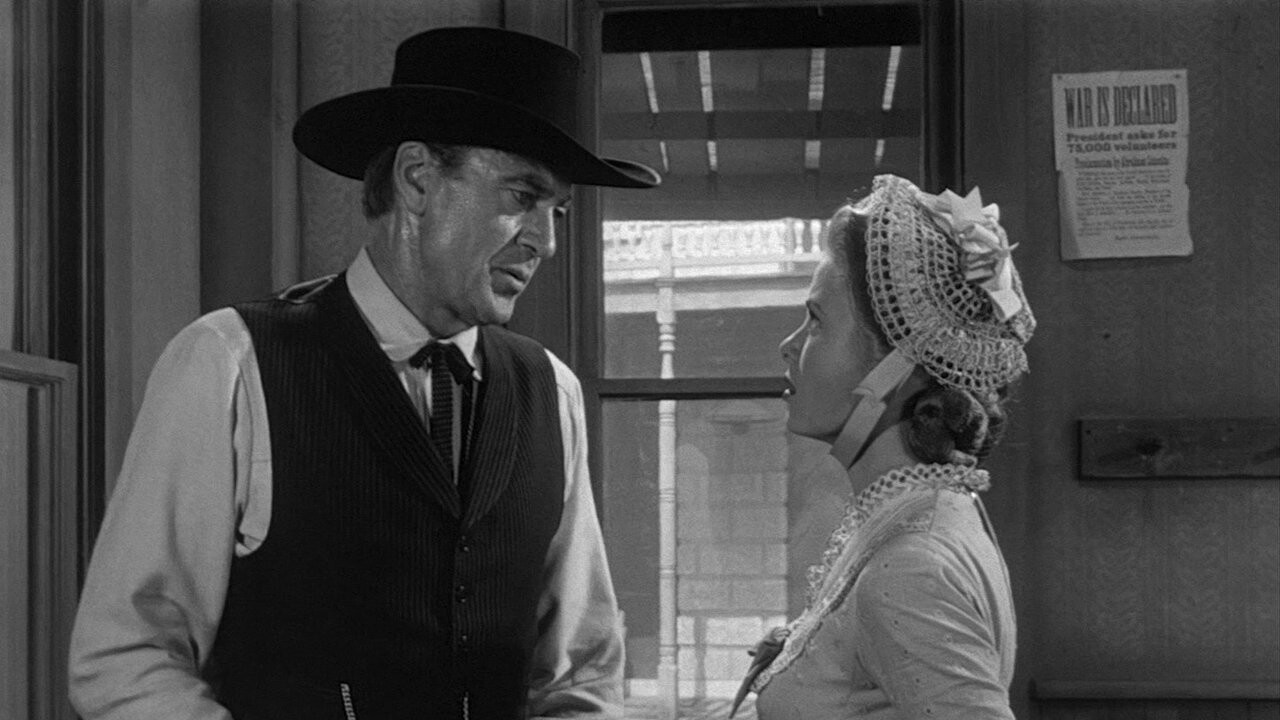
1952: Gary Cooper in High Noon
Gary Cooper’s High Noon turns stillness into suspense. As Marshal Will Kane, Cooper lets worry register in small movements and tired glances rather than grand speeches. The performance became a defining Western portrait of duty under pressure, with the star’s restraint carrying nearly every tense beat.
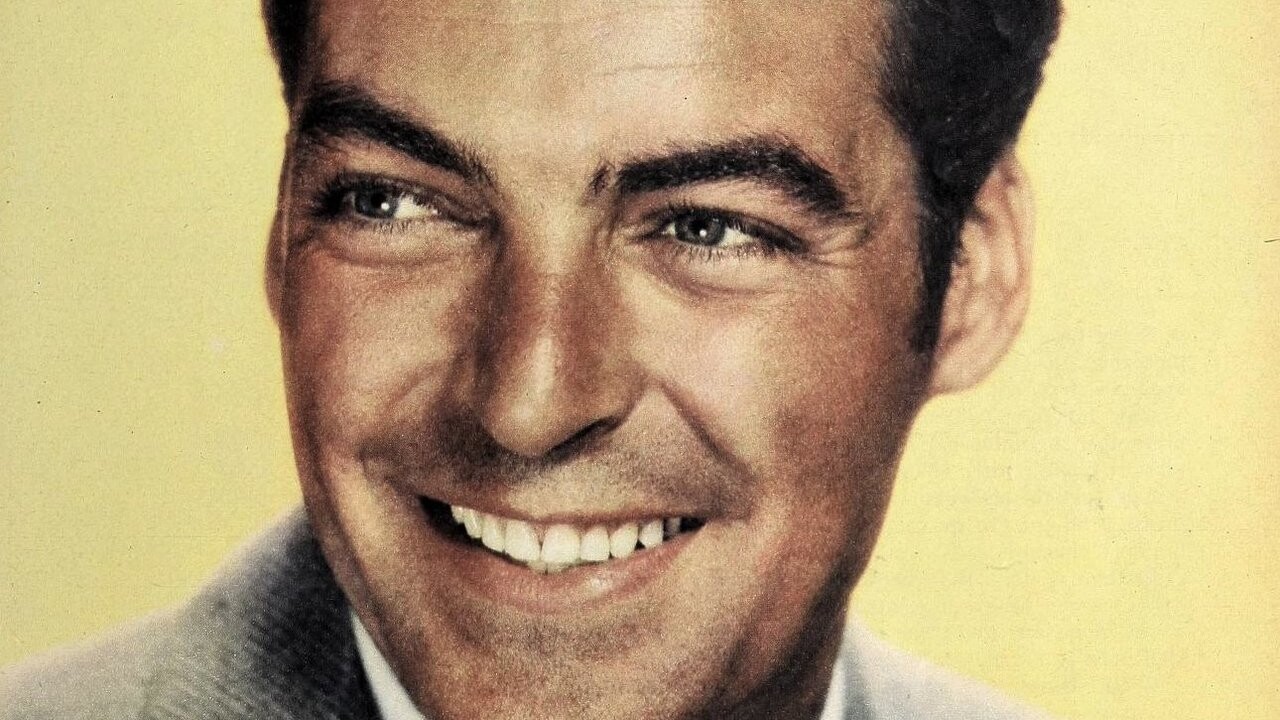
1953: Rory Calhoun in The Silver Whip
Rory Calhoun plays Sheriff Tom Davisson in The Silver Whip. The role lets him project the polished toughness that suited mid-century Westerns: handsome enough for a studio close-up, but grounded enough to look at home around stagecoaches and dust. Calhoun’s confidence makes the authority feel natural.
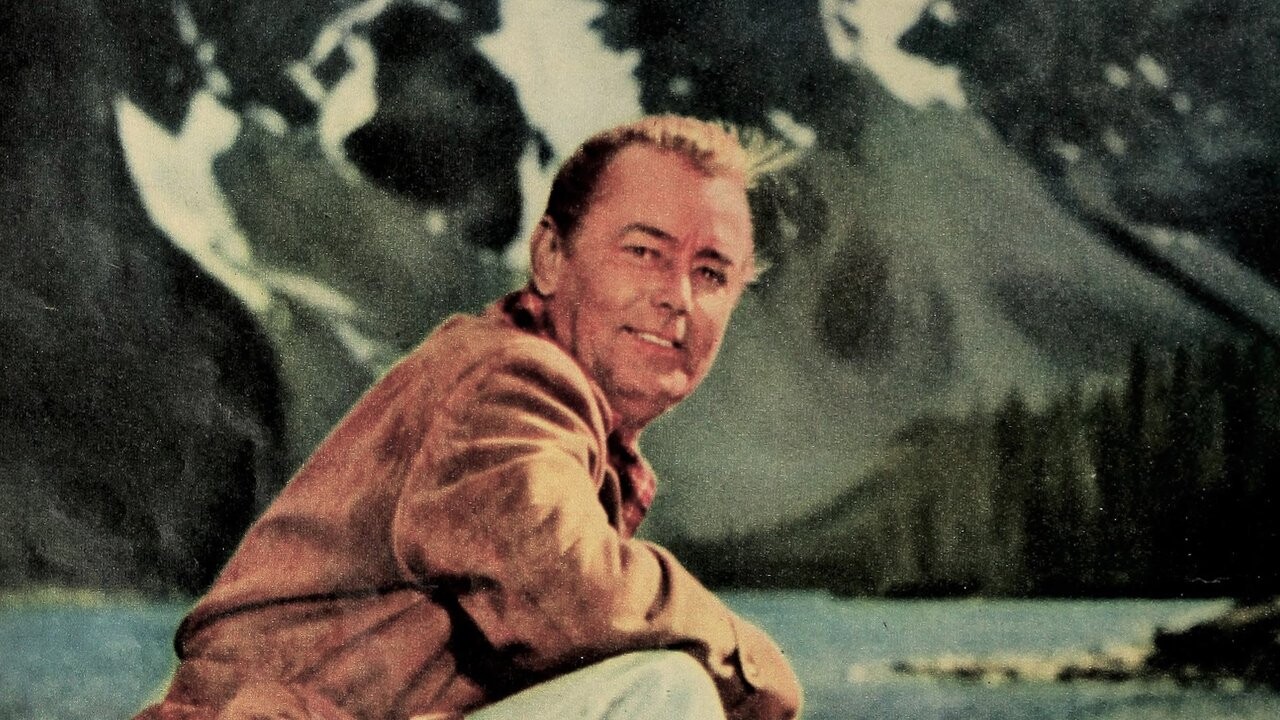
1953: Alan Ladd in Shane
Alan Ladd is the title gunfighter in Shane, and his compact, controlled presence gives the film its mysterious pull. He rarely needs to push for attention. The calm voice, careful posture, and sudden speed make the character seem both reassuring and dangerous, exactly the tension the story needs.
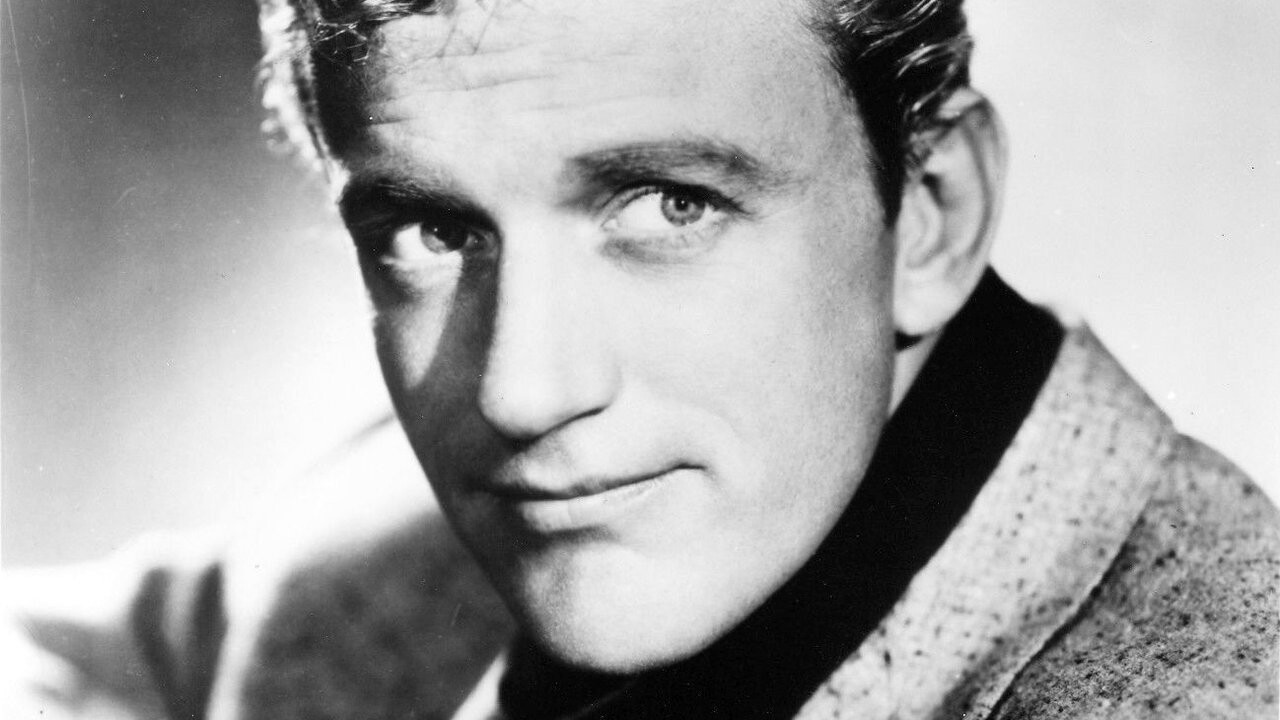
1953: James Arness in Hondo
James Arness joins the cast of Hondo in a supporting role within its frontier story. He is not the center of the film, yet his commanding frame gives his scenes a firm physical presence. Even among seasoned Western performers, Arness has the grounded manner of someone who belongs in the landscape.
1954: Burt Lancaster in Vera Cruz
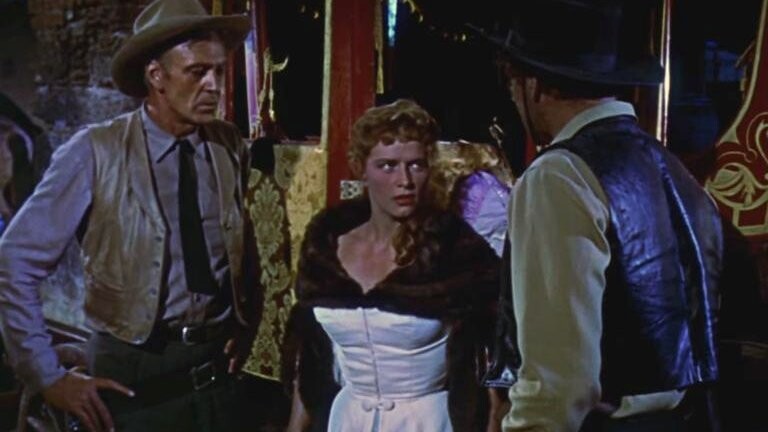
Burt Lancaster plays Joe Erin in Vera Cruz, opposite Gary Cooper’s Ben Trane. The contrast is the fun: Lancaster flashes a reckless grin and restless physical energy while the film tests how far charm can be trusted. His athletic confidence makes the character feel dangerous even when he is being playful.
1956: John Wayne in The Searchers
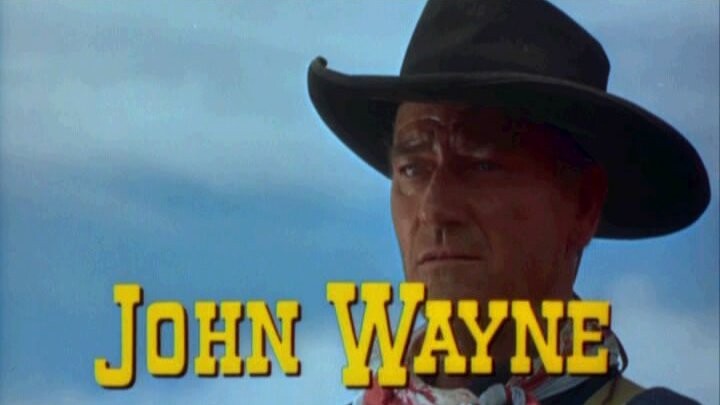
John Wayne plays Ethan Edwards in The Searchers, one of his most demanding Western roles. The performance uses his familiar authority, then lets obsession darken it. Wayne remains commanding in the saddle and in a doorway, but the film asks viewers to watch the damage inside that certainty.
1957: Randolph Scott in The Tall T
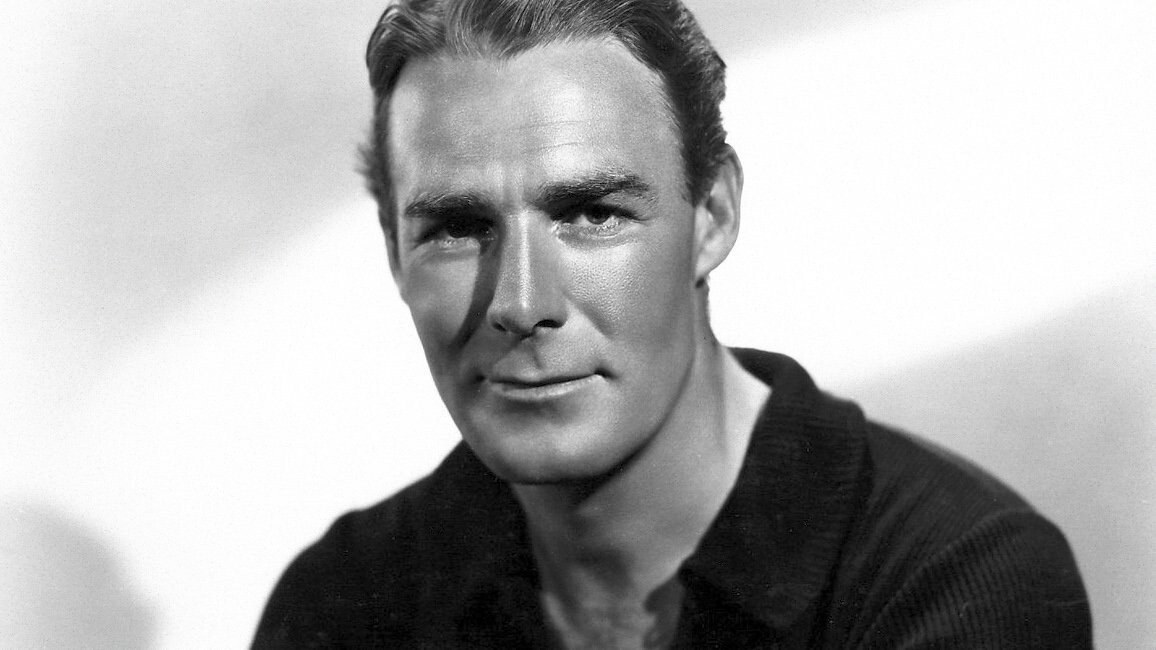
Randolph Scott plays Pat Brennan in The Tall T. His controlled, watchful manner fits a Western where survival depends on reading people before reaching for a gun. Scott’s economy is the point: a glance, a pause, or a small shift in posture can carry as much weight as a speech.
1957: Barbara Stanwyck in Forty Guns
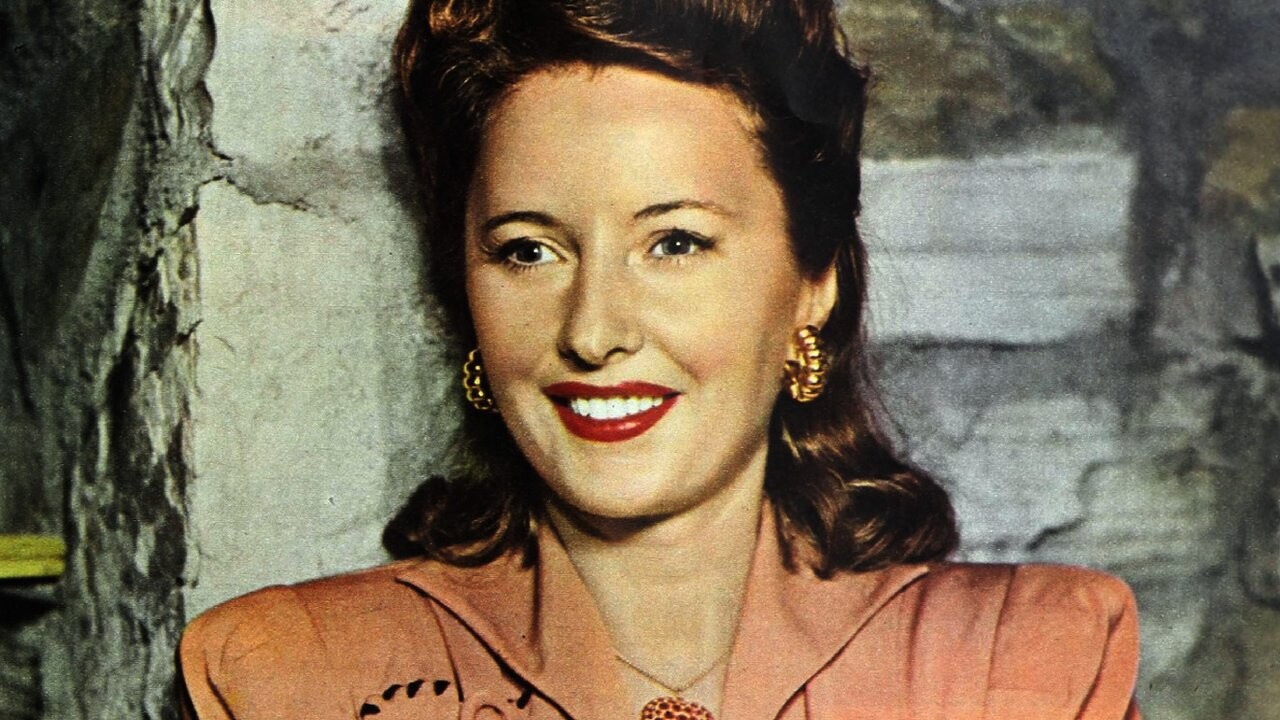
Barbara Stanwyck plays Jessica Drummond in Forty Guns, bringing unmistakable command to a role built around power. She rides into the film with the authority usually reserved for male ranching bosses, then gives that authority emotional cracks. Stanwyck makes toughness and vulnerability feel like parts of the same person.
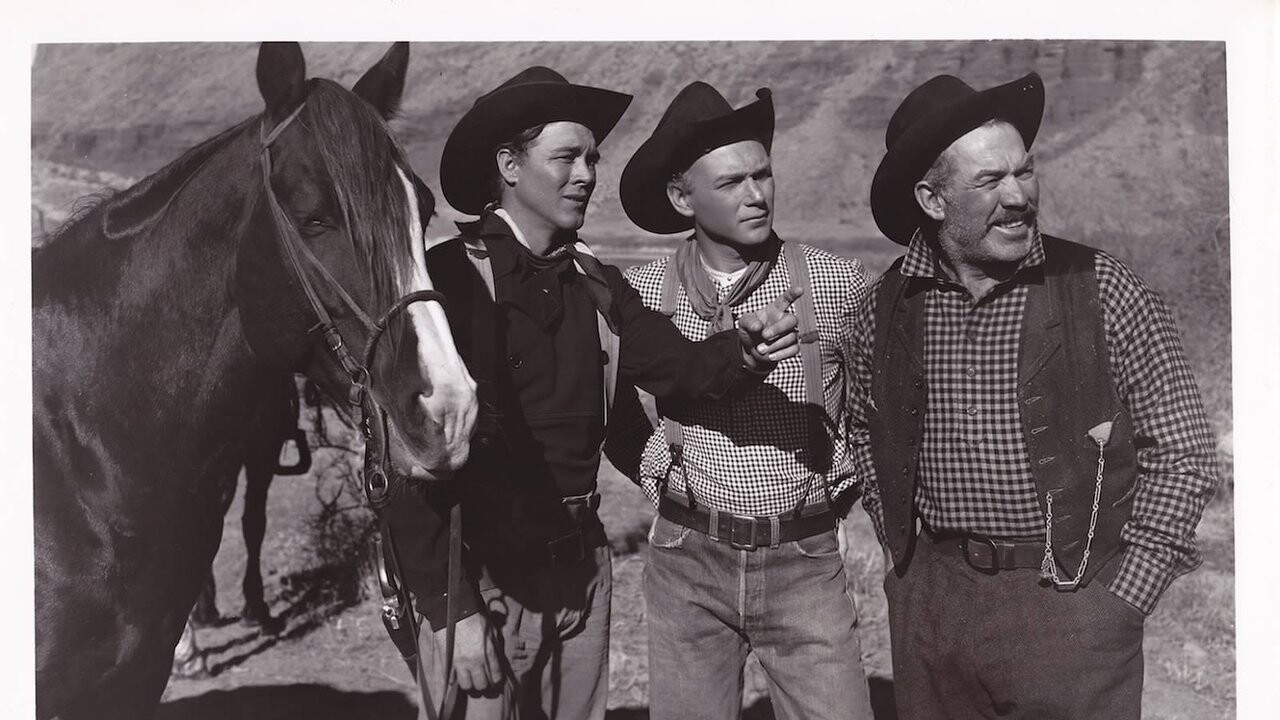
1959: Ward Bond in Rio Bravo
Ward Bond plays Pat Wheeler in Rio Bravo, which the AFI Catalog identifies as his final major film role. Bond brings the lived-in authority of a veteran character actor: bluff, practical, and instantly at home in the town. His presence adds a welcome sense of history to the ensemble.
Together, these performers show how many different faces the 1950s Western could wear. Which of these stars or films do you remember best?
Follow The HyperHive on MSN for more stories like this.
Sources:






