What Americans Ate During the Great Depression, in Photos

Dorothea Lange / Wikimedia Commons, Public domain (cropped)
Food memories can make the Great Depression feel startlingly close. This gallery moves roughly through the decade, from soup kitchens and economical recipes to relief gardens, government commodities, school lunches, and meals shared around farm tables.
Drawn primarily from government records and archival photographs, these scenes document hunger, ingenuity, cooperation, and the daily work required to put food on the table during years of widespread economic hardship.
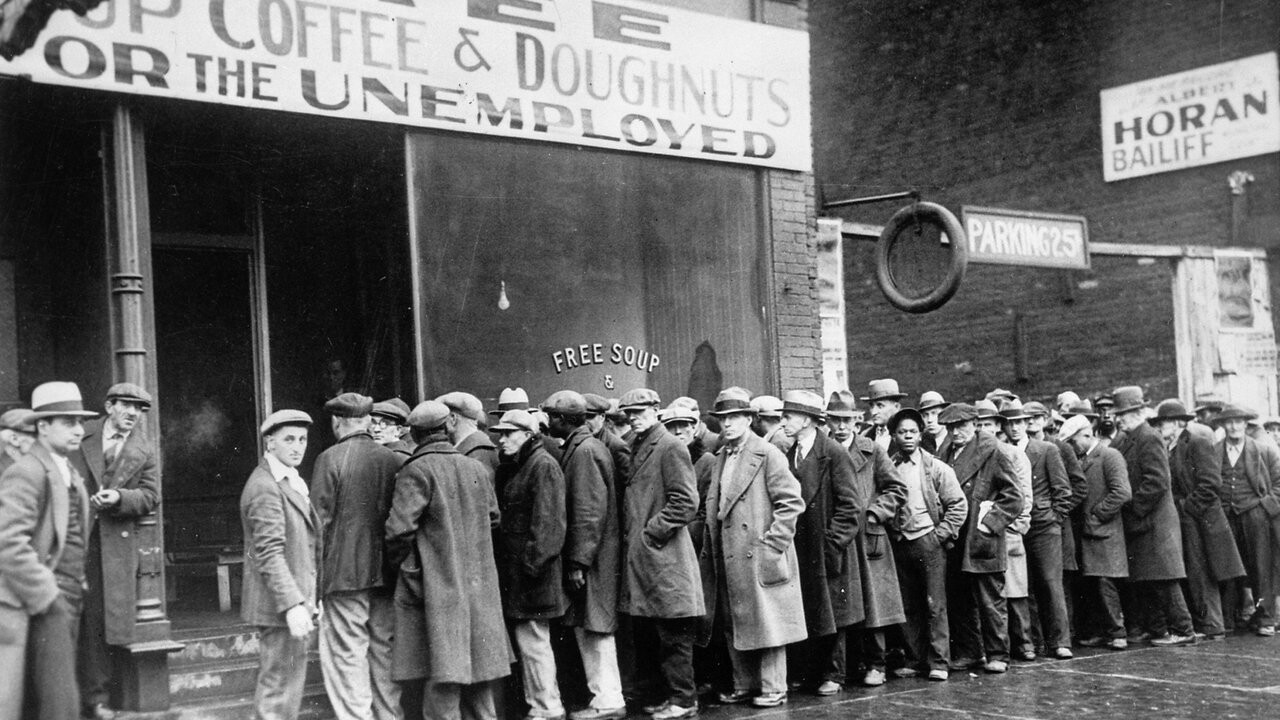
1931: Free Soup, Coffee, and Doughnuts
In February 1931, unemployed men lined up outside a Chicago soup kitchen opened by Al Capone. A sign advertised free soup, coffee, and doughnuts. The meal was simple, warm, and immediately available to people facing unemployment, uncertainty, and long days without dependable food.
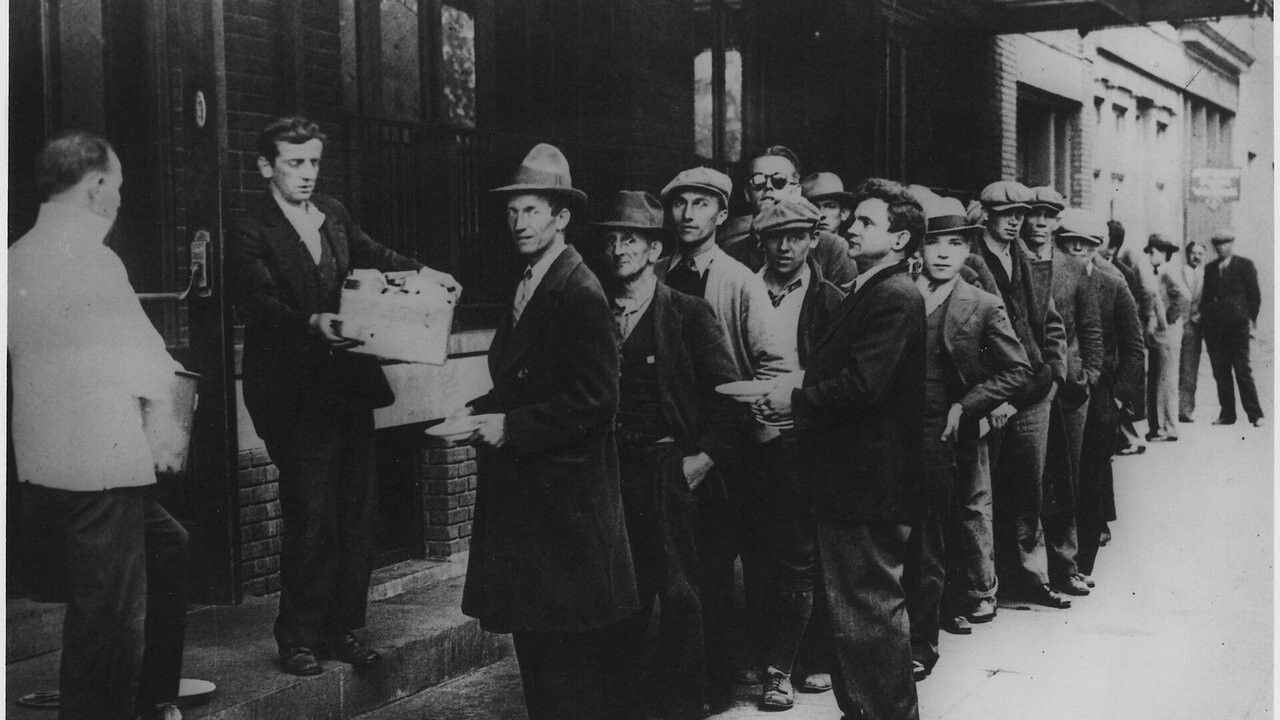
The Nickel Meal
One archival photograph records men waiting for a five-cent meal, with those lacking even a nickel dependent on generous passersby. Such inexpensive counters occupied an uneasy space between ordinary commerce and charity. They allowed customers to purchase food while making the depth of the economic crisis painfully visible.
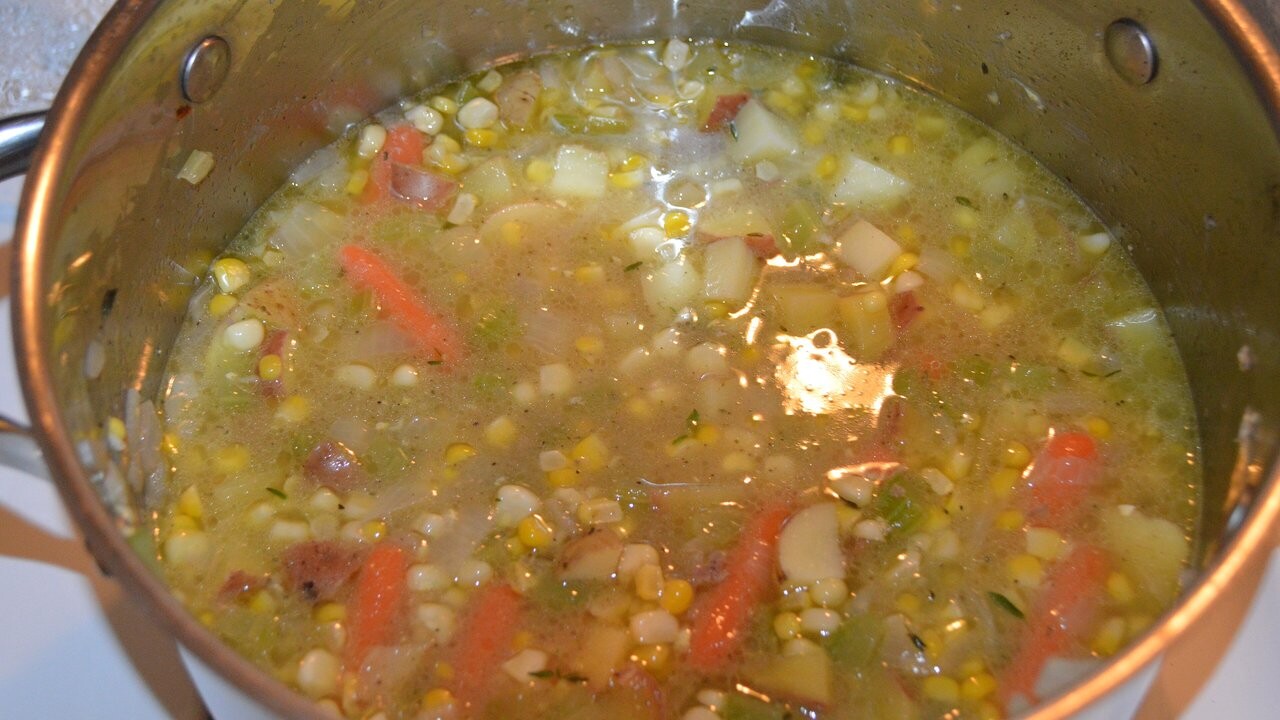
Corn Chowder Made a Pot Go Further
Aunt Sammy’s 1931 cookbook included a recipe for corn chowder among its extensive selection of everyday dishes. Chowder brought several foods together in one warm serving, illustrating the appeal of meals prepared in a single pot when households wanted straightforward cooking and little waste.
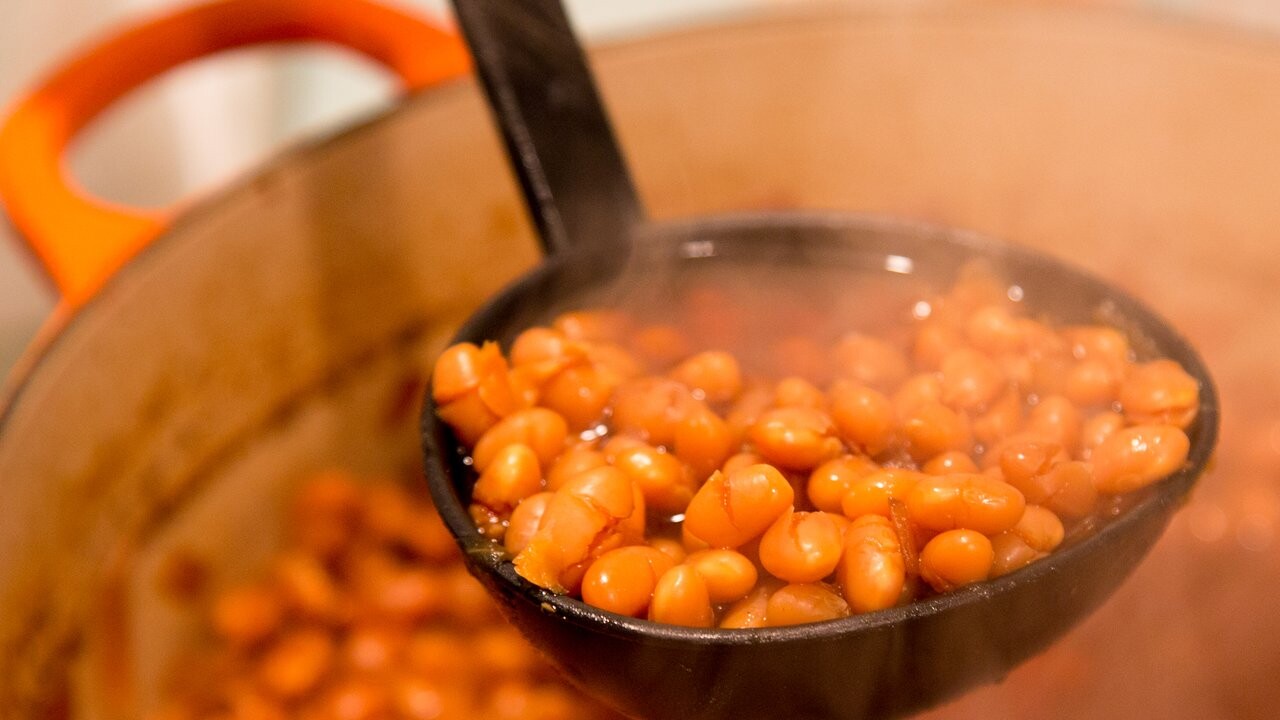
Boston Baked Beans Stayed Practical
USDA records preserve a Boston baked beans recipe associated with the 1931 Aunt Sammy cookbook. Beans were familiar, adaptable fare for many households, whether served as part of a larger dinner or reheated later. Their place in the collection reflects the cookbook’s emphasis on recognizable home cooking.
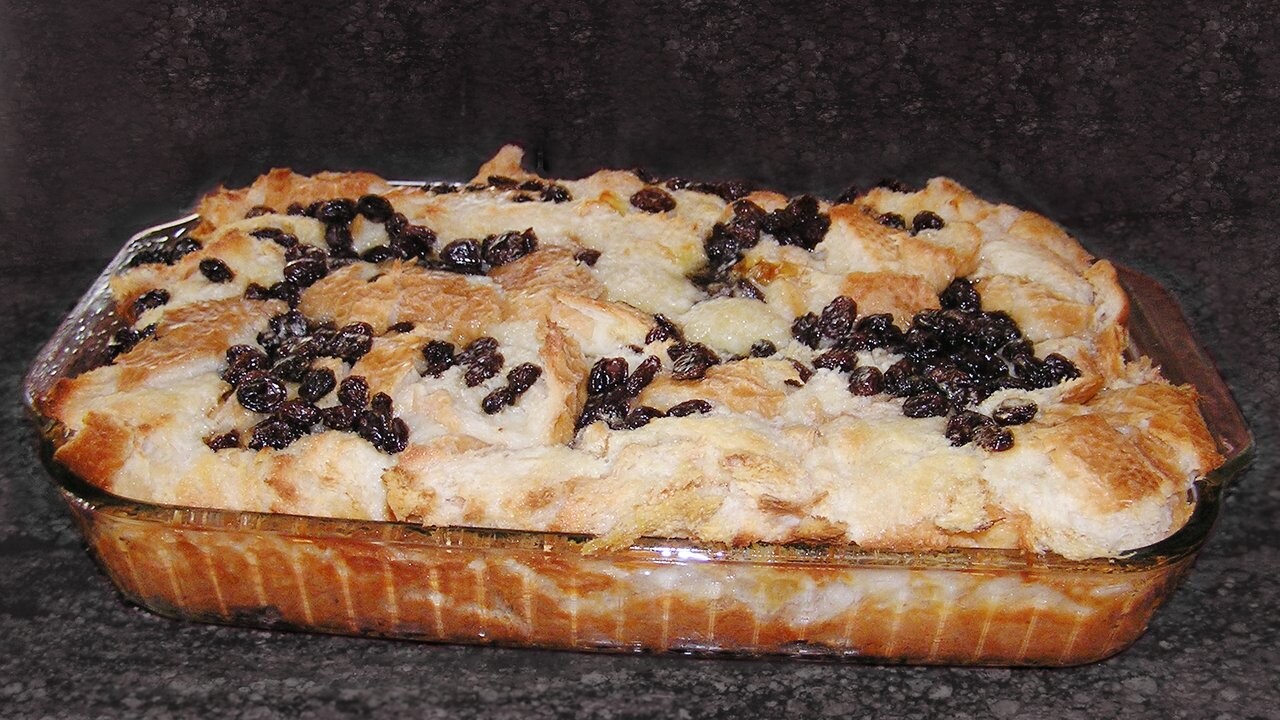
Stale Bread Returned as Pudding
An earlier Aunt Sammy bread-pudding recipe called for stale diced bread. That small instruction captures a durable kitchen principle: food that is no longer ideal in its original form may still work in another dish. Turning aging bread into dessert made thrift part of a comforting meal.
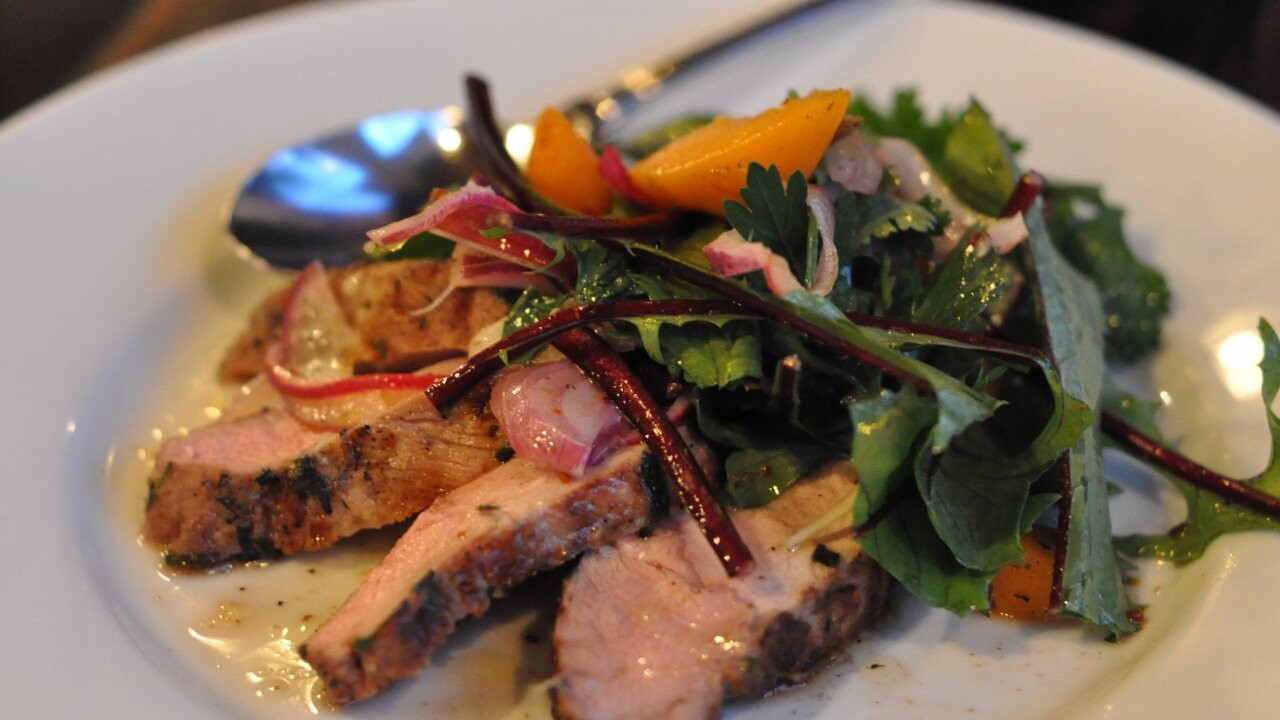
Dandelion Greens Joined Dinner
USDA materials later identified wilted dandelion greens among dishes found in menus from the 1920s or early 1930s. For people accustomed to gathering edible plants, greens growing close to home could become part of dinner. The dish recalls food traditions that existed outside grocery-store aisles.
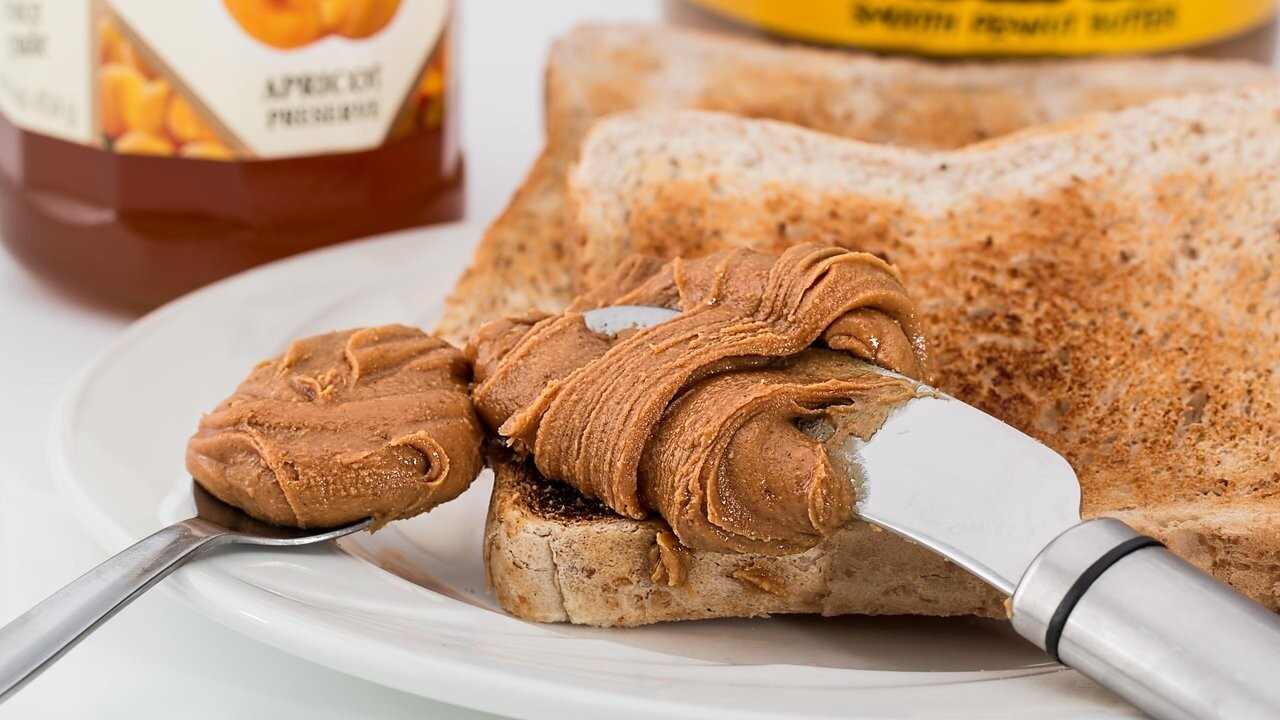
Peanut Butter Got a Little Company
Aunt Sammy’s collection suggested mixing chopped celery with peanut butter for a sandwich filling. The pairing gave a familiar ingredient a different texture and offered home cooks another lunch option. Small variations like this could make frequently used foods feel less repetitive without requiring an elaborate recipe.
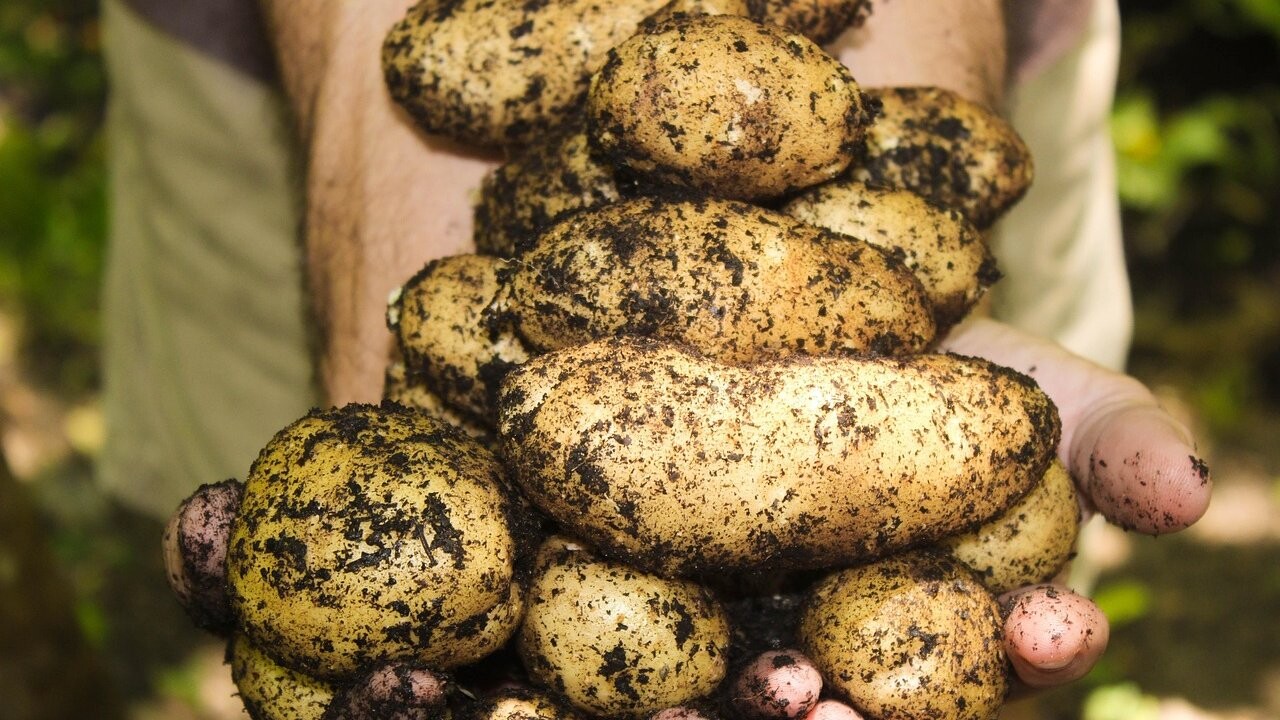
1932: Relief Gardens Took Root
During the Great Depression, Cleveland developed work-relief gardens for unemployed residents, including a garden photographed in 1932. The plots connected useful work with food production at a time when both wages and groceries were uncertain. Turning available ground into cultivated space also made relief visible within the community.
1933: Surplus Pork Reached Relief Tables
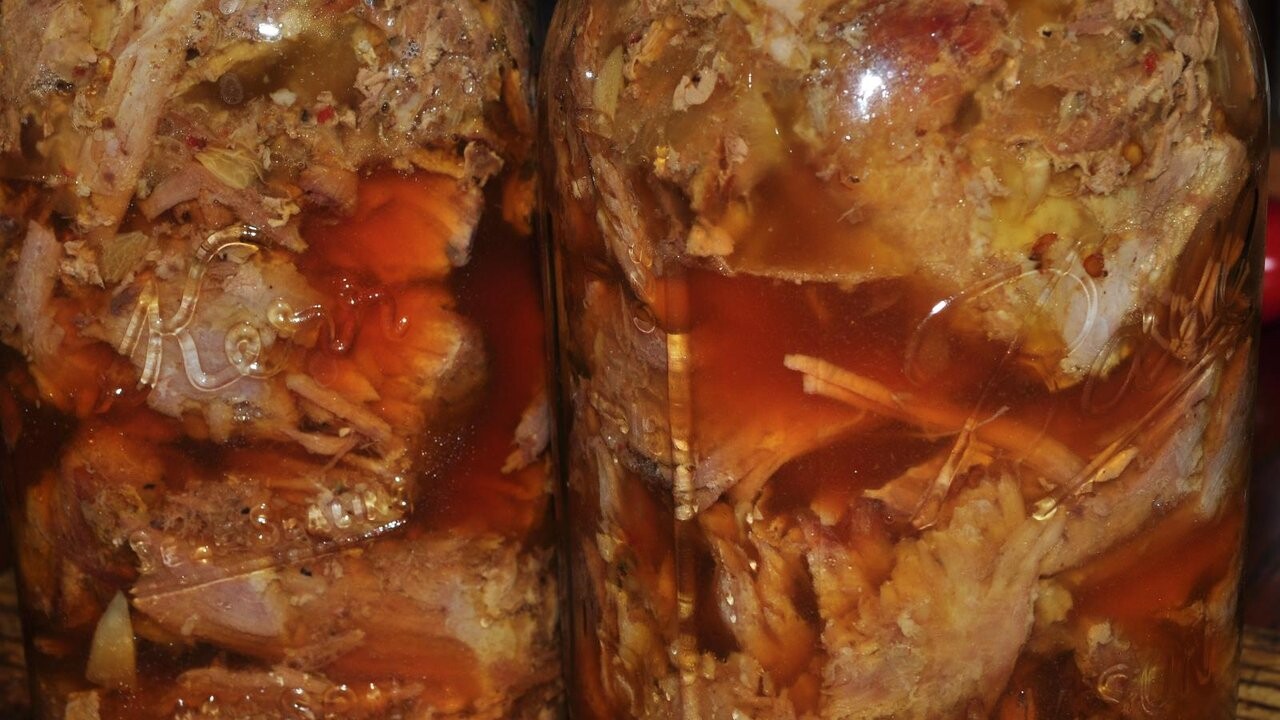
USDA’s direct food-distribution effort began with surplus pork in 1933. The program moved food into relief channels during a period of severe hardship. It also marked an early stage in the expanding federal role in food assistance, which later included additional commodities and other forms of support.
1935: A Community Canned Together
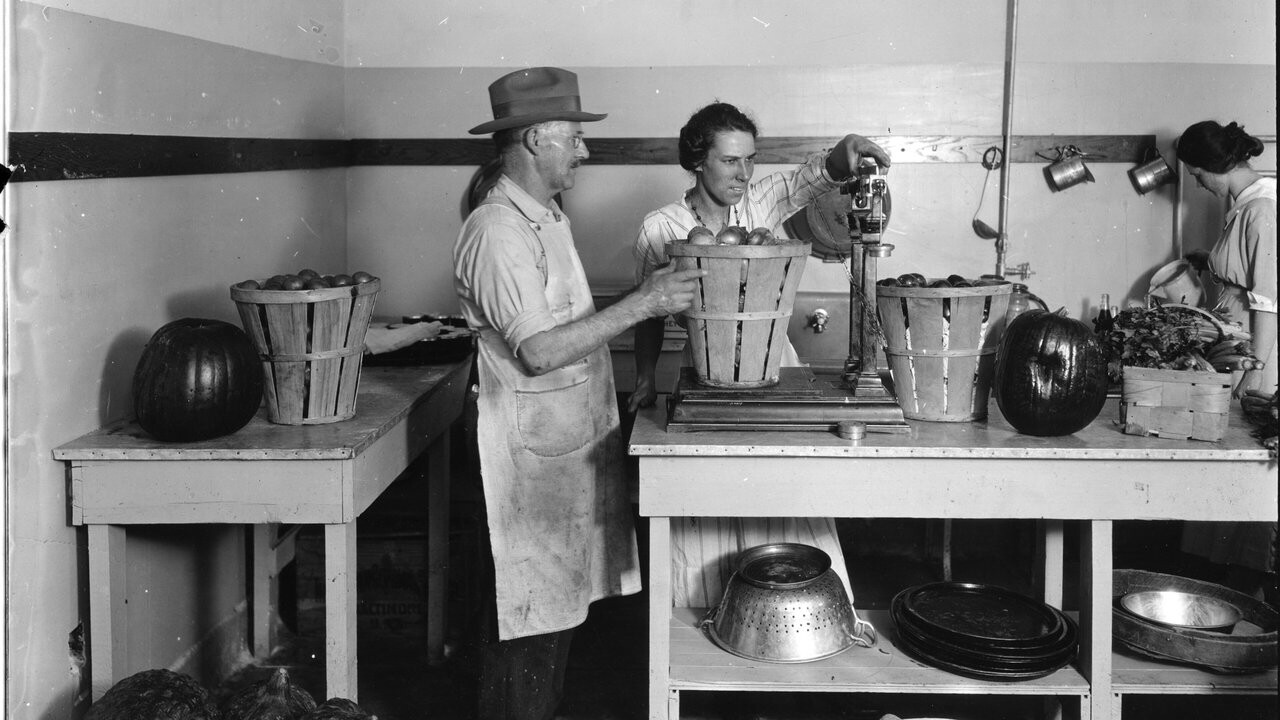
A federal photograph from August 1935 documents a community canning kitchen in Arkansas. Such a dedicated space shows how food preservation could extend beyond a single household. Canning seasonal produce required planning and sustained work, but the finished jars kept part of a harvest available for later meals.
1936: A Pea Camp Ran Out of Food
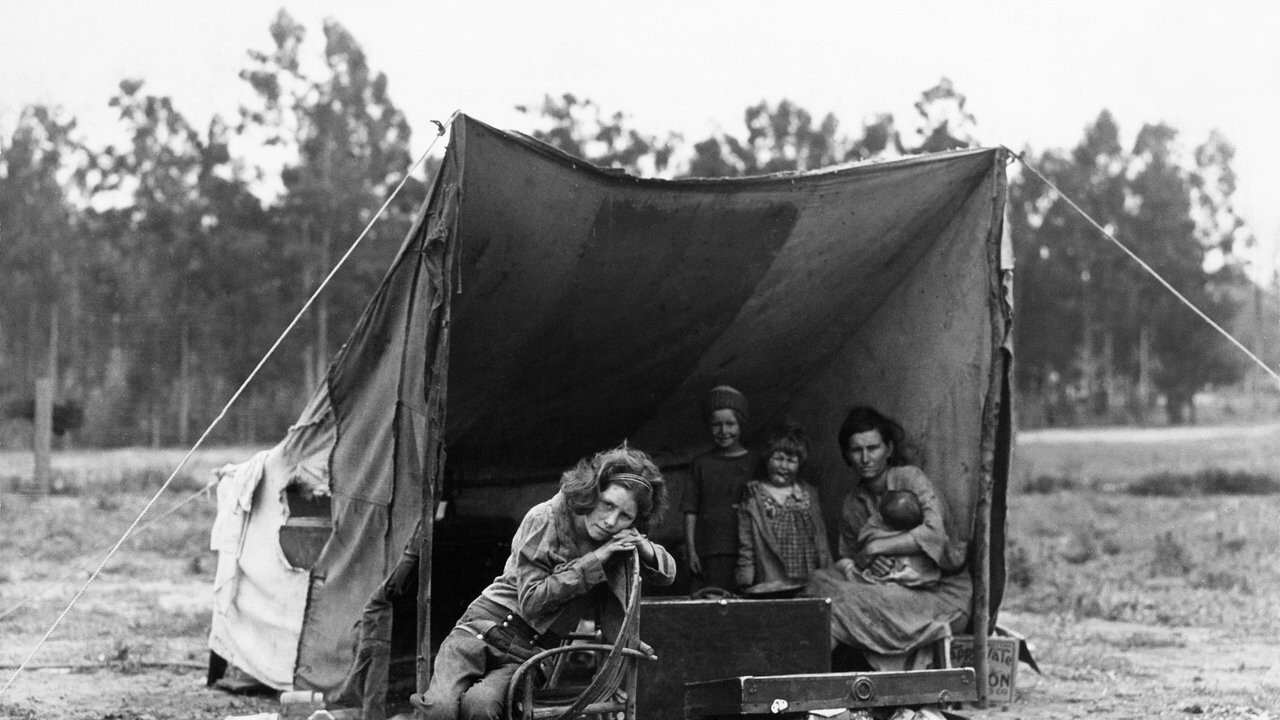
Dorothea Lange recalled that the family associated with Migrant Mother had lived on frozen vegetables gathered from surrounding fields and birds killed by the children. She also said the mother had sold the car’s tires to buy food. The account conveys the desperation behind one of the era’s best-known photographs.
1936: Government Commodities Expanded
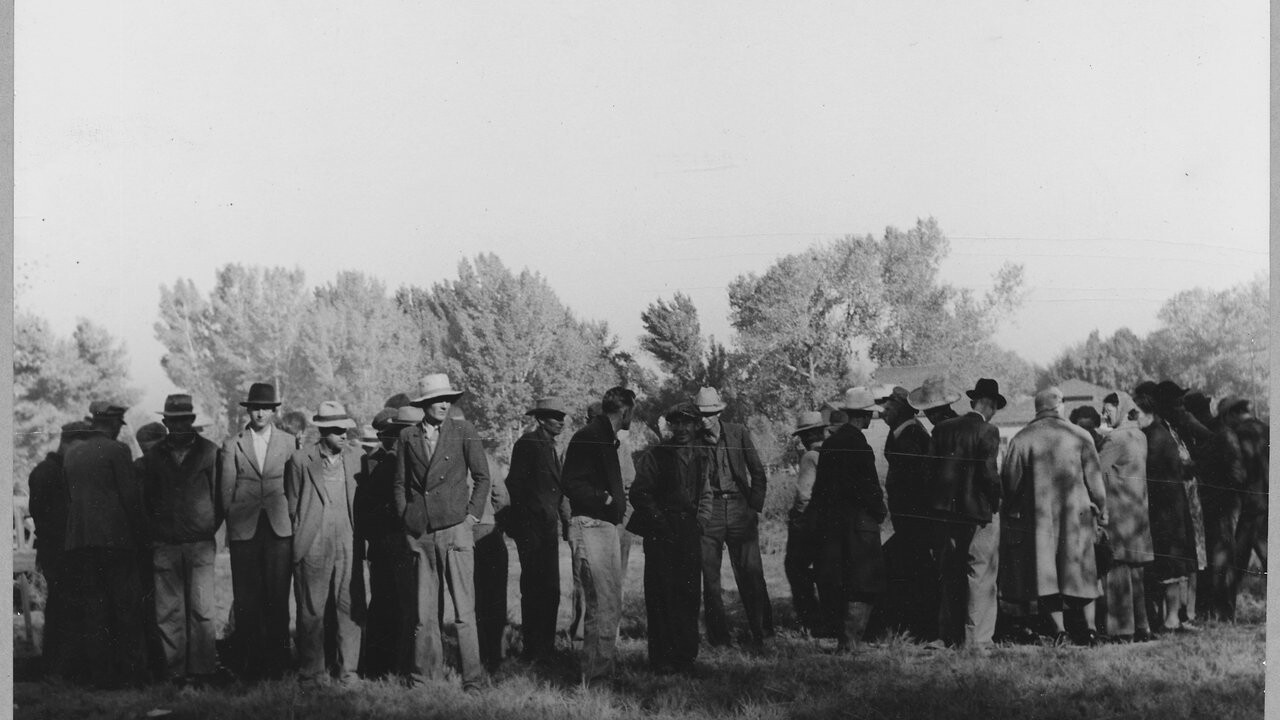
The earliest federally run Food Distribution Program was established in 1936 to provide commodities to low-income families. It extended the government’s earlier direct-distribution work and placed food assistance within a more organized federal program. For struggling households, those commodities became part of the ingredients available for daily meals.
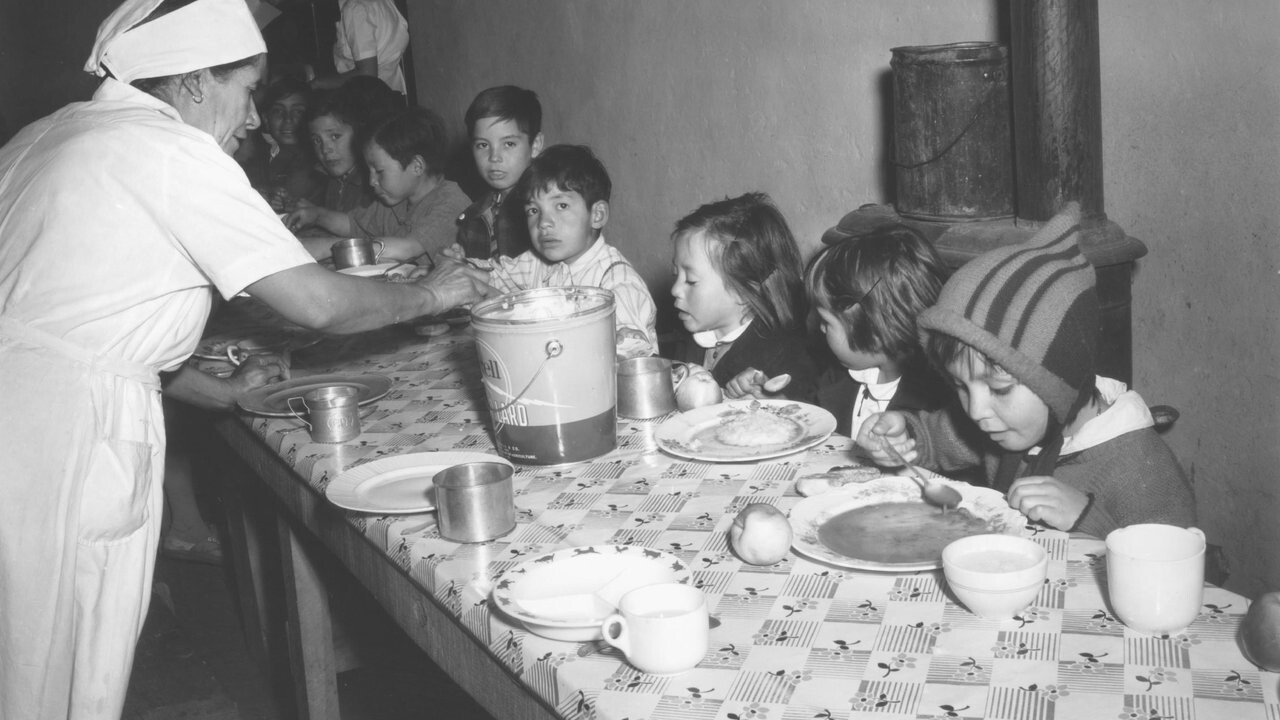
School Lunch Became a Major Relief Project
Parent-teacher associations had begun providing lunches for undernourished pupils before federal relief agencies entered the work. During the 1930s, FERA and CWA undertook the activity, and WPA continued and expanded it. School meals therefore became both a local response and a significant federal relief project.
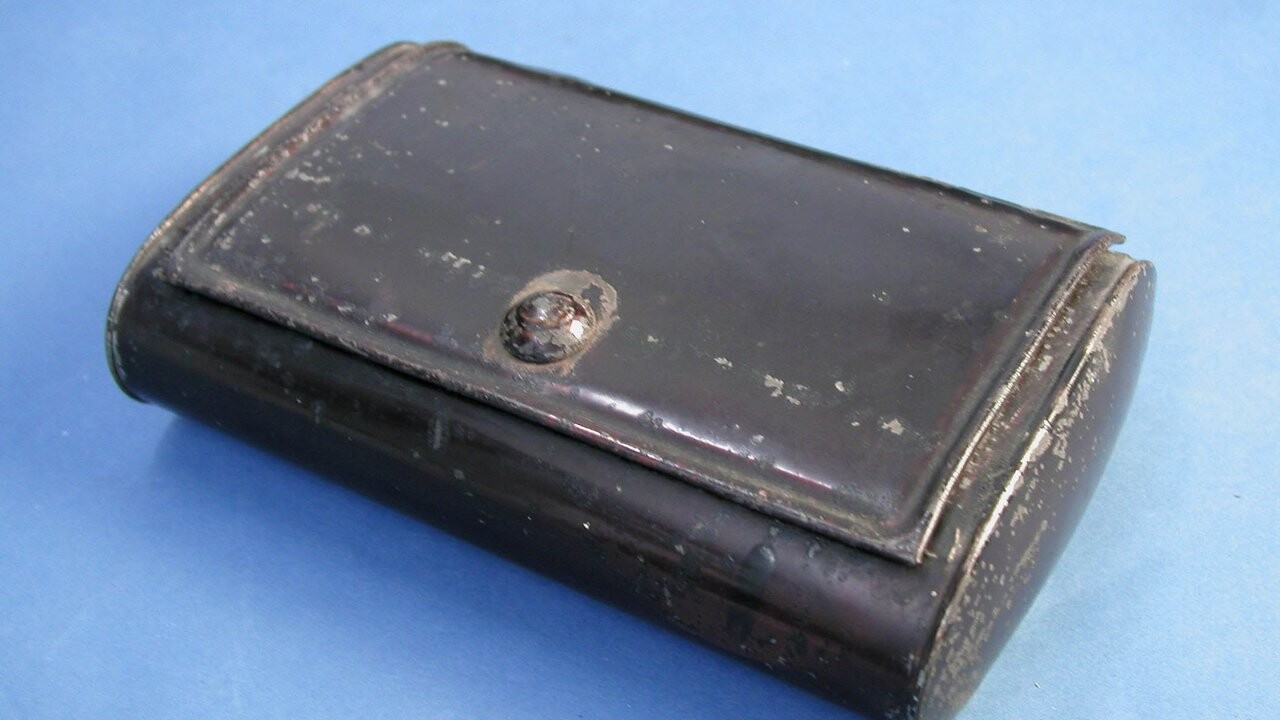
1938: Lunch Pails Went to School
Farm children in Nebraska were photographed walking to a one-room schoolhouse with lunch pails in October 1938. Each pail carried a meal from home into the school day. The image quietly connects farm kitchens, children’s routines, and the distances rural students traveled to reach their classroom.
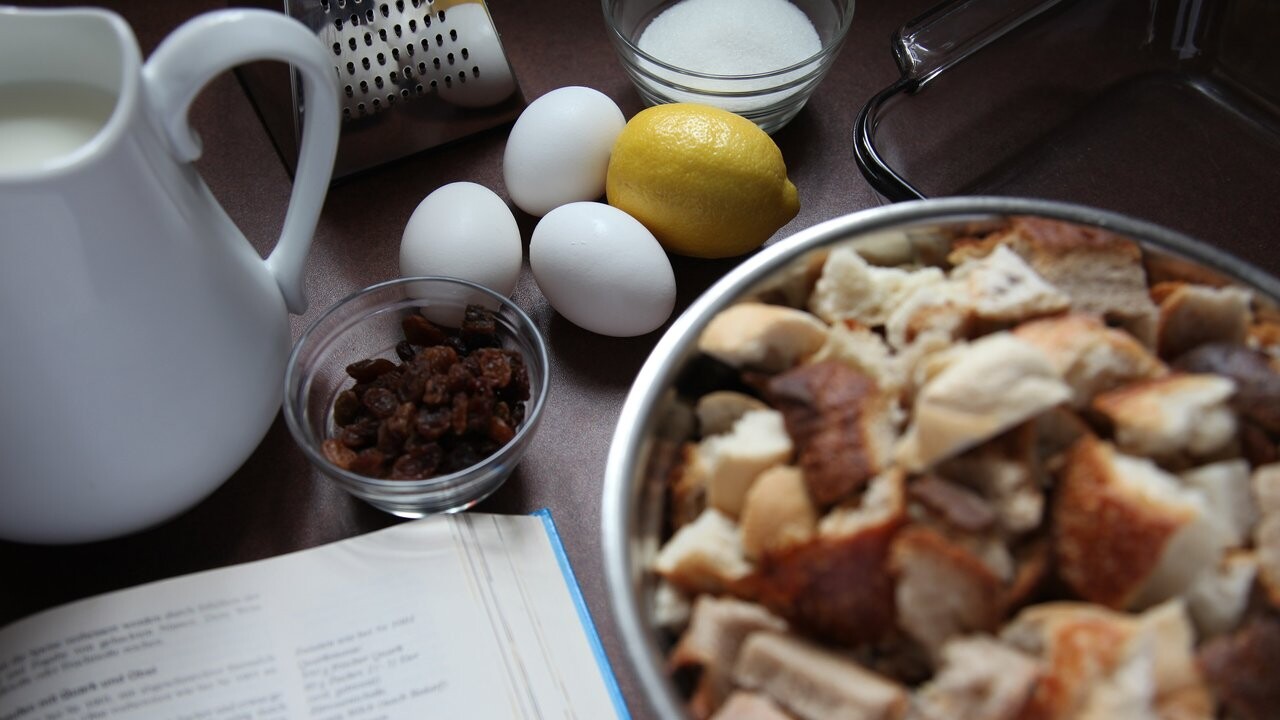
Leftovers Were Ingredients, Not Afterthoughts
Smithsonian researchers examining recipes from the 1930s found economical use of ingredients and creative reuse of leftovers. Aunt Sammy’s bread pudding offers one clear example, beginning with stale diced bread. This approach reduced waste and encouraged cooks to see yesterday’s food as the starting point for another dish.
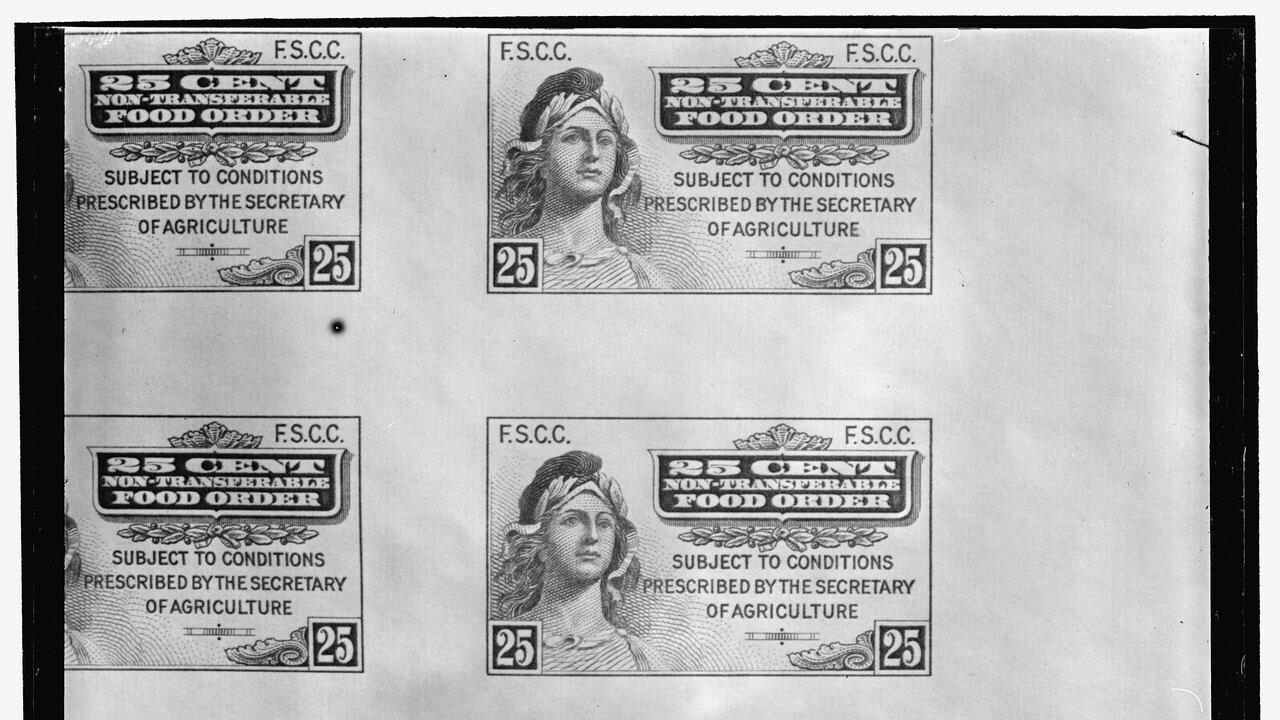
1939: Food Stamps Entered Grocery Stores
Introduced in spring 1939, the first food-stamp plan served households eligible for public assistance. Participants used stamps at participating grocery stores, and part of the assistance was connected to designated surplus foods. The program moved some food aid into ordinary shops rather than relying entirely on separate distribution points.
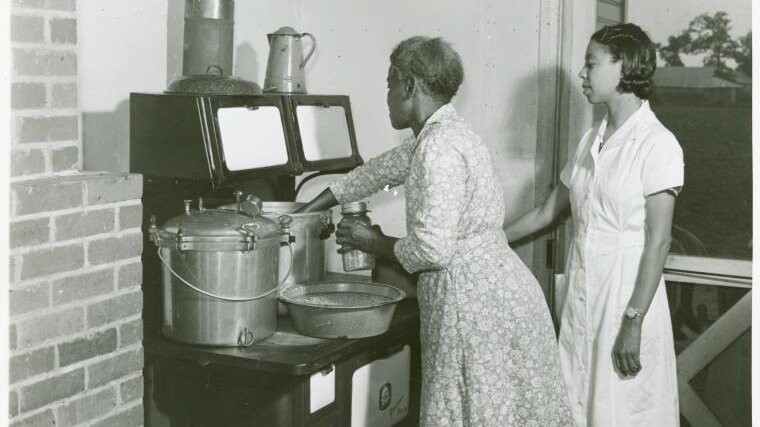
1939: Vegetables Were Preserved at Home
At San Luis Valley Farms in Colorado, a federal photographer documented a woman preserving vegetables at home in October 1939. Food preservation extended the usefulness of a harvest beyond its immediate season. Filled containers represented planning, labor, and a store of ingredients ready for future household meals.
These photographs preserve hardship, but they also show the daily resourcefulness, cooperation, and care that families carried into later generations. What foods did your parents or grandparents remember from the Great Depression?
Follow The HyperHive on MSN for more stories like this.
Sources:






