What Happens When Tech Founders Leave? Apple, Starbucks and Microsoft Offer Clues for Nvidia

Jensen Huang at Stanford Graduate School of Business on April 9, 2026. © Anders Eidesvik / Wikimedia Commons (CC BY 4.0, cropped)
For the first time in its 33-year history, Nvidia is being run without the man who built it.
Co-founder Jensen Huang resigned as CEO and left the board on Nov. 12, the company announced. Chief financial officer Colette Kress is interim CEO while the board looks for a permanent successor. Now investors are asking a question that has followed other famous companies: what happens when the founder leaves?
Key points:
- Huang co-founded Nvidia in 1993. The company is now valued at nearly $4 trillion, Al Jazeera reported.
- Nvidia shares were down more than 14% at one point on Nov. 12 before recovering some ground, according to Reuters.
- History offers no single answer: Apple struggled after Steve Jobs left, while Microsoft thrived after Bill Gates stepped back.
Why Do Founders Matter So Much?
Founder-led companies performed 2.1 times better than others from 2015 to 2025, and 2.6 times better in tech, according to Bain & Company figures cited by Al Jazeera.
“It’s incredibly rare for their successors to do as well as the original founder,” Michael Monaghan, a portfolio manager at the Founders 100 ETF, told Al Jazeera.
Tech analyst Dan Ives has predicted that Nvidia’s value could fall 25% to 30% without Huang, Al Jazeera reported.
What Does History Show?
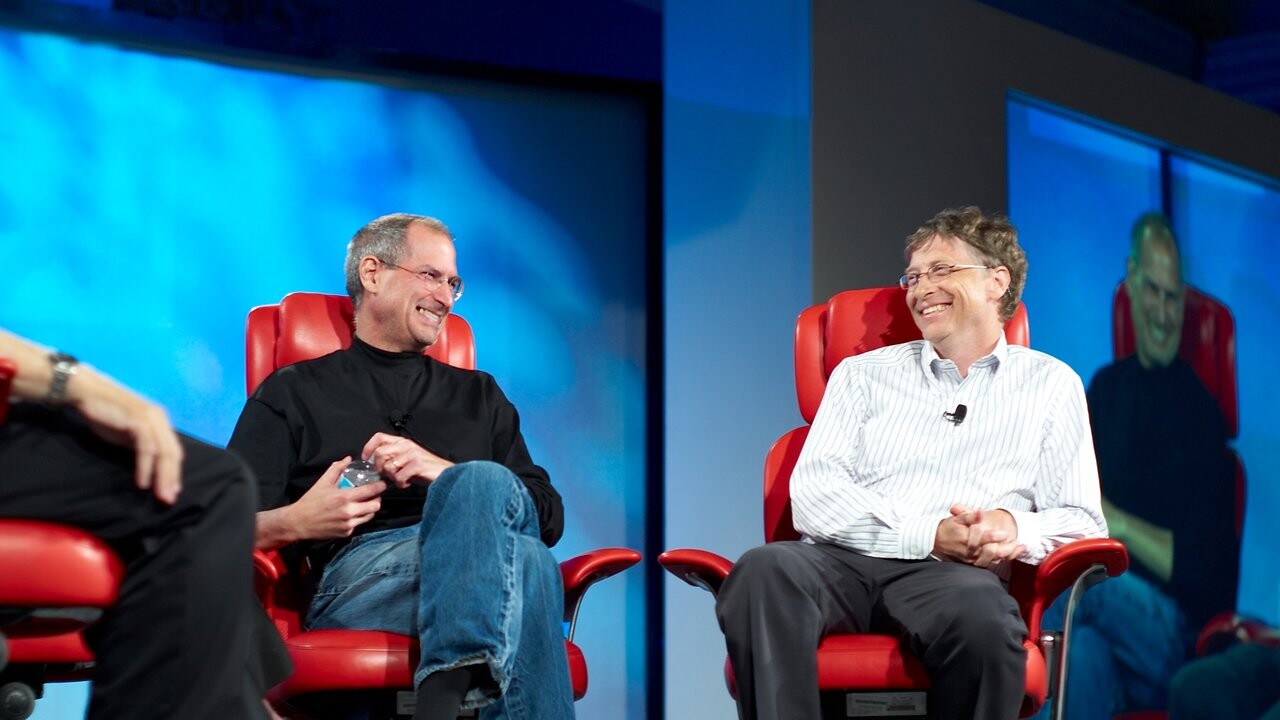
Apple: Steve Jobs was pushed out in 1985 after a power struggle with CEO John Sculley. Apple lost about $1 billion in 1997, the year Jobs returned. He went on to lead its comeback with the iMac and the iPhone.
Starbucks: Howard Schultz stepped down as CEO in 2000. As the company struggled, he returned in January 2008 and closed hundreds of stores.
Microsoft: Bill Gates handed the CEO job to Steve Ballmer in 2000. Under Satya Nadella, CEO since 2014, Microsoft’s value grew from about $302 billion to $3.88 trillion, Al Jazeera reported.
Why Is Nvidia’s Case Different?
Huang owns about 3.6% of Nvidia and did not have majority voting power, Al Jazeera reported. Founders such as Meta’s Mark Zuckerberg hold special shares that give them more control.
Nvidia also warned in its annual report that failing to plan for succession could hurt the business.
“It’s a common challenge among tech giants. You can ask: What does SpaceX look like without Elon Musk?” said Xiaomeng Lu of the Eurasia Group.
What Happens Next?
Nvidia’s board has said it will consider both internal and external candidates for the permanent CEO job. Until then, Kress, who has been Nvidia’s CFO since 2013, will lead the company.
Sources:
- Al Jazeera: When tech founders leave, what happens to their companies?
- Al Jazeera and Reuters: Why did Nvidia CEO Jensen Huang resign, and who is Colette Kress?
- BBC: Who is Nvidia’s interim CEO Colette Kress – and who could take over permanently?
- Nvidia press release (SEC filing, Nov. 12, 2026)
You might also want to read: Why Jensen Huang Left Nvidia, and Why His Wife Still Shares Control of His Fortune