What School Looked Like 100 Years Ago, in Photos

Johnston, Frances Benjamin, 1864-1952, photographer / Wikimedia Commons, Public domain (cropped)
School around a century ago might mean a crowded city classroom, a rural schoolhouse, or an outdoor lesson. The experience varied by location, race, family circumstances, and available transportation.
Moving from the turn of the twentieth century into the Depression era, these scenes come from the Library of Congress, the National Park Service, the Wisconsin Historical Society, and other public collections.
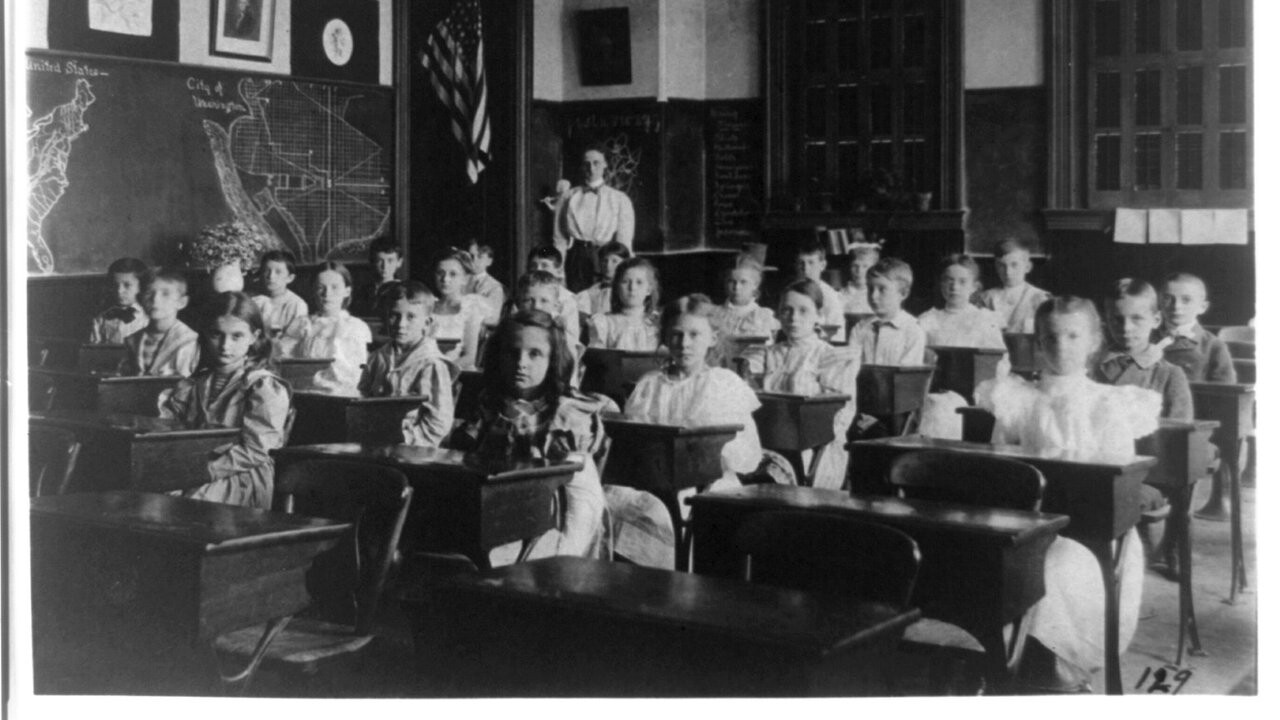
Circa 1899: A Washington Classroom
Urban schools were generally larger than rural schools, and students were often separated into classrooms by grade. A Washington photograph dated approximately 1899 preserves one such room, with children seated at desks and a teacher nearby. Its formal arrangement feels distant, yet the crowded rows remain instantly recognizable.
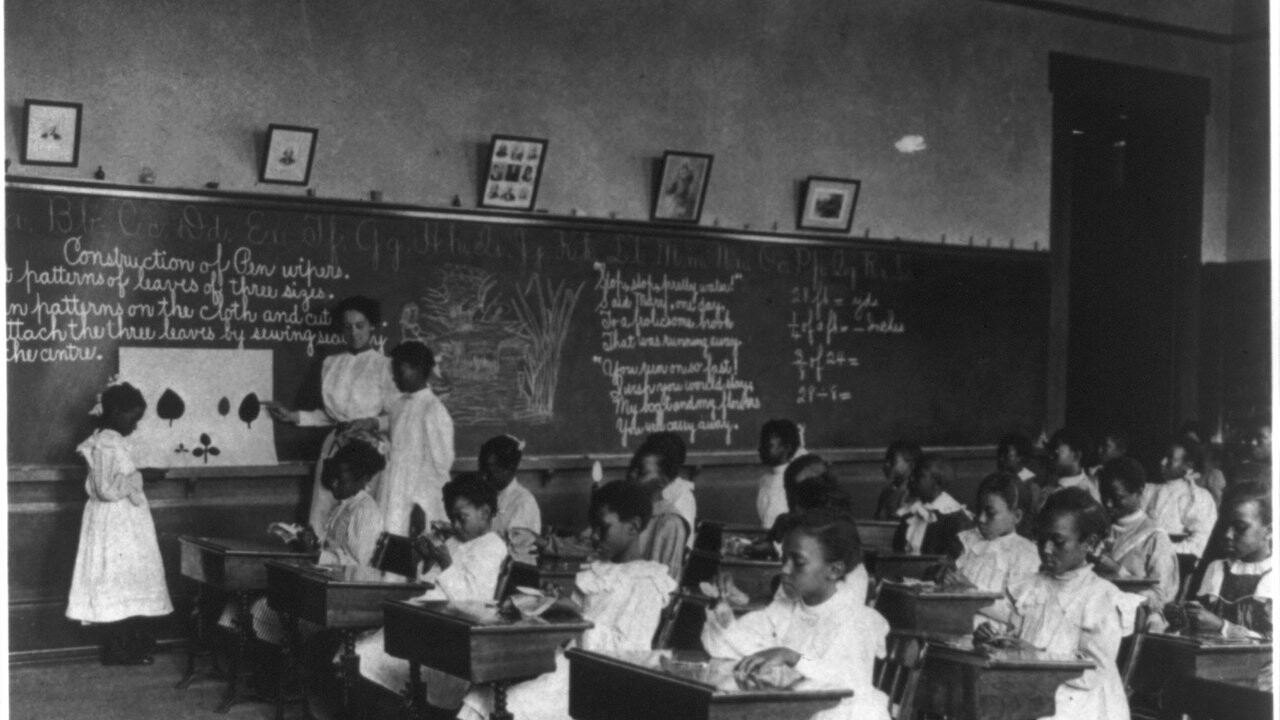
Circa 1899: Sewing Lessons at School
A Washington school survey includes this photograph of African American schoolgirls learning to sew. The catalog gives the date as approximately 1899. Beyond identifying the students and activity, the image preserves details such as the girls’ clothing, their careful handwork, and the physical arrangement of the classroom.
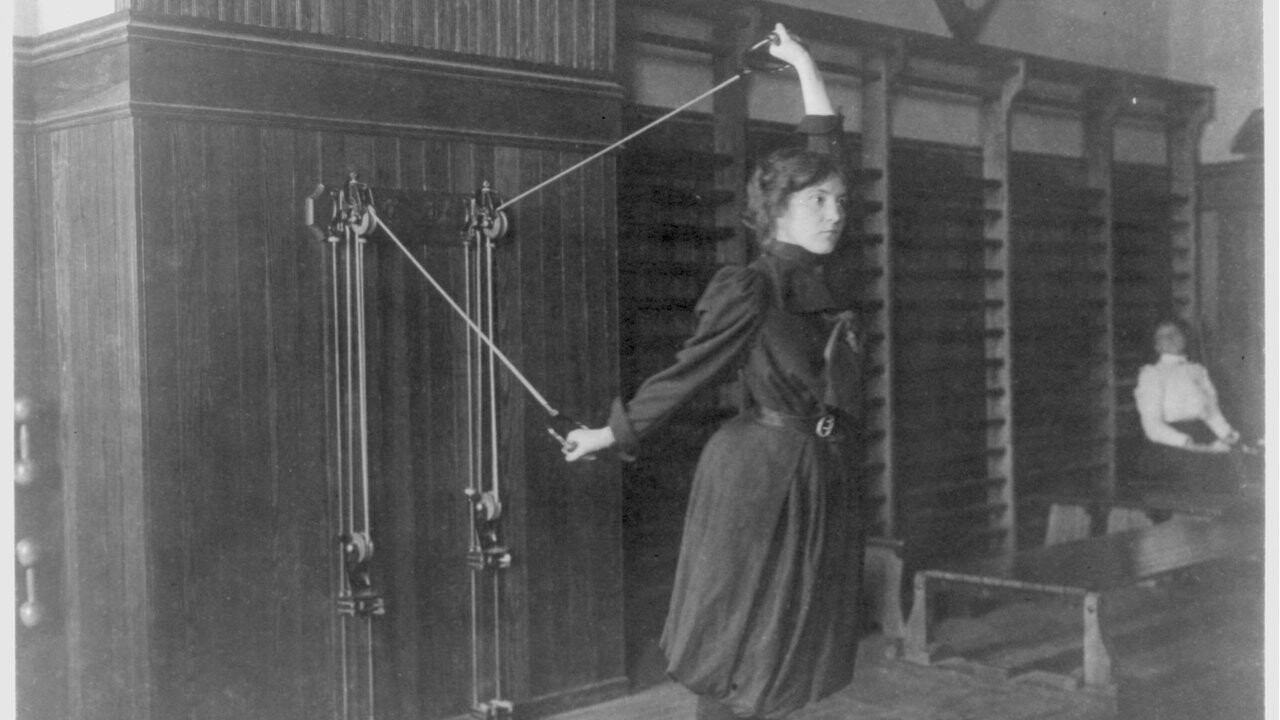
Circa 1899: Physical Education Takes Shape
Female students at Western High School in Washington exercised with ropes, pulleys, and other equipment around 1899. Physical education programs had spread widely during the preceding decade. The equipment looks mechanical and spare, but the photograph captures an early version of the organized exercise classes students still know today.
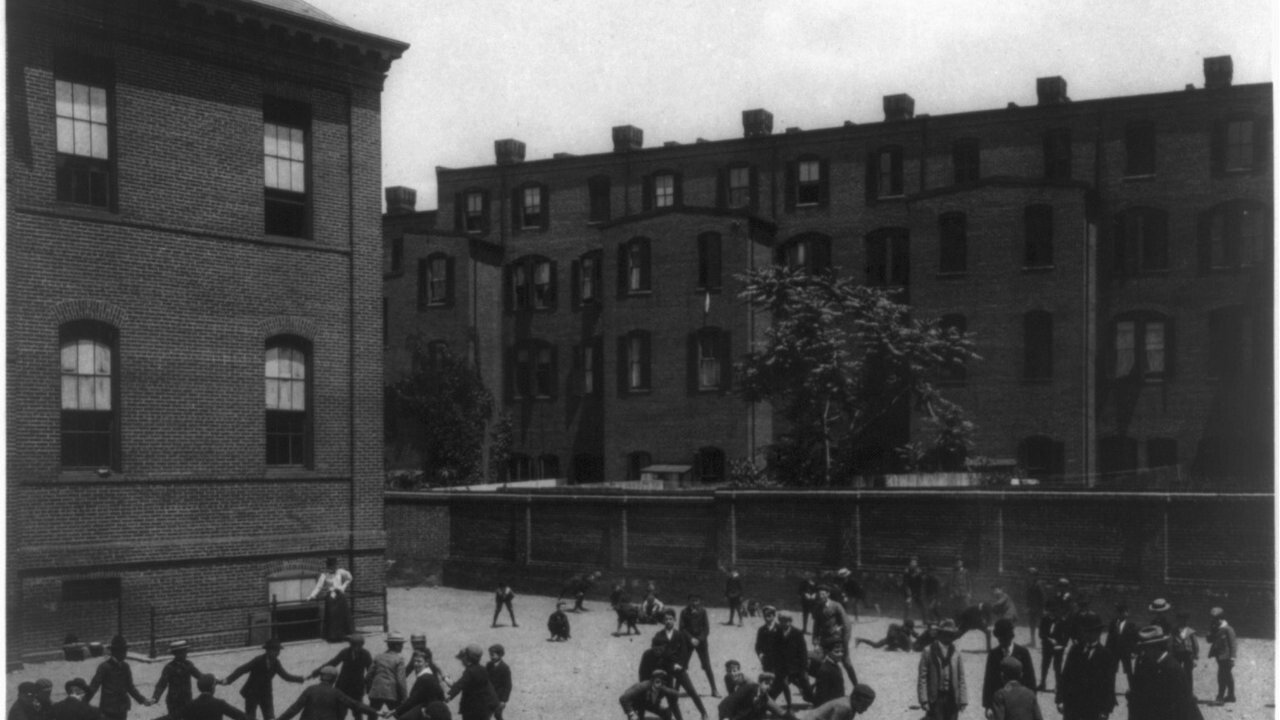
Circa 1899: Recess in the Schoolyard
A photograph from a Washington school survey records a recess period on a playground around 1899. Students cluster outside rather than sitting in orderly classroom rows. Their clothes and surroundings belong to another era, but the energy of children gathering, talking, and moving during a break needs little explanation.
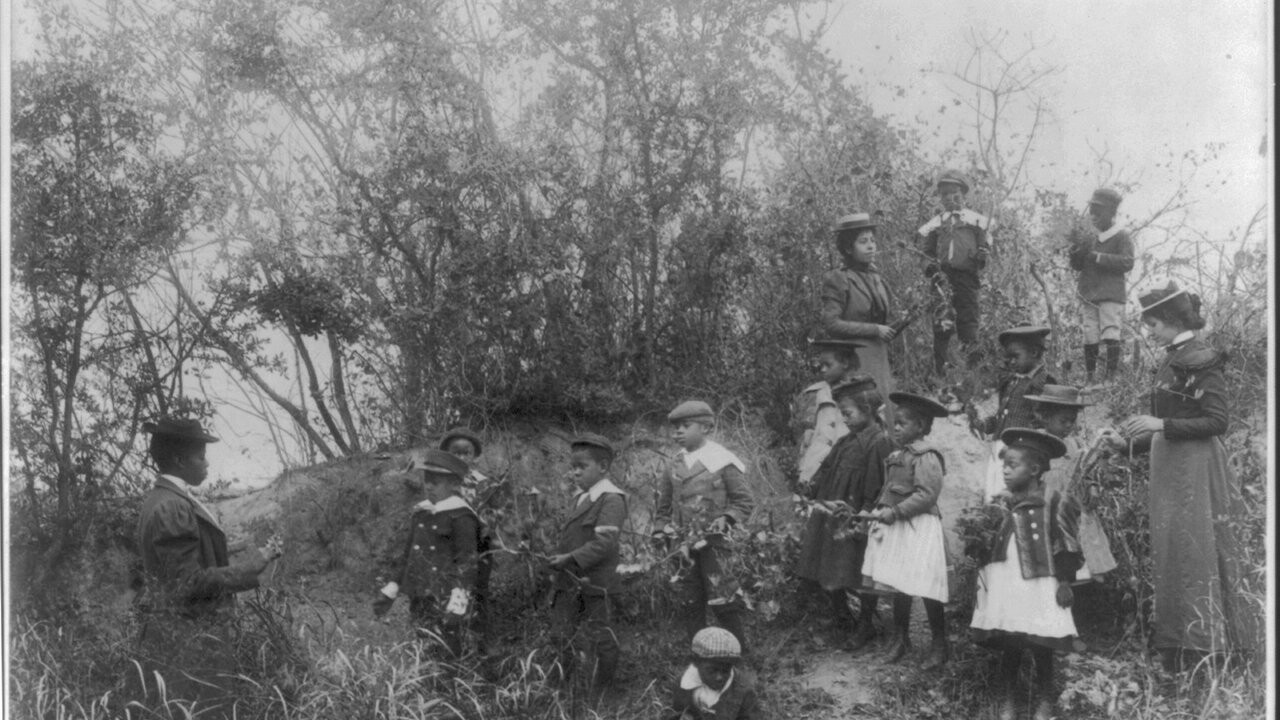
1899: Studying Plants Beyond the Classroom
At the Whittier Training School in Hampton, Virginia, students took a field trip to study plants in 1899. The photograph records African American schoolchildren learning outdoors through direct observation. It offers a different view of period education, with the natural world replacing desks, walls, and a blackboard.
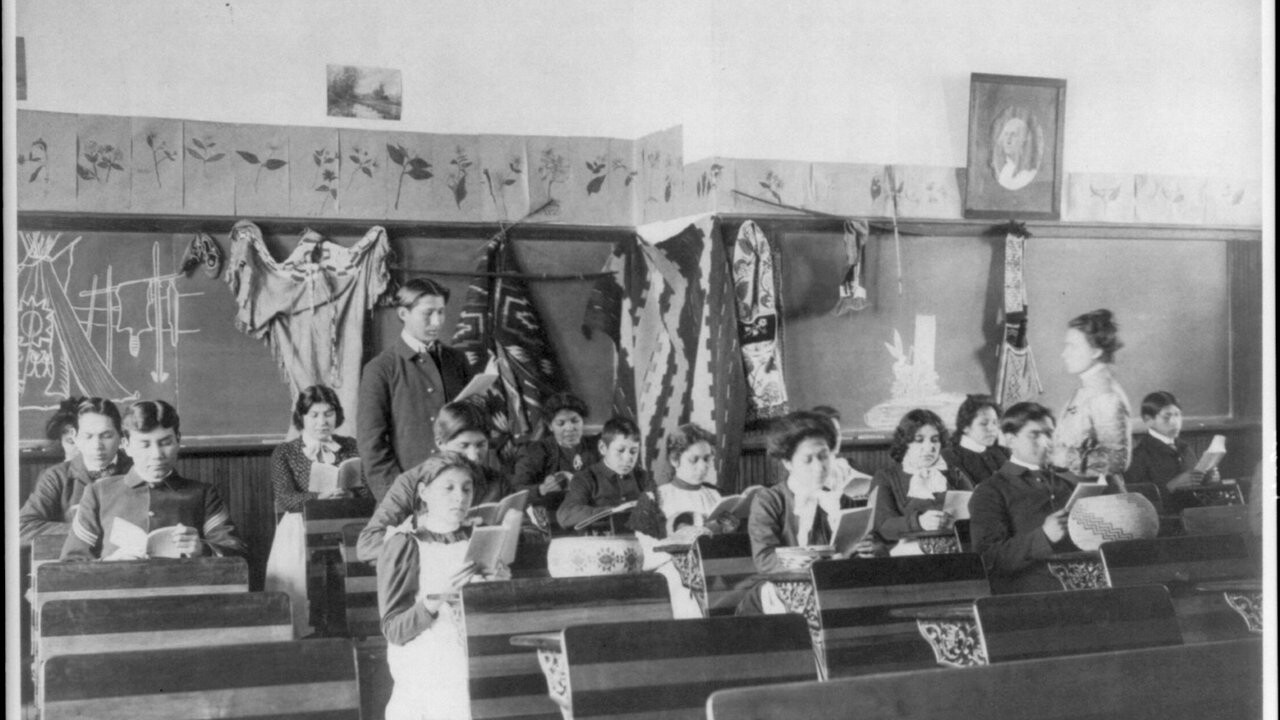
1901: Reading at the Carlisle Indian School
A 1901 photograph shows male and female students reading at the Carlisle Indian School in Pennsylvania. This classroom scene cannot be separated from the school’s assimilation program. Native children at such boarding schools were forced to adopt Euro-American culture, making the image evidence of both classroom instruction and coercive policy.
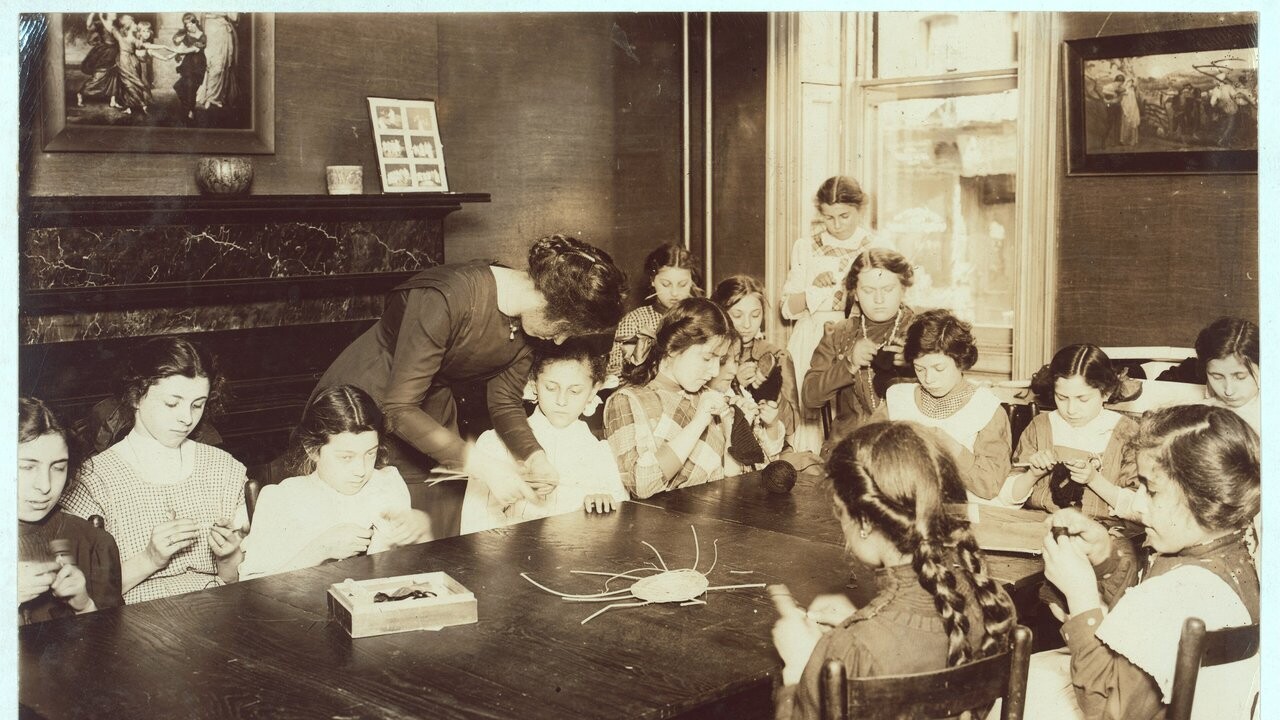
1910: Knitting at a Settlement Classroom
A May 1910 photograph records a knitting class at New York’s Henry Street Settlement. Girls and women worked together in the classroom under Lewis Hine’s camera. The image broadens the meaning of school by showing instruction in a community setting, centered on a practical skill and shared workspace.
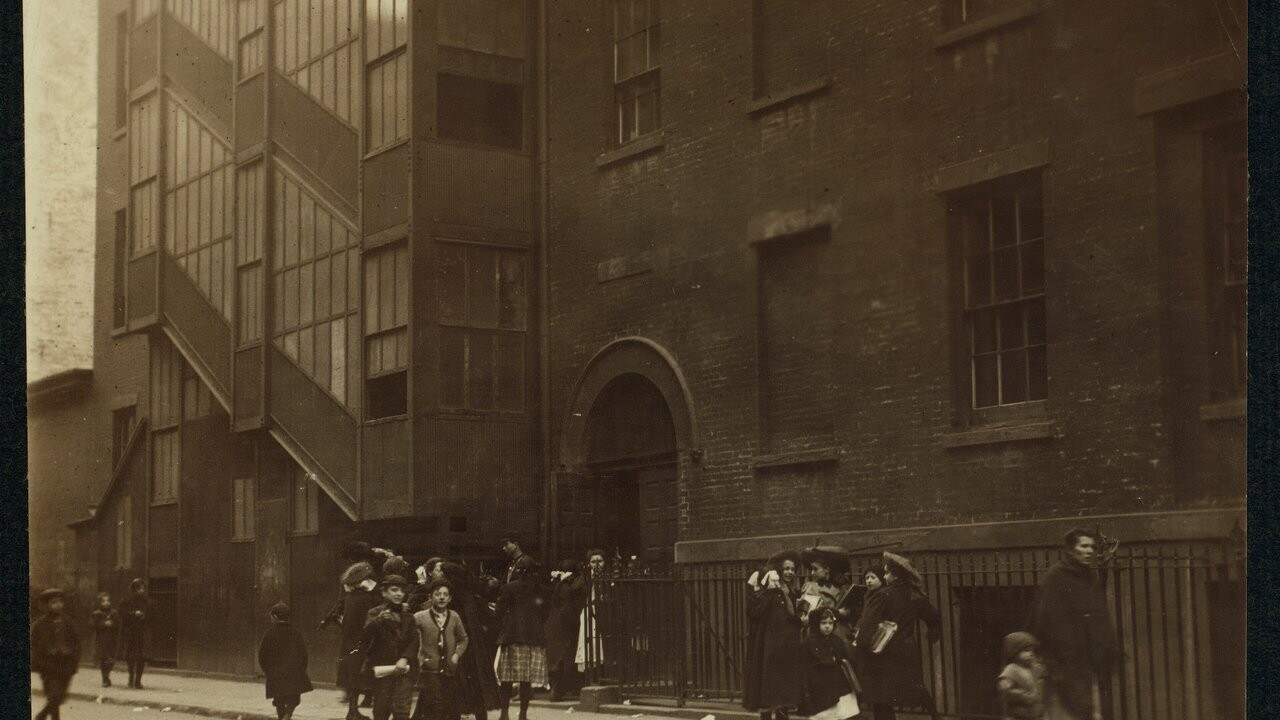
Early 1900s: School Dismissal, Then Work
One child-labor collection caption records pupils leaving school and notes that many went home to work through the afternoon and evening. The photograph makes dismissal feel less like the end of a day than a transition between responsibilities. For these children, classroom time and paid or household labor existed side by side.
1911: The Fresh-Air Classroom
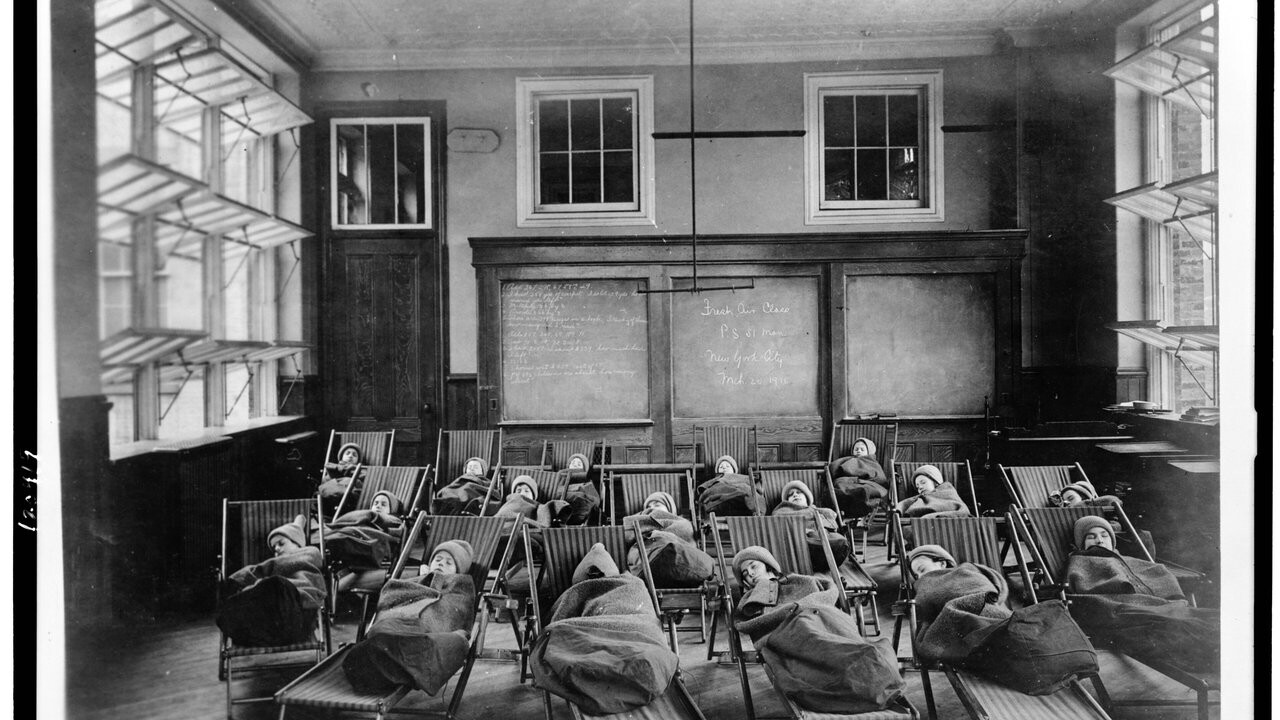
At Manhattan’s Public School 51, children in a fresh-air class rested on cots while wrapped in blankets. The Library of Congress dates the photograph to 1911. Rather than showing a lesson in progress, it captures a scheduled rest hour and an unusual classroom environment designed around exposure to outside air.
1912–1930: A School on Wheels
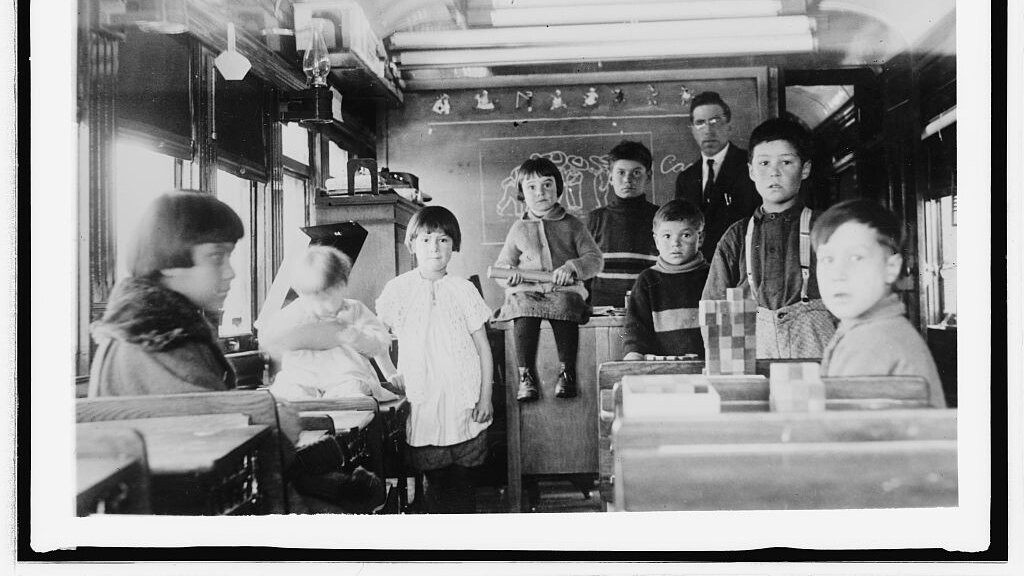
The Library of Congress dates this interior view of a School on Wheels to sometime between 1912 and 1930. Benches, windows, and a narrow aisle turn the vehicle into a compact learning space. The catalog does not explain its route or purpose, leaving the photograph’s practical details to carry the story.
Circa 1915: Outdoor Play
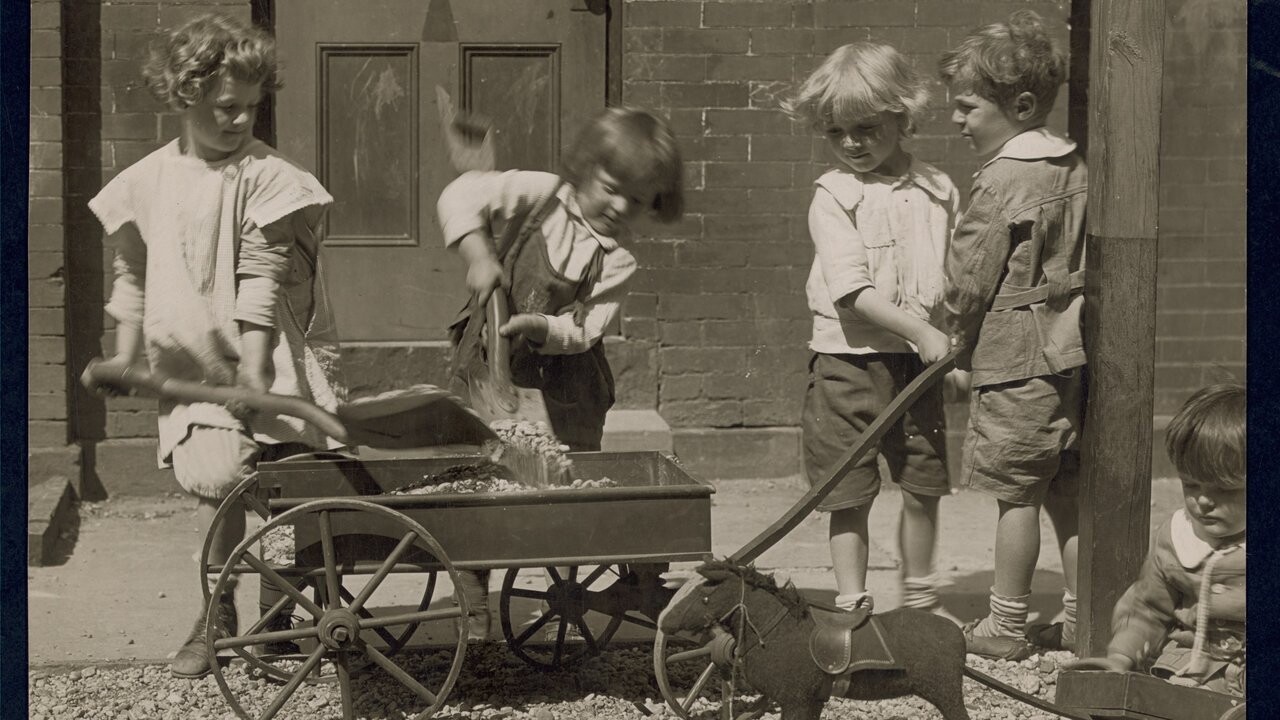
Jessie Tarbox Beals photographed four children loading rocks into a small wagon while a younger child played with a toy pony cart nearby. The Library of Congress dates the scene to around 1915. The photograph captures concentration, movement, and improvised play without requiring a formal lesson or organized game.
1921: The Consolidated Rural School
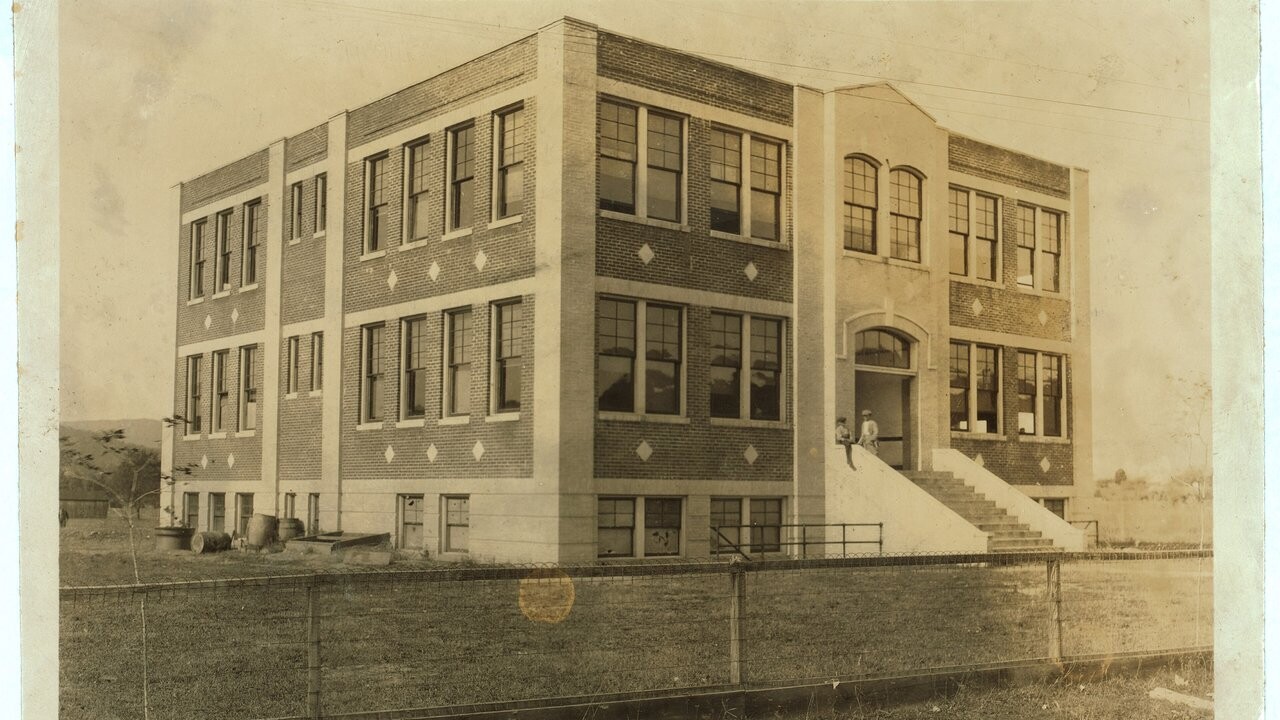
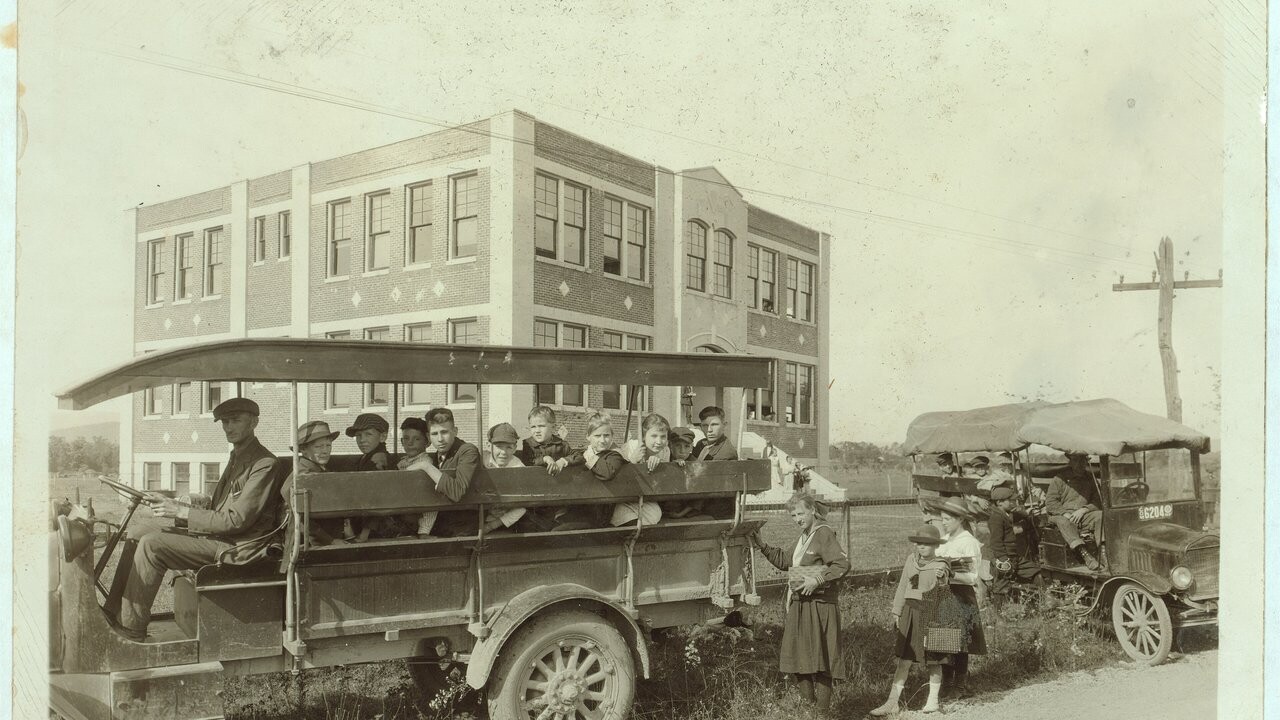
Greenbank Consolidated School in Pocahontas County, West Virginia, was photographed in October 1921. Its caption describes it as one of the county’s largest schools, serving all grades and high school. The substantial building offers a sharp visual contrast with the smaller rural schoolhouses appearing elsewhere in this gallery.
1921: Buses Carry Rural Pupils
Another Greenbank photograph shows students loading buses for a six-mile trip in 1921. The vehicles differ from modern standardized school buses, but their purpose is familiar: carrying a group of pupils between home communities and school. The image places transportation at the center of the school day.
1921: Chemistry in a Rural High School
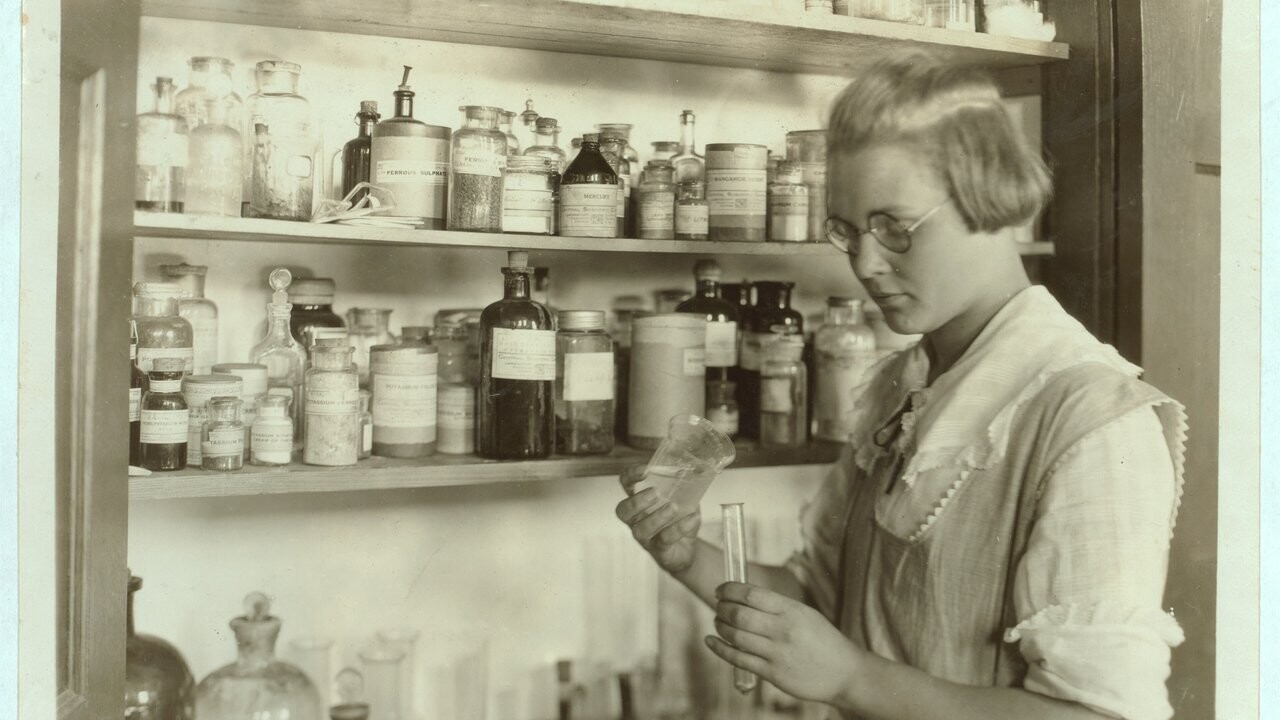
Lewis Hine photographed a third-year Greenbank high school student working in a chemistry laboratory on October 7, 1921. Glassware, work surfaces, and laboratory equipment surround her. The setting documents specialized secondary instruction in a rural West Virginia school, far removed from the sparse furnishings of a basic one-room classroom.
1924: A Horse-Drawn School Bus
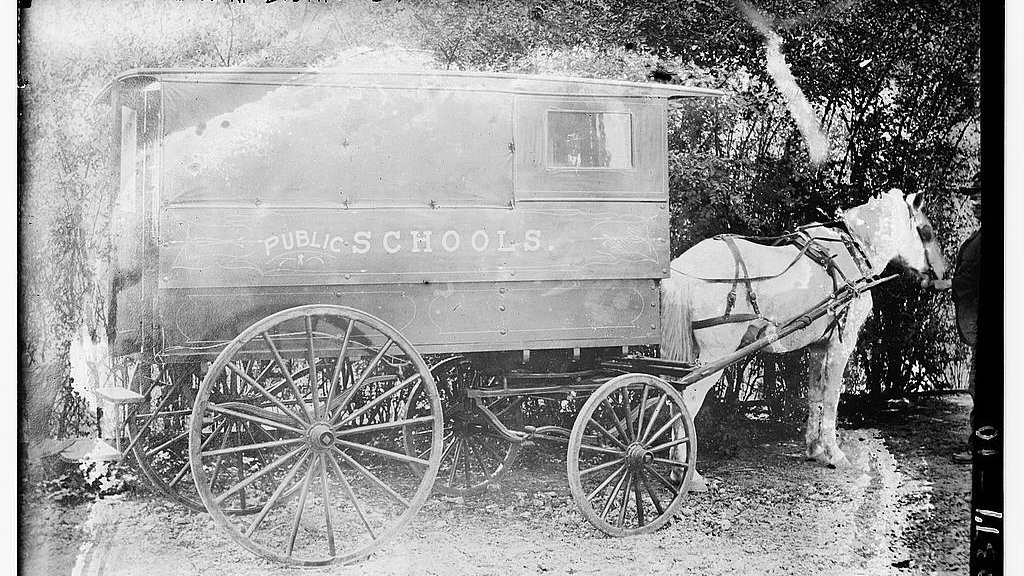
A Wisconsin Historical Society record dated 1924 shows a school bus pulled by two horses named Colonel and Ned. The covered vehicle belongs to a moment when organized school transportation could still depend on animal power. It is recognizably a bus, even though its team and construction resemble a wagon.
1927: Spelling Champions Meet the President
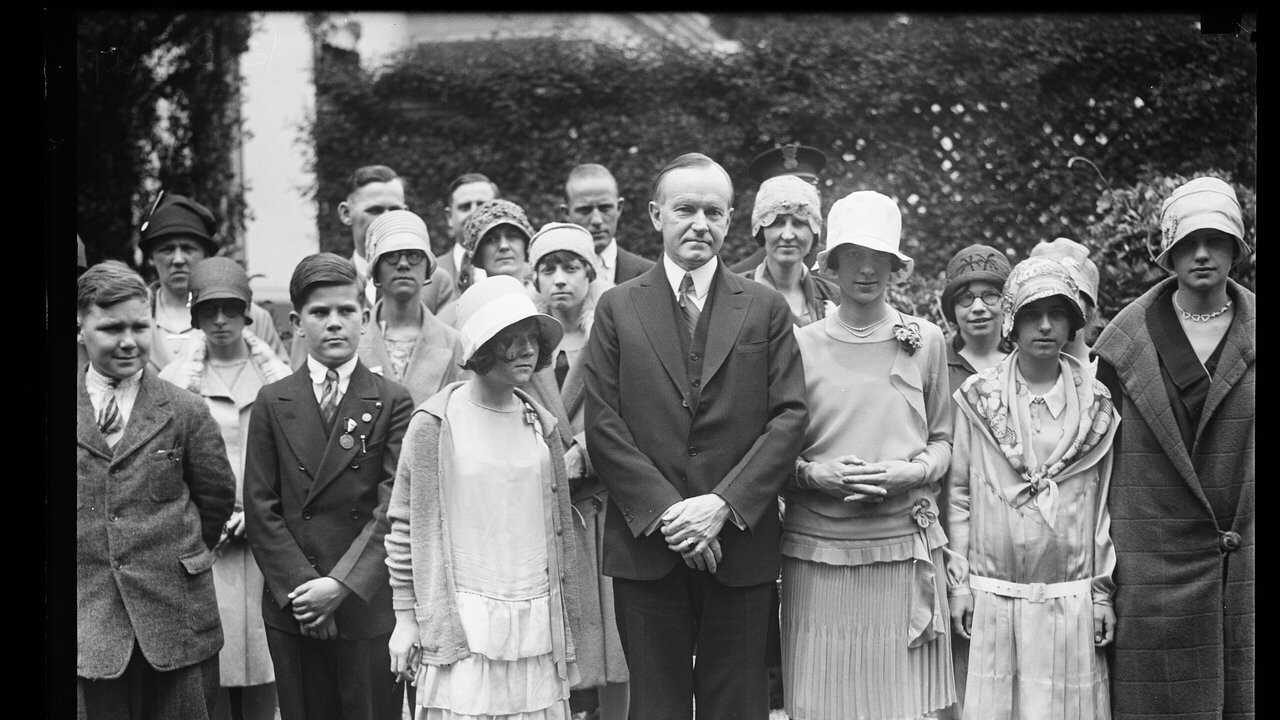
In May 1927, President Calvin Coolidge received winners from the National Spelling Bee. The formal group portrait places the students beside the president after a competition built from an everyday classroom exercise. Spelling had carried these young contestants beyond their schools and into a nationally documented public occasion.
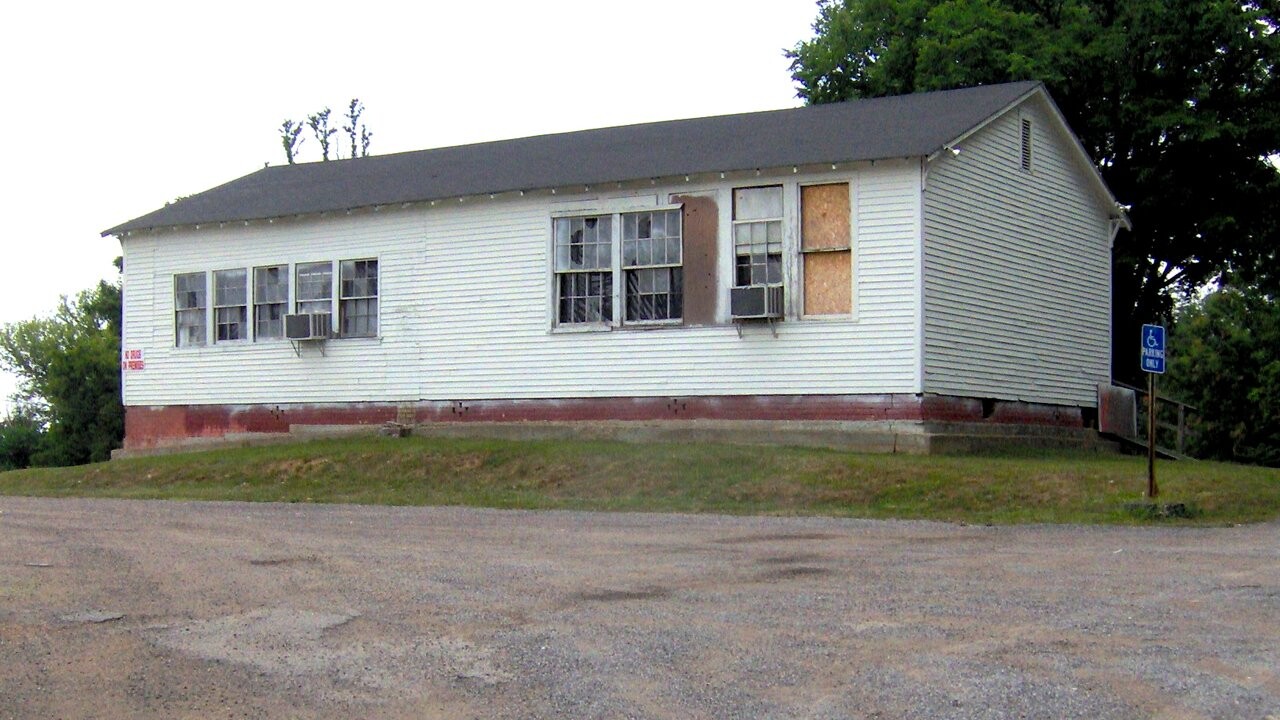
1920s: Rosenwald Schools Across the South
Rosenwald schools served African American children in a South where Black public schools were often inferior to white schools. The National Park Service describes the schools as sources of community pride and reports that more than five thousand were built from 1917 through 1932 across fifteen states.
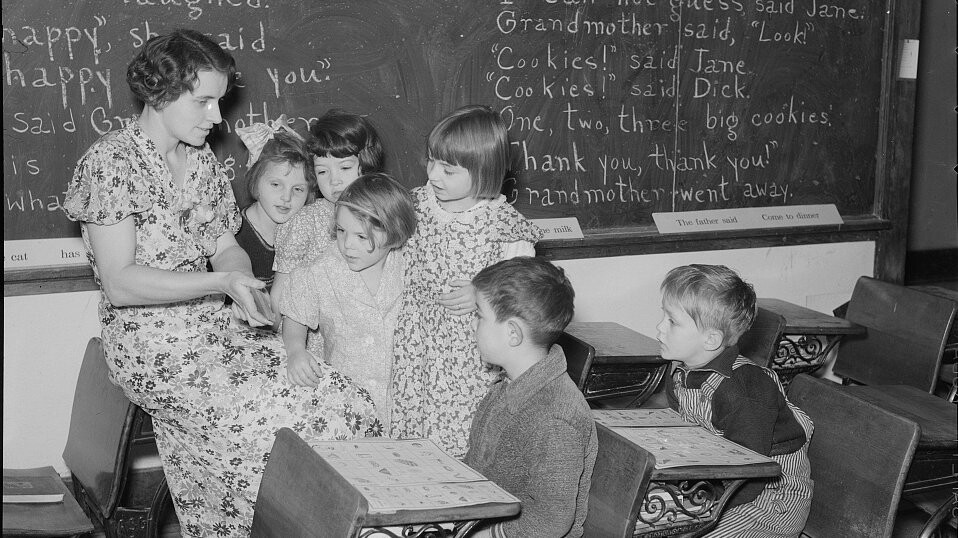
1937: Early Grades in Rural North Dakota
Russell Lee photographed early-grade education in a rural school in Williams County, North Dakota, in October 1937. Children sit closely together near a large blackboard while a teacher works among them. The scene preserves an ordinary classroom moment within the federal documentary photography collection.
These photographs reveal both dramatic changes in American education and familiar rhythms of gathering, learning, traveling, and taking a break. Which scene reminds you most of stories or photographs from your own family?
Follow The HyperHive on MSN for more stories like this.
Sources:






