
Have you ever wondered why Buick became the unofficial car of retirement jokes?
The short answer is that Buick built a strong association with comfort, while some of its models attracted buyers older than their market segments. That combination helped a simple stereotype take hold.
Buyer data gives the image some basis, but it does not describe every driver. Here is how the reputation developed, why Cadillac, Lincoln, and Mercury entered the same conversation, and how Buick is updating its image.
Did Buicks Really Attract Older Buyers?
Yes, and model-level buyer data helps explain why the reputation stuck. In J.D. Power’s 2023 APEAL Study, the median age of a new Buick Encore GX buyer was 68, compared with 56 for the small-SUV segment.
Buick was not alone. J.D. Power reported a median buyer age of 68 for the 2023 Lincoln Corsair, compared with 55 for its segment. The median buyer age for a 2022 Cadillac CT4 was 64, compared with 56.
These figures cover individual models, not every Buick, Cadillac, or Lincoln driver. Even so, visible patterns around certain cars can feed a broad public impression.

How Did Comfort Shape Buick’s Image?
At least as early as 1950, Buick was advertising comfort in concrete terms. One newspaper ad invited shoppers to sample the ride, settle into a broad seat, and feel how the suspension handled a rough road.
Those qualities do not belong to any age group. A soft ride, a roomy seat, and an easy driving position can make errands or a long trip more pleasant for almost anyone.
A National Highway Traffic Safety Administration report lists extra-wide and high doors, higher seating, and an adjustable driver’s seat among vehicle features that may help older drivers with comfort and access. It does not connect those features specifically to Buick.
When comparing cars, try the doors, seating position, controls, and outward view yourself. Comfort is personal, and a showroom test can reveal more than a stereotype.
Did Brand Loyalty Make the Stereotype Stick?
Brand loyalty can help an established automotive image persist. A study published in the Journal of Marketing found that older consumers tend to repurchase a brand more frequently when buying a new car.
The habit is easy to understand. A driver has a good experience, returns to a familiar dealership, and chooses the same badge again. Friends, neighbors, and relatives then keep seeing that badge in the driveway.
Buick had ample time to build recognition. The company was incorporated in 1903. GM’s heritage archive says William C. Durant sought to position Buick as a luxury vehicle that was not quite a Cadillac and was considered a more conservative alternative.
Why Did Cadillac, Lincoln, and Mercury Join the Club?
Cadillac, Lincoln, and Mercury occupied different places in the market, but each was tied to an American idea of moving up. Buick was positioned below Cadillac, while Lincoln remains Ford’s luxury automotive brand.
In 1938, Ford executives decided to launch Mercury as a new premium brand separate from mainstream Ford products and Lincoln luxury cars. Ford later described Mercury as filling a niche between the Ford V-8 and Lincoln Zephyr V-12.
Ford’s original vision included improvements in power, ride, handling, stopping distance, interior noise, and styling. Those priorities put Mercury in a similar comfort-focused conversation.
Ford completely phased out Mercury in 2011. With no new models to reshape the image, the name remains closely tied to the cars people remember.
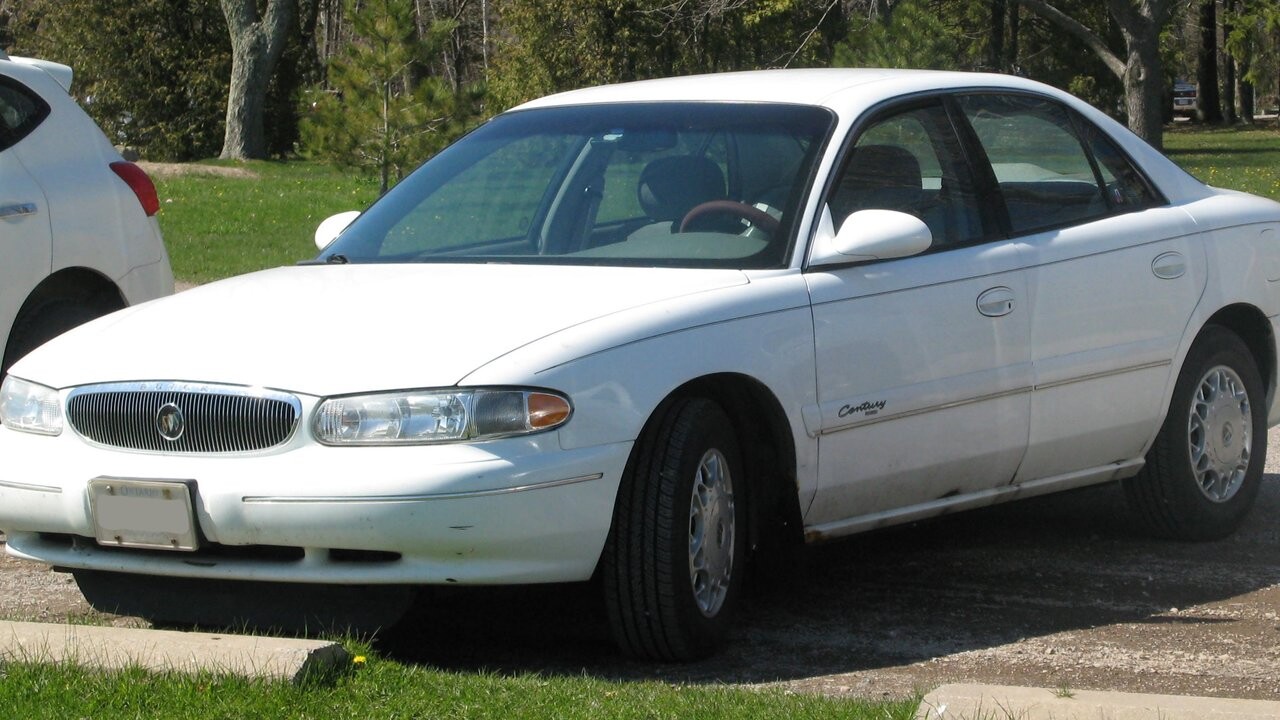
How Has Buick Tried to Look Younger?
Buick has answered its old image with fresh styling, crossovers, and modern interiors. In 2024, the company introduced its Exceptional by design tagline and campaign. It also said its vehicle portfolio would be entirely refreshed.
The changes are reaching a different audience. In 2025, Buick and GMC global vice president Jaclyn McQuaid said the average Envista customer was seven years younger than the broader group of Buick owners. She also said the fully refreshed lineup was bringing in new customers.
That does not require Buick to abandon comfort. The strategy is to present ease and refinement through sharper bodywork, updated technology, and a less formal personality. The familiar appeal can now come in a compact crossover rather than a long sedan.
Does the Retiree Label Still Matter?
A badge cannot tell you whether a car suits your body, taste, or driving needs. NHTSA says decisions about a person’s driving ability should never be based on age alone. The same basic fairness makes sense in the showroom.
Try the seat, doors, controls, and sightlines. Notice how easily you get in, how clearly you can read the displays, and whether the ride feels right. If a Buick works for you, its old reputation need not make the decision.
The Buick joke contains a real mix of buyer demographics, marketing history, and brand perception. The best car, however, is still the one that fits your life today. Would you choose a modern Buick based on comfort rather than its old reputation?
Follow The HyperHive on MSN for more stories like this.
Sources:





